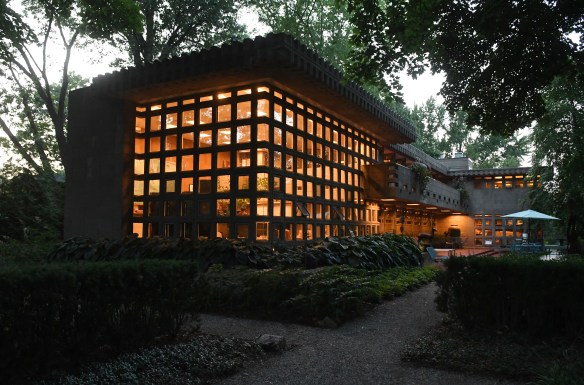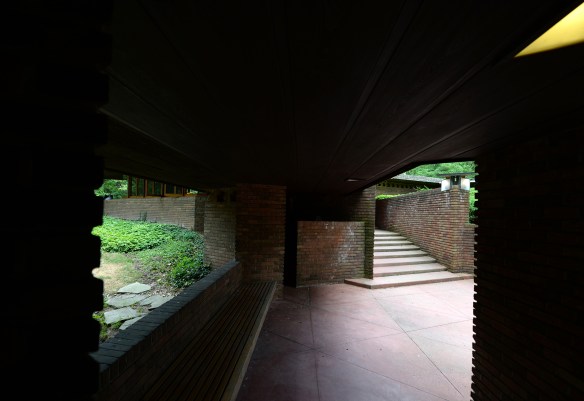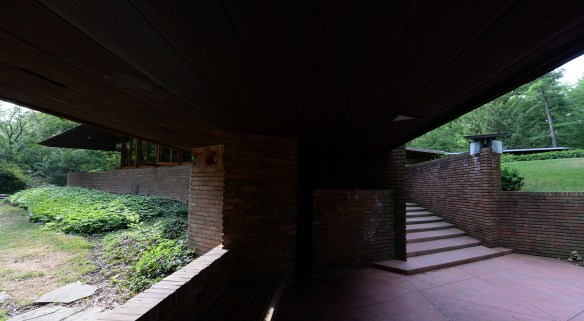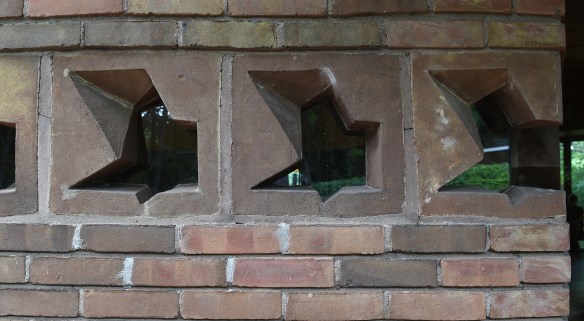
Hardy House: Photo Proof Positive

© Mark Hertzberg (2021)

Several features of Frank Lloyd Wright’s Thomas P. Hardy House in Racine have been the subject of speculation for years because of the dearth of historic photos. Three newly discovered 1908 photos of the house, which was completed in 1906, end the speculation.
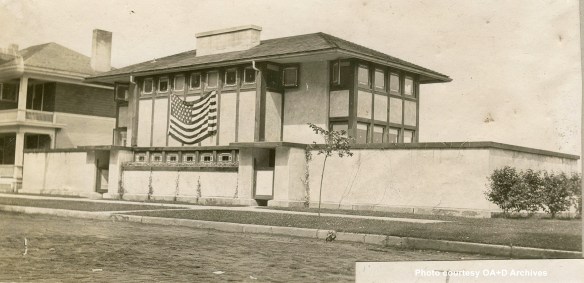
The first of the 1908 photos, showing the Main Street side of the house, may have been taken on Flag Day or on Independence Day:

LR 1908 Hardy Main.jpg© 2021 The Organic Architecture + Design Archives, Inc.


We can now definitively answer questions about the two front gates to the house, front plantings, the seven front hall windows, the south first floor bedroom windows (on our right in the photo above), the original dining room windows, and the rear gutter and downspouts.

Many people contributed to our getting the new photos and to understanding them. They are credited at the end of this article.

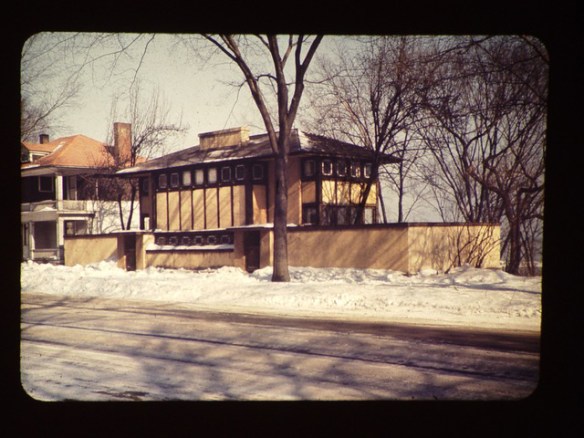
Until we got the new photos, the only clear vintage photograph of the house we had was this one from the Wright archives, evidently taken as the house was nearing completion in 1906:

Terrace 0506.004 raw.jpg© 2021 Frank Lloyd Wright Foundation, Scottsdale, AZ The Frank Lloyd Wright Foundation Archives (The Museum of Modern Art | Avery Architectural & Fine Arts Library, Columbia University, New York)

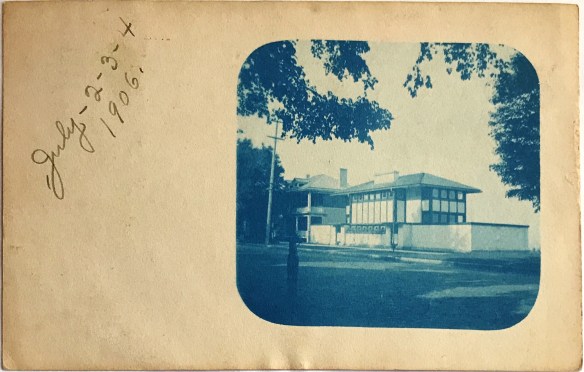
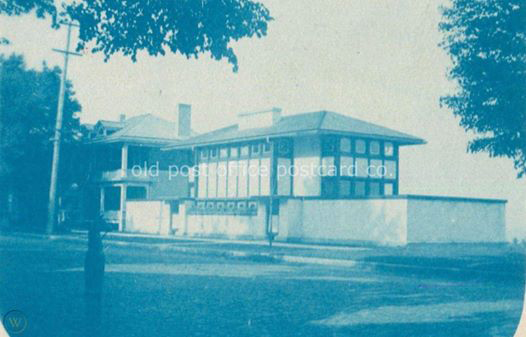
I was sent this 1906 “real photo postcard” below by Patrick Mahoney in 2018:
LR 1906 Hardy Mahoney.jpg

The Gates: This 1906 photograph, taken around the time Hardy moved into his new home, is regrettably not clear enough to let us examine the windows, but we can now affirm that the gates were stucco. Until we got the 1908 photos, Mahoney and I thought we were looking at the stucco walls inside the gates rather than the gates themselves.

By the time that Henry-Russell Hitchcock photographed the house in the late 1930s or early 1940s for his book In the Nature of Materials, there were wood panels on the gates:
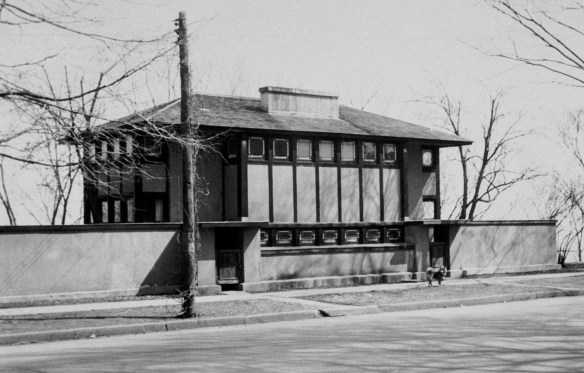
Hitchcock Hardy.jpg

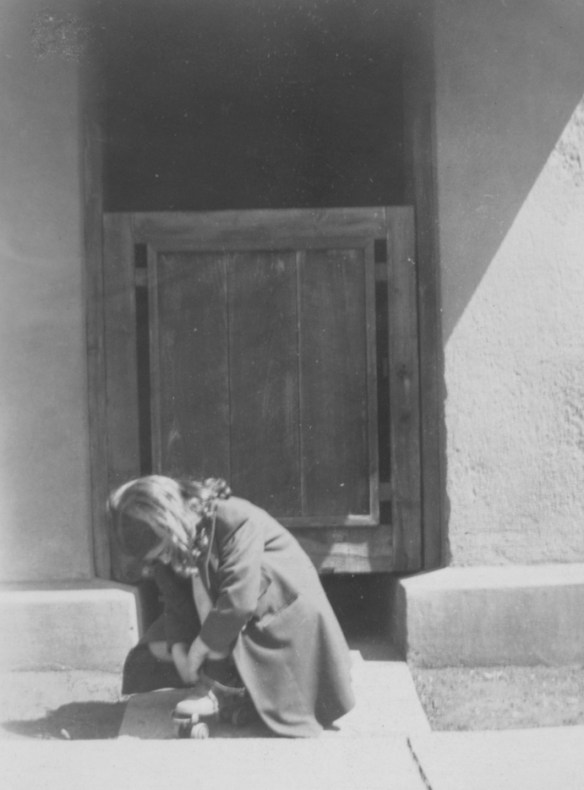
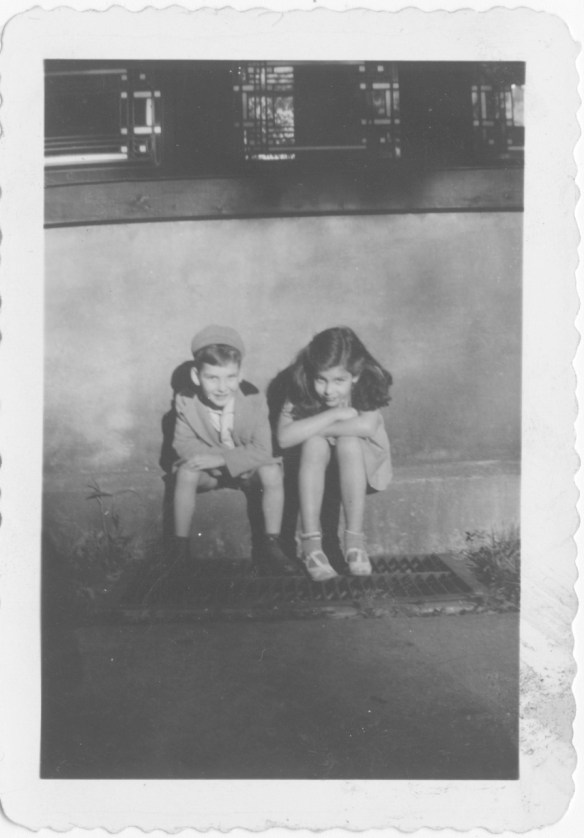
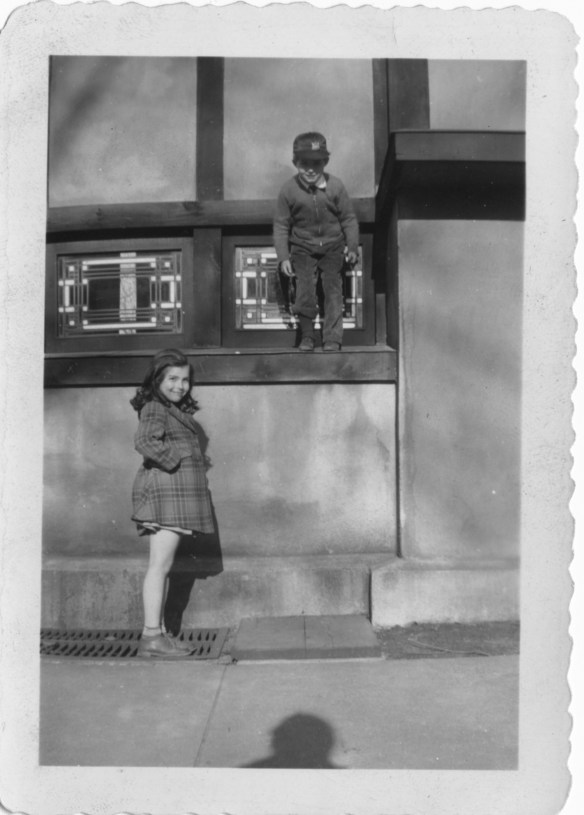
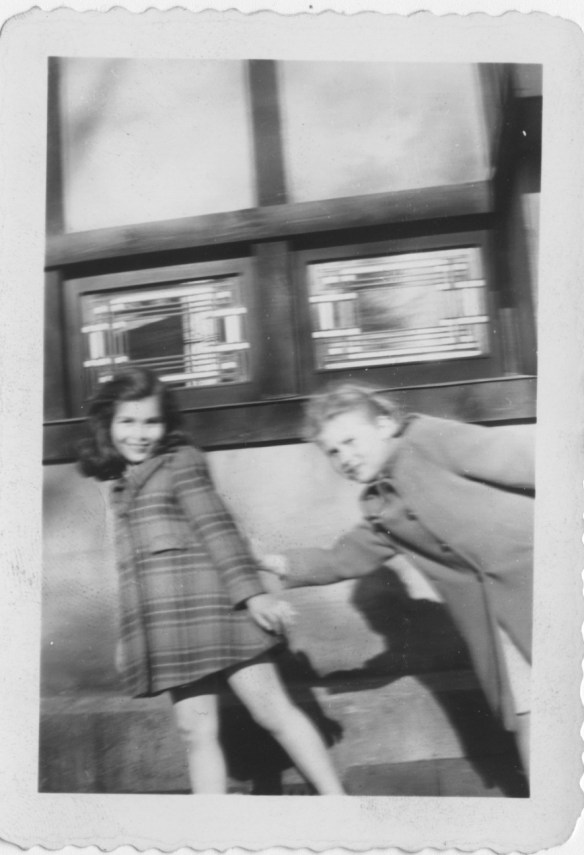
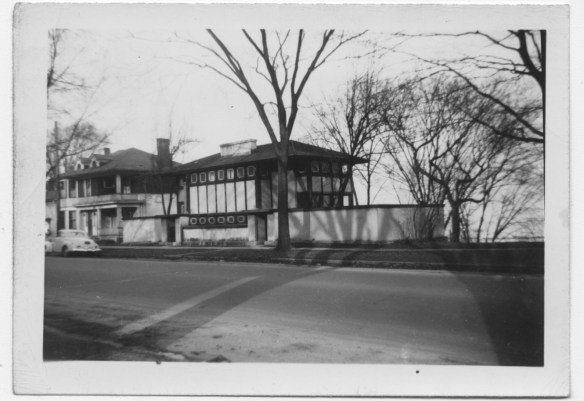
The wood panels are also evident in photos that Anne Sporer Ruetz took in the early 1940s when she was growing up in the house (her parents were Hardy’s second stewards, from 1938 – 1947). You will see her photos further down in this article. The gates seem to have insets on which there could have been stucco panels. Did the stucco panels prove to be too heavy?

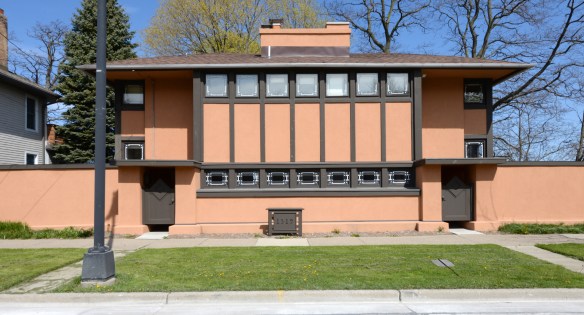
The gates were removed by the third stewards of the house (the Archer family, 1947 – 1957). The late Gene Szymczak, who became the seventh steward of the house in 2012 extensively rehabilitated the house, which needed major work. He also commissioned new gates for the house. He elected to use Wright’s first design, gates with diamonds atop the gates:

Drawing Main Street.jpg© 2021 Frank Lloyd Wright Foundation, Scottsdale, AZ. The Frank Lloyd Wright Foundation Archives (The Museum of Modern Art / Avery Architectural & Fine Arts Library, Columbia University, New York)

Plantings: Marion Mahony’s elevation drawing of the Main Street side of the house shows plantings below the front hall windows. Original to the house, they are long gone, as are the climbing plants:
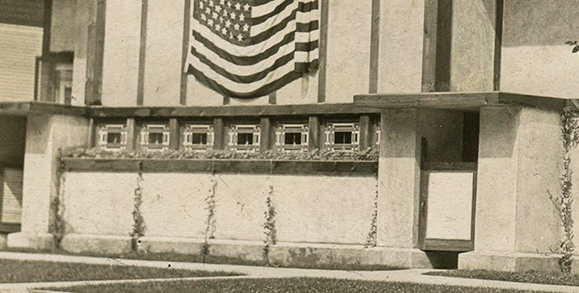
LR Crop 1908 Hardy Main.jpg © 2021 The Organic Architecture + Design Archives, Inc.

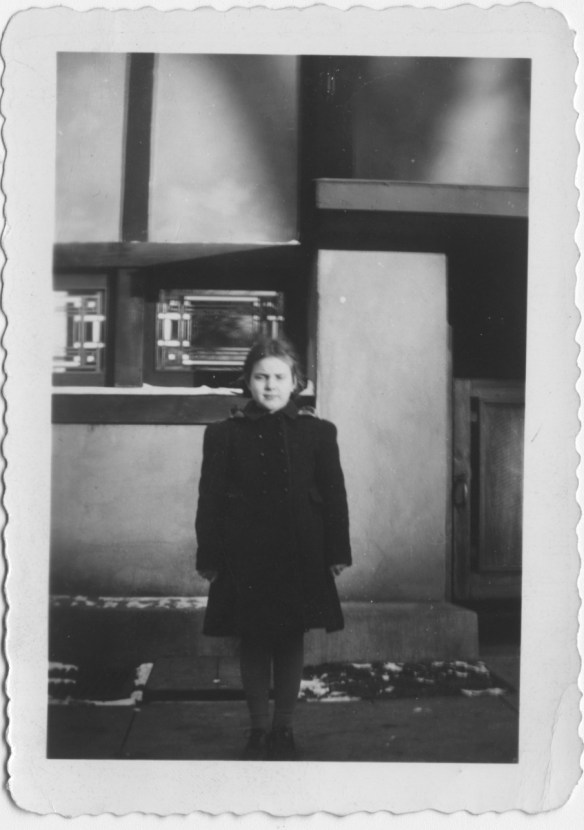
Front Hall Windows: There has been speculation about the original design of the seven windows between the two front doors. The 1908 photograph and Anne’s affirm that the windows in the house when Szymczak bought 1319 Main Street in 2012 were original, but they did not conform to the only Wright drawing we have of them. The windows were badly deteriorated, below, and were replaced with new ones by Szymczak:

Floor Plan Window.jpg

Wright’s drawing, below, is shown in the correct orientation. The text block was positioned as if the drawing is to be viewed as a horizontal sheet, rather than vertical, says my friend Bob Hartmann. At the upper left we see the front hall window design. The five-panel living room windows are at right. Bottom center are the bedroom windows:

image004.jpg © 2021 Frank Lloyd Wright Foundation, Scottsdale, AZ. The Frank Lloyd Wright Foundation Archives (The Museum of Modern Art / Avery Architectural & Fine Arts Library, Columbia University, New York)

Robert Hartmann, an architectural designer in Racine, has been of invaluable help to me in all my Wright projects, helping me navigate design territory unfamiliar to me. He studied the drawing and photographs closely and observes: “The windows that we see in these photographs appear to be the same windows that were in the house when Gene [Szymczak] bought it. But, they are different than the window design that Wright put on paper. Wright’s design was symmetrical with less elements. His design (on paper) for the hall windows referred to the symmetry and simplicity of the living/dining and upper bedroom windows.

“However, the hall windows that we see in these photos are most likely original to the house. It is not unusual to see a design modification occur during construction.”

Bedroom Windows, Living Room windows: These are the second and third photos from the 1908 collection. You will see the original photos and my enlargements of them. The south bedroom windows are to the left and the two-story living room windows center. Pull down shades are evident on the windows. Anne told me that her parents removed the original living room windows because they leaked badly. They have been clear glass in recent memory. We had a hint of their design from the 1906 construction photo, but now we can clearly see Wright’s original leaded glass living room windows:
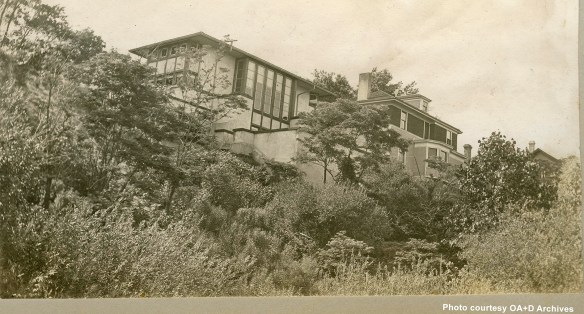
LR 1908 Hardy HIll.jpg© 2021 The Organic Architecture + Design Archives, Inc.

LR 1908 Hardy HIll Crop.jpg© 2021 The Organic Architecture + Design Archives, Inc.

Hartmann comments first on the first floor bedroom windows: “It looks like it is just clear glass in the bedroom windows.  If it were art glass we would be able to see some traces of the pattern. The key is in the window on the east side that is visible in the photo. Bright light is coming through the window and yet we do not pick up any representation of the art glass pattern. There is a curtain drawn to south side of the window in the foreground. It is pulled back to the window casing  and of a medium grey value. If the art glass were present it would stand out in contrast against the curtain. But, the photo is not in perfect focus so there is a percentage of doubt.”

LR 1908 Hardy Side.jpg© 2021 The Organic Architecture + Design Archives, Inc.
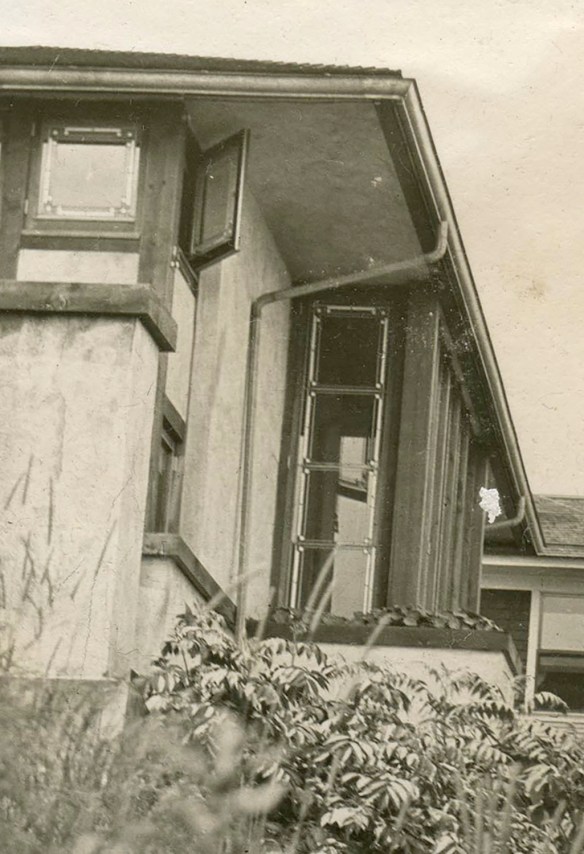
LR 1908 Hardy Side Crop.jpg© 2021 The Organic Architecture + Design Archives, Inc.

Gutter and downspouts: Many people have questioned me about the gutter and downspout on the rear (lake side) of the house. The historic photos show they are original or hew to the original design.

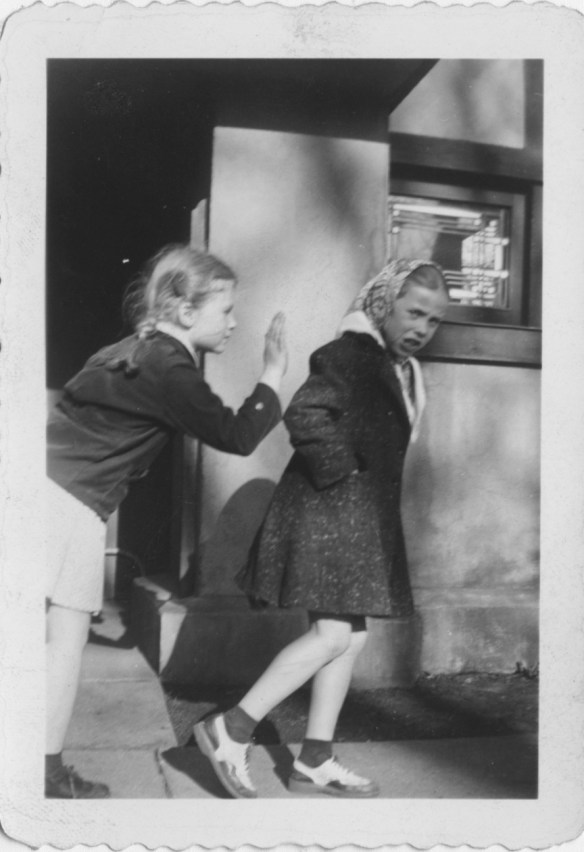
Anne was given a Brownie box camera, likely for Christmas, when she was around 10 years old (the same age I was when I was given my first Kodak Brownie camera!). “Not too many of my friends had a camera but I just thought it fun to take and get the pictures. It would take about a week to get them developed [at Red Cross Drug, 13th and Villa streets], hard to wait.” Her snapshots of her friends show us the windows, the gates, and what may be a coal chute in front of the house (there is no evidence of it anymore).
Dream house 1.jpg

Cushman Hill gate.jpg

Mary Hill and gate.jpg

Shovers.jpg

Sporer- Friends.jpg

Tag 1.jpg

Tag 2.jpgAnne is at left in this photo.

Turnball standing1.jpg

Hill and ball.jpg

I must credit the people who contributed to our being able to better understand how the house was built:

Mike Lilek, the force behind Frank Lloyd Wright’s Burnham Block in Milwaukee, alerted me April 16 to a 1908 photo album with photos of the Hardy House and one of the Mitchell House for sale on eBay (Mitchell is grist for a later separate article). He pointed to the 45 or 46-star flag (some of the stars are obscured). The former was in use from 1904 – 1908, the latter from 1908 – 1912. The album is dated 1908.

-Lilek’s email was followed by an alert from Racine historian Gerald Karwowski.

– I notified the stewards of the Hardy House as well as Eric O’Malley of the Organic Architecture and Design Archives (OA+D). OA+D entered the bidding to ensure that the photographs had a safe new repository. They successfully acquired the photos and quickly shared high resolution copies with the Hardy House stewards, with Hartmann, and with me.

I urge you to explore OA+D’s website, and to subscribe to their Journal:

https://www.oadarchives.com

I thank Anne Sporer Ruetz for her friendship and eagerness to share her memories of what she has called her “dream house.”

I also thank architect Patrick Mahoney of Buffalo, another friend and well known Wright Scholar, for the July 1906 “real photo postcard” he sent me in 2018.

    – 30 –


Remembering Randy Brandt

(c) Mark Hertzberg

None of you in the World of Wright have ever heard of Randolph Brandt, but you are reading this post because of him. Randy, 67, died recently in Texas where he moved after leaving Racine.

Brandt, Randolph Obit photo.JPGPhoto by Olan Mills Studios

Randy was my editor at The (Racine) Journal Times from 1998 – 2007. I was Director of Photography at the newspaper. I began my serious exploration of Frank Lloyd Wright’s work in Racine around 2001. In September 2003 I was offered a contract by Pomegranate Publishing to write my first book, Wright in Racine. I had a four-month deadline: turn the book around by January 30, 2004 for publication in September. I was working fulltime, but the book was written and edited in many late-night and weekend writing stints, with Randy’s encouragement. He was no less encouraging two years later when Pomegranate gave me a contract to write my book about the Thomas P. Hardy House.

One day Randy came to me and told me that he wanted to expand the newspaper’s Internet presence by having me come up with a personal Frank Lloyd Wright website through the newspaper. Unfortunately many of my blog pieces until about 2012 were lost when there were changes in the companies handling the websites, but here we are today, with you reading this tribute to Randy.

Peter Jackel, one of the finest writers I ever worked with at the newspaper – he’s more than a mere reporter – has penned an obituary story for tomorrow’s paper. It’s on-line now:

https://journaltimes.com/news/local/brandt-former-journal-times-editor-dies-at-67/article_71d6faea-5459-5da3-8a30-00f372987399.html#tracking-source=home-top-story-1

Rest easy, my friend. Many of us in Racine miss your genial smile and manner.

Nature is Not Always Wright

Photos (c) Mark Hertzberg (2020) unless otherwise noted

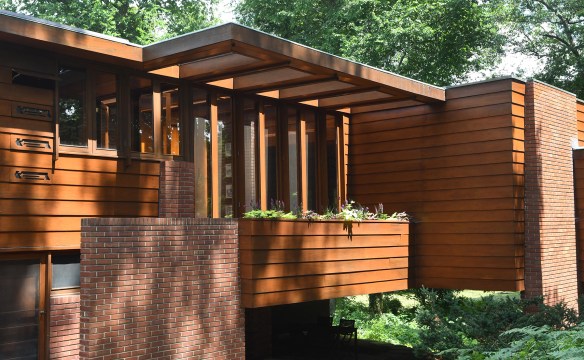
Frank Lloyd Wright embraced nature. But nature does not always embrace his work. Take for example the Thomas P. Hardy House (1904-05), built into a bluff above Lake Michigan, south of downtown Racine, Wisconsin.

Hardy 1906.jpgThis postcard, from the voluminous Patrick Mahoney Wright archives, shows what the house looked like in July 1906, around the time that Hardy moved in. Regrettably there is no companion photo showing the full expanse of land below the house.

Terrace 0506.004 raw.jpgThis photograph, also ca. 1906, shows the lake side of the house, but does not give us an idea of far away the lake was from the property line. Photo © 2020 Frank Lloyd Wright Foundation. All rights reserved.
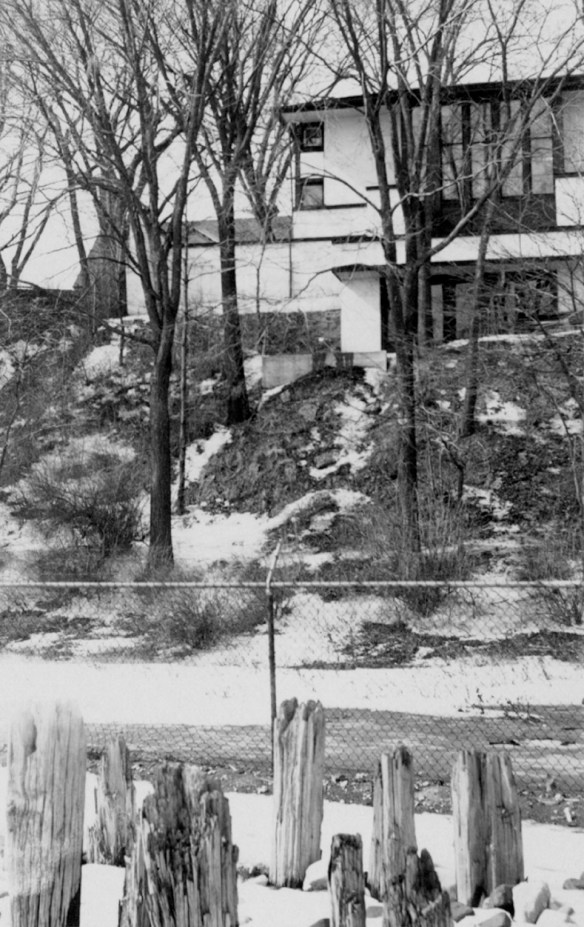
The house was above the 14th Street Beach, and many people mistook it for a bathhouse and stopped there to change into their swim suits, recalls Anne Sporer Ruetz, who grew up there between 1938-1947.

Archer Terrace 14.jpgThis photo, courtesy of David Archer, who grew up in the house between 1947 – 1957, shows a fence separating the public land from the private land.
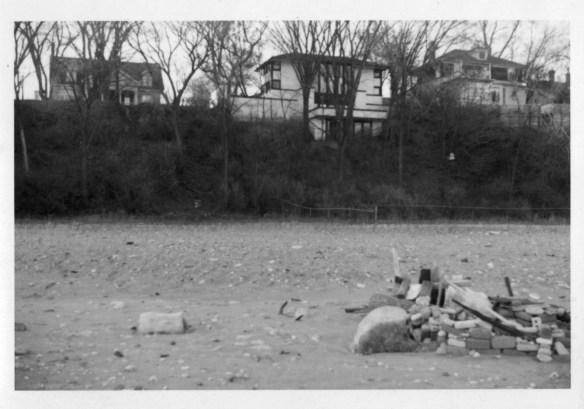
Seward Beach.jpgSchuyler and Peterkin Seward, stewards of the house between 1957 – 1963, took a picture beyond the fenceline, showing how much land there was below the house. That land is now under water. Photo courtesy of Abbi Seward.
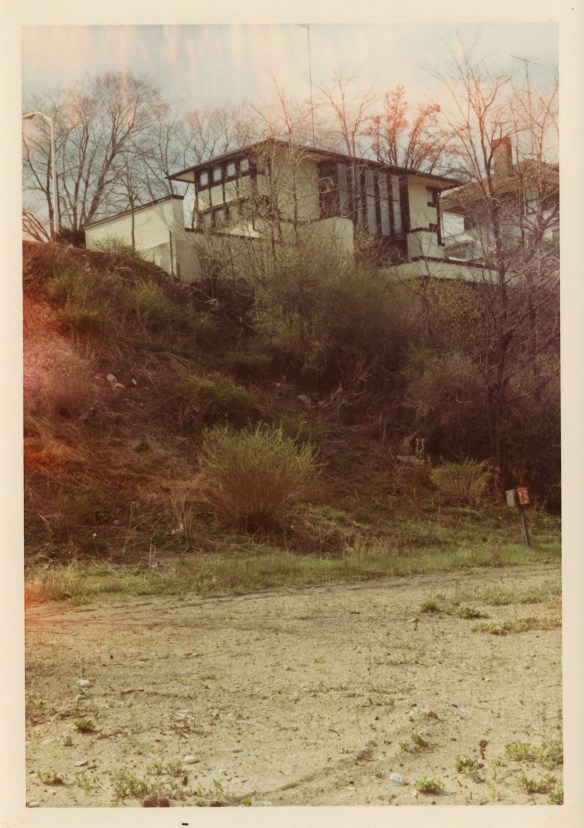
Below hill Yog.jpgThe landscape changed dramatically a few years after Jim and Margaret Yoghourtjian bought the house in 1968 and took this photograph.
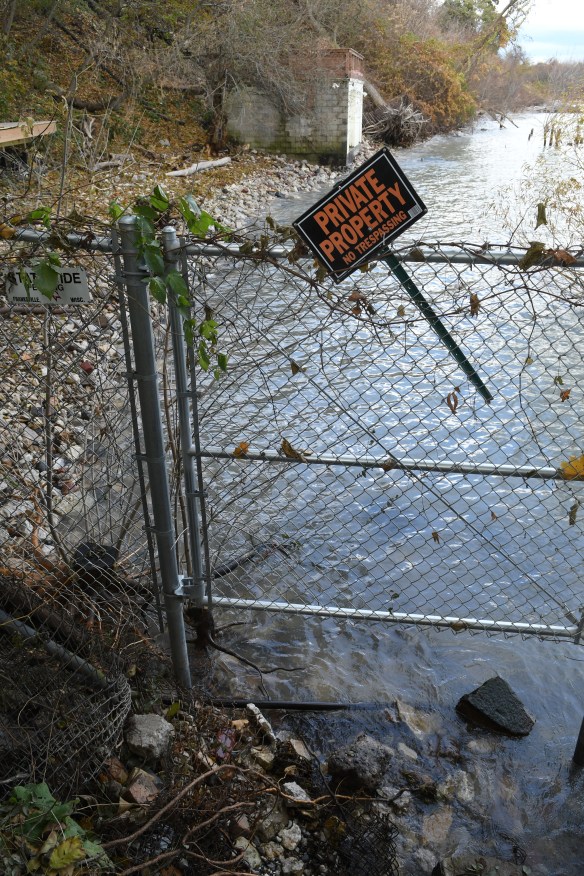
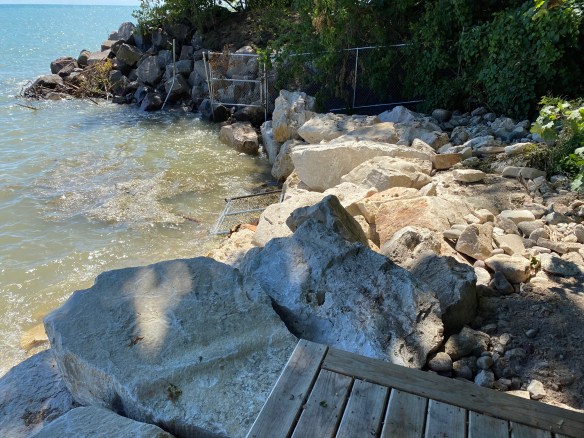
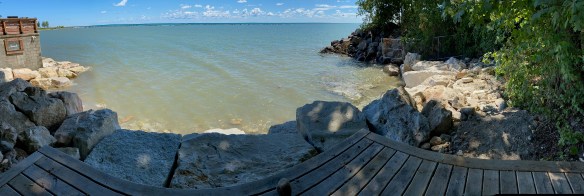
The City of Racine decided to alter the nearby shoreline northeast of the house, over protests of the residents in the early 1970s. Jim Yoghourtjian told me that they lost an estimated 100 – 125′ of land below the house. And that brings us to today, when Lake Michigan is experiencing near-record high levels and has overtaken much of the land below the house. The fence put in a few years ago by the Szymczaks to give them some privacy from people walking along the shoreline is now largely under water…there is no more walking path. A small dock no longer stops short of the small beach area the owners could launch a kayak from. It was virtually at water’s edge last fall.

Erosion 11.04.19 007.jpgNovember 4, 2019

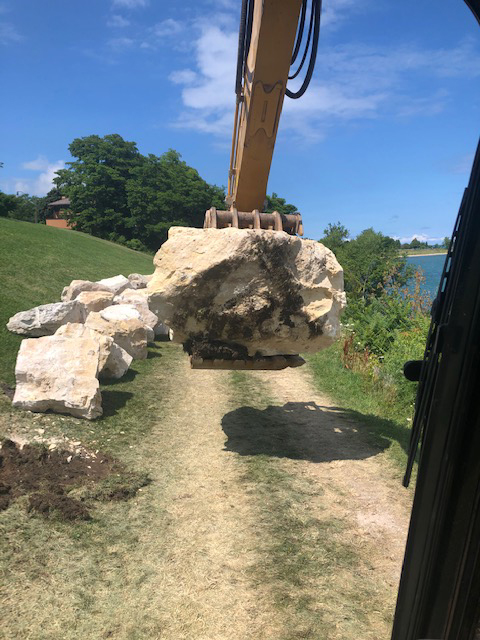
Fear not, the house is not threatened, but the situation is serious enough that the Szymczak family and neighbors had to hire Ray Hintz, a local contractor, to place 3 – 5 ton boulders at the base of their property this summer. The Szymczaks estimated that they have lost 40 -50 feet of land in the last seven years. Neighbors’ land is more seriously threatened as parts of their bluffs have been eroded.

2020 7 23 Shoreline   (1).jpg

Photograph courtesy of Ray Hintz

IMG_5706.jpgAugust 18, 2020

IMG_5712.jpeg

Local and state government representatives have looked unsuccessfully for possible sources of Federal, state, and local funding to help underwrite or create a loan fund to help shoreline homeowners in Racine and Kenosha counties bear the expense of the revetment. One neighbor emailed me, “We paid full freight (the whole $$), further underscoring neighbors’ commitment to these historic properties.”

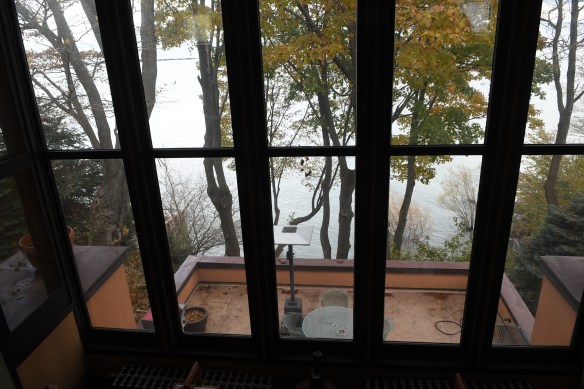
The lake, as viewed from the living room balcony and the base of the bluff is, indeed lovely. The sound of the waves lapping at the shore can be soothing. But these days, neither is always welcome.

Erosion 11.04.19 012.JPG

IMG_5710.jpeg

Rainy Day Post #3 – A Wright Potpourri

Photos (c) Mark Hertzberg (2020)

I have promised you one more “rainy day post,” cleaning up pictures that have been waiting on my desktop for the right context to post them in. This is a smattering of photos of Frank Lloyd Wright sites I have visited in one context or another since July 2018. While I shoot literal photos of Wright buildings (“head shots” we called them in the newsroom), I also look for photos of details of Wright’s designs. I am generally not sharing interior photos of private homes. I try to avoid looking at other photographers’ interpretations of Wright buildings before I visit them so that I see the structures through my own eye and lens, rather than possibly copy another photographer’s vision.

The photos are in chronological order, beginning with a wonderful trip to the Detroit area that July two years ago. We were with our good friends Bob and Jeanne Maushammer from Virginia. Jeanne’s exposure to Wright began when she was a teenager, hired to babysit at the Thomas P. Hardy House in Racine for Schuyler and Peterkin Seward, stewards of the house between 1957 – 1963. The Maushammers dutifully chronicle their Wright adventures in a well worn copy of William Allin Storrer’s The Architecture of Frank Lloyd Wright. I will copy and paste Jeanne’s recollections of the Hardy House from my 2006 book about the house at the end of this blog post.

Our first stop was at the Affleck House in Bloomfield Hills, where Dale Gyure graciously gave us a private tour:

Affleck House 009.jpg

Affleck House 018.jpg

Affleck House 026.jpg

Affleck House 029.jpg

Affleck House 032.jpg

We were fortunate to next get a private tour of the Melvin Smith House. The light was not as subtle as the architecture in the early afternoon:

Smith House 014a.jpg

Smith House 020.jpg

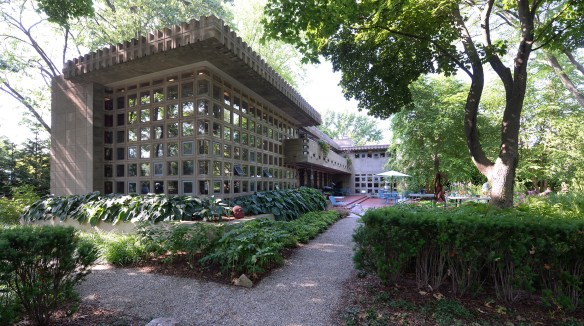
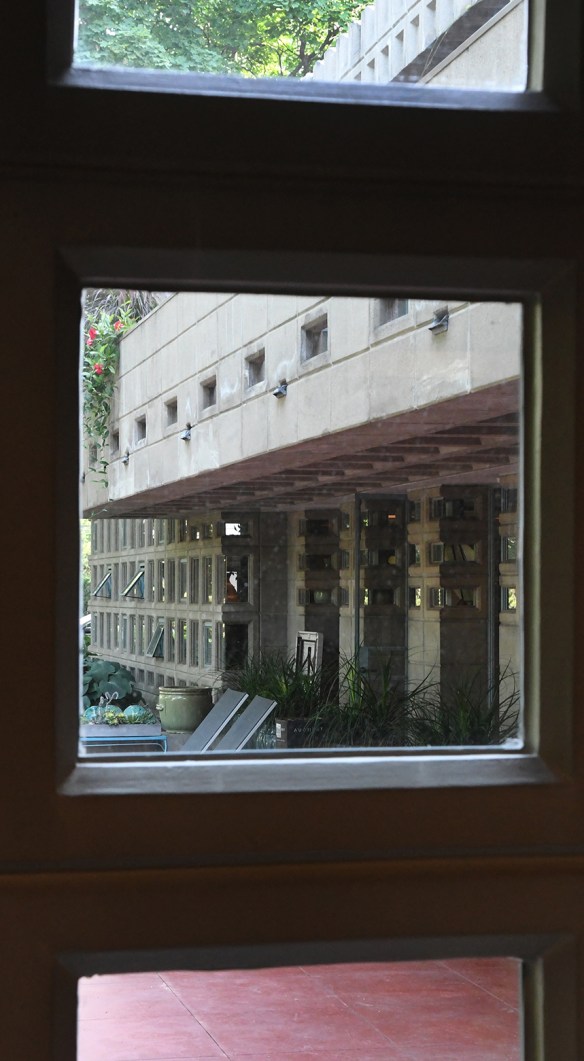
Then we were off to the Turkel House, lovingly restored by our good friends Norm Silk and Dale Morgan. Jeanne has wonderful stories of having seen the then-distressed house ca. 2004 right after a questionable tenant had been evicted. We had bid on a dinner at the house, to benefit the Frank Lloyd Wright Building Conservancy. Norm went above and beyond shopping for us in a Middle Eastern market, and we had a lovely meal in the garden. The Maushammers, Cindy (Hertzberg), and Norm:

Turkel House Dinner 010.jpgWe planned to stay only a couple of hours and not overstay our welcome, but we were like family enjoying the house in the living room after dinner until past 11 p.m.! The light was harsh when we arrived at 5 p.m., and I wondered how it would change through the evening:
Turkel House 001.jpg

Turkel House 032.jpg

Turkel House 044.jpg

Turkel House 046.jpg

Turkel House 011.jpg

Turkel House 016.jpg

Our next adventure was when Bob and Jeanne treated us to a stay at the Palmer House in Ann Arbor:

Palmer House 031.jpg

Palmer House 034.jpg

Palmer House 042.jpg

Palmer House 037.jpg

Palmer House 082.jpg

Palmer House 068.jpg

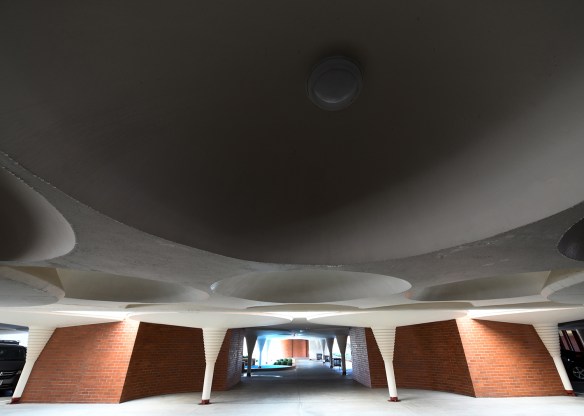
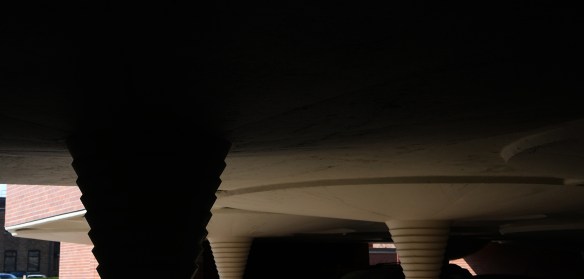
I was then on tour in familiar territory in Wisconsin, helping lead tours for Road Scholar, first in Racine at SC Johnson and at Wingspread. I have visited and photographed these wonderful spaces umpteen times, and always look for a fresh way to see them:

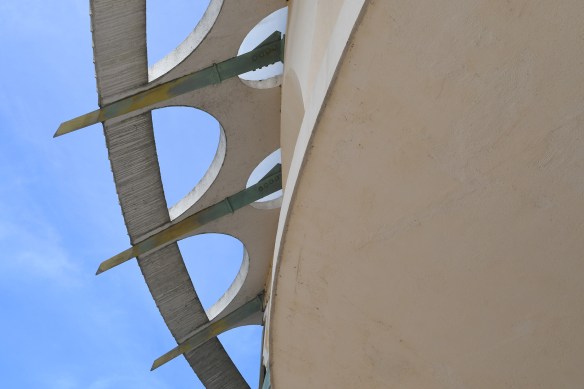
SCJ Carport 2018 003.jpg

SCJ Carport 2018 004.jpg

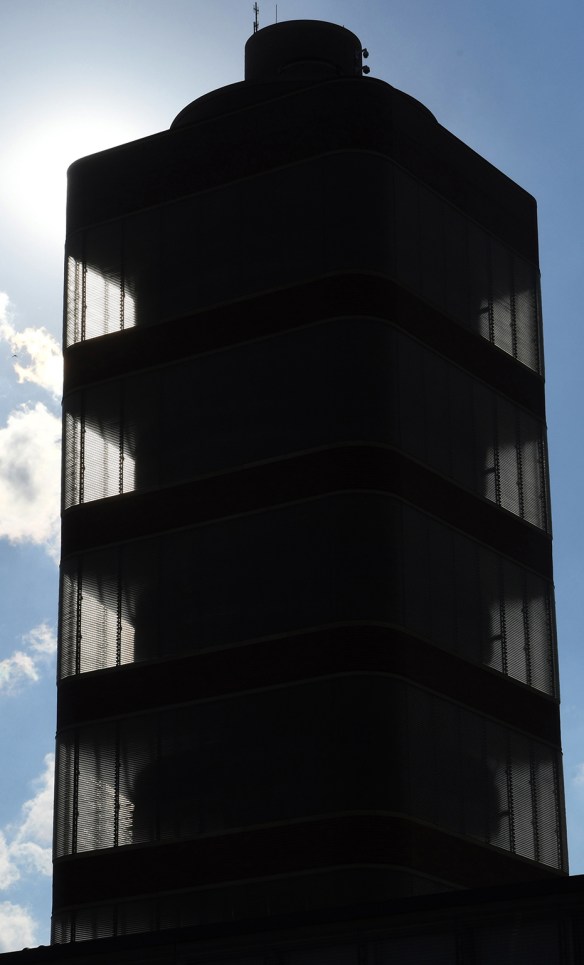
SCJ Research Tower 2018 .jpg

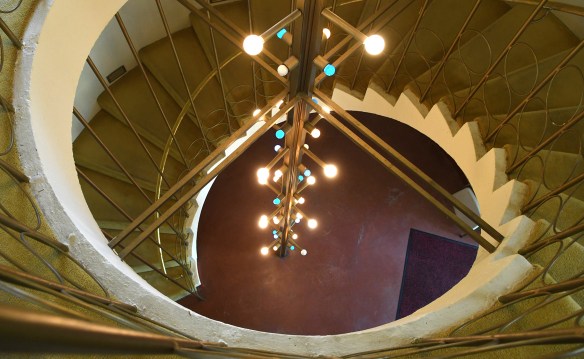
I climbed these stairs at Wingspread countless times before seeing this photo:

Wingspread Stairs 9.23.19.jpg

I was then taken, again, by the fixtures at the Annunication Greek Orthodox Church in Wauwatosa (suburban Milwaukee):

AGOC 2018 002.jpg

AGOC 2018 004.jpg

AGOC 2018 007.jpg

AGOC Interior 9.24.19 002.jpg

AGOC Interior 9.24.19 001.jpg

Annunciation GOC002 9.6.18.jpg

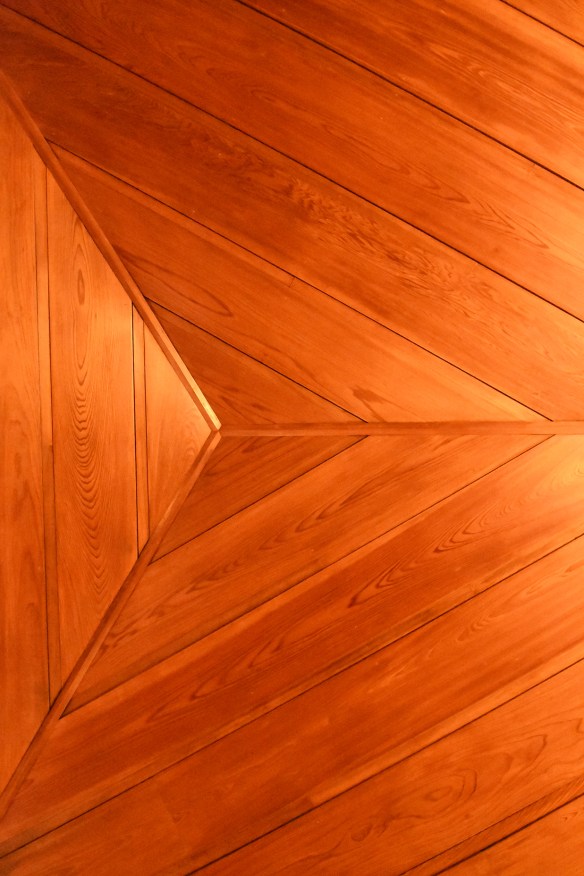
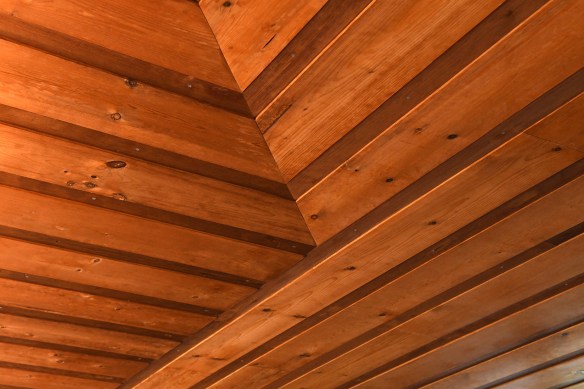
After touring Racine and Milwaukee, we take our Road Scholar guests to Madison and Spring Green. First, a detail of the ceiling of Jacobs 1:

Jacobs 1 9.7.18 009.jpg

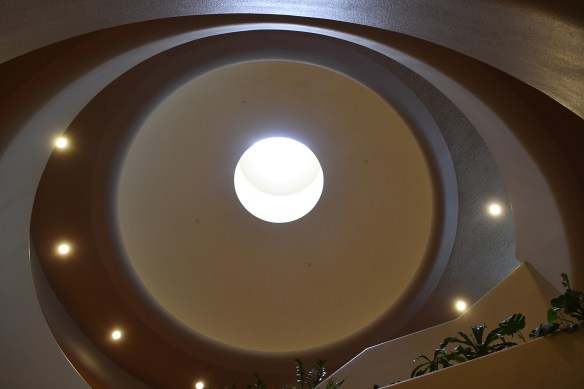
Then, a light well in Anthony Puttnam’s interpretation of Monona Terrace:

Monona Terrace.jpg

The trip culminates at Taliesin – of course – after seeing the Unitarian Meeting House in Madison and Wyoming Valley School, with lunch at Riverview Terrace. Our introduction to Taliesin is a pause at the dam:

Taliesen Dam 2.jpg

Taliesin.jpg

Taliesin 9.7.19 002.jpg

I finish with Jeanne’s recollection of babysitting at the Hardy House and a “selfie” there:

(From “Frank Lloyd Wright’s Thomas P. Hardy House,” written and photographed by Mark Hertzberg, Pomegranate: 2006):

Jeanne (Weins) Maushammer, who baby-sat for the Sewards, recalls growing up nearby. “The house was well-known to everyone in the neighborhood.  People would go to the 14th Street public beach there and see the house just a short distance away.  It did not look like a private residence.  Visitors from outside the area – even across town – would see two openings that could easily be mistaken for bath house entrances, and try to go in to change their clothes.

“Sometimes when you were driving around with out-of-town folks, they would ask ‘What is that?’  They did not recognize it as a house, because it was so different from the other homes around it, and because it was next to the beach.  Neighbors knew what it really was.  The Johnson Wax complex was down the street from us, so the Hardy House seemed to be appropriate.  My folks often told me of their witnessing the construction of the Administration Building and of seeing Frank Lloyd Wright.  The Johnson buildings were understood and accepted by visitors, but not the ‘beach house.’

“My friends and I used to go down to the beach all the time.  We could not get close enough to the property to get a good look at it.  We always had to look through the trees.  We could not see how it blended into the hill side.  That added to the mystery of it.  From the street, all that people could see was just that box.

“I knew it was a Frank Lloyd Wright house before I first went inside.  What I did not realize was how he proportioned houses to his small frame.  I remember thinking when inside for the first time:  ‘I am 5’4” but wow, these doorways are low.’  It was dark and raining that particular day, so I did not get to appreciate the house’s real beauty.  After I had been there several times and had a chance to explore it, to stand in that living room and on the balcony, and to take in the view, I realized it was incredible.

“My husband has never seen the inside of the house, except in photos, but in our wildest dreams we would like to buy it and come back to Racine.”

Hardy Selfie 9.23.18.jpg


Rainy Day Post #1: Hardy House Roof

All photos (c) Mark Hertzberg (2020), except as noted

Hardy Tafel photo.jpgEdgar Tafel, photographer, courtesy of John Clouse

It’s 84 degrees and sunny, but let’s pretend it’s raining out because this is a “rainy day projects” catch-up-on-loose-ends kind of day. I had a smattering of Frank Lloyd Wright files that have been sitting on my desktop in a couple of folders for up to two years, waiting for me to decide in what context to post them. Let’s have at it!

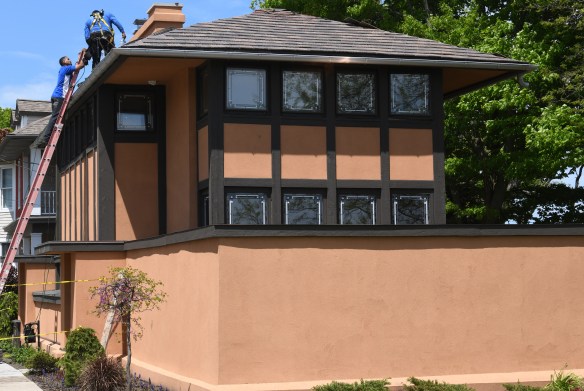
This post is about last year’s project to replace the roof on Wright’s Thomas P. Hardy House (1904/05) in Racine. The second Rainy Day Post, in a day or two, will be a smattering (there goes that word again!) of photos from different Wright sites.

Tom and Joan Szymczak are now the stewards of the Hardy House. Their late brother and brother-in-law Gene Szymczak rescued the house in 2012, but fell ill and died unexpectedly in December 2016. They decided to replace the roof last summer. Our scene setter photograph is an undated one by Edgar Tafel, a photo lent to me by fellow Wright photographer John Clouse.

Our only description of the original roof is in a June 1906 article about the house in House Beautiful magazine: “The roof is shingled, with braided hips, and stained a lighter brown.” However, the author of the article clearly relied on descriptions provided to him by Wright and never saw this house. The article describes details, some on drawings by Marion Mahony, which were never executed.

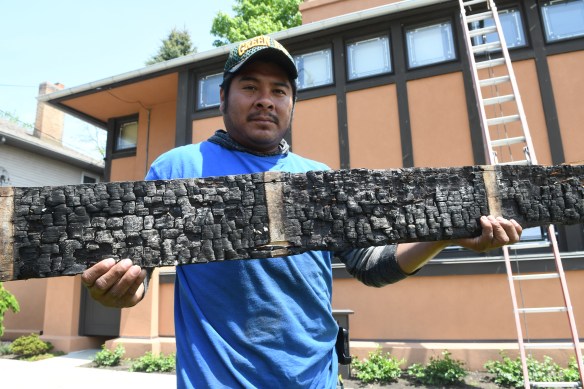
We start with photos of charred timbers found by the roofers. Racine Fire Department records indicate there was a roof fire in the 1930s, put out with just a single fire extinguisher:

image1.jpegPhoto above courtesy of and (c) Tom Szymczak
1930s roof fire 004.jpg

New Roof 6.4.19 002.jpg

New Roof 6.4.19 008.jpg

New Roof 6.4.19 001.jpg

The best descritption of the roofing job comes in an article in the May 2020 issue of Roofing Magazine. Note, though, that while they say the fire was in the 1960s, fire department records indicate it was in the 1930s. The article is illustrated with wonderful drone views of the house.

Maybe I was prescient in sitting on my photos of the roofing job from June 6, 2019 because I just knew that Tom was going to send me a link to an article about the work this past week! I would be remiss to not credit John Waters of the Frank Lloyd Wright Building Conservancy for his work with the Szymczaks as they planned the project.

http://www.roofingmagazine.com/tag/thomas-p-hardy-house/

Remembering Gene Szymczak

(c) Mark Hertzberg 2017

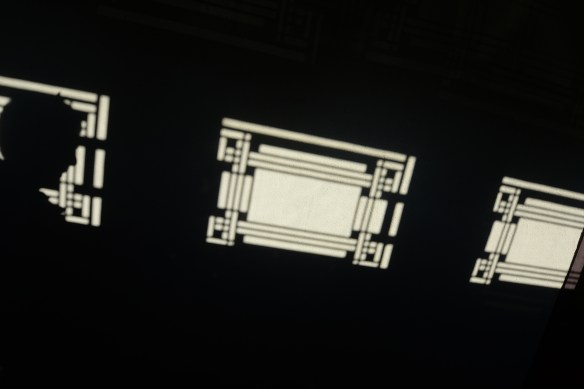
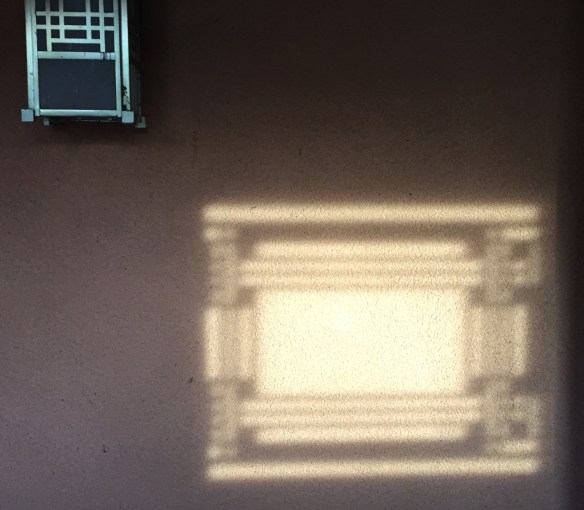
I pass Frank Lloyd Wright’s Thomas P. Hardy House in Racine almost daily on my bike ride. Today was a poignant day, the first anniversary of the passing of Gene Szymczak, a dear friend who was the seventh steward of the house and the man who lovingly rehabilitated it after buying it in September, 2012. I wondered how to honor Gene today. As luck would have it, the light was right, and I took a photo with my phone as the sun cast a shadow from one of the entry hall windows on the wall next to the north door.Gene Shadow.jpg

I surmised from the cars parked in front that his family was gathered in the house. We each got to honor Gene at the house in our own way.

You have probably heard the story, but if not, the house was distressed when I took Gene through it as a prospective buyer. He said to me, “I don’t have children, but this is something I could do for Racine.” You did, indeed, Gene, and we are indebted to you. Gene was honored with a Wright Spirit Award in 2015 from the Frank Lloyd Wright Building Conservancy and was honored posthumously last June with the Kristin Visser Award for Historical Preservation.

Racine and the Wright community miss you, my friend.

Gene Szymczak 002a .jpg


Stewardship of a Wright Home

(c) Mark Hertzberg

What does it take to be the steward – a better term than ‘owner’ – of a building designed by Frank Lloyd Wright?

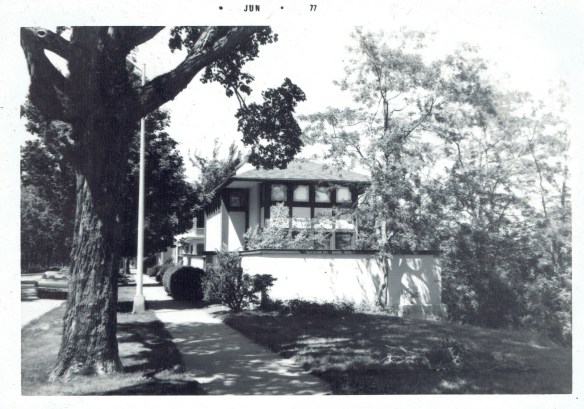
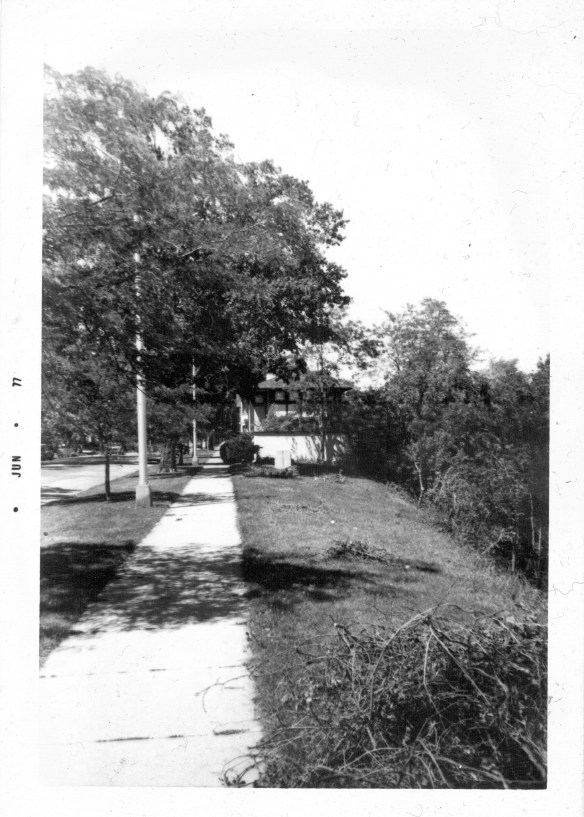
Last week I posted pictures which the late Eugene (Gene) Szymczak took in 1977 of what became his beloved Thomas P. Hardy House when he became its seventh steward in 2012. A few days later his family sent me a copy of an email Gene sent me in 2012, an email I had forgotten about. In it he describes his thoughts about his new stewardship of the house. His writing “I don’t know how long I’ll be there” is poignant and particularly moved his family because Gene fell ill and died unexpectedly December 3.

As you read the email, remember that when I showed Gene the house, which was distressed, he told me, “I don’t have children, this (buying it and rehabilitating it) is something I could do for Racine.”

His note is particularly apt this week as the stewards of dozens of Wright-designed buildings gather in New York City for the annual conference of the Frank Lloyd Wright Building Conservancy.

From: <EugeneS@>
Date: September 14, 2012 7:19:57 AM EDT
To: Mark Hertzberg
Subject: 1319
Hello Mark,

I have been born and raised in Racine.  I come from a working class family.  Racine has a reputation in history for doing the right thing.  It could be from fighting against slavery to having the first high school in the state to trying to rejuvenate River Bend. We do the right thing. We put others first and give back.  I am part of that heritage. I think that it was time for someone to assume stewardship of the house from Jim and Margaret.  The Youghourtjians have been good stewards for more than fourty years.  I don’t know how long I’ll be there.  It’s my turn to take care of the Hardy house.  It is a Racine and even a world landmark.

Attraction

The Hardy house is a home that most Racinians would recognize.  It evokes different reactions.  In 1905 it was called “kooky”.  To me it’s a song.  Wright was a middleman between humans and nature. He asks us where to we fit in nature?  How do we interact with living creatures?  What can we learn?  Do we enhance one another’s lives and the landscape?

Interest in Wright

I find that Wright looks a little deeper into life and introduces more questions than answers.  A little more understanding than strong judgement calls.  God (being Nature), has all the answers to what being here is all about.  To me he says be part of it all and share it unselfishly.

The black and white photo of the house were taken in 1978 [the prints indicate 1977] About when I bought a fancy camera.  I took pictures of my parents, the lake, and the Hardy house.  To me significant things.  I ended up returning the camera because I felt it was too expensive…lucky for you it was the end of my “career” in photography.

Gene

Gene Szymczak 002.jpgHardy Exteriors Post-Restoration 078.jpg

Gene’s First Photos of the Hardy House

Mark Hertzberg (c) 2017

I have written before that the late Gene Szymczak was captivated by Frank Lloyd Wright’s Thomas P. Hardy House long before he ever thought of buying it (in 2012). He told me that the house was on his garbage route when he worked a summer job. A few years later, in 1977, he bought a Leica CL camera and took pictures of things that moved him, including the Hardy House. He returned the camera because he thought it too extravagant for him. Yesterday his sister-in-law, Joan Szymczak, excitedly called to tell me that she had found Gene’s Leica-Hardy photos, photos Gene couldn’t find when I asked him about them. Here they are:Gene Hardy 1.jpg

Gene Hardy 3.jpg

Gene Hardy 2.jpg

Gene died unexpectedly December 3, but his family continues to share the house as he would have. Thank you, Gene, for your gift of having rehabilitated the house and wanting to share it. I will be taking a group of Road Scholar tour participants through the house this afternoon. When I took him through the house as a prospective buyer he said to me, “I don’t have children. This is something I could do for Racine.” And he did.Gene Szymczak 002.jpg

Honoring Gene Szymczak

Photos and text (c) Mark Hertzberg 2017

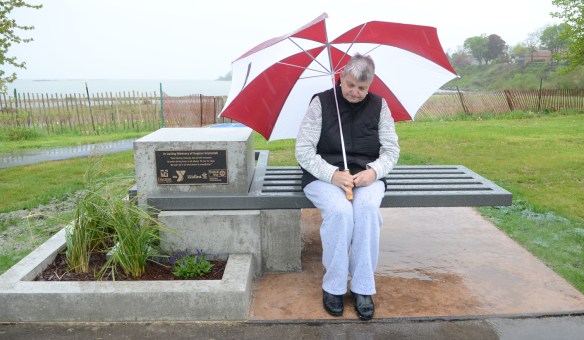
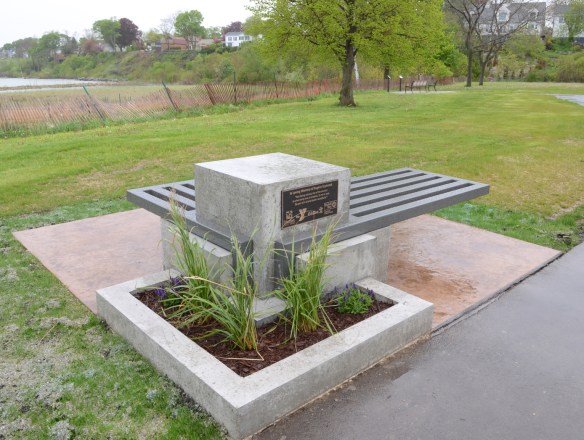
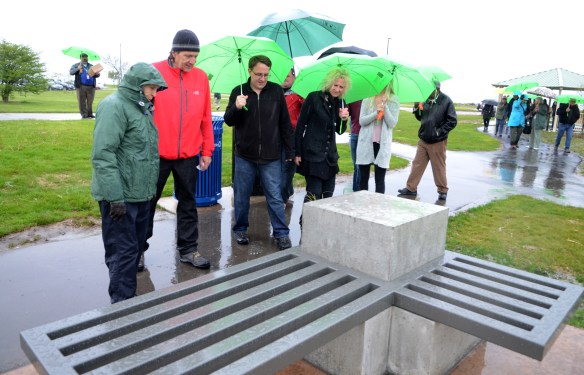
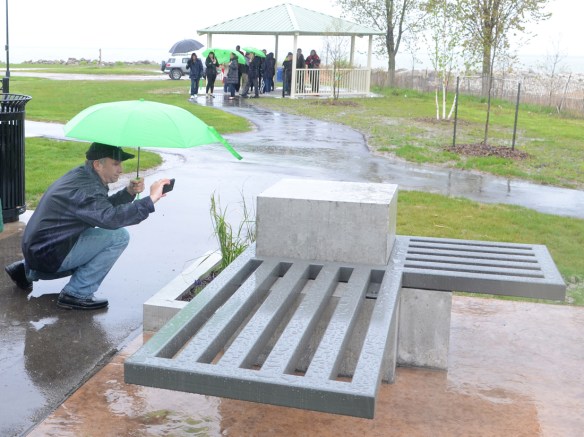
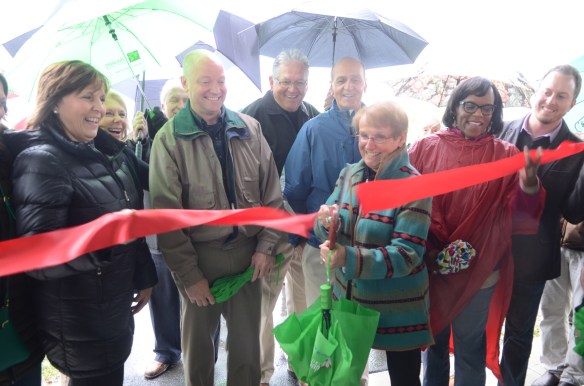
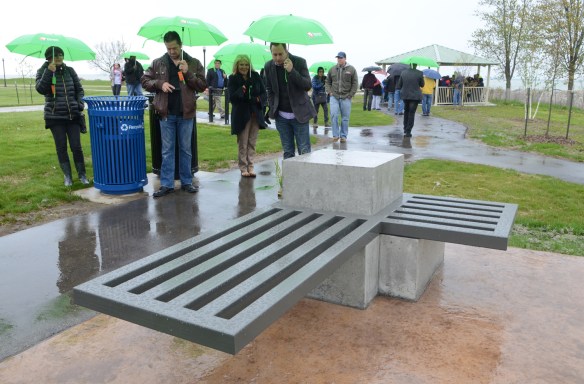
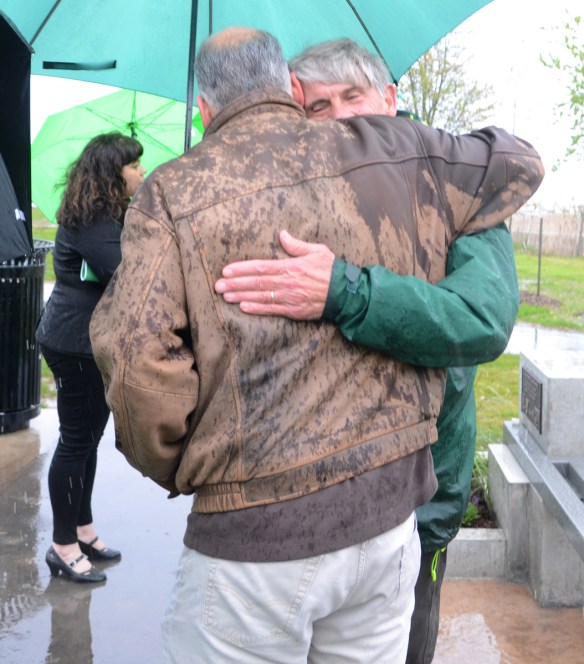
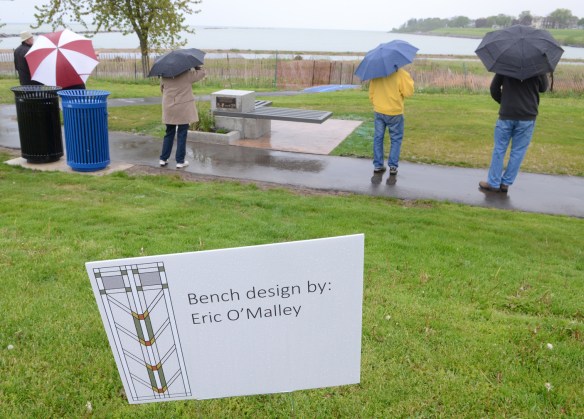
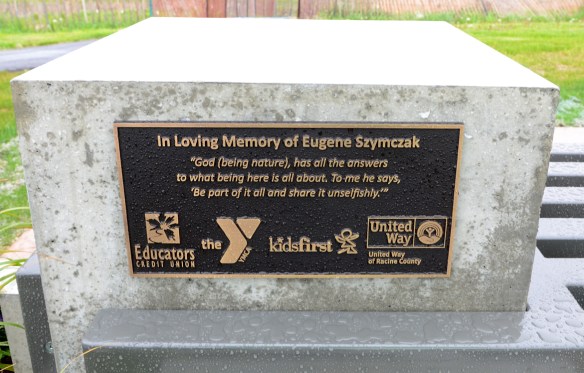
Family and friends of Eugene (Gene) Szymczak gather in a cold rain in Sam Myers Park in Racine, Wisconsin Saturday May 20, 2017 for the dedication of a bench in his memory. Szymczak, president of Educators Credit Union, died suddenly December 3. A lover of architecture, he bought the Frank Lloyd Wright-designed Thomas P. Hardy House in 2012 and then restored it. Designer Eric O’Malley was commissioned by the credit union, the YMCA, Kids First, and the United Way of Racine County to design a memorial bench to face the Hardy House. O’Malley chose a cantilevered design, evocative of the Prairie-style architecture in the Hardy House.  The dedication was preceded by a volunteer agency fair at Gateway Technical College in recognition of Szymczak’s numerous volunteer contributions to the community. Szymczak was honored with a Wright Spirit Award by the Frank Lloyd Wright Building Conservancy in 2015 for his stewardship of the Hardy House. Gene was modest and did not like to be singled out. I think he ordered the morning’s cold rain to discourage people from gathering in his honor.

LR Gene's Bench 029.jpg

LR Gene's Bench 007.jpg

LR Gene's Bench 031.jpg

LR Gene's Bench 038a.jpg

LR Gene's Bench 027.jpg

LR Gene's Bench 009.jpg

LR Gene's Bench 040.jpg

LR Gene's Bench 005.jpg

LR Gene's Bench 006.jpg

Hardy House: New photos

(c) Mark Hertzberg 2017

One of the joys of experiencing Frank Lloyd Wright’s architecture is to see his buildings in different ways no matter how often you have visited them. I stopped in at the Thomas P. Hardy House in Racine twice over the last week to take some new photos with a new lens.

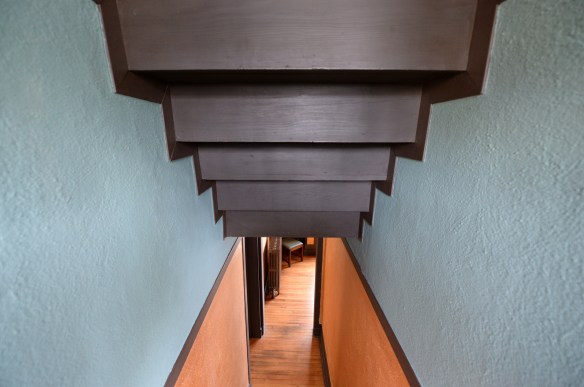
I have descended the steps from the entry hallway to the dining room and kitchen level dozens of times, but never saw the stairway like this until last week:

LR Hardy 5.3.17 027.jpg

This is another view of the living room balcony and ceiling:

LR Hardy 5.3.17 001.jpg

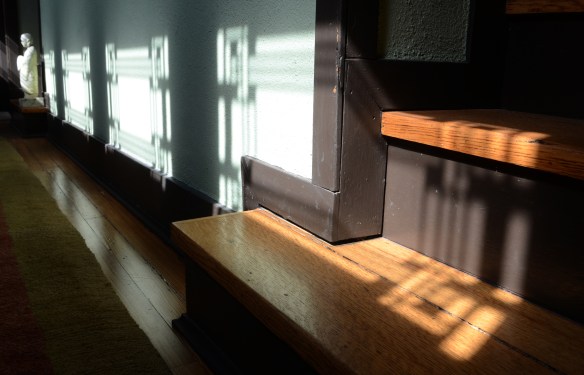
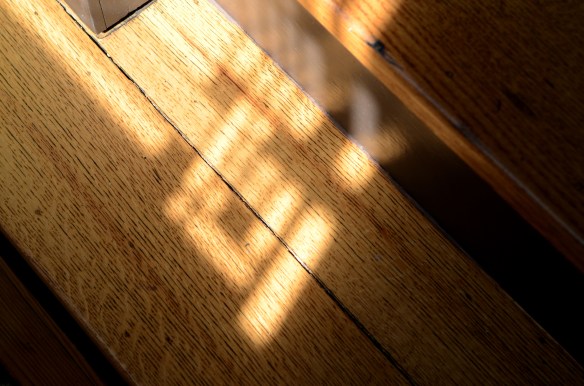
I have photographed the afternoon shadow of the entry hall windows projected on the wall behind, but never with a shadow on the stairs to the living room until yesterday:

LR Hardy Shadows.jpg

LR Hardy Floor 5.8.17.jpg

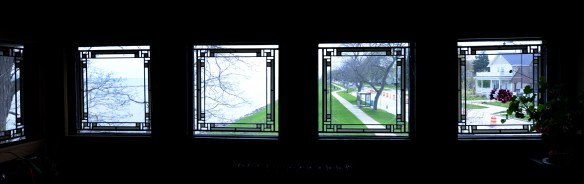
My book about the Hardy House has a shot of three bedroom windows. Last week I shot the view south a bit wider:

LR Hardy 5.3.17 020.jpg

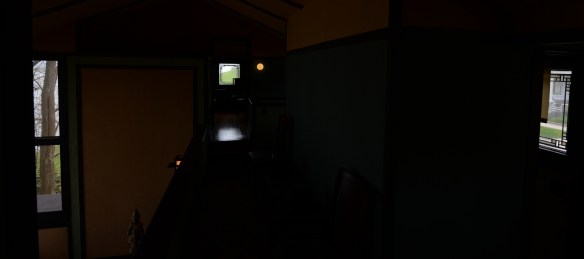
And, finally, this is what happens when you greatly underexpose the view south across the balcony above the living room from the north stairs landing. The window at left is in the living room; the middle one is in the south bedroom (photo above) with a circular hall light next to it; and the window at right is in the bathroom:

LR Hardy 5.3.17 016.jpg

We are indebted to Gene Szymczak for his loving rehabilitation of the house between September, 2012, and his sudden death December 3, 2016.