Much of what is known about Taliesin resides not far from Frank Lloyd Wright’s fabled home, in a small white house in Spring Green, in the person of Keiran Murphy.
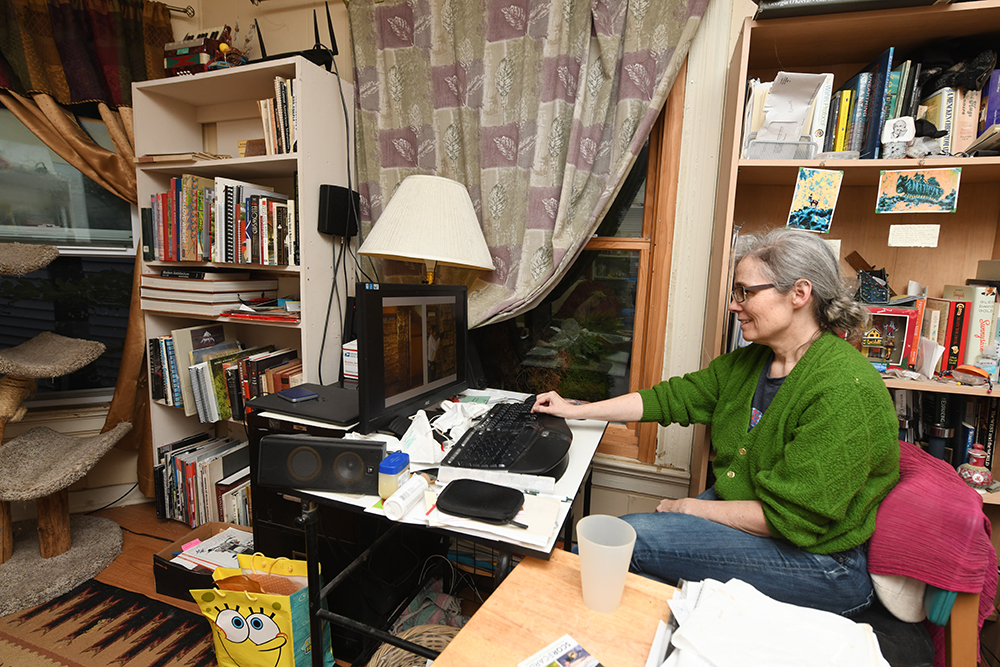
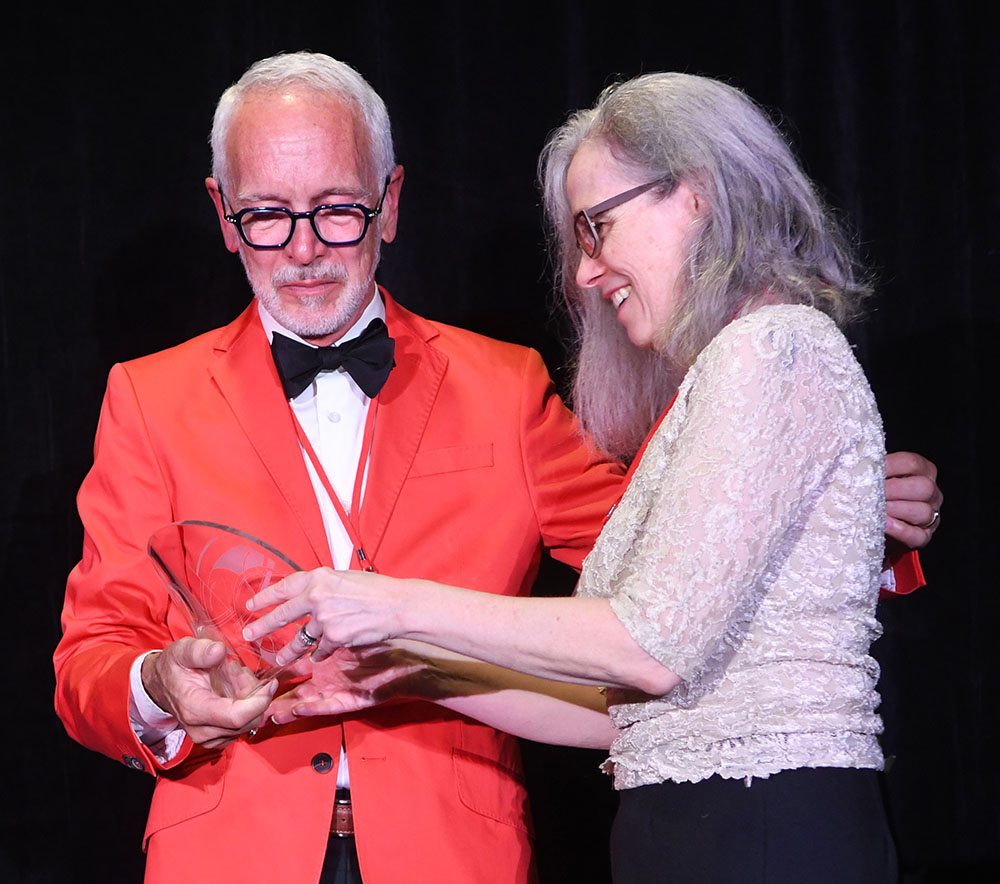
Murphy, first a tour guide, then the Historian, and later the Cultural Historian, at Taliesin from 1994 – 2020, was honored with a prestigious Wright Spirit Award at the 2023 Frank Lloyd Wright Building Conservancy conference in Minneapolis. The award was “For her in-depth research on the work of Frank Lloyd Wright.” Why? Well, simply because the automatic answer for many questions about Taliesin is, “Ask Keiran. She would know.”
She says she had an “Aha!” moment during her first visit to the Wright archives, then at Taliesin West, in 2007. She had spent money from a raise to go to the archives for a week. It was only then that she realized how much she knew about Taliesin “It was overwhelming. It almost made me hyperventilate. I was almost laughing and crying. It was this huge realization.”
Murphy was a graduate student in Art History at the University of Wisconsin in 1994 with a job working in the slide library when she casually asked a colleague what kind of summer job she should look for. That casual remark set in motion her career in the World of Wright because Jim Dennis, a Professor of Art History and steward of Wright’s Herbert and Katherine Jacobs 1 House in Madison, was nearby. “Jim, around the corner, said, ‘They are hiring at Taliesin.’”
She recalls that she was not “completely aware of what Taliesin was” although she had taken a Hillside tour the year before with her mother. Jim told her to call Craig Jacobsen, the Senior Guide at Taliesin. Her knowledge of Taliesin does not square with her first impression of the estate when Jacobsen drove her around on a breezy and gray day, because they did not go into Taliesin. “I wasn’t impressed. It was a drizzly day, I wasn’t interested in architecture particularly. I knew myself well enough that I would like any art you put me around eventually [but] it wasn’t mind blowing.”
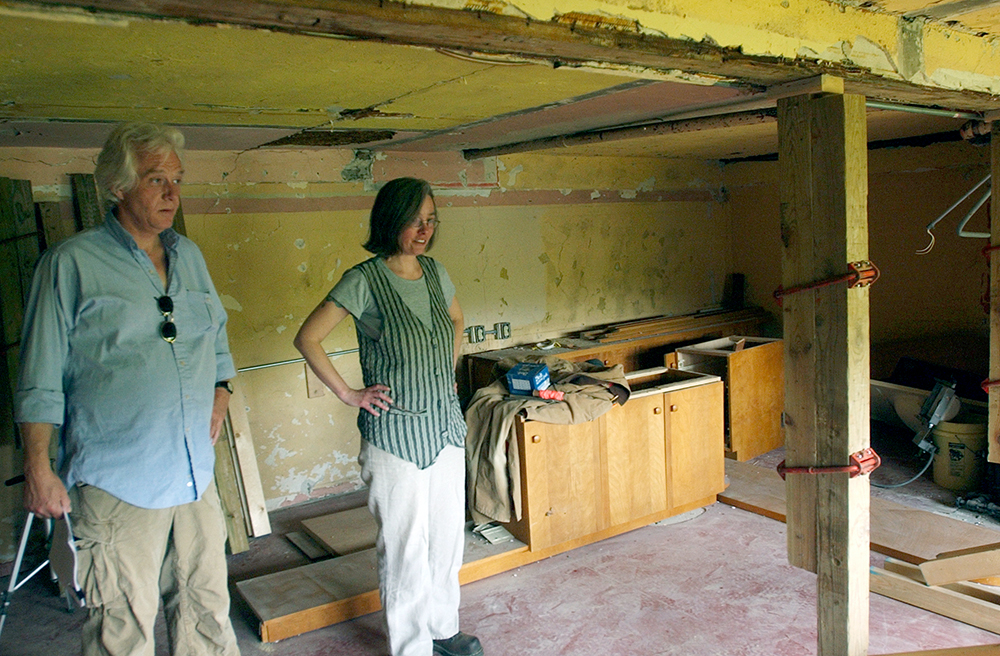
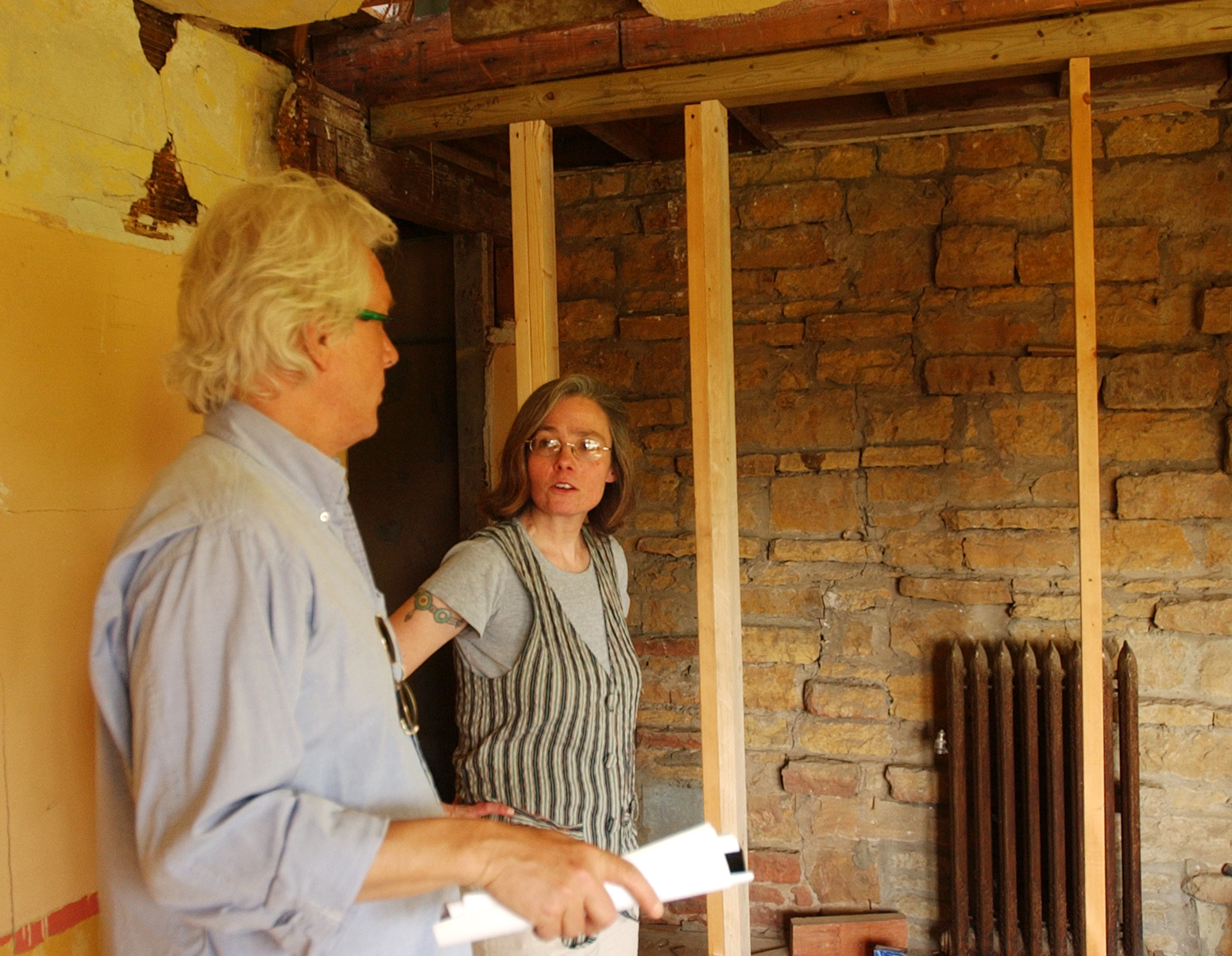
Nevertheless, she took that summer job as a tour guide. It was only after she trained with Jacobsen for a week that Taliesin impressed her. Was she nervous before her first tour? “Gosh yes! I have a memory of the night before I gave my first tours of giving the first tour continuously in my head while I was trying to sleep.”
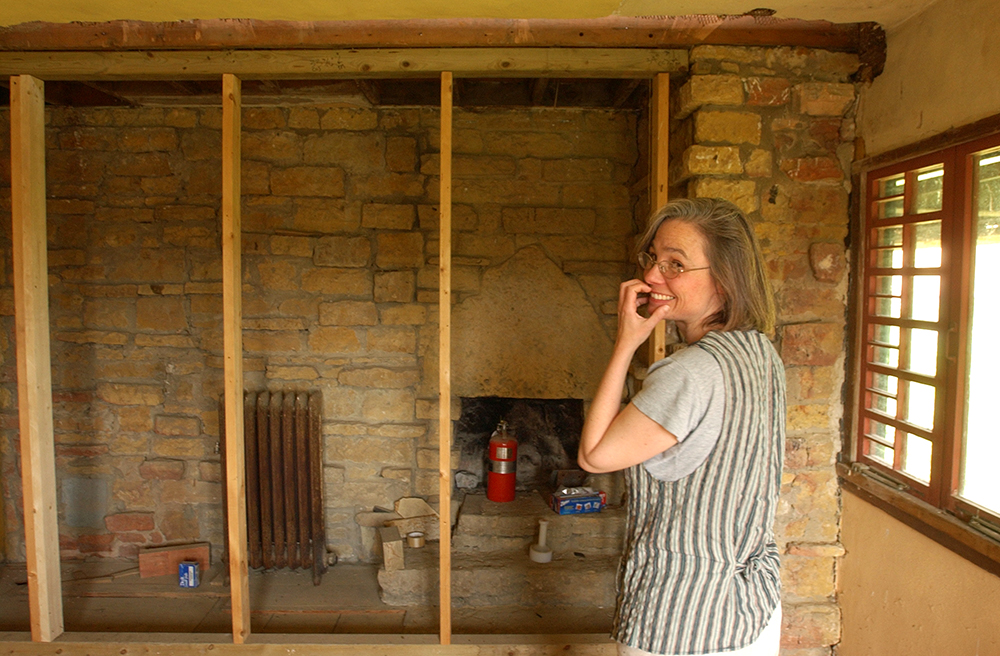
Tour training was rigorous. It included understanding Taliesin, Taliesin Preservation, Hillside, and the Taliesin Fellowship. Trainees went on tours to listen and observe. “You were scheduled to go on tour after tour after tour. You went on all these peoples’ tours until you almost went insane.” There were two house tours a day and tours of Hillside every hour, from 9 a.m. to 4 p.m. Hillside was still a working drafting studio for the members of Taliesin Associated Architects.
Many people have dreams about work, and Murphy was no exception. “My tour dream is always that I am late, that I am running really late or that people on my tour are doing things they should not be doing, going places we ask them not to go to (upstairs, loggia, and don’t walk on the rug) I had a dream where I saw that people were literally laying on the rug on the Loggia. We used to bring people out on the Bird Walk, and I had a dream that people were bouncing on the Bird Walk.”
She gave tours for eight summers before transitioning to her role as Historian in 2002 as Taliesin Preservation was preparing for a Save America’s Treasures grant. She had begun doing some historic research in 1997. Carol Johnson, then the Executive Director of Taliesin Preservation, and Estate Manager Jim Erickson were puzzling over the source of some information. Murphy readily knew that it had come from Taliesin apprentice Curtis Besinger’s book Working with Mr. Wright. “I flipped forward to the page. I remember Jim and Carol were both like, ‘Wait a minute, this woman makes $10 an hour and she knows more than this firm we are working with now to figure out the history of Taliesin. Keiran do you want to do some writing and figure out the history of Taliesin?’ I was, ‘Yes, of course, where do I go, where do I sign?’ It’s when they realized that I knew more than (many) people from the outside, and I was right there.”
What was it like realizing that she knows more than some of what she refers to as “the legends?” “They were very accepting of me and I remember the realization that I was just going for information, not coming to the archives to take things from them and publish.” She says that she made several discoveries through photographs that helped in the restoration of Taliesin. One discovery changed the restoration of the Blue Room.
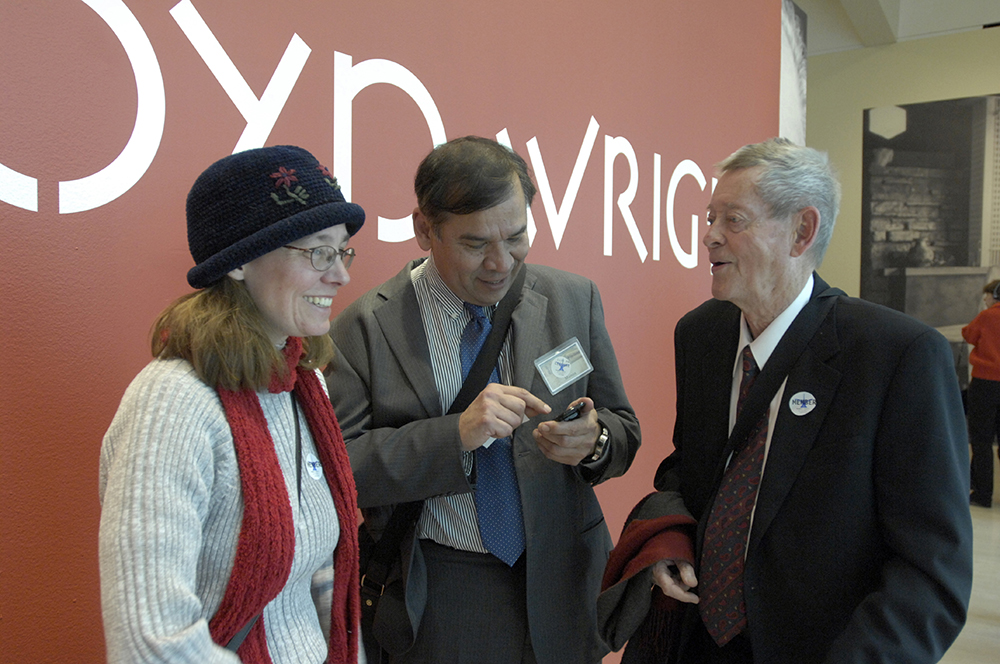
She says she continuously worked to enhance the knowledge of the tour guides. “In 2002 we started something called ‘Hey Keiran!,’ a weekly sheet with answers to questions asked by tour guides. “There were hundreds and hundreds of questions. I tried to give guides as much as I knew. ‘Hey Keiran’ was in part started by Craig Jacobsen as a way to get tour guides and staff to make sure to pick up their weekly schedules. One side would have schedules and the other side ‘Hey Keiran!’. I never stopped, even after we went to email.”
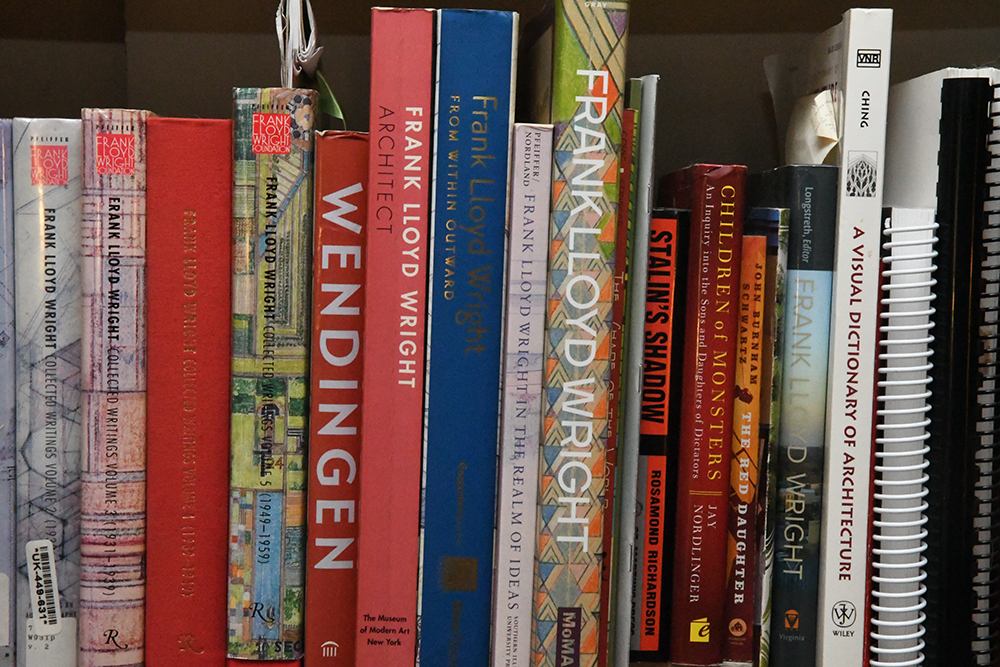
Murphy has worked independently of Taliesin Preservation since 2020. She still has access to the archives at the Avery and the Getty and has served on an advisory committee for Frank Lloyd Wright Building Conservancy publications. She lectures and shares her knowledge on her website, www.keiranmurphy.com
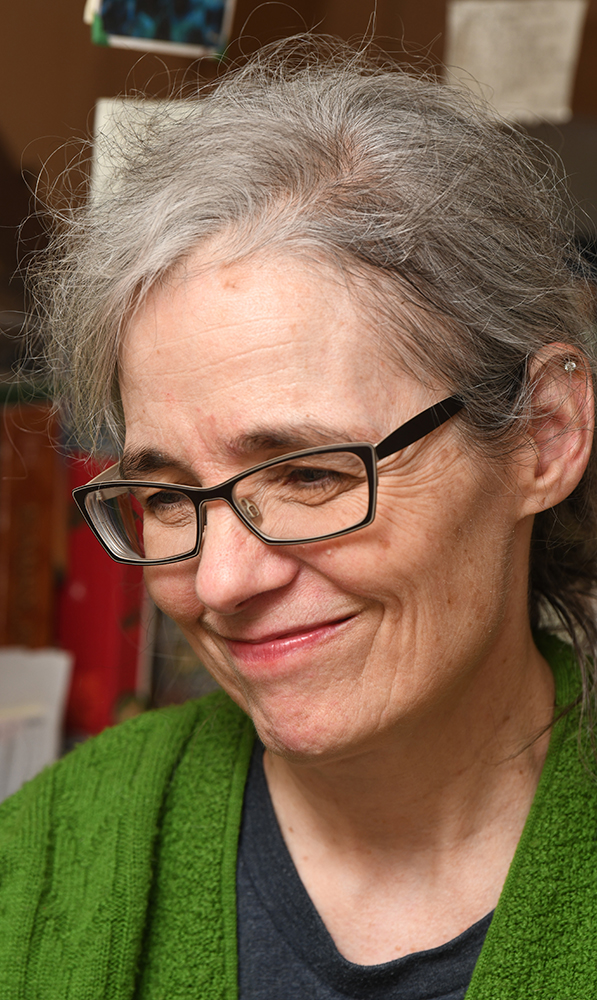
The paragraph above was going to be the end of this profile. But I am reminded of the end of my friend Paul Hendrickson’s important book Plagued by Fire. He and Murphy were standing with their back to the house, looking over the valley, unintentionally and coincidentally, a day before the 100th anniversary of Julian Carlton’s arson and butchery:
“I didn’t have my notebook with me, so this will be a reconstruction of our conversation. I said something to the effect of: I’m in as much doubt as I ever was, maybe more, about why he did it. And she said something to the effect of: Isn’t it almost better that way? And I replied: You mean the mystery itself is the more powerful thing? And she said: Yes, just like Wright himself. Who would ever really want to get to the bottom of the mystery of Frank Lloyd Wright? If you did that, you might not have a need to come back.” Indeed, Keiran Murphy, indeed.
Other Links:
Taliesin Preservation, Inc.: https://www.taliesinpreservation.org
Frank Lloyd Wright Building Conservancy: www.savewright.org
Frank Lloyd Wright Foundation: https://franklloydwright.org
Please scroll down to read earlier posts on this website.

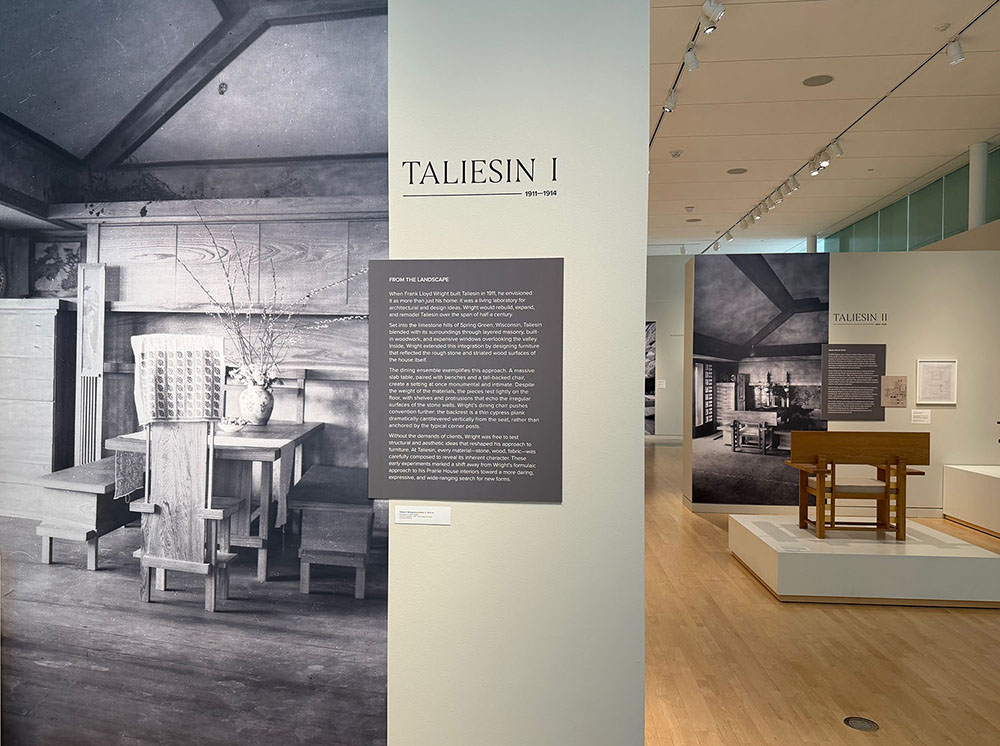

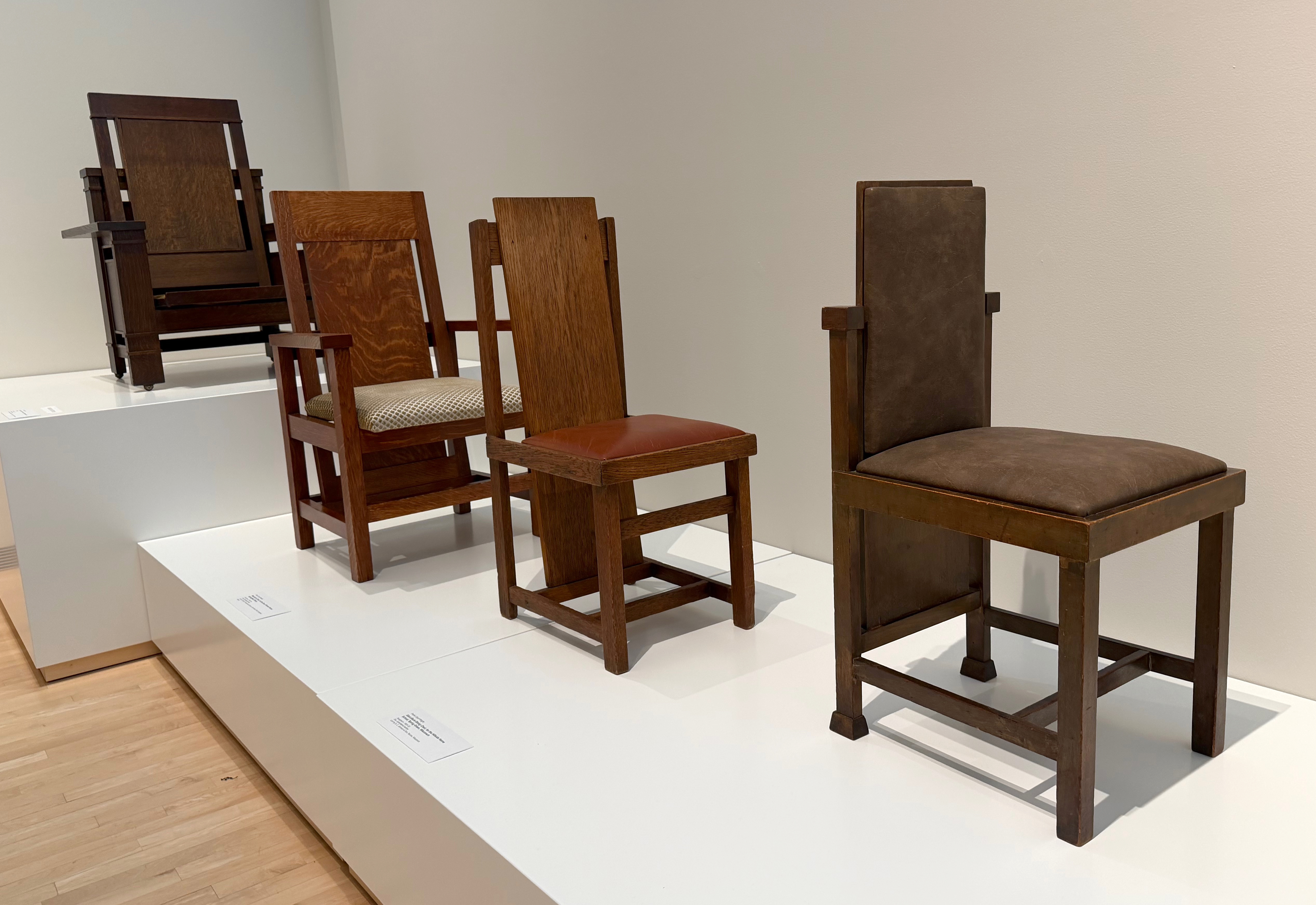
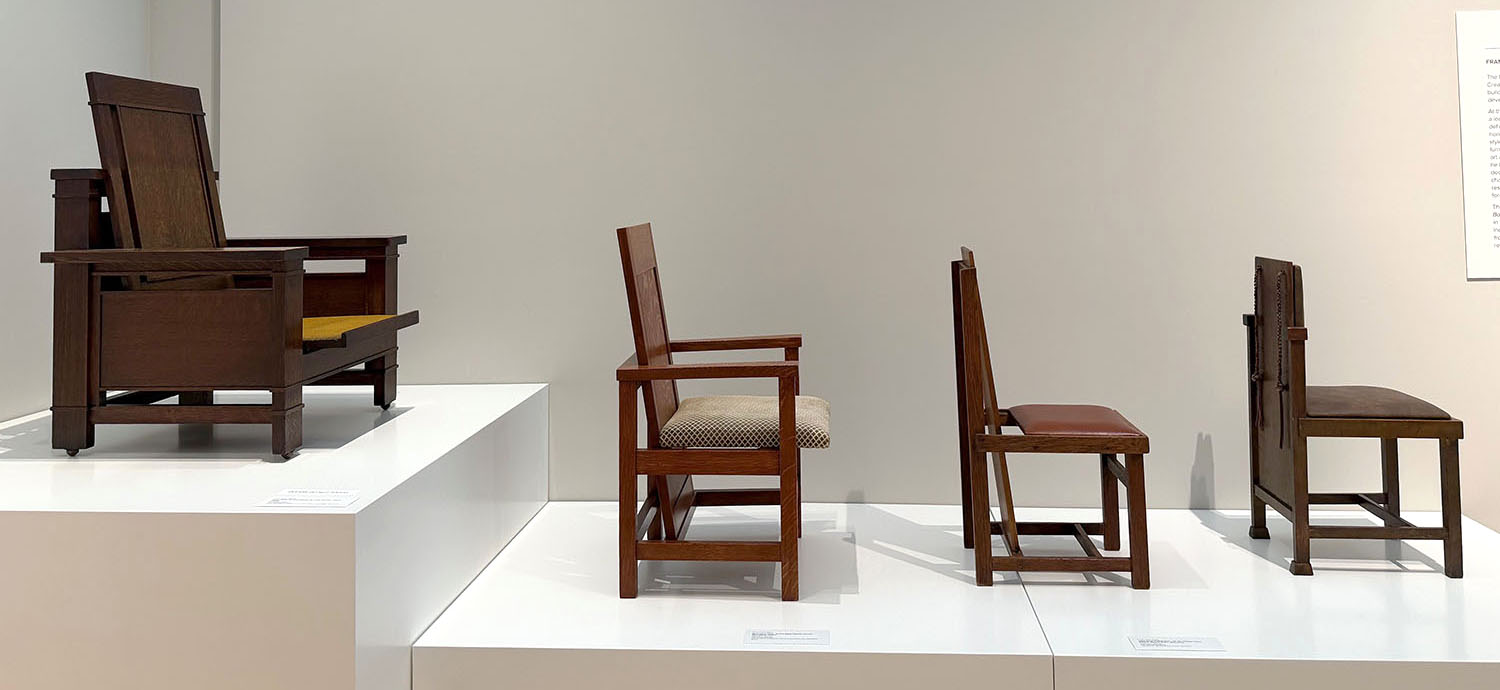
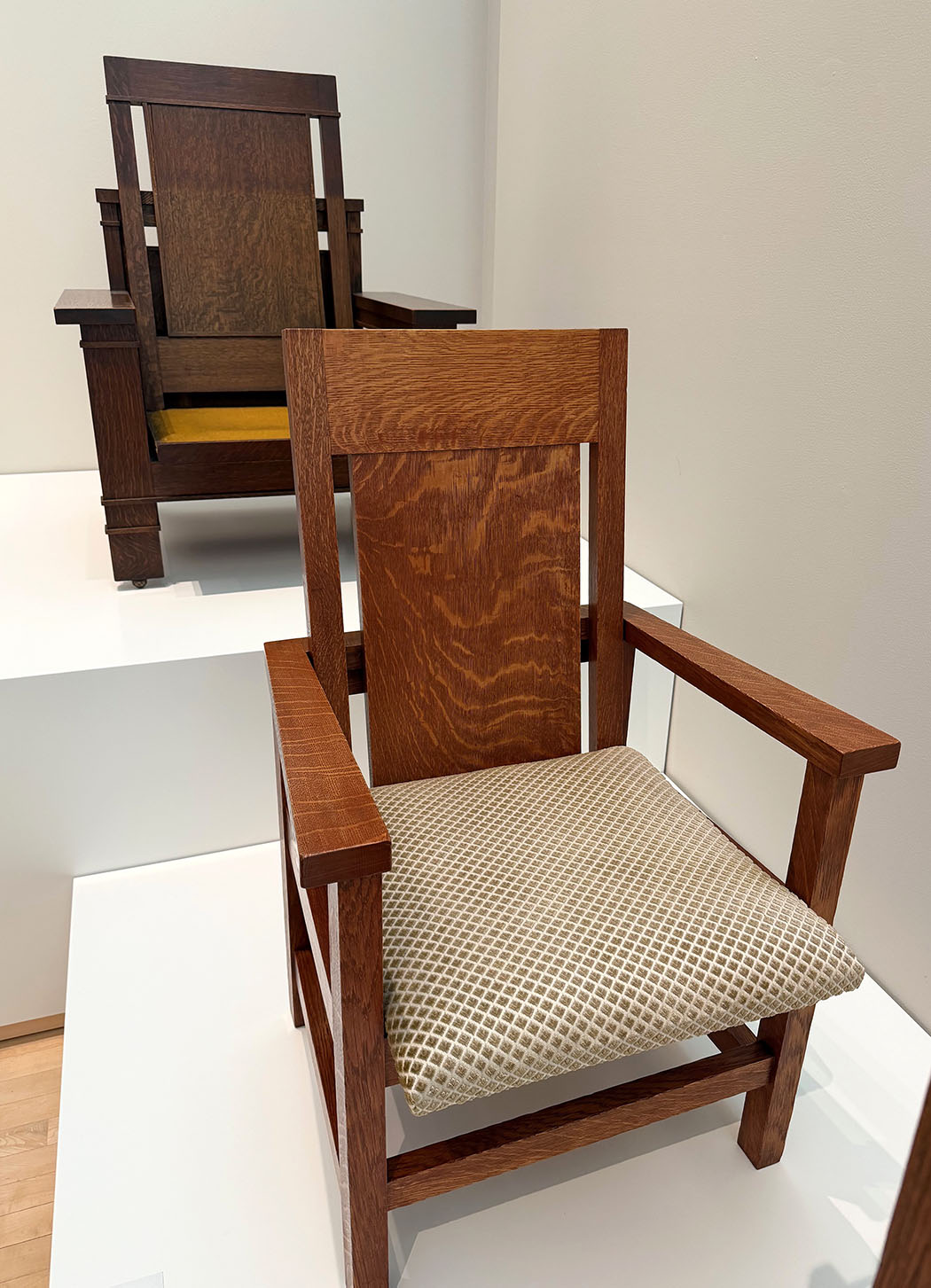
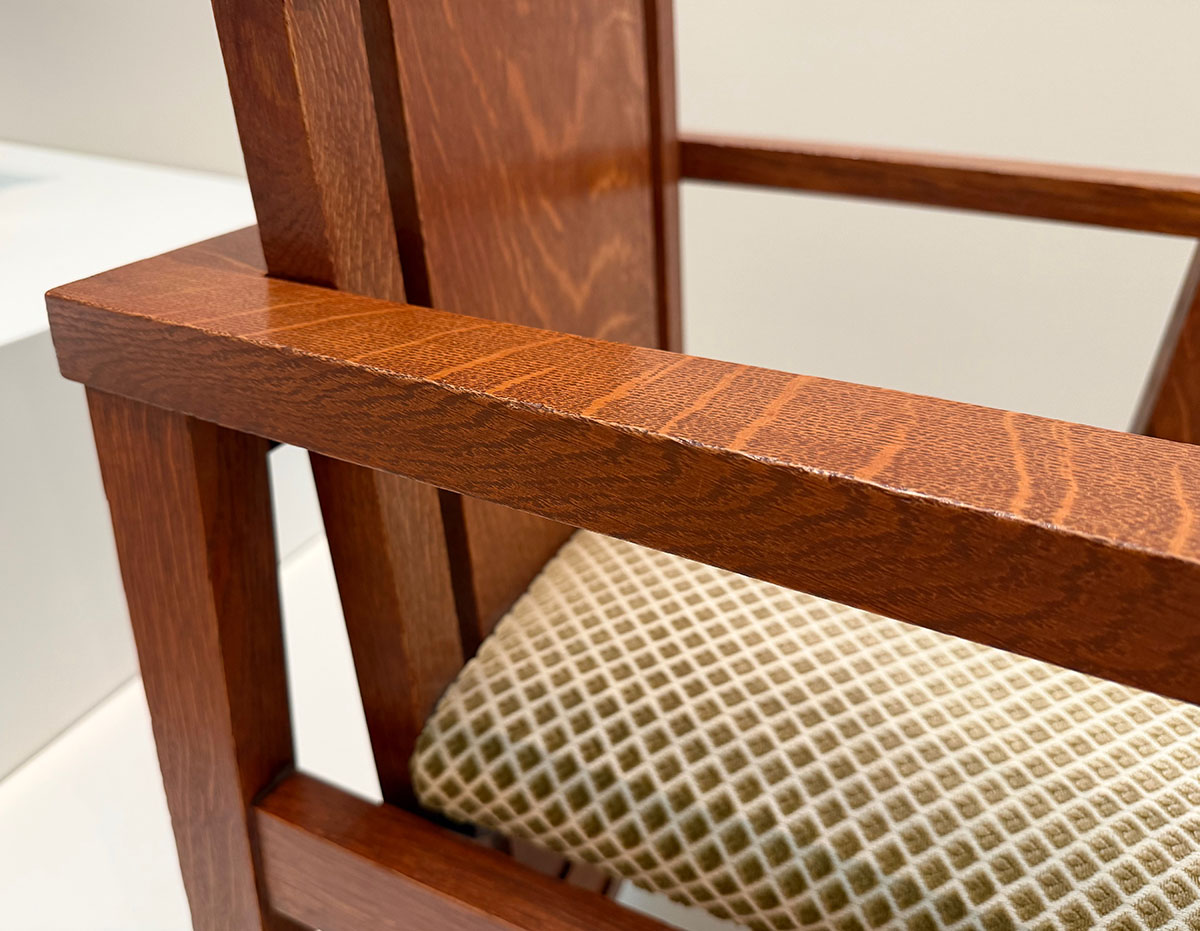
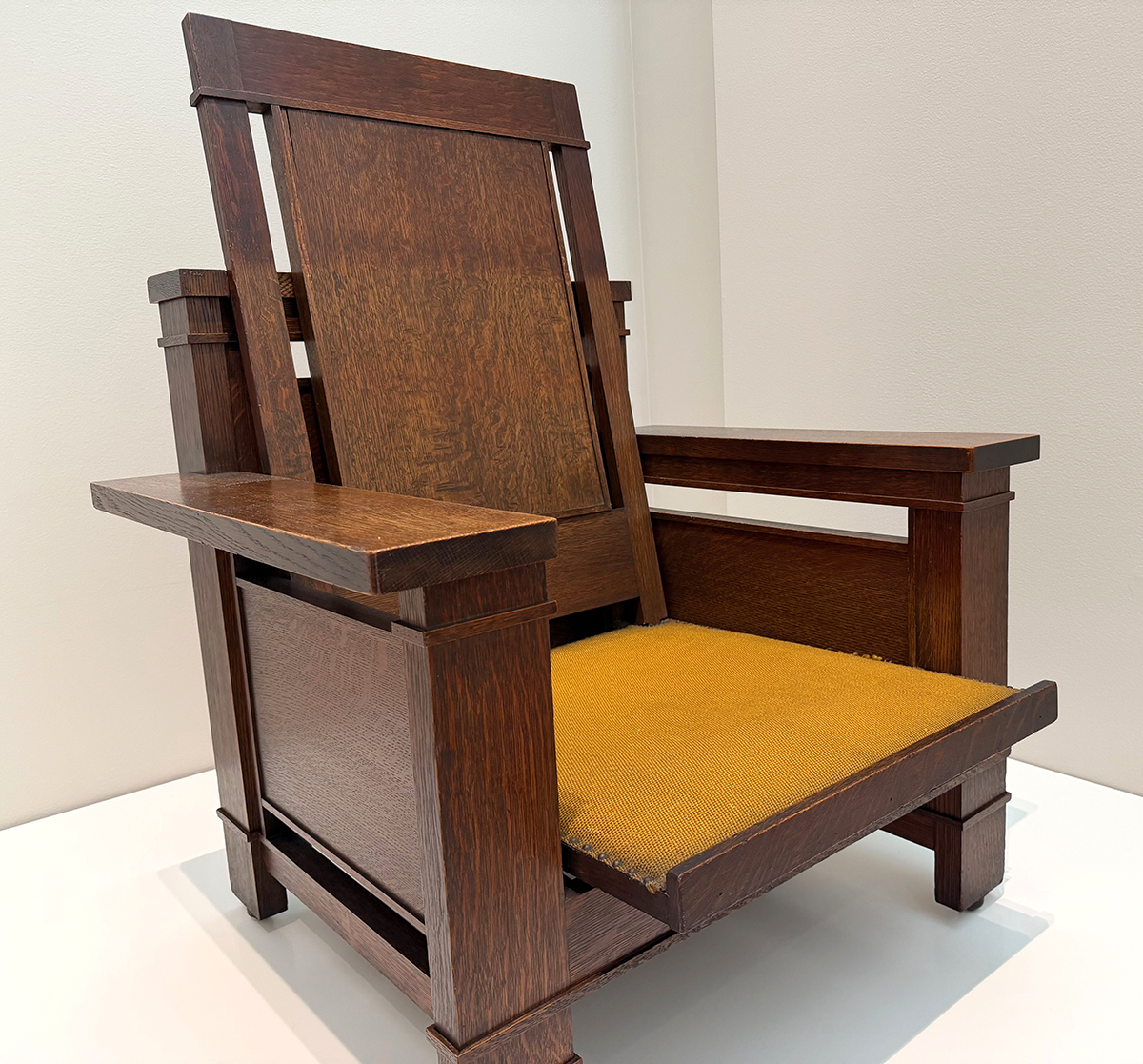

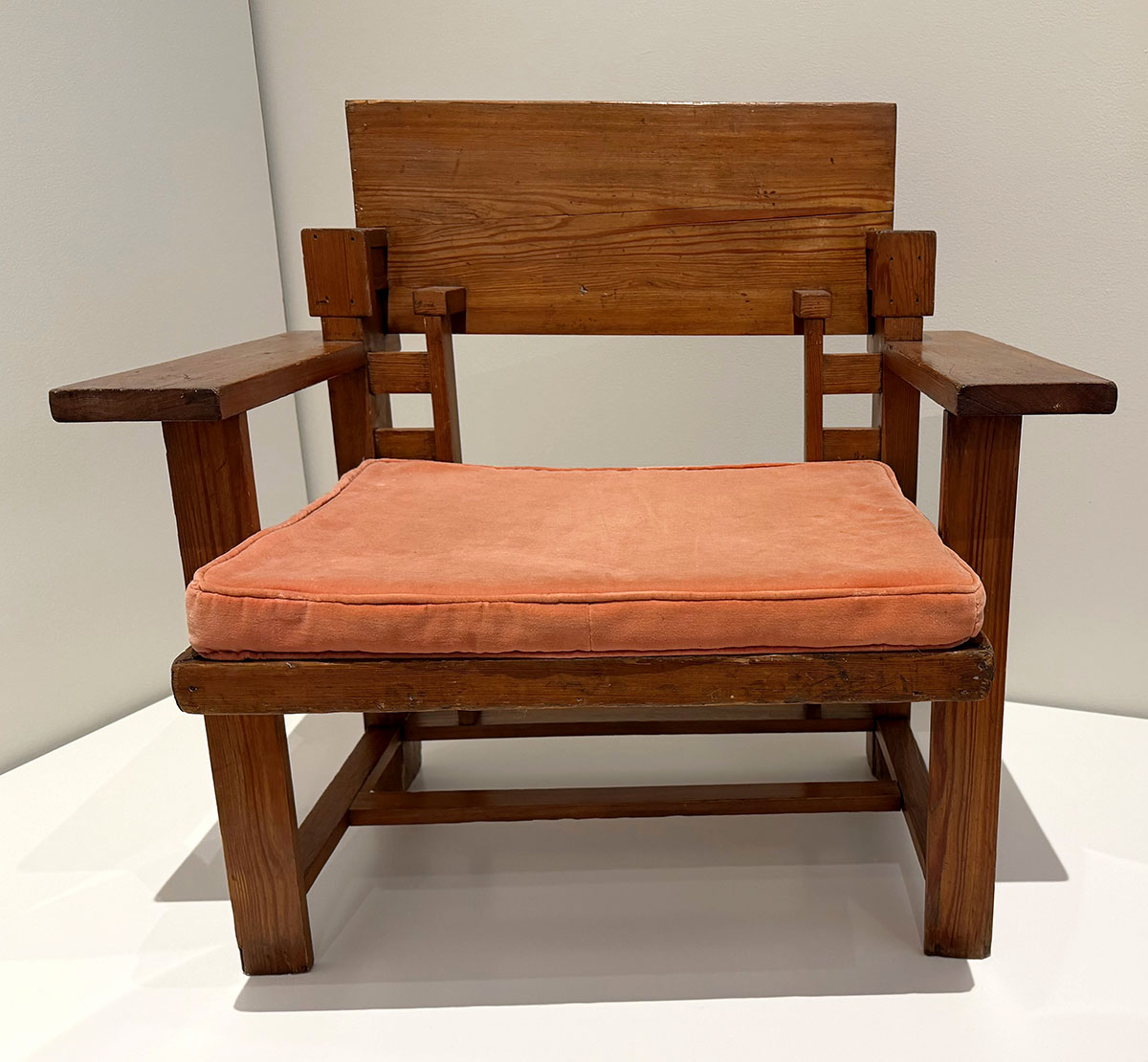
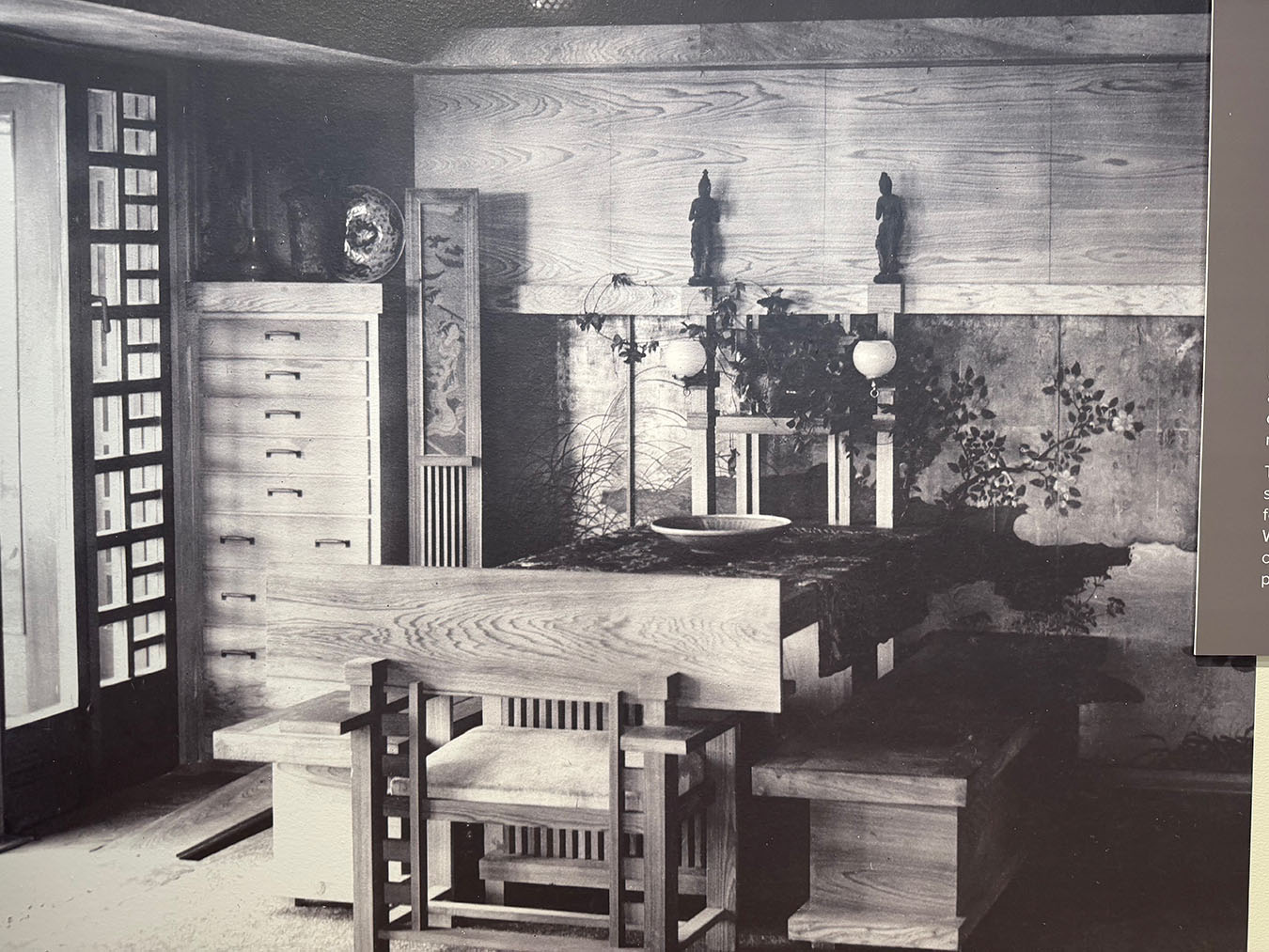
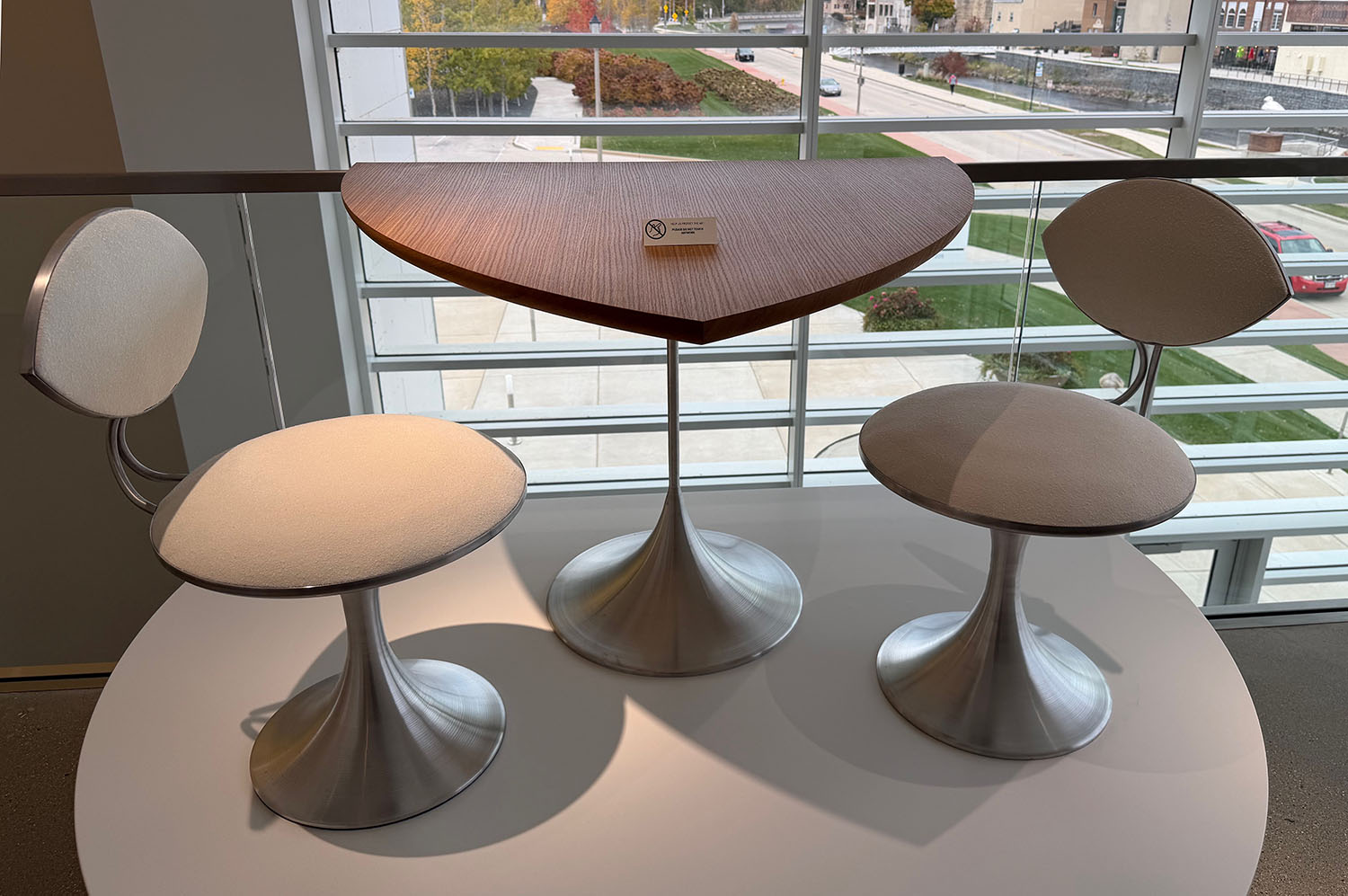
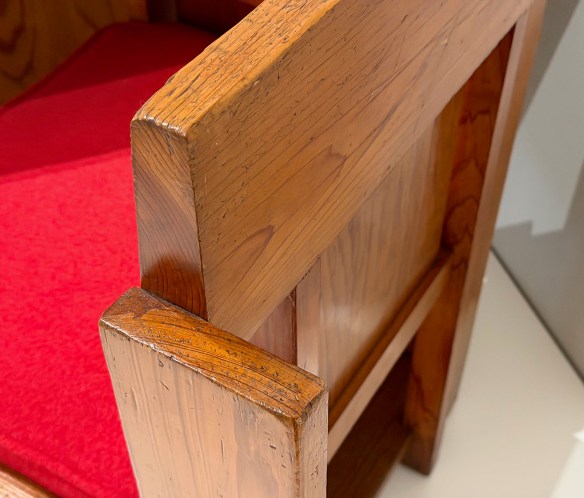 The dining room set from the Malcolm and Nancy Willey House in Minneapolis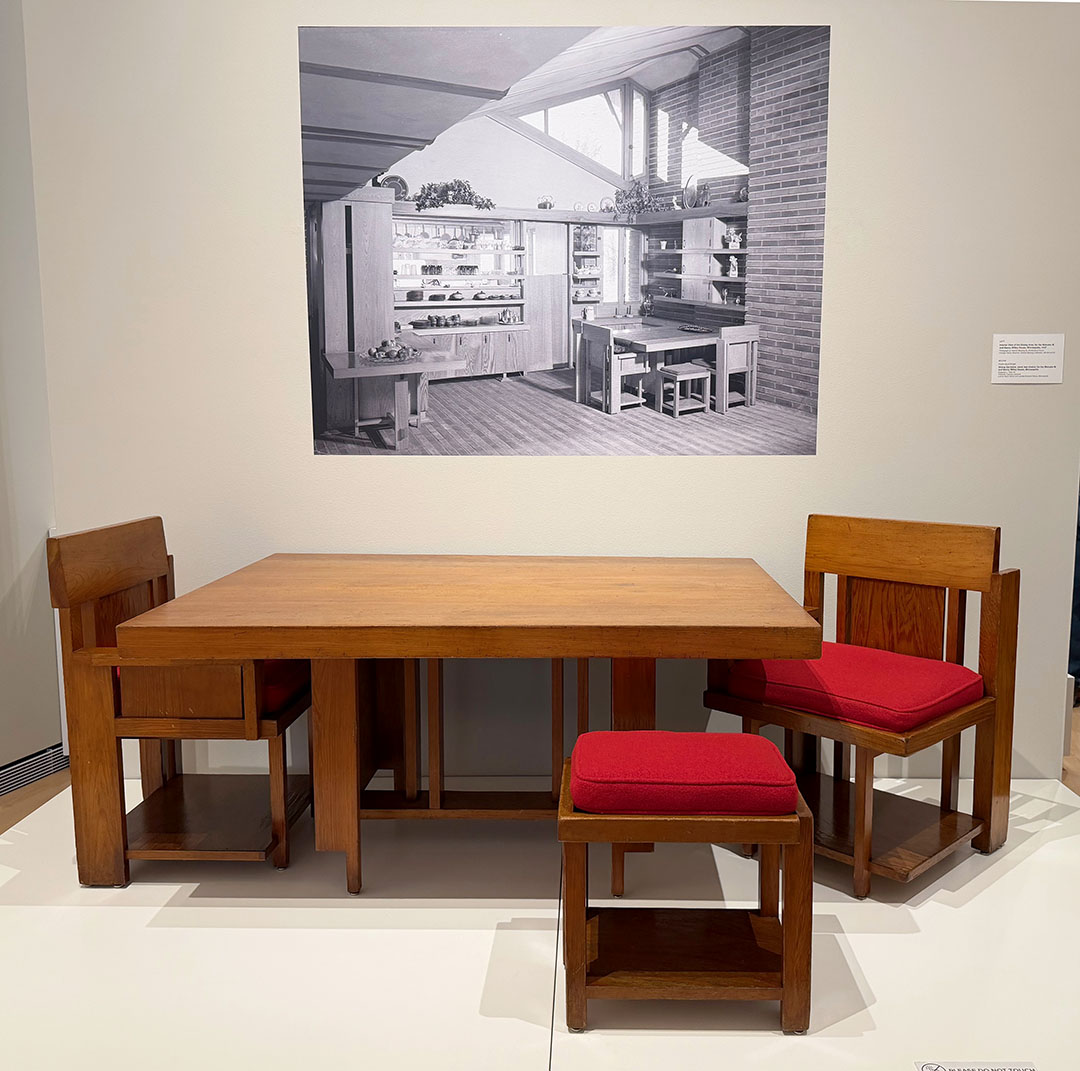
 Ken Dahlin of Genesis Architecture photographs the house.


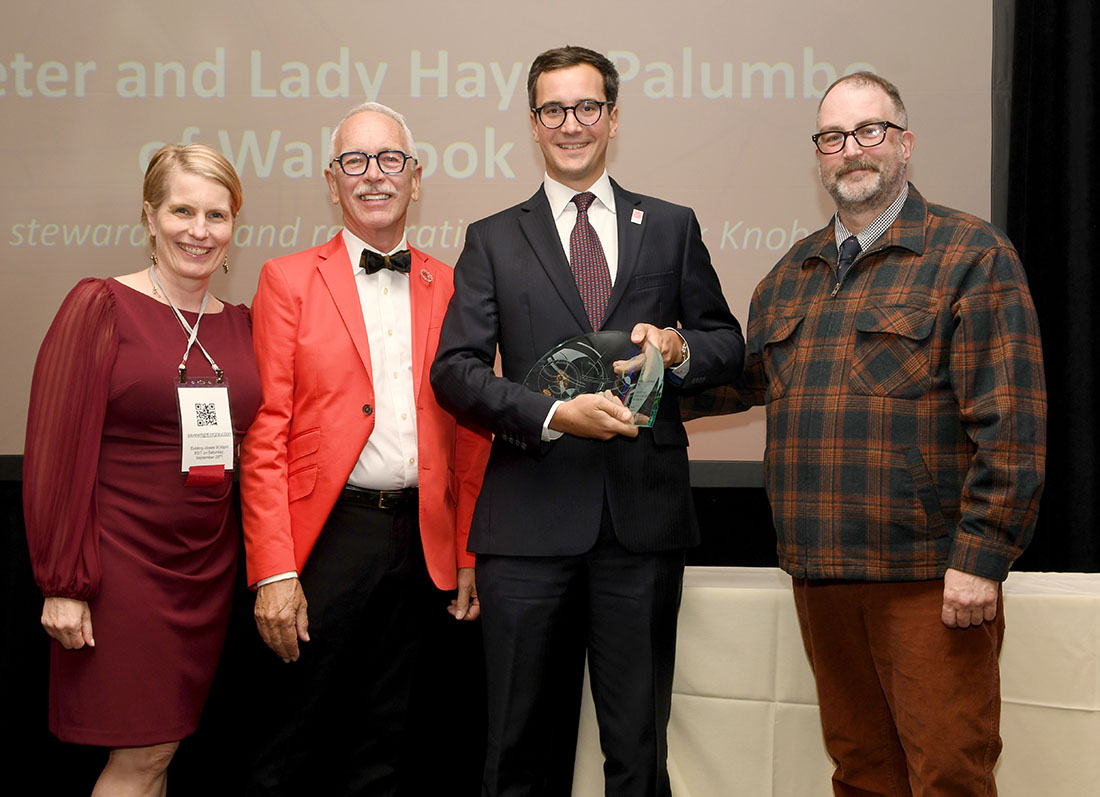 Barbara Gordon, Jeffrey Herr, and Scott Perkins present the Wright Spirit Award to Philip Palumbo, on behalf of his parents.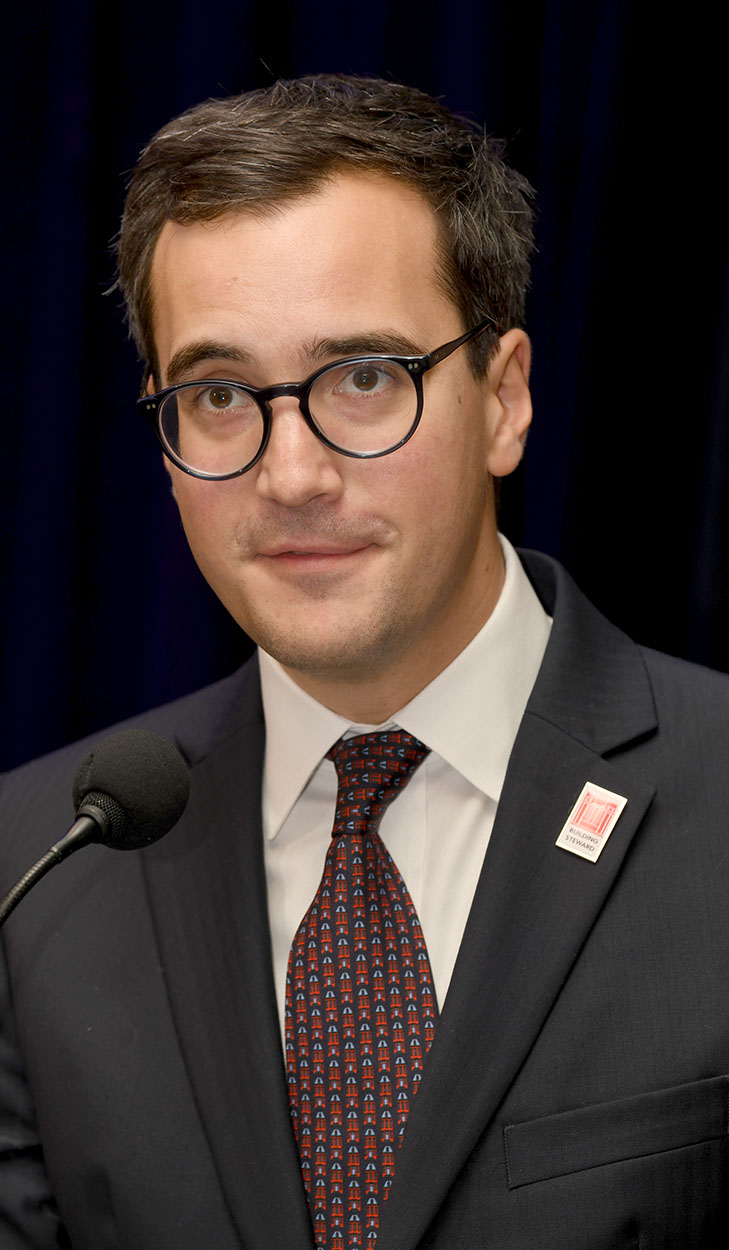
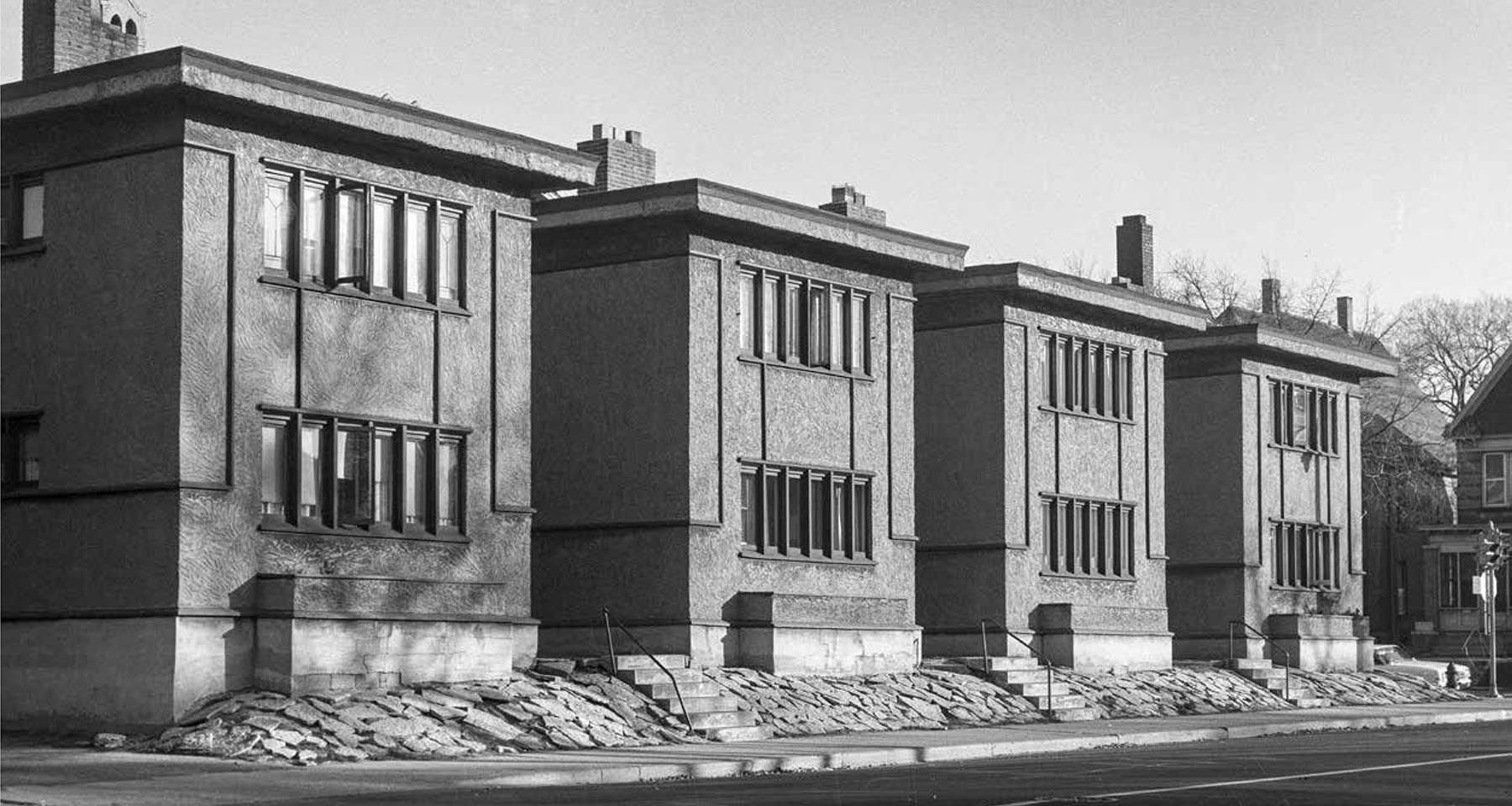
 This photograph shows one of the two single family homes (the Model B1) and the four duplexes. The Model C3 single family home, below, sits to the right of the B1.
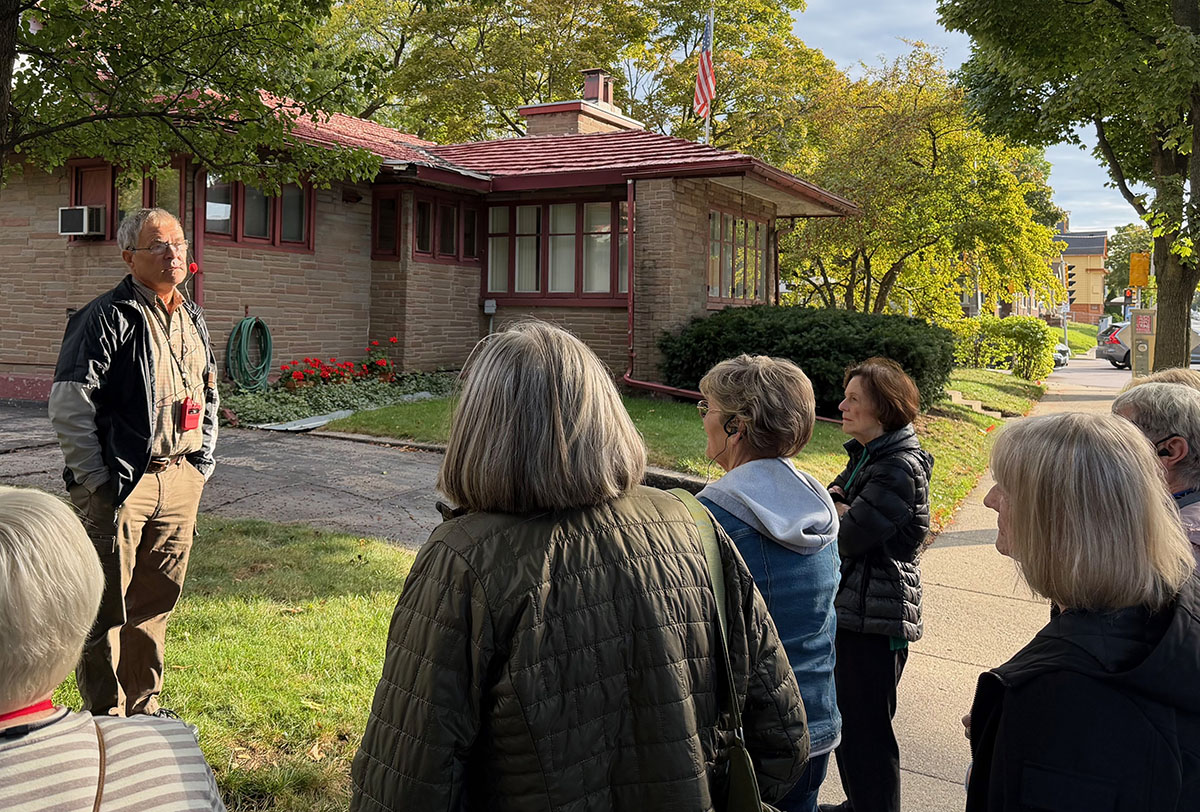 Docent Bill Schumacher leads a tour of the Burnham Block, including the C3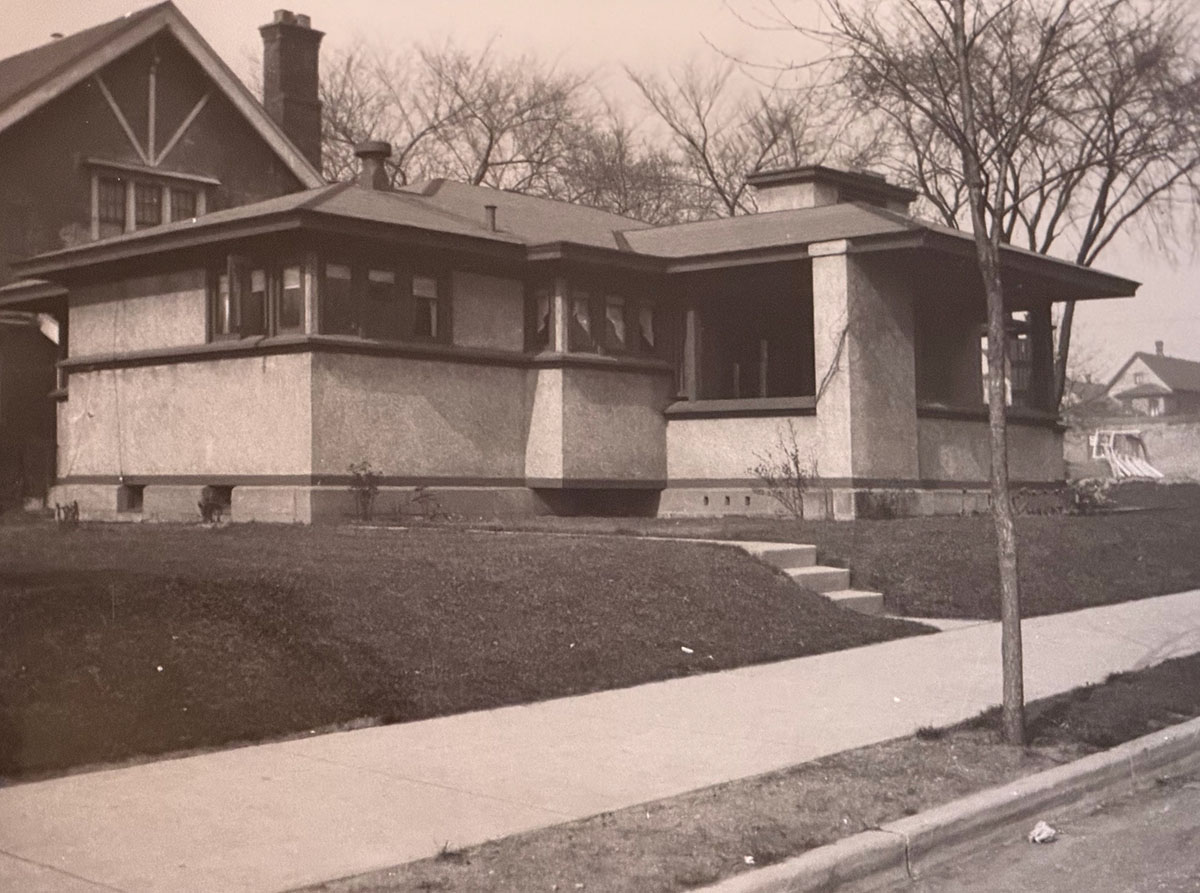
 Wright in Wisconsin board members discuss their purchase of the B1 in April 2005. Mike Lilek, the driving force behind the Burnham projects, is left. Barbara Meyer Elsner is third from right.
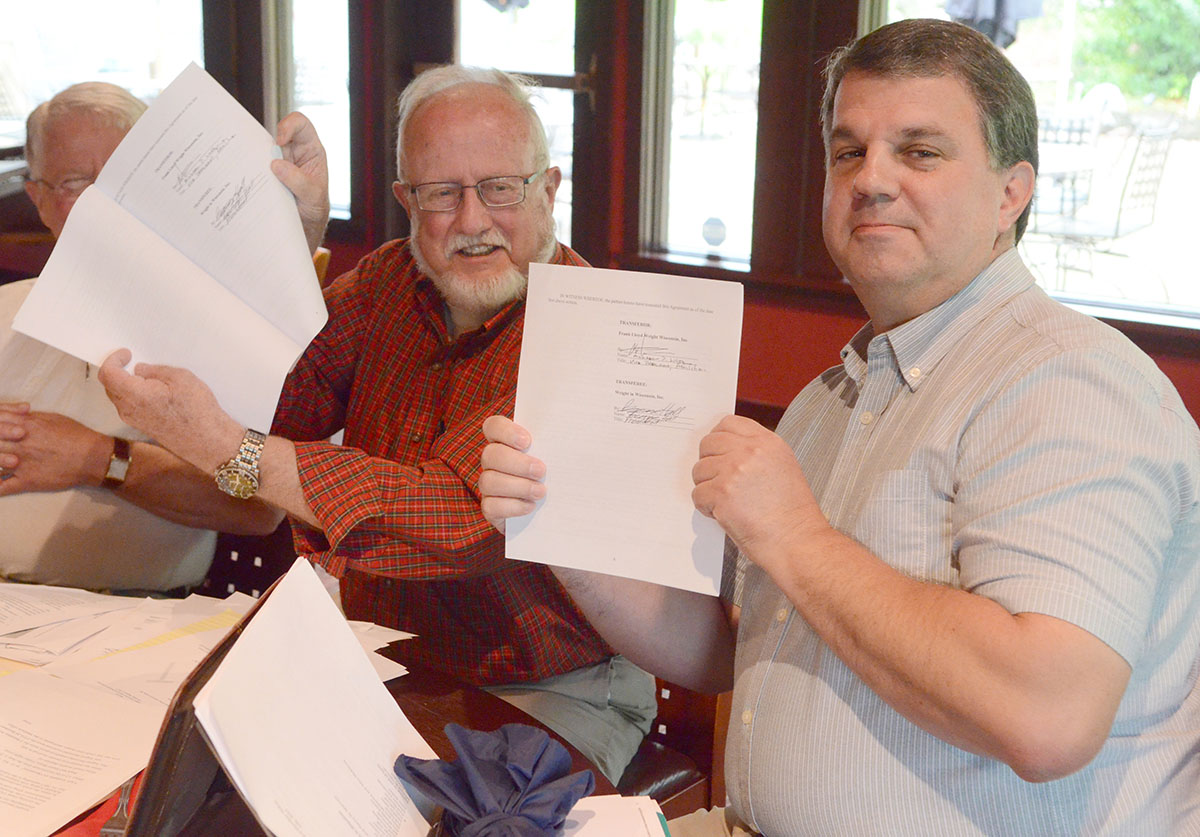 George Hall, left, and Mike Lilek sign the reorganization papers August 3, 2017.
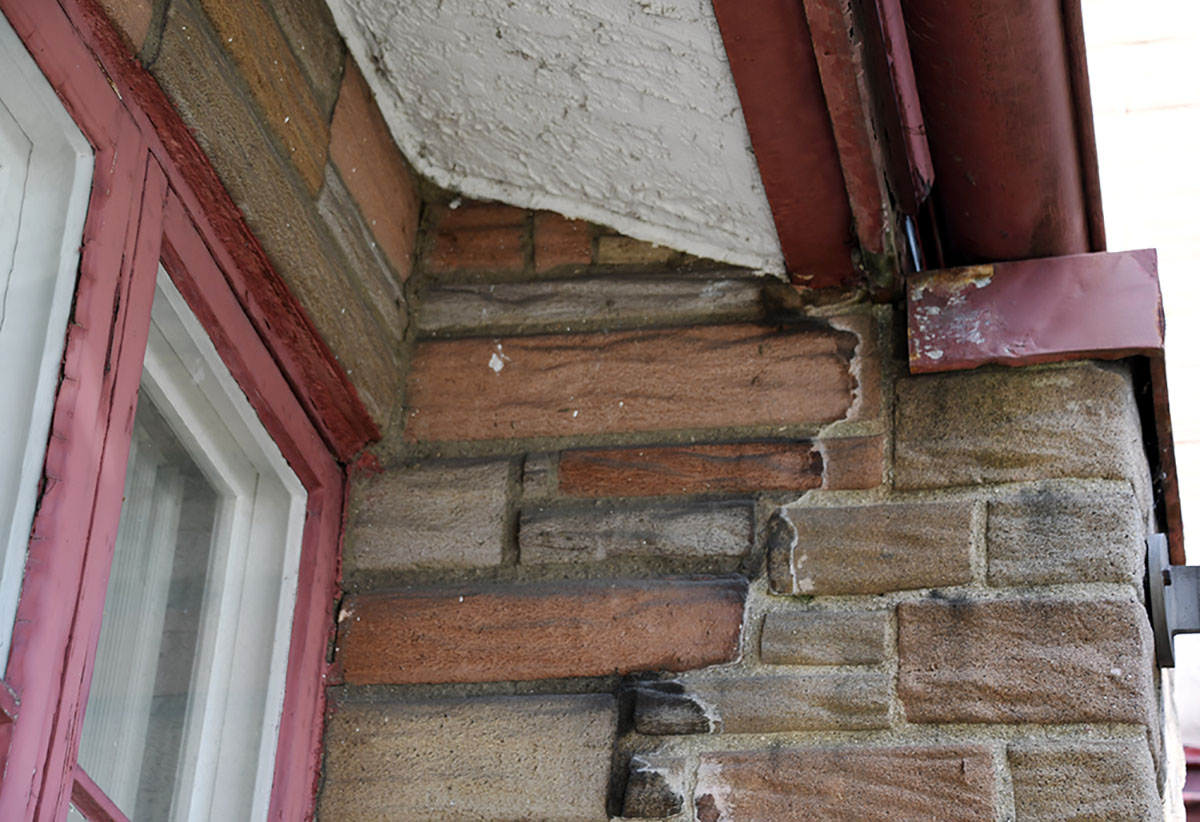
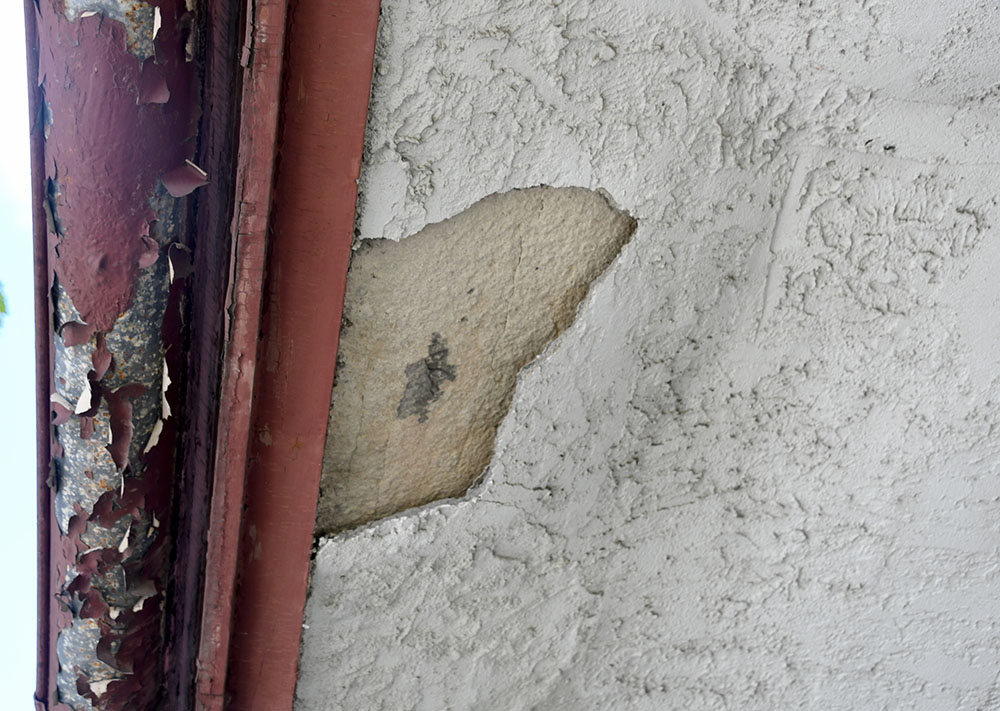
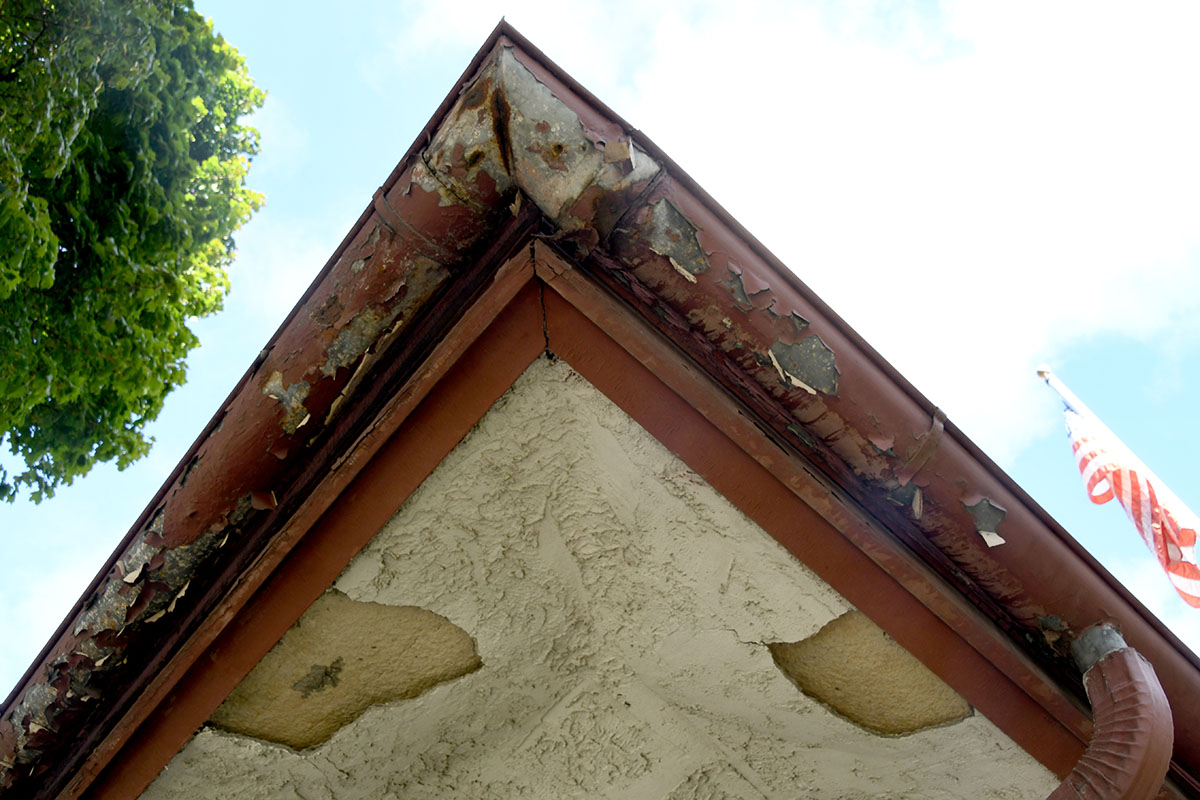


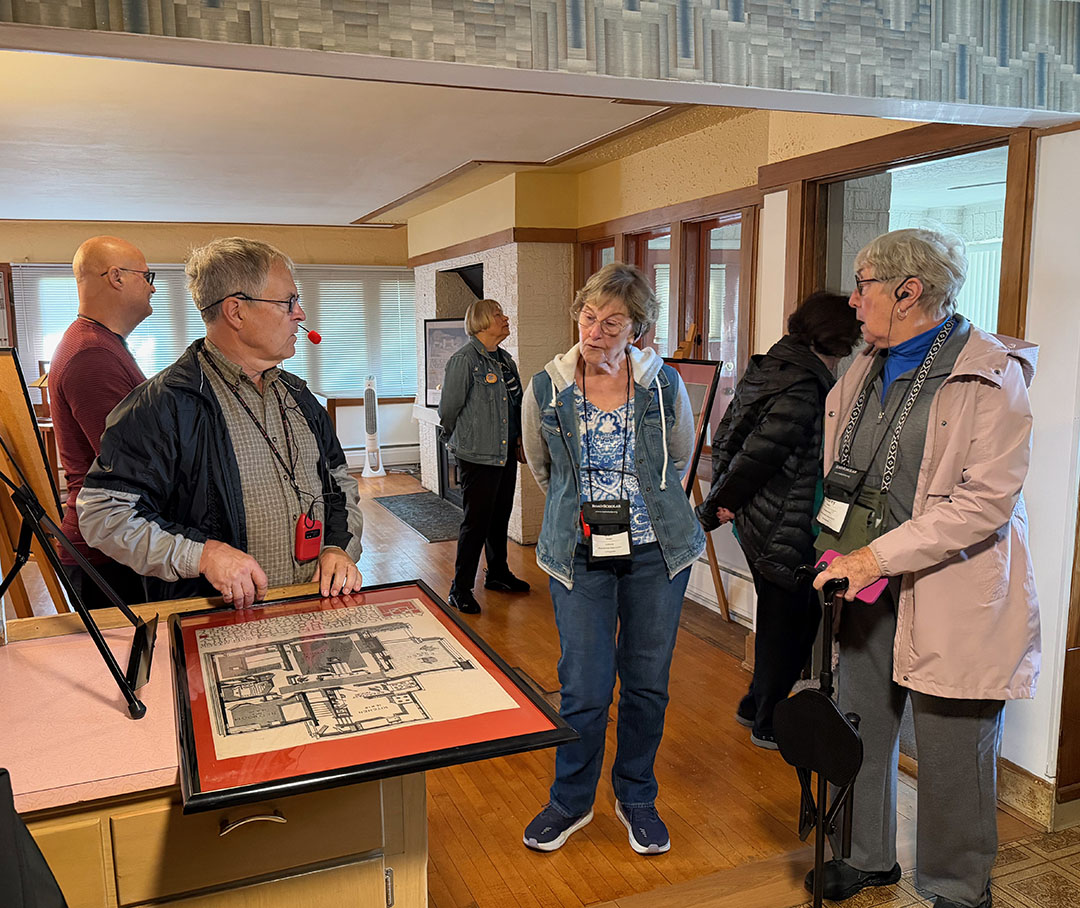

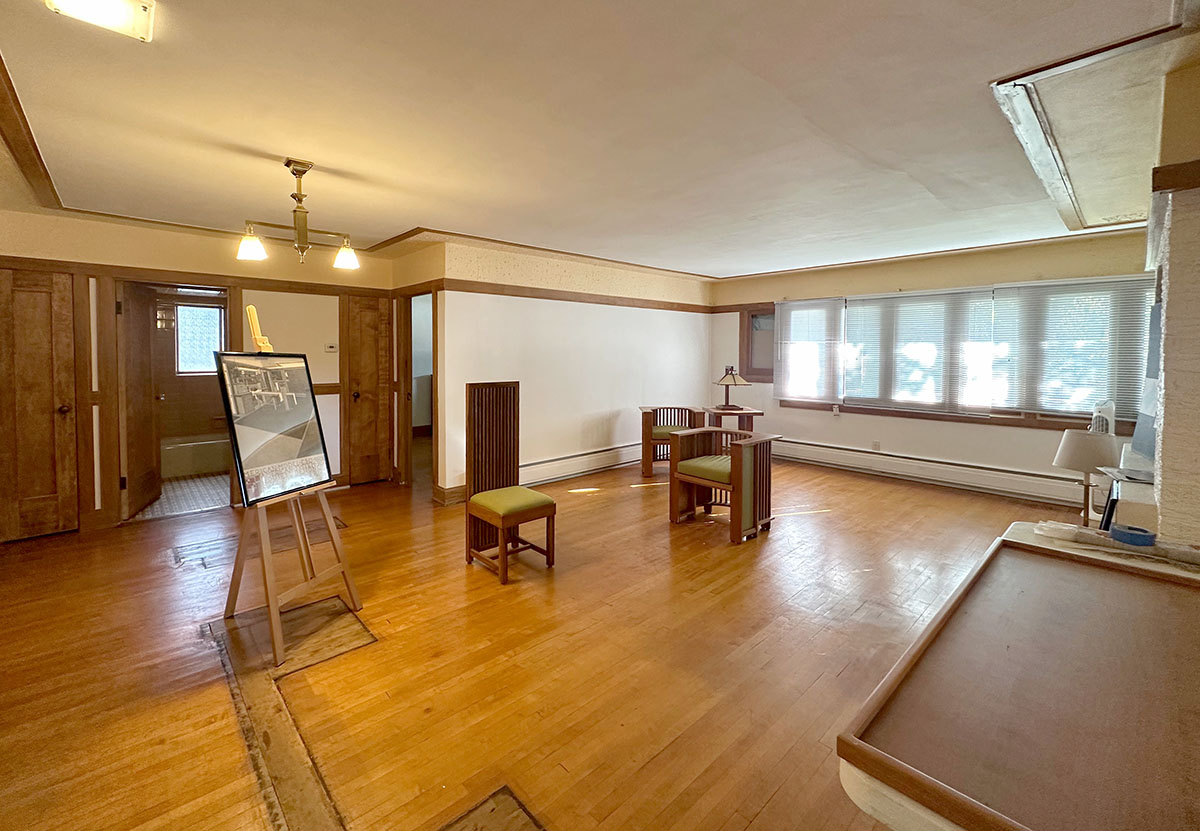

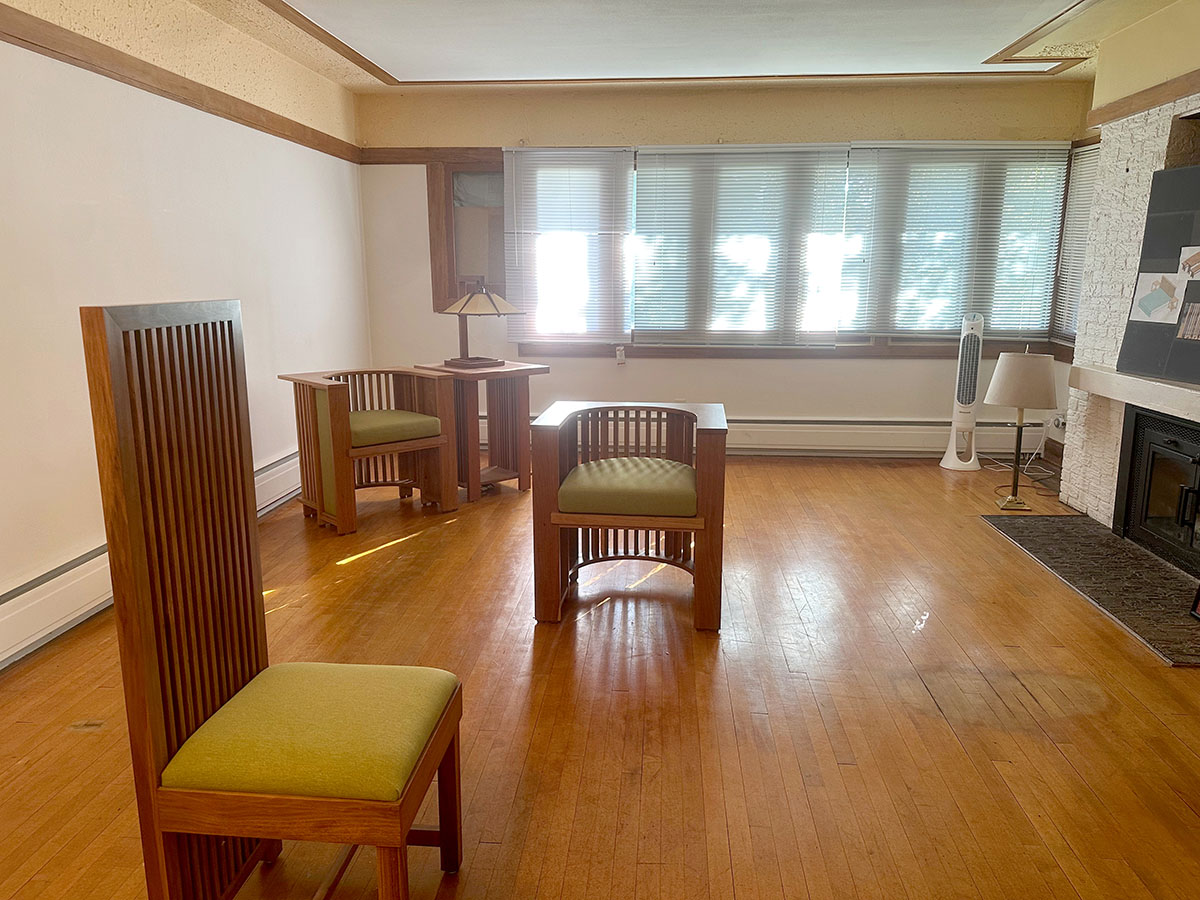

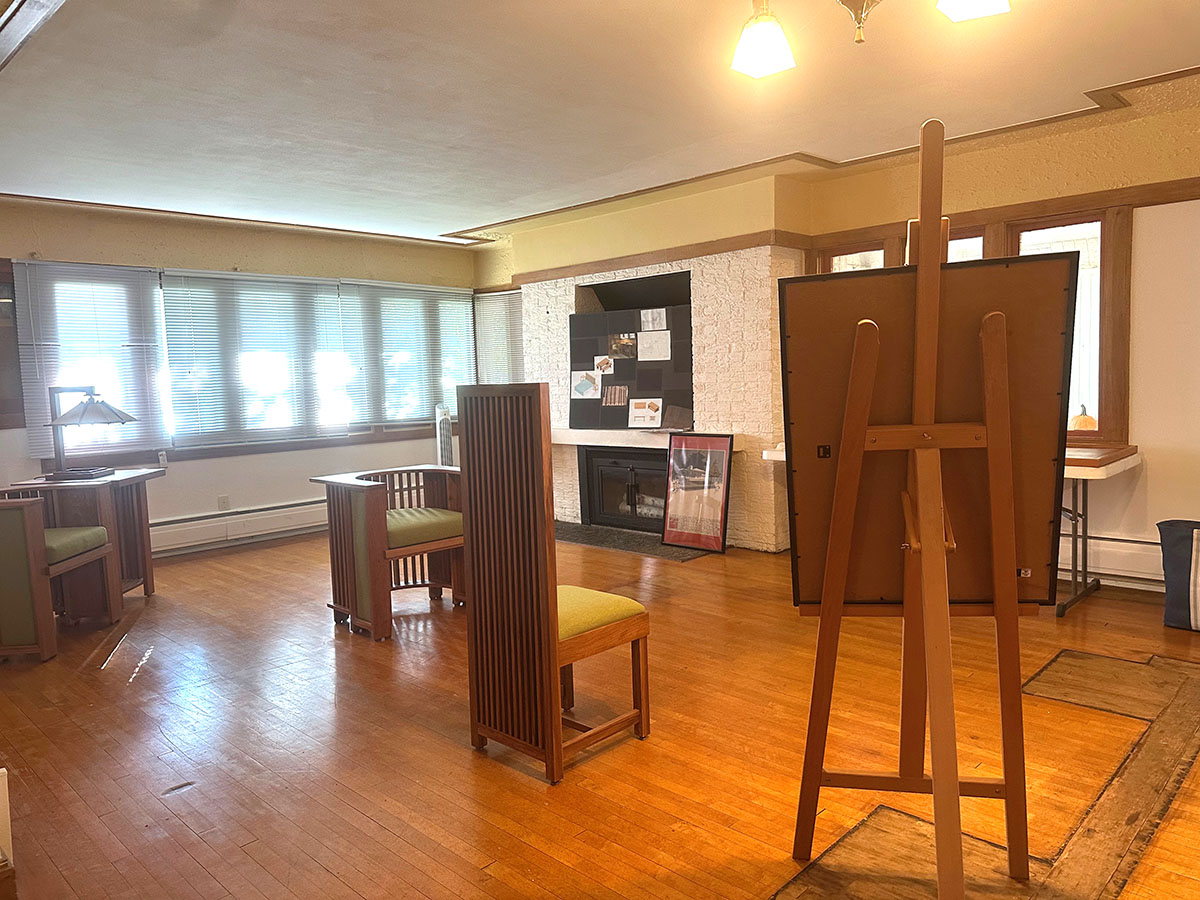

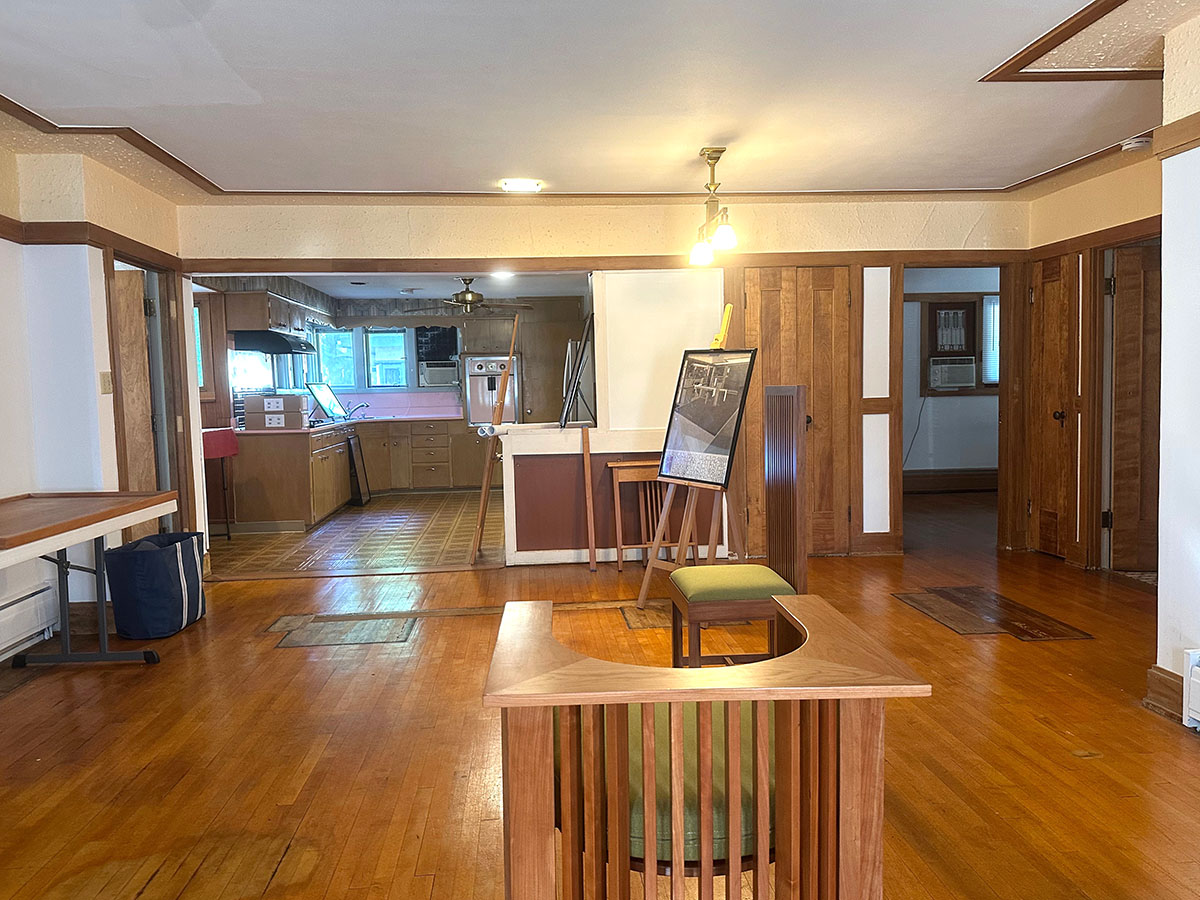
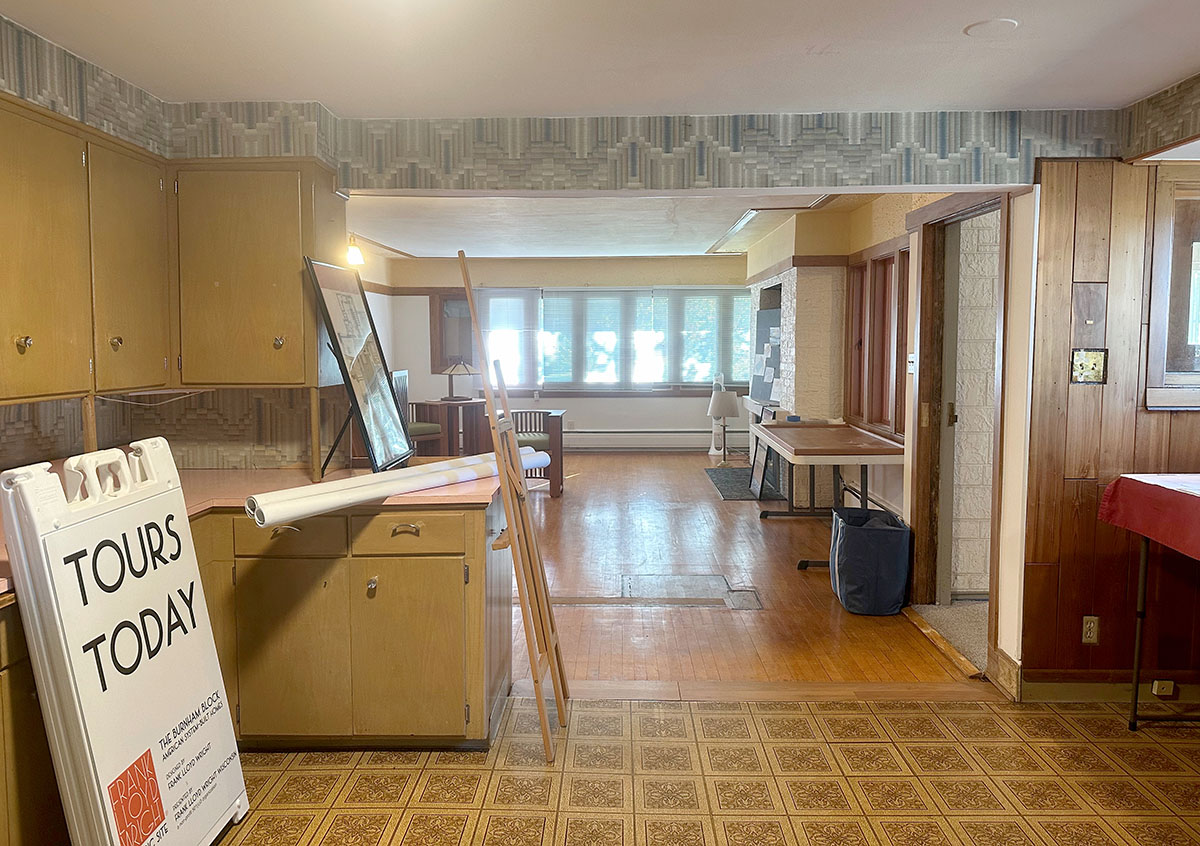


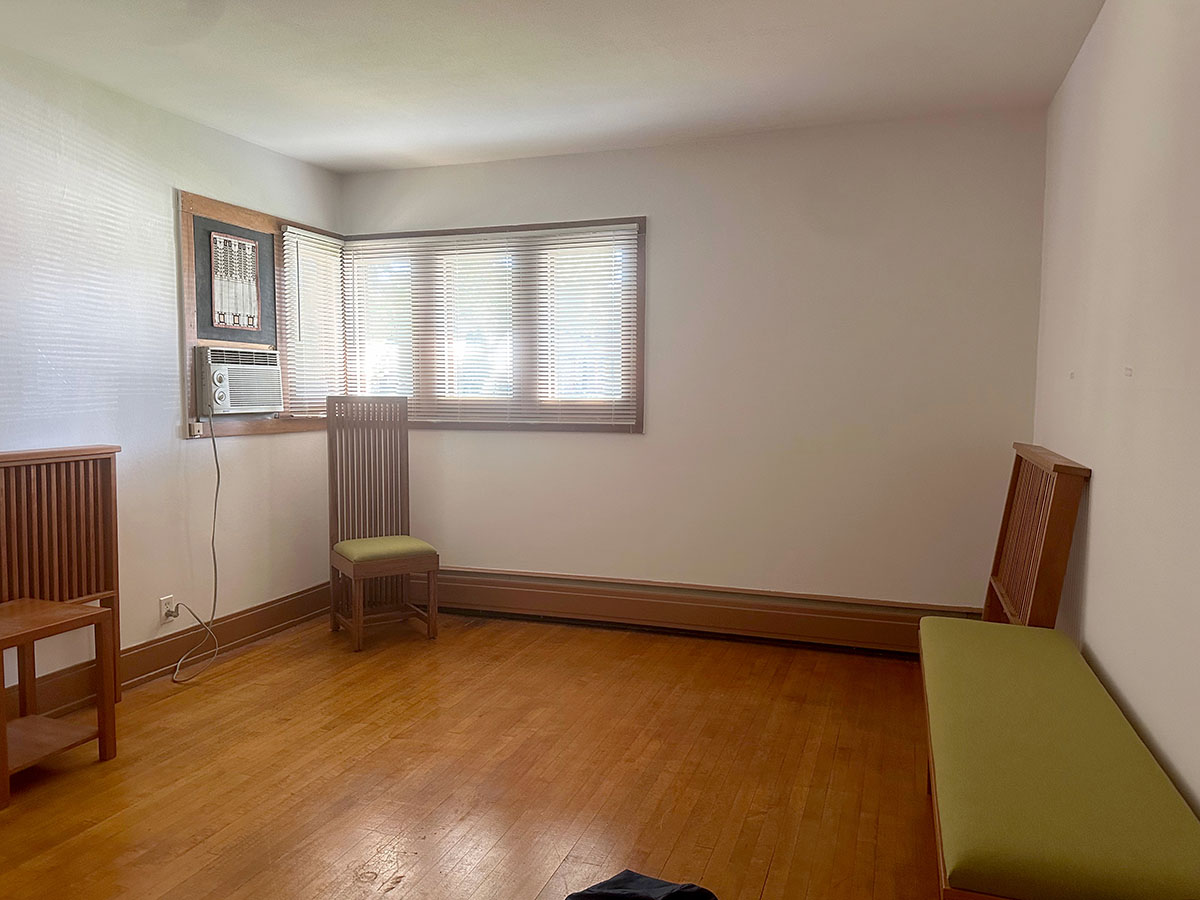
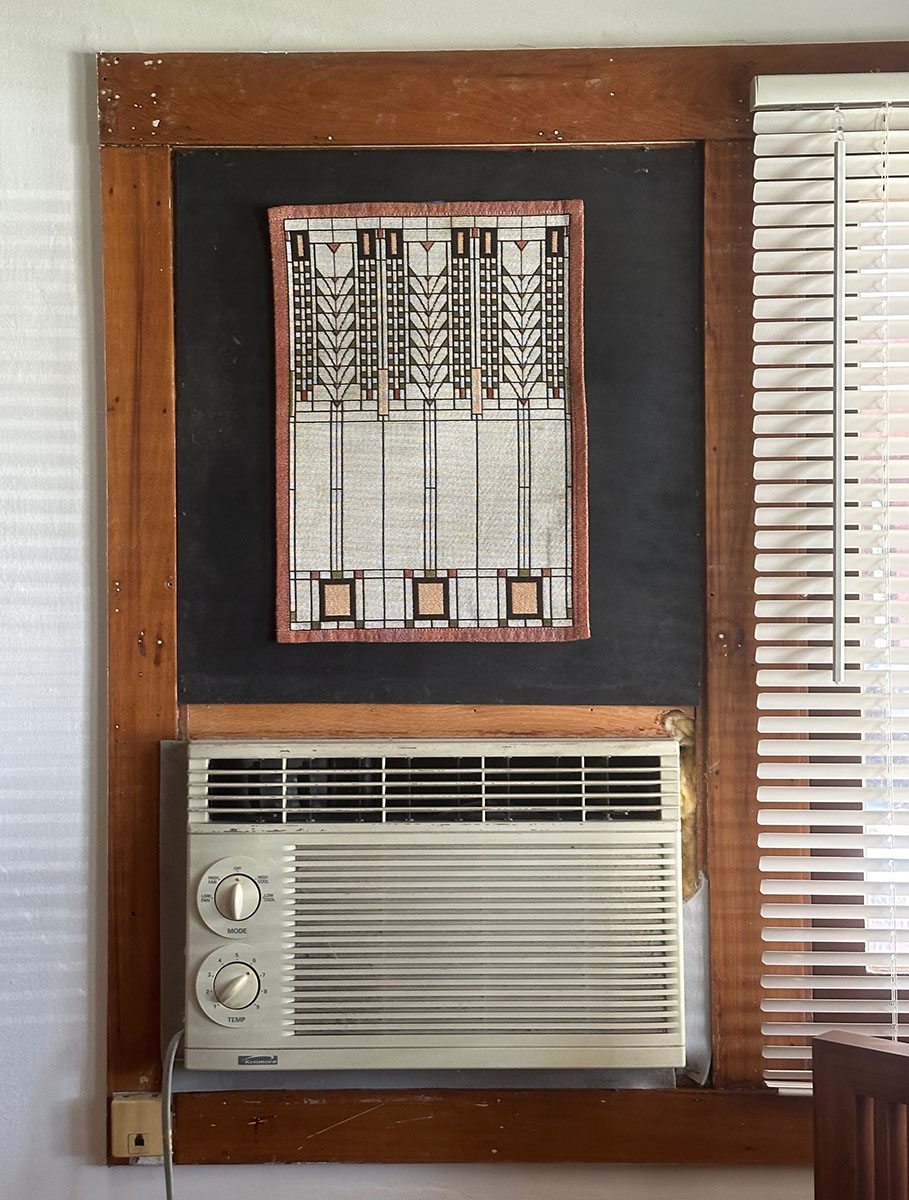
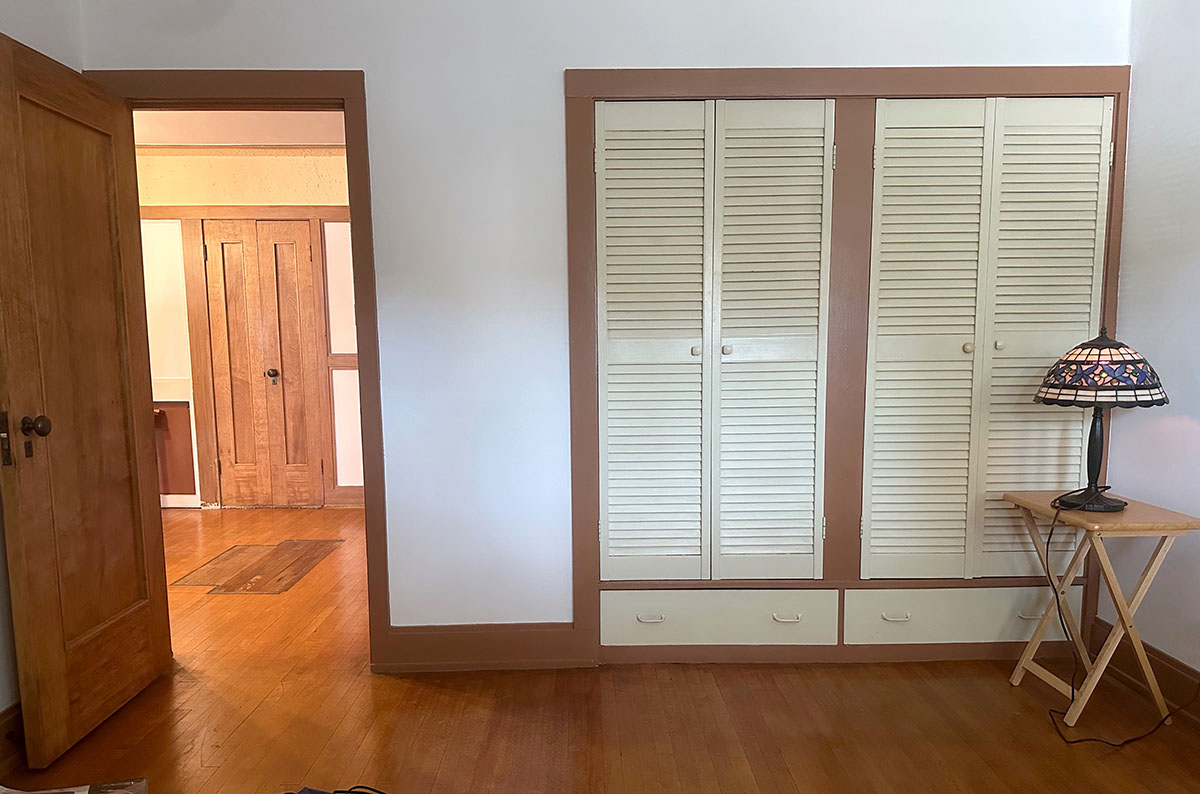
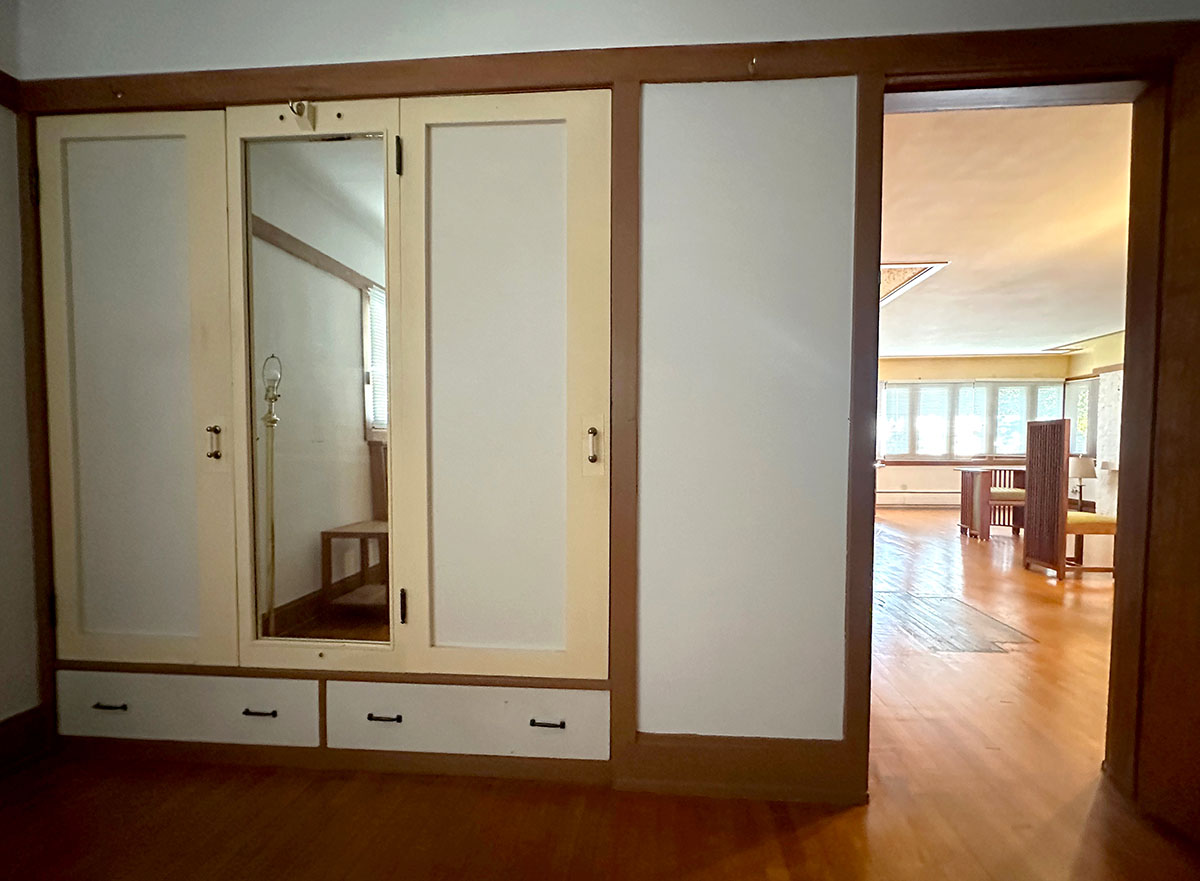
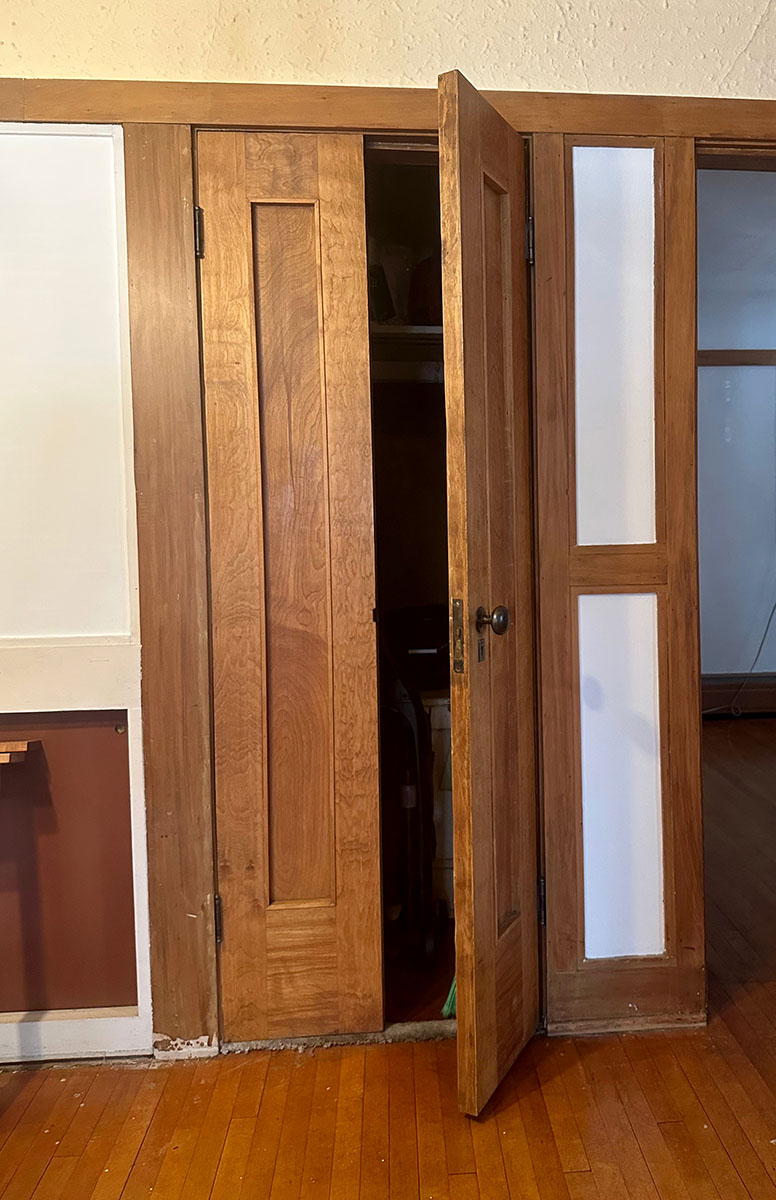
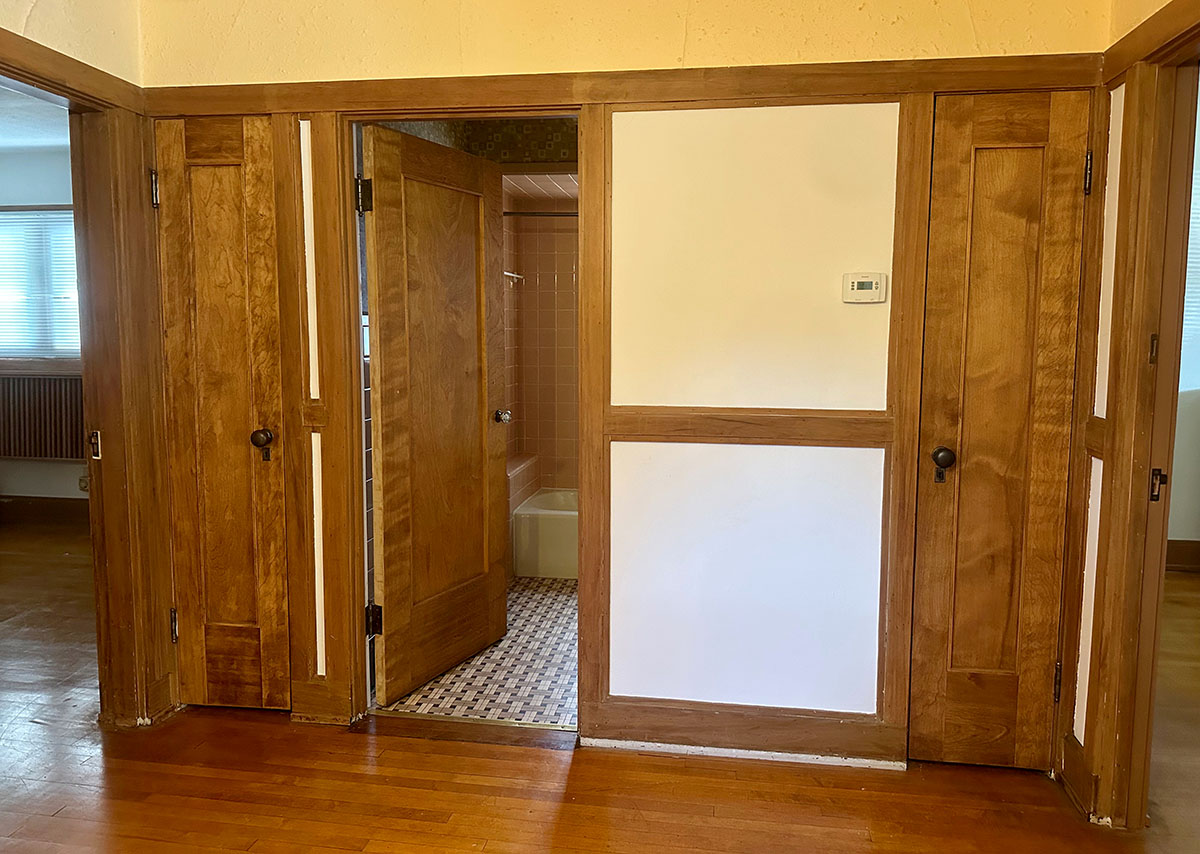
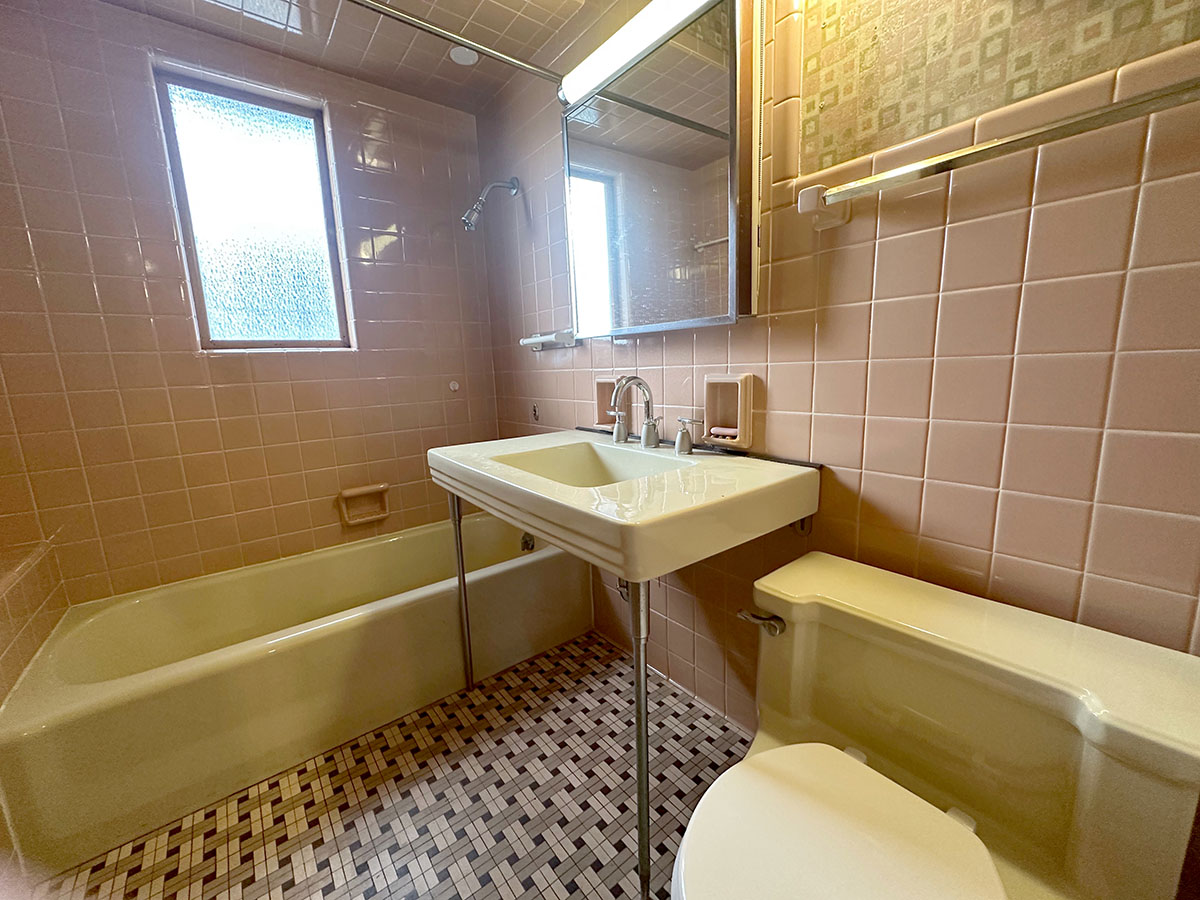
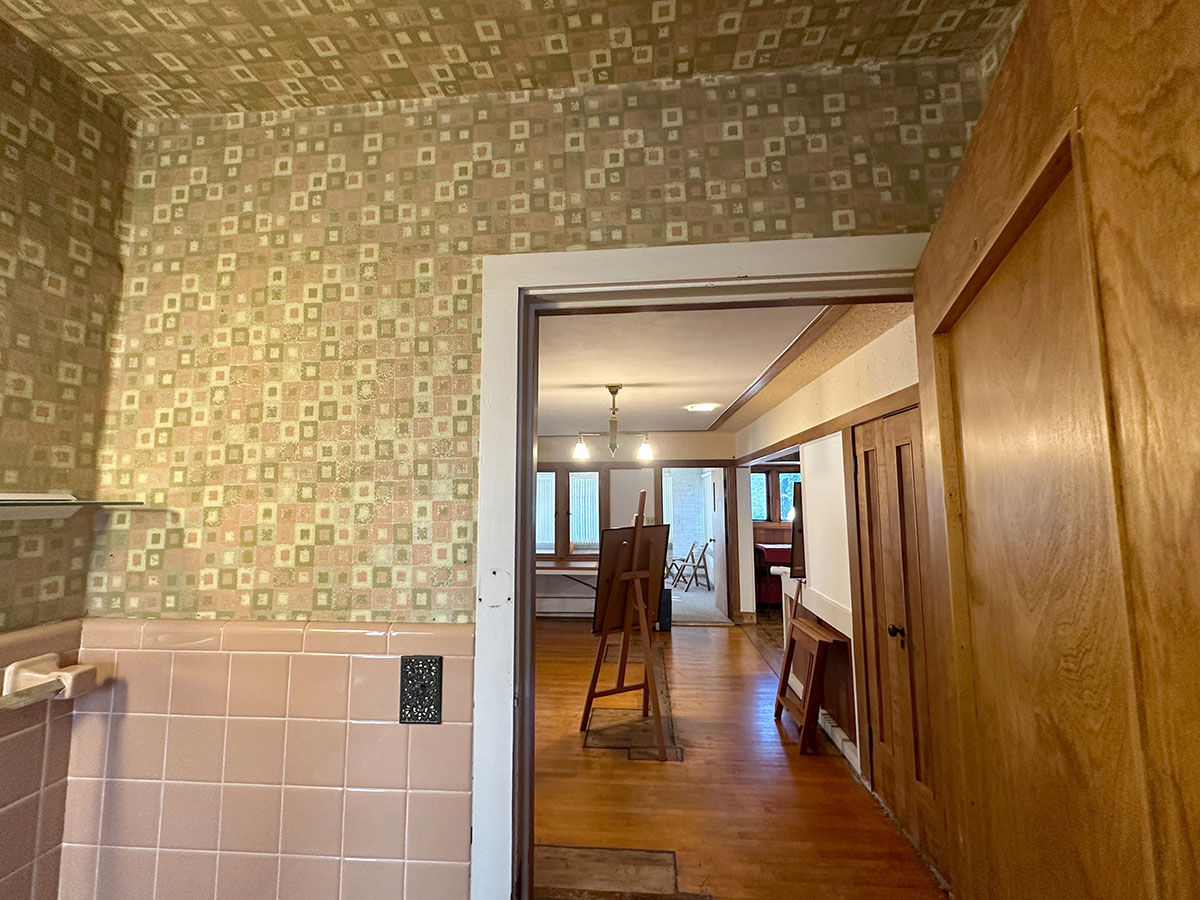

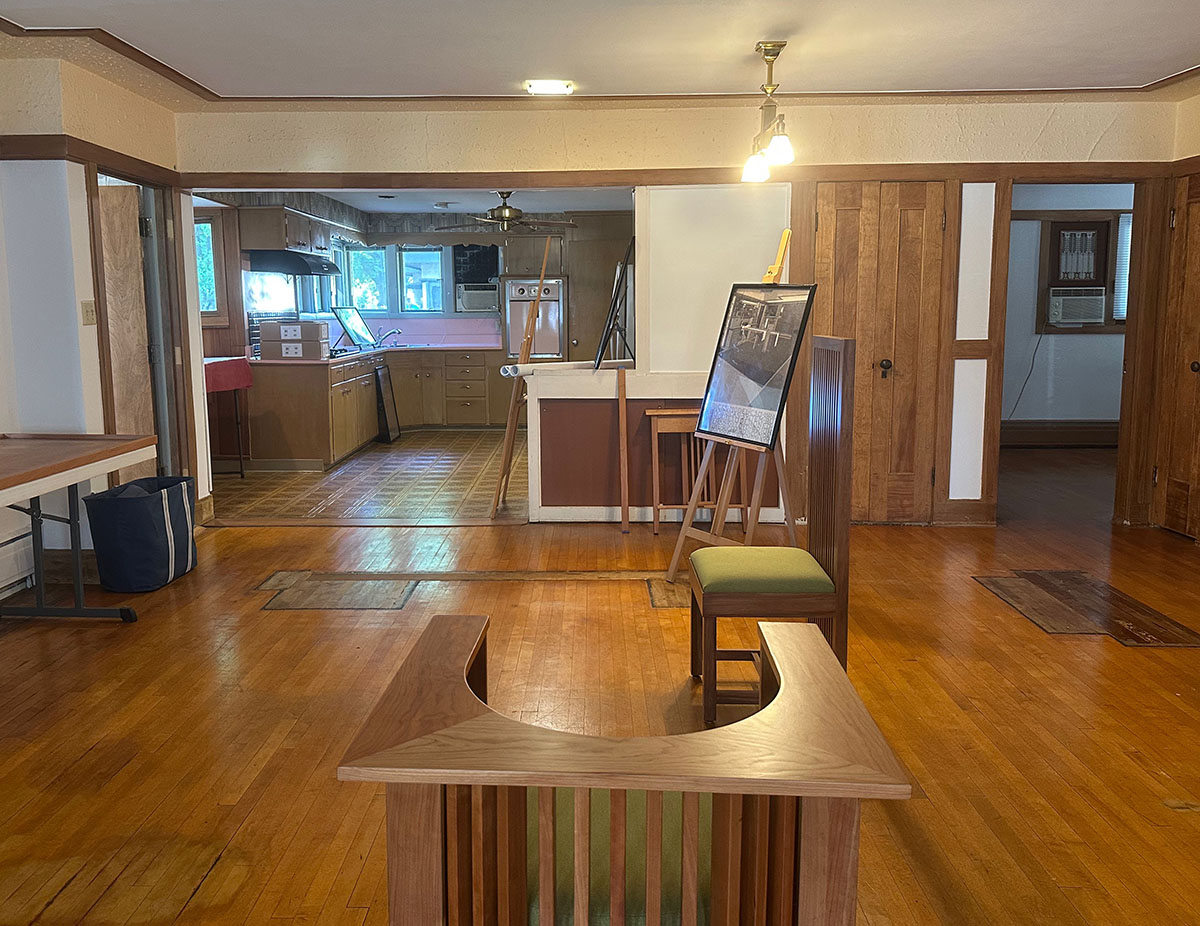
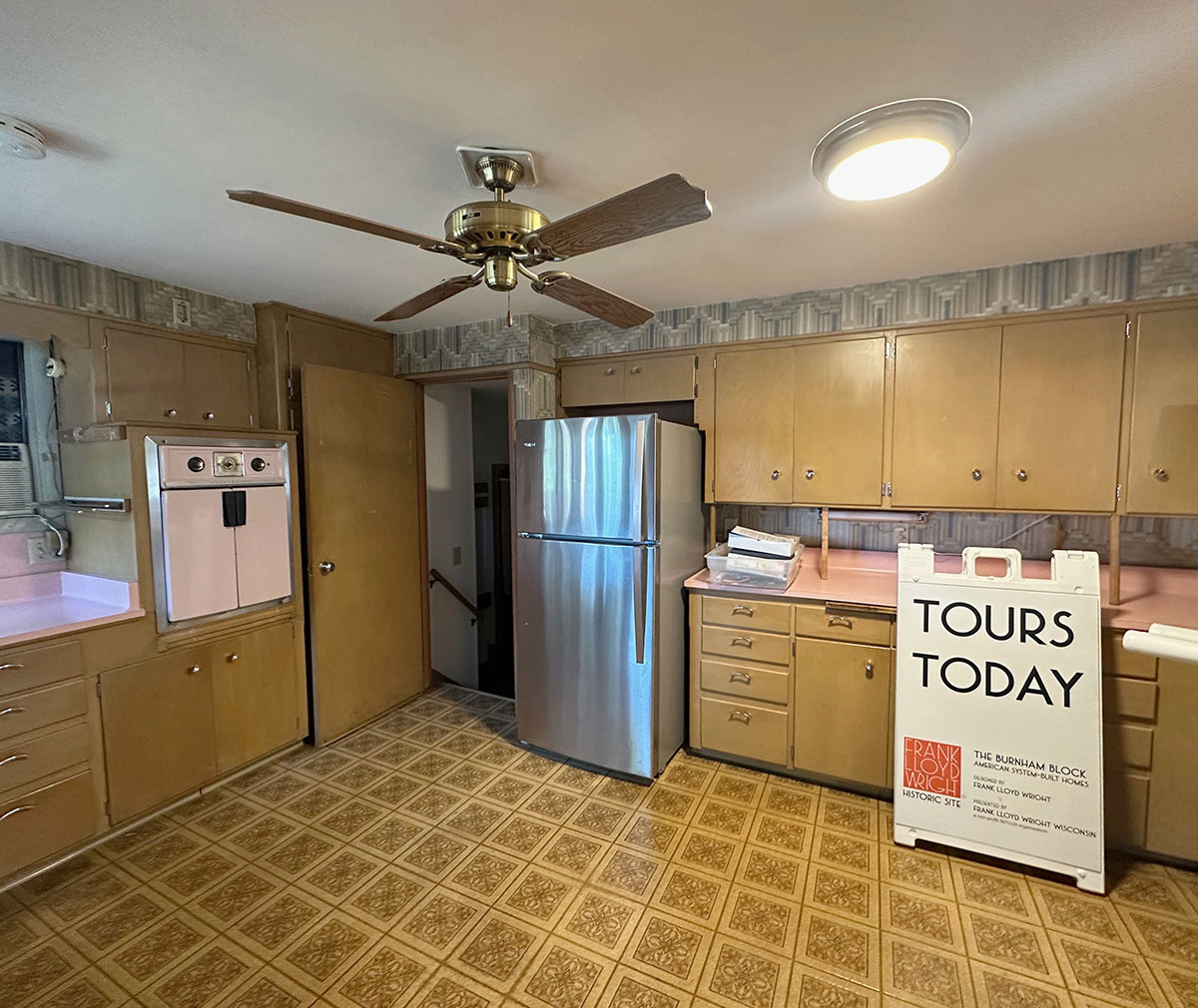
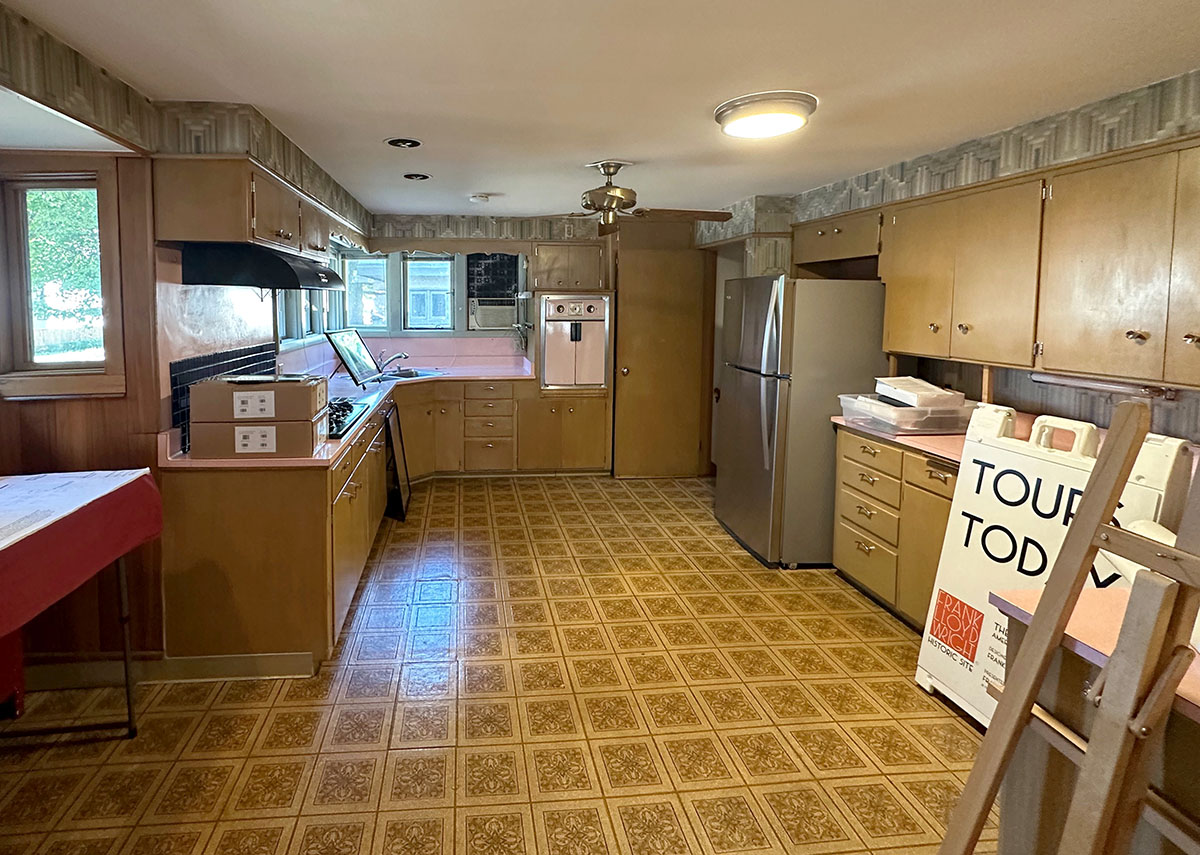
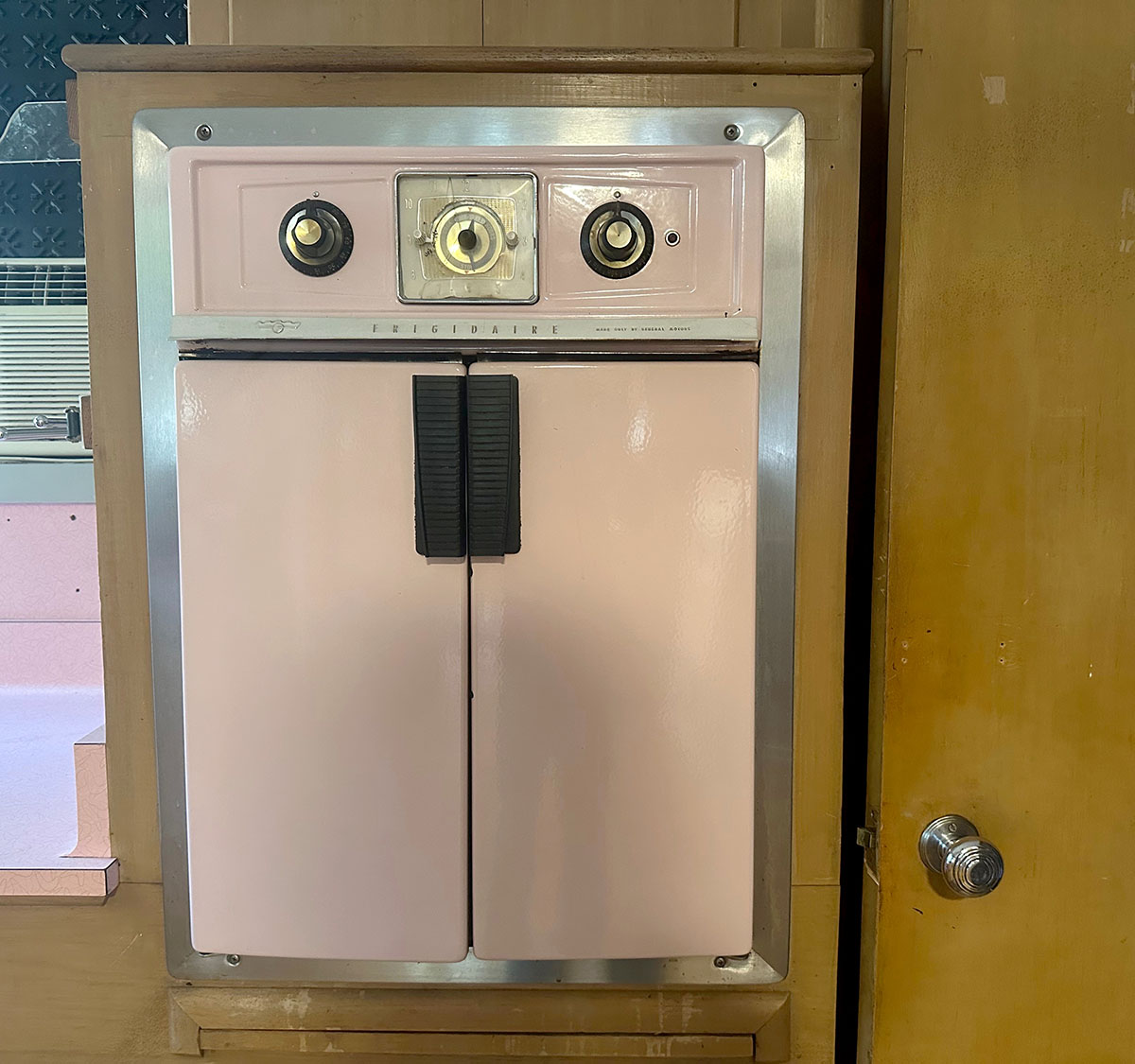
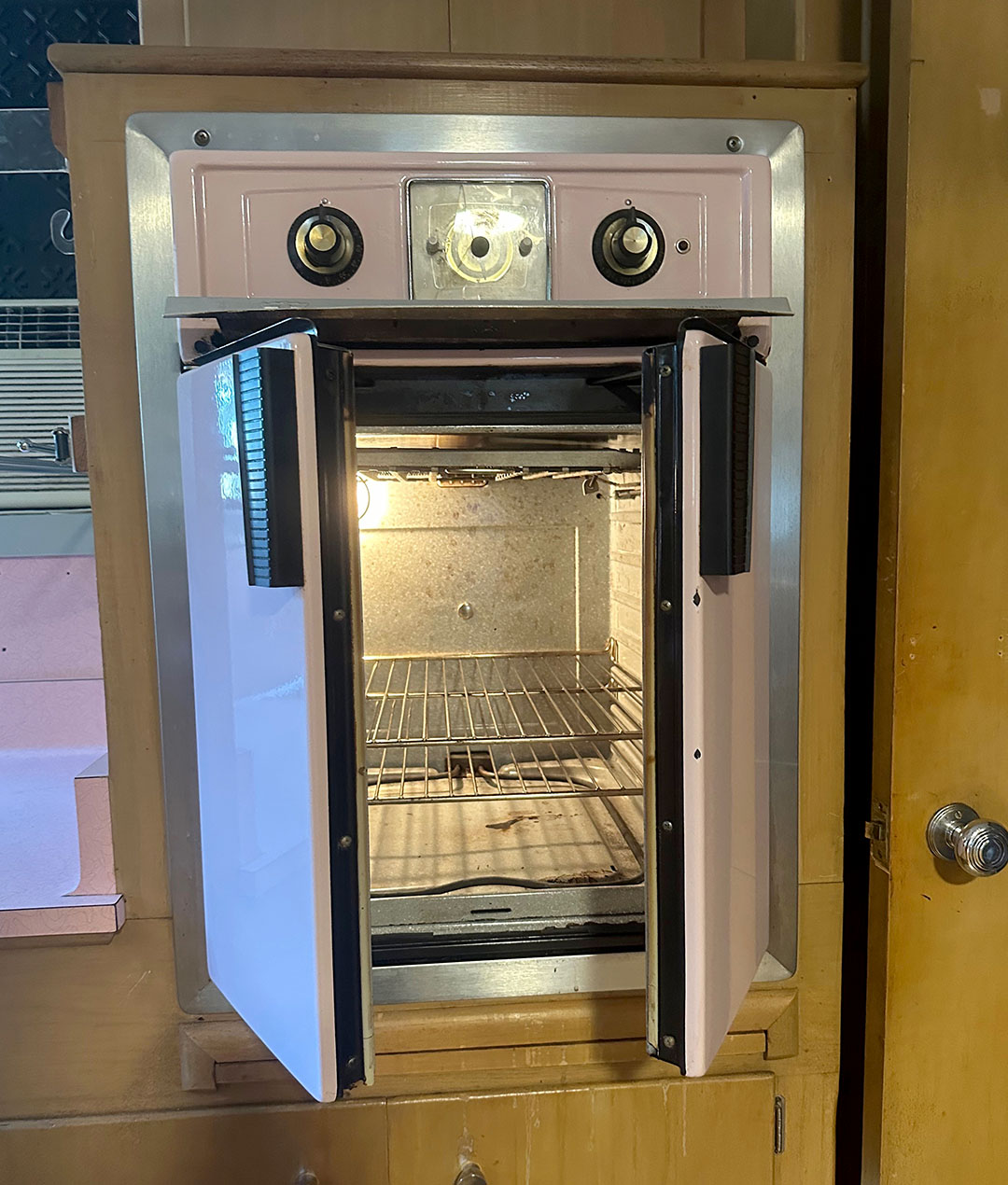
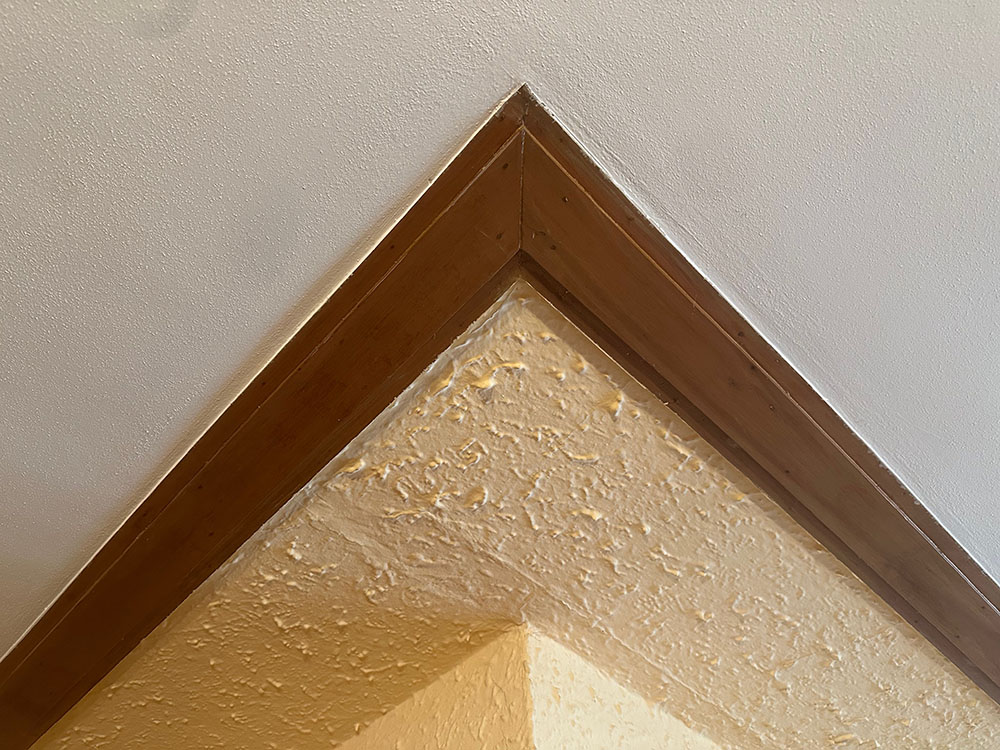
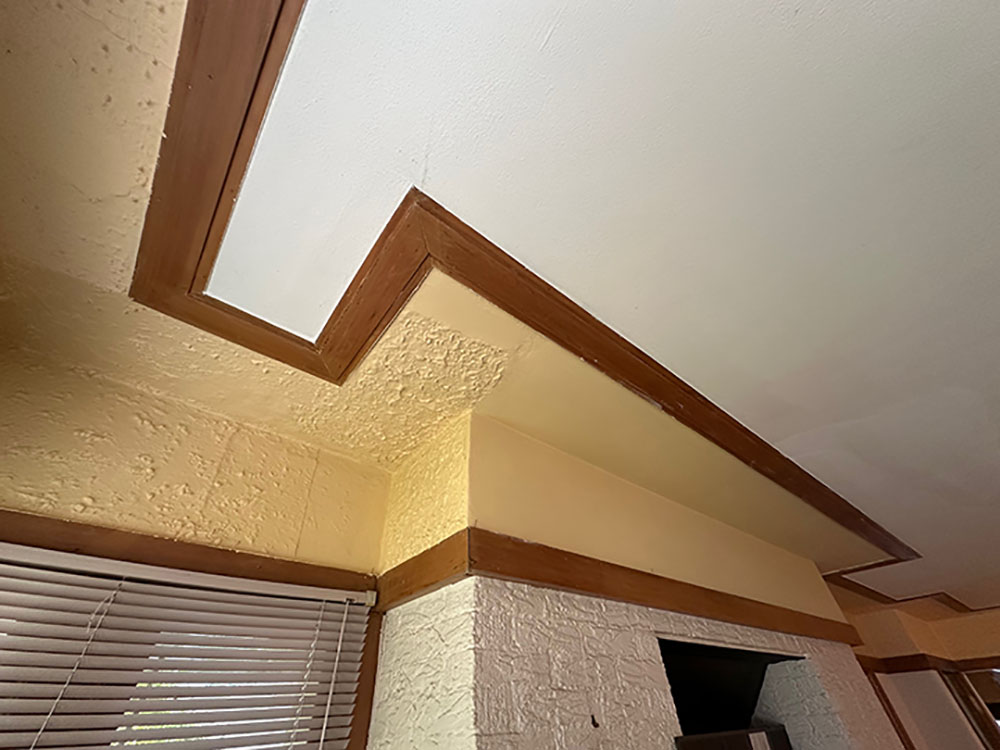
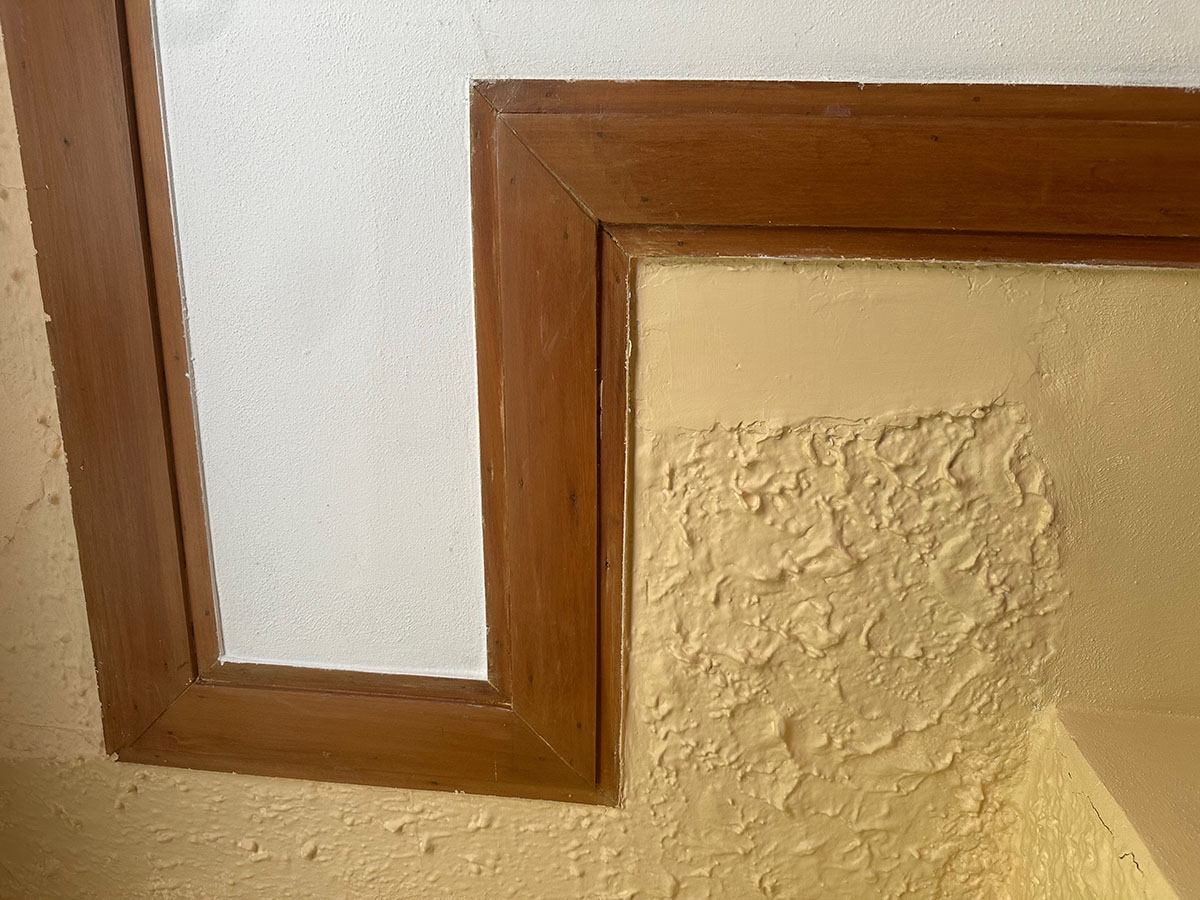
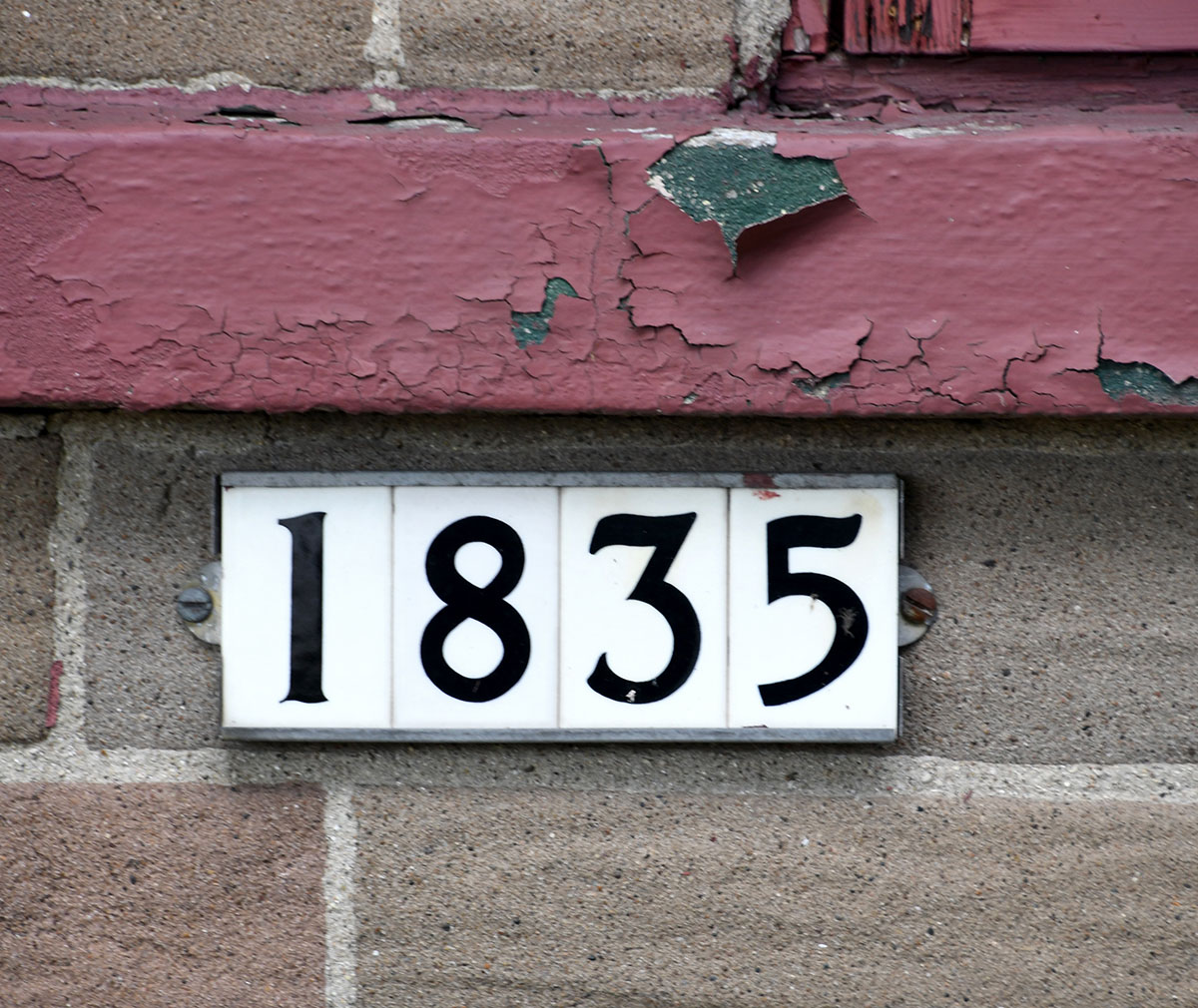
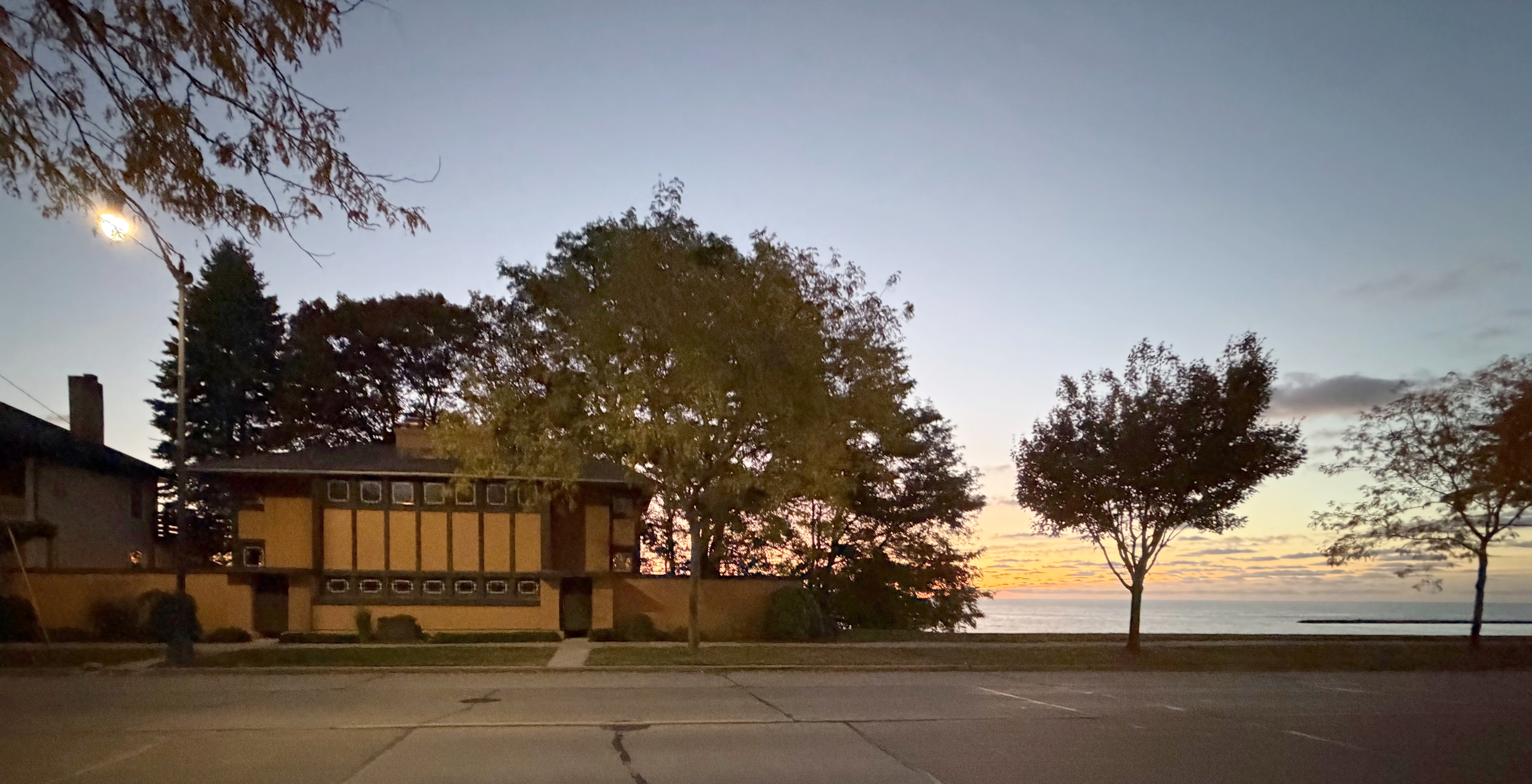
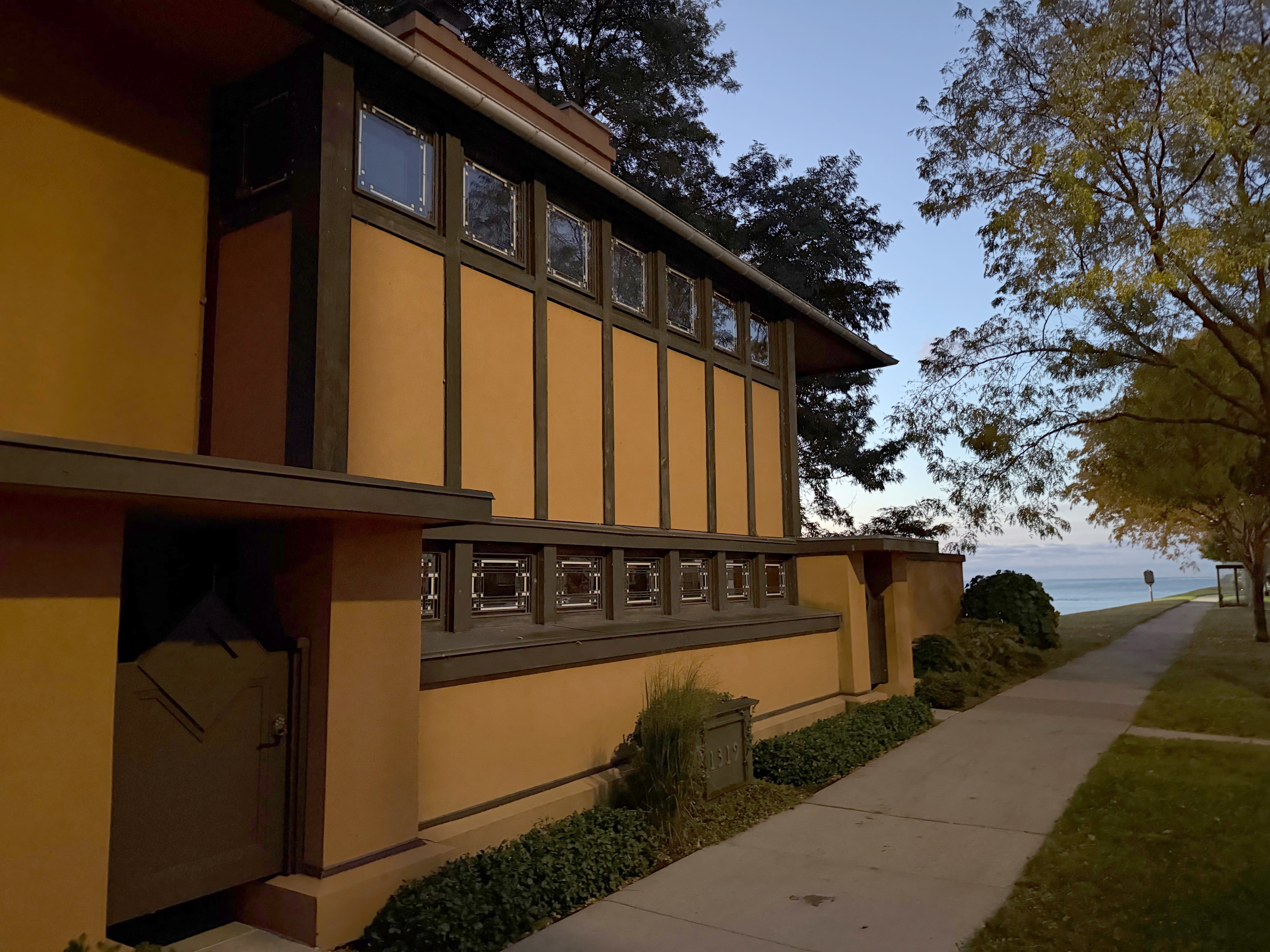
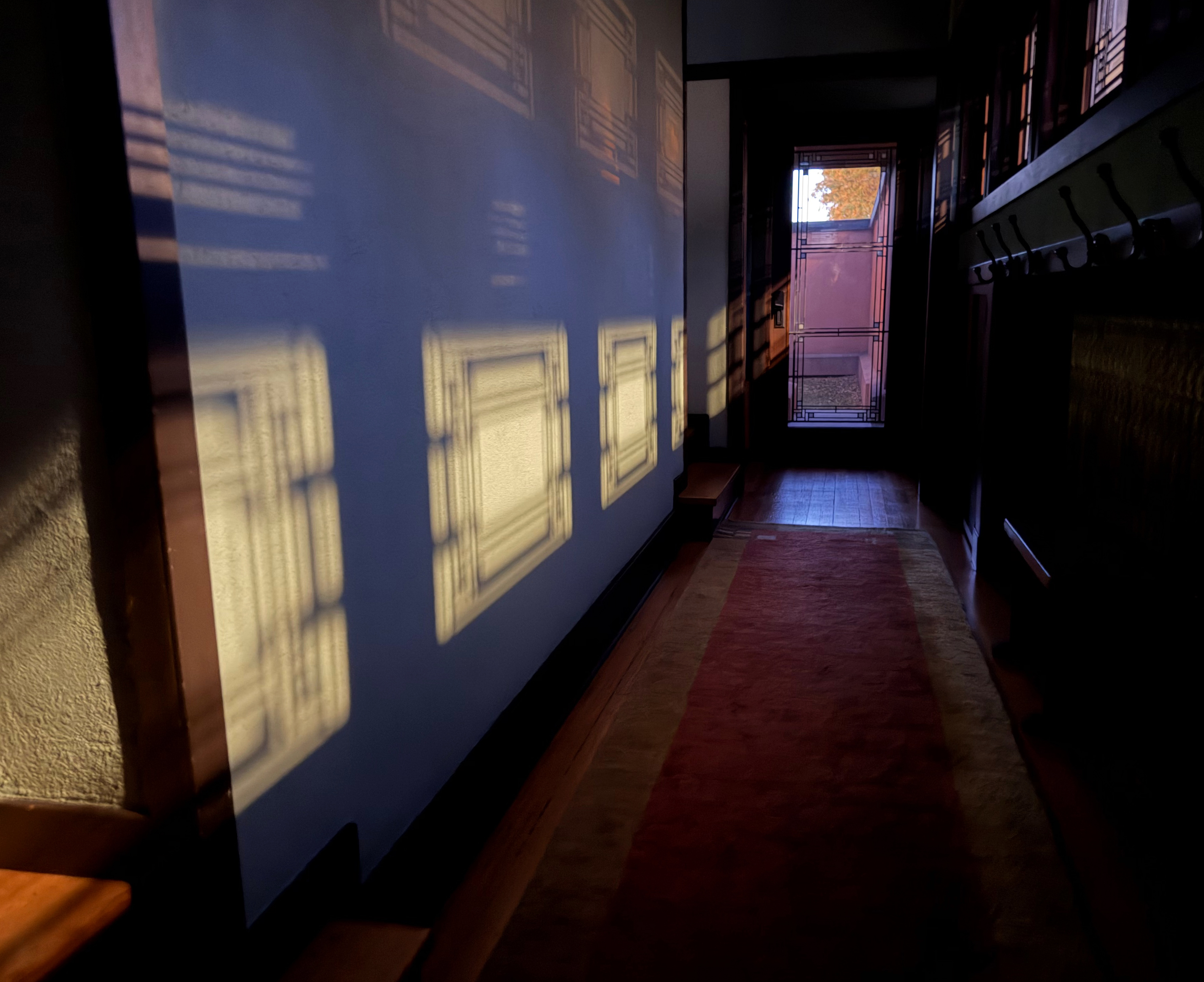
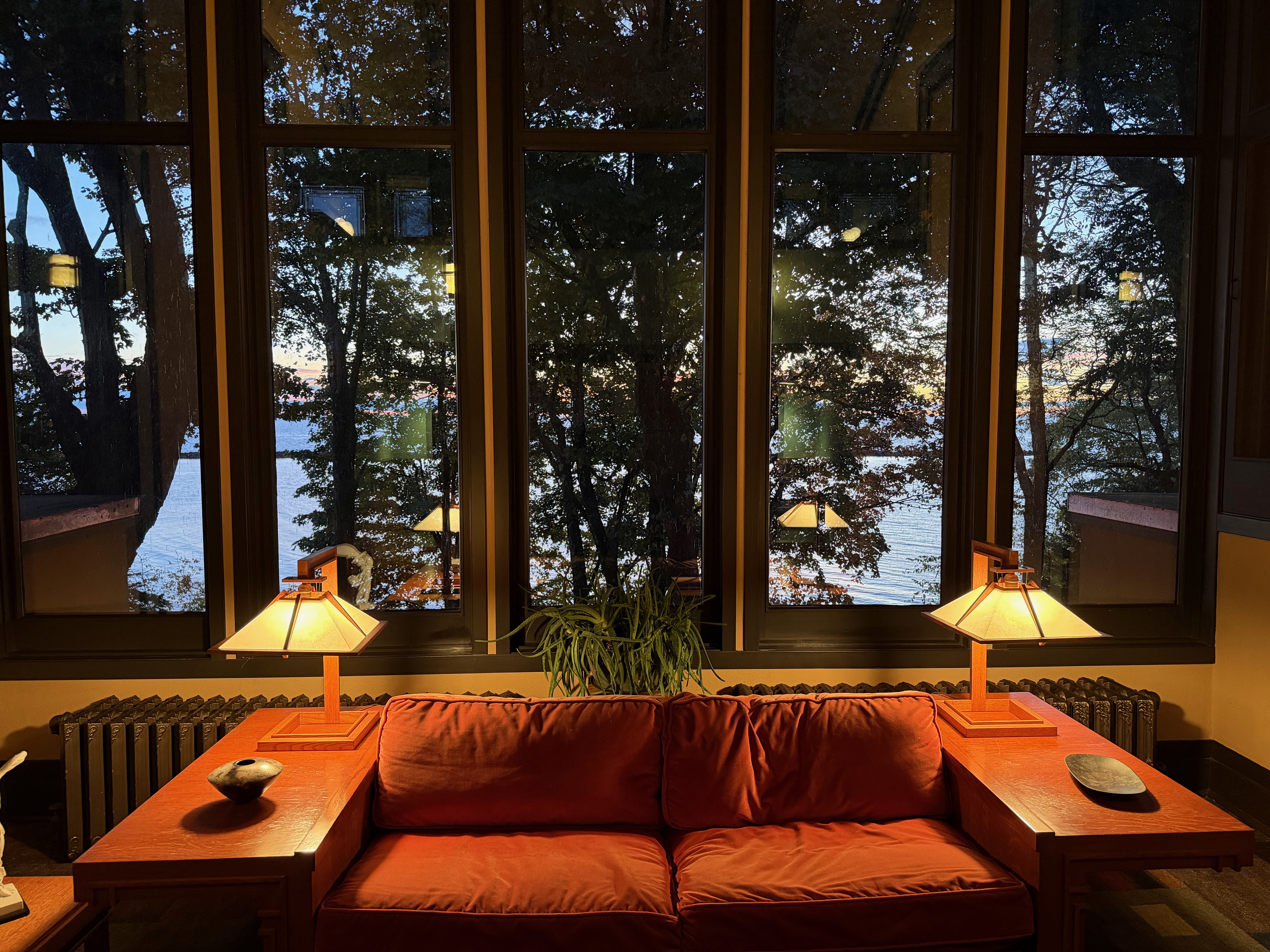
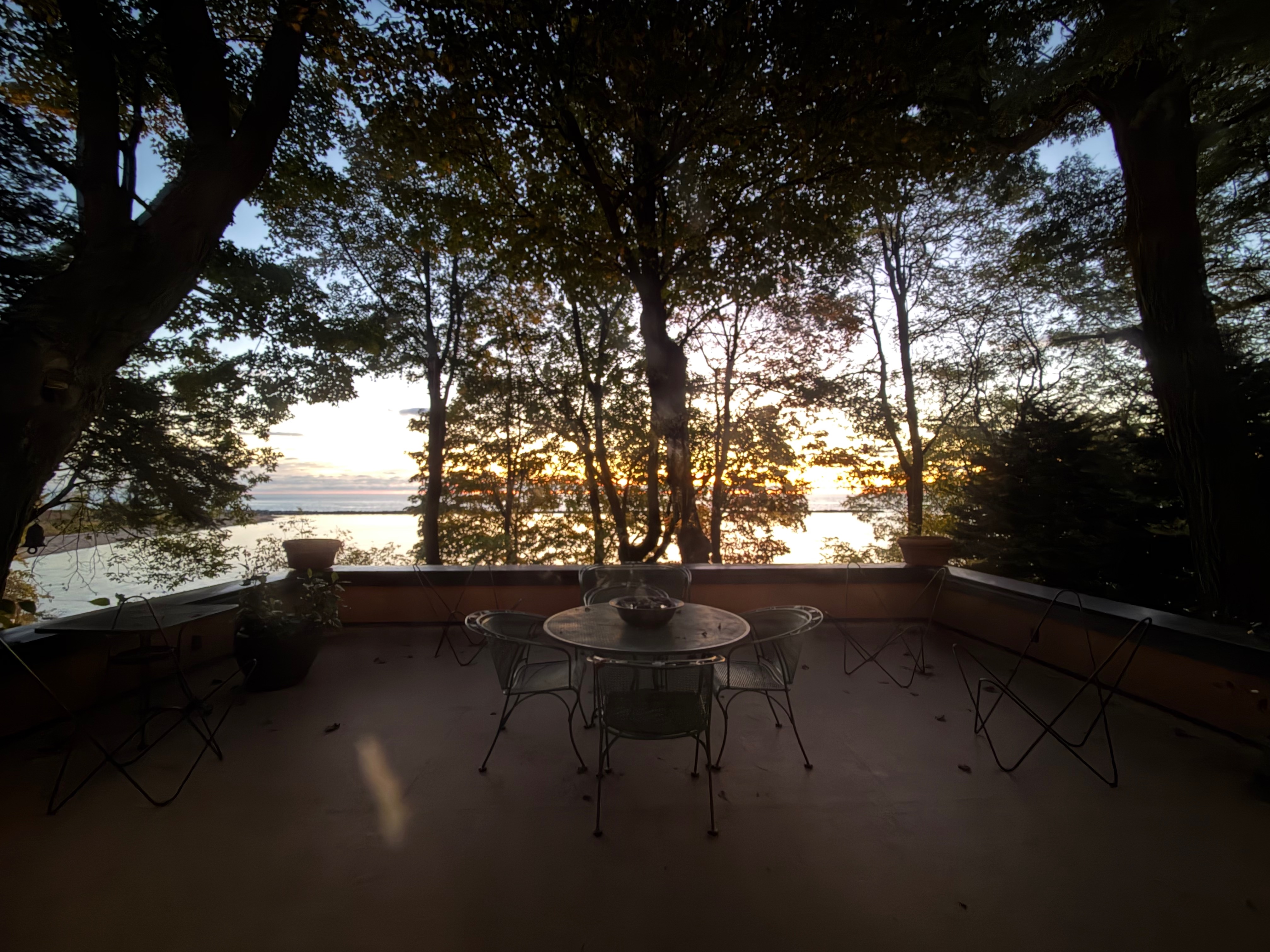
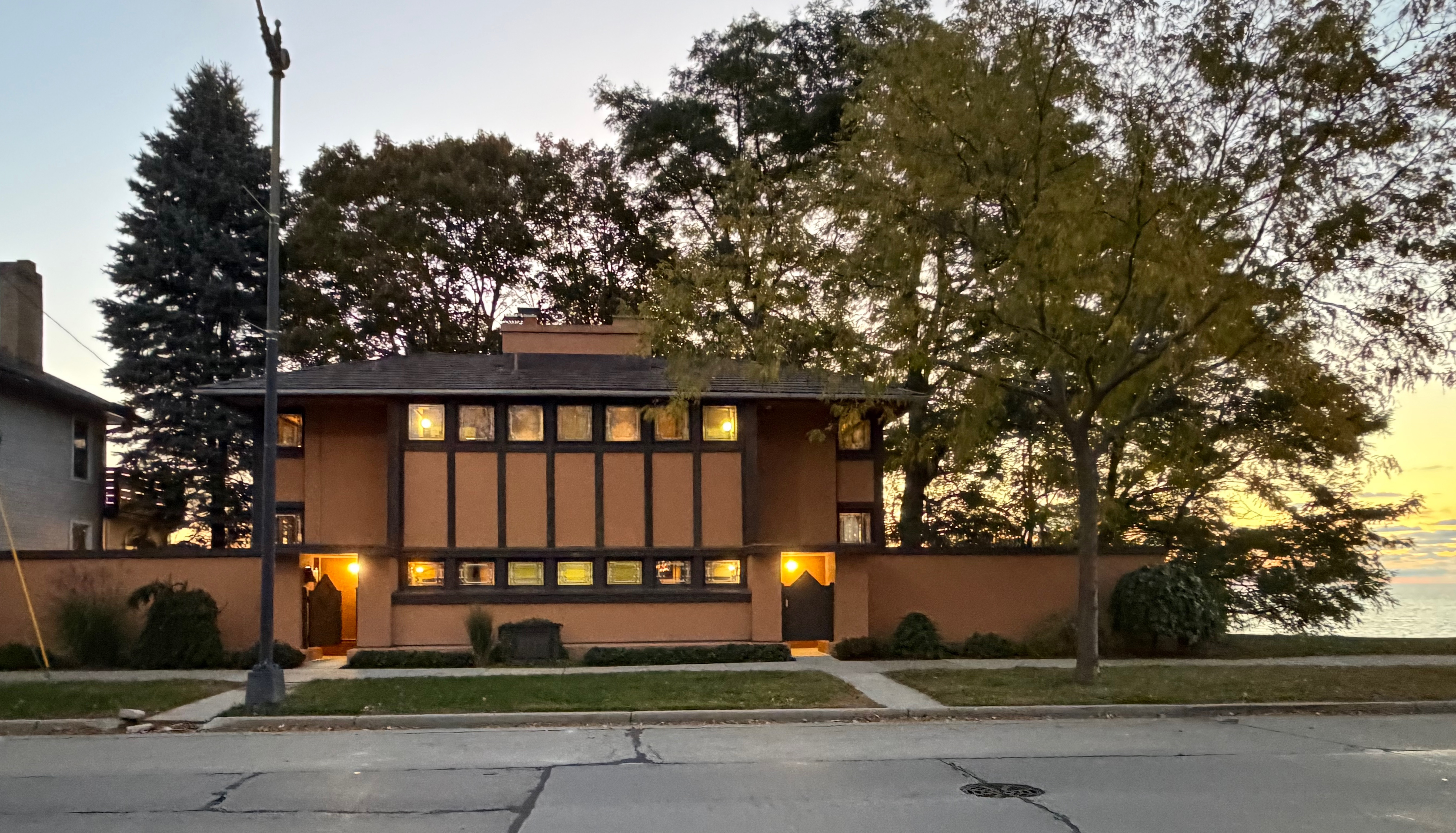
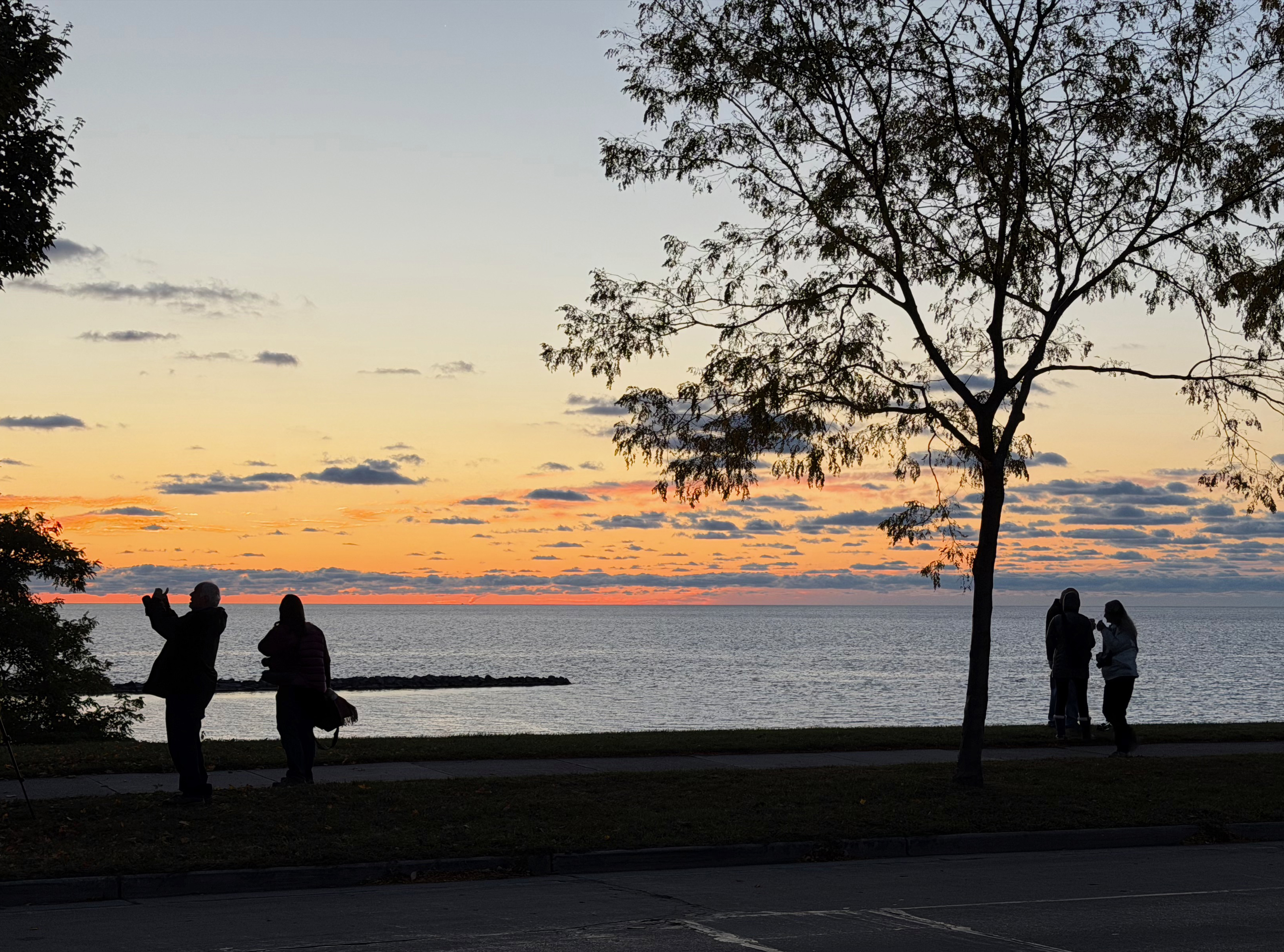
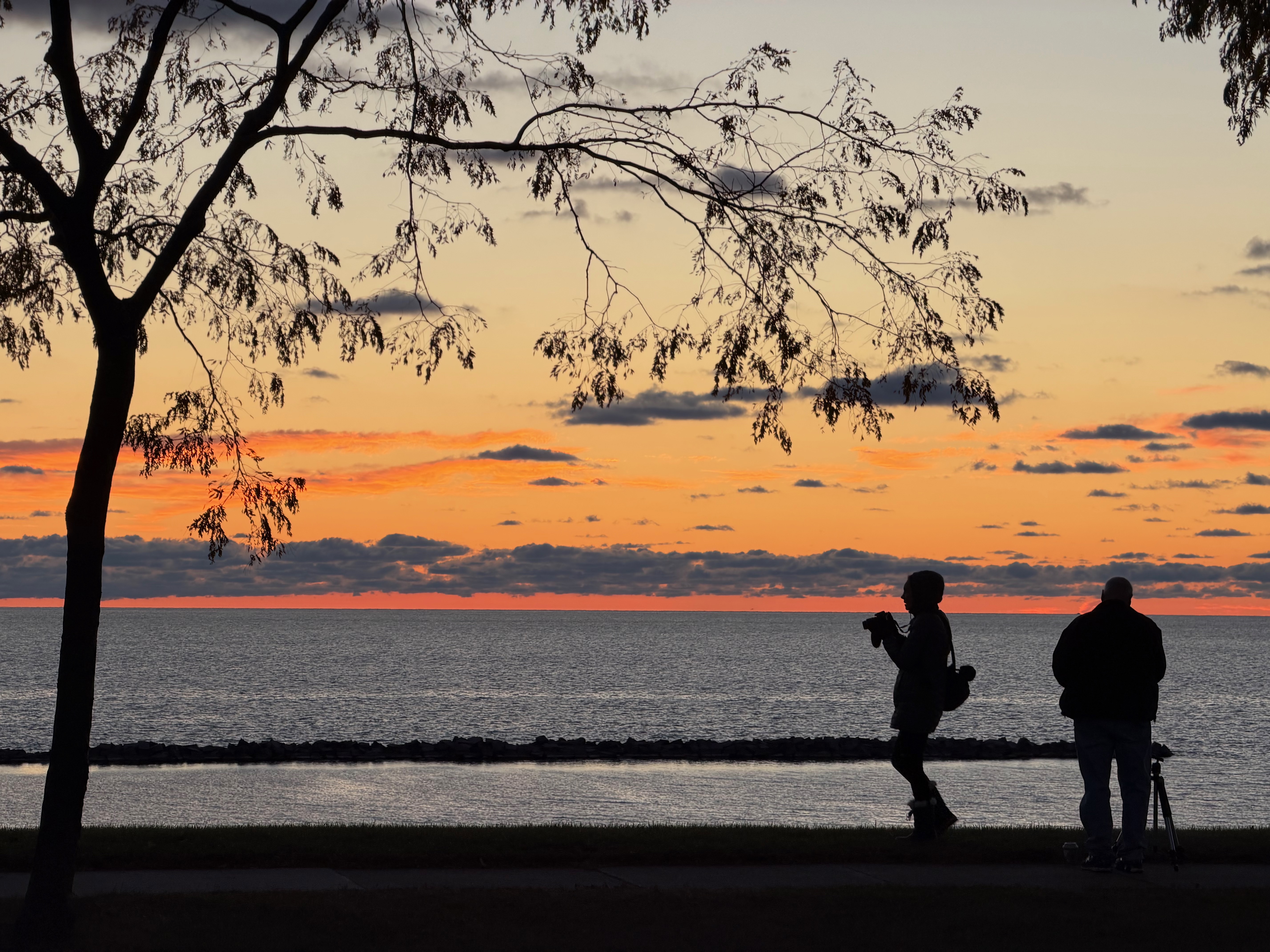
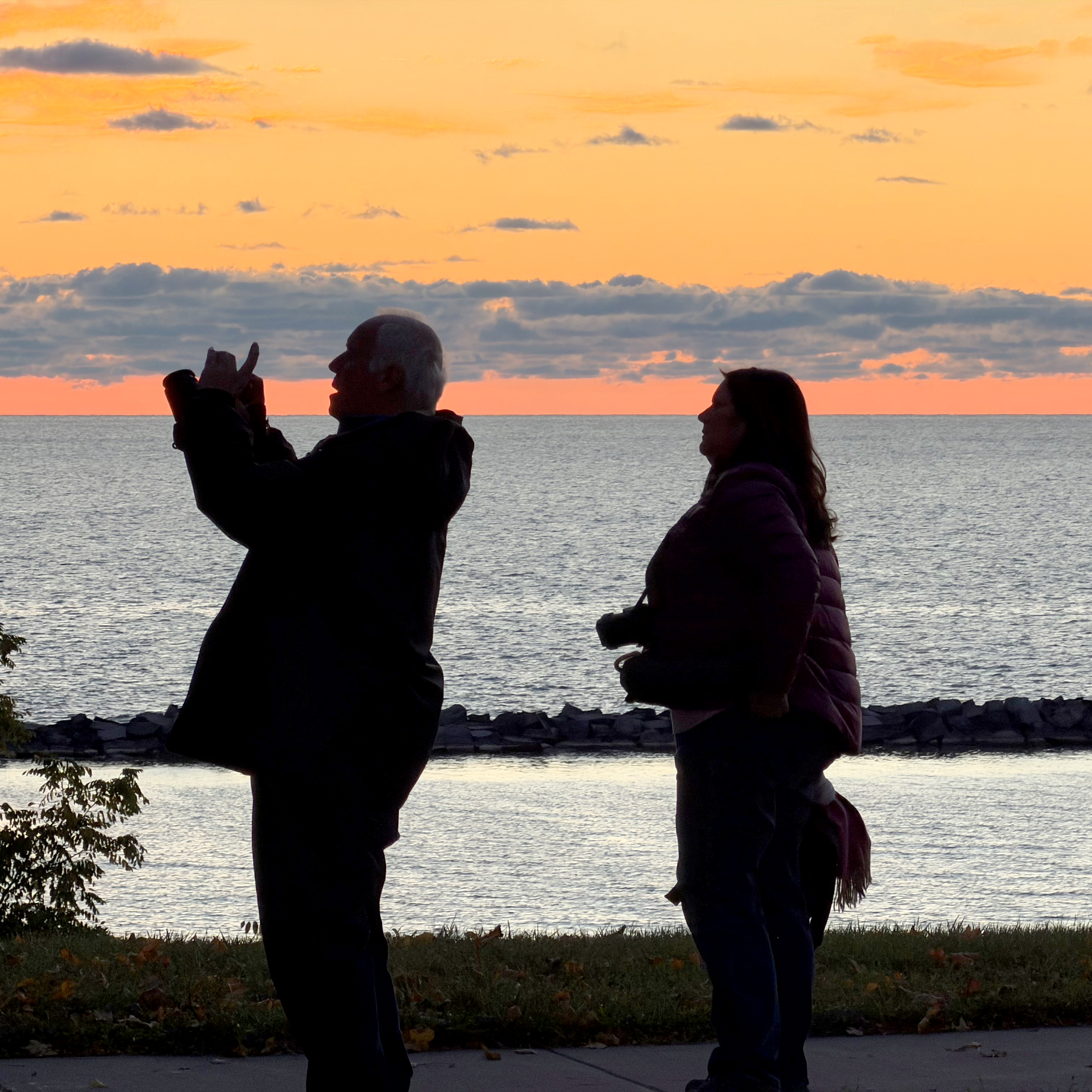
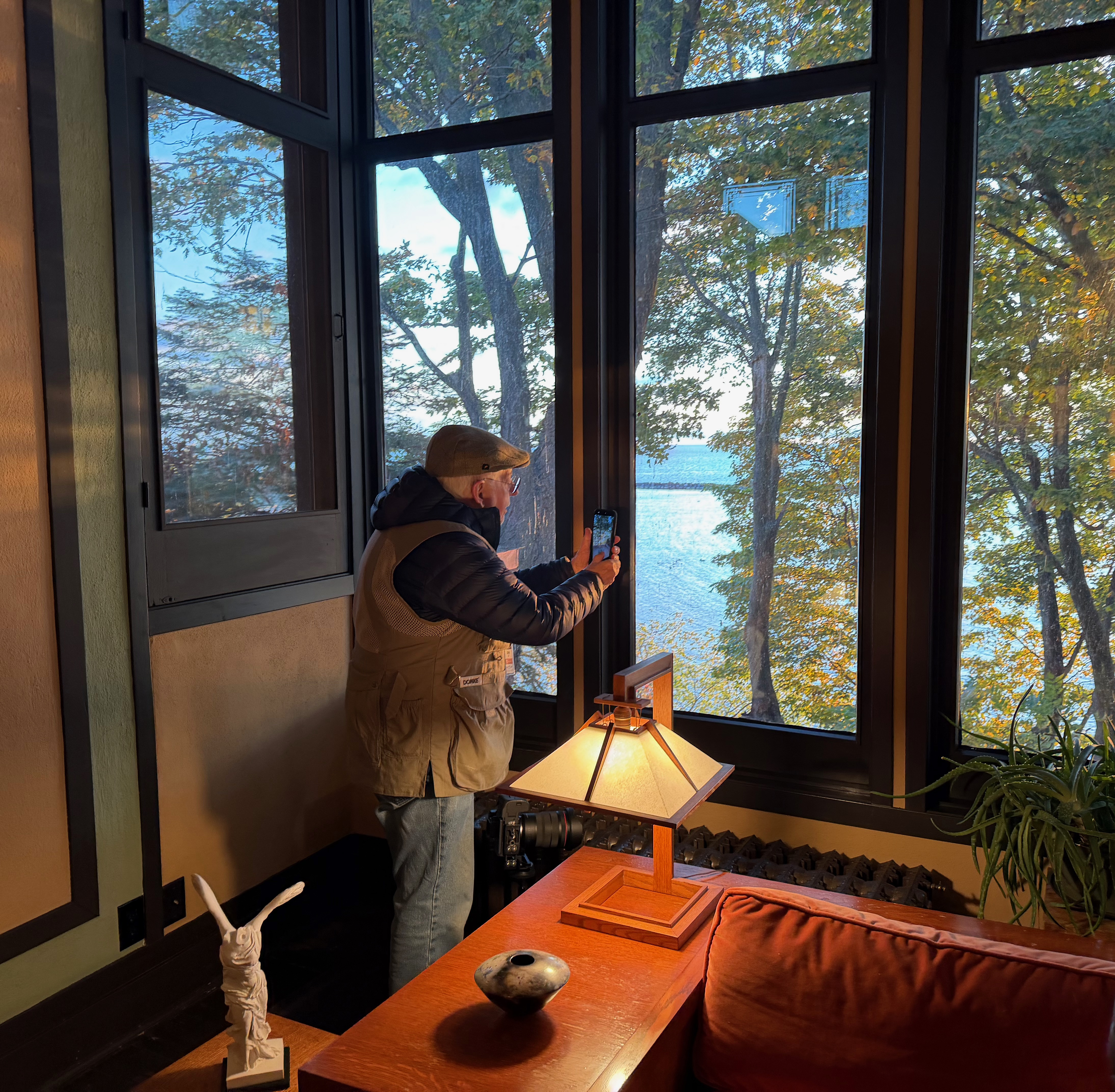
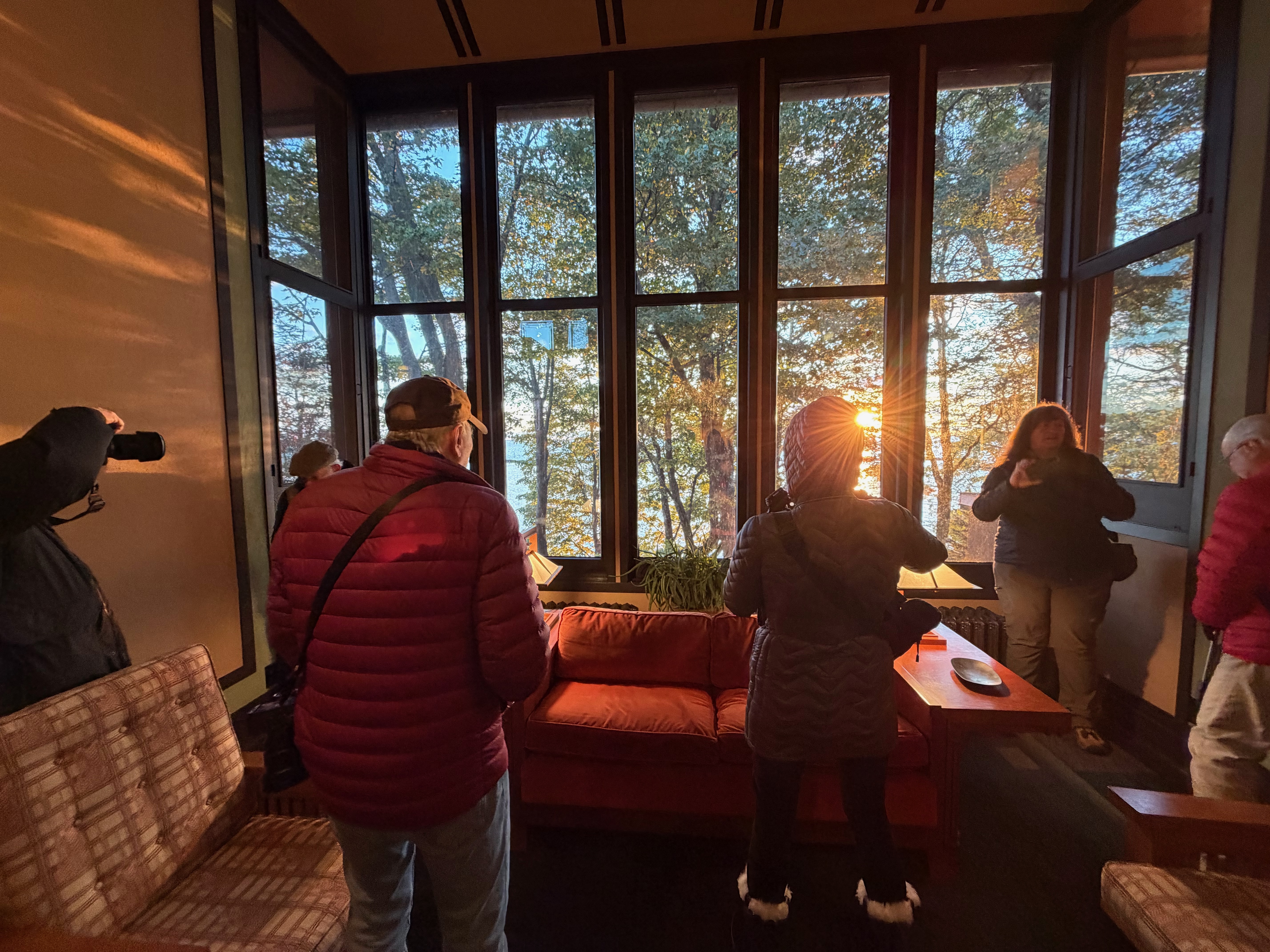
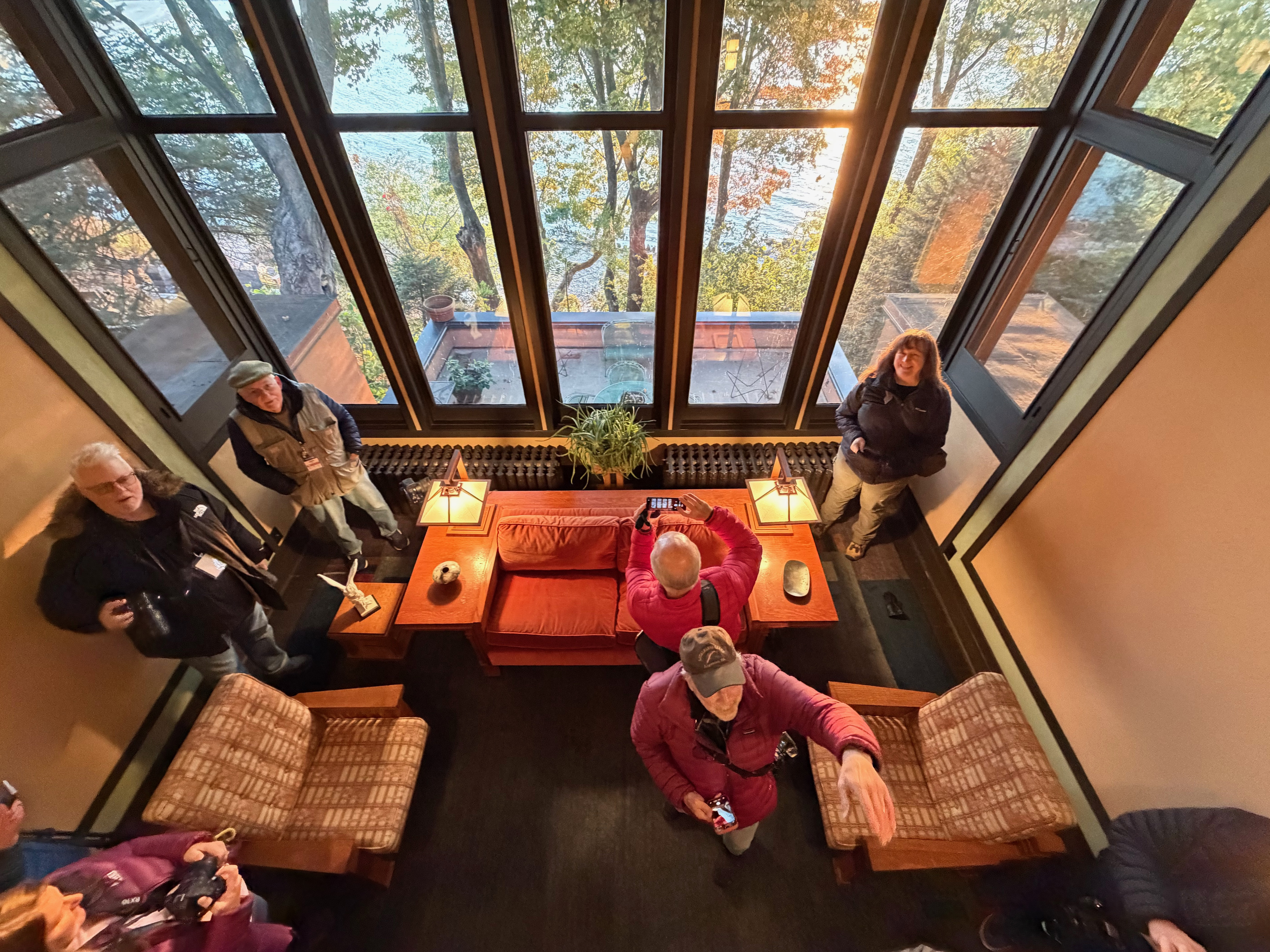
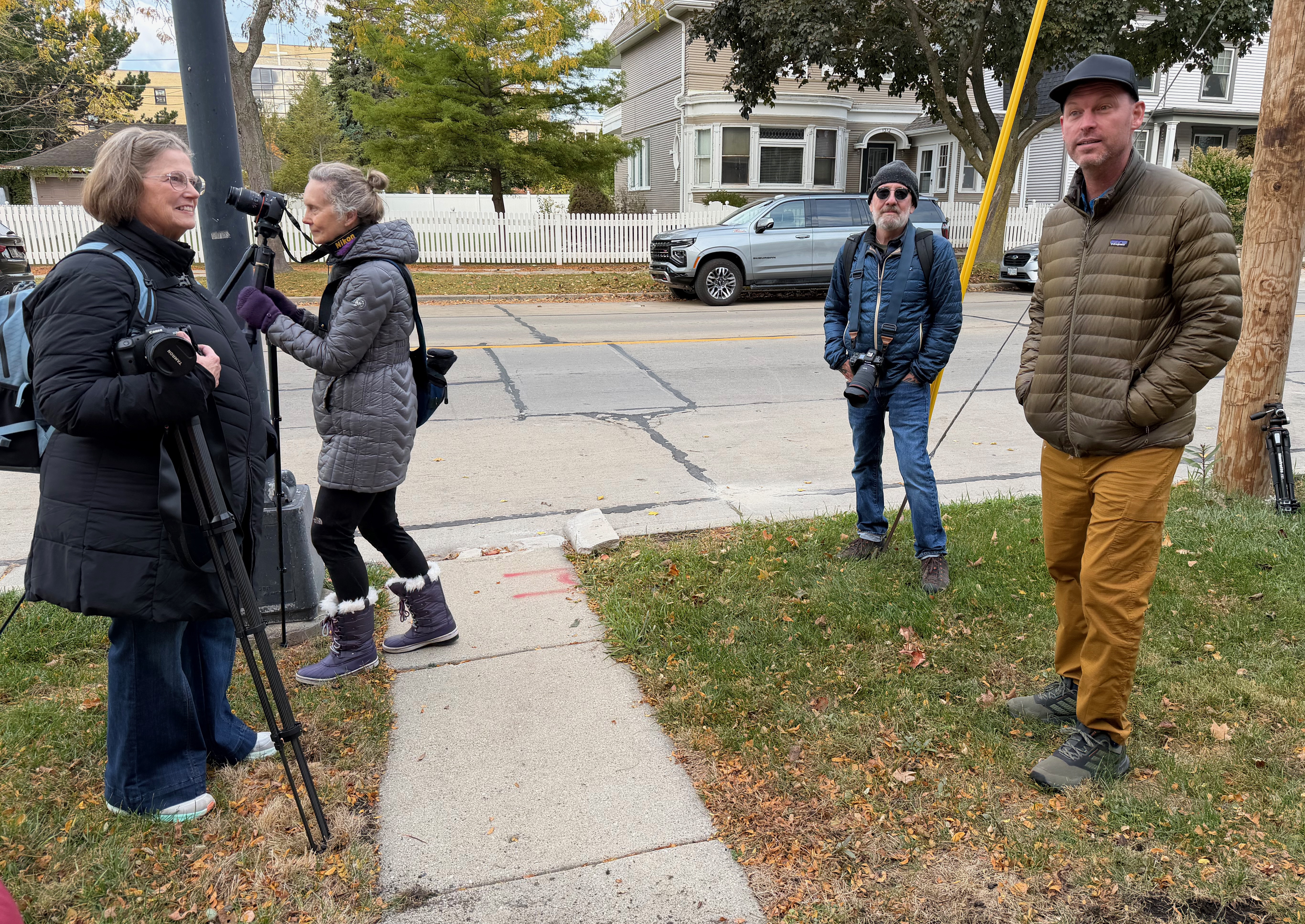
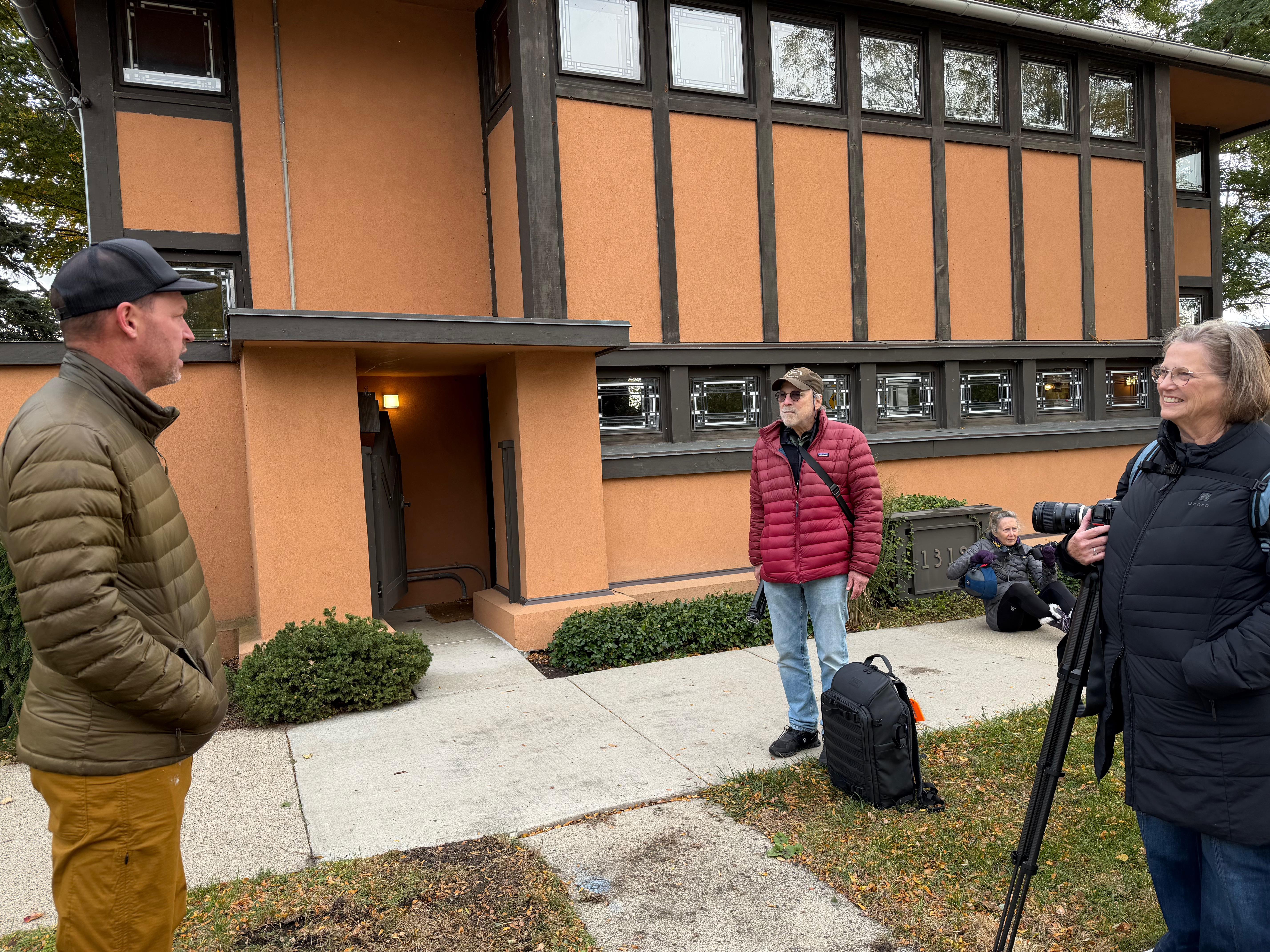
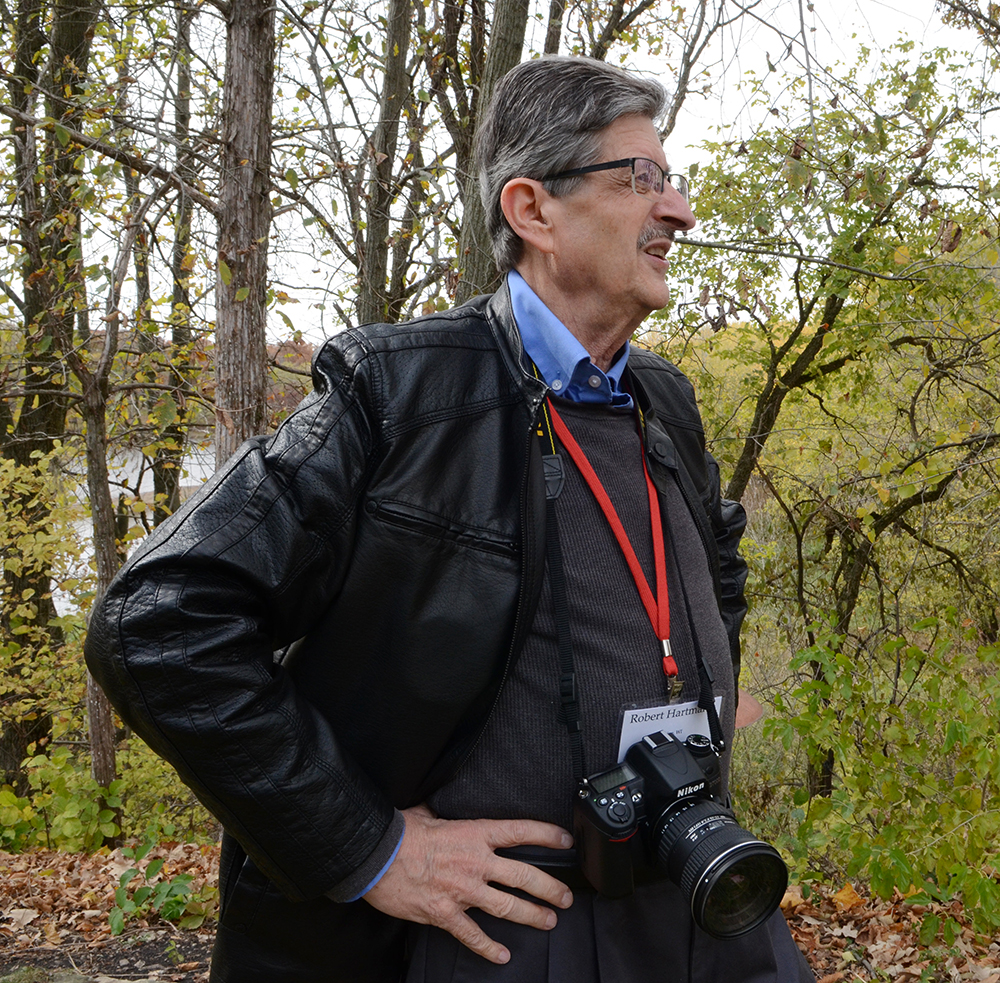
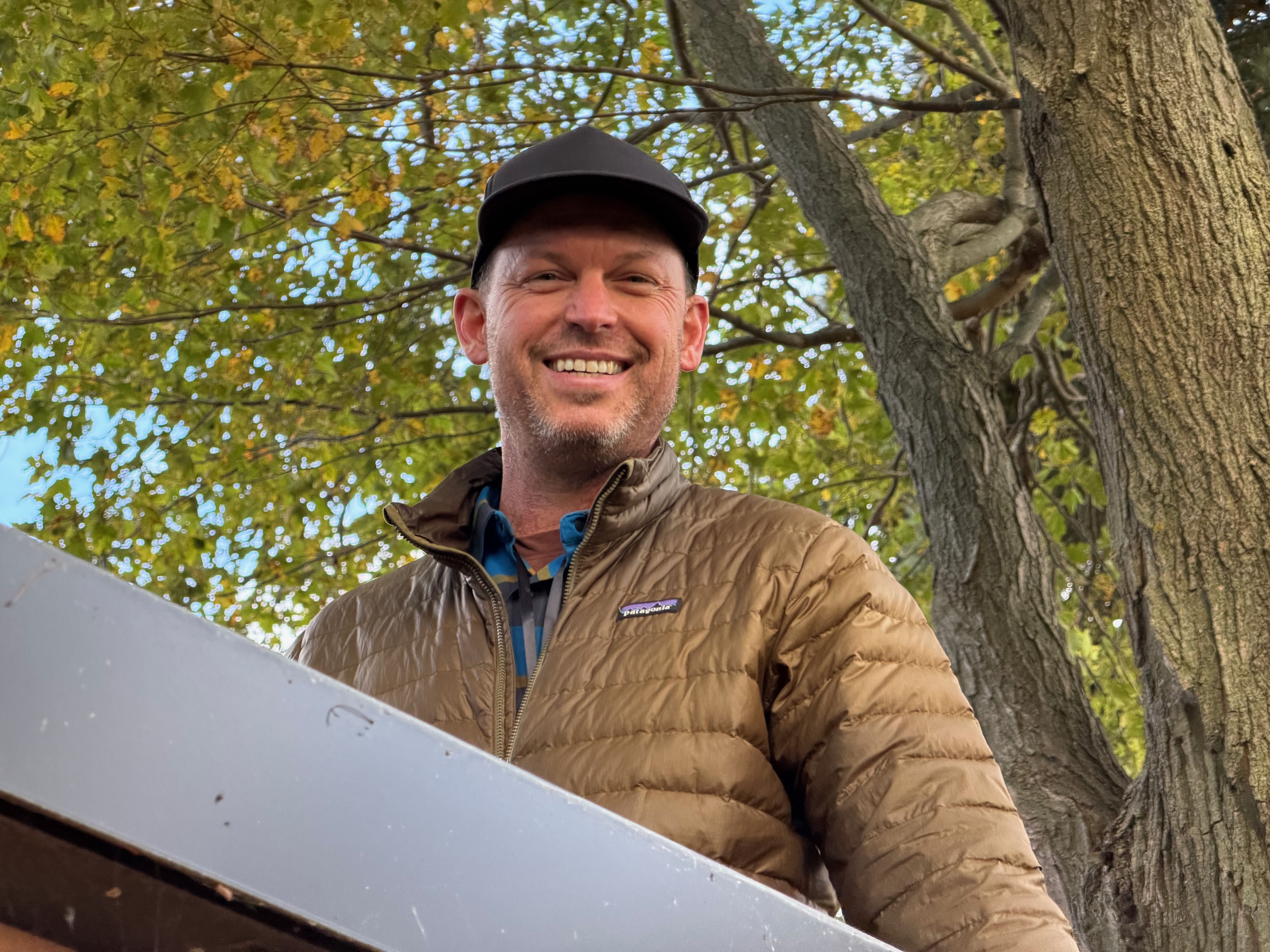 Andrew had 18 photo guests arriving shortly after 7 a.m. to photograph Frank Lloyd Wright’s Thomas P. Hardy house inside and out, top to bottom. Andrew had asked me a year ago to tell the photographers about Hardy and about the house. Tom Szymczak, the steward of the house, had two kringle and a pot of hot coffee waiting. I got there at 6:48 a.m. Before I could get the goodies out and turn on the lights, I had to take my own photos of the house at sunrise. So, first my photos, and then my photos of the photographers.