Progress on the Burnham Block

© Mark Hertzberg (2025)

Bit by bit, parcel by parcel, the American System-Built homes in the 2700 block of W. Burnham Street in Milwaukee are coming together for their parent organization, Frank Lloyd Wright’s Burnham Block. Burnham Block is steward of five of the six structures: the two single family homes, and three of the four duplexes.

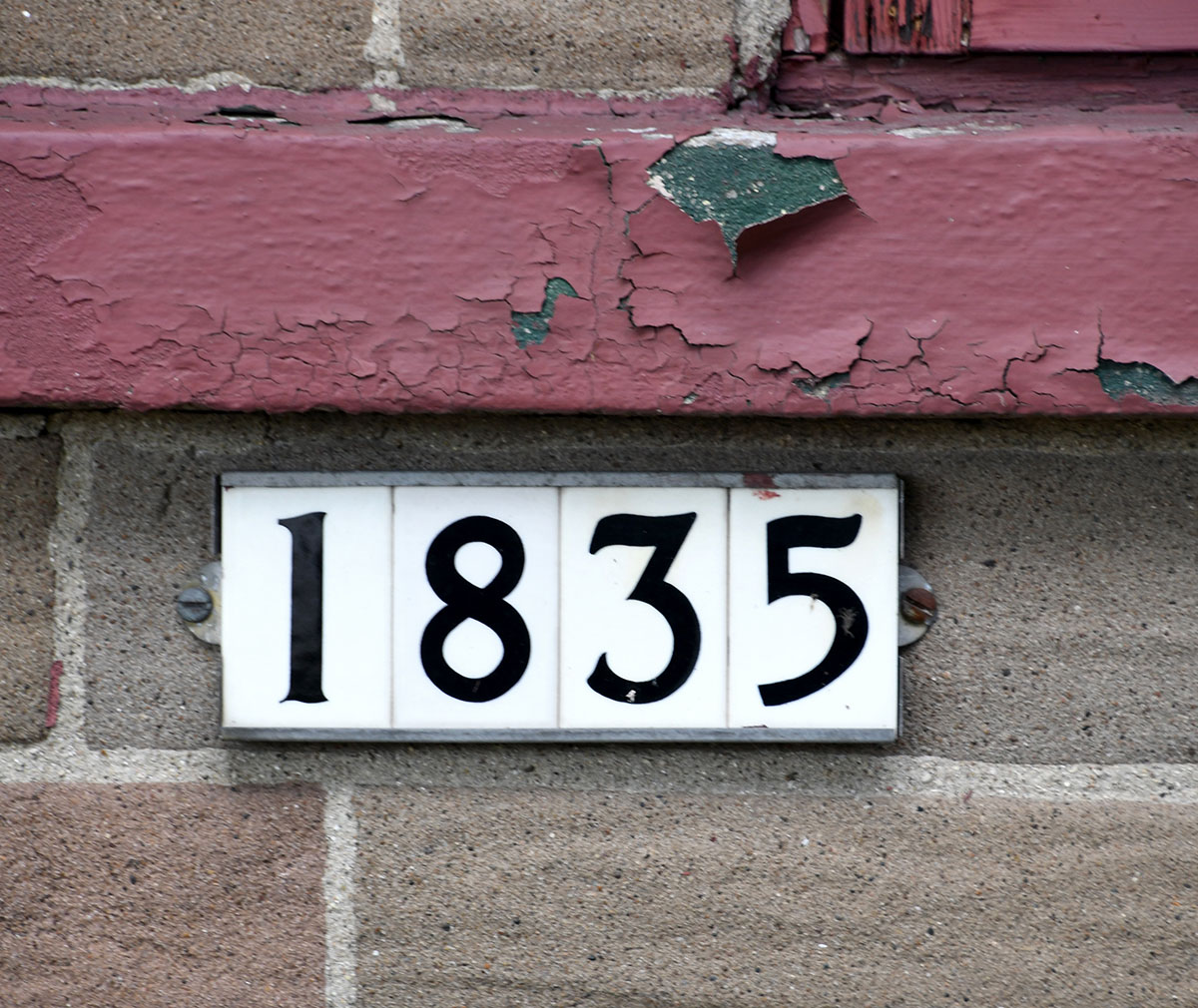
On November 3 the City of Milwaukee’s Historic Preservation Committee unanimously approved plans for restoration of the Model C3 at 1835 N. Layton (at the corner with Burnham Street), and demolition of a shed that was built on the property in 1977. Burnham had already received its third (!) Save America’s Treasures (SAT) grant from the National Park Service in the amount of $407,000 for the work. A matching amount has to be raised from donors for the entire amount to be released.

LR 2714, Duplexes 2017 .jpgThis photograph shows one of the two single family homes (the Model B1) and the four duplexes. The Model C3 single family home, below, sits to the right of the B1.
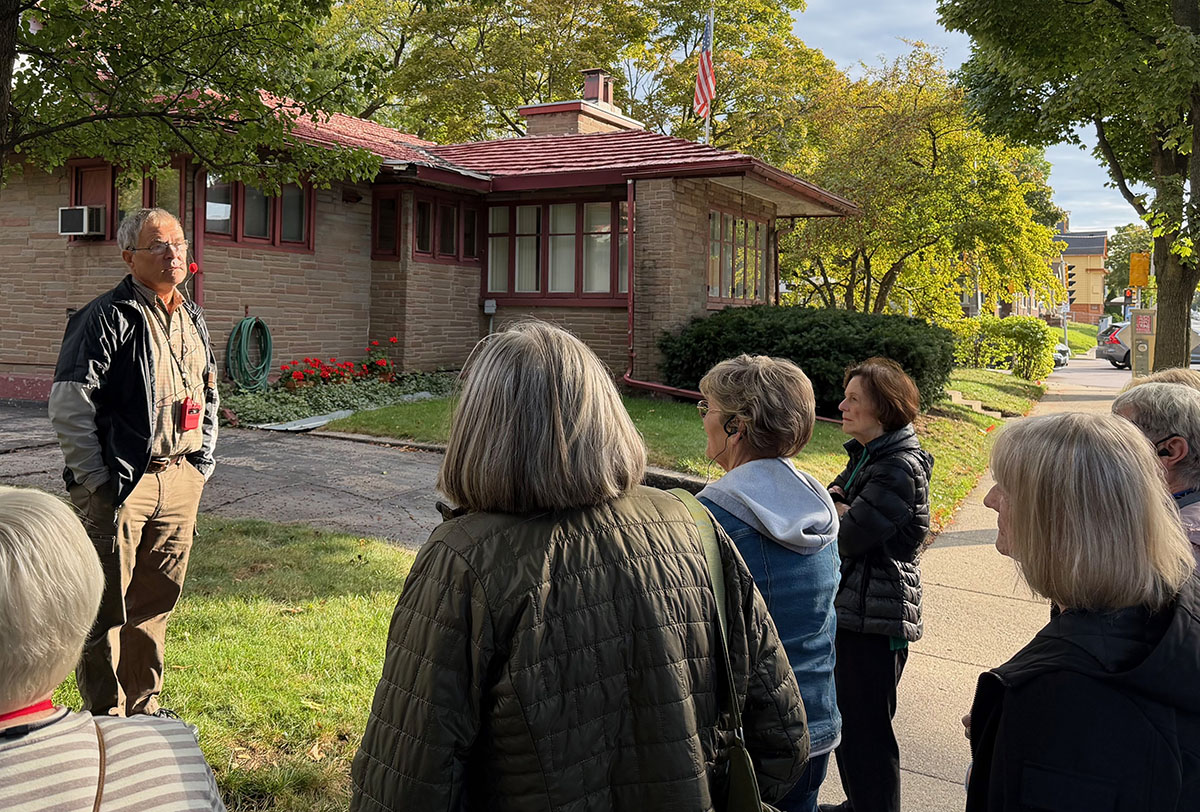
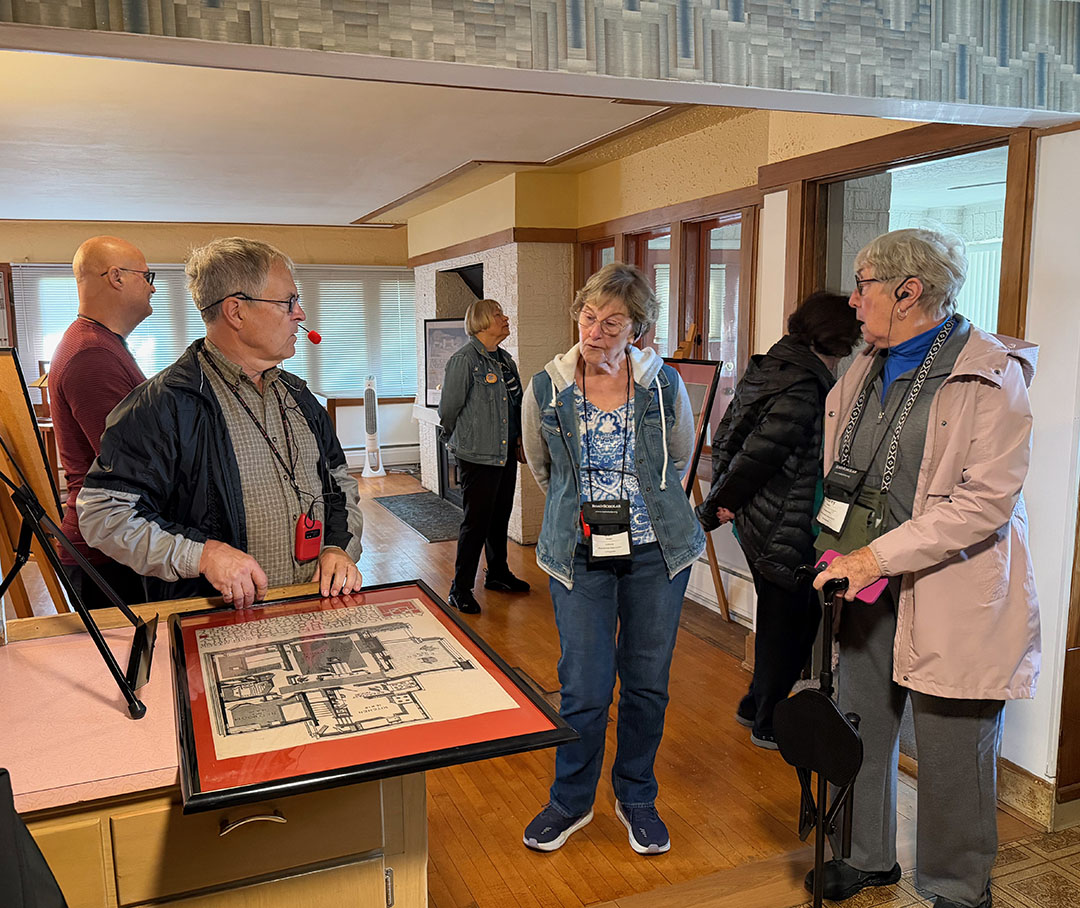
LR 1835 N. Layton 10.16.25 002.jpgDocent Bill Schumacher leads a tour of the Burnham Block, including the C3

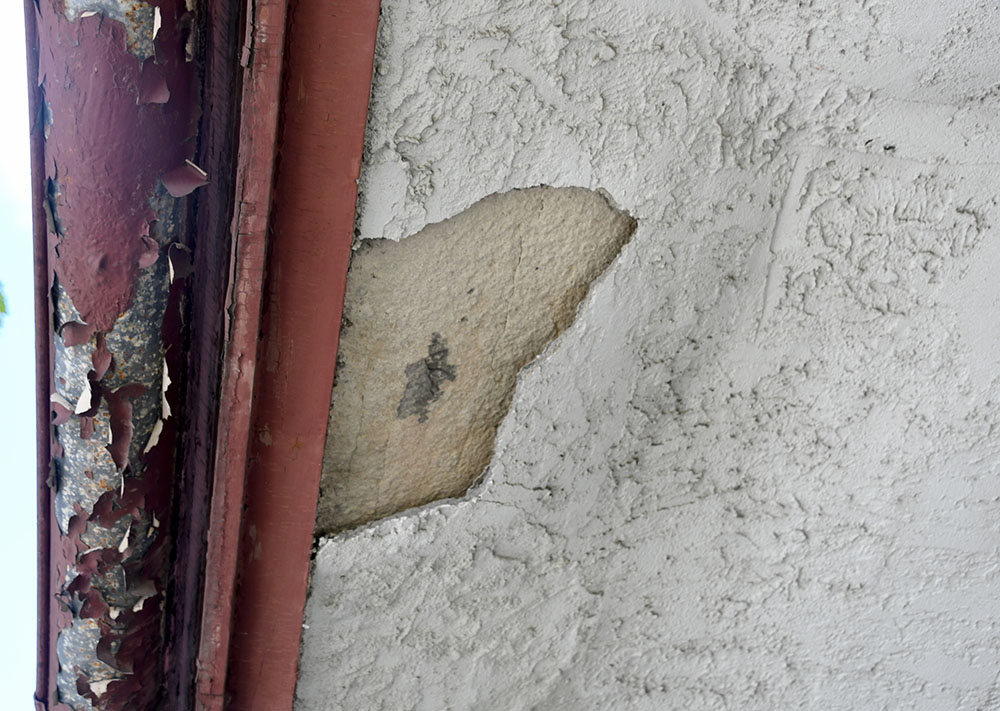
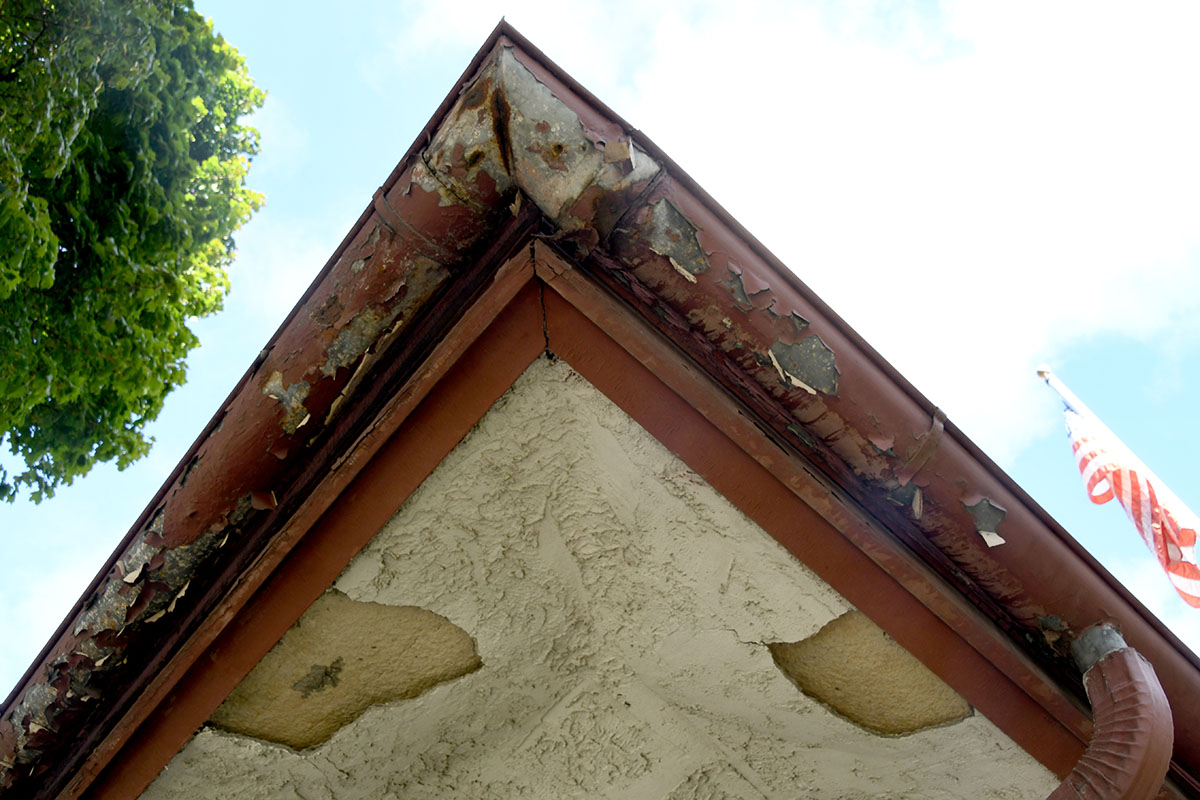
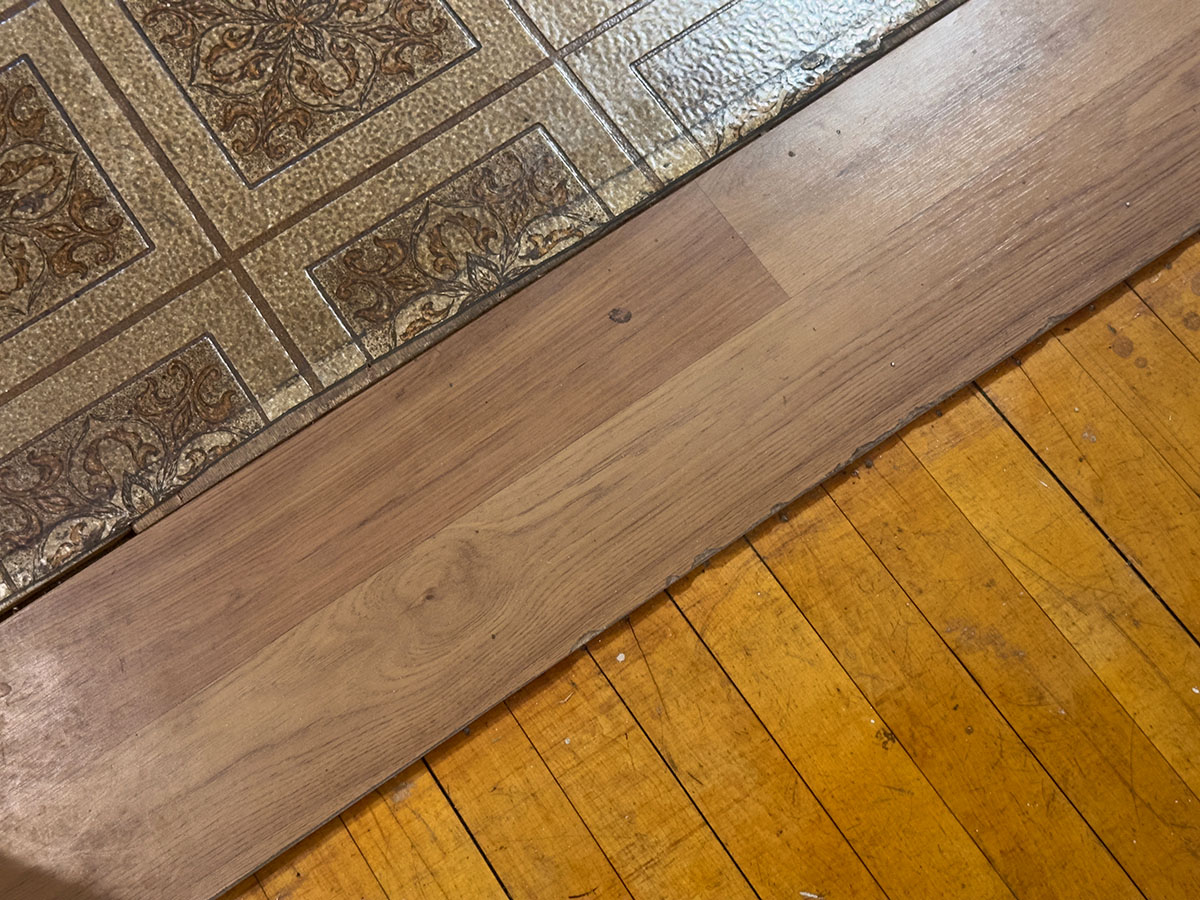
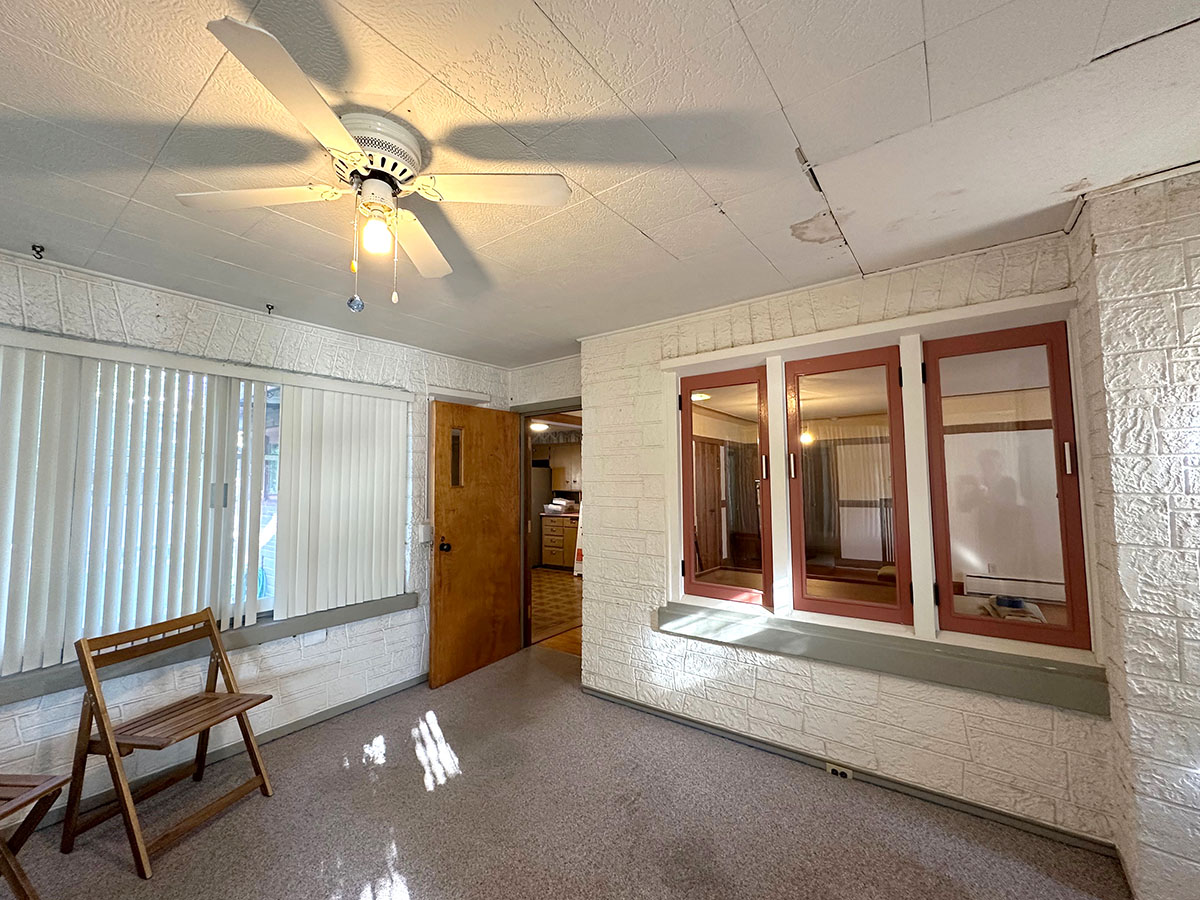
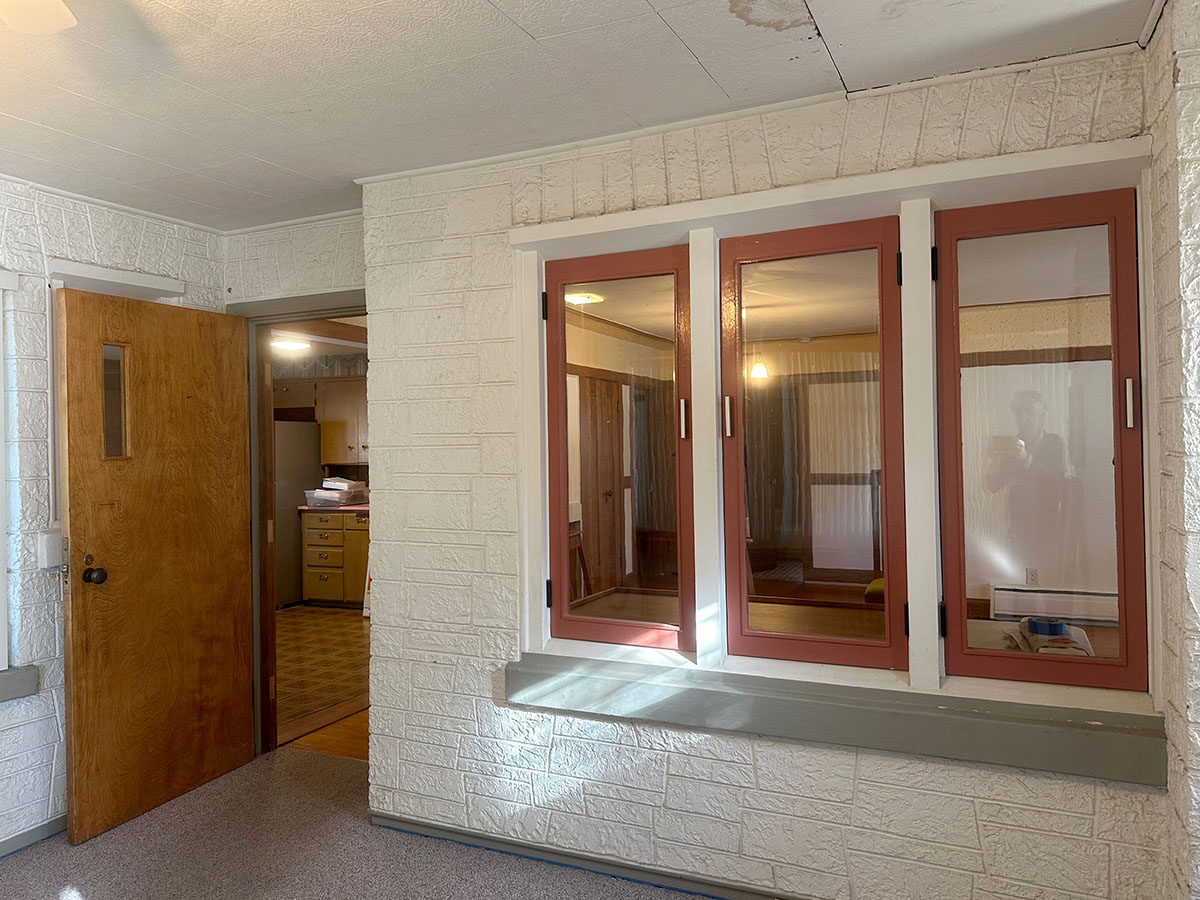
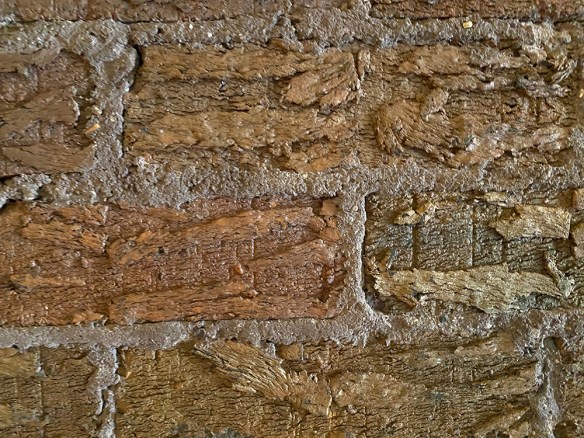
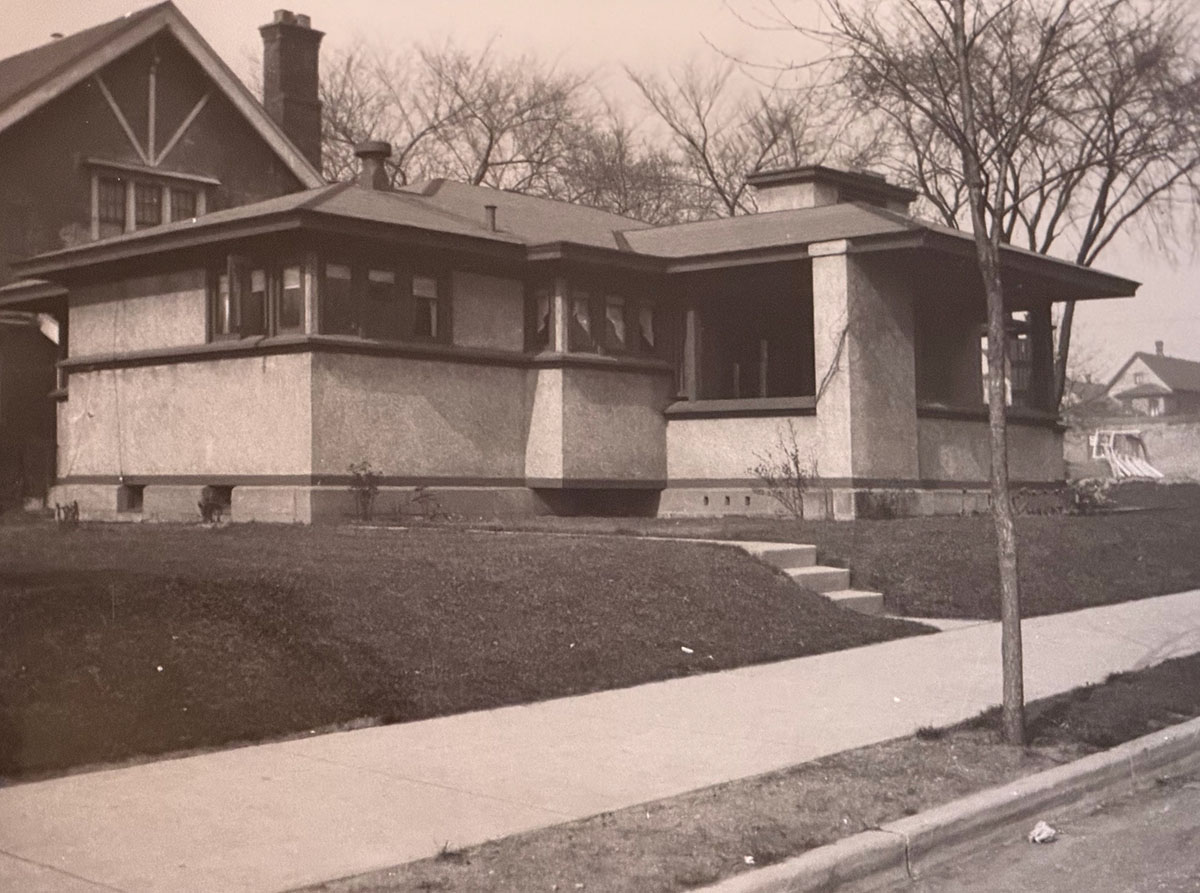
The C3 is sometimes referred to as the “Pizza Hut” house because of the mansard roof which came from two Pizza Hut restaurants in the 1970s. Its stucco was covered with a “Perma-Stone” veneer in 1958, and the open porch was enclosed.
LR 1835 N. Layton 10.16.25 001.jpg

The Burnham Block adventure started in 2005 with the purchase of the Model B1 at 2714  W. Burnham by the Frank Lloyd Wright in Wisconsin Tourism Heritage organization. A Save America’s Treasures grant and 28 major gifts including support from the Barbara Meyer Elsner Foundation enabled its restoration as a house museum.

LR Burnham WiW Board 4.16.05.jpgWright in Wisconsin board members discuss their purchase of the B1 in April 2005. Mike Lilek, the driving force behind the Burnham projects, is left. Barbara Meyer Elsner is third from right.

There were many difficult discussions at board meetings about what it would mean for the organization to become a steward of a Wright property rather than only fulfilling its founding mission of promoting Wright tourism and awareness and education about Wright’s work in Wisconsin. Then came the purchase of the Two Family Flat C duplex at the end of the block. And then came the purchases of two more of the duplexes (one of which is the world’s only aluminum sided Frank Lloyd Wright structure…the siding was added in 1968). The fourth duplex is independently owned. It was converted into a single family home in the 1980s and is available for overnight rentals through Vrbo.

Lilek reflects on the discussions at board meetings, “The board meetings became increasingly focused on the Burnham Block, to the detriment of the organization. Then-president George Hall likened it to ‘Your teenager growing up and needing their own space.'”

He recalls, “In 2017 Frank Lloyd Wright Wisconsin was reorganized to better support two distinguished missions. Out of the reorganization came Wright in Wisconsin, Inc. to carry forward the original focus on Frank Lloyd Wright tourism and Frank Lloyd Wright’s Burnham Block to focus exclusively on on the Burnham Block historic site in Milwaukee.”

LR WiW Reorganization 005.jpg

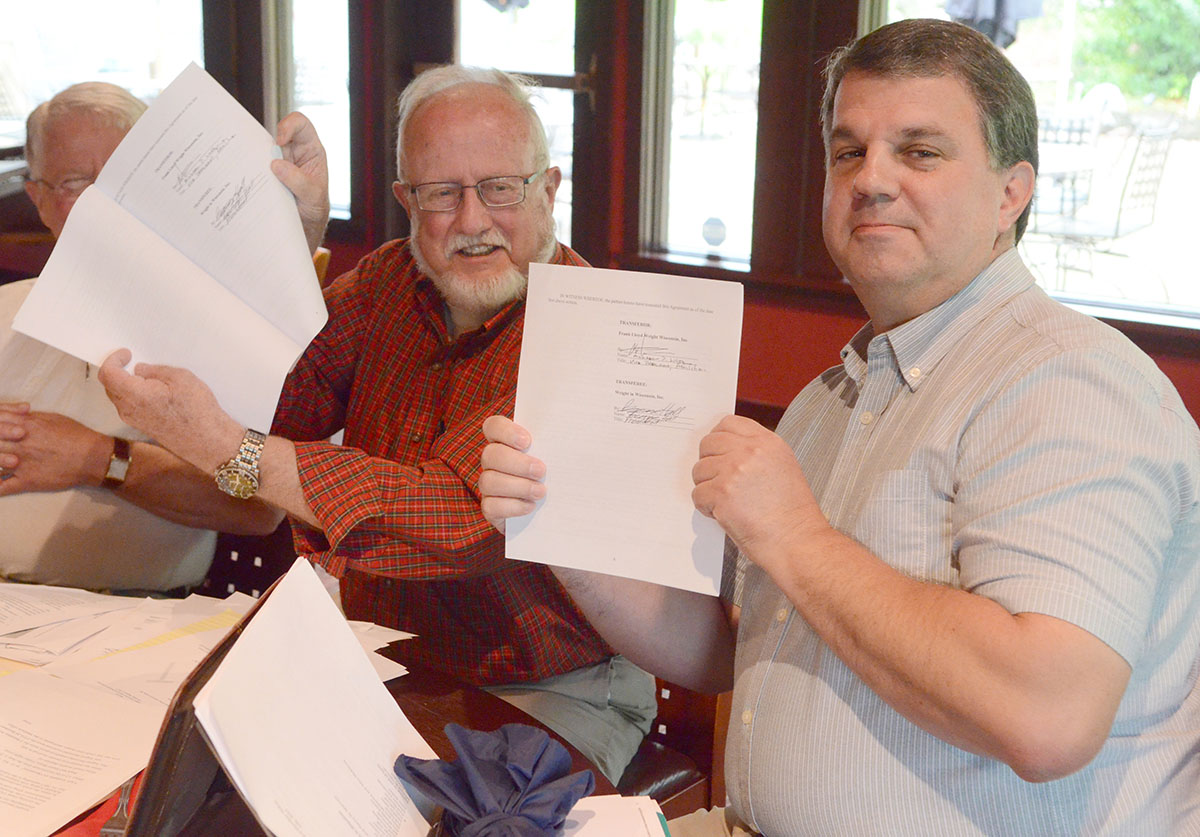
LR WiW Reorganization 006.jpgGeorge Hall, left, and Mike Lilek sign the reorganization papers August 3, 2017.

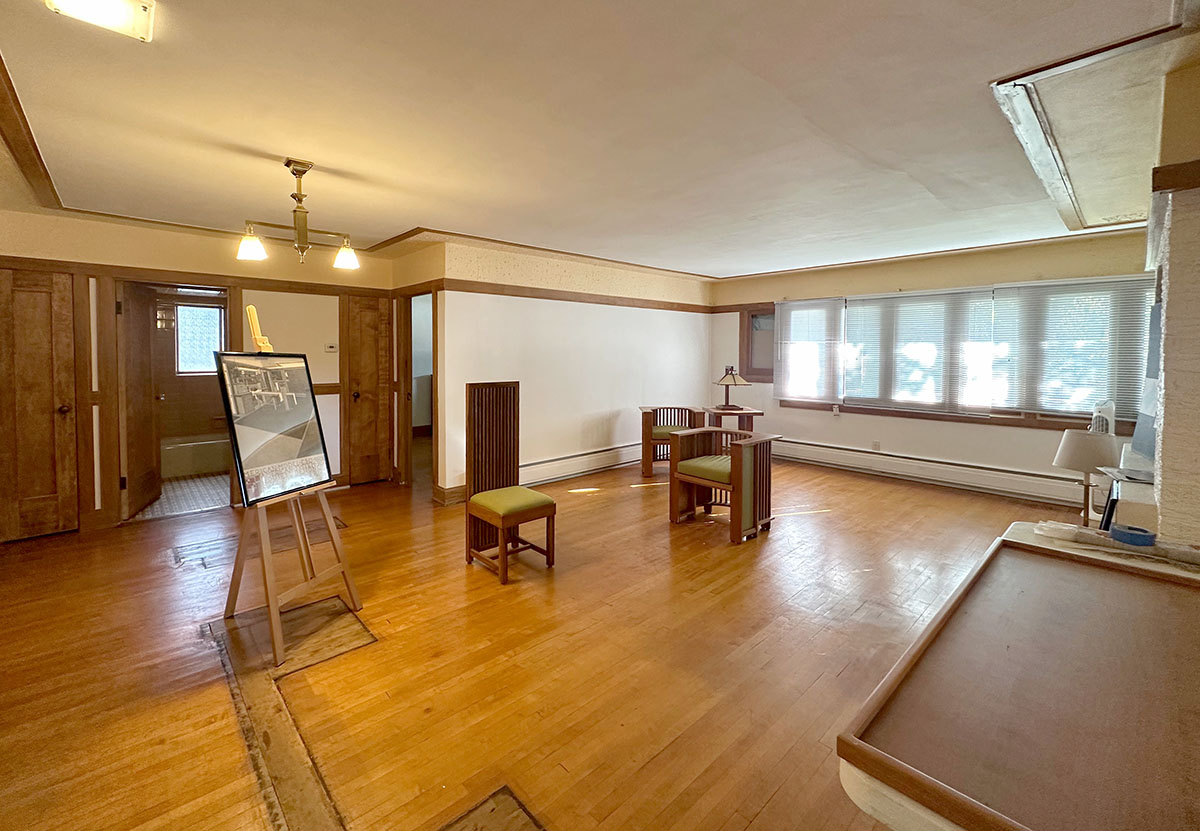
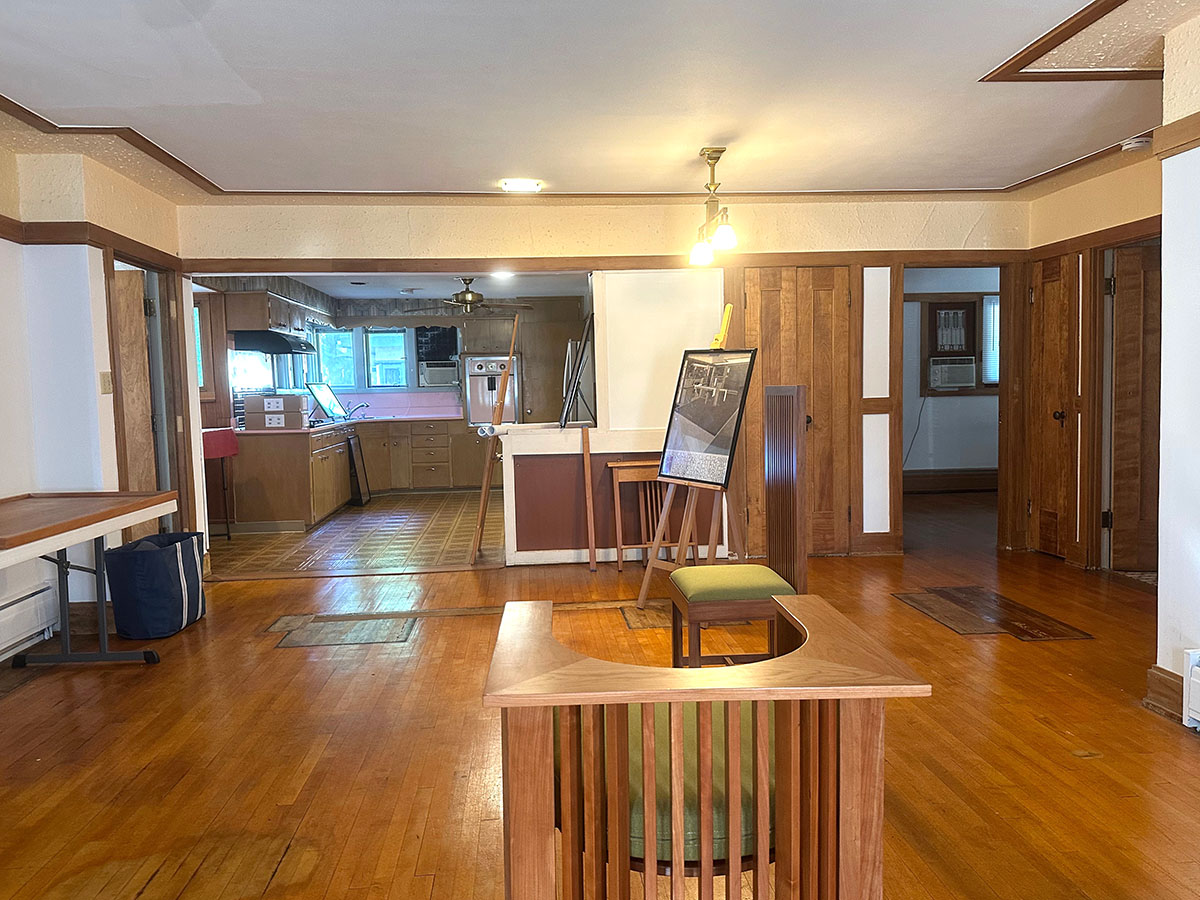
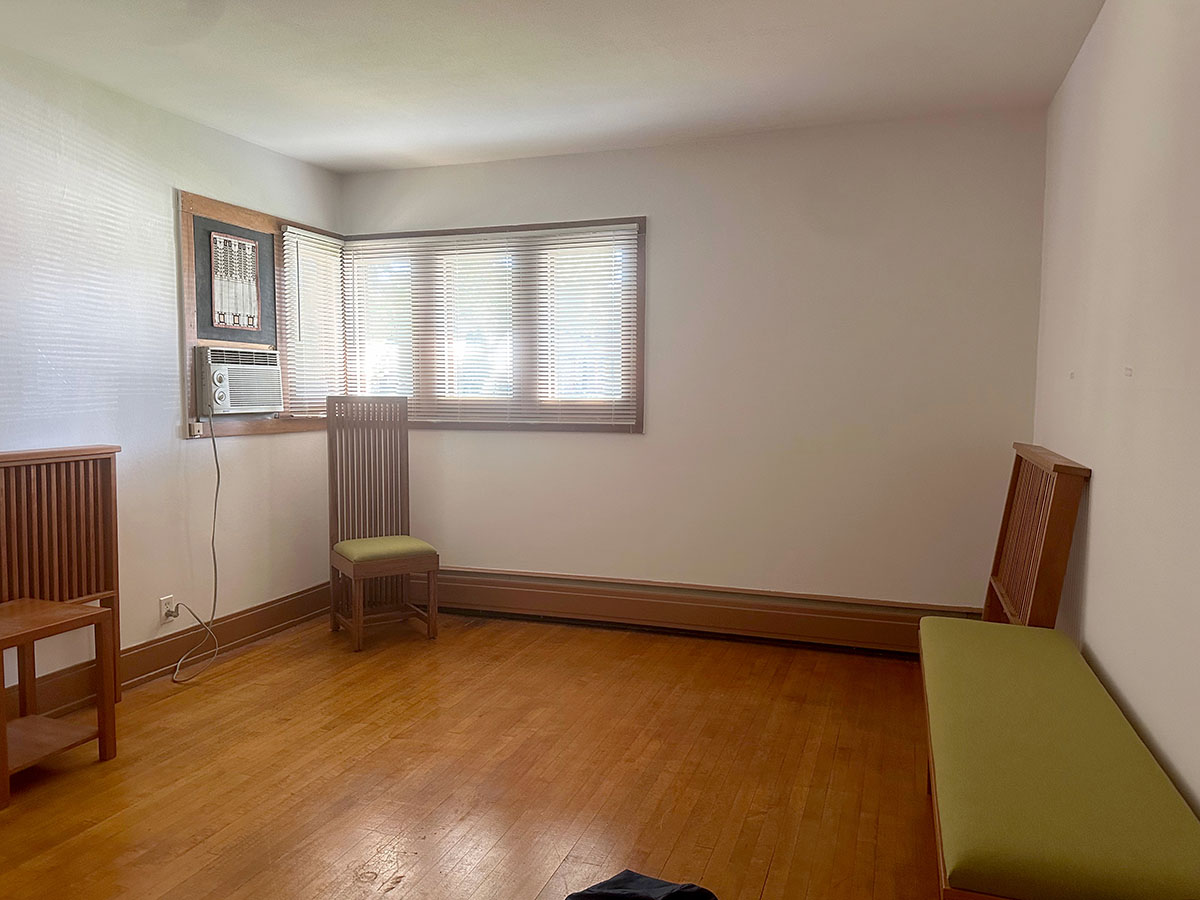
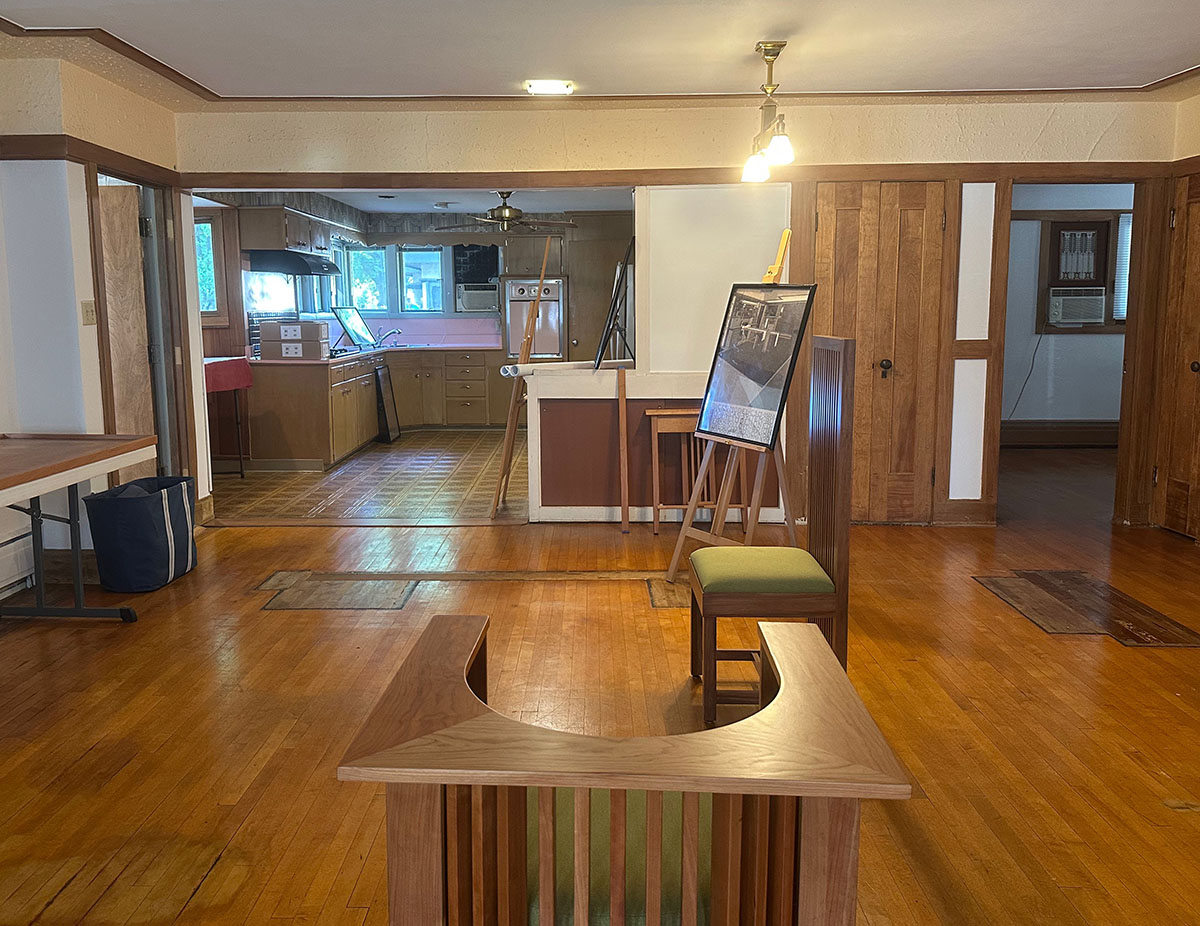
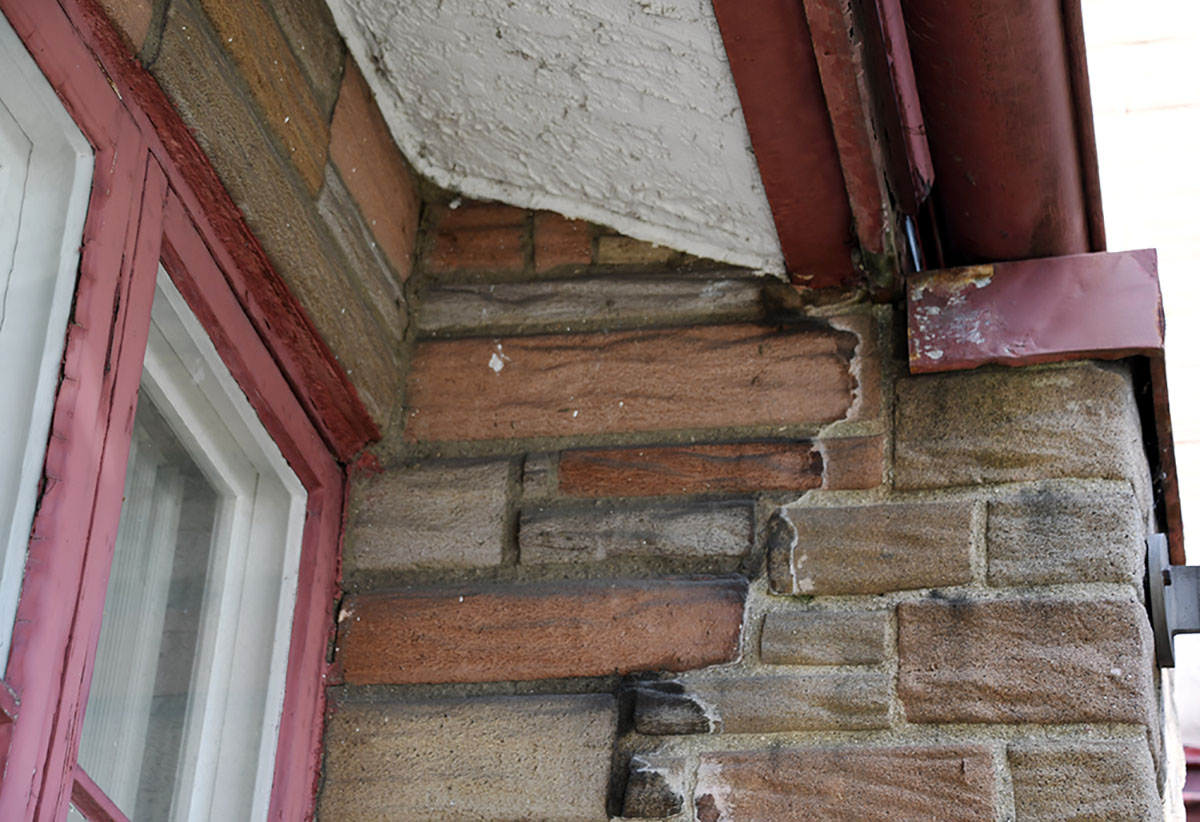
Below are period advertisements of the 1835 N. Layton house and photographs of what the house looks like today:

LR 1835 N. Layton 9.25.25 004.jpg

LR 1835 N. Layton 9.25.25 010.jpg

LR 1835 N. Layton 9.25.25 011.jpg

LR 1835 N. Layton 9.25.25 012.jpg

LR 1835 N. Layton 9.25.25 022.jpg

LR IMG_2743.jpg

LR 1835 N. Layton 10.16.25 003.jpg

LR 1835 N. Layton 9.25.25 013.jpg

LR 1835 N. Layton 9.25.25 017.jpg

LR 1835 N. Layton 9.25.25 018.jpg

LR 1835 N. Layton 9.25.25 019.jpg

LR 1835 N. Layton 9.25.25 019A.jpg

LR 1835 N. Layton 9.25.25 015.jpg

LR 1835 N. Layton 9.25.25 016.jpg

LR 1835 N. Layton 9.25.25 020.jpg

LR 1835 N. Layton 9.25.25 021.jpg

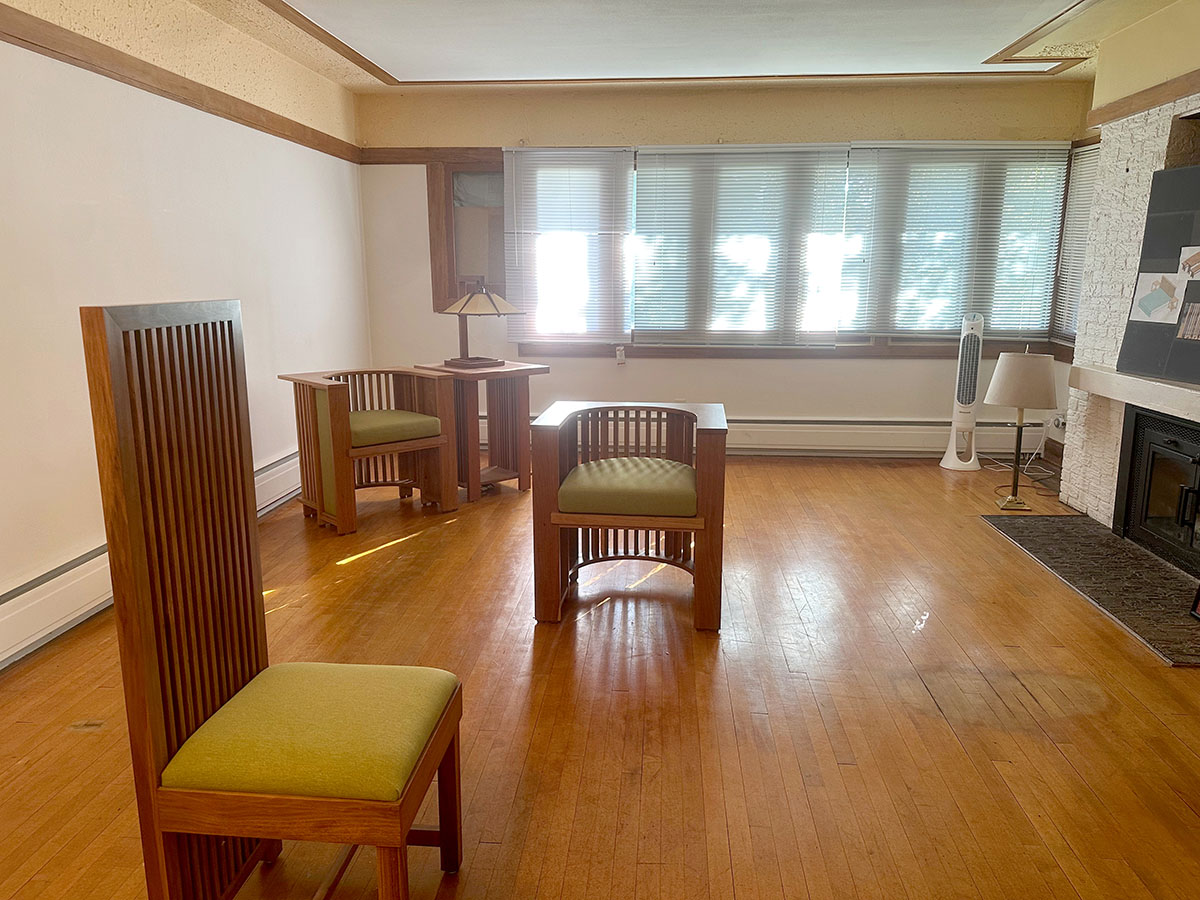
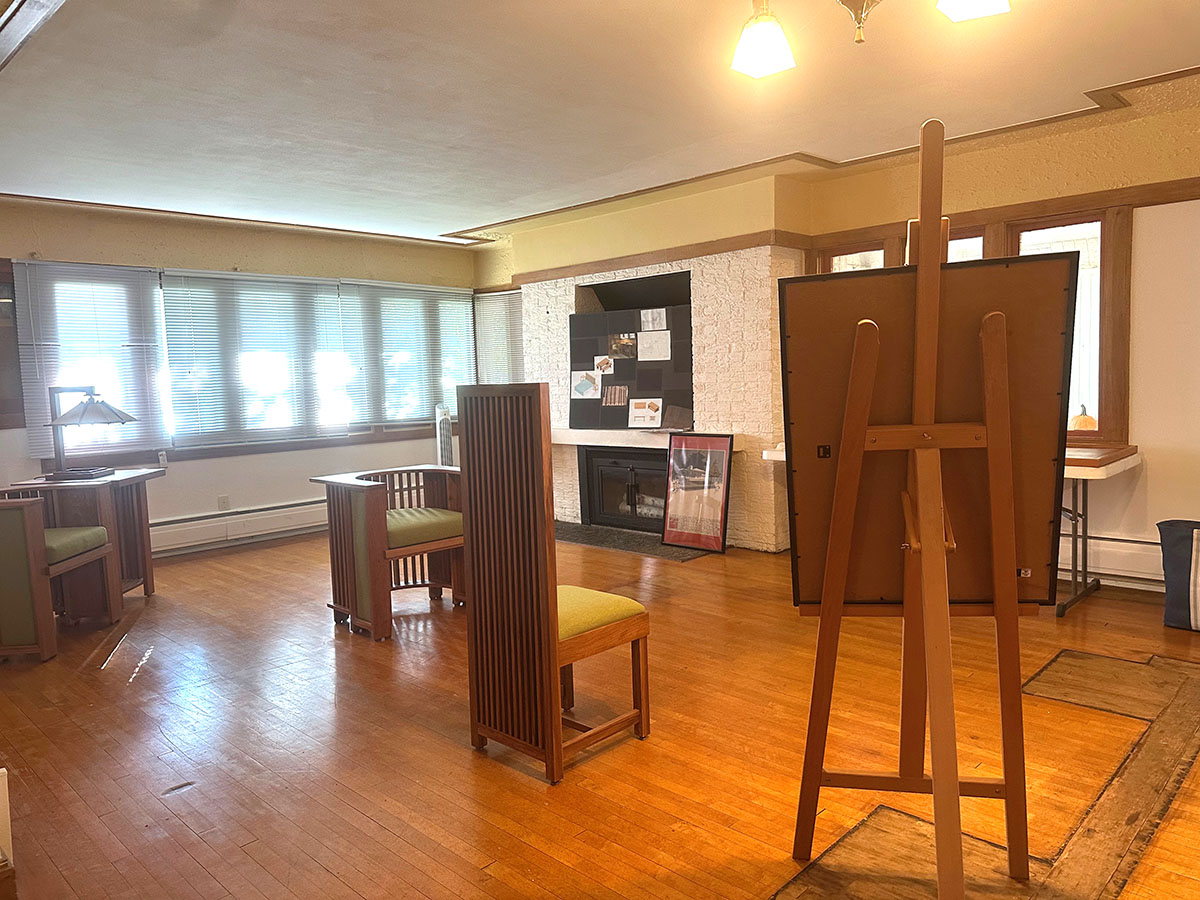
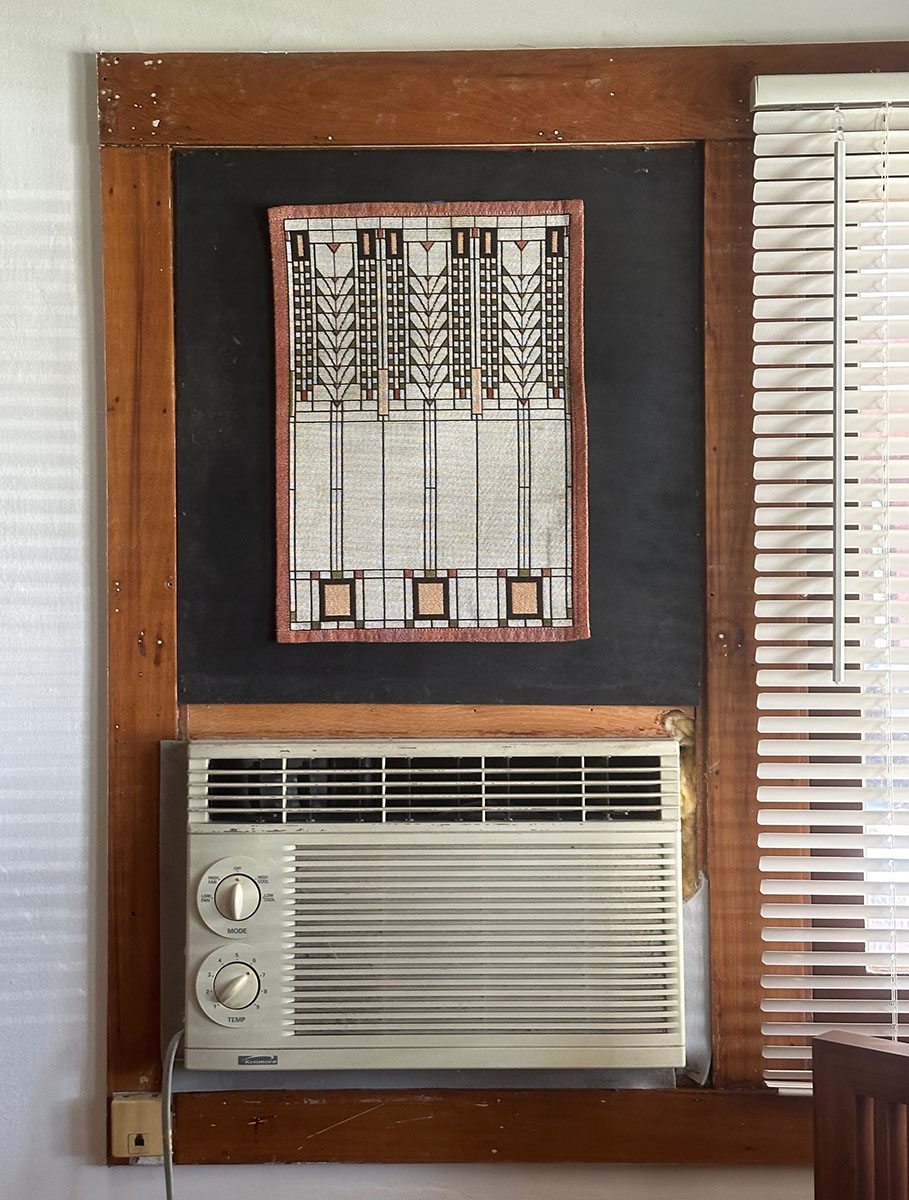
The next three photos show where some of the original furnishings – seen in the drawing above – were originally placed. It is not known when they were removed, or where they ended up.

LR 1835 N. Layton 9.25.25 024.jpg

LR 1835 N. Layton 9.25.25 025.jpg

LR 1835 N. Layton 9.25.25 027.jpg

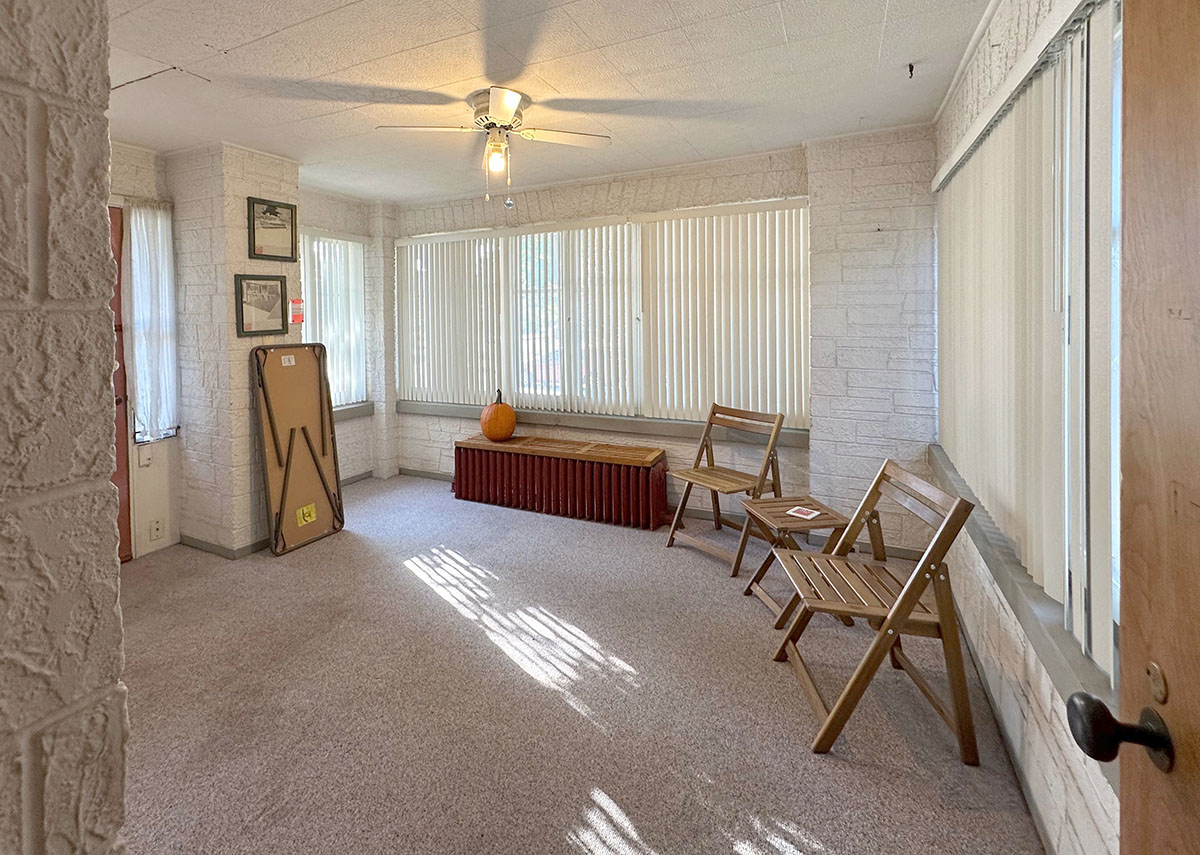
The original open porch was enclosed, possibly when then exterior veneer was added:
LR 1835 N. Layton 9.25.25 028.jpg

LR 1835 N. Layton 9.25.25 029.jpg

LR 1835 N. Layton 9.25.25 030.jpg

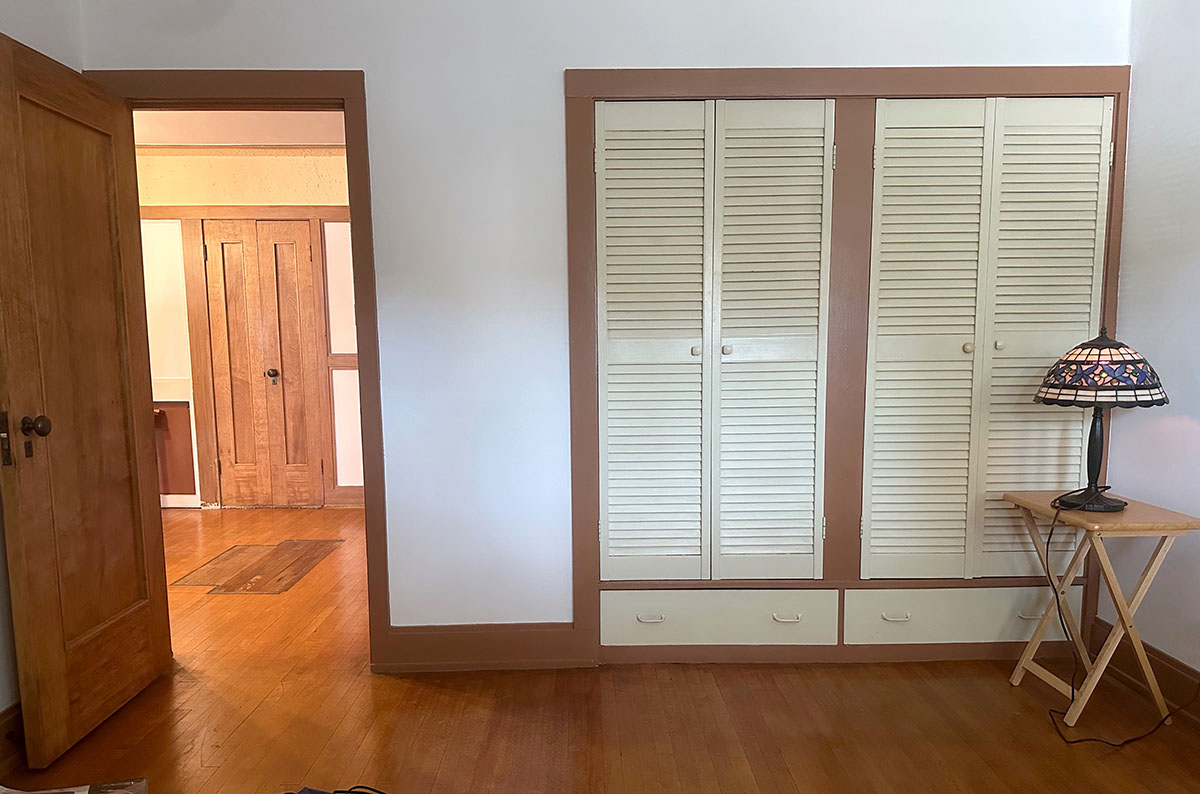
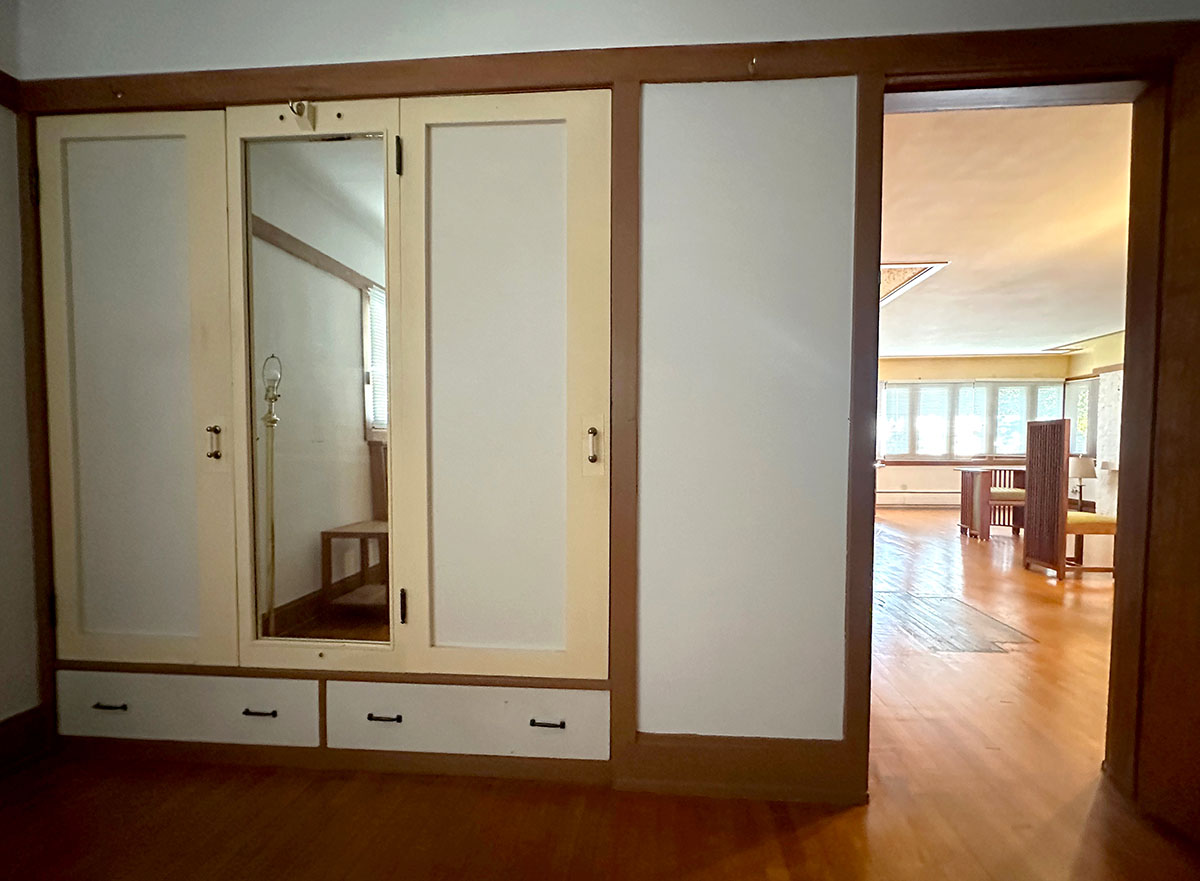
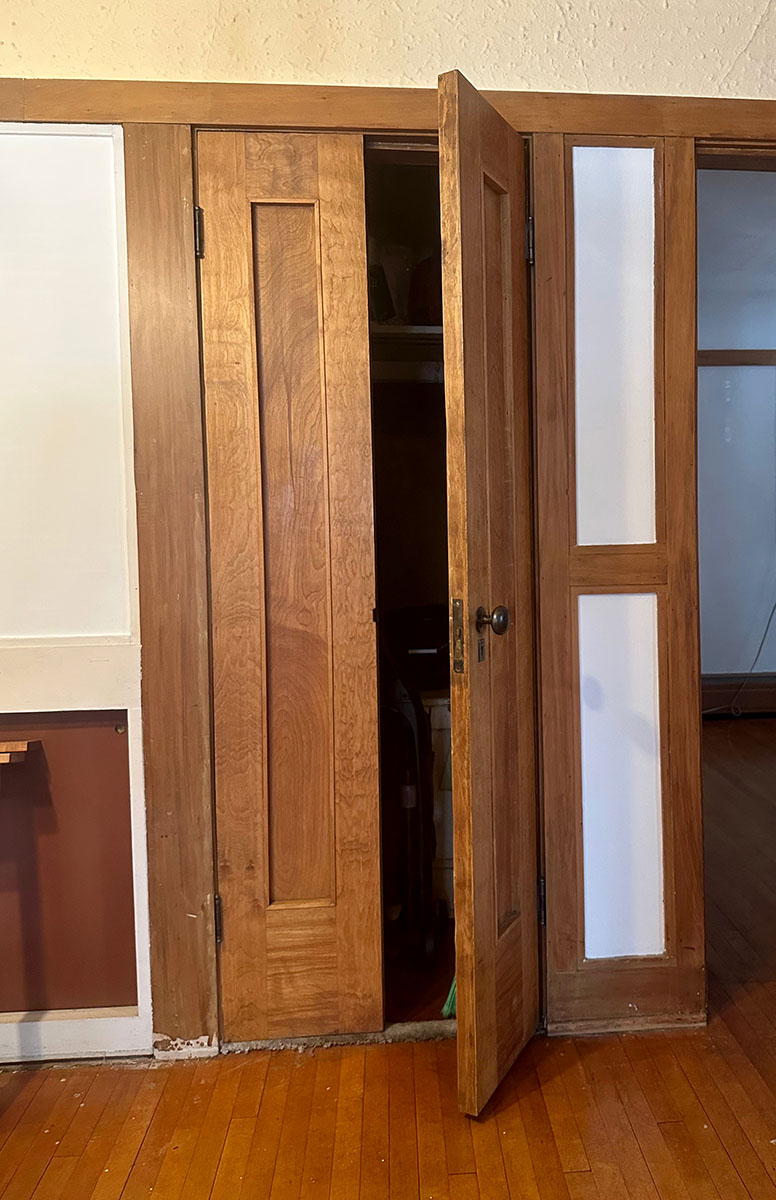
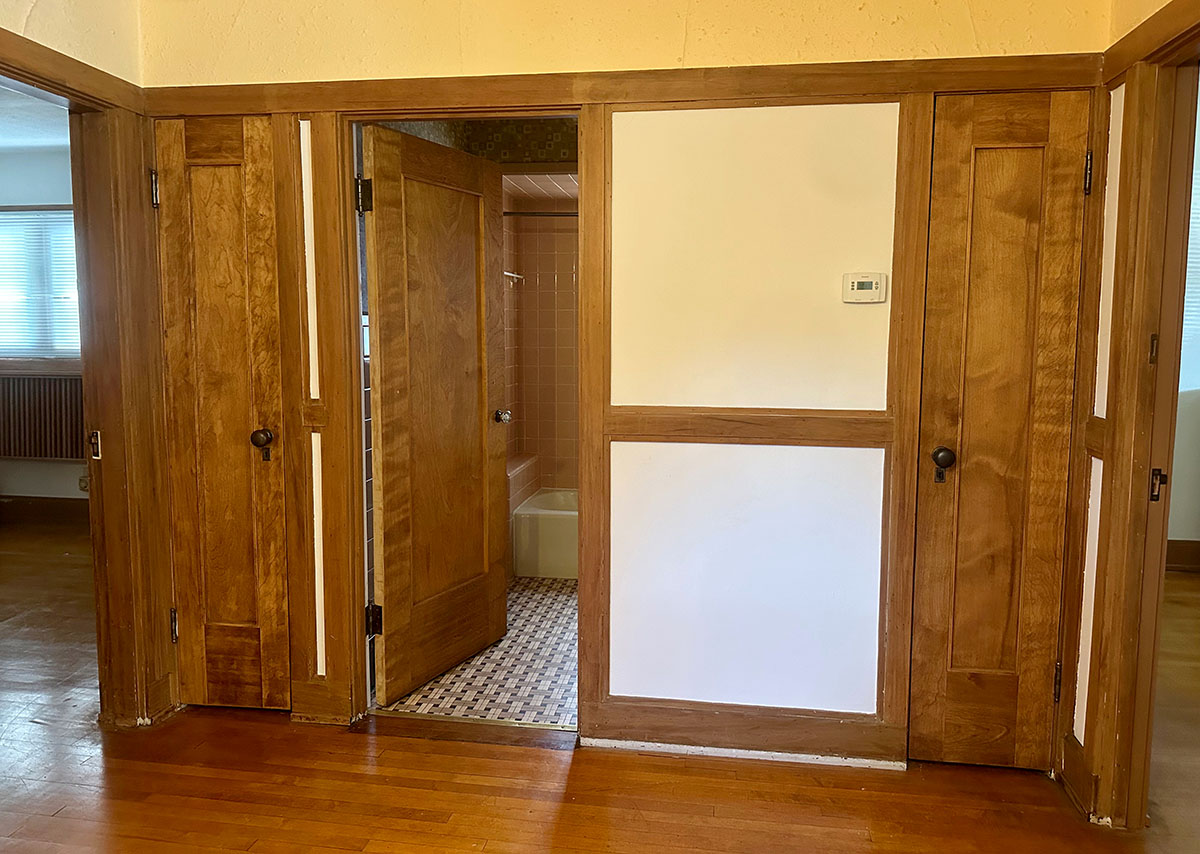
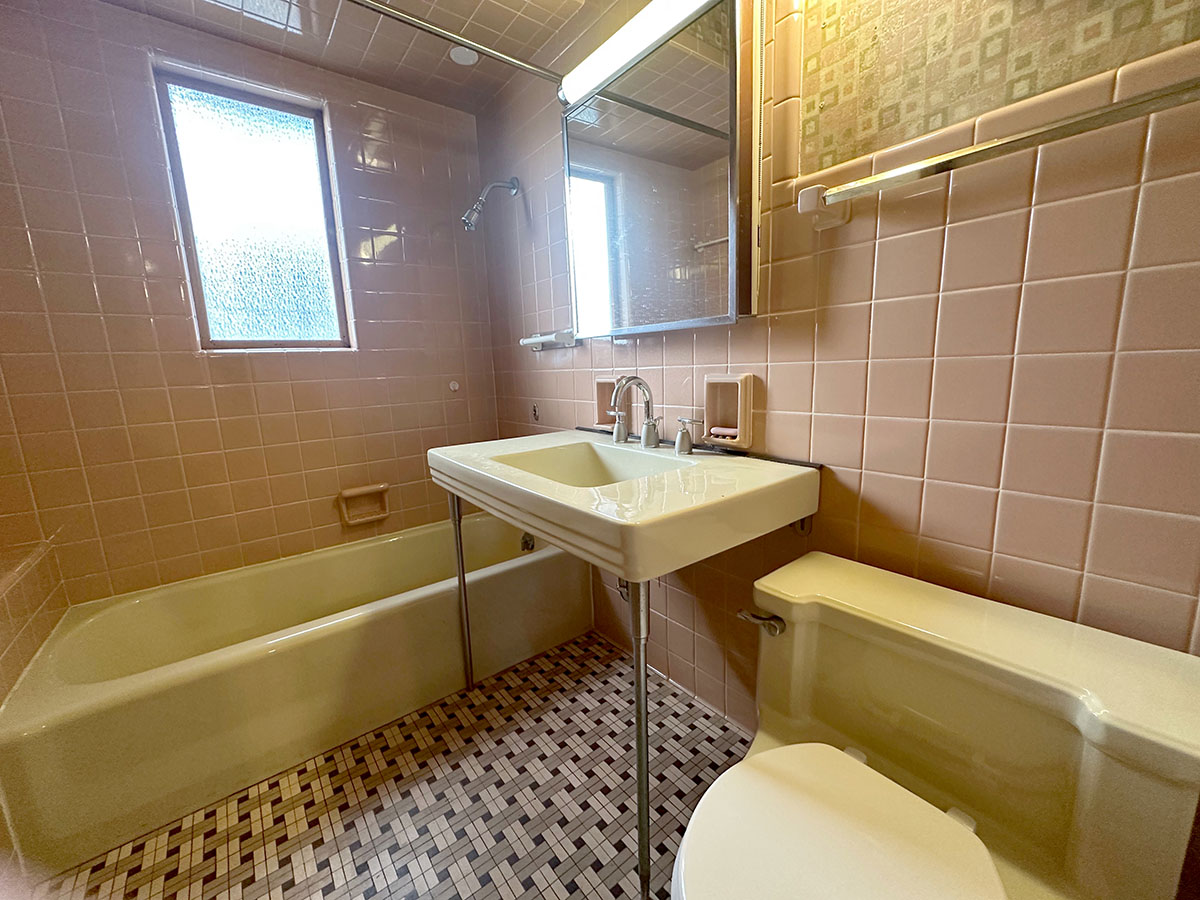
Bedroom and bathroom photos:
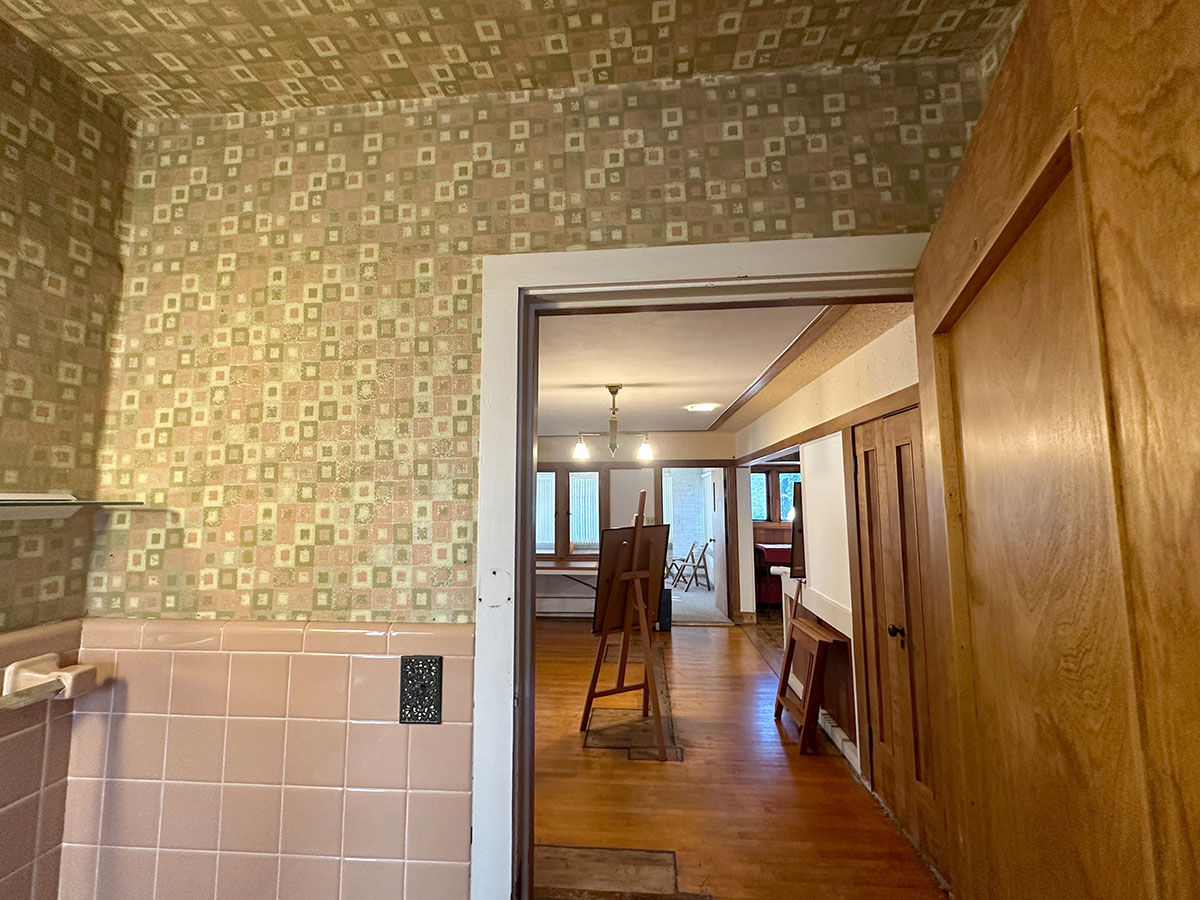
LR 1835 N. Layton 9.25.25 031.jpg

LR 1835 N. Layton 9.25.25 033.jpg

LR 1835 N. Layton 9.25.25 034.jpg

LR 1835 N. Layton 9.25.25 035.jpg

LR 1835 N. Layton 9.25.25 036.jpg

LR 1835 N. Layton 9.25.25 037.jpg

LR 1835 N. Layton 9.25.25 044.jpg

LR 1835 N. Layton 9.25.25 042.jpg

LR 1835 N. Layton 9.25.25 043.jpg

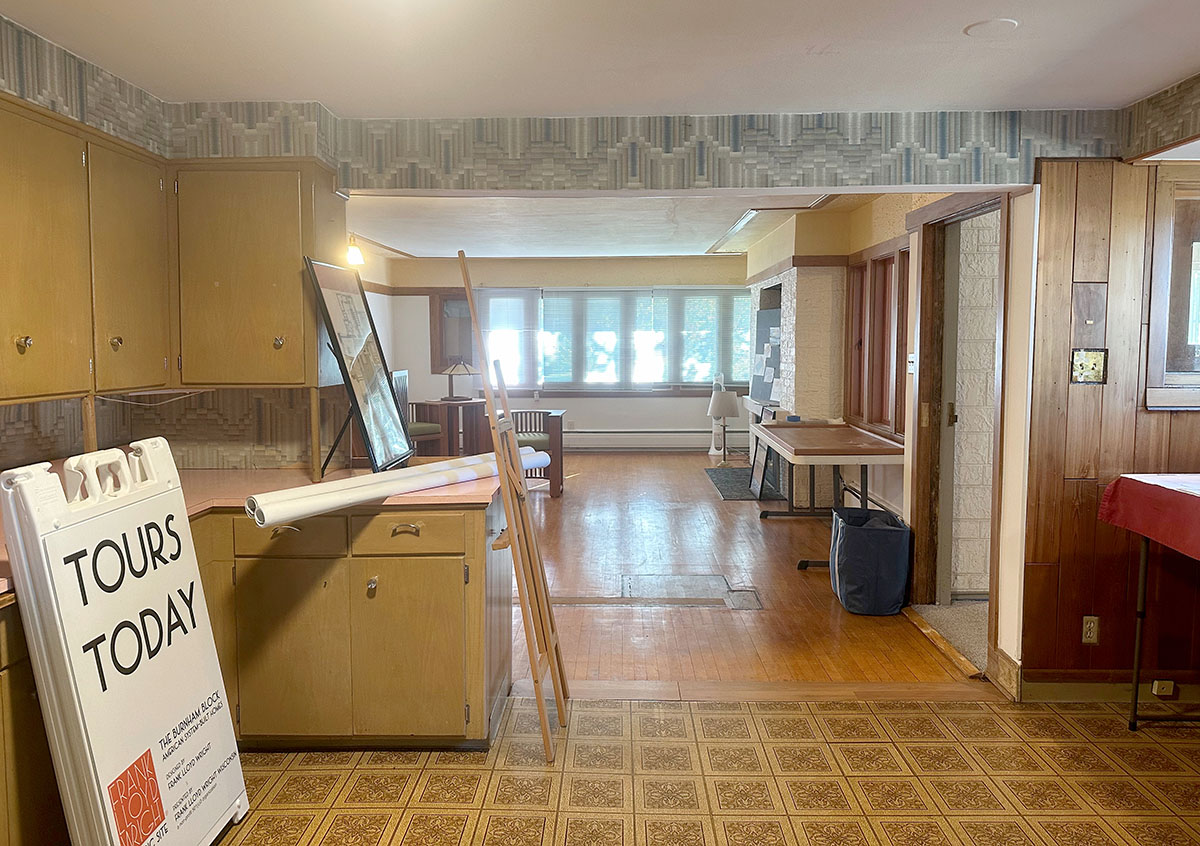
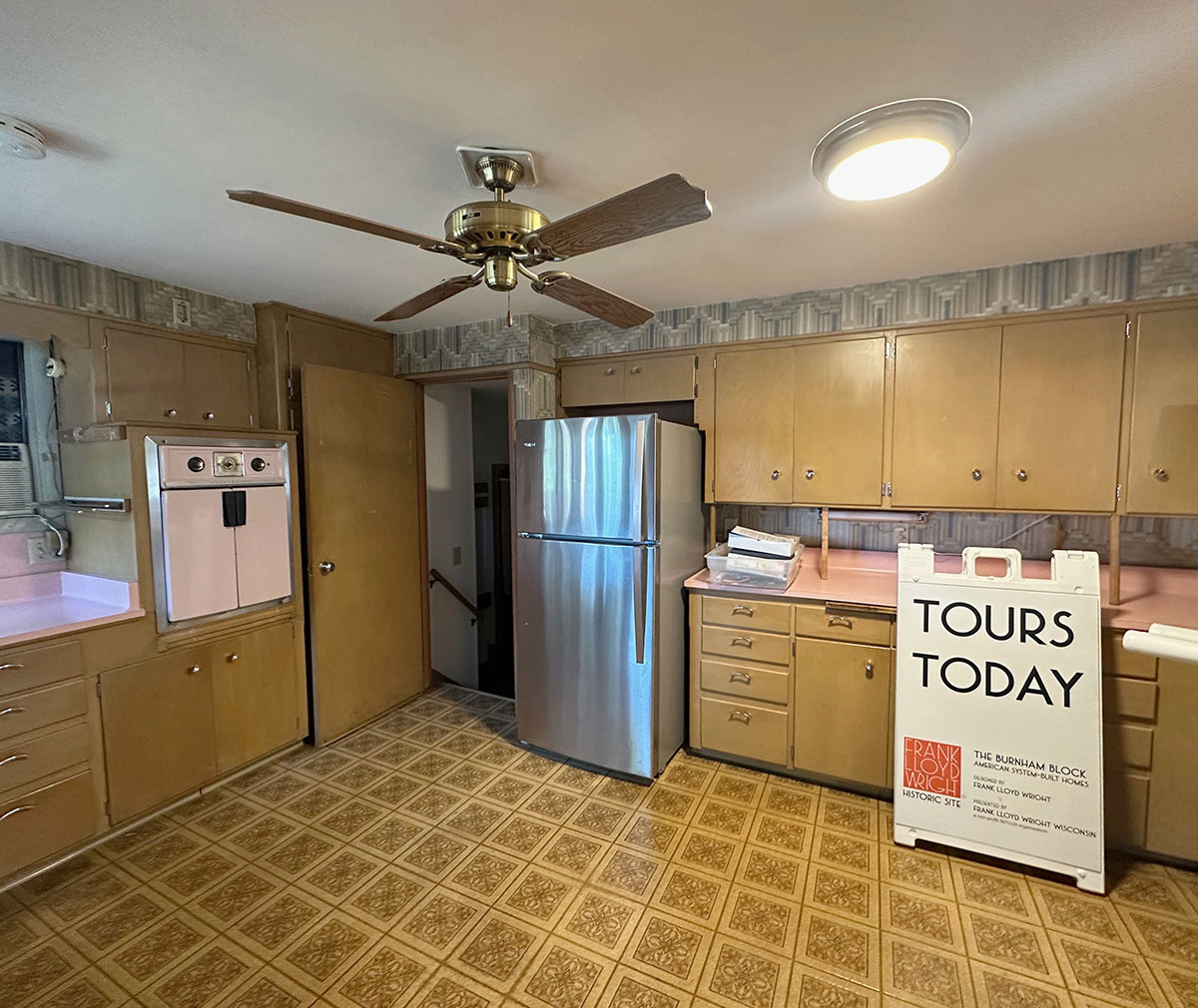
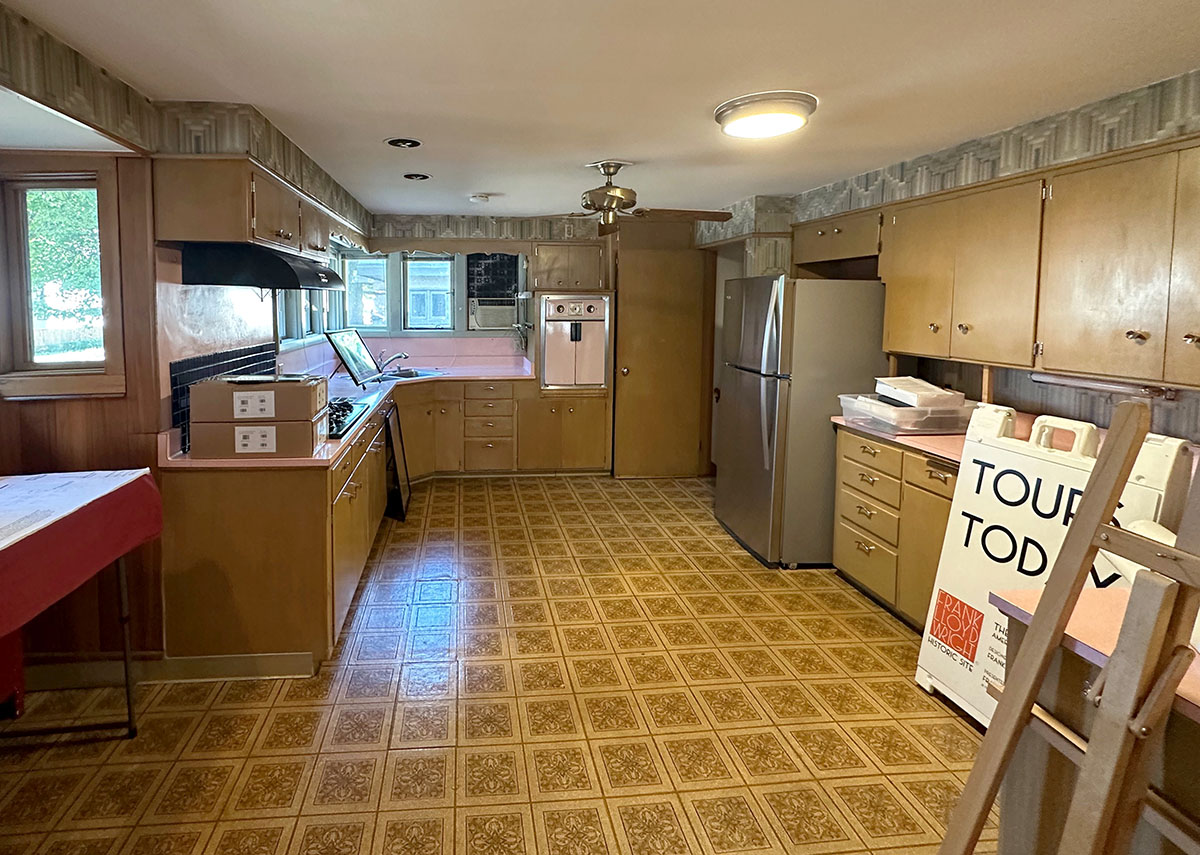
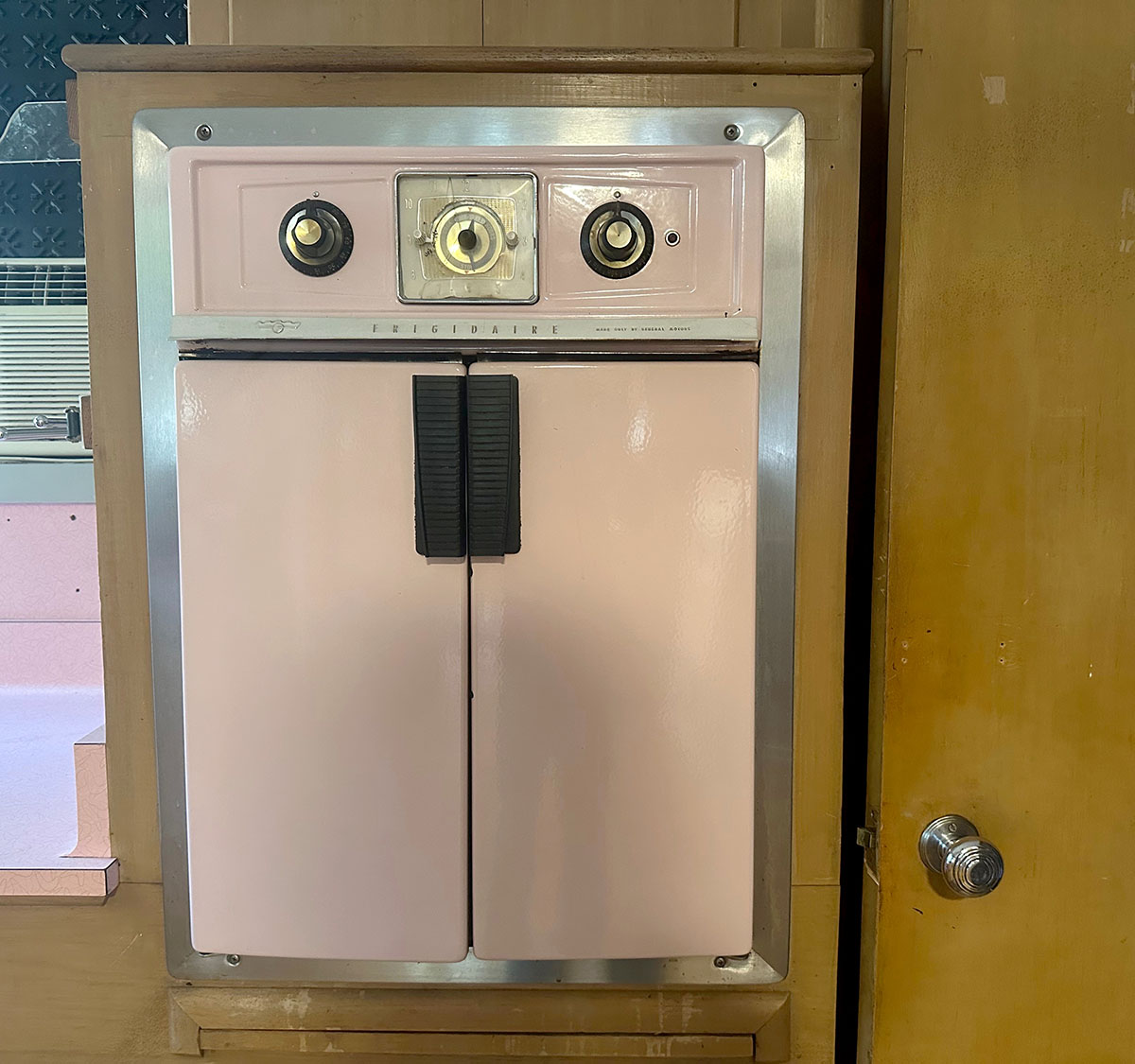
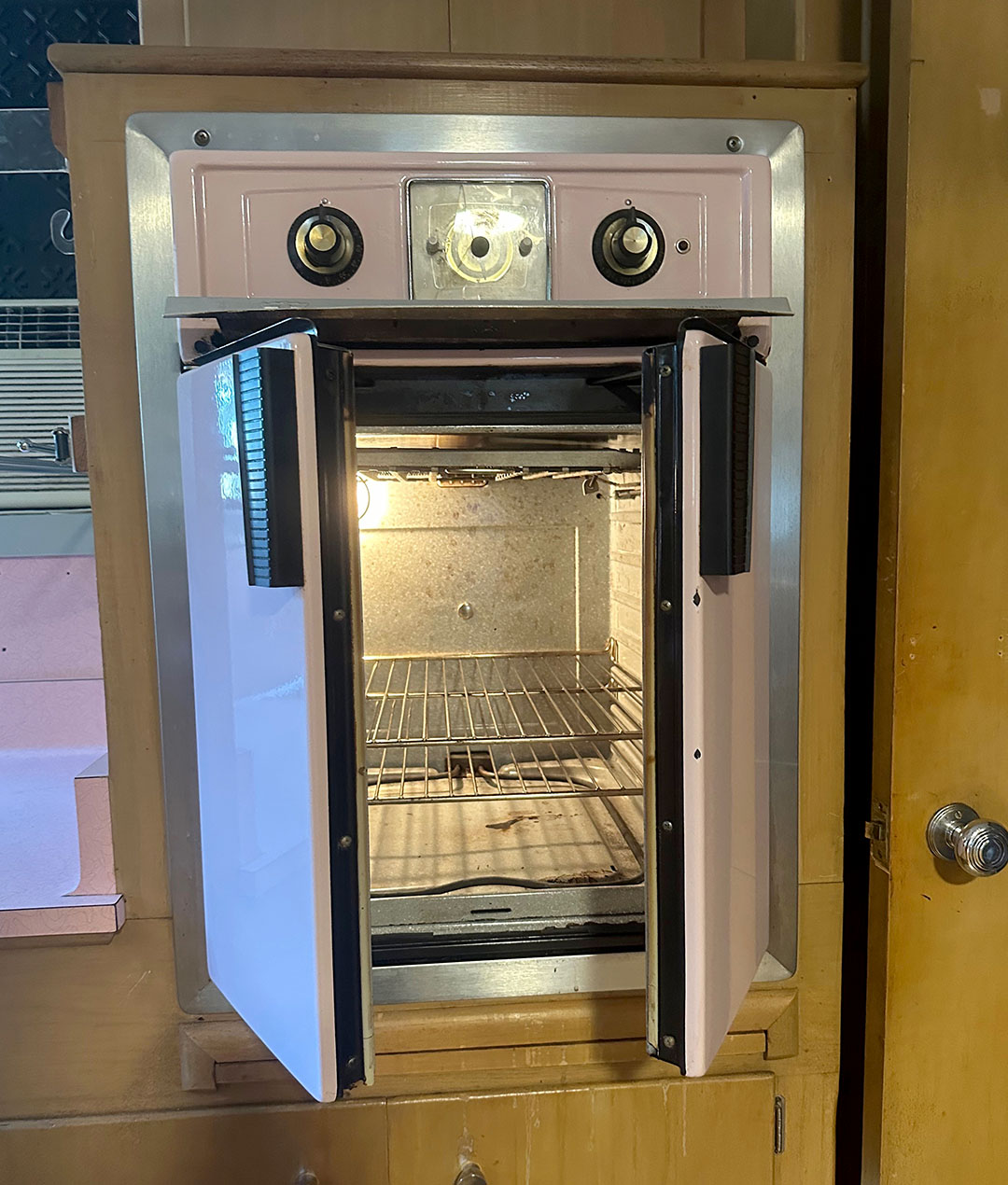
The kitchen:

LR 1835 N. Layton 9.25.25 038.jpg


LR 1835 N. Layton 9.25.25 039B.jpg

LR 1835 N. Layton 9.25.25 039A.jpg

LR 1835 N. Layton 9.25.25 040.jpg

LR 1835 N. Layton 9.25.25 041.jpg

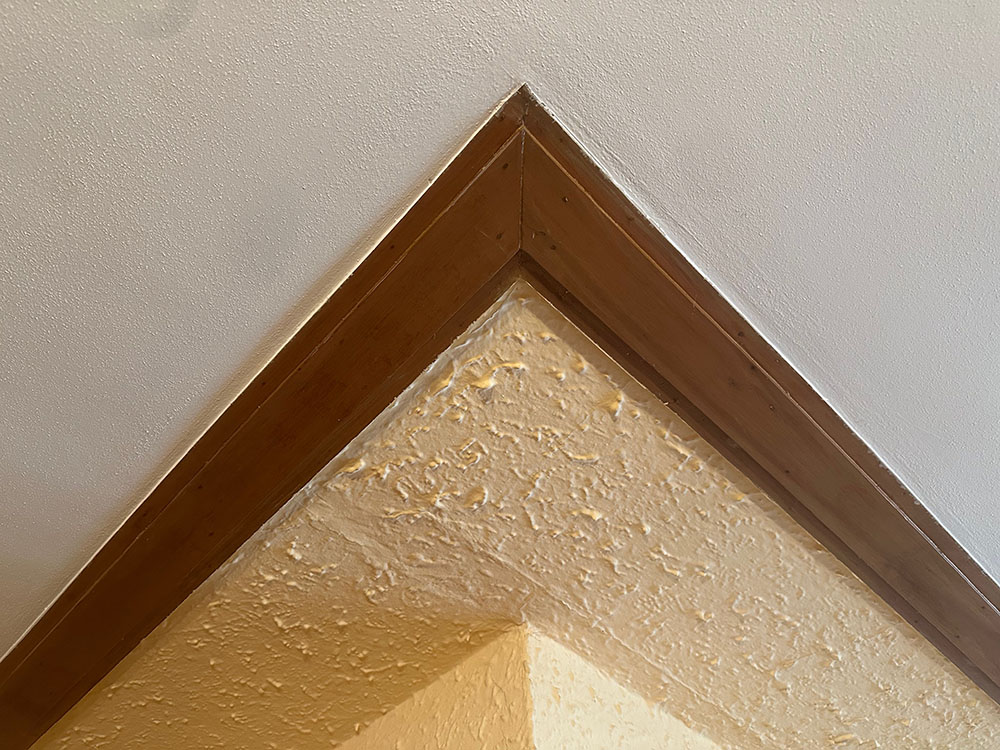
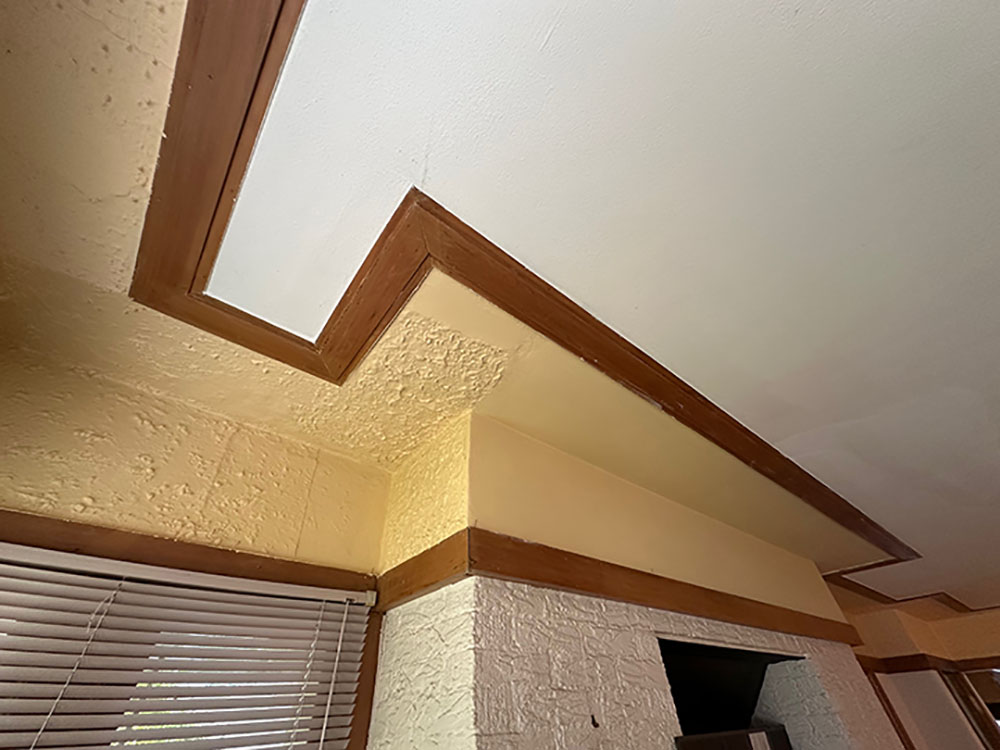
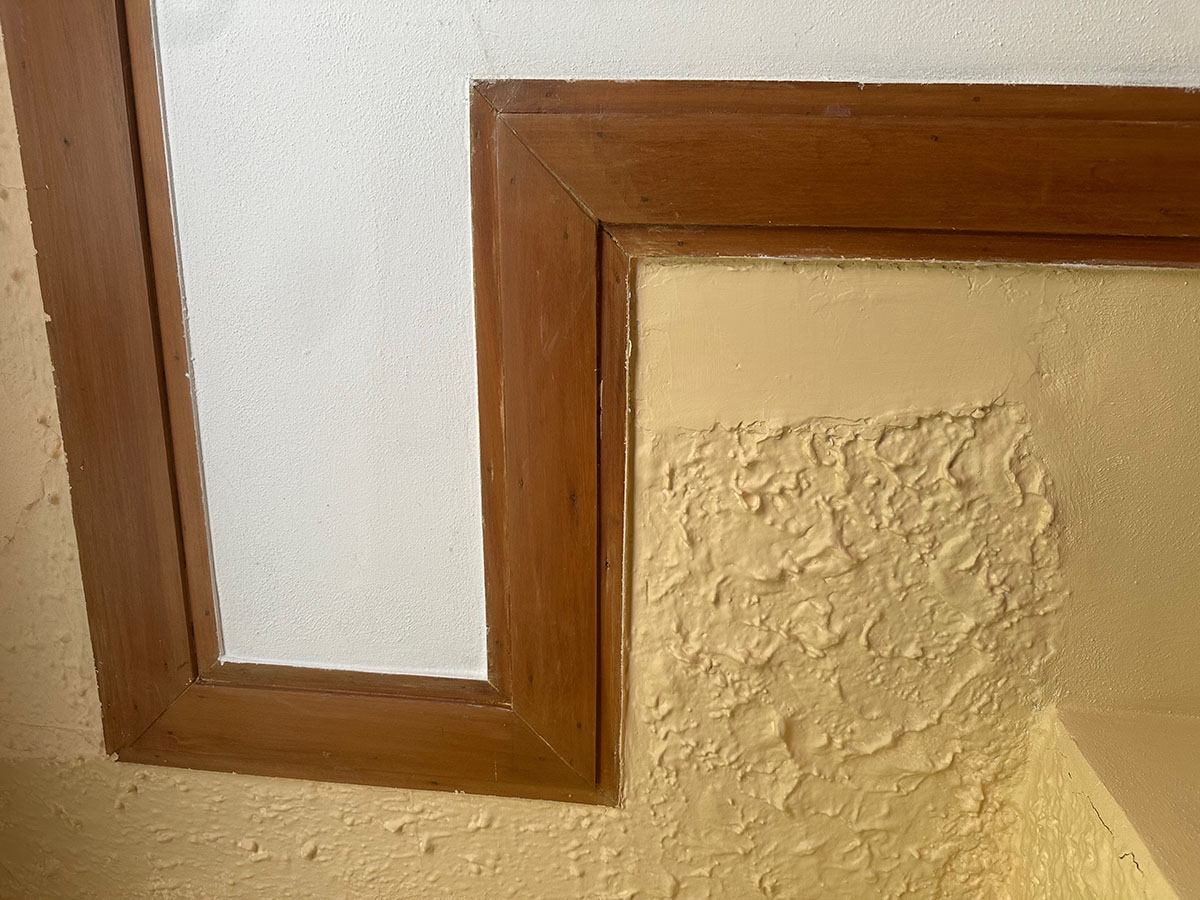
The ceiling trim:

LR 1835 N. Layton 9.25.25 045.jpg

LR 1835 N. Layton 9.25.25 047.jpg

LR 1835 N. Layton 9.25.25 048.jpg

The Burnham Block is working with Ramlow / Stein Architecture and Interiors on the restoration. The National Park Service and the Wisconsin State Historic Preservation Officer have already signed off on the restoration project. Now that the city has given its approval, contractors are being interviewed, and it is hoped that work will begin “soon,” according to Lilek. Contributions are welcome to match the SAT grant.
LR 1835 N. Layton 9.25.25 005.jpg

Links:

Frank Lloyd Wright’s Burnham Block:

http://wrightinmilwaukee.org

Ramlow / Stein:

https://www.ramlowstein.com

Wright in Wisconsin:

https://wrightinwisconsin.org

Vrbo rental link:

https://www.vrbo.com/434063

Please scroll down for previous articles on this website.


Writing Wright With Light-Photo Adventures at two Wright sites in Milwaukee

© Mark Hertzberg

Something wasn’t right today. I was not committed to taking pictures as I accompanied my 11th Road Scholar Frank Lloyd Wright trip, my second in a month, to sites in Milwaukee today.* As I have written in past blogs, I try to see and photograph something new every time I visit a familiar Wright site, but I did not feel photographically inspired this trip. When I got to Frank Lloyd Wright’s Burnham Block, our first stop, I thought I had seen all the pictures there were to take, on the trip in May:

https://wrightinracine.wordpress.com/2022/05/19/wright-tourism-is-back-bits-of-burnham/

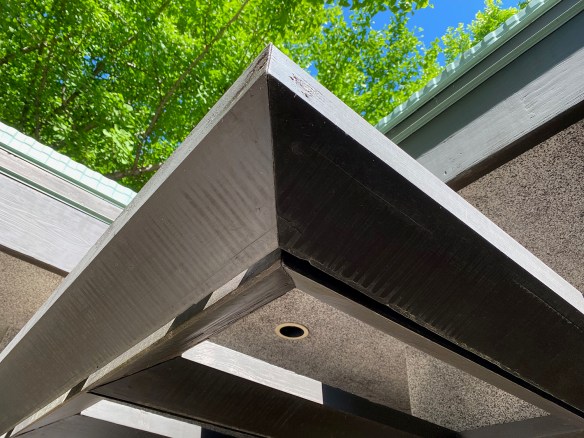
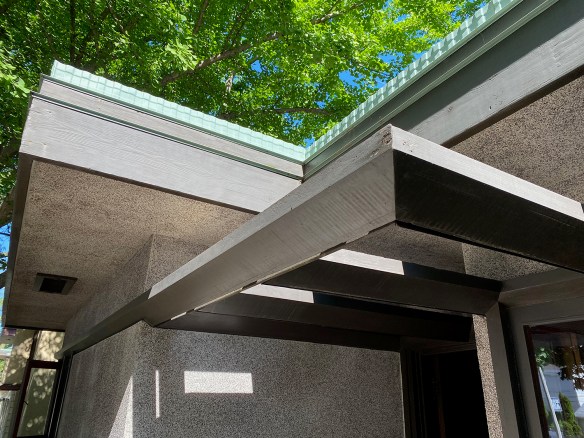
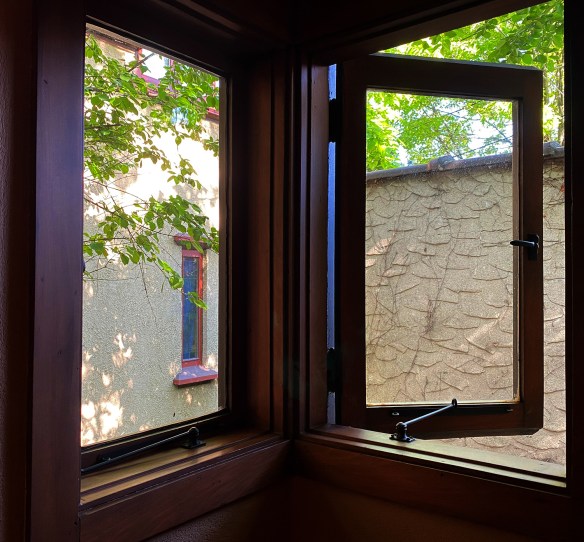
So, I left my workhorse cameras on the bus and carried just my iPhone 11 Pro. Then I saw something that struck me. I gingerly took out my phone and snapped a picture:

Burnham Abstracts 6.16.22 001.jpg

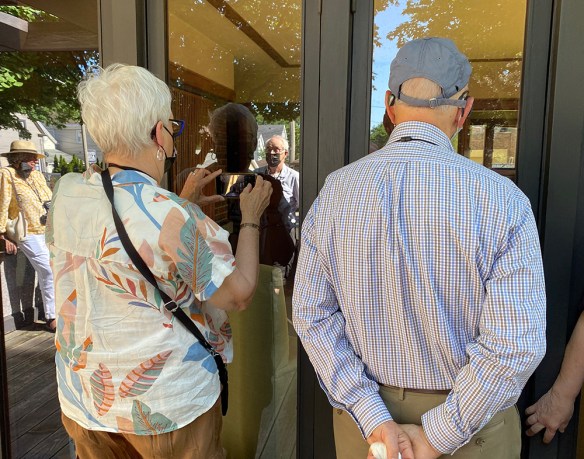
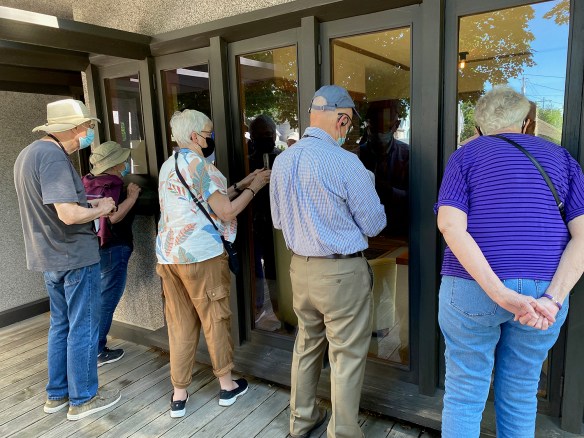
I put the phone back in my pocket, thinking it would be a “one and done” day. I took two photos of Road Scholars eager to enter the American System-Built B-1 Richards House, and again figured, that would be it for the day:
Burnham Abstracts 6.16.22 004.jpg

Burnham Abstracts 6.16.22 005.jpg

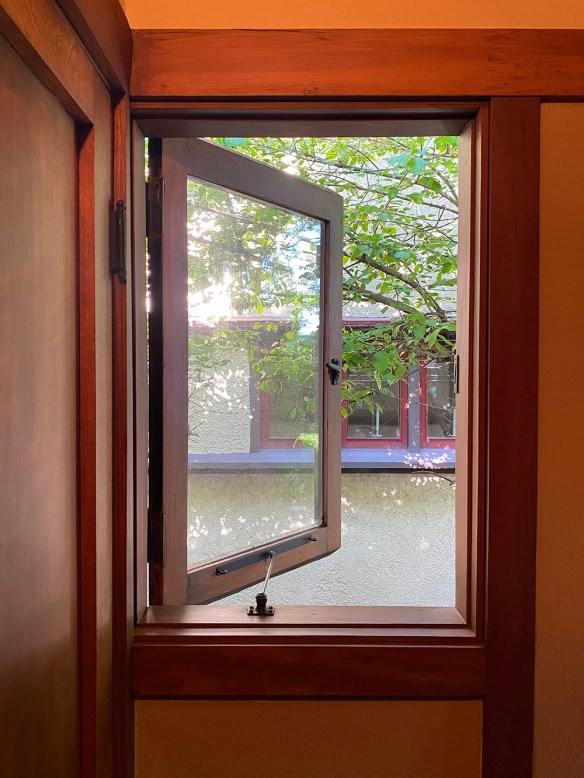
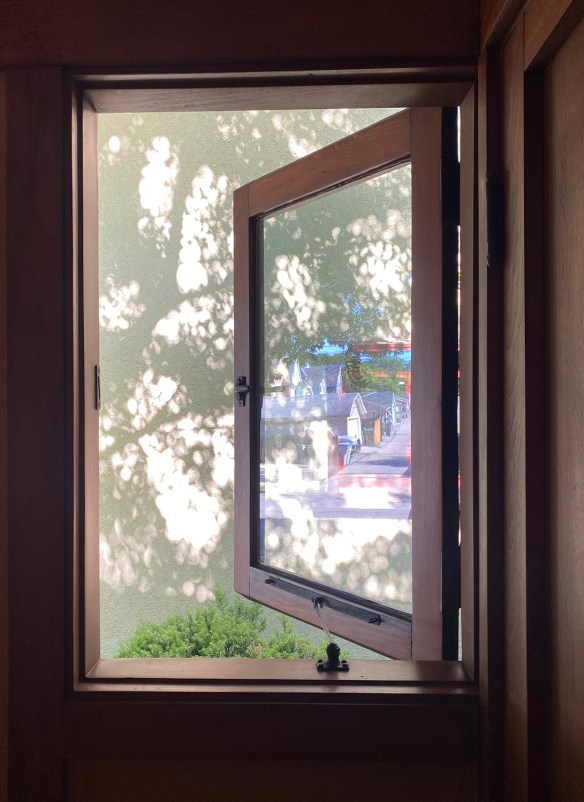
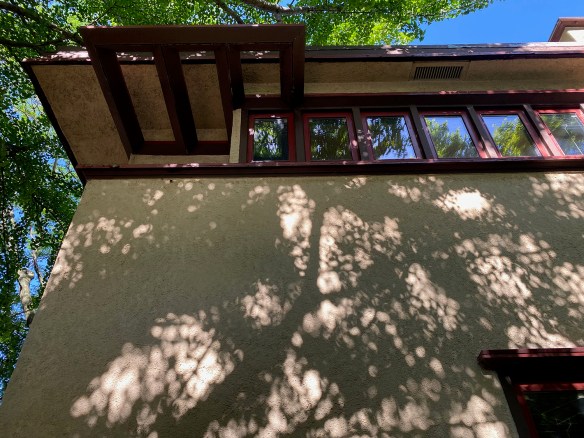
Ah, but there was more to come, above me, and inside the house:

Burnham Abstracts 6.16.22 020.jpg

Burnham Abstracts 6.16.22 019.jpg

Burnham Abstracts 6.16.22 011.jpg

Burnham Abstracts 6.16.22 017.jpg

Burnham Abstracts 6.16.22 016.jpg

Burnham Abstracts 6.16.22 014.jpg

Burnham Abstracts 6.16.22 013.jpg

Burnham Abstracts 6.16.22 009.jpg

Burnham Abstracts 6.16.22 010.jpg

Burnham Abstracts 6.16.22 008.jpg

Burnham Abstracts 6.16.22 007.jpg

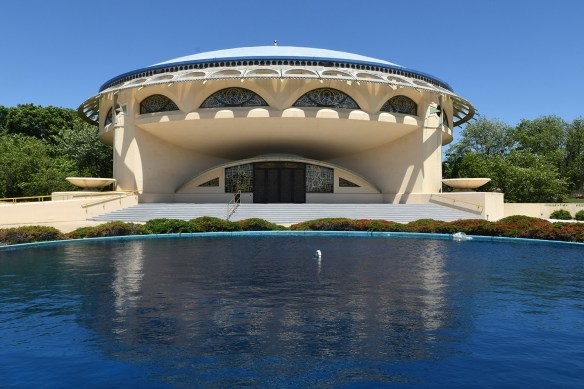
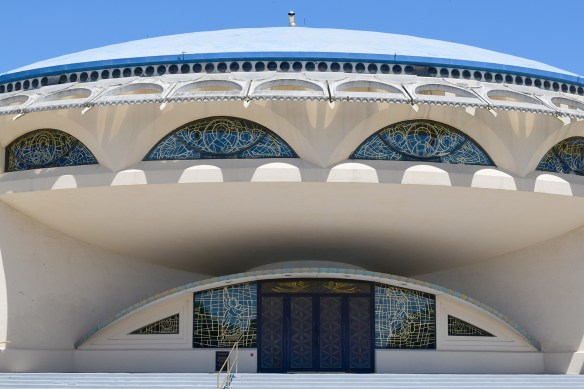
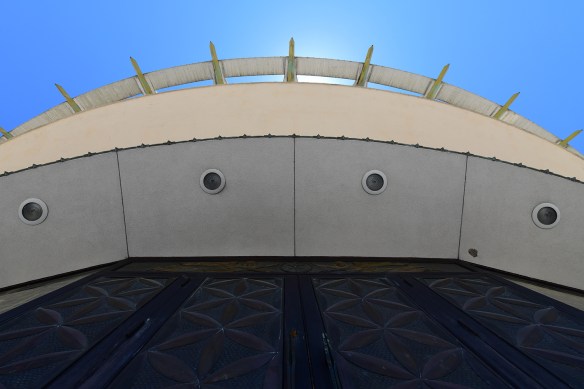
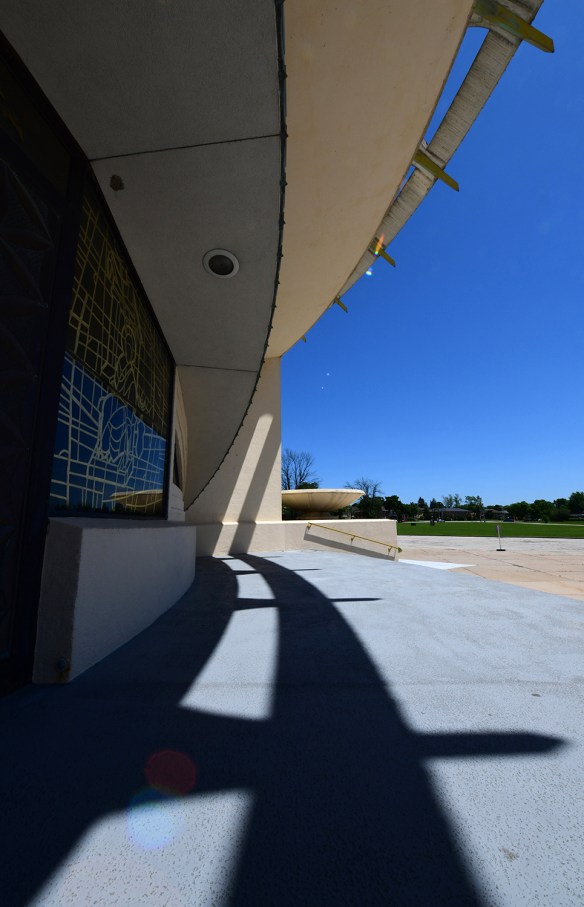
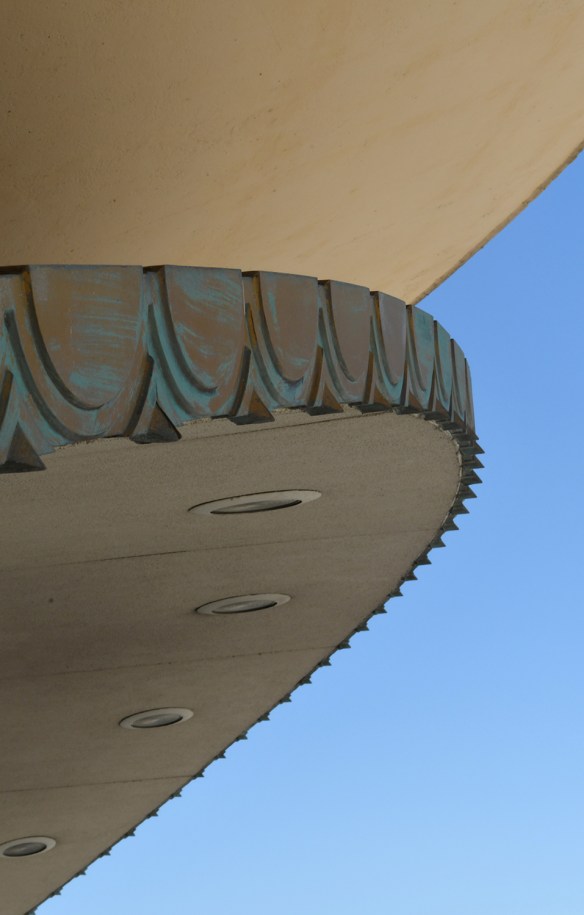
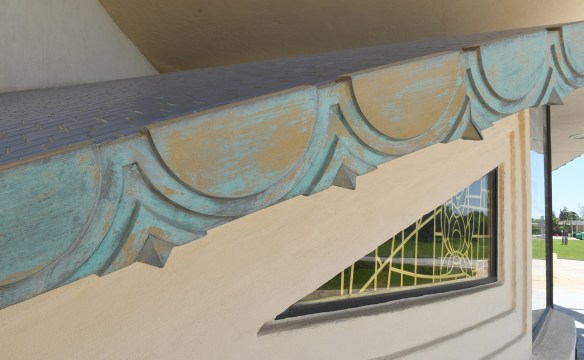
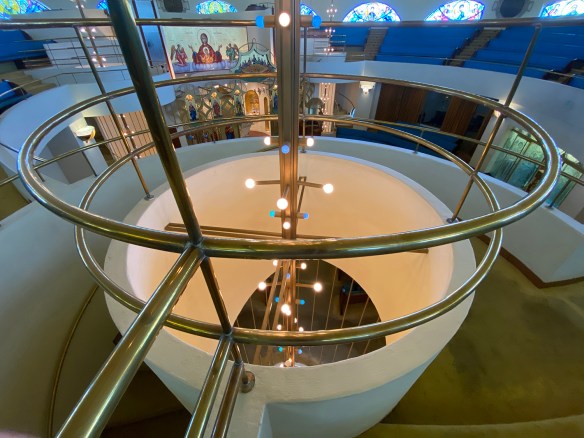
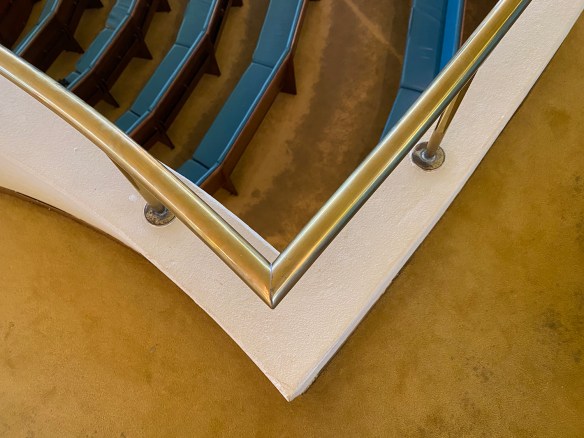
Done for the day? Maybe, but I decided to bring the “real” cameras with me when we got to the Annunciation Greek Orthodox Church in Wauwatosa. I was immediately struck by the cloudless and rich blue sky. It seemed in synch with the blue color scheme of much of the church building. First, was the obligatory “record” snapshot before pushing my eye:

AGOC 6.16.22 003.jpg

AGOC 6.16.22 009.jpg

AGOC 6.16.22 006.jpg

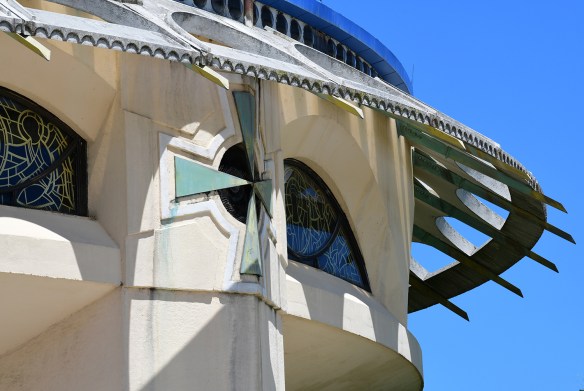
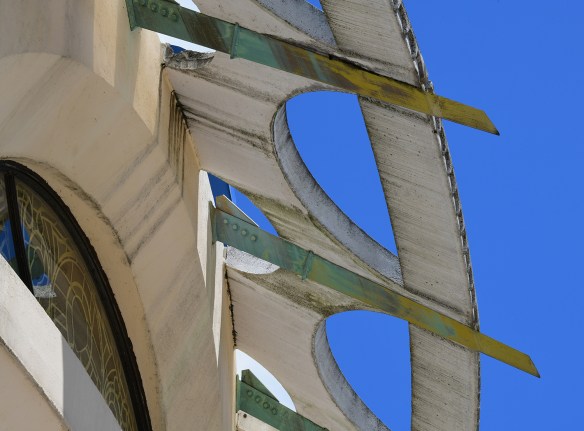
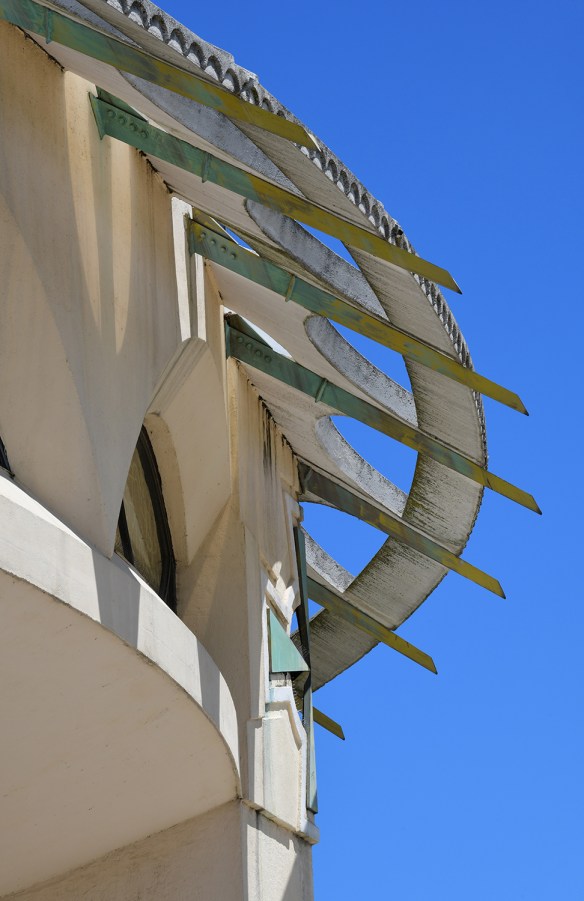
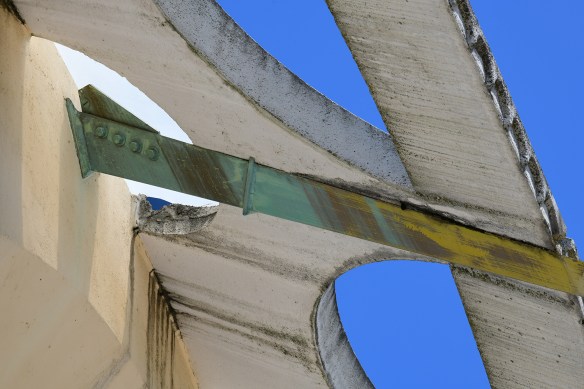
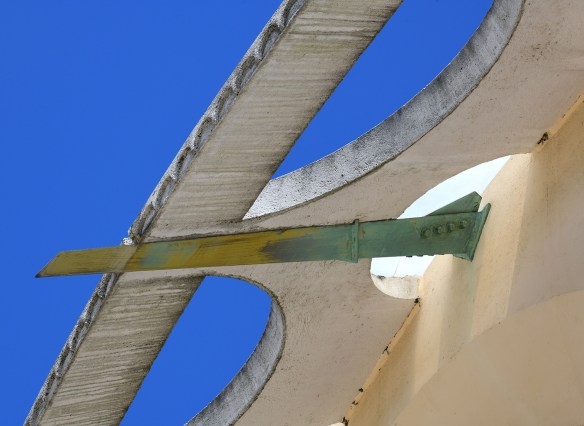
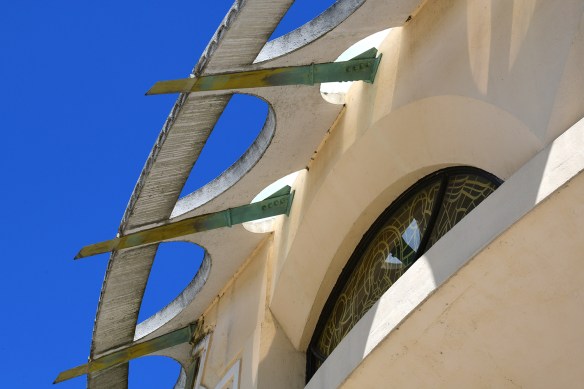
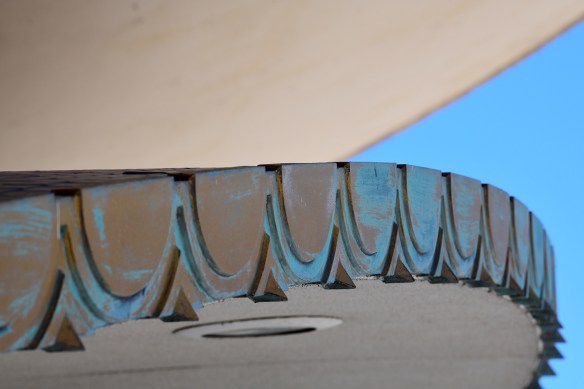
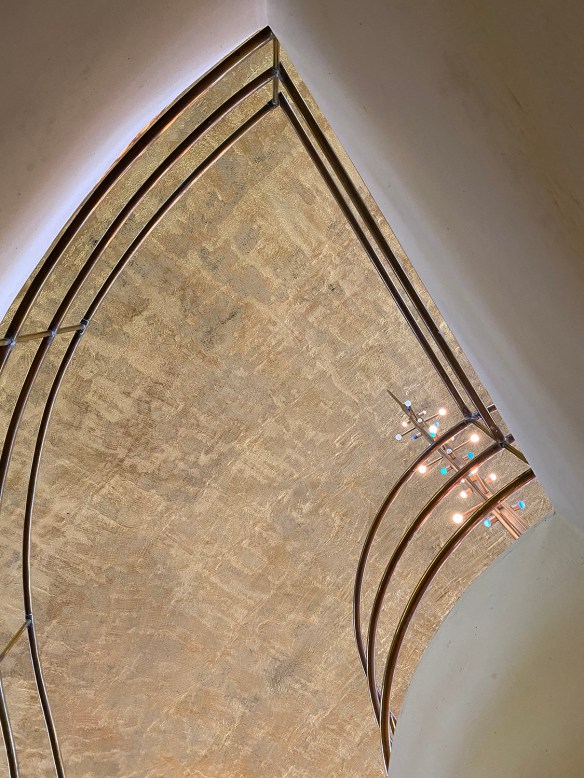
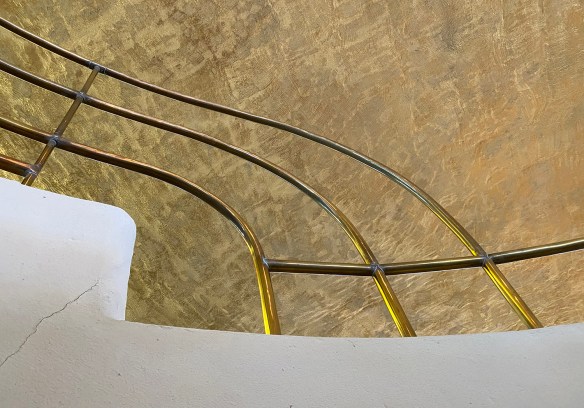
The “crown of thorns” below the domed roof presented myriad photos:

AGOC 6.16.22 010.jpg

AGOC 6.16.22 011.jpg

AGOC 6.16.22 012.jpg

AGOC 6.16.22 016.jpg

AGOC 6.16.22 017.jpg

AGOC 6.16.22 018.jpg

AGOC 6.16.22 021.jpg

AGOC 6.16.22 020.jpg

AGOC 6.16.22 019.jpg

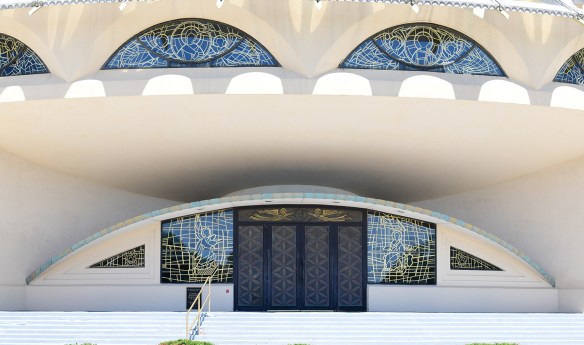
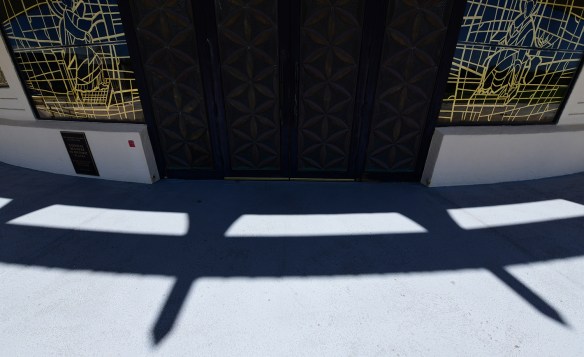
Then I came to the entry way and its cantilevered canopy:

AGOC 6.16.22 022.jpg

AGOC 6.16.22 024.jpg

AGOC 6.16.22 025.jpg

AGOC 6.16.22 041.jpg

AGOC 6.16.22 040.jpg

AGOC 6.16.22 032.jpg

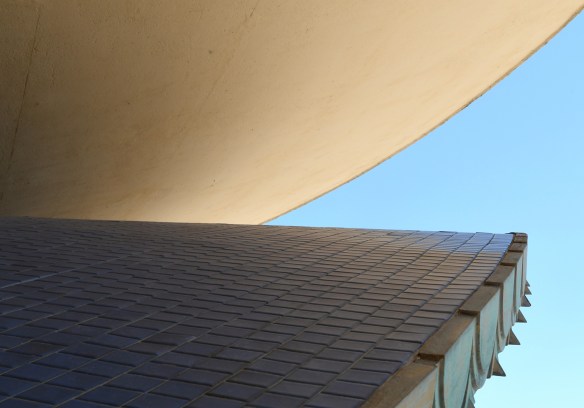
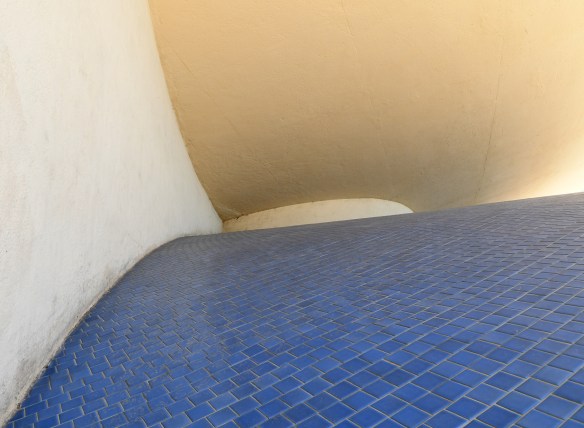
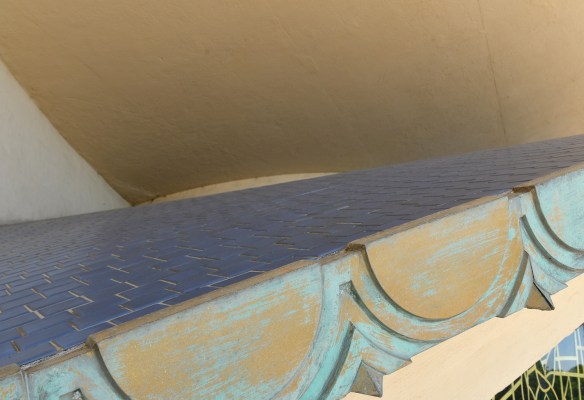
There are thousands of two inch by two inch ceramic tiles above the roof of the canopy. Our docent, my friend Cathy Spyres, explained that these are the same tiles that were on the original roof of the church. The original tiles were not replaced after they started popping off the roof.

AGOC 6.16.22 027.jpg

AGOC 6.16.22 034.jpg

AGOC 6.16.22 038.jpg

AGOC 6.16.22 033.jpg

AGOC 6.16.22 030.jpg

AGOC 6.16.22 028.jpg

Then, onto a quest to see something new inside the church:

AGOC 6.16.22 042.jpg

AGOC 6.16.22 043.jpg

AGOC 6.16.22 045.jpg

AGOC 6.16.22 044.jpg

AGOC 6.16.22 051.jpg

AGOC 6.16.22 048.jpg

AGOC 6.16.22 047.jpg

AGOC 6.16.22 049.jpg

AGOC 6.16.22 054.jpg

AGOC 6.16.22 055.jpg

AGOC 6.16.22 056.jpg

AGOC 6.16.22 060.jpg

Spyres told the guests that blue (as well as gold) is one of the dominant colors inside and outside the church because it is part of the Byzantine heritage. So was the sky, I thought, as I heard her explanation.

I was in touch a few months ago with the director of a Wright site to take photos for a forthcoming Wright book by a university professor. The director was critical of one of my earlier photos from the site because it had an “on the spot look.” I asked for clarification: “On the spot means it looks like a hand-held shot. It isn’t carefully studied. It has a casual look.” I make no apologies for my style of working: “Casually,” and “hand-held.”

Photography literally means “writing with light.” Today the light was perfect for me to write Wright.

*The guests’ week-long itinerary begins in Chicago and Oak Park, continues to Racine, where I join them, then on to Milwaukee, Madison, and Spring Green. They see 12 Wright sites in Wisconsin during this deep immersion into the World of Wright:

https://www.roadscholar.org/find-an-adventure/22976/architectural-masterworks-of-frank-lloyd-wright

Wright: “Buildings for the Prairie”

Photos and text (c) Mark Hertzberg 2017

MAM FLW 2017 Exhibit 017.jpg

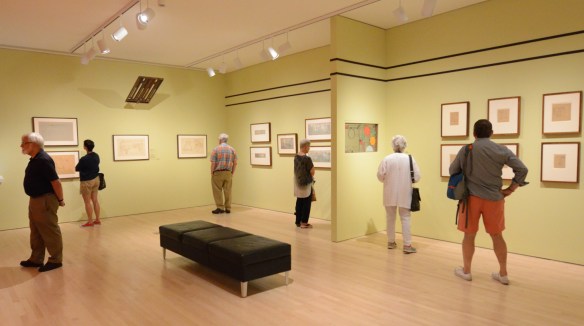
There are myriad celebrations of the sesquicentennial of Frank Lloyd Wright’s birth. It is a challenge for curators to decide how to present his career for both people well-versed in his work as well as for people who may be exposed to his designs for the first time. The Milwaukee Art Museum celebrates his work with drawings and artifacts related to his legendary Wasmuth Portfolio of 1910-11. The exhibition, “Frank Lloyd Wright: Buildings for the Prairie,” opened Friday July 28.

MAM FLW 2017 Exhibit 003.jpg

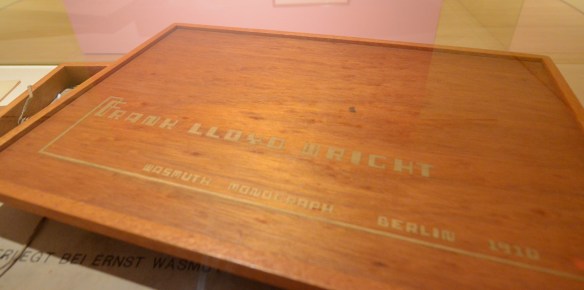
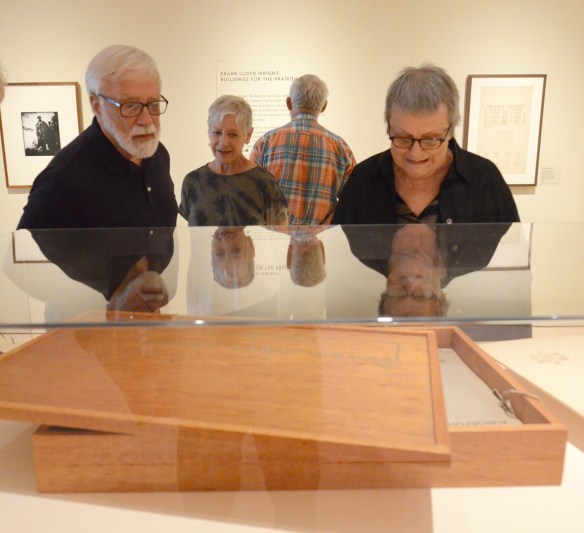
One of the highlights of the exhibition is a wood case for a rare original copy of the Wasmuth Portfolio. This portfolio was donated to the museum by the Demmer Charitable Trust in 2014. Wright had hoped to promote his revolutionary designs and ideas with the portfolio. At a crossroads of his career, he sold some of his valued Japanese prints to help fund the project. His reputation was tattered by his affair with Mamah Borthwick Cheney, a client, after they left their respective families in 1909 and traveled to Berlin. He looked forward to beginning anew in America after his return in 1911. But, some 500 copies were destroyed in the 1914 fire at Taliesin; only about 30 copies survived.

MAM FLW 2017 Exhibit 019.jpg

Robert and Jeanne Maushammer, left and right, and Diane Kehl, among the first visitors to the exhibit, study the wood case and portfolio. The showcase with these artifacts is at the north entrance to the exhibit hall. The Maushammers came from Virginia to see the exhibit. 

The museum exhibit highlights Wright’s work starting with the Winslow House (1893)  which in 1954 he deemed his first Prairie-style home, and including more than a dozen other commissions presented in the Wasmuth Portfolio.

MAM FLW 2017 Exhibit 016.jpg

Visitors can use touch-screens to enlarge and studies drawings in the Wasmuth Portfolio including ones that are not on exhibit. 

While most of the work displayed are drawings and floor plans from the Portfolio, the exhibit also includes a number of artifacts, some loaned by the SC Johnson Company of Racine (which has them on longterm loan from the Frank Lloyd Wright Foundation).

MAM FLW 2017 Exhibit 007.jpg

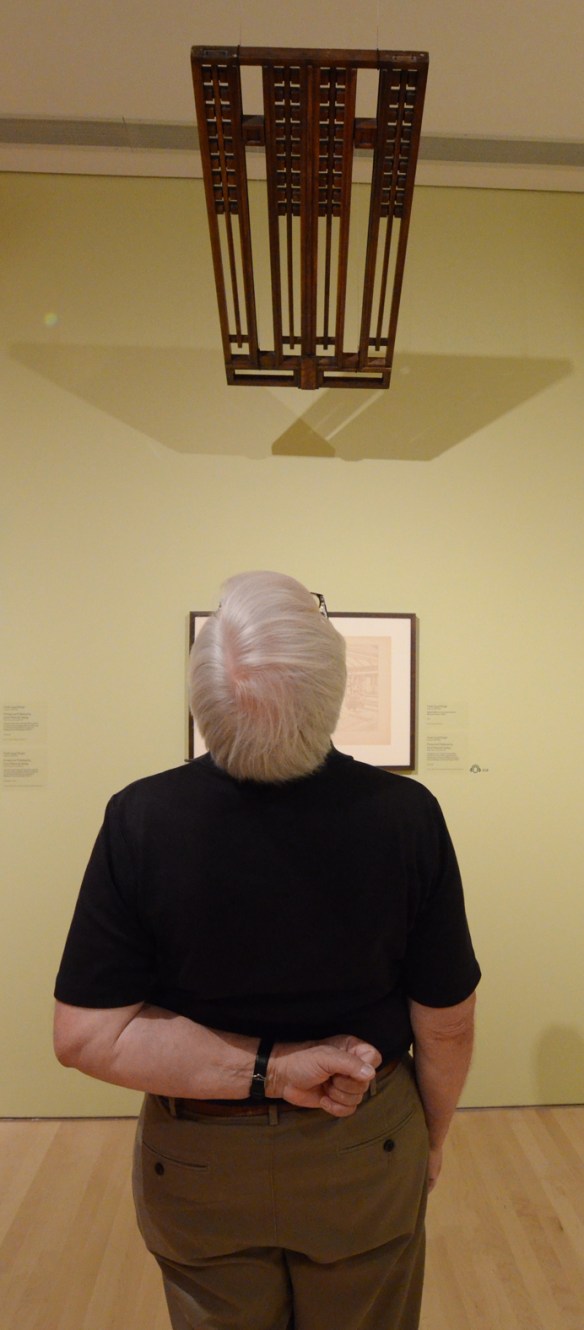
Robert Maushammer studies a skylight grill from the Avery Coonley house in Riverside, Illinois (ca. 1909).

MAM FLW 2017 Exhibit 004.jpg

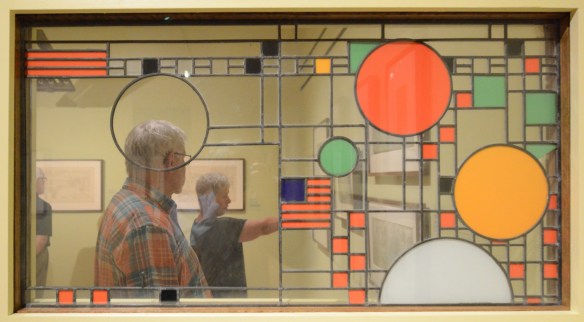
SC Johnson lent the museum one of the well known colorful windows from the Avery Coonley Playhouse.

MAM FLW 2017 Exhibit 011.jpg

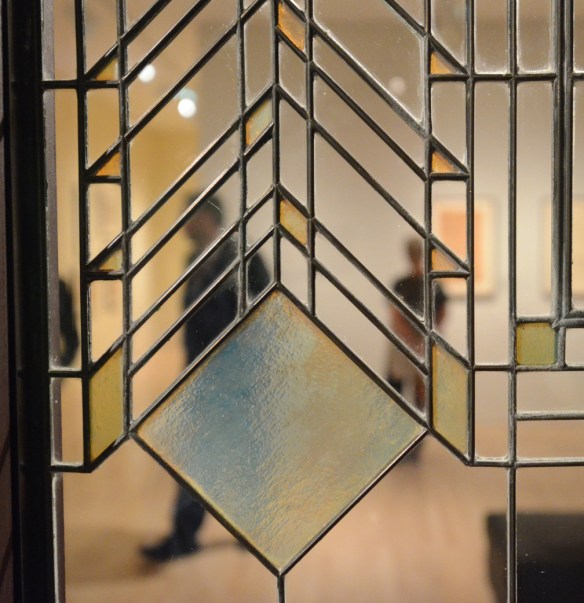
One of the leaded glass cabinet doors for the Heath House in Buffalo (1905) is displayed.

MAM FLW 2017 Exhibit 015.jpg

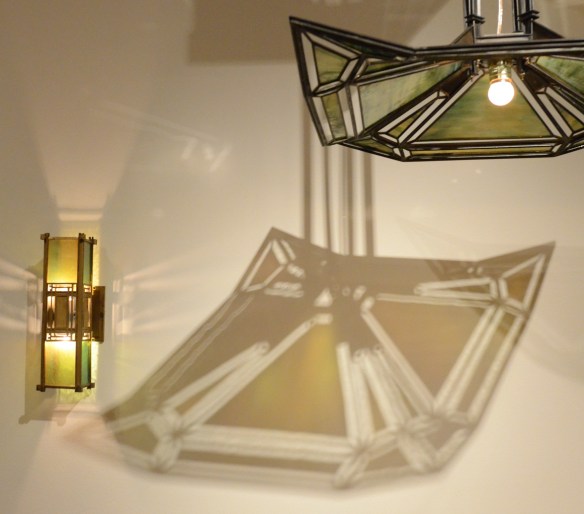
Wall sconces and a hanging lamp from the Heath House are also on display.

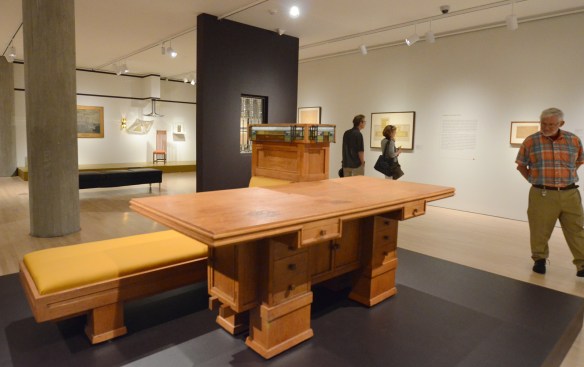
Other architects and designers worked with Wright before he left for Berlin. The Wasmuth Portfolio was important to their careers, as well. George Mann Niedecken, a Milwaukee designer, worked closely with him on a number of the Prairie-style homes, designing murals, carpets, and furniture. The museum is home to the Niedecken archives, and some of his work is on exhibit. MAM FLW 2017 Exhibit 012.jpg

Niedecken designed this writing desk, daybed, and lamp for the Edward P. Irving home in Decatur, Illinois. The design was in the concept stage when Wright left for Europe. It is thought to have been mainly completed by Marion Mahony, his chief draftsperson, under Wright’s guidance.

The exhibit runs through October 15. An exhibition catalogue is on sale in the Wright gift shop at the north end of the exhibition. The price is $17.95 for members, $19.95 for non-members. For more information:

https://mam.org/exhibitions/details/Frank.php