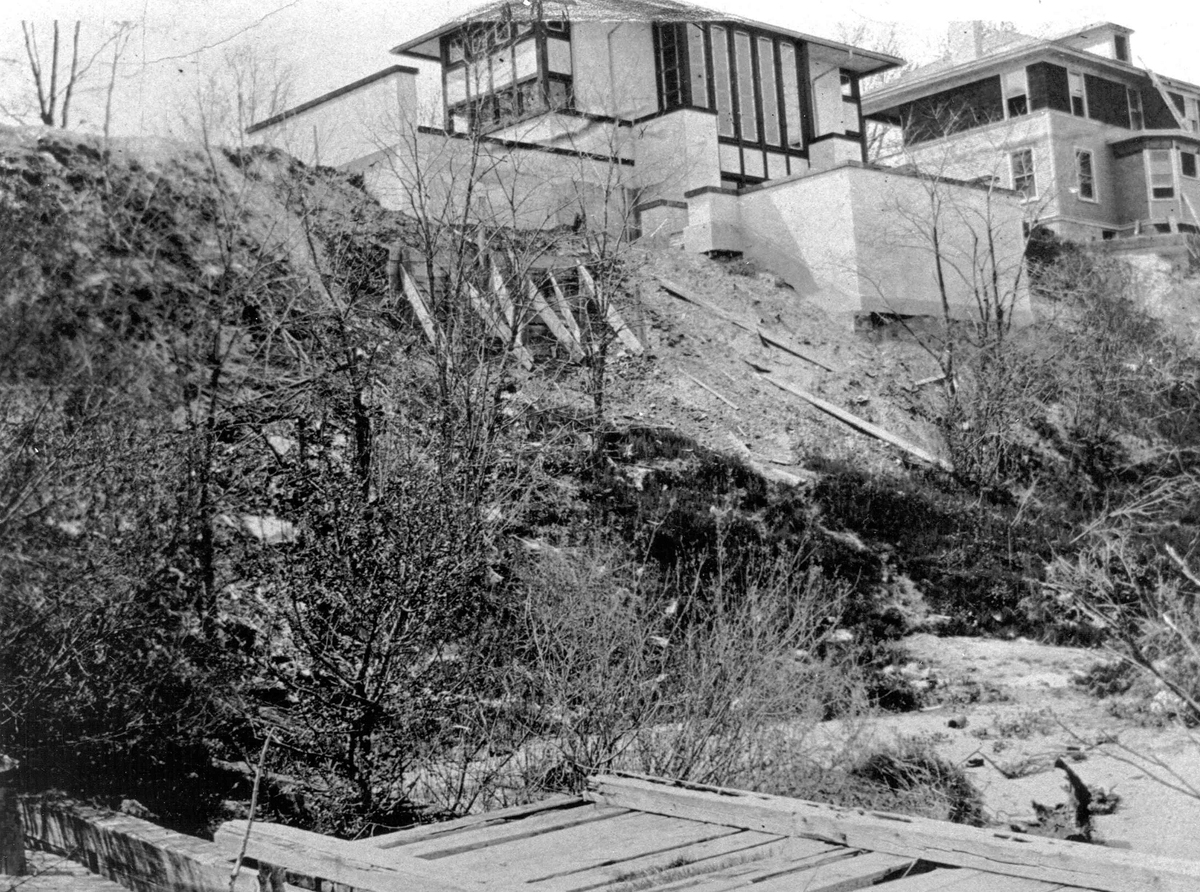
Wright at SCJ

Photos (c) Mark Hertzberg for SC Johnson

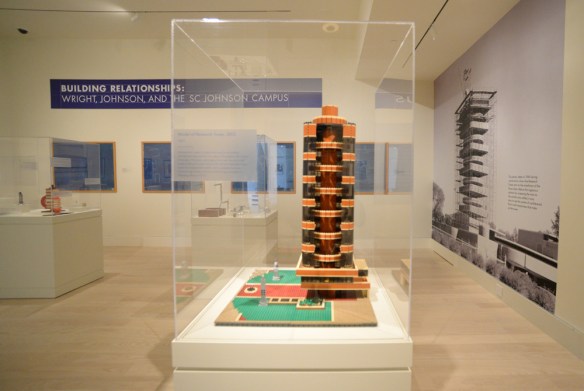
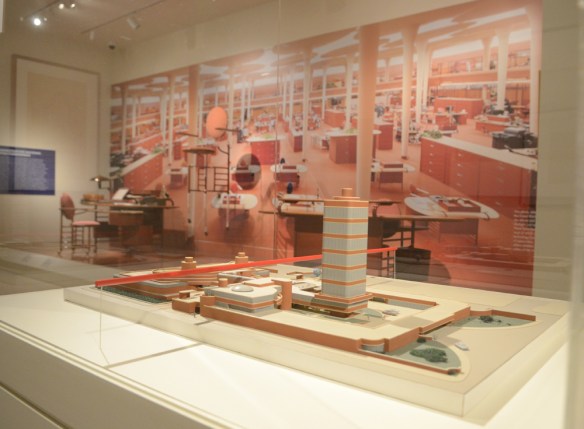
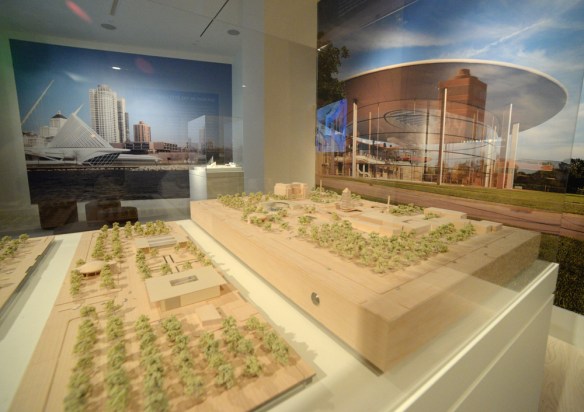
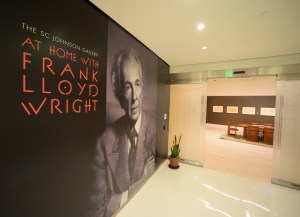
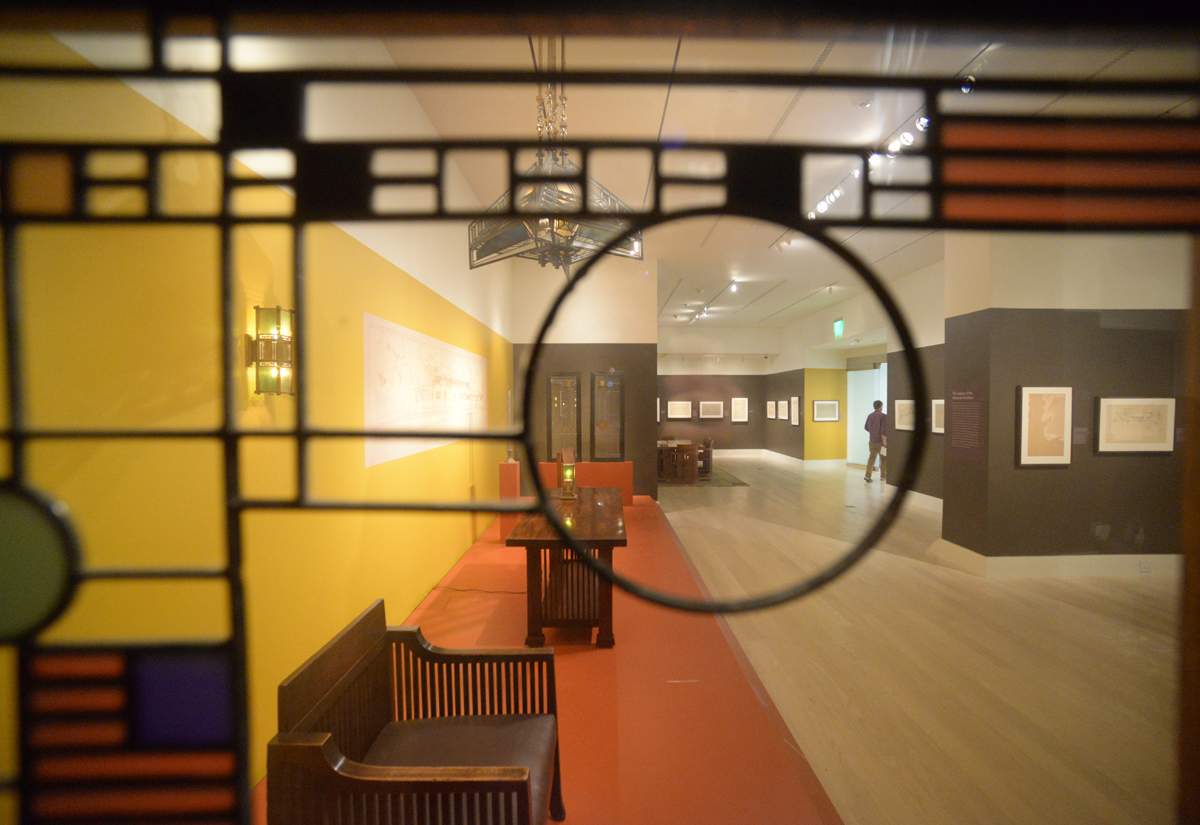
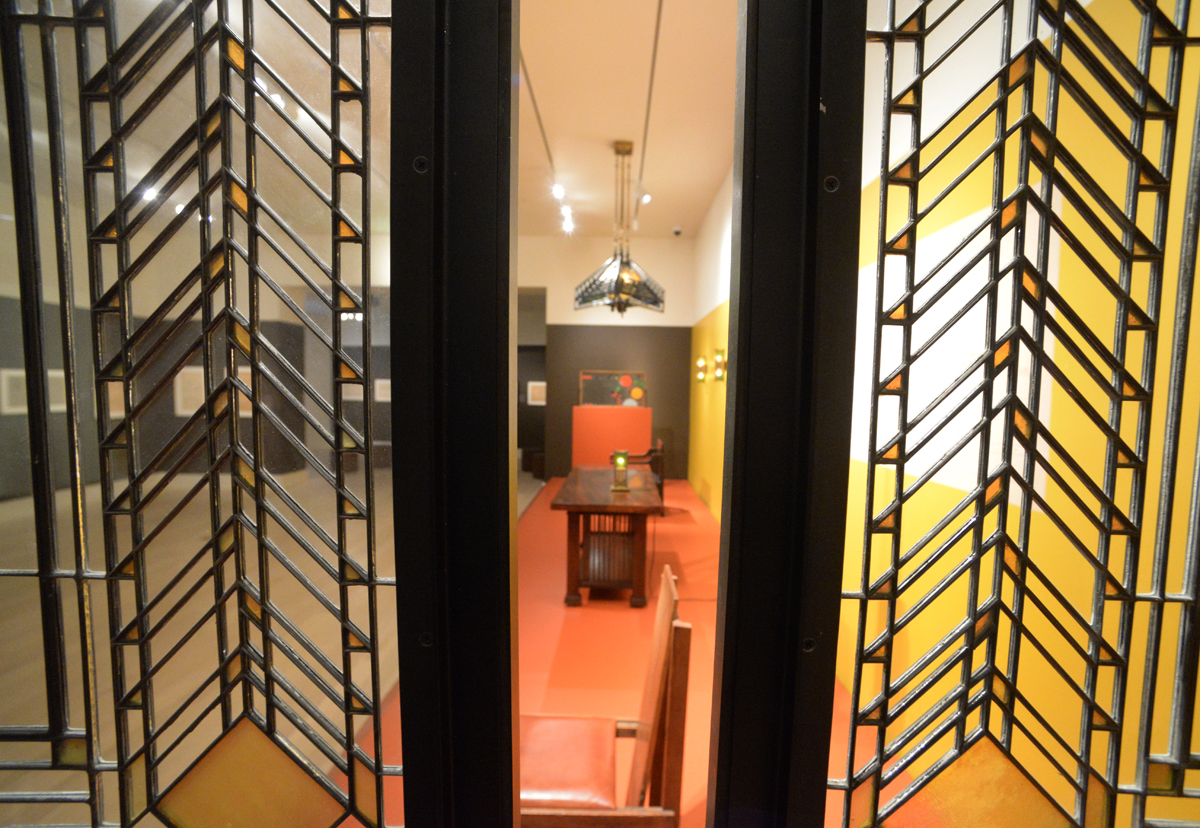
SC Johnson announces “Building Relationships: Wright, Johnson, and the SC Johnson Campus,” the fifth iteration of its Frank Lloyd Wright at Home exhibit in Fortaleza Hall on the company campus in Racine, Wis. The exhibit opens Friday May 6. The exhibit traces the design of the Administration Building (1936) and the Research Tower (1944) as well as touching on Wright’s influence on Norman Foster’s design of Fortaleza Hall on the company campus, and Santiago Calatrava’s Quadracci Pavilion at the Milwaukee Art Museum.

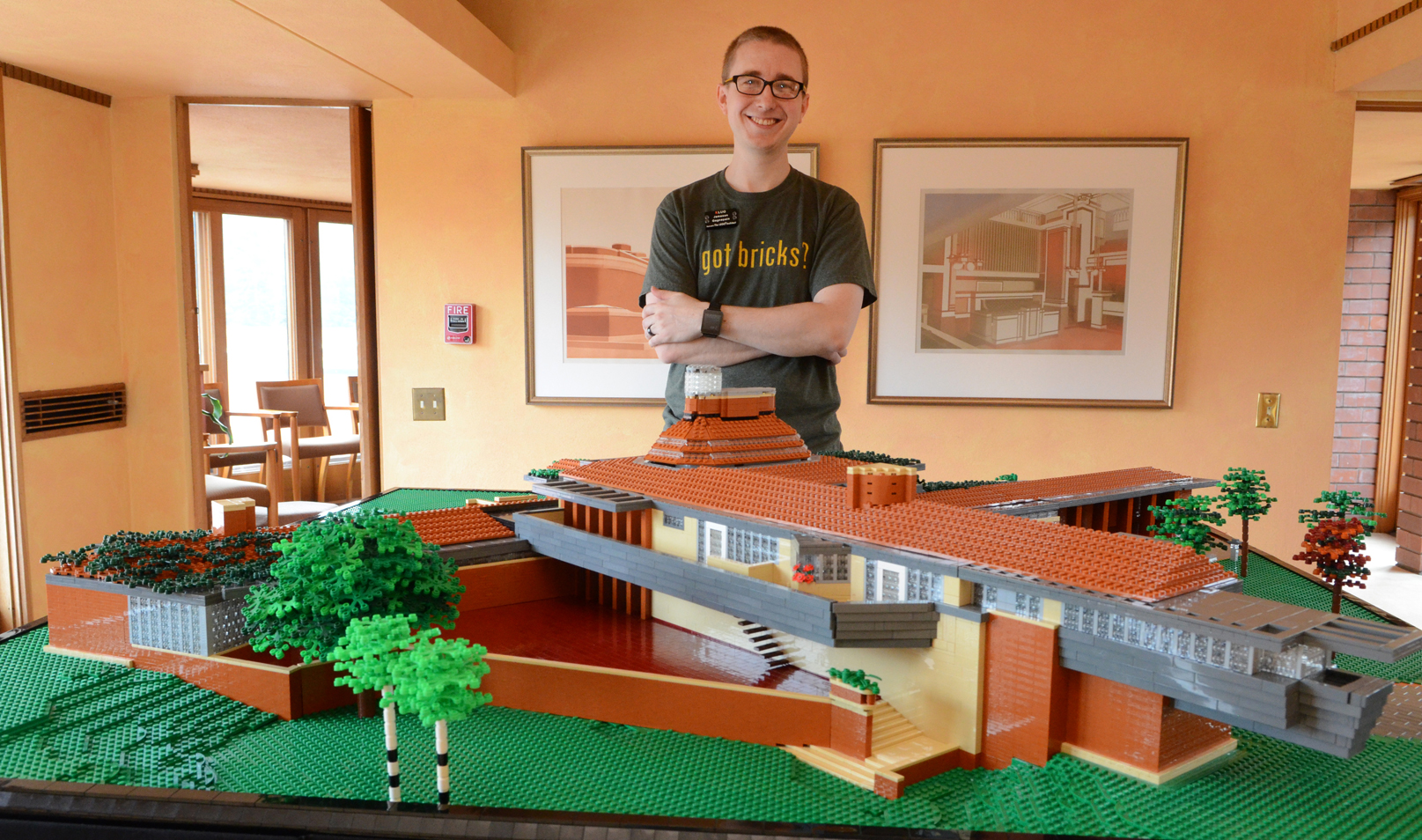
LR FLW & SCJ 006.jpgChris Eyerly’s cutaway LEGO model of the Research Tower is one of the first exhibits. LR FLW & SCJ 014.jpg

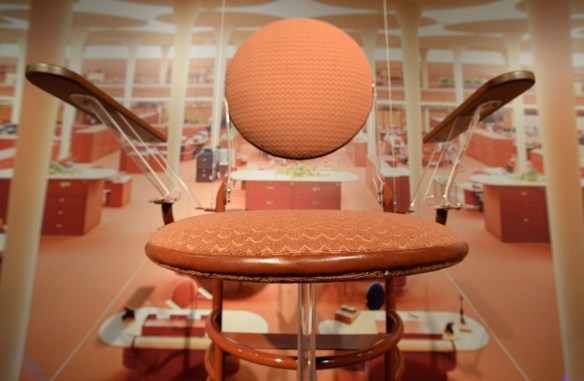
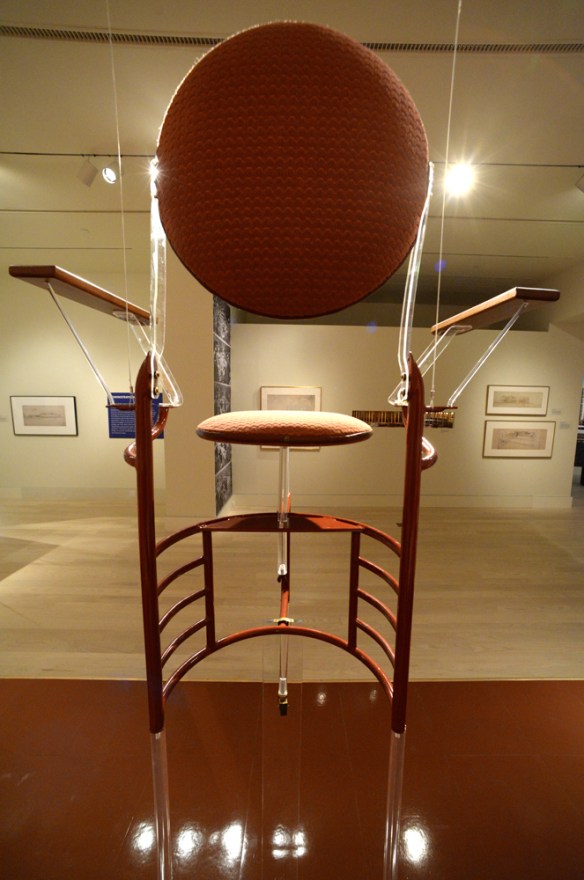
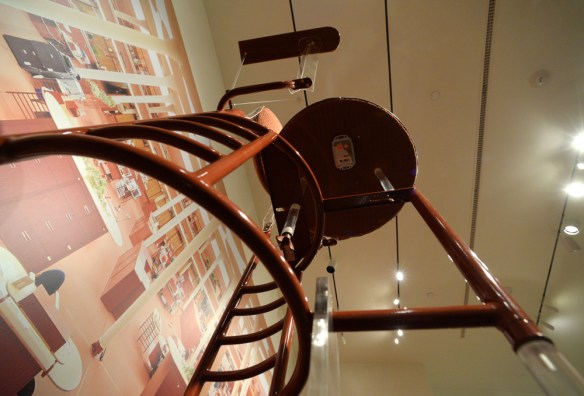
A mural of the Great Workroom is the backdrop to selected pieces of office furniture that Wright designed for the Administration Building. The American Metal Furniture Co., later Steelcase, was commissioned to build the furniture. Steelcase bought and restored Wright’s Meyer May House in the 1980s as a “thank you” to Wright for giving them the commission during the Great Depression. The highlight of that portion of the exhibit is a suspended or “exploded” desk chair, enabling viewers to see each element of Wright’s design.

LR FLW & SCJ 036.jpgLR FLW & SCJ 032.jpgLR FLW & SCJ 033.jpg

LR FLW & SCJ 044.jpg

The Norman Foster building and Calatrava’s museum addition are in the last salon of the exhibit, near a video which tells three stories in succession: historic footage of the famous column test at the Administration Building in June, 1937 and time lapse videos of Fortaleza Hall’s and the museum’s construction. Foster’s challenge was to build an inspiring building in the shadows of Wright’s two landmark buildings on the SCJ campus. Calatrava visited the campus as he was designing the museum addition. Wright’s organic architecture is said to have inspired the way he linked downtown Milwaukee to the lakefront museum addition to the original Eero Saarinen building (and its first addition).

LR FLW & SCJ 051.jpg

Reservations for free tours of the exhibit, Wright buildings, and Wingspread can be made at: www.scjohnson.com/visit

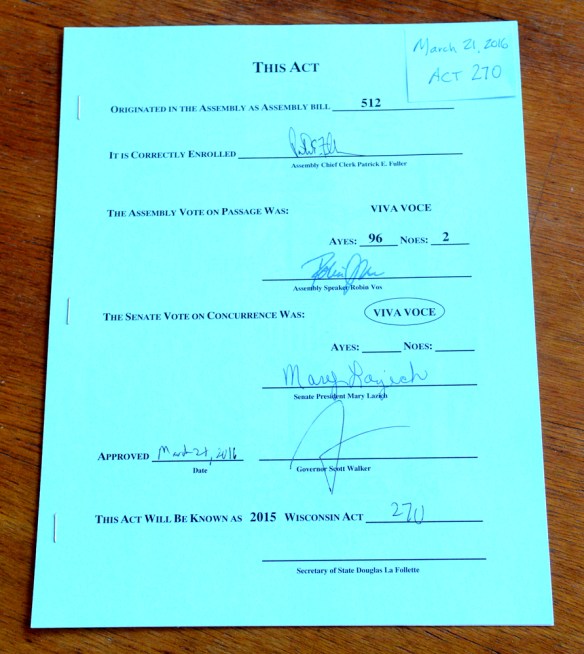
Frank Lloyd Wright Trail signed into law.

Photos (c) Mark Hertzberg 2016

Walker Wright Heritage Trail

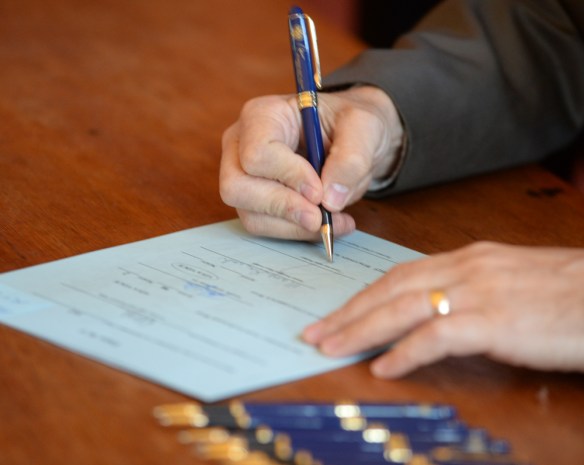
Commemorative pens that Wisconsin Gov. Scott Walker will use to sign the bipartisan bill to fund a Frank Lloyd Wright Trail between Racine and Richland Center, are on Wright’s table in his drafting room at Taliesin, his home in Spring Green, Monday March 21, 2016. / (c) Mark Hertzberg

The law provides $50,000 funding for highway signs and other marketing to promote Wright’s work in Wisconsin, from the Illinois/Wisconsin state line on I-94 through Racine, Madison, and Spring Green, and ending at the A.D. German Warehouse in Richland Center. Milwaukee is not included in the signage because Wright sites they are not open enough hours and it was thought it best not to divert travelers to sites they might find closed. Three sites in Racine will be included: the SC Johnson Administration Building, the SC Johnson Research Tower, and Wingspread.

Walker Wright Heritage Trail

Wisconsin Gov. Scott Walker walks out on the cantilevered balcony outside the living room at Taliesin before he signs the bipartisan bill to fund the Frank Lloyd Wright Trail, Monday March 21, 2016. / (c) Mark Hertzberg

Walker Wright Heritage Trail

Wisconsin Gov. Scott Walker, center, chats with the bill’s sponsors on the cantilevered balcony outside the living room at Taliesin before he signs the bipartisan bill to fund the Frank Lloyd Wright Trail, Monday March 21, 2016. / (c) Mark Hertzberg

Walker Wright Heritage Trail

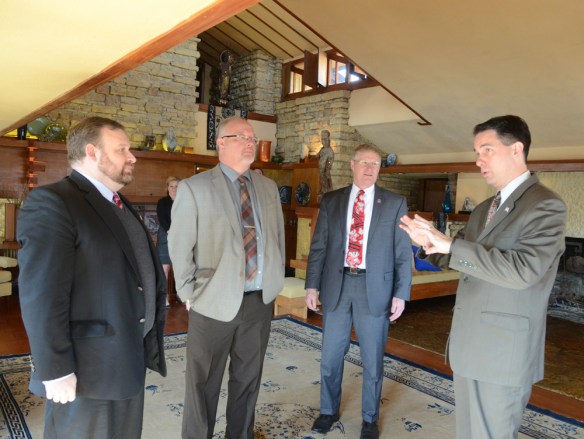
Wisconsin Gov. Scott Walker, right, chats with state representatives Cory Mason (D-Racine) and Todd Novak (R-Dodgeville) and State Sen. Howard Marklein (R- Spring Green), the sponsors of Assembly Bill 512, the bipartisan bill to fund a Frank Lloyd Wright Trail between Racine and Richland Center, in the living room at Taliesin, Wright’s home in Spring Green, Monday March 21, 2016. / (c) Mark Hertzberg

Walker Wright Heritage Trail

Wisconsin Gov. Scott Walker signs the bill to fund the Frank Lloyd Wright Trail between Racine and Richland Center, in Wright’s drafting room at Taliesin, his home in Spring Green, Monday March 21, 2016. / (c) Mark Hertzberg

Walker Wright Heritage Trail

Wisconsin Gov. Scott Walker is applauded after he signs the bipartisan bill to fund a Frank Lloyd Wright Trail between Racine and Richland Center, in Wright’s drafting room at Taliesin, his home in Spring Green, Monday March 21, 2016. Looking on are Rep. Cory Mason (D-Racine), left, Sen. Howard Marklein (R- Spring Green), Rep. Todd Novak (R-Dodgeville), who introduced the bill, and State Sen. Van Wanggaard (R-Racine), a co-sponsor / (c) Mark Hertzberg

Walker Wright Heritage Trail

Wisconsin Gov. Scott Walker signed the bipartisan bill to fund a Frank Lloyd Wright Trail between Racine and Richland Center, in Wright’s drafting room at Taliesin, his home in Spring Green, Monday March 21, 2016. / (c) Mark Hertzberg

A Tribute to Karen Johnson Boyd

Text and photos (c) Mark Hertzberg

Lake Owen 08

At Lake Owen, Thursday August 14, 2008. / (c) Mark Hertzberg


Karen Johnson Boyd died peacefully early Friday morning in her Frank Lloyd Wright-designed house in Racine, Wisconsin after a short illness. She was 91.
Lake Owen 08

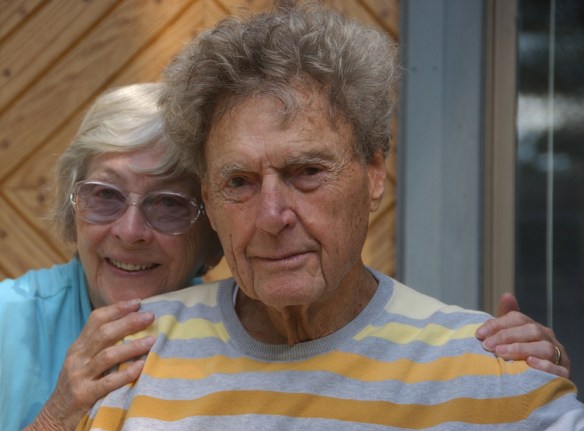
Karen and her husband Bill Boyd at Lake Owen, Saturday August 16, 2008. / (c) Mark Hertzberg

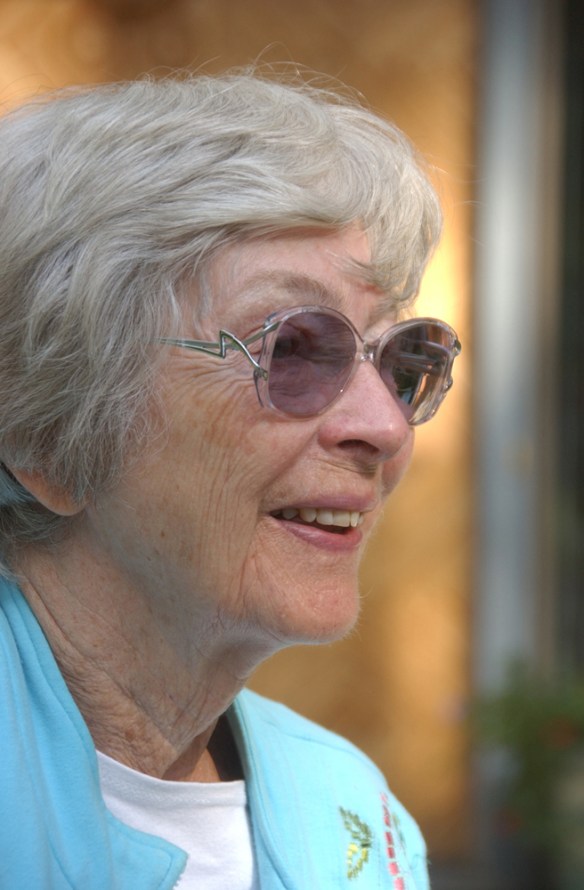
The house, the Keland House, was designed in 1954. She was one of Wright’s surviving clients. There are aficionados of Wright’s work who keep lists of Wright’s surviving clients. But Karen (pronounced Car-In, after her Norwegian ancestry) was a great woman, a fun person, a friend, not just a name on a dispassionate list of Wright clients still living in their Wright homes. She had a keen sense of humor, matched by the perpetual twinkle in her eyes (dare I post the photos I have of her playfully sticking her tongue out at me when I photographed her?).

She has a great legacy in the art world in Racine and in America. The Racine Art Museum in downtown Racine bears the name Karen Johnson Boyd Galleries. (I refer to her as Karen, rather than Mrs. Boyd, because I had the privilege of being friends with her and her husband, Dr. William B. Boyd.)
Karen Johnson Boyd RAM

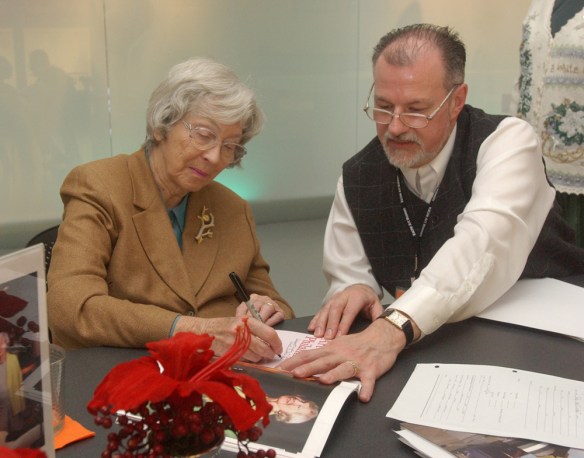
Karen Johnson Boyd, with museum director Bruce Pepich, signs copies of American Craft profile about her at the Racine Art Museum, Saturday December 13, 2008 / (c) Mark Hertzberg

Her father, the late H.F. Johnson Jr., became a patron of Wright after commissioning the SC Johnson Administration Building in 1936 and the Johnson home, Wingspread, the following year. Karen and her late brother, Sam, grew up in Wingspread, and that inspired her to want Wright to design a home for her and her first husband, Willard Keland.

Karen was 12 when, unbeknownst to her, H.F, as he was known, hired Wright to design the Administration Building. “I just remember the time right after Dad first saw Mr. Wright, I was at Kemper Hall (a boarding school in nearby Kenosha), and he came down to pick me up one Sunday and he said to me, ‘Karen, you’re studying art history, now who is the greatest architect in America?’”  She was sitting next to her father in the front seat of their cream-colored Lincoln convertible, and replied, “Why everybody knows it’s Frank Lloyd Wright.” He was sort of appalled that I knew that. I remember that vividly. He was flabbergasted that his kid would know it. He told me at that time that he was going to have Mr. Wright do the building.”

Just a month ago she spoke of a characteristic of her father’s relationship with the famous architect who had a reputation for not managing money well. “He was always trying to get money from my father. He would come unannounced for a visit with my father, but he always came with some of his students. He came to Wingspread and to the office building.” Did Wright pay the loans back? “Not that I know of. He would tell my father that we had to pay the room and board for his students because they were not in paying jobs to do it themselves. My father did it any number of times, because he felt they were doing good work. They were supporting Mr. Wright.”

The most memorable time that Wright sought a loan from H.F. was in the early 1940s. Wright had sent word to Racine that he was maybe dying. He wanted H.F. to bring “the girl” (Karen, whom Wright was fond of) with him. “They took me into his bedroom. There were about six or seven people watching me so I didn’t take anything as a souvenir.” Wright commanded, “Bring the girl to me.”

“I remember being really flattered that he wanted to speak to me. He made me come over next to him on the bed and he grabbed ahold of my hand  He said my father was his best friend. ‘He is a wonderful man,’ he said. And he said, ‘Did you know he’s a wonderful man?’and I said, ‘Yes,’ and he said, ‘I’m glad, I’m glad to hear you say that.’ He said, ‘I think I’m going to die, Hib (H.F.’s nickname), but I need to leave my apprentices in a position to stay on the job of guarding the place, keeping it safe.’ He said I haven’t got any money to leave the apprentices, but they have to guard the place otherwise they’ll come and close down the place.’ I remember my father asking what they needed the money for, and he said to keep the place from closing down. They have to pay bills for heating and electricity. Father wrote a check.”

Wright was fond of her. “He would ask my father about what kind of grades I was getting in school and whether I was dating anybody important.” She was flattered by Wright’s interest in her. Karen repaid Wright, if you will, by generously sharing her home for special benefit events hosted by Frank Lloyd Wright groups, even as recently as last fall.

Two of the Wingspread’s signature features were suggested by Karen, then 13, and her brother, Sam, 9. Wright wrote them, asking if there was anything they wanted included in the house. Karen, whose bedroom was at the north end of the house, on the second floor past the master bedrooms, requested a cantilevered balcony like the dramatic one she had seen at Taliesin.  Wright told her that one day she would be wooed from below the balcony by a suitor “with a classical guitar, of course.” The bedroom’s location was dramatic, but not ideal, “I had to sneak past my father’s door if I wanted to sneak out.”

Wingspread

Karen’s balcony, right. The Crow’s Nest is left of center, next to the chimney. / © Mark Hertzberg

The children loved the spectacular view from the cupola of their maternal grandmother’s house in Ithaca, New York, and they asked for a lookout tower in their new home. Wright gave them the Crow’s Nest, a glass enclosure next to the chimney, which is reached by a spiral staircase from the mezzanine above the wigwam. It was a child’s delight. Karen and Sam could see the lake and watch their father, an avid pilot, fly past the house. They left each other notes in a locked cabinet. The key was lost, and Karen wondered in 2003 if there is still a forgotten note in the cabinet.

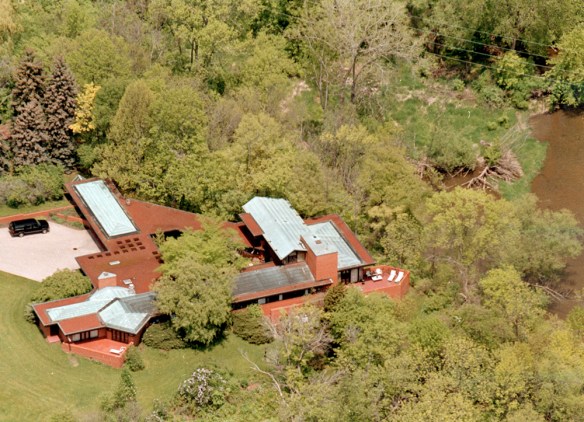
Karen said she picked Wright to design her own home on the bluff of a ravine that overlooks the Root River and Colonial Park “because I lived in Wingspread and loved it.” Her father was less sure about her choice of architect because he knew what it was like to commission a Wright building, and was afraid that it would be too expensive.
Keland Aerial

The Keland house, Sunday June 1, 2003. (c) Mark Hertzberg

Johnson wrote Wright, asking him to recommend an architect. Karen recalls Wright’s answer: “Of course I can recommend someone, but wouldn’t it be better for the daughter to have the real thing? I would love to do a house for Karen.” He got the commission, but her father warned her to be careful.

It is almost inconceivable to think of Wright agreeing to have another architect looking over his shoulder, but Karen said he did not balk when Johnson assigned John Halama, the company architect, to supervise the job. Halama and Wright had already worked together on the Johnson Research Tower and other projects. When the Kelands also hired consultants from the University of Indiana to help design the home’s radiant heating system, something her father recommended because of problems with Wingspread’s system, she says that “Mr. Wright never said ‘boo’ about it…I think Mr. Wright was relieved he didn’t have to do it.”

Wright may have been on his best behavior when the house was being built, but he was true to form when he and Wes Peters came for lunch in 1956 after the Kelands had moved in. Karen had fixed lunch (it was a lunch she liked to fix for guests: chicken salad, with curry in the mayonnaise; buttered toast broiled with sesame seeds; and green grapes) and served Coca Colas to her guests after lunch, when Wright decided it was time to rearrange the furniture.
Keland House 2015 009

“I knew it was to be expected because he had already done it to Irene (Purcell Johnson) and Dad at Wingspread, famously, in the middle of the night without asking permission.” Her stepmother had also warned her. “Just remember, Karen, he’s going to come back and rearrange everything.”

The only furnishings Wright had designed for the Keland house were built-in ledges, bookcases, cabinets, and two built-in sofas. The living room furniture was in two groupings because the family did not often entertain large groups of people.

Wright said he liked the two beige Moroccan rugs, and asked where they were from. Then he turned his attention to the furniture. He had Peters move the baby grand piano into the center of the room because the Keland children were taking piano lessons and he thought the family should gather around the piano every night.  Karen remembered Wright asking, “Do you mind if I show you the way I think? I like your furniture and your rugs and the drapes. You’ve done a great job, but I think you have to arrange it in a more family way.”

It was part of his persona. “He was laughing and grinning, he was getting a kick out of it,” Karen recalled, “Even Wes Peters was laughing. ‘Don’t worry about it,’ he whispered, ‘This is just in fun’ as he was pushing and shoving things around.” Karen knew not to argue. “I thanked him for it and said we’ll try it out and see how it works. It stayed that way for a couple of days. It just didn’t look right.”

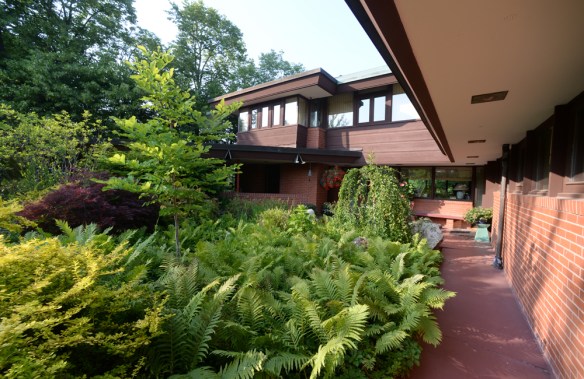
The Keland house is larger than most of the Usonian homes, but it has many of the characteristics of Wright’s Usonian designs. The original house was L-shaped, with a third wing for the carport. The dining area, with its two-ton Vermont marble table which took 15 men to carry into the house, is just off the entry hall, and flows into the living room. The living room dominates the main wing. It is spacious, and comfortable, filled with books and art. The built-in furnishings are also an important part of the Usonian design concept.

The kitchen is at the “hinge” between the living room/dining room wing and the bedroom wing, following the Usonian model. Wright, who normally didn’t seem to worry about what other people thought, suggested a wood screen to hide a small wet bar that adjoins the kitchen, “What are you going to do when the minister comes?”

The bedrooms are in the south wing. The hallway is narrower than Wright had wanted, because Karen requested built-in storage cabinets along the outside wall. She also insisted on a basement, a feature that Wright termed “unwelcome” in his definition of organic architecture in his autobiography. The guest room is on the second floor of the main wing, adjoining a sitting room, which overlooks the living room and the ravine below.

Wright wanted to include a cantilevered terrace in the design, jutting out from the guest room, like the one he designed for Karen’s bedroom at Wingspread. It was eliminated from the final house plans, for budget reasons, to Karen’s regret years later, “It would have been a very distinctive part of the house.”

Karen loved the Wright home she grew up in, and loved the one she commissioned. “Depending on your mood it expands with you or contracts. You can go in a little cozy eating area in the kitchen or if you feel expansive you come out here (the living room) and have a great big party if you want.”

Her son, Bill Keland, was just one when the family moved into the house, but it had a great influence on him. The land itself was a child’s delight, “We used to live down on that river, and play on that river…that whole valley was our playground. We had our bikes, We caught fish. That was where we lived most of the year. It was a great place to grow up.” His classmates knew there was something different about the house, “(They would) look around (and) wonder, what is this place…with its long hallways, and low ceilings opening up into a big room…”

Wright’s design moved Bill even years later, and influenced the design of his own home in California, “It always felt like it was a sacred space, thought out space. It made me feel like a human being.”

Dr. Boyd, moved to Racine when he became president of the Johnson Foundation at Wingspread, in 1980. He was invited to dinner at Karen’s house after starting his new job, “Then I married into the house. I often think she must think I married her for the house, I love it so much.”

Frank Lloyd Wright brought nature and the house together in their spacious, two-story home designed five years before he died. The Boyds enjoyed watching the river and the birds that flock to the courtyard garden.

The house is filled with art. To Karen, it was art. “Sometimes I feel like I’m living in a piece of sculpture,” she said in an interview in 2001.

Karen was a member of Racine’s most prominent family, but she was self-effacing. She and I were sitting in the courtyard of the house one day as she described how architect John (Jack) Howe added on to, and remodeled, part of the house in 1961. She had four children, so a garage was added when the carport was enclosed to make another bedroom. Pointing to the small door next to us, near the kitchen, she said, “And this is where the little woman brought her groceries into the house” after pulling them from the car on a wagon.

We were talking about the movie “Animal House” after Dr. Boyd told me that he gave permission for it to be filmed at the University of Oregon when he was president of the university as long as the college was not identified by name (the scene with the horse in an office was shot in his office). She smiled and let on that her favorite movie scene was one from the movie.

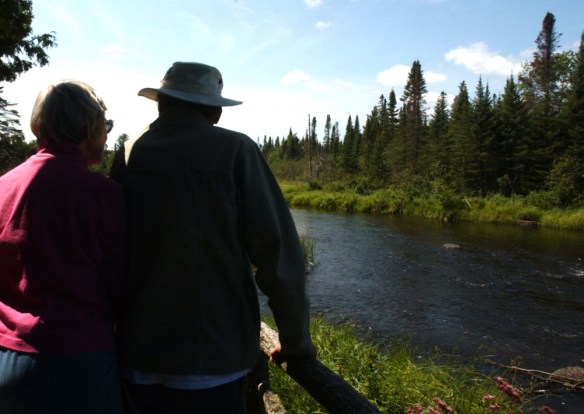
As much as she loved the “piece of sculpture” that Frank Lloyd Wright designed for her, she also loved spending time on Lake Owen in Cable, Wisconsin. That was a family vacation destination since the teens, and she spent every summer of her life but one there. Karen was a world traveler, but she and Dr. Boyd honeymooned in a bare-bones fishing cottage by a stream on the property after they married in 1982. Karen could have described it to us when we visited them there a decade ago, but instead she insisted we climb into a four-wheel drive Suburban which she piloted over rough terrain with careless abandon to take us to that magic spot in their lives for a picnic lunch. The Boyds put their arms around each other as they looked out from the porch.
Lake_Owen137a

Lake_Owen149a

I visited the Boyds a month ago and was touched when Bill gently kissed Karen’s hand after she stopped to see us in his office. The love, the magic was still there as it must have been at Lake Owen in 1982. I ache for Bill as I write this remembrance.

Karen could have lived the life that many people who know nothing about the Johnsons assume “a Johnson” would live, but she did not. She used to take advantage of the Metra weekend roundtrip fares to take the train to Chicago when she could have simply had a driver take her into the city. She gave of herself unselfishly. Bill lost his soulmate this morning. Racine, the art world, and the world of Frank Lloyd Wright lost a great friend and a great person.
Lake Owen 08

Lake Owen, Saturday August 16, 2008. / (c) Mark Hertzberg

Lake Owen 08

Sunset at Lake Owen where Karen spent every summer of her life, but one, Friday August 15, 2008. / (c) Mark Hertzberg

Reimagining Wingspread in 50,000 LEGO bricks

(c) Mark Hertzberg

LEGO Wingspread

LEGO Wingspread

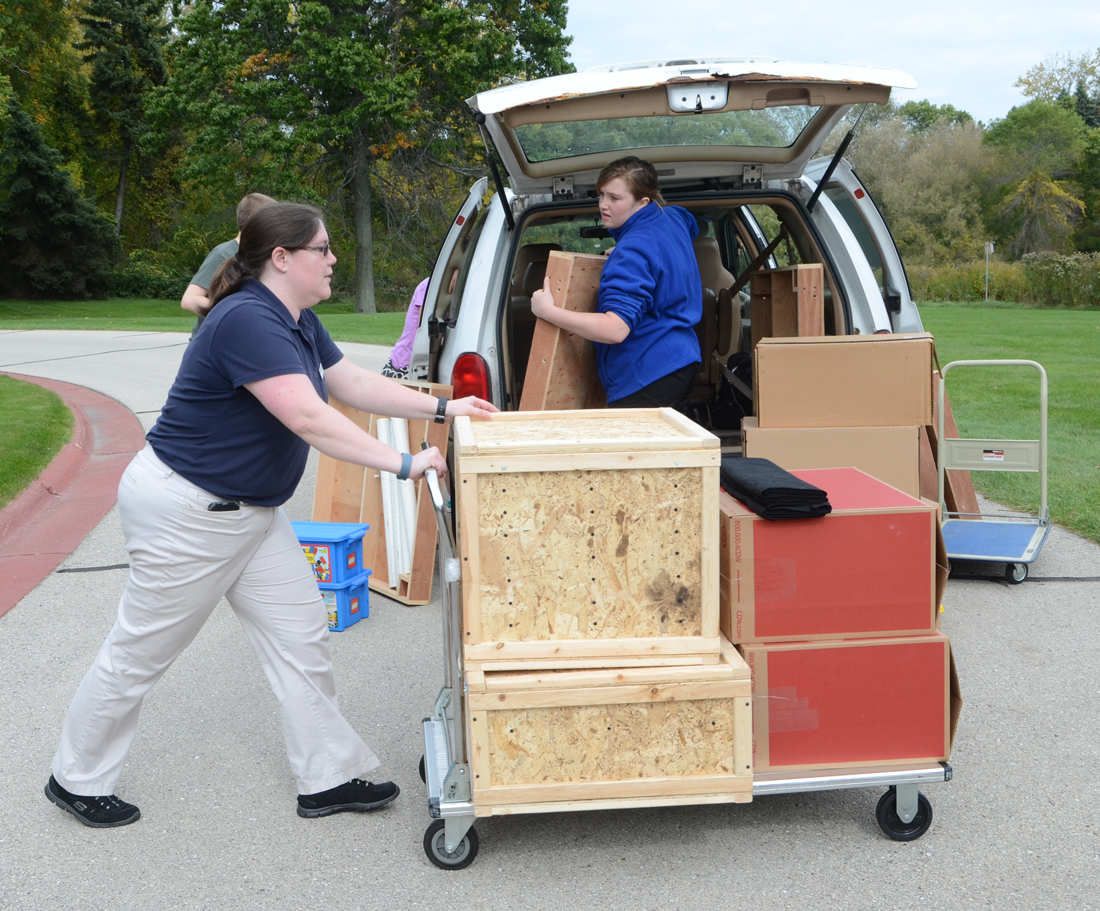
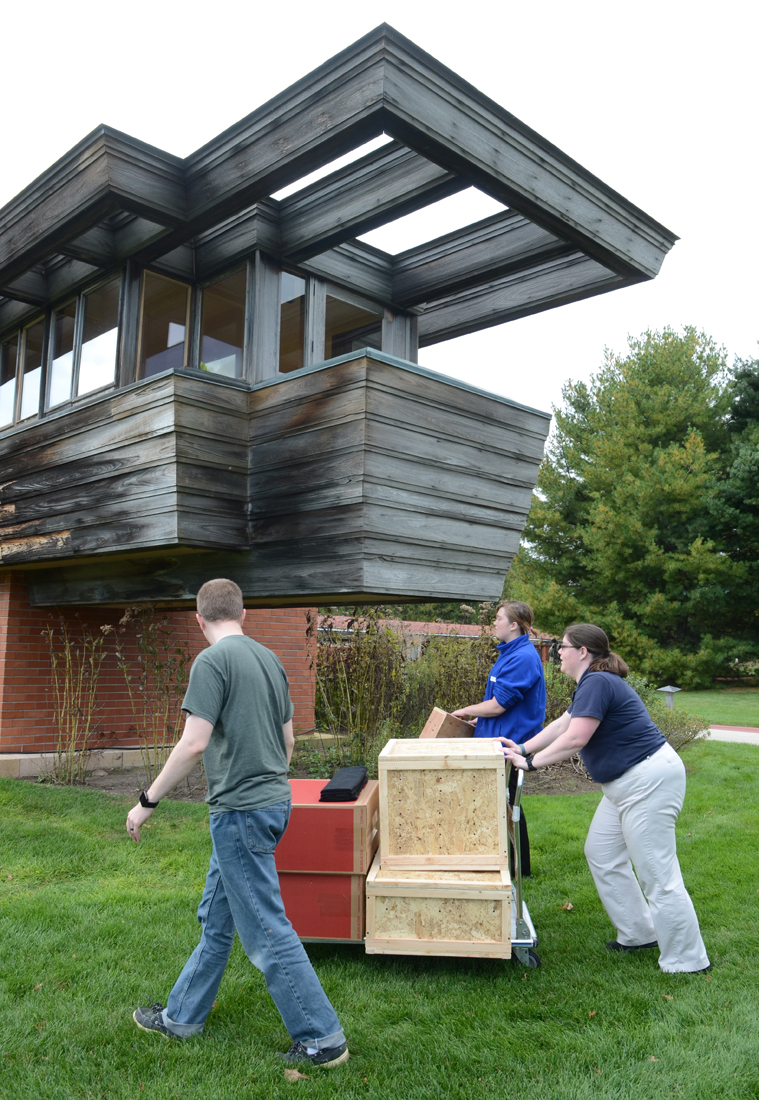
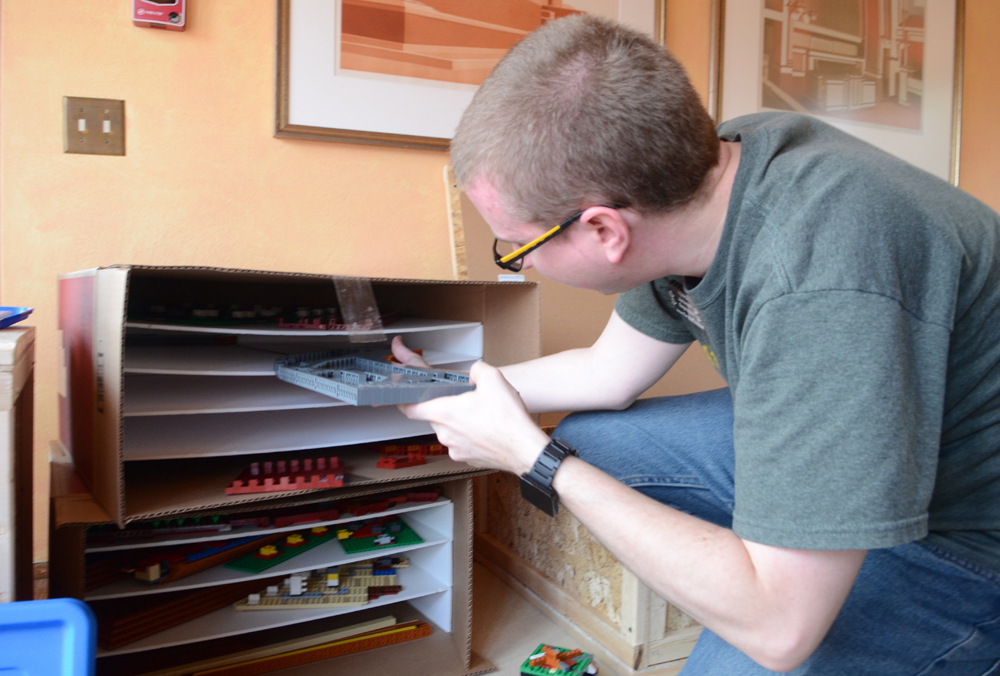
This is how Jameson Gagnepain’s adventure at Wingspread starts: unloading two custom-built wood crates and four cardboard boxes, all stuffed with about 50,000 LEGO bricks. In two hours the bricks will have been reassembled into a model of Frank Lloyd Wright’s 14,000 sq. ft. home for Herbert F. Johnson, Jr., which will be displayed on the second floor of Wingspread probably into December.
The model is stunning in its detail, the statistics -at the end of the story- are staggering.

LEGO WingspreadWingspread wide LR

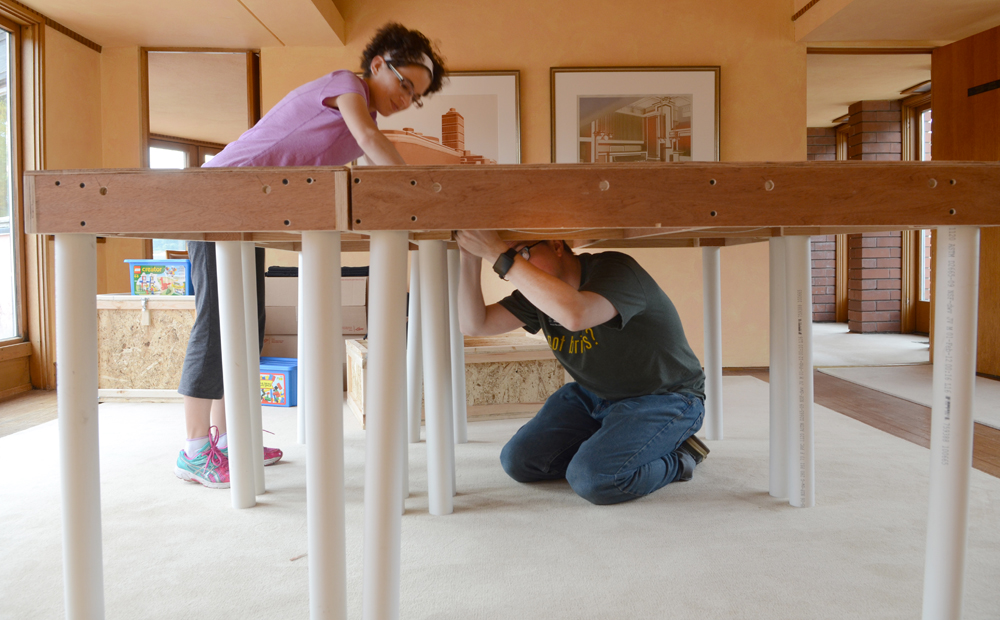
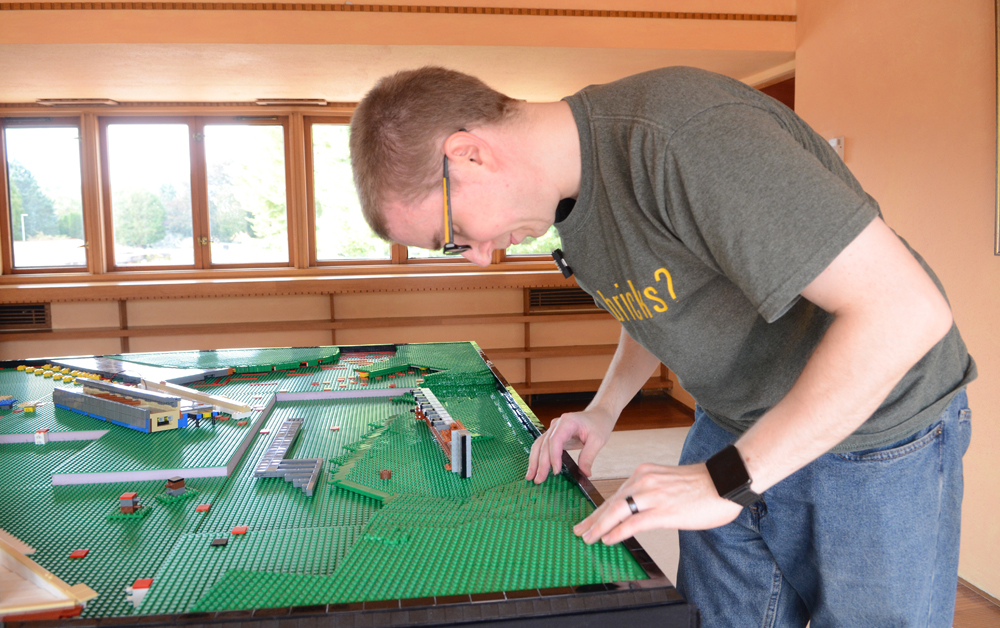
First, Gagnepain and his wife, Amy, assemble the five-foot square table the model will sit on.

Each storage box is carefully thought out, explains Gagnepain, “I pack everything as tightly as I can… It’s a little like Russian nesting dolls in there. Lots of sections fitting inside other sections, and every box has shelves in it to make good use of space.”

LEGO Wingspread

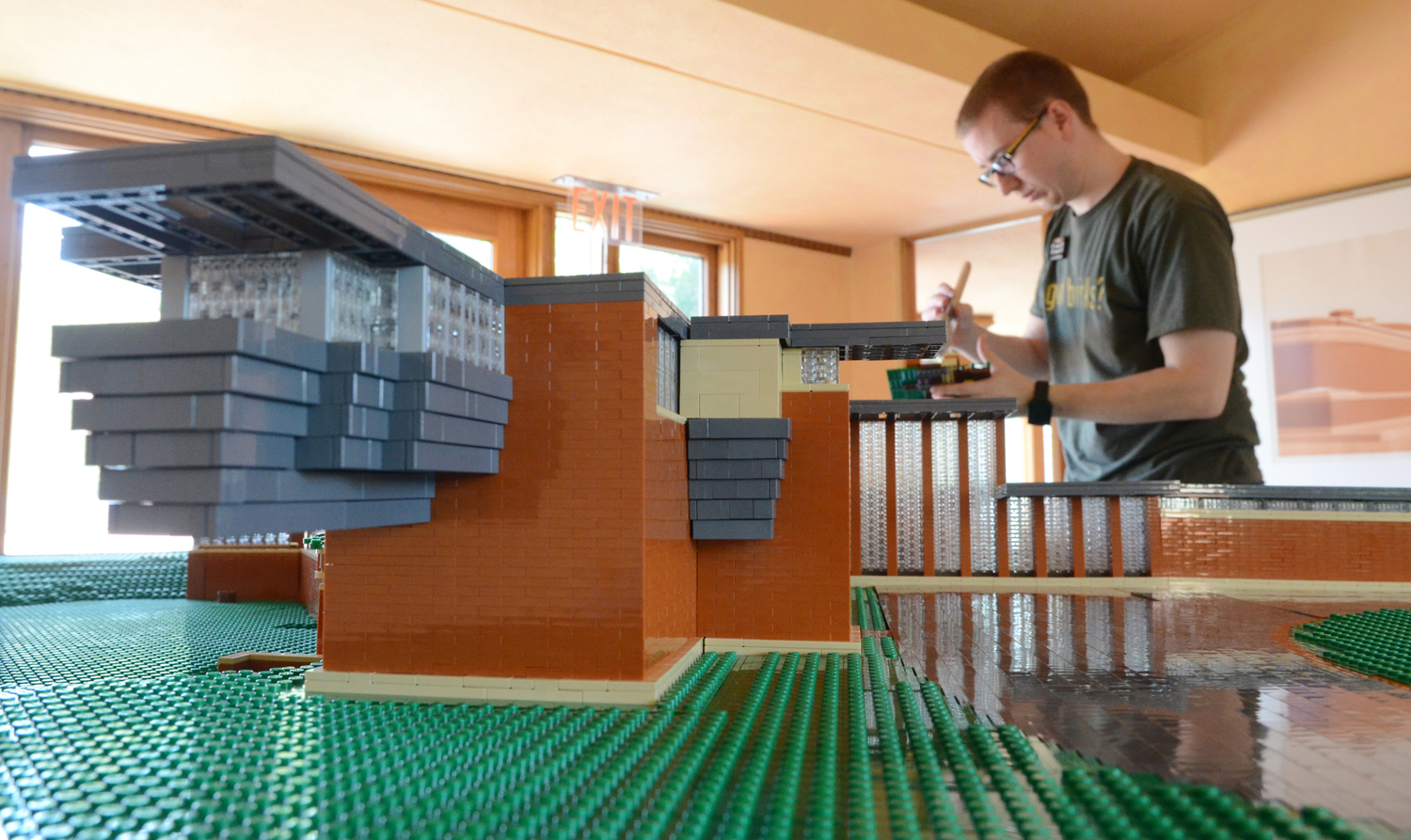
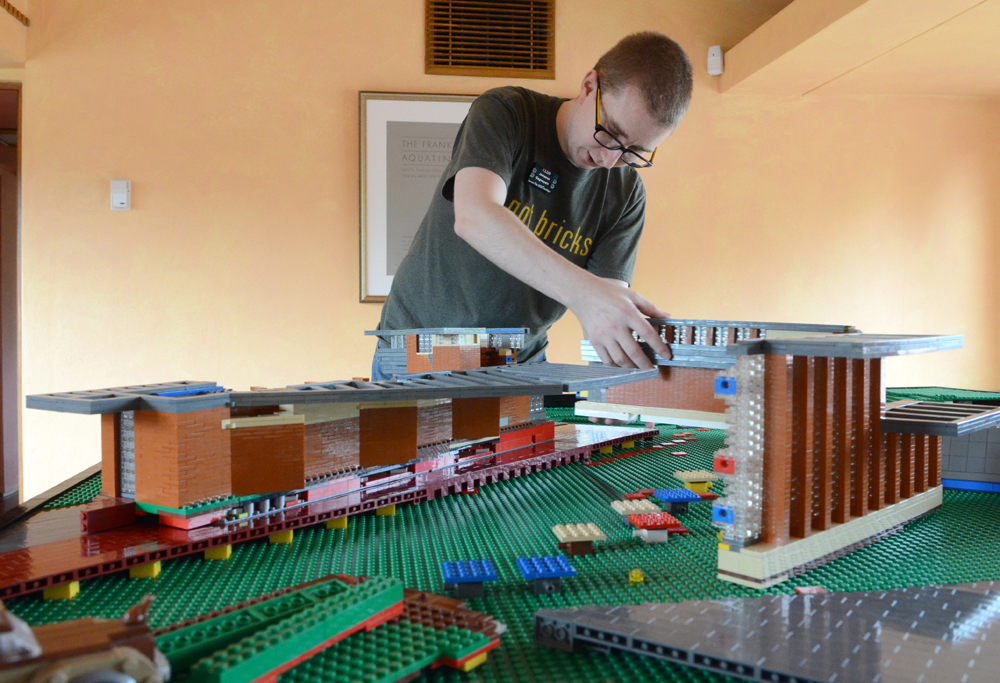
Gagnepain starts with a blank “canvas,” if you will, a broad expanse of green LEGOs representing the landscape around the house. There is no hesitation as he spends the next two hours assembling the model of the house.

LEGO Wingspread

He works in IT for a medical supplies company, but LEGOs have been his passion since he was young. The colorful plastic bricks were his expected presents for as long as he can remember. Amy is so understanding, he says, that she suggested their wedding have a LEGO theme.

LEGO Wingspread

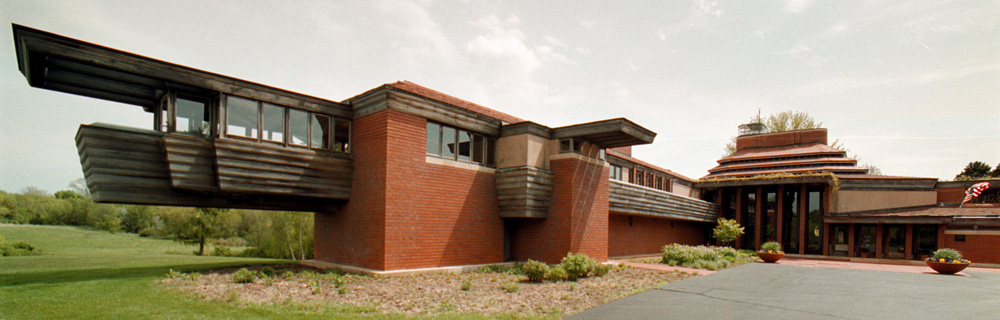
Gagnepain scoured the Internet for photos of what the house looked like when it was built, and then took notes during a visit to Wingspread. His biggest challenge was in fashioning daughter Karen Johnson’s cantilevered balcony at the north end of the house. “It took me ages to get right, getting the wood texture right. I built it three or four different ways. I got it right then dropped it and had to start over.” He says the playroom at the east end was another challenge because of the dearth of photos of what it originally looked like.

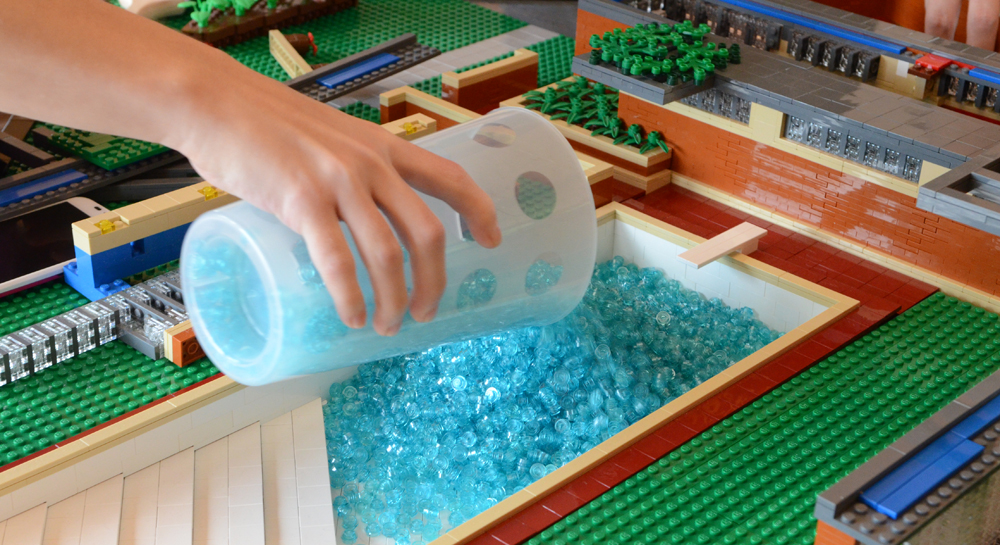
Amy pours tiny blue bricks into the swimming pool to simulate water. Gagnepain was careful to even show the different levels in the swimming pool.

LEGO Wingspread

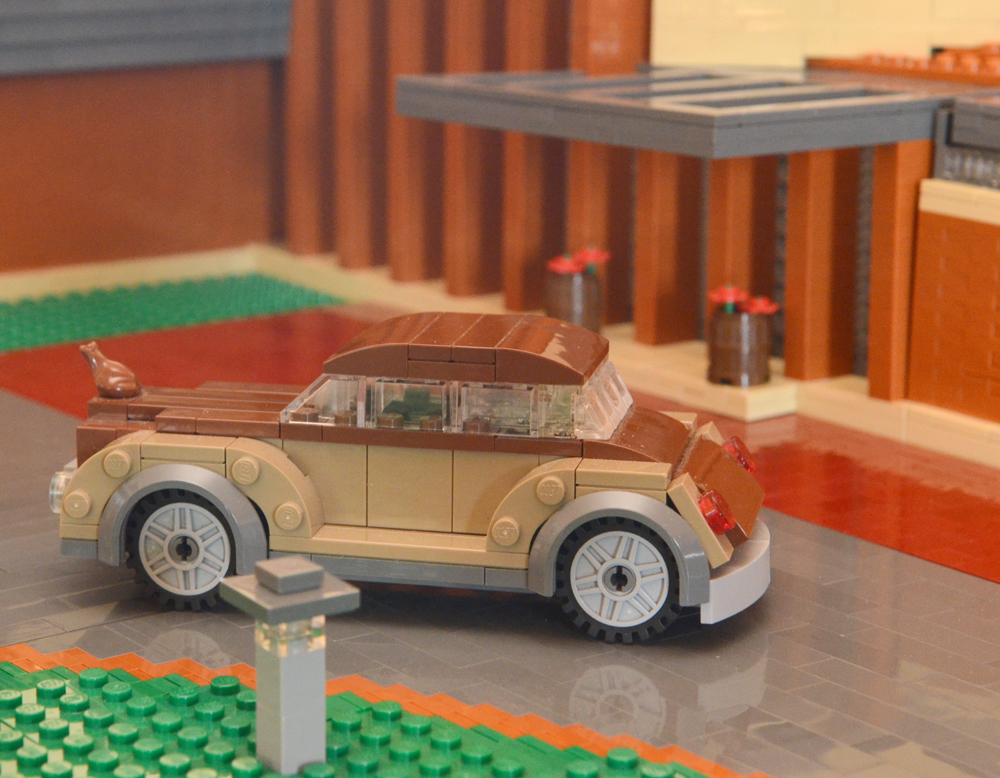
A LEGO car, which brings to mind a Mercedes sedan that Wright owned, is parked at the front door.

LEGO Wingspread

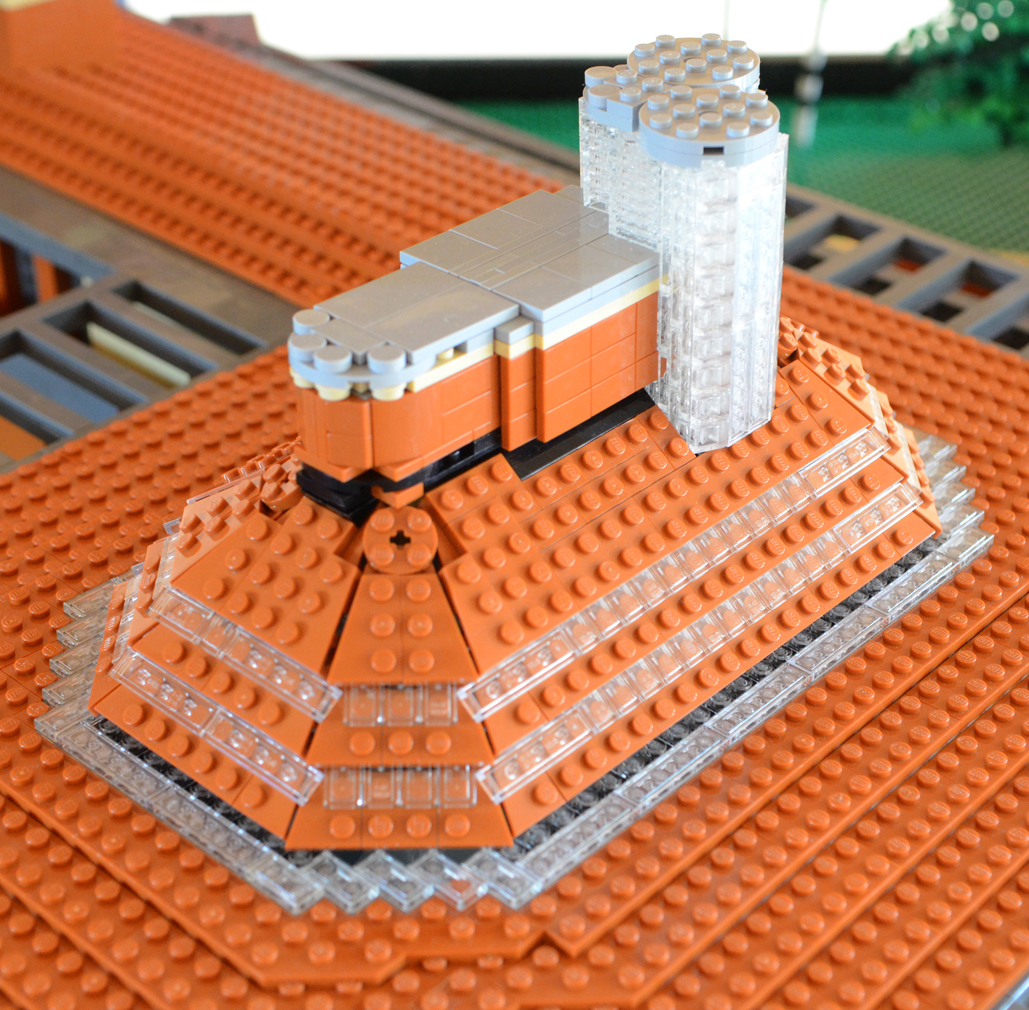
The crown of the model is the roof over the Great Room, with its Crow’s Nest:

LEGO Wingspread

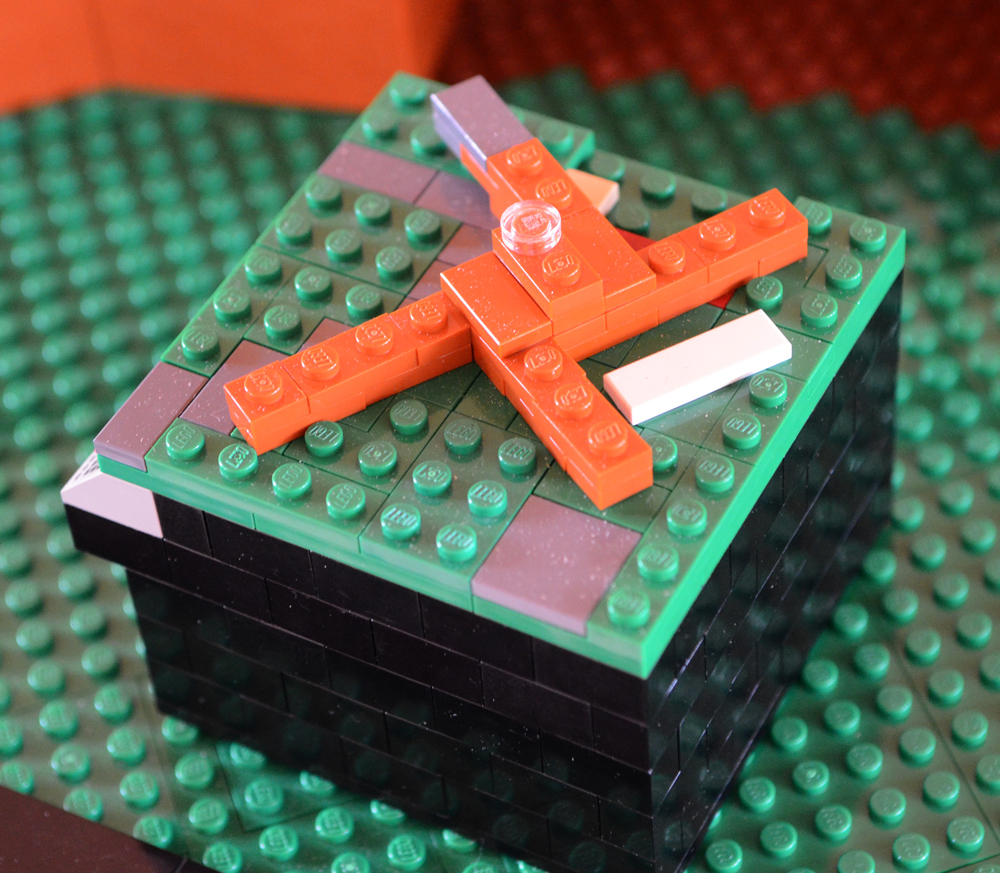
If the model is too detailed for some people, they can enjoy the bare-bones LEGO Wingspread he fashioned, as well:

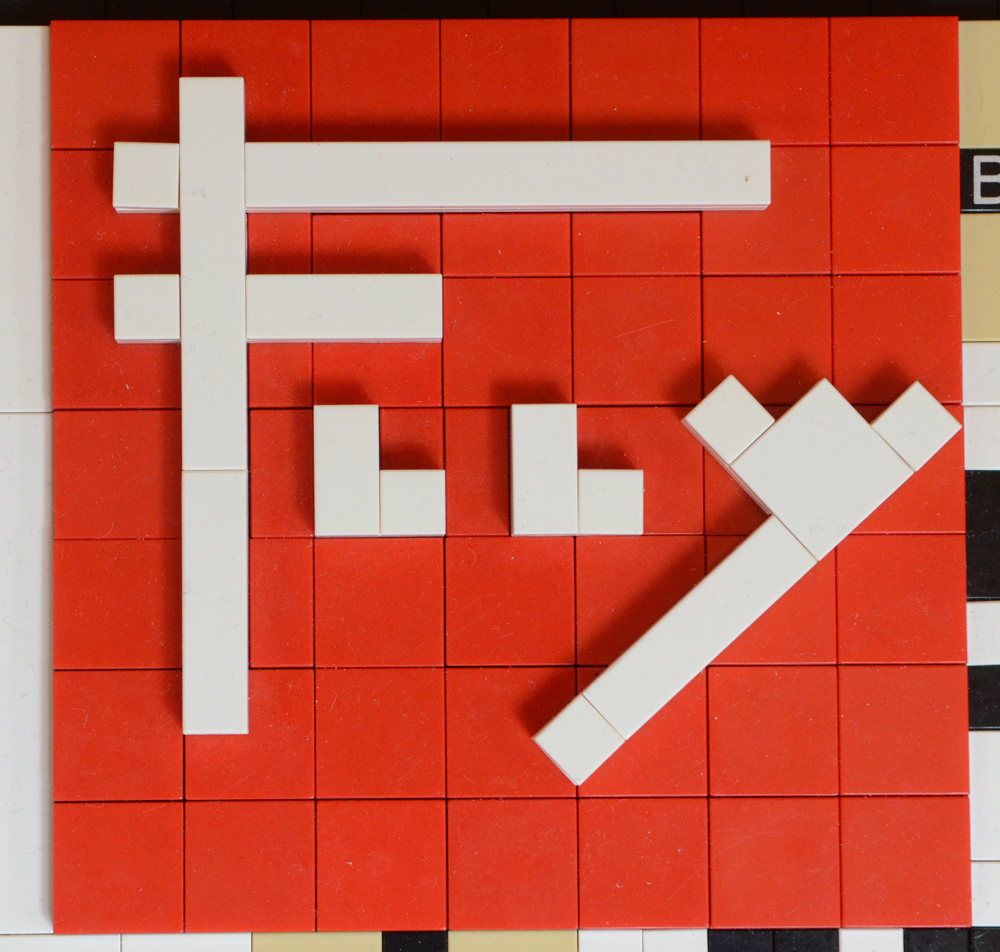
There is even a red Wright “signature tile.” As for the lack of a Frank Lloyd Wright figure, Gagnepain says he will make one as soon as there is a LEGO porkpie hat.

LEGO Wingspread

LEGO Wingspread

Gagnepain and the model are feature in Tom Alphin’s newly released book The LEGO Architect.

LEGO Wingspread by the numbers:

Construction took 500 hours over six months (“Too long,” jokes Amy)

There are an estimated 50,000 LEGO bricks in an estimated 100 different shaped bricks. There are seven color in the building. Most of the home’s Cherokee red bricks are represented by about 10,000 “1×2 plate in Dark Orange” bricks. The grounds and foliage use the seven colors from the building as well as an additional eight colors.

Sun and Shadows at the Hardy House

(c) Mark Hertzberg

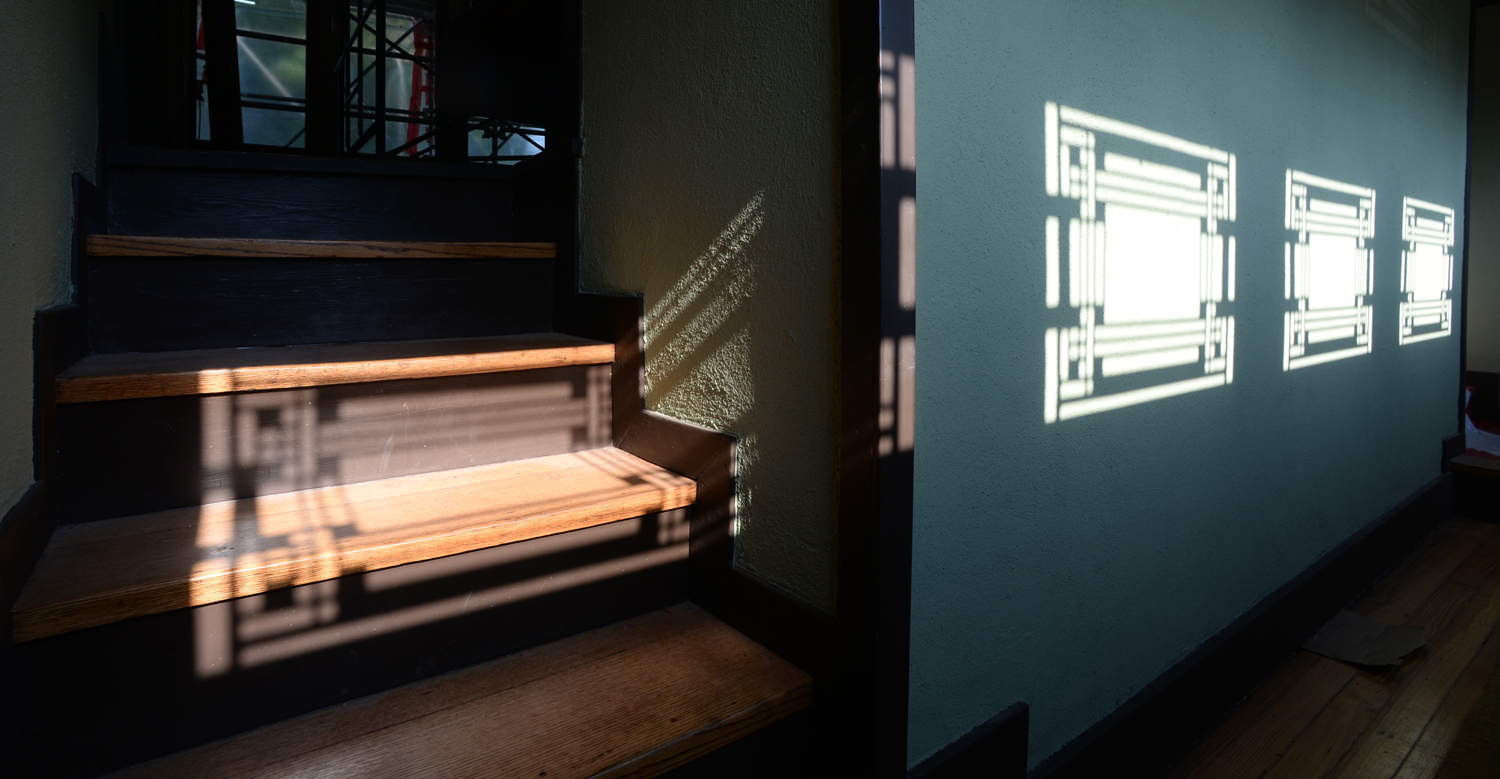
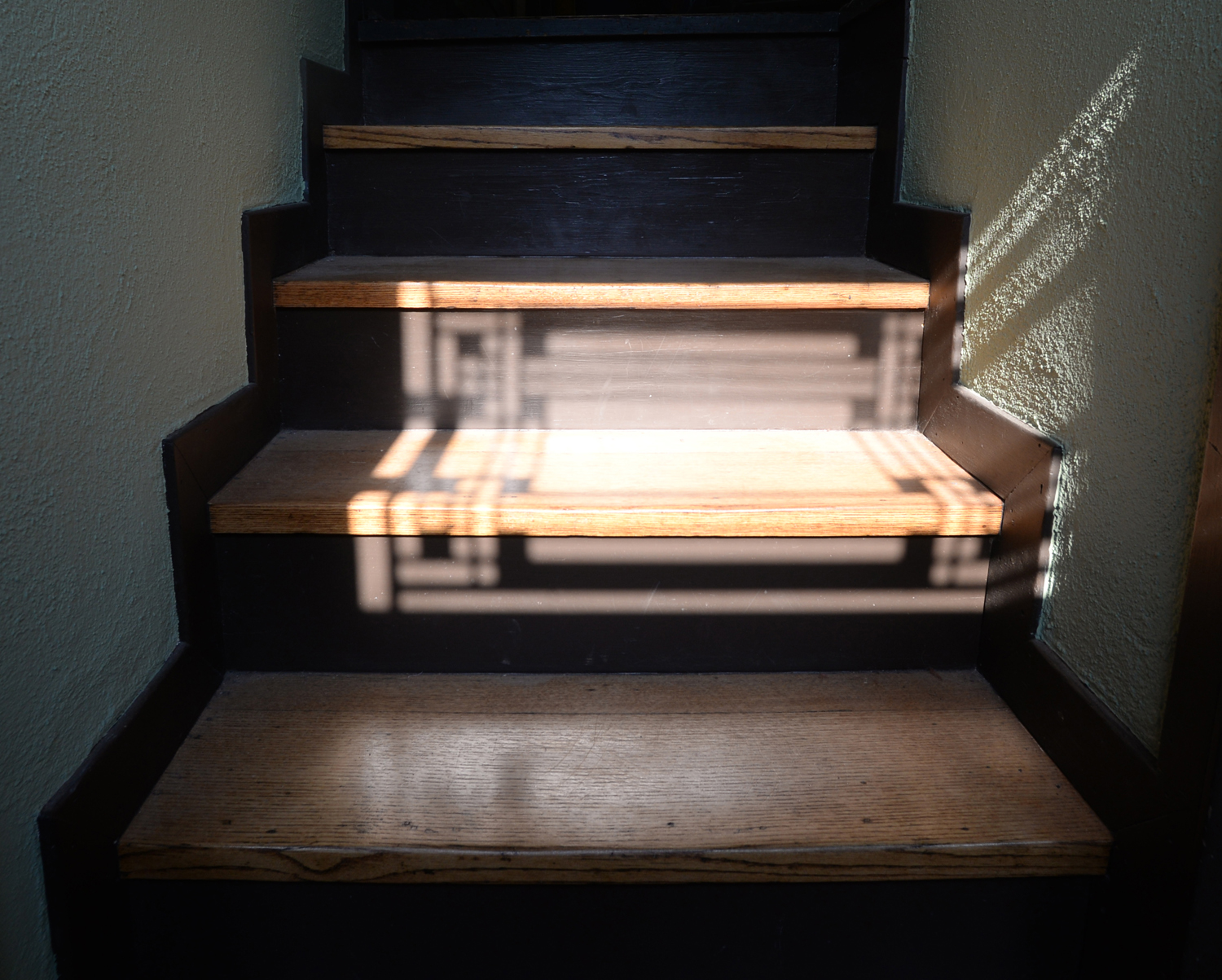
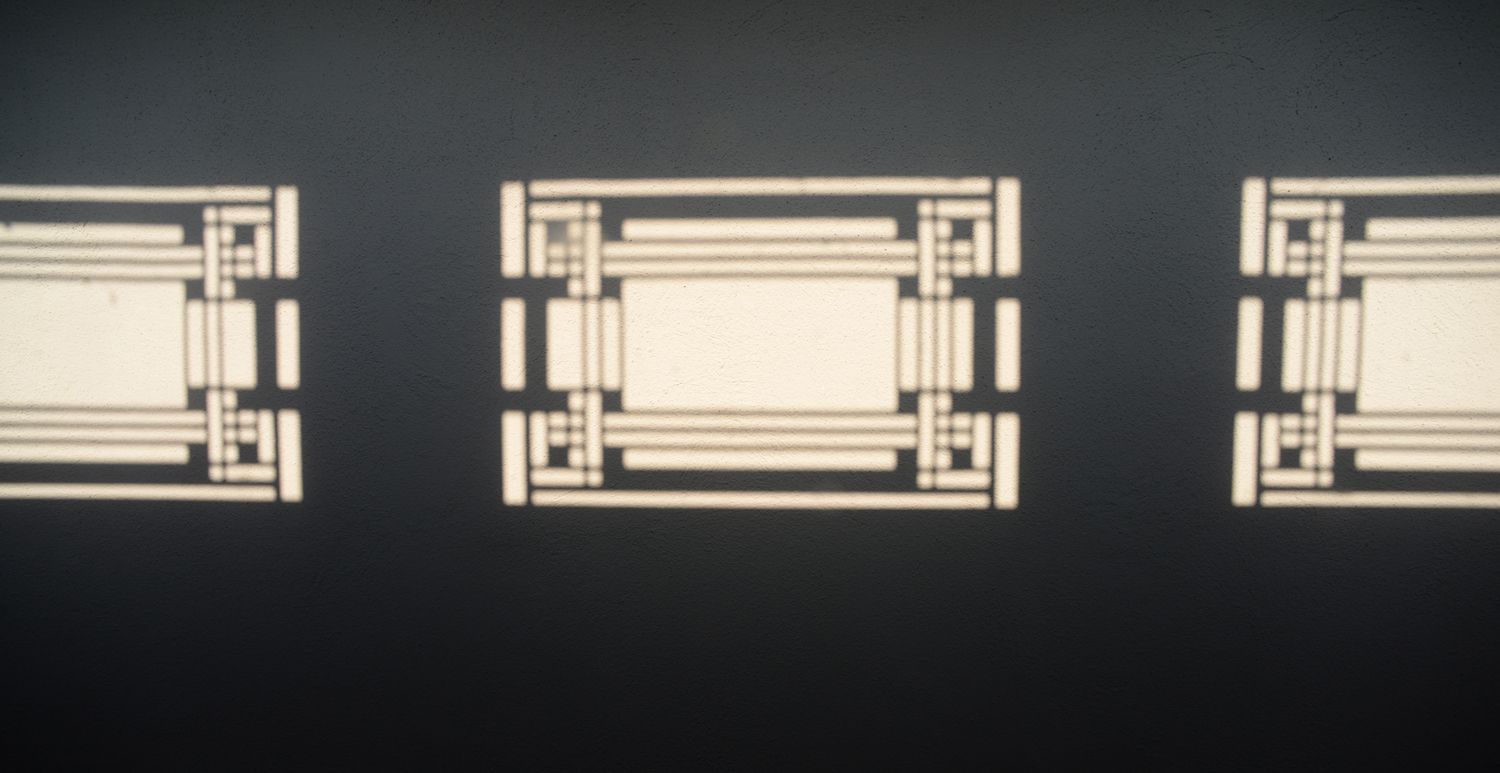
When I talk to school children about Frank Lloyd Wright’s work I sometimes tell them that the only “computer” he had to work with was the one between his ears. I try to explain that he had a gift for knowing what light would do at different times of the day and of the year to illuminate and help keep a room warm before the days of electricity as we know it.

Hardy Shadows

I stopped at the Hardy House late this afternoon and again saw his intuition projected on the stairs and entryway wall. The patterns are from the seven windows in the entryway. I credit Robert McCarter for pointing out that the floor plan of the house is articulated in these windows: the public spaces (two-story living room and the dining room below) are the square in the middle…bisected by a rectangle that includes the bedrooms at each end of the house (at left and right). He makes this point in “Frank Lloyd Wright” London: Phaidon Press, Ltd., 1997.

Hardy Shadows

Hardy Shadows

Genius, indeed!

Celebrating Wright’s Birthday

Photos and text (c) Mark Hertzberg

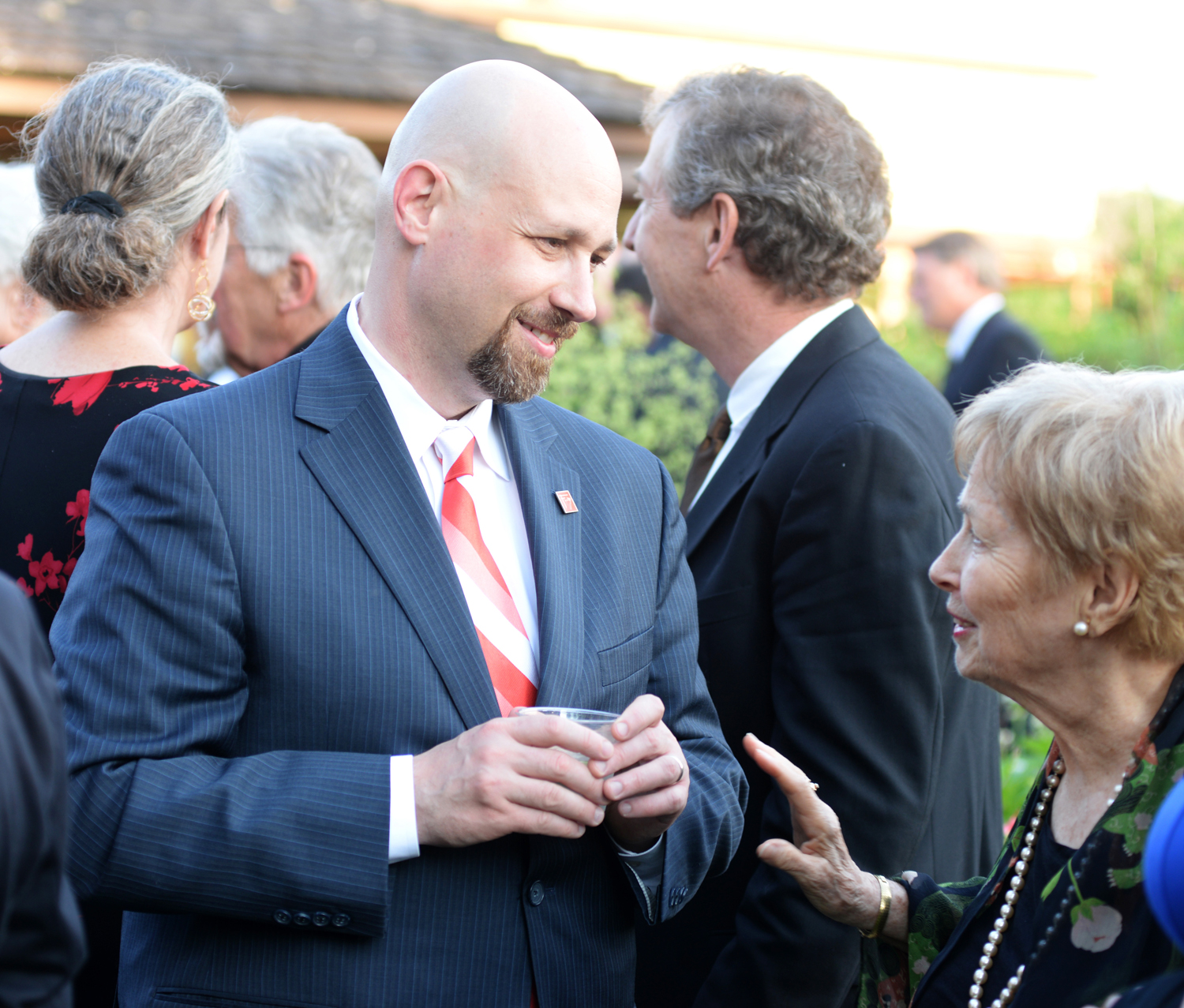
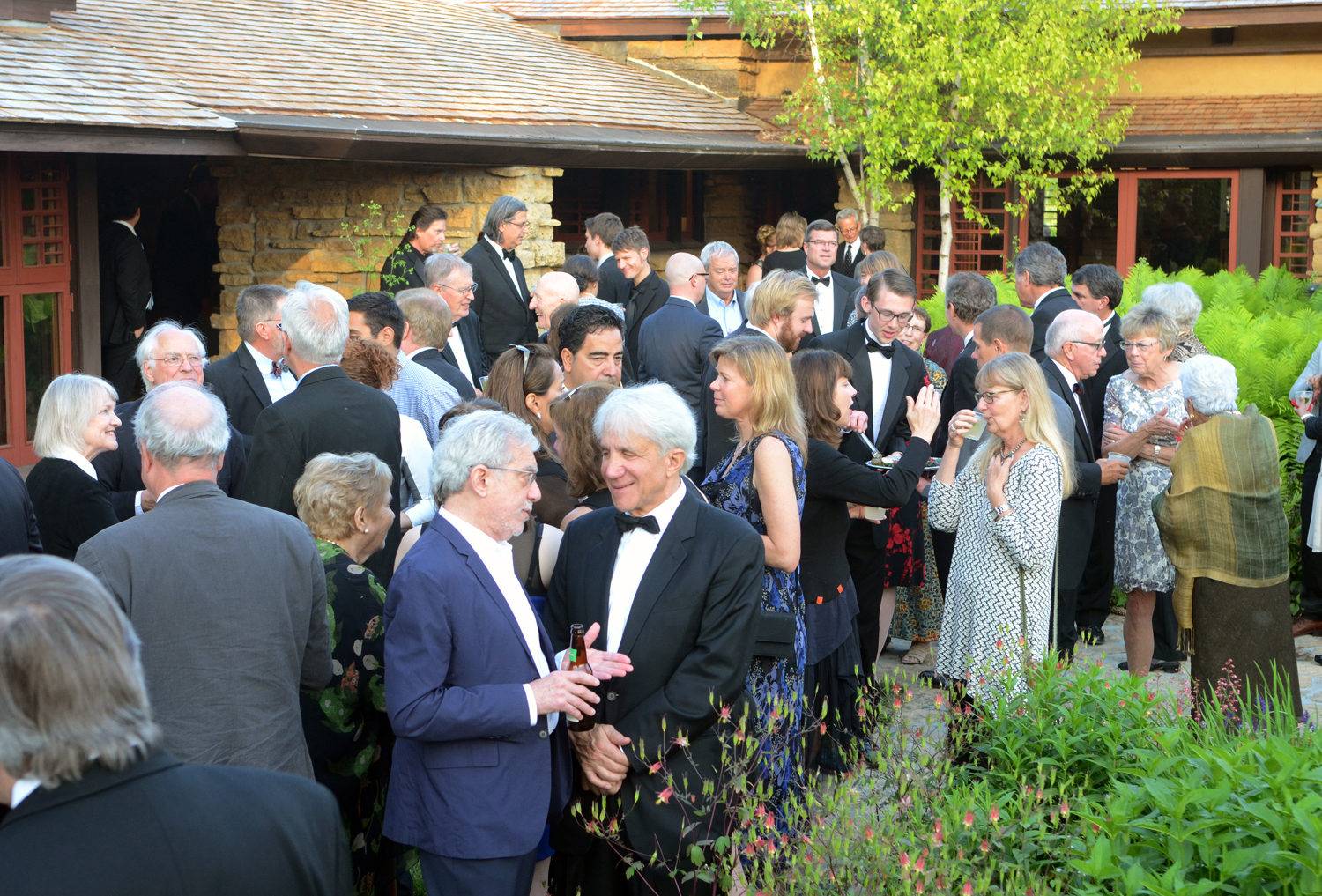
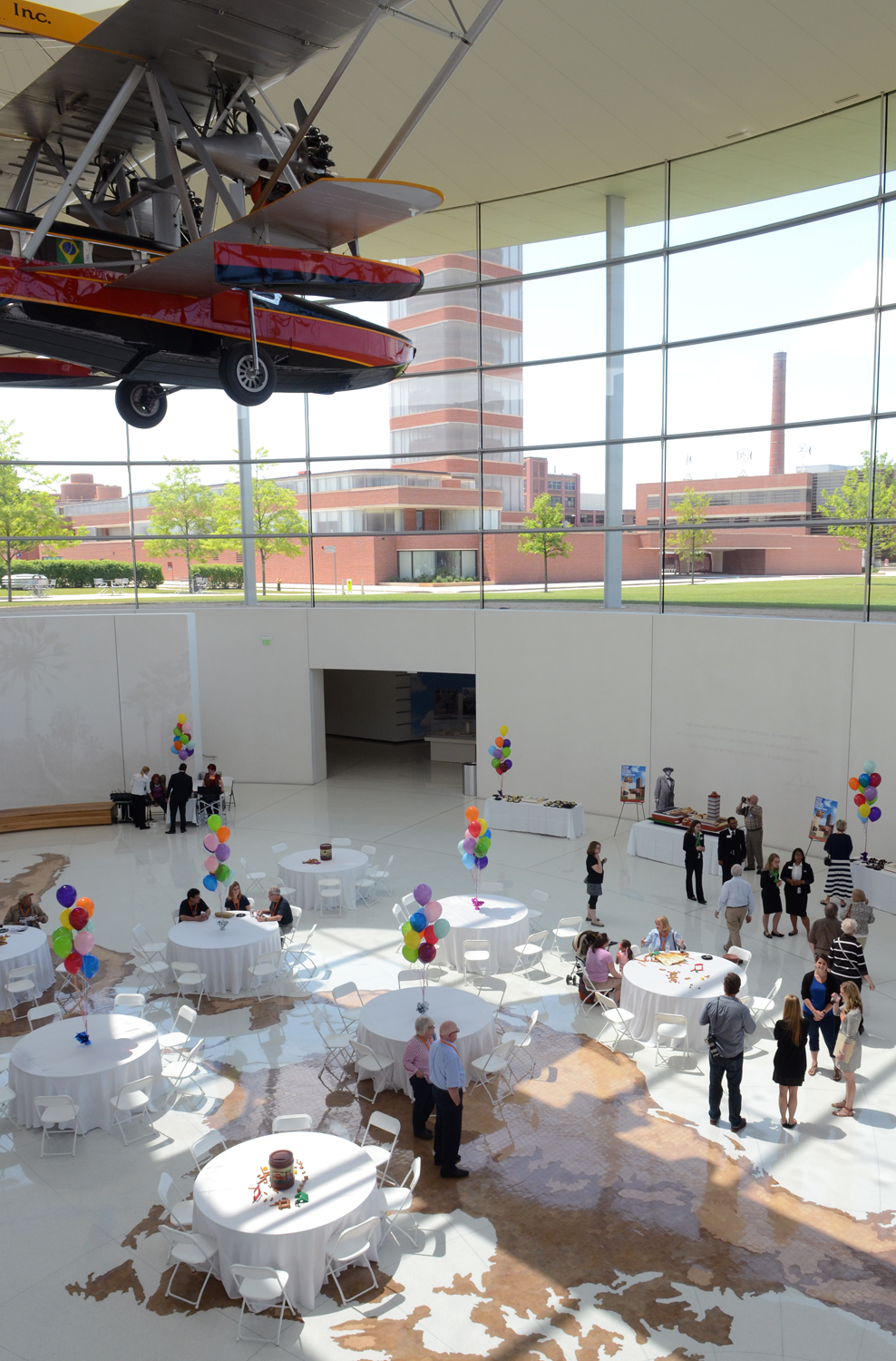
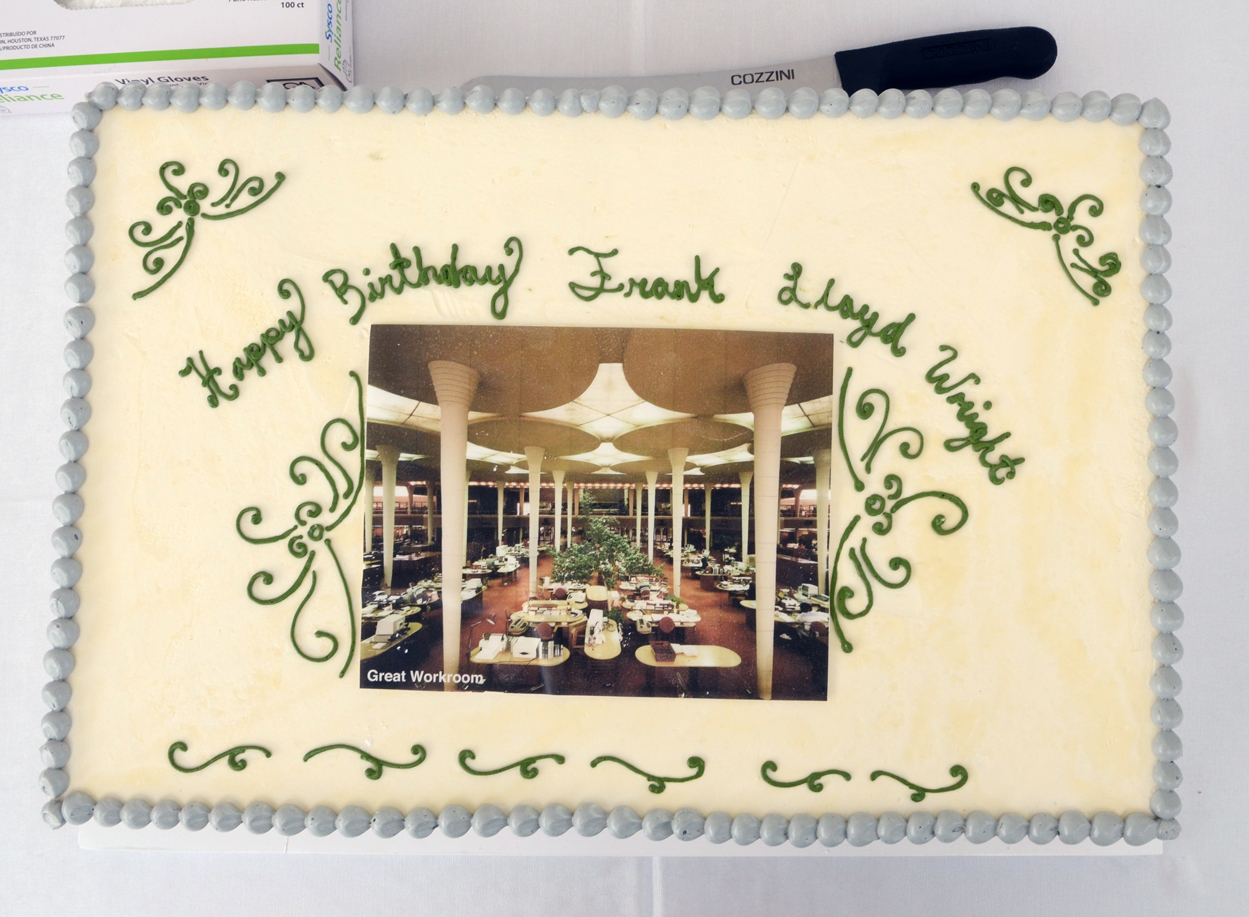
Frank Lloyd Wright’s 148th birthday was celebrated at a traditional gathering at Taliesin Saturday June 6 and a day later at SC Johnson in Racine, Wisconsin. Wright designed the company’s Administration Building in 1936 and Research Tower in 1943/44.

Frank Lloyd Wright birthday celebration at Taliesin and Hillside School, Spring Green, Wis., Saturday June 6, 2015.  /  (c) Mark HertzbergSean Malone chats with Minerva Montooth during the reception at Taliesin.

Frank Lloyd Wright birthday celebration at Taliesin and Hillside School, Spring Green, Wis., Saturday June 6, 2015.  /  (c) Mark Hertzberg

Frank Lloyd Wright birthday celebration at Taliesin and Hillside School, Spring Green, Wis., Saturday June 6, 2015.  /  (c) Mark Hertzberg

Ron McCrea enjoys playing the living room piano when he visits Taliesin.

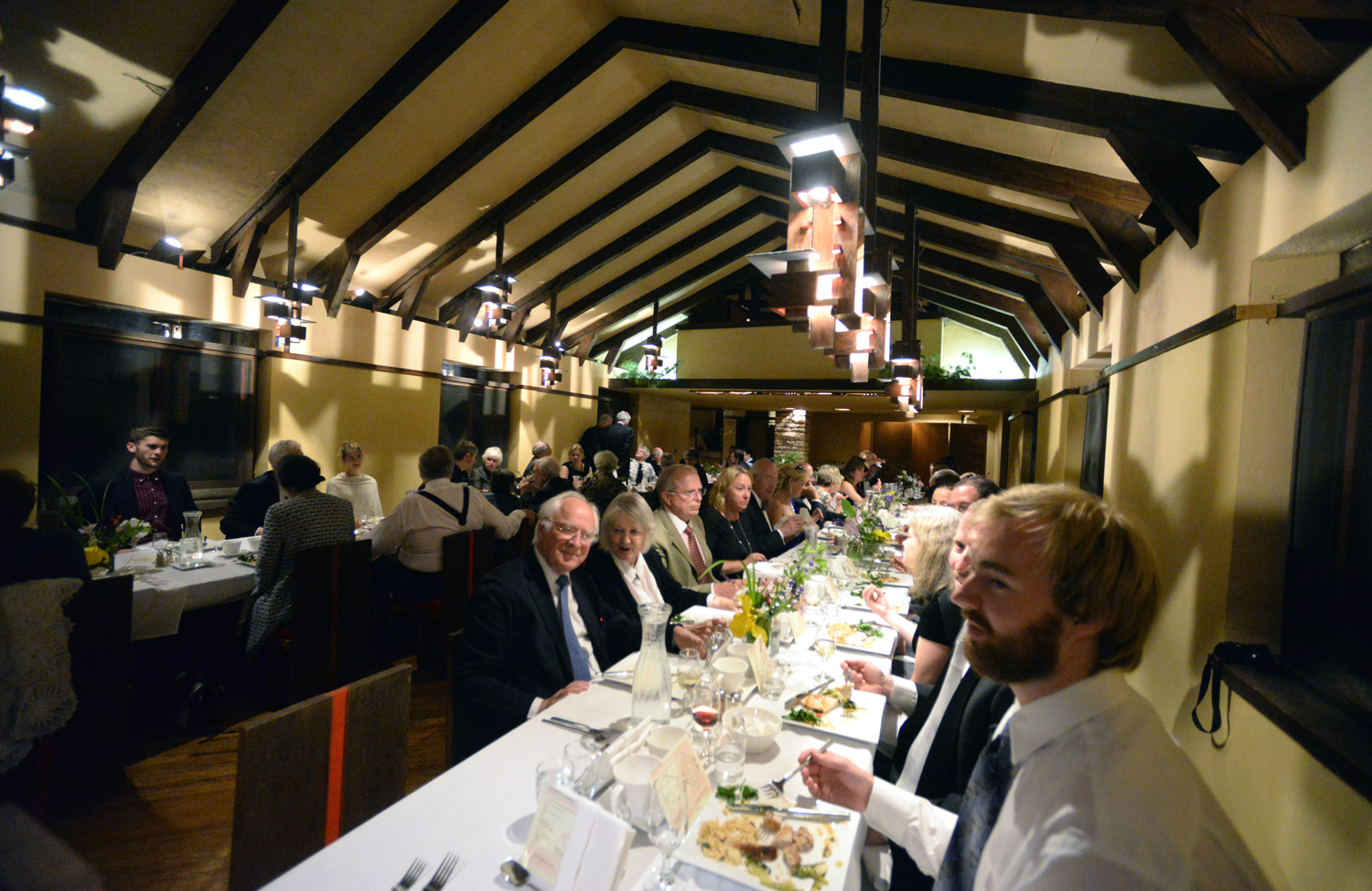
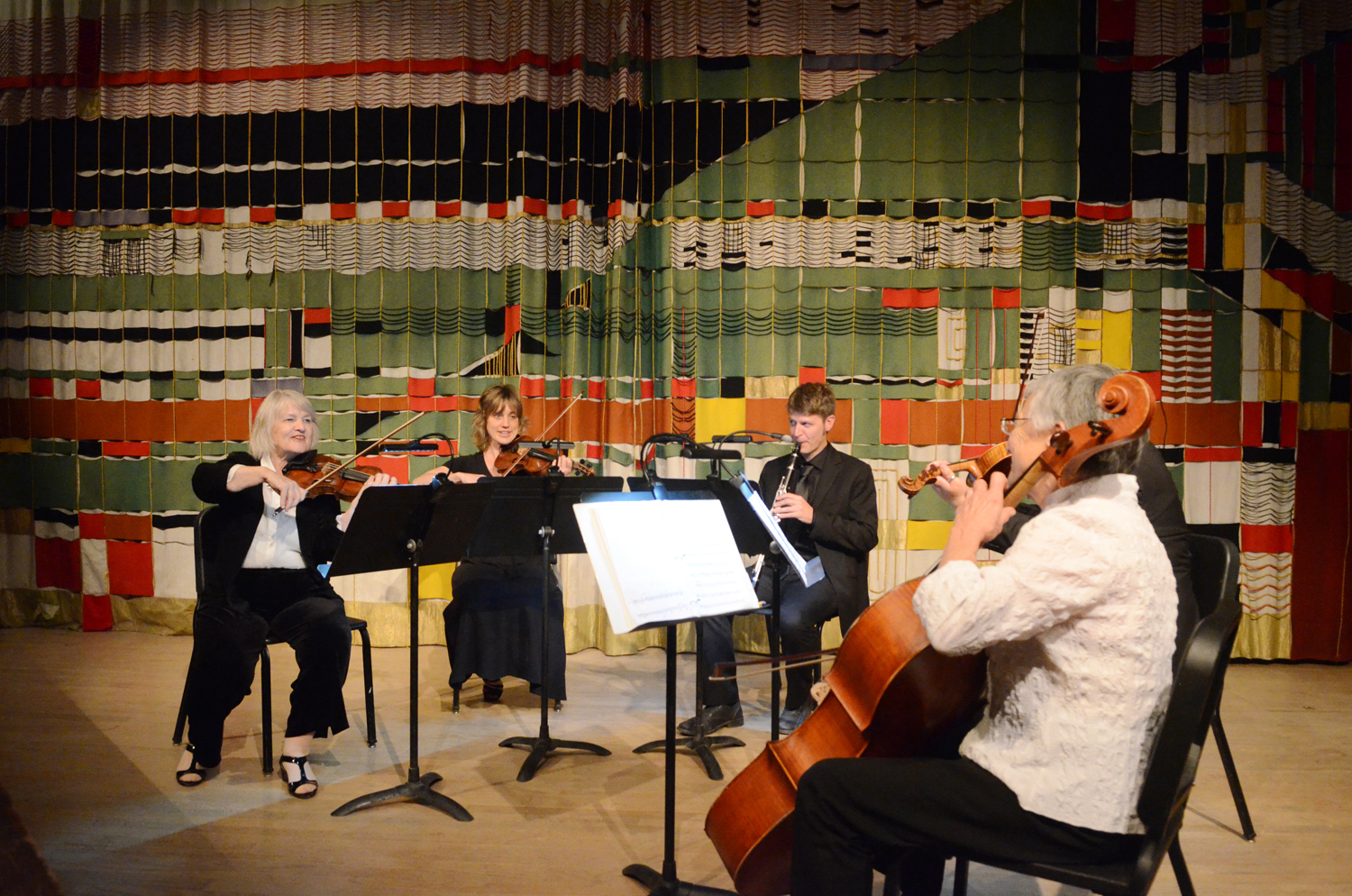
The reception at Taliesin was followed by dinner – including a birthday cake – and music at Hillside School:

Frank Lloyd Wright birthday celebration at Taliesin and Hillside School, Spring Green, Wis., Saturday June 6, 2015.  /  (c) Mark Hertzberg

Frank Lloyd Wright birthday celebration at Taliesin and Hillside School, Spring Green, Wis., Saturday June 6, 2015.  /  (c) Mark Hertzberg

Frank Lloyd Wright birthday celebration at Taliesin and Hillside School, Spring Green, Wis., Saturday June 6, 2015.  /  (c) Mark Hertzberg

Frank Lloyd Wright birthday celebration at Taliesin and Hillside School, Spring Green, Wis., Saturday June 6, 2015.  /  (c) Mark Hertzberg

Prairie 50th Graduation

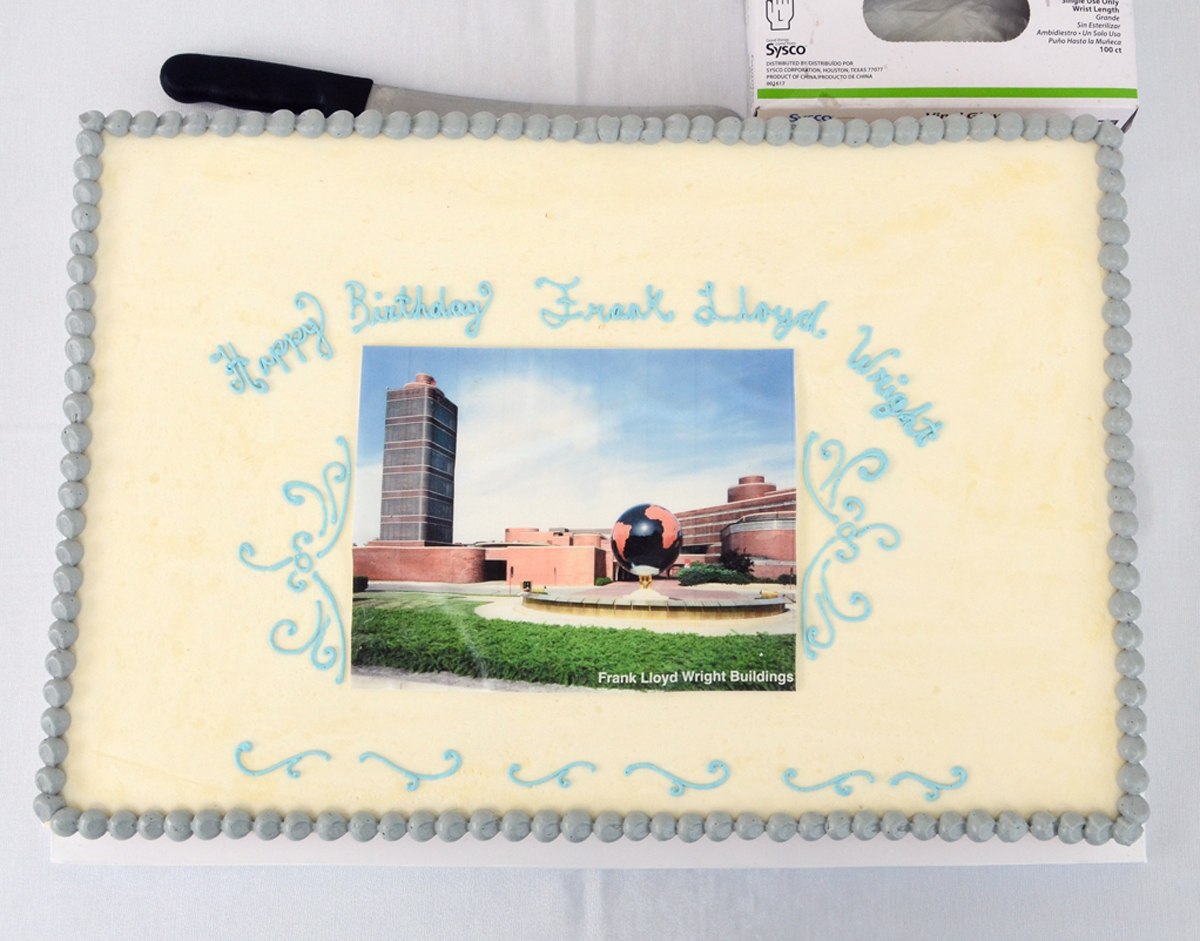
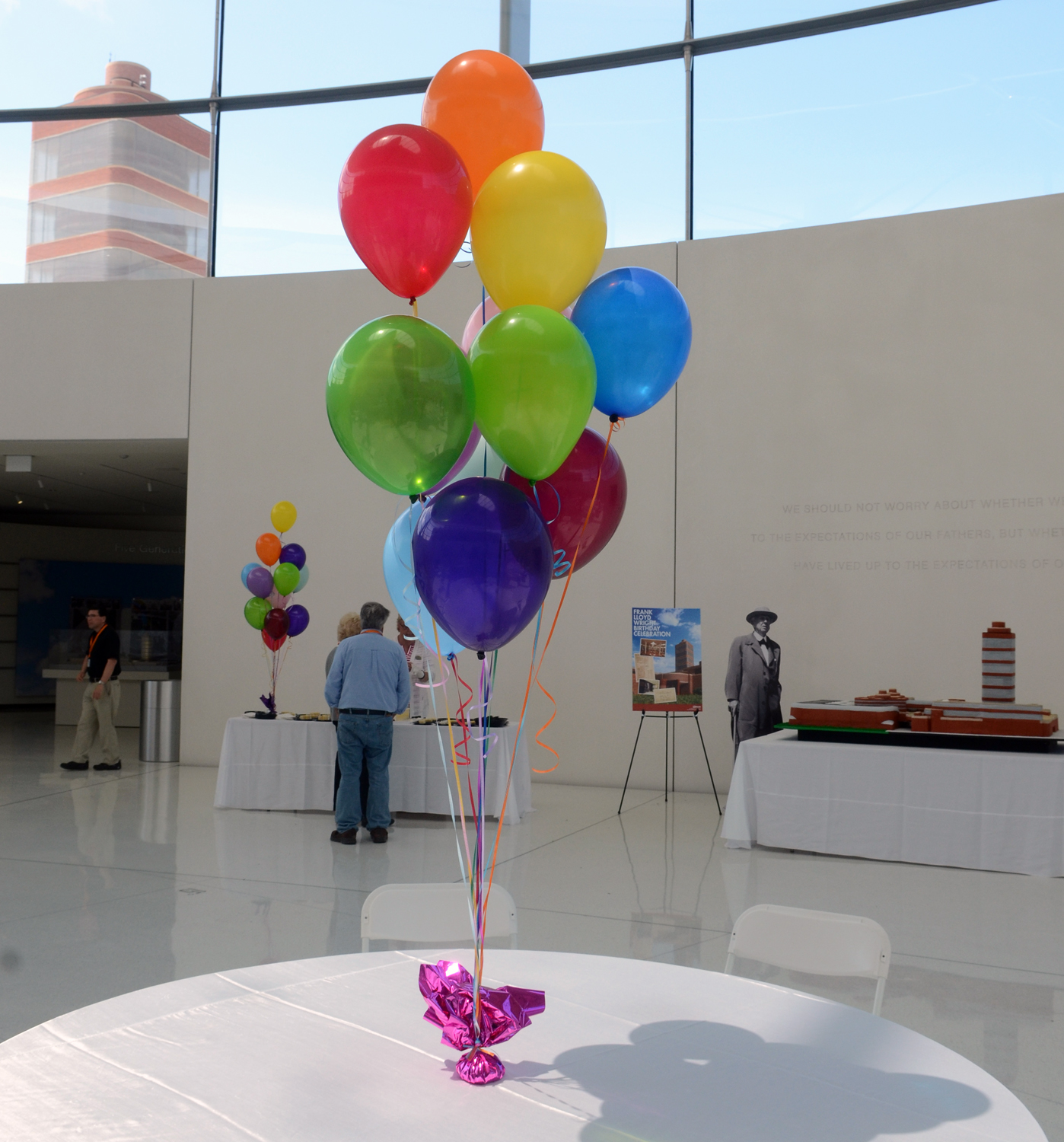
SC Johnson’s celebration was held in Fortaleza Hall, designed by Lord Norman Foster and partners. There were two sheet cakes and a large cake modeled after Wright’s buildings. The base below the model building was made from compressed Rice Krispie treats and chocolate mix.

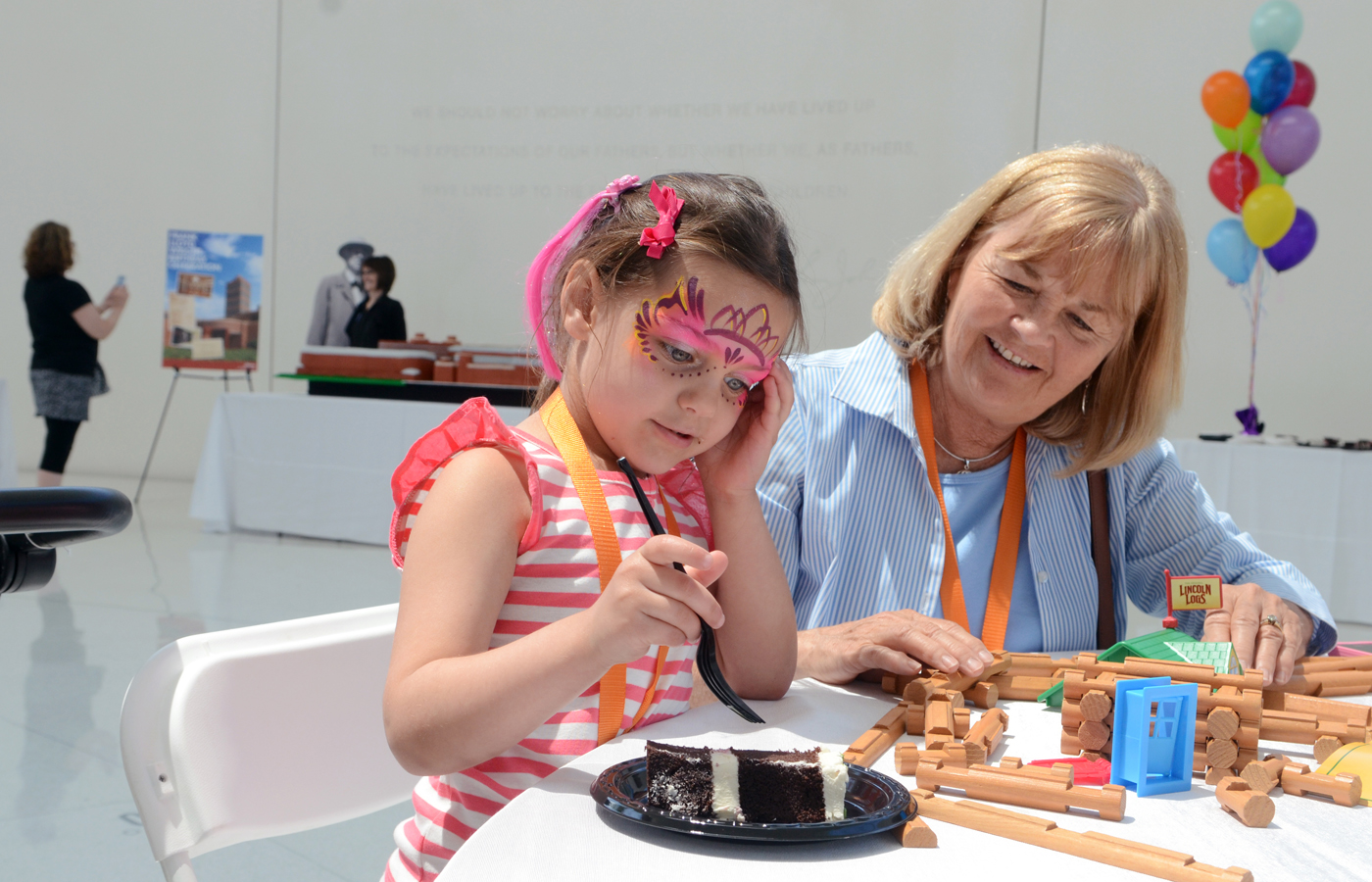
Children played with Lincoln Logs, a toy invented by John Lloyd Wright

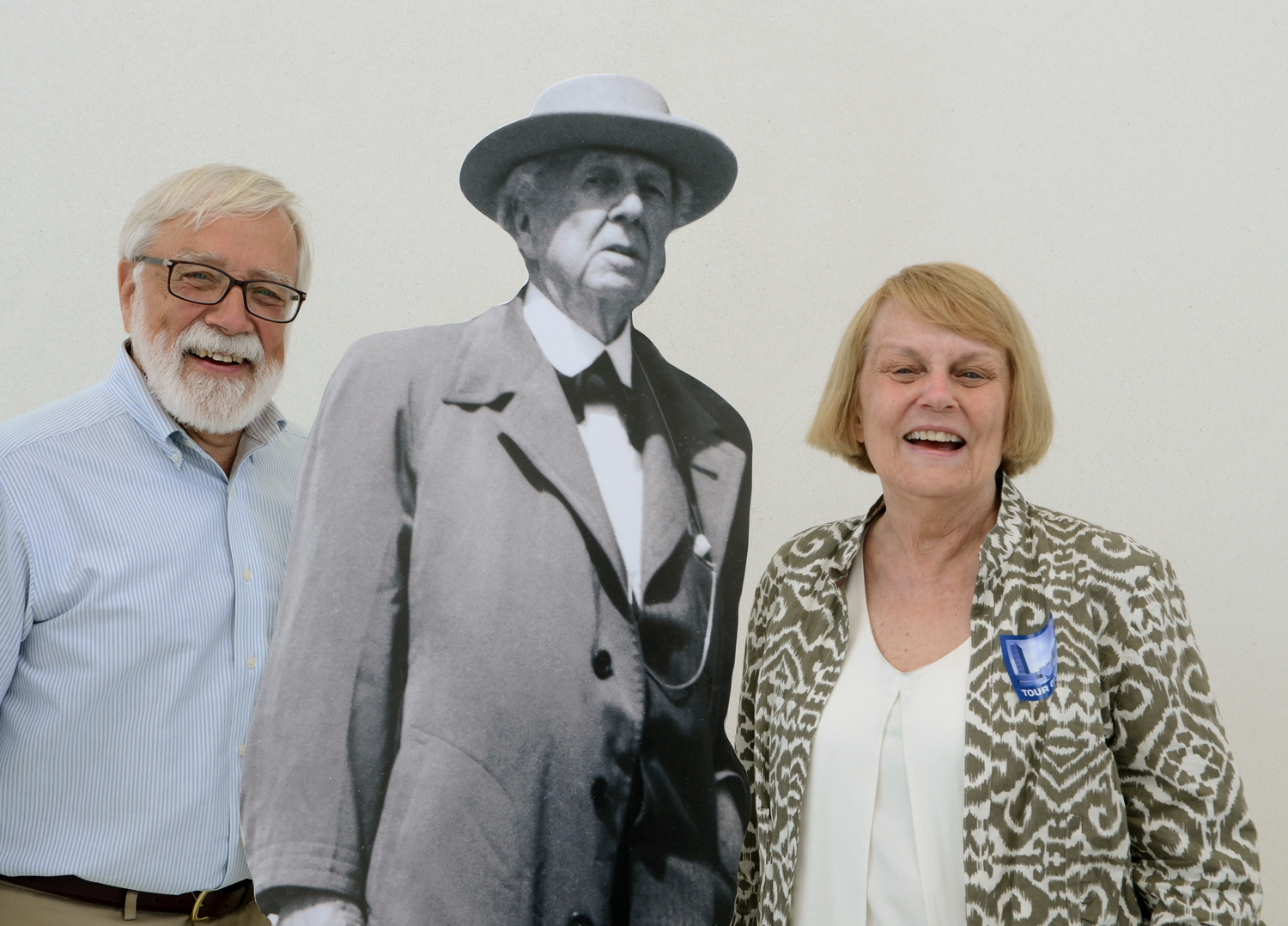
Bob and Jeanne Maushammer wanted their picture taken with a life-size cutout photo of Wright. The Maushammers, who have seen several hundred of Wright’s buildings, were in their hometown of Racine to celebrate their 50th wedding anniversary.

Remembering Jim Yoghourtjian

(c) Mark Hertzberg

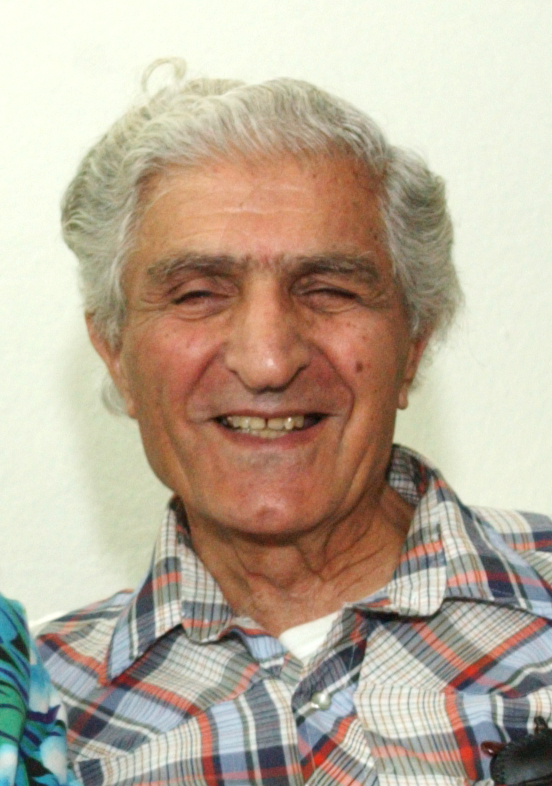
Jim Yoghourtjian, steward of Frank Lloyd Wright’s Hardy House with his wife, Margaret, from 1968 – 2012 died April 26. He was 91.

Margaret and Jim Yoghourtjian in their living room in the Hardy house, 1319 S. Main St., Wednesday September 1, 2004.  (c) Mark Hertzberg

He was a well known classical guitarist, who traveled to Siena, Italy, to study with Andres Segovia. His friends knew him for his devotion to Margaret, for his warmth, for his apple pies, as well as for his music.

Jim’s father did not understand how he could make a living as a musician and urged him to take a shop job in the factory where he worked. In 1957, though, his father went to Chicago to hear Jim play in the Fullerton Auditorium at the Art Institute of Chicago in conjunction with an exhibition honoring Pablo Picasso. After listening to the applause at the end of the concert, his father asked the person next to him if everyone there had come to hear the music. Assured that they had, he proudly said, “That’s my son!” Jim wrote in a 1996 memoir.

Jim had a wry sense of humor. Jim and Margaret had welcomed visitors to the house for many years until after some negative experiences. The house then understandably became strictly their home, not a Wright tourist destination. He chuckled when he told me how he then deflected Wright-related questions from strangers who pestered him when he was doing yard work, “I don’t know, I’m just the caretaker.”

I remember seeing him outside the house soon after moving to Racine in 1978, quickly pulling over to the curb, and asking if I could see the inside of his Frank Lloyd Wright house. He declined to let me invade their privacy. I never faulted him for that, wondering how often that happened to him.

There are certainly Wright aficionados who would criticize Jim for playing the role of ignorant caretaker of the house. Those of us lucky to have counted him as a friend would instead smile and think, “Yup, that’s Jim for you!” Rather than dwell on the question of whether or not he should have answered every Wright question, I prefer to dwell on the memory of seeing him tenderly kiss Margaret’s hand one day before going back to bed when they shared a room during a short hospital stay in 2011. He had told me that he used to write her poems for her birthday. That was Jim. And that is part of what made him such a special person.

New Wright exhibition at SC Johnson opens

Photos by Mark Hertzberg (c) for SC Johnson

SCJ Wasmuth

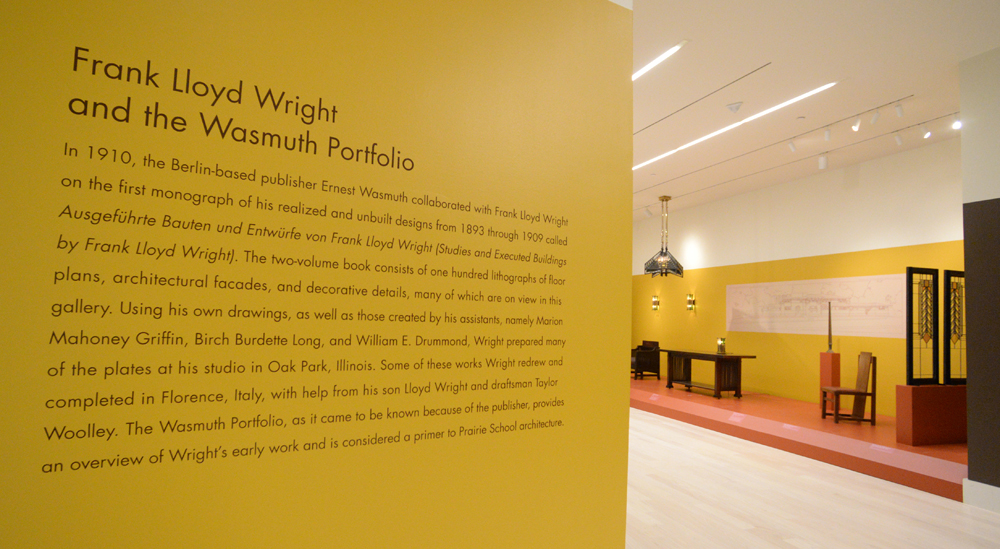
Wright’s 1910 Wasmuth Portfolio is the theme of the fourth annual exhibition in the “At Home with Frank Lloyd Wright” gallery in Fortaleza Hall on the SC Johnson campus in Racine, Wis. Fifty lithographs from the portfolio and artifacts from the Dana House and the Heath House, among others, are exhibited:

SCJ Wasmuth SCJ Wasmuth

SCJ Wasmuth

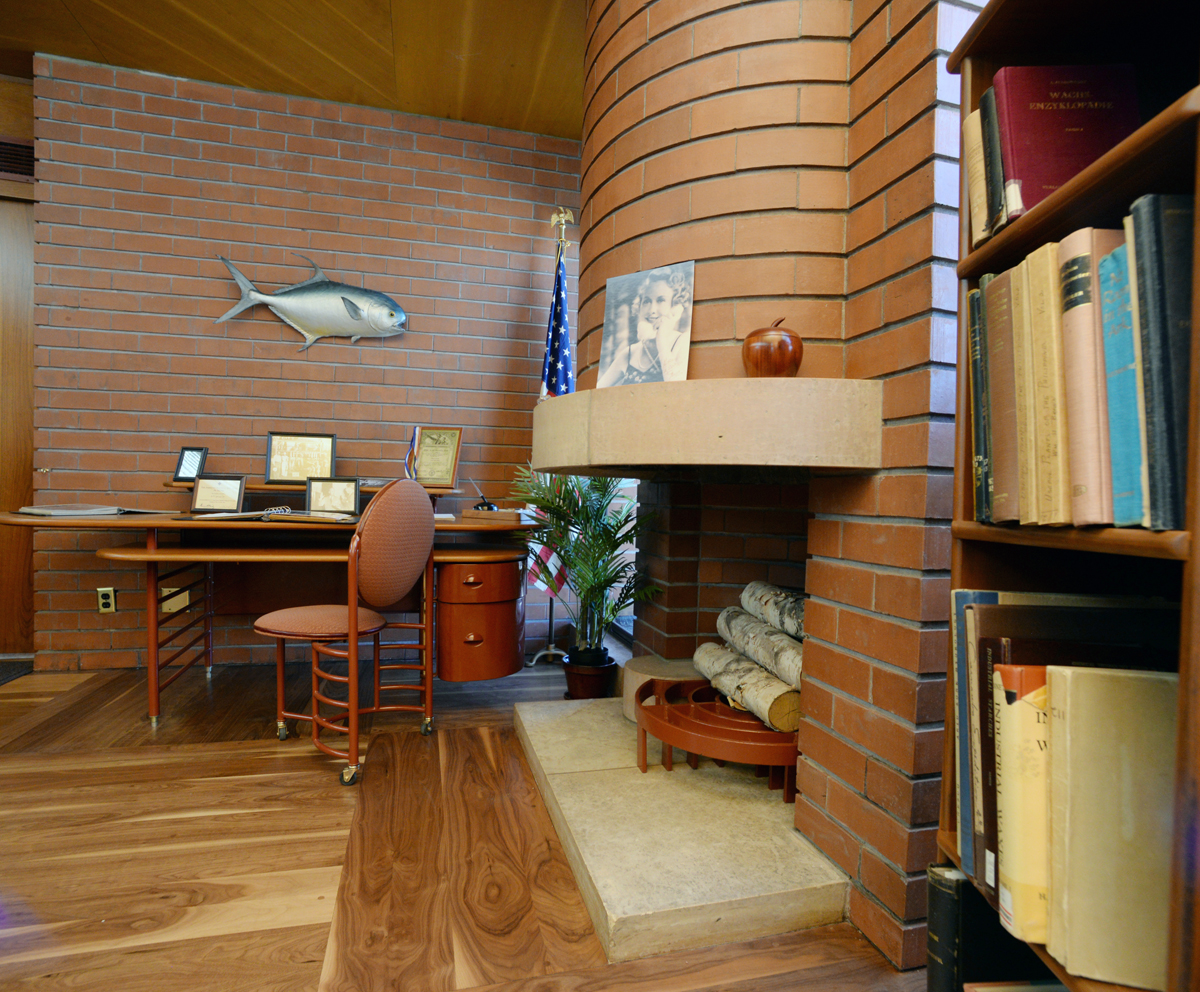
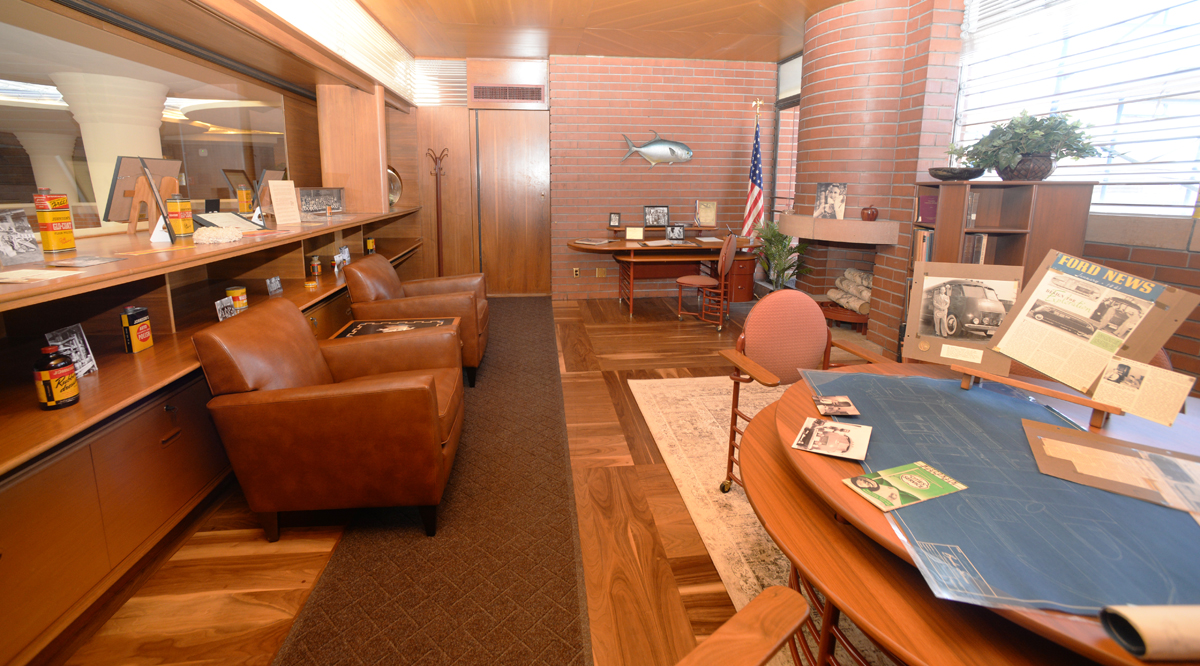
Weekend tours now also include H.F. Johnson Jr.’s office in the Wright-designed Administration Building (1936). The office has been refurbished with period furniture and company artifacts for the tours. Johnson commissioned Wright to designed the Administration Building, the SC Johnson Research Tower (1943/44), Wingspread (his home, 1937), the unrealized Racine YWCA (1949/50), an unrealized remodeling at the Racine Airport (1941), and several unrealized buildings at Wingspread.

HF Office

HF Office

HF Office

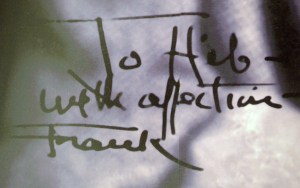
Wright – and others close to Johnson – called him “Hib”.

SCJ Wasmuth

For information and required tour reservations go to: www.scjohnson.com/visit

Work Begins Anew at Hardy House

Photos and text (c) Mark Hertzberg

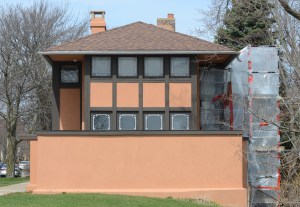
The Hardy House is a construction zone again after a two-year respite.

Lake Side Restoration

The east side of the house is sheathed in scaffolding, and scaffolding again fills the two-story living room as it did several years ago while plaster was repaired and the house was repainted.

Lake Side Restoration

Lake Side Restoration

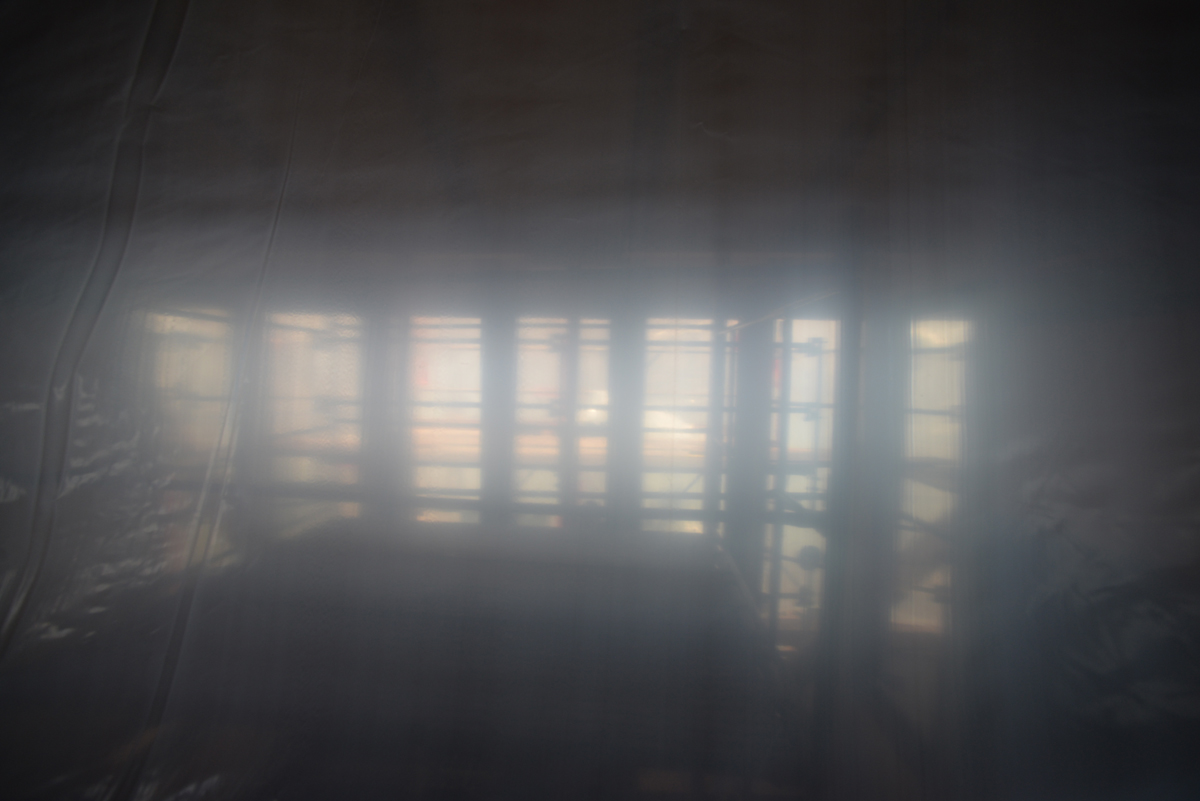
     The living room and the dining room are walled-off in construction workers’ heavy plastic, diminishing the view of Lake Michigan from the living room balcony:

Lake Side Restoration

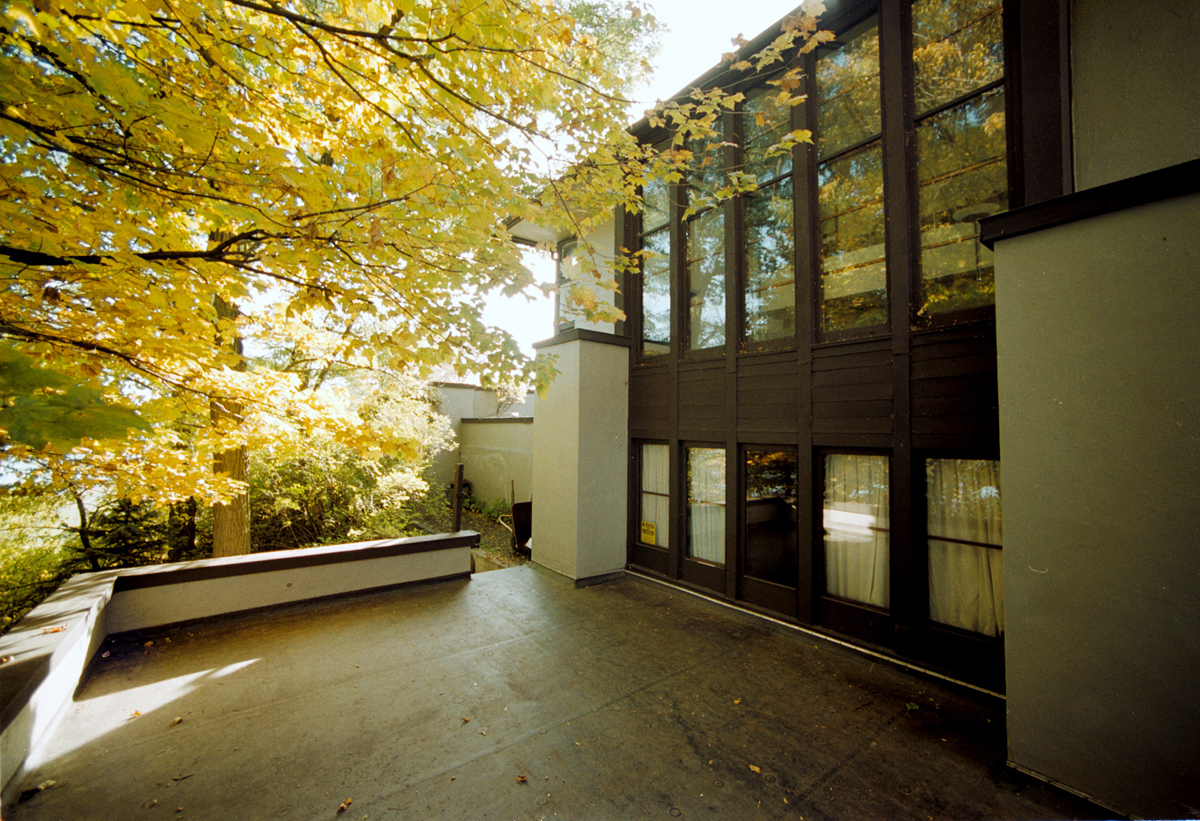
     The living room and dining room windows are being replaced, which may sound routine, but the work also entails rebuilding structural elements of the house above and below the windows. It will not be known how much needs to be rebuilt until workers begin the reconstruction. The center dining room windows lead to the dining room terrace, whose rubber membrane flooring (shown in a 2002 photo, below) needs to be replaced, as well.

LR Terrace, fall, 2

     The four square panels between the living room windows (above the panels) and the dining room windows (below the panels) were originally stucco, as shown in this 1906 photo taken as the house neared completion:

LR Terrace 0506.0004 final

(Photo courtesy of, and (c) Frank Lloyd Wright Foundation)

     It is believed that the stucco had cracked because the dining room windows leaked, and the panels were replaced by wood panels when Wright’s leaded glass living room windows were replaced with plate glass windows in 1947, concurrent with the rebuilding of the dining room terrace to create for a recreation room below.

     The dining room now serves as a construction office for the workers from Bane & Nelson contractors:

Lake Side Restoration

     It is impossible to estimate how long the work will take, but Bane & Nelson has a deadline of finishing in time for tours during the 2015 Frank Lloyd Wright Building Conservancy meeting in Milwaukee and Racine in early October.

SCJ Research Tower: Imitation is Flattery

(c) Mark Hertzberg If imitation is indeed the sincerest form of flattery (Charles Caleb Colton, 1820), then Frank Lloyd Wright’s SC Johnson Research Tower has many admirers. The latest incarnation of the Tower is a Lego model built by Chris Eyerly of Kenosha. It is displayed in Fortaleza Hall on the company campus.

Lego Research Tower

The first spin-off of the Tower was a desk lighter commissioned by H.F. Johnson Jr. in 1946, the year before construction began, to mark the company’s 50th anniversary. Famed industrial design Brooks Stevens delighted in “literally knocking the great Wright down to size” when he designed the lighter, according to Glenn Adamson, who profiled Stevens in 2003 for an exhibition at the Milwaukee Art Museum.

Tower Lighter

LR Tower Lighter 052

It was followed sometime after 1960 by a Christmas candle. While the lighters are collectors’ items today, fetching prices up to $700 on sites like eBay, the candle was not as successful, according to the late Serge Logan, who worked in community relations for the company. People liked the “gorgeous smell,” Logan recalled, “I think we got them in Maine somewhere because of the smell of the pines.” But the company that made the candles did not pack them well enough, and many cracked during shipping.

LR Tower Candle 012

There was also a golden charm of the Tower offered for sale to employees in 1971 for $5. It was made by Tiffany & Company. It was packaged in a blue leatherette jewelry case with the Tiffany trademark.

Tower Tiffany Pin

Eyerly, 39, is an IT security engineer who enjoys challenging himself by designing Lego models. He incorporates his admiration of Wright’s work into his hobby. The Tower is his second Wright Lego creation. Six years ago he used 15,000 of the plastic building bricks to make a four-foot wide model of the Frederick Robie House in Chicago.

Lego Research Tower

He uses practical considerations in deciding what to build, “If certain Lego pieces fit the shape of the building, that’s a key that’s something I can build. The round corners (of the Tower) were just the right shape. Realizing I could accomplish that was the impetus I could build that building.”

Lego Research Tower

SC Johnson gave him PDF copies of some of the original drawings for the building. Eighty hours later, over some two and a half months in the summer of 2012, up to 6,000 Lego blocks in eight colors had been transformed into an almost three-foot tall model of Wright’s landmark Tower.

Lego Research Tower

Eyerly planned one floor of the Tower model in a computer Lego CAD program to help him estimate how many pieces he would need. “I don’t do a ton in CAD. It’s mostly a free build, just snapping pieces together. I do a lot of math ahead of time. That’s why I like scale drawings, so I know how many studs (the round knob atop each brick) it needs to be.”

Lego Research Tower

His models don’t come together easily. He had to rebuild the Robie House four times, the Tower twice. “You get to a certain point and realize something won’t work and you take it apart and retry.”

Lego Research Tower

The company learned about the Tower model after Eyerly showed it at the Brick World Lego convention in Wheeling, Illinois, and invited him to display it at their headquarters. Eyerly enjoys peoples’ reactions to his models because they evoke emotional responses, he says. “Wright’s architecture is interesting. It often draws out memories from people. Often you get emotions or feelings from people. It often ties in personally for people, which makes it interesting for me to hear the stories.” That is even more the case with the Tower model because he knows many people who work at SC Johnson. His next model will be Wright’s Bernard Schwartz House (1939) in Two Rivers, Wisconsin. Ironically, construction was supervised by Edgar Tafel, one of Wright’s original Taliesin Fellowship the apprentices. Tafel had already supervised construction of the SC Johnson Administration Building and Wingspread, as well as part of Fallingwater.