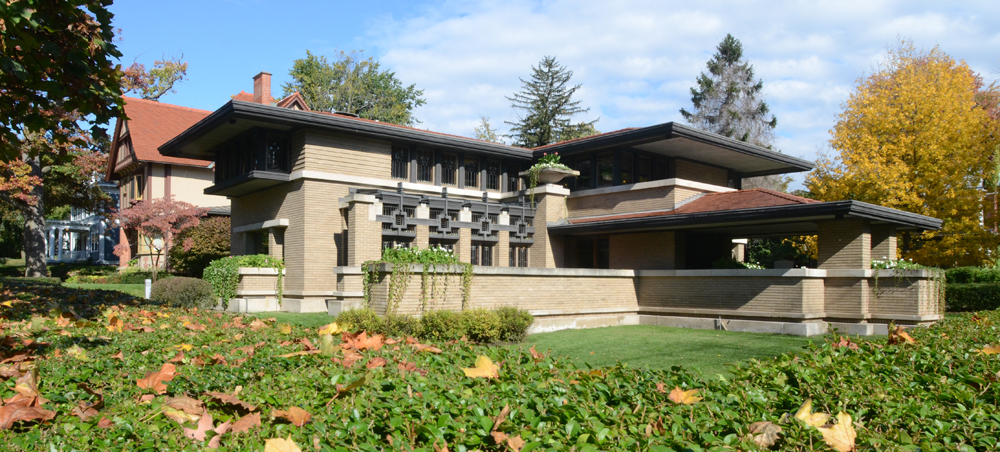
SCJ Research Tower: Imitation is Flattery

(c) Mark Hertzberg If imitation is indeed the sincerest form of flattery (Charles Caleb Colton, 1820), then Frank Lloyd Wright’s SC Johnson Research Tower has many admirers. The latest incarnation of the Tower is a Lego model built by Chris Eyerly of Kenosha. It is displayed in Fortaleza Hall on the company campus.

Lego Research Tower

The first spin-off of the Tower was a desk lighter commissioned by H.F. Johnson Jr. in 1946, the year before construction began, to mark the company’s 50th anniversary. Famed industrial design Brooks Stevens delighted in “literally knocking the great Wright down to size” when he designed the lighter, according to Glenn Adamson, who profiled Stevens in 2003 for an exhibition at the Milwaukee Art Museum.
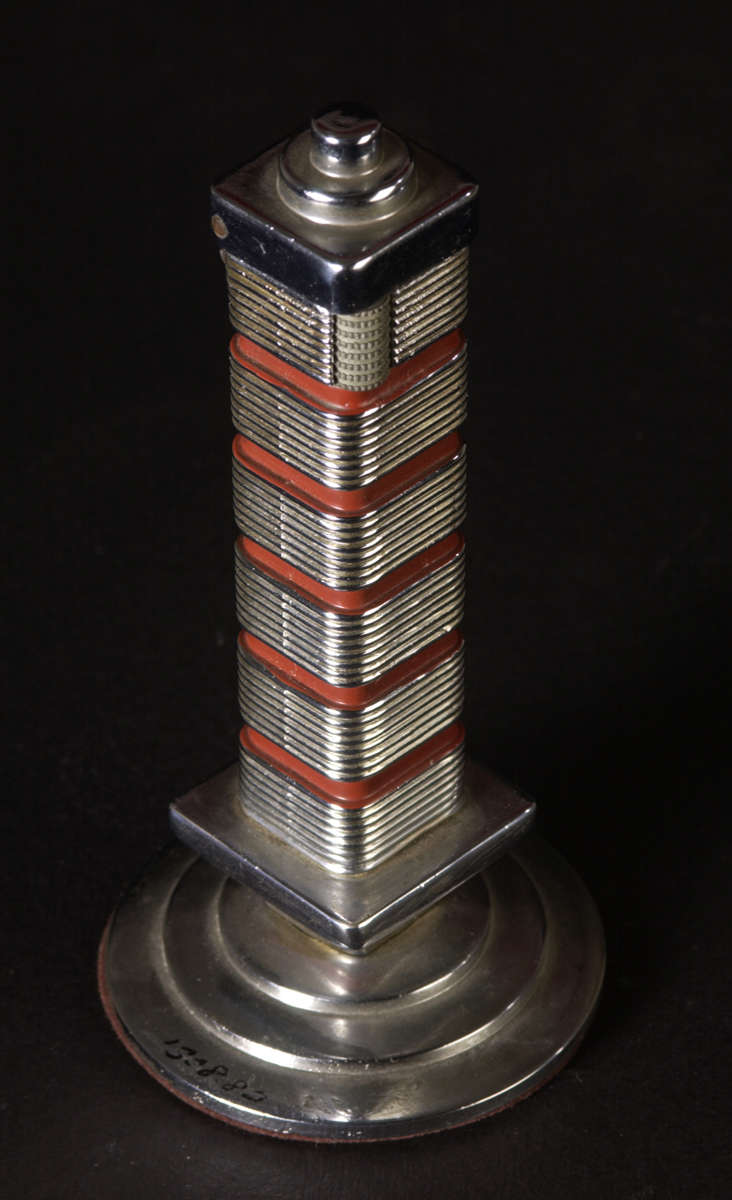
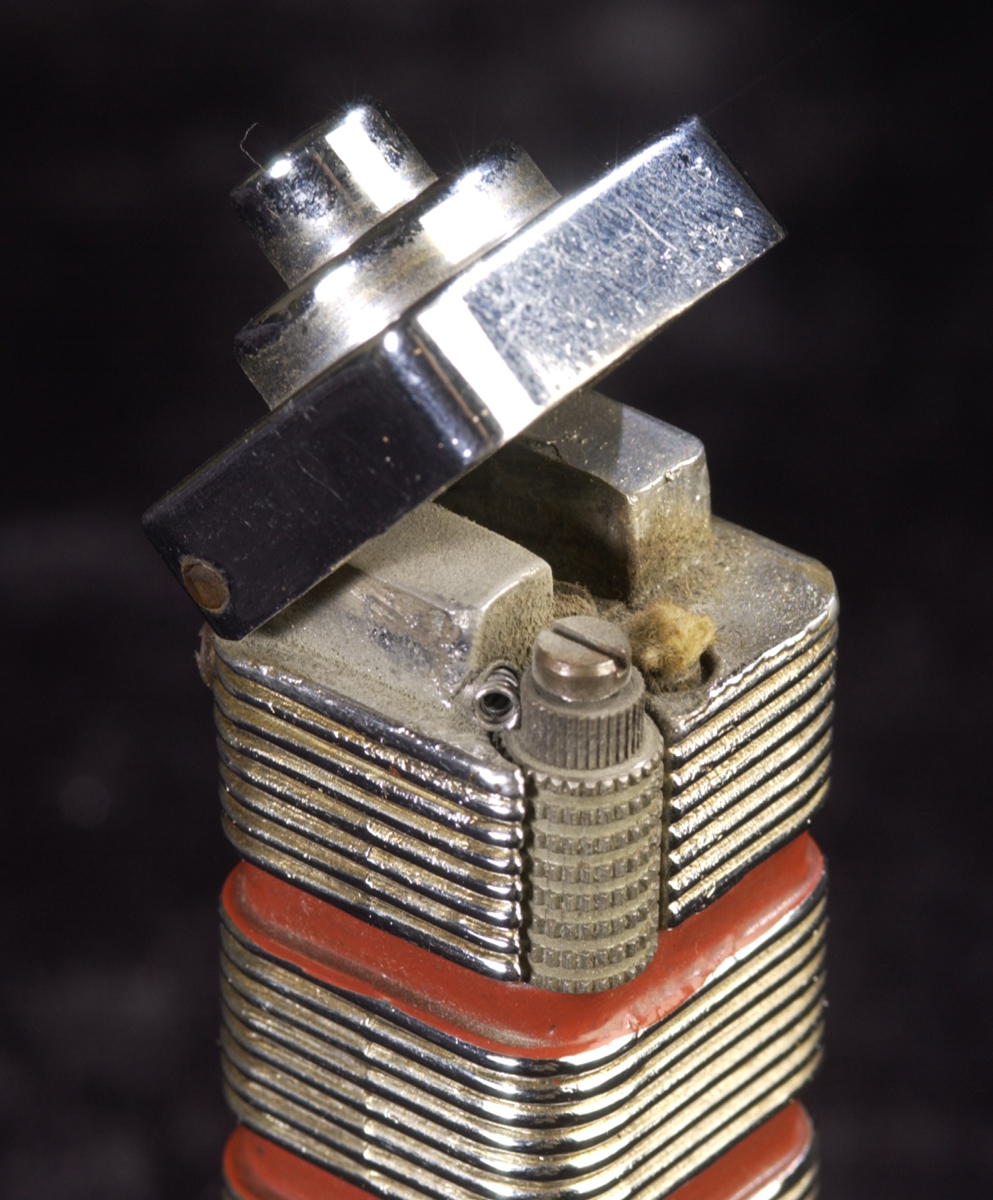
Tower Lighter

LR Tower Lighter 052

It was followed sometime after 1960 by a Christmas candle. While the lighters are collectors’ items today, fetching prices up to $700 on sites like eBay, the candle was not as successful, according to the late Serge Logan, who worked in community relations for the company. People liked the “gorgeous smell,” Logan recalled, “I think we got them in Maine somewhere because of the smell of the pines.” But the company that made the candles did not pack them well enough, and many cracked during shipping.

LR Tower Candle 012

There was also a golden charm of the Tower offered for sale to employees in 1971 for $5. It was made by Tiffany & Company. It was packaged in a blue leatherette jewelry case with the Tiffany trademark.
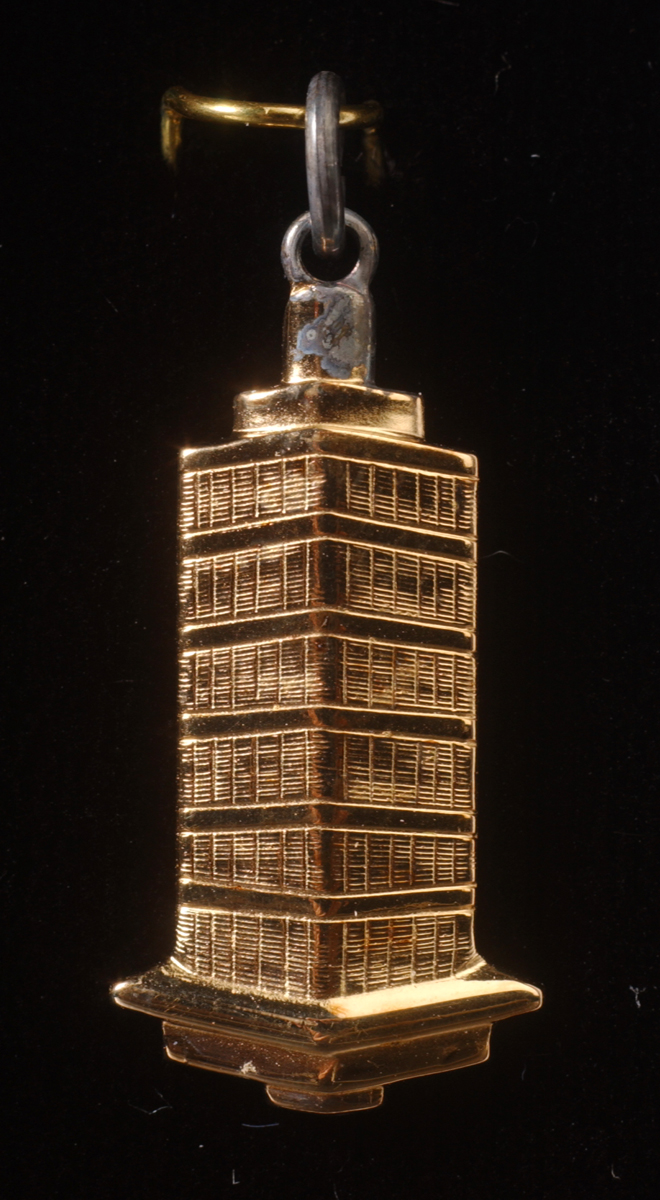
Tower Tiffany Pin

Eyerly, 39, is an IT security engineer who enjoys challenging himself by designing Lego models. He incorporates his admiration of Wright’s work into his hobby. The Tower is his second Wright Lego creation. Six years ago he used 15,000 of the plastic building bricks to make a four-foot wide model of the Frederick Robie House in Chicago.
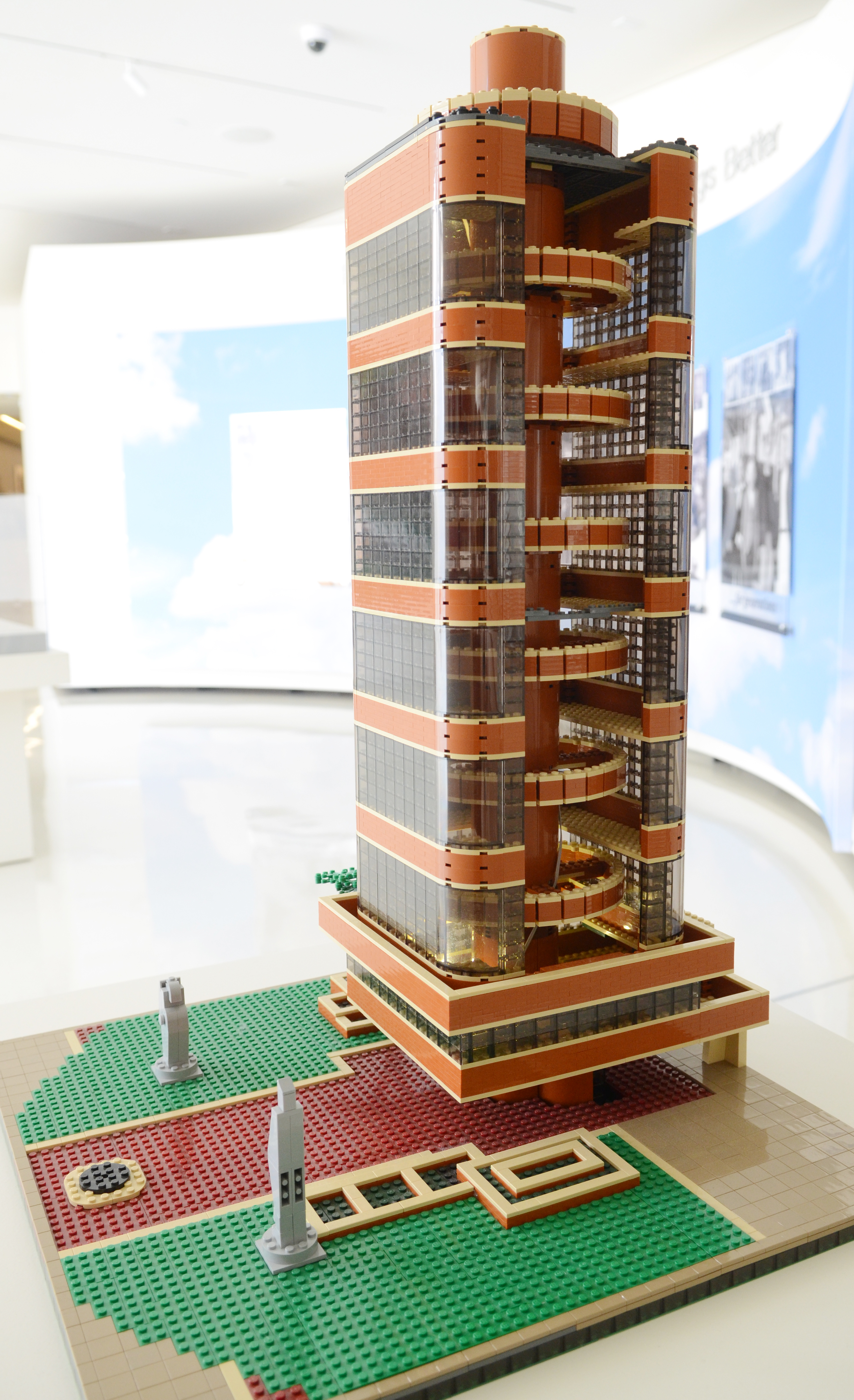
Lego Research Tower

He uses practical considerations in deciding what to build, “If certain Lego pieces fit the shape of the building, that’s a key that’s something I can build. The round corners (of the Tower) were just the right shape. Realizing I could accomplish that was the impetus I could build that building.”
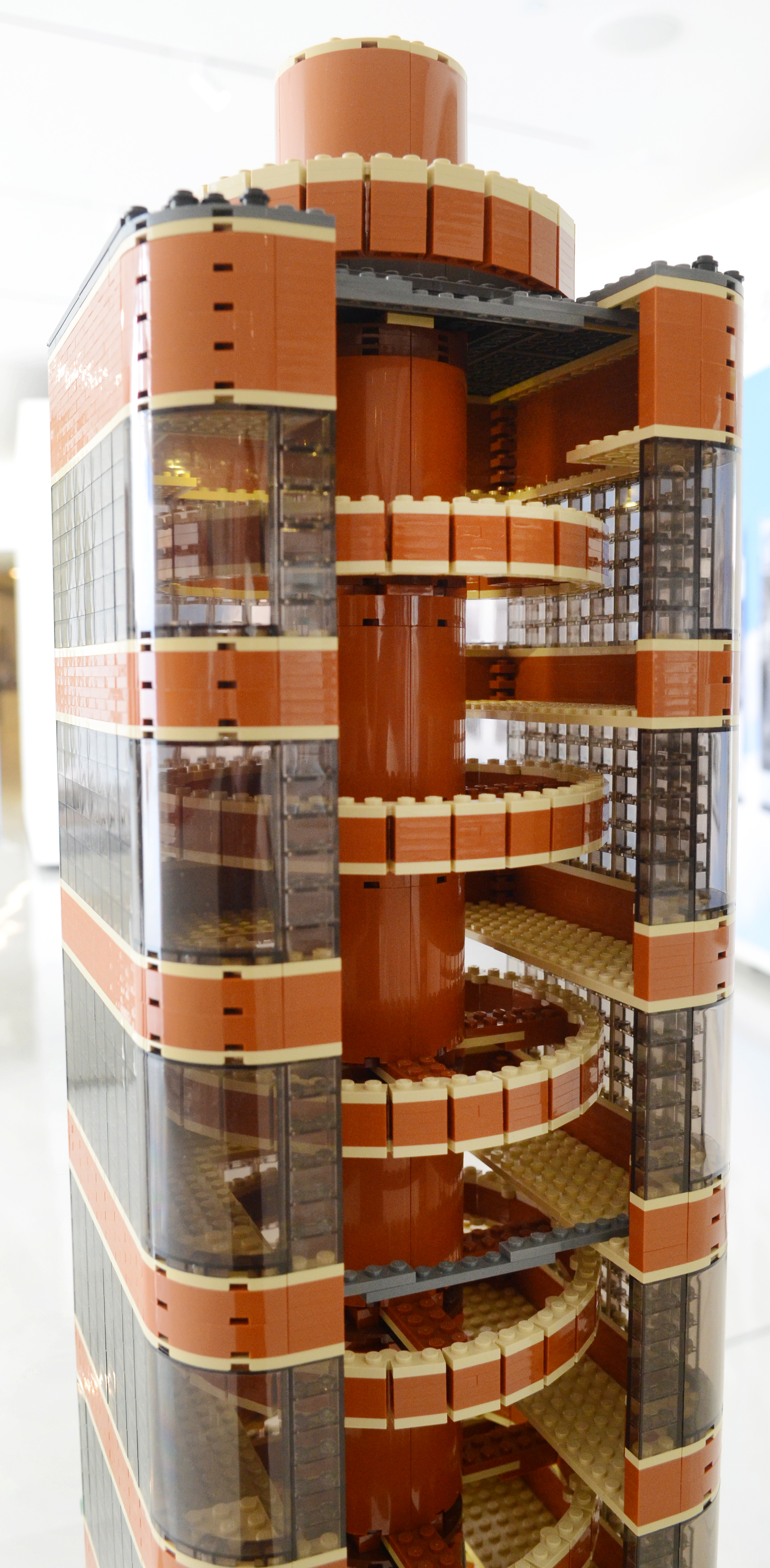
Lego Research Tower

SC Johnson gave him PDF copies of some of the original drawings for the building. Eighty hours later, over some two and a half months in the summer of 2012, up to 6,000 Lego blocks in eight colors had been transformed into an almost three-foot tall model of Wright’s landmark Tower.
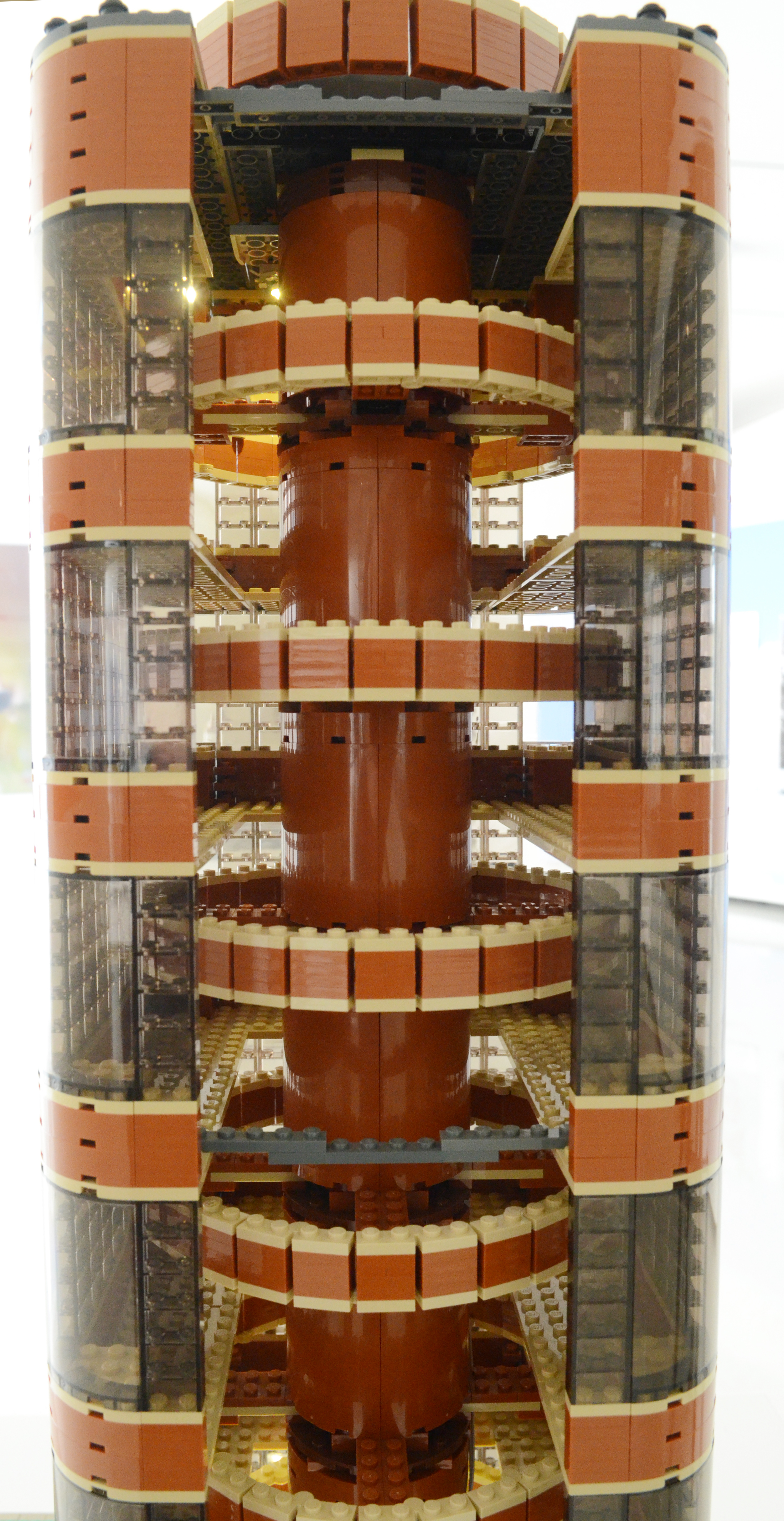
Lego Research Tower

Eyerly planned one floor of the Tower model in a computer Lego CAD program to help him estimate how many pieces he would need. “I don’t do a ton in CAD. It’s mostly a free build, just snapping pieces together. I do a lot of math ahead of time. That’s why I like scale drawings, so I know how many studs (the round knob atop each brick) it needs to be.”
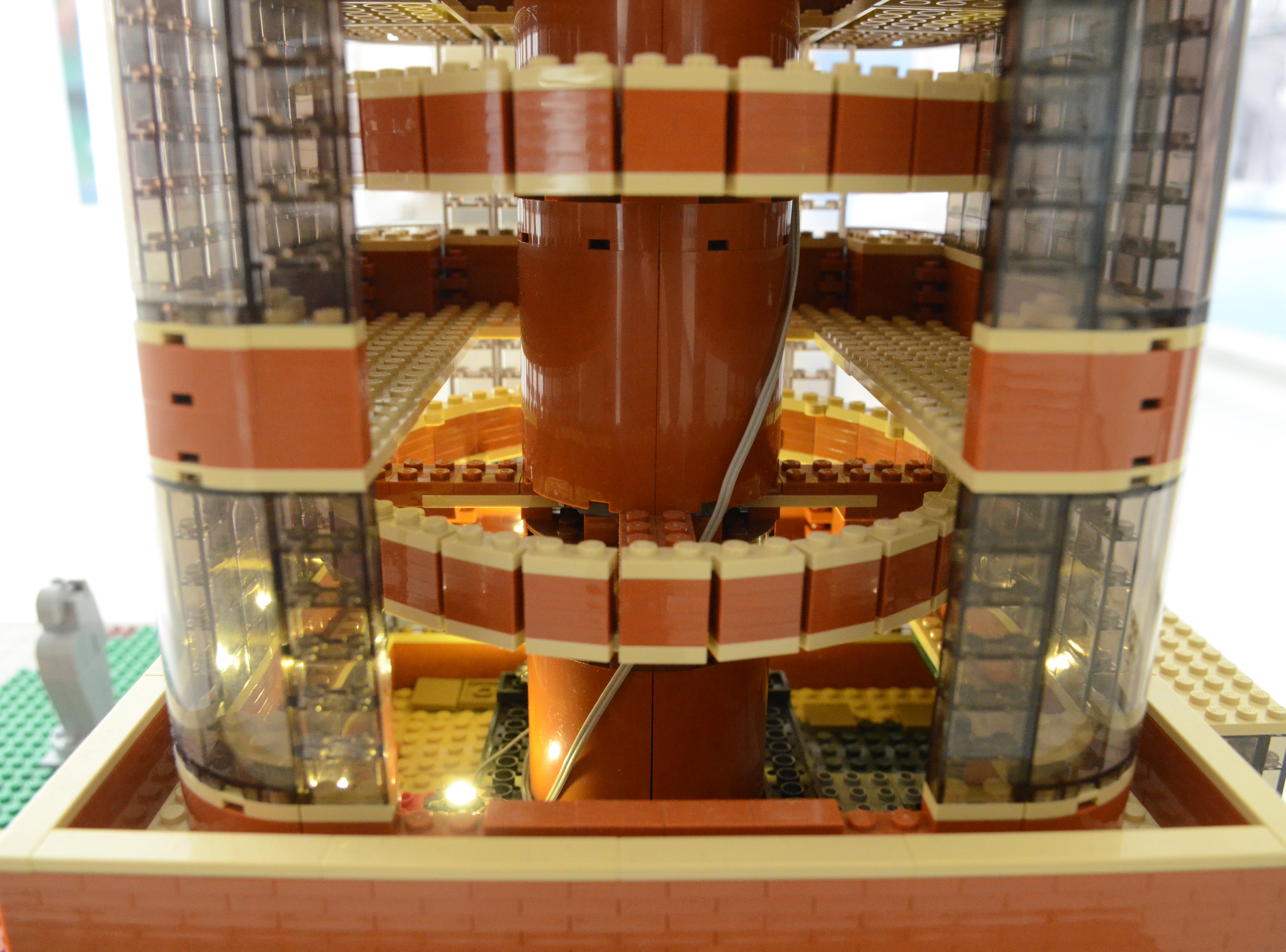
Lego Research Tower

His models don’t come together easily. He had to rebuild the Robie House four times, the Tower twice. “You get to a certain point and realize something won’t work and you take it apart and retry.”
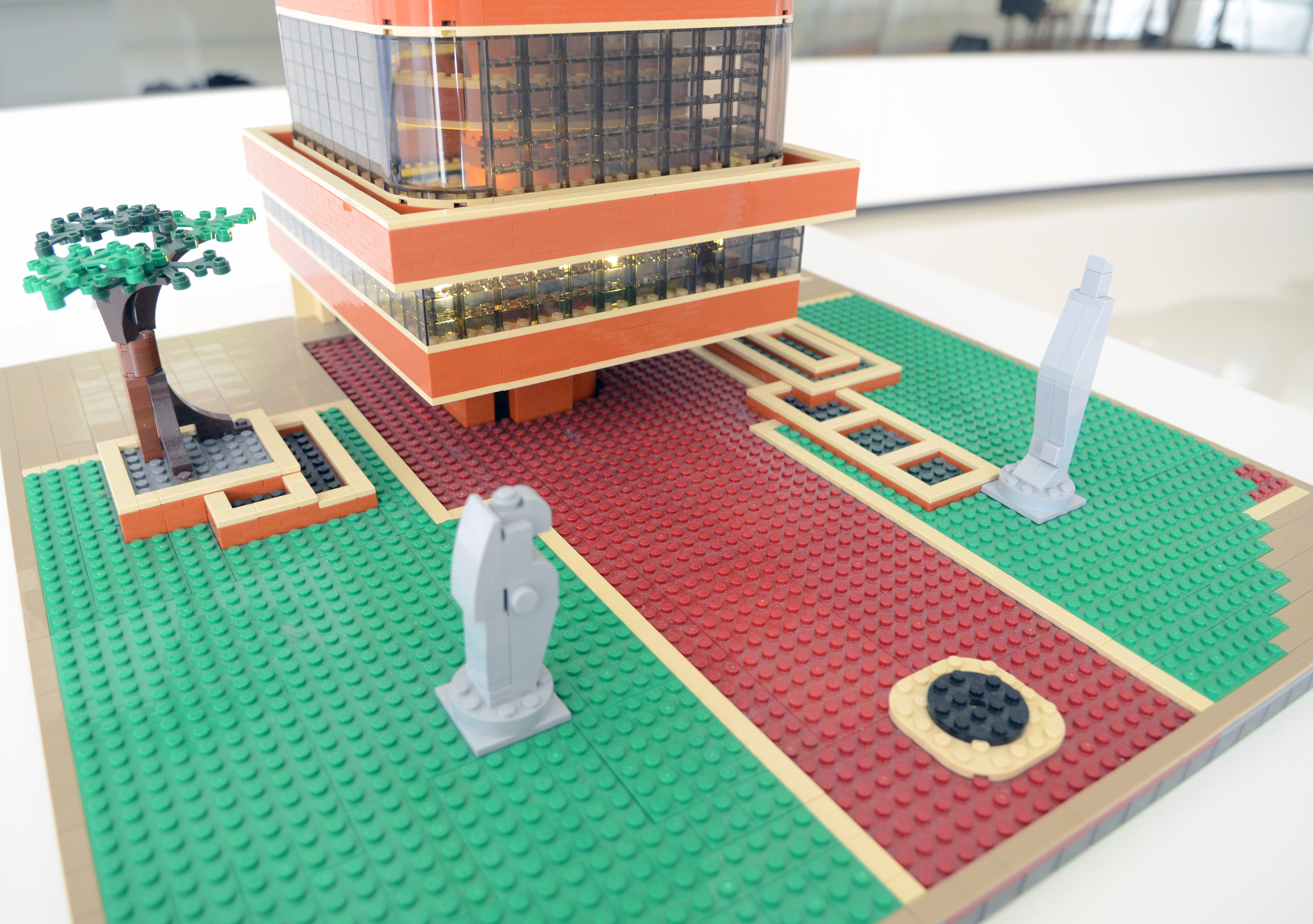
Lego Research Tower

The company learned about the Tower model after Eyerly showed it at the Brick World Lego convention in Wheeling, Illinois, and invited him to display it at their headquarters. Eyerly enjoys peoples’ reactions to his models because they evoke emotional responses, he says. “Wright’s architecture is interesting. It often draws out memories from people. Often you get emotions or feelings from people. It often ties in personally for people, which makes it interesting for me to hear the stories.” That is even more the case with the Tower model because he knows many people who work at SC Johnson. His next model will be Wright’s Bernard Schwartz House (1939) in Two Rivers, Wisconsin. Ironically, construction was supervised by Edgar Tafel, one of Wright’s original Taliesin Fellowship the apprentices. Tafel had already supervised construction of the SC Johnson Administration Building and Wingspread, as well as part of Fallingwater.
Tafel House Saved From Demolition

Photos and text (c) Mark Hertzberg

Wind Point (Racine), Wisconsin

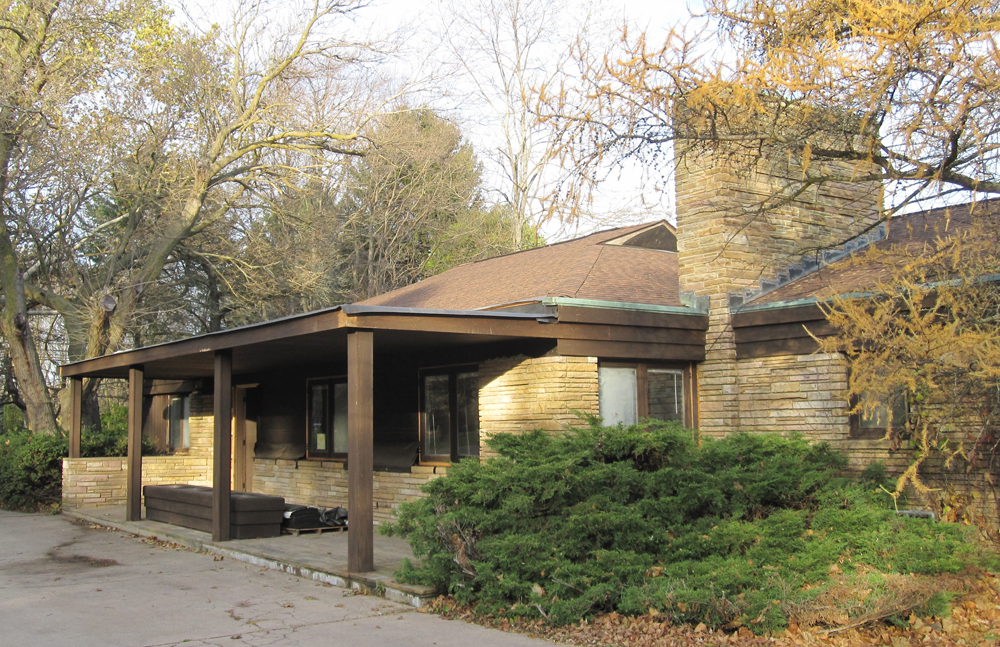
Edgar Tafel’s Carl and Marie Albert House is officially saved from the threat of demolition, capping an almost two-year legal case.

Carl Marie AlbertCarl Marie Albert

The Carl and Marie Albert House, Monday November 10, 2014

The condition of the stone house, designed ca. 1949, deteriorated significantly after homeowner Joan Schulz left the house more than five years ago to care for a relative. Dishes were reportedly left in the sink. The roof leaked, and the abandoned house was filled with mold. The Village of Wind Point, north of Racine, posted a sign declaring the house uninhabitable, and sought a raze order.
The house, at the intersection of Four Mile Road and N. Main Street, is at a busy corner, and was an eyesore. Although Schulz and her sons were willing to rebuild the house, the village argued that because the cost of repairs exceeded the then-value of the house, it should be torn down.

Friday village attorney Ed Bruner said that while he was frustrated with the slow progress of repairs, the village would no longer seek a raze order. “Yes, if I wanted to be punitive, but the house has come along enough. We would like it completed. It is frustrating to not see anything going forward. Every village meeting I am asked for update.”
Carl Albert Nov 7 14

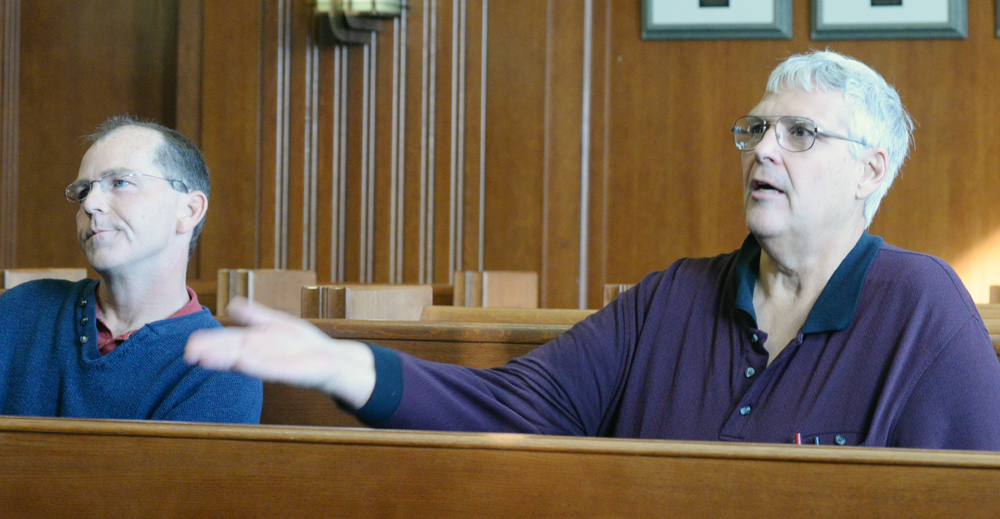
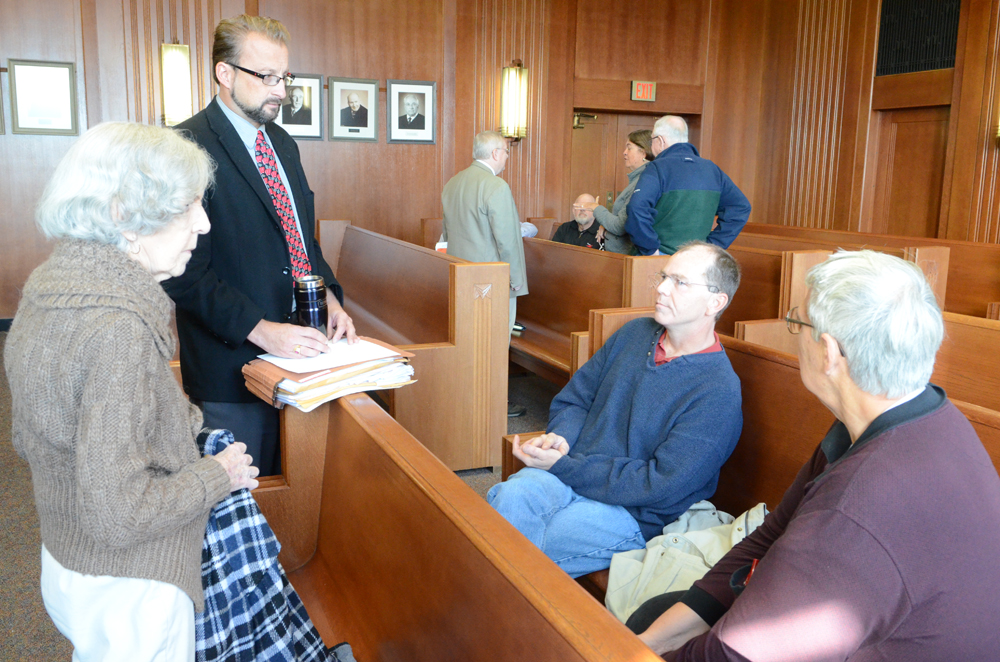
Village of Wind Point Attorney Ed Bruner, left, and Peter Ludwig, the Schulz’ attorney, confer before the court hearing. 

Bruner and Judge Faye Flancher pointed out that Schulz’ son, Linden Schulz, has been overseeing the repairs rather than Larry Ruka. Judge John Jude, who oversaw the case until the county’s judicial rotation in August, had appointed Ruka as construction manager. Ruka has not been on site since April.

Carl Albert Nov 7 14

Linden Schulz, left, listens as construction manager Larry Ruka addresses the court during the hearing

The Schulz’ attorney, Peter Ludwig, said that the house is “next in queue” for the electrician. Once he finishes his work, plumbing fixtures can be reinstalled and insulation and drywalling will be done.

The house was scheduled for completion in September at a hearing in the spring. Judge Flancher set the case for review February 6. “You can’t push them but I can. If there is no other progress, I will consider fines, daily, as an impetus to get this done. When we come back in three months we will be at the two year mark. It is unconscionably long given schedule Judge Jude gave. I expect the home to be completed in 90 days. It sounds like it can be done.”

Carl Albert Nov 7 14

Joan Schulz, left, Ludwig, Linden Schulz, and Larry Ruka talk after the hearing.

New Gates for Hardy House

Words and photos (c) Mark Hertzberg, except historic photos, (c) Anne Sporer Ruetz

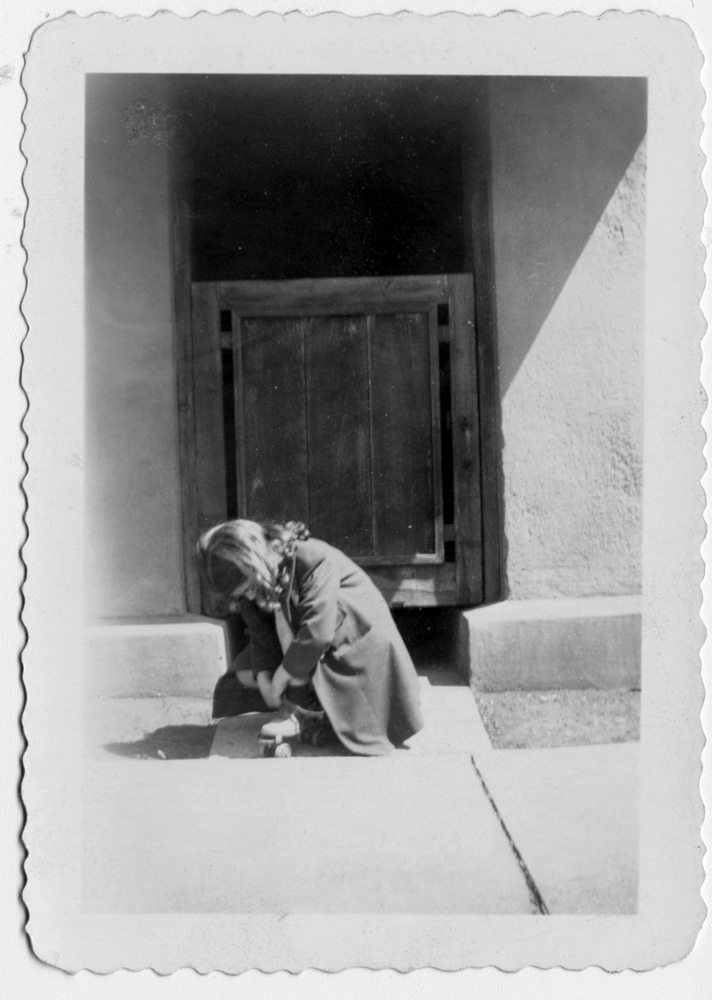
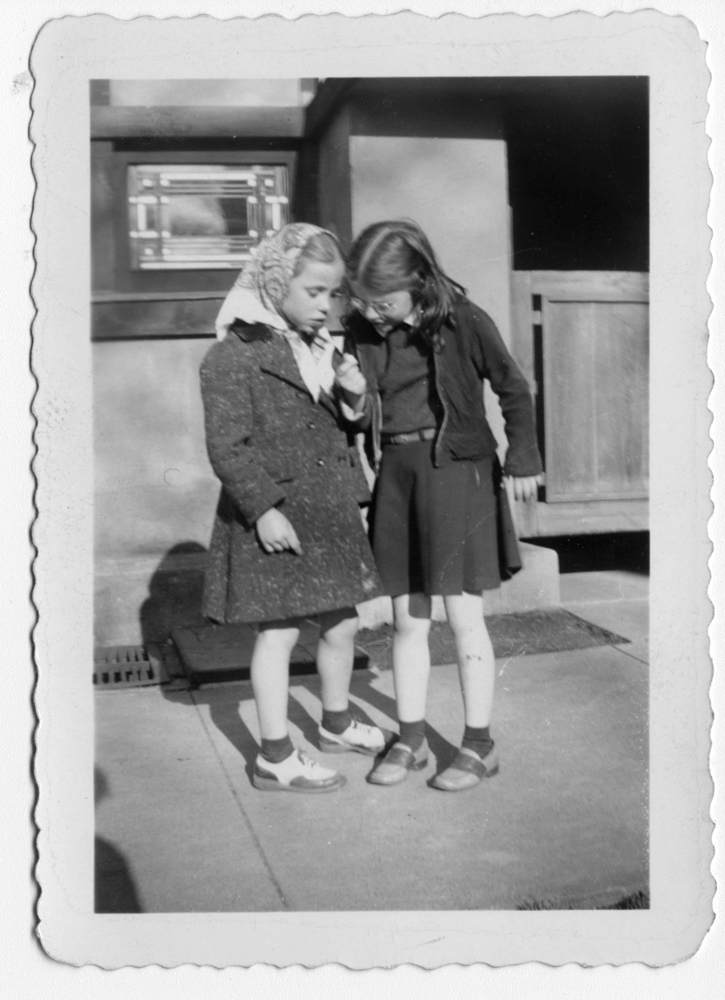
One of the most important finishing touches is coming to the Hardy House. It was built in 1904-06 with two wood gates, which we see in Anne Sporer Ruetz’s snapshots of her friends. Anne grew up in the house; her parents were the second owners (1938-1947) after Hardy lost the house at sheriff’s auction.

Image

Image

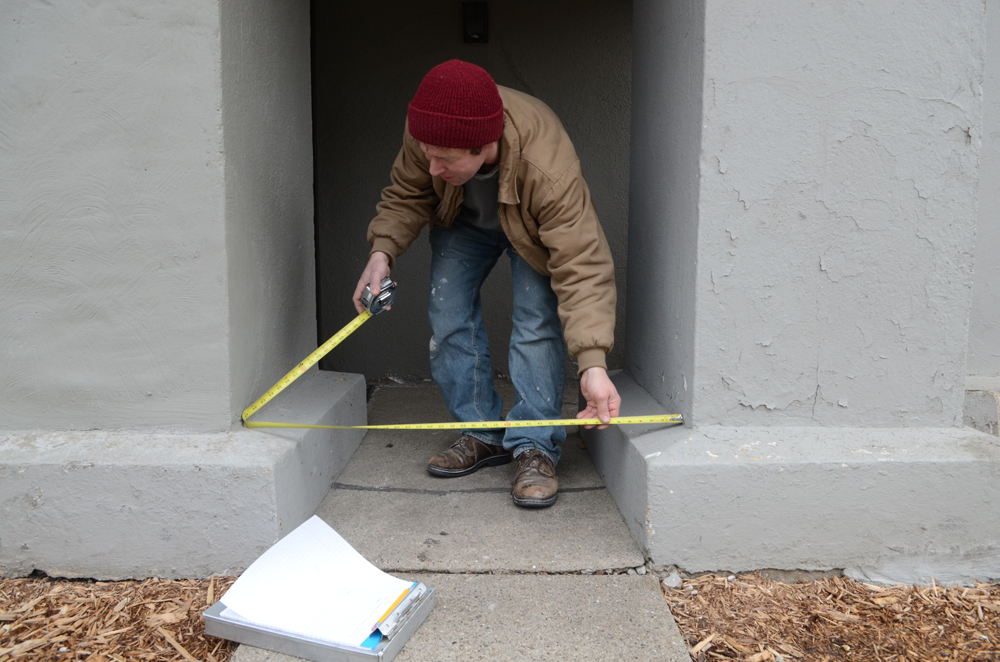
New gates, based on the unrealized design by Wright on one of his drawings, are being built by Chad Nichols, the master carpenter who has done much of the work at the house. Chad measured the openings for the gates in January, 2013:

Image


He first made a model based on the design built for the house, before it was decided to use the unrealized design:

Image

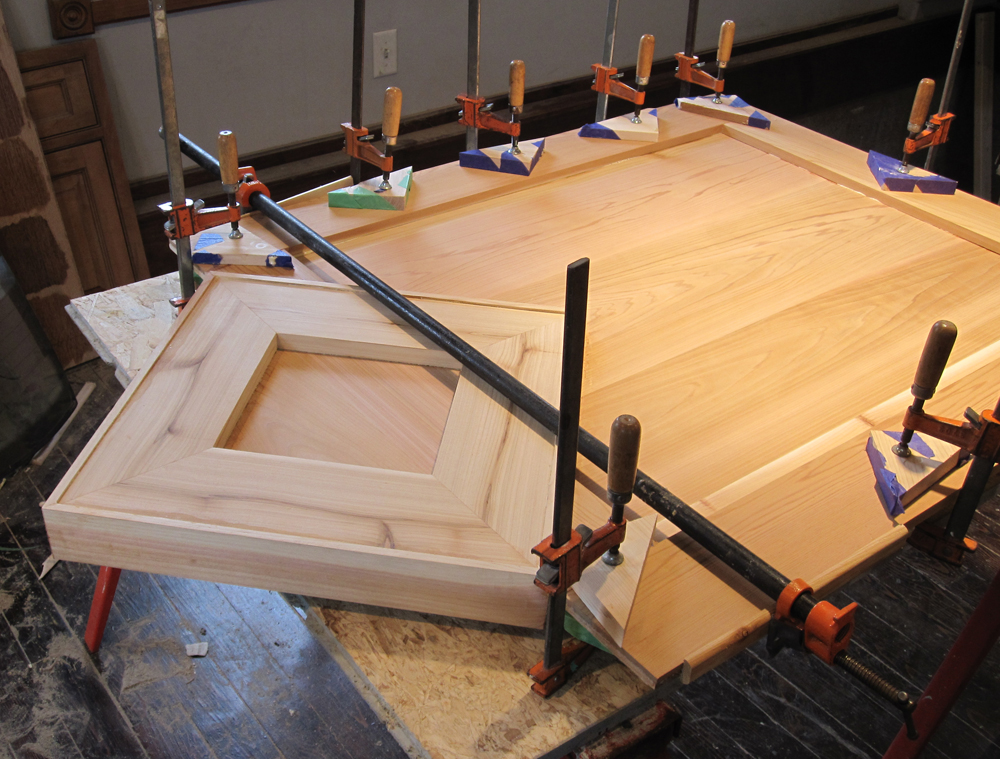
There is nary a spare clamp to be found in his workshop as he now completes the red cedar gates. It was decided to wait until the house rehabilitation was almost completed before making the gates:

Image


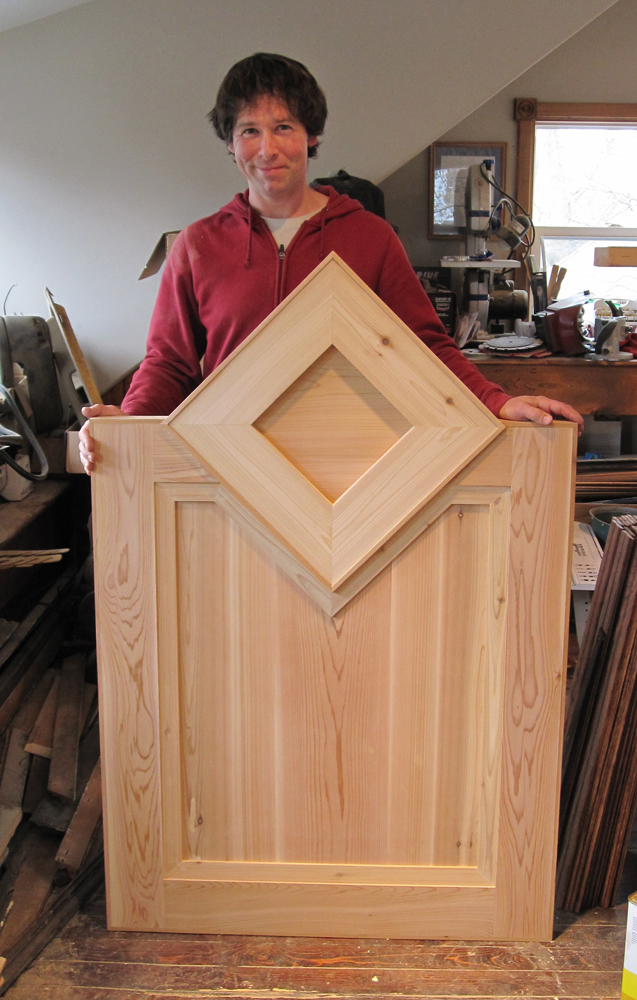
The gates will be stained before they are installed, probably next week. Chad proudly invited me to his workshop today to see what they look like:

Image

Photos / First Tower Tour

Photos (c) Mark Hertzberg for SC Johnson

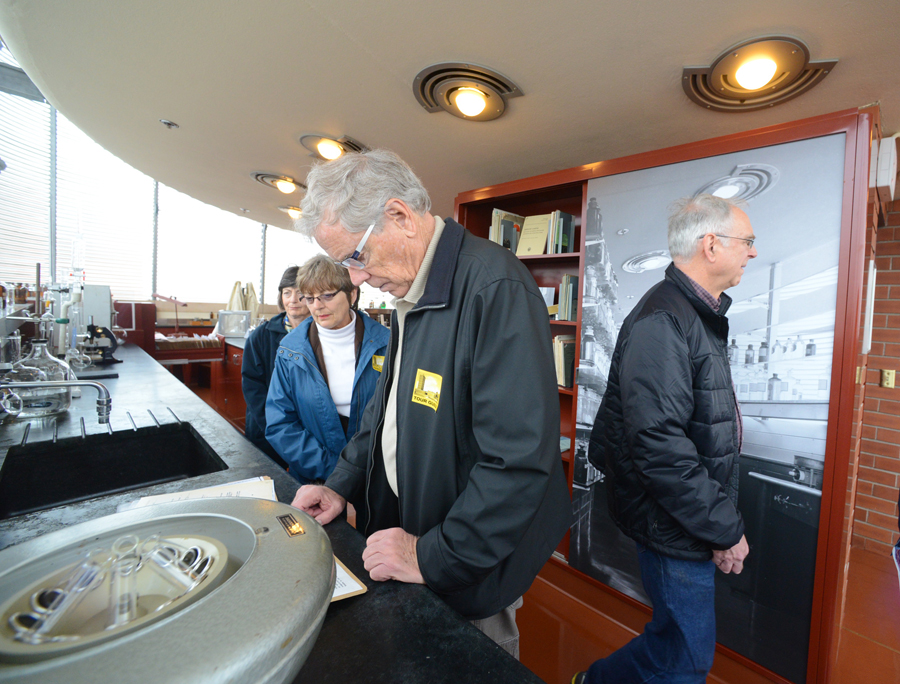
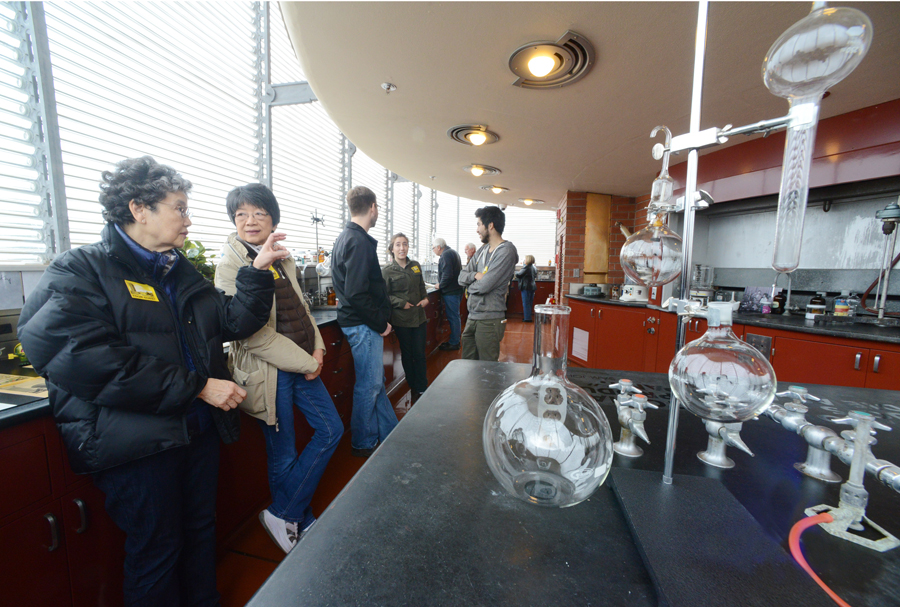
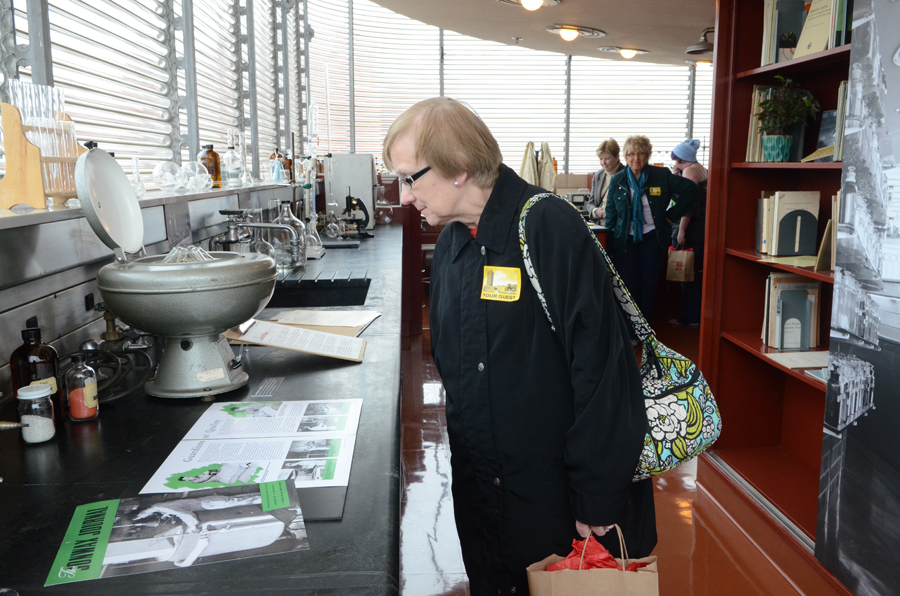
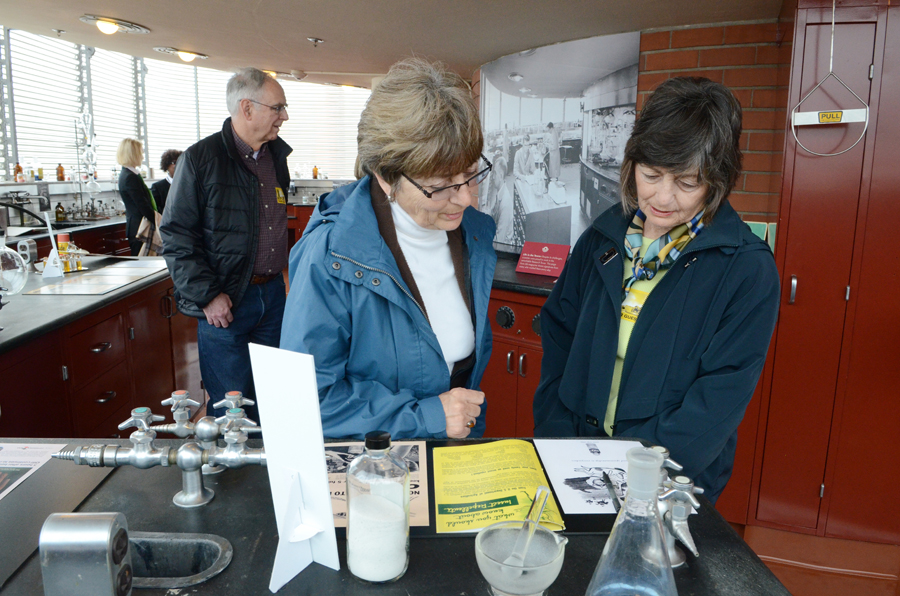
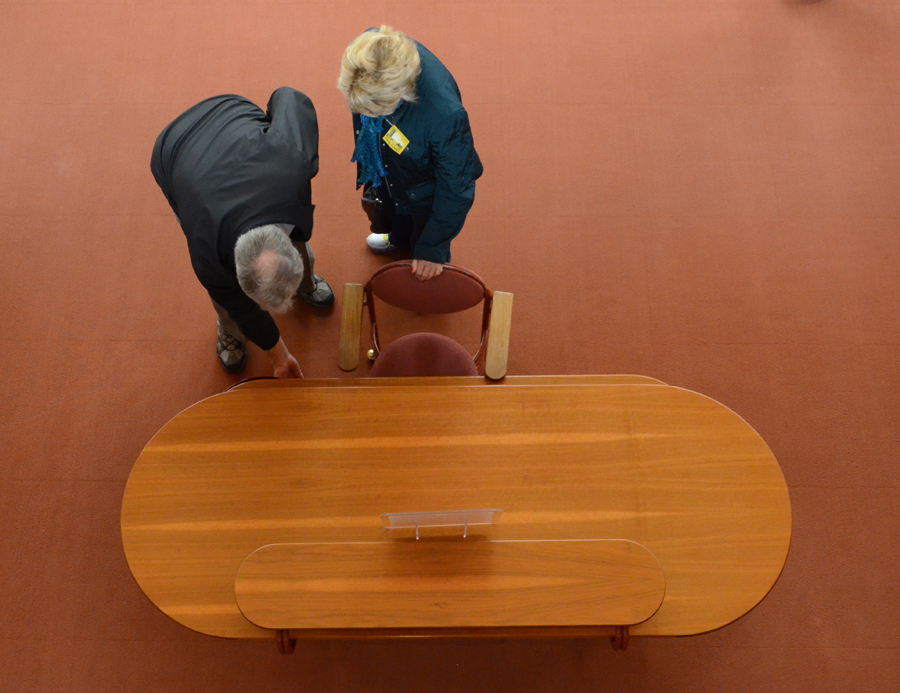
The first public guests to ever tour Frank Lloyd Wright’s SC Johnson Research Tower had about 45 minutes to explore the 1950s artifacts and displays about the architectural history of the building on two floors of the building, 3 Main and 3 Mezz, Friday morning. Interest in these first-ever tours has been so great that beginning in late May tours will be run five days a week through September, rather than only two days a week. These photos are from the first tour:

ImageImage

Image

Image

Image

Image

Image

Image

And I leave you with one photo from the companion tour of the Administration Building:

First Tower Tour

Countdown to Tower opening

Photos (c) Mark Hertzberg for SC Johnson

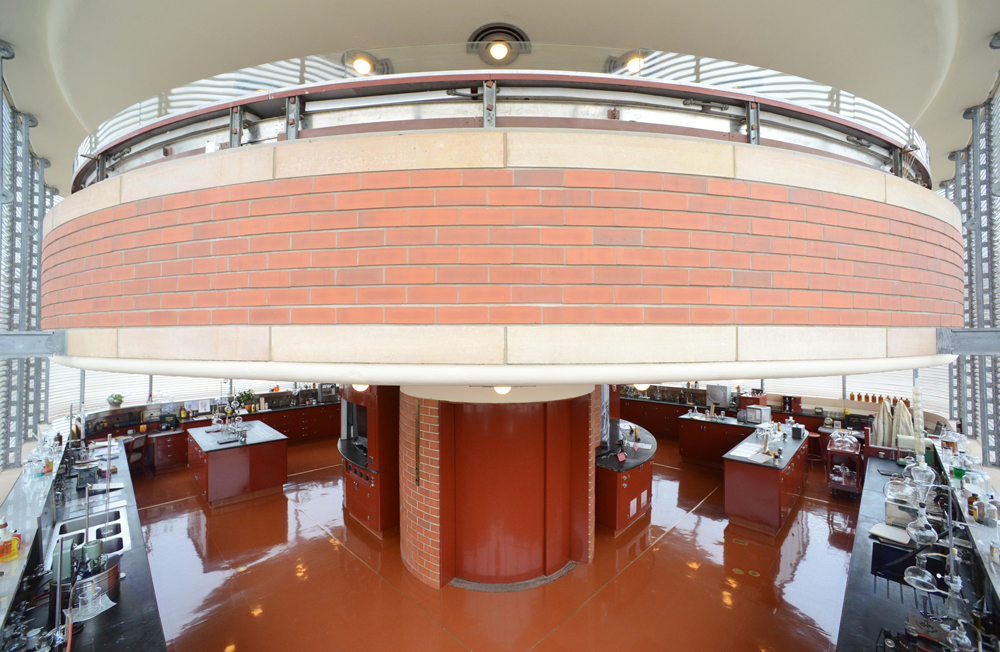
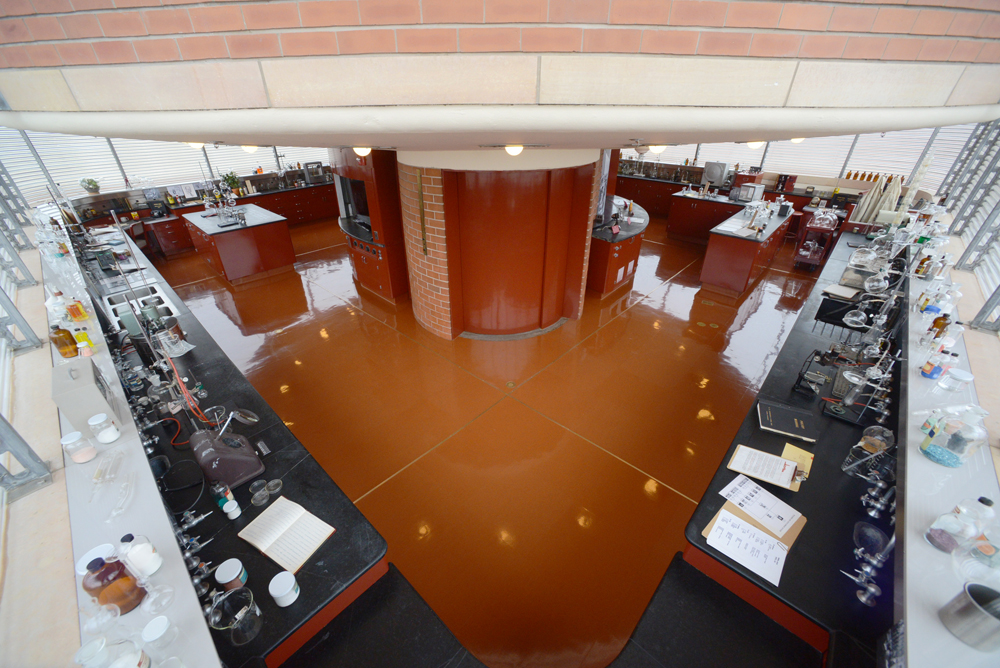
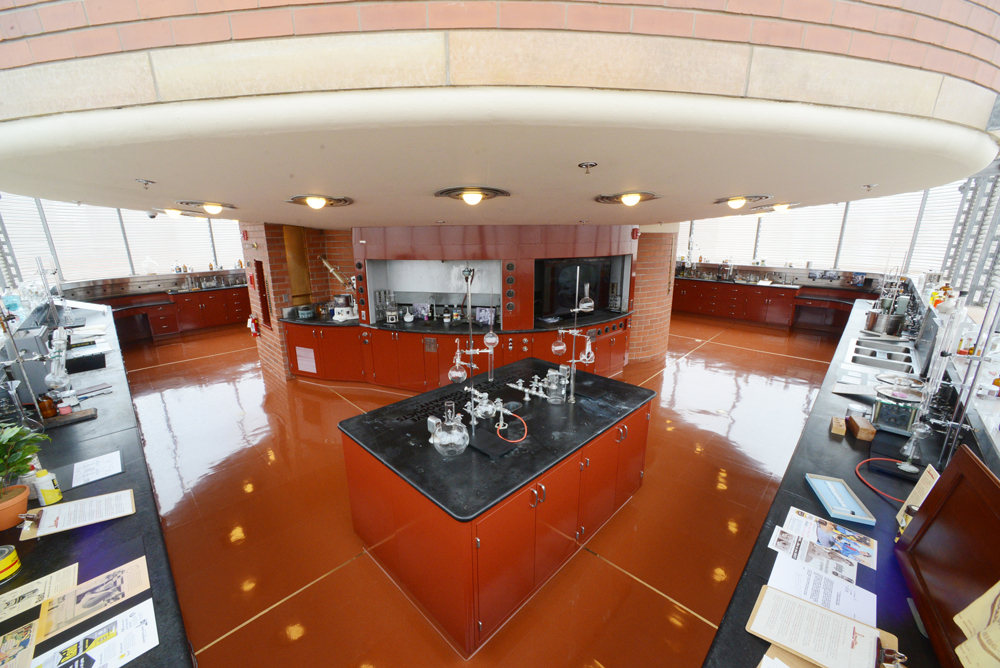
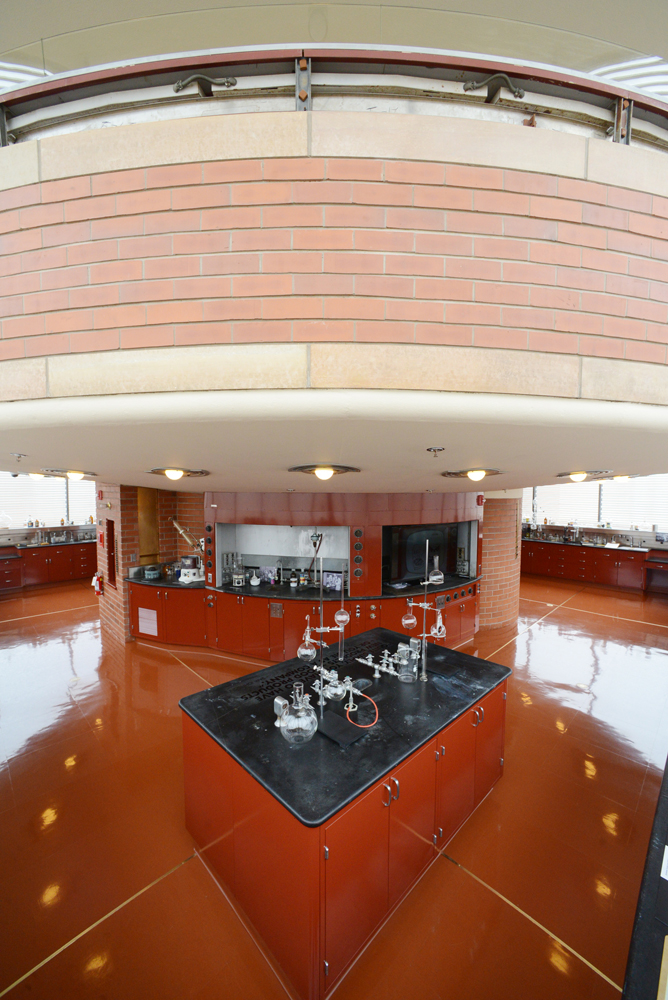
In just twelve hours the first public tours ever of the SC Johnson Research Tower begin. There is such demand for the tours that Wednesday and Thursday have just been added to the reservation schedule. We whet your appetite for your visit with some photos shot this afternoon, including some from a unique vantage point. The Research Tower is Wright’s only executed tap-root tower (Bruce Brooks Pfeiffer told me that Price Tower is not a true tap-root tower because it is tied into the foundation of the adjoining office building).

Image

Image

Image

Image

Image

Image

Image

Image

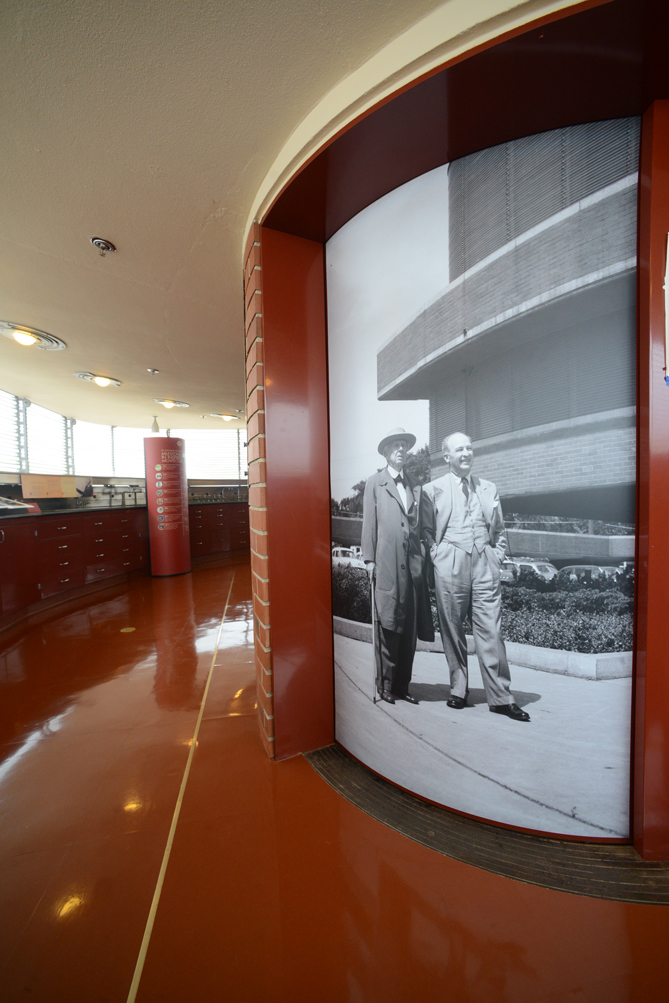
A portrait of Mr. Wright and H.F. Johnson Jr. at the Tower is on the elevator door on 3 Mezz:

Image

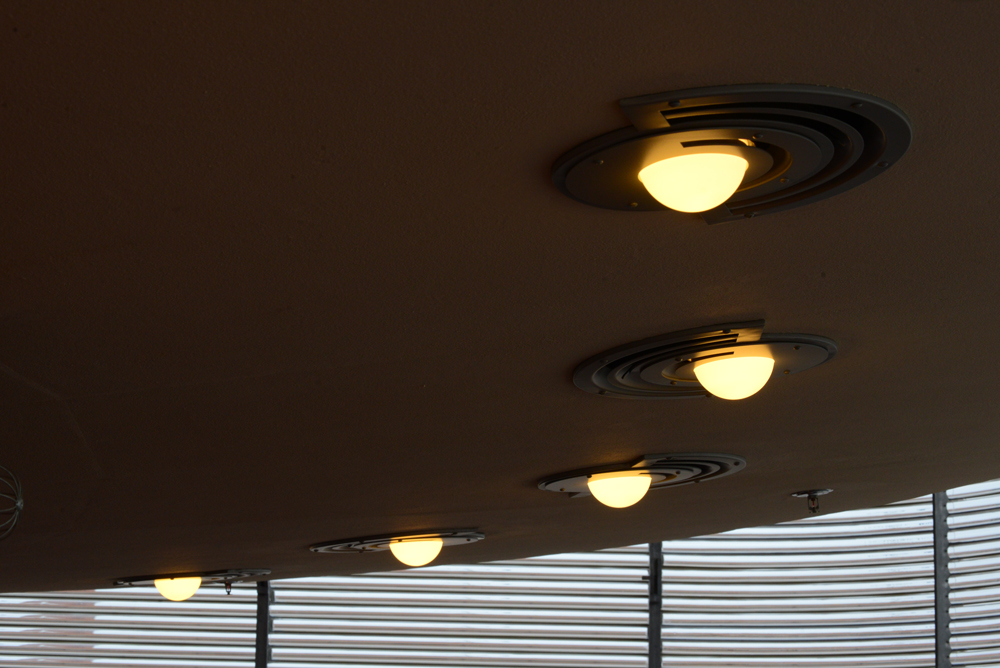
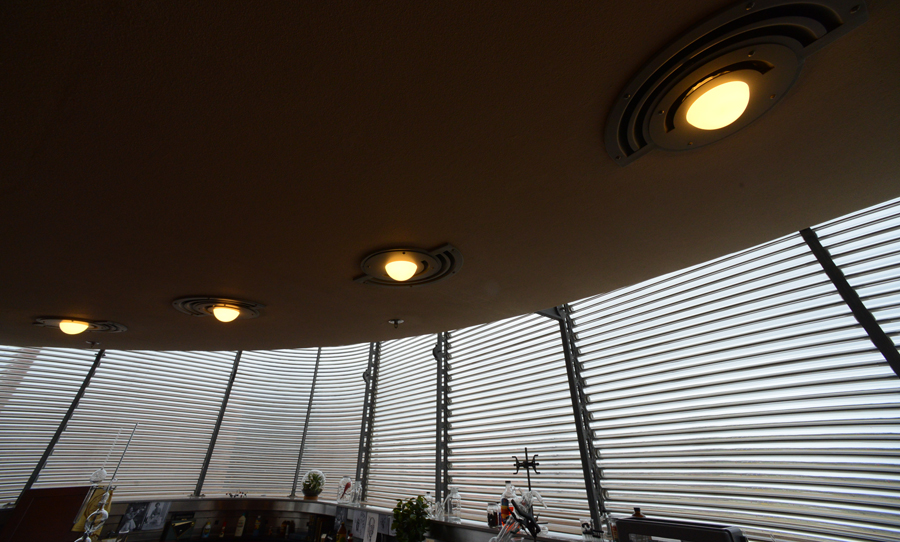
The Tower’s original lighting scheme was replicated as part of the restoration of the building (see older posts for photos of the Tower re-lighting at dusk on December 21, the Winter Solstice).

Image

Image

You can see photos of some of the 1950s artifacts on display two articles below this one. To make tour reservations:

www.scjohnson.com/visit

Some people have asked me technical questions: today’s photos were shot with a 14mm f2.8 lens on a full frame digital camera body (a Nikon D600). I do not particularly favor one brand camera…I choose Nikons because of my investment in Nikkor lenses over many years.

“Two Taliesins” (really three) at SCJ

(c) Text by Mark Hertzberg / Photos by Mark Hertzberg for SC Johnson

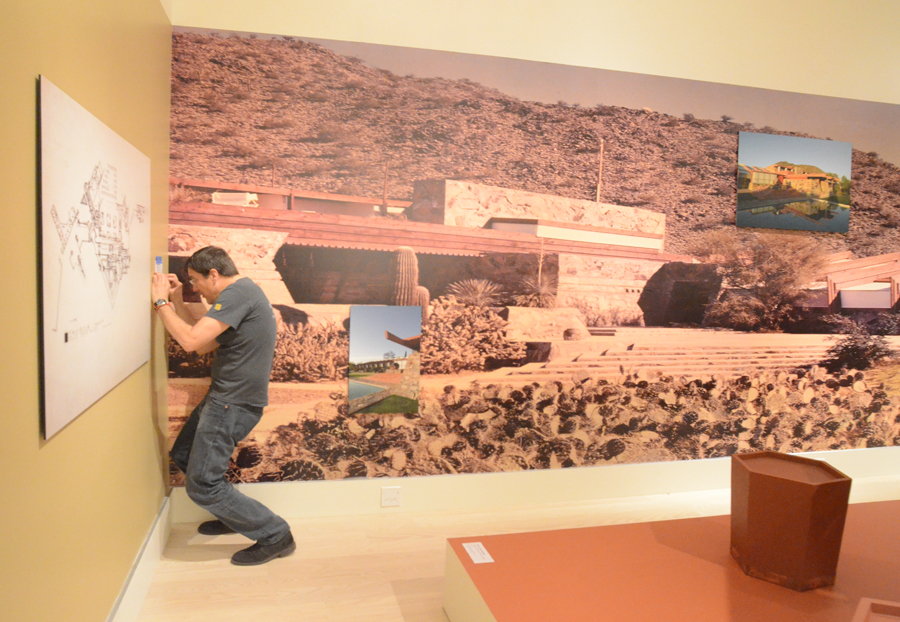
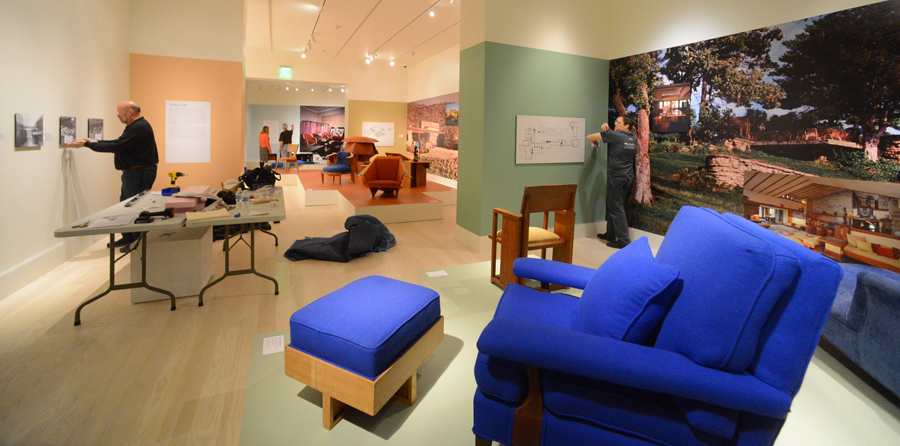
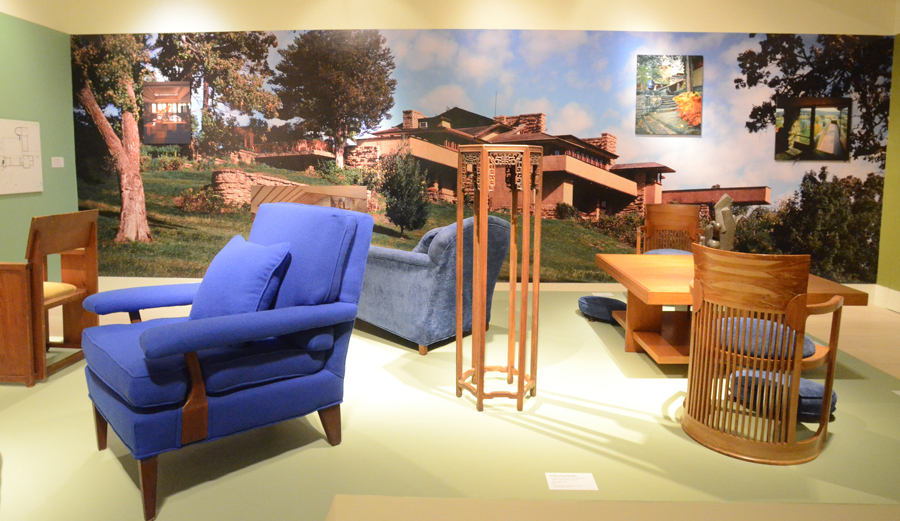
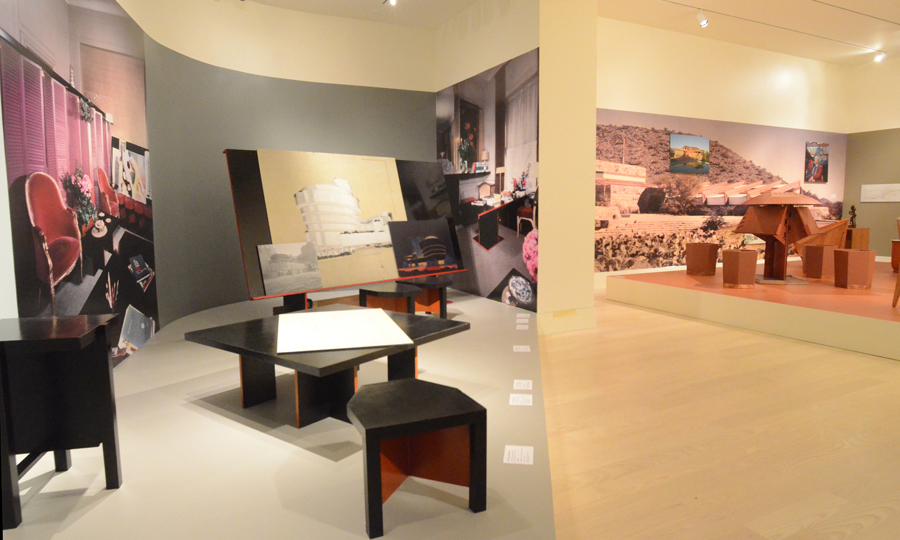
The third iteration of “At Home with Frank Lloyd Wright” opens Friday in Fortaleza Hall on the SC Johnson campus in Racine. The exhibition is entitled “The Two Taliesins,” but in addition to Taliesin and Taliesin West, it also includes what has sometimes been referred to as Taliesin East, Wright’s suite at the Plaza Hotel in New York. Workers were completing the installation when I photographed it last week.

Image

Image

A publicity statement from SC Johnson describes the exhibition: 

‘Wright used both homes as laboratories where he could develop and test his architectural ideas. The exhibit will compare and contrast how Wright incorporated his signature and revolutionary “organic” design concepts into his own homes, each of which reflected the very different landscapes and climates in which they were built.   

‘Artifacts from Wright’s Wisconsin and Arizona homes will be on display that simulate their natural settings and convey their significance to the Taliesin concept. The exhibit will also feature a collection of rare photos and videos that show Wright at home. In addition, visitors will learn about the central role that color played in Wright’s designs of the Taliesins.”

Image

The gallery opened in 2012 with an exhibition devoted to Wright’s Prairie-style homes. His Usonian homes were the theme of the 2013 exhibition in the gallery.

Image

Image

Image

Image

The Wright-designed SC Johnson Research Towers opens for the first public tours ever on Friday, as well. I have had the privilege of photographing several times during the 2013 restoration of the tower and the installation of the exhibits in the Tower over the last few weeks (see previous posts). For information about making reservations for tours, go to: http://www.scjohnson.com/en/company/visiting.aspx

Inside the SC Johnson Research Tower

(c) Mark Hertzberg

Image

The response to the opening of the SC Johnson Research Tower for the first public tours ever has been so strong that Sunday tours will now be available, as well.  http://www.scjohnson.com/en/company/visiting.aspx

Image

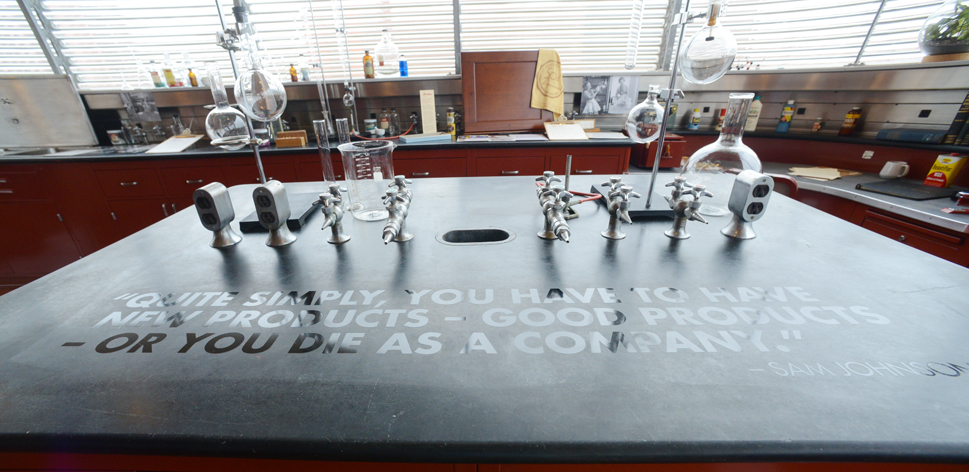
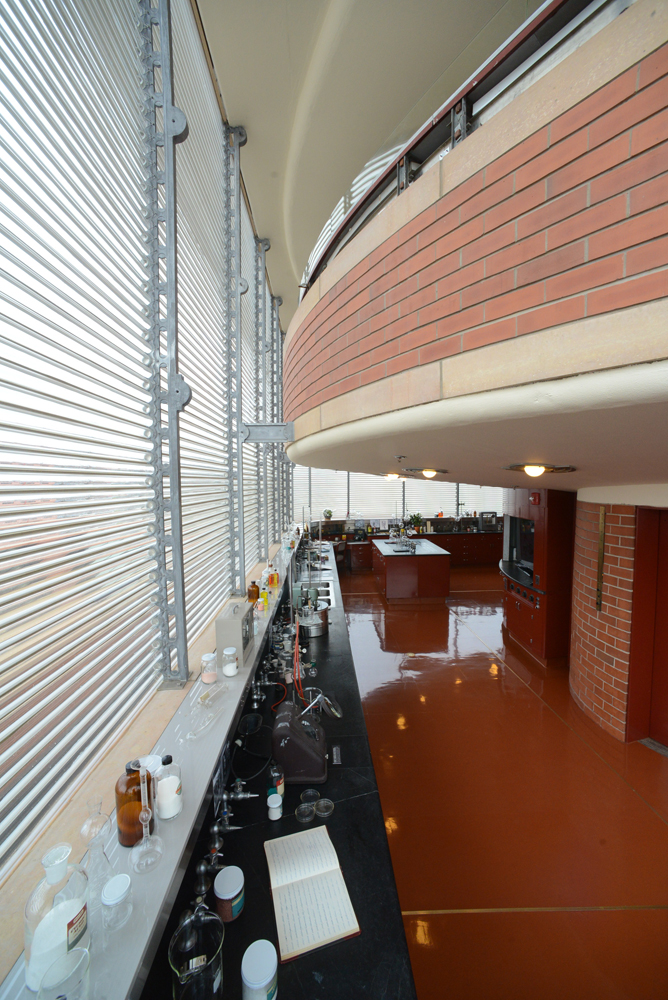
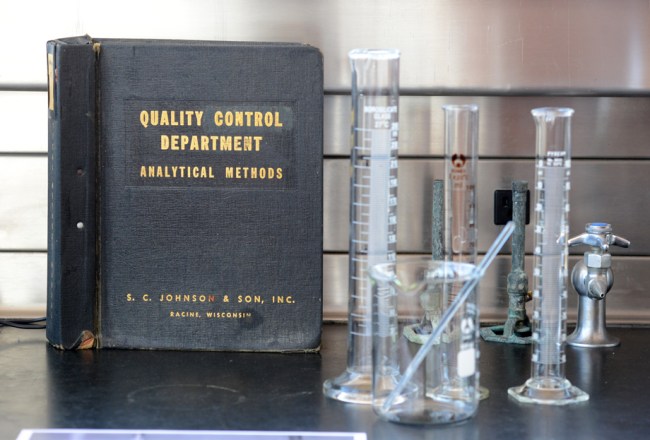
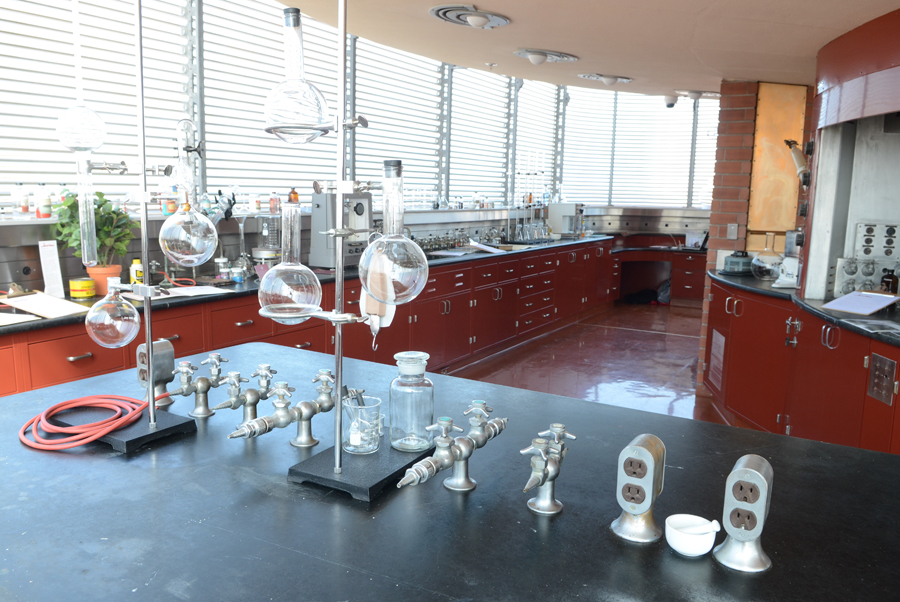
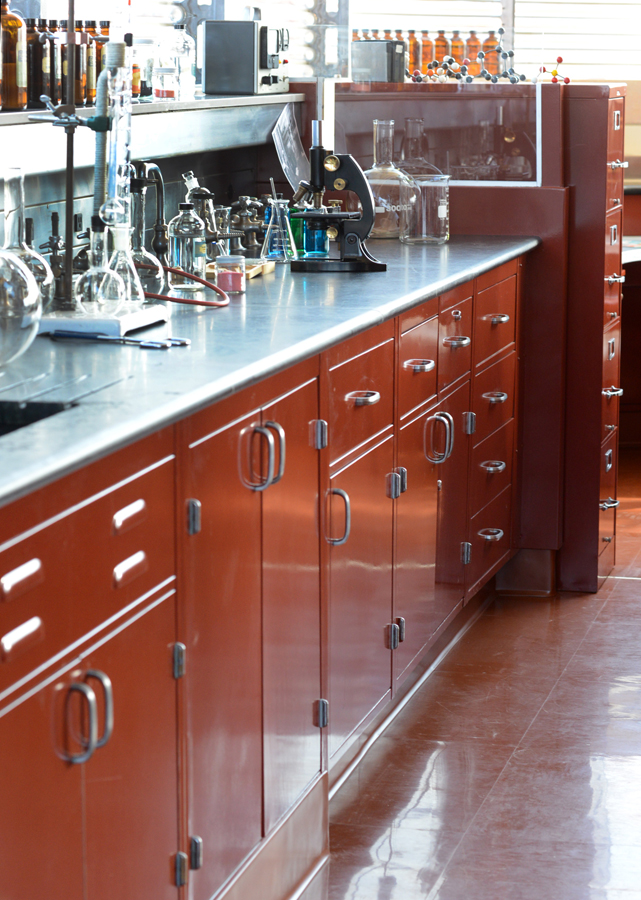
Two floors of the landmark (the “I”word is overused) building have been restored and furnished as they looked in November, 1950 when the building opened. Tours begin May 2. Here is a preview:

Image

Image

ImageImage

Image

Image

Image

Image

ImageImage

Image


Image


Hardy House Rehabilitation

Photos and text (c) Mark Hertzberg

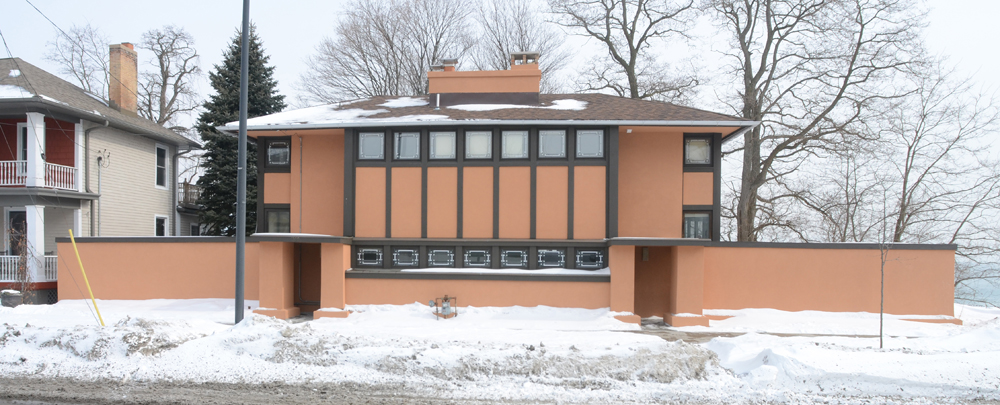
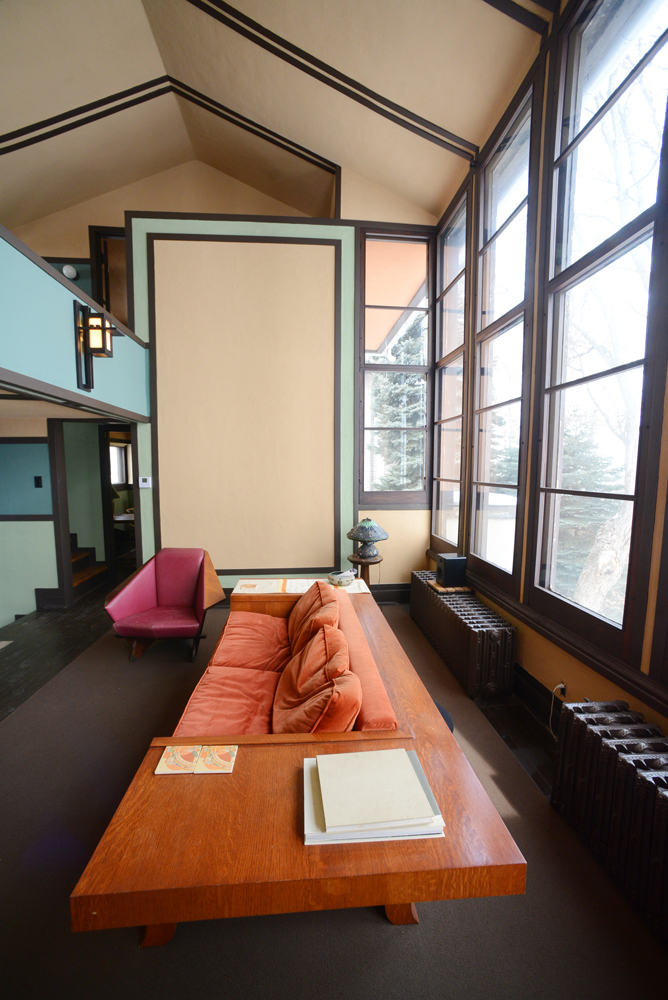
Eugene Szymczak became the seventh steward of Frank Lloyd Wright’s Thomas P. Hardy House in Racine, Wisconsin on September 16, 2012. He undertook a rehabilitation which has literally saved the house. I have posted many photos of the process on this website. Here is your first complete look at the house after the work finished. The photos were shot February 14. Landscaping is not been done yet; that will likely hide the gas meter which is in front of the house. Many people have been startled by Gene’s choice of color: terra cotta. Their anxiety diminishes when they learn that the exterior and interior were restored in what are thought to be the original colors. If you still doubt the choice of exterior color, look at Wright’s Gardener’s Cottage at the Darwin D. Martin House, from the same period.

Image

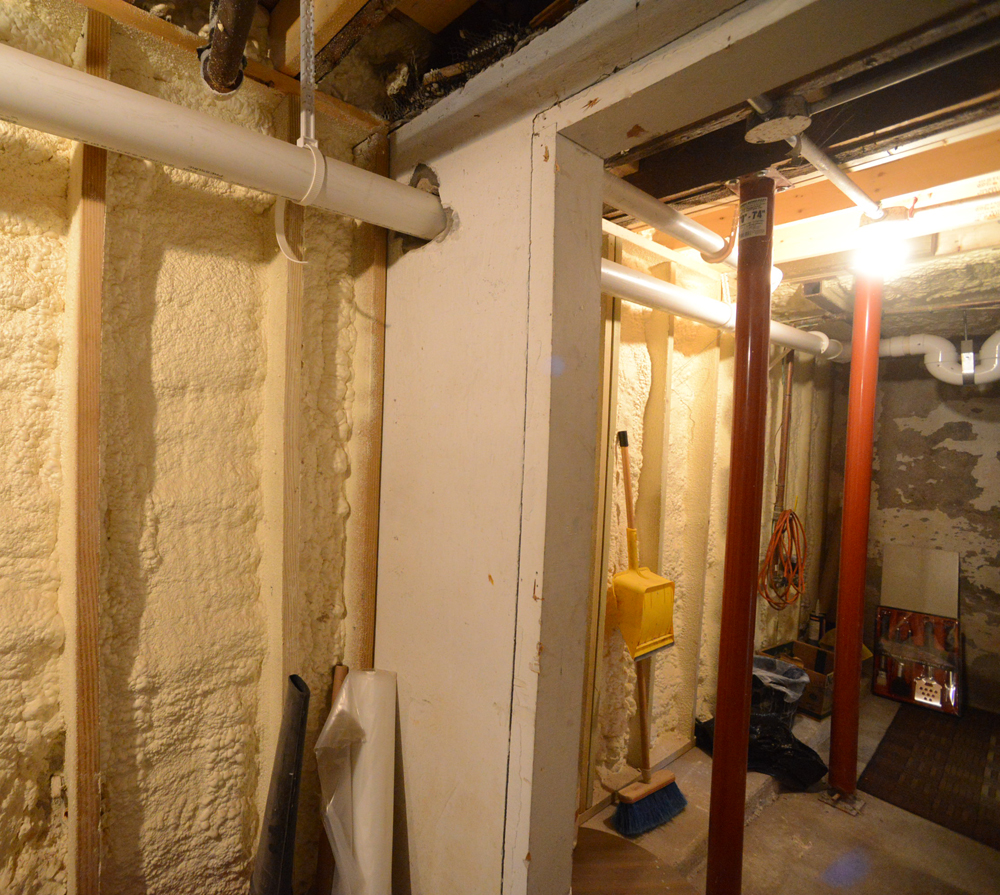
Surprisingly, the biggest challenge to the stability of the structure was the Main Street side rather than the lake side of the house. Daylight was visible in the “heater room” or sub-basement hallway which is below grade, between the two doorways. A concrete slab next to the south (right) door had partially caved in and there was extensive rotting of the wood foundation beams. The house was jacked up, 1/8″ of an inch at a time and four permanent floor-to-ceiling posts were installed. Two of the posts are shown at right, below.

Image

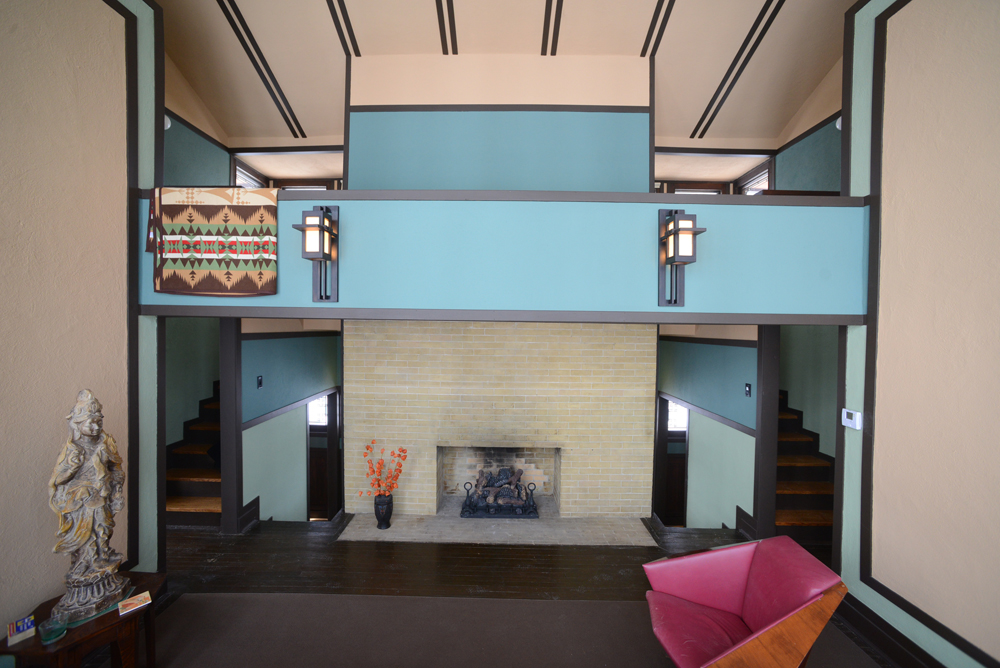
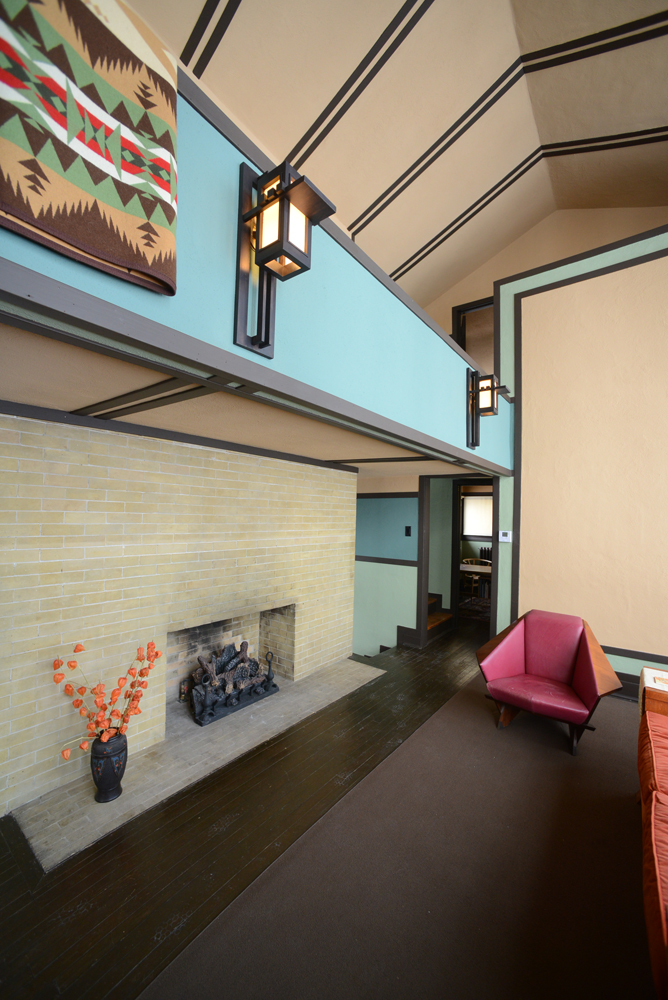
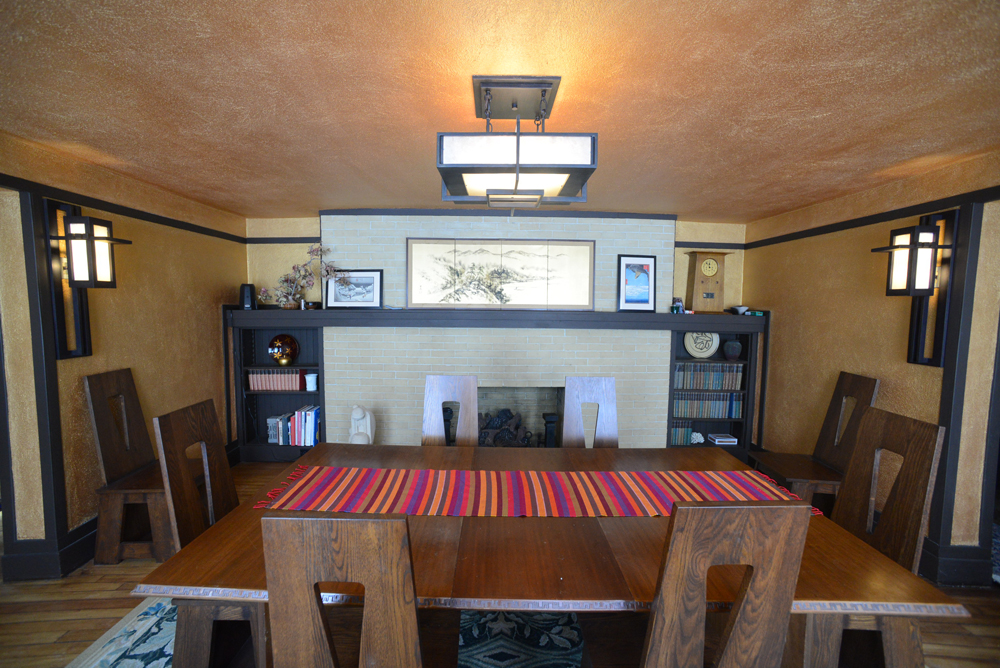
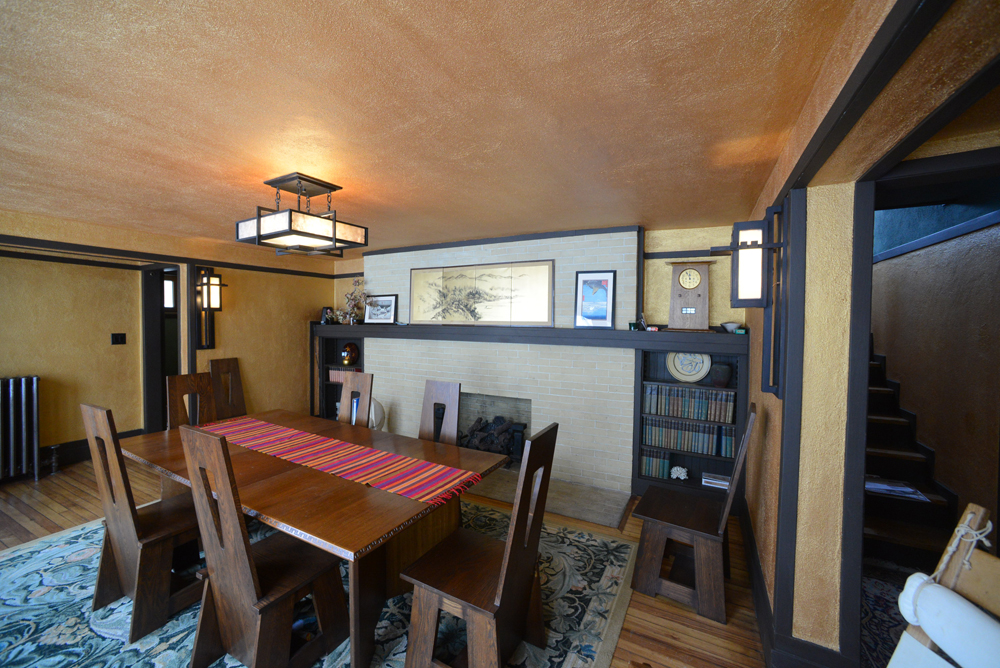
The center of this wonderful house is, of course, the living room. However, as Jonathan Lipman remarked to me, unlike many of Wright’s Prairie-style homes, the fireplace (which is not ornate) is secondary in importance in this living room. One has his or her back to the fireplace when looking out the two-story living room windows at Lake Michigan, below the house. The living room balcony was deflected when Gene moved in. Workers found electric wiring and gas lines for two light fixtures on the face of the balcony when the plaster was removed so it could be repaired. Anne Sporer Ruetz, who grew up in the house after Hardy lost it at sheriff’s auction in 1938, does not remember any lights there. It is possible none were ever installed. Gene had two fixtures made, following the design of lights at the (now-demolished) Little House in Minnesota. Similar wall sconces were made for the dining room.

Image

The dominant vertical space in the middle of the photo below is the back wall of the bedroom closets

Image

Image

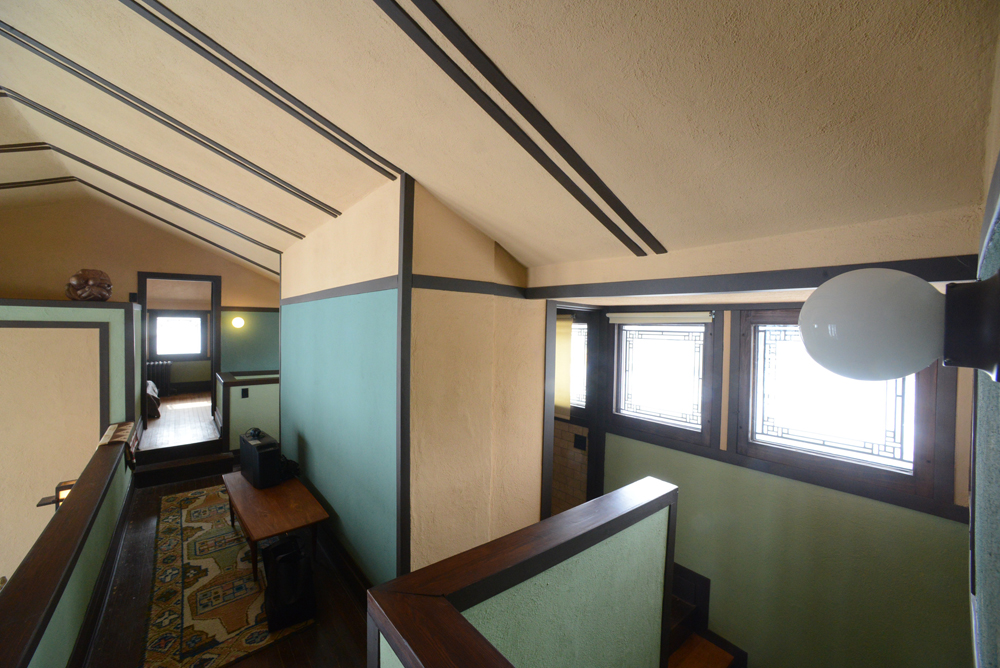
This is the view from the living room balcony:

Image

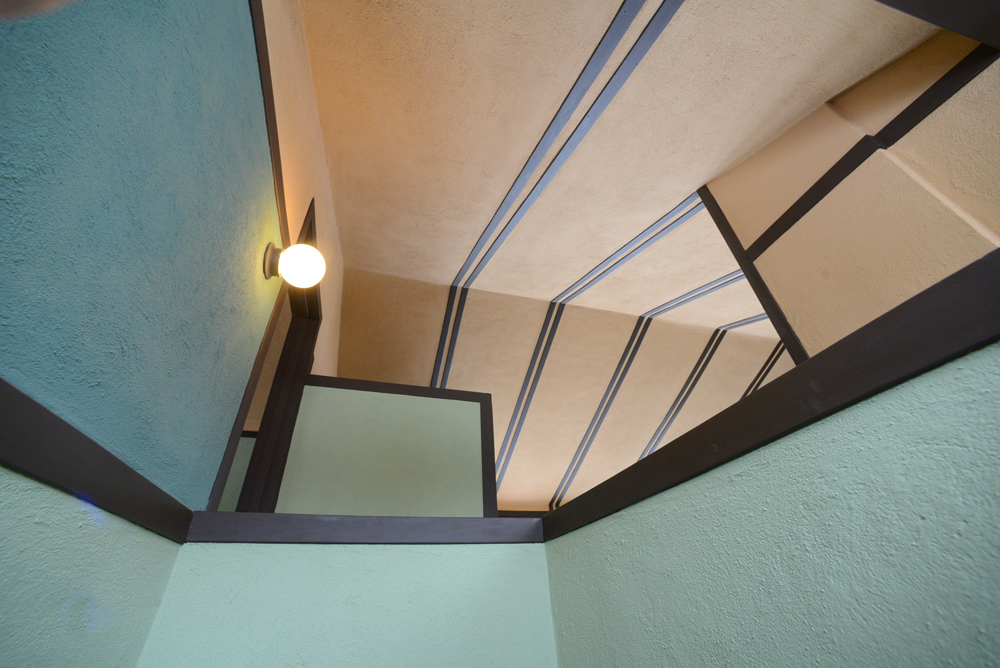
This is a look at the ceiling as one climbs the stairs from the living room to the balcony:

Image

Image

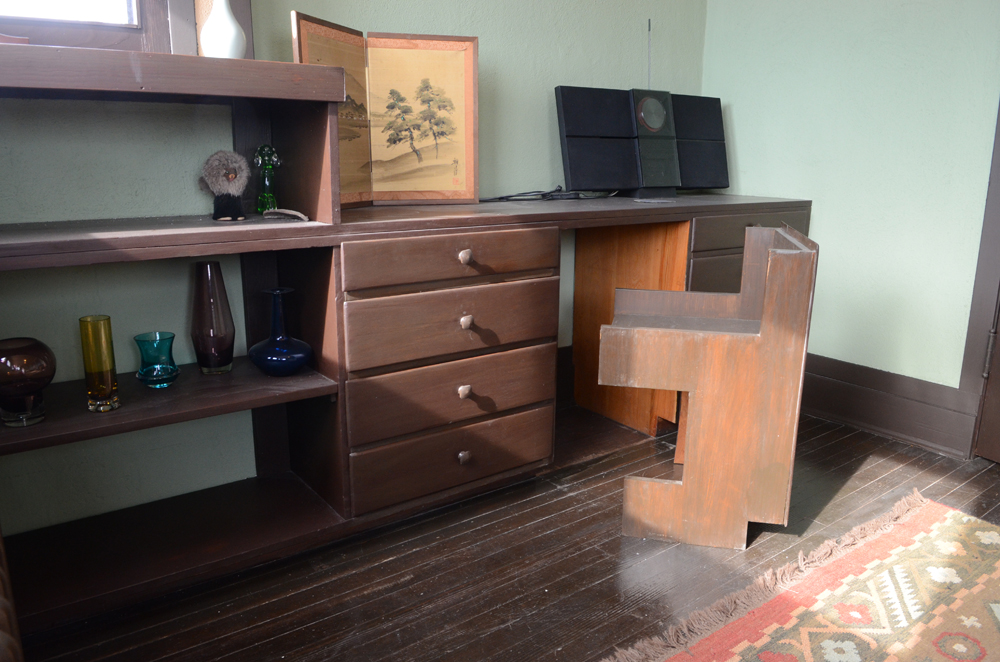
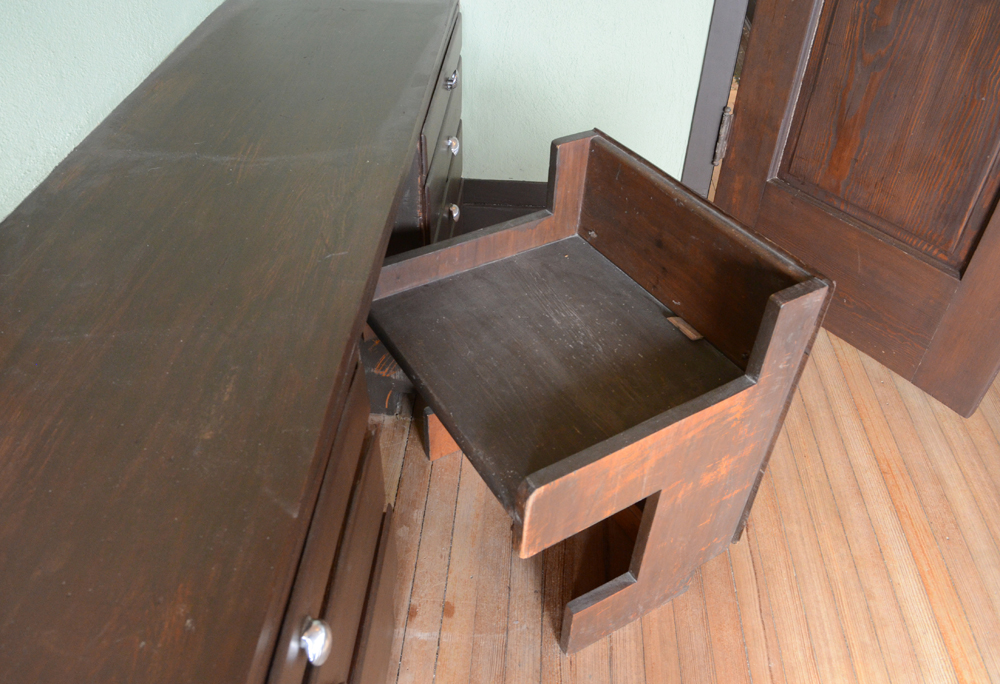
There is a bedroom at each end of the house on the living room and living room balcony levels. The two at the south end of the house have built-ins including these pull-out chairs:

Image

Image

Image

Image

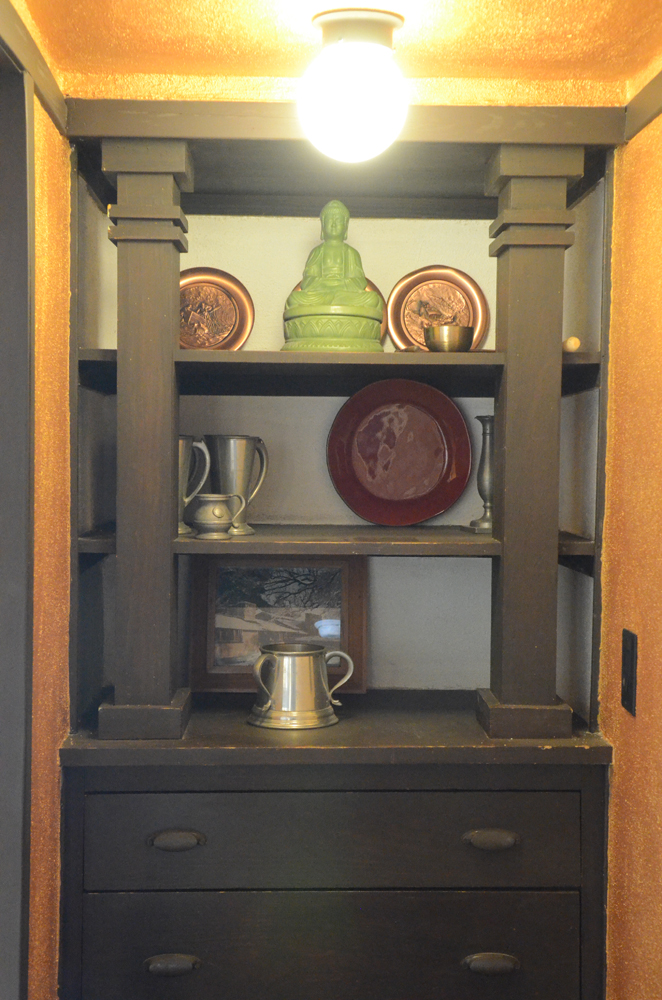
The dining room is one level below the living room. There are built-ins on either side of the fireplace and on either side of the dining room terrace windows and door:

Image

Image

Image

Image

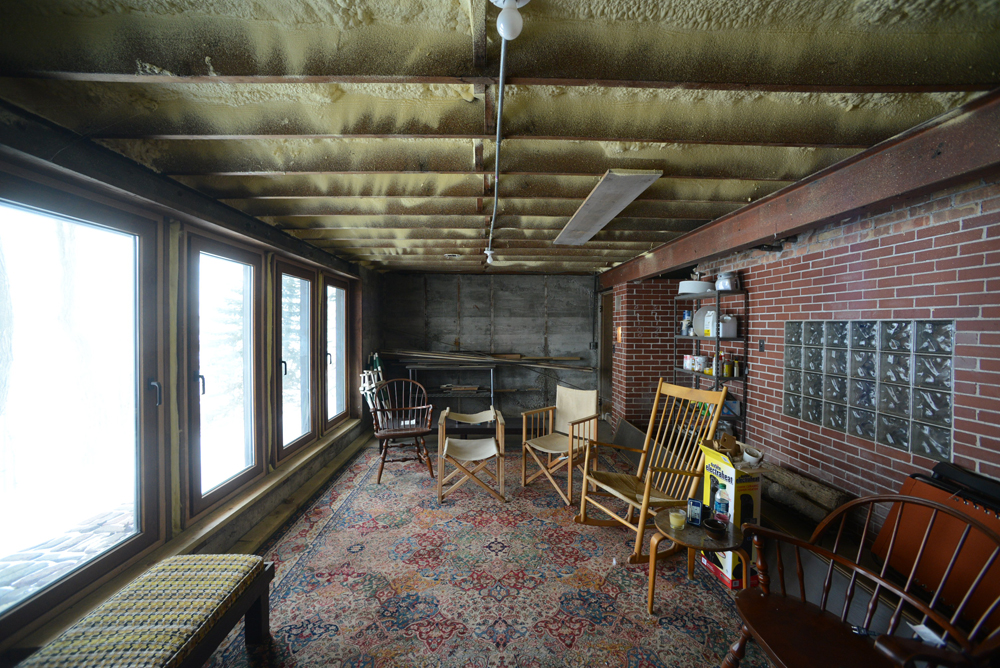
The second owners of the house, the Sporers (1938-1947) had the dining room terrace rebuilt with a recreation room underneath. The room is not finished. The terrace originally ended in a stucco wall. Five floor-to-ceiling windows, with a door in the middle one, became the new terrace wall on the lake bluff, after the remodeling:

Image

The house was constructed with pocket doors. The Archers, the third owners of the house (1947-1957) replaced them with conventional hinged doors because the pocket doors were difficult to use in icy and snowy conditions. Szymczak put in new pocket doors. He chose doors with glass so one can see into the courtyards from the entry hall, and also to let more light into the hallway:

Image

Various design details:

Image

Image

Image

Image

Image

We end your tour with one of the new light sconces Gene had made to guide guests to the doorway, as they come in from Main Street:

Image

SCJ Tower Relit!

Photos by Mark Hertzberg for SC Johnson (c)

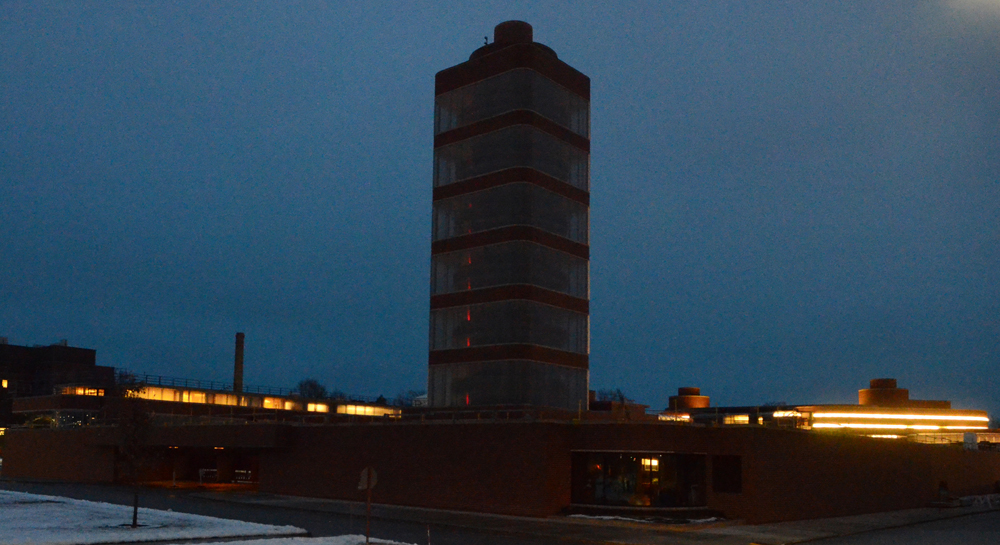
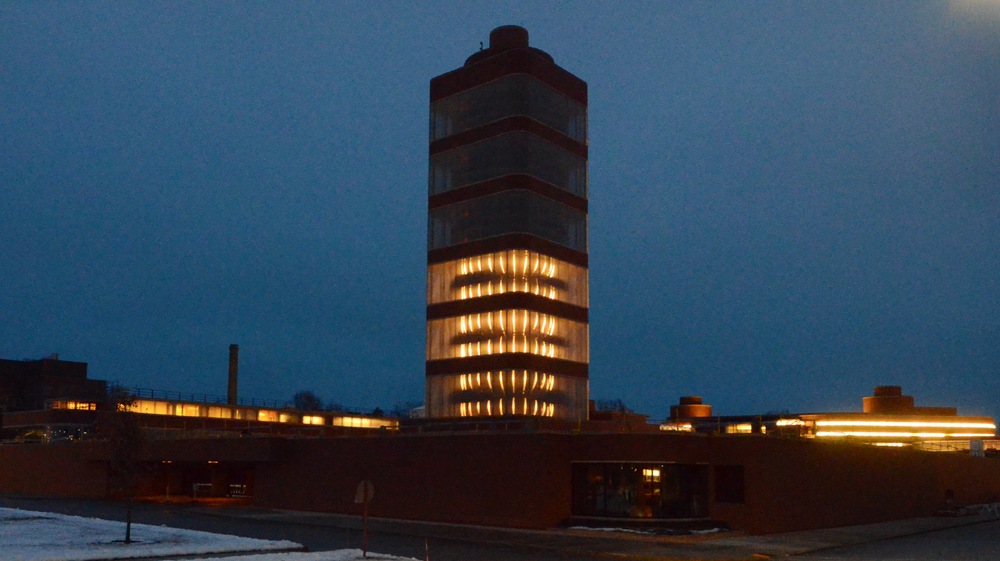
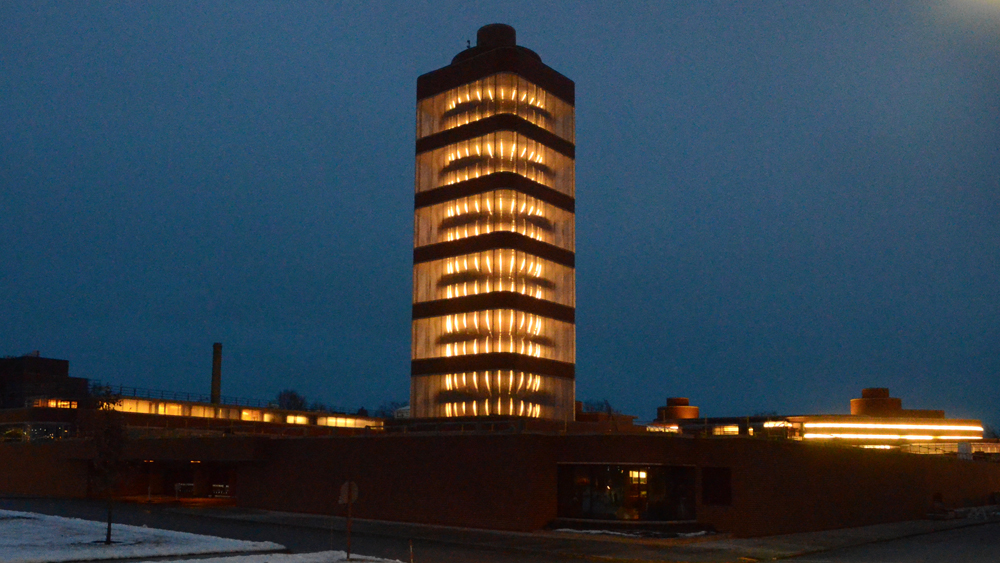
The Frank Lloyd Wright-designed SC Johnson Research Tower in Racine, Wis. is relit Saturday evening December 21, 2013 with Wright’s original interior lighting scheme, to mark Winter Solstice. The Tower, which opened in 1950 and closed in 1982, will reopen for tours of two floors next spring. This marks the first time that Wright’s original interior lighting design – updated with energy efficient lights – has been seen for several decades. The interior will now be lit every evening.

Image

Image

Image

Image

Wright’s furniture at SC Johnson

Image

SC Johnson has filed a federal lawsuit in New York against the famed auction house Sotheby’s and a California man, seeking the return of a Frank Lloyd Wright-designed desk and office chair. Both pieces, valued at a combined estimate of $480,000 to $720,000, were slated for the auction block on Wednesday. But SC Johnson filed suit on Tuesday in U.S. District Court in the Southern District of New York seeking to block those items from being auctioned off to the highest bidder. Instead, according to the lawsuit, the Racine-based company wants the items back, claiming it is the rightful owner of all such furniture. The (Racine) Journal Times asked me to write a story for their readers about the background of the furniture.

Story and photos (c) Mark Hertzberg

Jack Ramsey (general manger of SC Johnson)…called up one day and said “we’ve got this crazy architect over here doing our building…do you want to come over and talk with him about furniture?” – David D. Hunting, founder of Steelcase, Inc.

SC Johnson was weeks away from breaking ground on a new office building by J. Mandor Matson, a Racine architect, in July, 1936 when Ramsey was persuaded to meet with Frank Lloyd Wright. Matson had designed what Wright described as a “fancy crematorium.”

Ramsey penned a memorable note to H.F. Johnson Jr., the company president after the meeting. Wright was the architect who understood what the company wanted in its new offices, “gosh he could tell us what we were after when we couldn’t explain it ourselves.”

Johnson met with Wright. He recalled that they quarreled all day, agreeing only on their choice of car, the streamlined Lincoln Zephyr, but he dismissed Matson the next day.

Buildings had souls for Wright. For SC Johnson, he designed what has been called a “corporate cathedral,” a streamlined building. Wright did not leave the task of furnishing his buildings to what he called “interior desecrators.” He wrote, “It is impossible to consider the building as one thing and the furnishings as another.”

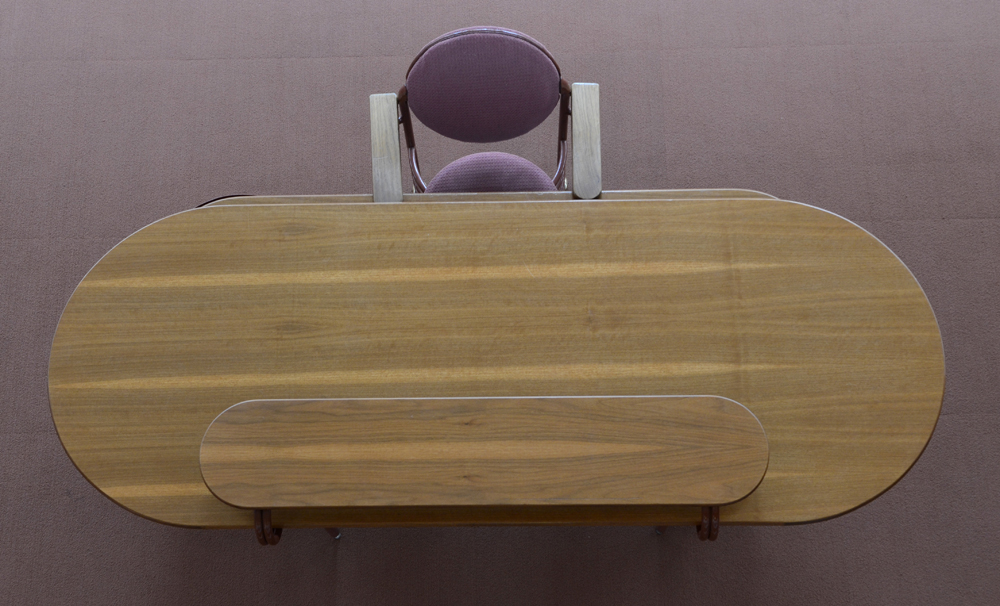
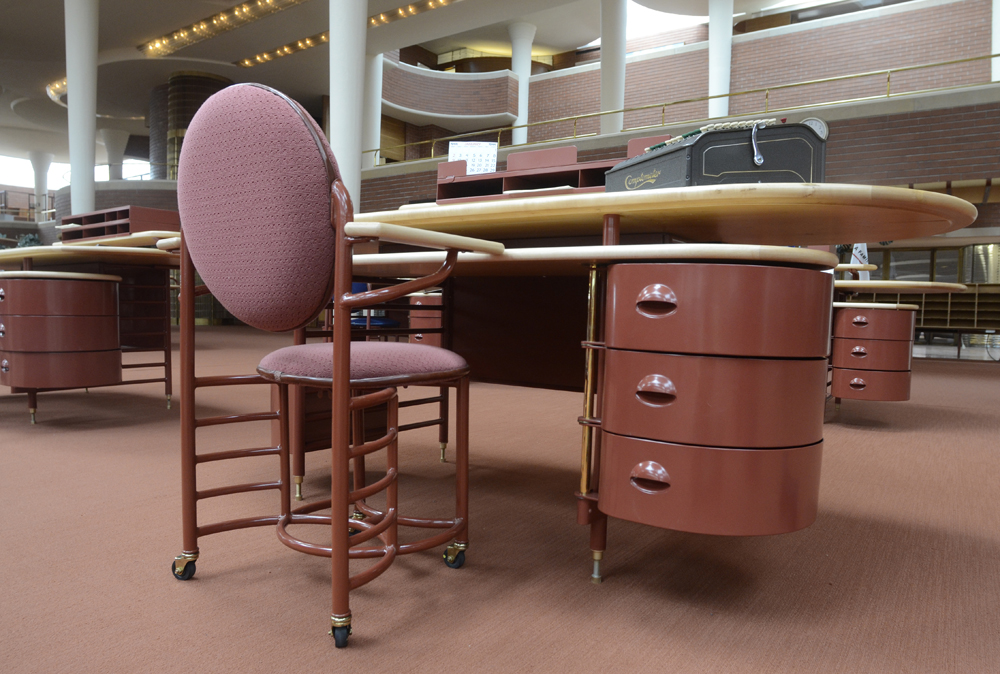
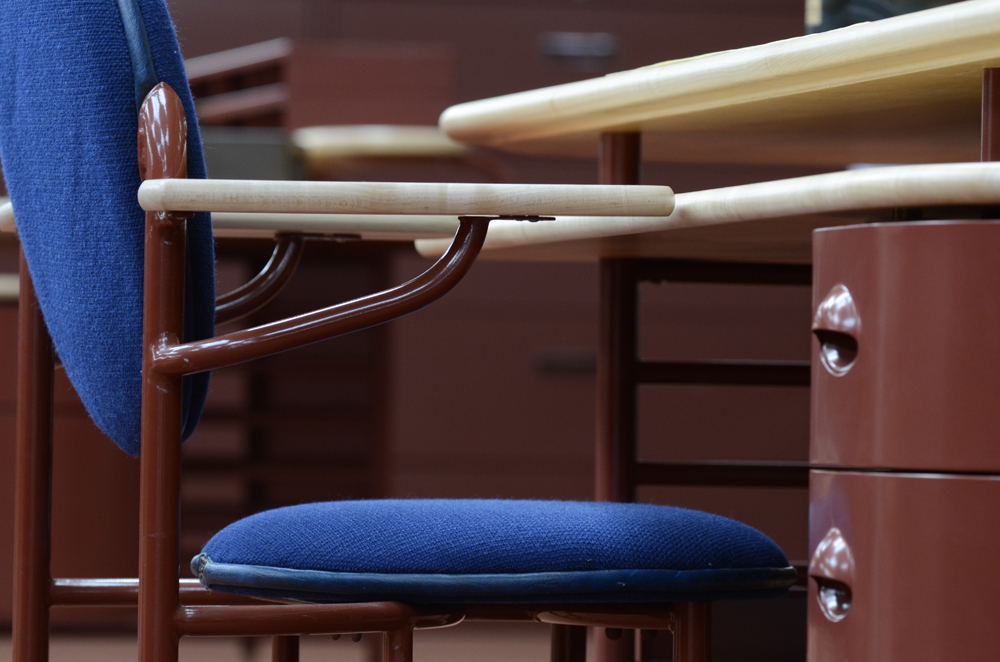
Wright designed forty different pieces of streamlined furniture for the building. Conventional desks were rectangular, but the curves and horizontal planes of the Johnson desks evoke the lines of the building. Drawers swung out, rather than pulling out. The backs of the chairs swiveled for ergonomic comfort. The original chairs famously had three legs. They were rebuilt with four legs after people complained that they tipped over too easily.

Image

 This was not ordinary office furniture. The message was that this was not a place to do ordinary work. Wright’s Johnson office furniture design was so notable that the desks and chairs are now in museum collections.

Calling the furniture “a living artifact,” Kelly Semrau, Senior Vice President at SC Johnson, writes “We share this philosophy (Wright considering the building and furnishings as a whole), and believe it is our responsibility to guard and protect not just the building, but also the furniture…It’s a part of our legacy; our family story.”

Image

 Steelcase bought and restored the Meyer May House near their headquarters in Grand Rapids, Michigan, as a way to thank Wright for the SC Johnson commission which came during the Great Depression.

Image