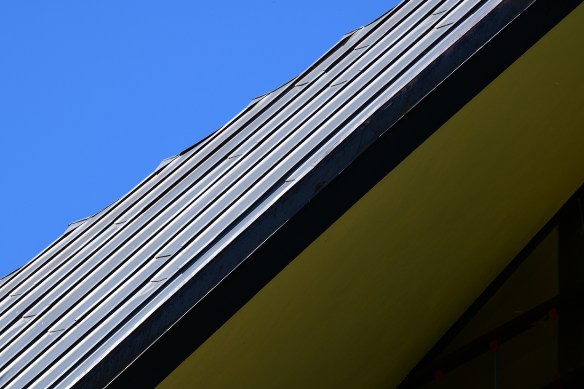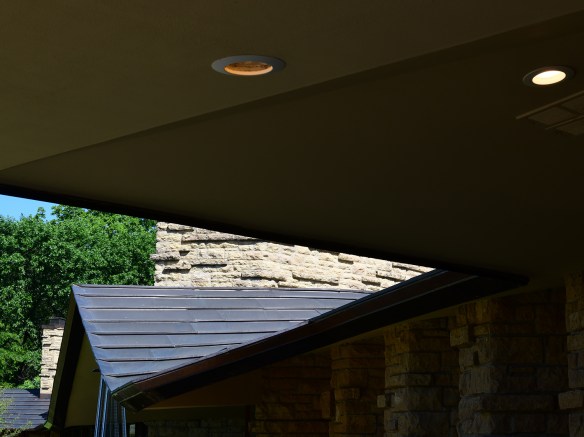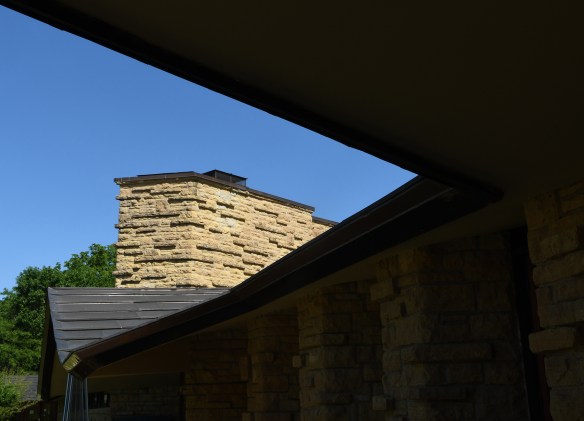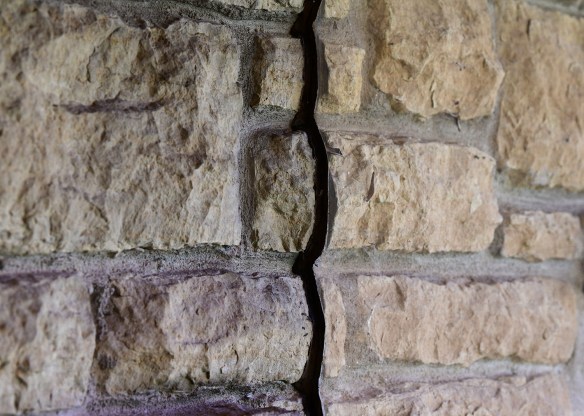
Catching Up on All Things Wright

© Mark Hertzberg (2023)

It seems like more than a month since I last posted, but, a month it is, almost to the day. Today is catch-up day, with a variety of things for you.

First (and most important?!) are my latest photos of our dear friend Minerva Montooth. I had the pleasure of chatting with her June 30 when I was taking another Road Scholar group – my 14th since 2017 – to Taliesin, at the end of their week-long Wright adventure in Illinois and Wisconsin (I am with them for the three days in Wisconsin). I will post a link to this particular Road Scholar trip at the end of this article.


Minerva 6.30.23 004.jpg

Minerva 6.30.23 008.jpg

Minerva 6.30.23 019.jpgMinerva and her friend and assistant Renee

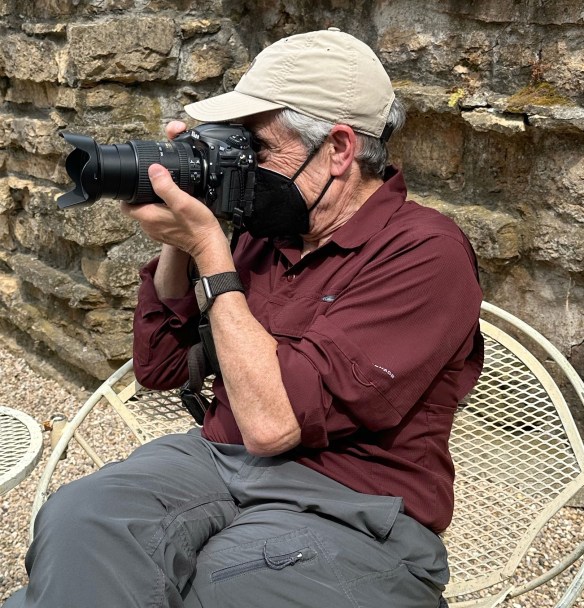
Minerva turned the tables on me with her phone camera:
With Minerva 6.30.23.jpg

Witih Minerav 6.30.23a.jpg

Next, I am a few months late to the party, but I just finished an important book about the Jacobs houses in Madison and Middleton. It is published by OA+D:
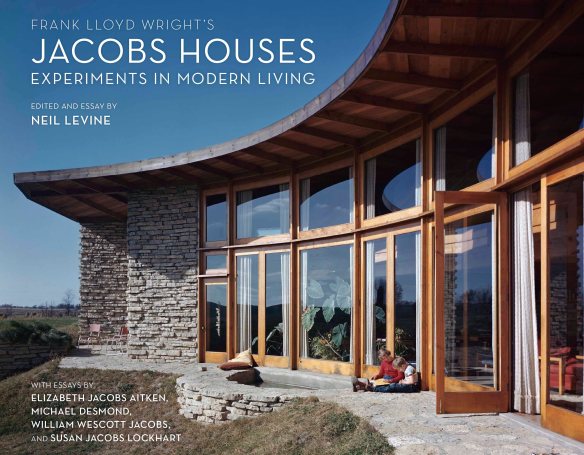
https://store.oadarchives.org/product/frank-lloyd-wright-s-jacobs-houses-experiments-in-modern-living-pre-order

Jacobs Houses Book_Cover.jpg

The book was edited by Neil Levine, and starts with an essay by him. Neil’s late wife was Susan Jacobs Lockhart who grew up in the two houses. Hers is one of  six essays in the book (the others are by her sister Elizabeth and brother William, and by Michael Desmond) There are profiles of Herbert and Katherine Jacobs; first-person accounts of growing up in the houses; and compelling perspectives on the history and architectural significance of the two houses. There is also a rich collection of historic photos and of Wright’s drawings. I was particularly taken with the photos of the Madison house under construction, and shortly after, when it stood almost alone in the neighborhood.

Thirdly, Michael Schreiber of This American House, sent me a link to a “Reconsideration of William Cary (sic) Wright,” Wright’s father, by Hope Rogers, William Carey Wright’s great-granddaughter. The architect’s father has been given short-shrift in many accounts, wrongly portrayed as a thoughtless man who abandoned his family. One other recent setting straight of the record was Paul Hendrickson’s 2019 book Plagued by Fire. Here is a link to her telling of his story:

https://thisamericanhouse.com/the-architects-father-a-reconsideration-of-william-cary-wright-the-father-of-frank-lloyd-wright/

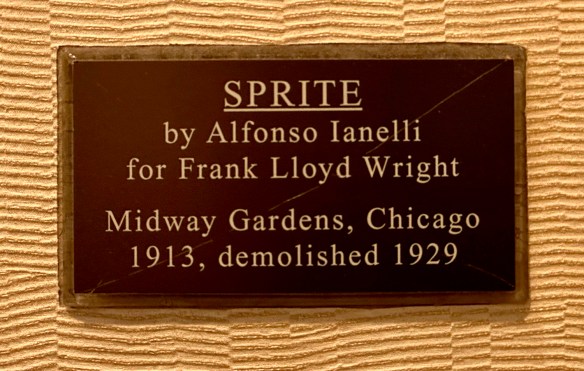
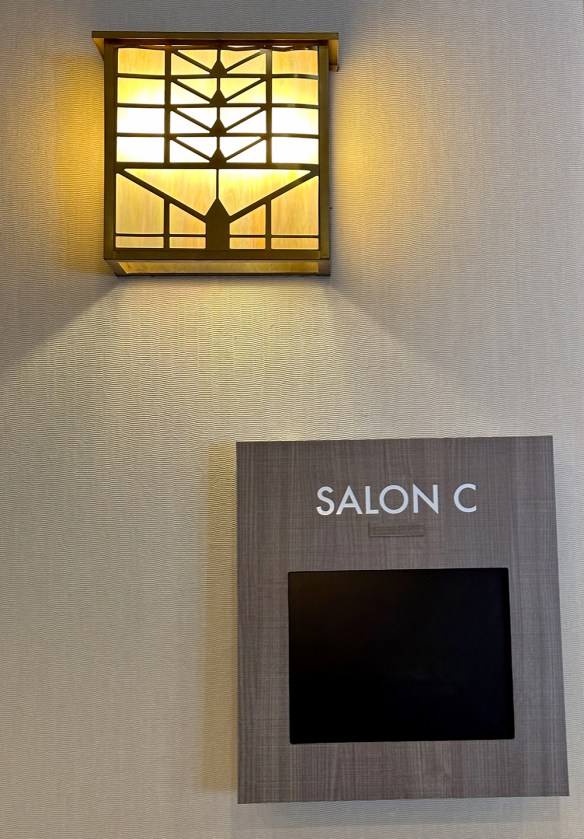
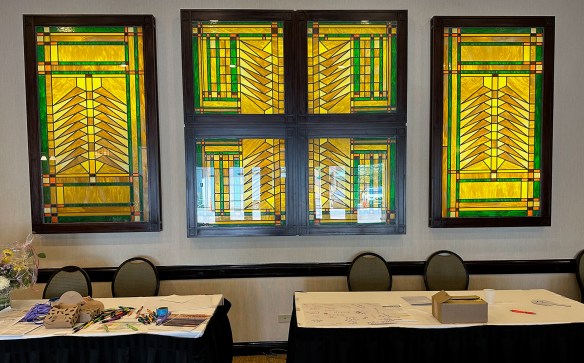
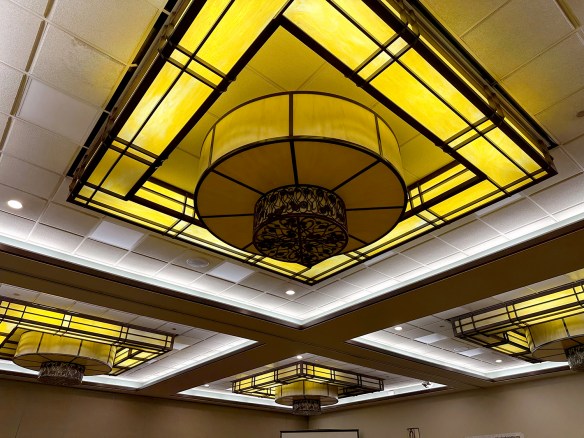
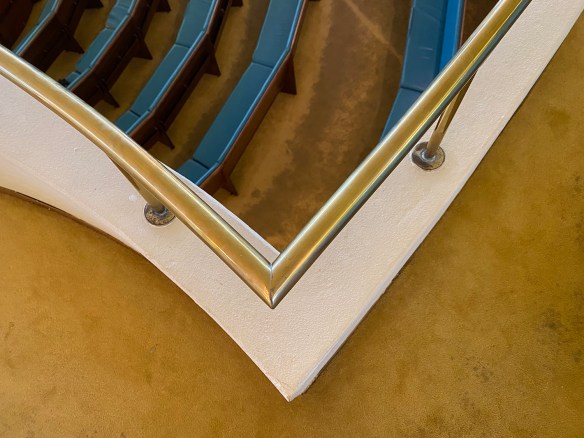
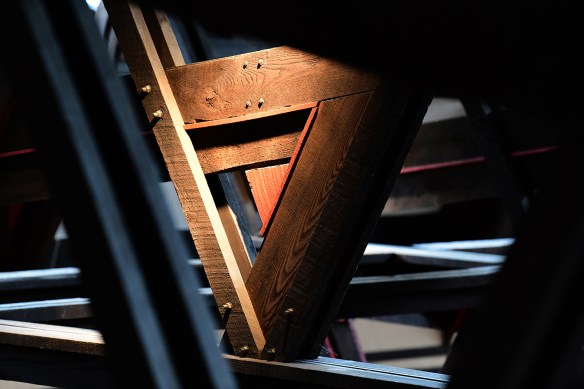
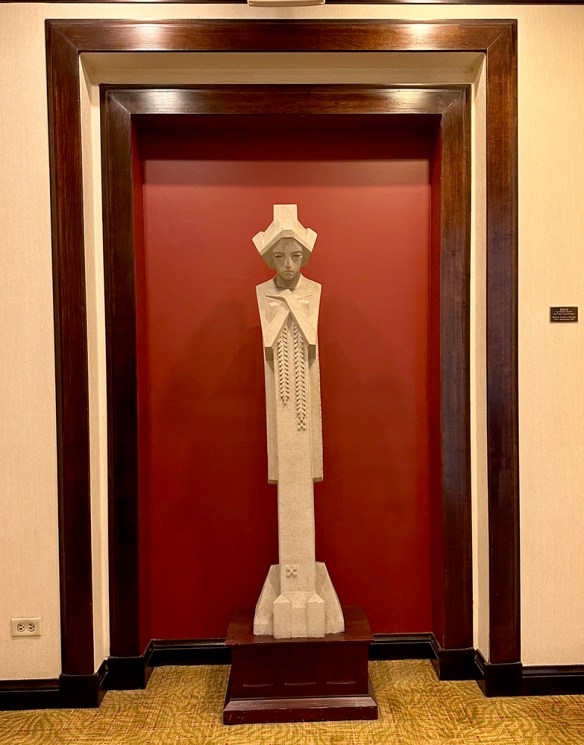
And, finally, mentioning Paul Hendrickson is also a way to segue into my last offering for this article. He recently attended a conference at the Embassy Suites by Hilton Rosemont hotel near Chicago’s O’Hare Airport. We were going to meet at the hotel and he emailed me that he was anxious to show me a variety of homages to Wright in the hotel. They are like fish out of water, with no apparent context. After all, the hotel was near the airport, not in Oak Park in River Forest where acknowledging Wright would have been a logical. Regrettably, the manager of the hotel has not had the courtesy to return a number of calls over several weeks, calls in which I had hoped to learn the genesis of the Wright decorations. So, here with no explanation, are some photos from the lobby and one of the ballrooms:

Embassy Suites Wright 002.jpg

Embassy Suites Wright 003.jpg

Embassy Suites Wright 004.jpg

Embassy Suites Wright 005.jpg

Embassy Suites Wright 001.jpg

Embassy Suites Wright 006.jpg

Embassy Suites Wright 007.jpg

Road Scholar Illinois /  Wisconsin: Architectural Masterworks of Frank Lloyd Wright:

https://www.roadscholar.org/find-an-adventure/22976/Architectural-Masterworks-of-Frank-Lloyd-Wright

What’s next? “Only the Shadow knows,” as was said on the long-ago radio program. I rarely know in advance what and when the next posting will be. Stay tuned, and in the meantime, scroll down for previous articles.
Wright in the Abstract

Photos © Mark Hertzberg (2022)

I had to edit 34,575 Frank Lloyd Wright building images (or 185.62 GB) down to 30 photos for an exhibit.

IMG_2493.jpeg

IMG_2494.jpeg

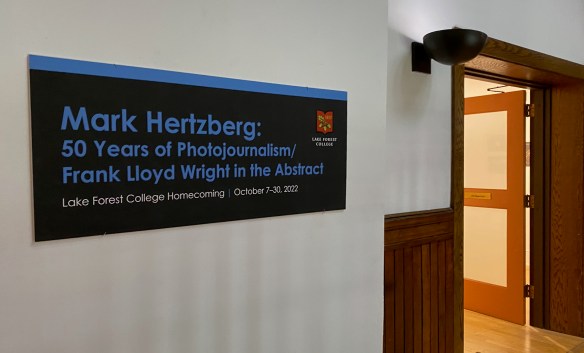
Here’s the backstory: Lake Forest (Illinois) College, my alma mater, honored me with two concurrent exhibits this month for my 50th anniversary Homecoming. Rebecca Goldberg, Lecturer in Art and Director of the Gallery in the Romanesque Durand Art Institute building, initially asked me just to include a handful of my Frank Lloyd Wright work in an exhibit of my career in photojournalism. I found it hard to edit the Wright work down to just four or so photos. Fortunately there was enough space in two galleries to mount two separate exhibits, each with 30 prints. I decided to pick mostly abstract interpretations of Wright’s work than show perhaps predictable building photos. My selection is below, in alphabetical order of the commissions:

LR Annunciation Greek Orthodox Church (1956) .jpgAnnunciation Greek Orthodox Church, Wauwatosa, Wisconsin, 1956
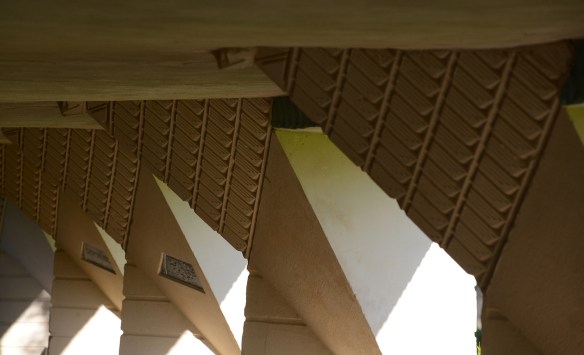
LR Florida Southern College (1938)  .jpgFlorida Southern College, Lakeland, Florida, 1938
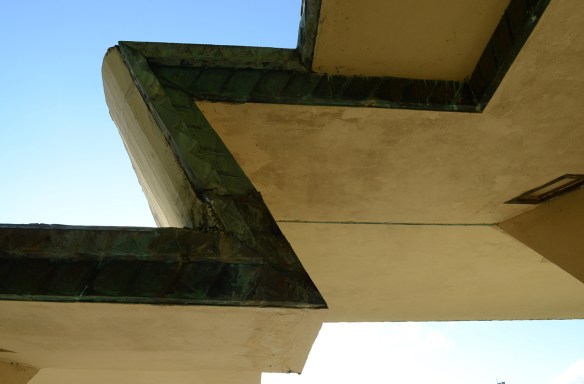
LR Florida Southern College (1938) .jpgFlorida Southern College, Lakeland, Florida, 1938
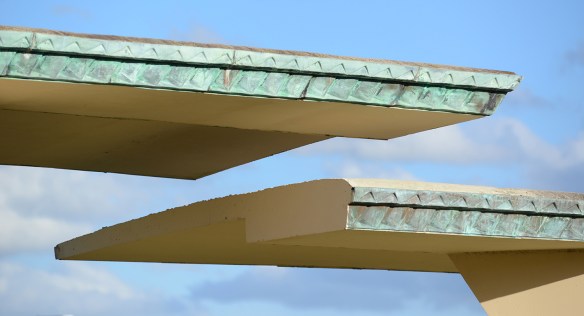
LR Florida Southern College (1938).jpgFlorida Southern College, Lakeland, Florida, 1938
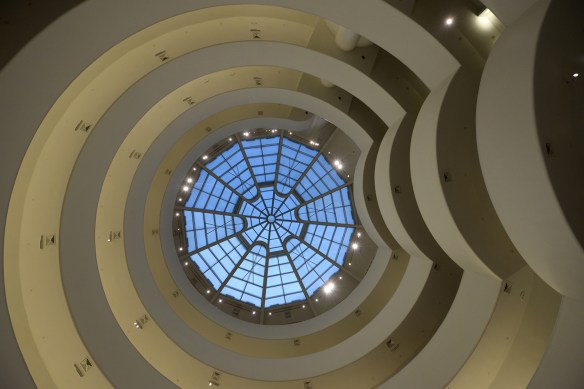
LR Guggenheim Museum (1943).jpgGuggenheim Museum, New York City, 1943

LR Hillside Drafting Studio (ca. 1933).jpgHillside Drafting Room, Taliesin, Spring Green, Wisconsin, 1933
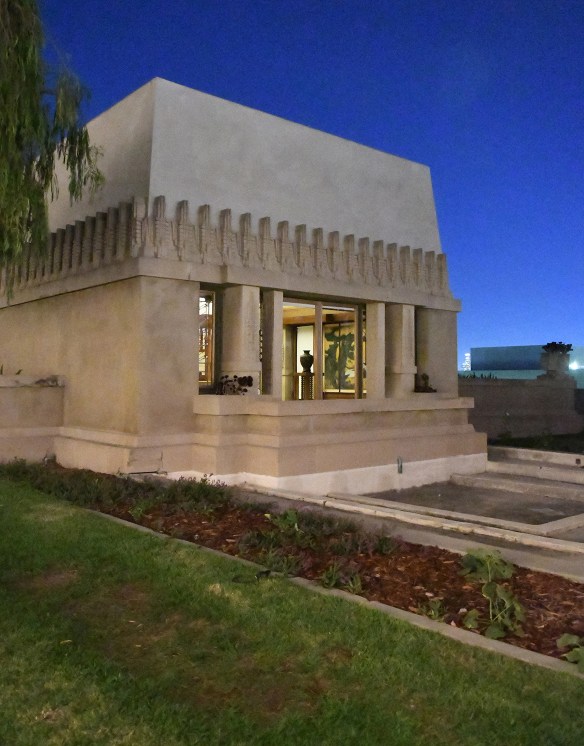
LR Hollyhock House (1919).jpgHollyhock House, Los Angeles, 1919

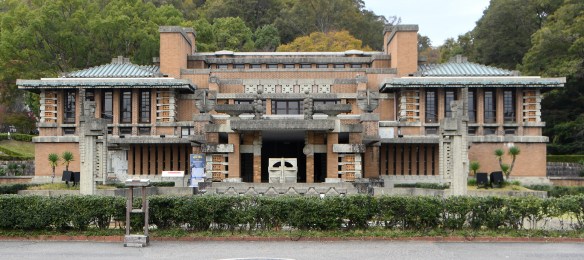
LR Imperial Hotel (1915).jpgImperial Hotel entry way, Tokyo, 1915, as rebuilt at Meiji Mura near Nagoya, Japan
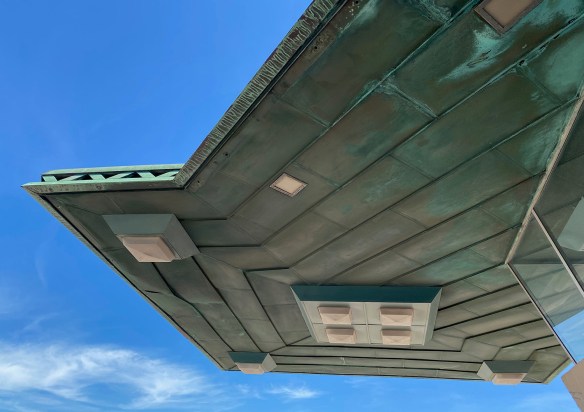
LR Lindholm Service Station (1956).jpgLindholm Service Station, Cloquet, Minnesota, 1956
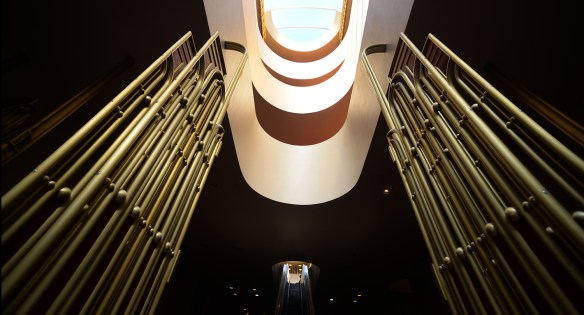
LR Marin County Civic Center (1957) .jpgMarin County Civic Center, San Rafael, California, 1957
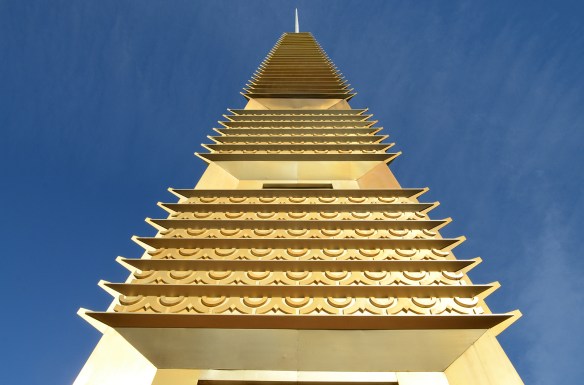
LR Marin County Civic Center (1957).jpgMarin County Civic Center, San Rafael, California, 1957
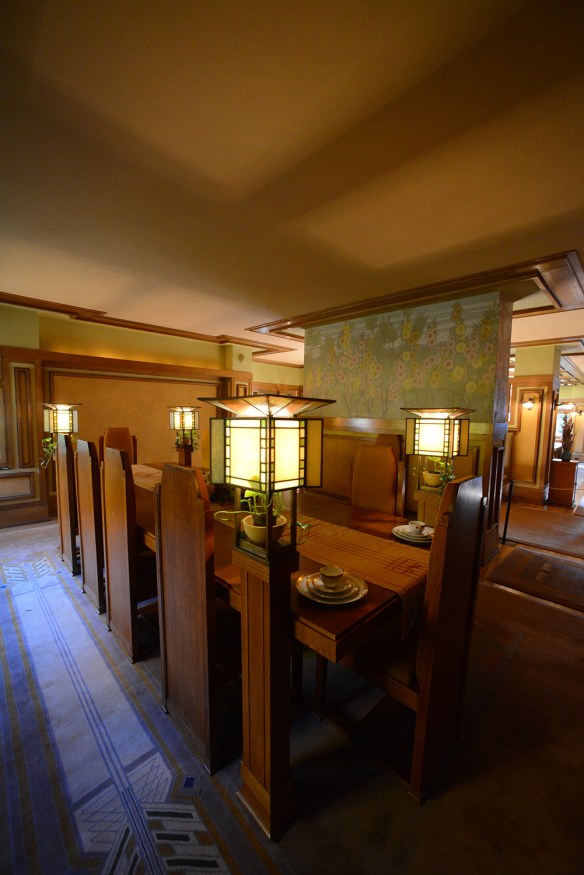
LR Meyer May House  (1908) .jpgMeyer May House, Grand Rapids, Michigan, 1908
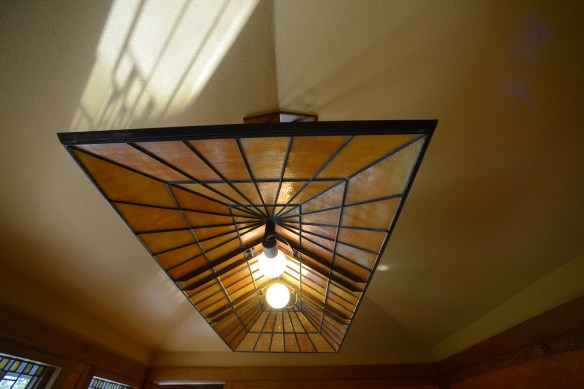
LR Meyer May House (1908) .jpgMeyer May House, Grand Rapids, Michigan, 1908
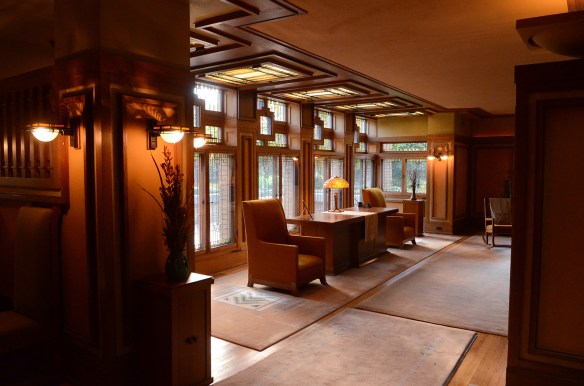
LR Meyer May House (1908).jpgMeyer May House, Grand Rapids, Michigan, 1908
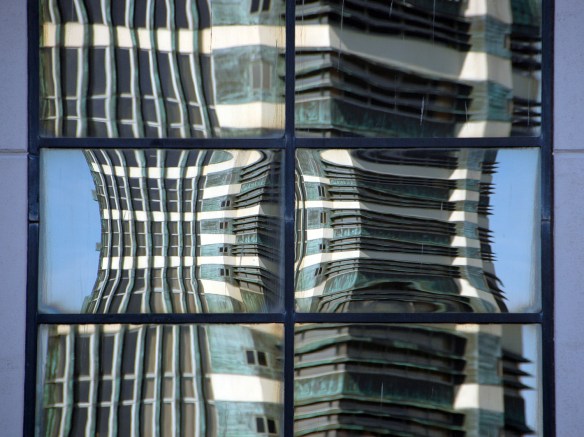
LR Price Tower (1956)   .jpgPrice Tower, Bartlesville, Oklahoma, 1952
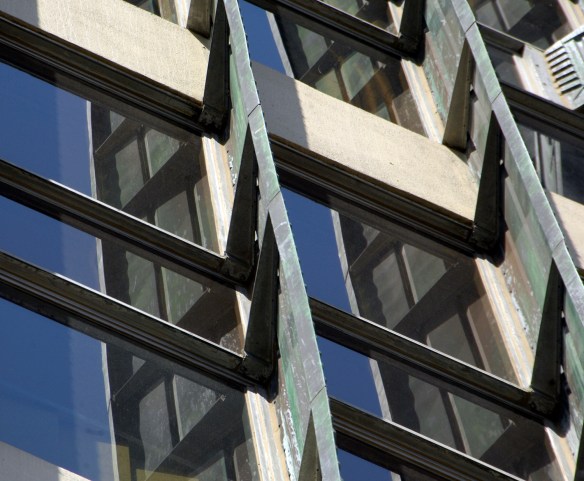
LR Price Tower (1956) .jpgPrice Tower, Bartlesville, Oklahoma, 1952

LR Price Tower (1956).jpgPrice Tower, Bartlesville, Oklahoma, 1952

LR Romeo and Julie Windmill (1898).jpgRomeo and Juliet Windmill, Taliesin, Spring Green, Wisconsin, 1898
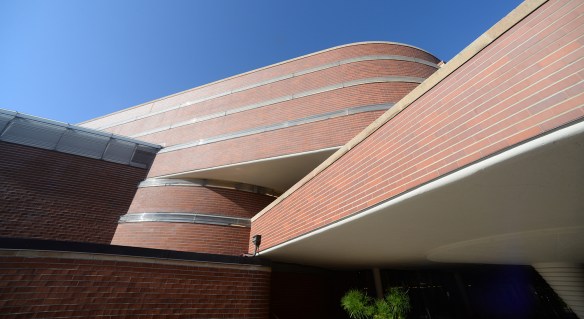
LR SC Johnson Administration Building (1936).jpgSC Johnson Administration Building, Racine, Wisconsin, 1936
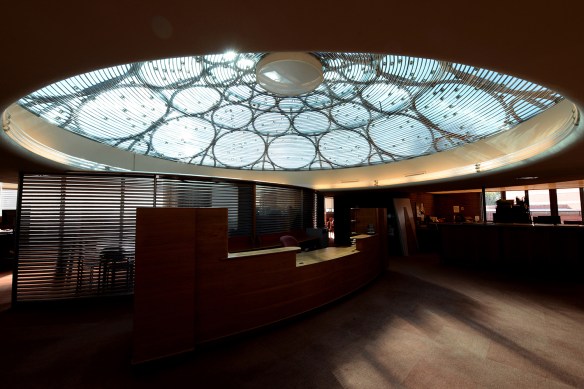
LR SC Johnson Addition (1943-44).jpgSC Johnson Administration Building, Racine, Wisconsin, 1936
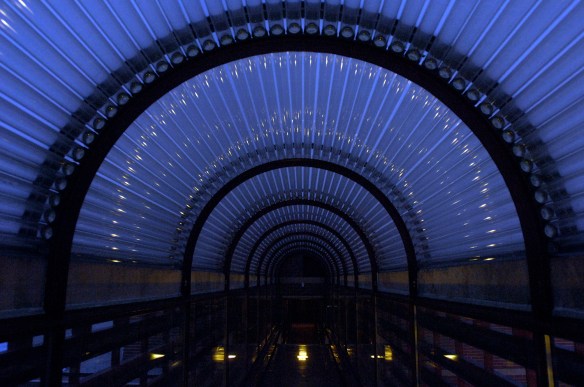
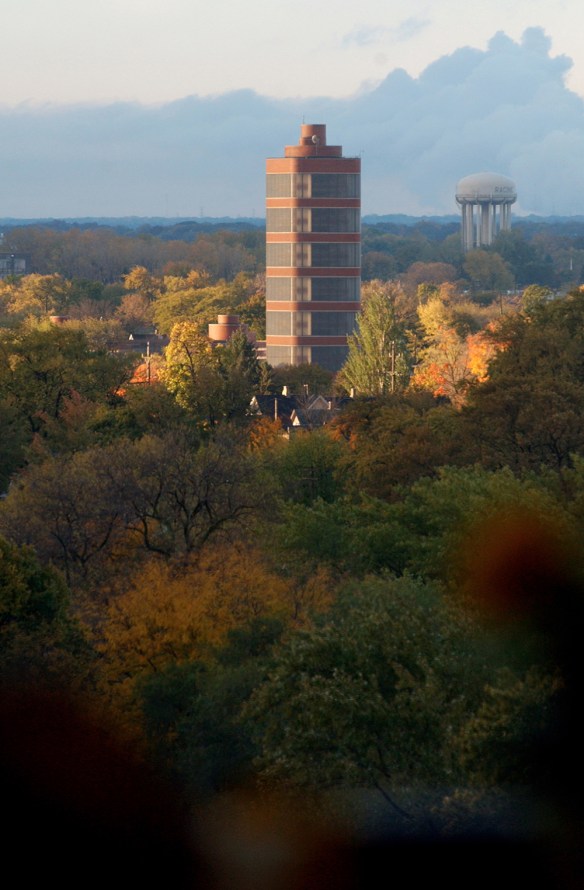
LR SC Johnson Administration Building (1936) .jpg

SC Johnson Administration Building, Racine, Wisconsin, 1936

LR SC Johnson Research Tower (1943-44) .jpgSC Johnson Research Tower, Racine, Wisconsin, 1943/44

LR Taliesin (1911, 1925)    .jpgTaliesin, Spring Green, Wisconsin, 1911, 1925
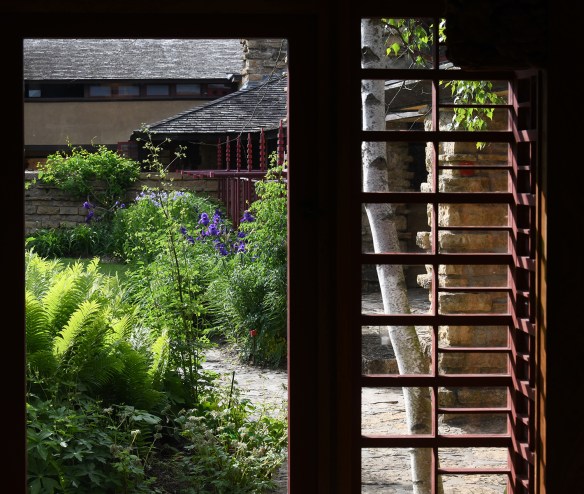
LR Taliesin (1911, 1925)   .jpgTaliesin, Spring Green, Wisconsin, 1911, 1925
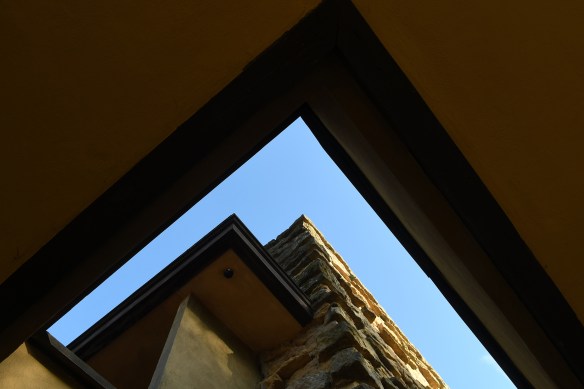
LR Taliesin (1911, 1925).jpgTaliesin, Spring Green, Wisconsin, 1911, 1925
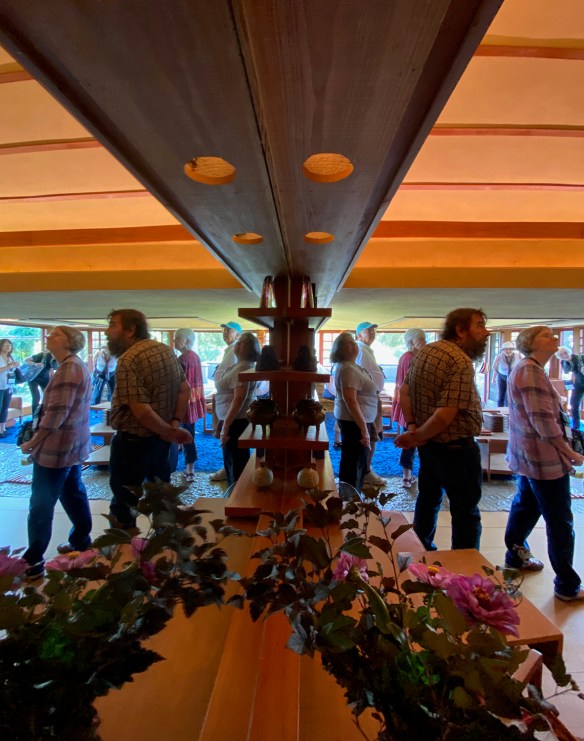
LR Taliesin Visitors (1911, 1925).jpgTaliesin, Spring Green, Wisconsin, 1911, 1925
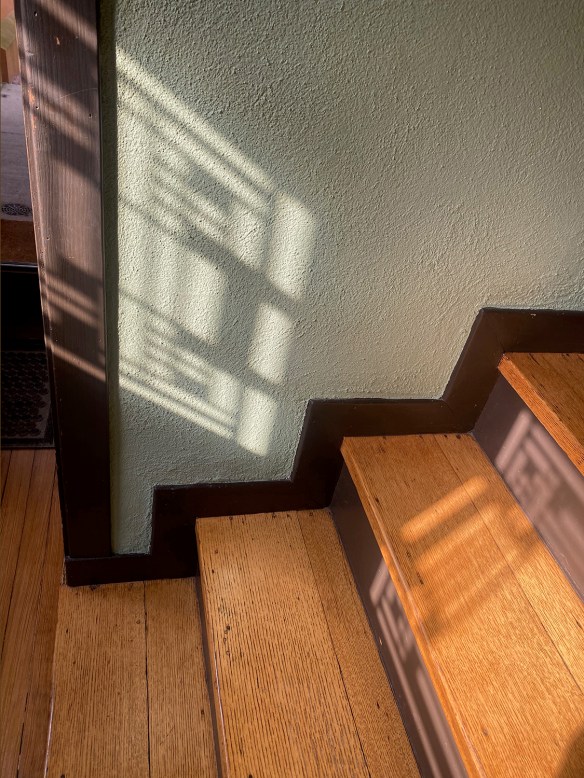
LR Thomas P. Hardy House (1904-05).jpgThomas P. Hardy House, Racine, Wisconsin, 1904/05
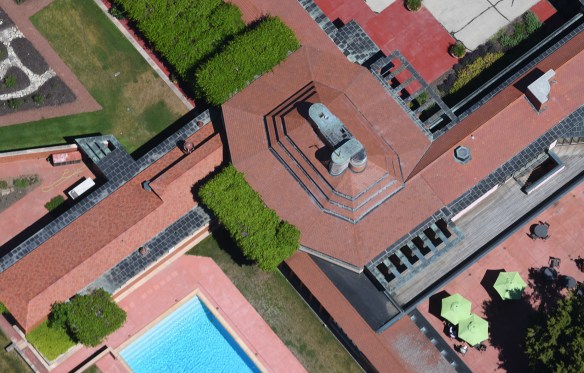
LR Wingspread (1937) .jpgWingspread, Wind Point, Wisconsin, 1937
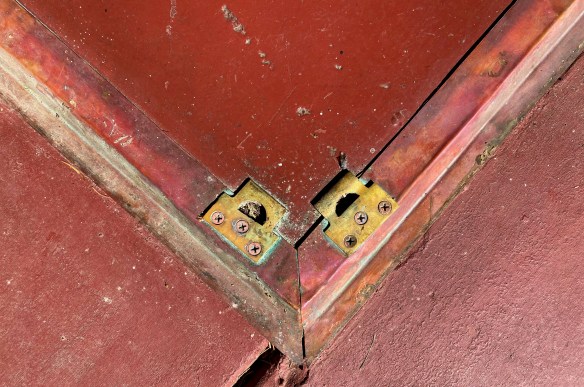
LR Wingspread (1937).jpgWingspread, Wind Point, Wisconsin, 1937
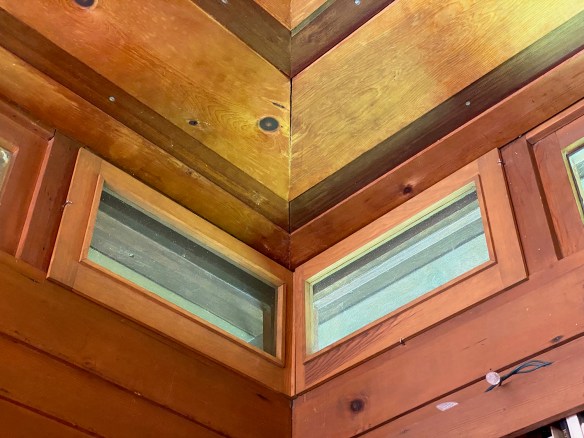
Now, as for those 34,575 images…if I had time to go through them, a good chunk could be deleted. But who has time to do that?

Hours for the gallery…the show runs through October 30:

https://www.lakeforest.edu/academics/majors-and-minors/art-and-art-history/art-galleries

Keep scrolling down for previous posts on the website…

Fifi Montooth, 2010 – 2022

© Mark Hertzberg

Minerva Montooth Fifi 9.25.19 009.jpg

There will no longer be a bark to announce visitors when they knock on Minerva Montooth’s door at Frank Lloyd Wright’s Taliesin. Fifi has died. The legacy spirit of Taliesin has been diminished.

Writing Wright with Light, Part Two

Photos © Mark Hertzberg

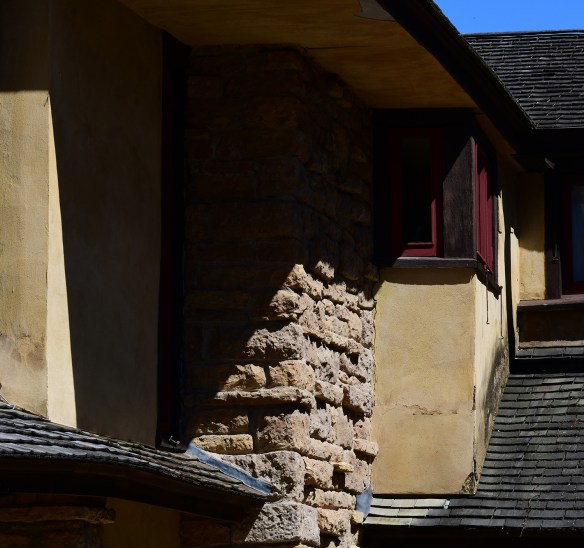
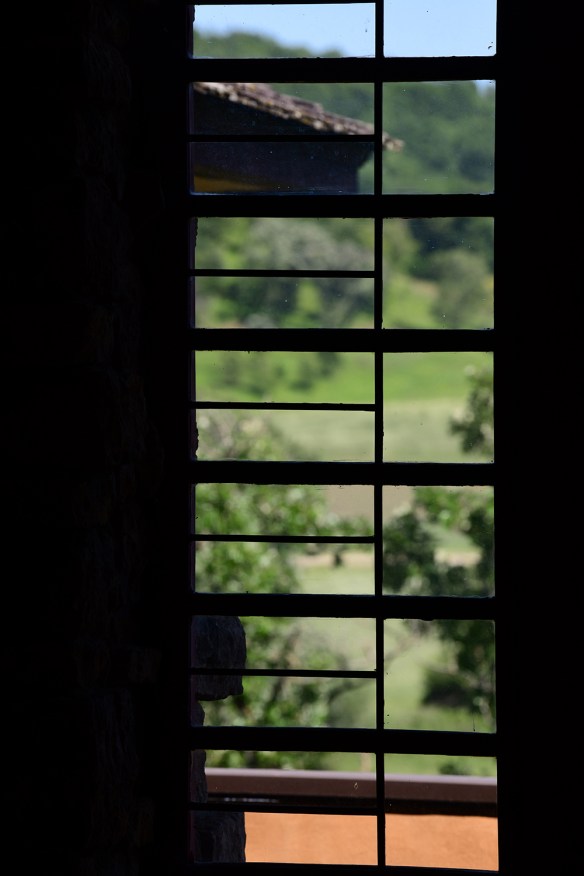
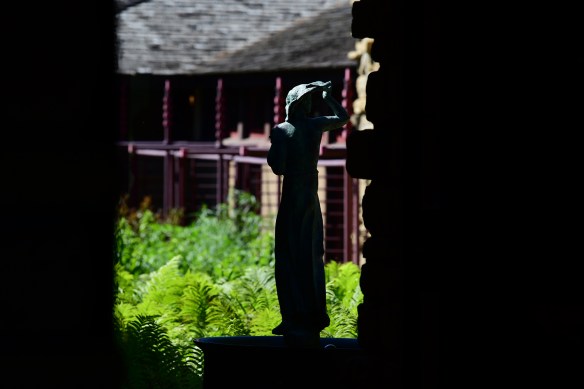
This is the last day of the Road Scholar Frank Lloyd Wright trip which I am accompanying. Today I found myself looking at shapes in the six Wright sites we visited. I relied on memory to try to not repeat photos I have taken in the past. I was challenged to turn this post into a “Where Was I When I Took This Photo?” game rather than caption photos as I normally would. The photos are presented in the order in which we visited the sites. The answers are at the bottom.

Site A:

IMG_0856.jpg

IMG_0869.jpg

IMG_0859.jpg

IMG_0861.jpg

IMG_0864.jpg

IMG_0852.jpg

Site B:

DSC_3969.jpg

DSC_3966.jpg

DSC_2856.jpg

DSC_3988.jpg

DSC_3992.jpg

DSC_3986.jpg

DSC_3971.jpg

Site C:

IMG_0876.jpg

DSC_4005.jpg

DSC_4009.jpg

DSC_4015.jpg

DSC_4017.jpg

DSC_4018.jpg

DSC_4019.jpg

DSC_4021.jpg

DSC_2885.jpg

Site D:

DSC_4031.jpg

DSC_4034.jpg

DSC_4032.jpg

DSC_4040.jpg

DSC_4043.jpg

DSC_2897.jpg

IMG_0880.jpg

Site E:

DSC_4059.jpg

DSC_4058.jpg

DSC_4049.jpg

DSC_4046.jpg

Site F:

DSC_4062.jpg

DSC_4061.jpg

DSC_4066.jpg

DSC_4068.jpg

DSC_4077.jpg

DSC_4079.jpg

Answers:

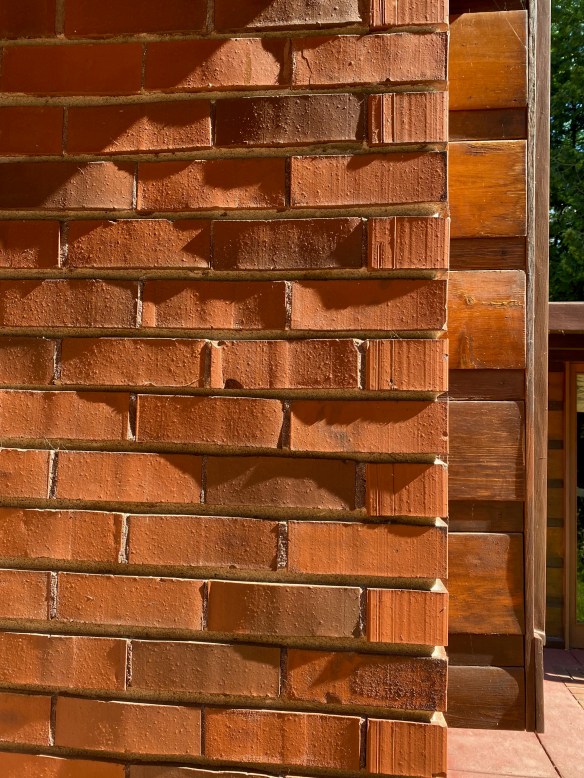
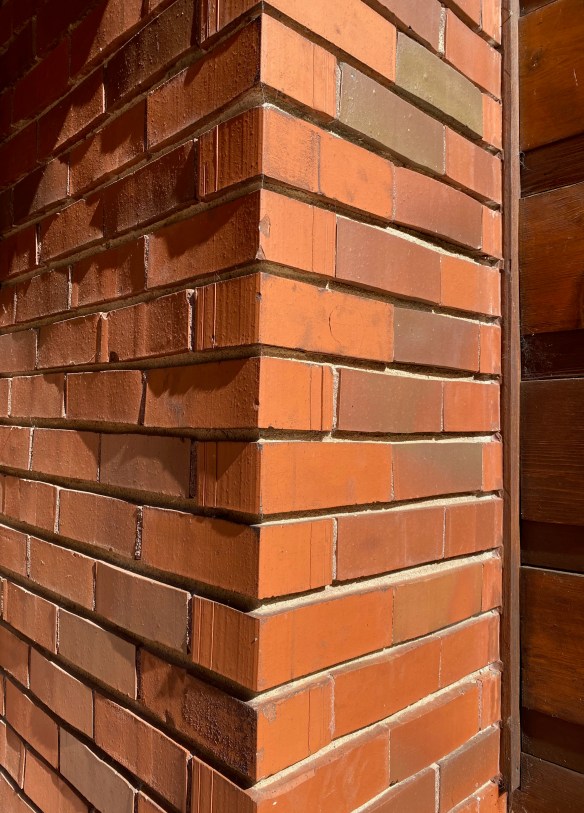
A: Jacobs 1 House – The odd shaped bricks are attributed to Wright reportedly having his apprentices use bricks taken from the SC Johnson Administration Building. There are 200 shapes of bricks in the Administration Building. B: Unitarian Meeting House C: Wyoming Valley School D: Hillside School E: Hillside Drafting Room F: Taliesin

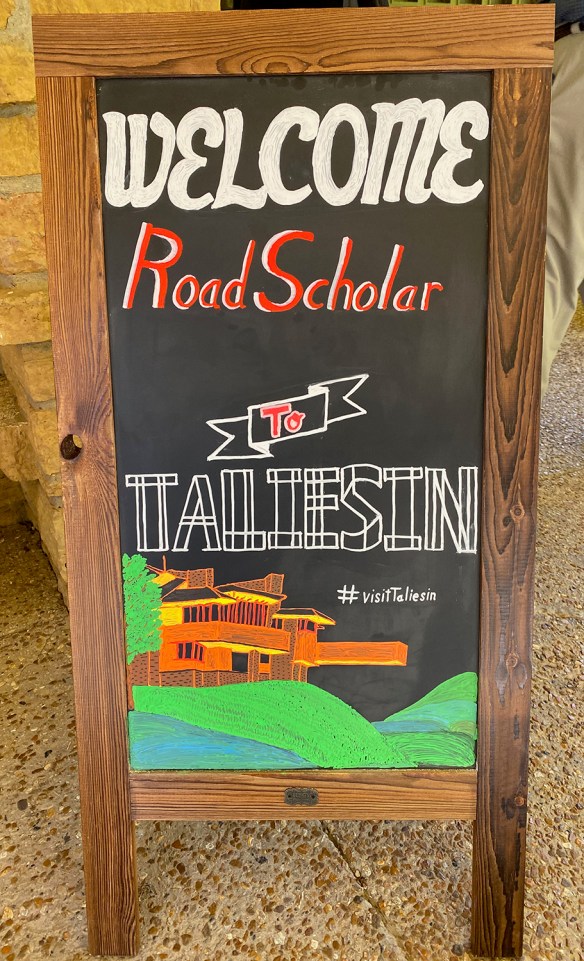
Thank you to Taliesin Preservation for greeting us at the Visitors Center with this sign:

IMG_0877.jpg

Scroll down to see yesterday’s “Writing Wright with Light” post, and previous blog articles.

These Insects are Welcome

© Mark Hertzberg (2022)

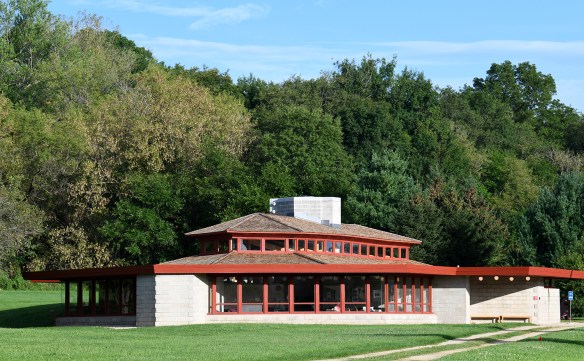
If you thought that Taliesin wraps up your Frank Lloyd Wright and Spring Green experience, then you are missing a gem, just four miles on State Highway 23 from Taliesin.

LR Wyoming Valley School Aug 2021 020.jpg

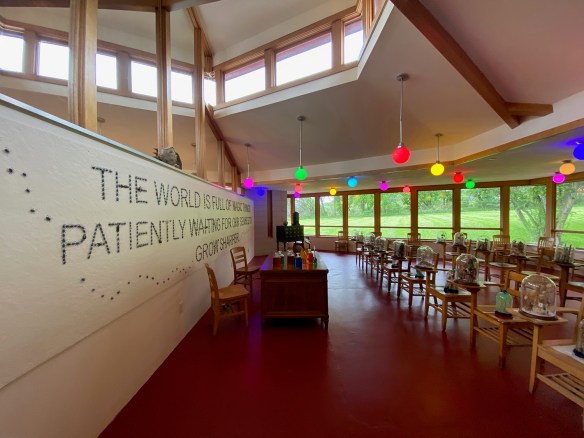
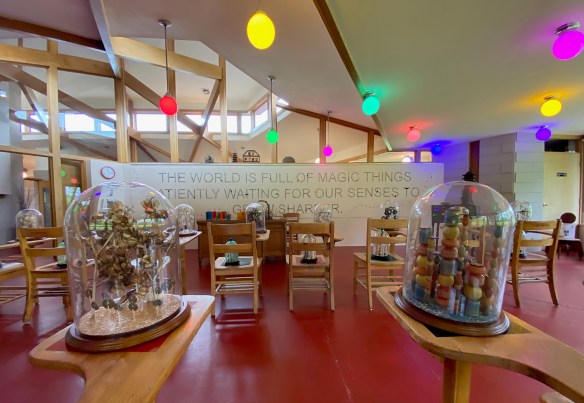
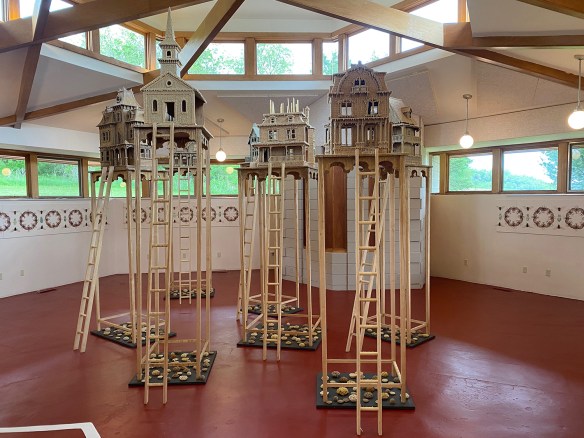
One of Wright’s last commissions, the Wyoming Valley School (1957) has vibrant new life under the leadership of David Zaleski, its new Executive Director. Rebranded as the Wyoming Valley Cultural Arts Center, there is just one more week to view “A is for Apple, B is for Bug, and C is for Cicada,” an art installation by Jennifer Angus.

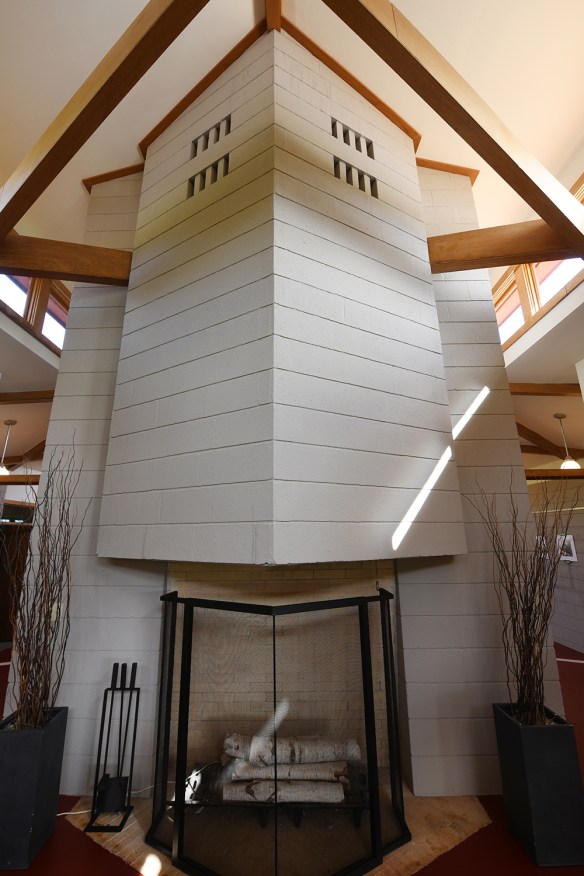
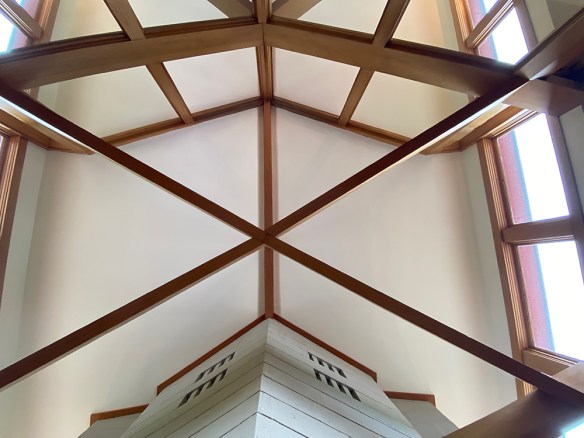
Peter Rott, the principal at Isthmus Architects of Madison, shepherded an extensive restoration of the two-room schoolhouse. Significant work was done, most of it not visible. The obvious change is that the concrete blocks inside are no longer yellow, but, rather, a more natural color.

LR Wyoming Valley School Aug 2021 031.jpg

LR Wyoming Valley School 5.20.22 004.jpg

Now, onto the fun…Angus’ art installation:

LR Wyoming Valley School 5.20.22 006.jpg

LR Wyoming Valley School 5.20.22 007.jpg

LR Wyoming Valley School 5.20.22 011.jpg

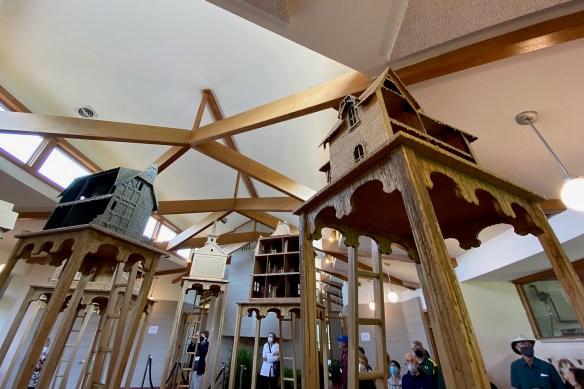
In the Assembly Room, dollhouses covered in beeswax are elevated to simulate how an insect might view them:

LR Wyoming Valley School 5.20.22 013.jpg

LR Wyoming Valley School 5.20.22 015.jpg

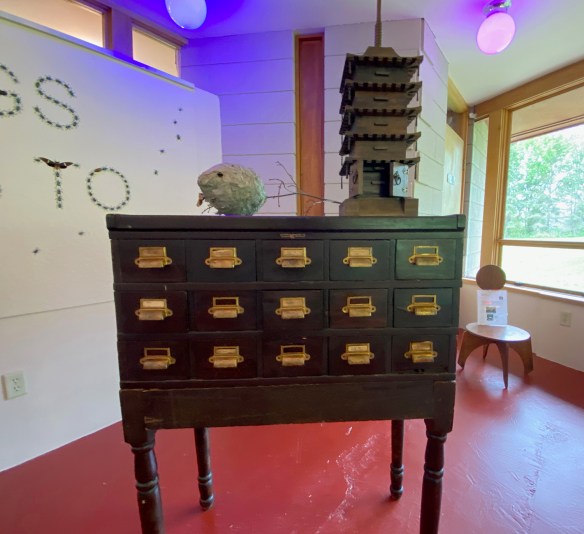
LR Wyoming Valley School 5.20.22 012.jpgRott found an old card catalogue cabinet.

The exhibit ends June 12, 2022, but it is a sign of the fun things that Zaleski will be doing in the school building. I am not a fan of people speculating what Wright might have thought, said, or done in a given situation, but I will take the liberty of thinking he would have been pleased with the school’s incarnation as a cultural center.

LR Wright Spirit Awards 2013 040.jpgRott has been honored in a number of Wright-related projects. He was honored with a Wright Spirit Award from the Frank Lloyd Wright Building Conservancy at its 2013 conference in Grand Rapids, Michigan.

http://www.wyomingvalleyschool.org

Rott and his Wright-related projects:

http://www.is-arch.com/projects/

Screen Shot 2022-06-05 at 5.32.19 PM.png

Go to www.wrightinracine.com and keep scrolling down to see previous posts on this website…


Hillside Geometry (& new Minerva Photo)

Photos © Mark Hertzberg

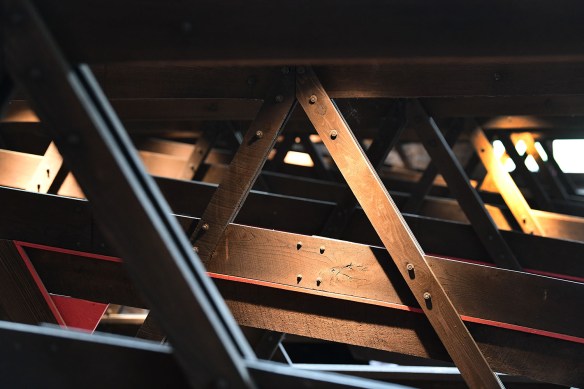
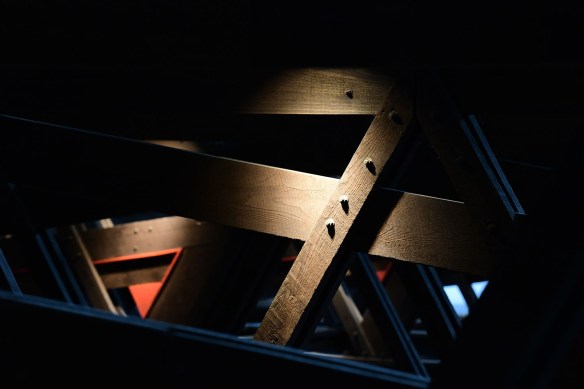
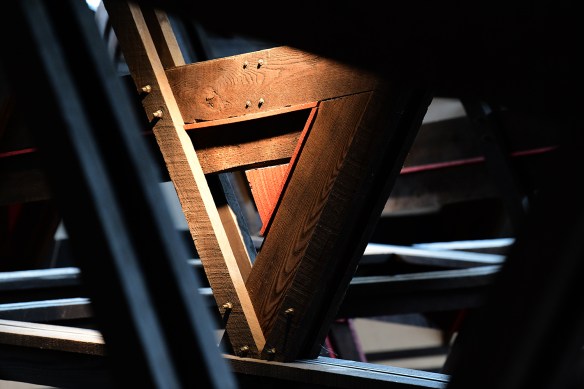
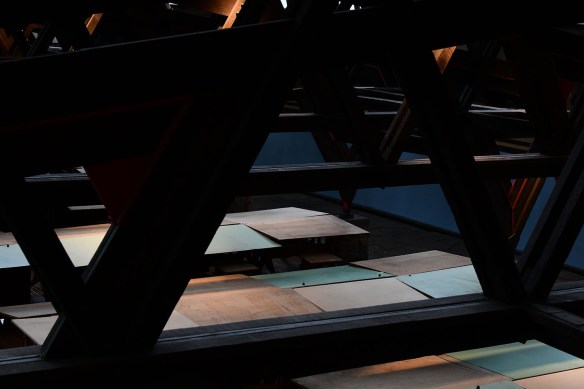
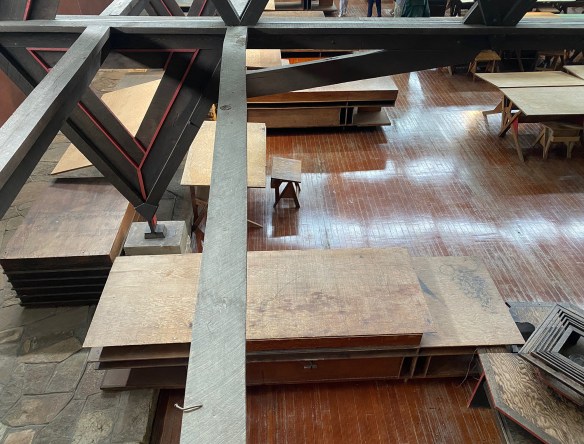
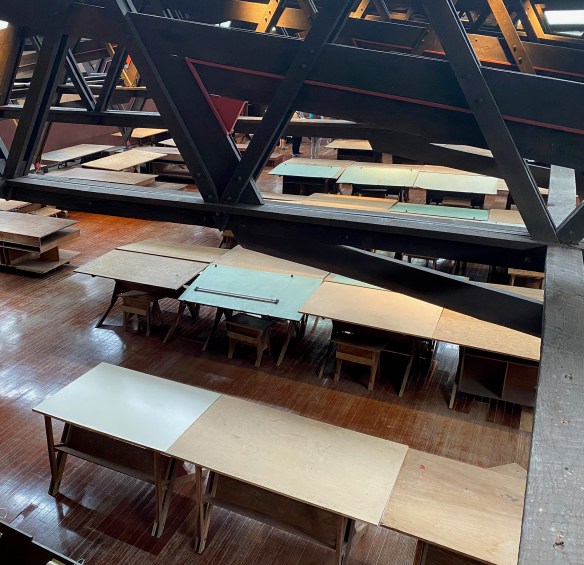
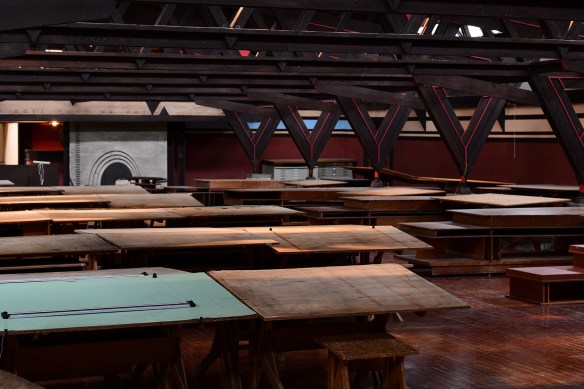
My cameras and I have been to Taliesin many times. My challenge at any Wright site is to photograph it with a fresh eye each visit. I was able to interpret the geometry of Wright’s “forest” in the drafting room at Hillside from a new perspective recently. I welcome your comments, unless they reopen the debate about the Foundation and the School. The treat at the end of this blog entry is my latest portrait of our dear friend Minerva, also taken Friday May 20.

LR Hillside Drafting Room 5.20.22 003.jpg

LR Hillside Drafting Room 5.20.22 012.jpg

LR Hillside Drafting Room 5.20.22 017.jpg

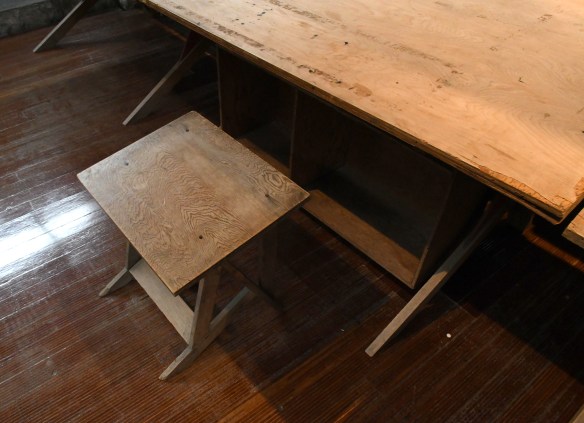
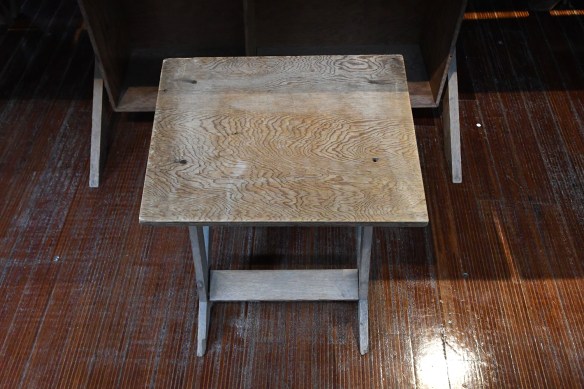
As we look at the drafting tables below, the unknowns, of course, are what renderings and plans were drawn at which table, and by whom. Among countless others, one of the architects (and students) who counted this as their office was Charles Montooth, Minerva’s late husband.

LR Hillside Drafting Room 5.20.22 015.jpg

LR Hillside Drafting Room 5.20.22 044.jpg

LR Hillside Drafting Room 5.20.22 018.jpg

LR Hillside Drafting Room 5.20.22 033.jpg

LR Hillside Drafting Room 5.20.22 046.jpg

LR Hillside Drafting Room 5.20.22 056.jpg

LR Hillside Drafting Room 5.20.22 048.jpg

LR Hillside Drafting Room 5.20.22 055.jpg

LR Hillside Drafting Room 5.20.22 060.jpg

Minerva Montooth 5.20.22a.jpg

Links:

https://www.taliesinpreservation.org

https://wrightinracine.wordpress.com/2021/09/29/the-marvelous-minerva-montooth/

Keep scrolling down to see earlier blog entries…

Wright Tourism is Back: Bits of Burnham

© Mark Hertzberg (2022)

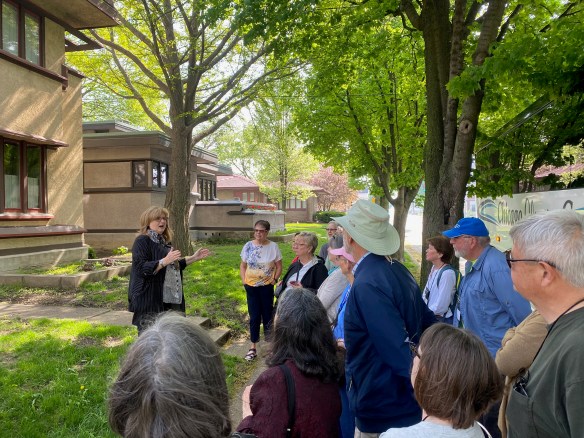
LR Burnham 2022 010.jpgSybil Knop talks to Road Scholar guests touring the Burnham Block May 19

The pandemic is far from over, but Wright tourism is ramping up again. I have helped lead the Wisconsin portion of Road Scholar’s week-long tour that starts in Chicago and ends in Spring Green since 2017 (a link to the itinerary is below). This week is our first of three tours for this year since 2019.. We have 16 guests from 10 states on this tour. Our first stop was the Burnham Block in Milwaukee which has six American System-Built homes, most owned by Frank Lloyd Wright’s Burnham Block, Inc.
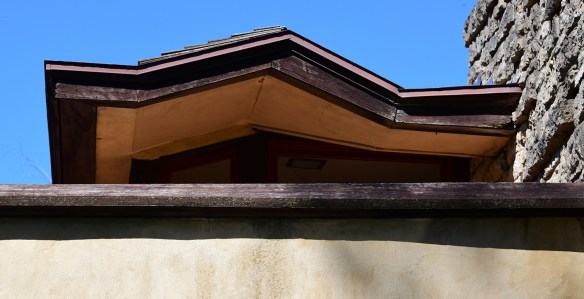
LR Burnham 2022 001.jpg

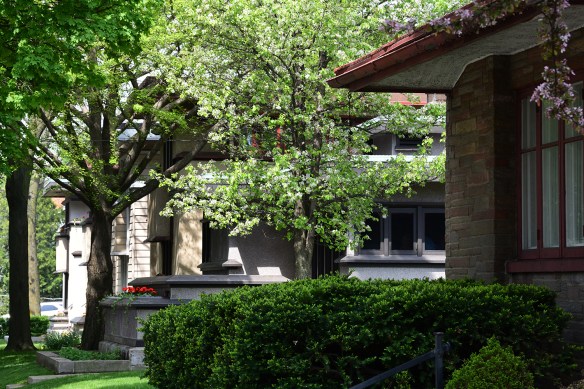
I always challenge myself to see if I can find fresh photographs at Wright sites, no matter how often I have visited them. Here is what I saw on the Burnham Block after two years away from my Wright photo quests. I have two establishing shots showing signs of spring:

LR Burnham 2022 006.jpg

LR Burnham 2022 007.jpg

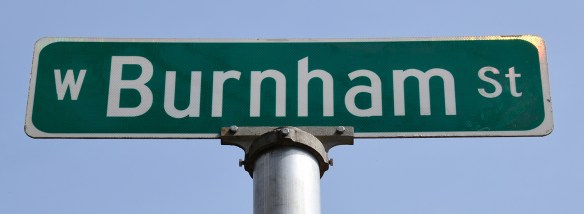
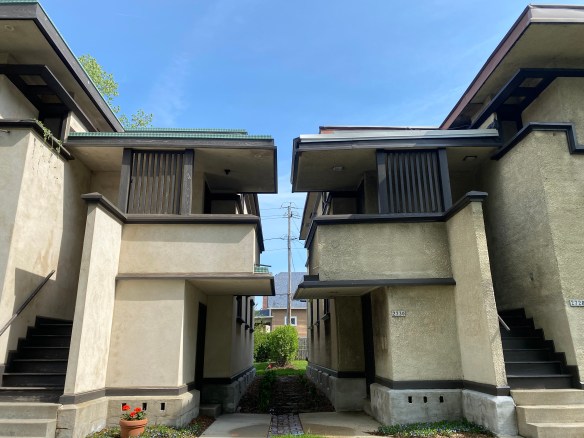
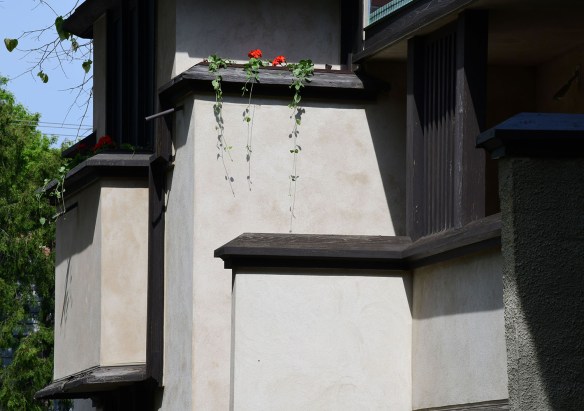
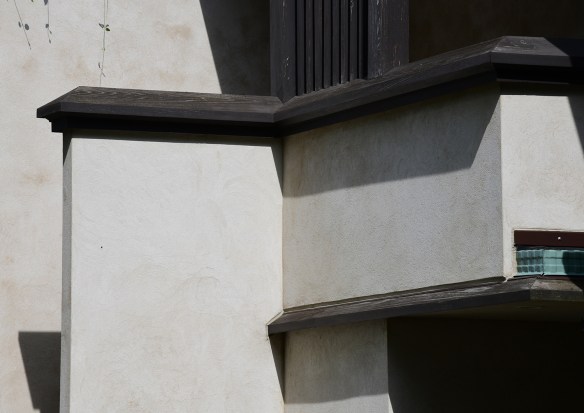
I concentrated more on patterns or design elements that I saw, mostly at the duplexes (dupli?) at 2032 – 2034 W. Burnham Street, left, and 2028 – 2030 next door.

LR Burnham 2022 012.jpg

LR Burnham 2022 015.jpg

LR Burnham 2022 024.jpg

LR Burnham 2022 029.jpg

LR Burnham 2022 020.jpg

LR Burnham 2022 021.jpg

LR Burnham 2022 022.jpg

LR Burnham 2022 027.jpg

LR Burnham 2022 023.jpg

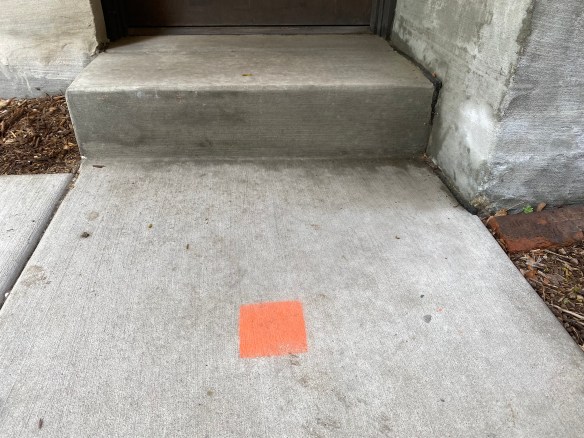
LR Burnham 2022 018.jpgThis is not a version of the Frank Lloyd Wright signature tile…it is one of the faded red squares that have been used as social distancing markers on Burnham Street.

LR Burnham 2022 017.jpgI thought Frank Lloyd Wright hated basements.” They were not his favorite spaces, but he did not eschew them entirely. This is one of the vents from the basement at 2032 – 2034.
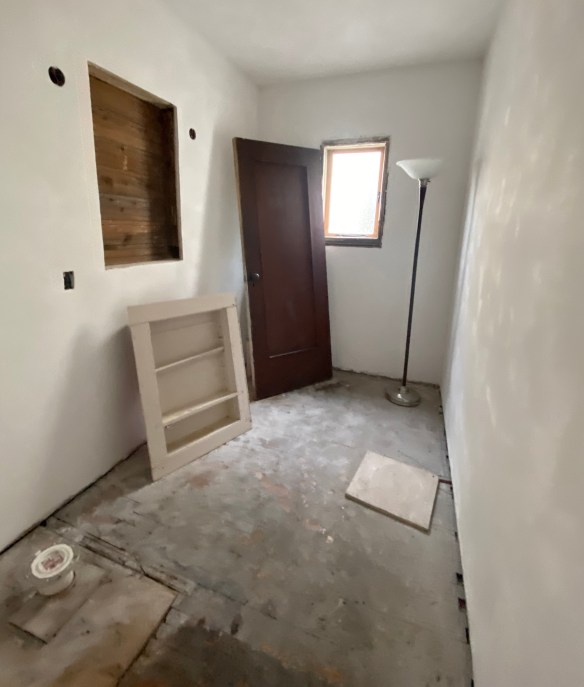
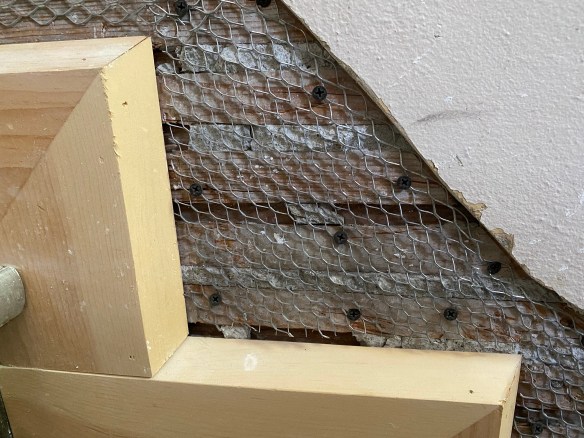
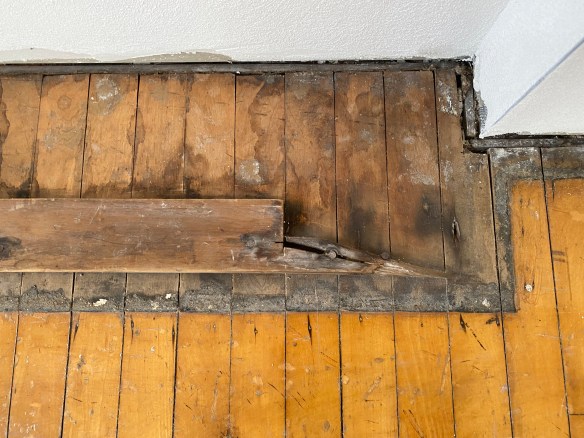
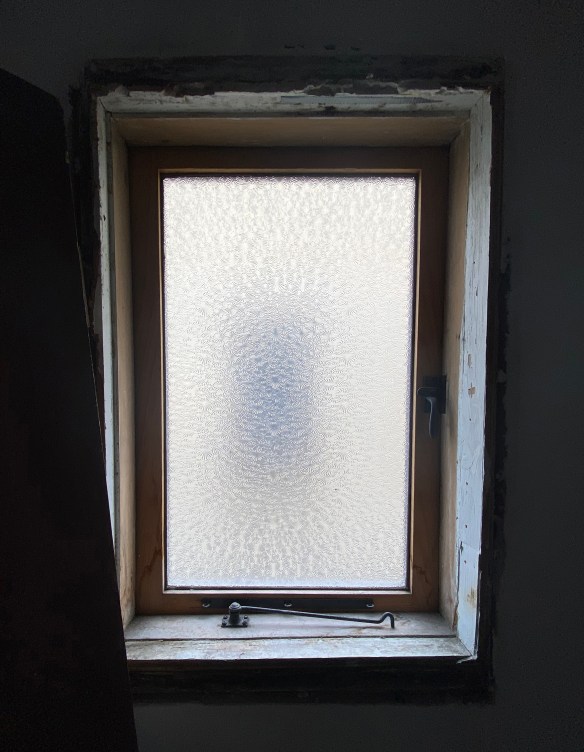
I told our guests that one of the great benefits of touring 2032 – 2034 is that while they generally see fully restored or rehabilitated Wright structures, this was an opportunity to see one in raw shape, as money from a Save America’s Treasures grants is used to bring it to house museum status like the Model B-1 down the block at 2714 W. Burnham St.

LR IMG_0346.jpg

LR Burnham 2022 044.jpg

LR Burnham 2022 043.jpg

LR Burnham 2022 061.jpg

LR Burnham 2022 062.jpg

LR Burnham 2022 063.jpg

LR Burnham 2022 064.jpg

LR Burnham 2022 065.jpg

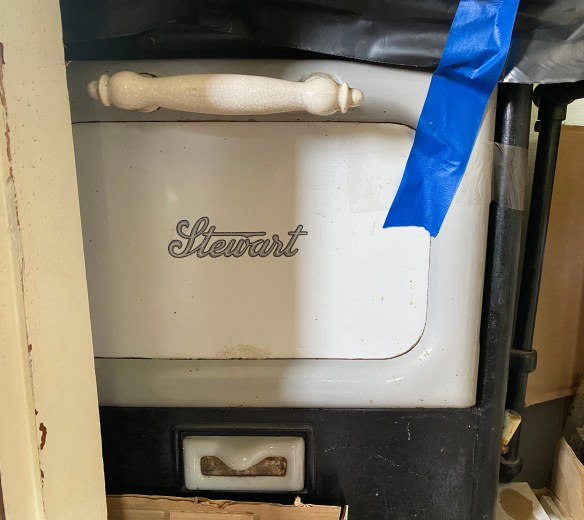
LR Burnham 2022 066.jpgThis period stove is in a closet until the restoration is done.
LR Burnham 2022 048.jpg

LR Burnham 2022 049.jpg

LR Burnham 2022 053.jpg

LR Burnham 2022 057.jpg

LR Burnham 2022 059.jpg

LR Burnham 2022 058.jpg

We then toured the Model B-1, one of the two single-family homes on the block. It was the first Burnham property acquired by what became the Burnham Block organization, in 2004. It has been fully restored with a Save America’s Treasures grant. It is a tribute to Mike Lilek and the organizations that have been the stewards of Burnham received not one, but two SAT grants.

LR Burnham 2022 067.jpg

LR Burnham 2022 068.jpg

LR Burnham 2022 069.jpg

LR Burnham 2022 079.jpg

LR DSC_3537.jpg

LR Burnham 2022 081.jpg

There are still two duplexes that will need restoration, including the world’s only Frank Lloyd Wright building clad in aluminum siding:

LR Burnham 2022 009.jpg

LR Burnham 2022 041.jpg

LR Burnham 2022 039.jpg

I close this blog entry with a nod to my friend Cathy Spyres, docent extraordinaire at Wright’s Annunciation Greek Orthodox Church – her church – in Wauwatosa. The church is our second Wright stop on our Milwaukee itinerary:

LR IMG_0403.jpg

Tomorrow’s itinerary is another full day: We are overnighting in Madison tonight, after also seeing the Milwaukee Art Museum (Saarinen / Calatrava) and Monona Terrace. Tomorrow we start at Jacobs 1 and then go to the Unitarian Meeting House, Wyoming Valley School and have lunch at Riverview Terrace before our in-depth tours of Taliesin and Hillside. I can attest from our own trips with Road Scholar that you see so much and learn so much (education is a major component of their programming) that you need a vacation after your RS vacation! Wright tourism is, indeed back in full swing!
Links:

Frank Lloyd Wright’s Burnham Block:

http://wrightinmilwaukee.com

This Road Scholar Trip Itinerary (we also have a full tour of the Hardy House in Racine and an exterior guided tour of Jacobs 1, although they are not listed in the advance itinerary):

https://www.roadscholar.org/find-an-adventure/22976/architectural-masterworks-of-frank-lloyd-wright


A Winter Day at Taliesin

All photos © Mark Hertzberg (2022)

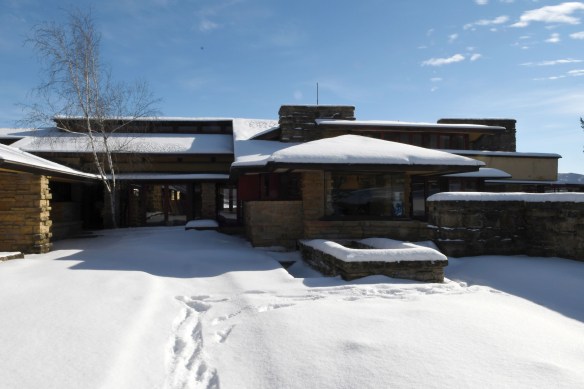
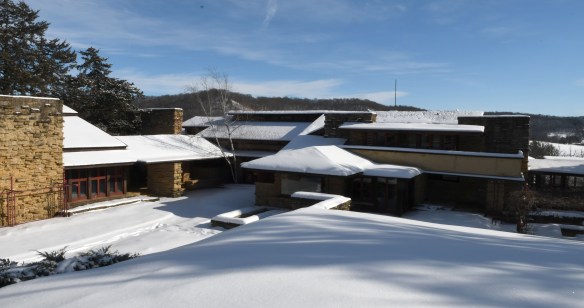
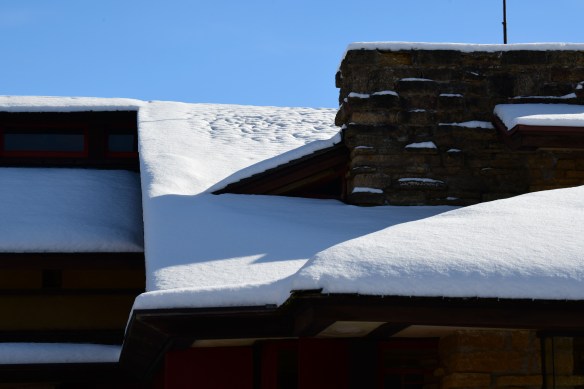
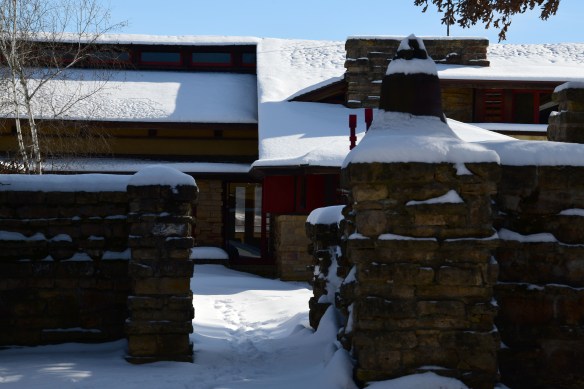
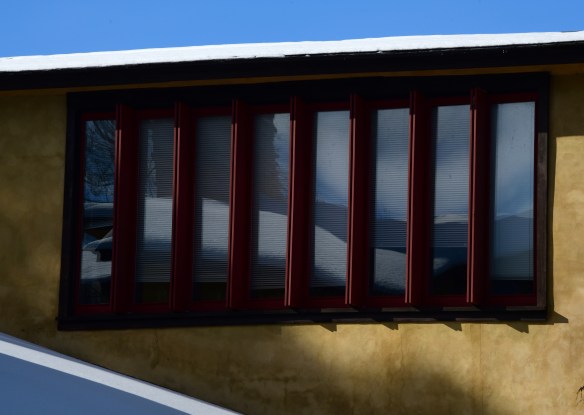
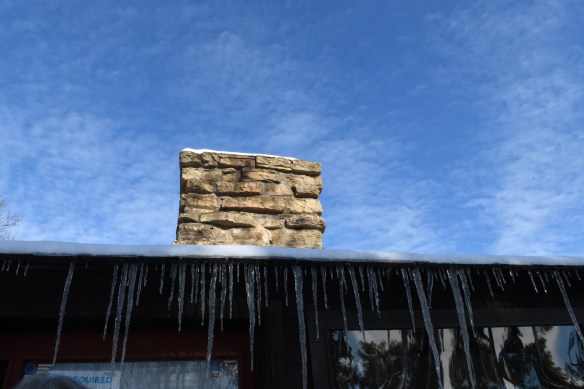
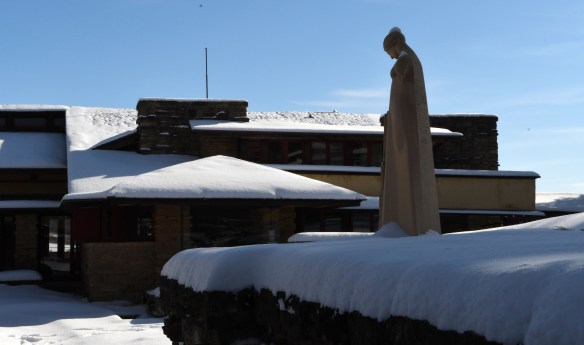
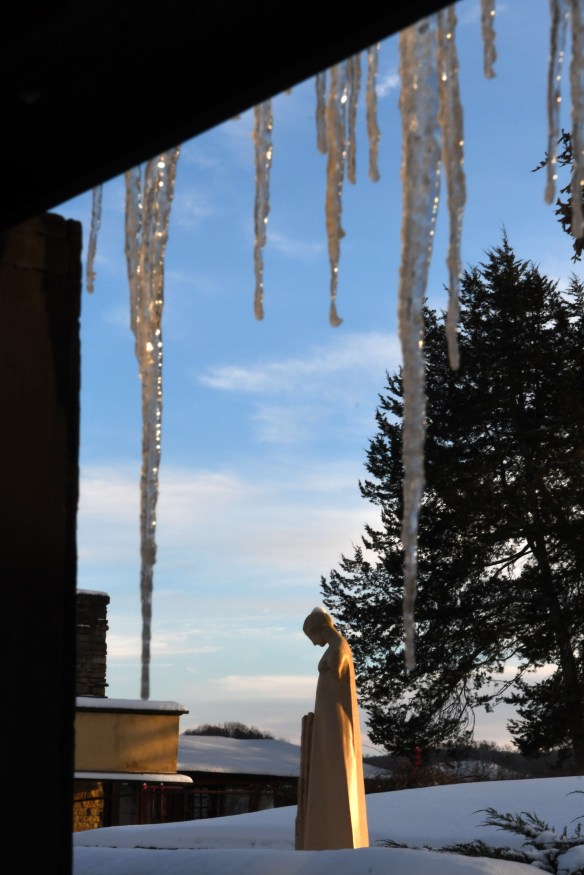
I have been to Taliesin countless times, but never in winter, until Sunday when we had a lunch date with our friend, Minerva Montooth. It had snowed overnight. We would not be able to get to Spring Green until Noon, so there would be no photos in the morning’s “golden light.” I fared better in that respect in the late afternoon. But in between, at Noon, there was a rich, rich blue sky.

Taliesin 1.23.22 025.jpg

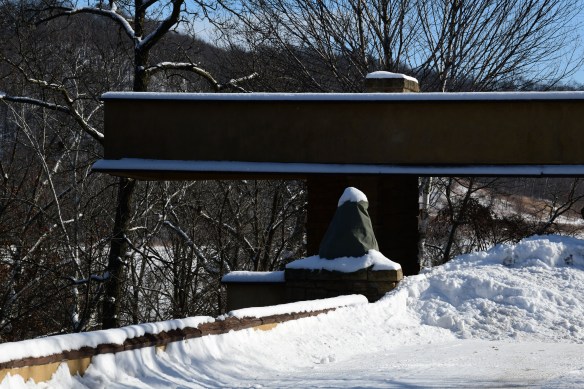
Except for this first photo, I am taking you on a tour of Taliesin in the order I photographed the estate. Get comfortable, there are lots of photos. and you will see how my day’s take evolved. The first stop was a drive through the Visitor’s Center or Riverview Terrace. First, this establishing shot, and then a few details that caught my eye:

Riverview Terrace 1.23.22 002.jpg

Riverview Terrace 1.23.22 003.jpg

Riverview Terrace 1.23.22 004.jpg

Riverview Terrace 1.23.22 005.jpg

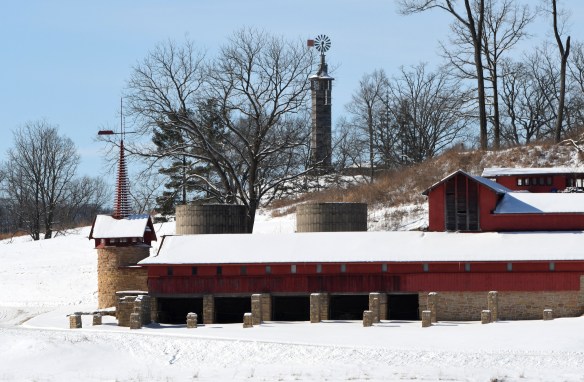
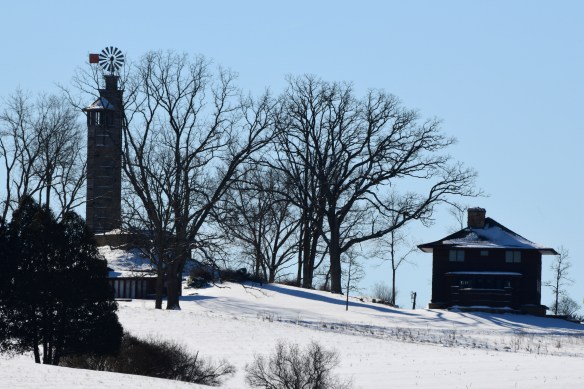
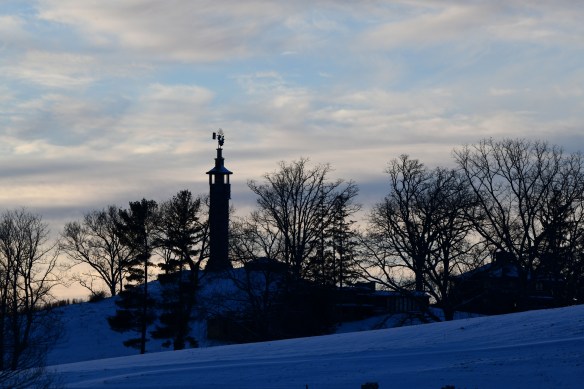
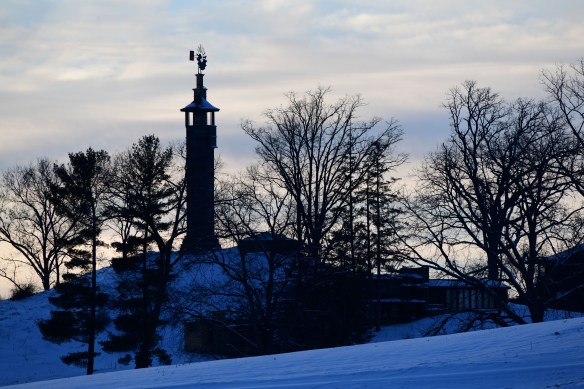
Then onto Hillside, to enter the estate from that end…but I found that the driveway is closed for winter. No matter. I saw these views of Midway Barn and Romeo and Juliet windmill on the road to Hillside. The towers are vertical punctuation marks to the horizontal composition of Midway:

Midway Barn Romeo and Juliet 1.23.22 001.jpg

Midway Barn Romeo and Juliet 1.23.22 002.jpg

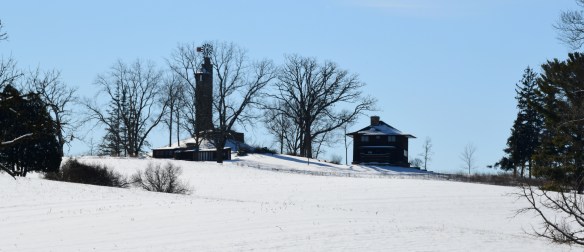
I played with different ways to photograph Romeo and Juliet and Tan-y-Deri as we approached the driveway to Taliesin:

Romeo and Juliet Tan-y-Deri 1.23.22 001.jpg

Romeo and Juliet Tan-y-Deri 1.23.22 002.jpg

Romeo and Juliet Tan-y-Deri 1.23.22 004.jpg

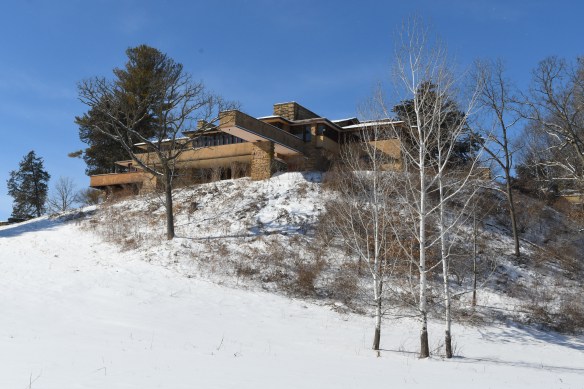
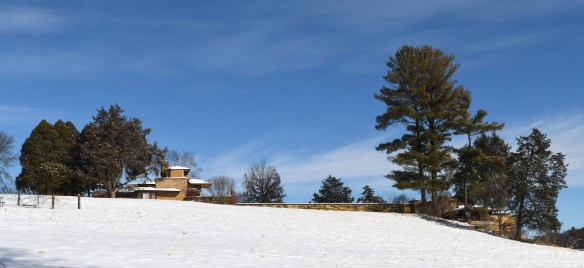
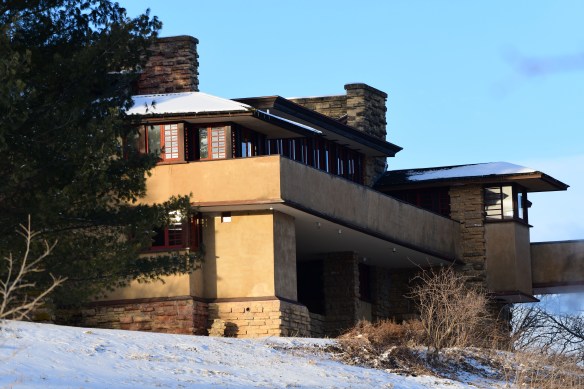
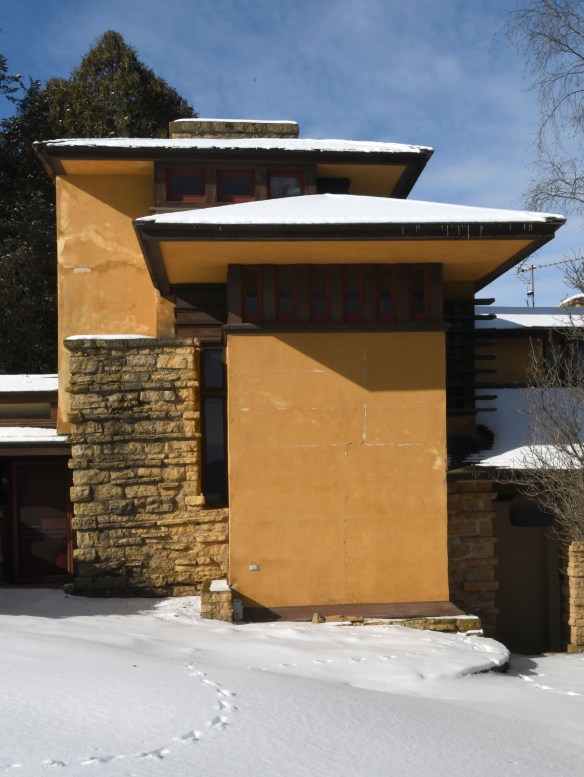
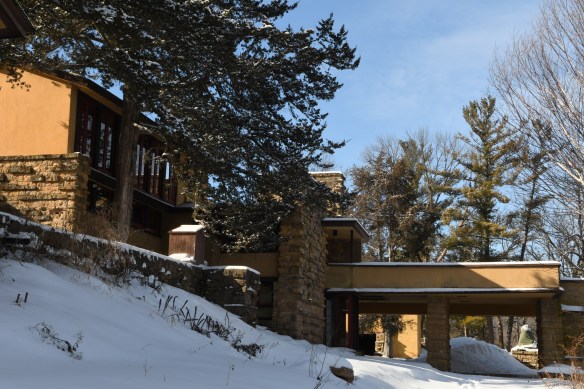
The house as seen from the approach did not photograph well at midday, but I took record shots. I wish there was more snow on the hill below the birdwalk:

Taliesin 1.23.22 023.jpg

Taliesin 1.23.22 024.jpg

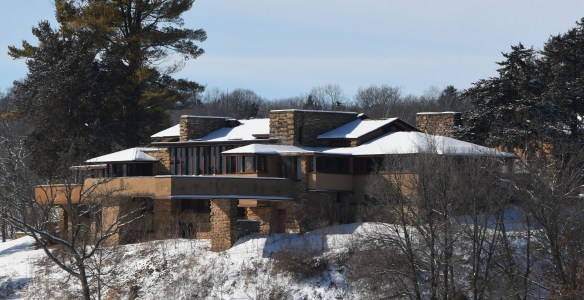
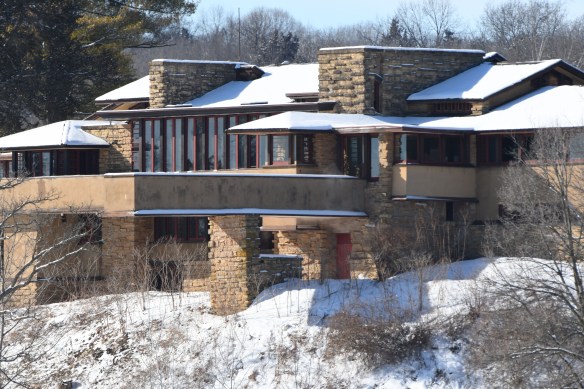
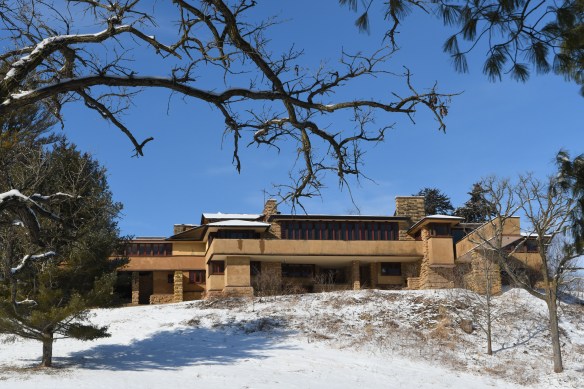
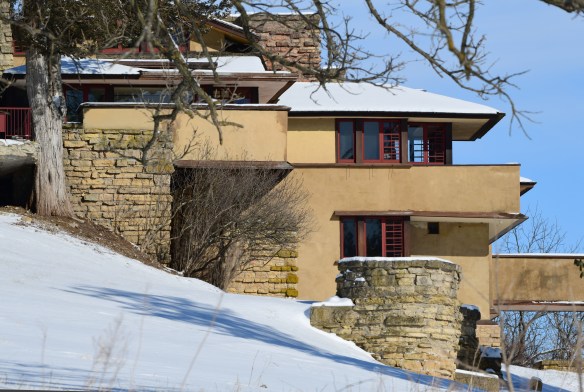
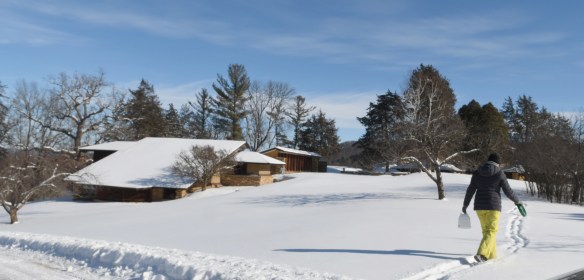
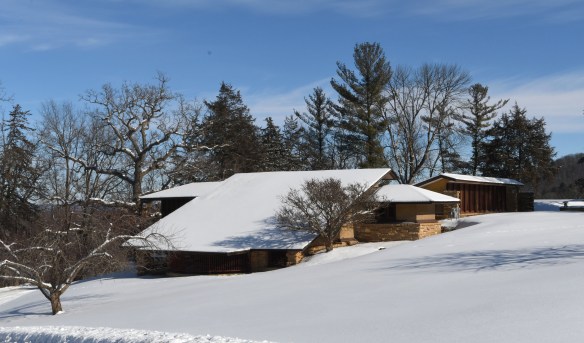
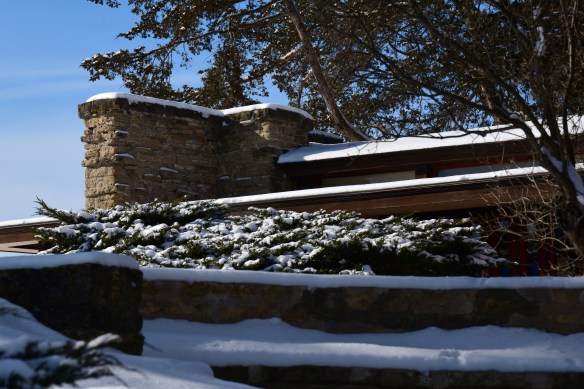
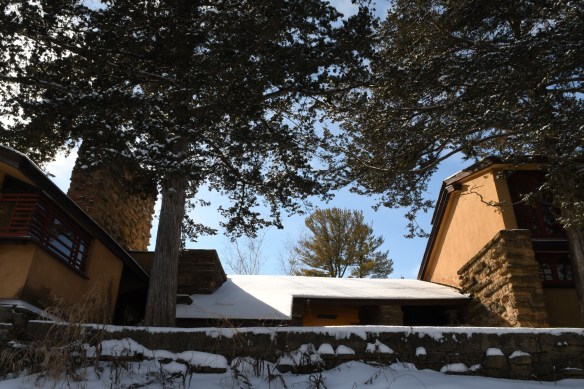
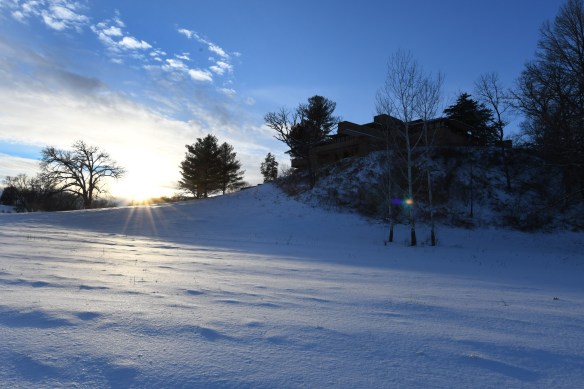
I was happier with what I saw from below the house, starting with the lead photo in this piece.

Taliesin 1.23.22 026.jpg

Taliesin 1.23.22 027.jpg

Taliesin 1.23.22 030.jpg

Taliesin 1.23.22 031.jpg

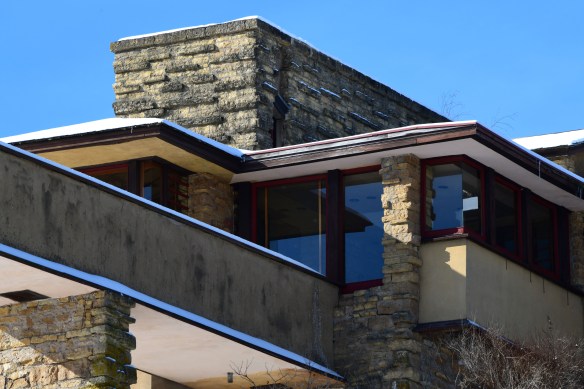
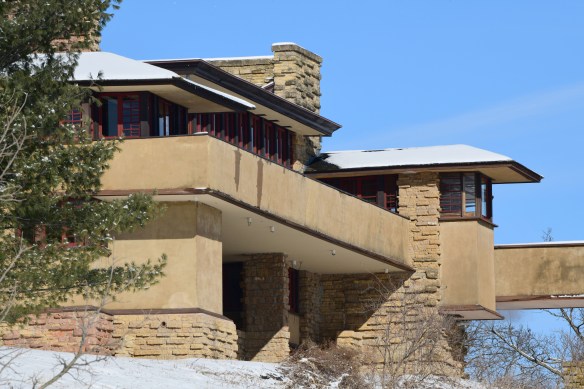
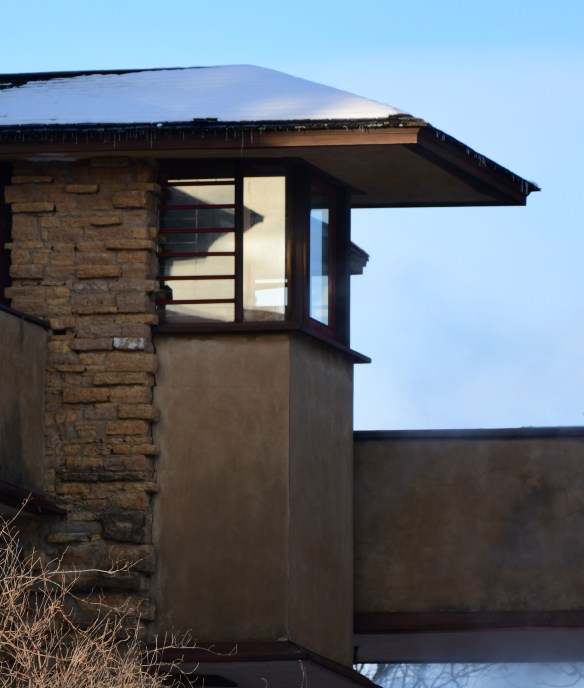
I am a photojournalist. As we say in our circles, after you find a photo, you “work it.” I have to thank John Clouse again for offering to sell me his 200-500mm lens at a good price last summer. While a newspaper colleague of mine in the early 1980s – before today’s fine zoom lenses – once said that “The best telephoto lens is your feet,” (i.e., walk toward and away from your subject rather than rely on the lens), this lens was especially welcome on a cold day after a fresh snowfall. I thought of the countless treks through the estate that the incomparable Pedro Guerrero made when he took his many memorable black and white winter photographs of Taliesin. What would he have done in color, or would he have stayed with black and white, which he printed so beautifully?

Taliesin 1.23.22 032.jpg

Taliesin 1.23.22 033.jpg

Taliesin 1.23.22 035.jpg

Taliesin 1.23.22 037.jpg

Taliesin 1.23.22 038.jpg

Taliesin 1.23.22 040.jpg

Taliesin 1.23.22 041.jpg

Taliesin 1.23.22 043.jpg

Taliesin 1.23.22 045.jpg

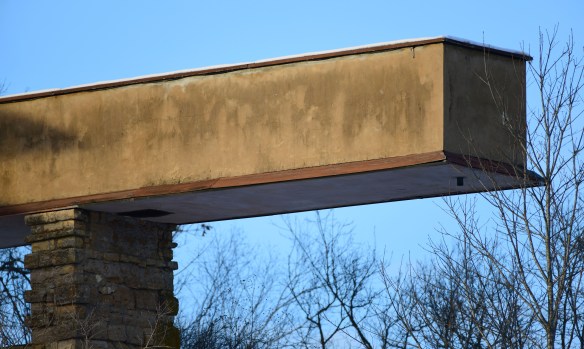
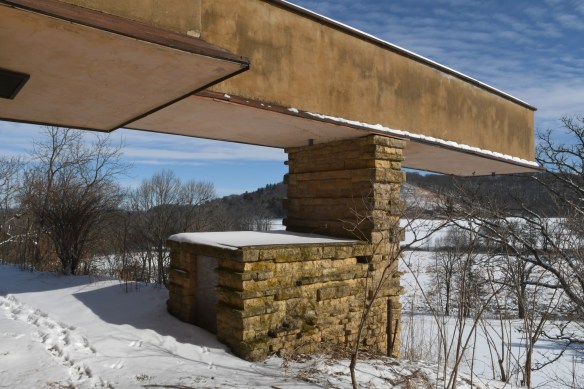
The bird walk is an extraordinary cantilever:

Taliesin 1.23.22 046.jpg

Caroline Hamblen was returning from feeding her chickens in the apple orchard as I crested the hill:

Taliesin 1.23.22 068.jpg

Taliesin 1.23.22 071.jpg

Then it was time to park and explore on foot:

Taliesin 1.23.22 061.jpg

Taliesin 1.23.22 062.jpg

Taliesin 1.23.22 048.jpg

Taliesin 1.23.22 050.jpg

Taliesin 1.23.22 055.jpg

Taliesin 1.23.22 056.jpg

Taliesin 1.23.22 057.jpg

Taliesin 1.23.22 058.jpg

Taliesin 1.23.22 065.jpg

Taliesin 1.23.22 047.jpg

Taliesin 1.23.22 059.jpg


Taliesin 1.23.22 064.jpg

The next photo is at Minerva’s front door:

Taliesin 1.23.22 067.jpg

I saw this on my way in:

Taliesin 1.23.22 051.jpg

I saw this on my way out after lunch and lively conversation:

Taliesin 1.23.22 054.jpg

Taliesin 1.23.22 053.jpg

Then, one more swing through the estate with magic light at the “golden hour”:

Taliesin 1.23.22 073.jpg

Taliesin 1.23.22 076.jpg

Romeo and Juliet 1.23.22 005.jpg

Romeo and Juliet 1.23.22 006.jpg

Farewell, Taliesin, until next time!


Where Famous Feet Did Tread

Photo and text © Mark Hertzberg (2021)

Procrastination sometimes pays off.

LR Hillside Drafting Room Aug 2021 004.jpg

I took this photograph August 29, on a photo exploration of the Hillside Drafting Room. It’s a single frame, in a folder of 18 photos. While I was concentrating on other aspects of the drafting room, I glanced at the floor and wondered what famous people have walked on it since it was installed in late 1938. Frank Lloyd Wright was obviously one of them, but who else?

I posted other photos of the drafting room soon after (they are toward the end of the link below), but I sat on this one, intending to one day write a “who walked here” post:

https://wrightinracine.wordpress.com/2021/09/06/wright-through-the-lens/

It is fortunate that I held off because last week I read a new post from Keiran Murphy which tells the story of the floor, a backstory I never would have guessed. The floor is like a wafer cookie, and it has a relationship to the floor at Wingspread. That’s all I will tell you. Here is a link to Keiran’s post:

https://www.keiranmurphy.com/hillside-drafting-studio-flooring/?fbclid=IwAR3SSC_CAVWs7yuVtk-ah51JlWW535FWEgOXCJAwTfLX8NOxzLri9ggJ1rk

Julian Carlton in Black and White

© Mark Hertzberg (2021)

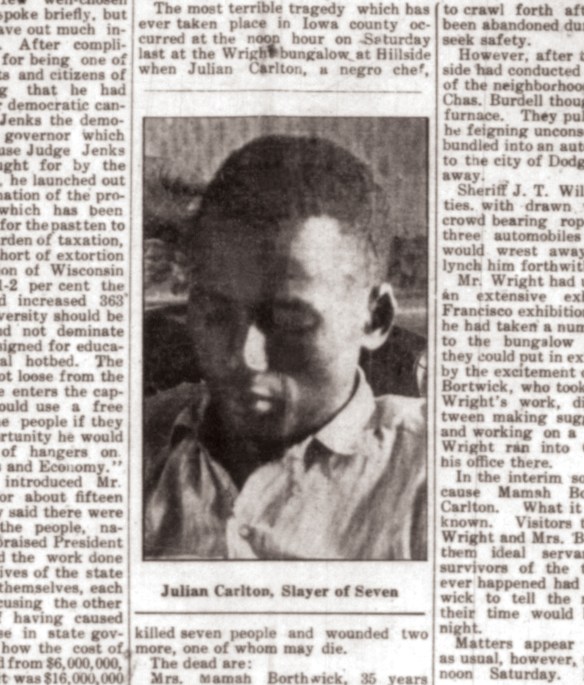
Carlton.jpg

Some Black guy from Barbados went berserk, setting fire to a house before slaying seven people with a roofing hatchet as they tried to flee the blaze. He never came to trial because he died from having ingested muriatic acid while hiding from authorities. That’s the story we have accepted for 107 years about what happened at Taliesin on August 15, 1914 when Wright’s partner, Mamah Borthwick, her two children, and four of Wright’s workers died a horrific death. 

Although Julian Carlton was the slayer, he was not legally guilty of the murders because he was never tried. There is only one known photo of him. It was taken in court and appeared in  a local newspaper six days later. I wrote about the photograph almost two years ago:

https://wrightinracine.wordpress.com/2020/01/19/reading-the-only-known-photograph-of-julian-carlton/

A comment about this article was posted on the website a few weeks ago by “whatever74,” an on-line email pseudonym. The comment gave me pause:

The account of this murder to me is very suspicious. So many things just dont add up. I dont think we have anywhere near the truth. Life for black people back then was so unfair, so hidden, so corrupted, we really have no clue what transpired. He sure doesnt look insane in this photo. He looks resigned to a fate determined by people in power that couldnt care less about anything except maintaining that power. Who dies of starvation while in prison? How does that even happen? And look at him in this courtroom shot. Does he look like someone that cant consume food? He looks perfectly healthy, hardly someone that is wasting away from lack of food.

It just shows you how dangerous it is when one group gets a lot of power. And it happens all over the world. We fear what we could lose and tend to do irrational things to protect against that loss.

I thought that the commenter is likely African-American, suspicious of a white narrative of the crime. It would be easy to dismiss the comment but we should not, especially with the awakening many people who are not of color have had since the murder of George Floyd. Why not believe the initial explanation of the Minneapolis Police Department that Floyd died after some sort of medical incident. Isnt law enforcement trustworthy?

Man Dies After Medical Incident During Police Interaction:…Two officers arrived and located the suspect, a male believed to be in his 40s, in his car. He was ordered to step from his car. After he got out, he physically resisted officers. Officers were able to get the suspect into handcuffs and noted he appeared to be suffering medical distress. Officers called for an ambulance. He was transported to Hennepin County Medical Center by ambulance where he died a short time later…”

The phone video that Darnella Frazier showed us otherwise. That kind of gulf between fact and fiction is not limited to George Floyd’s murder at the hand of police in Minneapolis.

I believe that what we generally know about the massacre at Taliesin is true, but we need to be careful about some of the nuances. It took more than 100 years, until Paul Hendrickson wore out the soles of his shoes with his gumshoe detective work and wrote Plagued by Fire in 2019 in which he established conclusively that Carlton was a native of Alabama, not Barbados. That undid a century-old “fact” about the killings.

Did it matter for some people that this crazed Negro (I am purposely using pejoratives) was, you know, from down there, from the West Indies? Wright described Carlton as “a thin-lipped Barbados negro.” The lead of the next day’s Chicago Sunday Tribune story was “A Barbados negro with a handax yesterday…” Maybe as a West Indian Carlton didn’t understand how “house Negroes” should do things in America. Conversely, Hendrickson wonders if Carlton wanted people to think that he was from Barbados and thus think that he wasn’t just a plain-old American Negro or N-word, with every connotation that came with such a description.

Hendrickson writes that race was an important identifier in describing Carlton: “The black butcher.” “The black beast.” “The Negro fiend.” “And,” writes Hendrickson, “in a few places worse than that.” Indeed, one of the witnesses to the massacre quotes the father of one the victims as saying, “That [N-word] up there. He killed my boy.” The late Ron McCrea makes a similar point in his 2012 book Building Taliesin.  He quotes Ernest Wittwer who was just four years old when his father took him to the jail in Dodgeville to look at Carlton. “He held me up so I could see him through the window. I had never seen a black man before. I never felt the same about black people after that.”

Hendrickson posits that Carlton’s race may have influenced how Richard Lloyd Jones, Wright’s cousin, may have skewed editorial coverage in his newspaper, the Tulsa Tribune, in 1921 and helped fuel the Tulsa Race Massacre.

I shared “whatever 74’s” comments with a handful of Wright scholars. One wrote:

“whatever74” brings an interesting and plausible perspective (albeit clearly unsubstantiated by any evidence or proof) to the final days of JC placed in the larger context of American culture and society in 1914…PS:  it certainly makes you think . . .

I emailed “whatever 74” and asked what prompted his comment. He replied: I was just reading about FLW.  As I reread my comment now I wish there was an edit option.  If he had swallowed that acid that made it impossible for him to eat he could have looked just fine and healthy for weeks depending on his condition when he swallowed it.  I’ve water fasted for weeks and its surprising how healthy you look when you don’t eat…I suppose is pointless to even discuss an event where we have no idea what really happened.  I’ve seen so much prejudice in my life I guess I’m hypersensitive to it.  Videos today just showcase how often people in authority misuse that authority to maintain their position of power.  I can’t imagine what transpired back then when so many people got away with so much behind closed doors.

Then came another email from “whatever 74”: Just a white guy that has spent quite a bit of time in black culture.

Just what I’ve seen and experienced.

But as we really don’t know what happened and can’t possibly ascertain

what really happened, its probably better to focus on what is happening

today.

Keiran Murphy, the esteemed Taliesin historian, has an unpublished nine page manuscript entitled “The human toll taken by madness:  Truth and Myth Surrounding the 1914 Murders at Frank Lloyd Wrights Taliesin.” It cites numerous inaccurate contemporary accounts, including in The New York Times, which many people consider “the paper of record.” The Times wrote that Carlton was arrested 16 miles away from Taliesin after being tracked down by bloodhounds. In fact, he was hiding in a boiler at Taliesin. 

Since 2007 many people have asked on social media what kind of soup was being served for lunch that day. The first mention of any soup (on an August day!) is in William Drennan’s woefully inaccurate 2007 book Death in a Prairie House. There is no documentation for his assertion that soup was on the luncheon menu that August day. And so the myths are created even the century after the events of that summer day at Taliesin.

There has been much speculation about whether Borthwick was the intended victim, or was it Emil Brodelle, a draftsman who had allegedly racially insulted Carlton, or was it indirectly Wright himself by killing his lover?  Was Carlton upset at being fired by Wright? Murphy sets the record straight that Carlton’s departure from Taliesin was quite possibly voluntary, and that he had told Wright some time before that he would be returning to Chicago.

I talked to a friend who is the steward of a Wright home, and who was recently asked to review an unpublished, but thoroughly documented Wright manuscript. One of the things that struck him was the description of Borthwick as a person of privilege, who, he thought, seemed to not be above using that privilege when addressing servants. Wright, according to the manuscript, was not above using the N-word. Last night, as I finish this article, a Wright scholar told me of a second-hand account from the son of one of the workers at Taliesin that another worker may have been sexually harassing Carlton’s wife. 

I appreciate whatever74 giving us something to ponder, although he undid much of the good in his questions with some things he later wrote that I think are gross negative generalizations about African-Americans who, he feels, have not reached their potential.

I do not doubt the general outline of what we have read and believed to be true about the events of August 15, 1914 at Taliesin. But whatever74’s initial comments and Daniella Frazier’s video are stark reminders for us to think twice before accepting a narrative involving race, even from “authorities,” as the unvarnished truth. Carltons motive is secondary to my point.

There have been discussions about whether or not Frank Lloyd Wright was racist. Some people dismiss his use of the N-word as a norm 100 years ago, and not perceived by whites as racially insensitive as it would be today. 

This is 2021, not 1914 and I daresay that your initial reaction about the veracity of “Some Black guy from Barbados went berserk, setting fire to a house before slaying seven people with a roofing hatchet as they tried to flee the blaze. He never came to trial because he died from having ingested muriatic acid while hiding from authorities.” would reasonably be different depending on whether you are white or Black. I welcome your comments.

–30–