Newly Discovered Wright Home Near Milwaukee

Story and photos (c) Mark Hertzberg

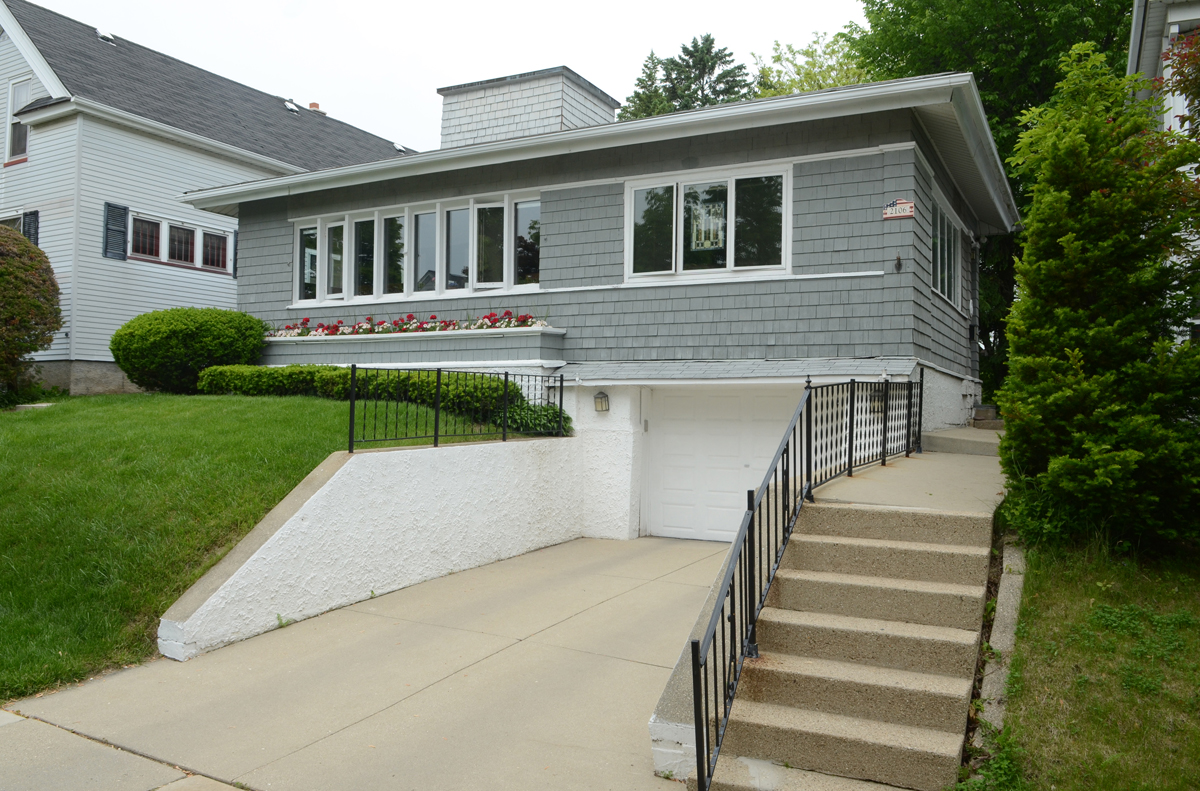
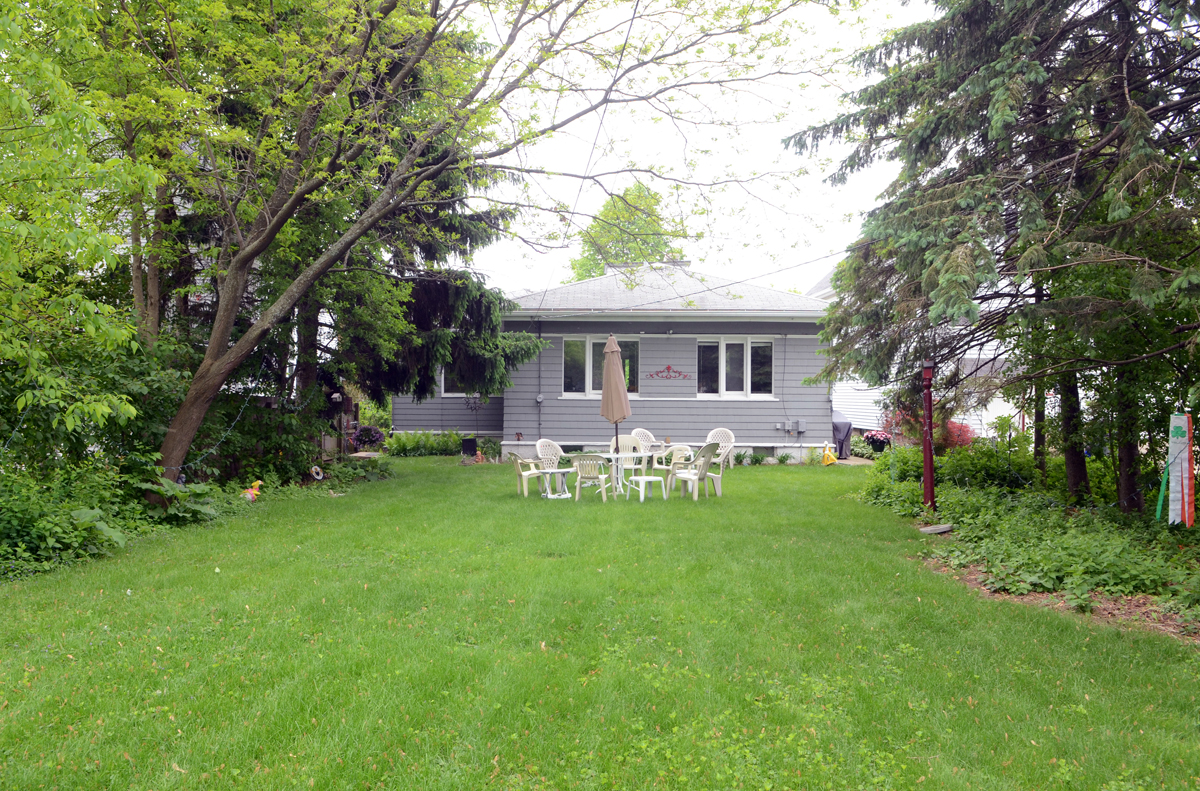
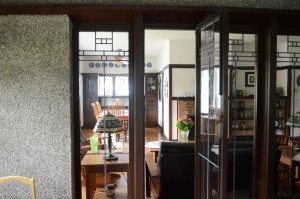
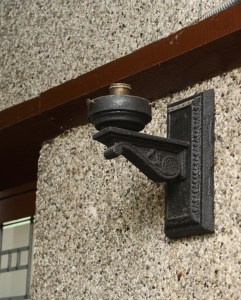
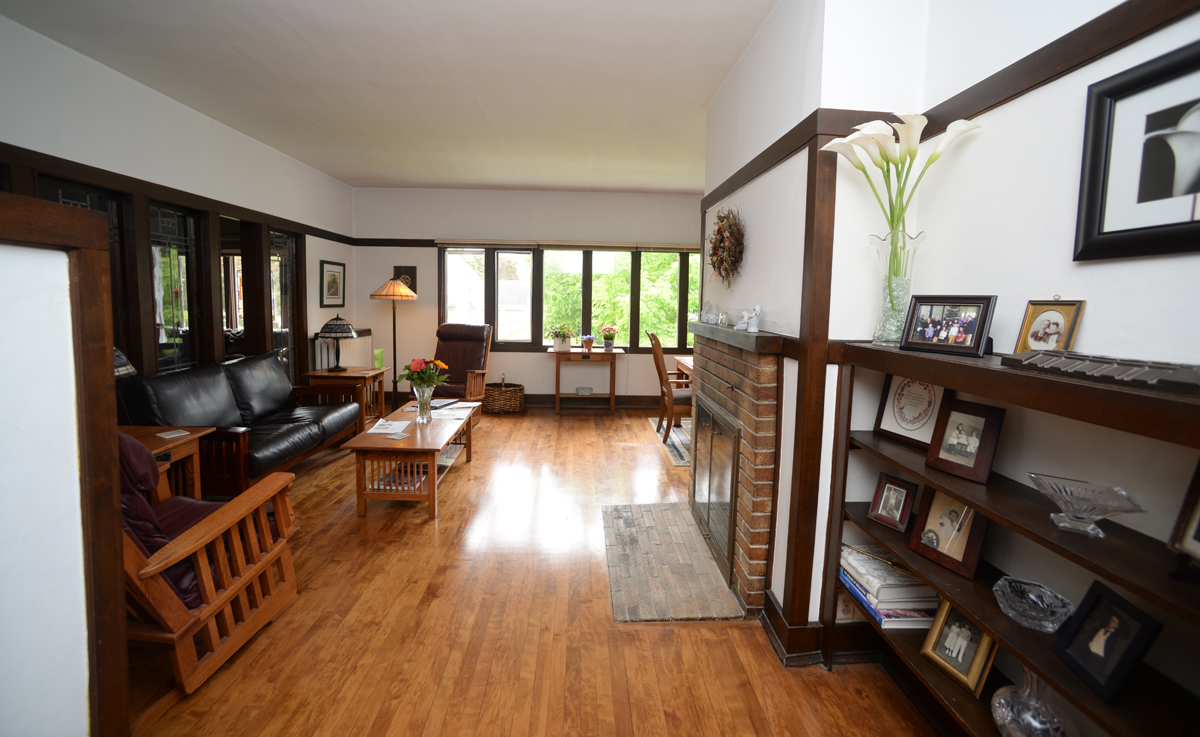
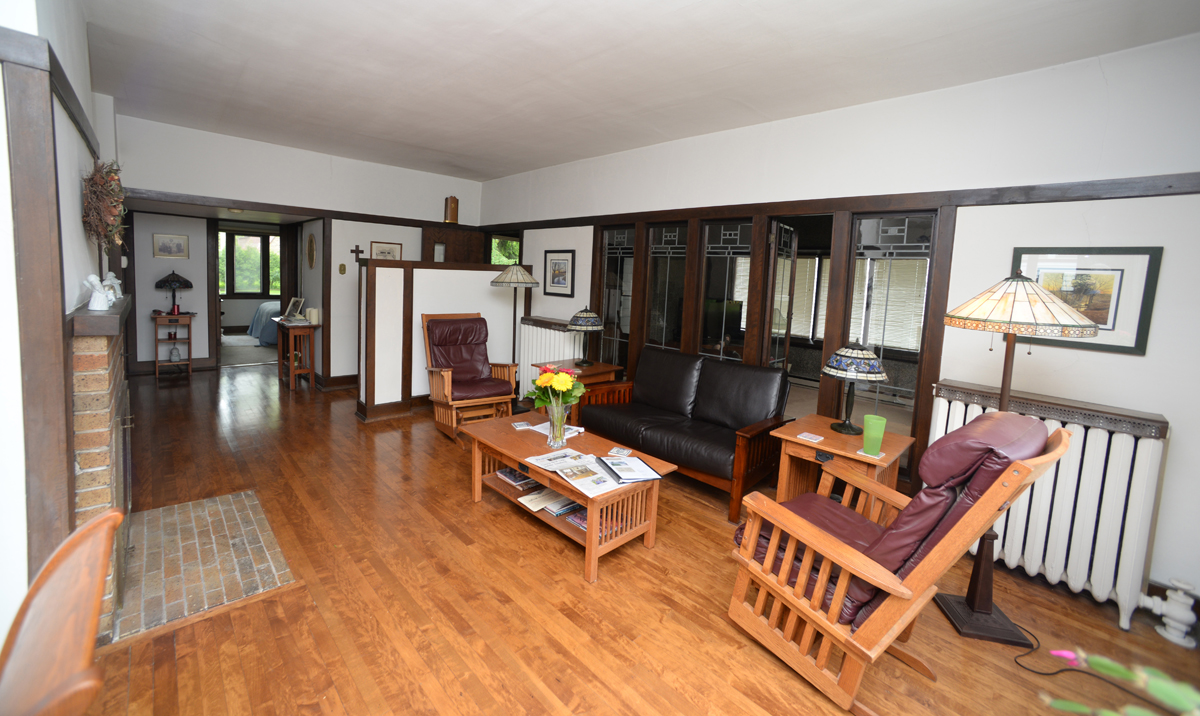
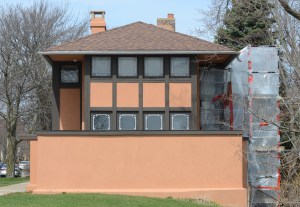
The 2100 block of Newton Avenue in Shorewood, Wis., will no longer be a quiet street, as word spreads of the documentation there of a previously unidentified house designed by Frank Lloyd Wright. The home at 2106 Newton may not look like a Wright home at first glance, but underneath the modern siding, and above the garage which was added in 1976, is one of Wright’s stucco American System-Built homes.

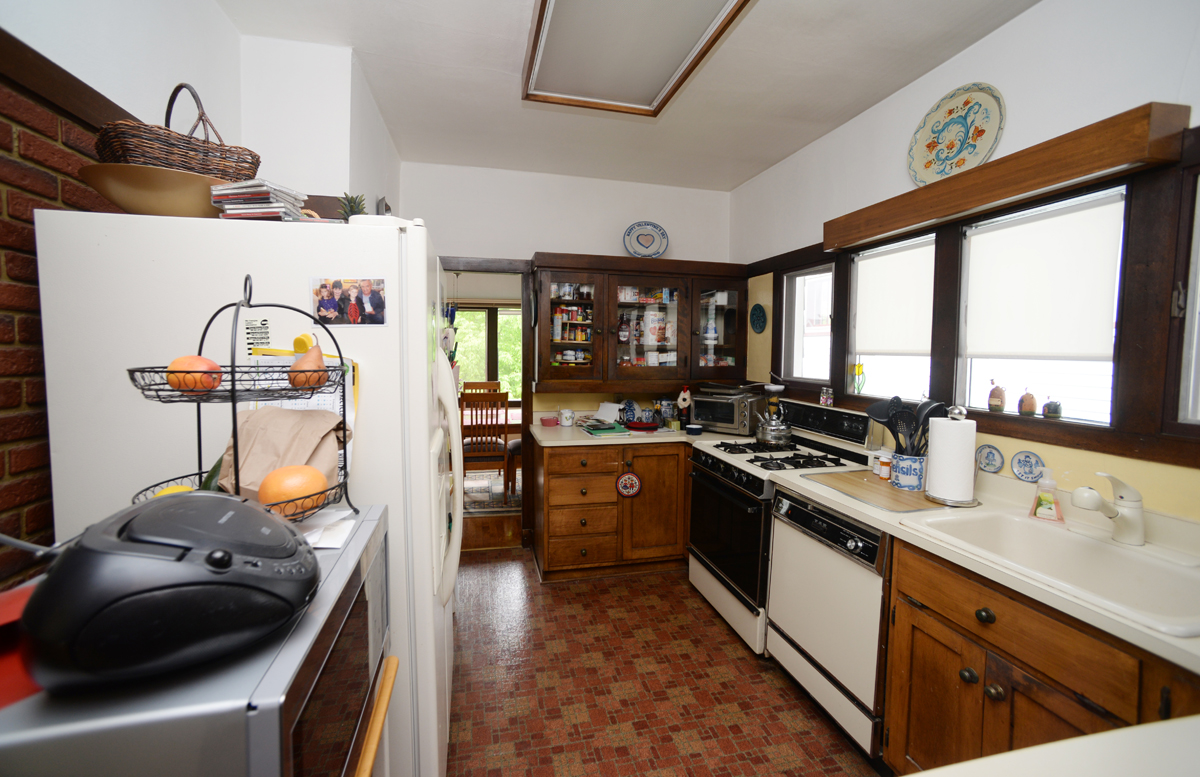
The documentation of Frank Lloyd Wright as the architect of the home at 2106 Newton Avenue, Shorewood, Wis., was announced Friday June 5, 2015. The home, which dates to 1917, is one of Wright's American System-Built homes. It has   /  (c) Mark Hertzberg

The documentation of Frank Lloyd Wright as the architect of the home at 2106 Newton Avenue, Shorewood, Wis., was announced Friday June 5, 2015. The home, which dates to 1917, is one of Wright's American System-Built homes. It has   /  (c) Mark Hertzberg

The documentation of Frank Lloyd Wright as the architect of the home at 2106 Newton Avenue, Shorewood, Wis., was announced Friday June 5, 2015. The home, which dates to 1917, is one of Wright's American System-Built homes. It has   /  (c) Mark Hertzberg

Many people think Wright designed homes only for wealthy clients, but he was keenly interested in affordable housing for the middle class. The American System-Built homes, designed as affordable housing, could be selected from a myriad of designs. The entrance to the house is on the right side (as one faces the house). The original open porch at the entrance was enclosed at an unknown date. It still has the original stucco finish and the leaded glass windows which apparently were the front windows of the house.

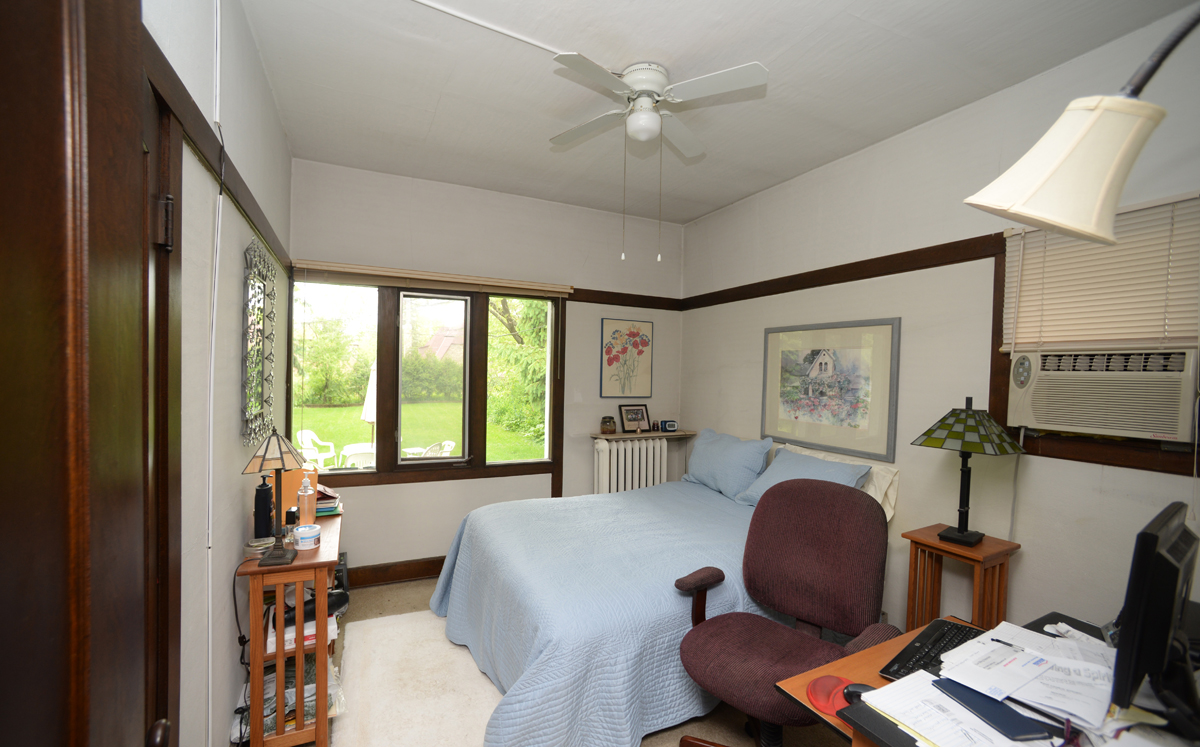
The documentation of Frank Lloyd Wright as the architect of the home at 2106 Newton Avenue, Shorewood, Wis., was announced Friday June 5, 2015. The home, which dates to 1917, is one of Wright's American System-Built homes. It has   /  (c) Mark Hertzberg

The documentation of Frank Lloyd Wright as the architect of the home at 2106 Newton Avenue, Shorewood, Wis., was announced Friday June 5, 2015. The home, which dates to 1917, is one of Wright's American System-Built homes. It has   /  (c) Mark Hertzberg

The documentation of Frank Lloyd Wright as the architect of the home at 2106 Newton Avenue, Shorewood, Wis., was announced Friday June 5, 2015. The home, which dates to 1917, is one of Wright's American System-Built homes. It has   /  (c) Mark Hertzberg

The Newton Avenue house, built in 1917, joins six homes in the 2700 block of W. Burnham St. (two single-family homes and four duplexes) as examples of Wright’s American System-Built homes in the Milwaukee area. The two-bedroom Shorewood house is a Model A203. Four other Milwaukee American System-Built duplexes, the Arthur R. Munkwitz Duplex Apartments, were demolished in 1973 to widen a street.

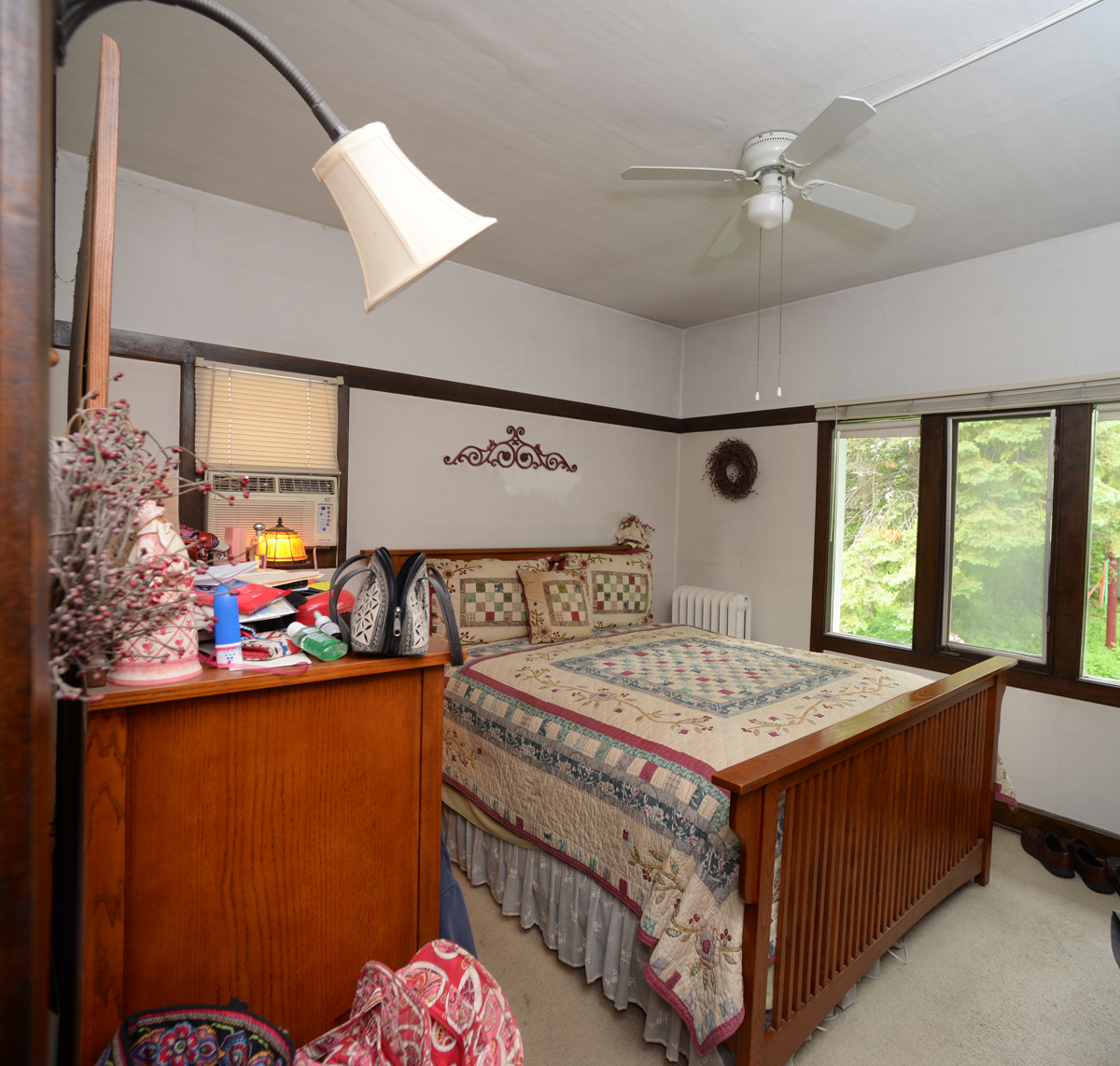
The documentation of Frank Lloyd Wright as the architect of the home at 2106 Newton Avenue, Shorewood, Wis., was announced Friday June 5, 2015. The home, which dates to 1917, is one of Wright's American System-Built homes. It has   /  (c) Mark Hertzberg

The documentation of Frank Lloyd Wright as the architect of the home at 2106 Newton Avenue, Shorewood, Wis., was announced Friday June 5, 2015. The home, which dates to 1917, is one of Wright's American System-Built homes. It has   /  (c) Mark Hertzberg

The documentation of Frank Lloyd Wright as the architect of the home at 2106 Newton Avenue, Shorewood, Wis., was announced Friday June 5, 2015. The home, which dates to 1917, is one of Wright's American System-Built homes. It has   /  (c) Mark Hertzberg

The documentation of Frank Lloyd Wright as the architect of the home at 2106 Newton Avenue, Shorewood, Wis., was announced Friday June 5, 2015. The home, which dates to 1917, is one of Wright's American System-Built homes. It has   /  (c) Mark Hertzberg

The documentation of Frank Lloyd Wright as the architect of the home at 2106 Newton Avenue, Shorewood, Wis., was announced Friday June 5, 2015. The home, which dates to 1917, is one of Wright's American System-Built homes. It has   /  (c) Mark Hertzberg

The documentation of Frank Lloyd Wright as the architect of the home at 2106 Newton Avenue, Shorewood, Wis., was announced Friday June 5, 2015. The home, which dates to 1917, is one of Wright's American System-Built homes. It has   /  (c) Mark Hertzberg

The first person to tell owners Roger and Pat Wisialowski that they may be living in a Wright home was the late Richard Johnson of Evanston, Illinois. Johnson had a passion for searching for previously unknown Wright works. However, none of the ones he believed Wright designed were documented and authenticated as Wright’s, until Mike Lilek researched the little house on Newton Avenue over the last year and found proof that it is, indeed, a Wright home. Lilek is nationally recognized as an expert on the subject of Wright’s American System-Built homes.

The documentation of Frank Lloyd Wright as the architect of the home at 2106 Newton Avenue, Shorewood, Wis., was announced Friday June 5, 2015. The home, which dates to 1917, is one of Wright's American System-Built homes. It has   /  (c) Mark Hertzberg

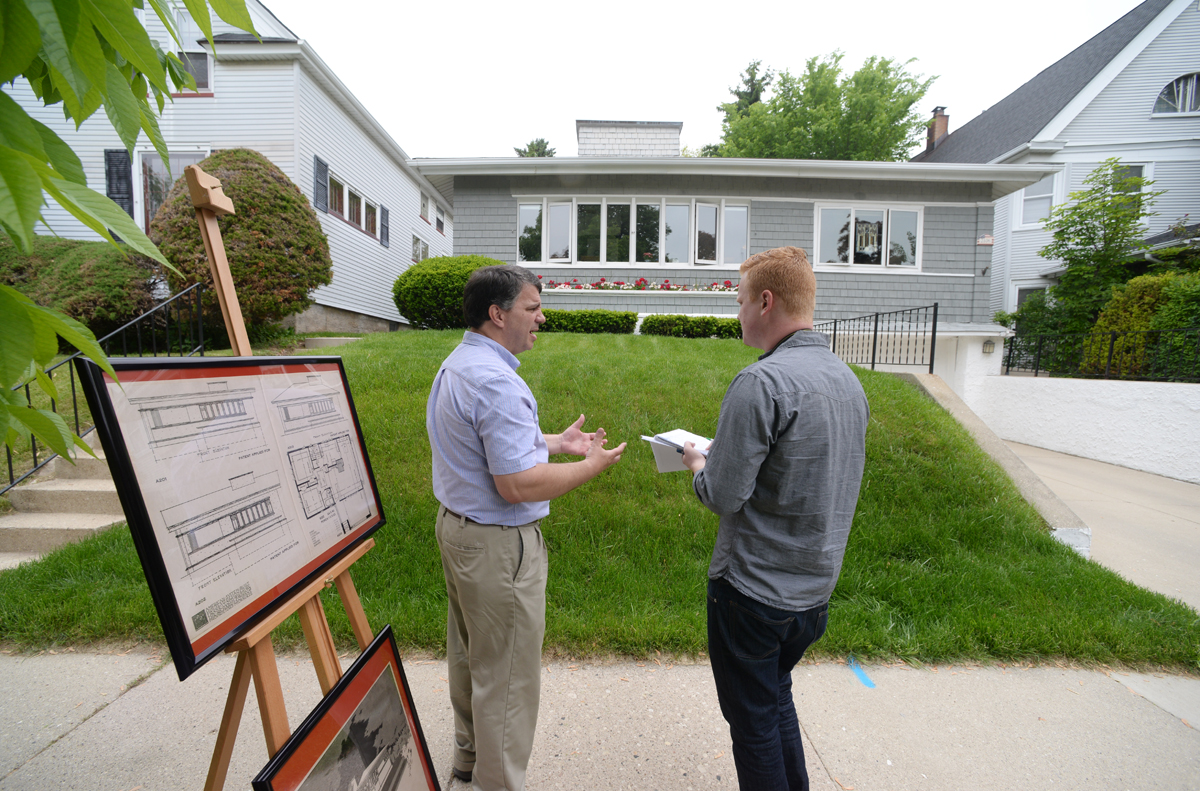
Lilek, left, is interviewed by Jeff Rummage of the “Shorewood Now news site.

He has spearheaded the restoration of two of the Burnham Street houses for Frank Lloyd Wright Wisconsin. He extensively researched the Newton Avenue house and has presented his findings to the Frank Lloyd Wright Foundation, the organization which oversees all things Wright and was the former home of Wright’s archive. He announced his findings June 5, 2015 at a press event in front of the house. He has been transparent about his research, and has posted a link to it:

www.wrightinwisconsin.org

Link toMary Louise Schumacher’s feature story in the Milwaukee Journal Sentinel:

http://www.jsonline.com/entertainment/sleuthing-reveals-shorewood-home-was-

designed-by-frank-lloyd-wright-b99513440z1-306231261.html

Remembering Jim Yoghourtjian

(c) Mark Hertzberg

Jim Yoghourtjian, steward of Frank Lloyd Wright’s Hardy House with his wife, Margaret, from 1968 – 2012 died April 26. He was 91.

Margaret and Jim Yoghourtjian in their living room in the Hardy house, 1319 S. Main St., Wednesday September 1, 2004.  (c) Mark Hertzberg

He was a well known classical guitarist, who traveled to Siena, Italy, to study with Andres Segovia. His friends knew him for his devotion to Margaret, for his warmth, for his apple pies, as well as for his music.

Jim’s father did not understand how he could make a living as a musician and urged him to take a shop job in the factory where he worked. In 1957, though, his father went to Chicago to hear Jim play in the Fullerton Auditorium at the Art Institute of Chicago in conjunction with an exhibition honoring Pablo Picasso. After listening to the applause at the end of the concert, his father asked the person next to him if everyone there had come to hear the music. Assured that they had, he proudly said, “That’s my son!” Jim wrote in a 1996 memoir.

Jim had a wry sense of humor. Jim and Margaret had welcomed visitors to the house for many years until after some negative experiences. The house then understandably became strictly their home, not a Wright tourist destination. He chuckled when he told me how he then deflected Wright-related questions from strangers who pestered him when he was doing yard work, “I don’t know, I’m just the caretaker.”

I remember seeing him outside the house soon after moving to Racine in 1978, quickly pulling over to the curb, and asking if I could see the inside of his Frank Lloyd Wright house. He declined to let me invade their privacy. I never faulted him for that, wondering how often that happened to him.

There are certainly Wright aficionados who would criticize Jim for playing the role of ignorant caretaker of the house. Those of us lucky to have counted him as a friend would instead smile and think, “Yup, that’s Jim for you!” Rather than dwell on the question of whether or not he should have answered every Wright question, I prefer to dwell on the memory of seeing him tenderly kiss Margaret’s hand one day before going back to bed when they shared a room during a short hospital stay in 2011. He had told me that he used to write her poems for her birthday. That was Jim. And that is part of what made him such a special person.

New Wright exhibition at SC Johnson opens

Photos by Mark Hertzberg (c) for SC Johnson

SCJ Wasmuth

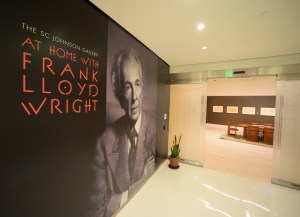
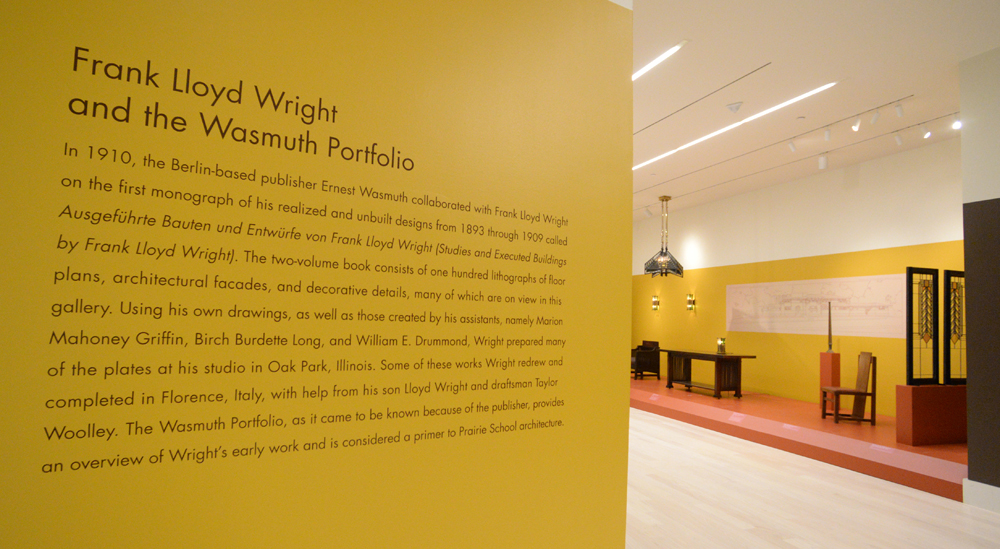
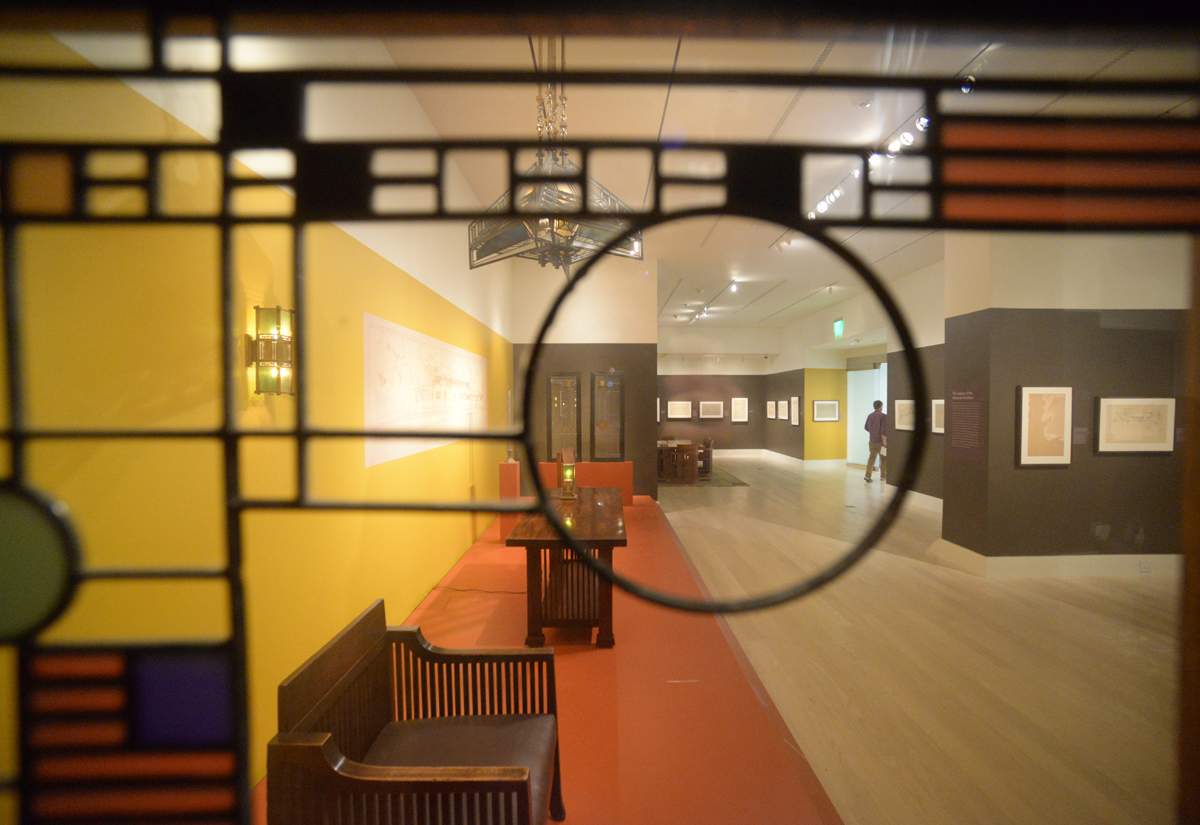
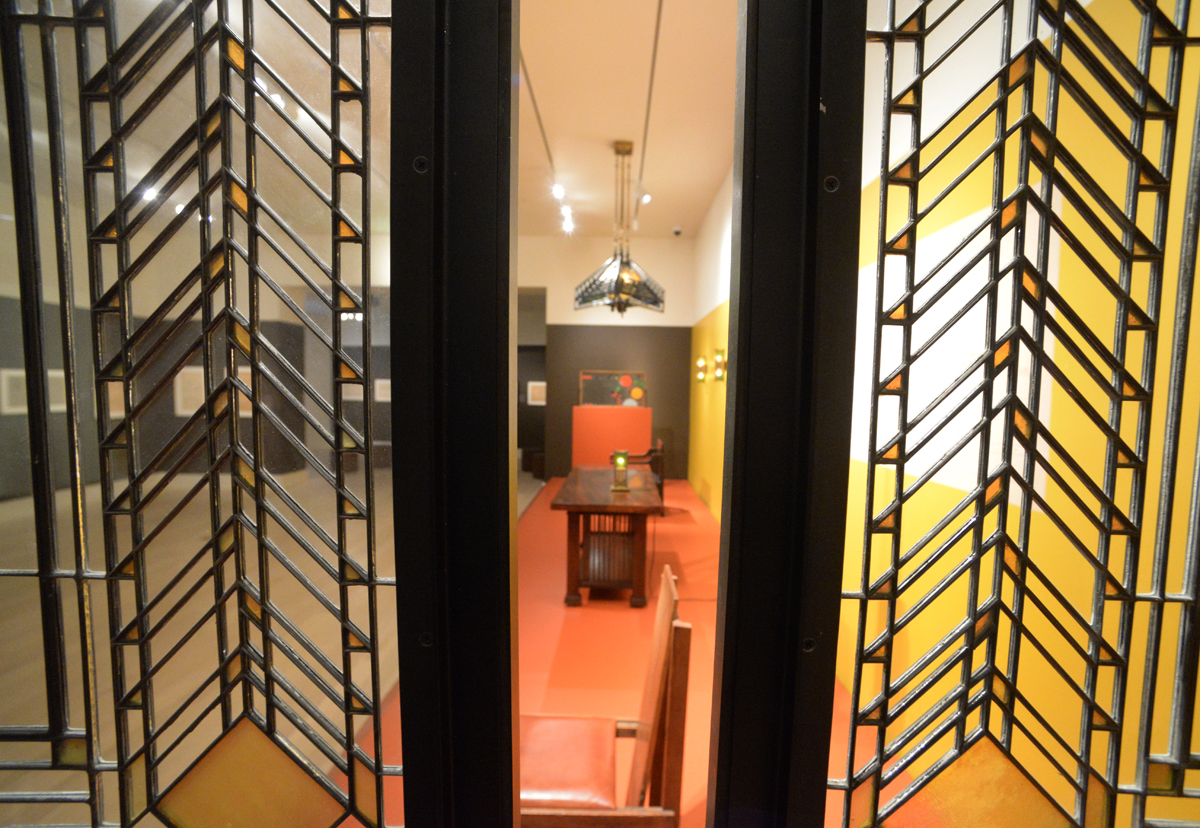
Wright’s 1910 Wasmuth Portfolio is the theme of the fourth annual exhibition in the “At Home with Frank Lloyd Wright” gallery in Fortaleza Hall on the SC Johnson campus in Racine, Wis. Fifty lithographs from the portfolio and artifacts from the Dana House and the Heath House, among others, are exhibited:

SCJ Wasmuth SCJ Wasmuth

SCJ Wasmuth

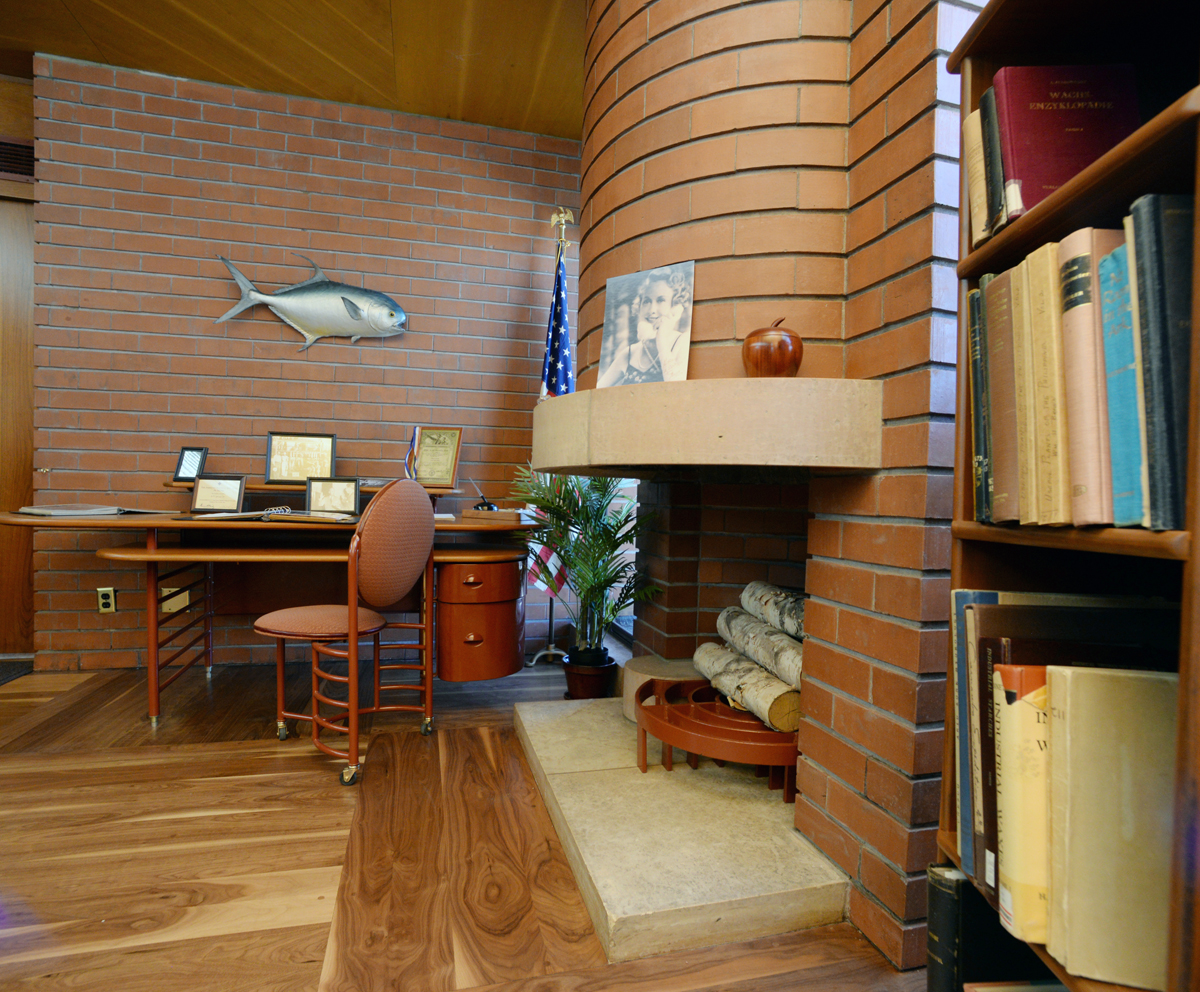
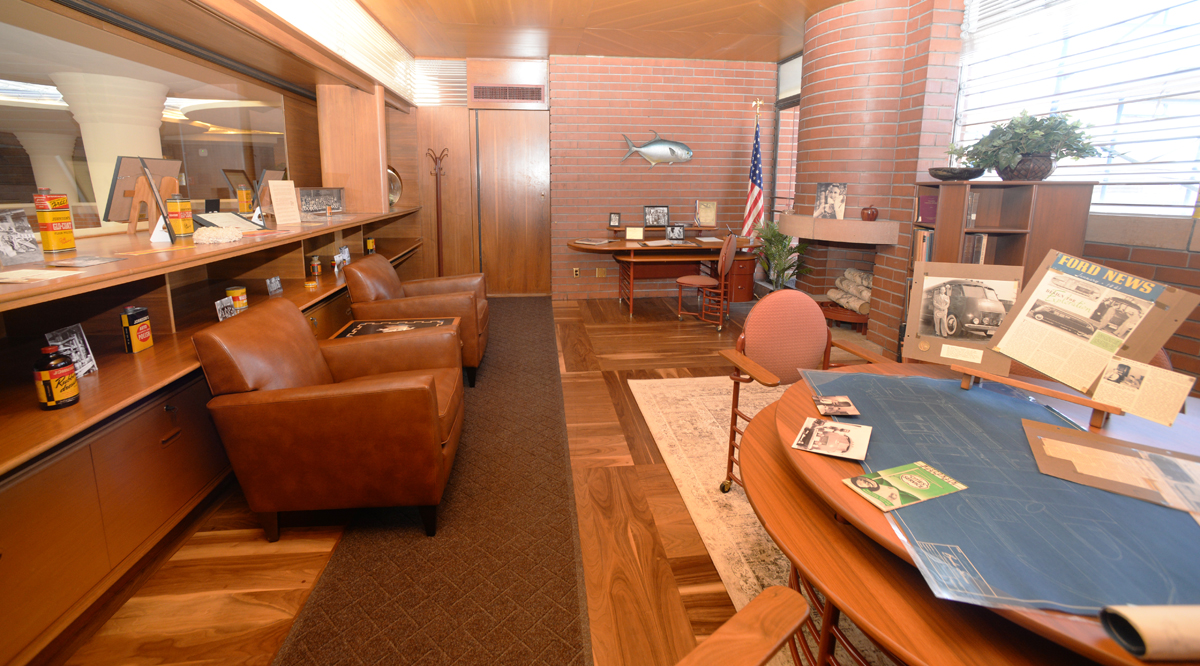
Weekend tours now also include H.F. Johnson Jr.’s office in the Wright-designed Administration Building (1936). The office has been refurbished with period furniture and company artifacts for the tours. Johnson commissioned Wright to designed the Administration Building, the SC Johnson Research Tower (1943/44), Wingspread (his home, 1937), the unrealized Racine YWCA (1949/50), an unrealized remodeling at the Racine Airport (1941), and several unrealized buildings at Wingspread.

HF Office

HF Office

HF Office

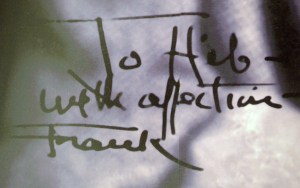
Wright – and others close to Johnson – called him “Hib”.

SCJ Wasmuth

For information and required tour reservations go to: www.scjohnson.com/visit

Work Begins Anew at Hardy House

Photos and text (c) Mark Hertzberg

The Hardy House is a construction zone again after a two-year respite.

Lake Side Restoration

The east side of the house is sheathed in scaffolding, and scaffolding again fills the two-story living room as it did several years ago while plaster was repaired and the house was repainted.

Lake Side Restoration

Lake Side Restoration

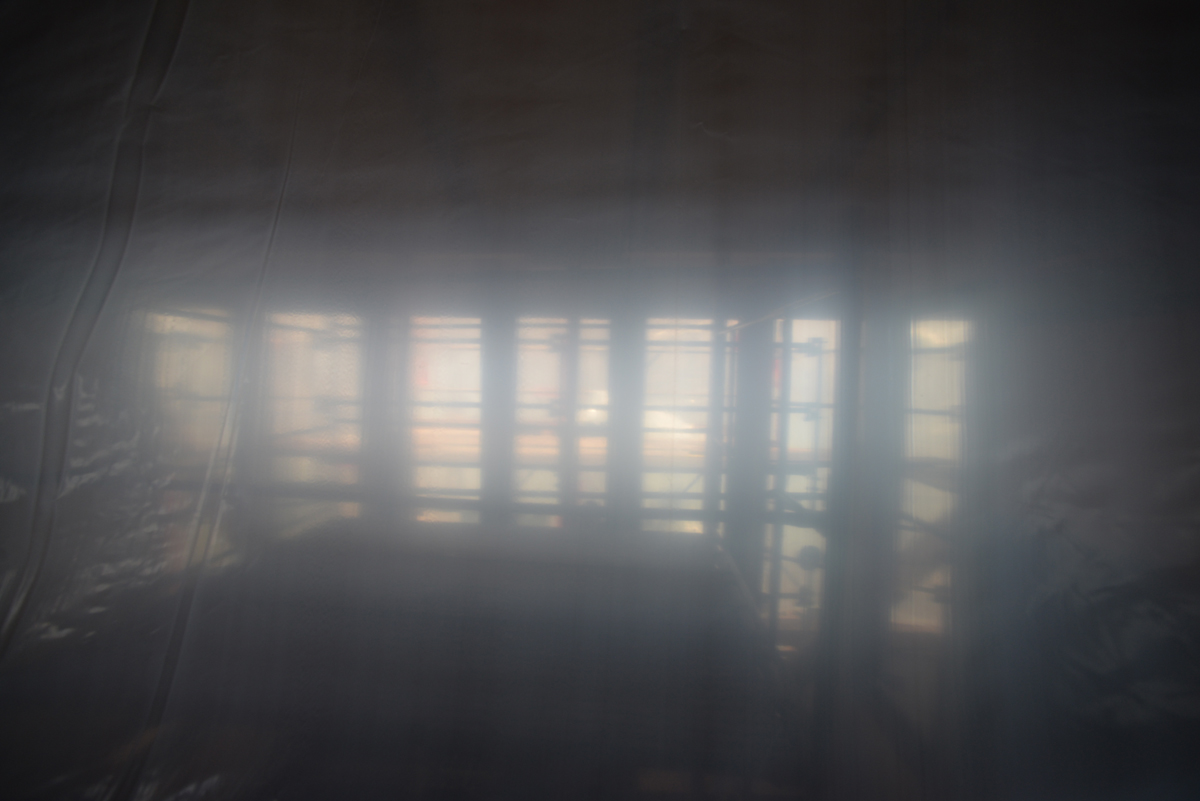
     The living room and the dining room are walled-off in construction workers’ heavy plastic, diminishing the view of Lake Michigan from the living room balcony:

Lake Side Restoration

     The living room and dining room windows are being replaced, which may sound routine, but the work also entails rebuilding structural elements of the house above and below the windows. It will not be known how much needs to be rebuilt until workers begin the reconstruction. The center dining room windows lead to the dining room terrace, whose rubber membrane flooring (shown in a 2002 photo, below) needs to be replaced, as well.

LR Terrace, fall, 2

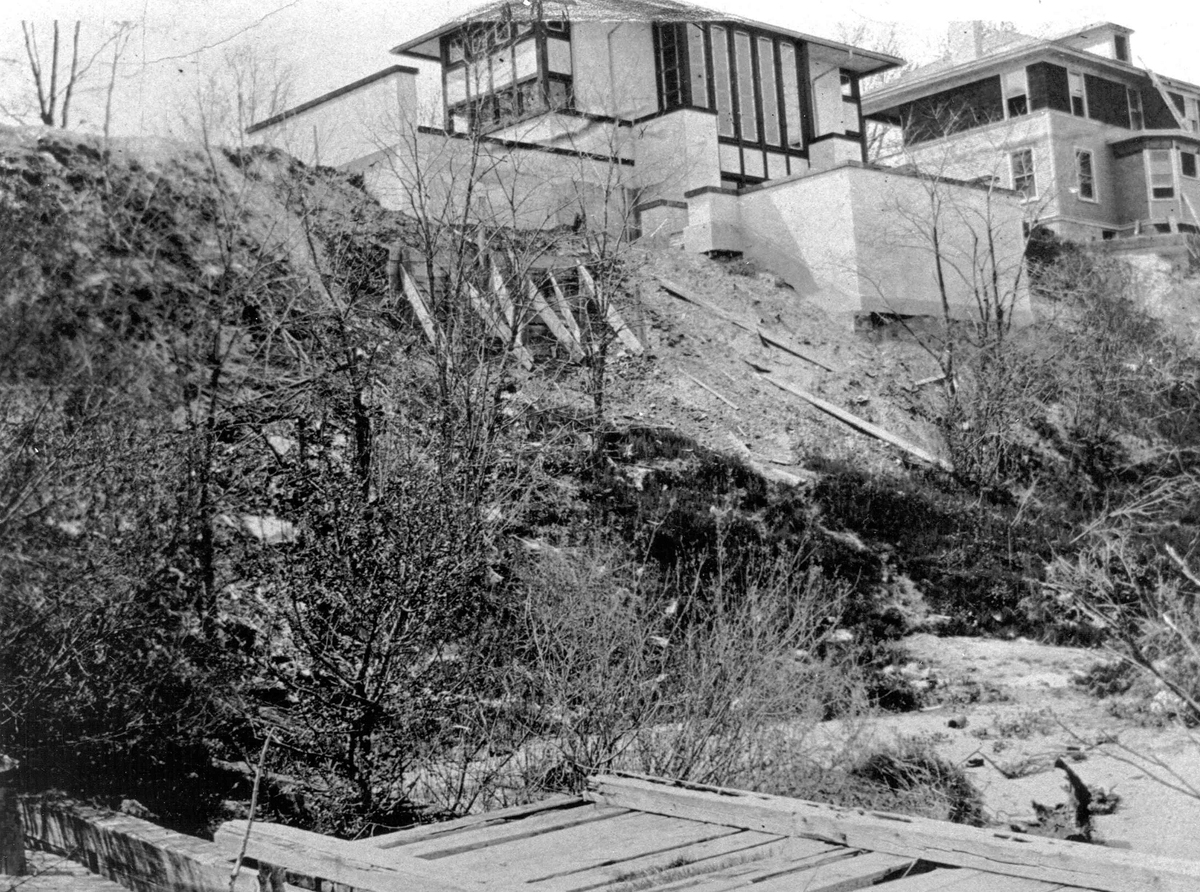
     The four square panels between the living room windows (above the panels) and the dining room windows (below the panels) were originally stucco, as shown in this 1906 photo taken as the house neared completion:

LR Terrace 0506.0004 final

(Photo courtesy of, and (c) Frank Lloyd Wright Foundation)

     It is believed that the stucco had cracked because the dining room windows leaked, and the panels were replaced by wood panels when Wright’s leaded glass living room windows were replaced with plate glass windows in 1947, concurrent with the rebuilding of the dining room terrace to create for a recreation room below.

     The dining room now serves as a construction office for the workers from Bane & Nelson contractors:

Lake Side Restoration

     It is impossible to estimate how long the work will take, but Bane & Nelson has a deadline of finishing in time for tours during the 2015 Frank Lloyd Wright Building Conservancy meeting in Milwaukee and Racine in early October.

SCJ Research Tower: Imitation is Flattery

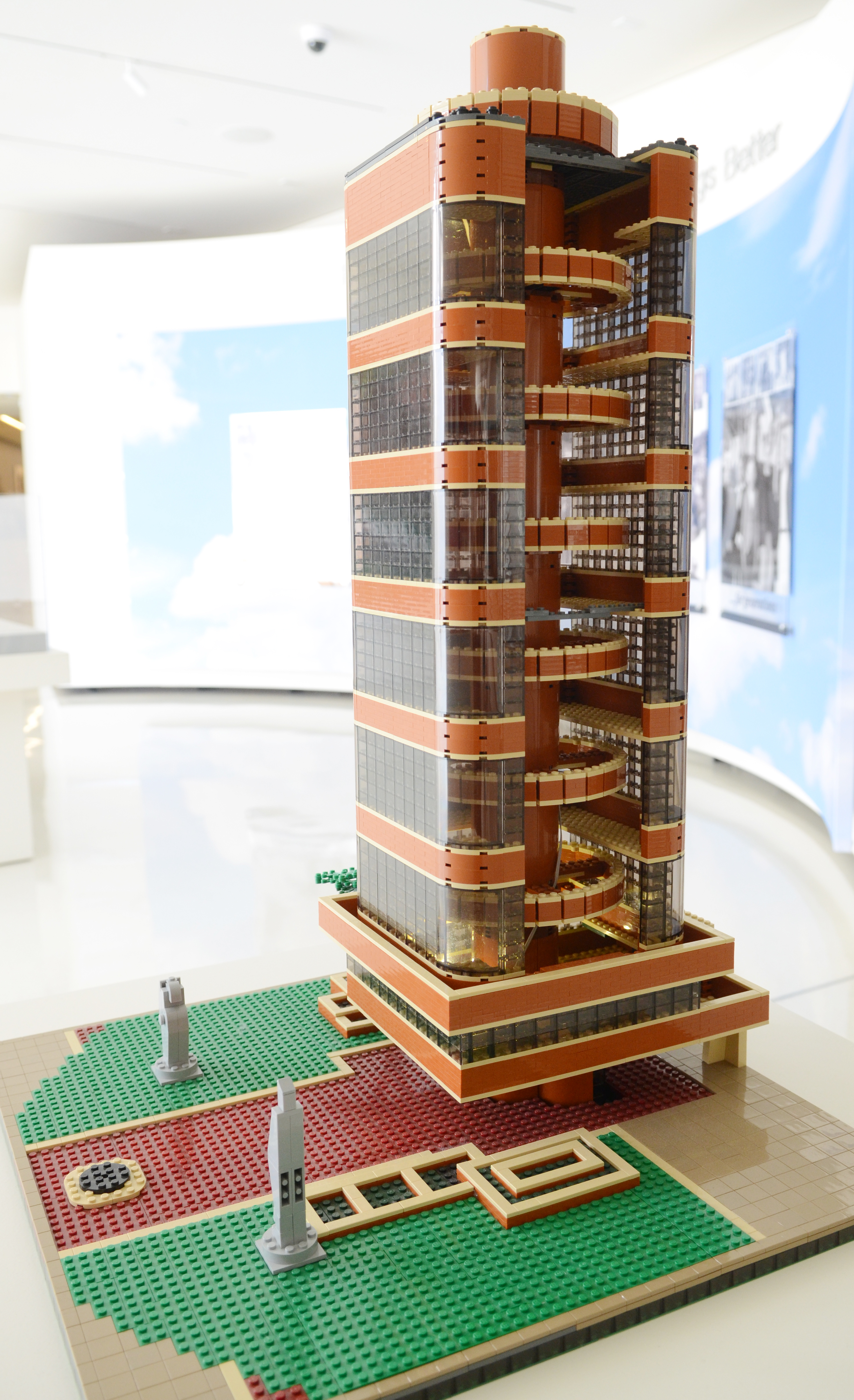
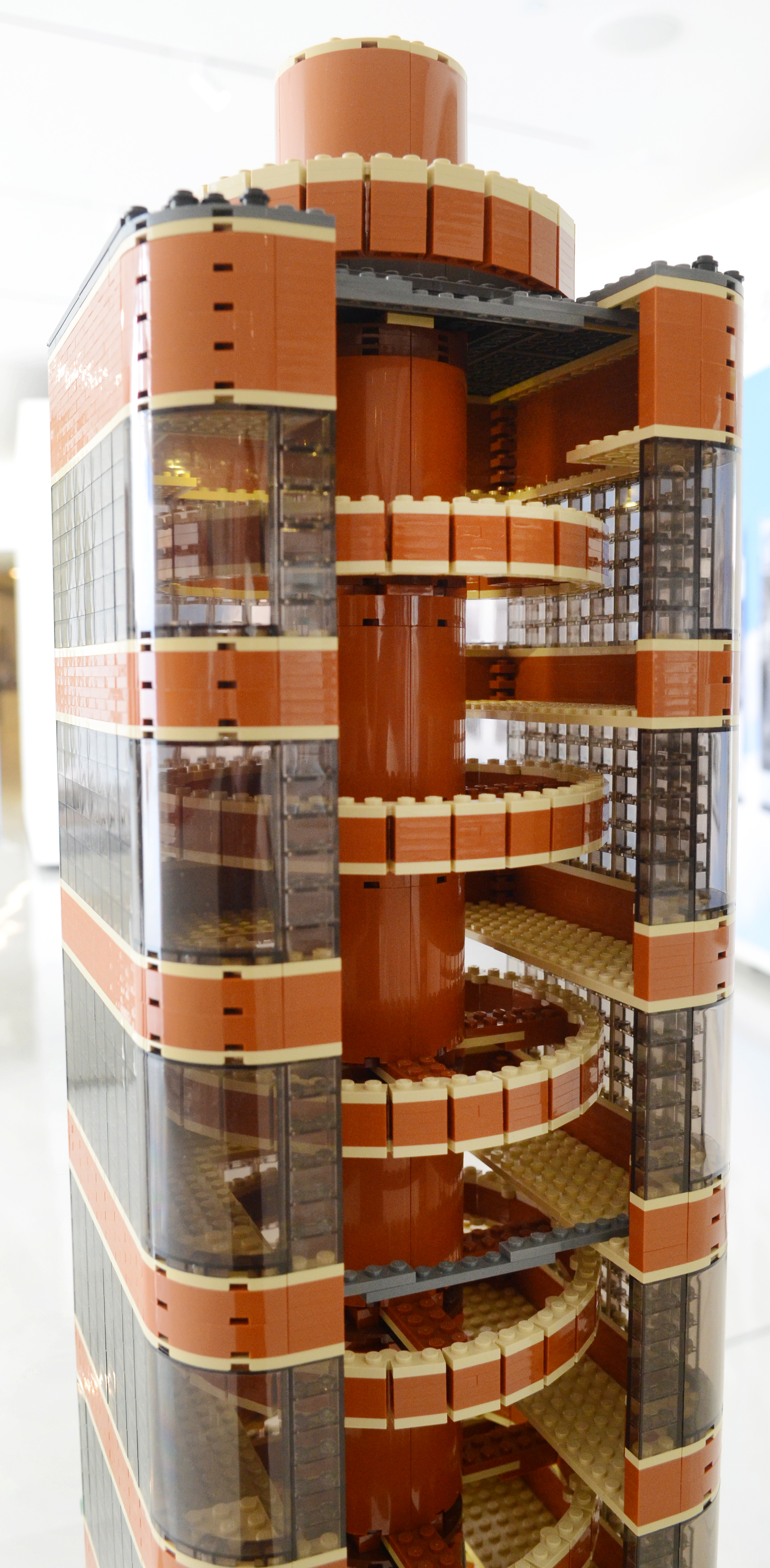
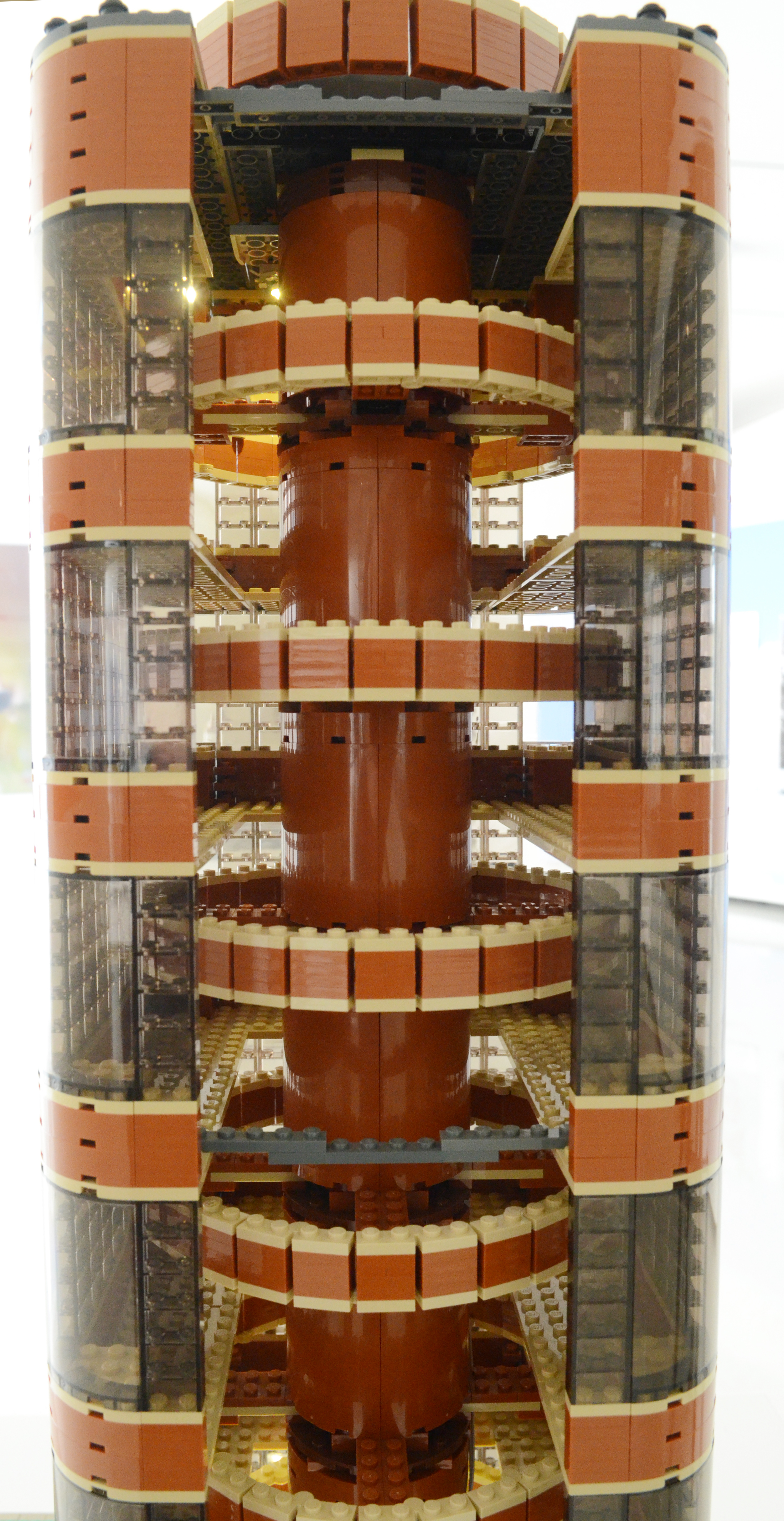
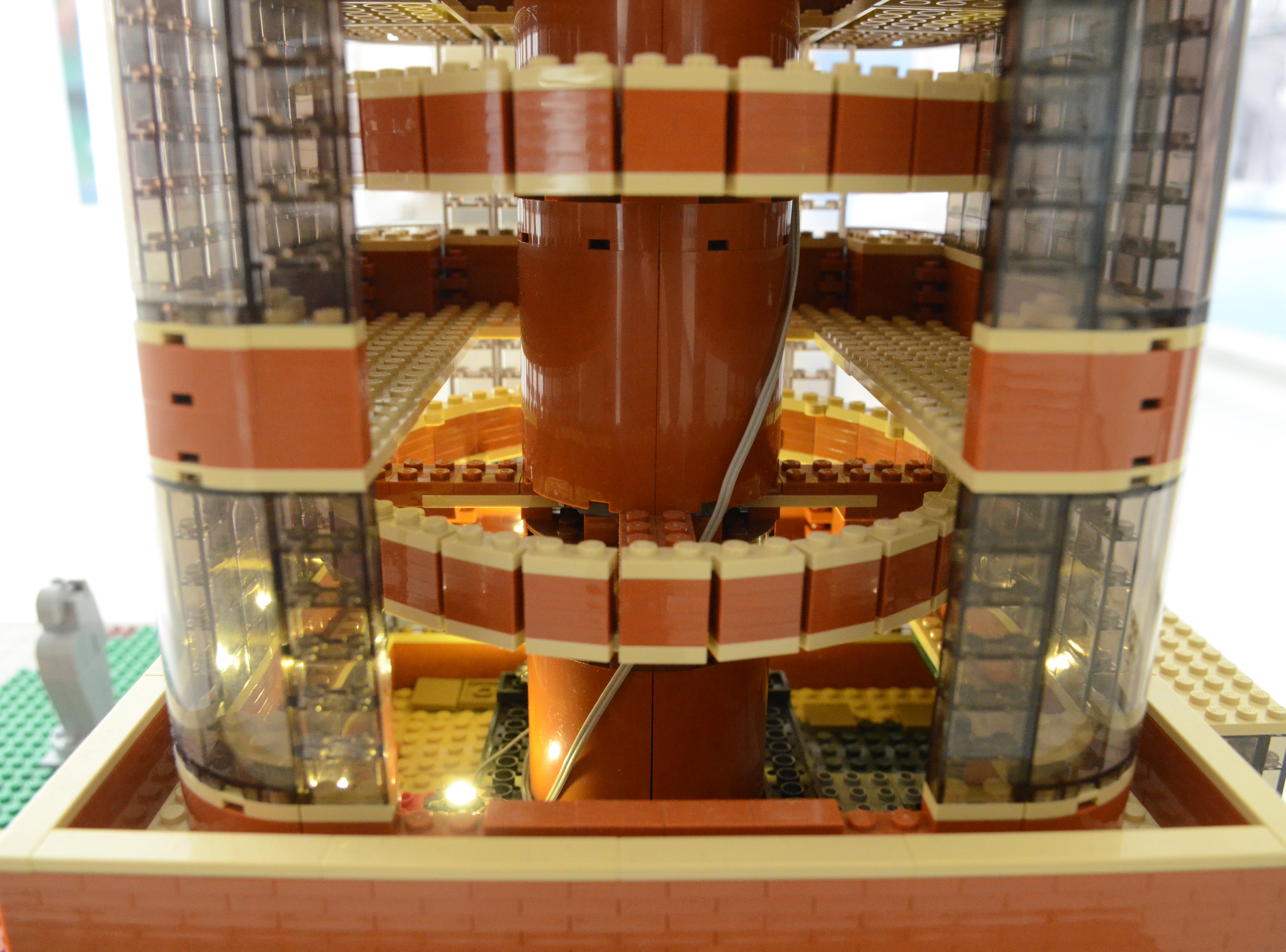
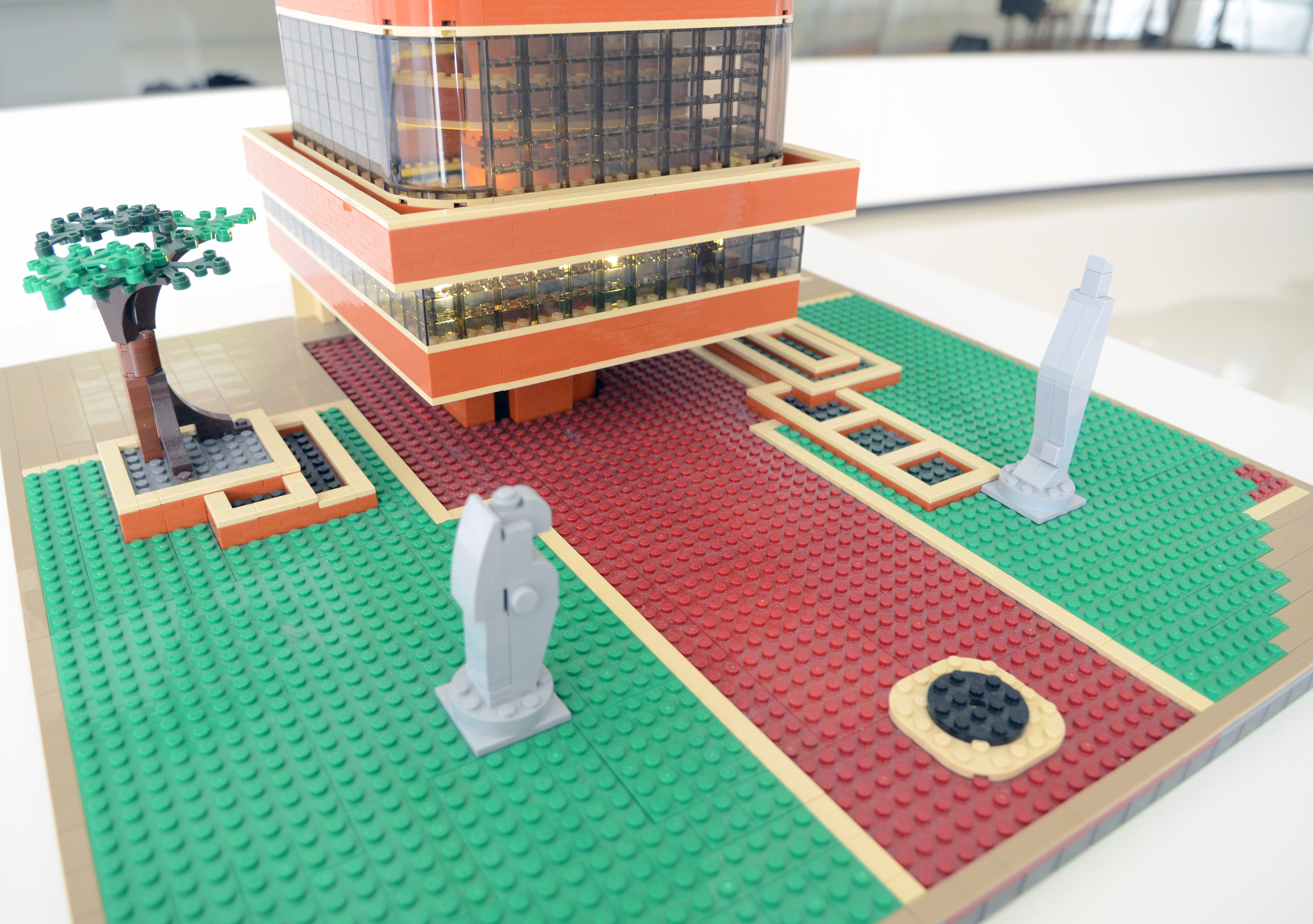
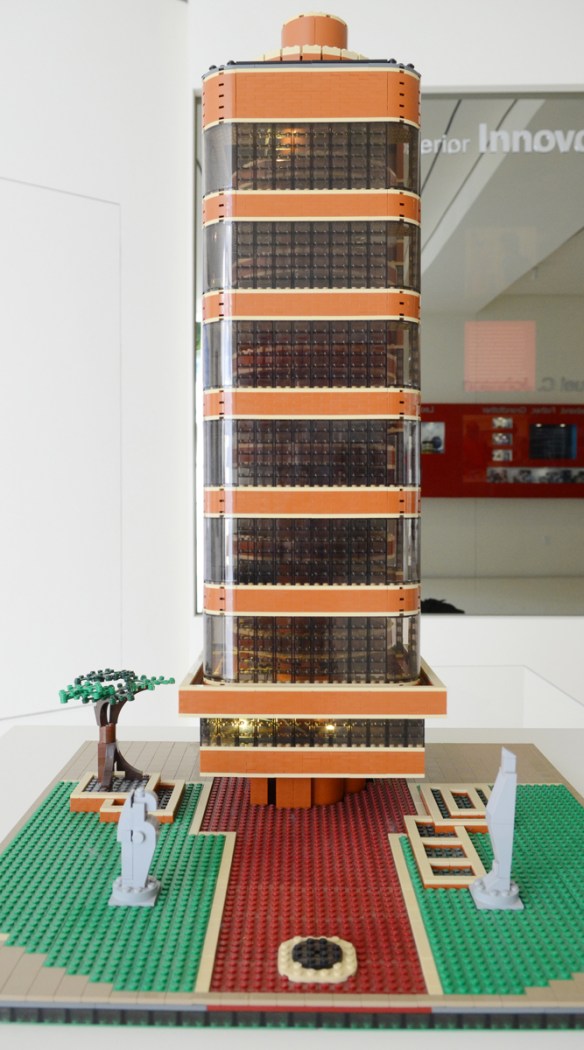
(c) Mark Hertzberg If imitation is indeed the sincerest form of flattery (Charles Caleb Colton, 1820), then Frank Lloyd Wright’s SC Johnson Research Tower has many admirers. The latest incarnation of the Tower is a Lego model built by Chris Eyerly of Kenosha. It is displayed in Fortaleza Hall on the company campus.
Lego Research Tower

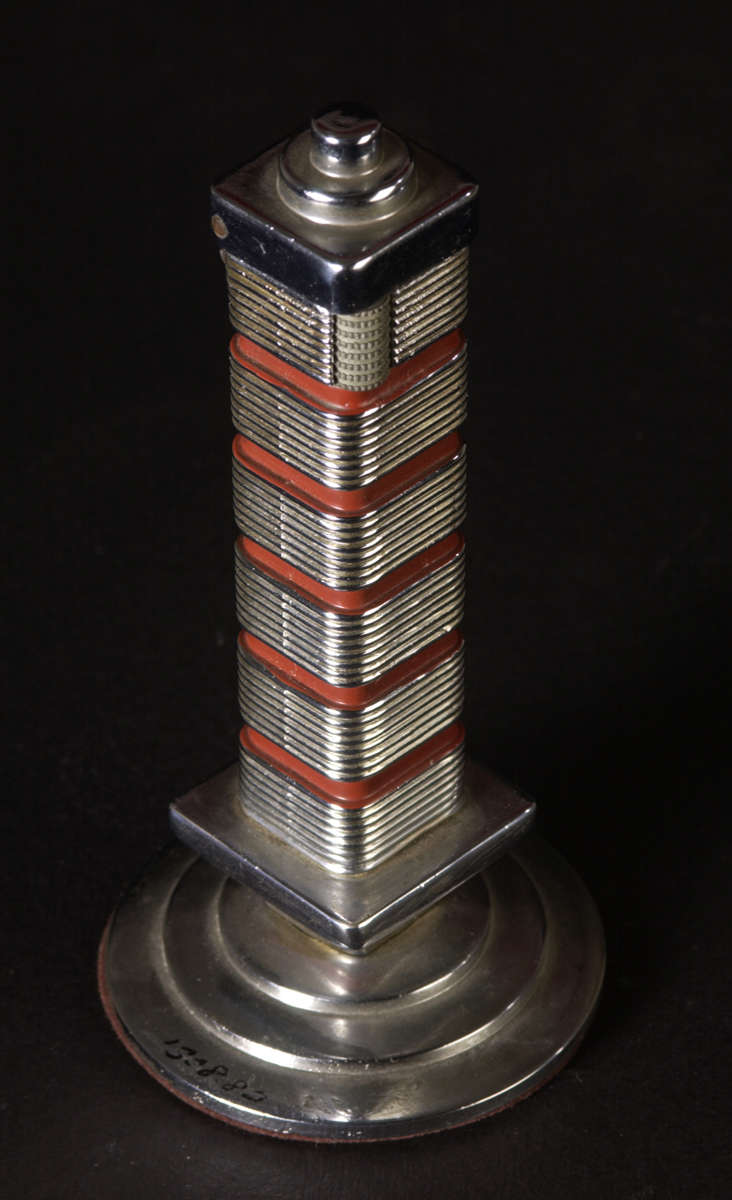
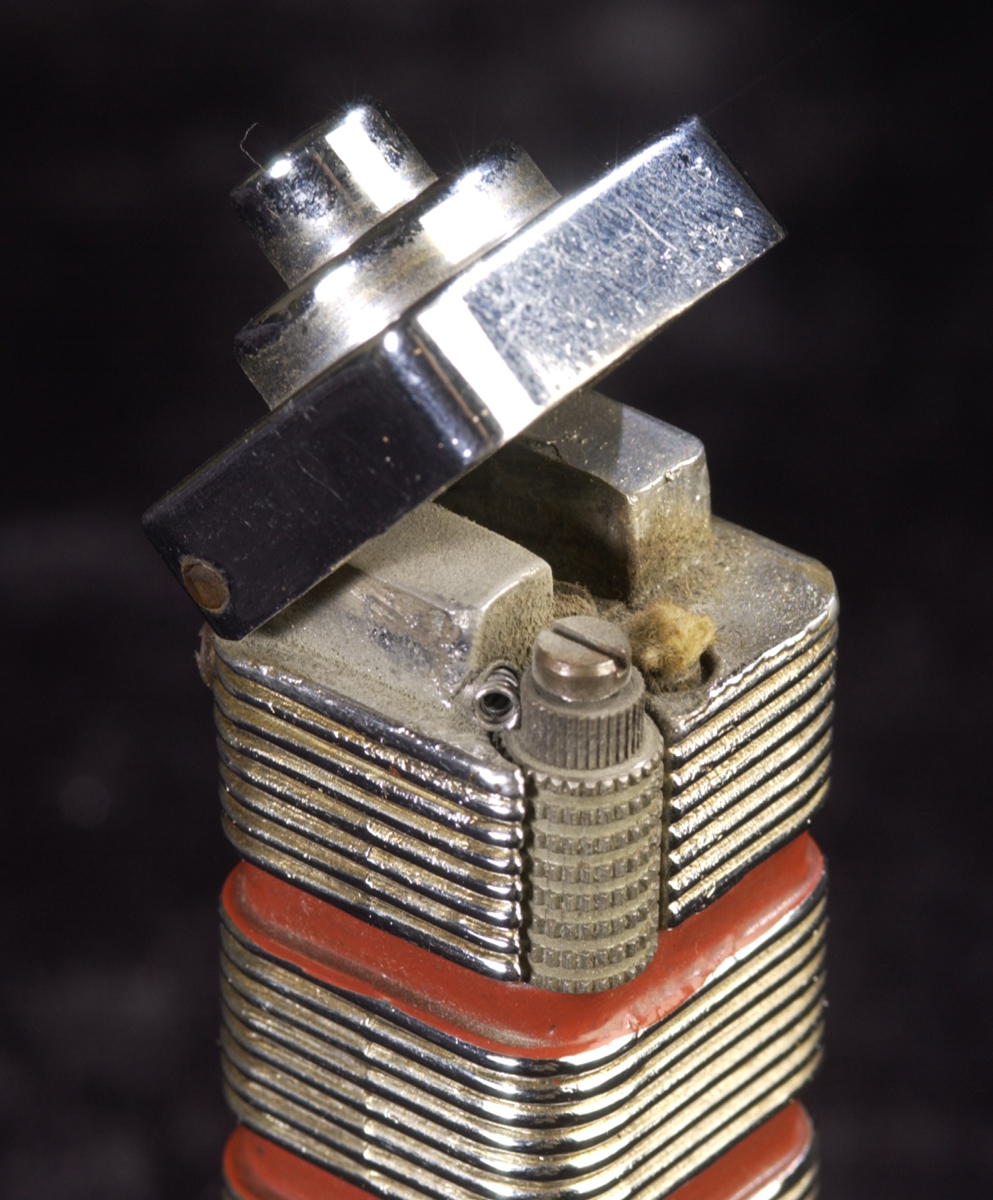
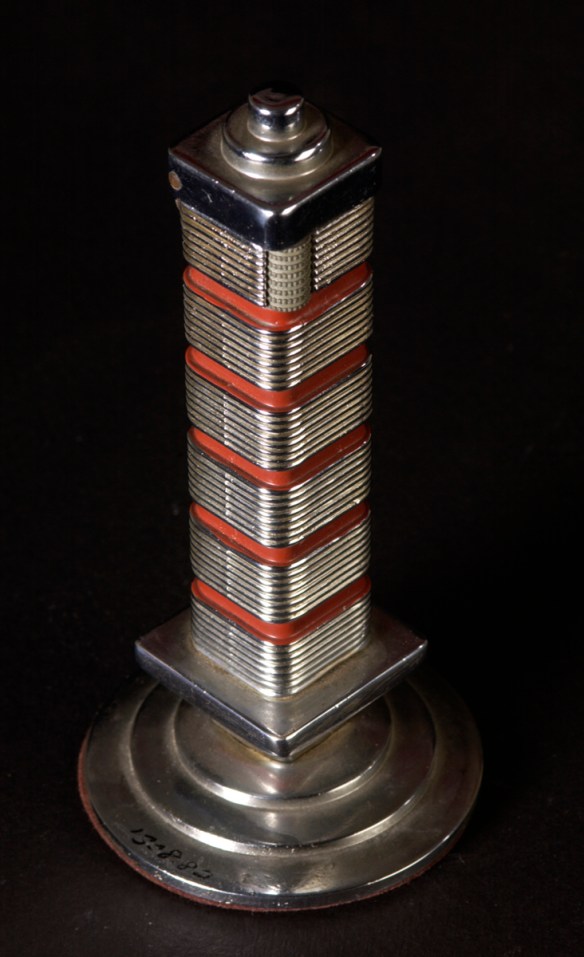
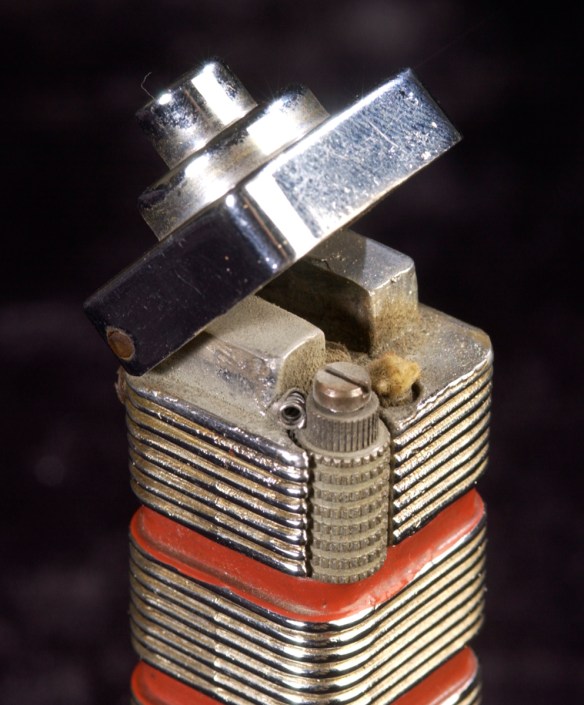
The first spin-off of the Tower was a desk lighter commissioned by H.F. Johnson Jr. in 1946, the year before construction began, to mark the company’s 50th anniversary. Famed industrial design Brooks Stevens delighted in “literally knocking the great Wright down to size” when he designed the lighter, according to Glenn Adamson, who profiled Stevens in 2003 for an exhibition at the Milwaukee Art Museum.
Tower Lighter

LR Tower Lighter 052

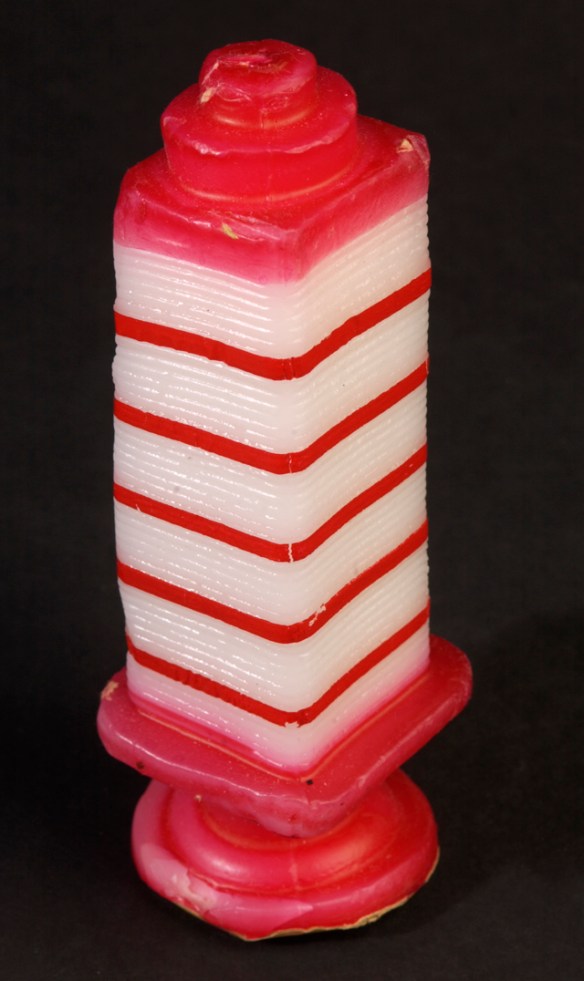
It was followed sometime after 1960 by a Christmas candle. While the lighters are collectors’ items today, fetching prices up to $700 on sites like eBay, the candle was not as successful, according to the late Serge Logan, who worked in community relations for the company. People liked the “gorgeous smell,” Logan recalled, “I think we got them in Maine somewhere because of the smell of the pines.” But the company that made the candles did not pack them well enough, and many cracked during shipping.
LR Tower Candle 012

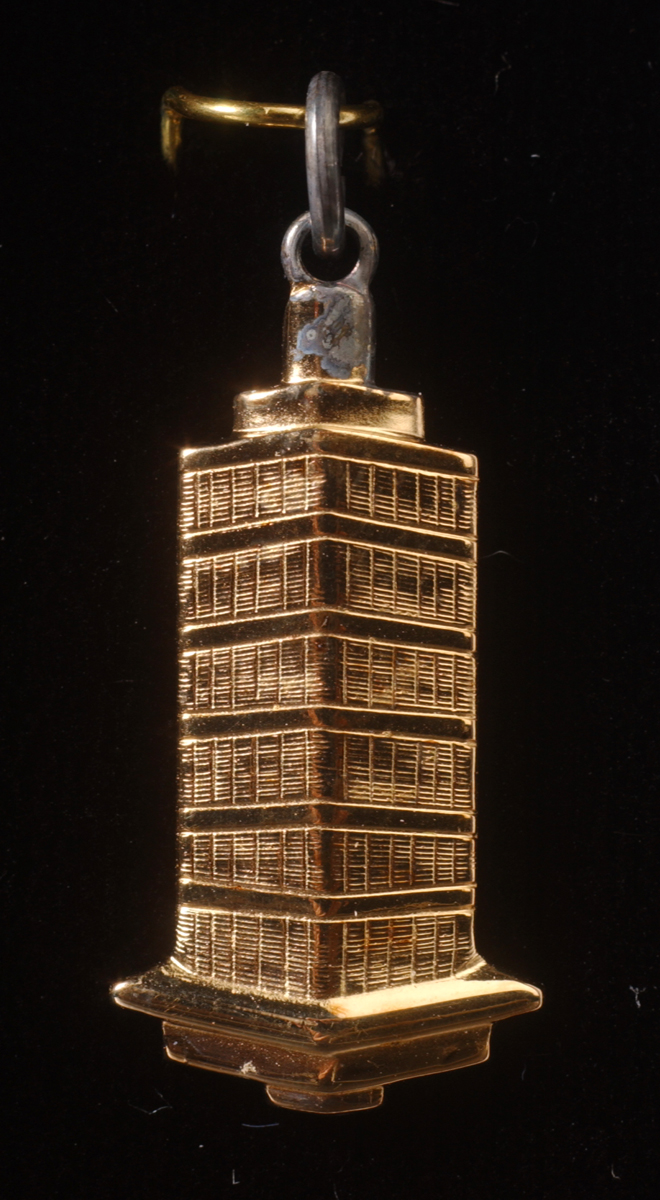
There was also a golden charm of the Tower offered for sale to employees in 1971 for $5. It was made by Tiffany & Company. It was packaged in a blue leatherette jewelry case with the Tiffany trademark.
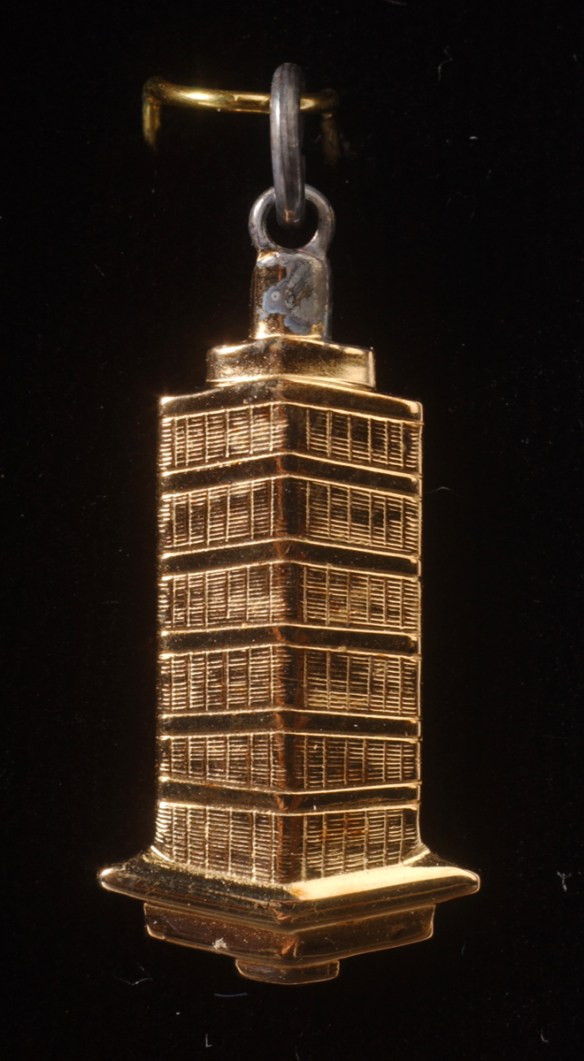
Tower Tiffany Pin

Eyerly, 39, is an IT security engineer who enjoys challenging himself by designing Lego models. He incorporates his admiration of Wright’s work into his hobby. The Tower is his second Wright Lego creation. Six years ago he used 15,000 of the plastic building bricks to make a four-foot wide model of the Frederick Robie House in Chicago.
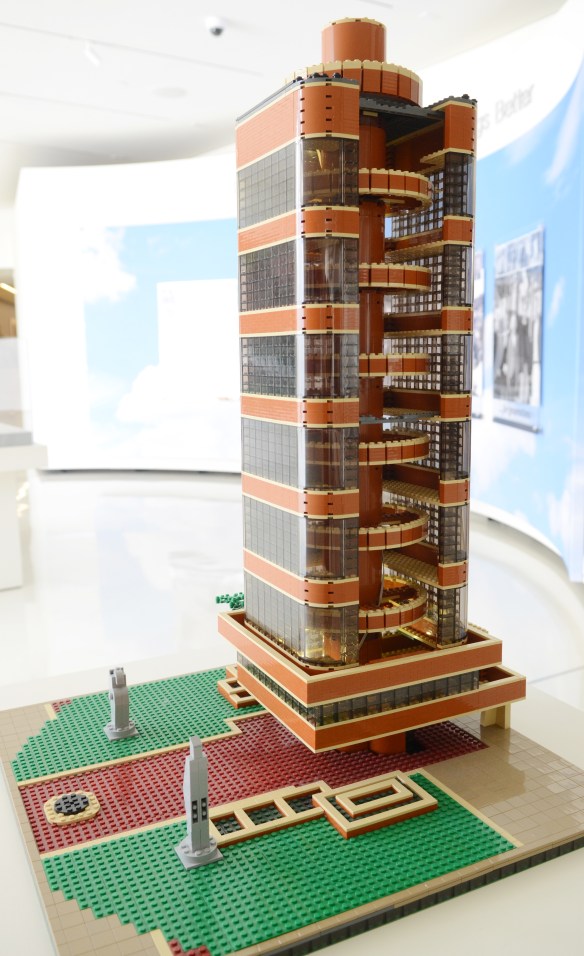
Lego Research Tower

He uses practical considerations in deciding what to build, “If certain Lego pieces fit the shape of the building, that’s a key that’s something I can build. The round corners (of the Tower) were just the right shape. Realizing I could accomplish that was the impetus I could build that building.”
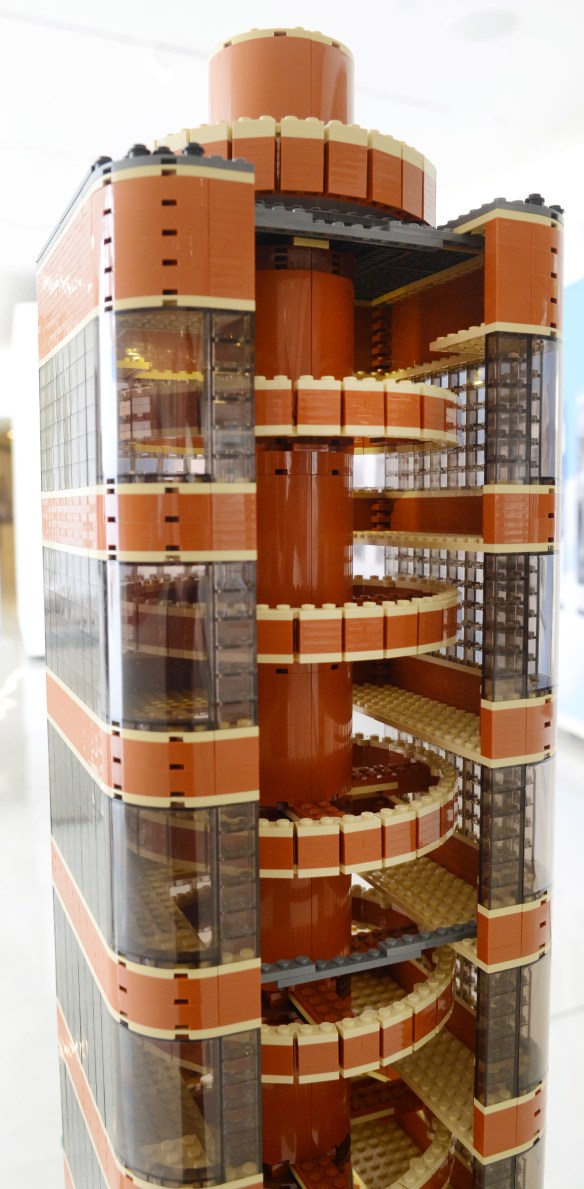
Lego Research Tower

SC Johnson gave him PDF copies of some of the original drawings for the building. Eighty hours later, over some two and a half months in the summer of 2012, up to 6,000 Lego blocks in eight colors had been transformed into an almost three-foot tall model of Wright’s landmark Tower.

Lego Research Tower

Eyerly planned one floor of the Tower model in a computer Lego CAD program to help him estimate how many pieces he would need. “I don’t do a ton in CAD. It’s mostly a free build, just snapping pieces together. I do a lot of math ahead of time. That’s why I like scale drawings, so I know how many studs (the round knob atop each brick) it needs to be.”
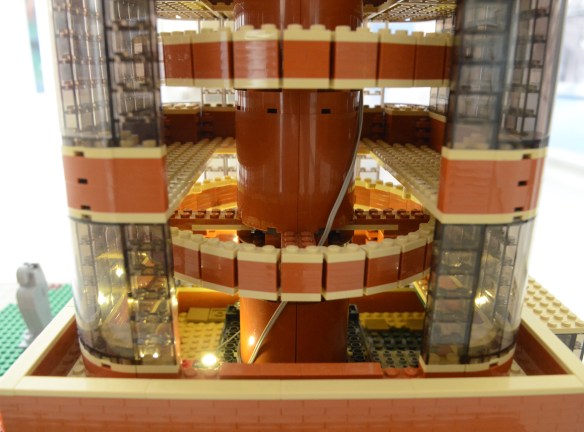
Lego Research Tower

His models don’t come together easily. He had to rebuild the Robie House four times, the Tower twice. “You get to a certain point and realize something won’t work and you take it apart and retry.”
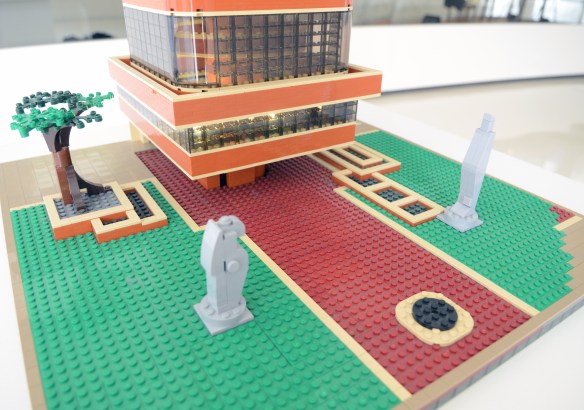
Lego Research Tower

The company learned about the Tower model after Eyerly showed it at the Brick World Lego convention in Wheeling, Illinois, and invited him to display it at their headquarters. Eyerly enjoys peoples’ reactions to his models because they evoke emotional responses, he says. “Wright’s architecture is interesting. It often draws out memories from people. Often you get emotions or feelings from people. It often ties in personally for people, which makes it interesting for me to hear the stories.” That is even more the case with the Tower model because he knows many people who work at SC Johnson. His next model will be Wright’s Bernard Schwartz House (1939) in Two Rivers, Wisconsin. Ironically, construction was supervised by Edgar Tafel, one of Wright’s original Taliesin Fellowship the apprentices. Tafel had already supervised construction of the SC Johnson Administration Building and Wingspread, as well as part of Fallingwater.

Frank Lloyd Wright in the Southwest

Photos (c) Mark Hertzberg

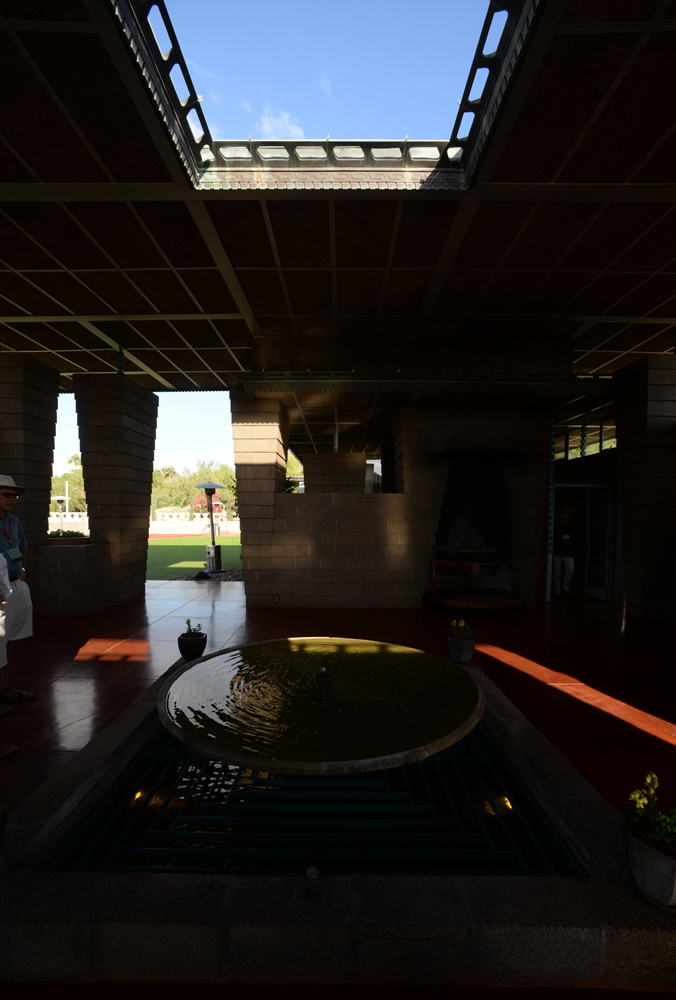
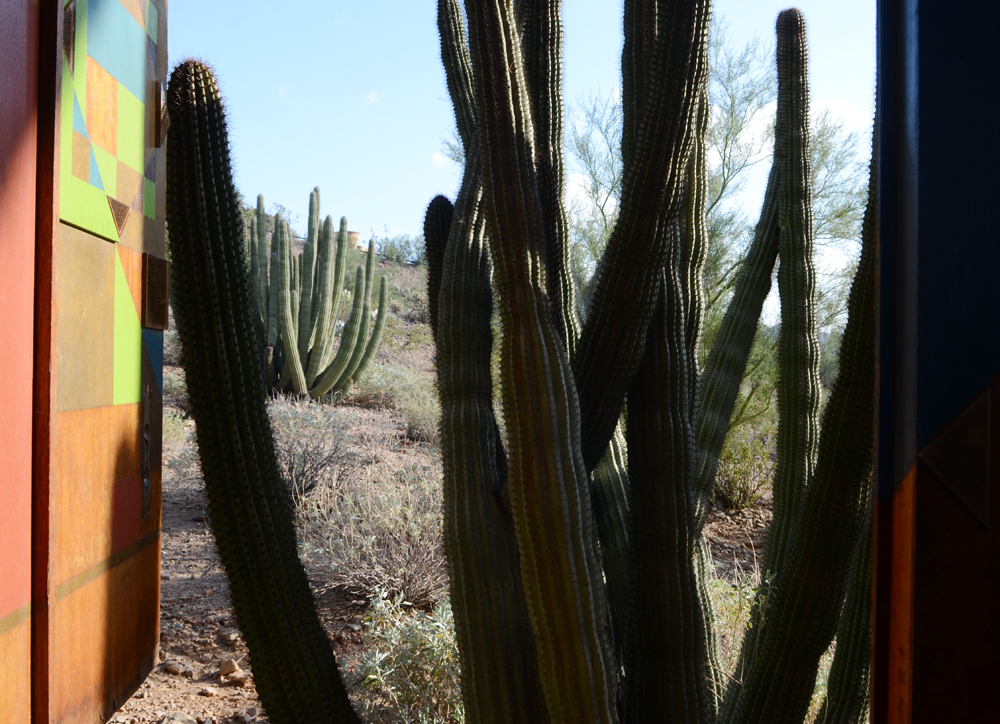
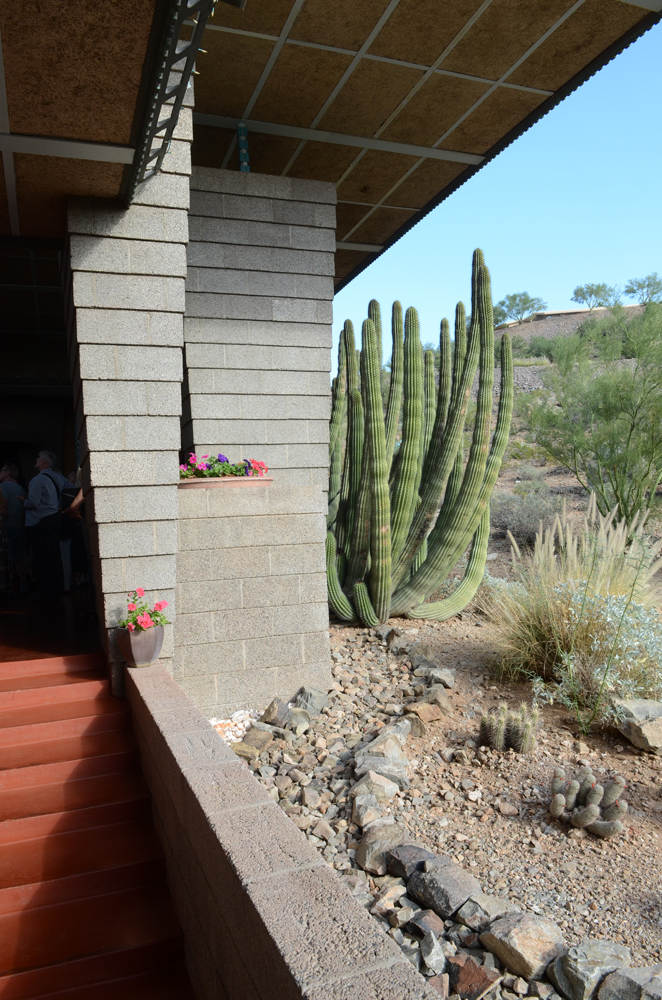
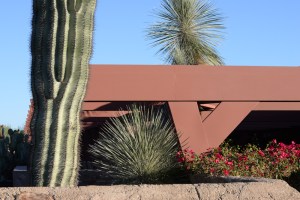
The recent 25th annual meeting of the Frank Lloyd Wright Building Conservancy in Phoenix was my first opportunity to photograph Wright’s work in the southwest. These are some of my favorite photos. Taliesin West is last. The David and Gladys Wright House would be a joy to photograph, but we were asked to respect the owner’s wishes and not photograph even the exterior from the grounds. While some people photographed it through a chain link fence, I do not think that view does the house visual justice.

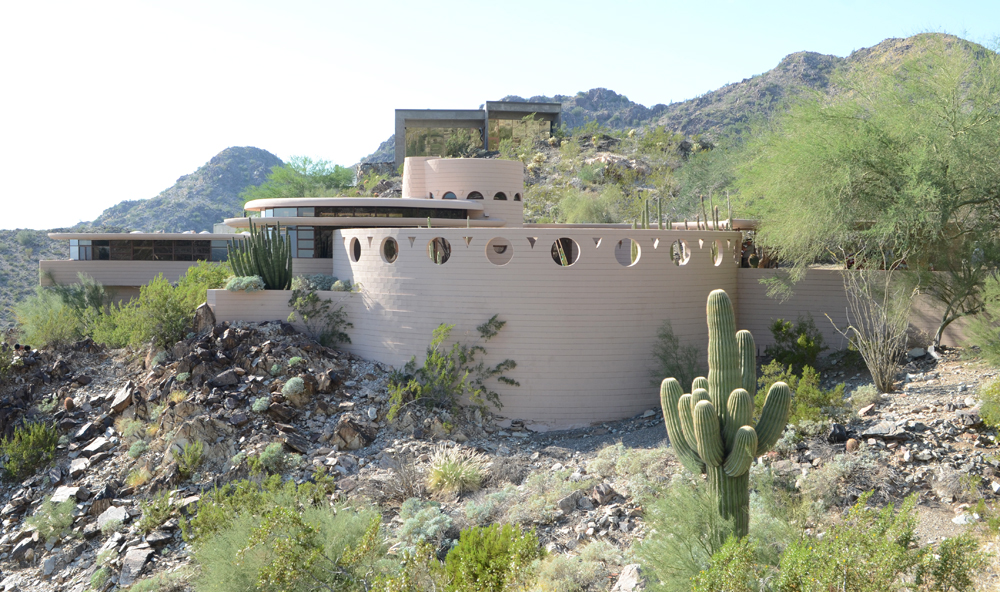
My favorite image is of the circular wall surrounding the swimming pool at the Norman Lykes House. I am also including an overall picture of the house to give the photo some context a close-up view through one of the portholes:

Norman Lykes House

Lykes 1 LR

Lykes LR 1

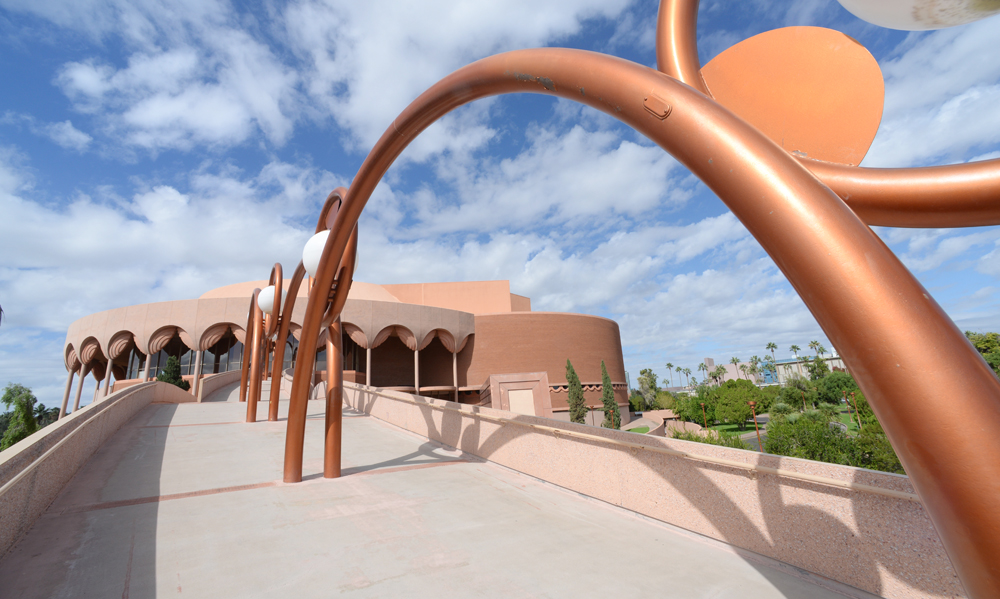
I enjoyed photographing the approach to the Grady Gammage Auditorium on the pedestrian ramps from the parking lot:

Grady Gammage

This note by Wright is at the entrance to the Carlson House:

Carlson House

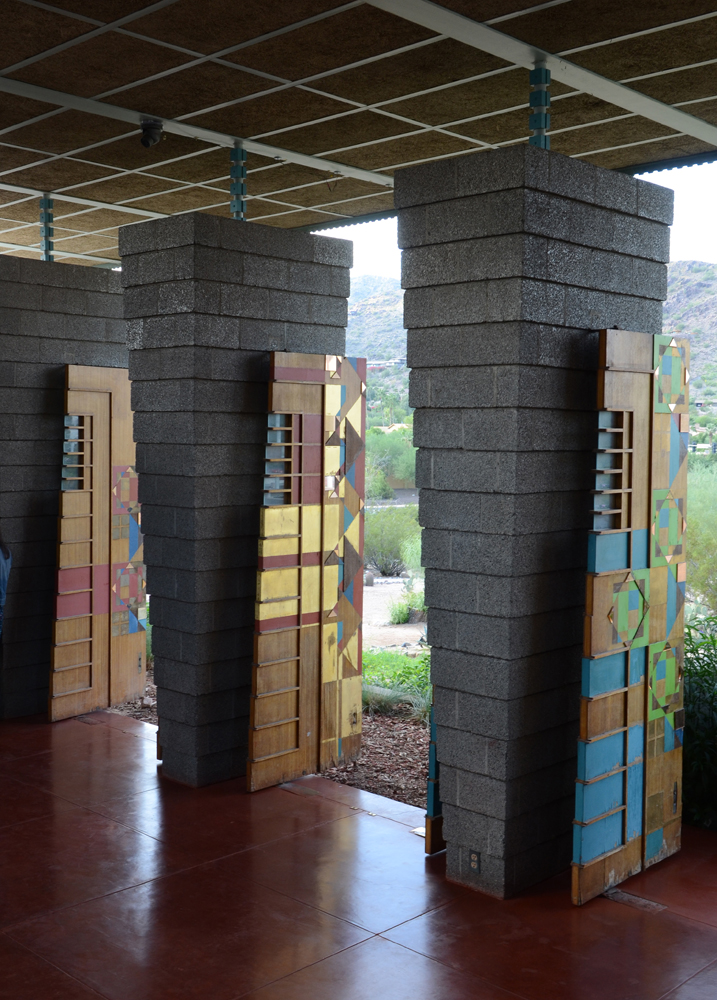
The Harold Price House has wonderful doors designed by Eugene Masselink. You get a hint of the design in the second photo:

 Harold Price LR 3

Harold Price LR 1

Harold Price House Harold Price House

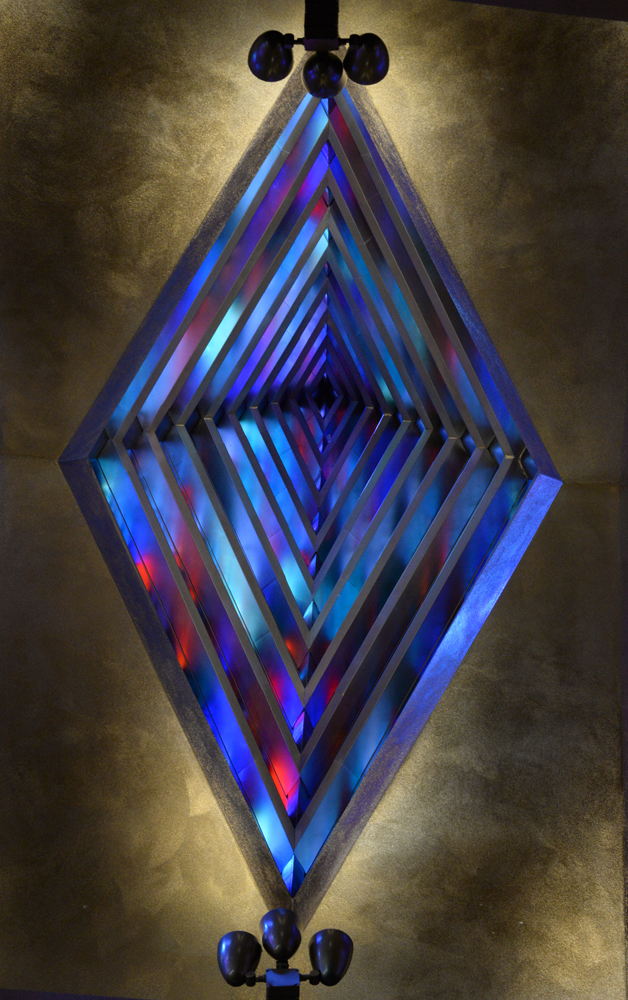
The First Christian Church was adapted from a design of Wright’s by Taliesin Associated Architects. This is the view looking into the jewel-like middle of the ceiling with an 80-200mm lens:

First Christian LR

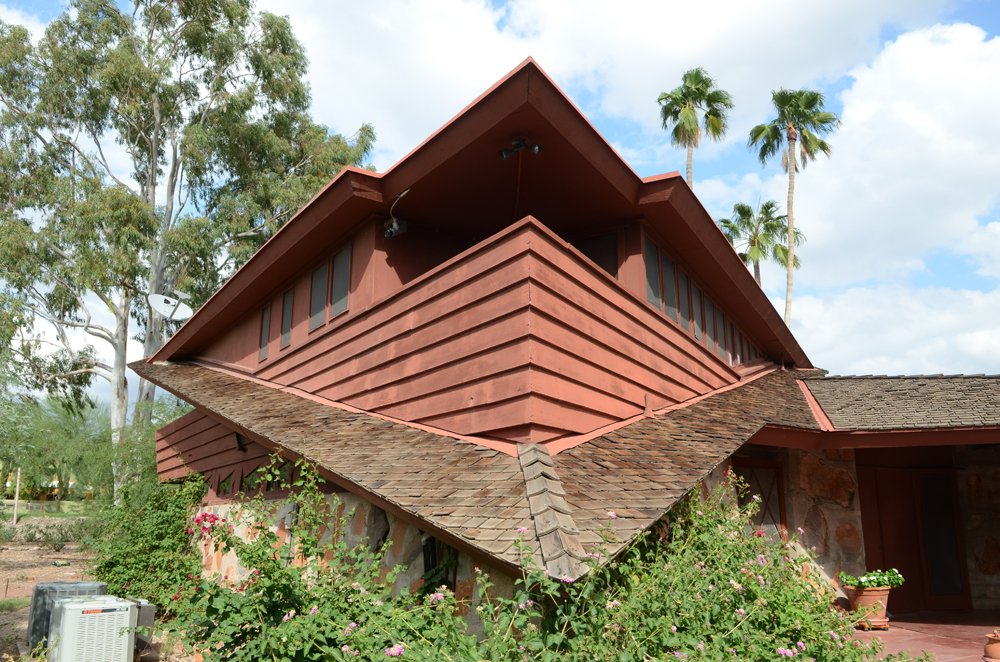
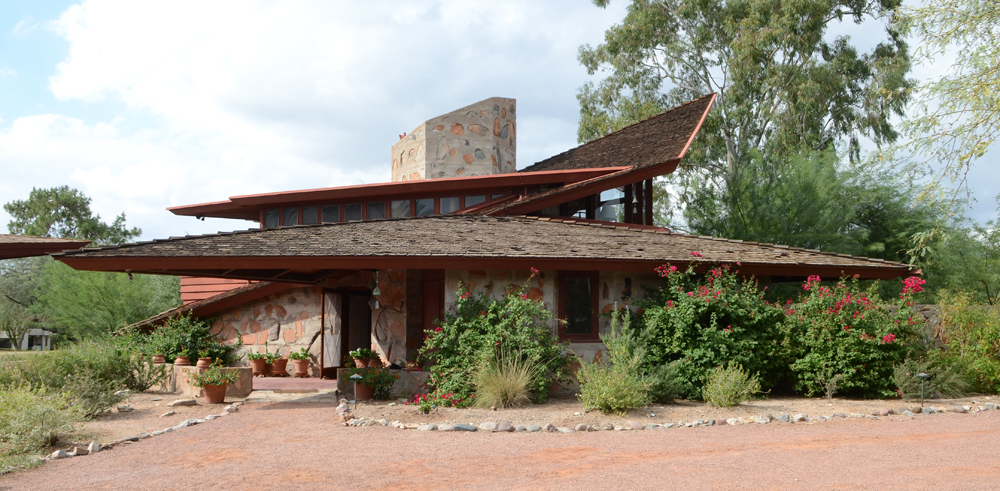
The Boomer House has dramatic roof lines. Again, there is an overall photo of the house for context:

Boomer 2 LR Boomer LR

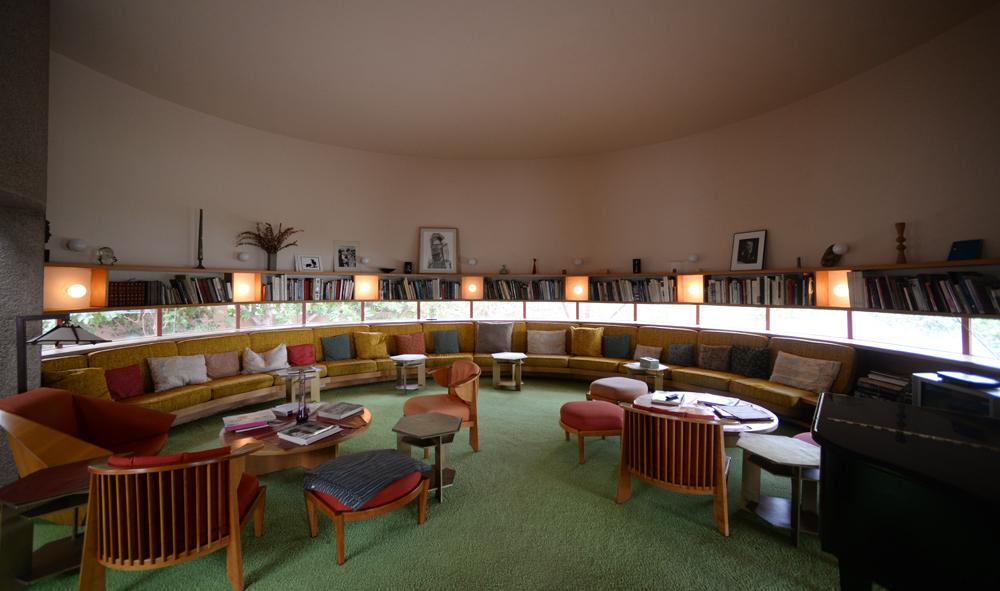
Bruce Brooks Pfeiffer’s house, adapted from the Jester House plans, has circular rooms, including the living room:

Taliesin West

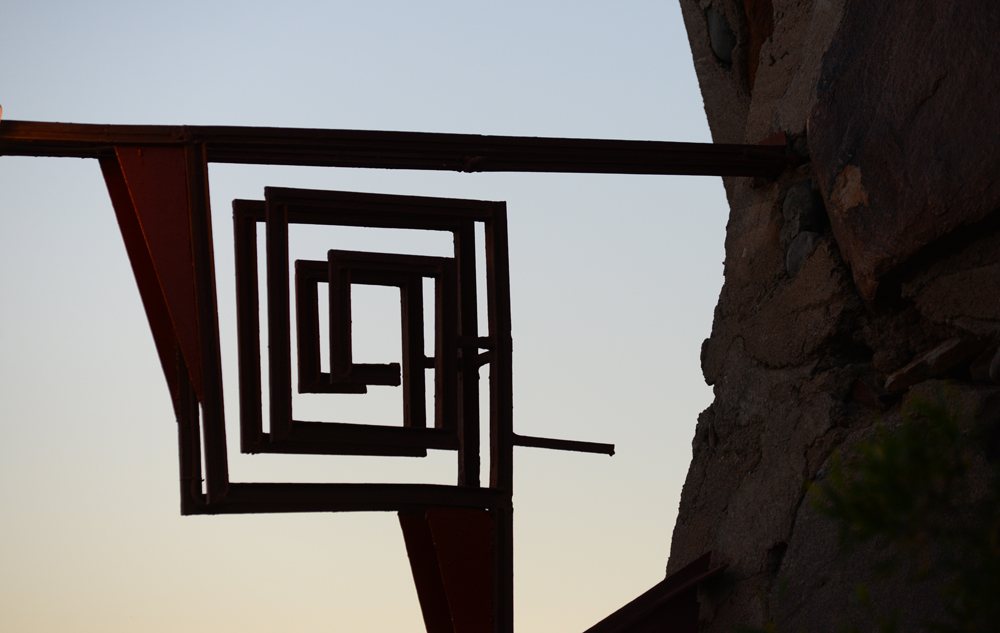
And now some of my visual impressions of Taliesin West:

Taliesin West

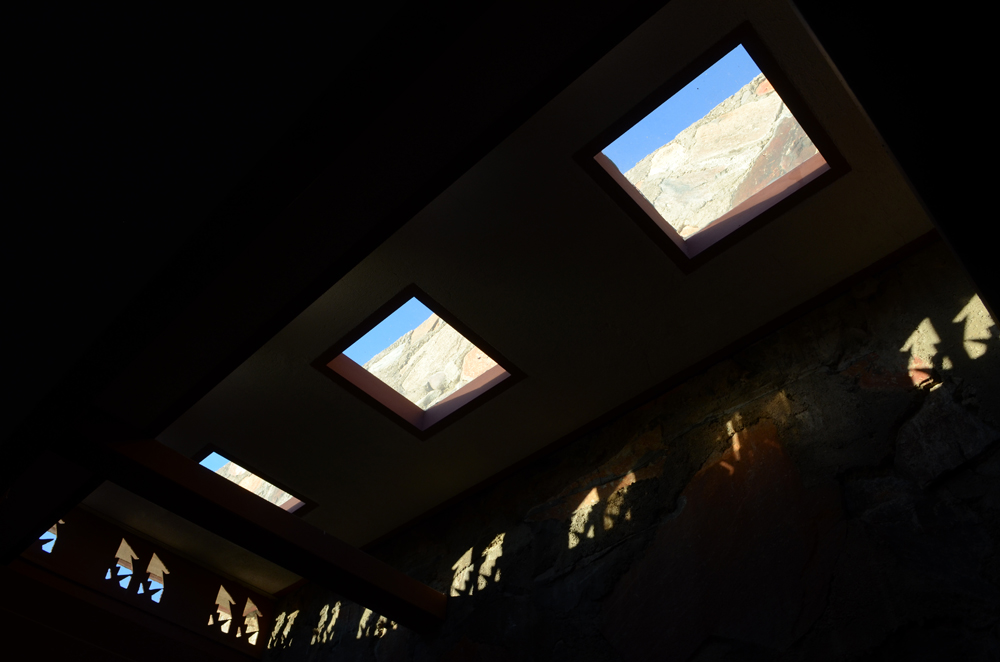
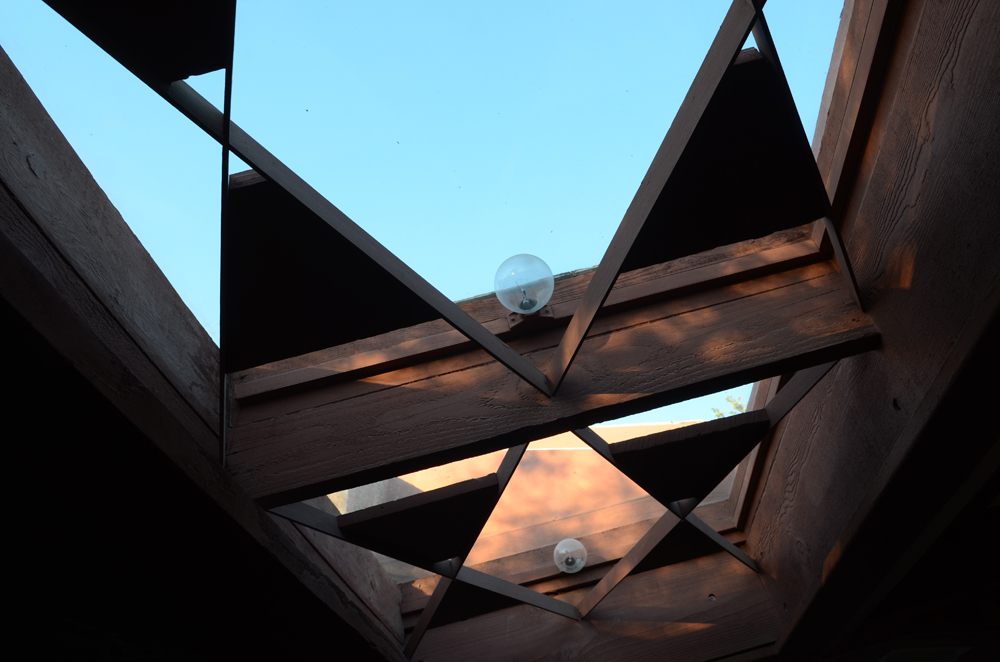
Then, the ceiling in the private dining area by the living room:

Taliesin West

Taliesin WestTaliesin West

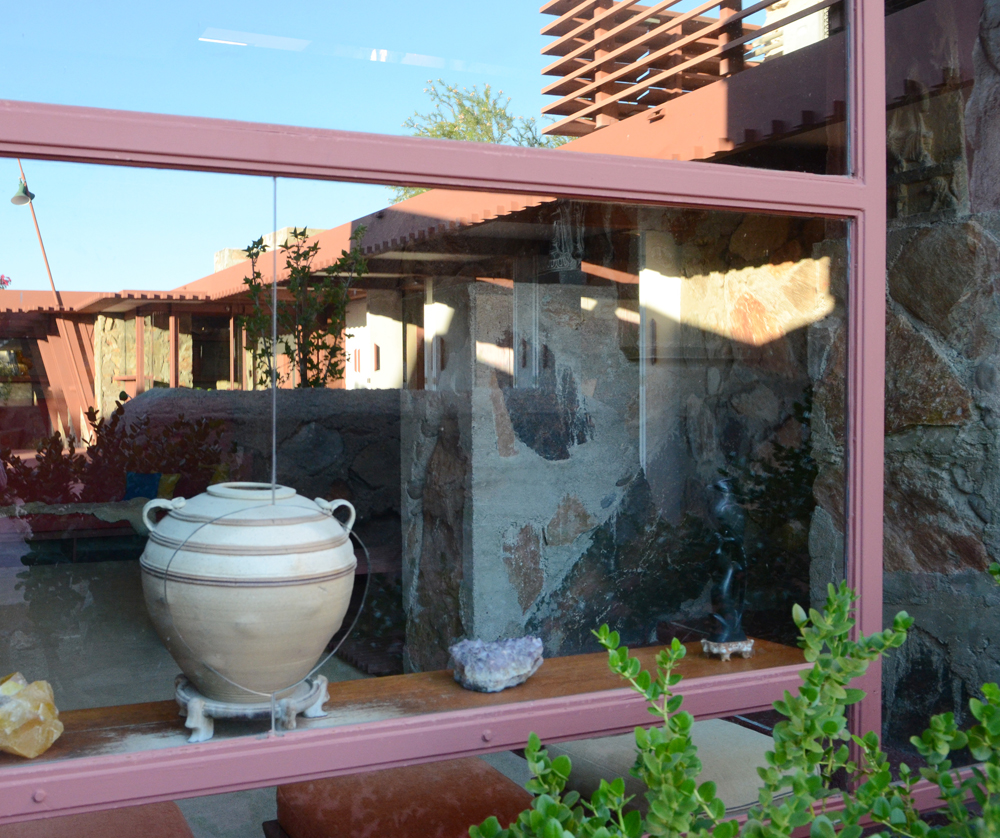
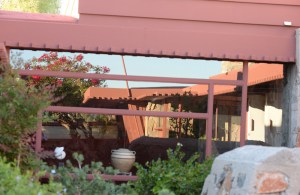
Two window reflections:

 Taliesin West

Taliesin West

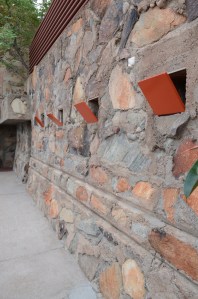
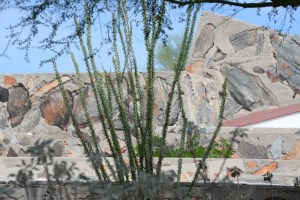
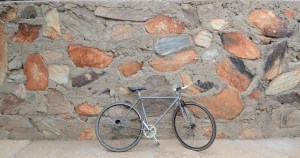
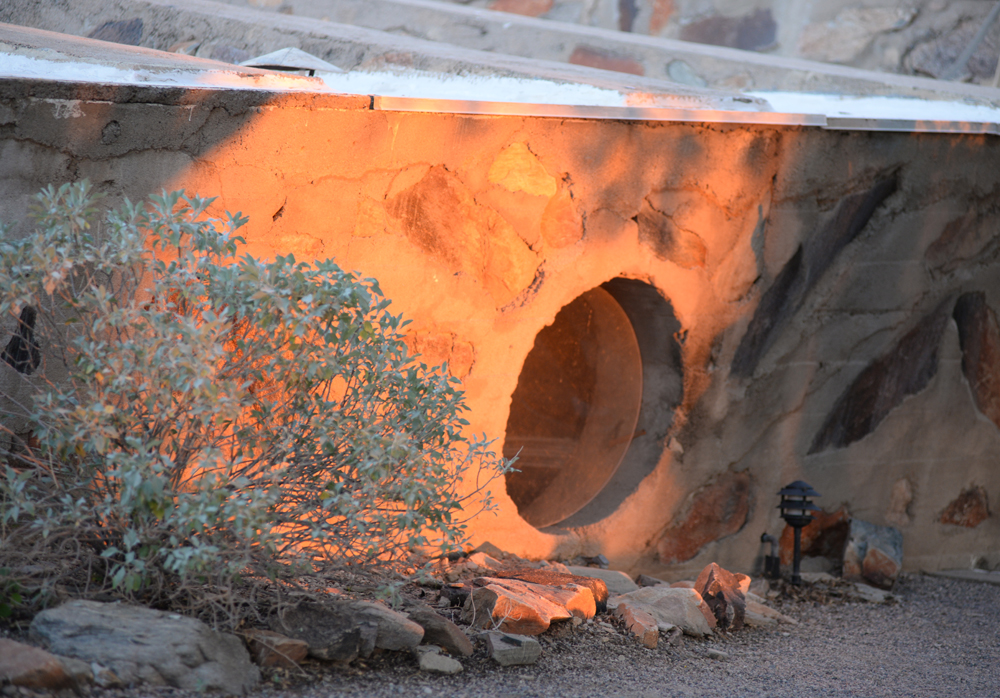
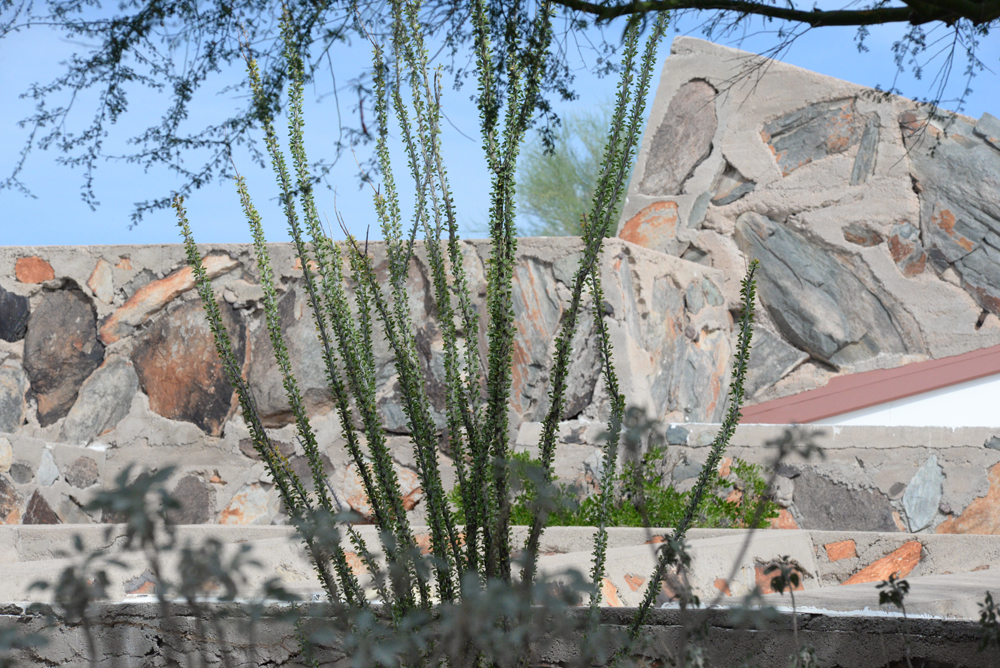
The use of native rock is legendary:

Taliesin West

Taliesin West

Taliesin West

There is a wonderful round gate into Mrs. Wright’s garden:Taliesin WestTaliesin West Taliesin West  Taliesin West

Taliesin West

A.D. German Warehouse – Open House

Text and photos (c) Mark Hertzberg

Image

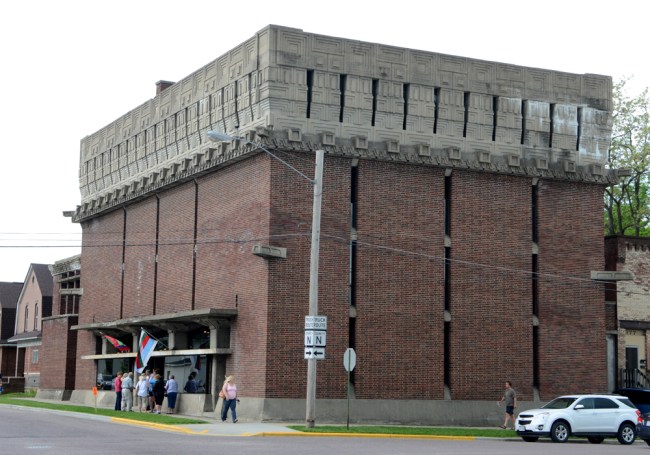
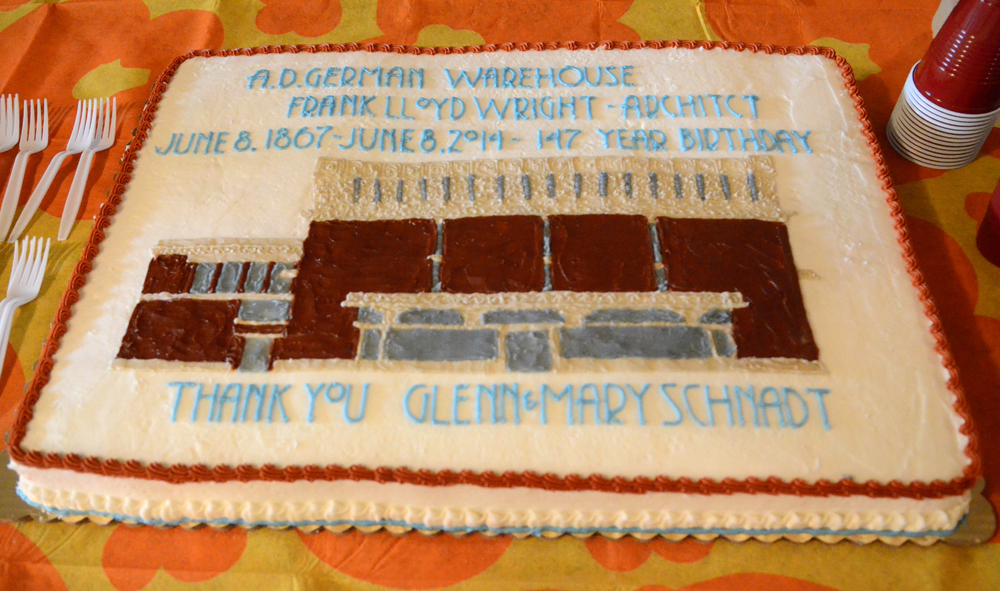
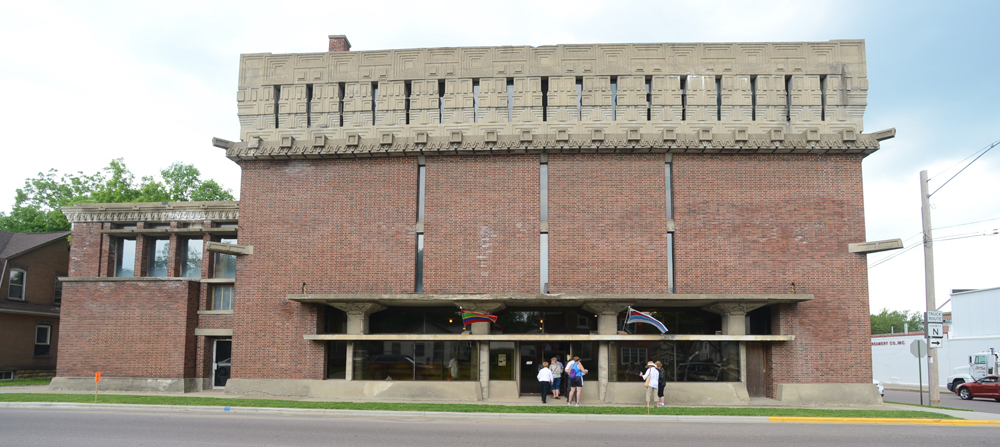
Frank Lloyd Wright’s A.D. German Warehouse (1915) is safe, thanks to the generosity of Glenn and Mary Schnadt of Richland Center, Wisconsin. The building, which has been closed for several decades, was purchased by the Schnadts late last summer. They, in turn, have donated the building to the newly-formed A.D. German Warehouse Conservancy, Inc. which is now raising money to restore it and considering proposals for how to best use the building.

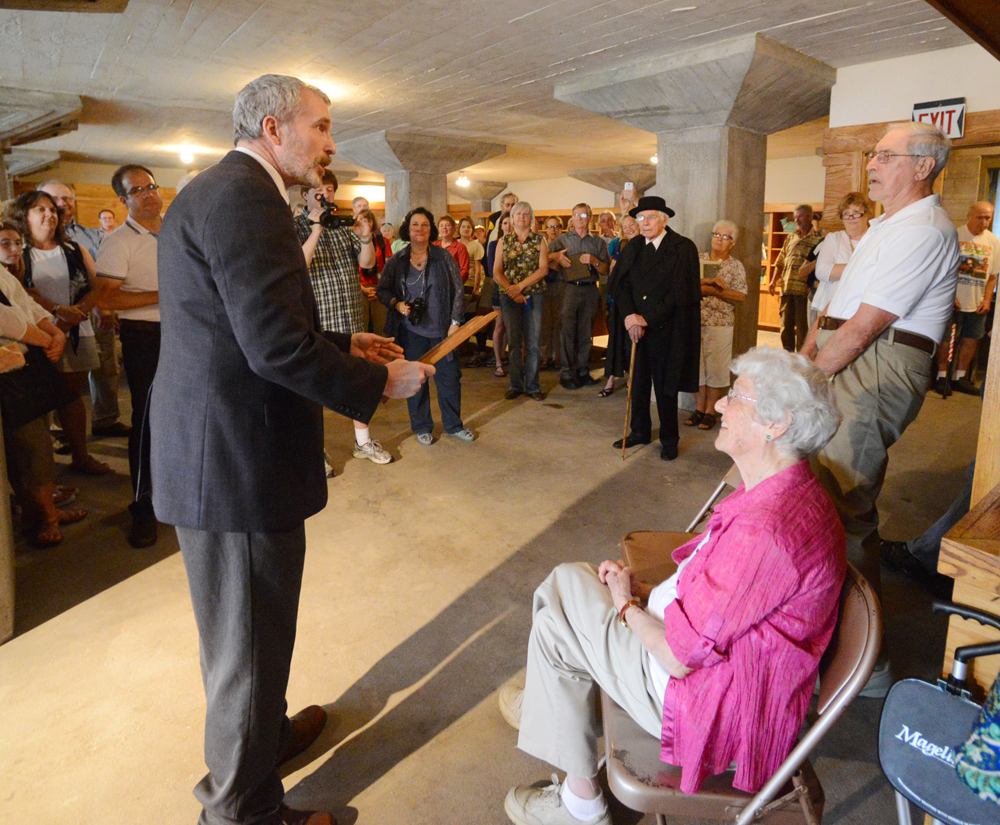
The Schnadts were honored at a community open house on the first floor of the Warehouse Saturday June 7, in honor of Wright’s birthday (June 8). Several hundred people attended the open house.

Image

Paul Corcoran, mayor of Richland Center, thanks the Schnadts for their generosity. Henk Newenhouse attended, dressed as Mr. Wright.

Image

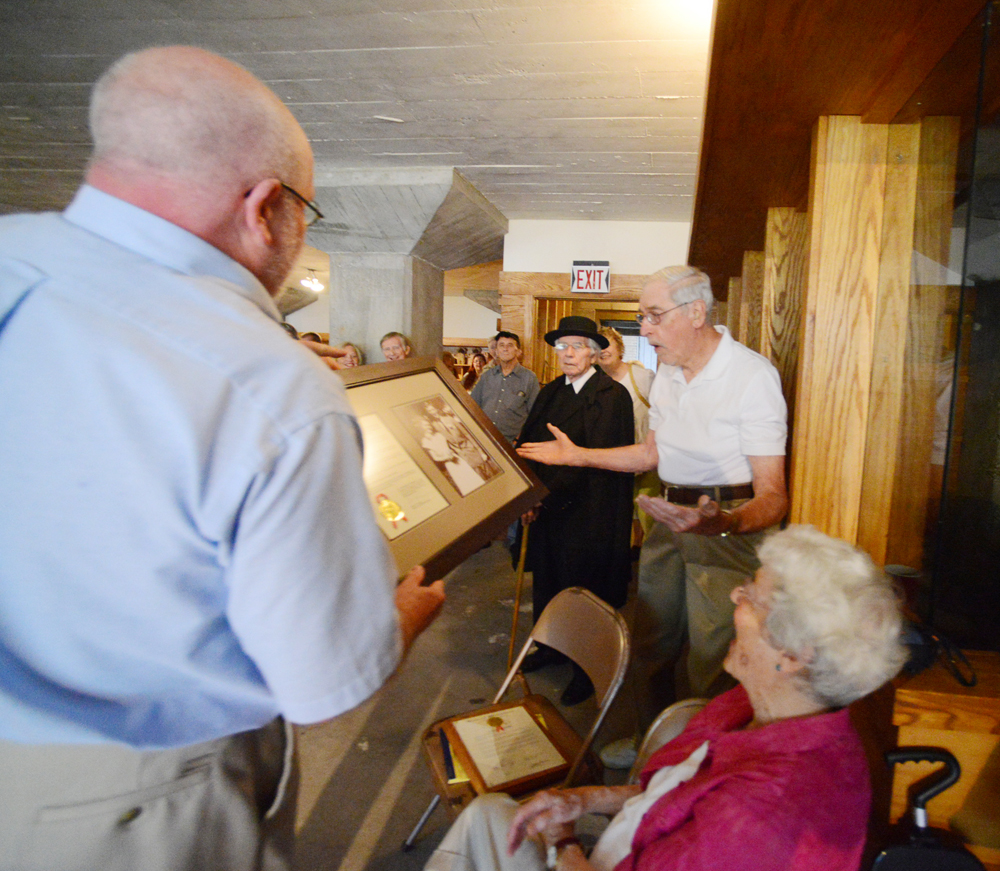
Lon Arbegust surprised the Schnadts with a framed copy of their wedding photo, which he found in the local newspaper archives.

Image

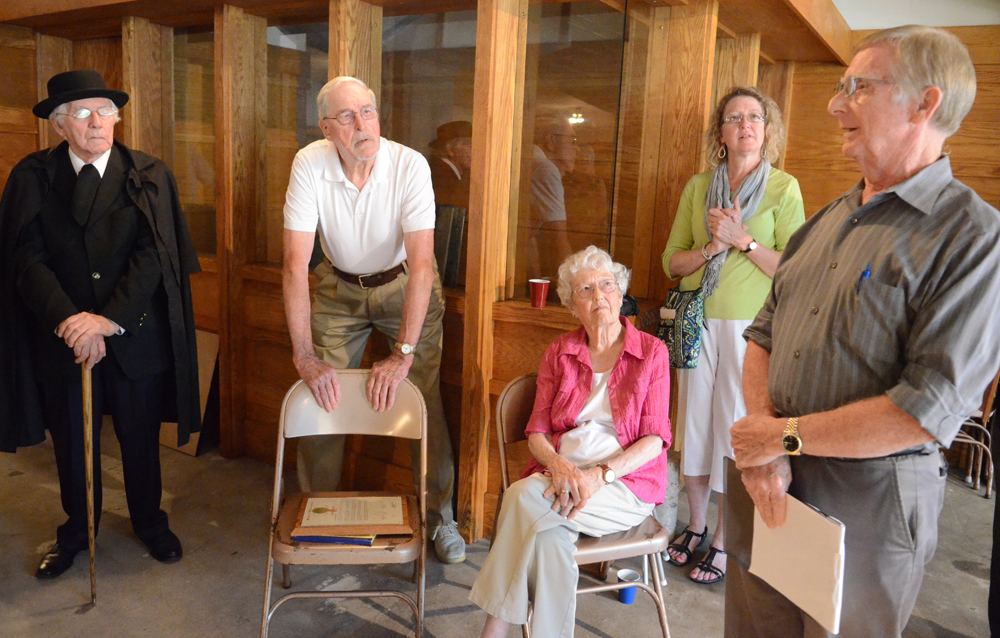
Ron Scherubel, past executive director of the Frank Lloyd Wright Building Conservancy and a board member of Frank Lloyd Wright Wisconsin, was one of the speakers.

The warehouse conservancy has a Facebook page. Contributions are welcomed: PO Box 436 Richland Center, WI 53581

Image

Image

Image,

New Gates for Hardy House

Words and photos (c) Mark Hertzberg, except historic photos, (c) Anne Sporer Ruetz

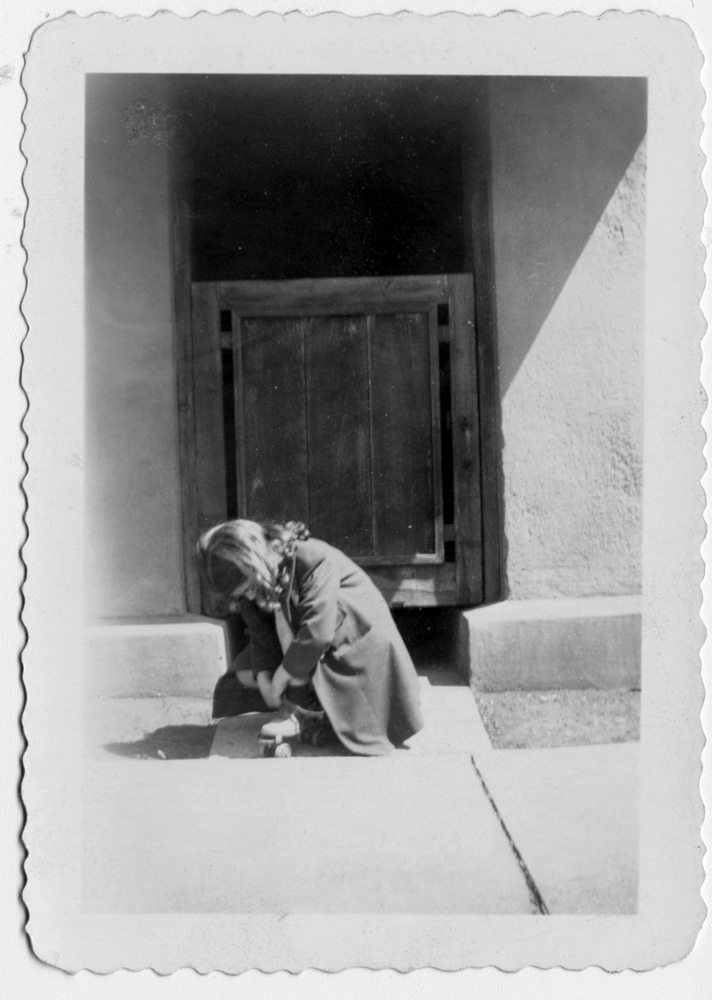
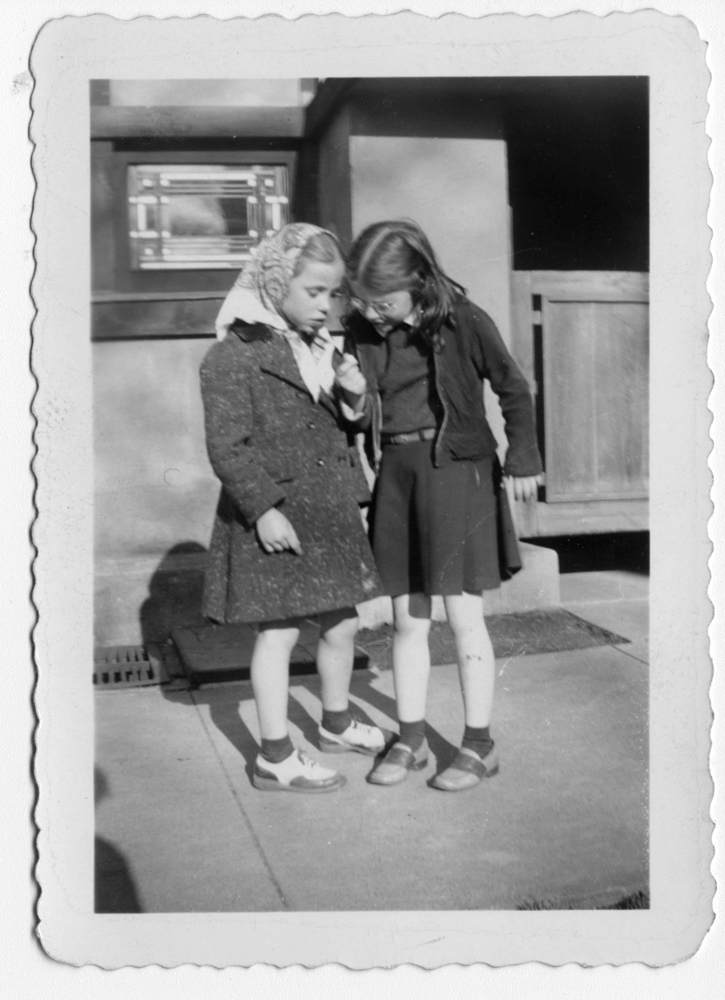
One of the most important finishing touches is coming to the Hardy House. It was built in 1904-06 with two wood gates, which we see in Anne Sporer Ruetz’s snapshots of her friends. Anne grew up in the house; her parents were the second owners (1938-1947) after Hardy lost the house at sheriff’s auction.

Image

Image

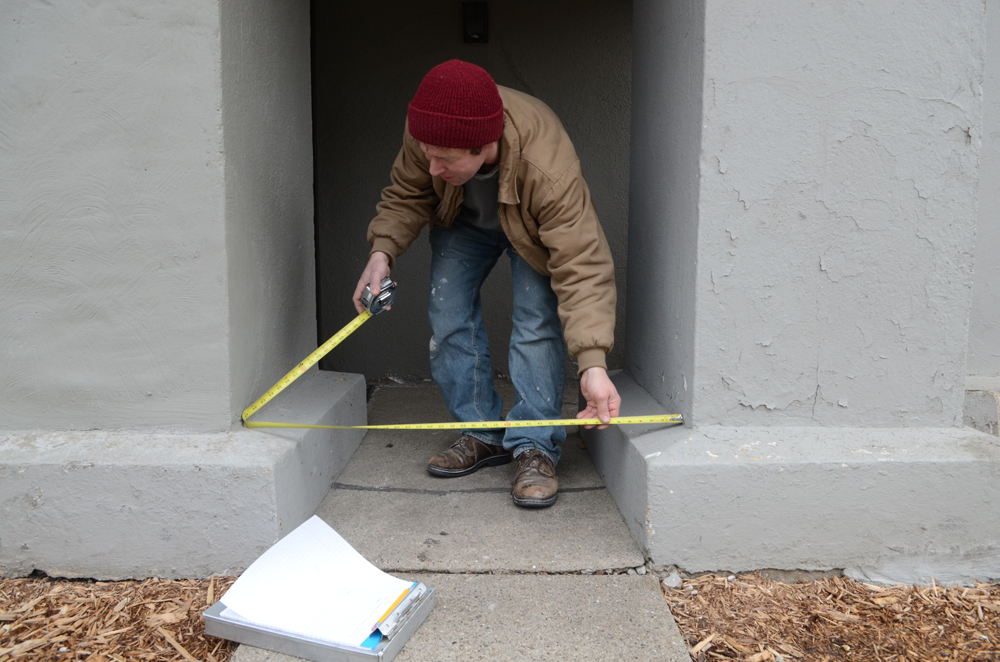
New gates, based on the unrealized design by Wright on one of his drawings, are being built by Chad Nichols, the master carpenter who has done much of the work at the house. Chad measured the openings for the gates in January, 2013:

Image


He first made a model based on the design built for the house, before it was decided to use the unrealized design:

Image

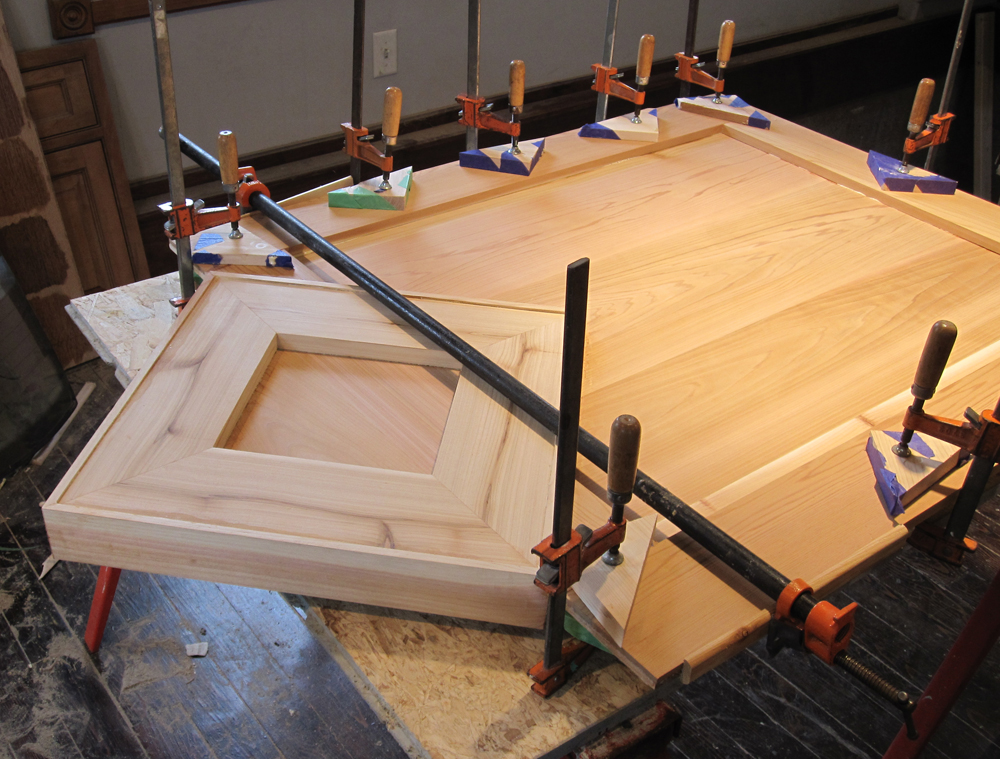
There is nary a spare clamp to be found in his workshop as he now completes the red cedar gates. It was decided to wait until the house rehabilitation was almost completed before making the gates:

Image


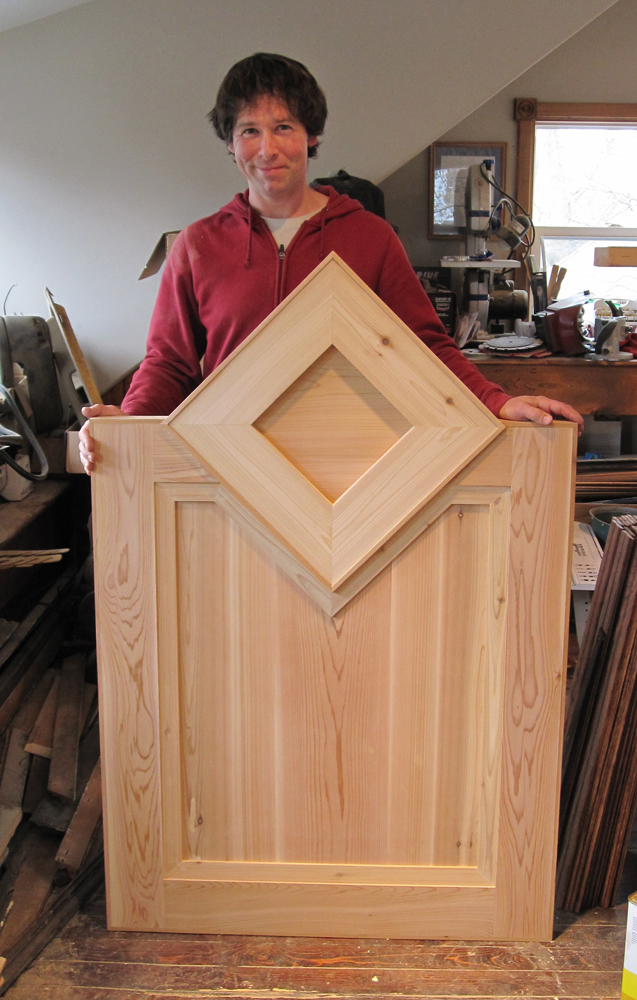
The gates will be stained before they are installed, probably next week. Chad proudly invited me to his workshop today to see what they look like:

Image

Photos / First Tower Tour

Photos (c) Mark Hertzberg for SC Johnson

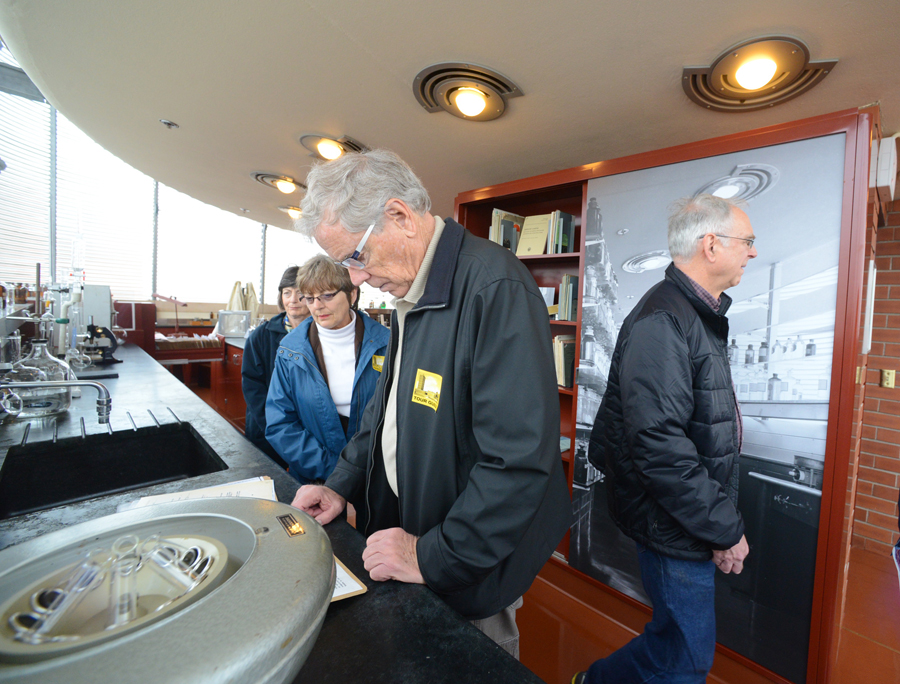
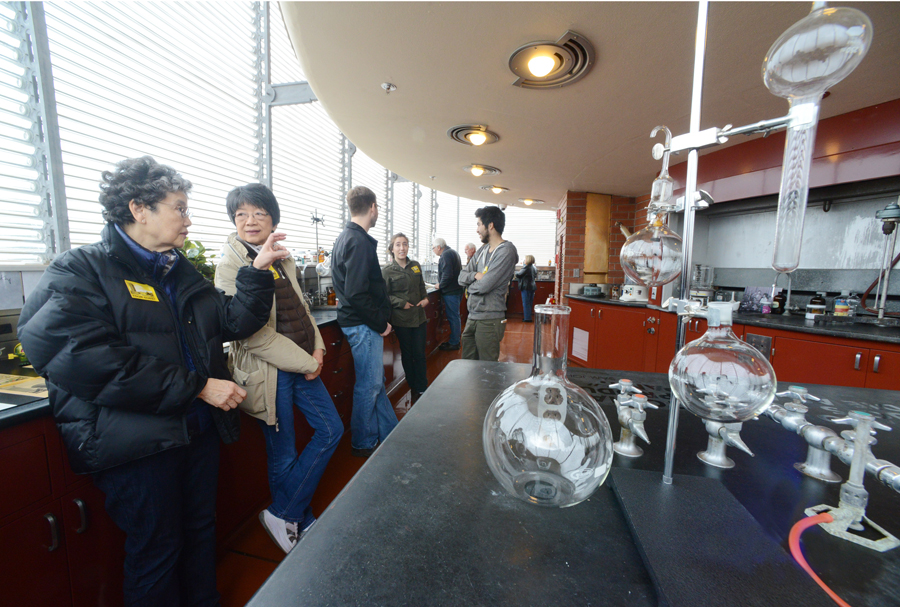
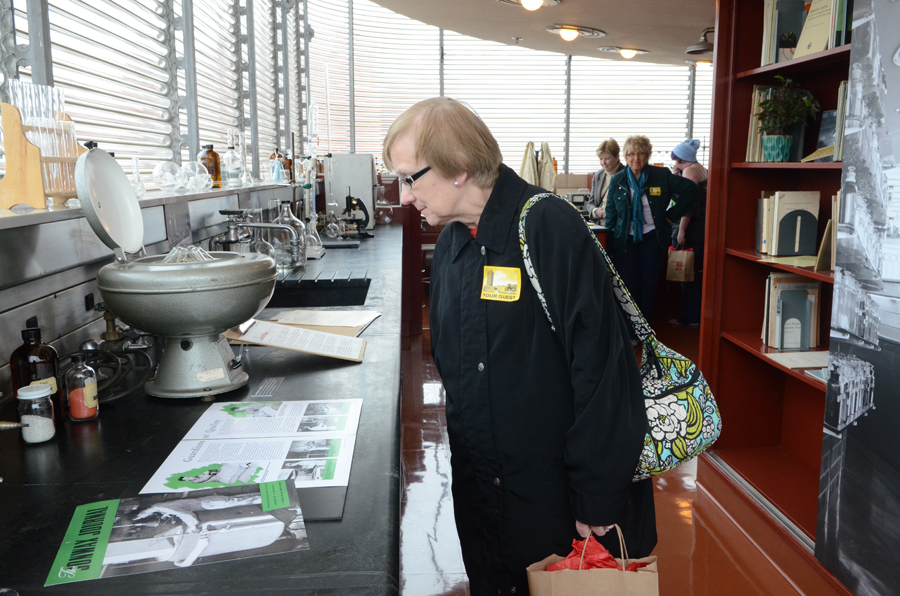
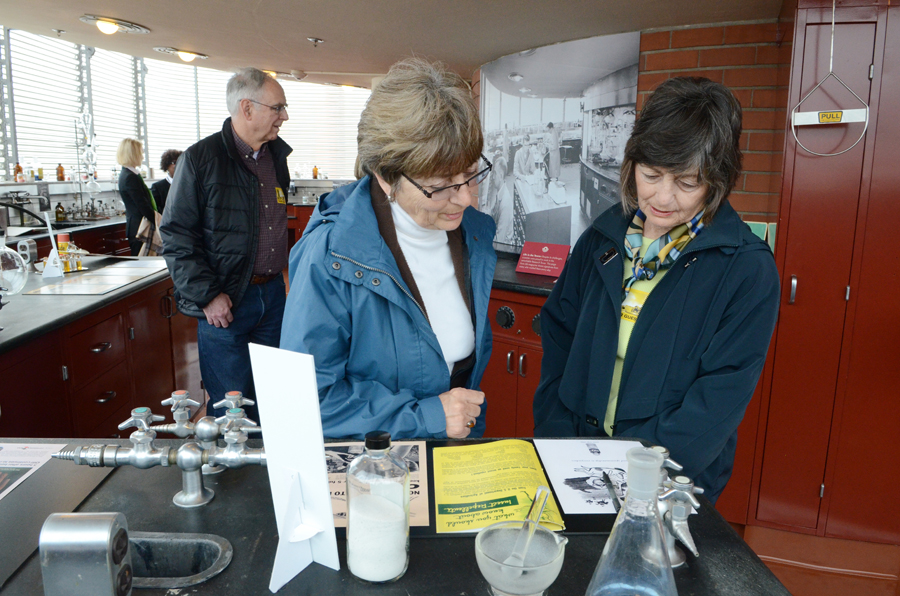
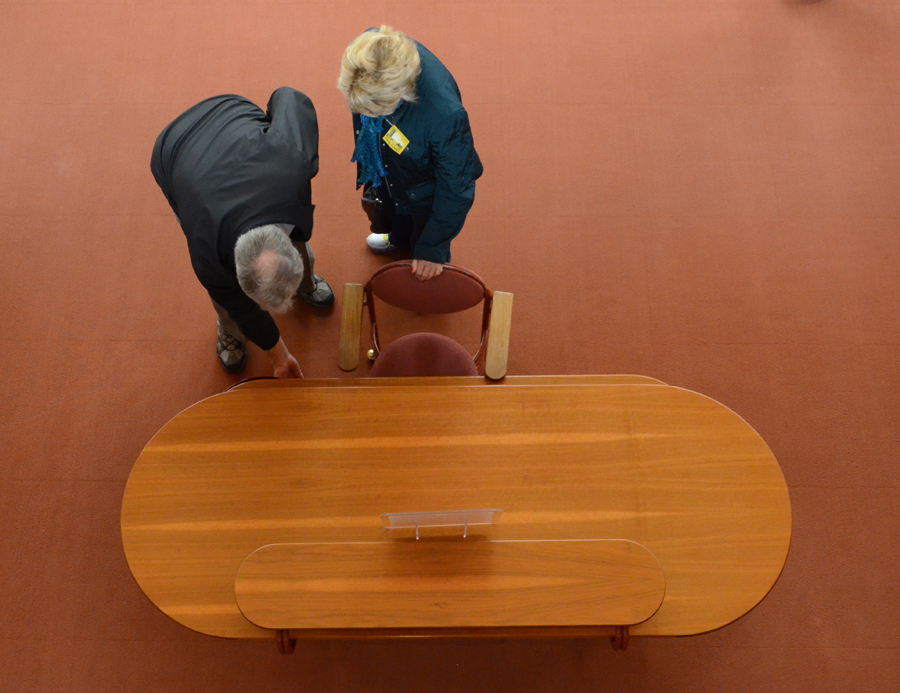
The first public guests to ever tour Frank Lloyd Wright’s SC Johnson Research Tower had about 45 minutes to explore the 1950s artifacts and displays about the architectural history of the building on two floors of the building, 3 Main and 3 Mezz, Friday morning. Interest in these first-ever tours has been so great that beginning in late May tours will be run five days a week through September, rather than only two days a week. These photos are from the first tour:

ImageImage

Image

Image

Image

Image

Image

Image

And I leave you with one photo from the companion tour of the Administration Building:

First Tower Tour

Countdown to Tower opening

Photos (c) Mark Hertzberg for SC Johnson

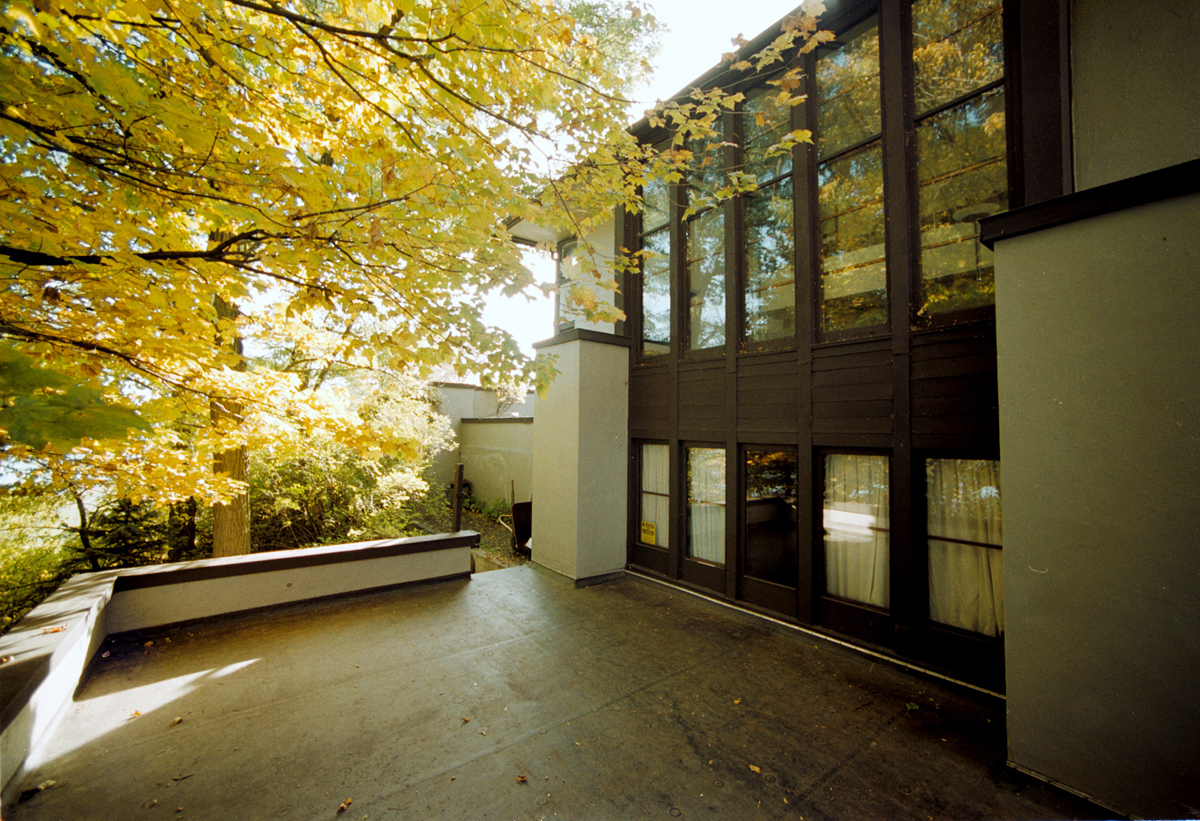
In just twelve hours the first public tours ever of the SC Johnson Research Tower begin. There is such demand for the tours that Wednesday and Thursday have just been added to the reservation schedule. We whet your appetite for your visit with some photos shot this afternoon, including some from a unique vantage point. The Research Tower is Wright’s only executed tap-root tower (Bruce Brooks Pfeiffer told me that Price Tower is not a true tap-root tower because it is tied into the foundation of the adjoining office building).
Image

Image

Image

Image

Image

Image

Image

Image

A portrait of Mr. Wright and H.F. Johnson Jr. at the Tower is on the elevator door on 3 Mezz:

Image

The Tower’s original lighting scheme was replicated as part of the restoration of the building (see older posts for photos of the Tower re-lighting at dusk on December 21, the Winter Solstice).

Image

Image

You can see photos of some of the 1950s artifacts on display two articles below this one. To make tour reservations:

www.scjohnson.com/visit

Some people have asked me technical questions: today’s photos were shot with a 14mm f2.8 lens on a full frame digital camera body (a Nikon D600). I do not particularly favor one brand camera…I choose Nikons because of my investment in Nikkor lenses over many years.