“Nothing is Ever Easy at Penwern”

© Mark Hertzberg except photos © by Bill Orkild, as noted

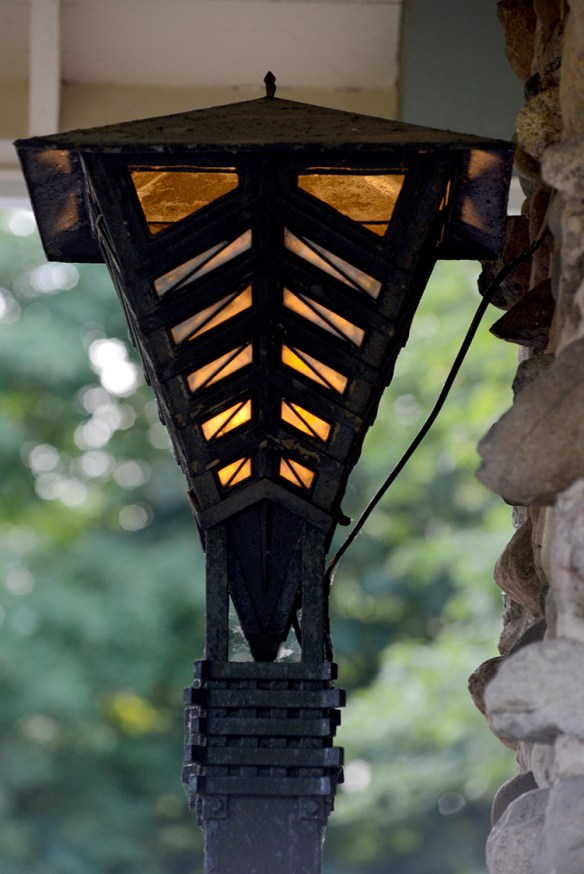
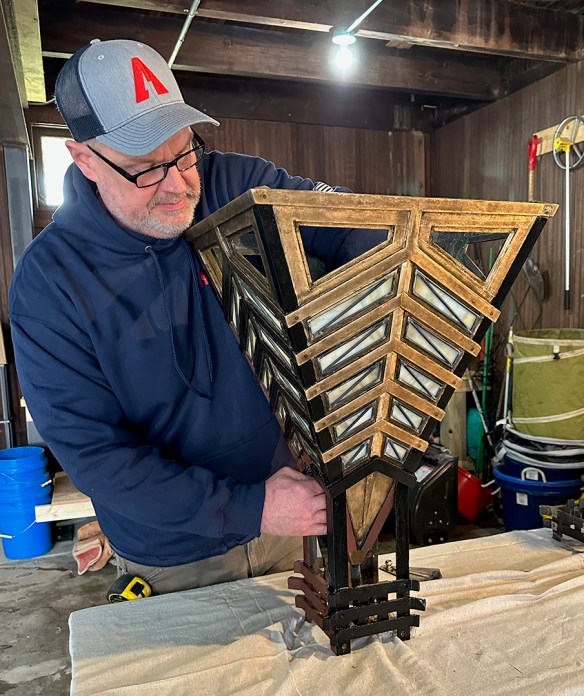
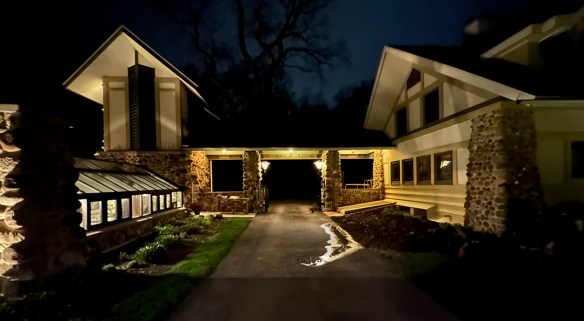
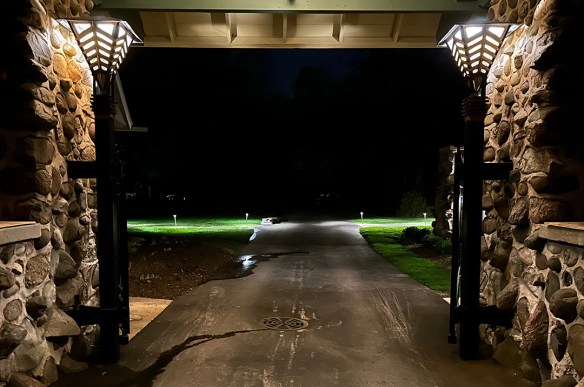
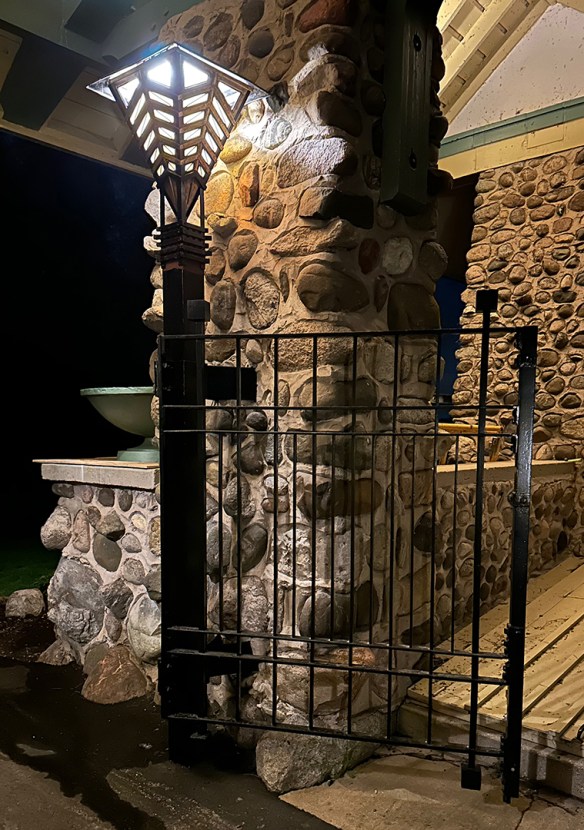
I was not sure how to title this article. Should I be straightforward and headline it something like “Penwern Gate Lodge Lamps Refurbished?” Nah. Too boring. I figured a better hook was to quote Bill Orkild, the on-site artistic craftsman who works miracles when it comes to restoring and rehabilitating Penwern, Frank Lloyd Wright’s Fred B. Jones estate on Delavan Lake, Wisconsin.* Orkild had contacted me a few months ago and told me that the 50+ pound lamps above the Gate Lodge gates were being refinished and would be their original brass again. They aren’t brass? Orkild was kind enough to not add “Uh, duh!” when he said, “The photo on the spine of your book about Penwern has a photo of them that shows they have been black for years.” I checked. Indeed they were. “Nothing is ever easy at Penwern” is what Orkild told me when unexpected glitches came up May 3 when the lamps were being mounted back in place.

LR Gate Lamp 004.jpg

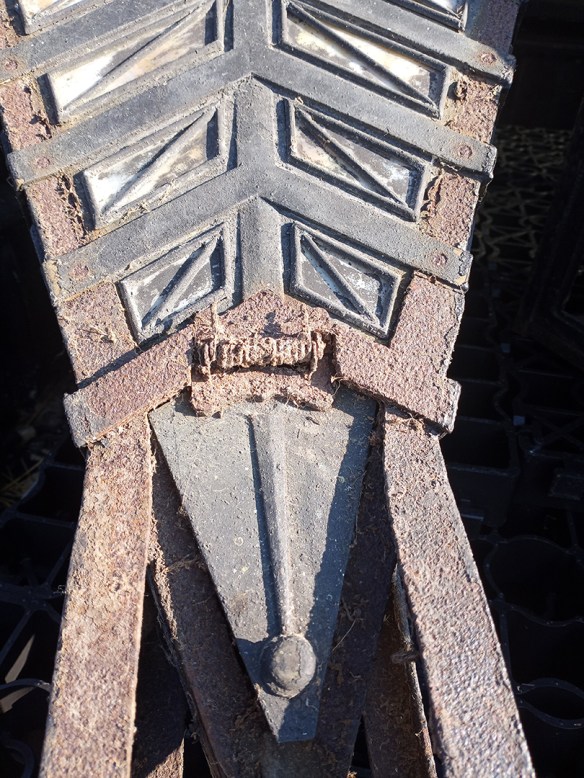
The next two photos are Orkild’s. The text is his telling the tale of the restoration:

LR 20230110_121510 (1).jpg

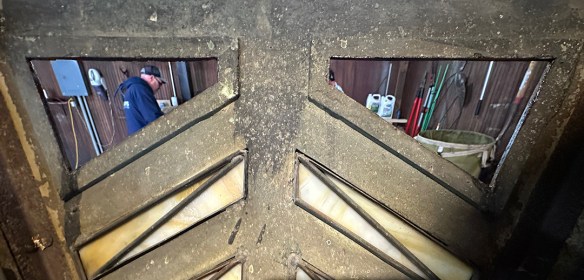
“In my mind the project began many years ago.  When changing a burned-out light bulb I noticed a metallic color under the flaking black paint.  I wondered what was hidden behind that paint and would I ever have the opportunity to find out?

“Fast forward 20 + years to the building of the greenhouse (a project completed in 2020, rebuilding the Gate Lodge greenhouse which had been torn down in the 1970s).  Three years ago, when building the greenhouse new conduit was run under the driveway to the light posts. This enabled the lights to be integrated into the greenhouse electrical system. Previously, the wire came from above, creating an unsightly dangling wire situation in and out of the light fixtures.  John Major had the foresight to install new wire underground and Susan Major had the passion to make sure it happened.

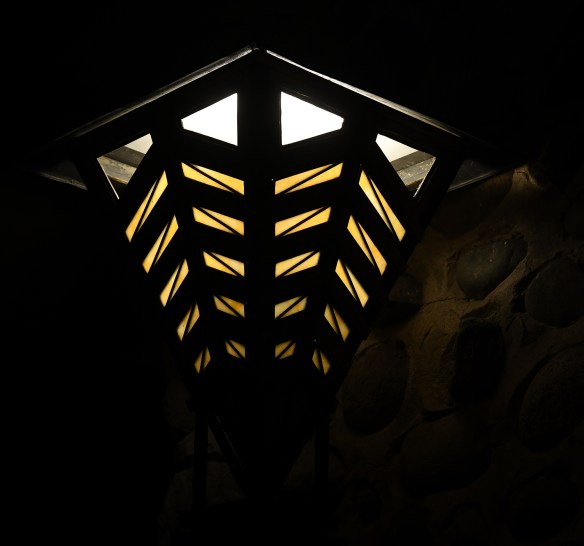
“I was excited to explore what the fixtures looked like originally.  As the paint was removed the extent and detail of the metal work was revealed. I knew we had something special!

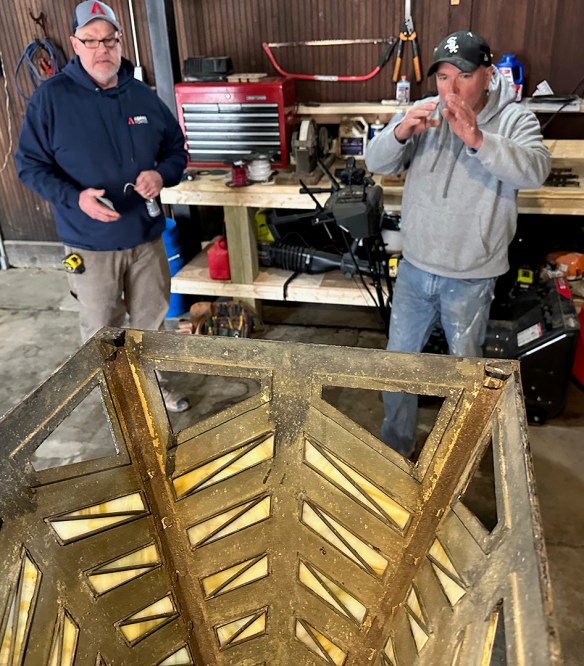
LR 20230110_094731 (1).jpg

March 31: Jim Smith of Adams Electric, left, rewired the lamps for LED bulbs in the Penwern stable. Orkild is at right:

LR Penwern Gate Lodge Lamps 2023 011.jpg

LR Penwern Gate Lodge Lamps 2023 007.jpg

LR Penwern Gate Lodge Lamps 2023 012.jpg

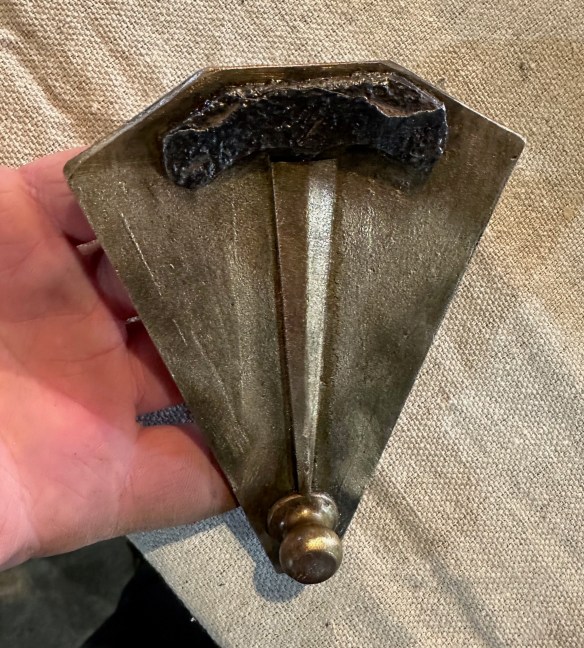
“The light fixtures were mounted to the posts with hot rivets.  Over the years a thick layer of rust obscured the rivet locations.  It was trial and error finding and drilling out the rivets to release the fixtures from the posts. After three separate visits, on cold winter days, Bob from RC Portable welding was able to get the fixtures off the posts.

Penwern Gate Lodge Lamps 2023 005.JPEG

“The removal of the paint from the bronze surface was also challenging.  The bronze portion of the fixtures were cast in sand leaving an uneven textured surface.  Removing the paint from all of the crevasses was extremely labor intensive.

“At over 50 lbs. each, transporting the fixtures from artisan to artesian and back to the job site was a physical workout. Also, understanding the value of the light fixtures and knowing they were in jeopardy the moment they were removed from the posts added a slight mental stress.  The urgency to get the fixtures back in place was real!

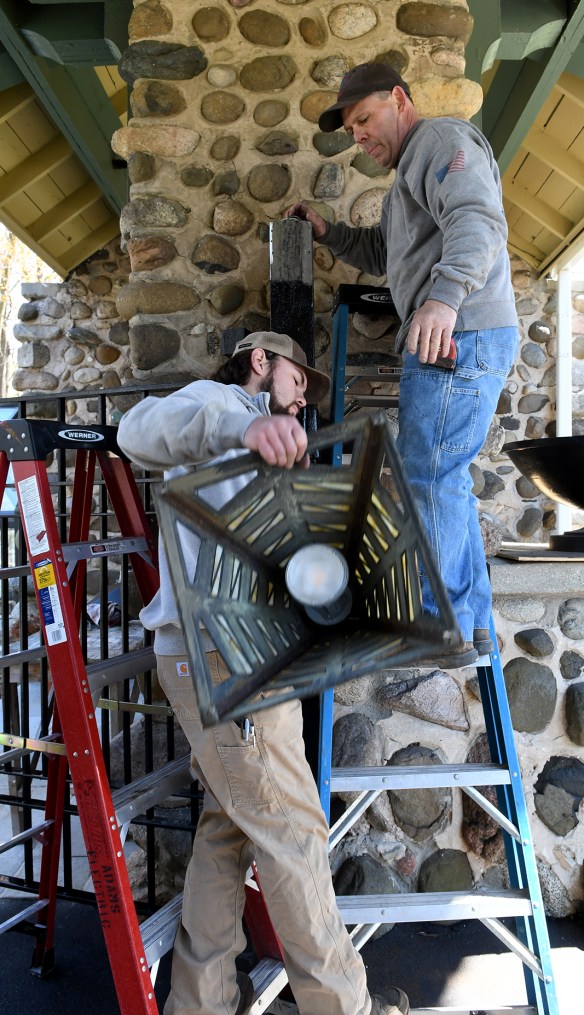
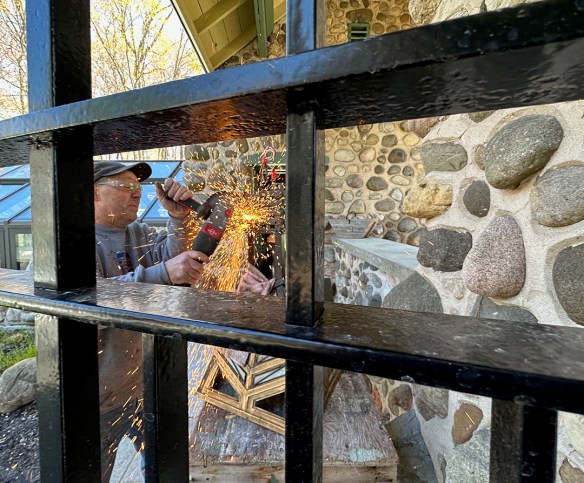
LR Penwern Gate Lodge Lamps 2023 025.jpgDylan, left, and Bob Swatek of RC Welding Fabrication company, mount the lamps May 3.
LR Penwern Gate Lodge Lamps 2023 026.jpg

Bob had to grind some of the metal down more. This was when Orkild told me “Nothing is ever easy at Penwern!”

LR Penwern Gate Lodge Lamps 2023 029.jpg

“When I first saw the fixtures re-mounted on the posts I had a sense of relief. The fixtures were safe and no longer my liability.  When I first saw the fixtures lit, I wondered how many people passed through these gates never noticing the spray-painted version of these lights.  Who sprayed painted the fixtures, when and why?  How many people missed the full beauty of these magnificent objects.  It doesn’t matter now, the light fixtures are back for generations to enjoy!”

LR Penwern Gate Lodge Lamps 2023 045.jpg

LR Penwern Gate Lodge Lamps 2023 041.jpg

LR Penwern Gate Lodge Lamps 2023 043.jpg

LR Penwern Gate Lodge Lamps 2023 038.jpg

I have long wondered what it was like for visitors to Penwern in the two years between the main house being finished (1901) and construction of the Gate Lodge two years later. But now we have a good sense again of what that wonderful entrance to the estate looked like as Jones and his friends swung toward the lake from South Shore Drive.

The late Robert Leary (who worked tirelessly at Hollyhock House and the Ennis House in Los Angeles) told a friend that the Gate Lodge was his favorite of Wright’s smaller house. We can see why, thanks to Orkild’s work and Sue and John Major’s stewardship of Penwern.

*My thanks to Robert Hartmann for his description of Bill Orkild. Gilbertson’s Stained Glass was also one of the contractors.

Please scroll down to read previous postings on this blog or website. You can use the search feature to find earlier stories about Penwern and its rehabilitation.

Shaking Words Out of His Sleeve

© Mark Hertzberg (2023) except photo from Paul Hendrickson of him in his home office

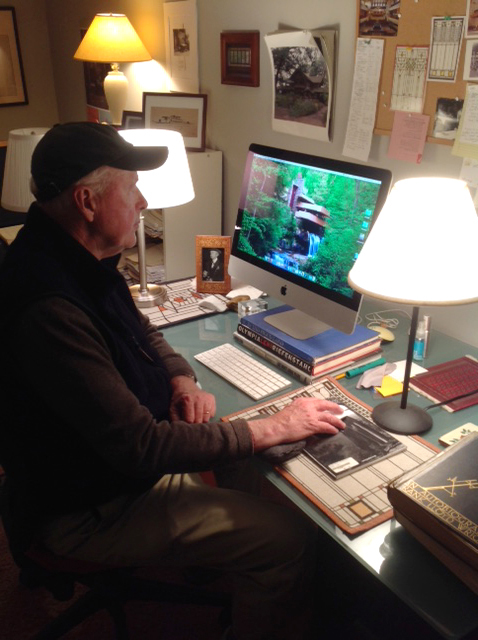
Frank Lloyd Wright told his client for Midway Gardens that “The thing (design) has simply shaken itself out of my sleeve.” Paul Hendrickson, author of the 2019 book about Wright, Plagued by Fire – The Dreams and Furies of Frank Lloyd Wright, is not much different than Wright in that respect.

LR Hendrickson Kankakee 005.jpg

Plagued by Fire.jpg

We became friends when he was writing Plagued. I have subsequently read many of his books because I am captivated by his writing style. After getting to preview his forthcoming (2024) Fighting the Night about his father in World War II, I wrote him that I think that just as Wright claimed to shake designs out of his sleeve, I think he has a gift to shake words out of his sleeve, letting them flow magically through his fingers and across his keyboard. He is often described as a former reporter for The Washington Post, but Paul was a writer, not just a literal reporter of facts. He now teaches writing at the University of Pennsylvania.

Paul Hendrickson.jpg

Hendrickson does not pontificate or lecture the reader. His books are more of a conversation with his readers. He often walks readers through the building blocks that make up the story with explanations in the narrative, eliminating the need to constantly refer to the end notes.

Hendrickson’s first exposure to Wright was when he rode his bicycle past the B. Harley Bradley House near his home in Kankakee, Illinois:

https://wrightinracine.wordpress.com/2019/04/10/an-advance-peek-at-plagued-by-fire/

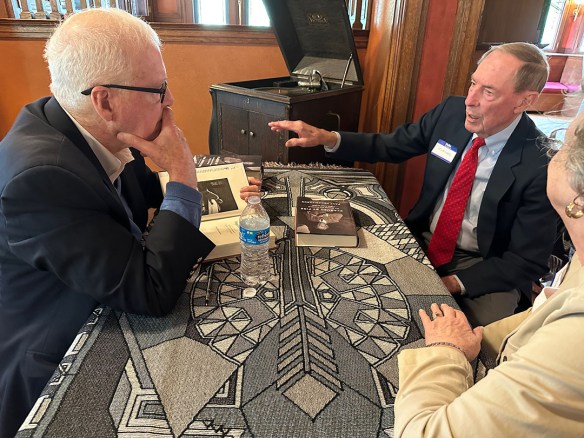
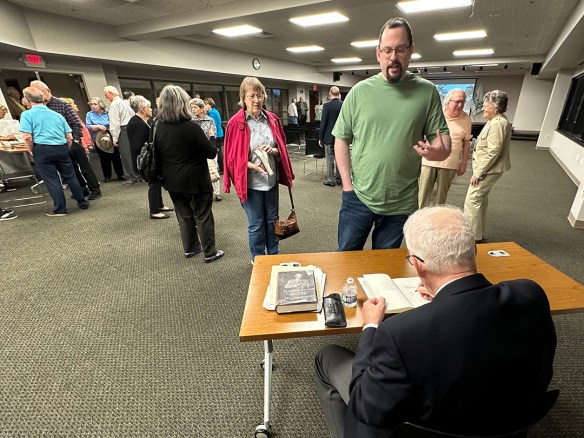
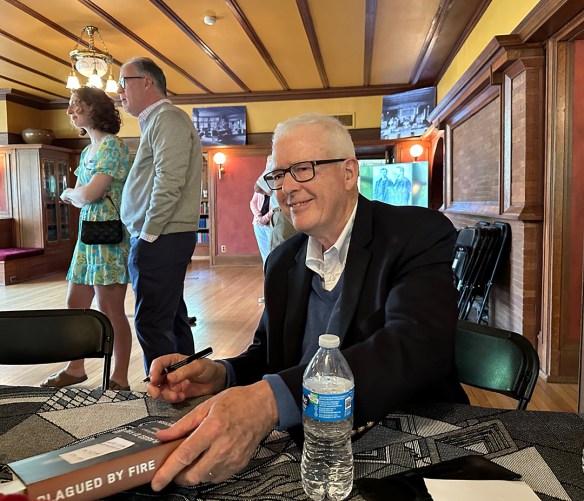
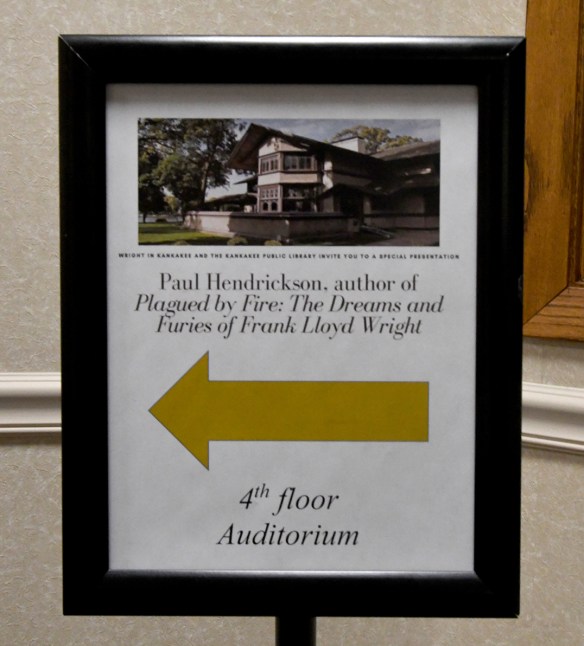
He came home to Kankakee last week as a guest of Wright in Kankakee to talk about the book. The reception for him at the Bradley House and his lecture at the Kankakee Public Library were originally scheduled for March 2020. Then came the Pandemic. This was the first time I heard Hendrickson lecture, no, not lecture, rather, have a conversation with his readers.

LR Hendrickson Bradley House 5.5.23 005.jpgHendrickson, left, with Gaines and Sharon Hall who bought and restored the Bradley House, and then made it possible for Wright in Kankakee to acquire it.
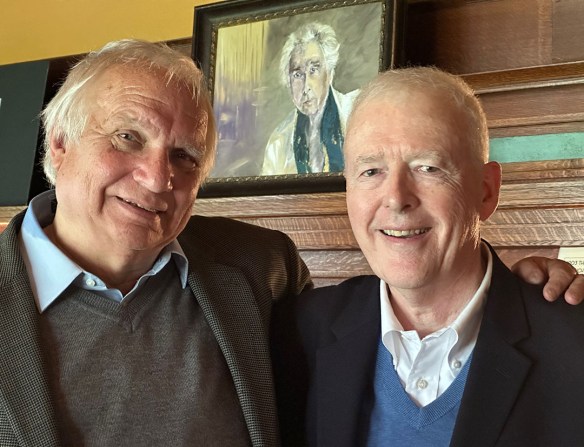
LR Hendrickson Bradley House 5.5.23 002.jpgHendrickson dedicated Plagued to Tim Samuelson, City of Chicago Cultural Historian Emeritus.
LR Hendrickson Bradley House 5.5.23 014.jpg

Hendrickson Kankakee 001.jpg

LR Hendrickson Kankakee 011.jpg

LR Hendrickson Kankakee 002.jpg

LR Hendrickson Kankakee 020.jpg

LR Hendrickson Kankakee 021.jpg

I close asking one favor from you…when you order Hendrickson’s or anyone’s books, first try a local bookshop rather than reflexively ordering from the Big A. We need to save our local bookshops.

Wright in Kankakee’s website:

https://wright1900.org

Please scroll down to see previous posts or articles, including the last one about Tim Samuelson’s “Wright Before the Lloyd”exhibit which just opened in Racine, Wisconsin. It is a reinterpretation of the exhibit he had in Elmhurst, with an emphasis on Wright and Cecil Corwin. 

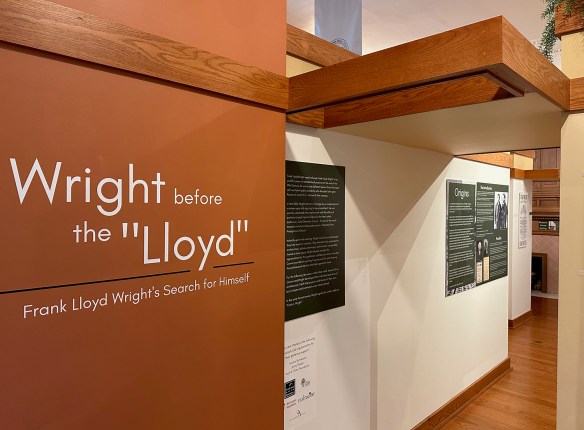
“Wright Before the Lloyd”

© Mark Hertzberg, Tim Samuelson, and Racine Heritage Museum (2023). Images of individual artifacts cannot be reproduced without permission.

LR RHM Corwin Wright 027.jpg

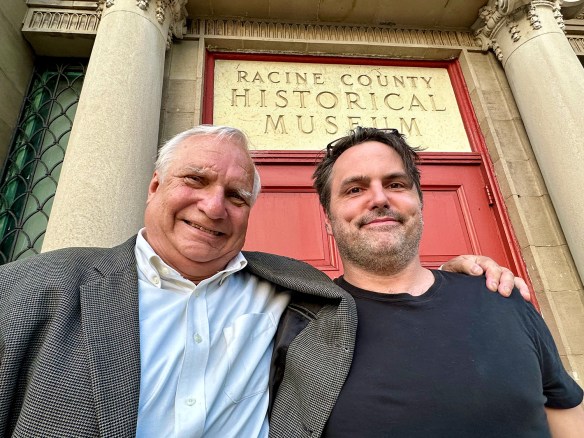
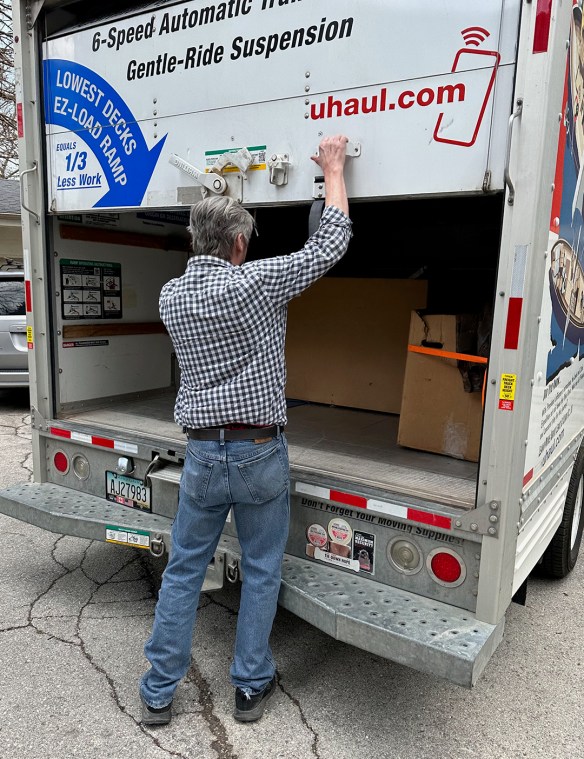
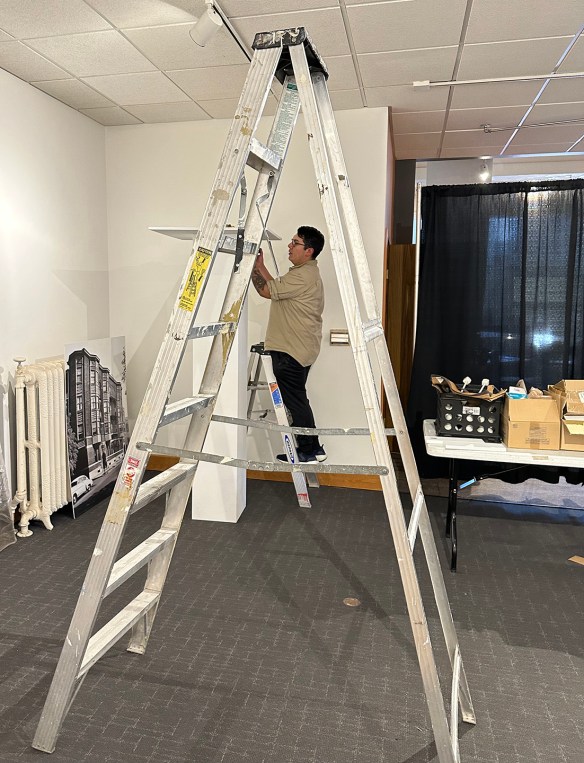
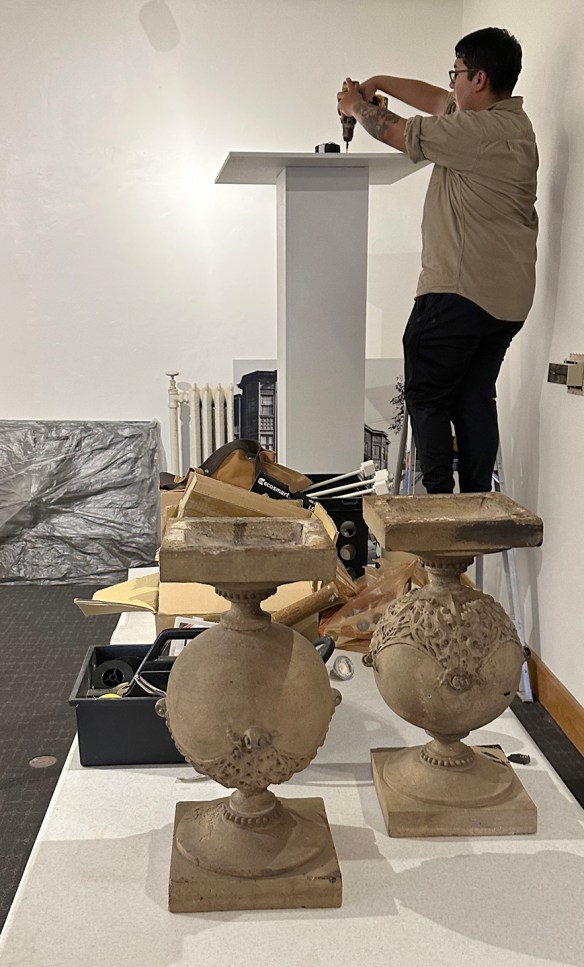
A few weeks ago I teased you with this photo of a U-Haul truck, and told you that a bunch of “stuff” was being delivered to the Racine, Wisconsin, Heritage Museum for a major exhibit about Frank Lloyd Wright and Cecil Corwin. Museum executive director Christopher Paulson and curator Allison Barr worked tirelessly with Tim Samuelson for over a year to bring it to life.

LR RHM Corwin Wright 010.jpg

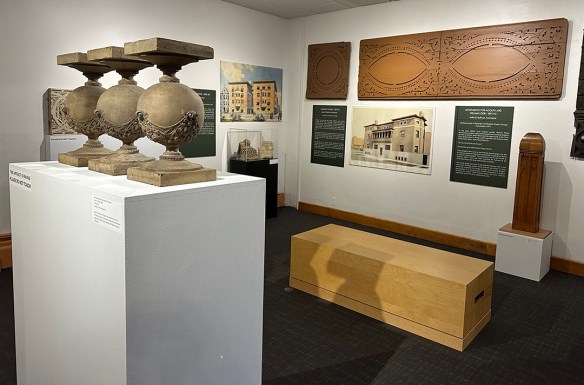
Now it is time to pull the curtain back on the exhibit which opened May 4, and runs through 2024.

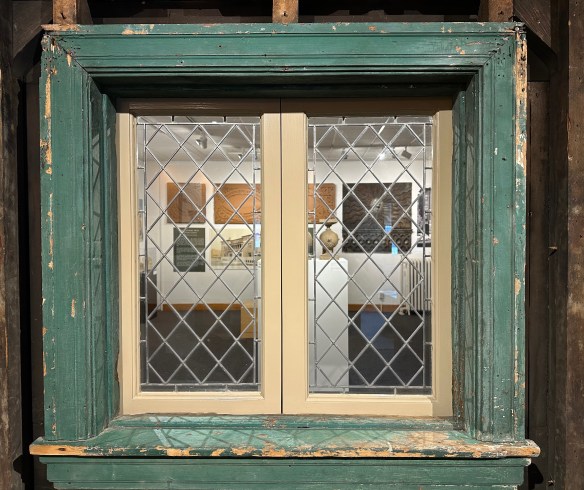
LR RHM Corwin Wright 041.jpgRacine designer Robert Hartmann originally designed the exhibit space with  a sense of “compression and release” in 2011.
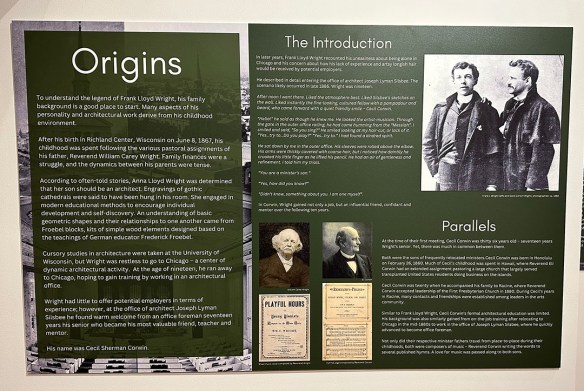
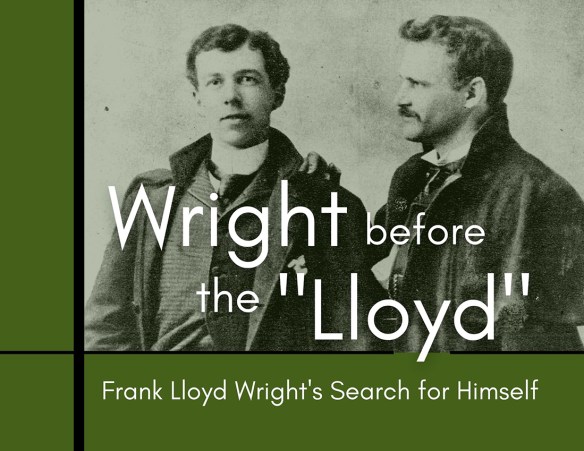
“Wright before the ‘Lloyd,’” highlights the young Frank L. Wright and his friend Cecil Sherman Corwin, the forgotten architect and mentor who did much to shape him into the architect we know as Frank Lloyd Wright.   

LR RHM Corwin Wright 028.jpg

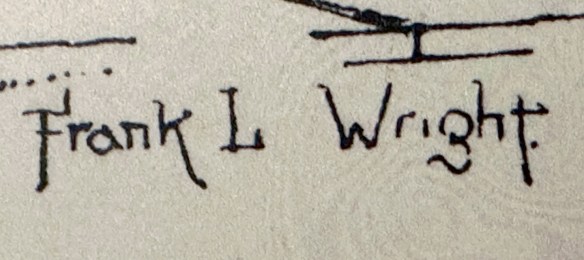
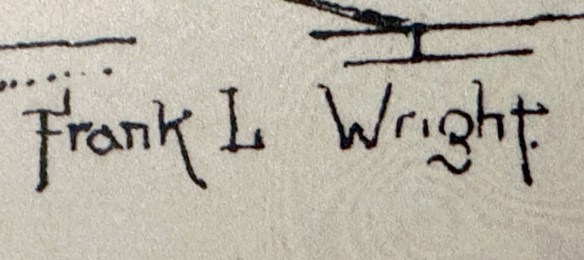
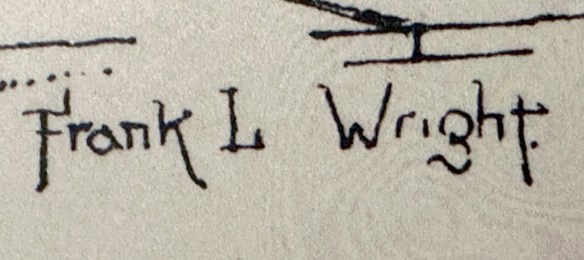
Wright wasn’t always Frank Lloyd Wright. In his youthful years of architectural practice at the end of the 19th Century, he was very different from the brash, self-confident public celebrity who several decades later gave Racine its landmark S.C. Johnson & Son campus. Born Frank Lincoln Wright, the young architect signed his works prosaically as “Frank L. Wright.”

He had arrived in Chicago in 1886 as an inexperienced and self-doubting nineteen-year-old aspiring architect. He was warmly welcomed into employment with the office of architect Joseph Lyman Silsbee by Corwin, the firm’s chief draftsman. Both Corwin and Wright were sons of  much-traveled ministers. Corwin’s father, the Rev. Eli Corwin, was the popular pastor of Racine’s First Presbyterian Church from 1880 – 1888.

RHM Corwin Wright 038A.JPEG

RHM Corwin Wright 039.JPEG

Corwin and Wright quickly discovered they had much in common, including similar passions for architecture, culture and music. They became inseparable friends. They shared ideas in their practice of architecture for 10 years. For many years, they shared a small office in downtown Chicago. Each had projects and clients of their own, but critiques and comments were freely shared. In later years, Wright often recalled his appreciation for the guidance, confidences and camaraderie Corwin provided in guiding his personal life, and shaping the professional identity that later gave him fame. In An Autobiography (1932) Wright wrote that he had found “a kindred spirit” when he met Corwin.

RHM Corwin Wright 040.JPEG

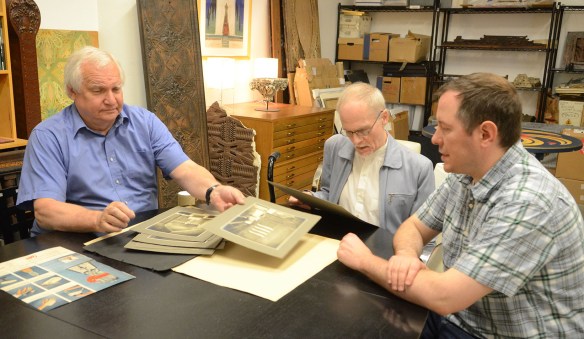
The exhibit is curated by Tim Samuelson, the City of Chicago’s Cultural Historian Emeritus.

RHM Iannelli Planning Meeting 003.jpgTim Samuelson, left, David Jameson, and Eric O’Malley of O A + D at a planning meeting for the Racine Heritage Museum’s exhibition about the Racine-related work of Alfonso Iannelli in 2018,
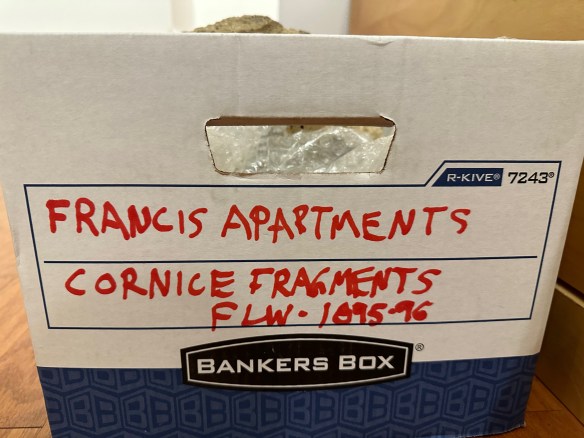
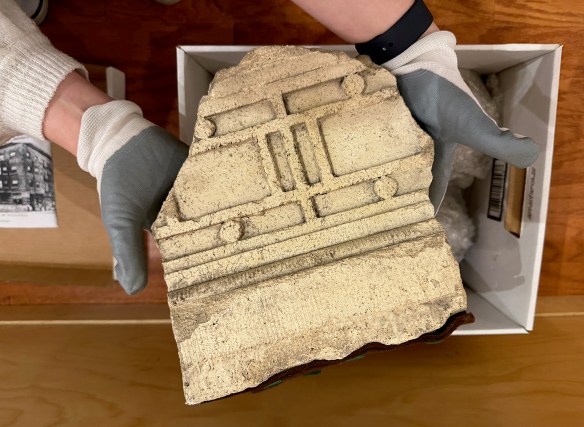
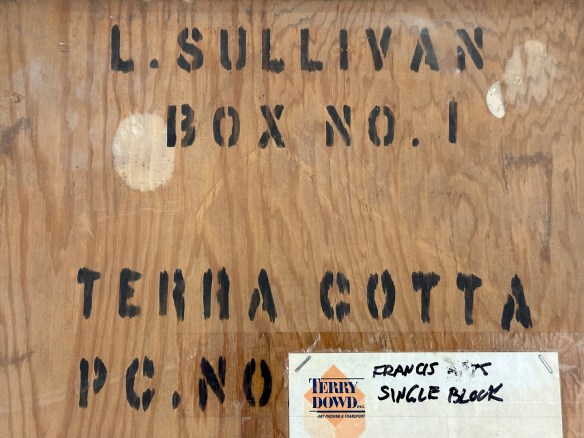
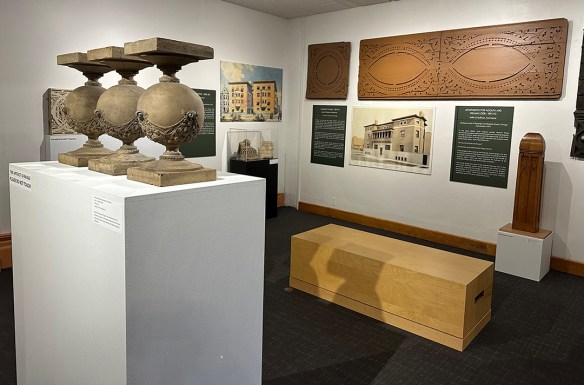
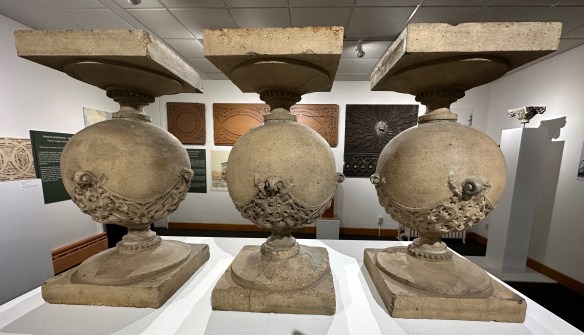
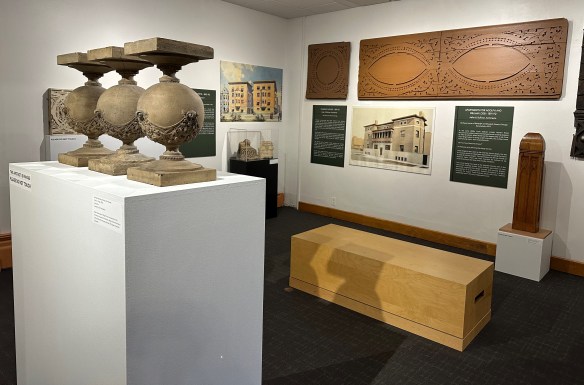
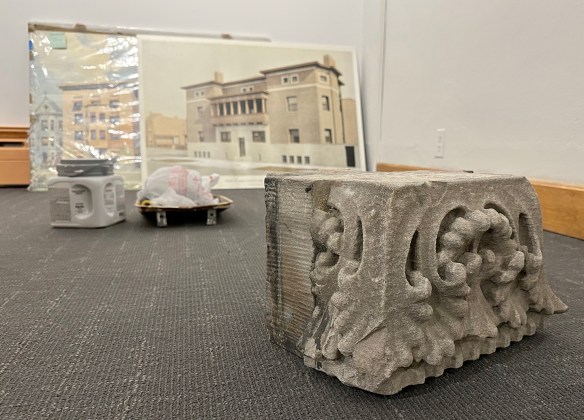
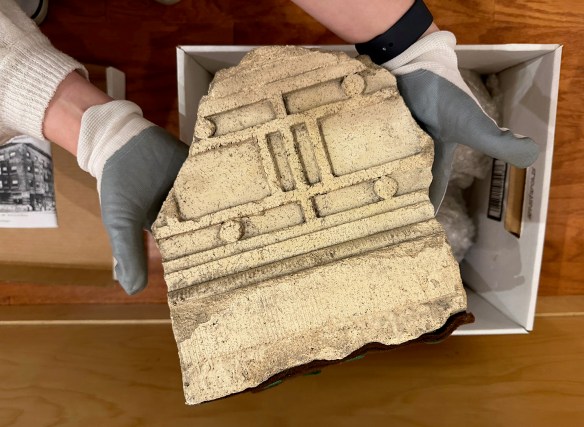
It is comprised of his extensive collection of early Wright architectural salvage, drawings and images, The exhibit, on the museum’s main floor center and north galleries, runs through December 30, 2024.

RHM Corwin Wright 009.JPEG

LR RHM Corwin Wright 007.jpg

LR RHM Corwin Wright 013.jpg

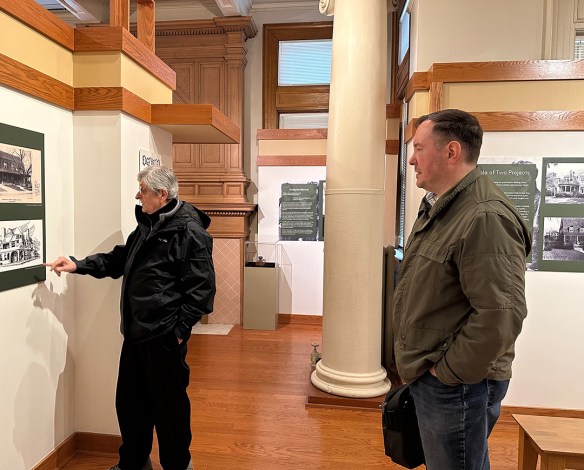
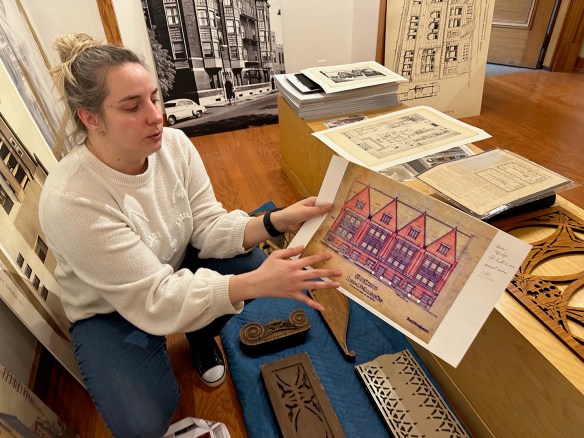
LR RHM Corwin Wright 033.jpgHartmann, left, and O’Malley preview the exhibit April 30.
Sponsors of the exhibit are the Arch W. Shaw Foundation, Racine Community Foundation, WE Energies Foundation and the Racine Arts Council.

The museum is located at 701 Main Street in Racine. Museum hours are: Tuesday-Friday 10am-5pm, Saturday 10am-3pm, Sunday Noon-4pm.  Admission is free. The museum, built as a Carnegie Library in 1904, is a historically preserved building and is not ADA accessible. For more information call the museum at 262-636-3296 or visit their website, www.racineheritagemuseum.org

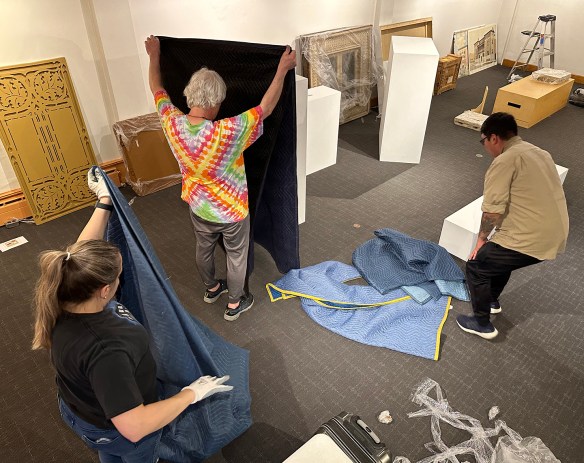
“Wright in Racine” was allowed to document the installation of the exhibit:

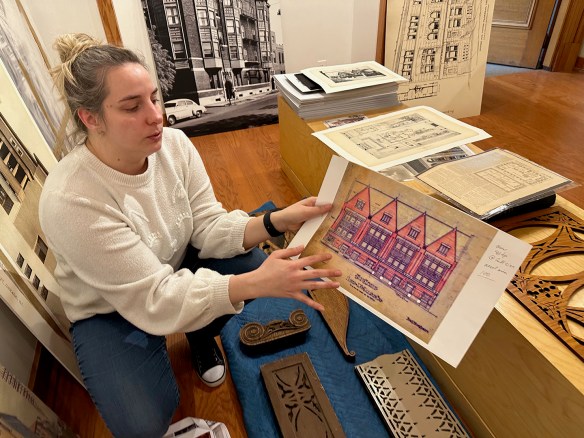
LR RHM Corwin Wright 026.jpgRHM Corwin Wright 005.jpgMuseum curator Allison Barr was instrumental in putting the exhibit together.
LR RHM Corwin Wright 007.jpg

LR RHM Corwin Wright 011.jpg

LR RHM Corwin Wright 012.jpg

LR RHM Corwin Wright 017.jpg

LR RHM Corwin Wright 019.jpg

LR RHM Corwin Wright 021.jpg

LR RHM Corwin Wright 040.jpg

LR RHM Corwin Wright 027.jpg

Please scroll down to see previous posts on this blog or website…


What is in the U-Haul Truck?

© Mark Hertzberg (2023)

I could tell you a lot. And I could post lots of photos, but I won’t yet. For now, this is a teaser. Suffice it to say the “stuff” in the truck is “stuff” for an exciting exhibit about Frank Lloyd Wright and Cecil Corwin that will run at the Racine, Wisconsin, Heritage Museum until December 2024. The museum is at 701 Main Street in downtown Racine.

RHM Corwin Wright 010.JPEG

The exhibit is comprised of artifacts from the collection of the incomparable Tim Samuelson, the Cultural Historian Emeritus for the City of Chicago. It has been in the planning since late 2021.

RHM Iannelli Planning Meeting 003.jpgTim Samuelson, left, David Jameson, and Eric O’Malley work in Samuelson’s archives as they prepare an exhibit about Alfonso Iannelli at the Racine Heritage Museum in 2018.
The exhibit was slated to open May 2, but there have been some unexpected hiccups which will likely delay the opening until later in the week. So, as the cliche goes, “Watch this space for updates.”

https://www.racineheritagemuseum.org

Please scroll down to view earlier posts on this blog or website.

Hardy: Light, Shapes, Shadows

Photos © Mark Hertzberg (2023)

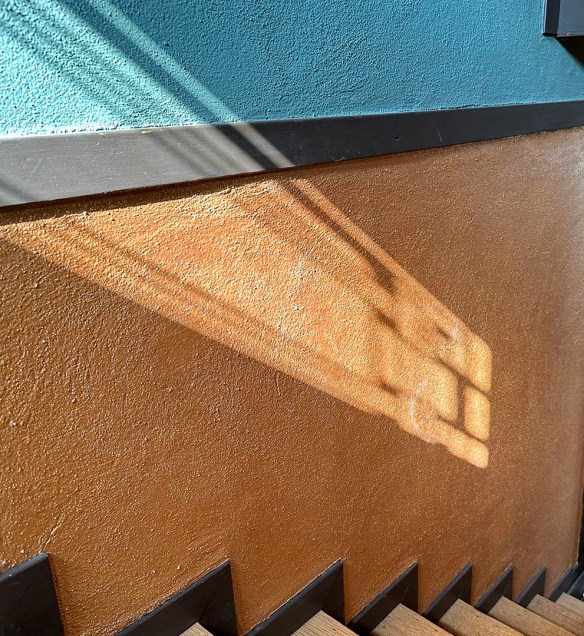
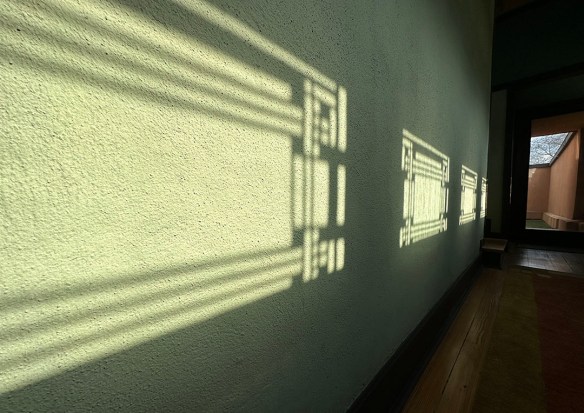
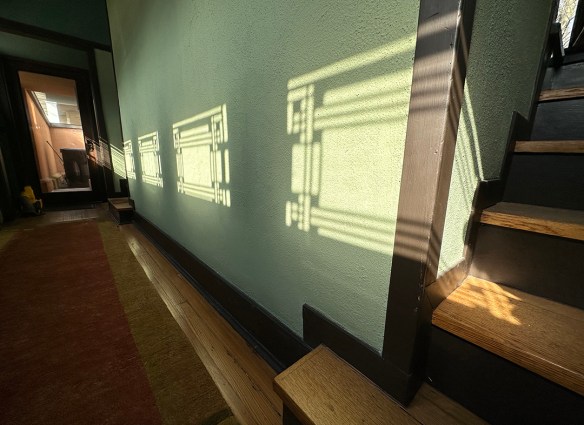
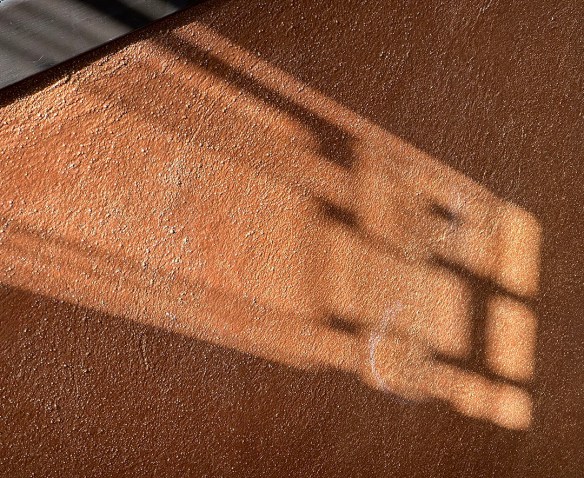
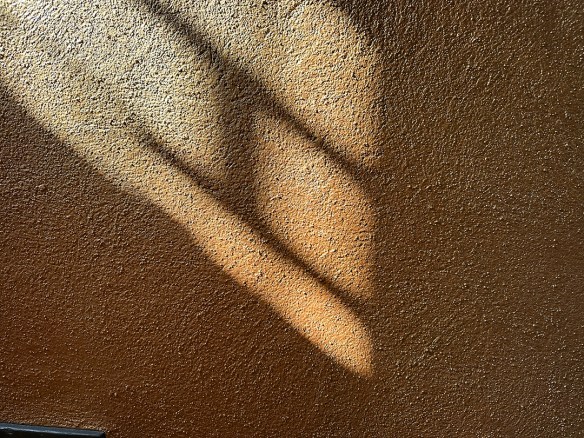
One of my favorite things in Frank Lloyd Wright’s Thomas P. Hardy House (1904/05) in Racine, Wisconsin, is the bank of seven windows in the front hall. I am taken both by the design – Robert McCarter has written that the floor plan of the house is articulated in white* – but particularly how the shadow of the pattern is projected into, and around, the front hall by the afternoon sun.

Hardy Shadows 4.20.23 005.jpg

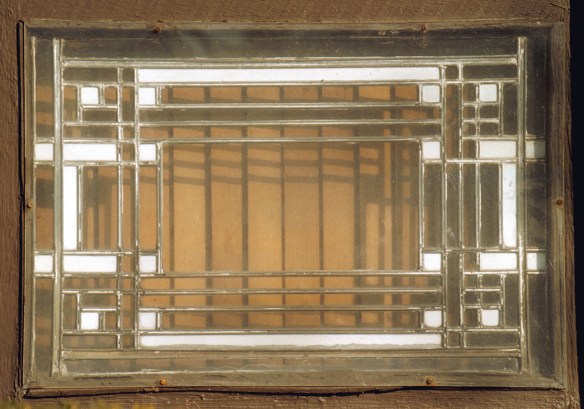
The first photo, below, is a file photo of one of the original windows (the windows have since been replicated and replaced). It was protected from vandals, who had previously thrown stones at it, by a layer of plastic. Next, are photos of the patterns I was delighted to find yesterday afternoon when I stopped to drop something off at the house.

Floor Plan Window.jpg

Hardy Shadows 4.20.23 001.jpg

Hardy Shadows 4.20.23 002.jpg

Hardy Shadows 4.20.23 003.jpg

Hardy Shadows 4.20.23 006.jpg

Hardy Shadows 4.20.23 007.jpg

Hardy Shadows 4.20.23 008.jpg

Hardy Shadows 4.20.23 009.jpg

Hardy Shadows 4.20.23 010.jpg

Hardy Shadows 4.20.23 011.jpg

Hardy Shadows 4.20.23 012.jpg

*The square in the middle represents the public spaces (the two story living room and the dining room below it) and the thin rectangle that bisects it shows us the private family rooms at both ends of the house.

Please scroll down to read previous posts on this blog or website.

Wright Books: + 1

© Mark Hertzberg (2023)

How many books about Frank Lloyd Wright are enough, or too many?

IMG_1148.jpeg

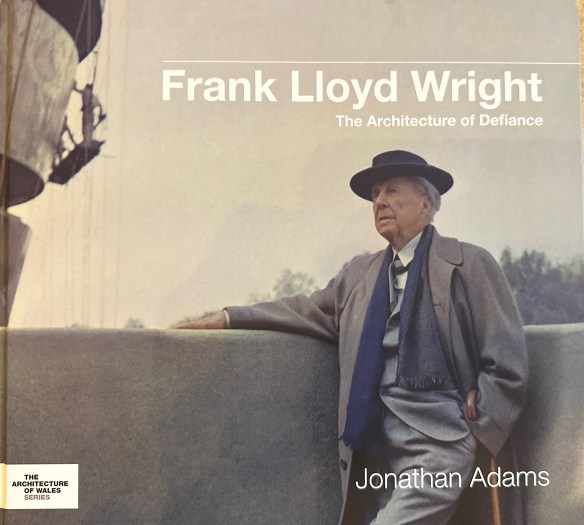
When I ordered a copy of Jonathan Adams’s new book, Frank Lloyd Wright – The Architecture of Defiance (The University of Wales Press: Cardiff, 2023), I thought of something the late Sam Johnson, then Chairman Emeritus of SC Johnson, said to me when I showed him my “Wright in Racine” photo presentation and told him my idea for a book about Wright’s built and unbuilt work in Racine. Sam’s father, H.F. Johnson Jr. had commissioned Wright to design the SC Johnson buildings and Wingspread, among others, and Sam grew up in Wingspread. My heart sank when he said, “The world does not need another book about Frank Lloyd Wright.” Then he added, “But it does need a book about his work in Racine.”

I do not feel the need to read, much less own, every single book about Wright. So, does the World of Wright need yet another book about him? I would posit that it does need this one. Adams’s book is one of five Wright books I know of being published this year. It is the third in a series of books commissioned in 2016 by the Royal Society of Architects in Wales, exploring the architecture of Wales. It shines a bright light on Wright’s Welsh roots, and the family he grew from.

Much of the Wright history in the book is familiar to those of us in America who have had dozens of books about Wright at our disposal. We are not the primary audience for this book. Forget about the familiar people you correspond with in America about Wright and see at Wright conferences, because Defiance was commissioned and published in Wales, 5500 miles east of Taliesin. Taliesin is, of course, a Welsh word, an homage to Wright’s maternal ancestry in Wales. Wright also gave  Welsh names to the Bradley House (Glenlloyd) in Kankakee, Illinois, and to the Fred B. Jones estate (Penwern) on Delavan Lake, Wisconsin. The latter is particularly important to me; we will get to that shortly.

Many people can recite their Wright knowledge backwards, forward, and inside out, but how much do they know about what may have made Wright what he was? What do we know other than the old saws about his character flaws? We know that Wright’s mother, Anna (nee Hannah) came from Wales as a child with her parents, Mallie and Richard Lloyd Jones. Adams takes us in great detail through their arduous eight month journey from their Welsh homestead to Ixonia, Wisconsin. Their voyage and her pioneer life in Wisconsin molded her, and shaped who she would be as Wright’s mother.

IMG_1147.jpeg

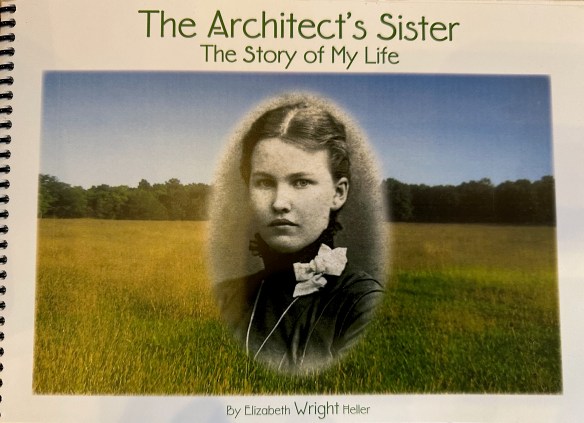
Last year Mary Rogers sent me a copy of her great-grandmother Elizabeth Wright Heller’s book The Architect’s Sister – The Story of My Life (Brushy Creek Publishing Co.: Iowa City, 2019). Heller’s father was William Carey Wright, making her Frank Lloyd Wright’s half-sister. Heller writes about how her step-mother Anna Wright physically and emotionally abused her. She lived it, but Adams has a different take. Georgia Lloyd Jones Snoke, Wright’s first cousin, twice removed, offers this perspective, “The way Jonathan explored that portion of Anna’s life made Anna more, not less, human. To have achieved a prestigious teaching degree (at immense emotional and intellectual expense) and to have given it up for a mismatched marriage would have caused a brilliant and ambitious woman more than a little angst. Just how she took it out on her step children is—at best— questionable.” Heller’s recollections were written decades after they happened and long after Anna died. Is the truth with the person who lived it, recalling it years later, or not?

Snoke and I began corresponding with Adams two years ago because he was including Penwern in his book. I had relied on speculation from Wright scholar Jack Holzhueter in my book about Penwern that Wright had persuaded his American client Jones to name his estate after Pen-y-Wern, the Wright ancestral home in Wales (Frank Lloyd Wright’s Penwern: A Summer Estate – Wisconsin Historical Society Press: Madison, 2019). Snoke had kindly given me photos for the book that her husband, Kenneth Snoke, had taken of what they thought was Pen-y-Wern during one of the trips to Wales.

Adams contributes several important facts to our understanding of the Wisconsin Penwern. First, he documents a trip that Anna Wright and her daughter Maginel made to the ancestral home in 1900, concurrent with the design of Penwern. While there is no piece of paper that ties together the names Pen-y-Wern and Penwern, their visit adds significant weight to Holzhueter’s speculation about the origin of Penwern’s name. Second, he found documentation that there had been marshes near Delavan Lake. While I had written that “Penwern” can mean “at the head of the alder tree” and there were alder trees near the lake, Adams writes that, more accurately, the word means “above the marsh.”

And, finally, he documented that the Pen-y-Wern that the Snokes visited 20 years ago is not the one that Richard Lloyd and Mallie Jones emigrated from. He sent us a photo of the actual cottage, long since demolished. The photograph, taken from Chester Lloyd Jones’s 1938 book, Youngest Son, shows marshland below the cottage.

Pen-y-Wern from Youngest Son.jpg

Mallie Jones.jpgMallie Jones, Courtesy of Georgia Lloyd Jones Snoke

The book jumps around chronologically, which perplexes me, but I did not let that become an obstacle to my reading. While the book is thoroughly and impressively researched and footnoted, I wish to set the record straight on two small points regarding Penwern. Adams names the steward of the estate as Frederick Jones. His name was Fred B. Jones, not Frederick. And, Adams speculates that Ward W. Willits (of Wright’s Willits House in Highland Park, Illinois) was an early visitor to Penwern. Willits and Jones worked together and I have placed Willits on Delavan Lake in 1895 and speculated that he suggested that Jones build his summer “cottage” there five years later, but his name was never mentioned in the extensive newspaper records of visitors to Penwern.

There are two ways to think of the title of Heller’s book. It is literally true. But it can be thought of as misleading, because there is scant reference to Wright himself. She was, literally, his half-sister, but while she writes about her apparently single visit to Taliesin, and about her father, and Wright’s and the family’s itinerant life while he was alive, the book is more her interesting life story than about Frank Lloyd Wright.

I am an avid bicyclist. Bicyclists often joke that if “X” is the number of bicycles one owns, “X + 1” is the ideal number of bicycles to own. Jonathan Adams’s book is worth a “+1” in the canon of Wright literature.
Scroll up for an updated reconsidered post about Heller’s book

Scroll down for previous articles on my website 

A Late Summer Evening at Wingspread

© Mark Hertzberg (2023)

I do not always edit photos immediately after taking them. This happens, and then that happens, and, well, sometimes photos languish in a “to be edited” folder on my computer desktop. A bout of insomnia early this morning led me to finally tackle some photos taken at Wingspread on one of the last summer evenings last year, September 15. I was meeting the team of a strategic planning group that I was going to address the next morning when I took these photos, and that presentation was top of mind for me. Then I got caught up covering the fall elections. And then we took a trip to Oaxaca and Puebla. And then, well, you get it, stuff comes up and photos get forgotten.

Wingspread Deer 007.JPG

It is also a challenge to find fresh photos of a location you have been privileged to photograph many times, but I found a handful of photos to share with you.

Wingspread 9.15.22 008.jpg

Wingspread 9.15.22 017.jpg

Wingspread 9.15.22 021.jpg

LR Wingspread 9.15.22 036.jpg

Frank Lloyd Wright designed Wingspread in Wind Point, Wisconsin for H.F. Johnson Jr. in 1937, the year after he designed the S.C. Johnson Administration Building in Racine for Johnson. The 14,000 sq. ft. house became home to The Johnson Foundation in 1959.

Upstairs, Downstairs with Wright

Photos © Mark Hertzberg

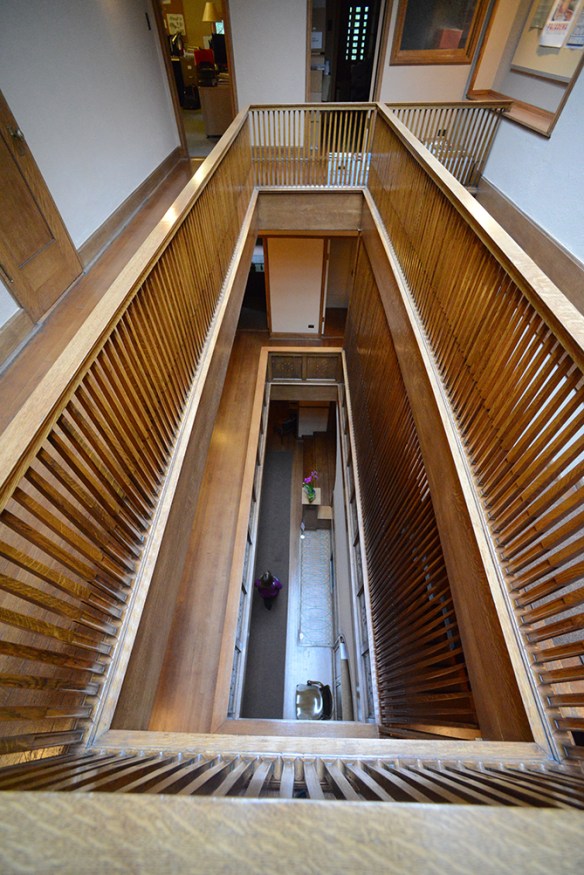
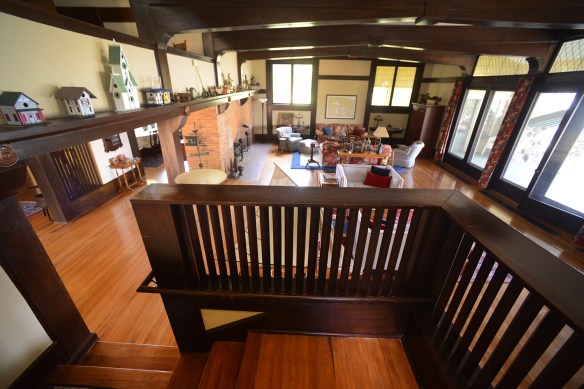
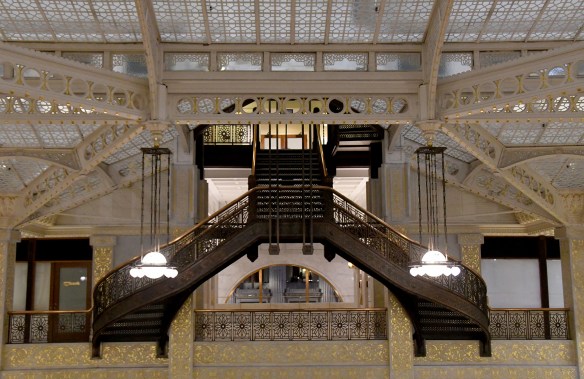
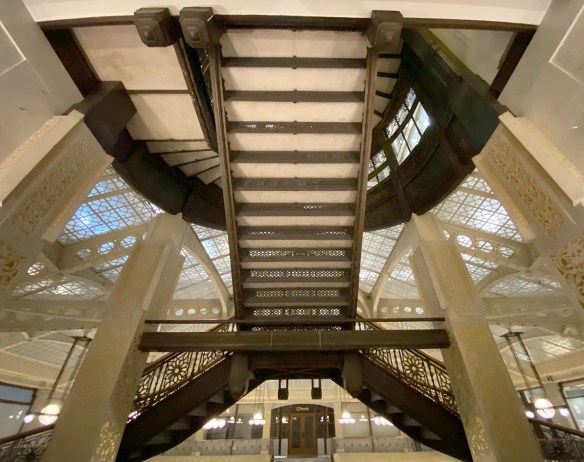
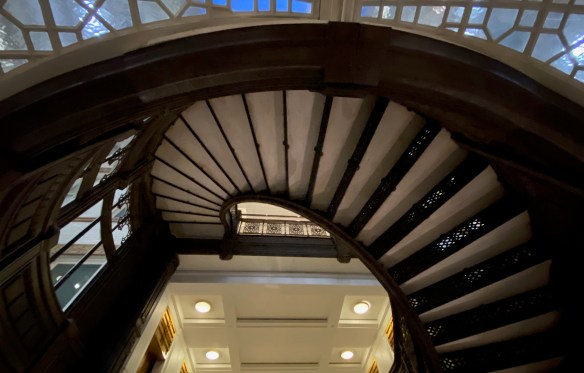
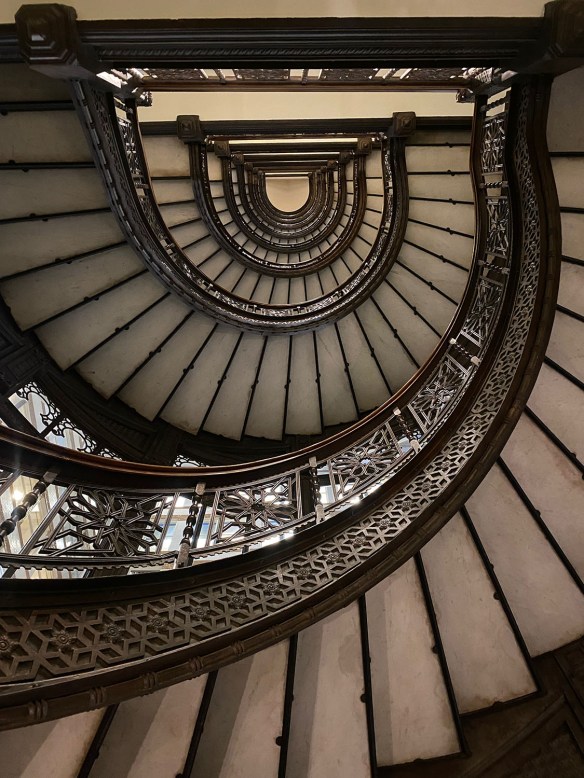
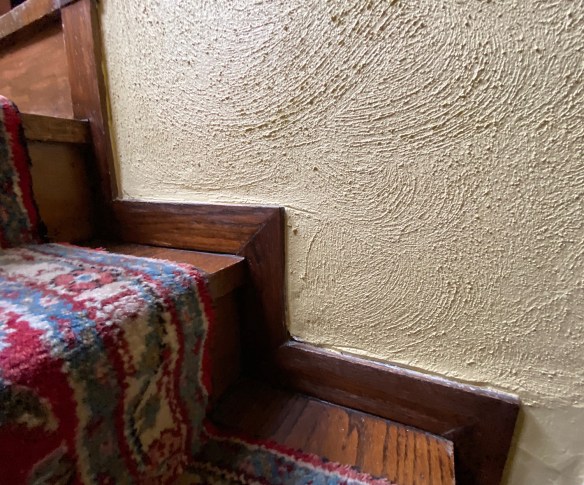
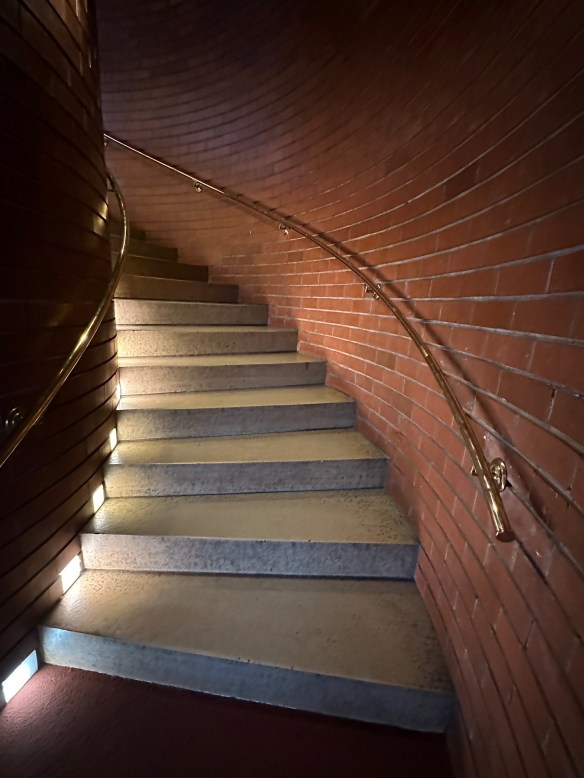
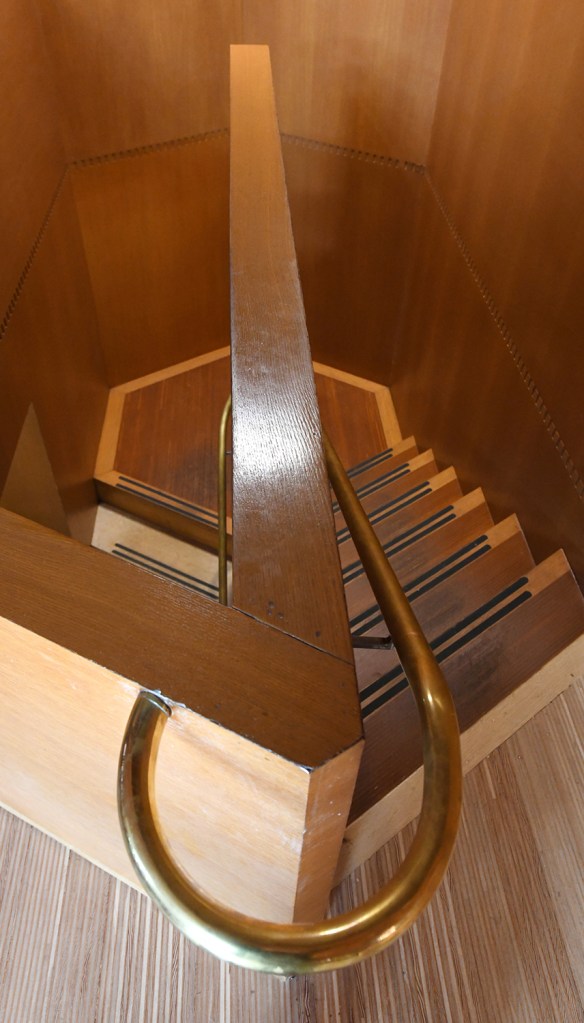
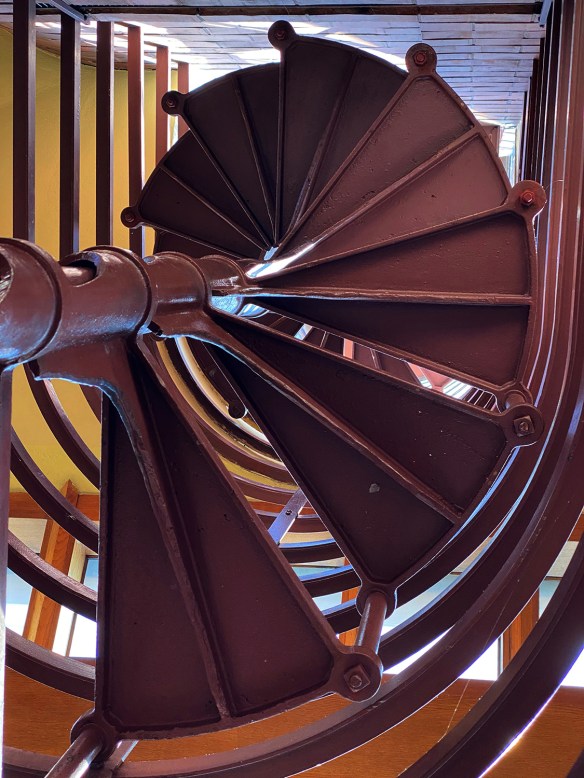
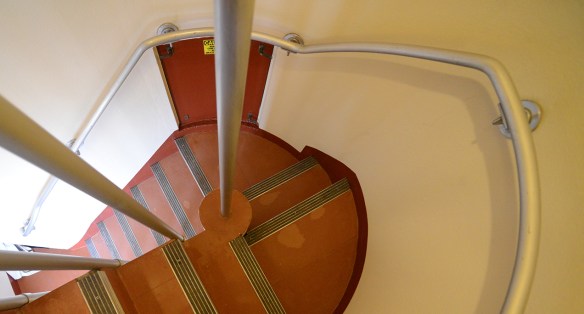
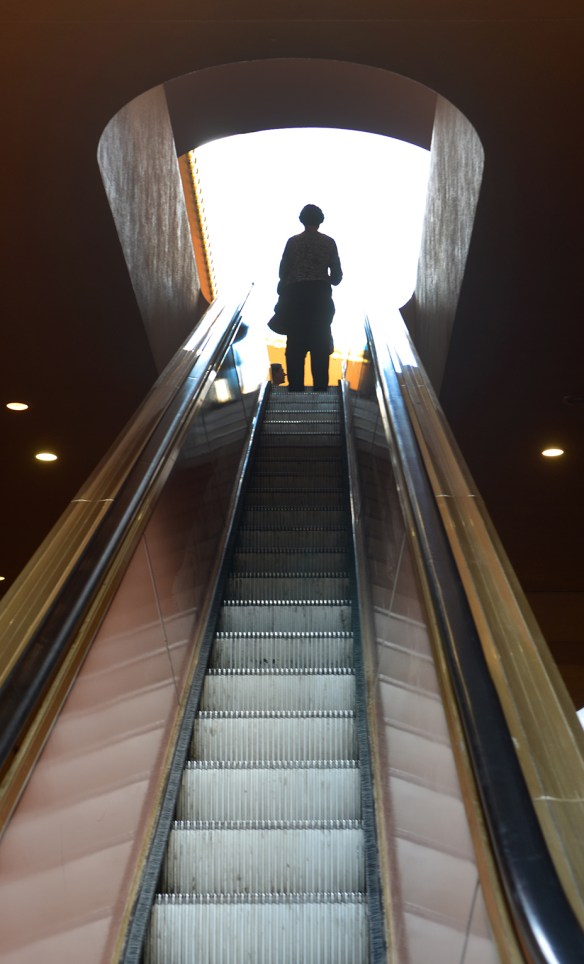
I may have stumbled on one of the only aspects of Frank Lloyd Wright’s work that has not been mulled over (and over and over) when I was editing pictures I had taken in October during the Frank Lloyd Wright Building Conservancy Conference in Chicago. Taking pictures in the lobby of The Rookery Building on LaSalle Street was a bit like the proverbial “shooting fish in a barrel.” You couldn’t miss. I started digging in my files to see what other photos I had that show how Wright moved people up and down in his buildings. Some ideas are repeated. The photos are presented in chronological order of design:
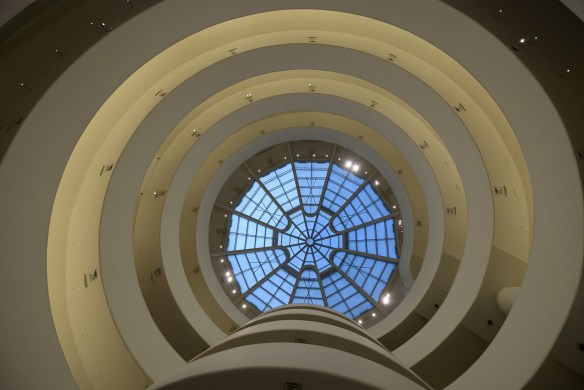
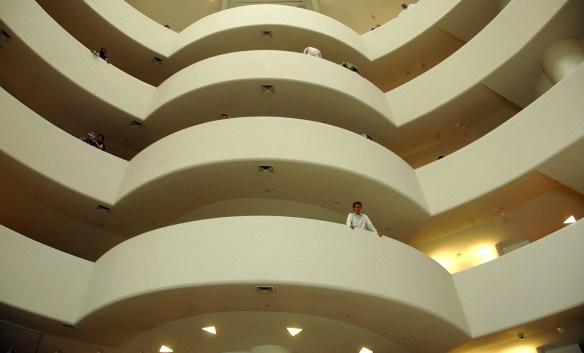
Charnley House, Chicago (1891):

Charnley House 026.jpg

Charnley House 029.jpg

Charnley House 033.jpg

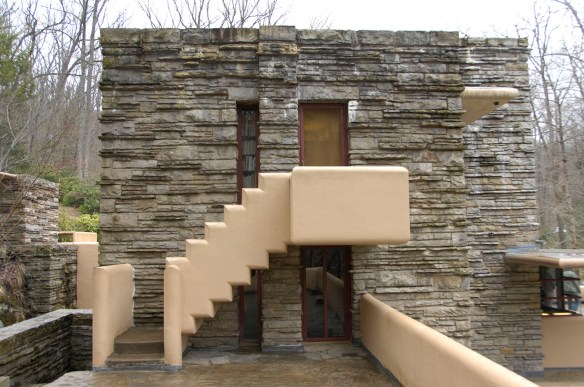
Penwern (Fred B. Jones Estate), Delavan Lake, Wisconsin (1900-1903):

Penwern Living Room 022.JPG

Thomas P. Hardy House, Racine (1904/05):

Hardy House 001.JPG

Hardy House 002.JPG

The Rookery Building, Chicago (1905)

LR The Rookery 10.19.22 002.jpg

The Rookery 10.19.22 007.jpg

The Rookery 10.19.22 012.JPEG

The Rookery 10.19.22 015.jpg

The Rookery 10.19.22 018.jpg

Avery Coonley Estate, Riverside, Illinois (1908):

Coonley Estate 10.20.22 026.jpg

American System-Built Duplex in the Burnham Block, Milwaukee (1916):

Burnham 2022 061.jpg

Burnham 2022 062.jpg

Fallingwater, Mill Run, Pennsylvania (1935):

Fallingwater 078.jpg

Fallingwater 079.jpg

Fallingwater 076.jpg

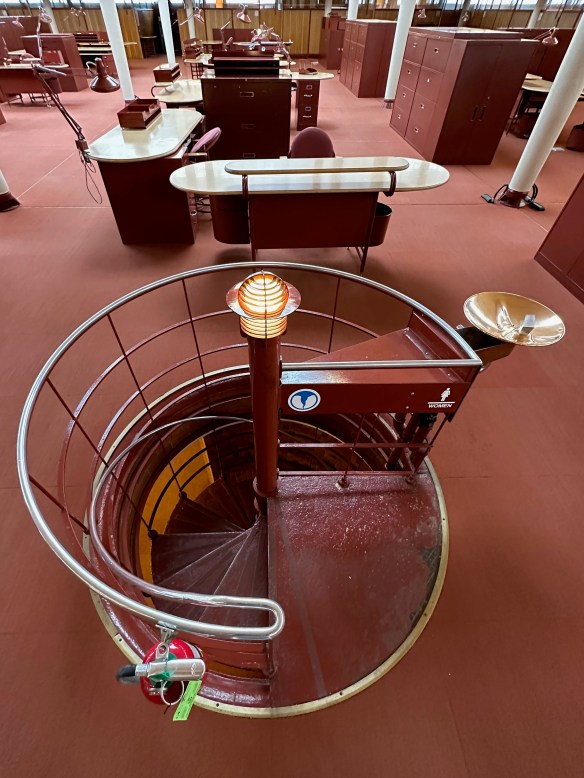
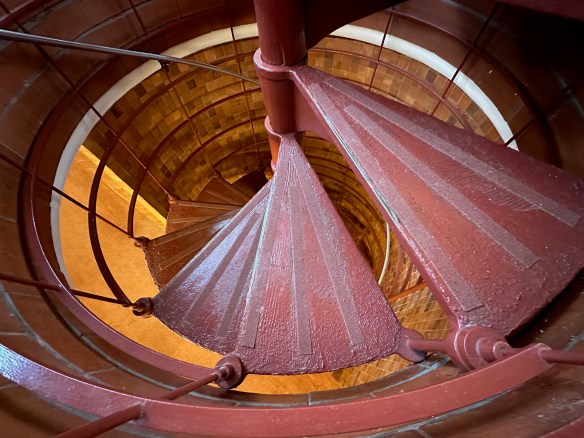
SC Johnson Administration Building, Racine, Wisconsin (1936)…stairs from the Great Workroom down to the women’s lounge:

SCJ Stairs 12.2.22 002.JPEG

SCJ Stairs 12.2.22 003.JPEG

SCJ Stairs 12.2.22 004.JPEG

SCJ Stairs 12.2.22 005.JPEG

SCJ Stairs 12.2.22 006.JPEG

SCJ Stairs 12.2.22 011.JPEG

SCJ Stairs 12.2.22 010.JPEG

SCJ Stairs 12.2.22 007.JPEG

SCJ Stairs 12.2.22 008.JPEG

SCJ Stairs 12.2.22 009.JPEG

Stairs from The Great Workroom up to the Mezzanine:

SCJ Stairs 12.2.22 012.JPEG

SCJ Stairs 12.2.22 014.JPEG

Wingspread (Herbert Johnson House), Wind Point, Wisconsin (1937)…stairs to the second floor:

Wingspread.jpg

Stairs to the Crow’s Nest lookout tower (these look like the one’s to the women’s lounge at the Administration Building designed the previous year):

Wingspread 4.17.21 010.jpg

SC Johnson Research Tower, Racine, Wisconsin (1943/44):SCJ Tower 4.14.14 062.JPG

Annunciation Greek Orthodox Church, Wauwatosa, Wisconsin (1956):

AGOC 2018 007.jpg

Guggenheim Museum, New York City (1956):

Guggenheim Museum 2017 031.jpg

Guggenheim Museum 09 027a.jpg

Marin County Civic Center, San Rafael, California (1957):

Marin County 2015 008.jpg

Marin County 2015 014.jpg

Marin County 2015 016.jpg

My thanks to SC  Johnson for giving me access to photograph their stairs today for this blog post.

Scroll down for earlier posts, including the recent “Frank Lloyd Wright in the Abstract.”


Vox: SCJ and Hardy

© Mark Hertzberg (2022)

Phil Edwards, who makes wonderful Wright multi-media pieces at Vox, contacted me this summer about a piece he was going to produce about the SC Johnson Administration Building in August. He asked about the Hardy House, which is just five blocks east of SC Johnson. Hardy House steward Tom Szymczak graciously gave me permission to take Edwards inside the house and film there when he came to Racine.

IMG_1900.jpeg

The piece just went live and it has an interesting perspective at the end. I welcome your comments. You do have to bear with some ads…which pay the bill , making Edwards’ endeavors possible. It is very, very, very well produced as is a previous piece he did about the Pope-Leighy House. Here is a link to the SCJ / Hardy piece:

https://www.youtube.com/watch?v=yb-kYt1lpnI

I leave you with a photo I took when we were in the Hardy House…a reflection of one of the front hall windows seen in one of the living room windows, across the house. What a brilliant detail!

IMG_1905.jpeg

Hardy House: Gene Szymczak + 10

© Mark Hertzberg (2022)

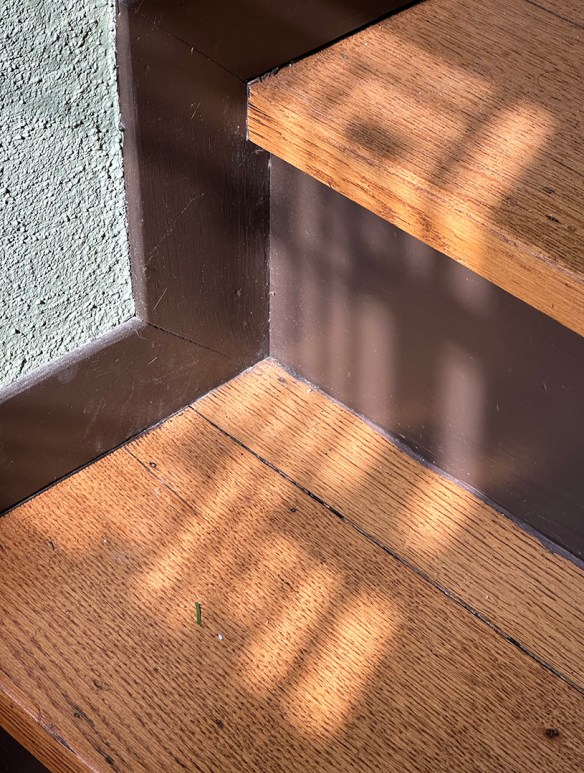
1319 Gene + 10 006.jpgSaturday’s afternoon sun projected the pattern of the entry hall windows onto the walls. Robert McCarter writes that the floor plan of the house is articulated in the windows.

Yesterday, September 17, marked the 10th anniversary of Eugene (Gene) Szymczak becoming the seventh steward of Frank Lloyd Wright’s Thomas P. Hardy House (1904-05) in Racine, Wisconsin. Gene fell ill and died December 3, 2016 after undertaking an extensive rehabilitation of the house. Its new stewards are Tom (one of Gene’s two brothers) and Joan Szymczak. Tom and Joan invited family to a low-key celebration of the anniversary on the dining room terrace yesterday. Anne Sporer Ruetz, who grew up in the house from 1938 – 1947 and two non-family couples were also invited.

Hardy Sale 022a.jpgGene signs papers transferring stewardship of the house to him, September 17, 2012.

I took Gene through the house, which was challenged, when he was considering buying it in 2012. As we left, he said to me, “I don’t have children. This is something I could do for Racine.” The late John G. Thorpe of the Frank Lloyd Wright Building Conservancy advised me to step back and let professional appraisers and others take over. I understood, but I wanted Jim and Margaret Yoghourtjian, the longtime stewards of the house to first meet Gene. I told Gene what kind of pastry to bring Margaret (chocolate-covered marzipan loaves). He also brought them a Japanese print reminsicent of a famous drawing by Marion Mahony of their house. We were having lemonade and cashews in their new apartment when Gene surprised us and made them an offer for the house. There was a glitch though, or so I thought, when the week before the closing Gene emailed me that he was having second thoughts…it would make a good teardown and he could build something with a three car garage underneath. I held off calling the Yoghourtjians to cancel the sale so I could get hold of Gene. It was two days before he called me back, from Baltimore Washington Airport, on his way to visit Fallingwater, “Just kidding!”

Anne has often told me that it was like watching movies when the pattern of the leaded glass windows was projected onto her bedroom ceiling and walls by the headlights of passing cars at night. She was delighted that the “movies” were playing in full force in the entry way as we arrived at the celebration yesterday:

1319 Gene + 10 002.jpg

1319 Gene + 10 004.jpg

1319 Gene + 10 007.jpg

Anne was a celebrity yesterday: one of the guests had brought a copy of my book about the Hardy House (Frank Lloyd Wright’s Hardy House, Pomegranate: 2006) and asked her to sign two pages with photos related to her:

1319 Gene + 10 019.jpg

1319 Gene + 10 020.jpgThis photo of Anne’s 14th birthday party at the Frank Lloyd Wright-designed dining room ensemble (which was lost after her parents sold the house) was in the Racine newspaper in 1946. She is holding the cake at the head of the table.

Coincidental with the celebration, a new Wright website, which I was not familiar with, pinged this morning to a piece I posted in 2014 about Gene’s work at the house:

https://wrightinracine.wordpress.com/2014/02/17/hardy-house-restoration/

The new website is:

https://franklloydwrightsites.com/hardyhouse/

Gene was honored with a Wright Spirit Award from the Building Conservancy in 2015, and the Kristin Visser Award for Historic Preservation in 2017.

I posted this piece a year ago when Anne and David Archer, who grew up in the house between 1947 – 1957 were reunited at the house:

https://wrightinracine.wordpress.com/2021/06/13/hardy-homecomings/

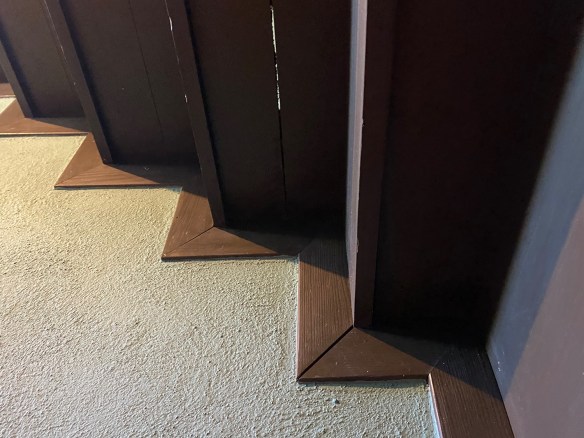
I challenge myself each time I visit a familiar Wright site to find something new to photograph. A week ago, before I was escorting my fourth Road Scholar tour of the summer, I told my wife that I was having trouble seeing anything new the first three tours of this year and was almost considering not even bringing a camera with me (these were my 10th – 13th tour with the same itinerary since 2017). I looked up as I was bringing our guests down to the dining room and looked at the bottom of the stairs to the living room for the first time. Out came the phone camera:

Hardy House Stairs 001.jpg

The Road Scholar “Architectural Masterworks of Frank Lloyd Wright” tour is a week-long and begins in Chicago:

https://www.roadscholar.org/find-an-adventure/22976/architectural-masterworks-of-frank-lloyd-wright