(c) Mark Hertzberg
Yesterday Blair Kamin, the distinguished architecture critic of The Chicago Tribune, announced on Facebook that he is taking a buyout from the newspaper. This is a triple loss. First, let me copy his post:
“After 33 years at the Chicago Tribune, 28 as architecture critic, I’m taking a buyout and leaving the newspaper. It’s been an honor to cover and critique designs in the first city of American architecture and to continue the tradition begun by Paul Gapp, my Pulitzer Prize-winning predecessor.During these 28 years, I have chronicled an astonishing time of change, both in Chicago and around the world. From the horrors of 9/11 to the joy of Millennium Park, and from Frank Gehry to Jeanne Gang, I have never lacked for gripping subject matter. Whether or not you agreed with what I wrote was never the point. My aim was to open your eyes to, and raise your expectations for, the inescapable art of architecture, which does more than any other art to shape how we live.So I treated buildings not simply as architectural objects or technological marvels, but also as vessels of human possibility. Above all, my role was to serve as a watchdog, unafraid to bark — and, if necessary, bite — when developers and architects schemed to wreak havoc on the cityscape. I am deeply grateful to my newspaper, which has never asked me to pull punches. I have been incredibly fortunate to work with talented editors, reporters, photographers and graphic designers. They have been a huge help. Journalism, like architecture, is a team enterprise. What will I do next? I have no idea. After decades of stressful deadlines and rewriting paragraphs in my head at midnight, I’m ready for an extended break — and many long bike rides along Chicago’s lakefront.It’s essential that a new critic, with a fresh set of ideas, take up where Paul Gapp and I left off. Imagine Chicago without a full-time architecture critic. Schlock developers and hack architects would welcome the lack of scrutiny. -30-“
This is a Wright website, so I will first touch on that aspect of his announcement. Kamin mentioned that his predecessor was a Pulitzer Prize-winner. He did not mention his own Pulitzer, awarded in 1999. He has written distinguished commentary about architecture and development for 28 of his 33 years at the Trib. He often wrote about the World of Wright. He was dispassionate about the topic which so many Wrightians are emotional about. Indeed, at the 2007 annual conference of the Frank Lloyd Wright Building Conservancy in Northbrook, Illinois, he referred to those “who drink the Cherokee red Kool-Aid.”
I sometimes emailed and talked with Kamin as I worked on my Wright projects. I was flattered in 2006 when he included my book about Wright’s Thomas P. Hardy House as one to put on holiday shopping lists. In 2008 when there was a controversy over the assertion that several dozen undocumented Wright homes had been found in River Forest, he quoted my on-line rebuttal in a follow-up news article.
He was an invaluable resource for many in the Wright community, including the Building Conservancy. We will miss his insight and thoughtful writing about all things Wright.
As a journalist, I understand Kamin’s decision to take a buyout. Alden Capital, a hedge fund company that has a reputation for buying newspapers and stripping them of staff and quality, is making a move to acquire Tribune Newspapers. I also worked for a chain of newspapers. The thought of our being acquired was an ugly monster constantly looking over our shoulders. In our case in Racine before I took my buyout in 2012, we worried about being swallowed up and decimated by the Gannett behemoth or by the Milwaukee newspaper (which is now part of Gannett). Many newspapers – including Milwaukee – have eliminated their critics’ jobs. The Tribune has shed job after job after job in the last 10 years. so I have remained pleased (yet frankly surprised) that Kamin still appeared in my daily Trib news feed and Sunday print edition this long. It is hard working while waiting for the proverbial other shoe to drop. You fear what the next call to see your editor (or someone in human resources) will mean. There comes a time when enough is enough.
Chicago will be diminished as developers and members of the City Council will no longer have Kamin looking over their shoulders. Daniel Burnham famously said, “Make no little plans; they have no magic to stir men’s blood and probably themselves will not be realized. Make big plans; aim high in hope and work, remembering that a noble, logical diagram once recorded will never die, but long after we are gone be a living thing, asserting itself with ever-growing insistency.” There have been many “big plans” announced in recent Chicago history, but they were not necessarily the best plans. Kamin’s columns were Chicago’s conscience to praise worthy ones, and try to hold others in check.
Kamin ended his post with “-30-” which was the traditional symbol at the end of a newspaper story (submitted to the city desk on paper!) that the editor now had the whole piece to look at.
Thank you, Blair, for your service to architecture, to journalism, and to your community.
-30-
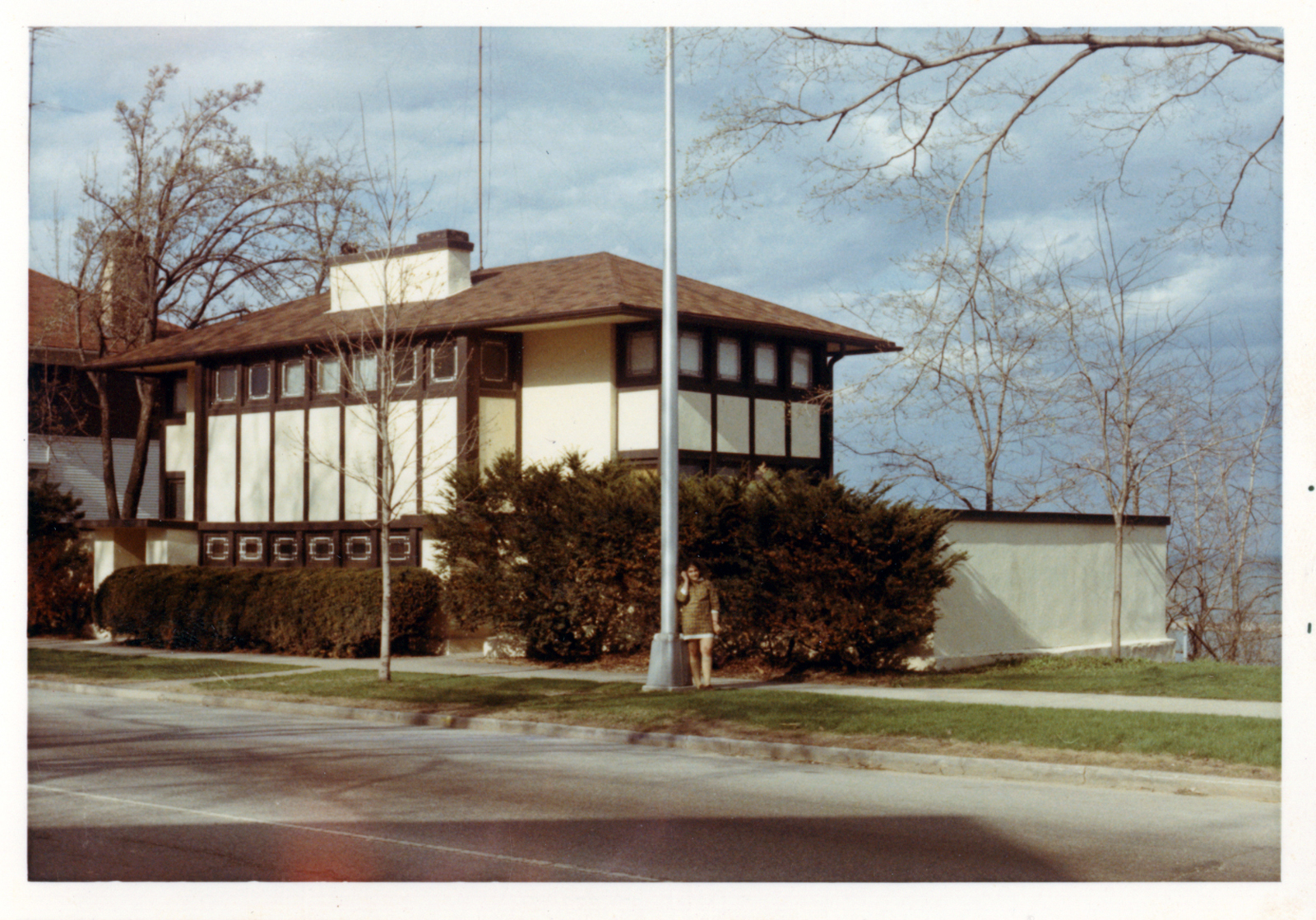
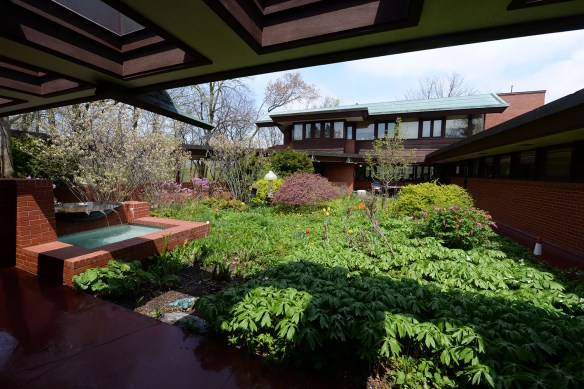 The Keland House, May 14, 2018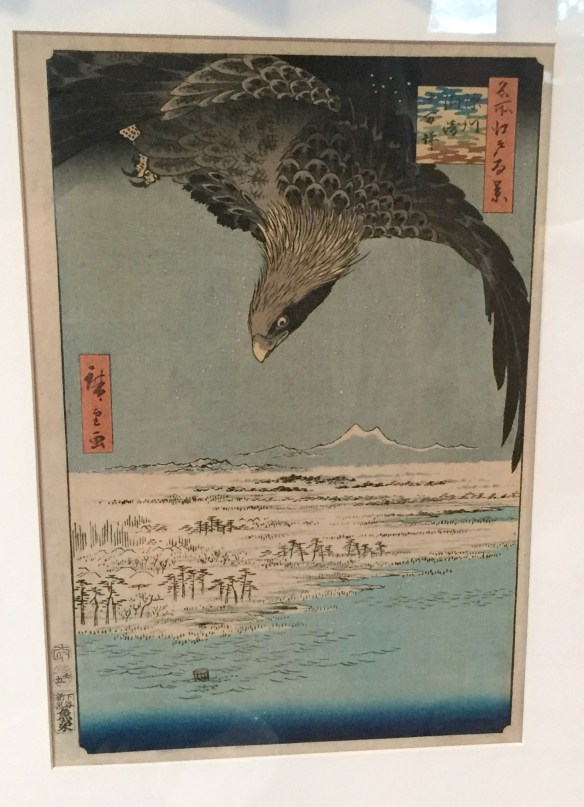

 August 14, 2008, Lake Owen, Wisconsin
 August 10, 2016, on Lake Owen
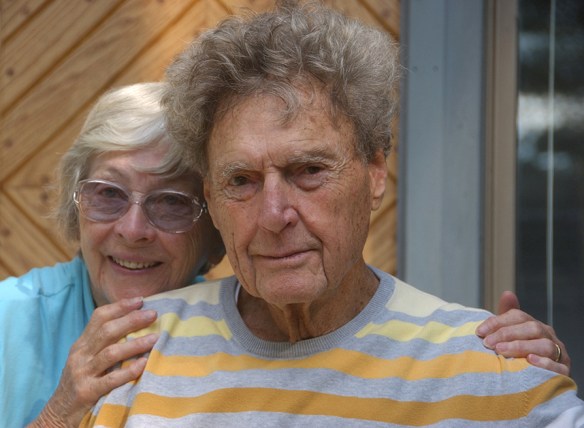
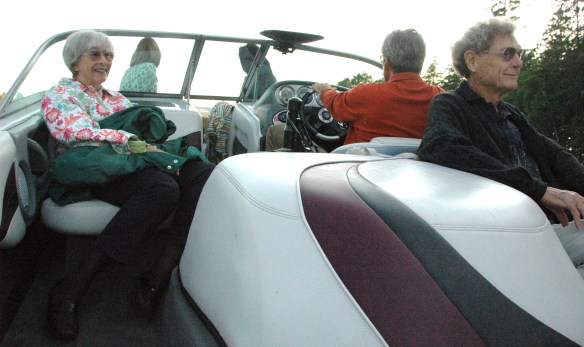 Karen and Bill on Lake Owen, Wisconsin, August 14, 2008
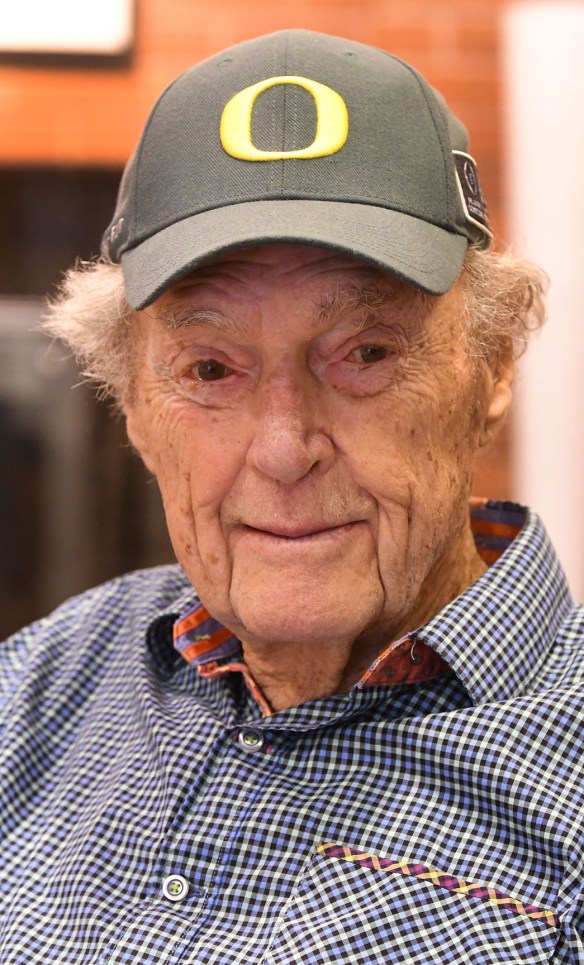 Bill wore his Oregon Ducks hat when I profiled his involvement in “Animal House”
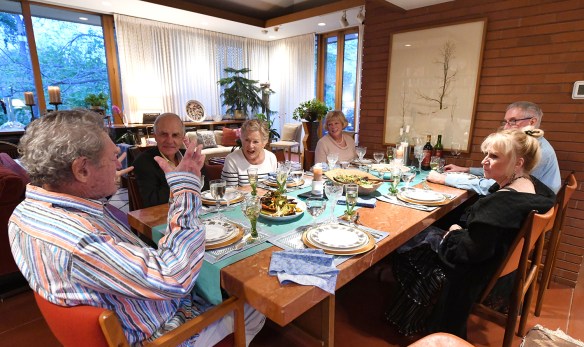 September 27, 2018, hosting a special dinner cooked by Wright aficionado and master chef Steven Freeman. It was a joyous evening, marking Bill’s first meal at the dining room table in the Keland House since Karen’s death almost three years earlier.
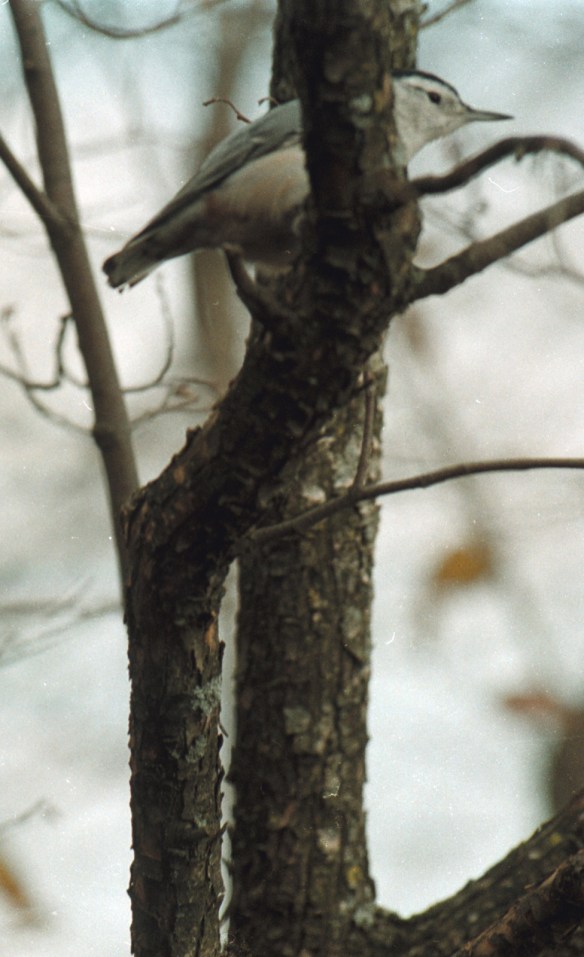 Bill gave me my first extensive tour of the Keland House on November 1, 2002. He saw this nuthatch through the window, when we paused on the steps, and remarked, “This is what I love about living in this house.”
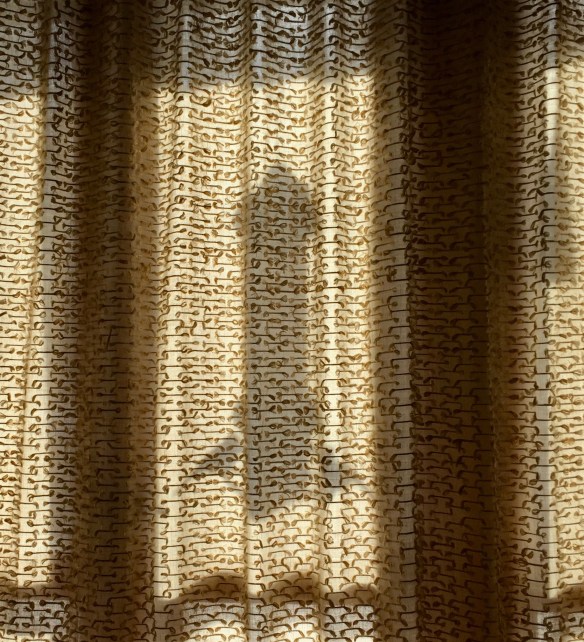 In January 2019 I photographed this silhouette of the birds outside as we had lunch together in the family room.
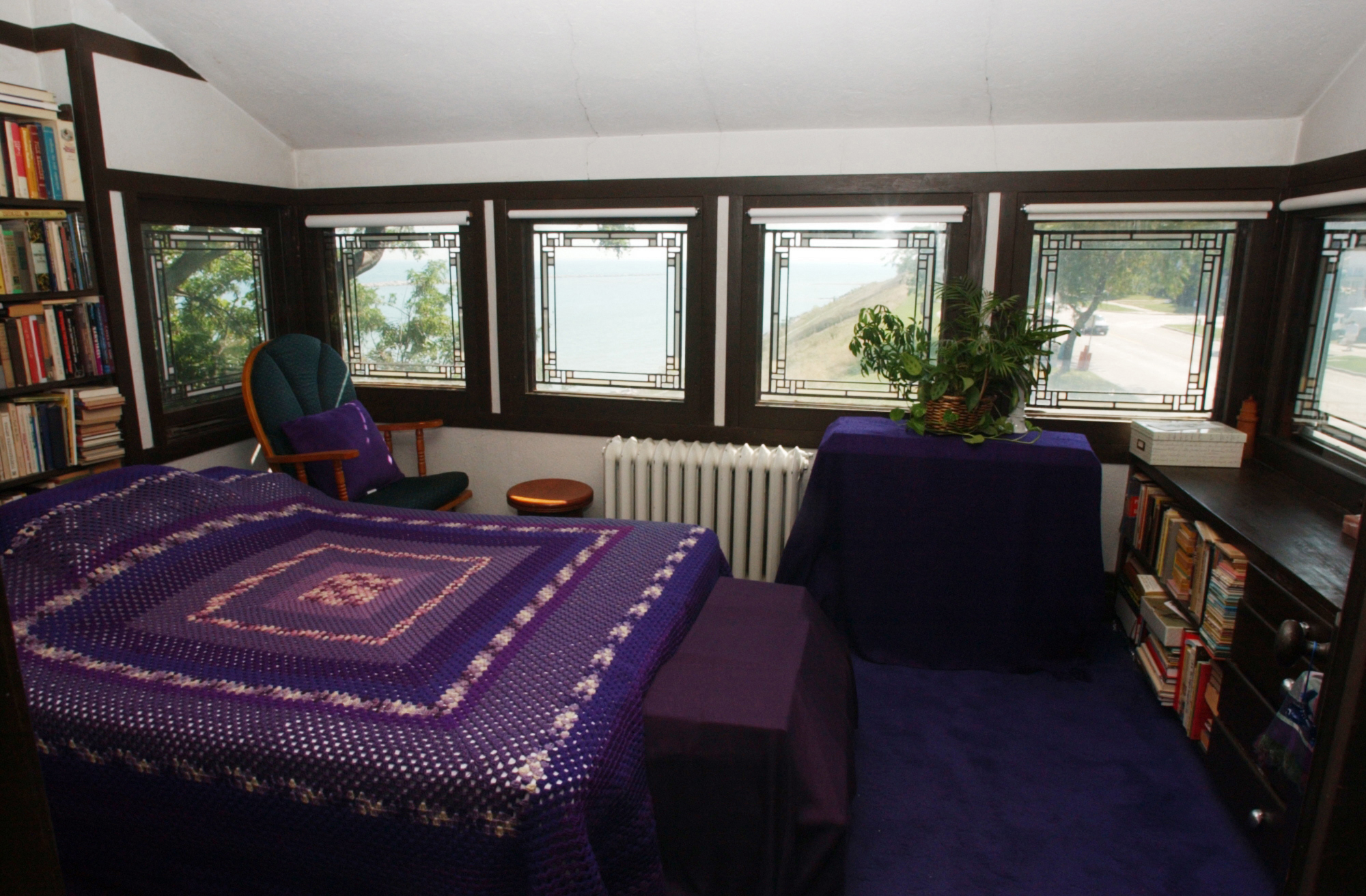
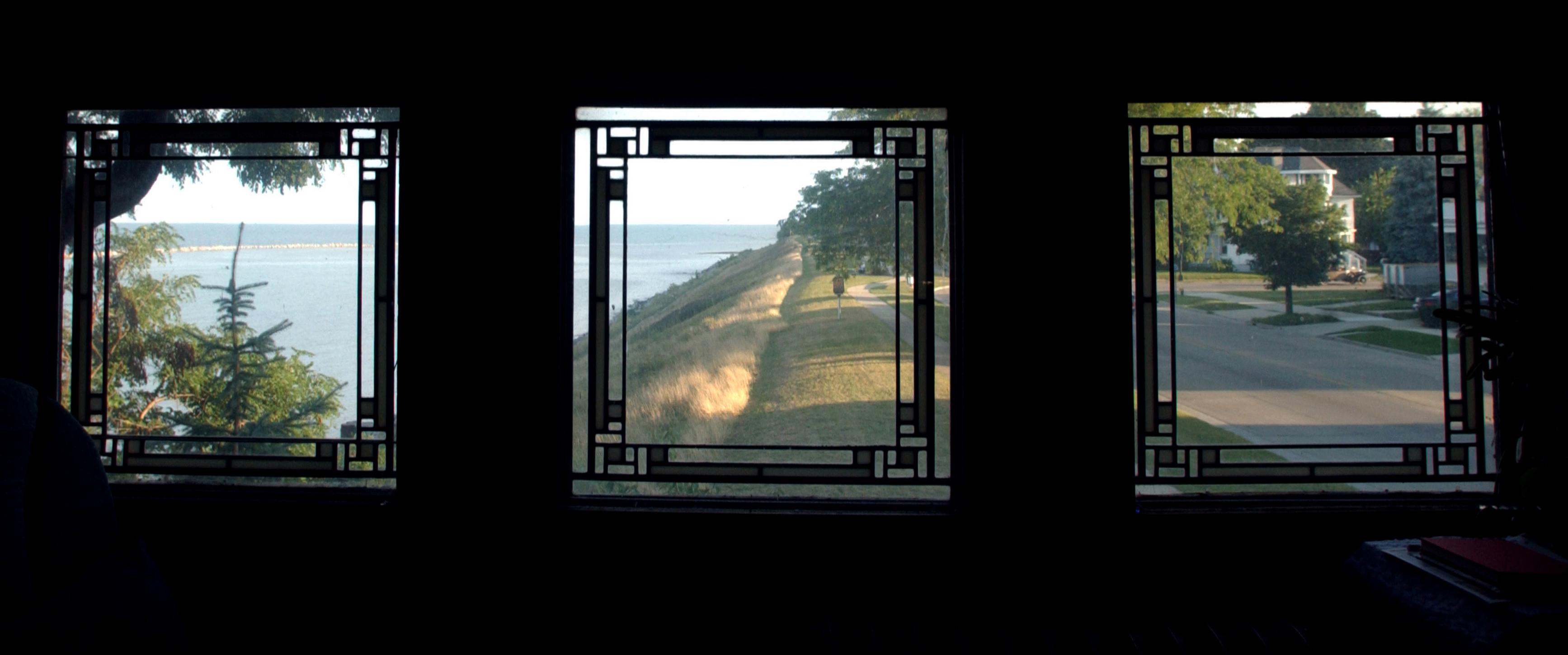
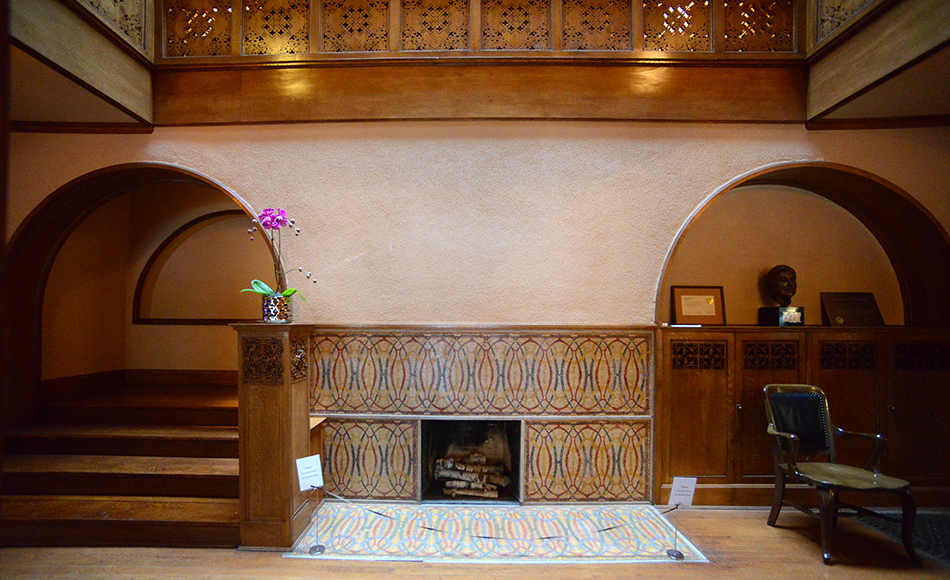
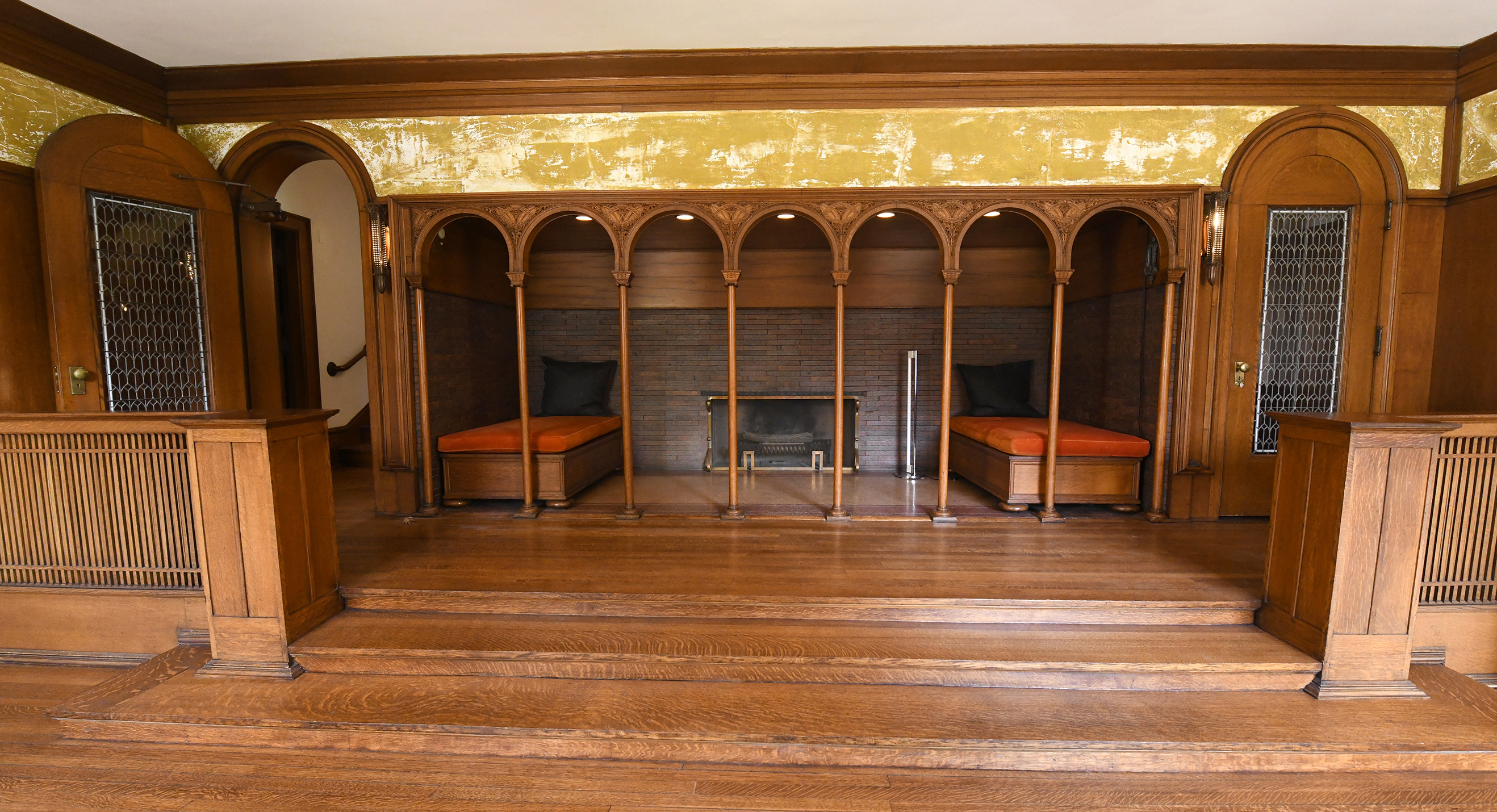
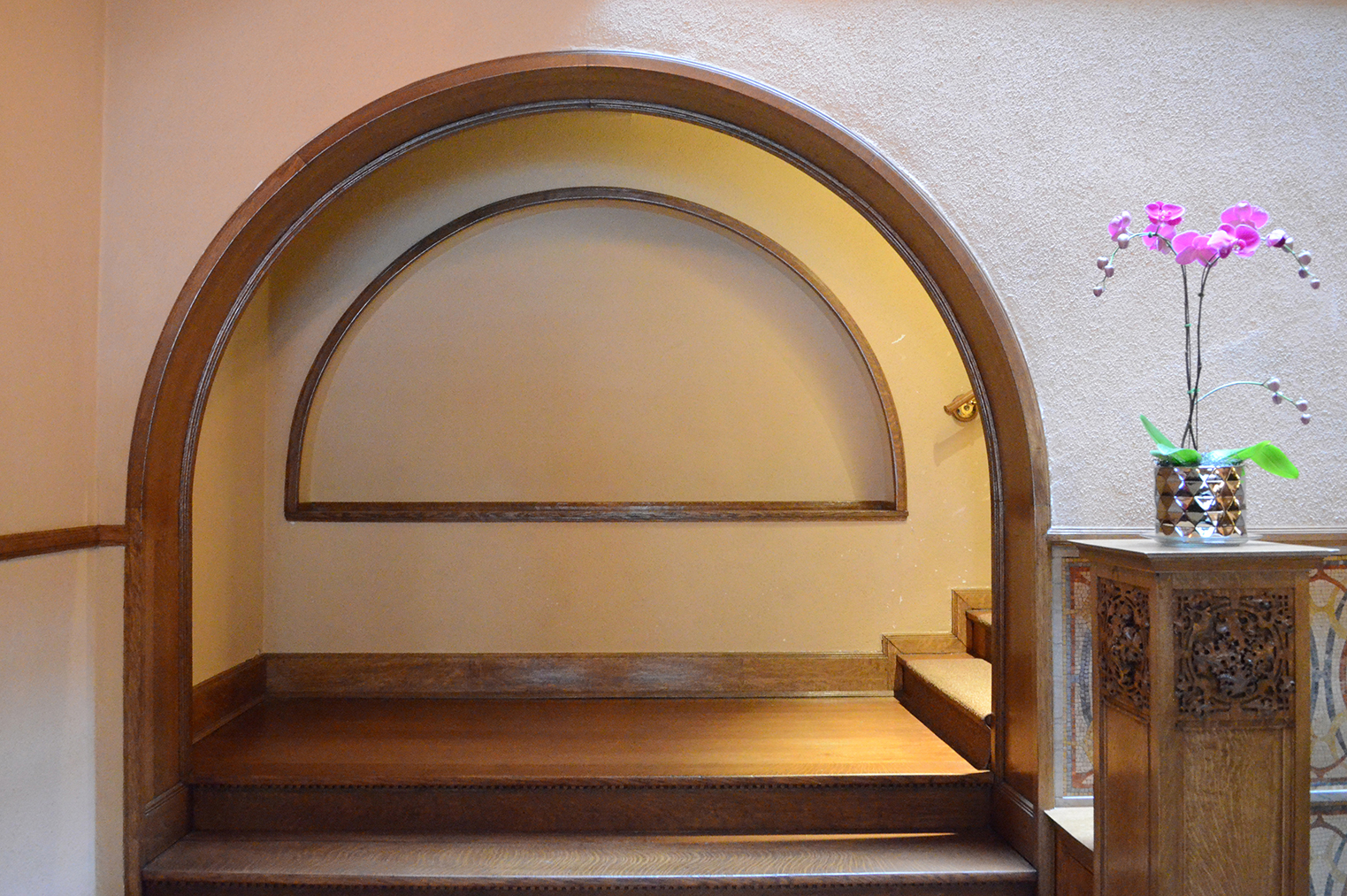
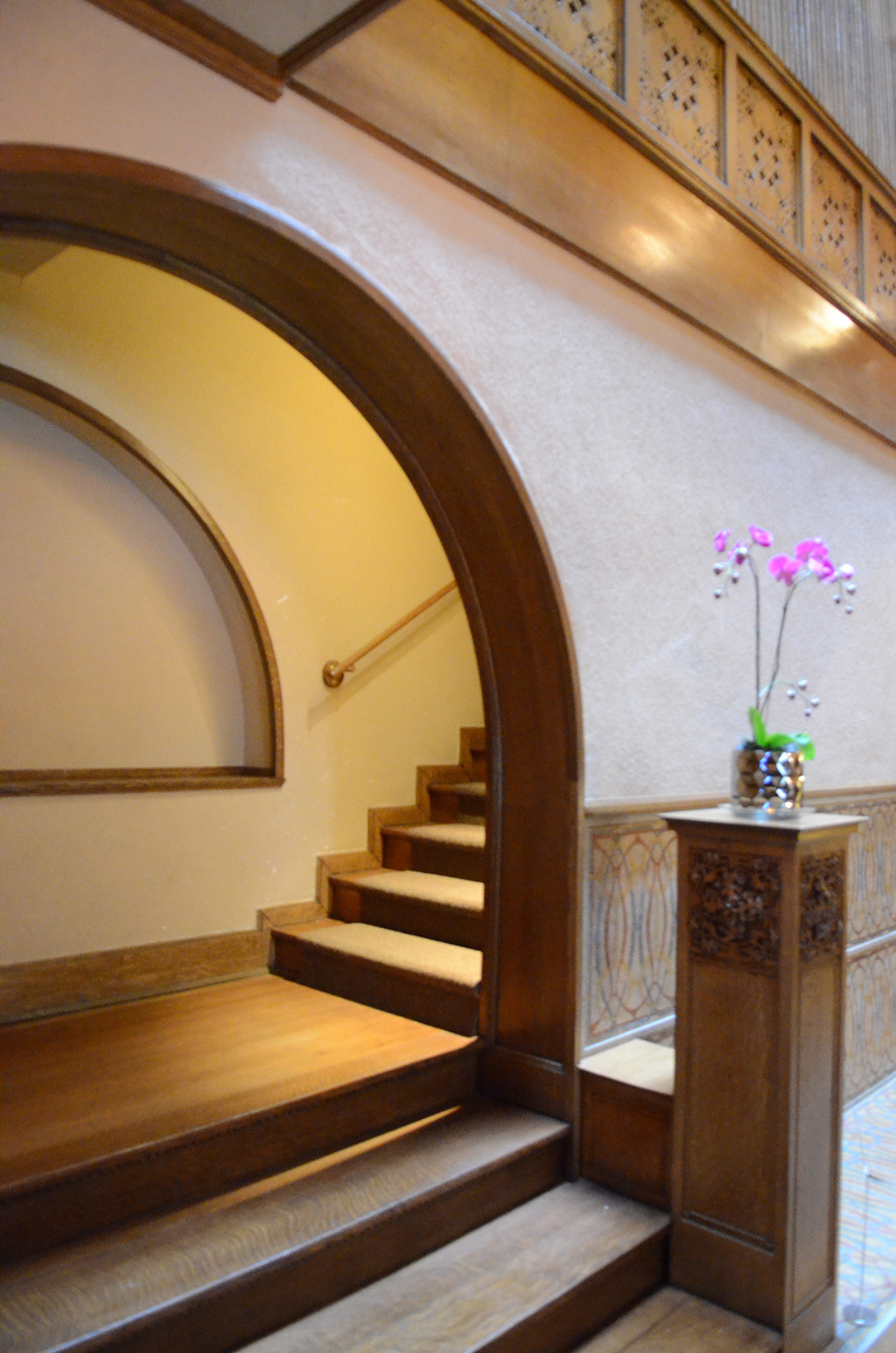
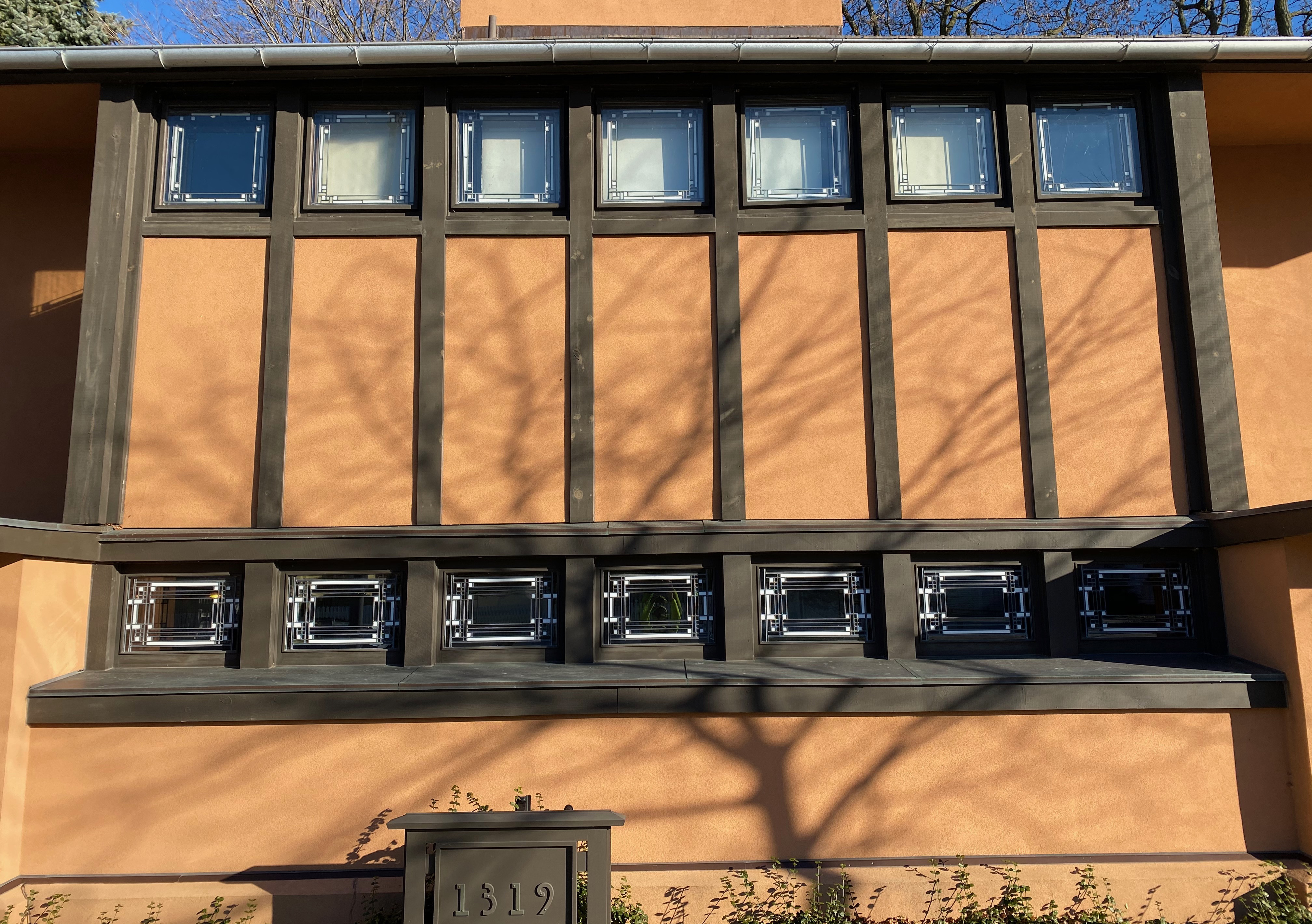 There are long shadows at the Hardy House this week, or so I thought when I rode my bicycle past the house today and reflected on the deaths of two of its stewards. I took these photos in their memory with my phone camera. Eugene “Gene” Szymczak, who rehabilitated the house from 2012 until his sudden death, died December 3, 2016, four years ago this Thursday. Margaret Yoghourtjian died yesterday evening.
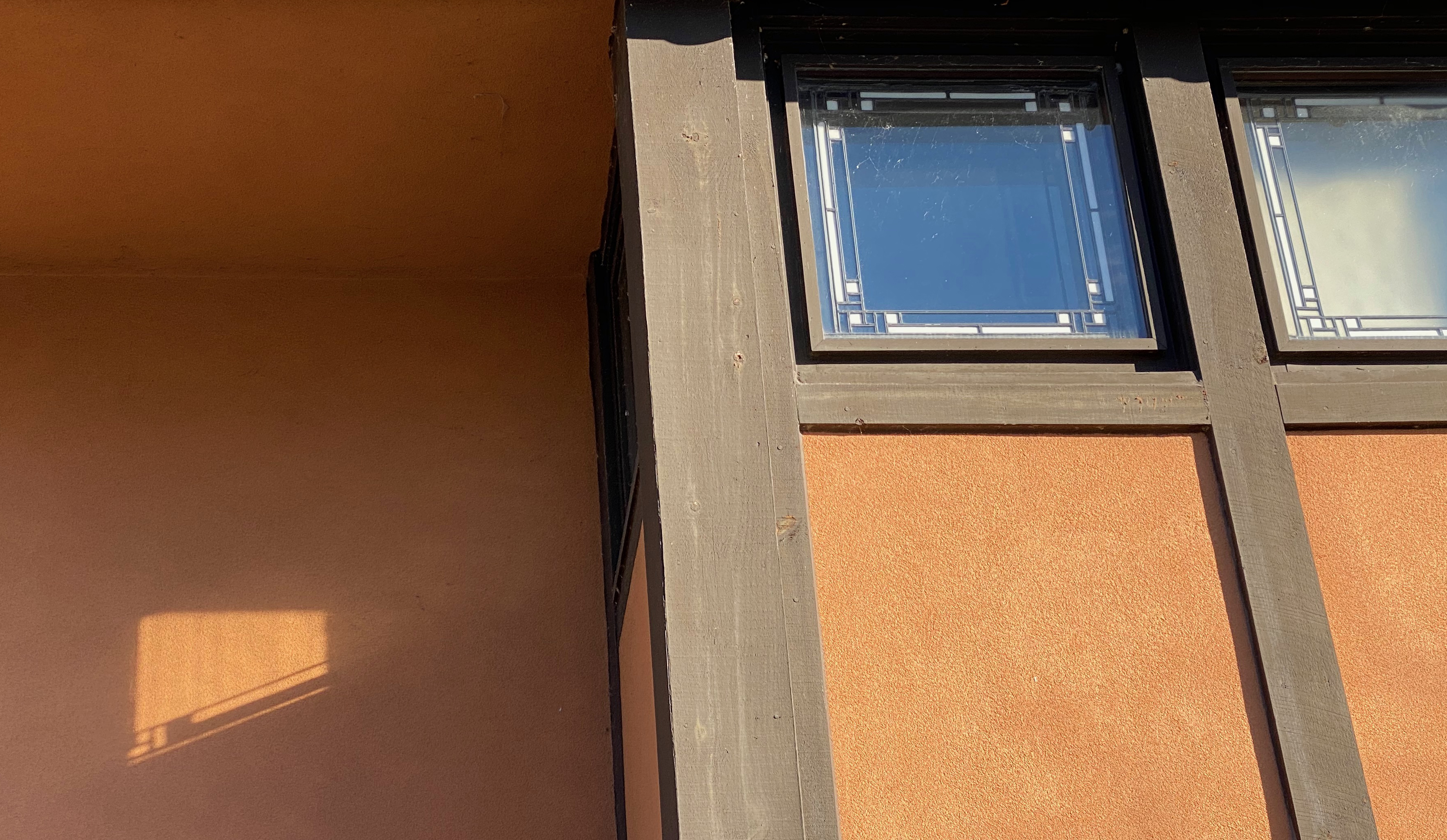 The afternoon sun shines through a window in the second floor north stairwell.
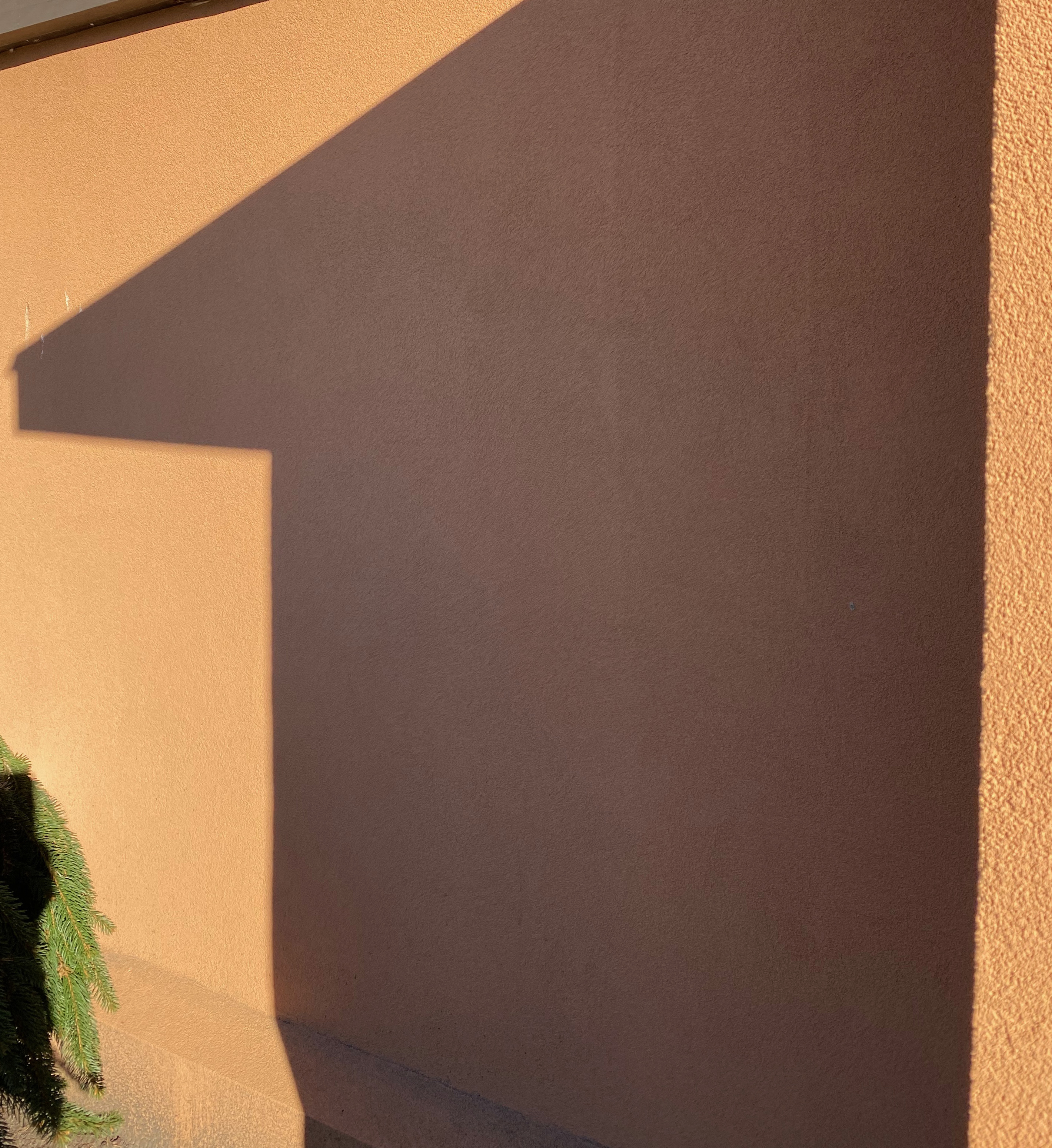 The sun casts a shadow of the cantilever that shelters the north entryway to the house.
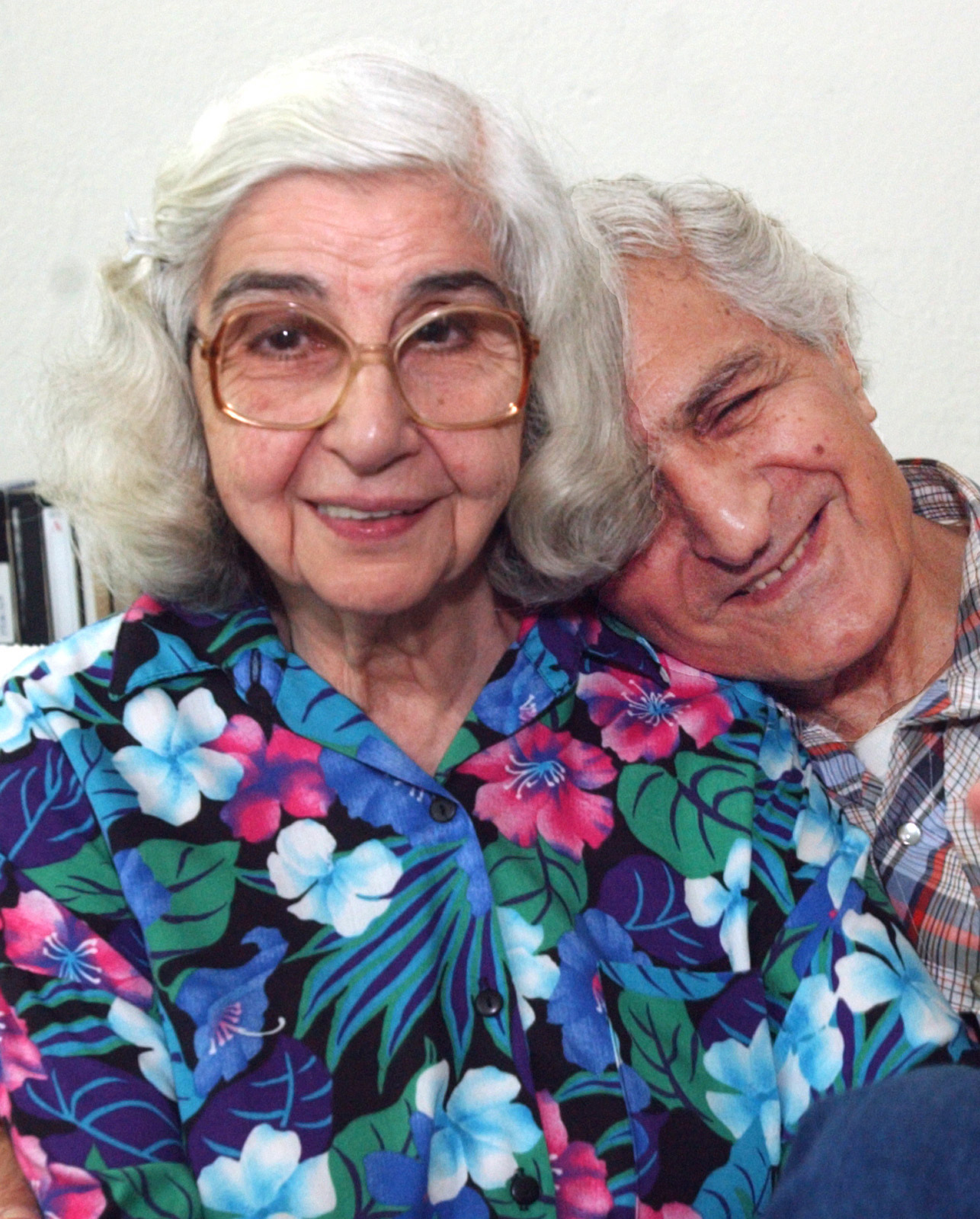 Margaret and Jim in the Hardy House living room, August 2004. Jim wrote his beloved Maggie a poem every year for her birthday. They married in 1950.
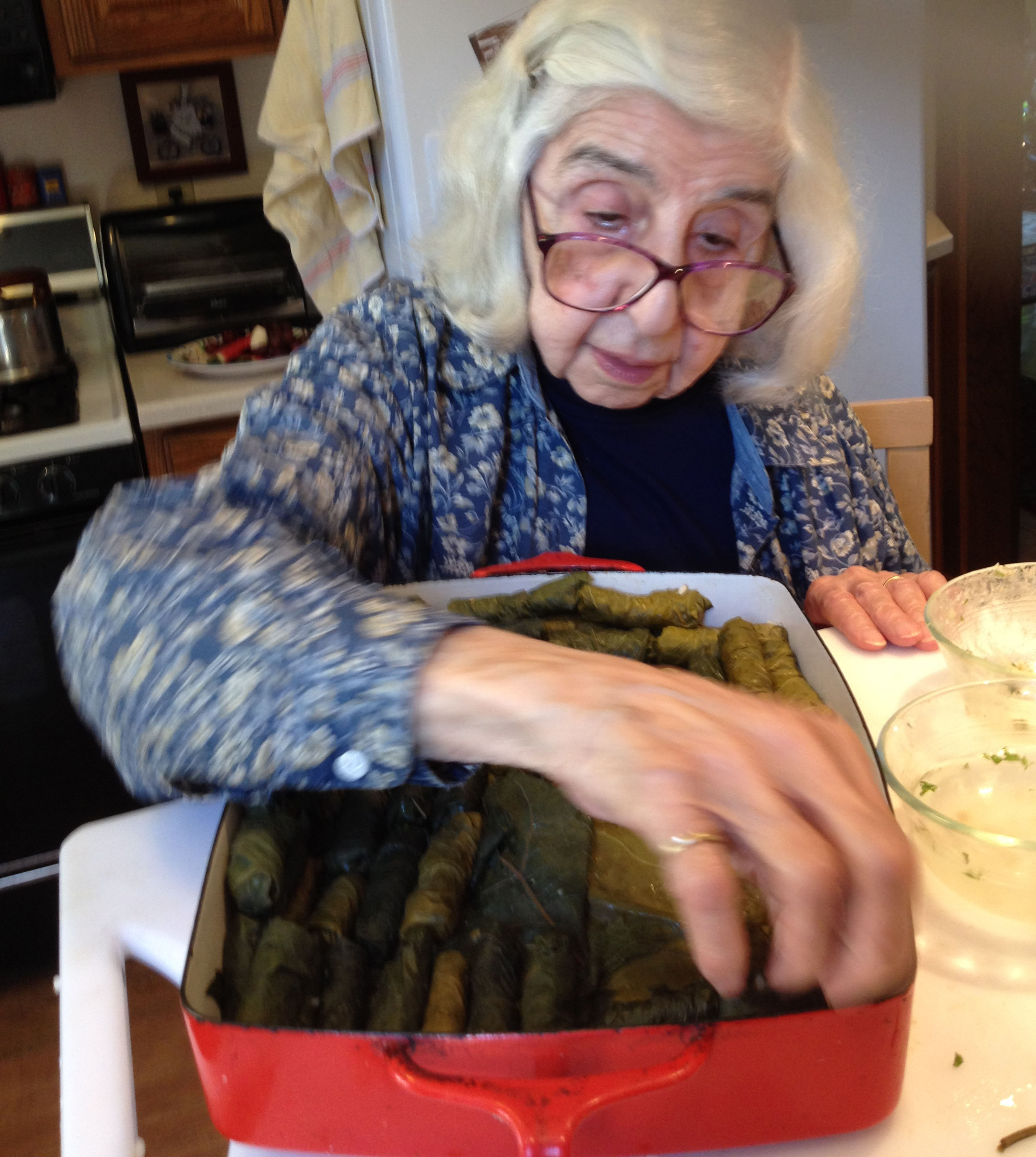 Margaret and Jim were Armenian. Their families suffered through the Armenian genocide. Margaret came to our house in 2014 to make stuffed grape leaves with my wife, Cindy, and with Joan Szymczak, whose brother-in-law Gene had bought the house from the Yoghourtjians in 2012.

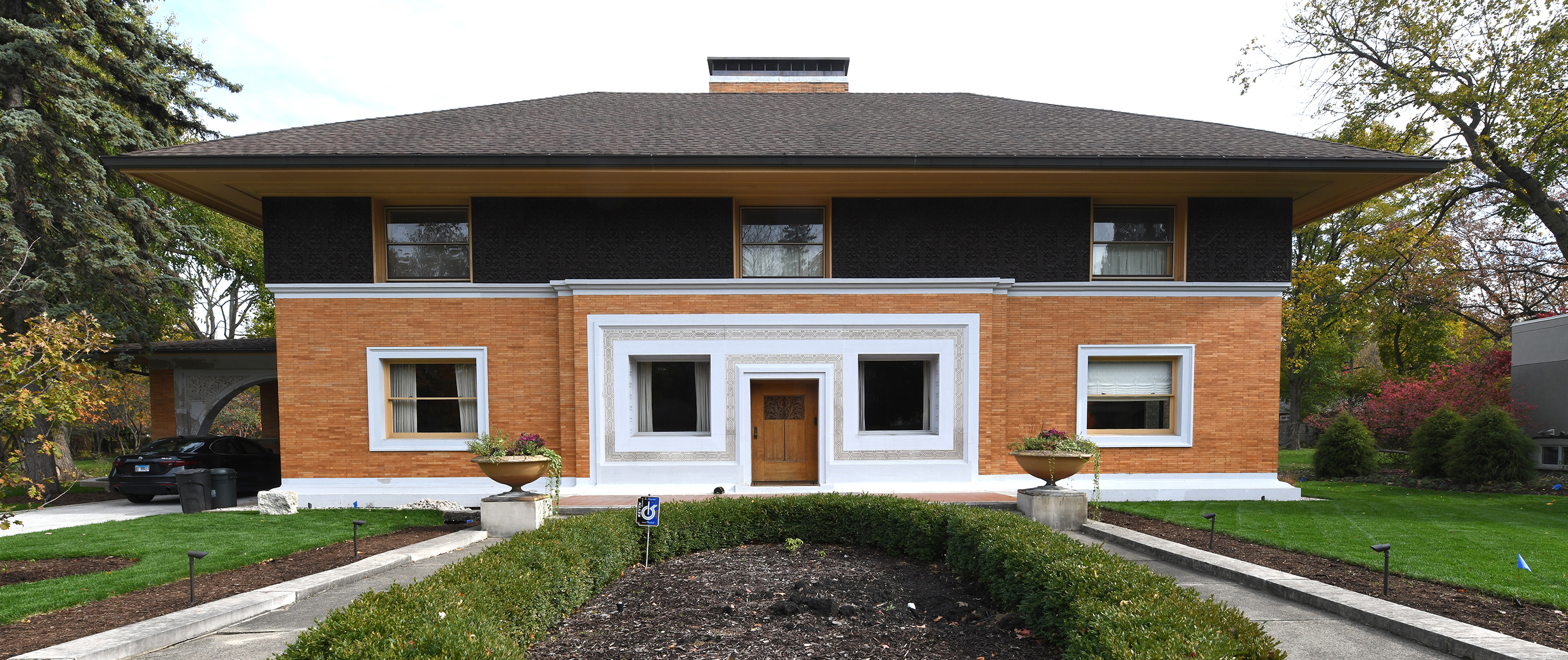
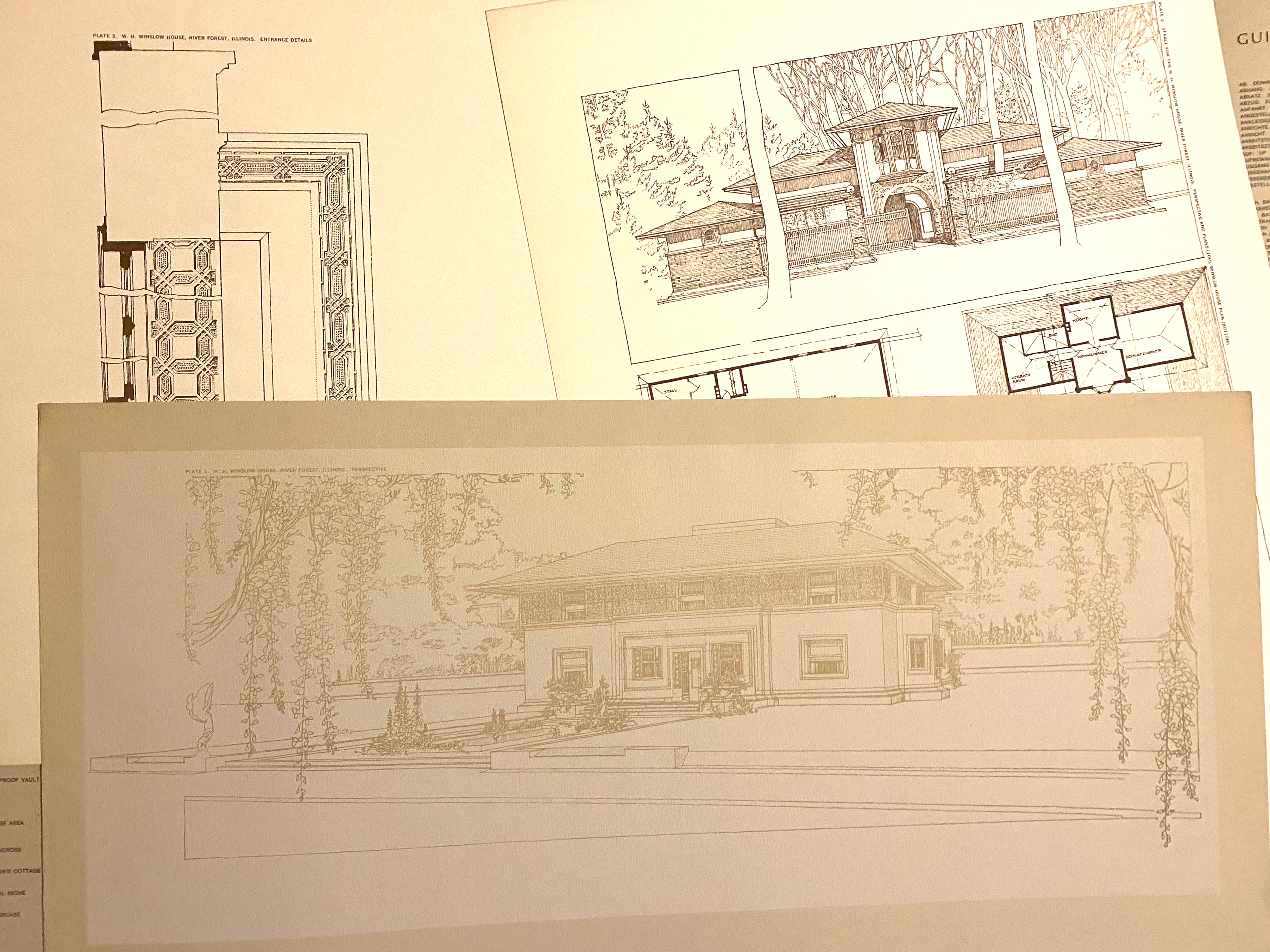
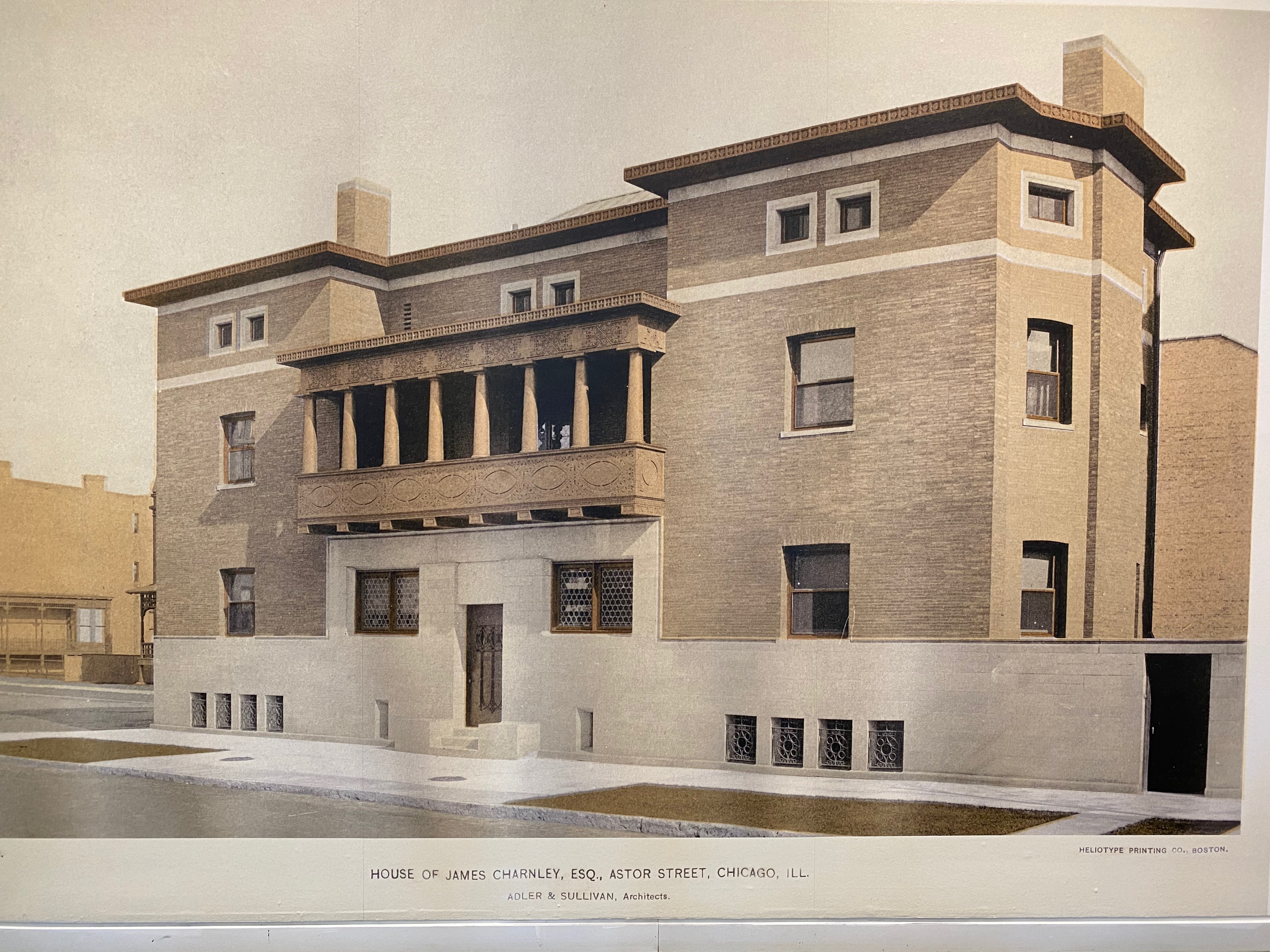
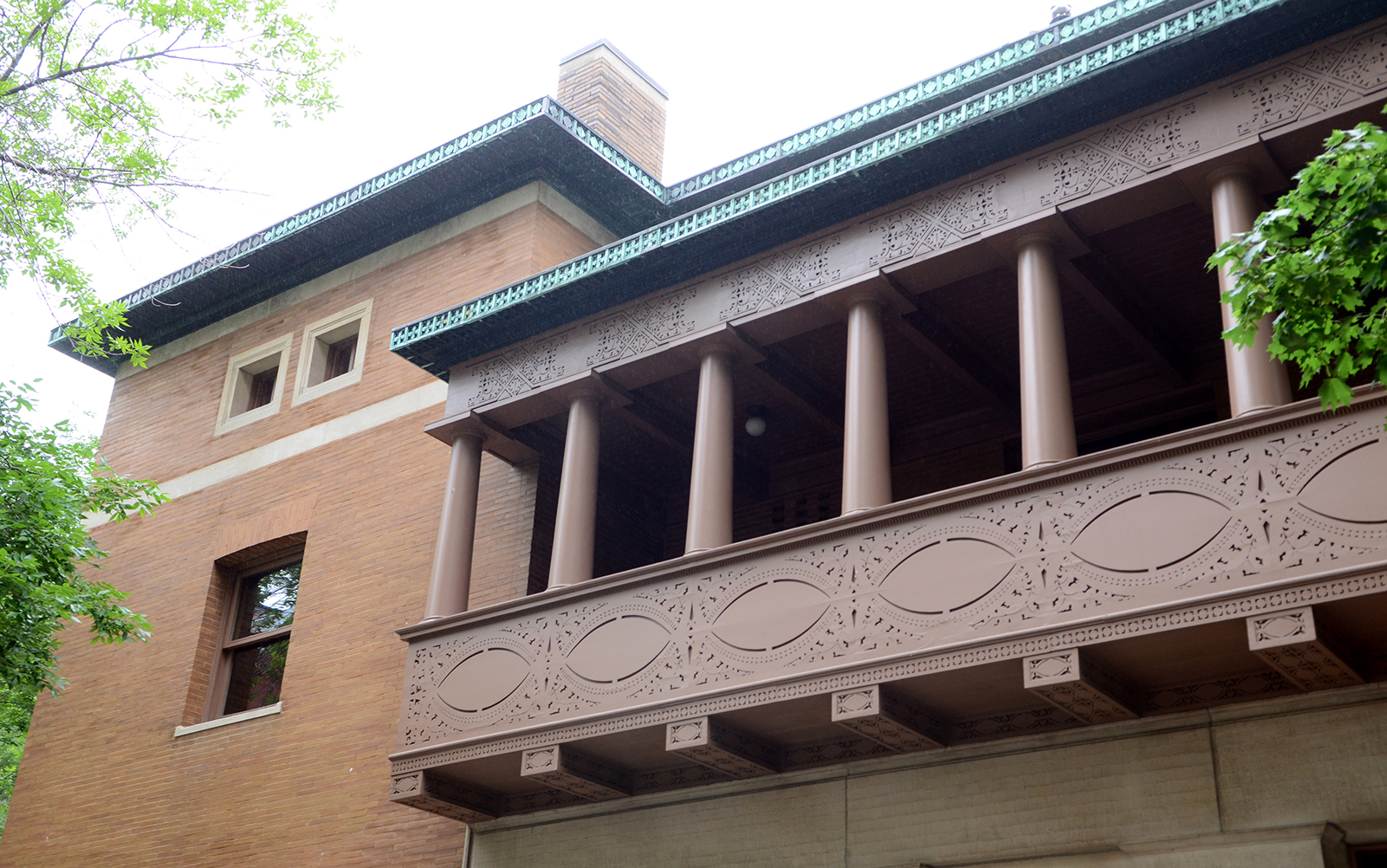
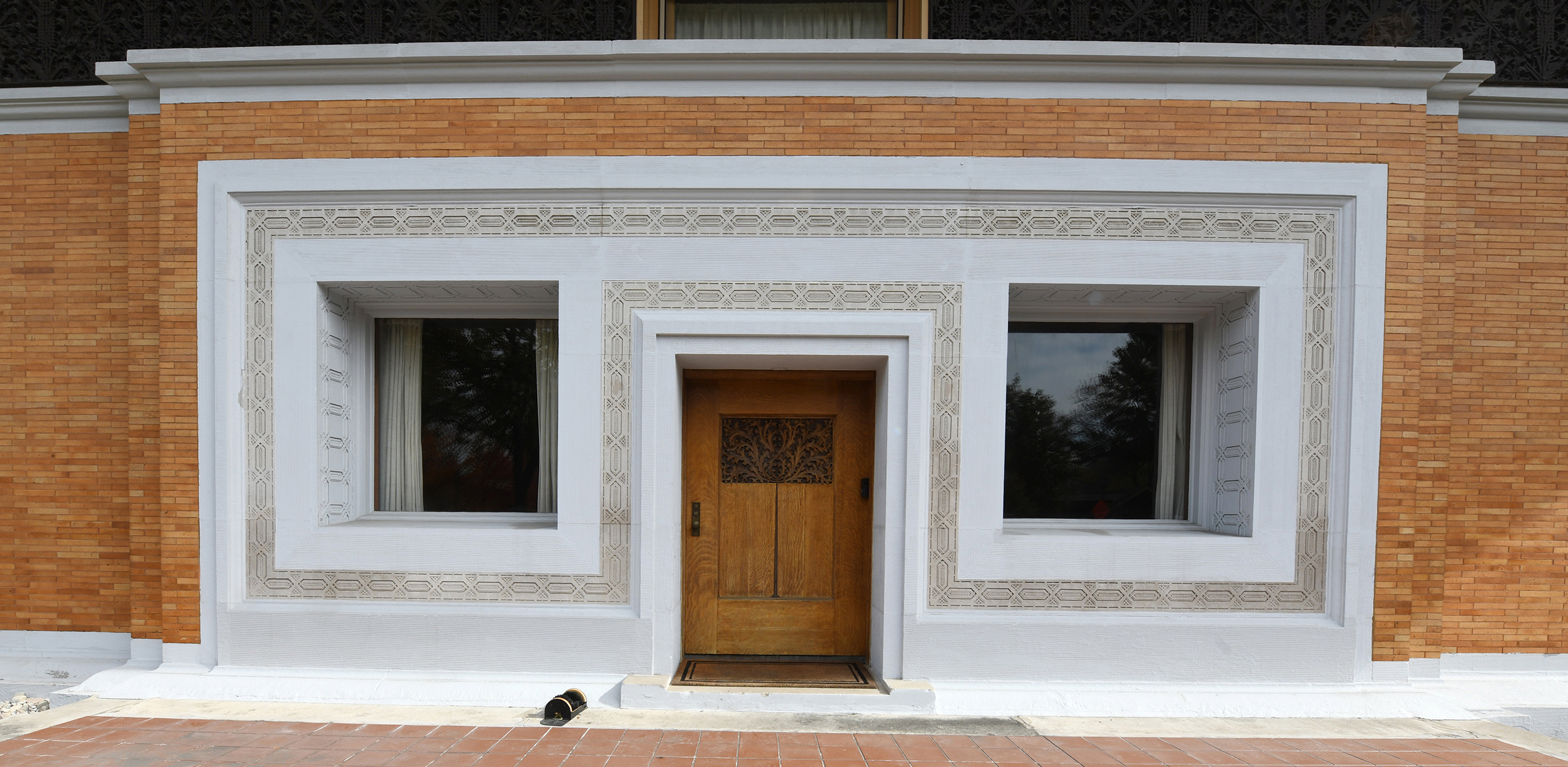
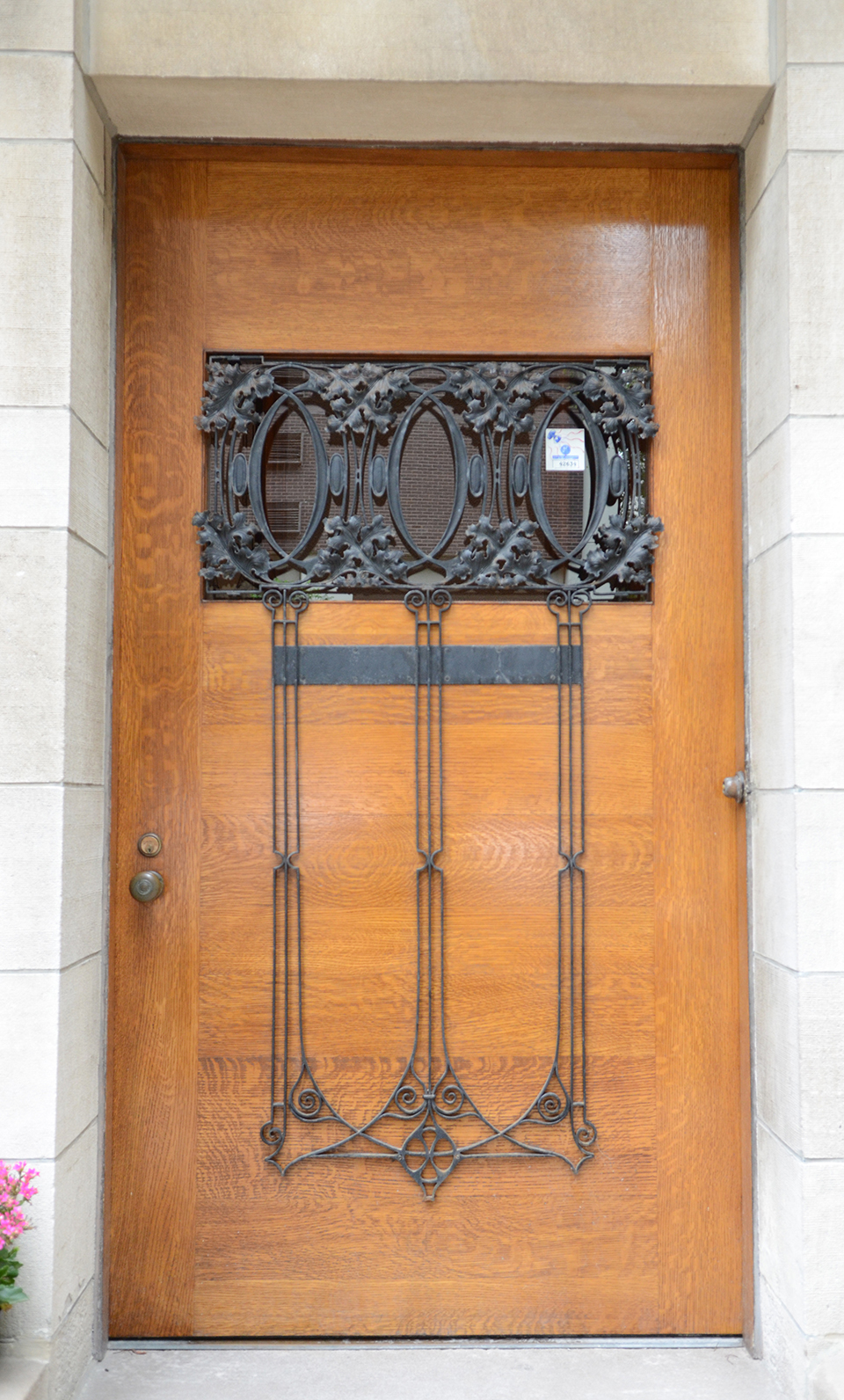
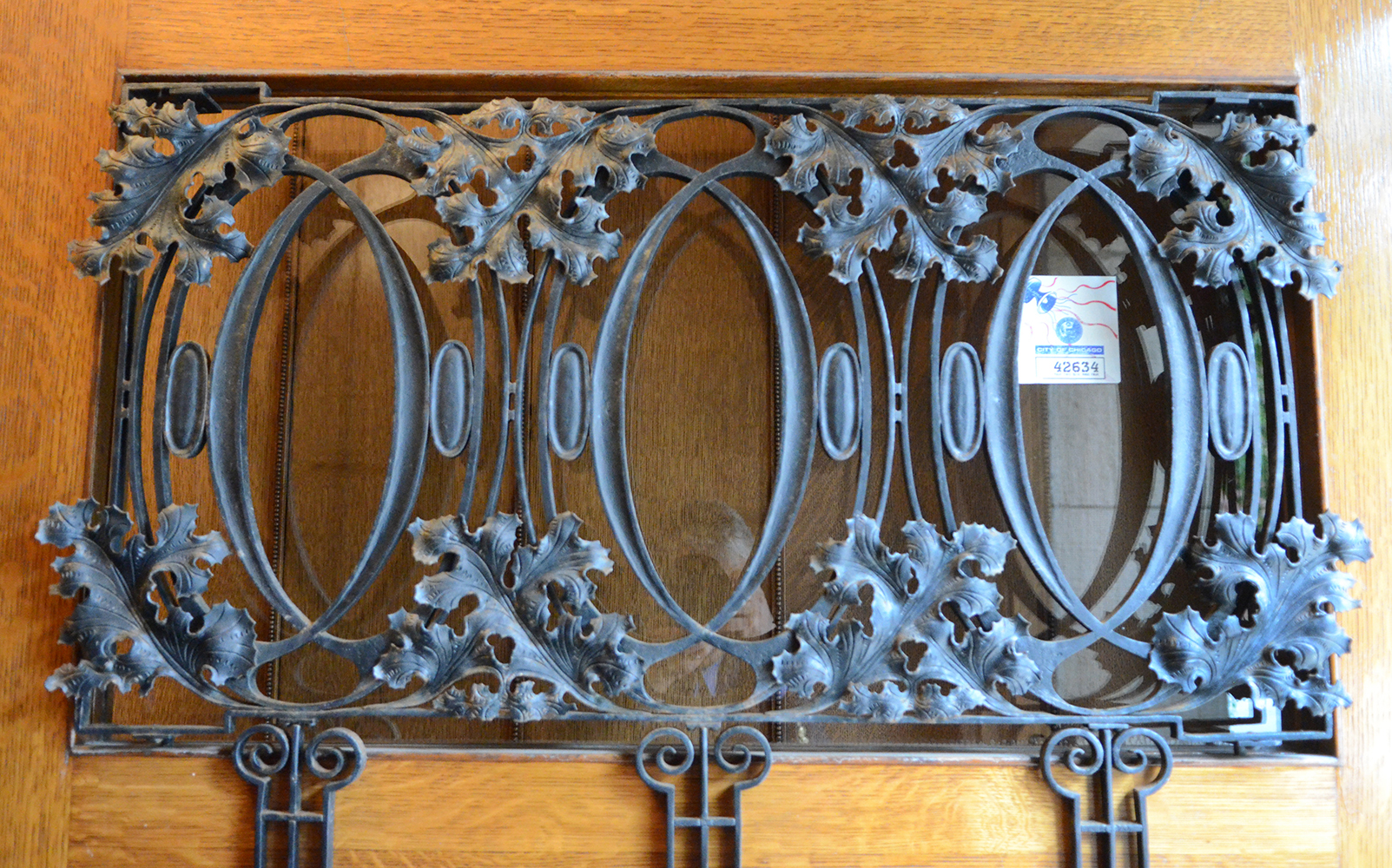
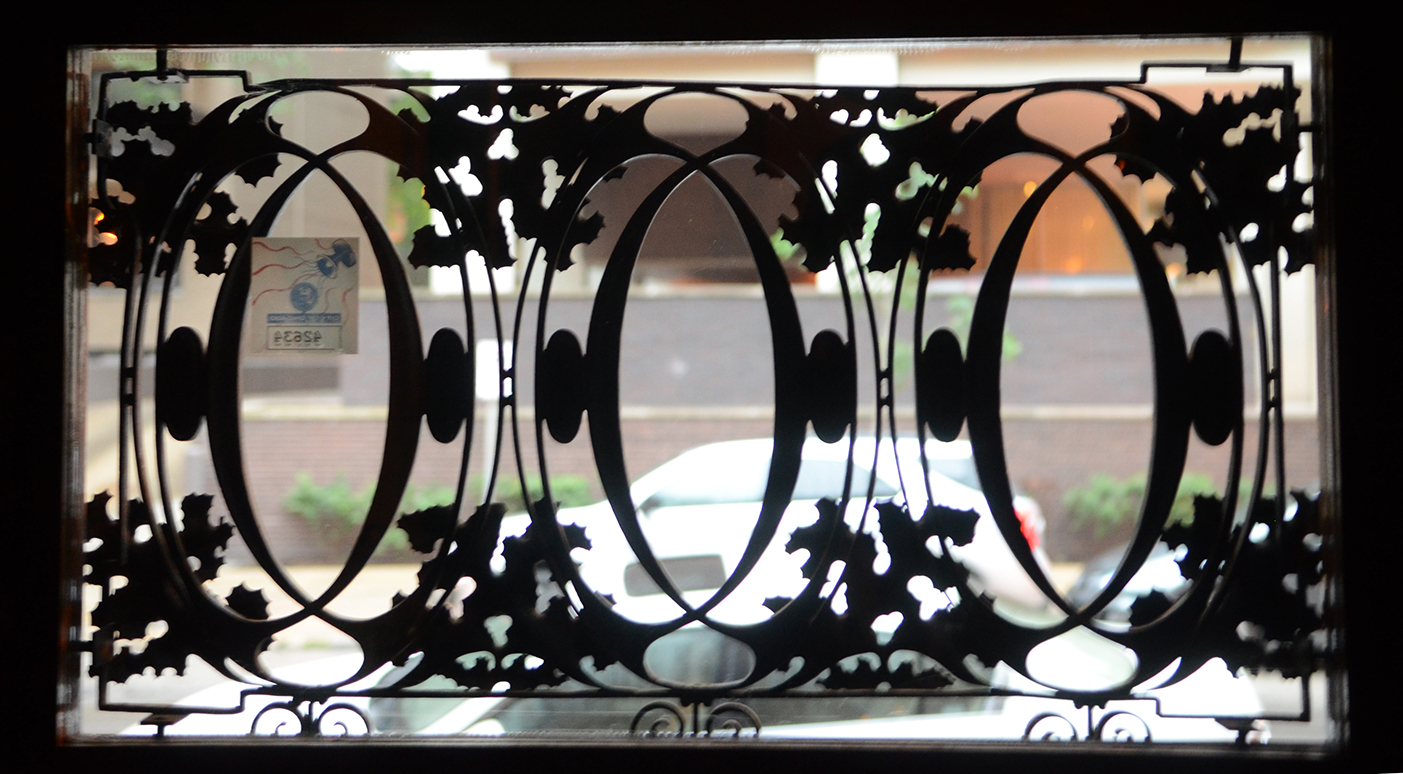
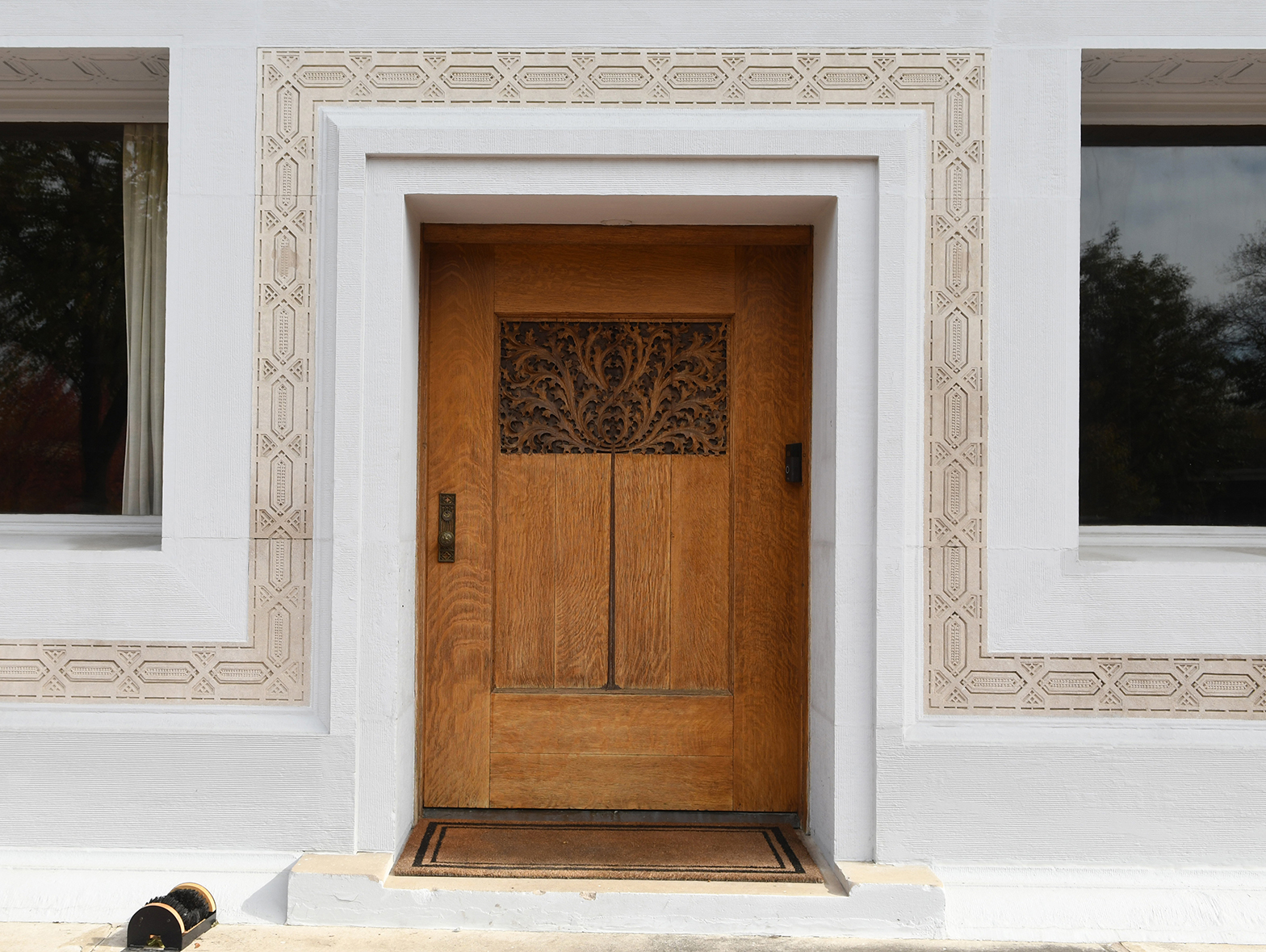

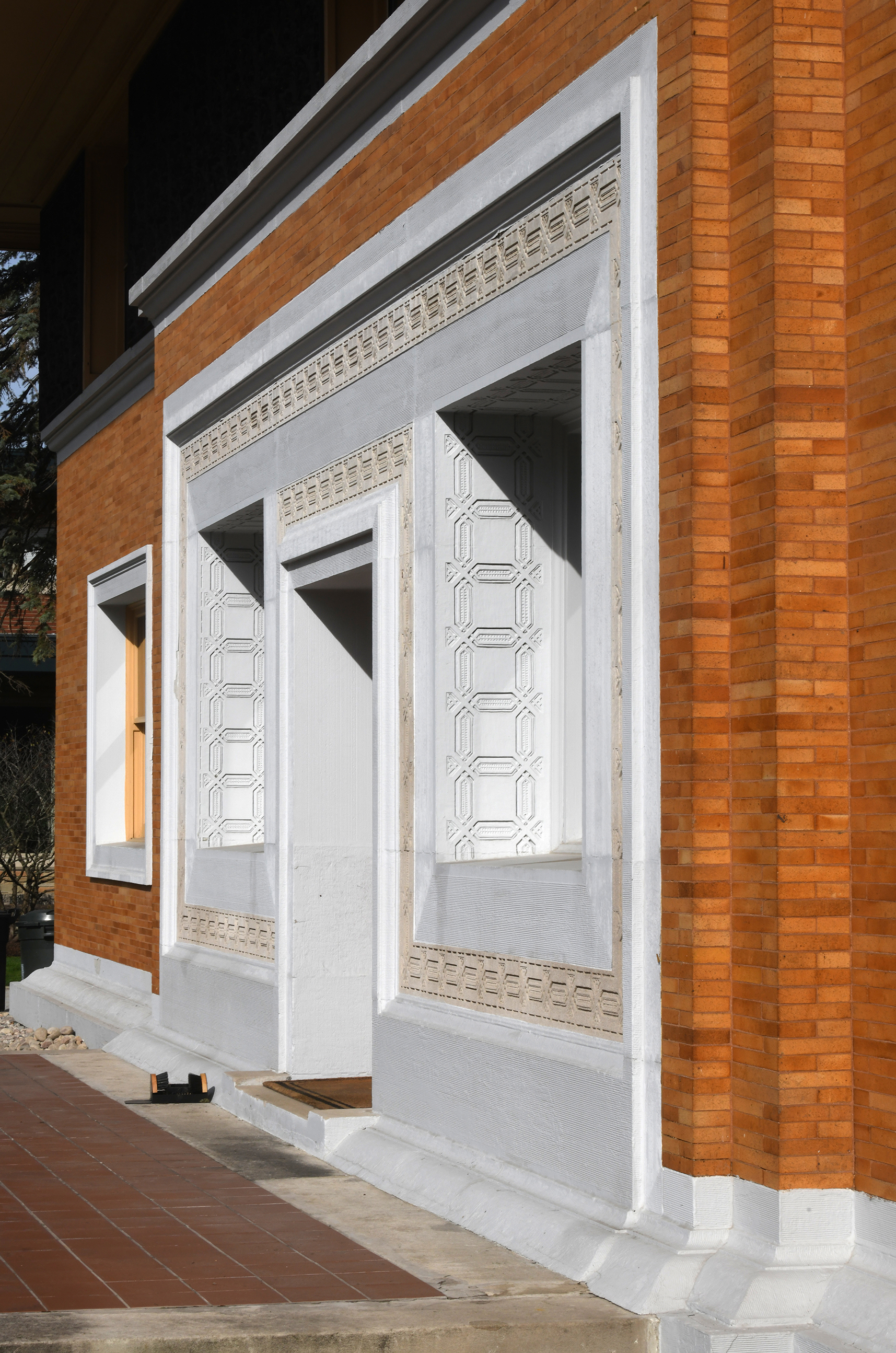

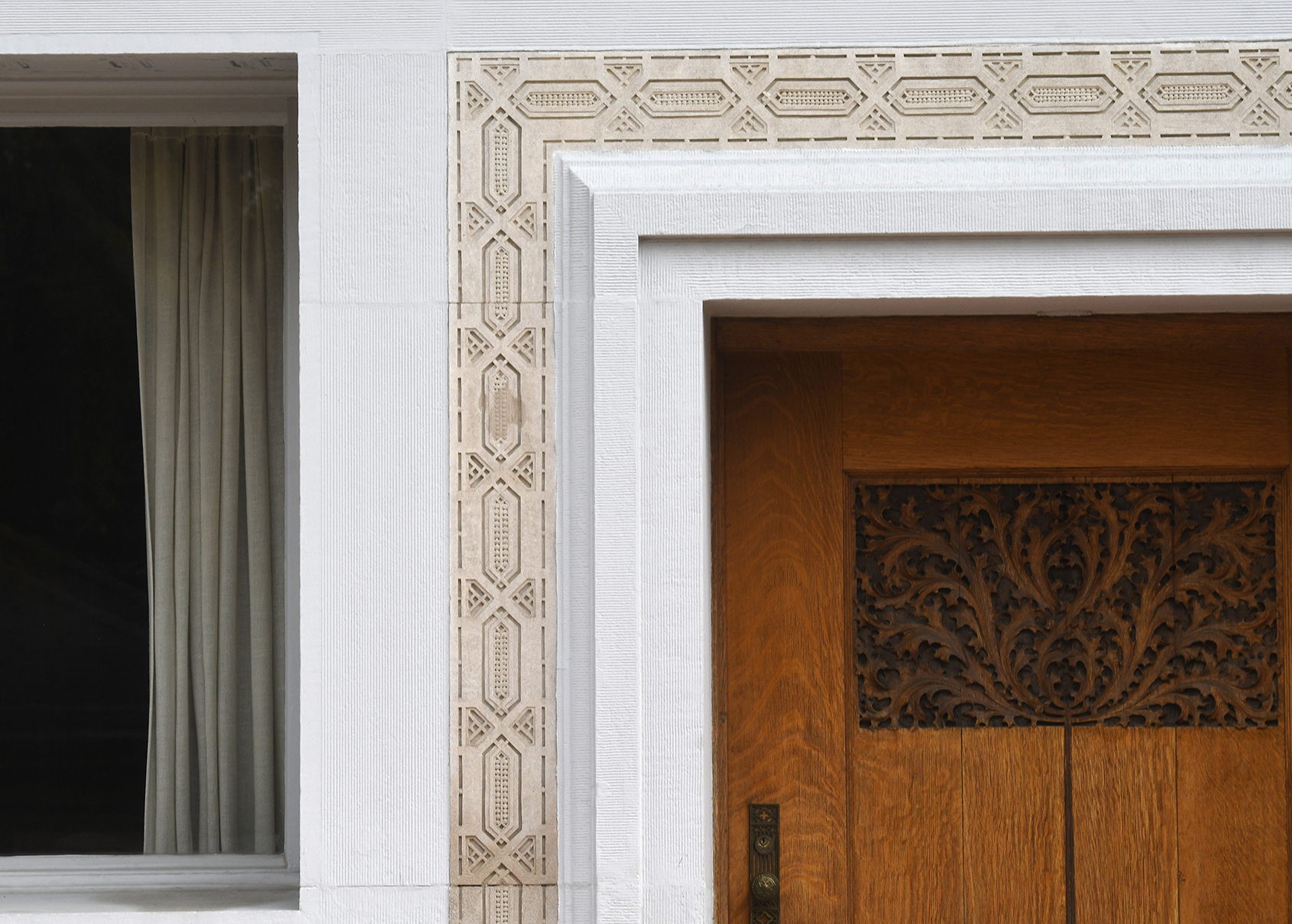
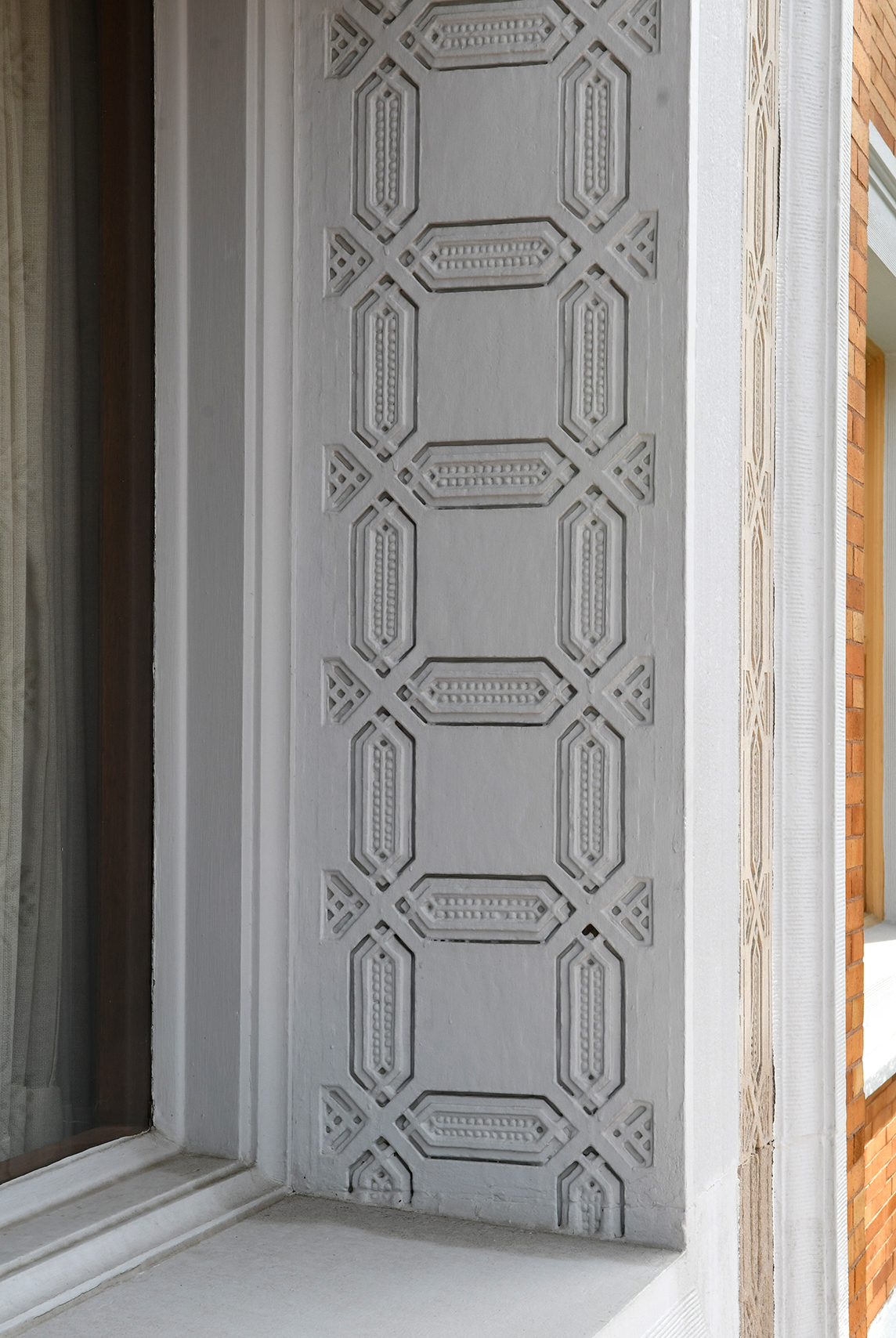
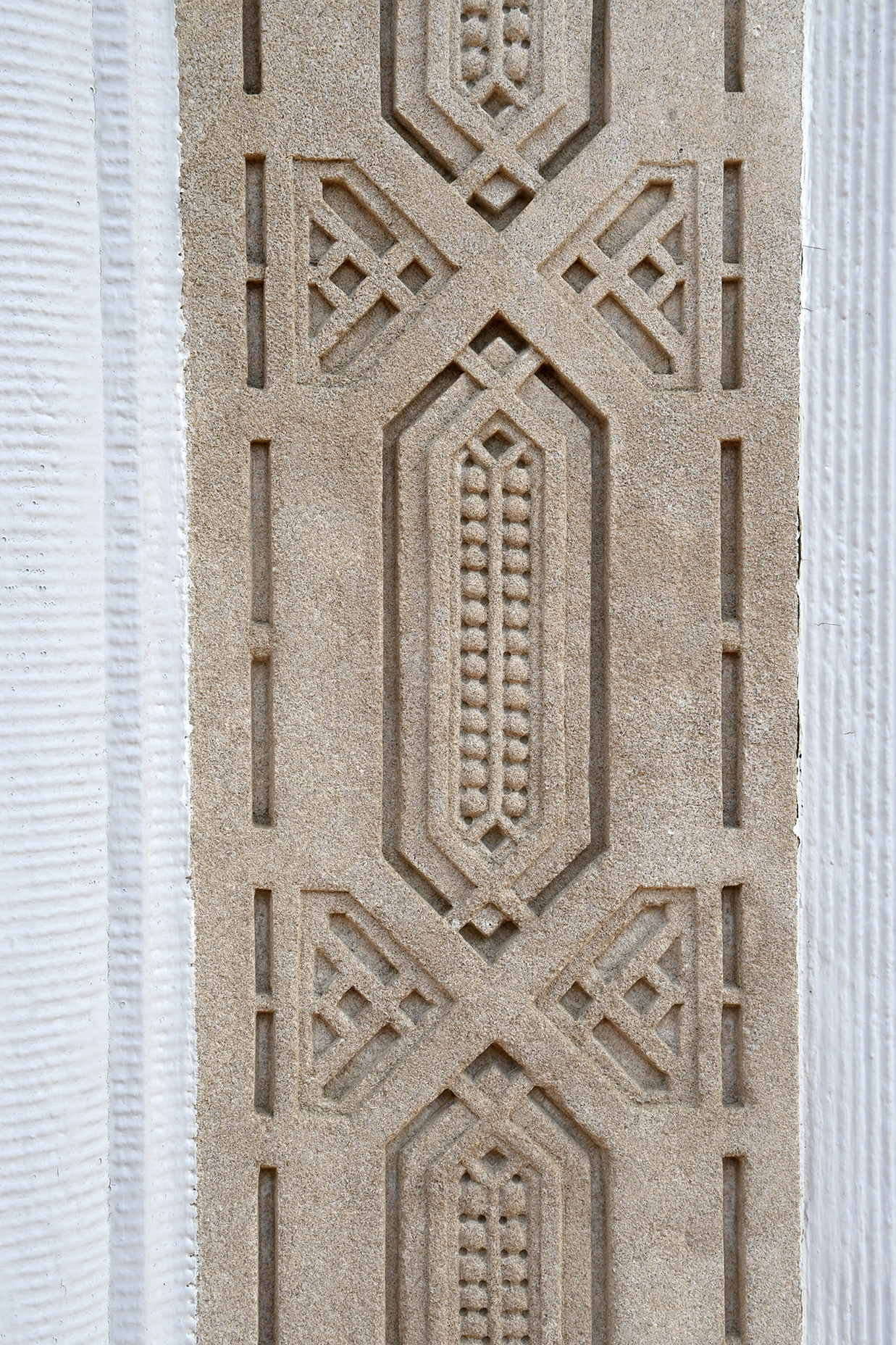


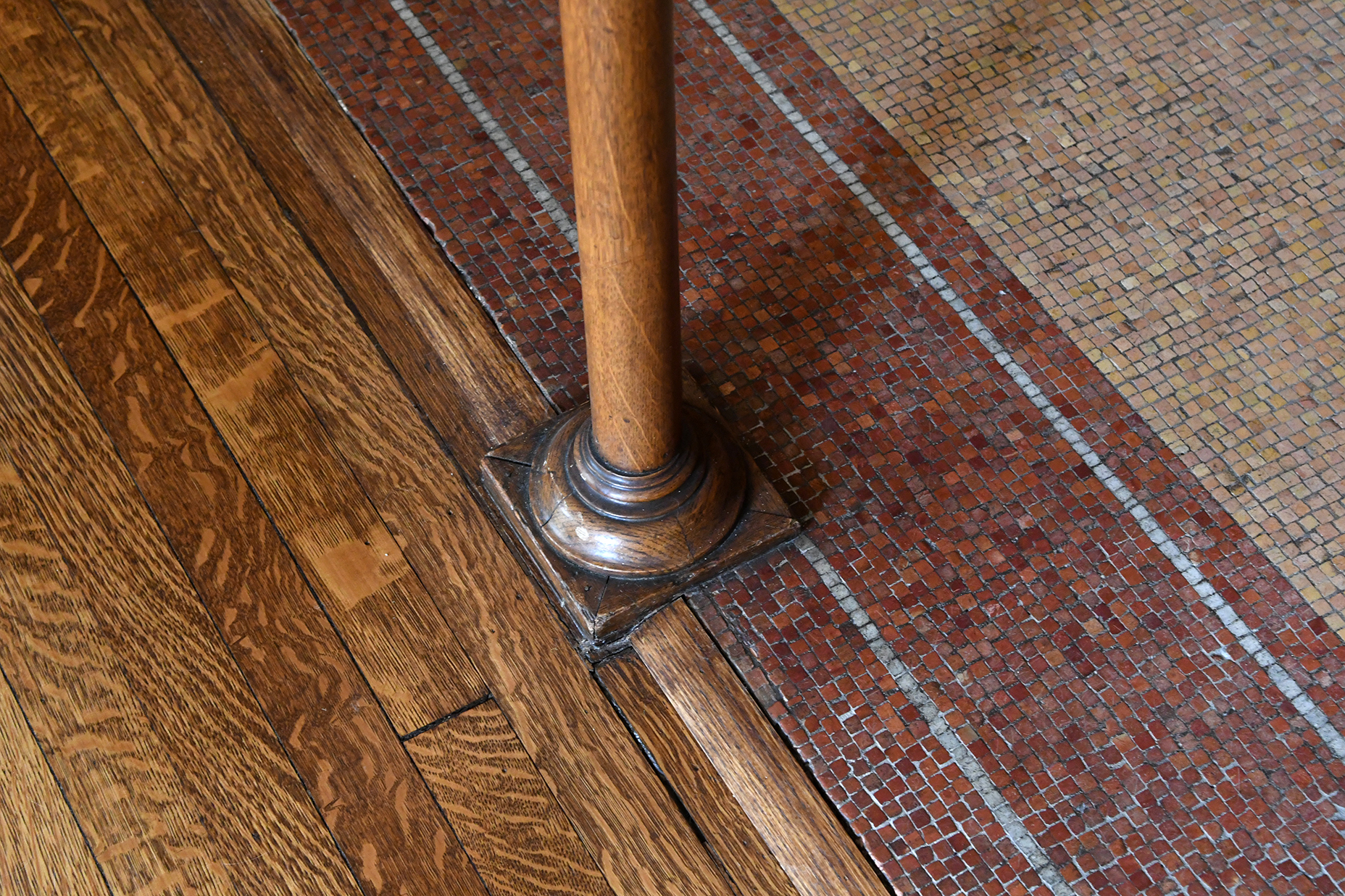 This original thermometer (Winslow was a metal fabricator) still works: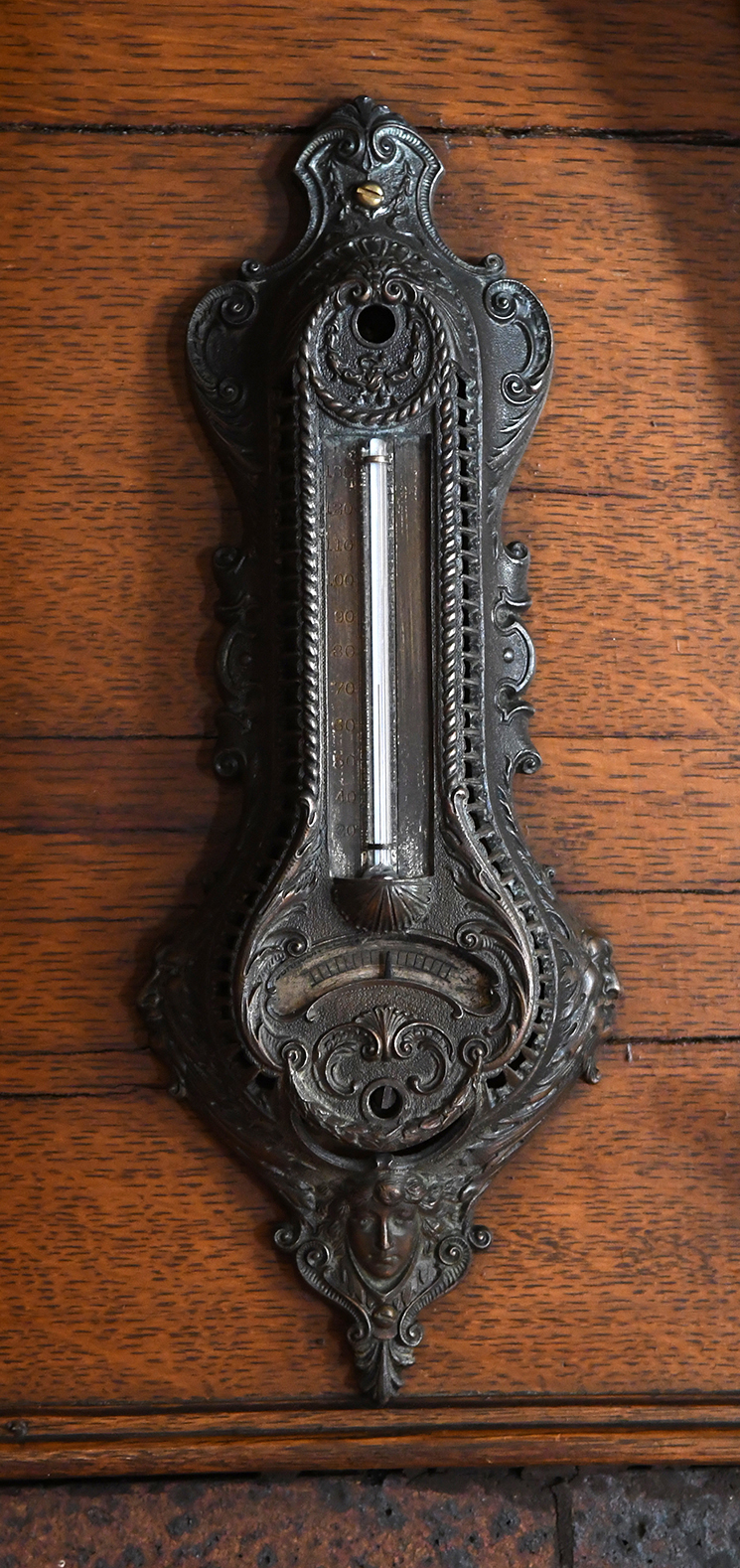

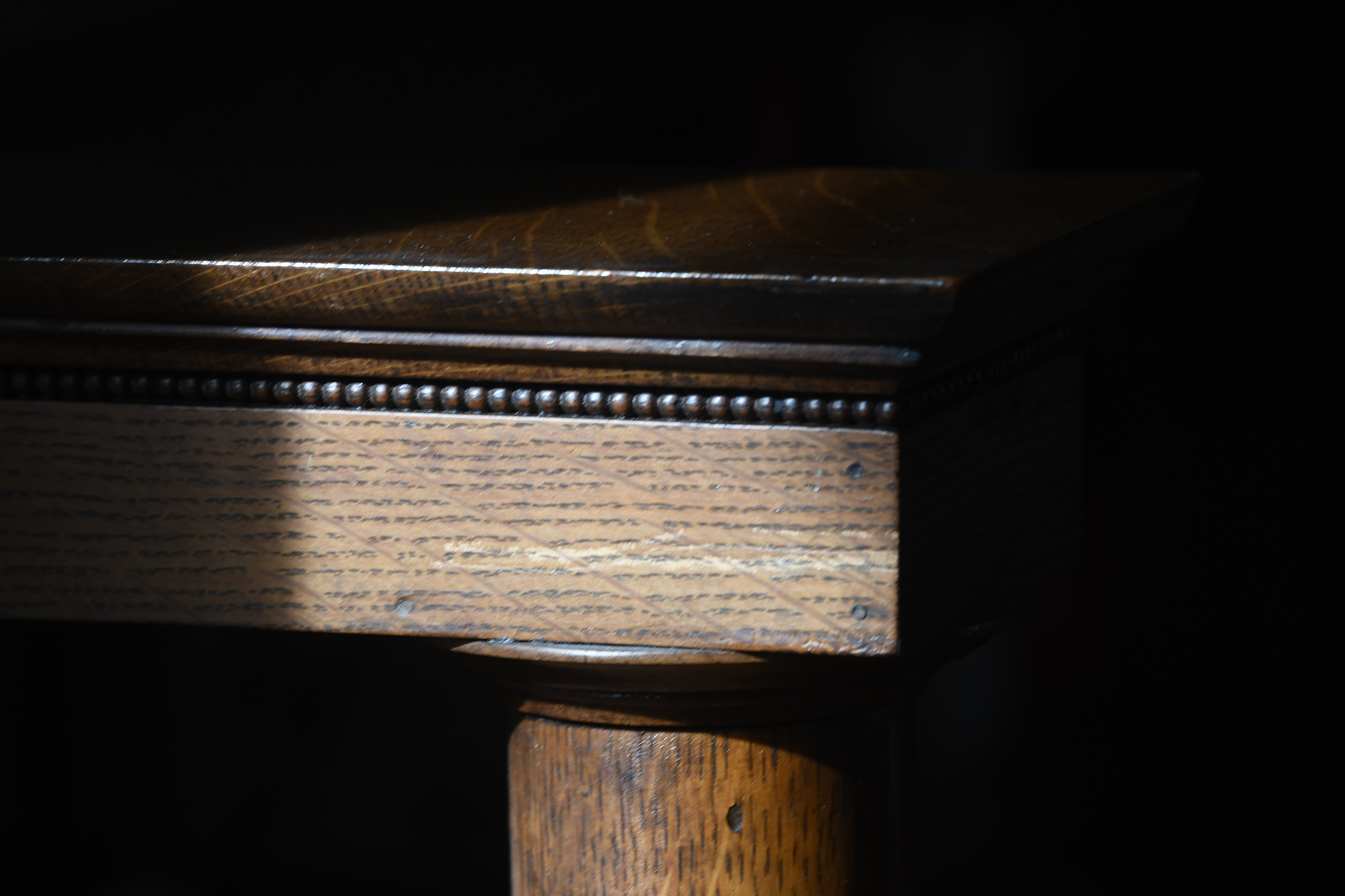
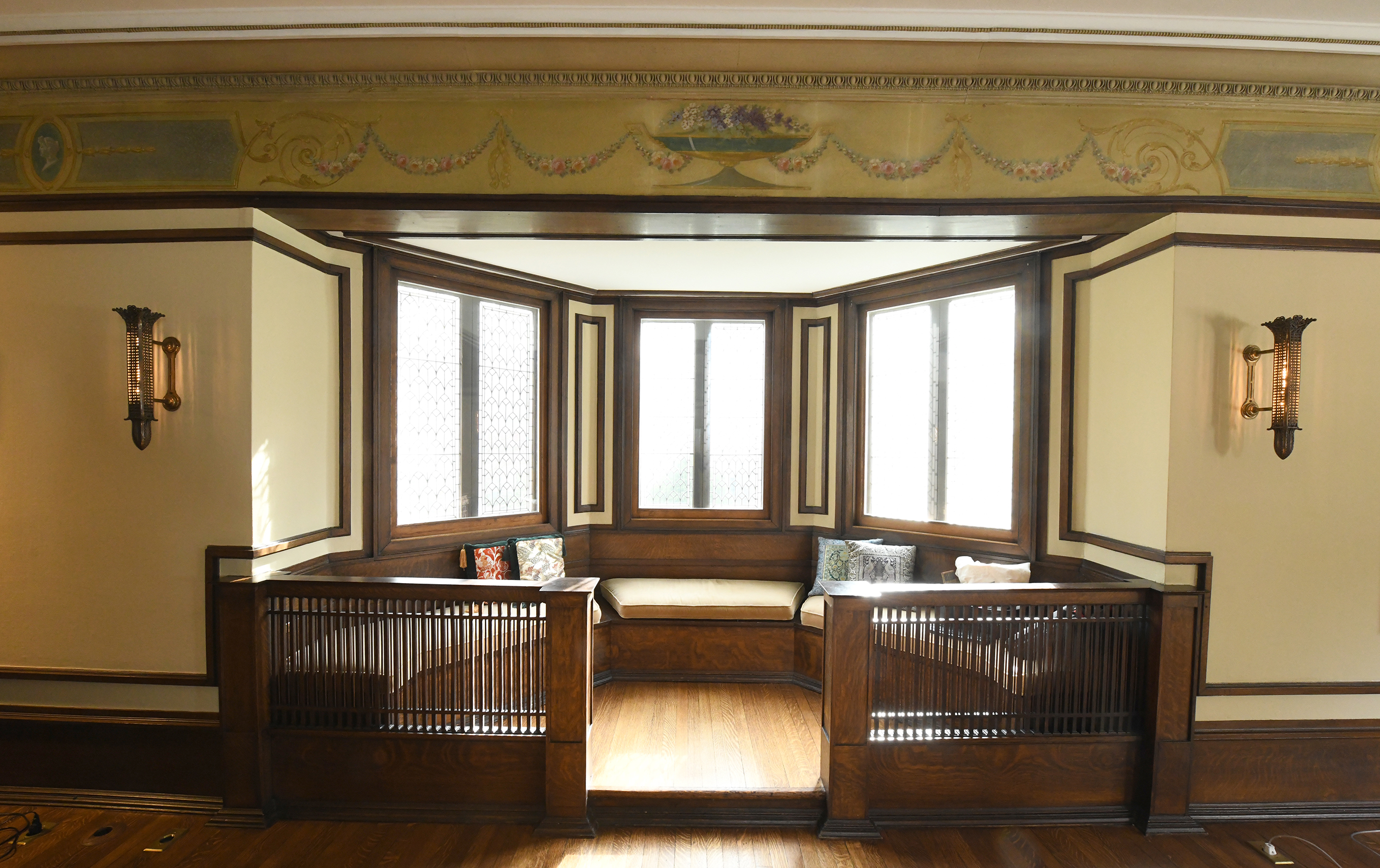





 I am never there when there are no cars parked on Chicago, but this was the starting point for the three photos immediately below: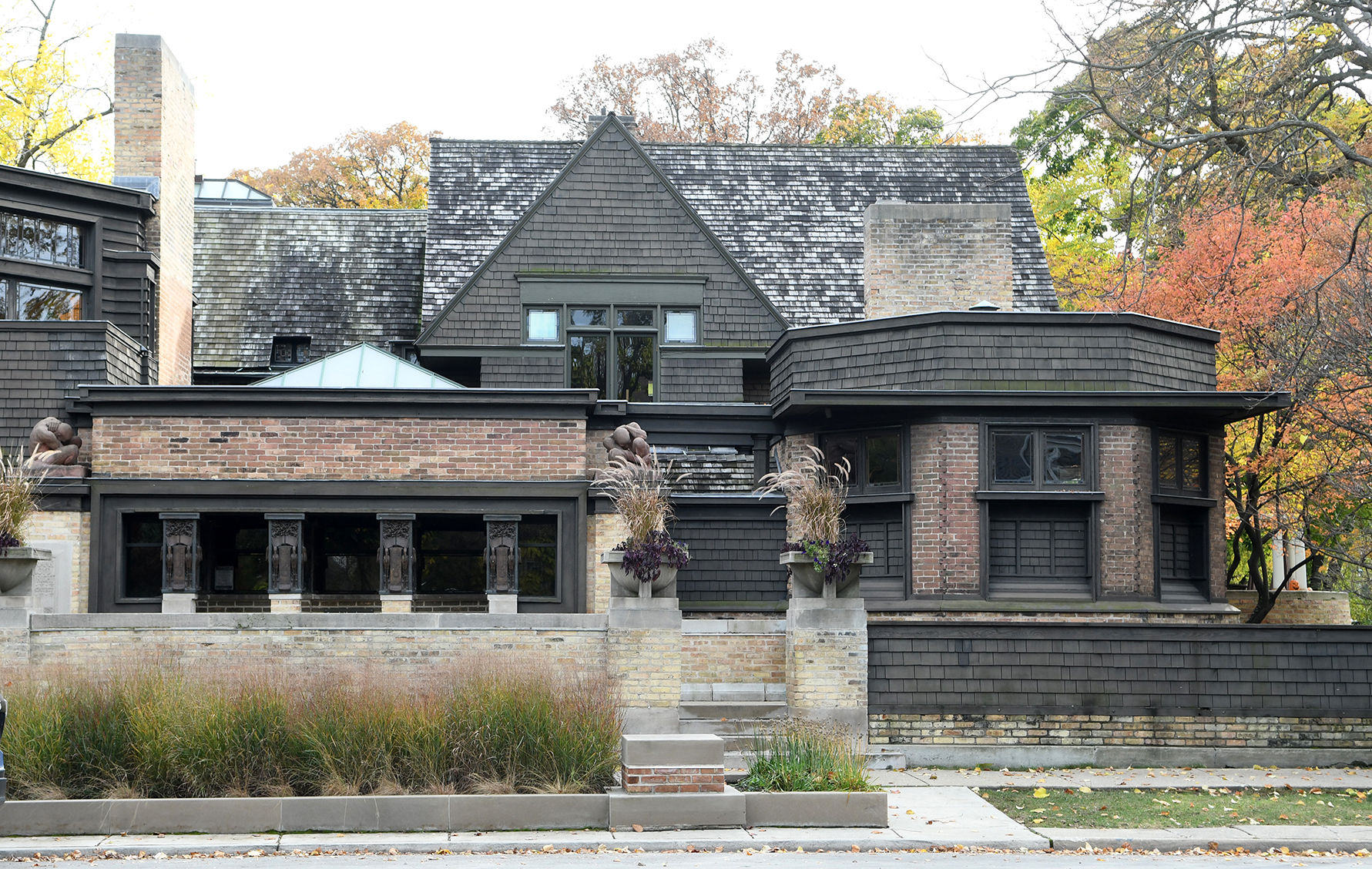
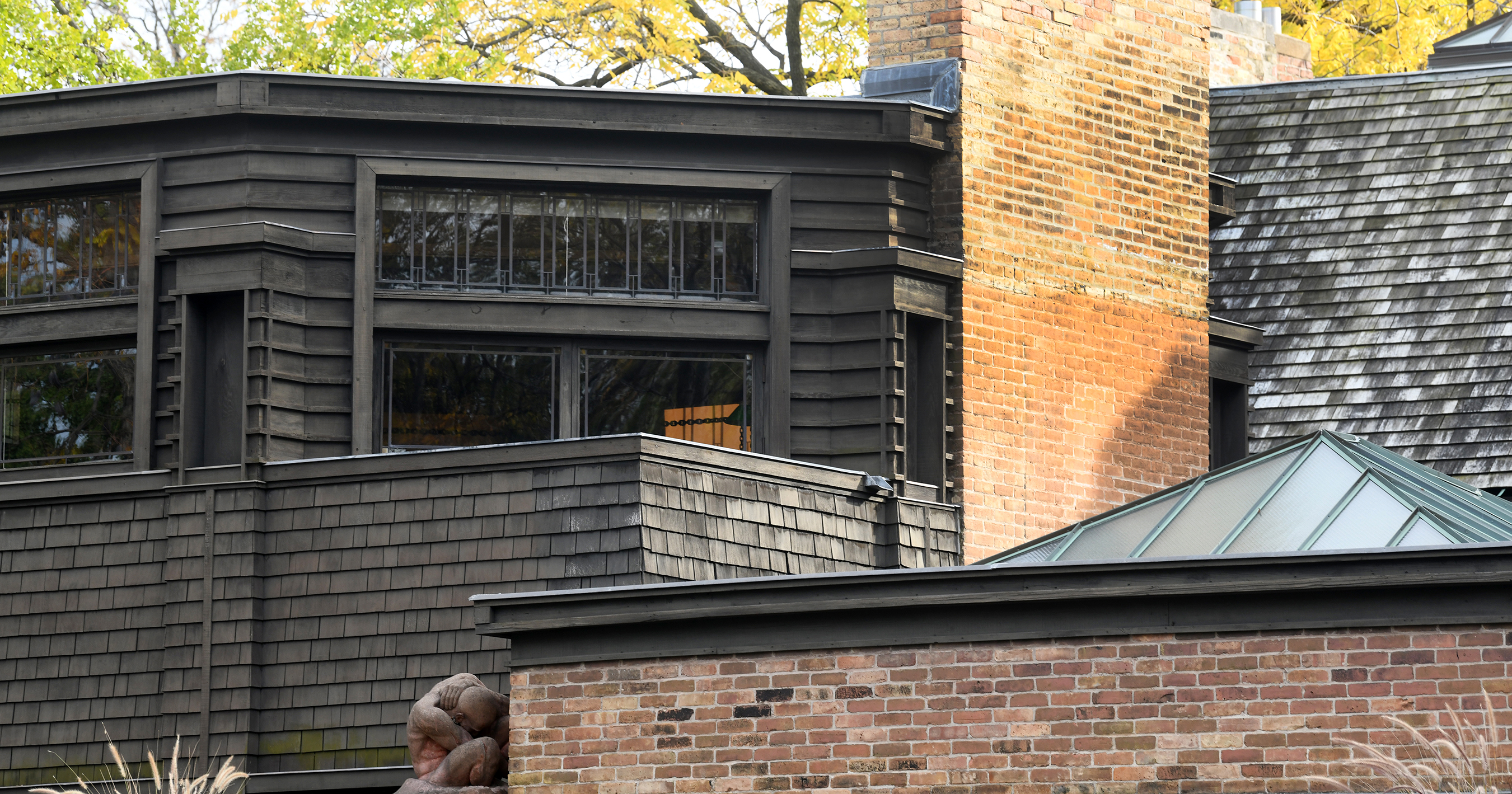


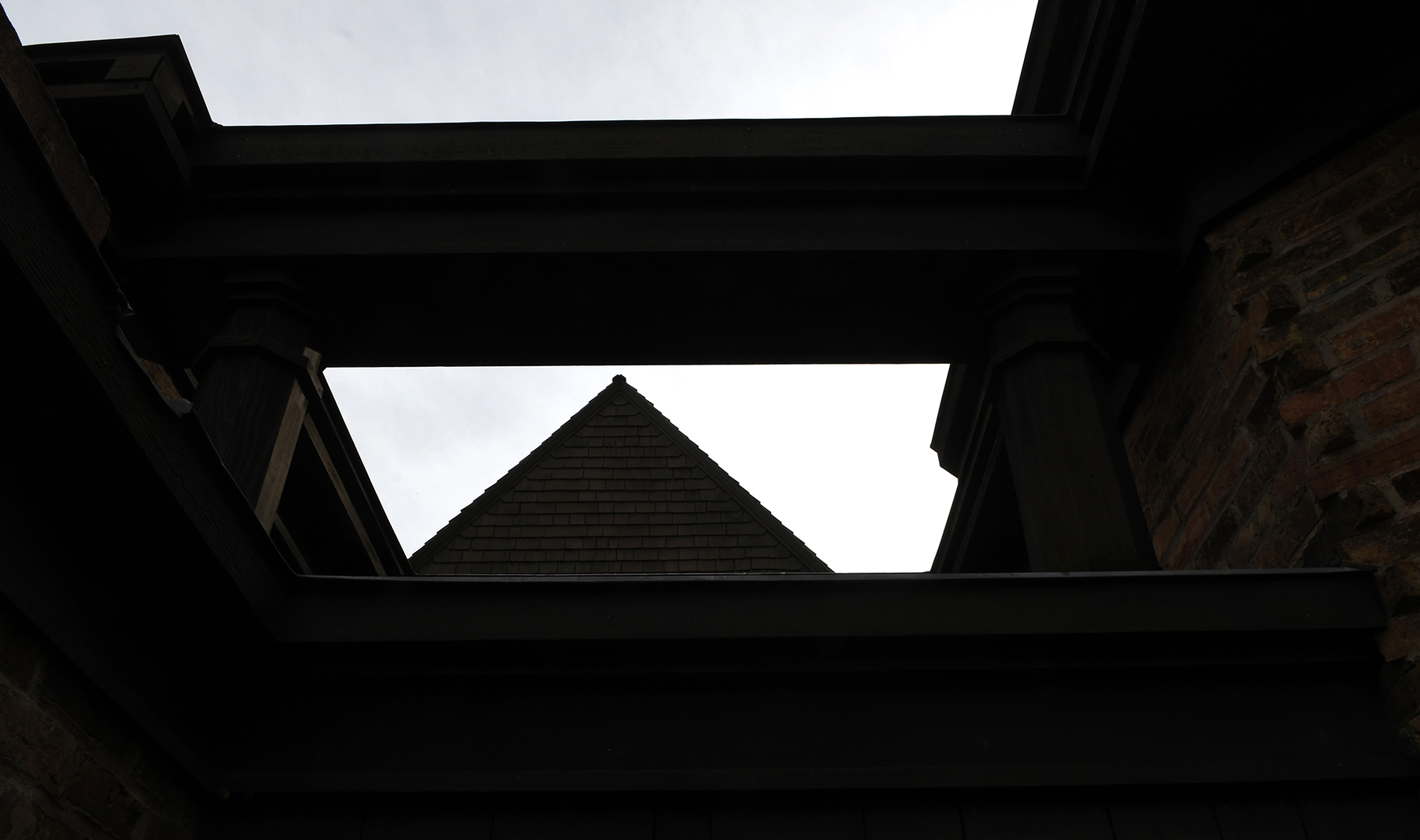


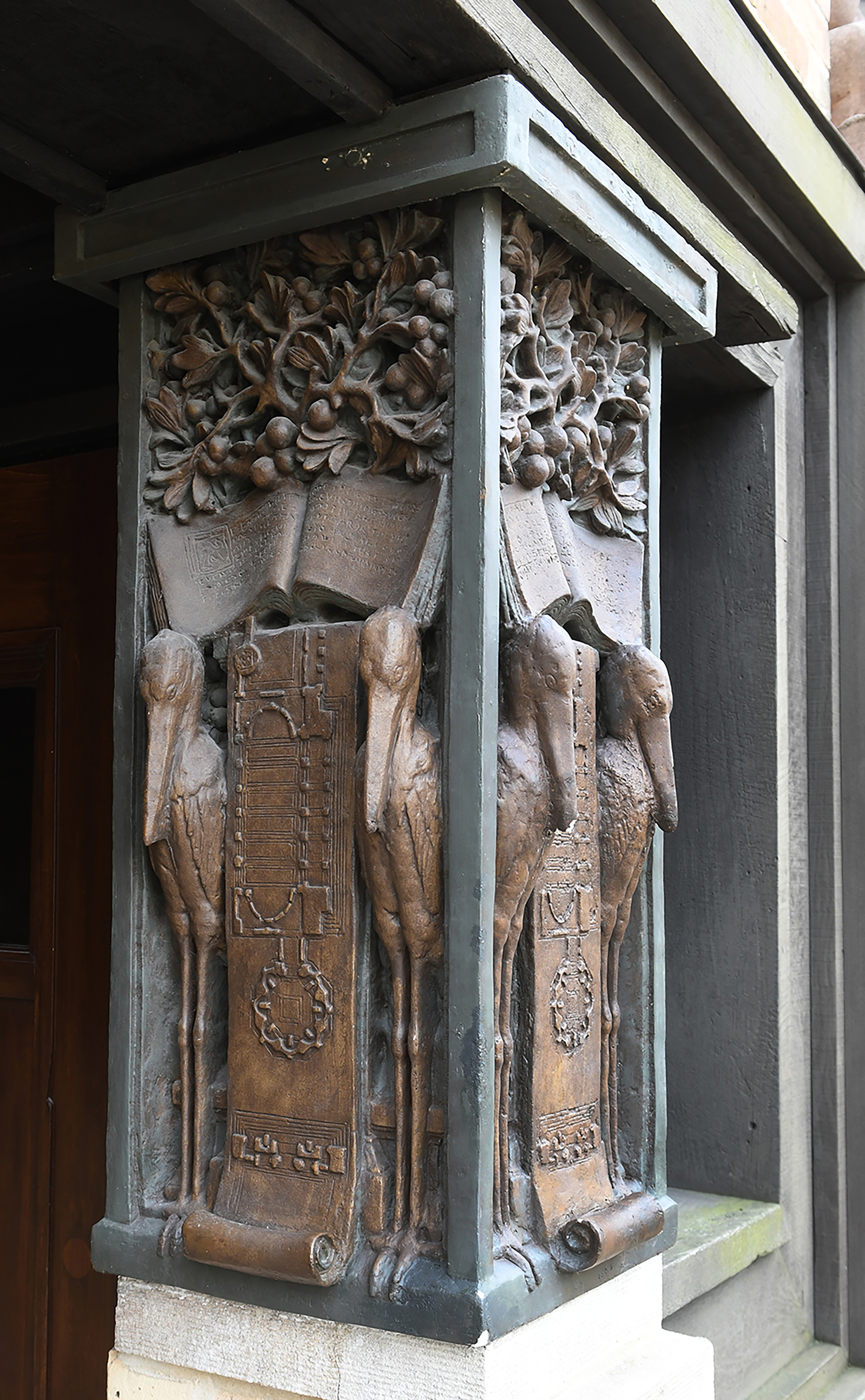


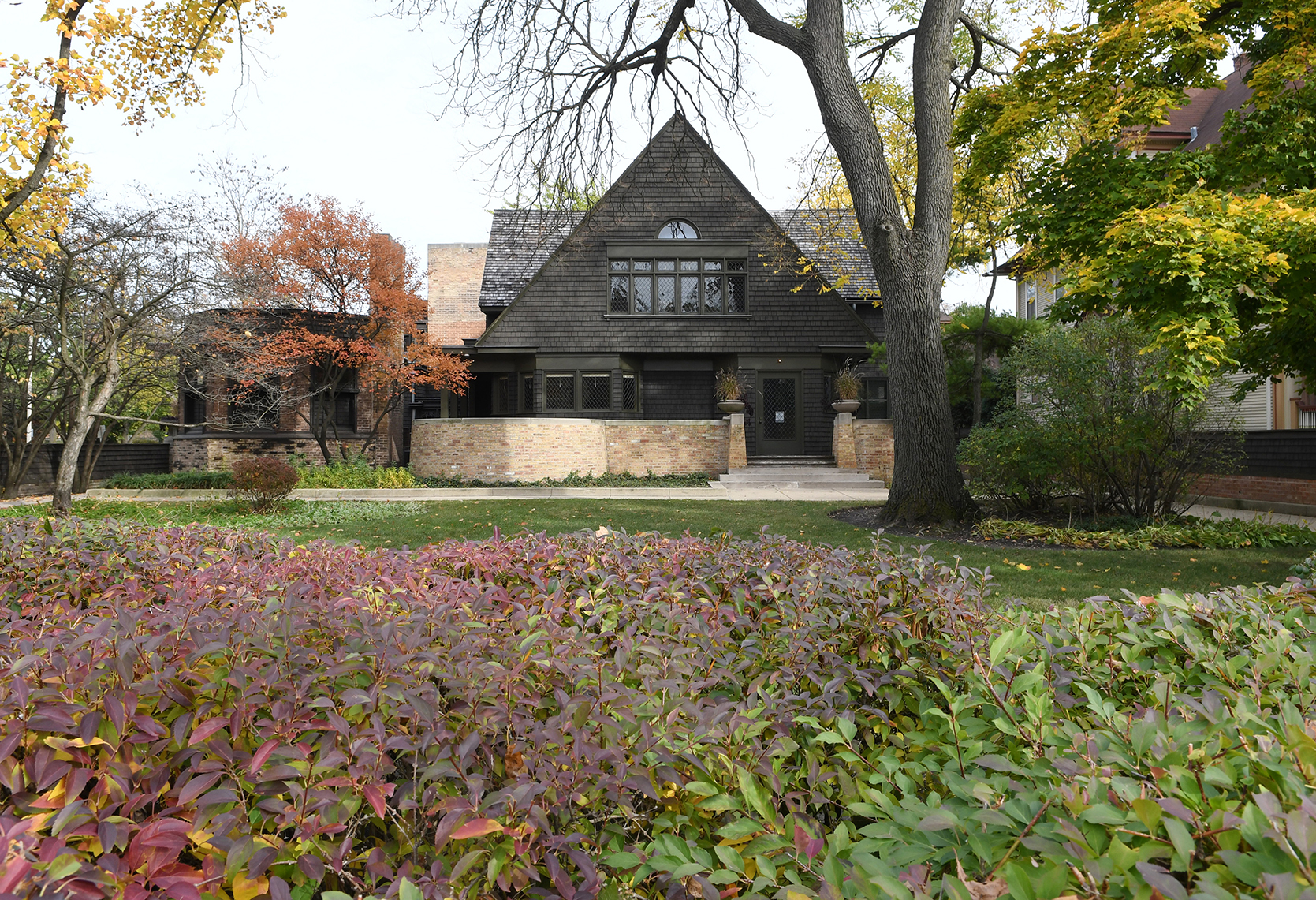
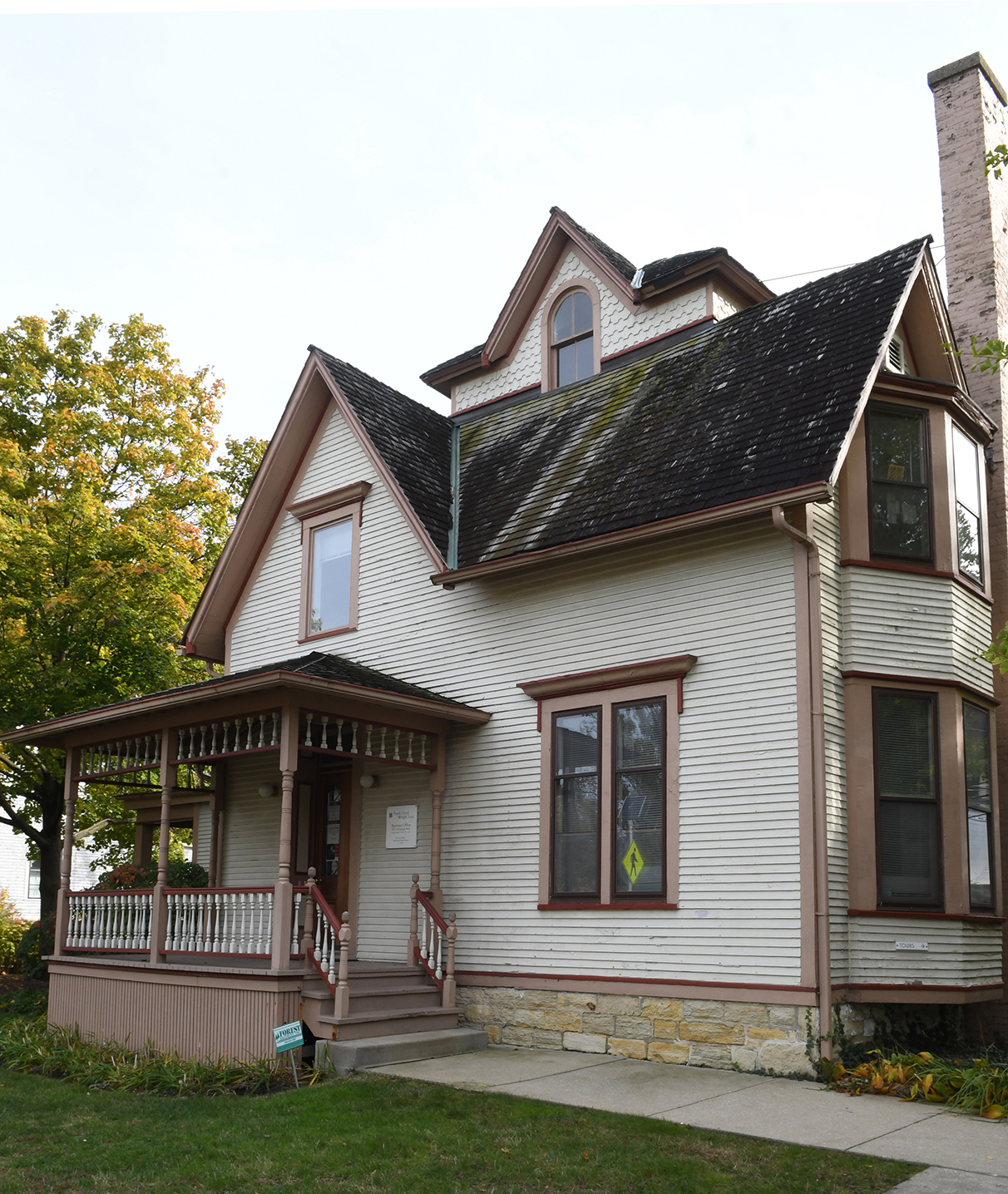


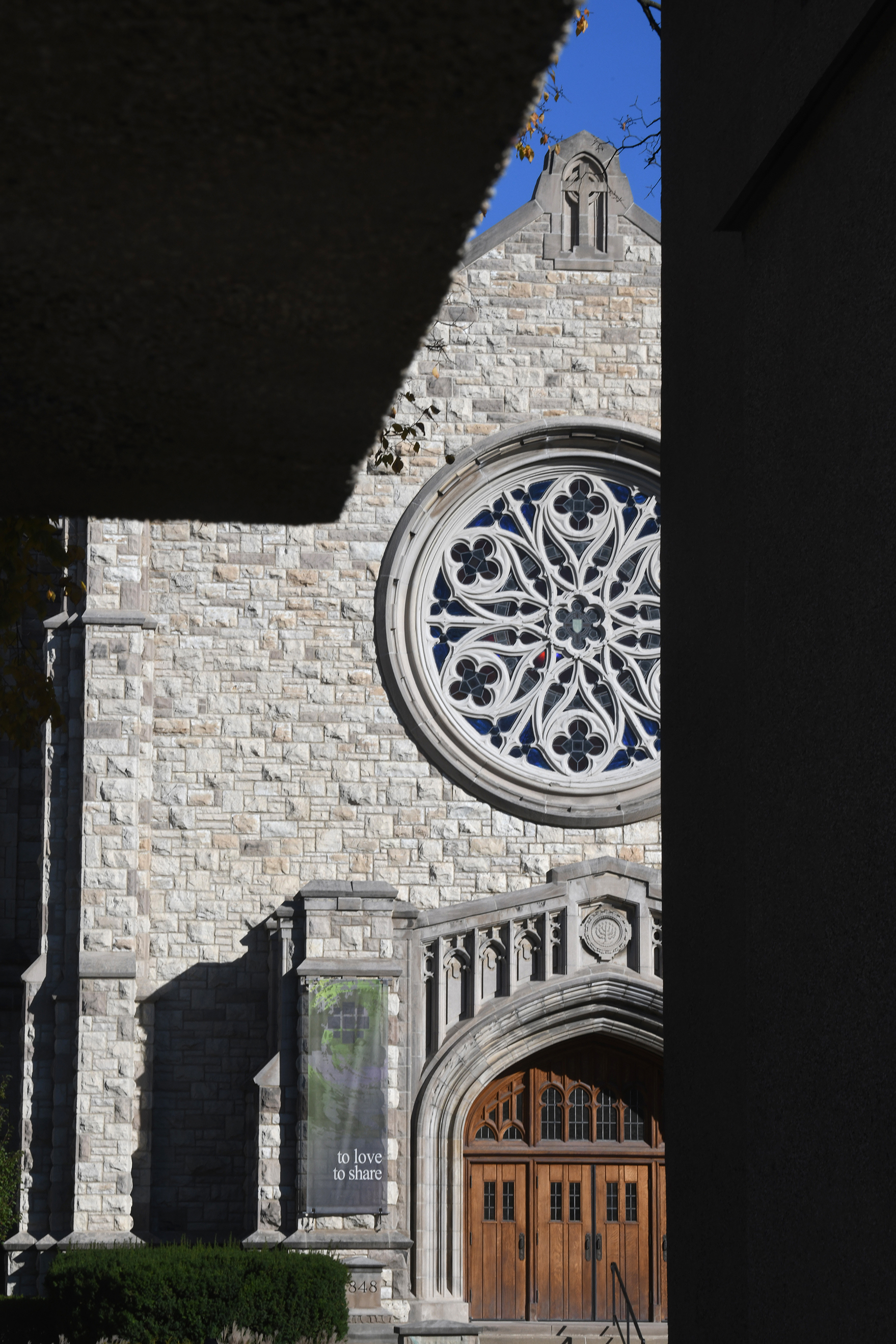 First United, framed by Unity Temple’s concrete walls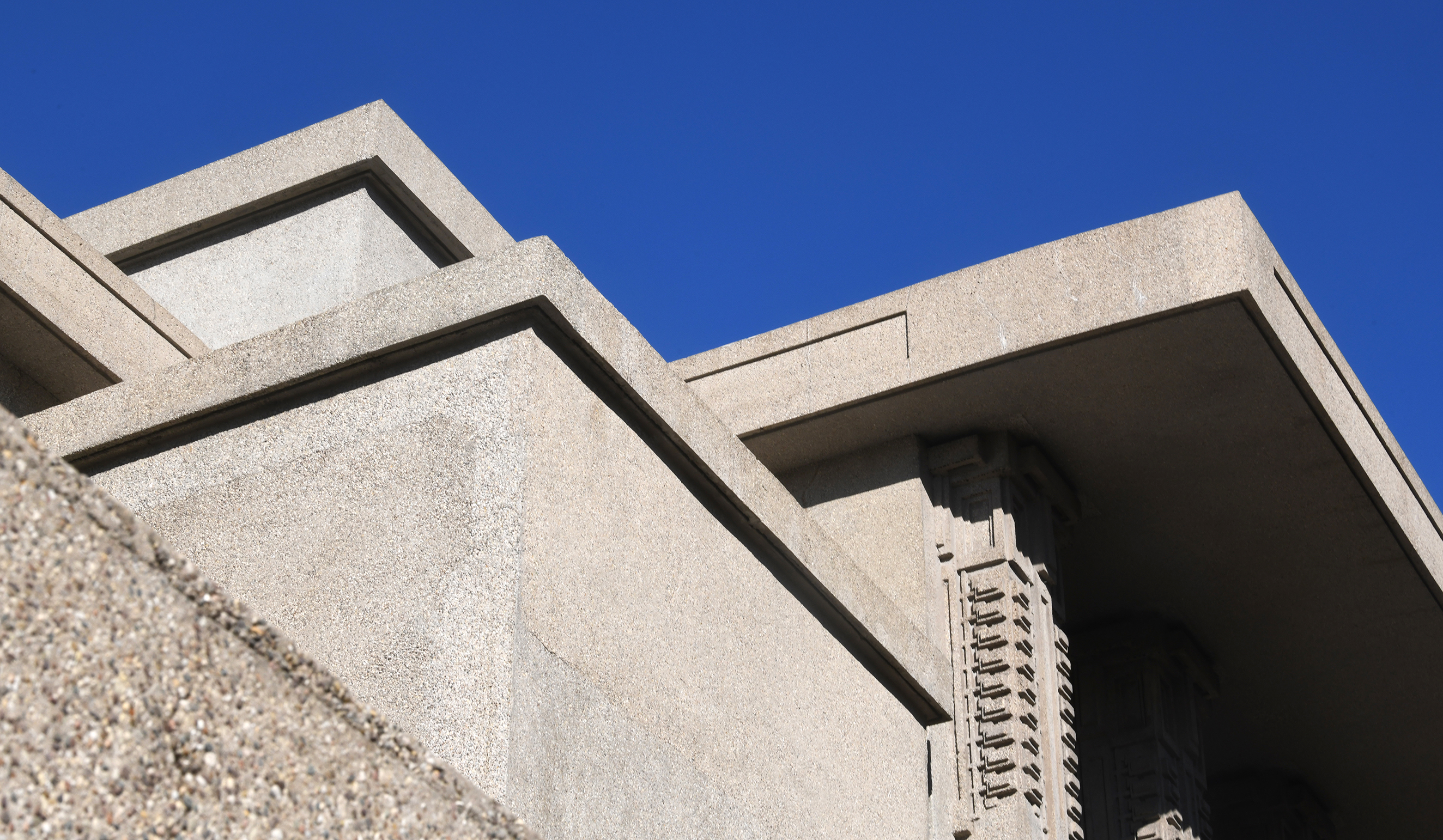














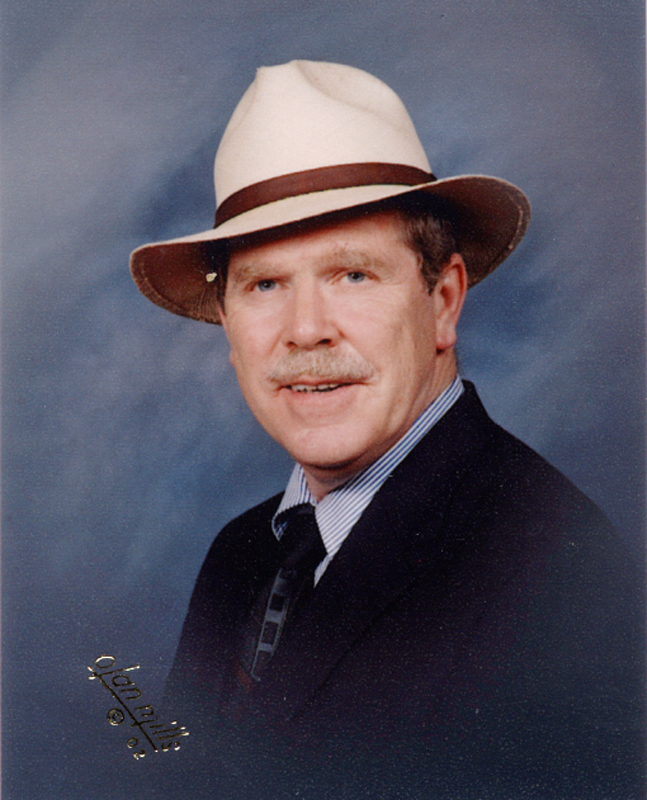 Photo by Olan Mills Studios





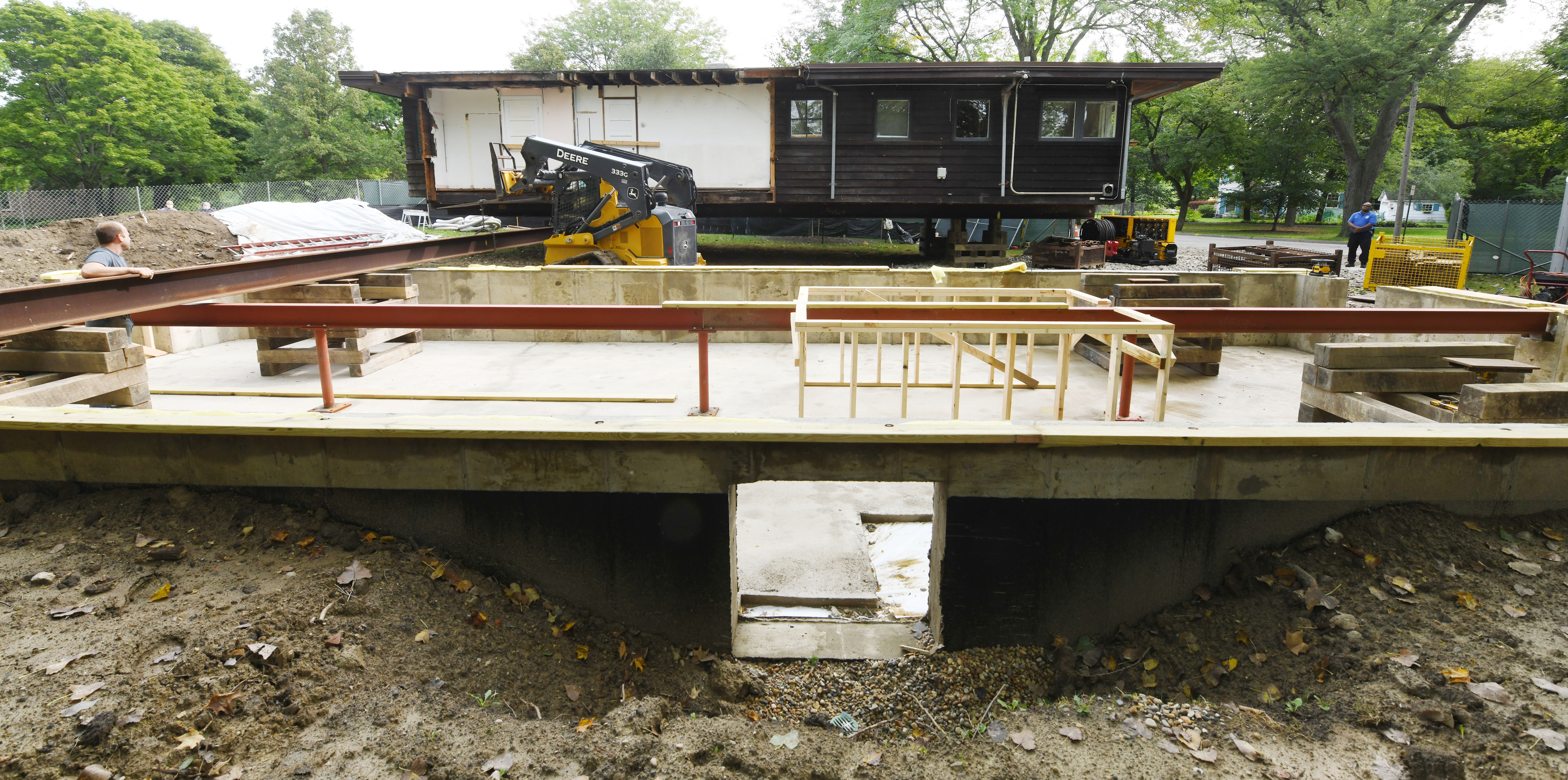
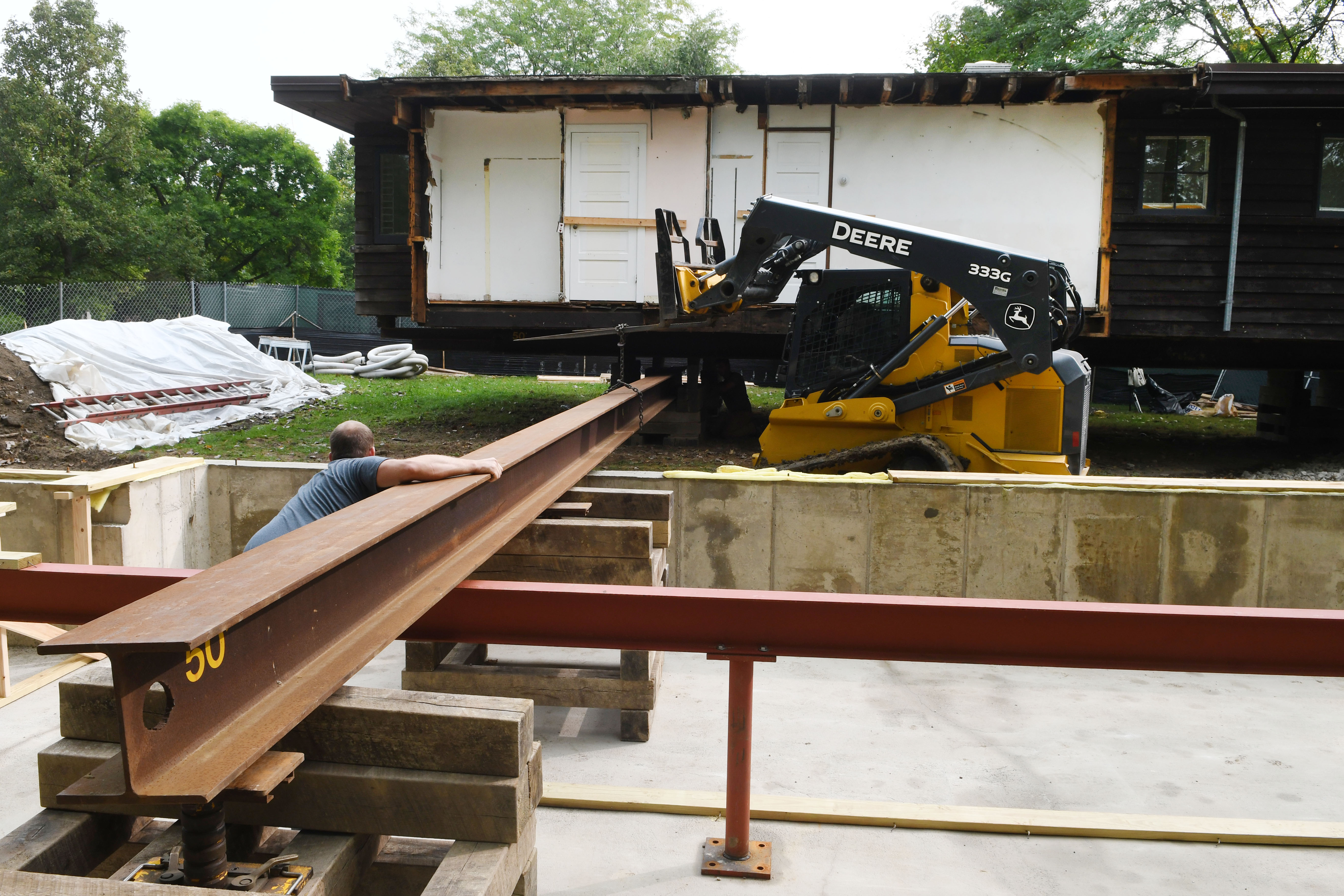
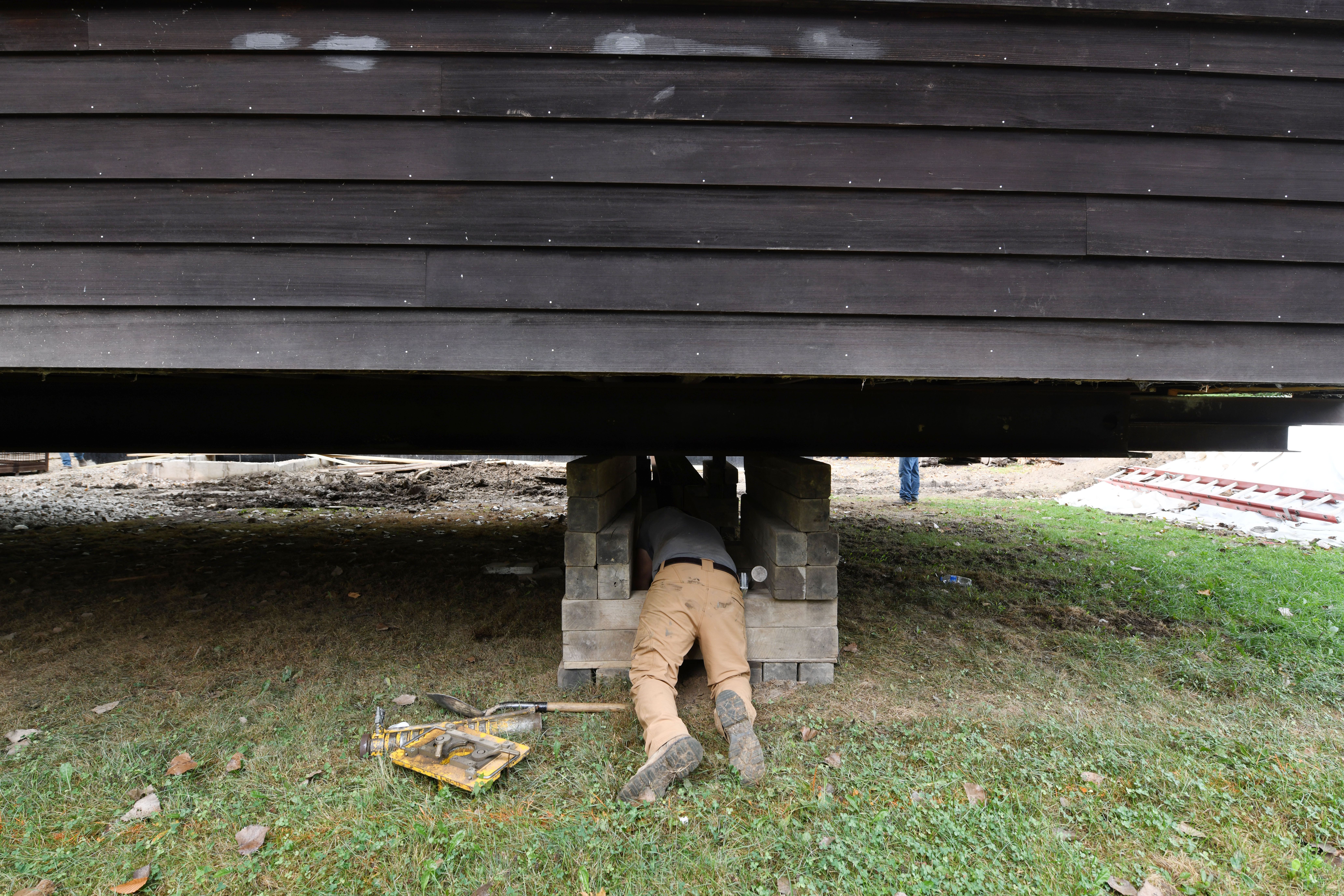
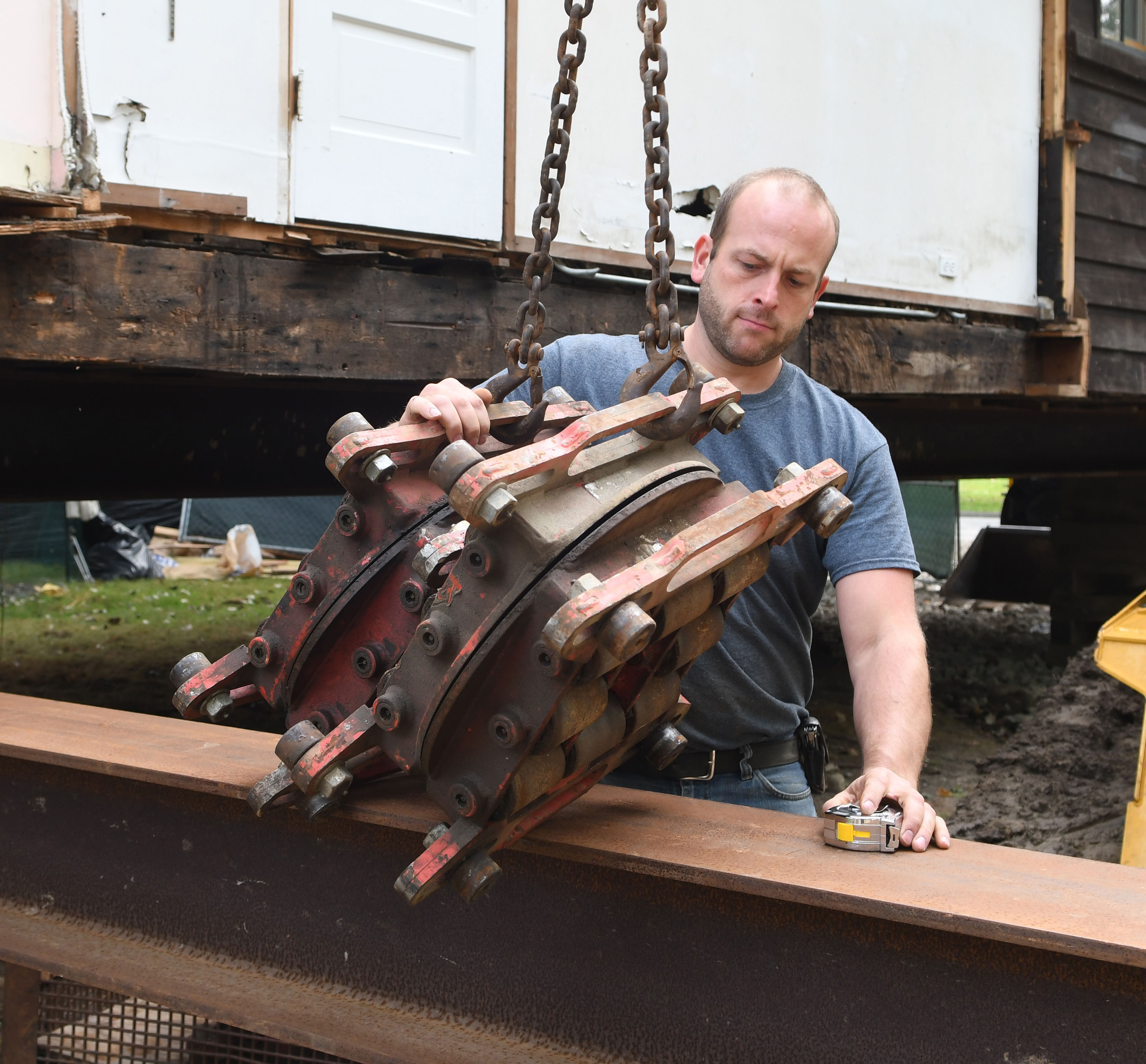 The house was nudged by the forks of a John Deere track loader on these rollers on 50′ long steel girders.
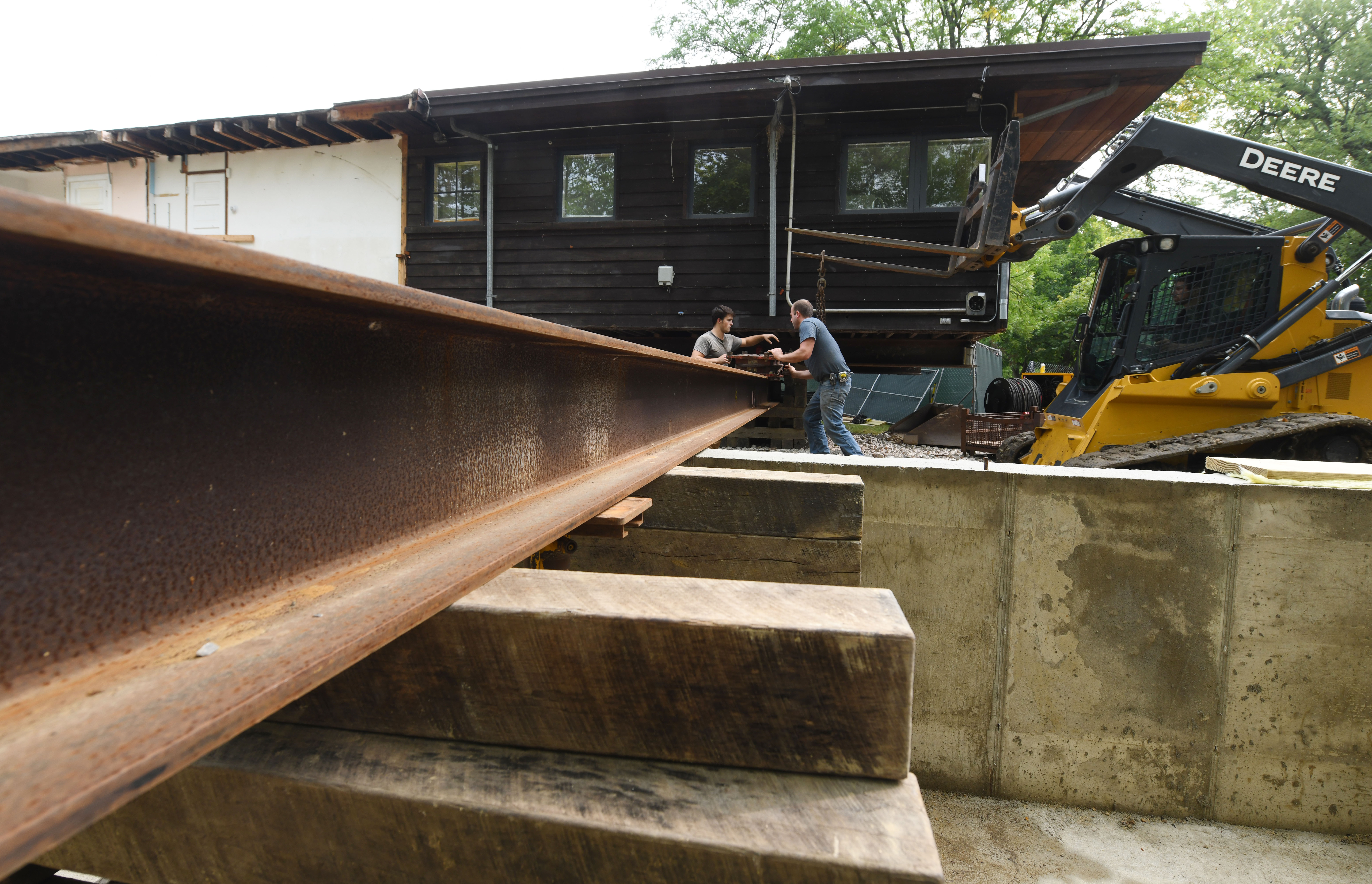

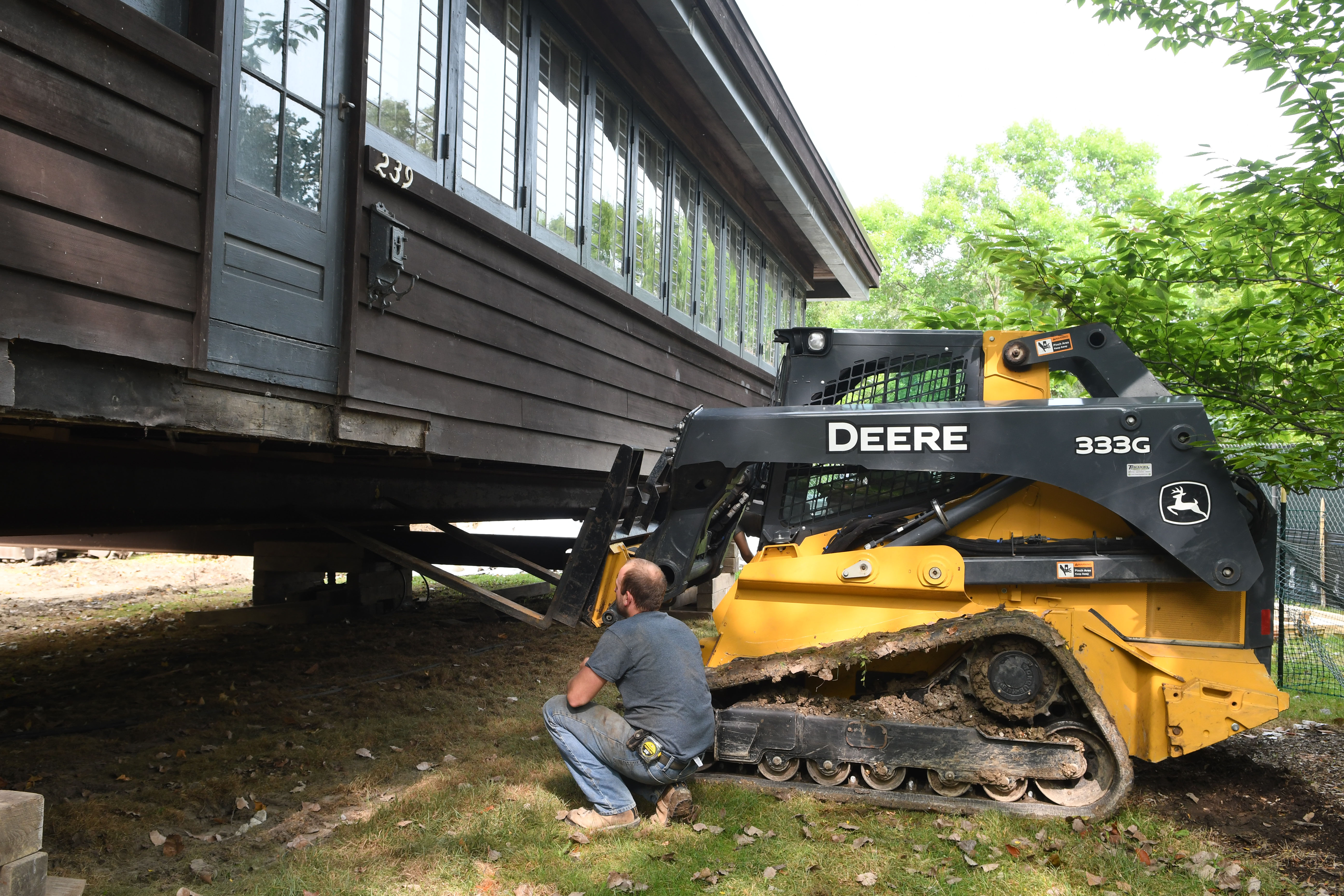
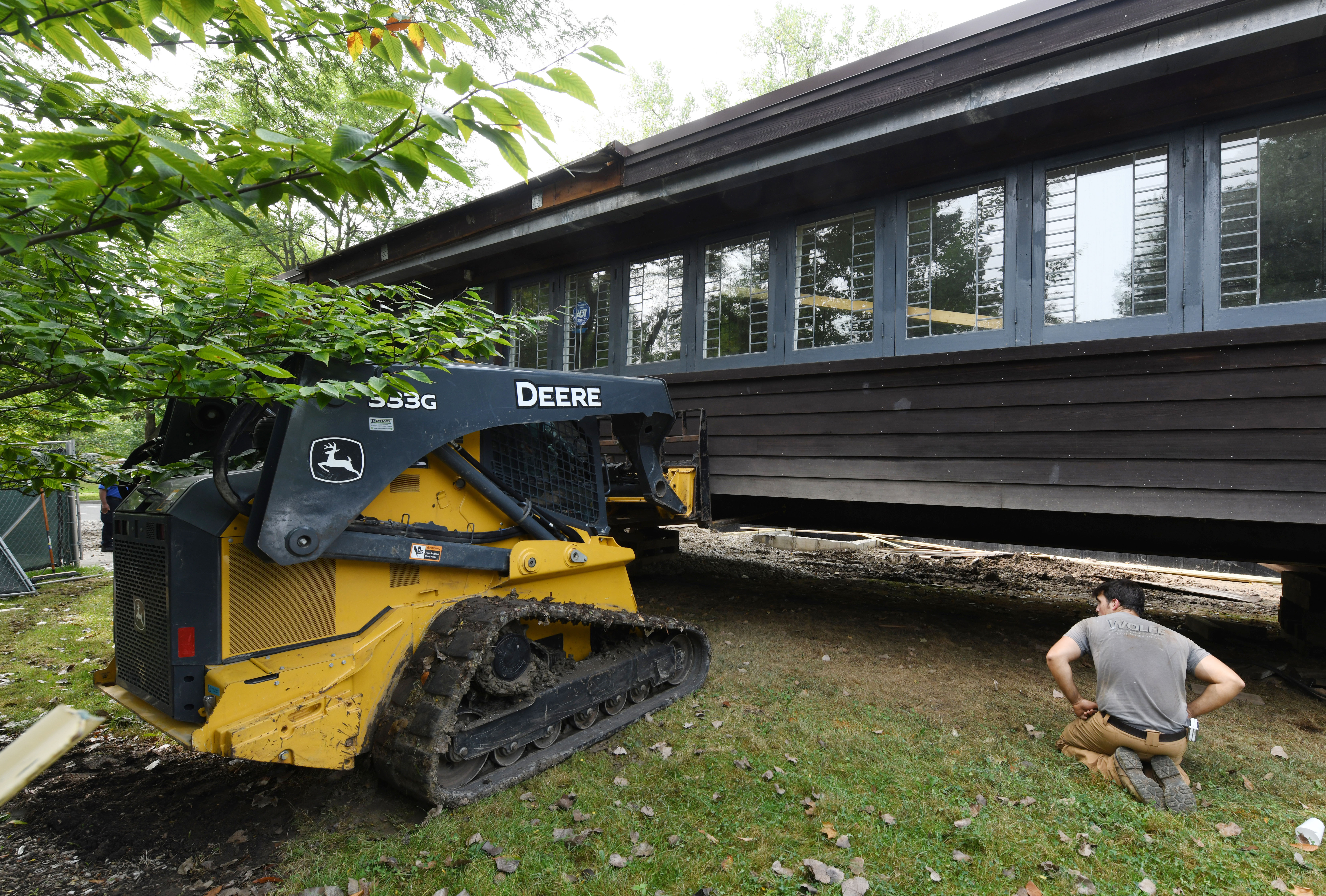

 An overhanging tree limb unexpectedly had to be cut down.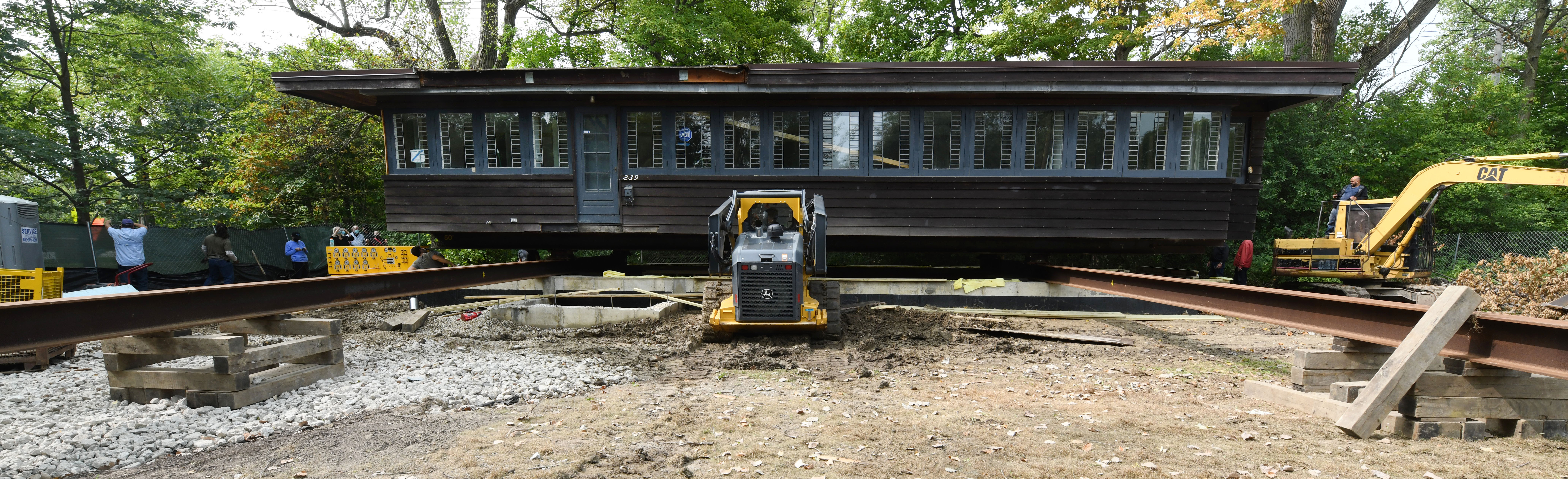
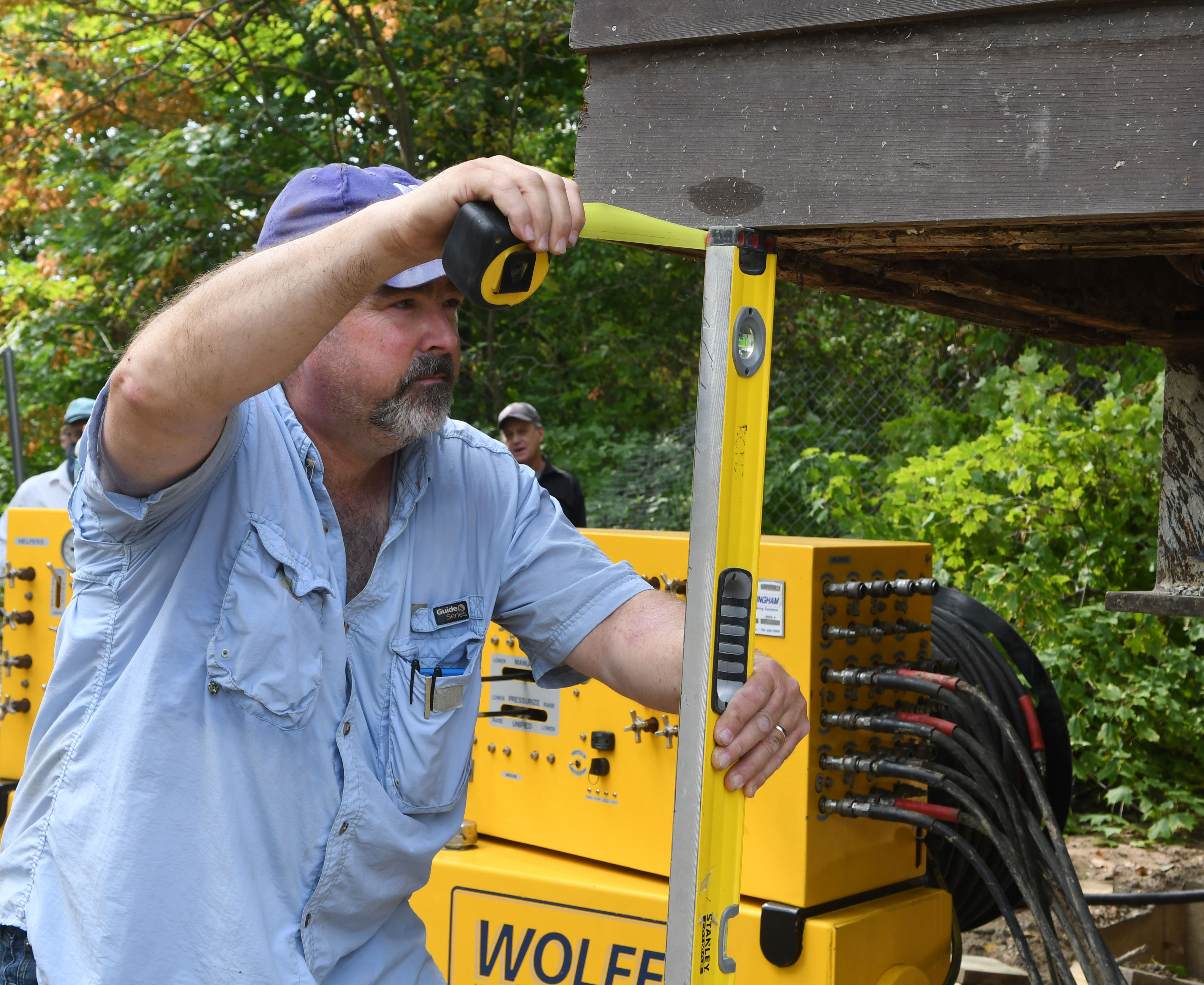 Measurements were taken throughout the morning…then it was time for a lunch break: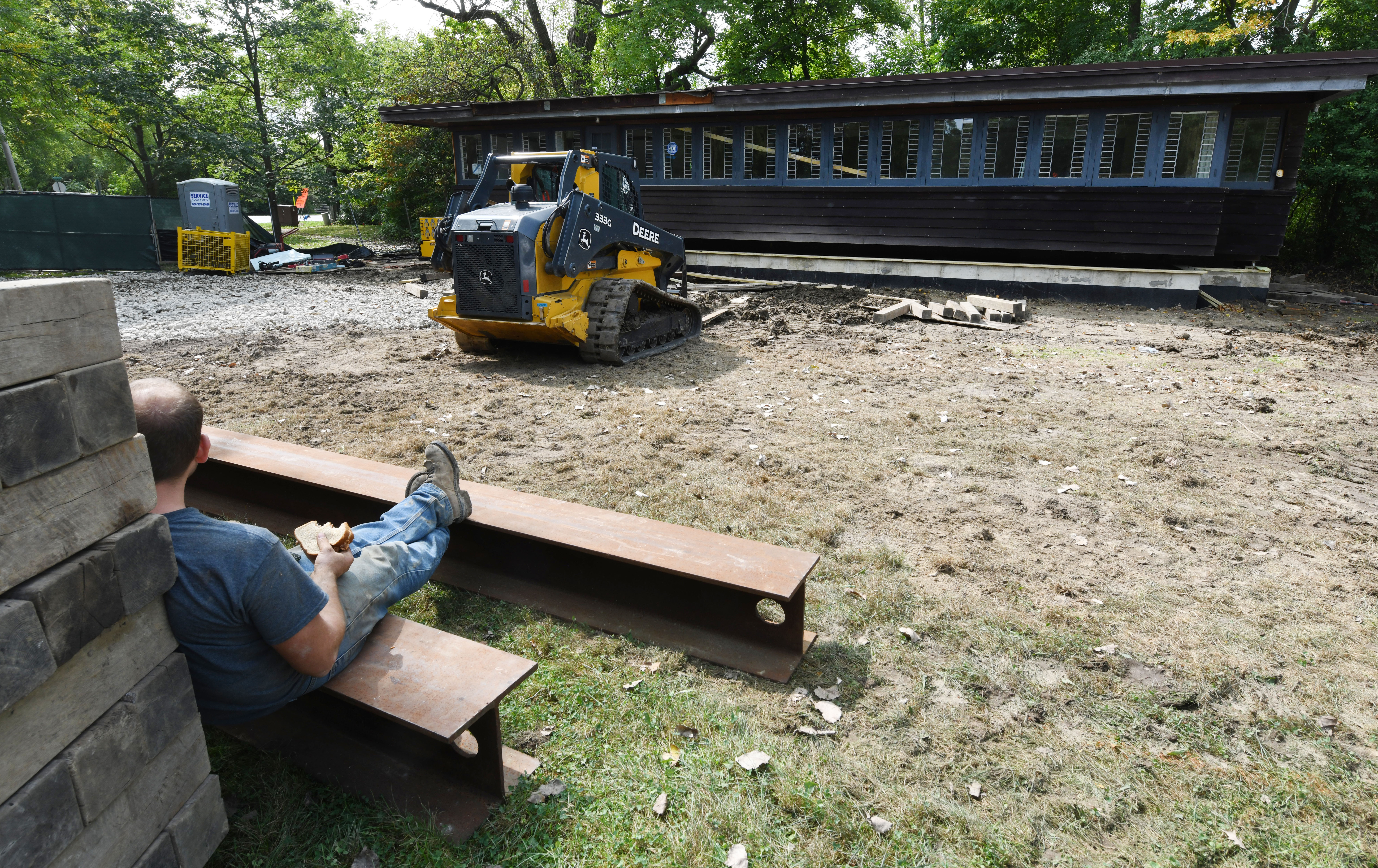

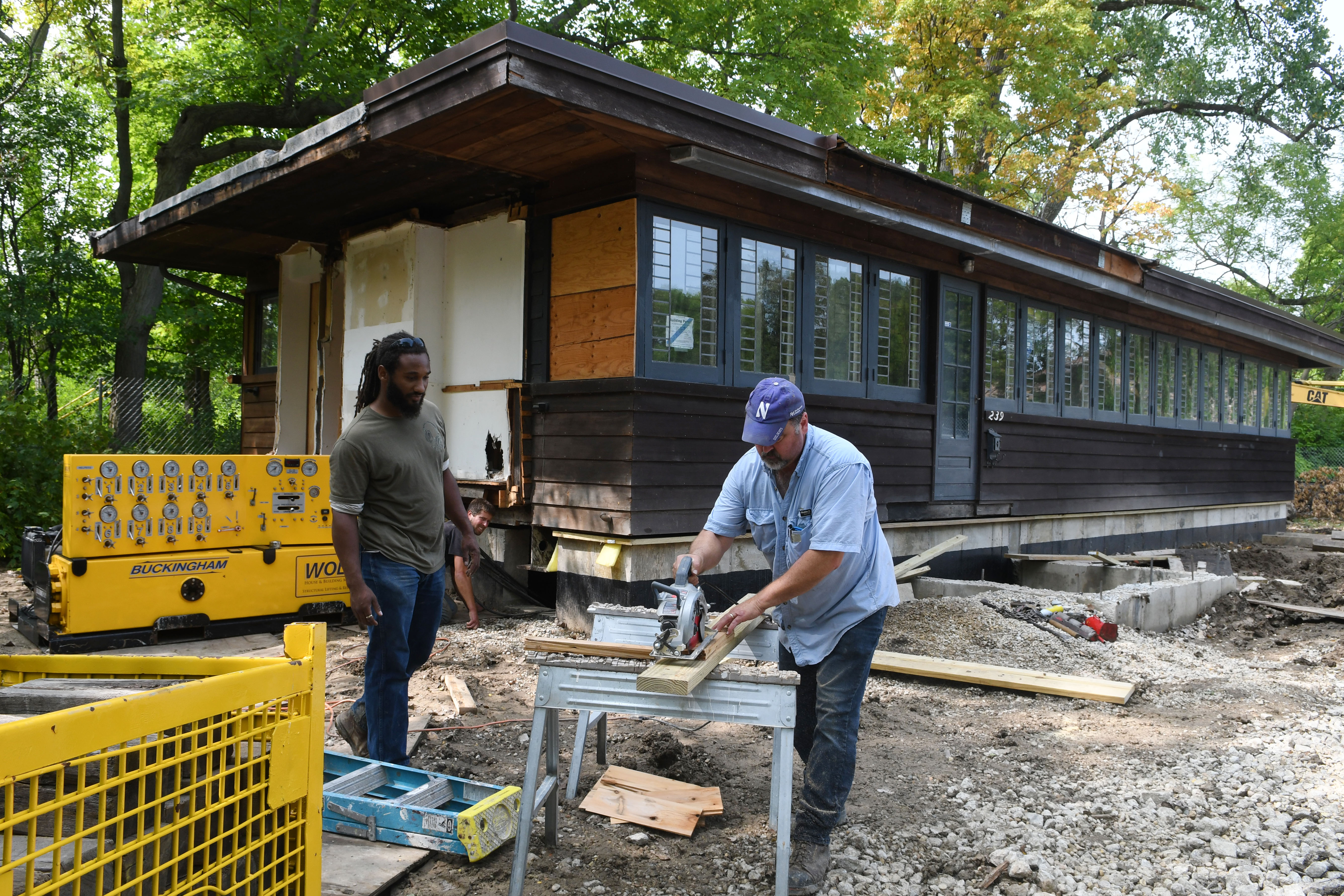 The house is finally in place and finish work is underway.
 Ron Scherubel, former executive director of the Frank Lloyd Wright Building Conservancy, has documented the entire project. He showed me a fire pit designed by Jens Jensen, just outside the fence line:

 Wright in Racine