
© Mark Hertzberg (2024)
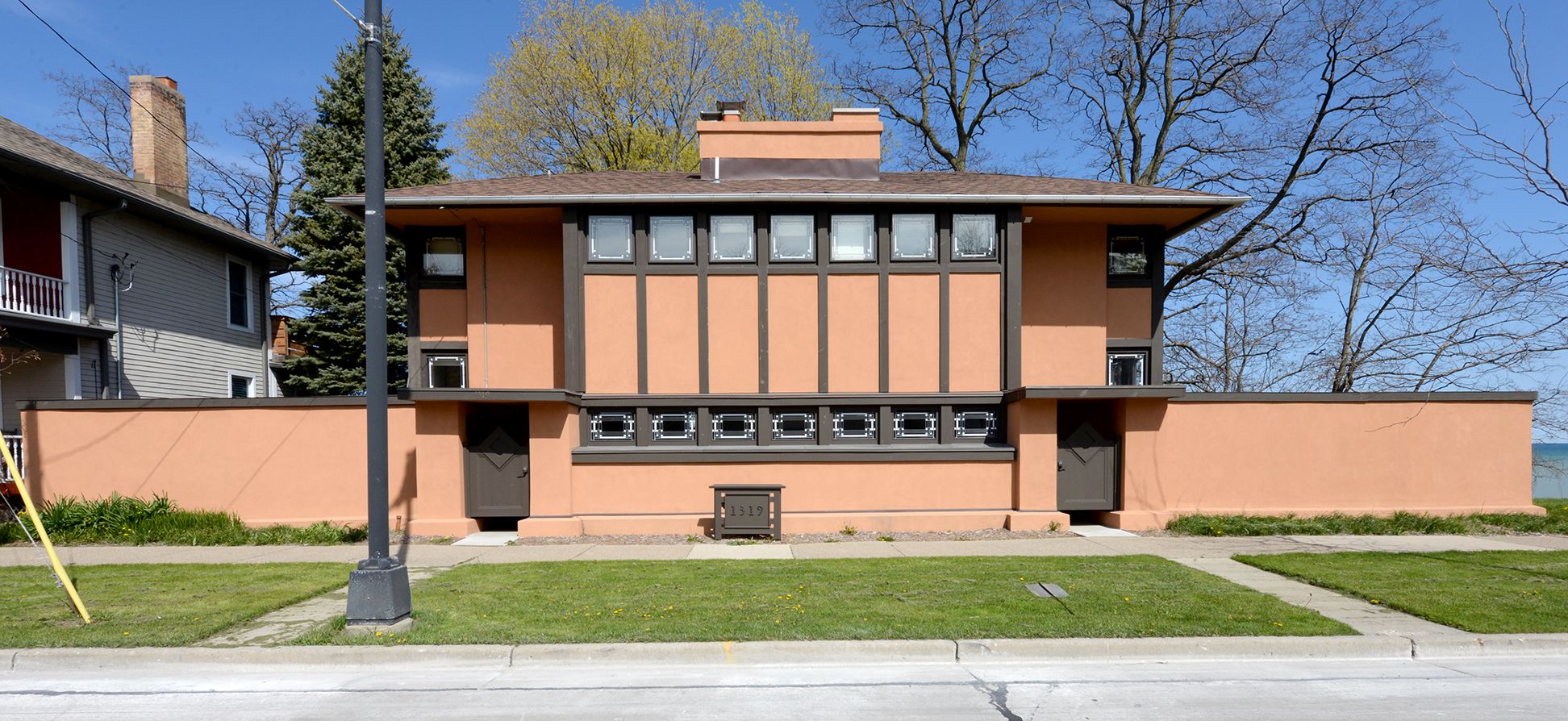
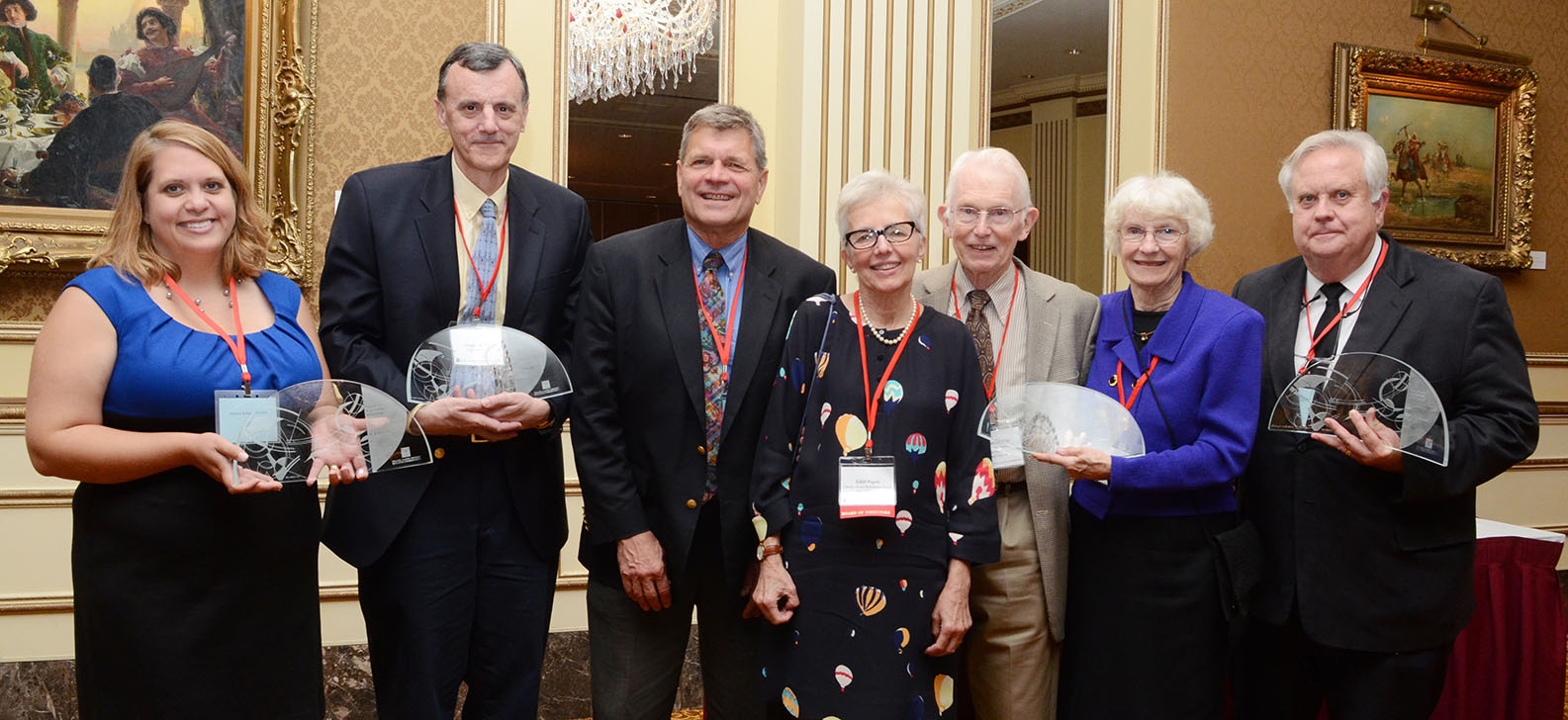
When the late Eugene (Gene) Szymczak considered buying Frank Lloyd Wright’s Thomas P. Hardy House in Racine, Wisconsin in 2012 he told me, “I don’t have children. This is something [save the house] I could do for Racine.” Indeed he did. He undertook a heroic rehabilitation and stabilization of the house.* Gene, left of center in the photo below, was awarded the prestigious Wright Spirit Award by the Frank Lloyd Wright Building Conservancy for his work on the house in 2015. He died unexpectedly a year later after an illness.
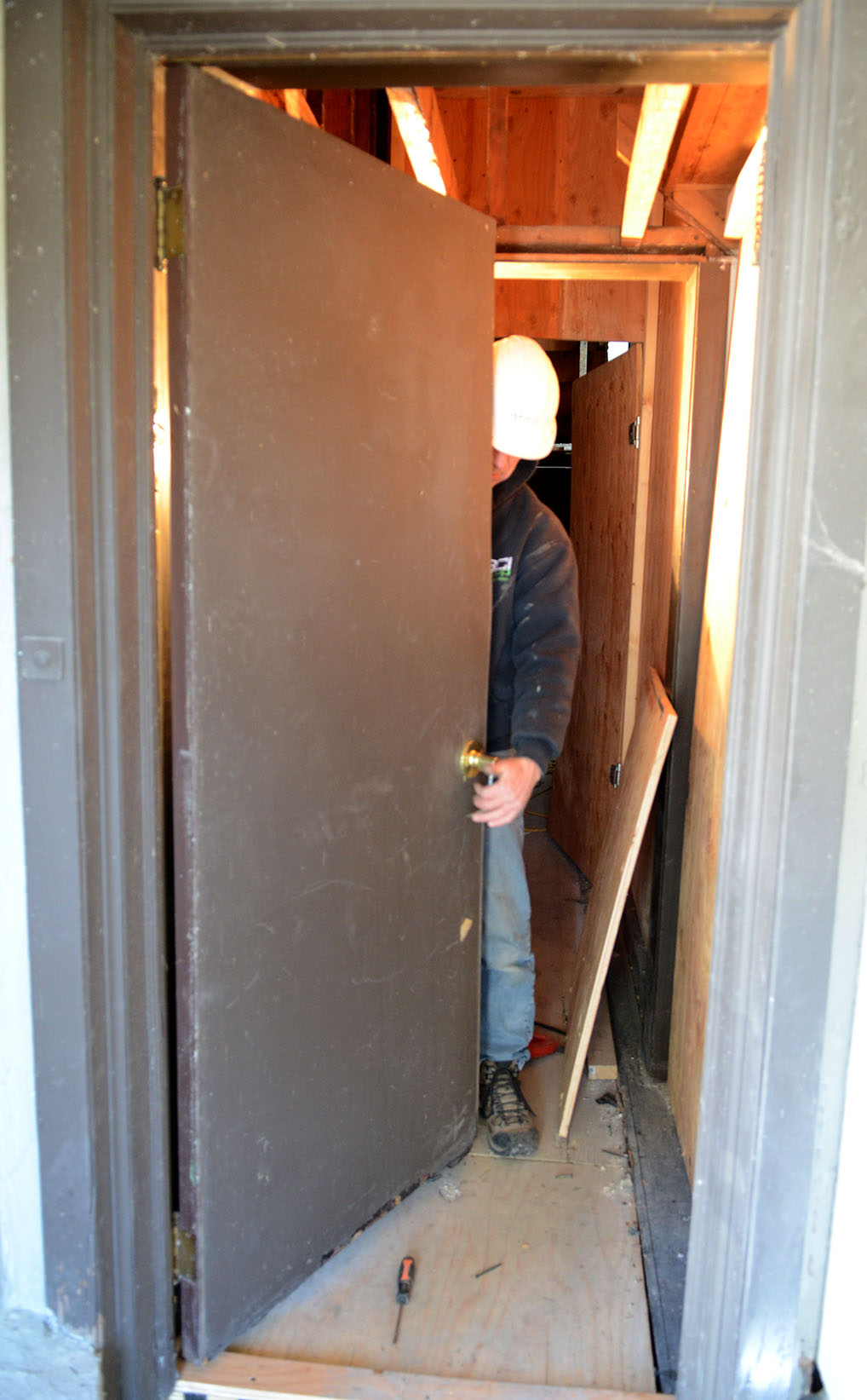
The house stayed in the family after Gene’s death. Tom Szymczak is one of Gene’s brothers. Tom recently completed a project which, he told me, was the last thing Gene wanted to accomplish at the house. The house was built with two pocket doors. They were replaced by conventional, hinged plain wood doors by the third stewards of the house, David and Mary Archer, between 1947 and 1957:
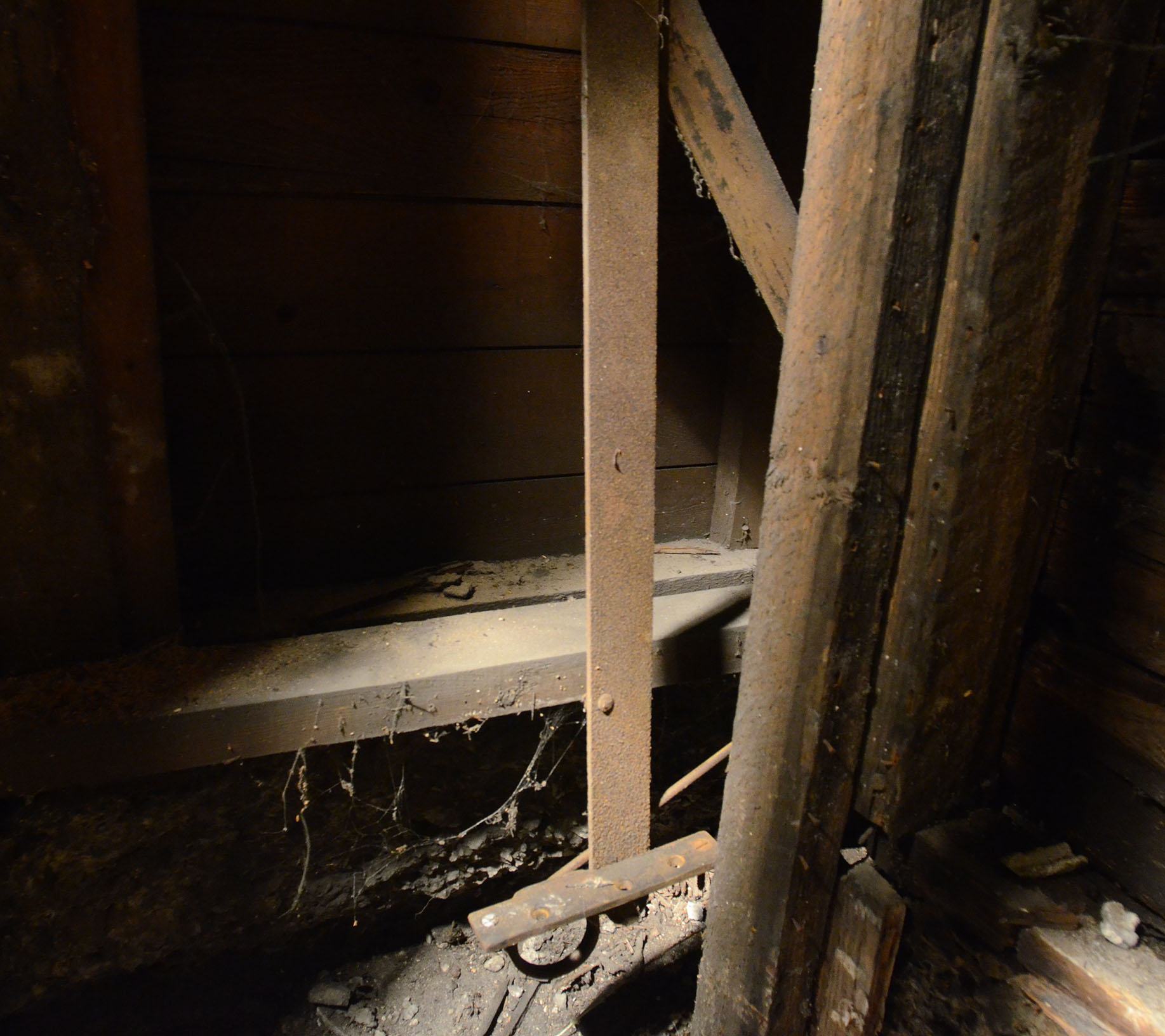
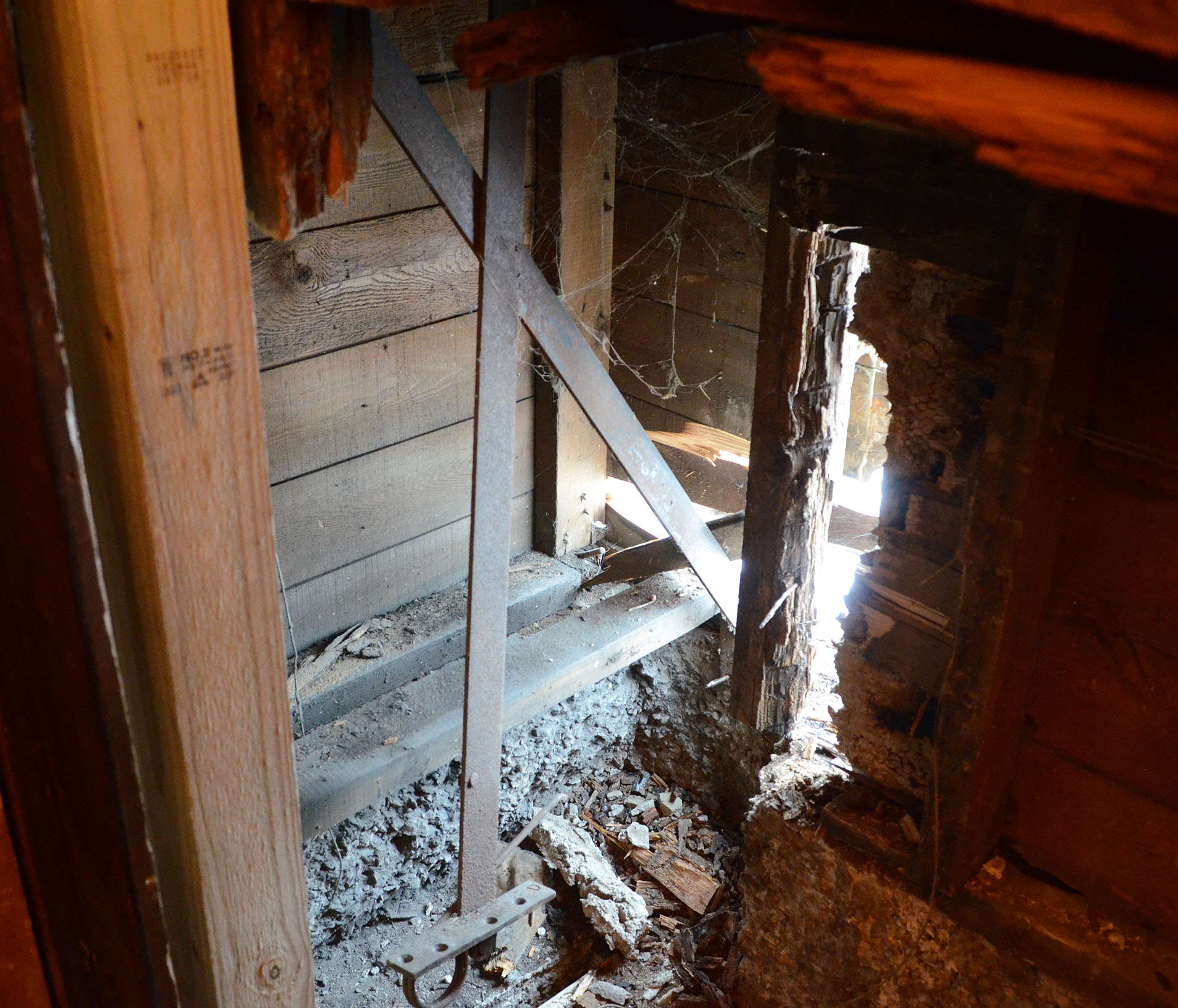
Gene decided to put pocket doors back in the house in 2013. He chose sliding glass patio-style doors so he could look into the two courtyards from the entry hall. The heavy metal arms that opened and closed the pocket doors were left in place, and were found in 2013:

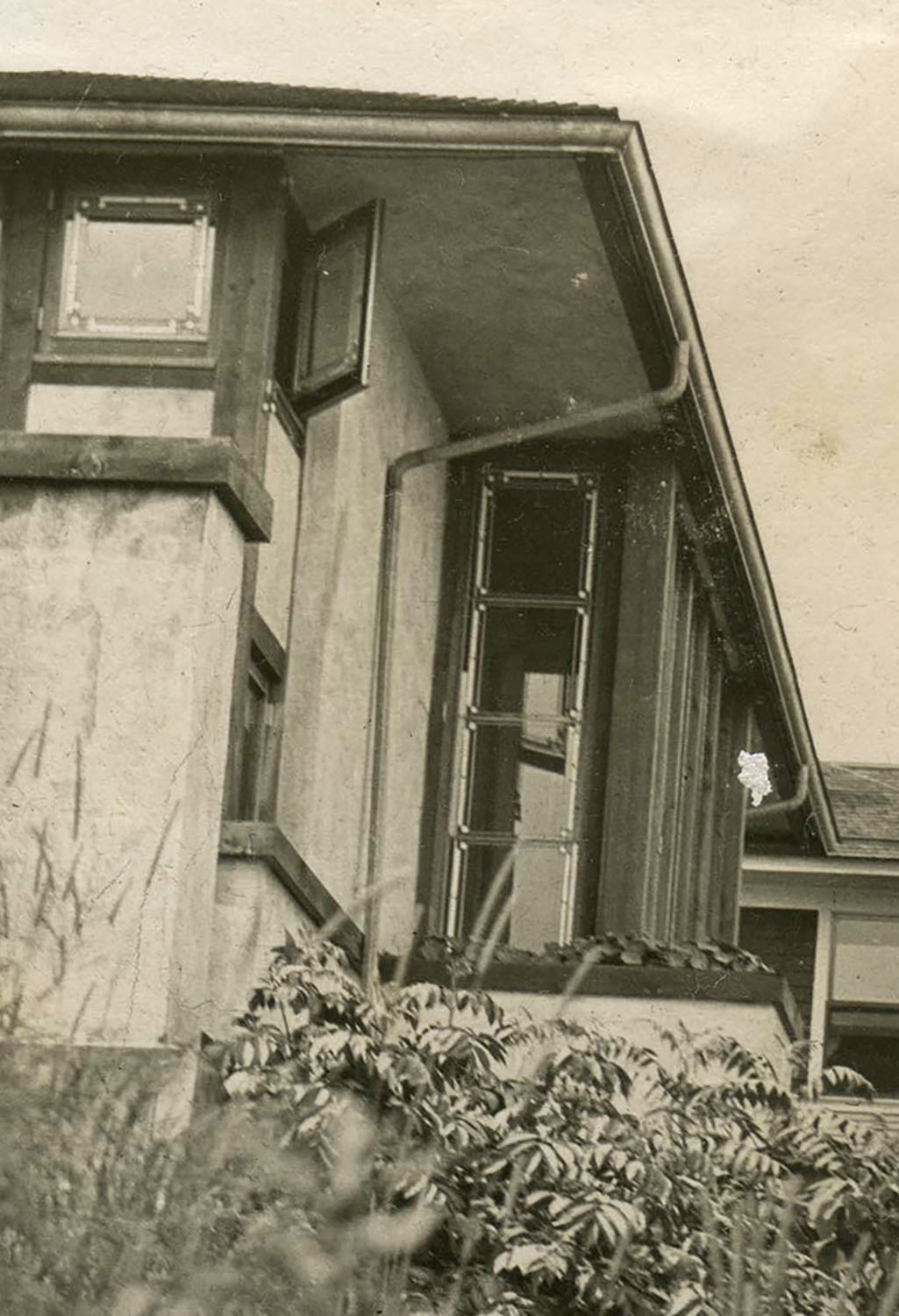
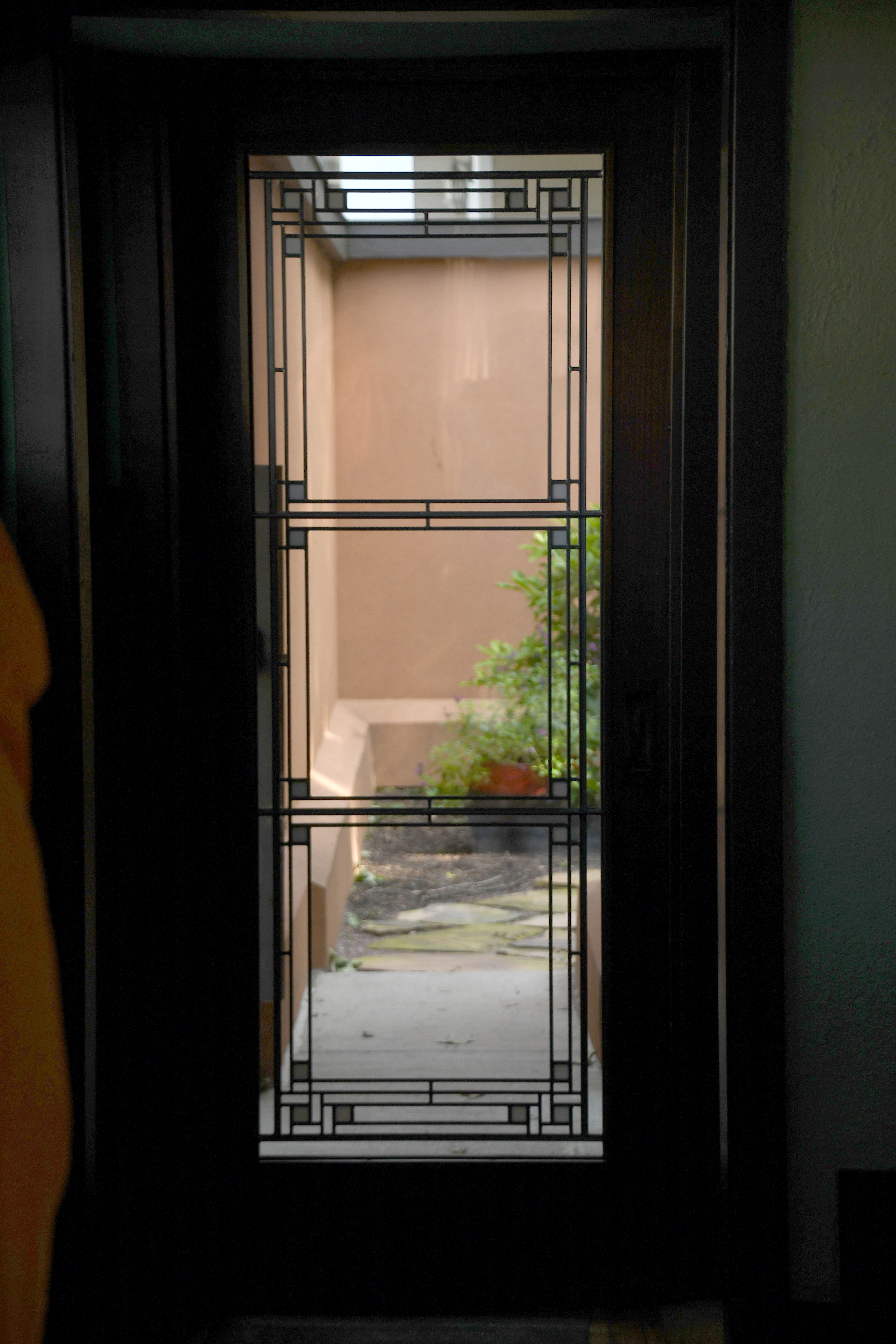
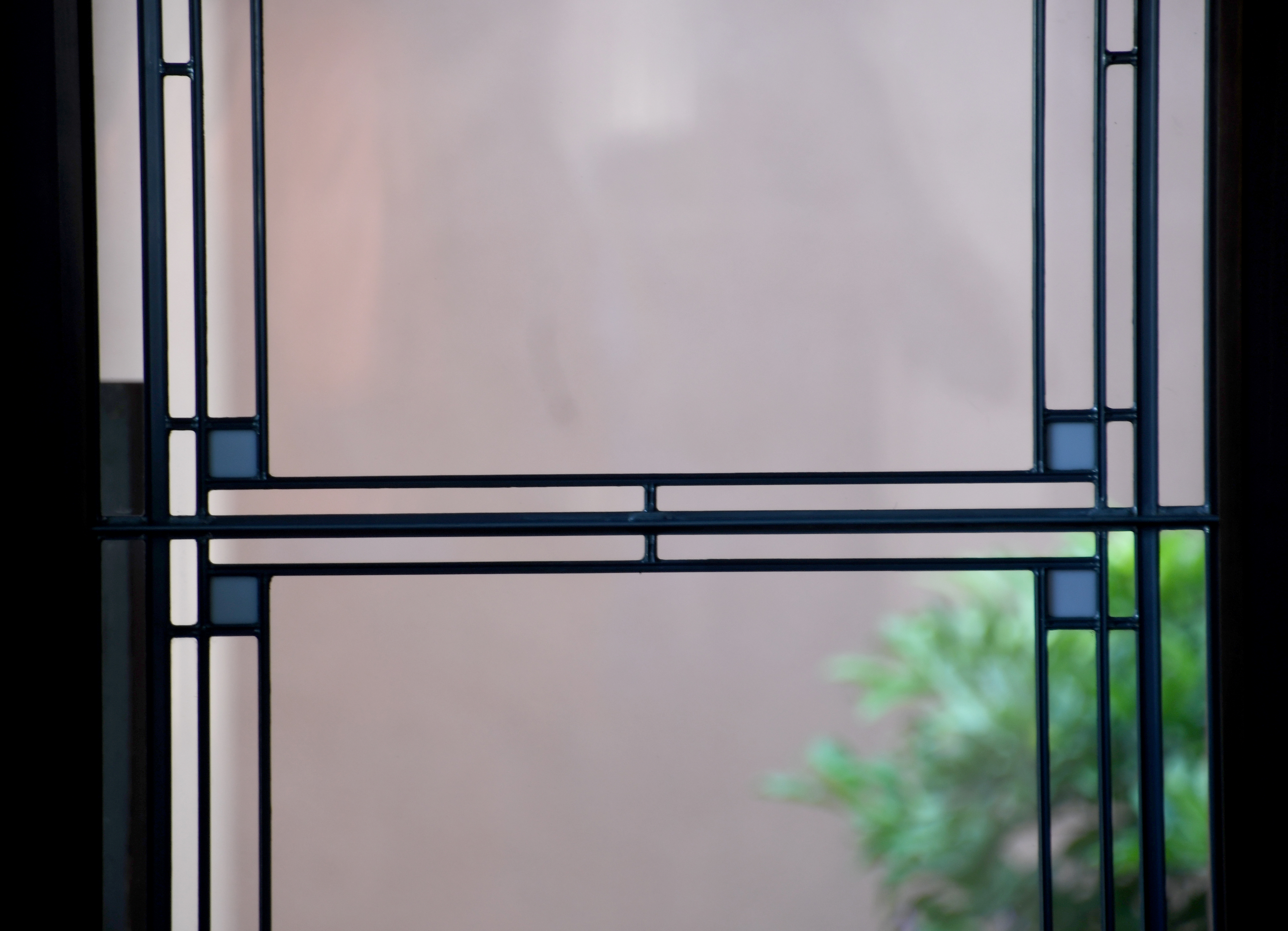
The house was built with leaded glass windows throughout, including in the dramatic two-story living room overlooking Lake Michigan. Anne Ruetz, whose parents were second stewards of the house (1938 – 1947) told me her parents replaced the windows with plain glass ones because the original ones leaked. When Gene put in energy efficient windows he jokingly told me that the next owners of the house could bear the expense of replicating Wright’s window design. Little did he know, of course, that he would be shifting the burden to his brother. 1908 photographs, which are used courtesy of the OA + D Archives, show the original leaded glass living room windows:
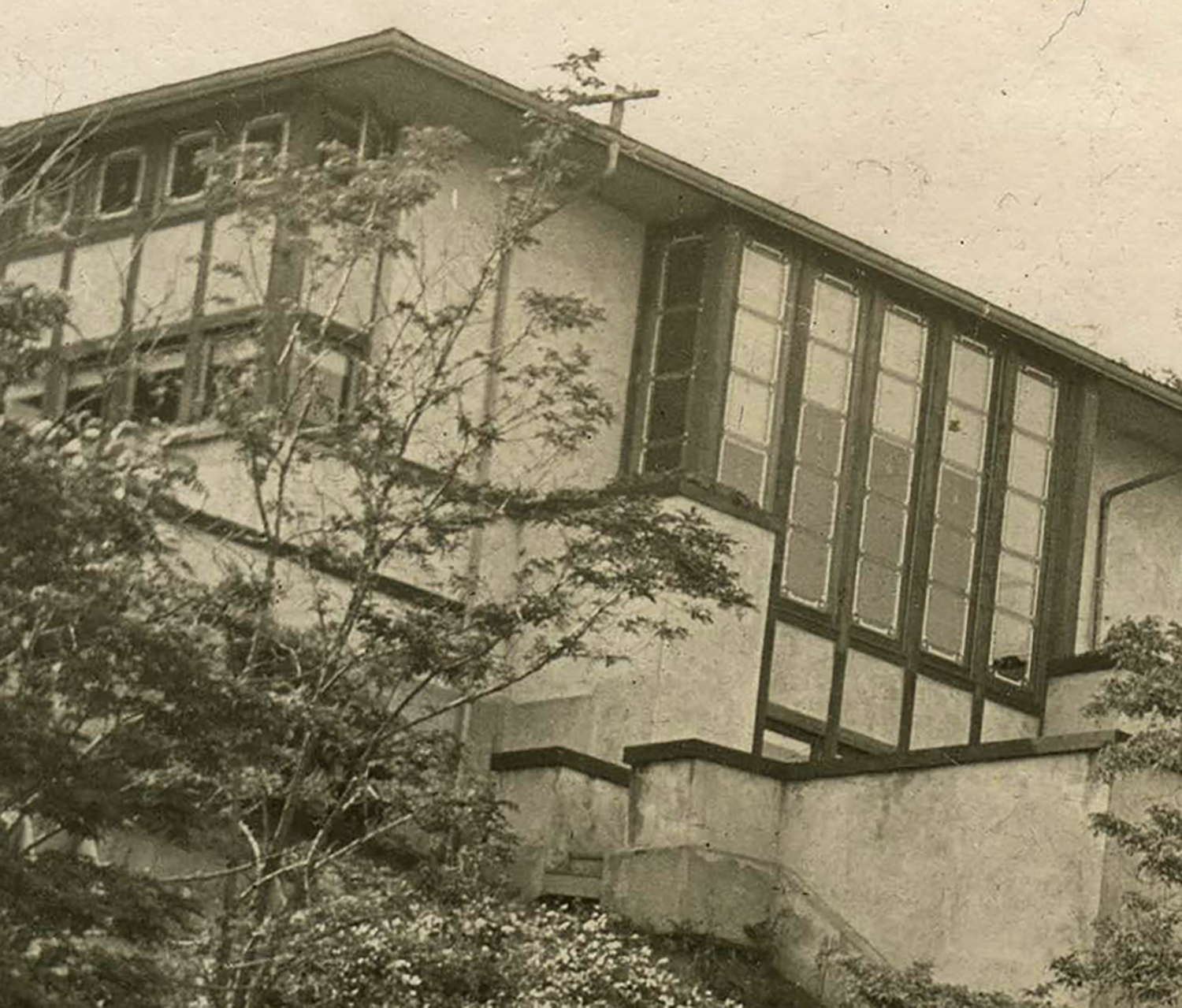
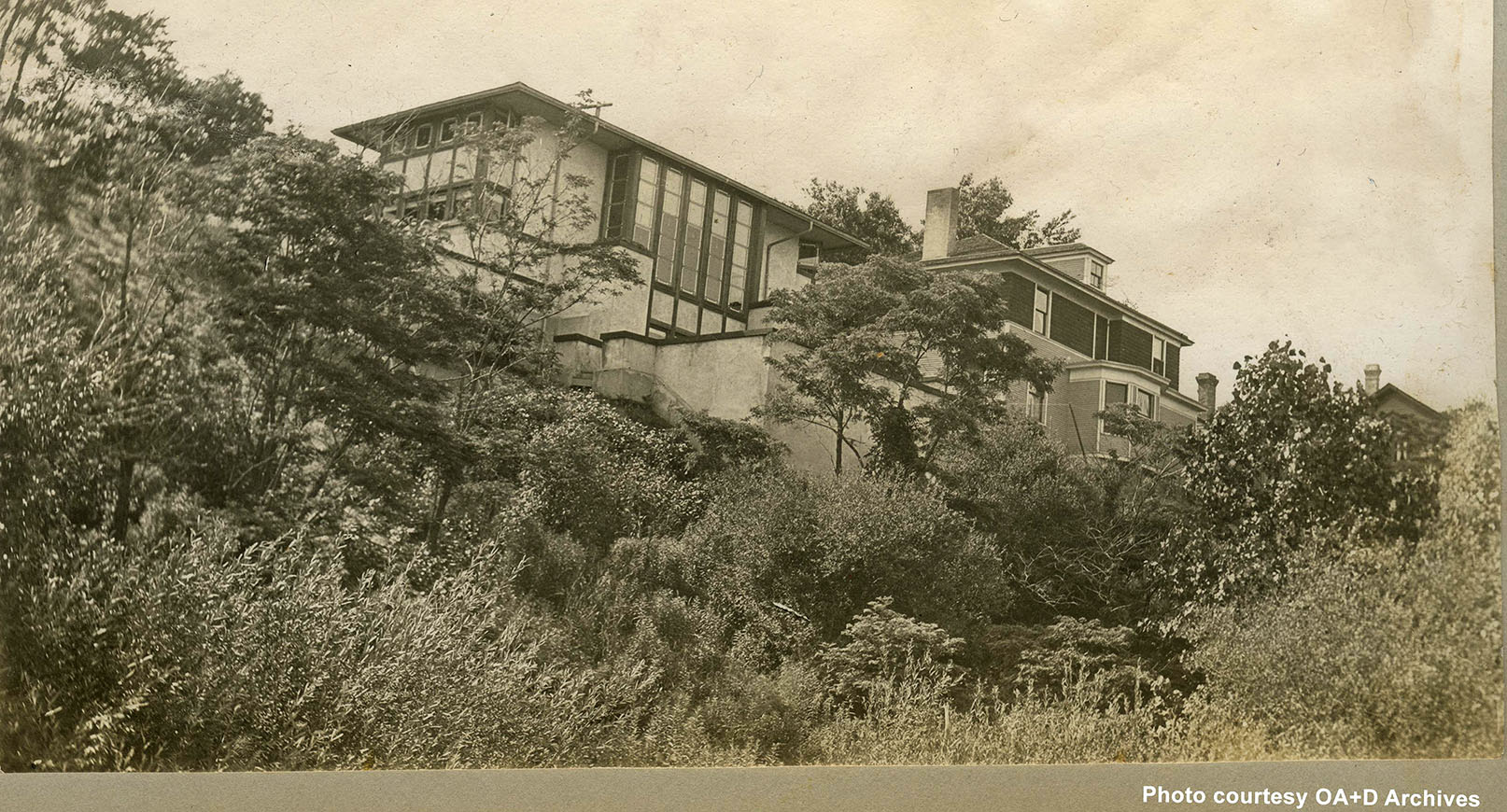
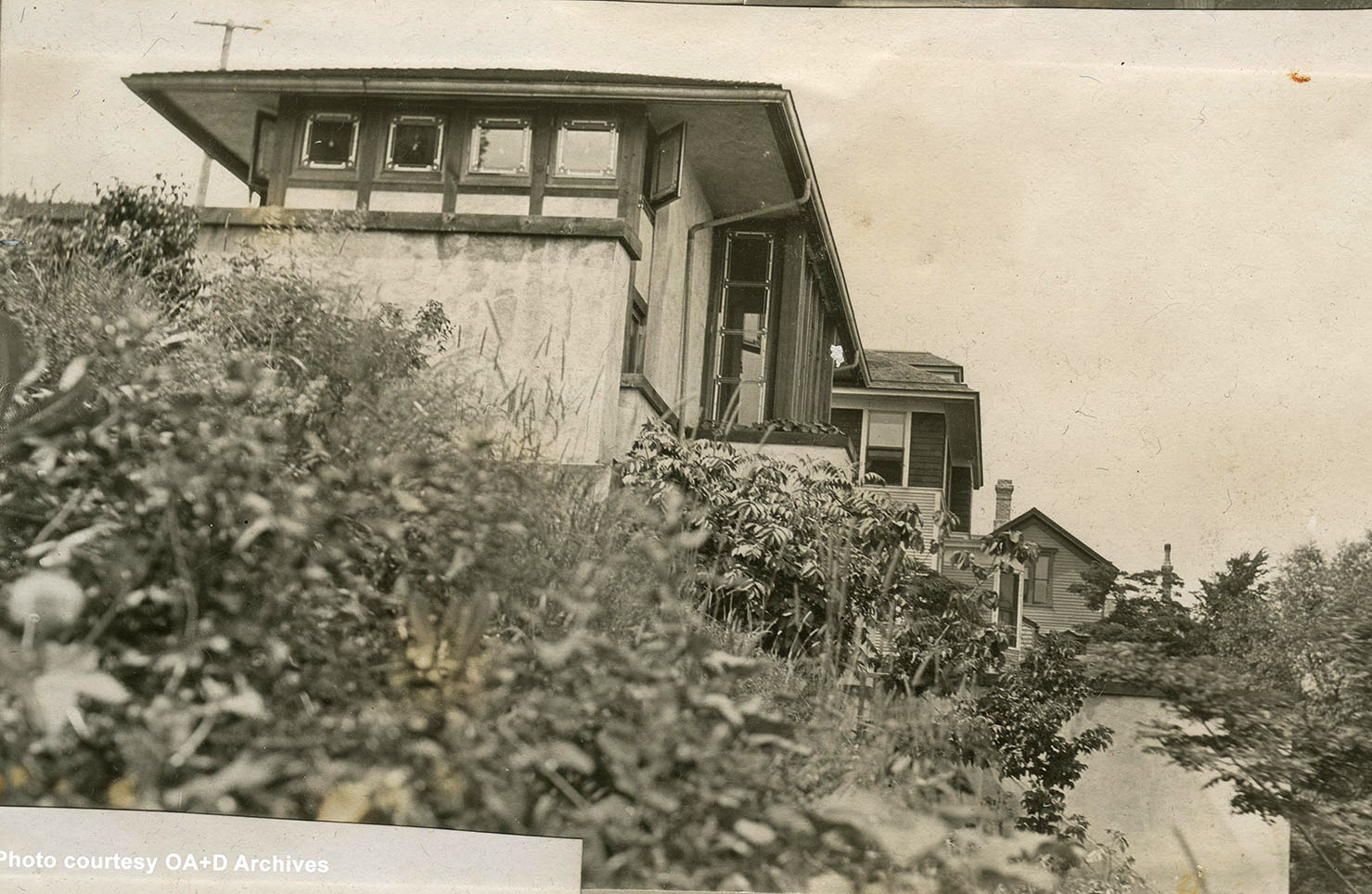
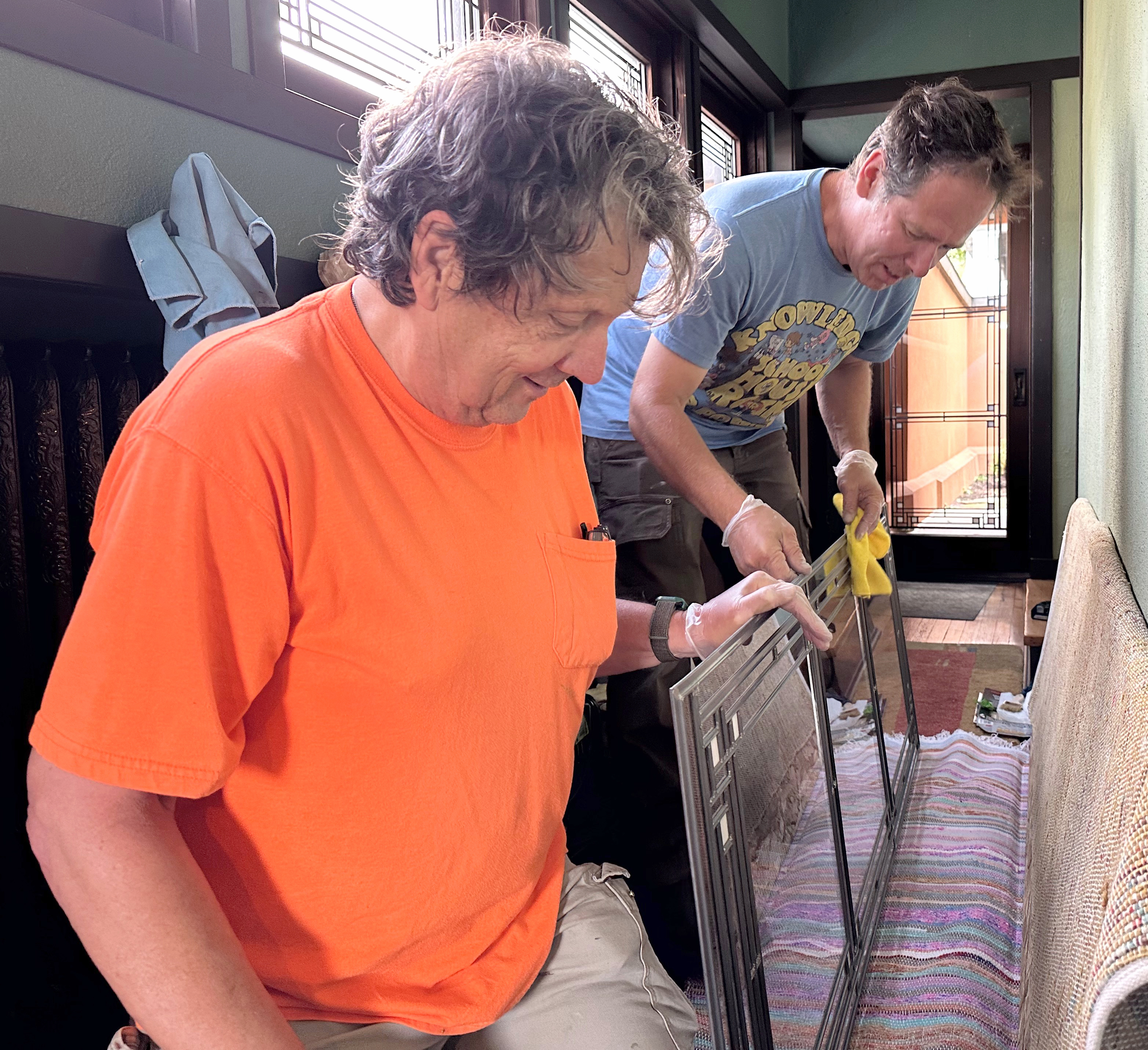
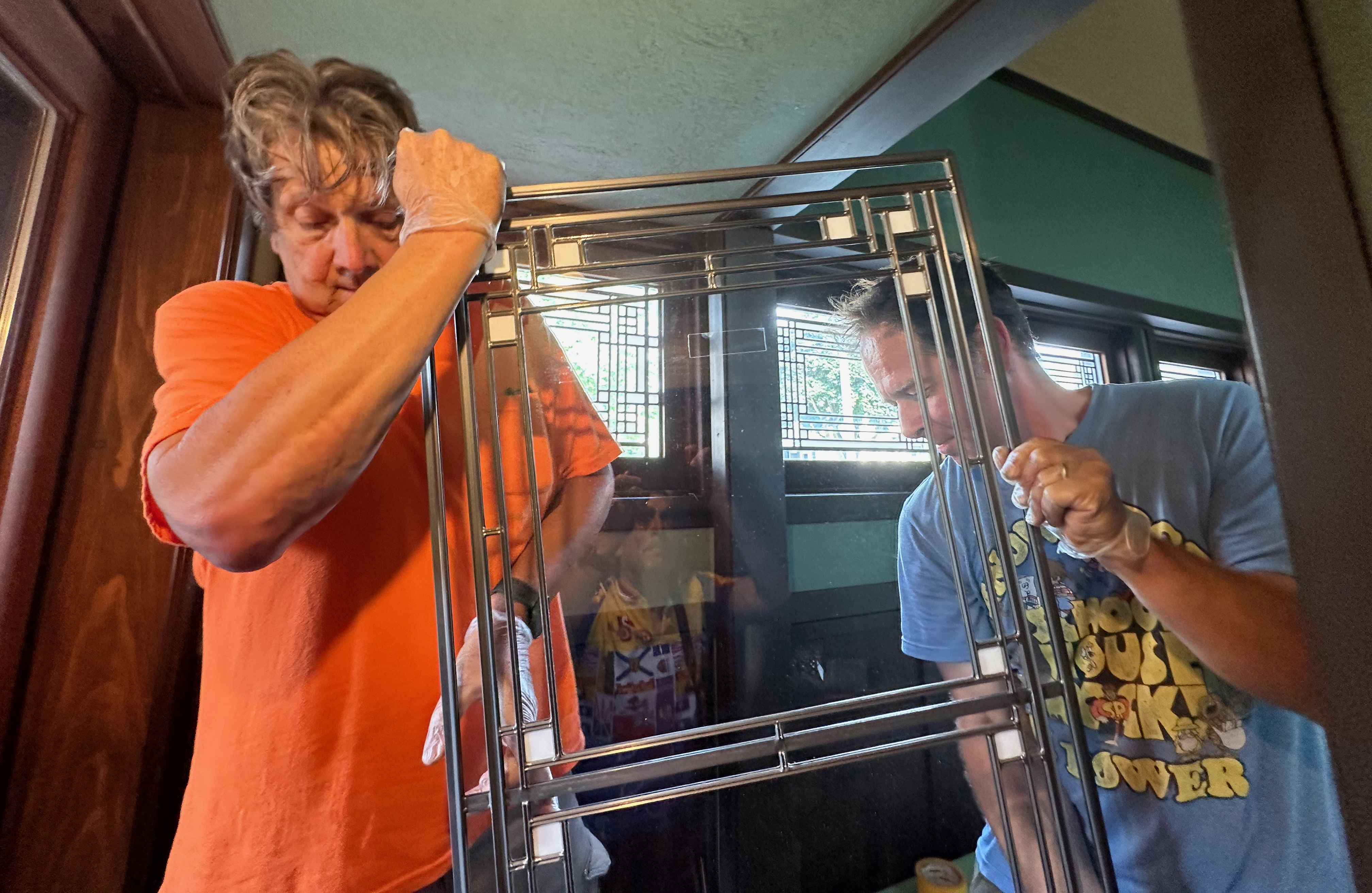
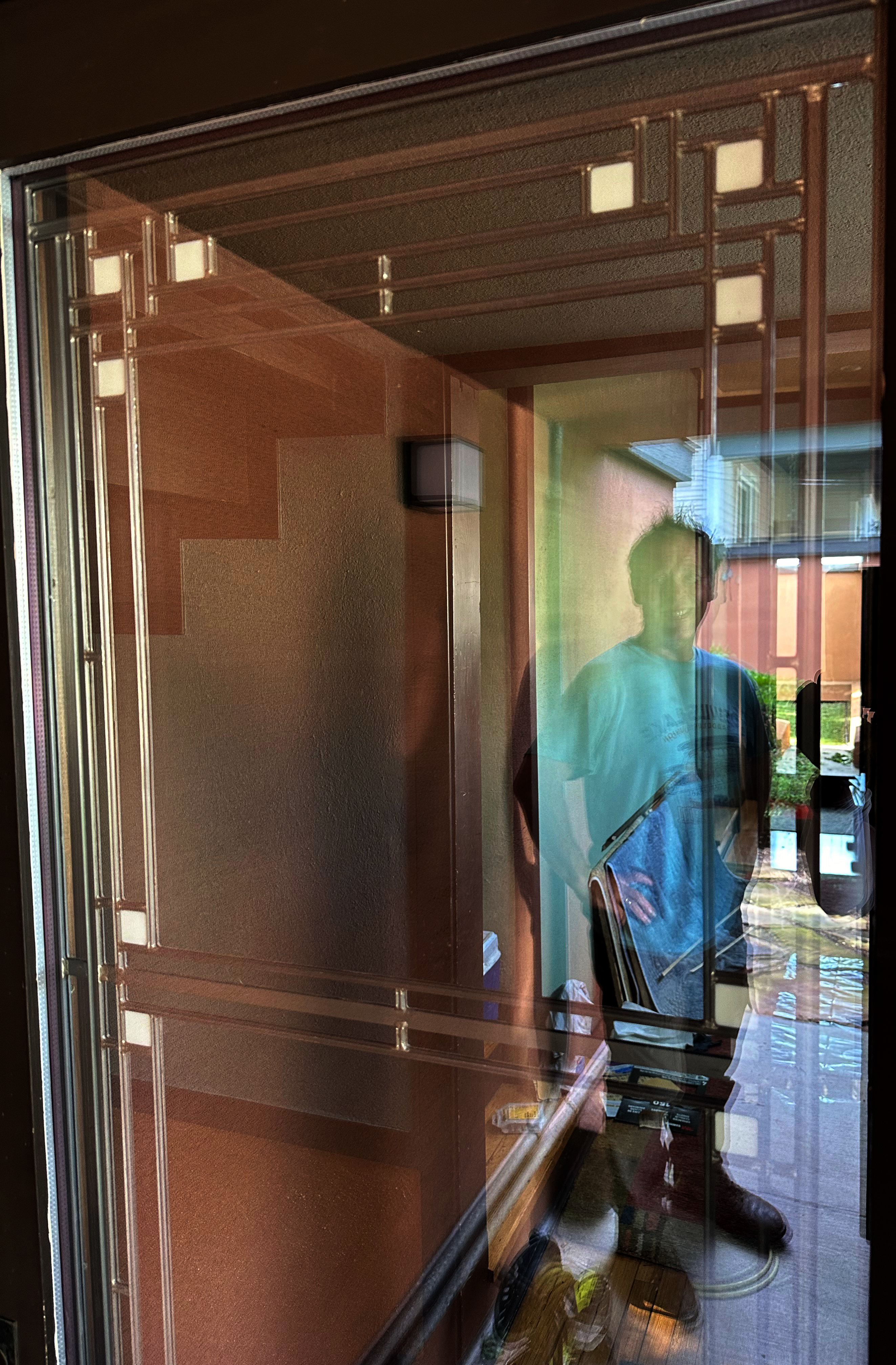
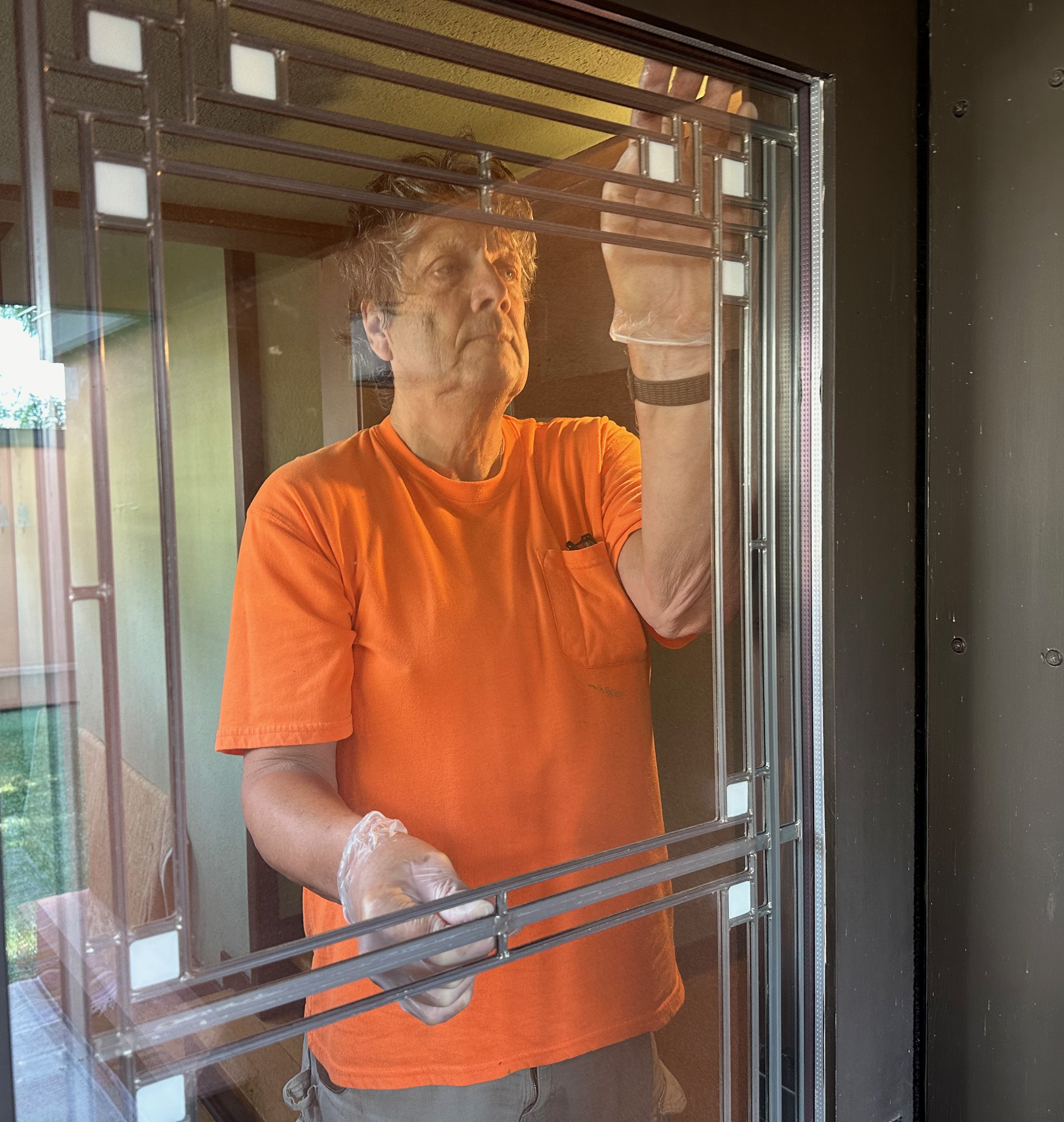
Instead of replicating the design in the living room, Gene intended to have the design fashioned for the pocket doors. The work was completed earlier this month, with window inserts made by Oakbrook Esser of Oconomowoc, Wisconsin. The installation photos show Tom Szymczak, left, and master craftsman Chad Nichols:


Thank you, Gene, for your gift to our community and to the World of Wright!

The first people outside of family and friends to see the new windows will be 17 members of a Road Scholar Wright tour next Wednesday. They will be followed by several hundred people attending Wright in Wisconsin’s “Wright and Like” tour Saturday September 7.
*The term “rehabilitation” is appropriate, rather than “restoration,” because there were some changes to the house. “Restoration” would infer house museum status, accurate to either the day Hardy moved into the house (1906) or left it (in 1938) after losing it at sheriff’s auction because of monies owed on the house.
Links:
Frank Lloyd Wright Building Conservancy:
Wright and Like Tour:
https://wrightinwisconsin.org/wright-and-2024
Road Scholar Architectural Masterworks of Frank Lloyd Wright Tour (run 4 or 5 a year)
https://www.roadscholar.org/find-an-adventure/22976/Architectural-Masterworks-of-Frank-Lloyd-Wright
Please scroll down to read previous posts
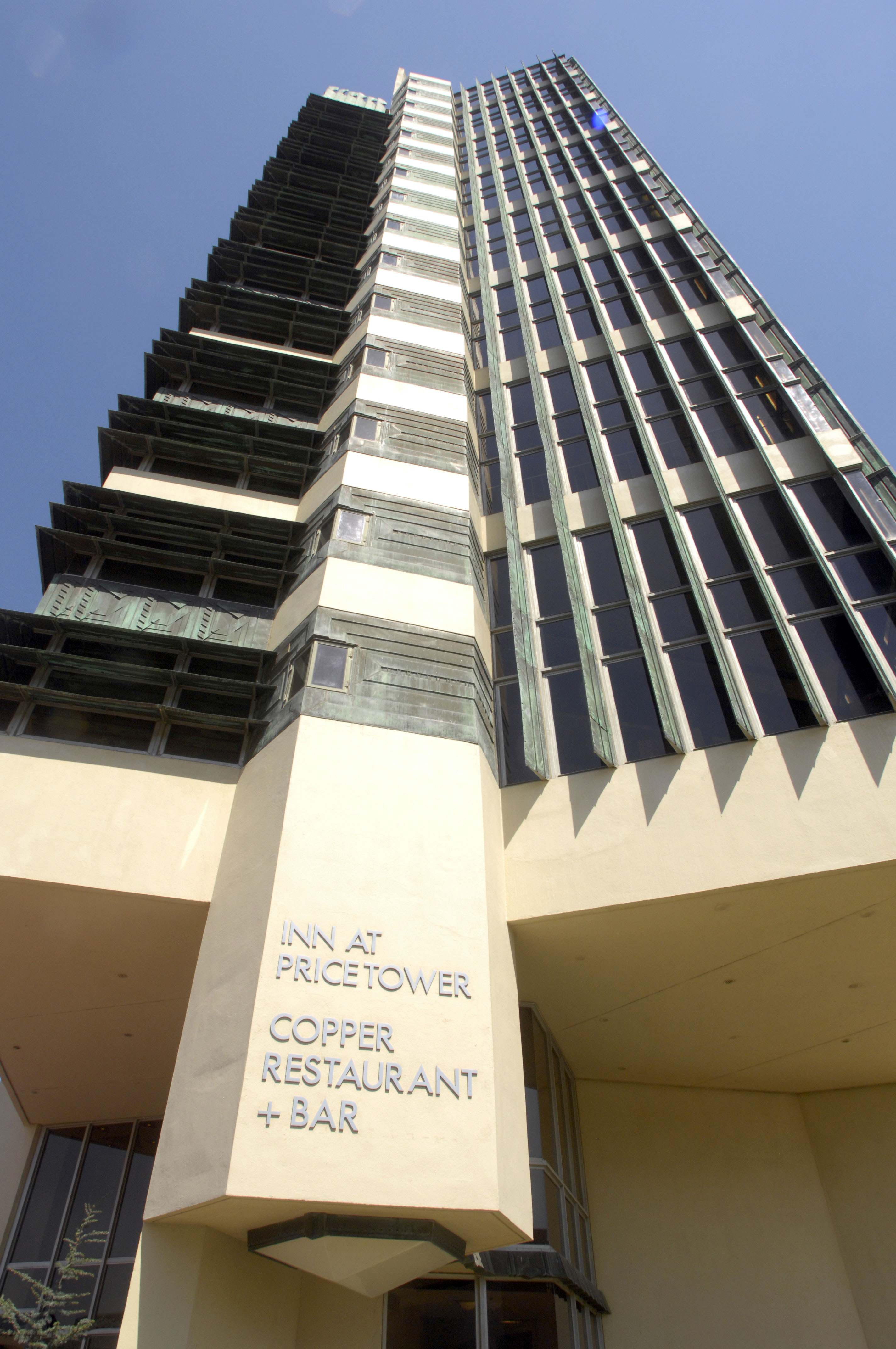
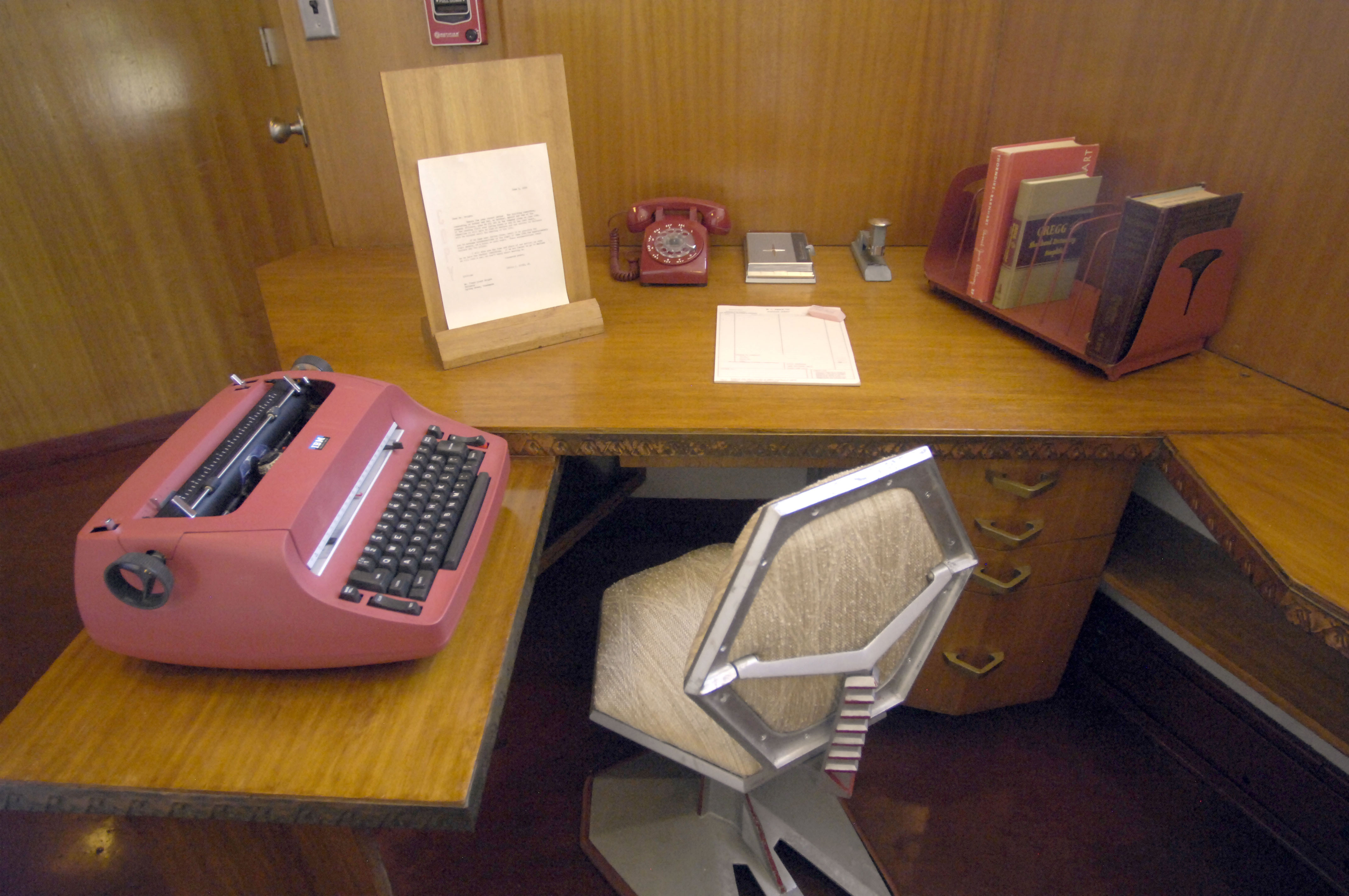
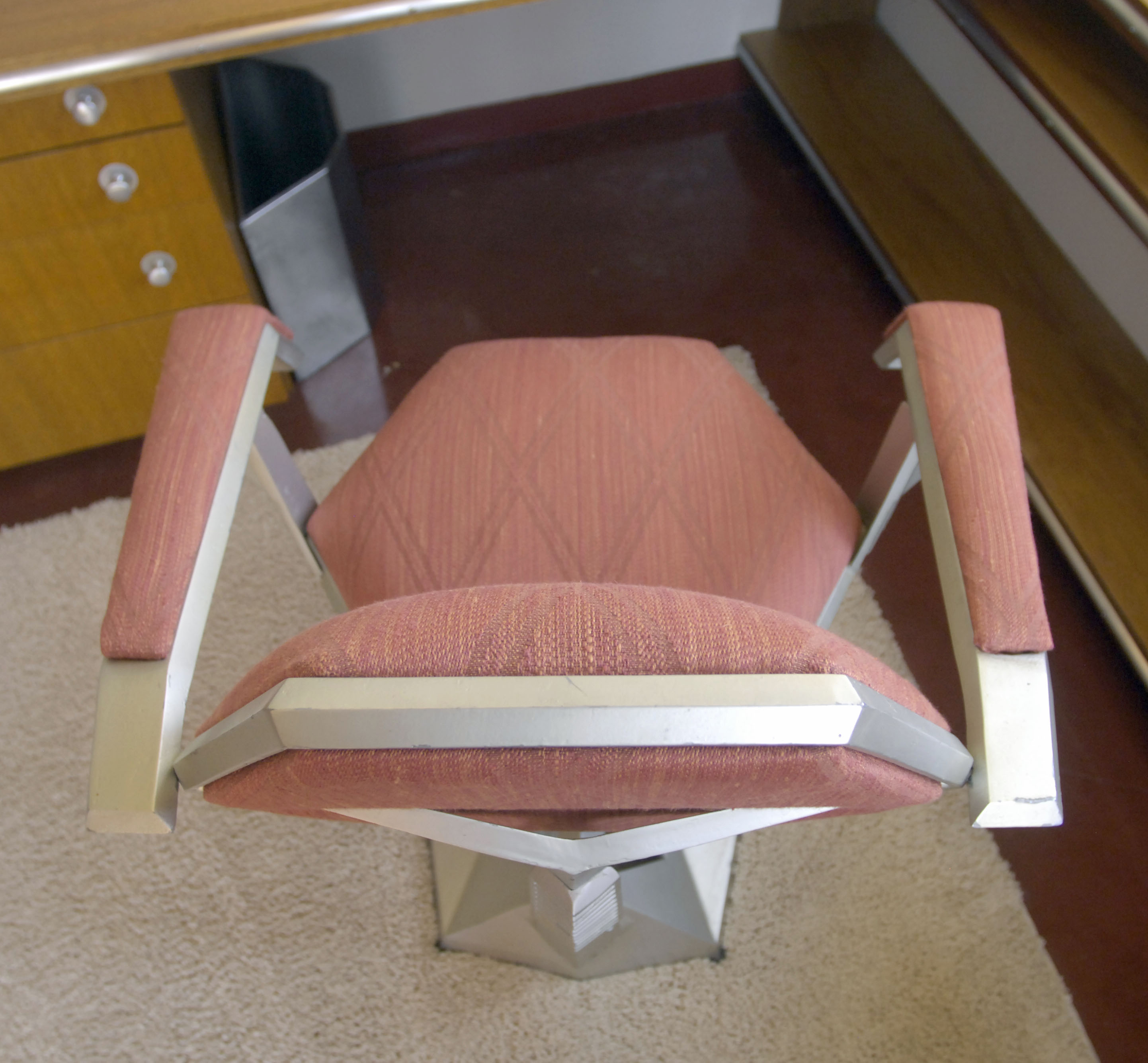

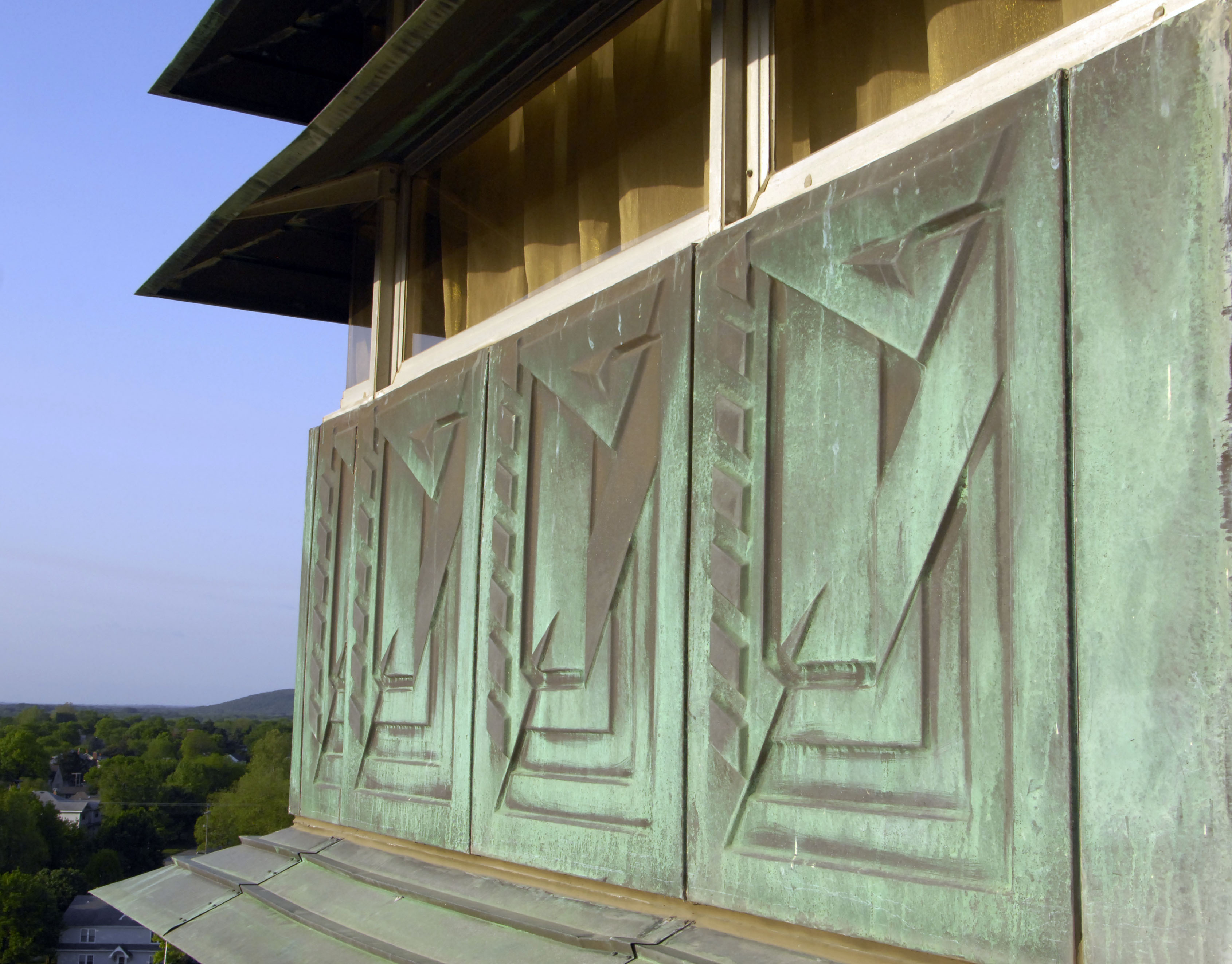
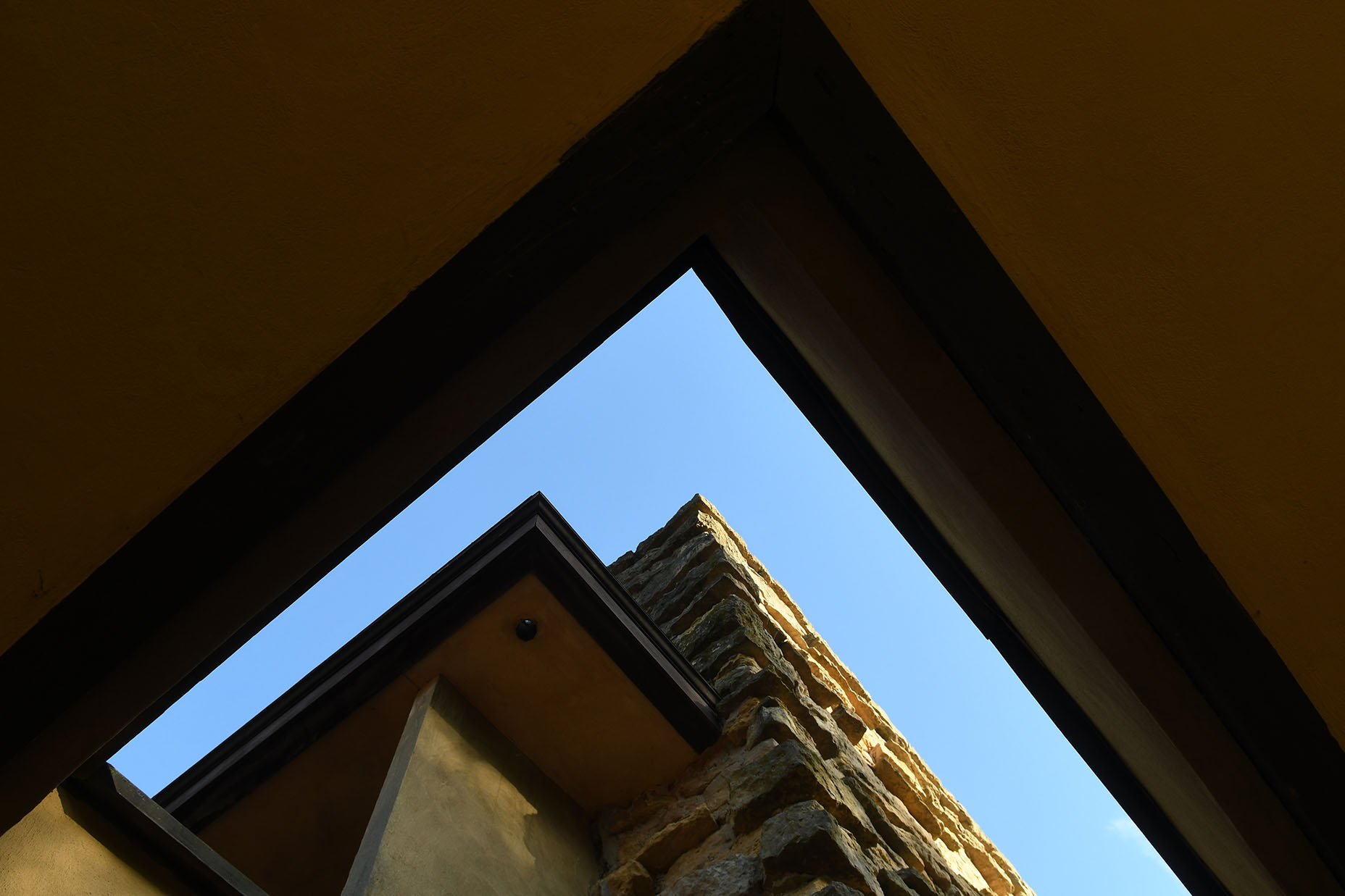
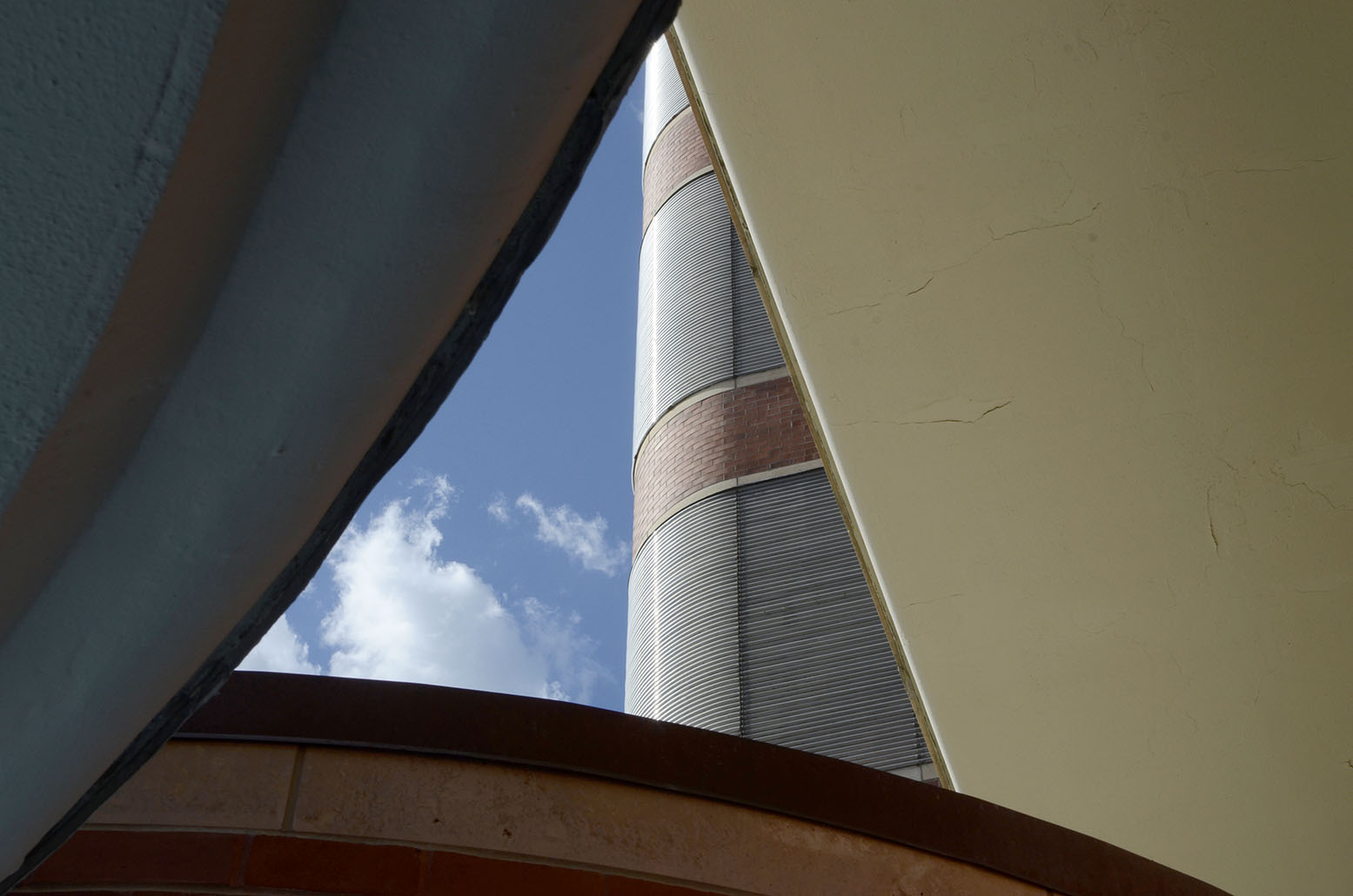
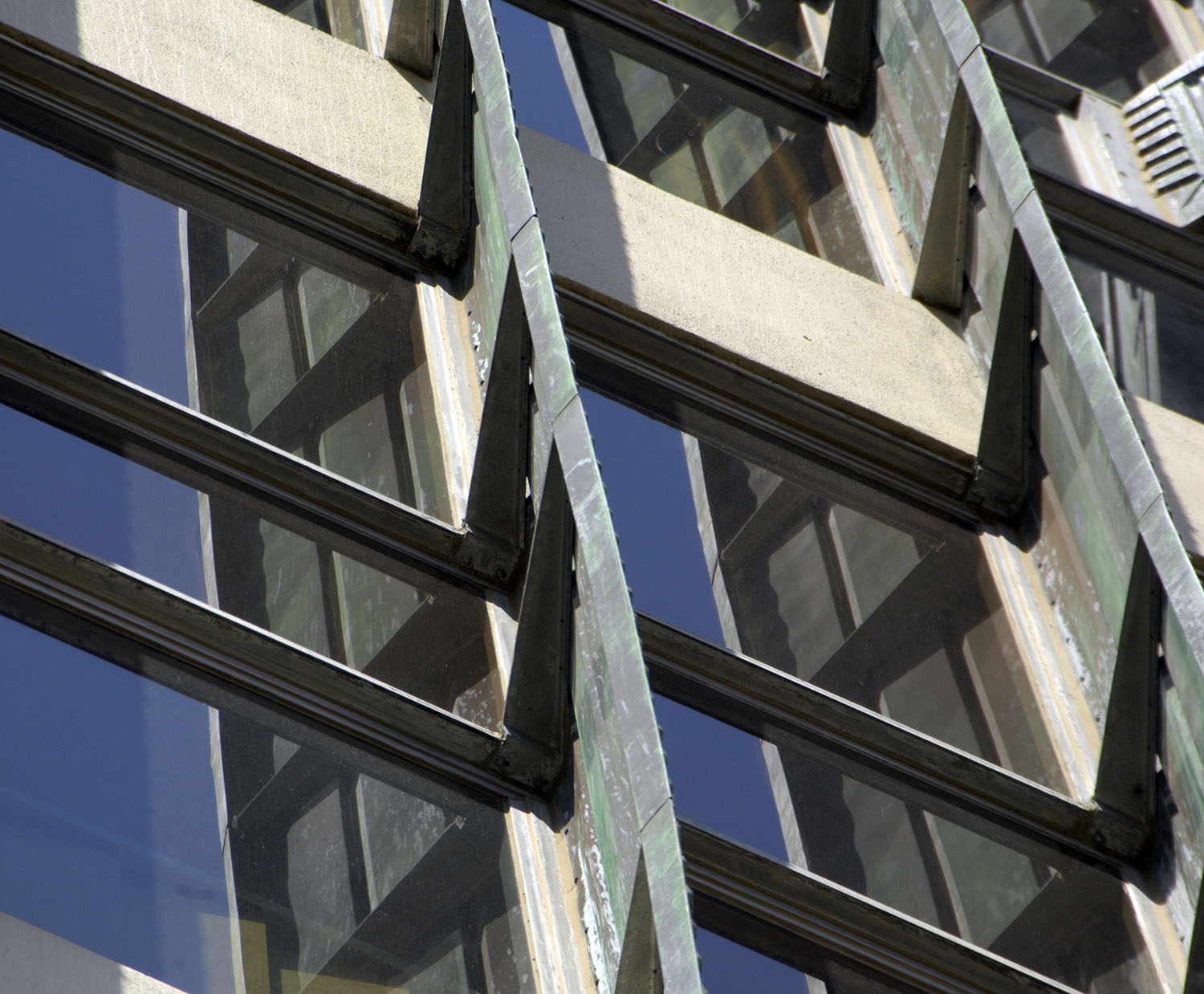
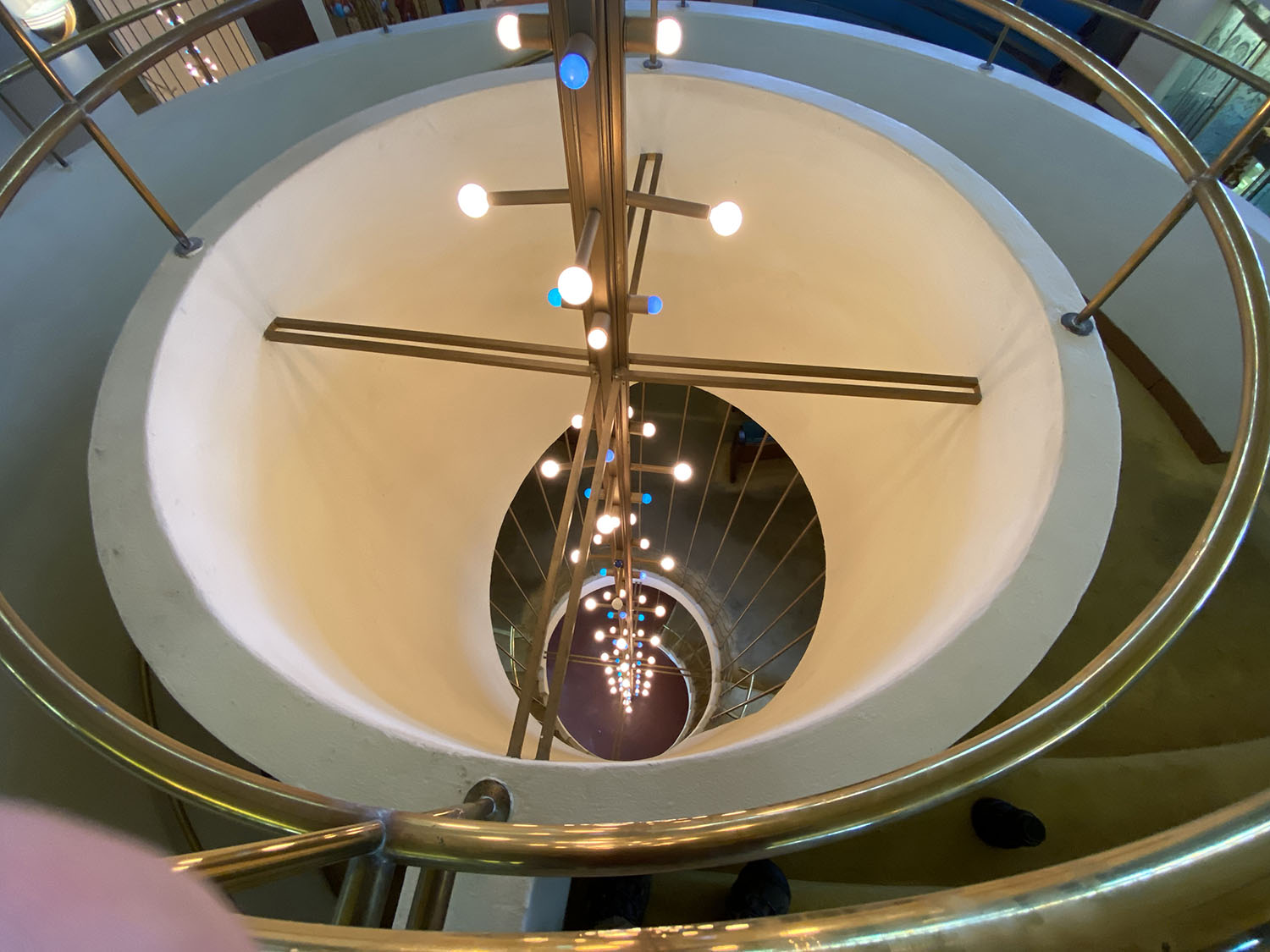
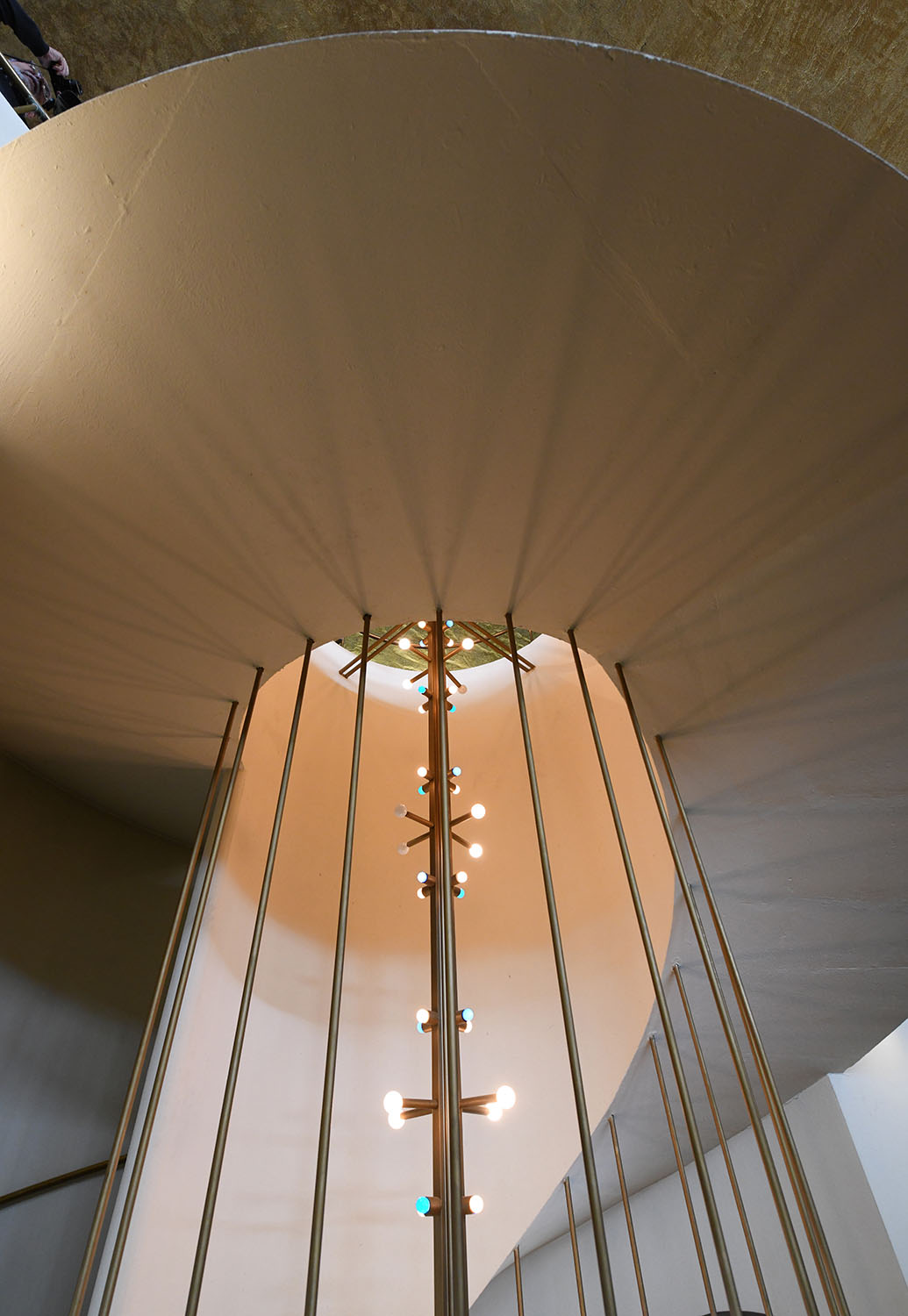
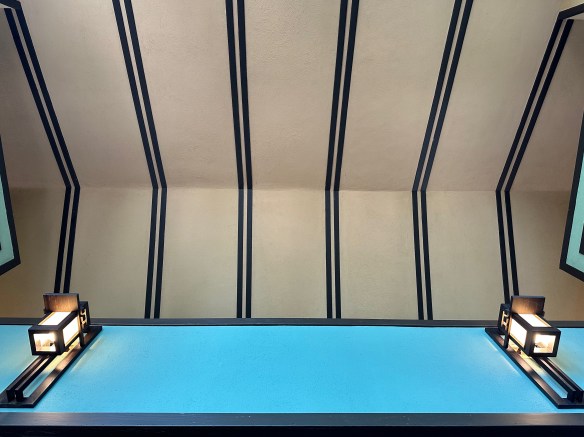
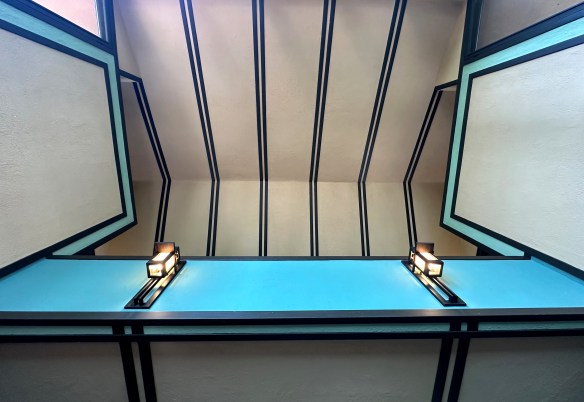
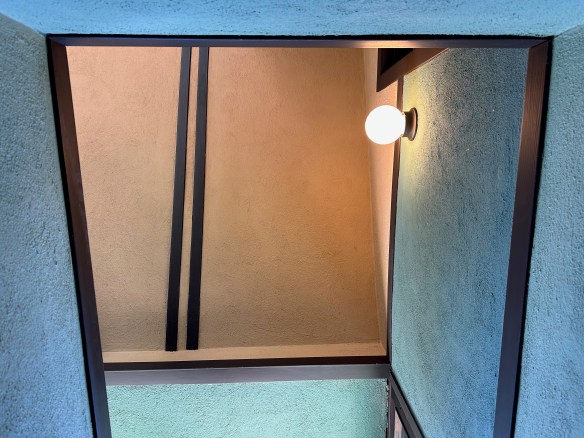
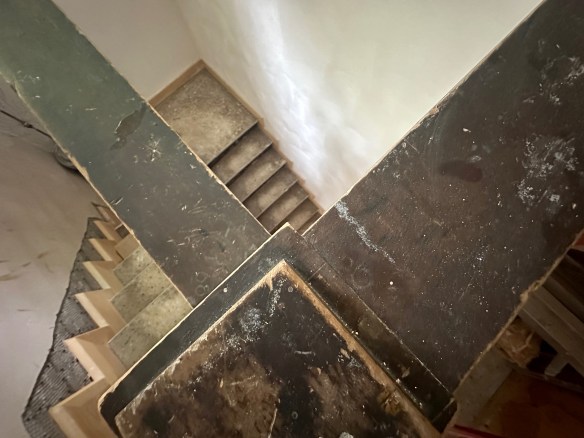
 This photograph and the one below were taken looking up on the external staircase.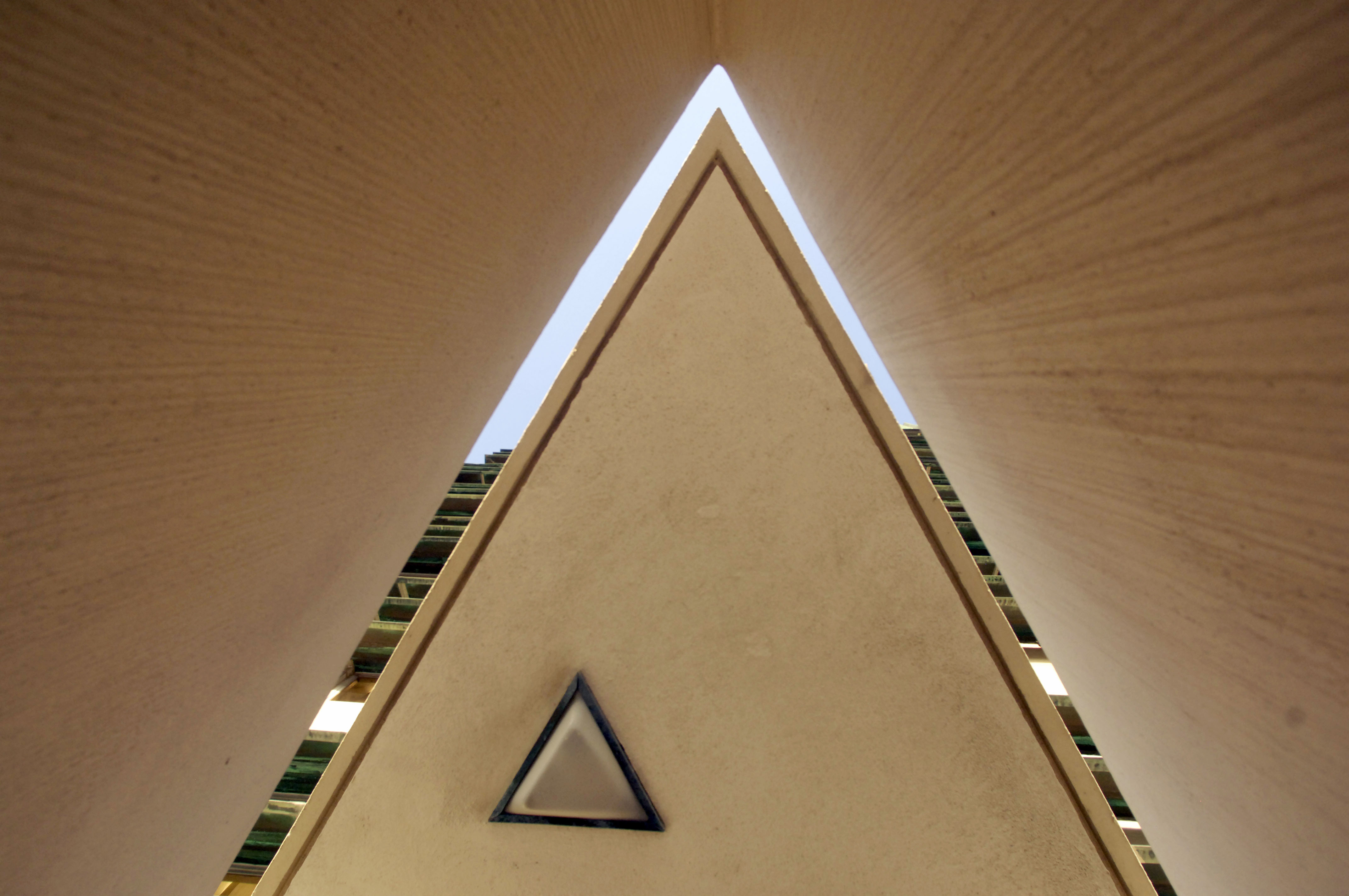
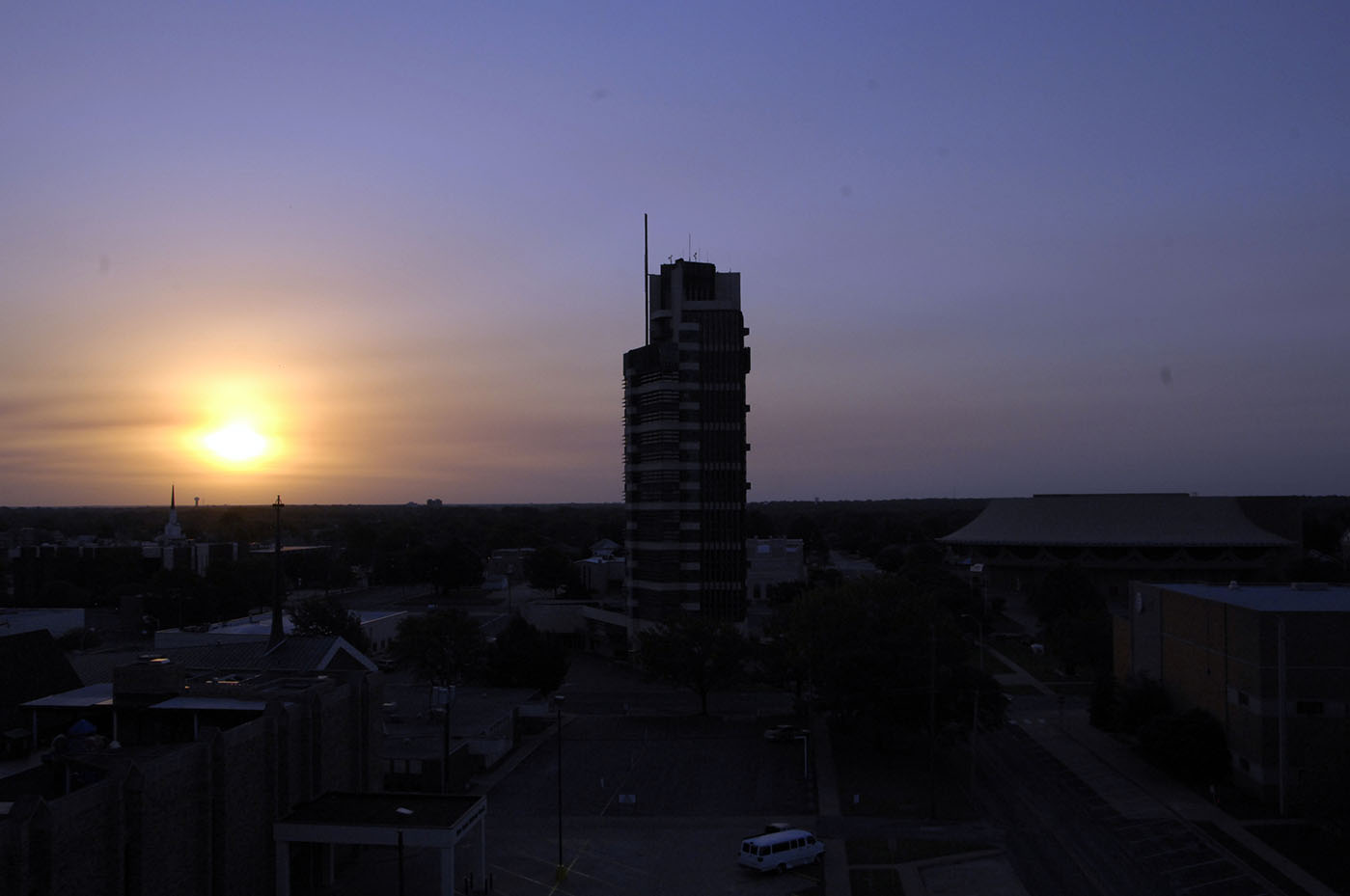
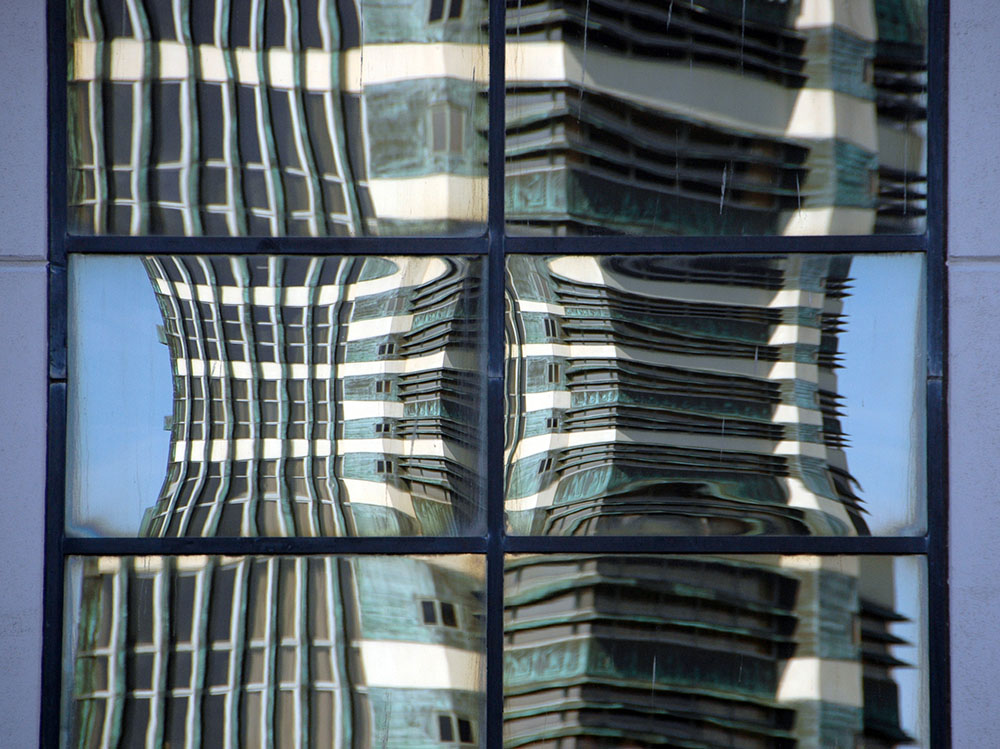
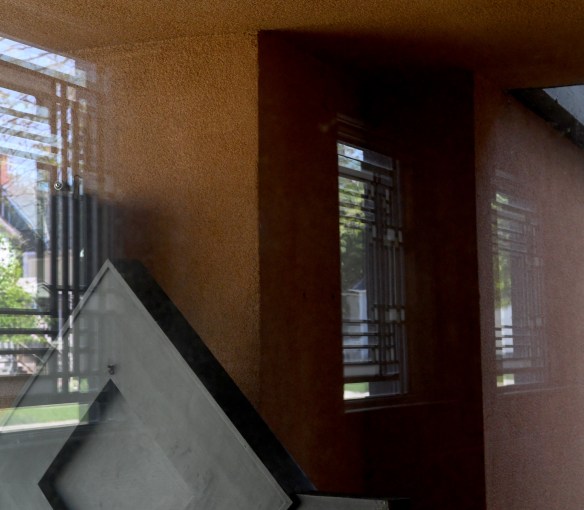
 Price Tower reflected in a nearby building
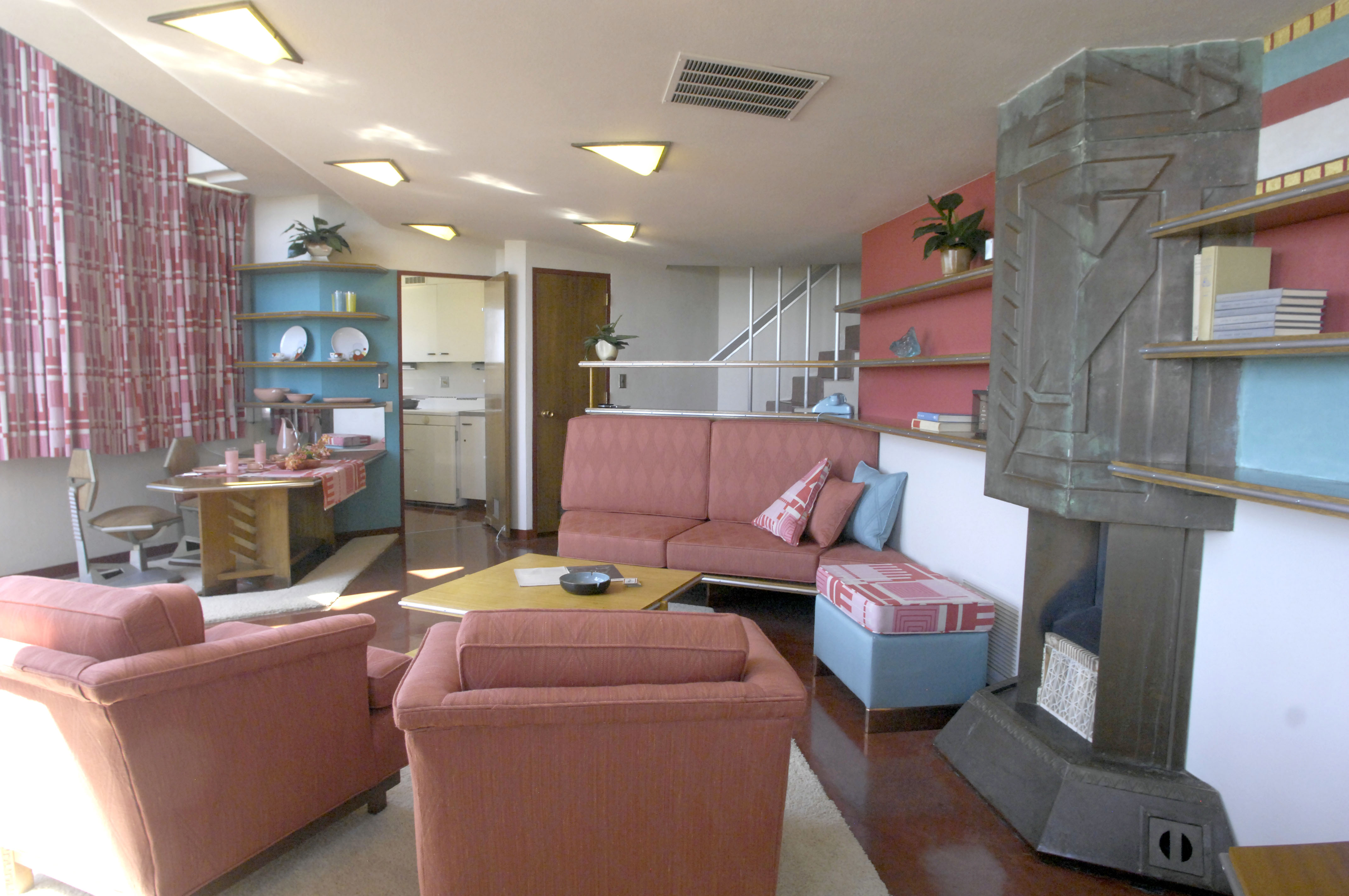 The living room of one of the original apartments
 The sitting room on the lower floor of one of the two-story hotel rooms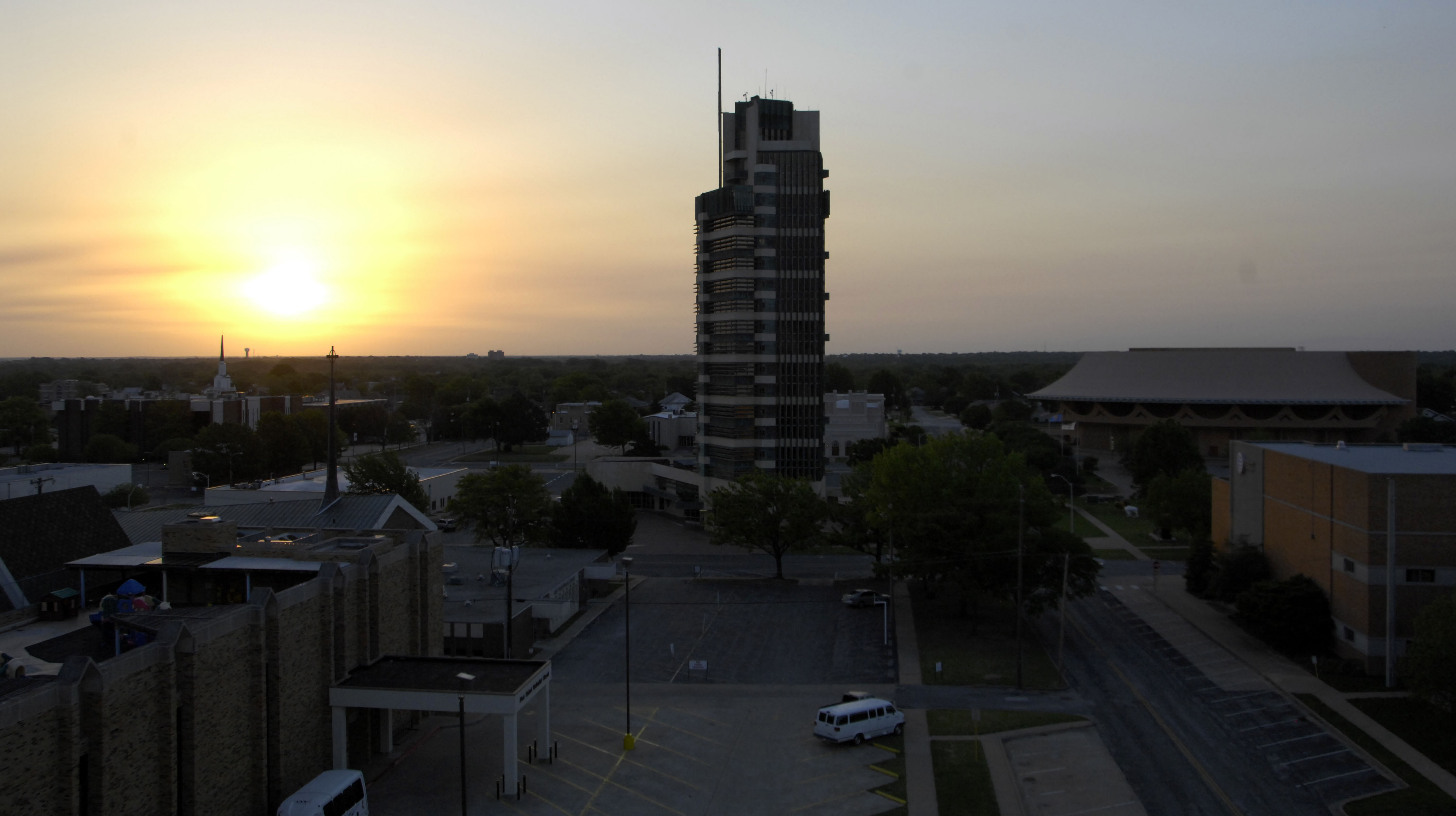


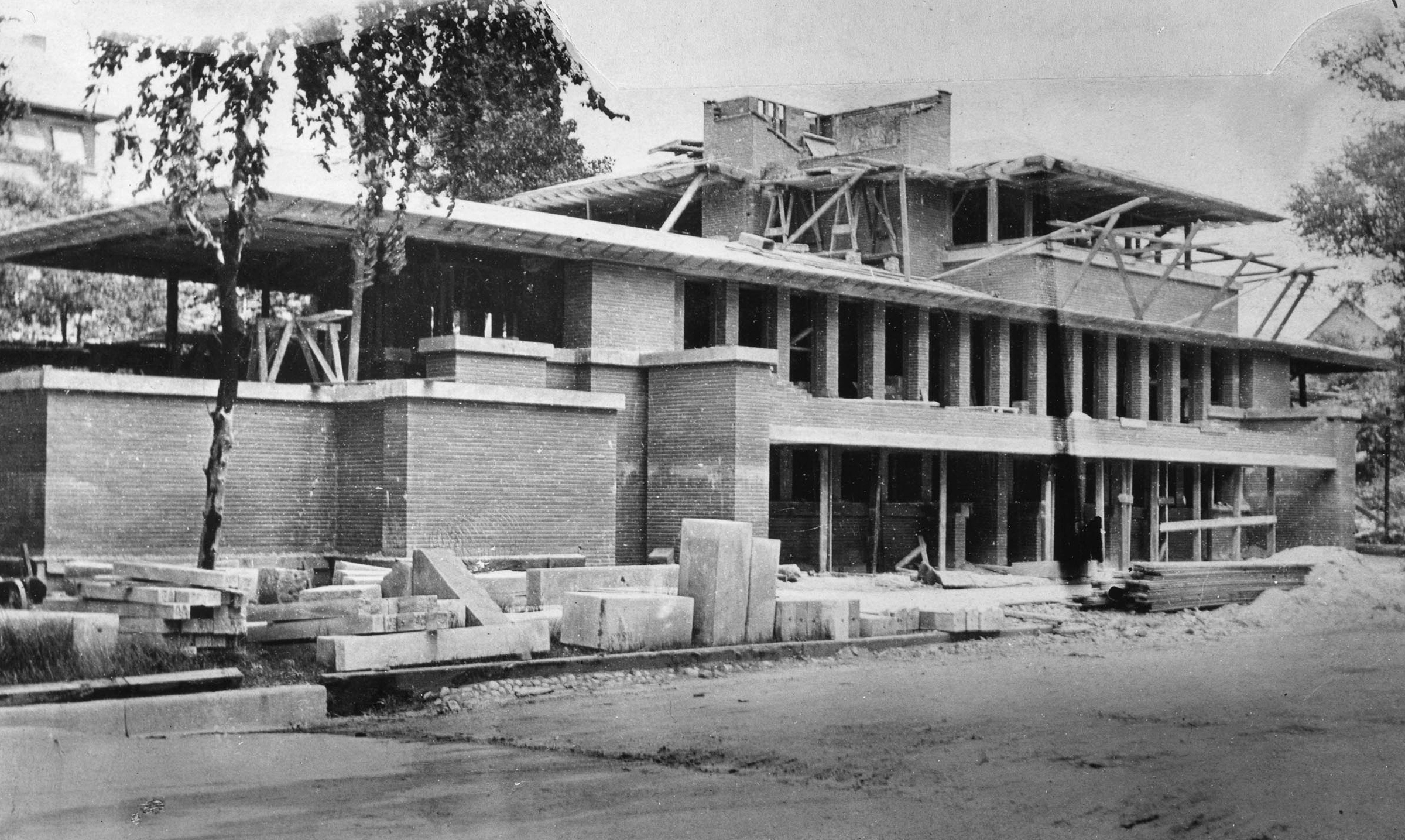 Photograph courtesy of Eric M. O’Malley, from his private collection
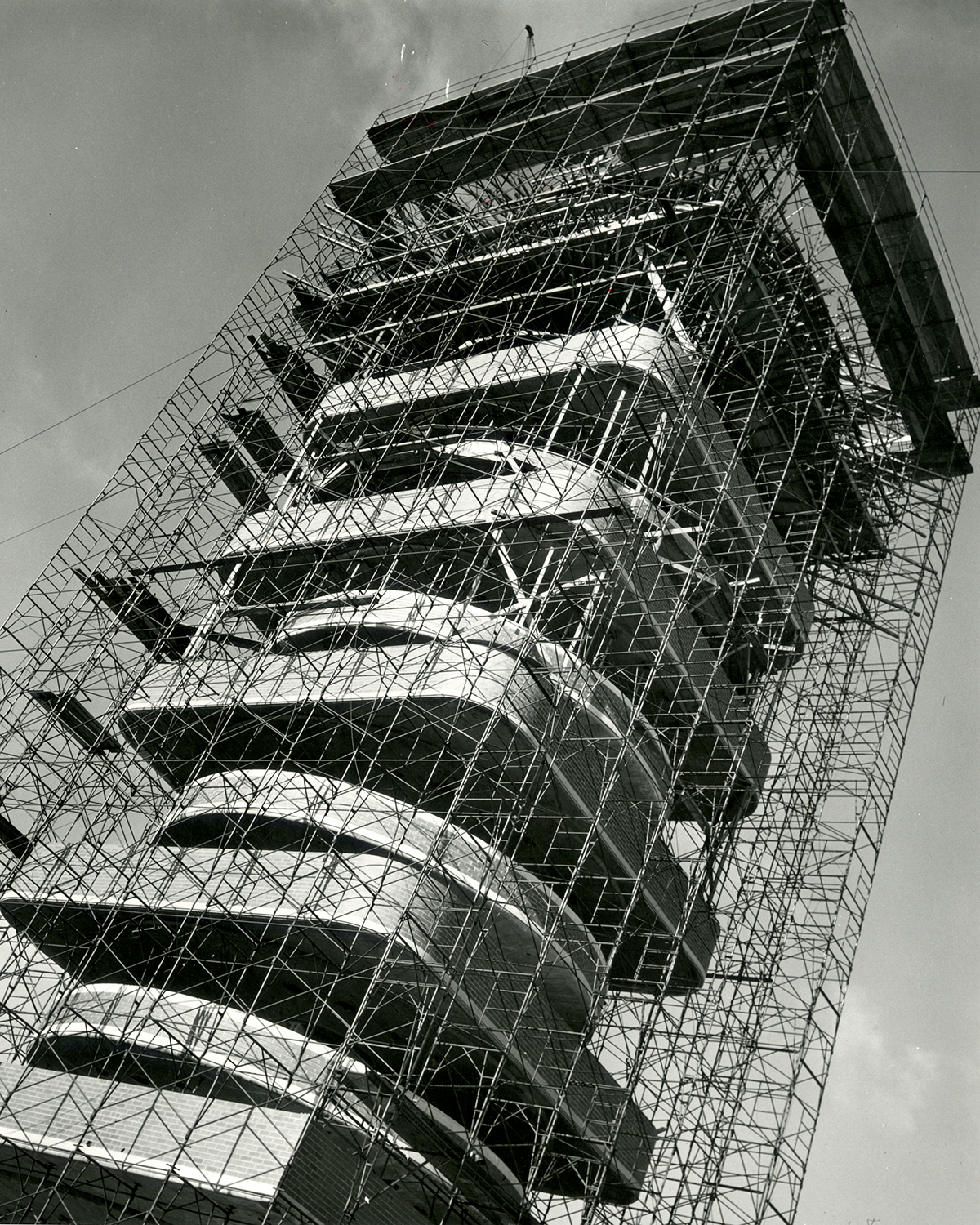 Photograph courtesy of SC Johnson Archives

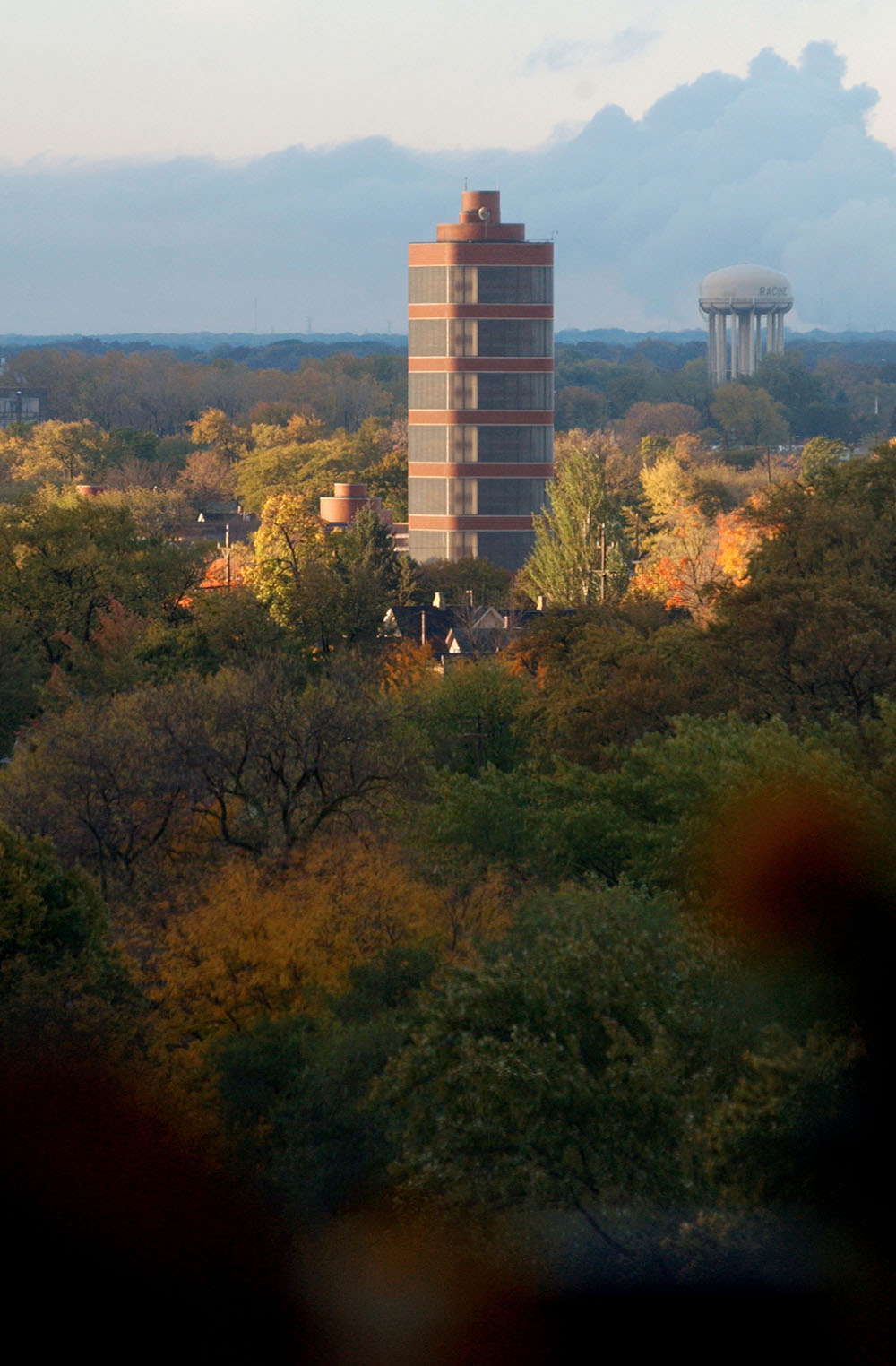
 SC Johnson Administration Building, Racine (1936)







 Roland and Ronny working with Wright on the design of their Wright home
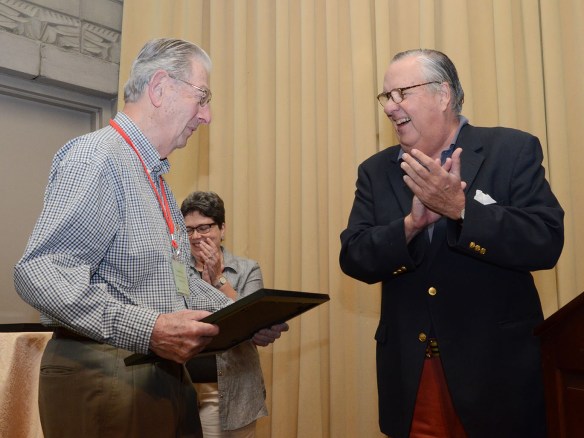 Roland was honored as a founding member of the Frank Lloyd Wright Building Conservancy by Janet Halstead and Richard Longstreth at the 2014 conference in Phoenix.
 The Reisley House was the topic of a discussion at the 2014 conference. Susan Jacobs Lockhart moderated.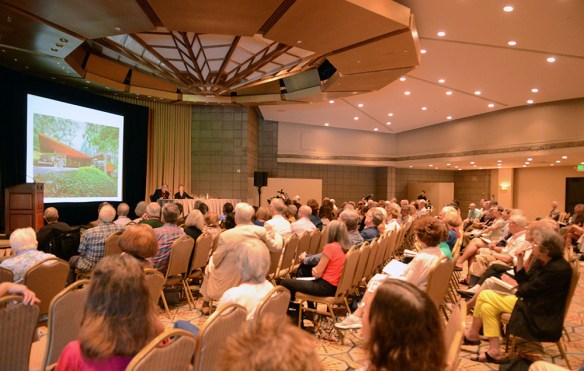
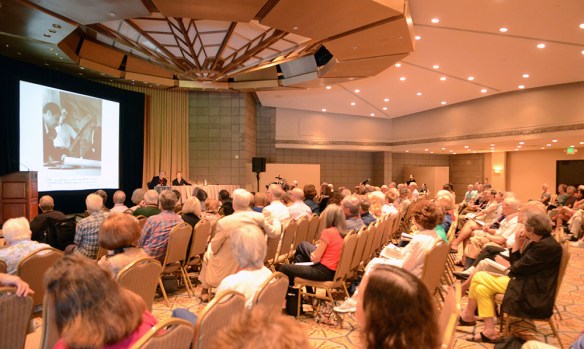
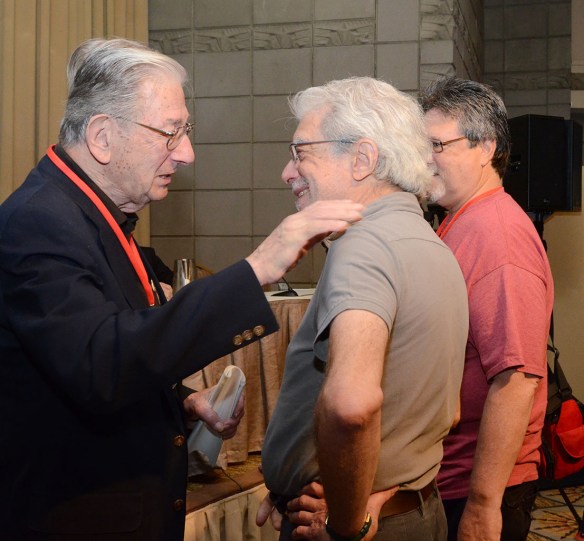 Roland and Neil Levine chat at the conference.
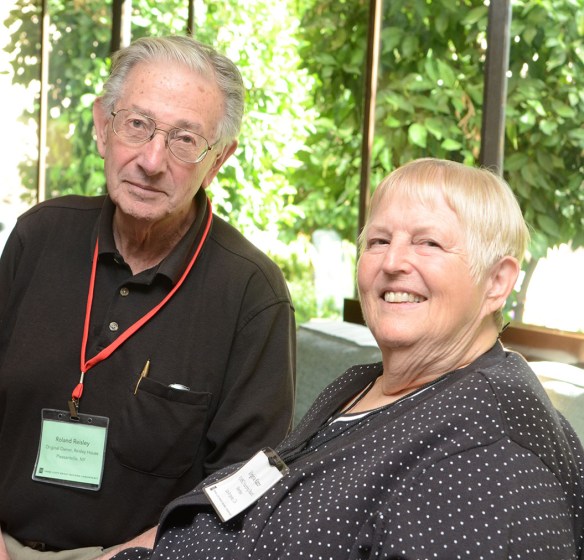 Roland and Ginny Kazor at the Phoenix conference.
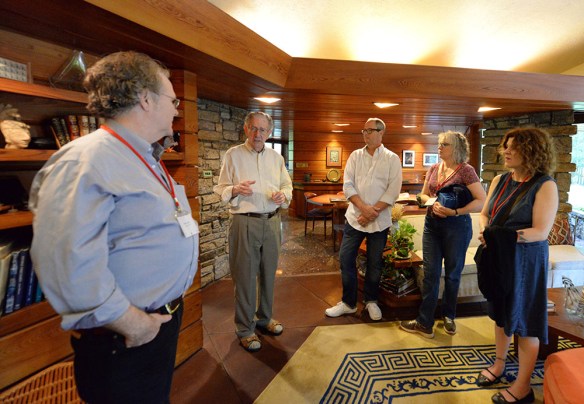 Roland greets conference attendees in his living room during the 2017 conference.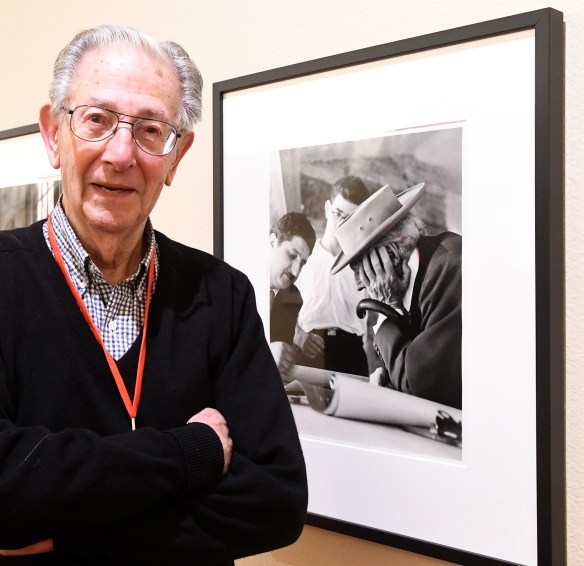
 Barbara and Roland, 2011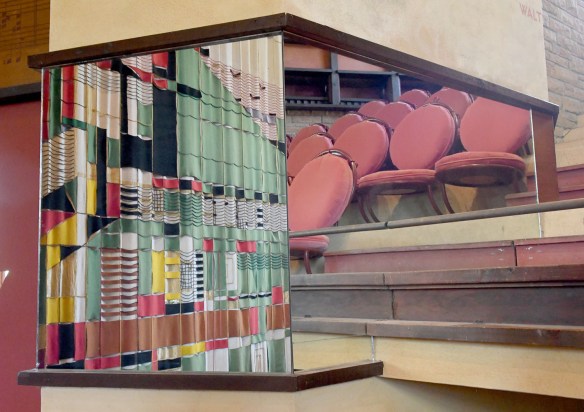


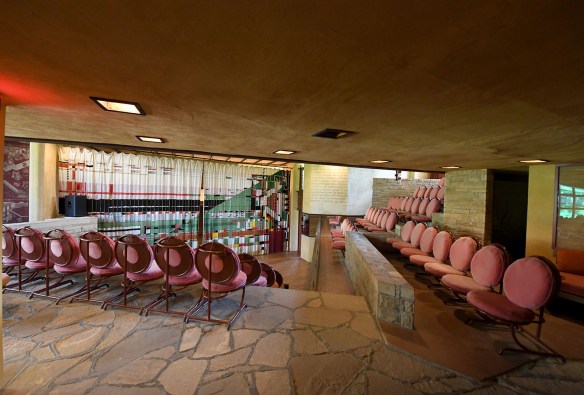

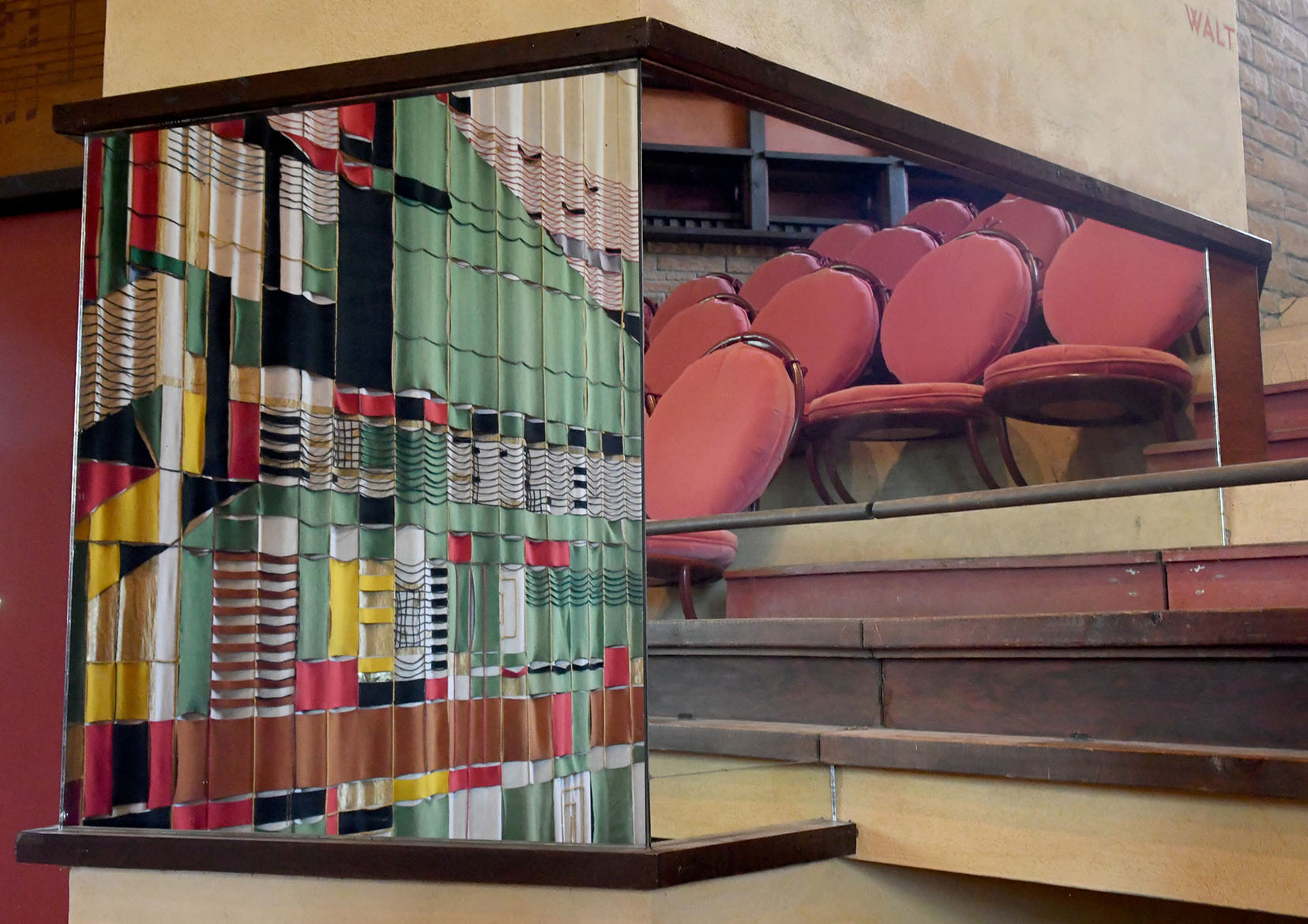
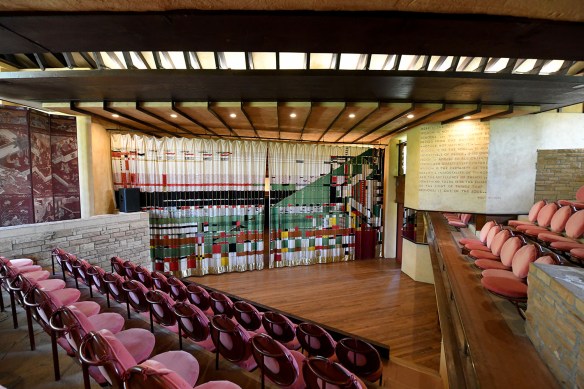 Mr. and Mrs. Wright and their guests sat in the seats to the right.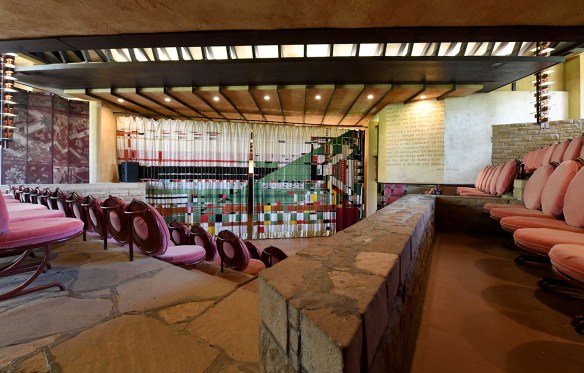
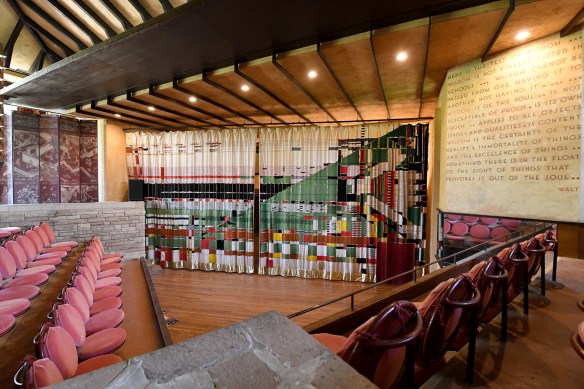
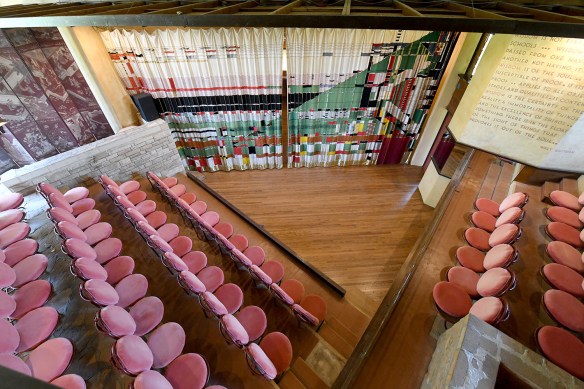


 From Wright’s “An Autobiography:” When I was a small child I used to lie awake listening to the strains of the Sonata Pathetique—Father playing it on the Steinway square downstairs in the Baptist minister’s house at Weymouth. It takes me back to boyhood again when I hear it now.” [FLLW: Collected Writings, v. 4, p. 147.]
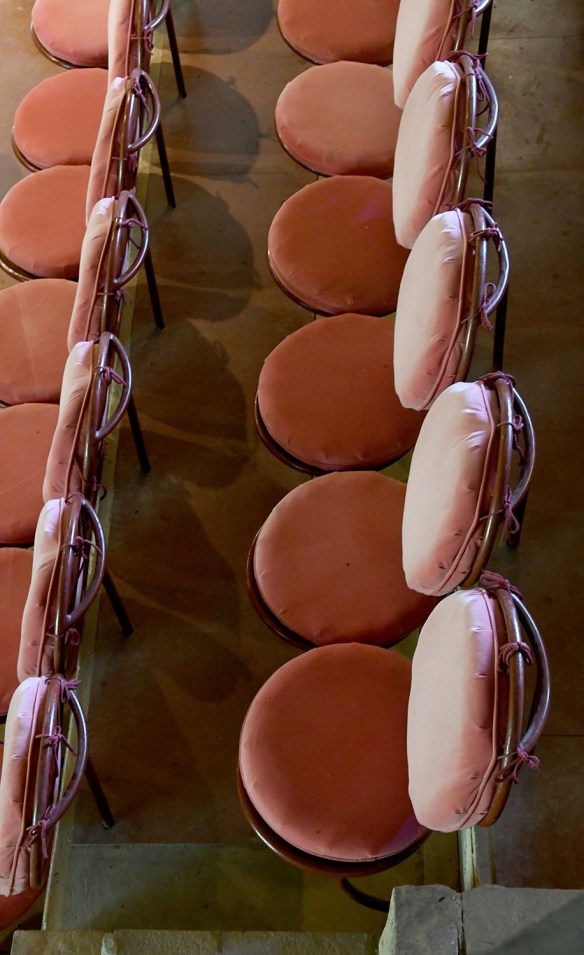

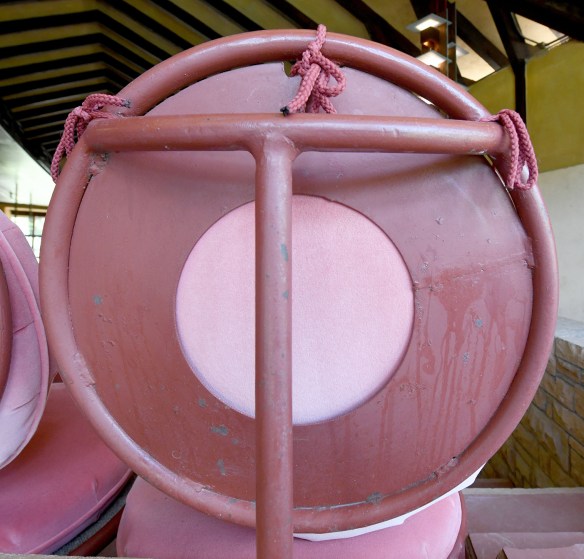

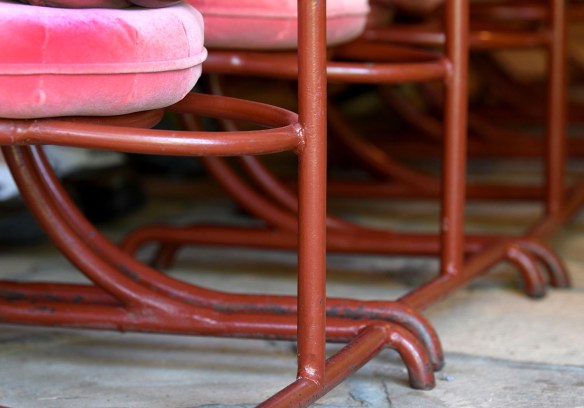

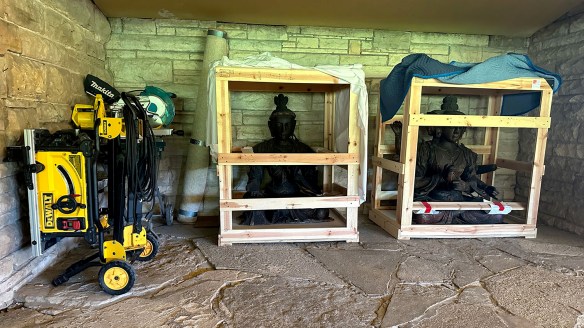 The Buddha statues will be put back in their original places flanking the stage.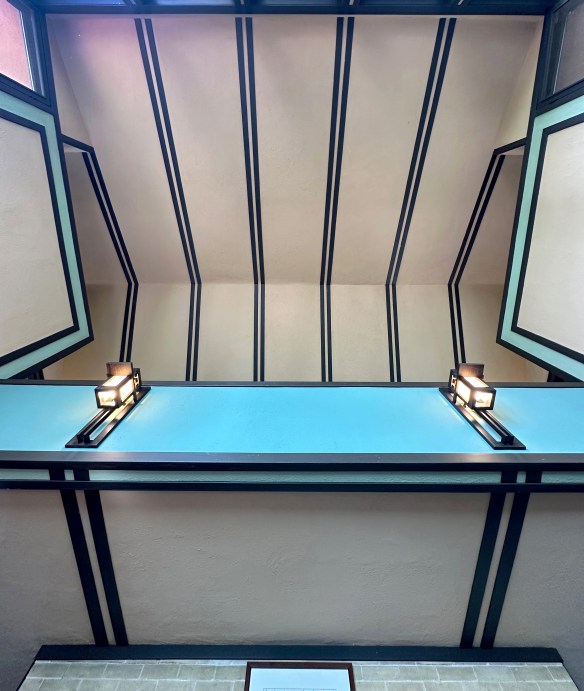


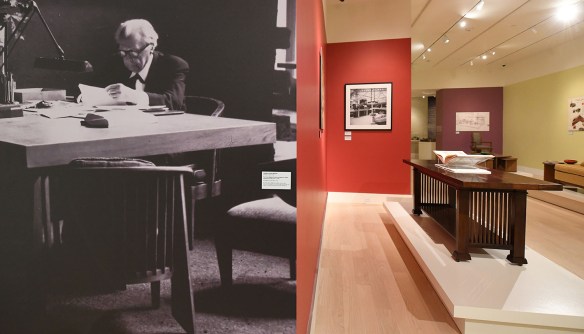
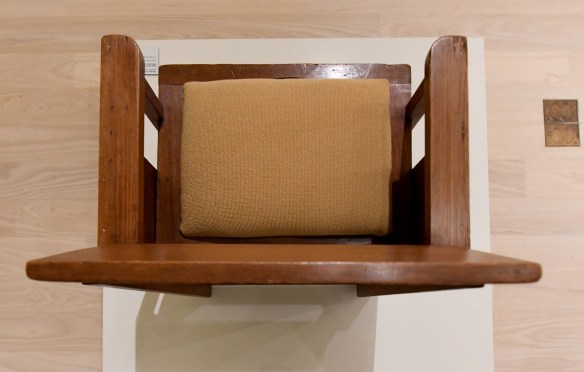
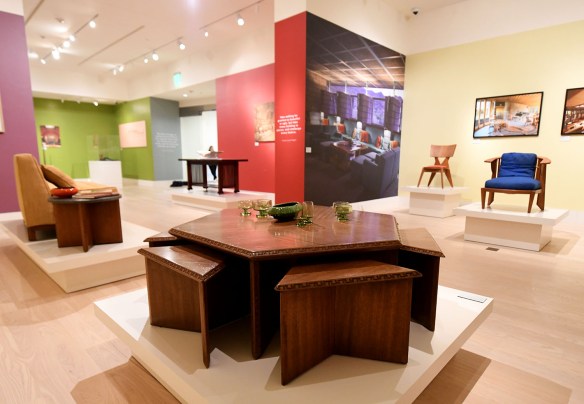
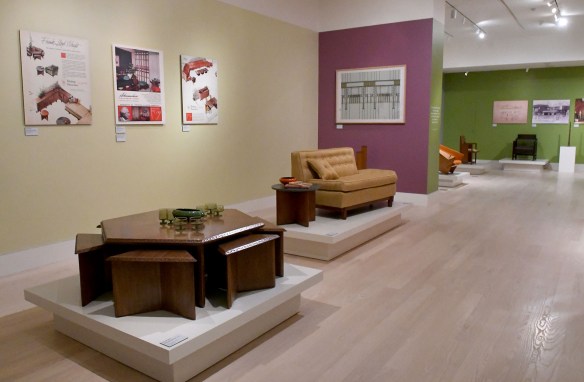
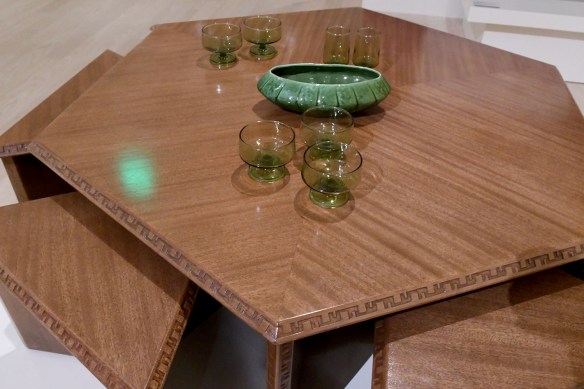
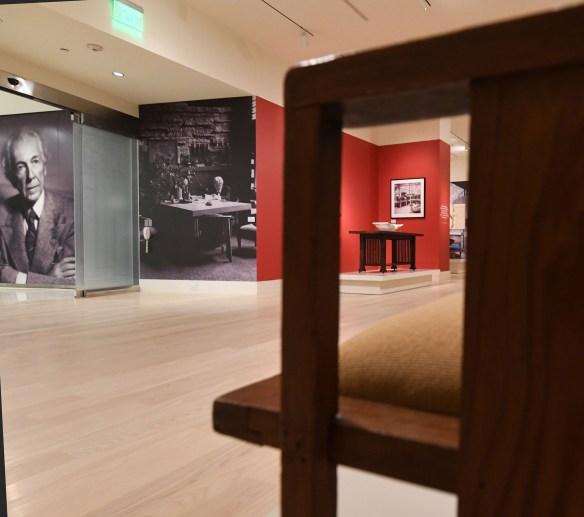 A dining chair from Taliesin (c. 1925) frames a view of the library table for the Edward C. Waller House Remodeling (1899).
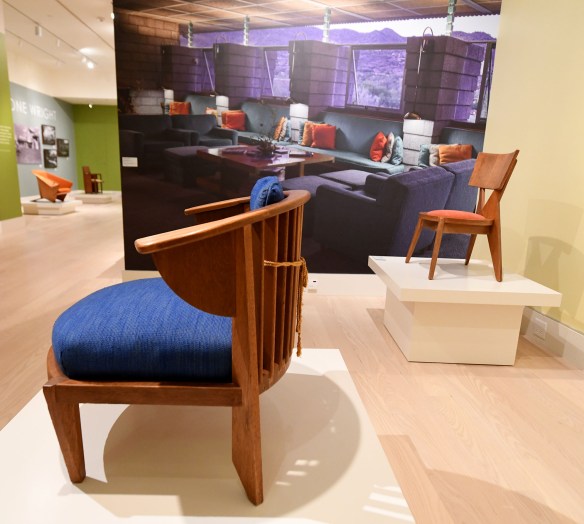
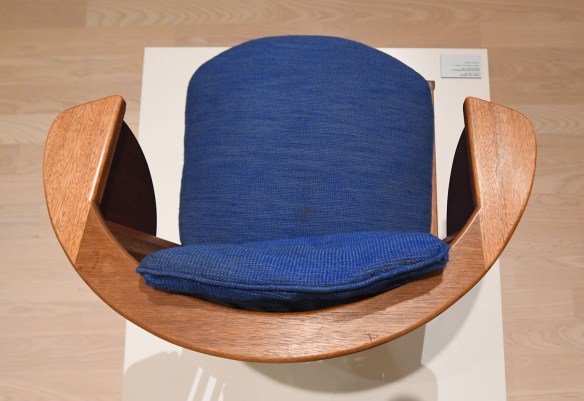
 The library table, in turn, frames the Taliesin chair and an “origami chair” from Taliesin West (1946).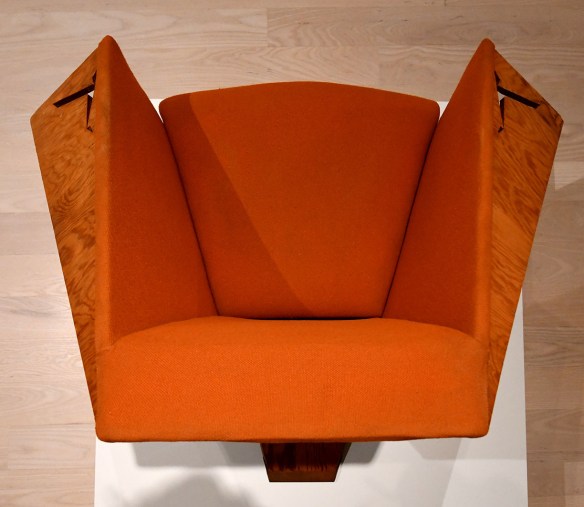
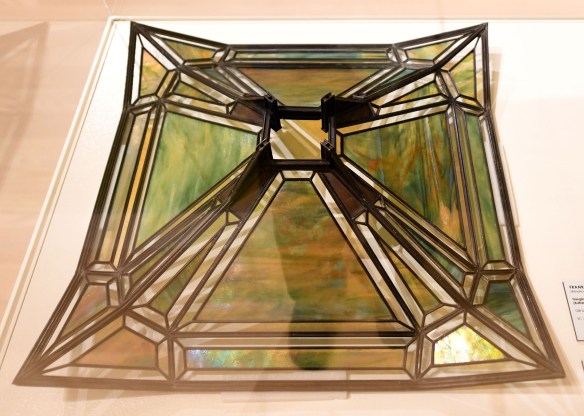 Hanging lamp, William R. Heath House (c. 1905) – the lines are distorted by the camera angle.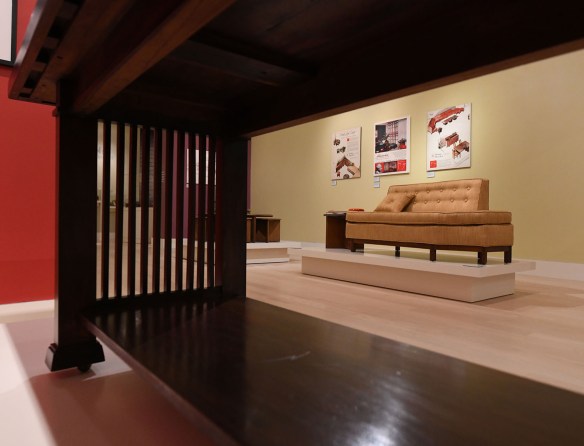

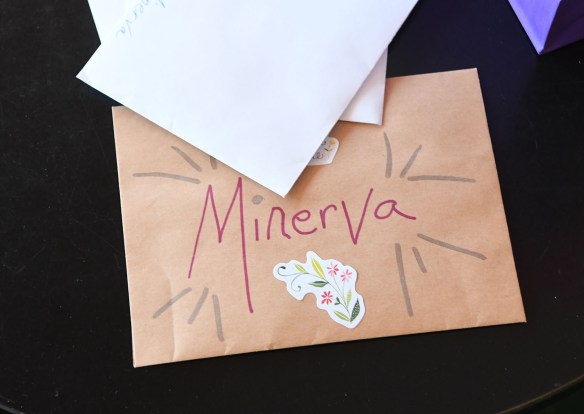
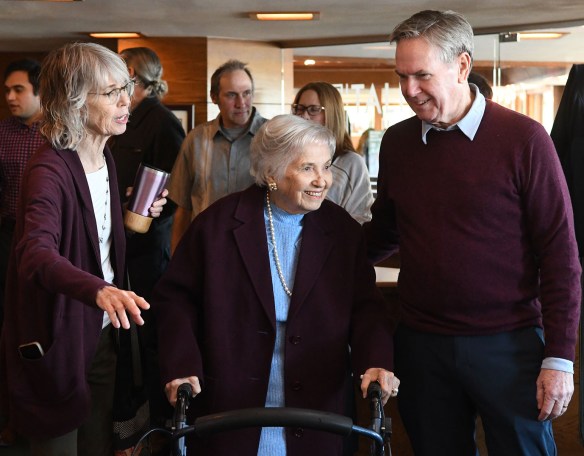 Minerva, her daughter, Margo, and son, Andrew
 There was a video slide show
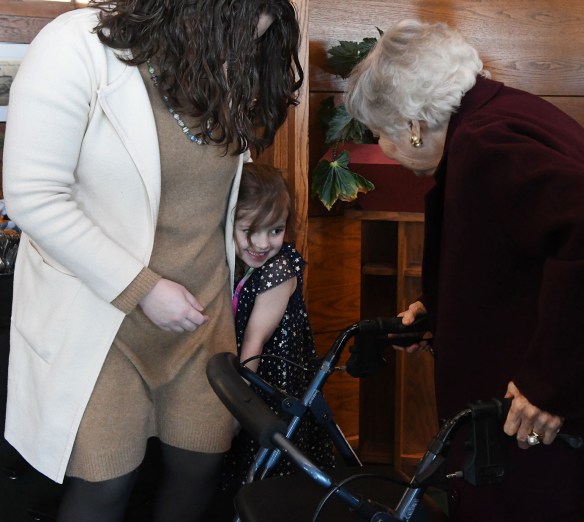 Granddaughter Divina Allan and great-granddaughter Eliza Harry-Ray, 4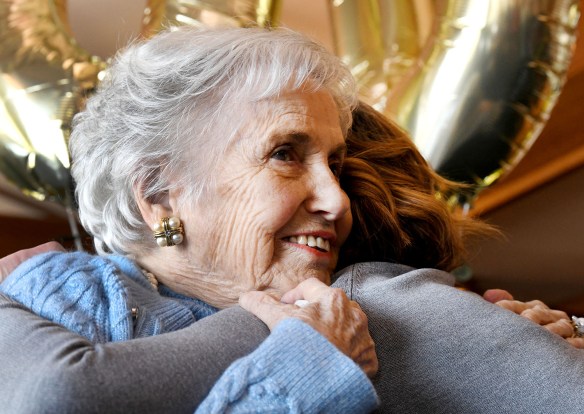
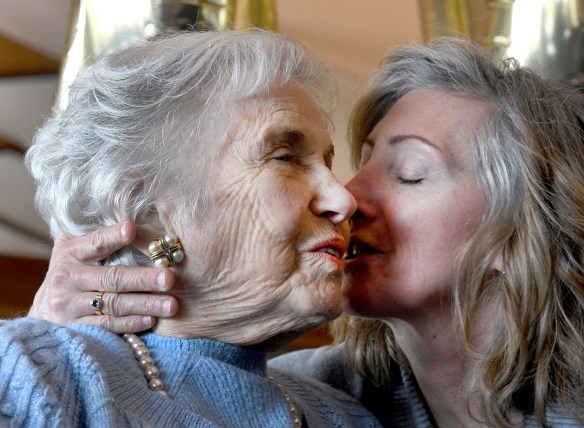
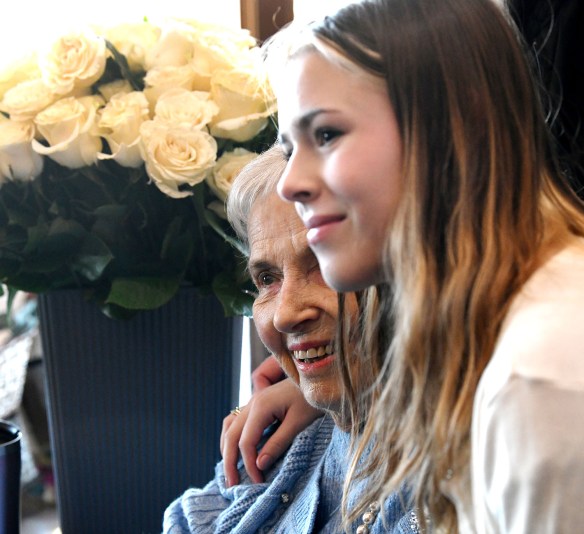 Olivia Dubson, a special friend of Minerva’s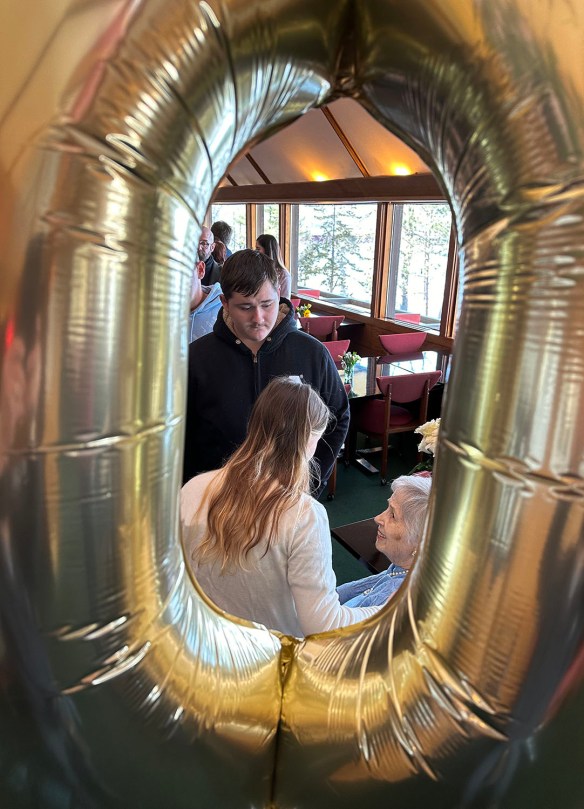
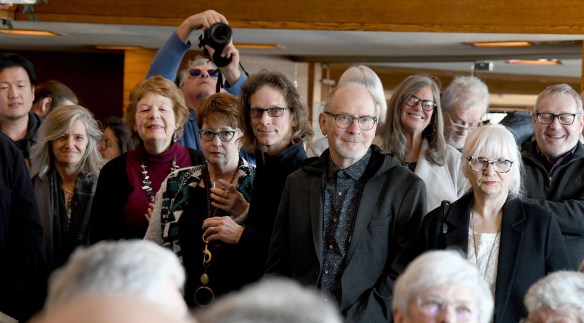

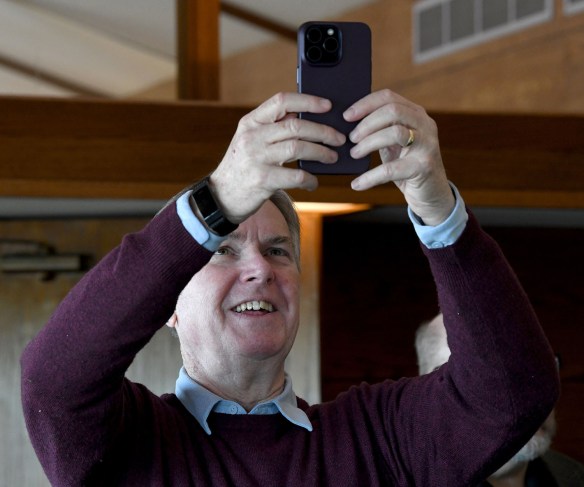
 Margo reads from Minerva’s baby book…Minerva, a surprise twin, was late, setting the stage for a lifetime habit, Margo said with a chuckle.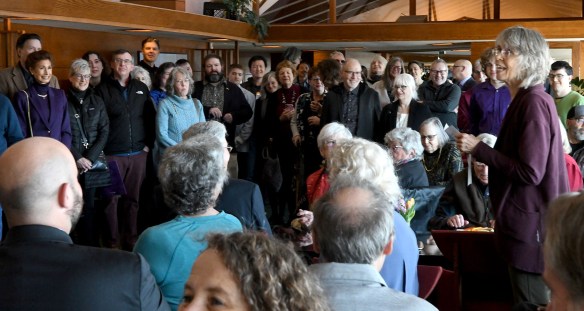
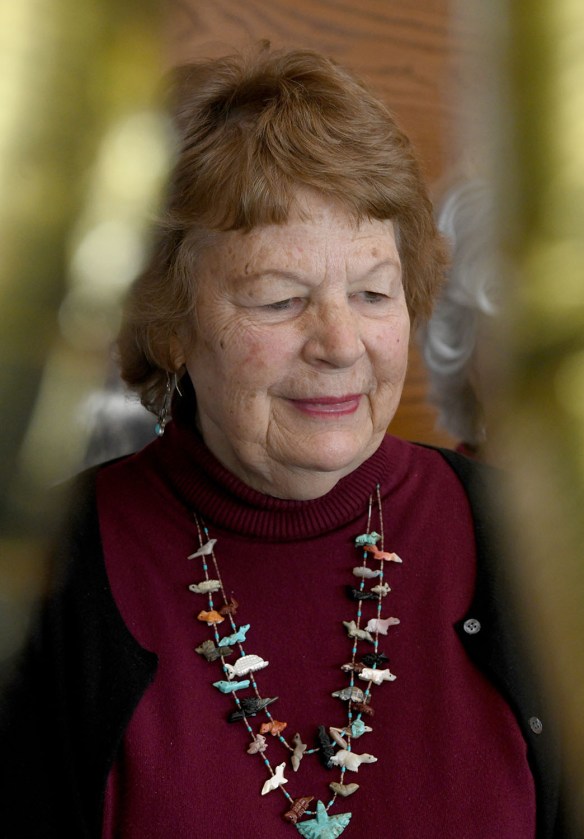 Indira Berndtson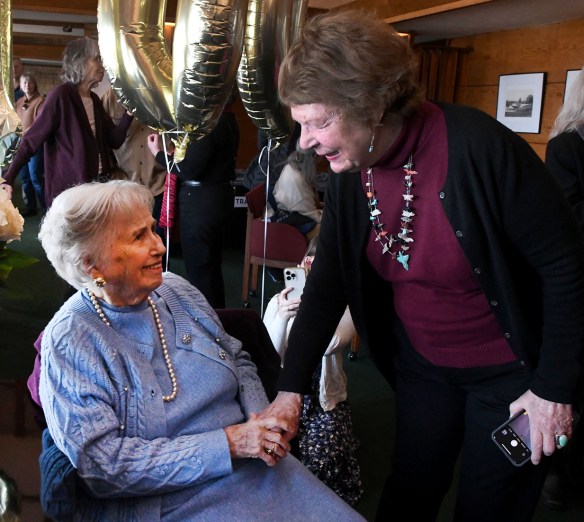
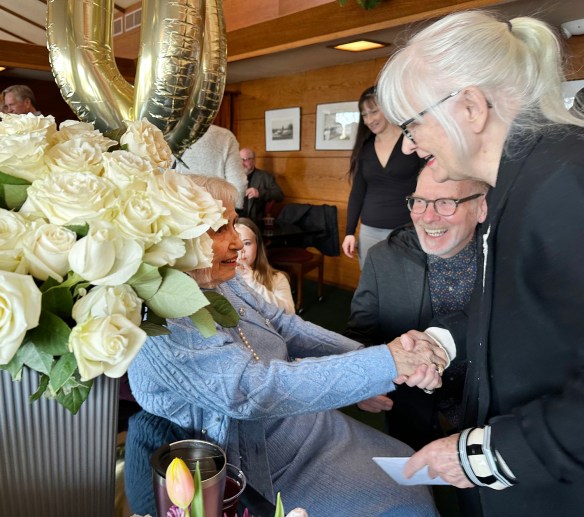




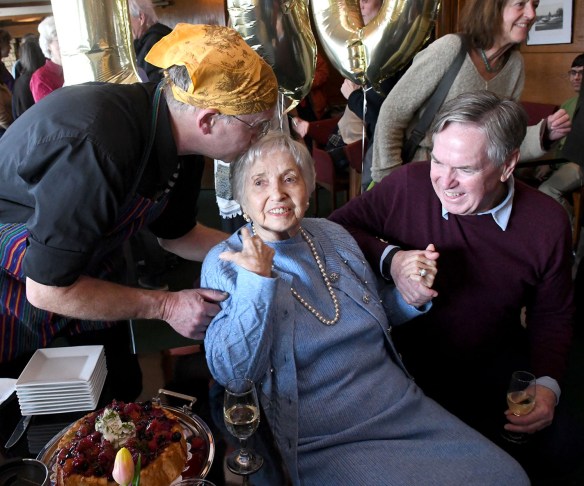
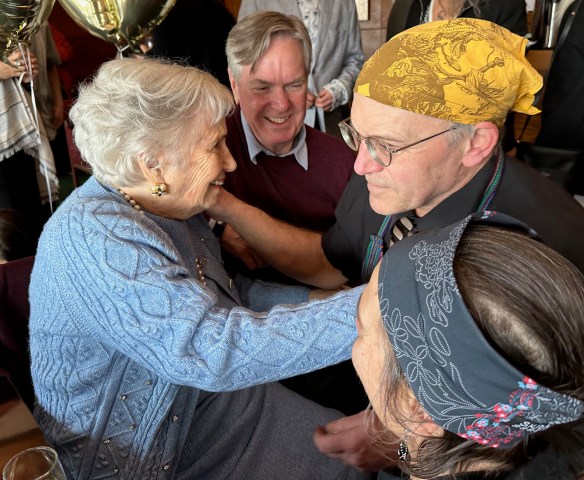

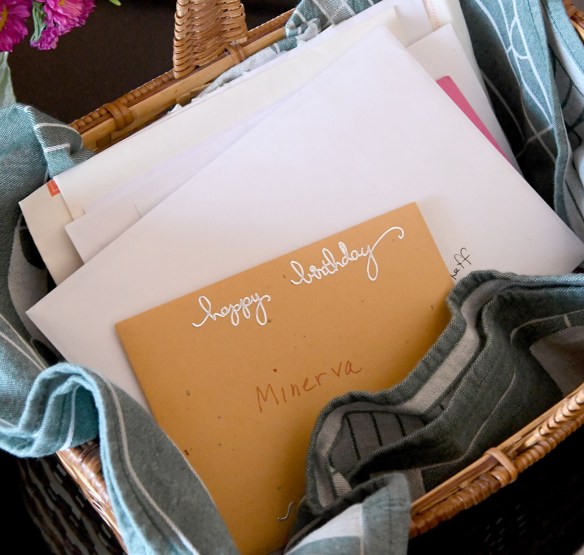
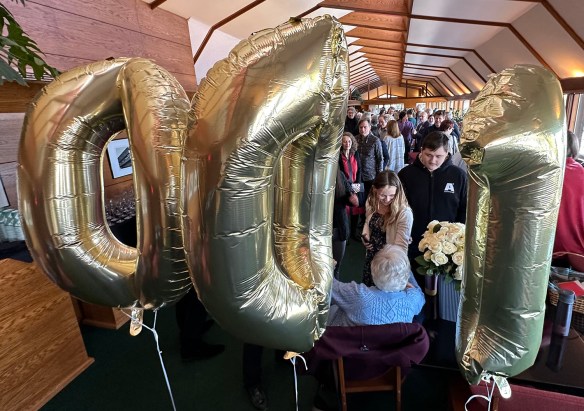
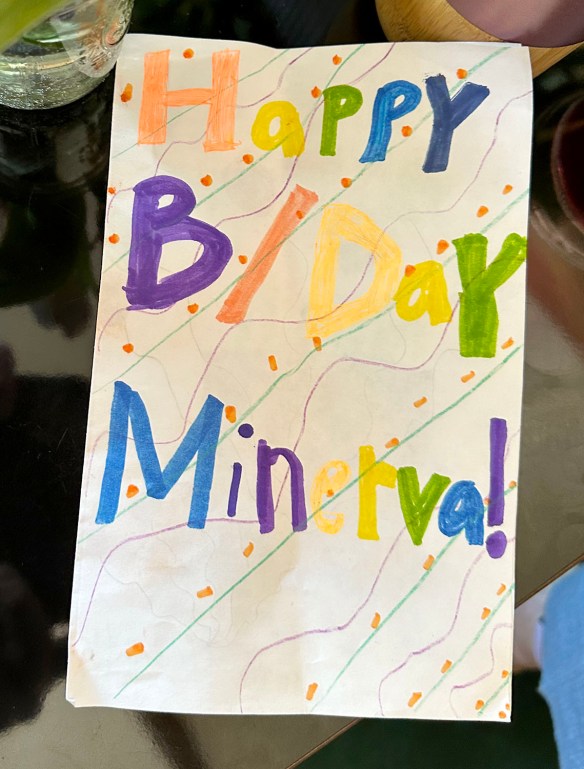 Yes, Happy B/day Minerva! Indeed!
 Wright in Racine