Tafel house threatened, court hearing Friday

Text and photos by Mark Hertzberg (c) For The Journal Times

Image

The fate of an historic house at 4945 N. Main Street may be determined at a hearing in Judge John Jude’s courtroom Friday afternoon. At issue is whether or not the house is too badly damaged to restore.

 Carl Albert House DSC_7995.JPG DSC_7996.JPG DSC_7997.JPG DSC_799

The cypress and limestone house was designed by Edgar Tafel in 1948 for Carl and Marie Albert. It has recently been judged eligible for nomination to the National Register of Historic Places.

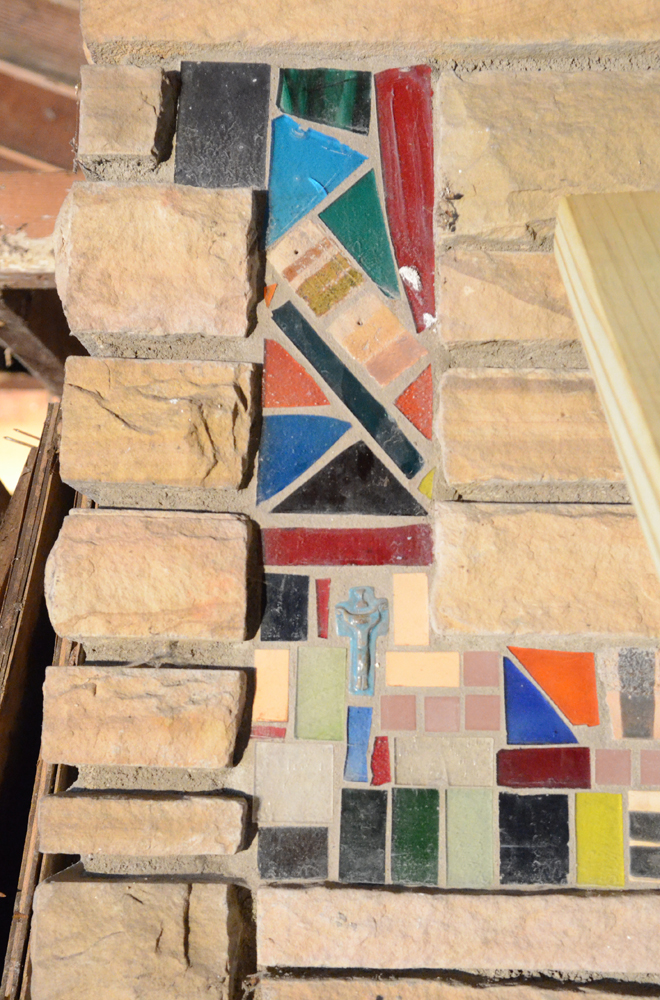
This colorful mosaic is on a pillar in the living room.

This colorful mosaic is on a pillar in the living room.

Tafel was one of Frank Lloyd Wright’s original Taliesin Fellowship apprentices. The house was overlooked in published inventories of Tafel’s Racine work, which includes six other homes. Tafel had supervised construction of Wright’s SC Johnson Administration Building, Wingspread, and part of Fallingwater before leaving Taliesin after nine years, in 1941. He died in 2011 at age 98.

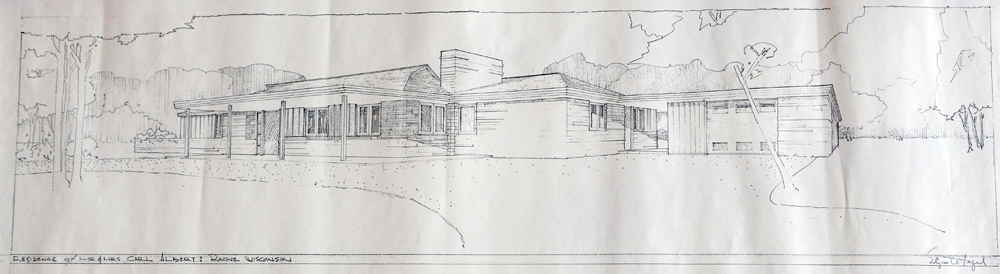
This is Edgar Tafel's perspective drawing of the house.

This is Edgar Tafel’s perspective drawing of the house.

Carl Albert House 068a LR

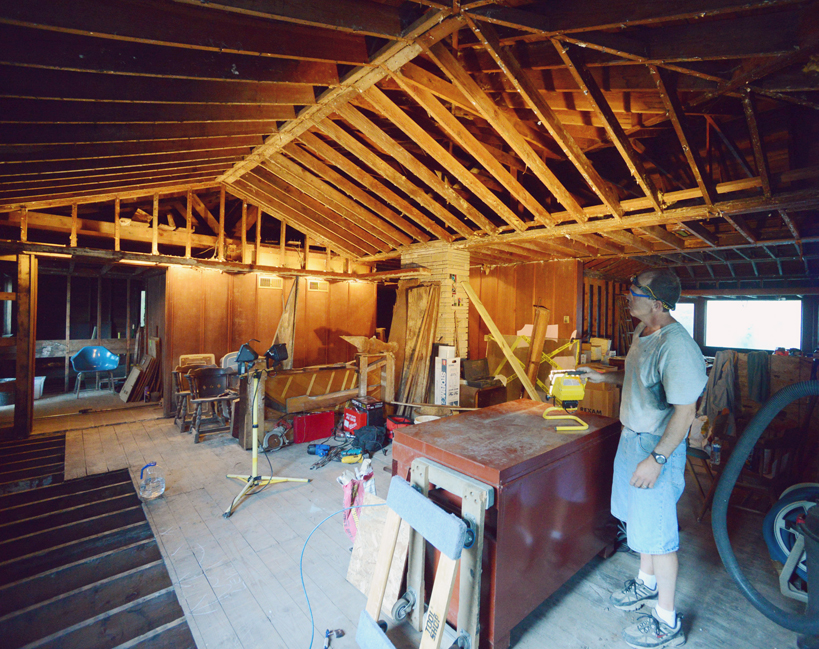
Dr. Gilbert and Joan Schulz bought the house in 1972. He died six months later. She left the house about six years ago to help care for her grandchildren. It has suffered significant water damage since being unoccupied. She and her sons, Linden and Nathan Schulz, insist the house can be repaired.

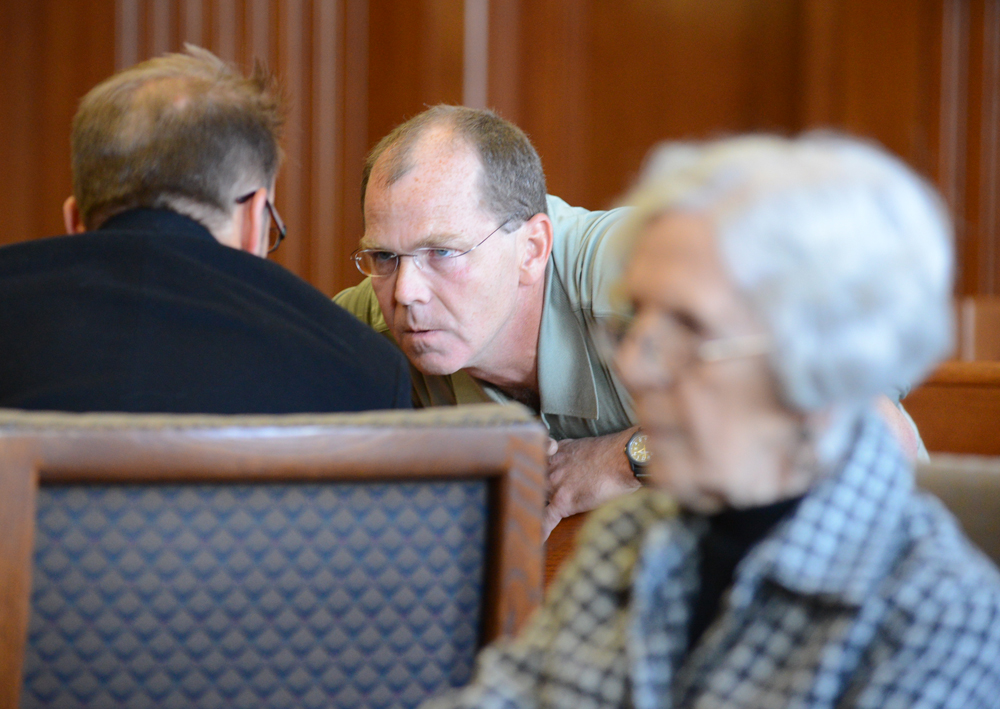
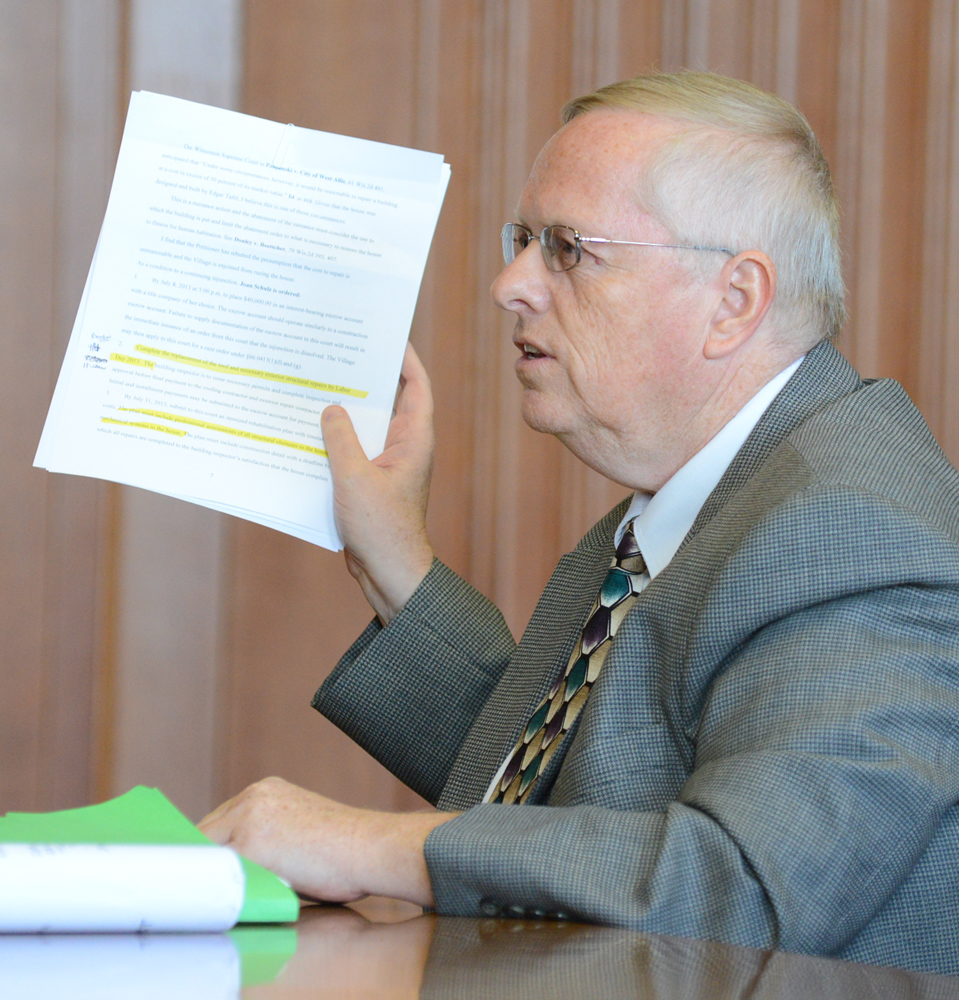
The disagreement is between the Village of Wind Point and the Schulz family. “The village is putting the cart before the horse,” according to Peter Ludwig, the Schulzes’ attorney.

The damaged roof of the house has been covered by a plastic tarp. The village declared the house “uninhabitable” in December, 2011, and the water service was shut off. The village also labeled the house a “public nuisance.” Mrs. Schulz staved off several raze orders. In February, Ed Bruner, the village attorney, said the village had run out of patience. “There’s been a determination made by the building inspector that the cost to repair the house far exceeds 50% of its value, so that’s the problem.”

After hearings in May and June Judge Jude ordered water service be restored. He ordered the village to issue building permits, so the Schulzes could make exterior structural repairs and repair the roof by Labor Day. Jude also ordered the Schulzes to submit a construction plan, timetable, and a professional structural assessment, to the court by July 31.

The construction plan and timetable have been submitted to the court, and the structural assessment is being prepared, according to Linden Schulz.  The roof has not been repaired, because village building inspector Lee Greivell will not issue a permit, without the structural assessment. Greivell referred questions to Bruner.

Friday, Bruner said permits will not be issued without a report certifying that the house can support a new roof, “As long as you can establish that the house is in sufficient shape that a roof can go on there, we are happy to provide a permit. But we will not just issue a permit to do that. It would be a dereliction of duties if he (Greivell) did. It doesn’t make sense to put a roof on something that is not structurally sound. If that report exists, I don’t understand why they have not shared that with us. That would get the whole process moving.”

The Schulzes’ engineer, Larry Ruka, agrees that the house needs major repairs, but says, “It’s all repairable.” He adds that he has never been required to provide proof of the soundness of a building before getting “dozens, no hundreds” of building permits in his career, as the village is now insisting.

“Therein lies the rub,” says Ludwig. “In talking with Ruka, his indication is that there is often unsoundness in a home before repairs begin, for example after a serious fire. In that case, the purpose of doing work is to correct unsoundness.” He quotes Ruka, “Give us a permit, and we will repair the structural unsoundness. And then you’ll determine the structural soundness after the work has been done.”

Houses with black plastic tarps covering the roof are not common in Wind Point. Nathan Schulz looks beyond the damage and speaks with passion about the home he grew up in, “It’s not a cookie cutter McMansion. It’s a piece of art work. It doesn’t deserve to be destroyed. The whole city loses, if it’s destroyed.”

Hardy House – New tour, and a look back after a year of restoration

(c) Mark Hertzberg – For The Journal Times

Image

A year is generally not a significant time in the history of a 110-year old house. However, this past year has been perhaps the most important, if not dramatic, year in the history of the Frank Lloyd Wright house at 1319 Main Street. Thomas P. Hardy, a Racine attorney, moved into the house that Wright designed for him, in 1906. Hardy was 73 when he lost his beloved home, first at sheriff’s auction in 1937, and then by order of the Wisconsin Supreme Court in 1938. The house has had six owners since then. The newest steward of the house, Eugene Szymczak, bought it a year ago from Jim and Margaret Yoghourtjian, who owned it since 1968. Szymczak undertook a full restoration of the house. Some of the work, including replacing aging wood and refinishing the house in its original colors inside and out, is relatively routine. Other work required solutions unique to the house. An example was the placement of four floor-to-ceiling columns in the sub-basement to stabilize the Main Street side of the house.

Interest in the house has increased greatly recently, according to the craftsmen working on it, as passersby see the finish color of terra cotta applied. Szymczak reflects on the past year, and says, “I am happy to see that many people enjoy seeing the house come back to its original intent of being part of nature and an inspiration.” The Hardy House will be open for a rare tour during Preservation Racine’s annual fall house tour Sunday September 29. For more information: http://www.preservationracine.org/tour2013.html

Copy and paste to your browser for a link to a photo gallery of the year of restoration:

http://journaltimes.com/photos-hardy-house-restoration/collection_09906d5c-1944-11e3-8732-001a4bcf887a.html#0A

Hardy House finish color revealed

(c) Mark Hertzberg

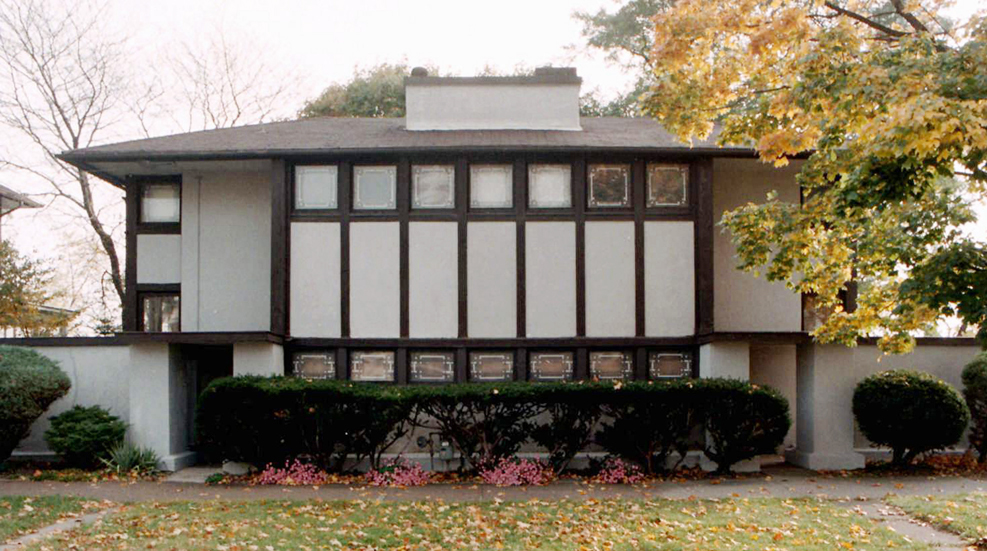
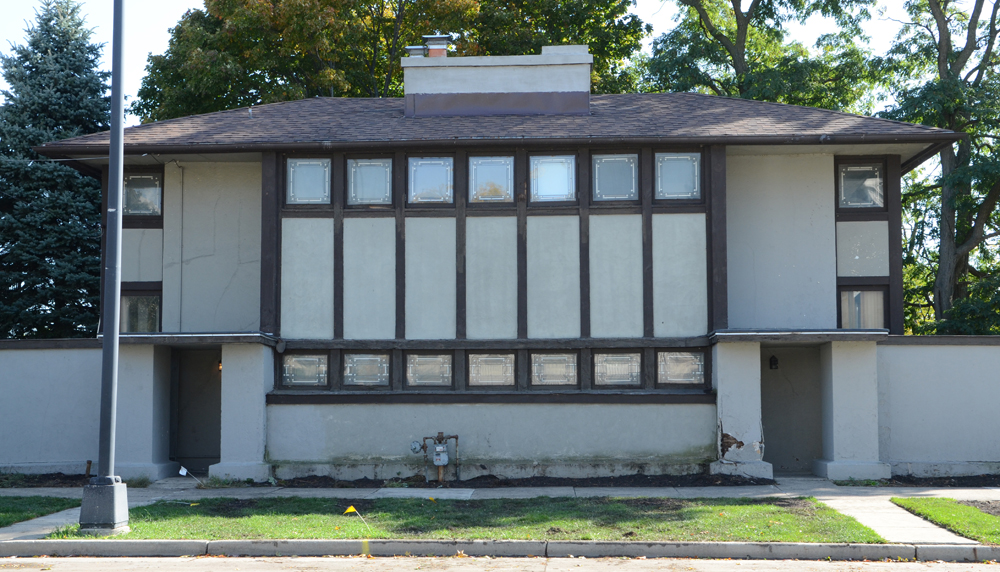
The package is being gift wrapped, if you will, and we now know what color the restored Thomas P. Hardy House will be. The house, which Gene Szymczak bought last September, is being restored. While some aspects of the house have been updated, Gene wanted to find the original color of the house. The stucco was painted gray when Gene bought it, as seen in this photo taken in the mid 1990s:

Image

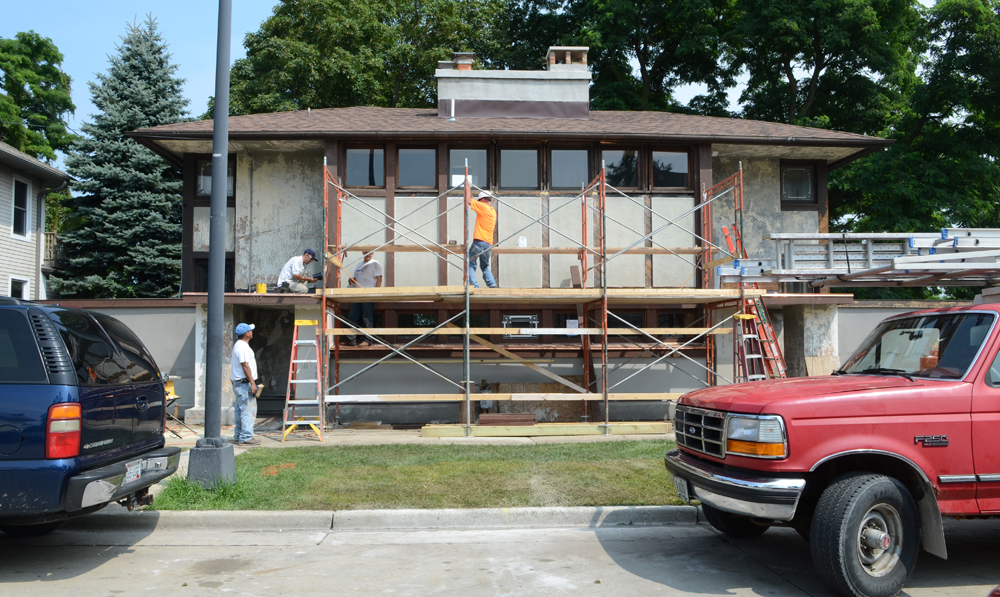
The stucco and wood had weathered and deteriorated since that photo was taken. The next photo shows the house last fall, after the bushes had been removed. The crack in the pillar of the entryway, right, was caused by a worker:

Image

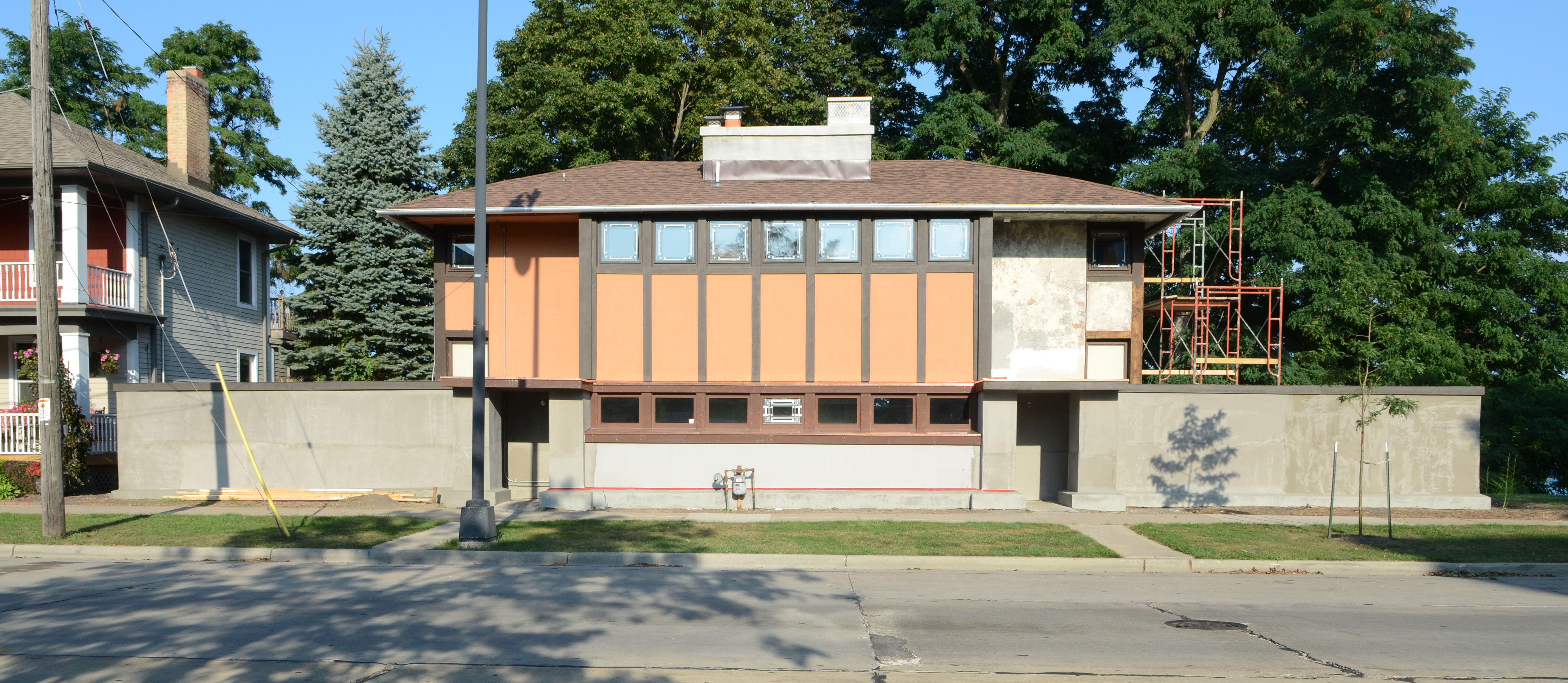
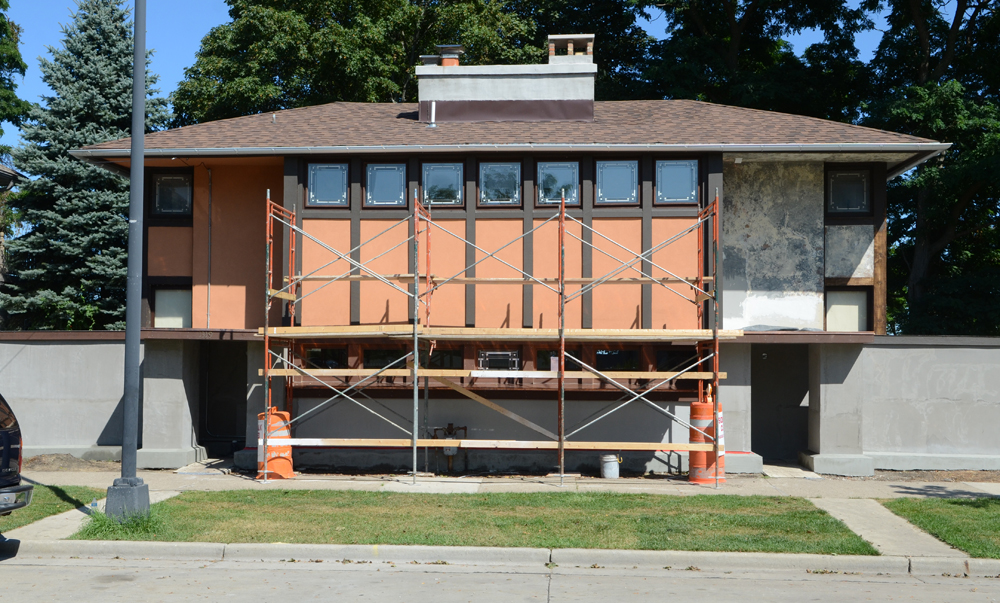
The next picture was taken just 10 days ago:

Image

Next, we see the layers of paint uncovered by painter Dennis Bishop, on the back of the house:

Image

And, the final color…drum roll…terra cotta, like Wright’s Gardener’s Cottage at the Darwin D. Martin House. The color is the final coat of the meticulous stucco repair by Paul Lemke of Top Notch Plastering of Racine, and his nephew, Sean Doyle:

Image

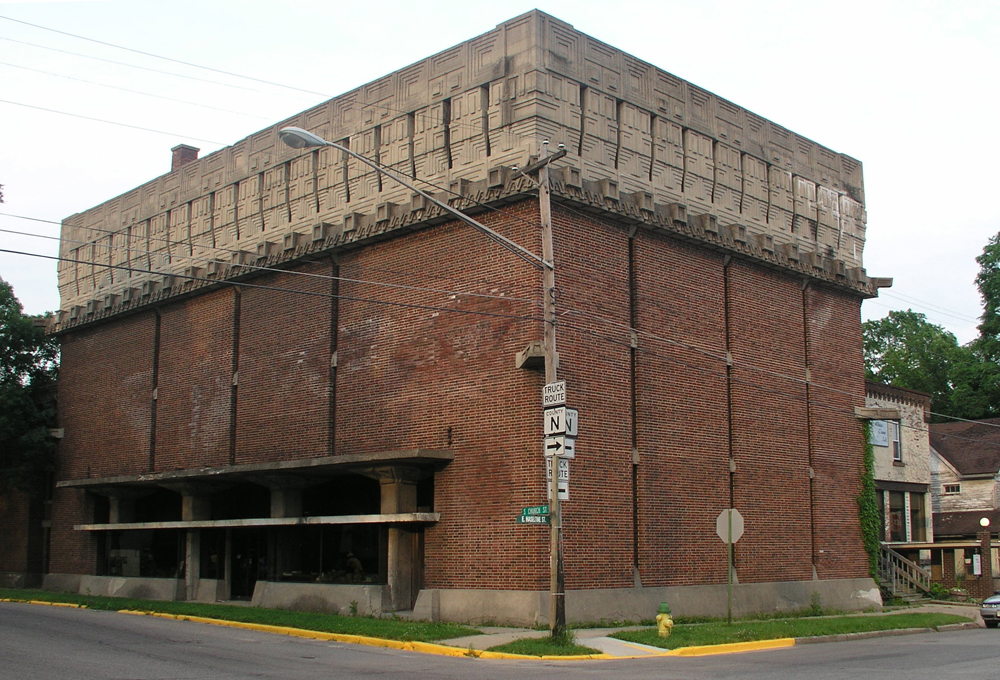
A.D. German Warehouse has a new steward!

Image

From the Frank Lloyd Wright Building Conservancy’s release:

“The Frank Lloyd Wright Building Conservancy learned recently that a new buyer for the A. D. German Warehouse (1916-1921) had stepped forward from among the residents of Richland Center, Wisconsin. The property was purchased from the estate of Harvey Glanzer and closed on August 15. The new owner will be working with a group of Richland Center citizens and institutions who are organizing to develop plans for strategic and financial planning, fundraising, restoration, partnering on adaptive use and future operations. The Conservancy began an initiative in May 2012 to chart a path for a new owner and a new future for the Warehouse, bringing together a group of interested parties and local citizens. The current steering committee includes several individuals from this group.”

Congratulations, and thanks, to all those from the BC who made this happen!

Photo (c) Mark Hertzberg

Restoring the SC Johnson Research Tower

Text and photos by Mark Hertzberg / Photos used with permission of SC Johnson

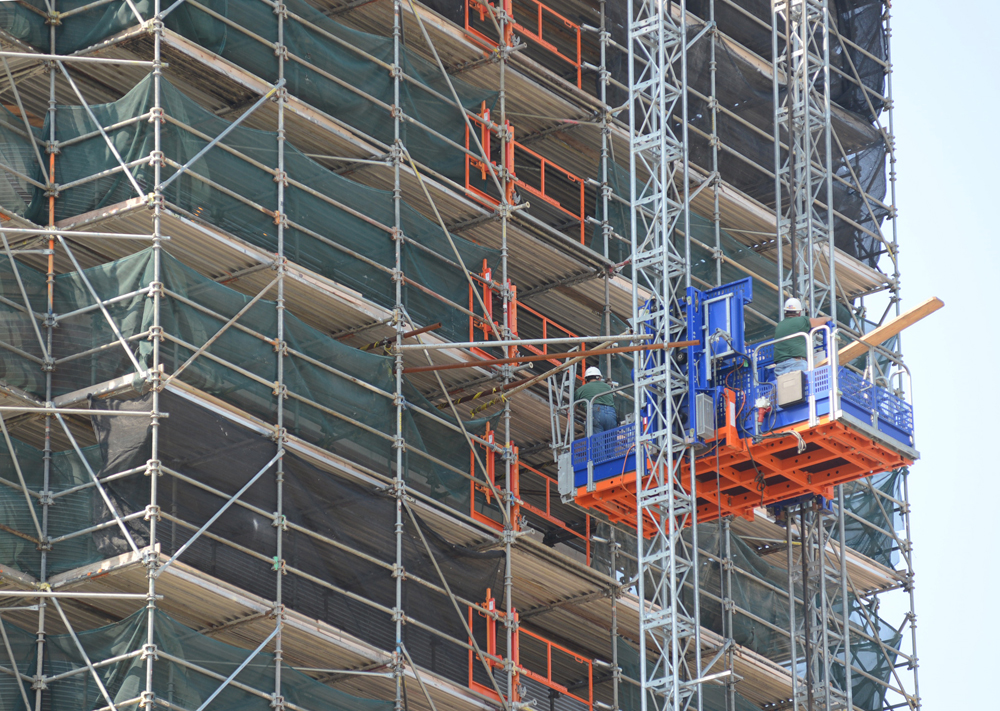
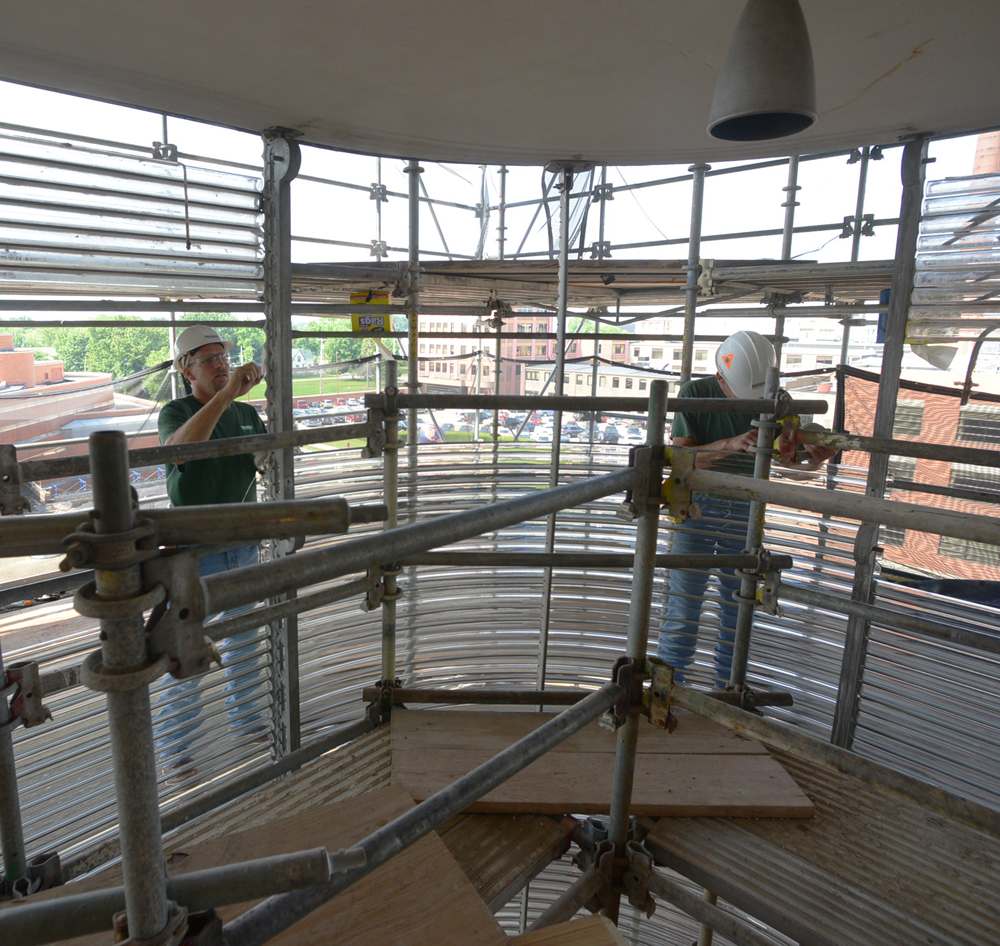
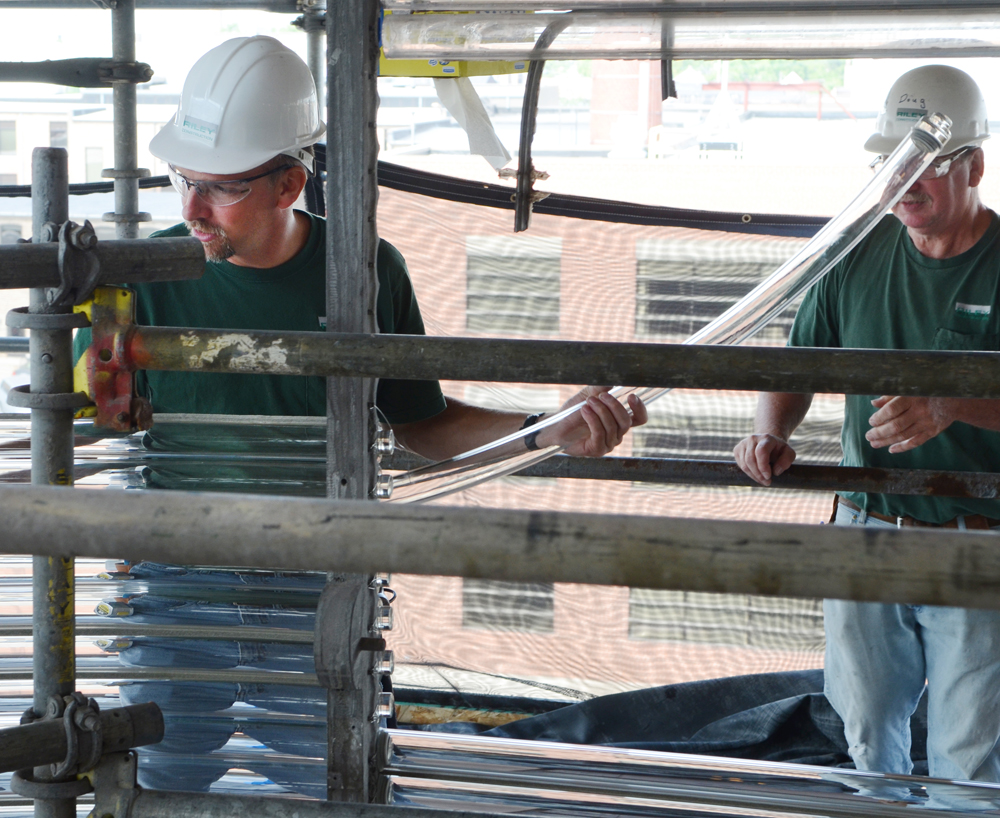
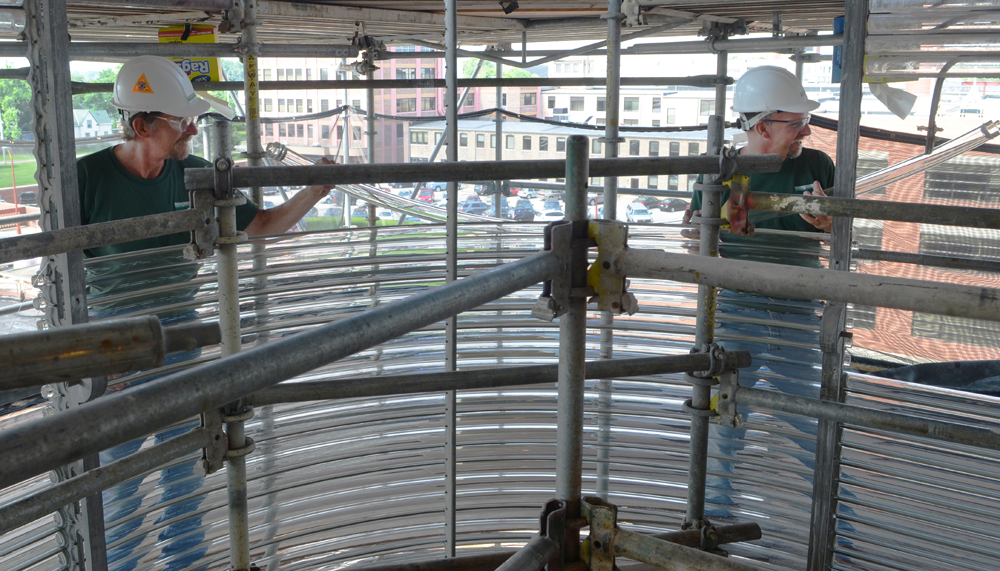
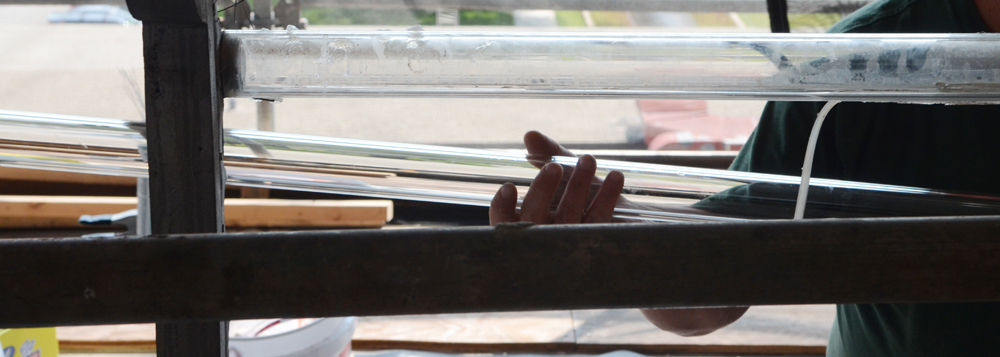
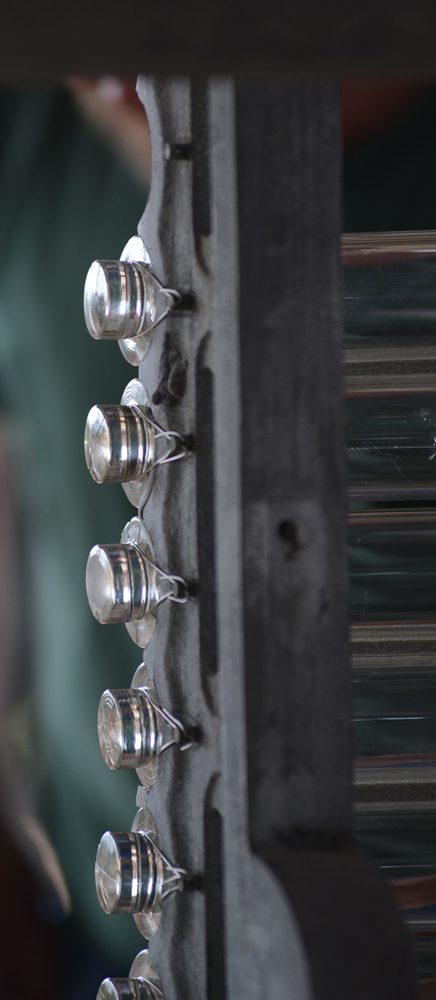
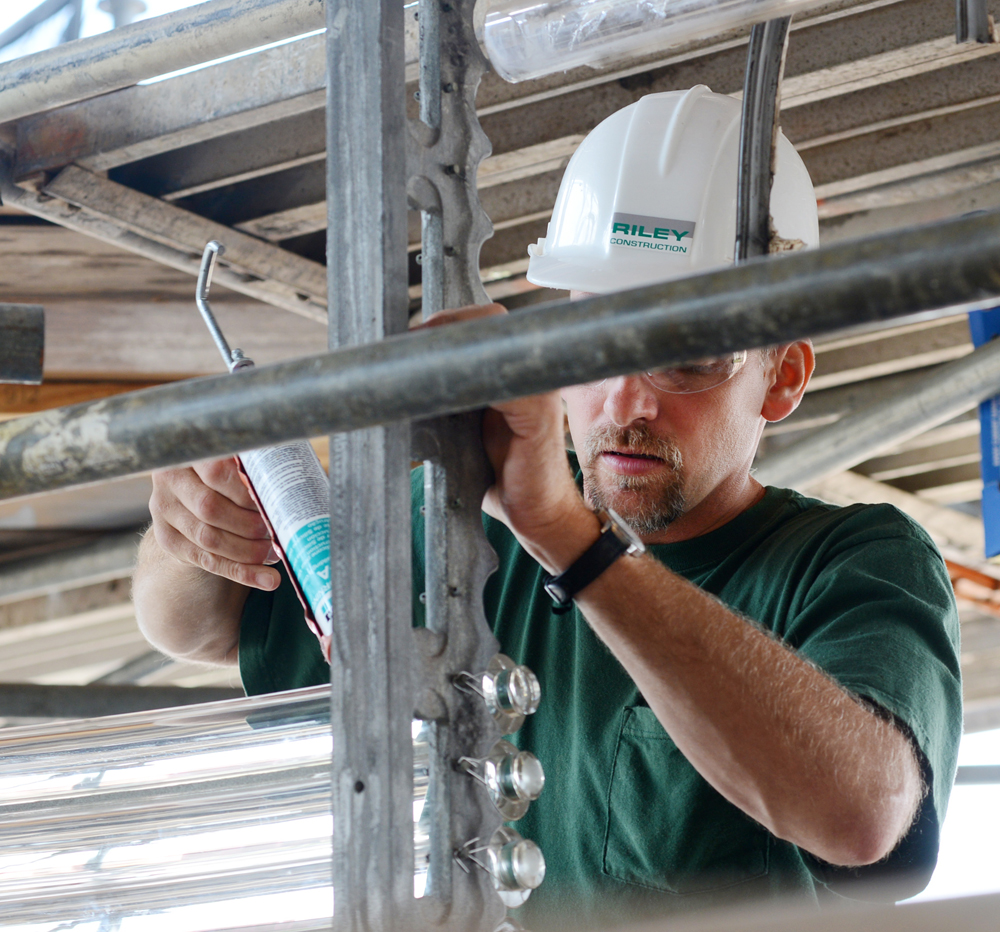
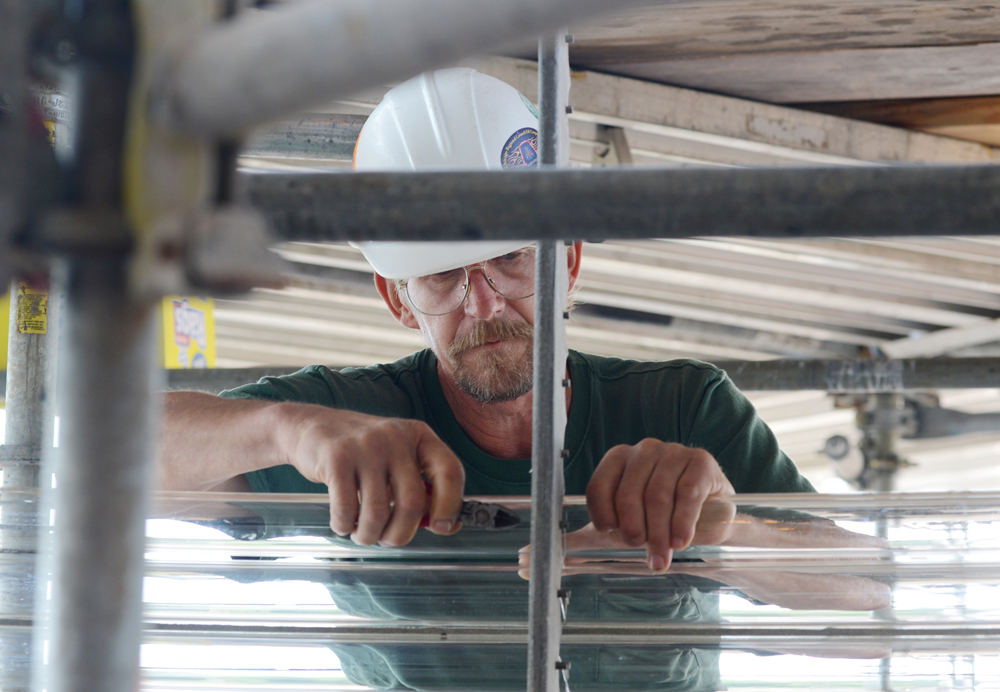
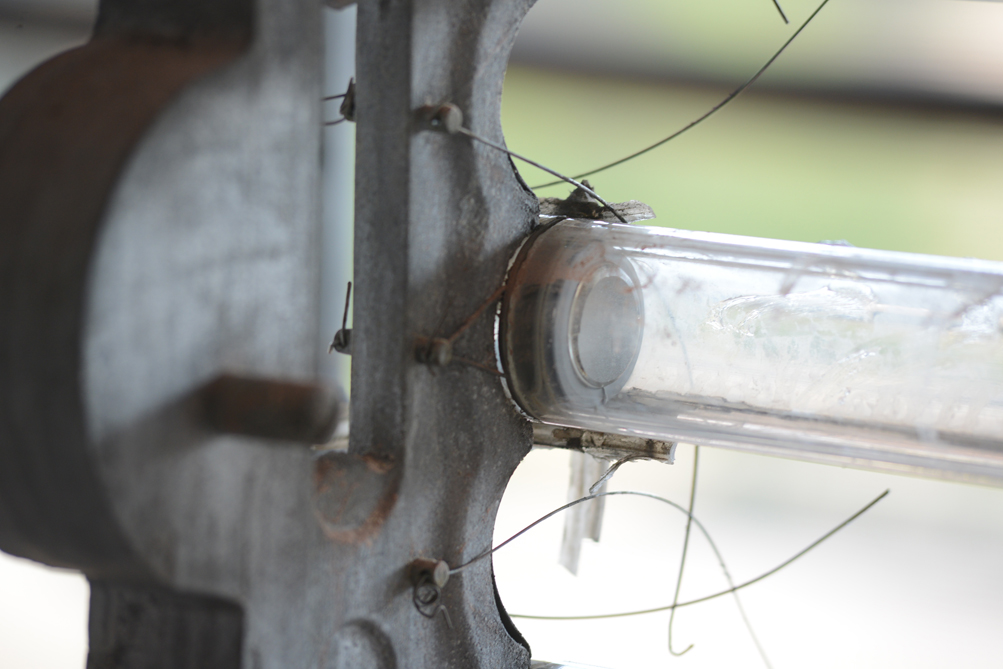
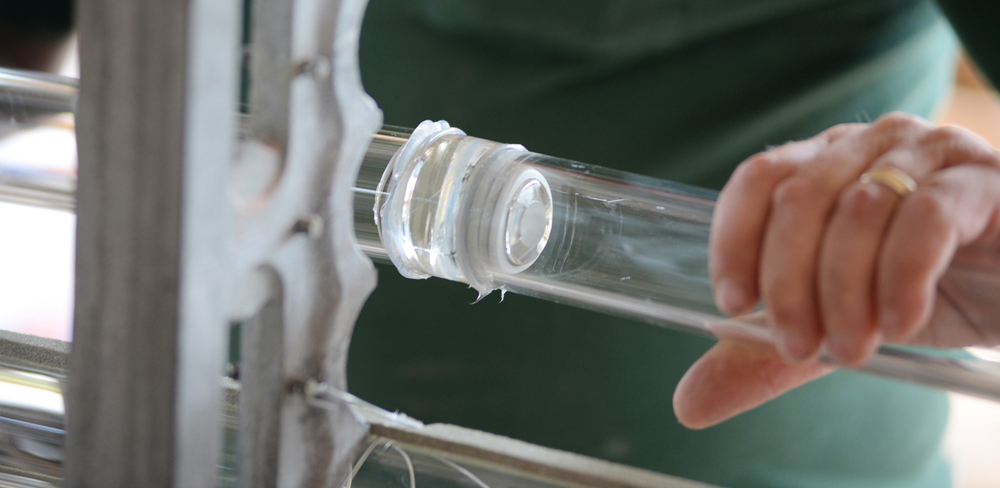
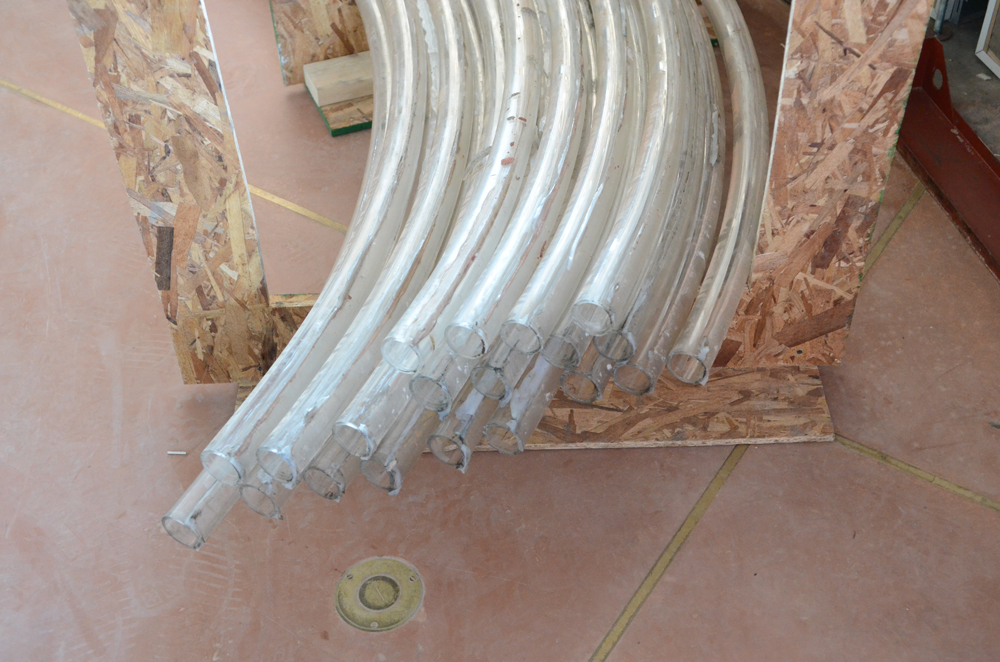
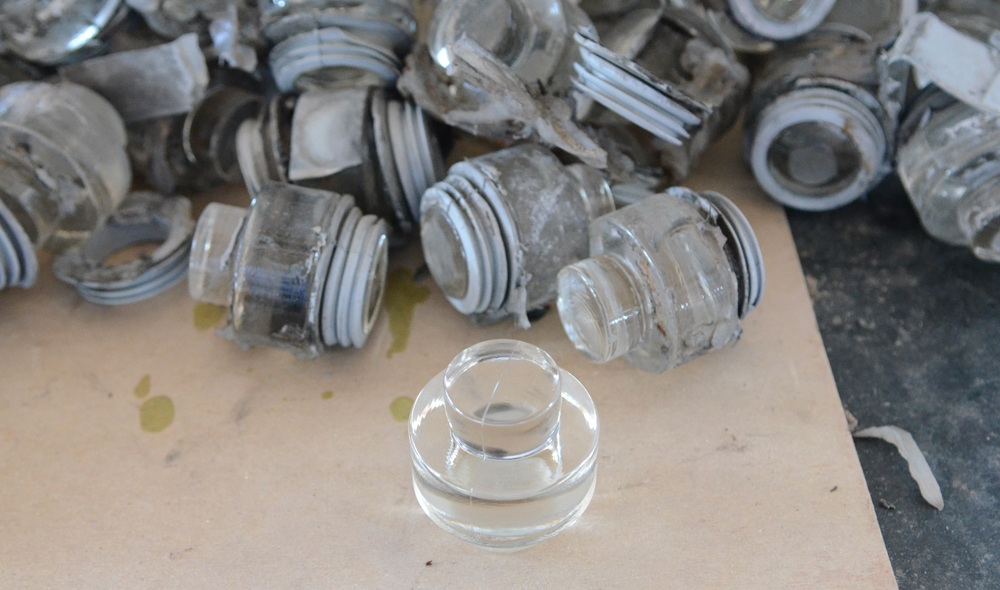
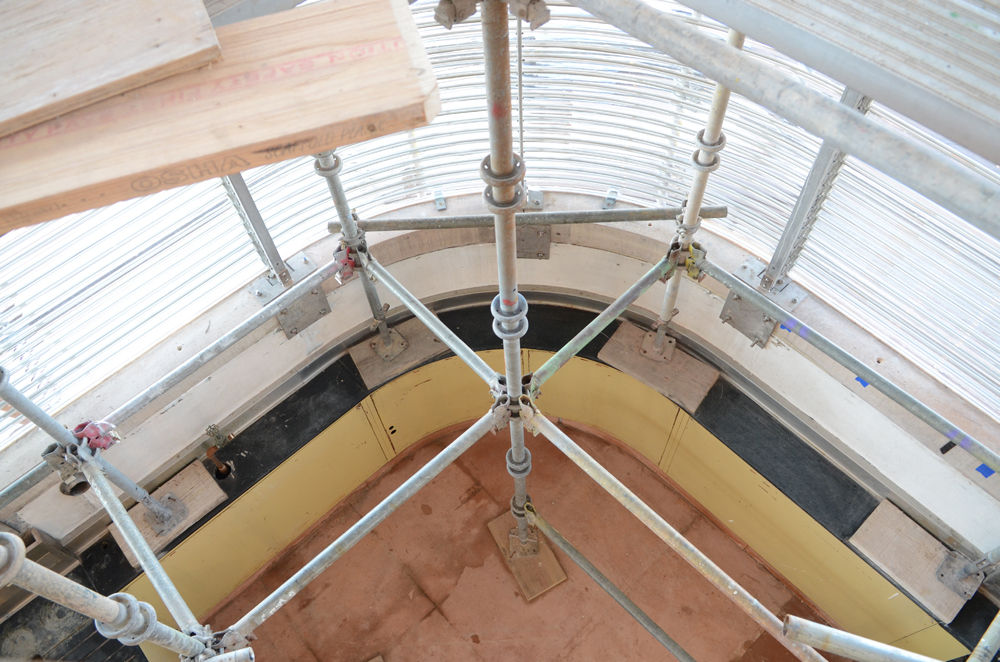
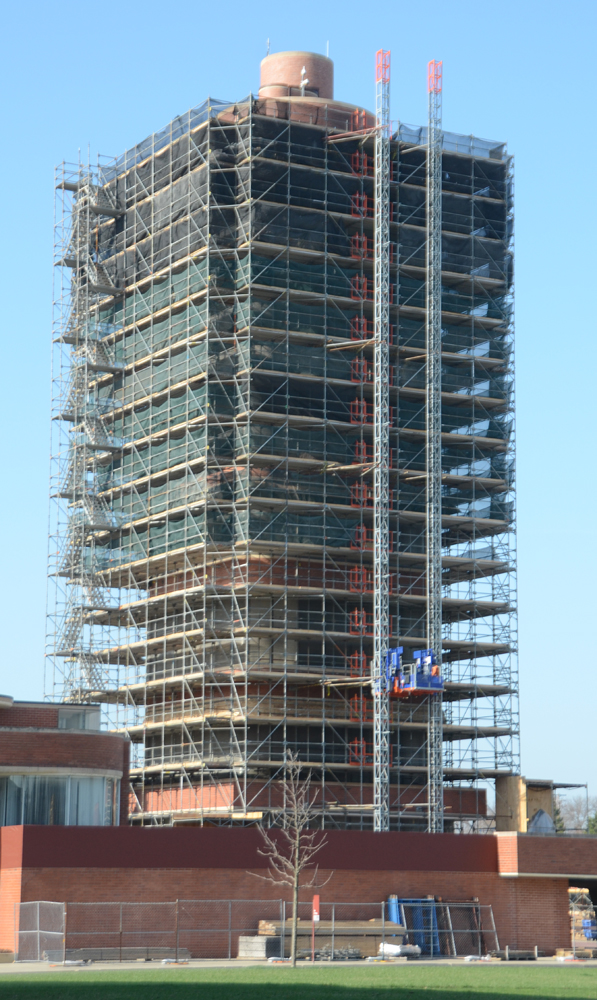
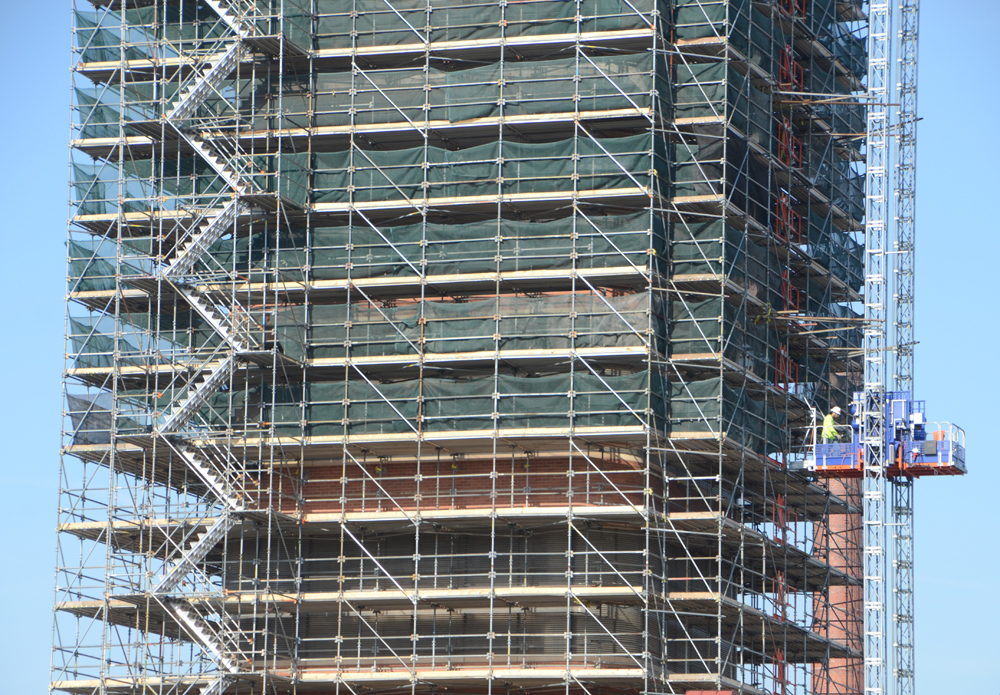
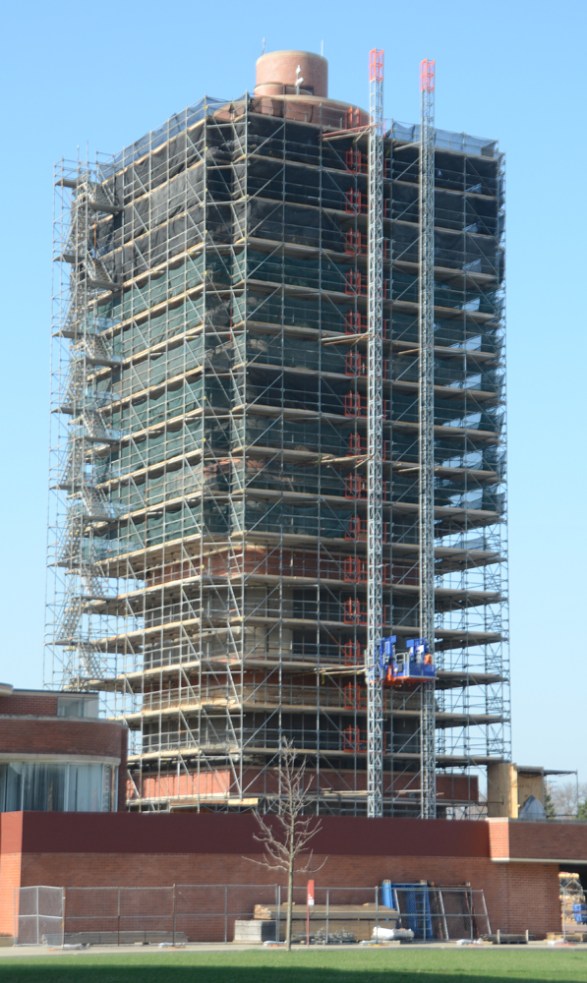
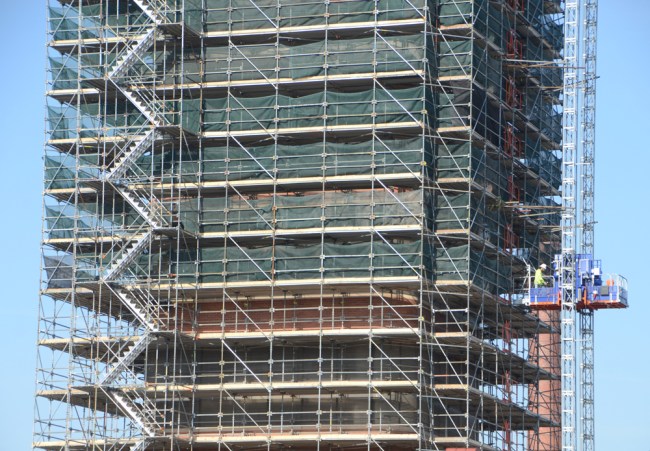
     The SC Johnson Research Tower is still enveloped in scaffolding, from top to bottom, as workers carefully clean and, in many cases replace, the 17.5 miles of glass tube windows that Frank Lloyd Wright designed for the building. The Tower opened in November, 1950, and closed in 1981 when research and development was consolidated in the nearby former St. Mary’s Hospital building. The work is in preparation for next year’s reopening of two floors (3 Main and 3 Mezz or Mezzanine) for tours.

Image

     Countless publicly-traded companies might have demolished a building like the Research Tower rather than let it stand vacant for more years than it was open. But not SC Johnson. The Johnson family and the company recognize that the Tower stands as a symbol of SC Johnson’s commitment to creative thinking. Indeed, the Tower is still lit at night. 

Image

Image

Image

Image


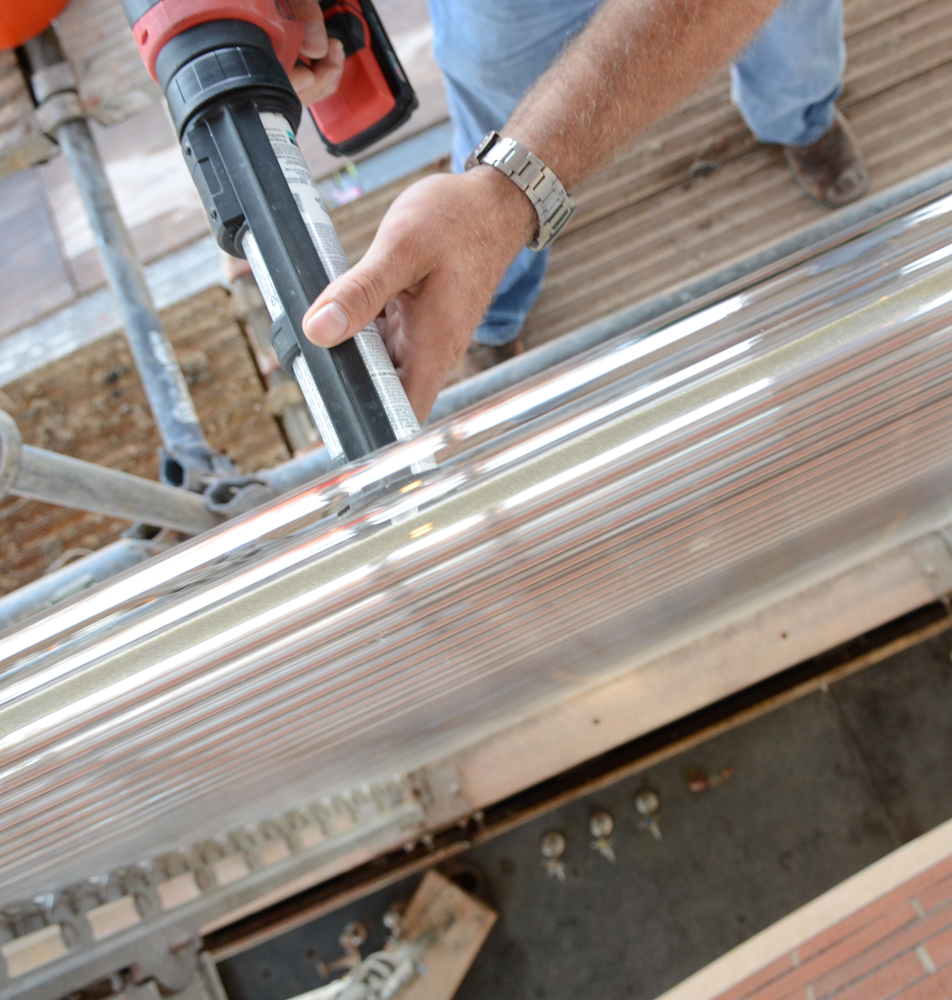
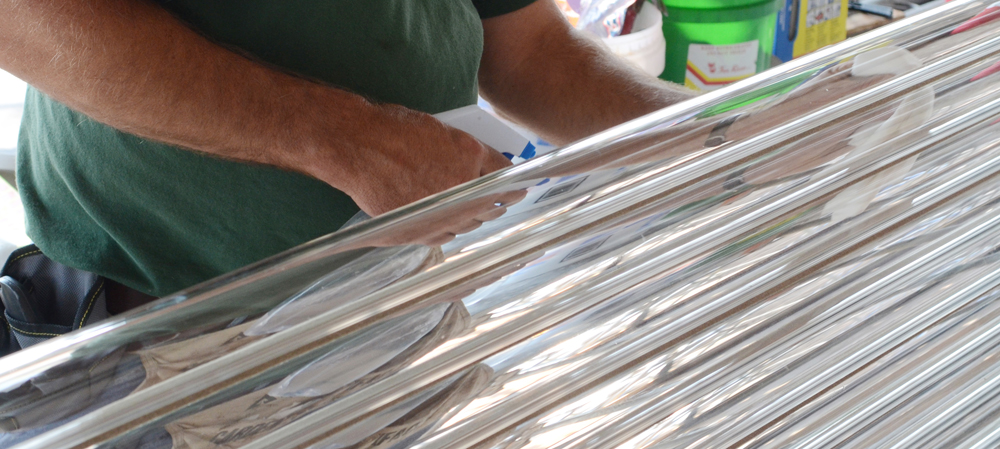
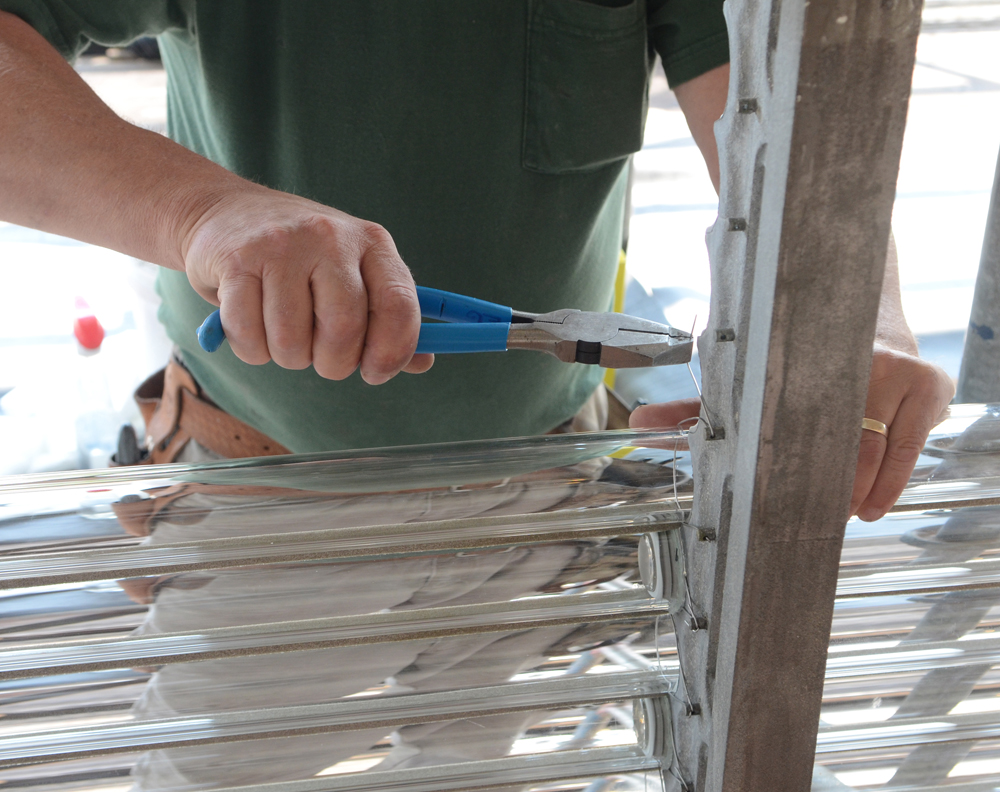
Each section of glass is fitted back into the original hardware, and fastened as Wright instructed. It is carefully caulked and cleaned, as well.

ImageImage

Image

Image

Image

Image

Image


Image

Image

Image


ImageImage

Image

Image

Image

Image

Image


Hardy House update

Text and photos (c) Mark Hertzberg

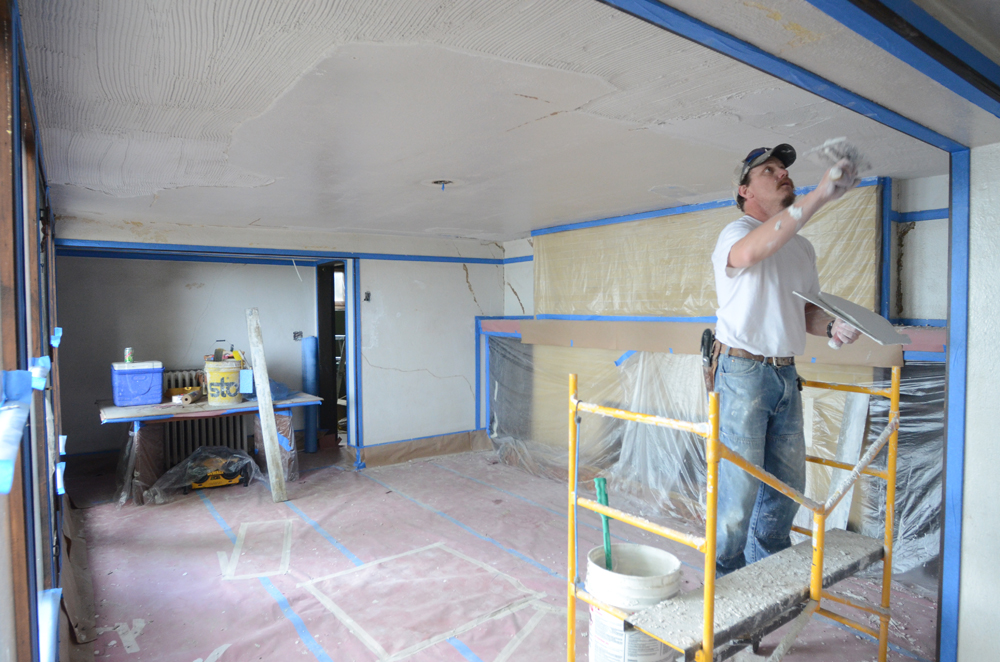
       Work continues on the rehabilitation and restoration of Frank Lloyd Wright’s Thomas P. Hardy House in Racine (1904/05) at a less frenetic pace than several months ago. The house was sold in September to Eugene Szymczak. Work through the fall, winter, and early spring ensured the stability of the house and saw the repair of most of the interior.

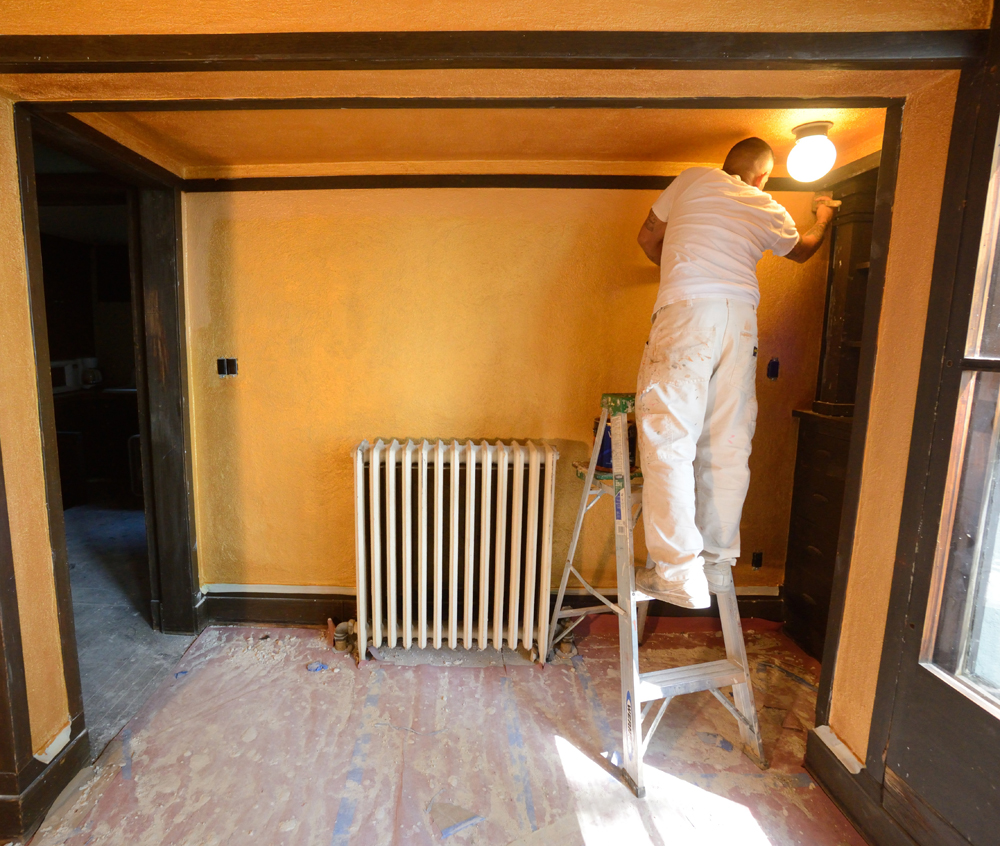
        Painters Dennis and Daniel Bishop used the bottom layer of paint chips uncovered throughout the house to paint the interior in what are thought to be the original colors. The exterior will likely be similar to Graycliff’s color.

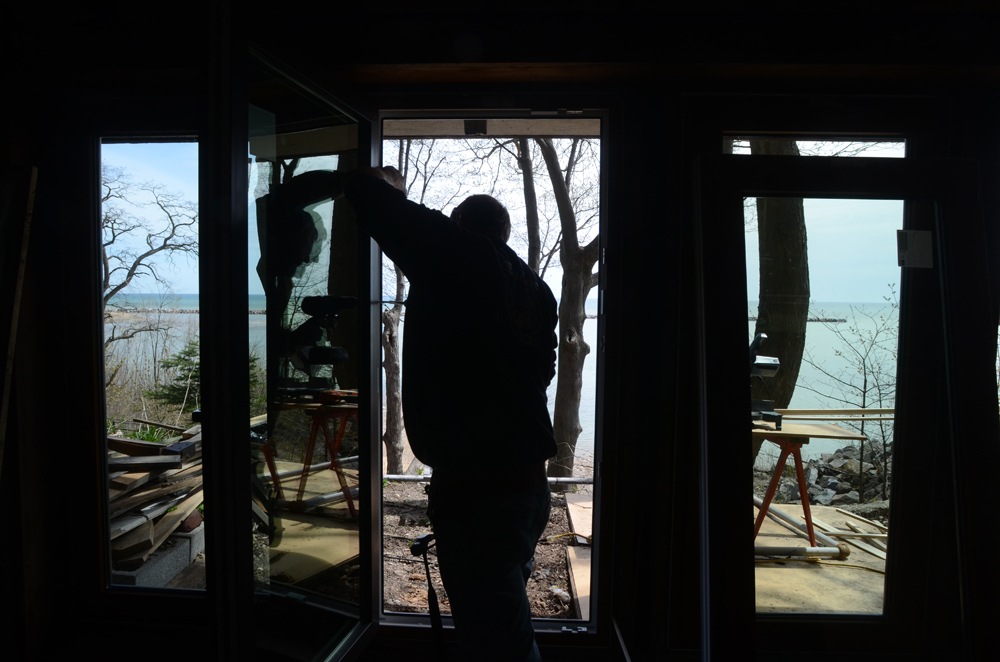
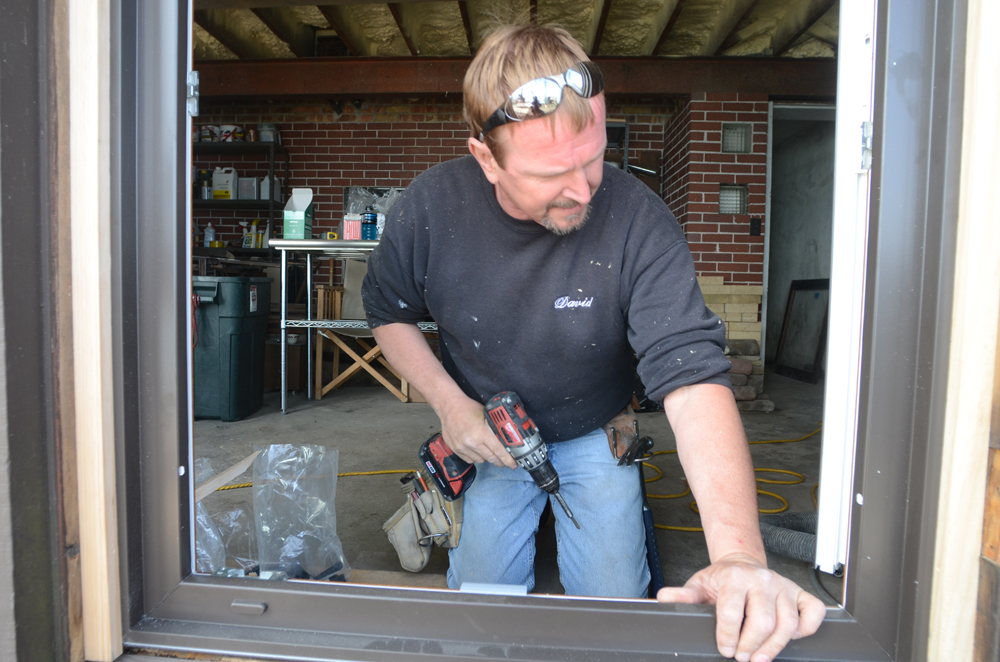
       The second owners of the house – The Sporers, 1938-1947 – commissioned a recreation room to be built under the dining room terrace, adjacent to the basement, in 1941. The work was done after World War II. It included replacing the solid east stucco wall under the terrace with five full-length windows, one of which was a door opening to the hill above Lake Michigan. David Sinkler installed new energy-efficient windows in May.

ImageImage

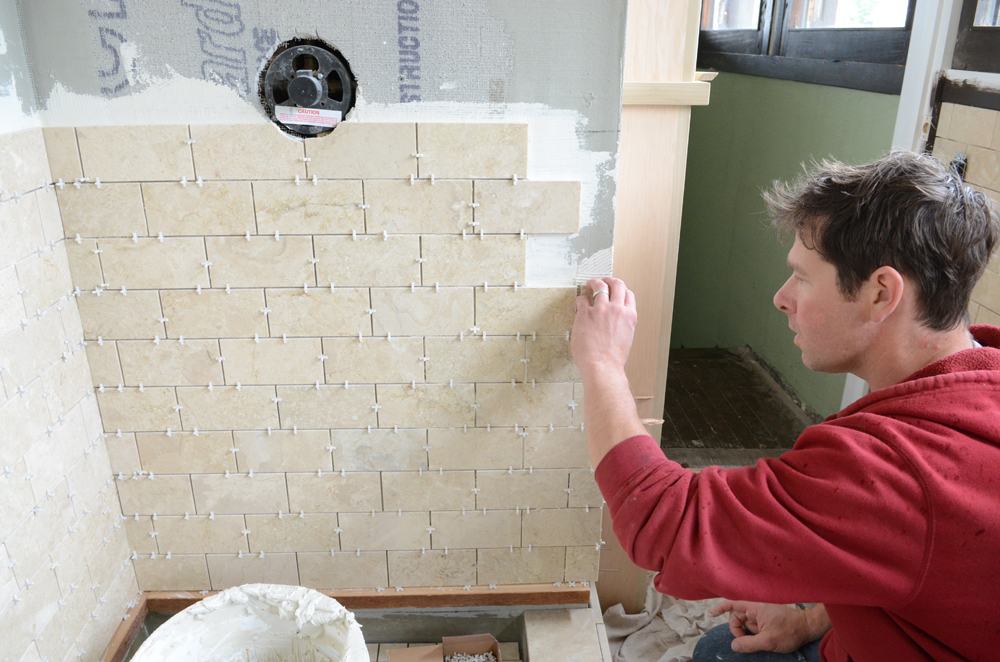
The bathroom has both been restored and updated. It was restored in that Szymczak opened up the south wall so that there are once again doors on the north and south ends, giving a view of the leaded glass windows at either end of the house. The third owner of the house (1947-1957) had walled in the south end of the bathroom. A portion of the ceiling has been raised, enabling the installation of a shower stall in place of the former 1949 bathtub. Chad Nichols has meticulously tiled the bathroom:

Image


        The dining room was replastered, as needed, by Paul Lemke and painted by Daniel Bishop:

Image

Image

Image

Image

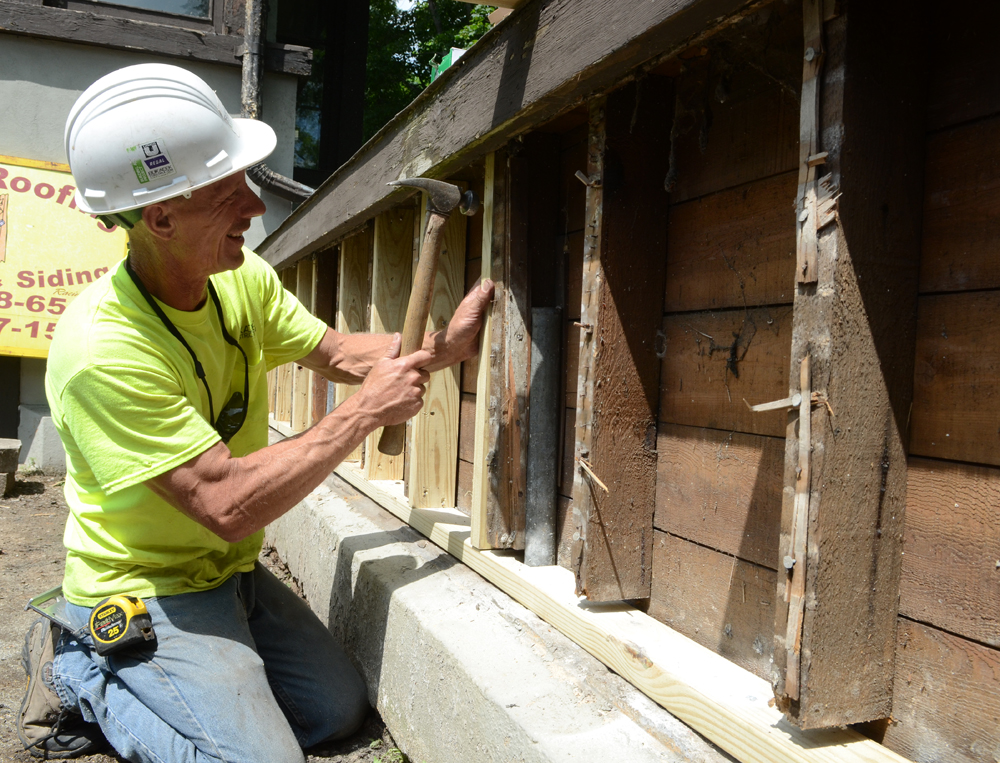
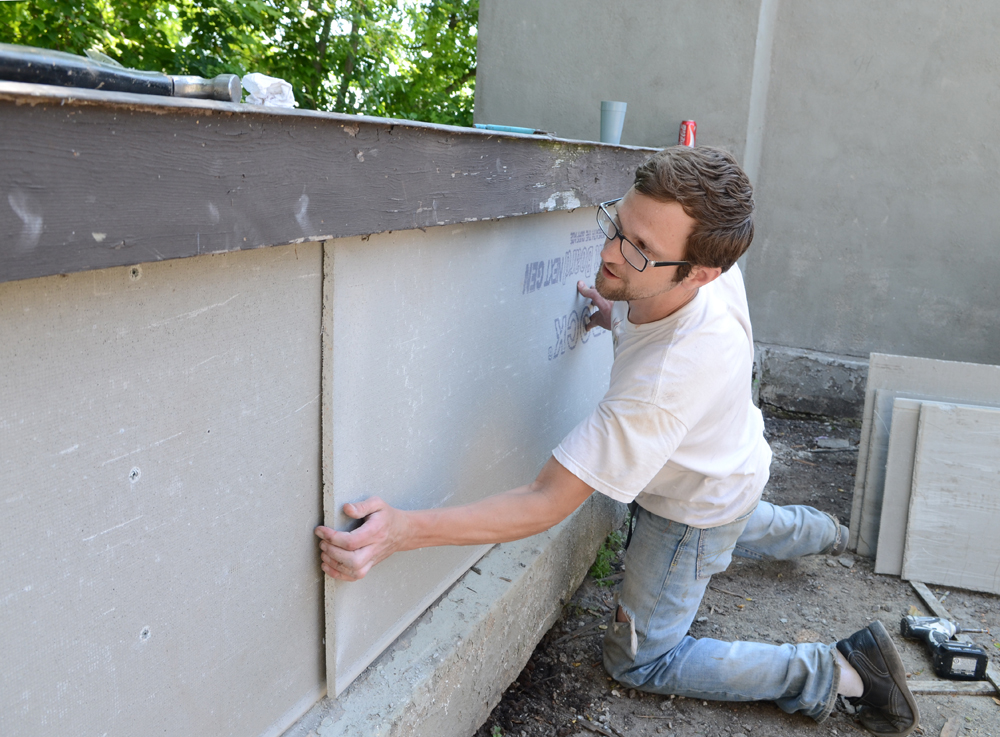
        With the interior work almost complete, Lemke will soon turn his skills to fixing the exterior stucco. The courtyards are among the areas that need attention. The original courtyard walls had a pine basket-weave lathe:Image

      Gordie Bishop built a new framework for Lemke’s nephew, Sean Doyle, to cover with board, rather than lathe, before Lemke plasters the courtyard walls:

ImageImage


         The house originally had pocket, or sliding doors, as the two entry doors. They were removed by the third owner because the doors often stuck during winter. Szymczak commissioned new pocket doors. The new doors slide on a track, like patio doors, rather than being hinged by a cumbersome, out-dated heavy mechanism like the ones found in the entry way walls. The new doors have full length windows, which will enable Szymczak to look into the courtyards from the entry hallway:

Image

   The wood gates, which hung over the entry ways, were also removed by the third owner. The Sporer’s daughter, Anne Ruetz, took pictures of the gates as a child, and they will be reproduced by Nichols after the stucco work is completed. 

      A wood construction shelter has covered the front of the house since winter because the seven windows in the hallway had to be removed during construction. The original leaded glass windows were deemed too damaged to reinstall by Oakbrook Esser glass studios. They will be preserved, but reproduction windows will be installed in their place. Bishop installed a sample new window in the center position a week ago. Six plate glass windows were installed in the other window frames until the other reproductions are ready. Bishop expects to remove the wood shelter in a week. He says many passersby have asked when the shelter will come down…and he says it will be like unwrapping a Christmas present.

Image

Image

Image


     The rest of summer and fall will likely see stucco and wood repair work outside and then, finally, a new coat of paint for Wright’s wonderful house on the bluff above Lake Michigan. 


Usonia at SCJ

Photos by Mark Hertzberg for SC Johnson, and used with permission. (c) SC Johnson

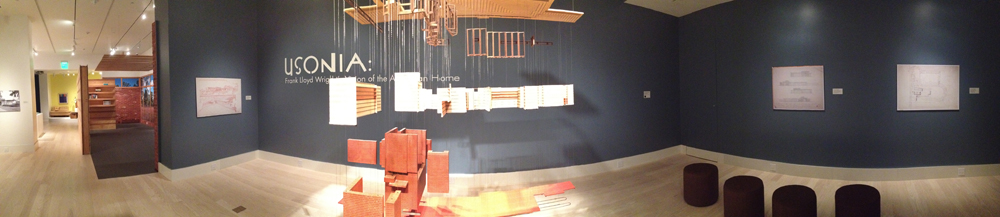
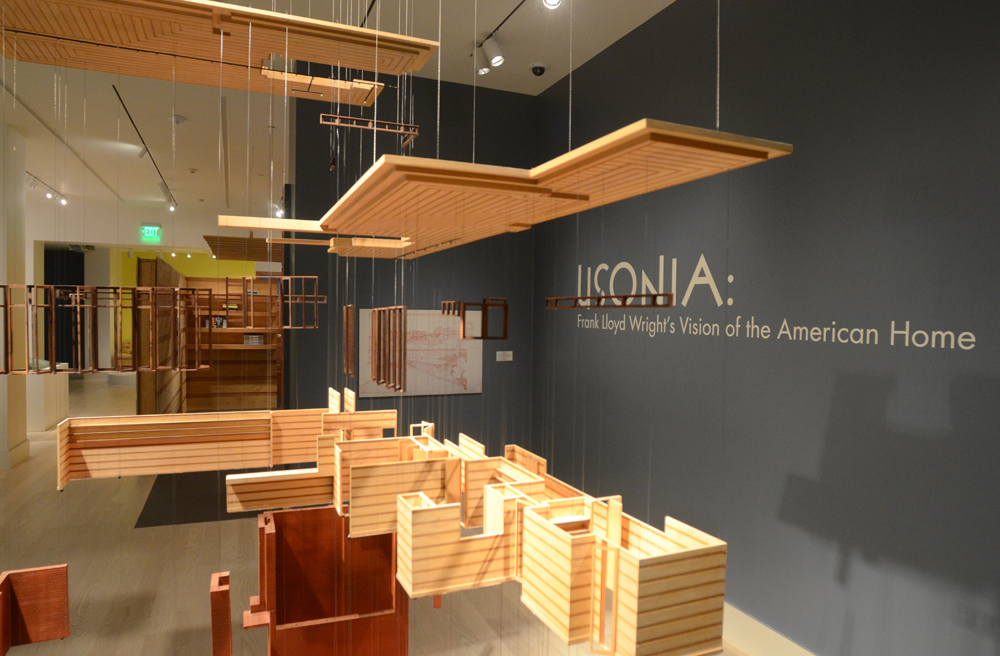
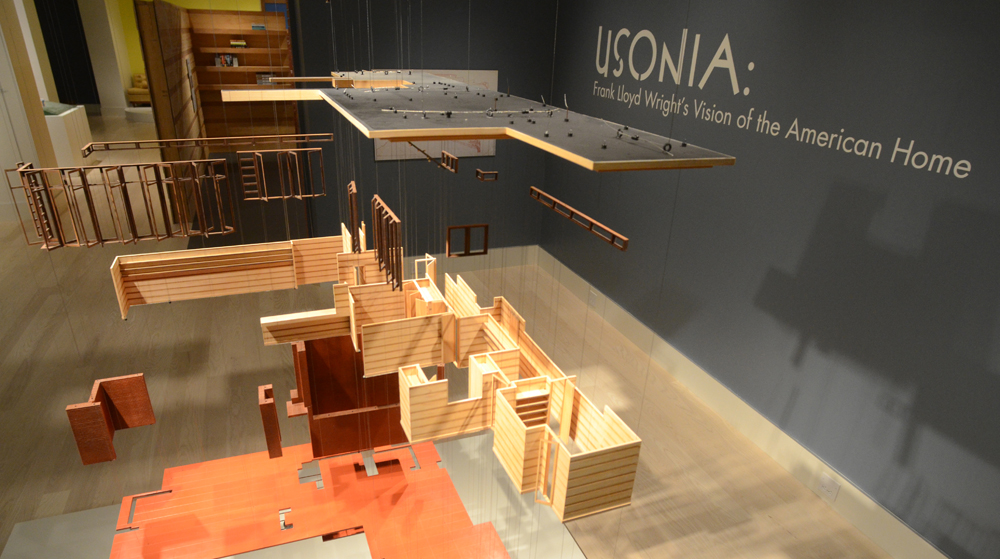
   “Usonia: Frank Lloyd Wright’s Vision of the American Home,” the second iteration of SC Johnson’s permanent exhibition of At Home with Frank Lloyd Wright has opened in Fortaleza Hall on the company campus in Racine.

   We previewed the exhibition here a few weeks ago (see article below). I shot the finished installation today. It centers around Jacobs 1. A selection of photos are below. For hours and reservations go to:

http://www.scjohnson.com/en/company/visiting.aspx

Image

Image

Image

ImageImage

Image

Image

Image

    And, don’t forget that the Research Tower opens to tours next year!


SCJ Tower to open for tours!

Photos and text by Mark Hertzberg; photos for SC Johnson and used with permission.

            For many years there have been two inaccessible Frank Lloyd Wright buildings in Racine. No longer. The Hardy House (1904/05) was open for its first tours in decades a week ago. Next year, the SC Johnson Research Tower (1943/44) will be partially open for tours.
Image

Image

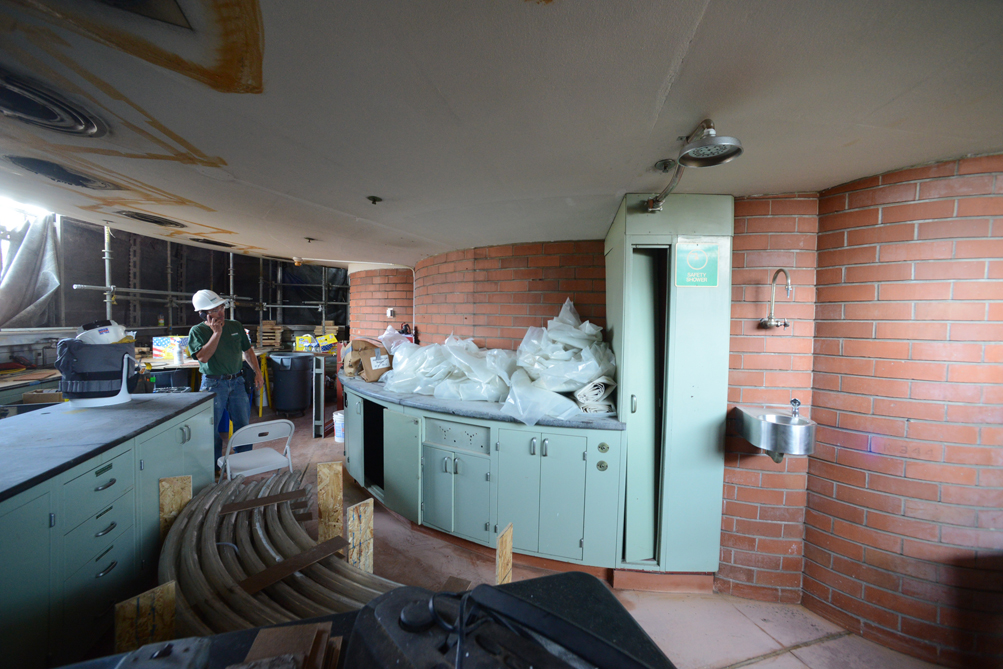
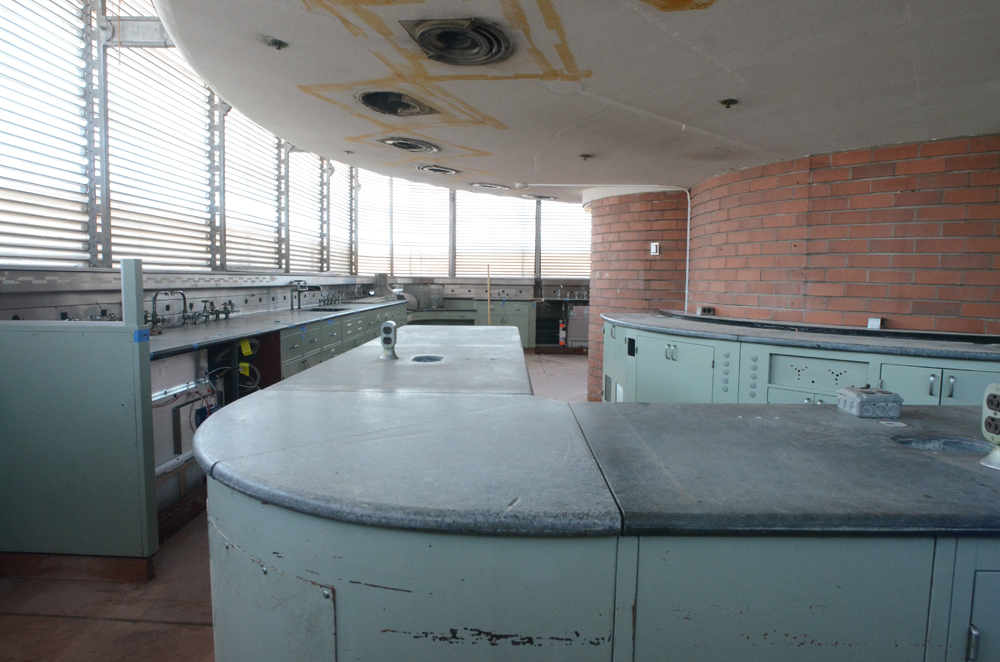
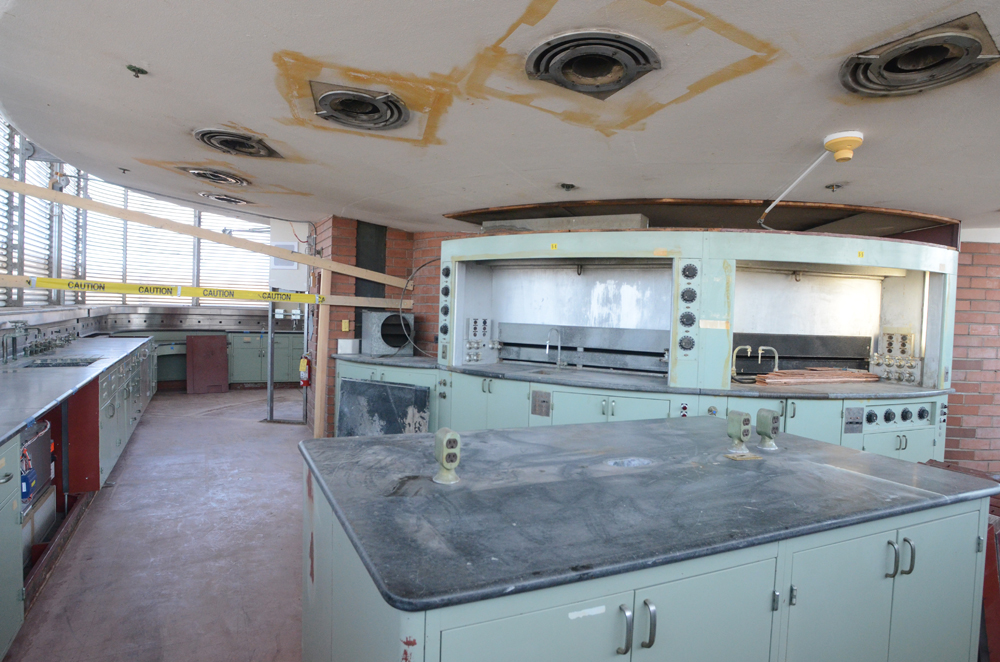
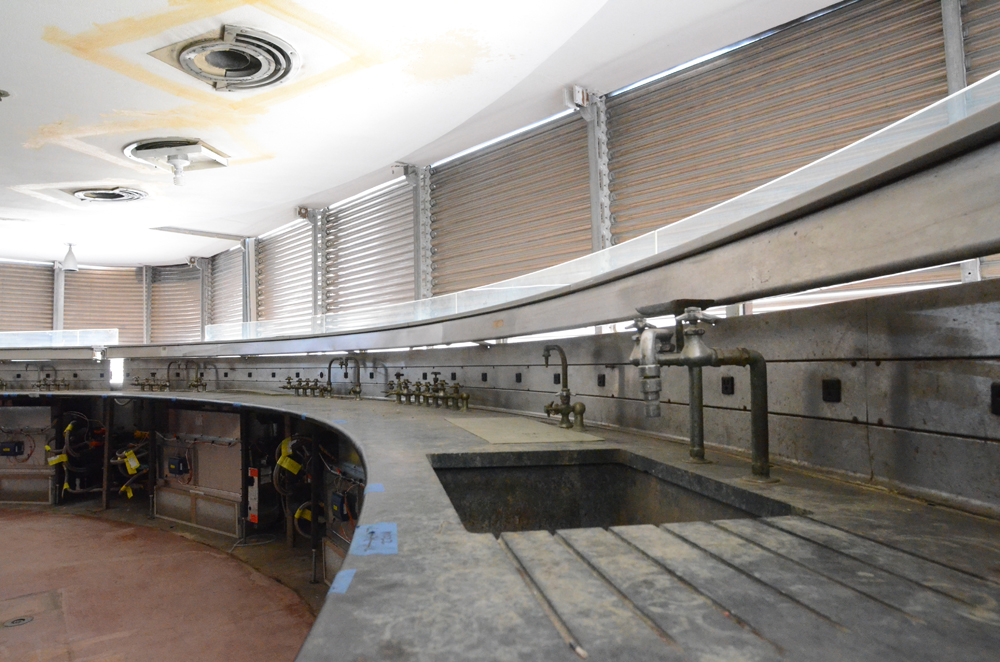
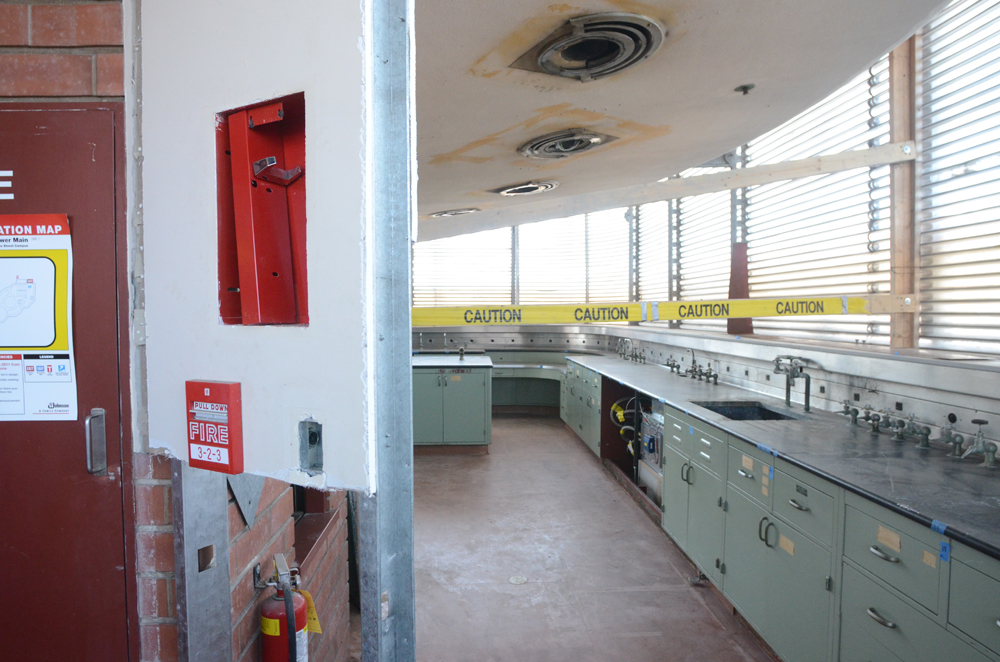
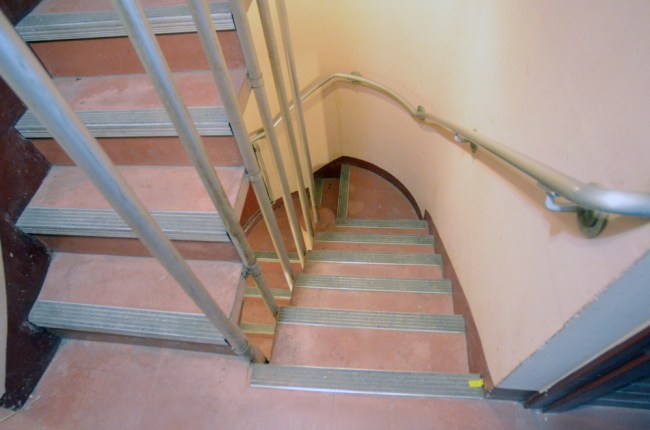
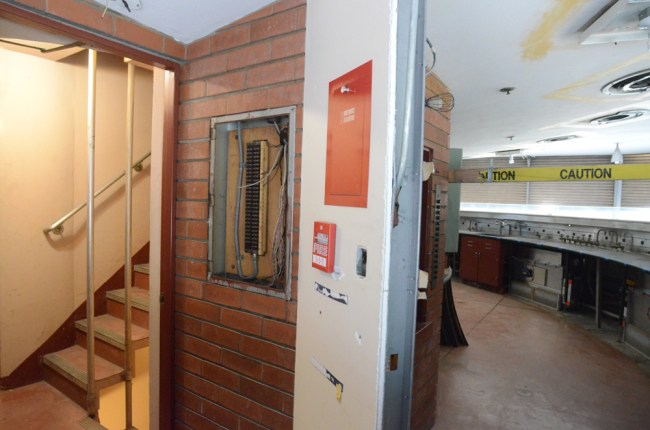
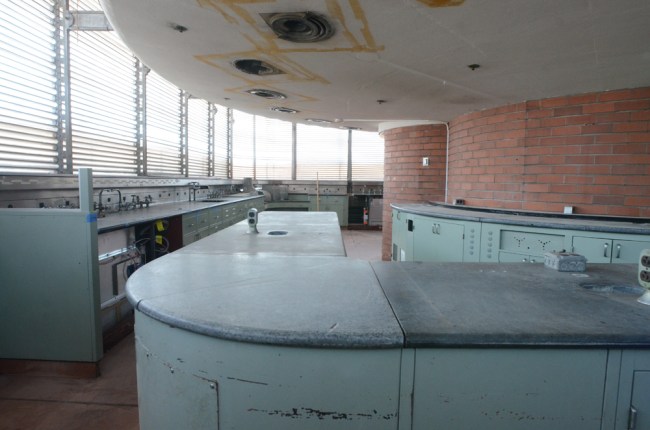
            The treat at the Tower, for fans of Wright’s architecture, will be two and three floors up a narrow staircase.The 30-inch stairs wrap around the core of the building, Wright’s companion to his SC Johnson Administration Building (1936).  Two laboratory floors, 3 Main and 3 Mezz (mezzanine) are being restored for visitors. Those two floors were a pilot lab, the intermediate step between the analytical research laboratory and the manufacturing assembly line, when the Tower was open.
Image

Image

         Wright designed the 15-story tower in pairs of floors above the second floor: there are square floors where one sees brick bands on the tower (termed main floors), alternating with round floors (the mezzanine floors) where one sees the Pyrex-glass tube windows between the bands of Cherokee red bricks.
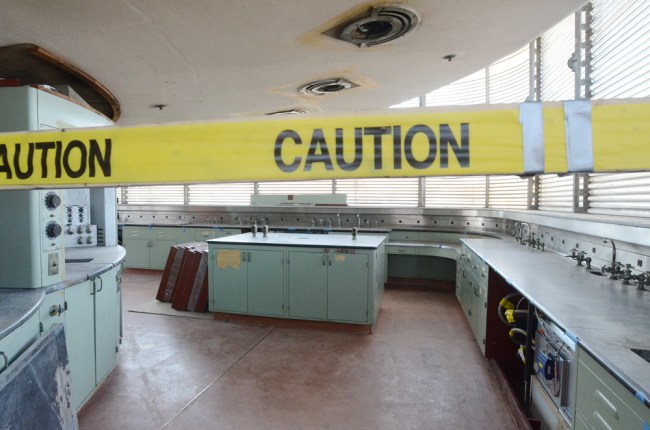
Image


     The landmark Tower, which was built after World War II, opened in November, 1950. It closed in 1981, when the bulk of Johnson’s research and development was moved into the nearby Louis Laboratories, the former St. Mary’s Hospital building. The Tower closed for two reasons. It could not be expanded to meet the company’s growing research needs. The “carport labs” opened in the courtyard carport in 1957, the first indication that the Tower space was not adequate.
Image

Image


Image


     In addition, there had long been concerns about the building’s safety. While Wright had proposed having two staircases and two elevators, he was overruled, and there is just one of each. The stairs were built a foot narrower than code, thanks to a building code variance. The round elevator is only six feet in diameter. Wright scoffed at the suggestion of fire because, he said, the building was constructed of brick, concrete, and glass. However, no combustible experiments were ever conducted in the Tower.

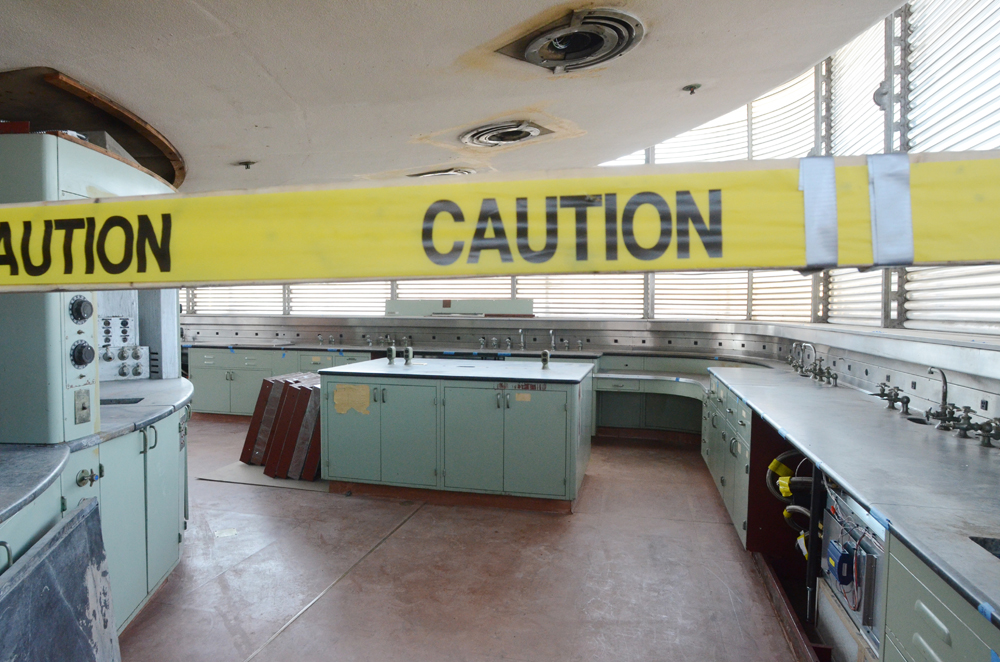
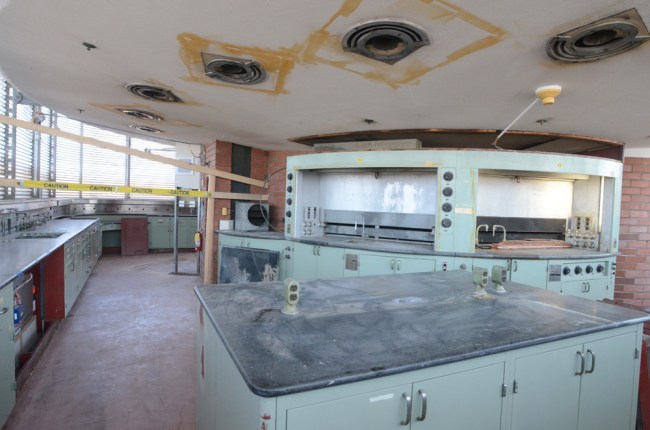
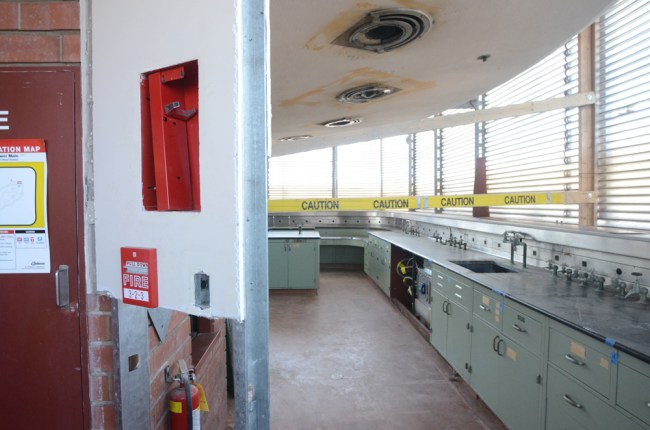
     Firewalls were constructed on each laboratory floor in the early 1970s, after the state expressed concern about the building’s safety. The firewalls marred Wright’s open floor plan, which allowed for uninterrupted circulation or passage around the core on each floor, says Wright scholar Jonathan Lipman, author of Frank Lloyd Wright and the Johnson Wax Buildings. The firewalls on 3 Main and 3 Mezz, left in both photos below, are being removed during the restoration. The dumbwaiters (second photo) will also be restored.
Image

Image

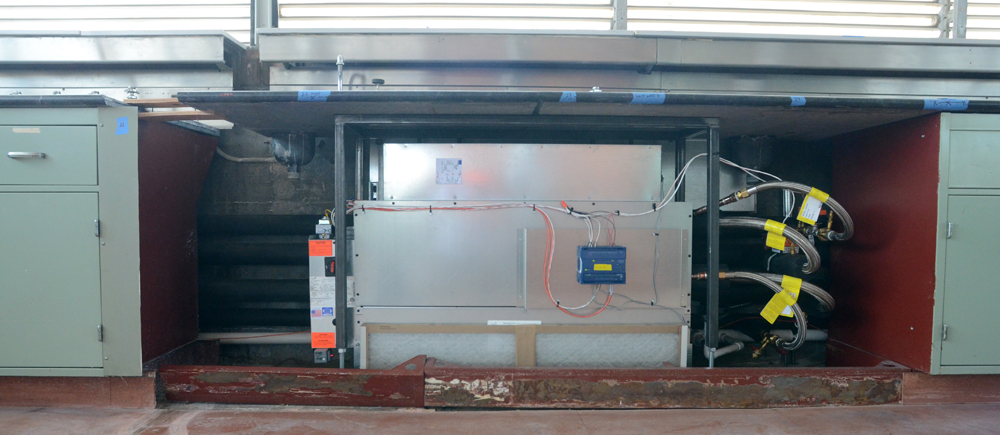
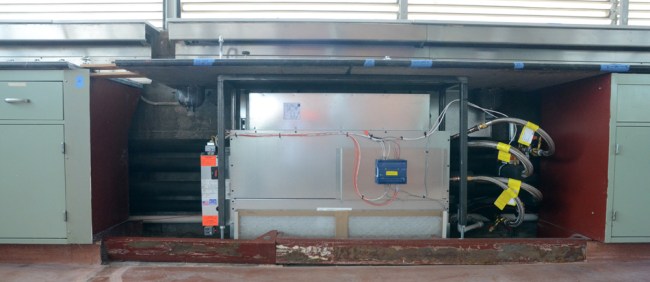
     Chemists complained that it could be very warm or very cold in the Tower. Heating and air conditioning systems are being installed on the two restored floors for the comfort of visitors They are being hidden under the soapstone laboratory counters.
Image

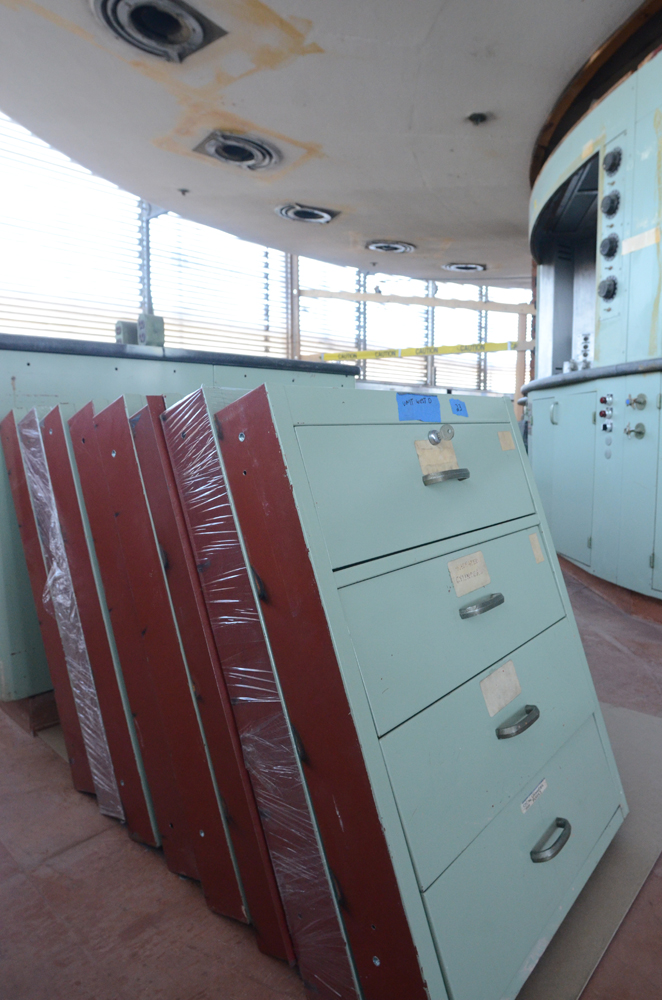
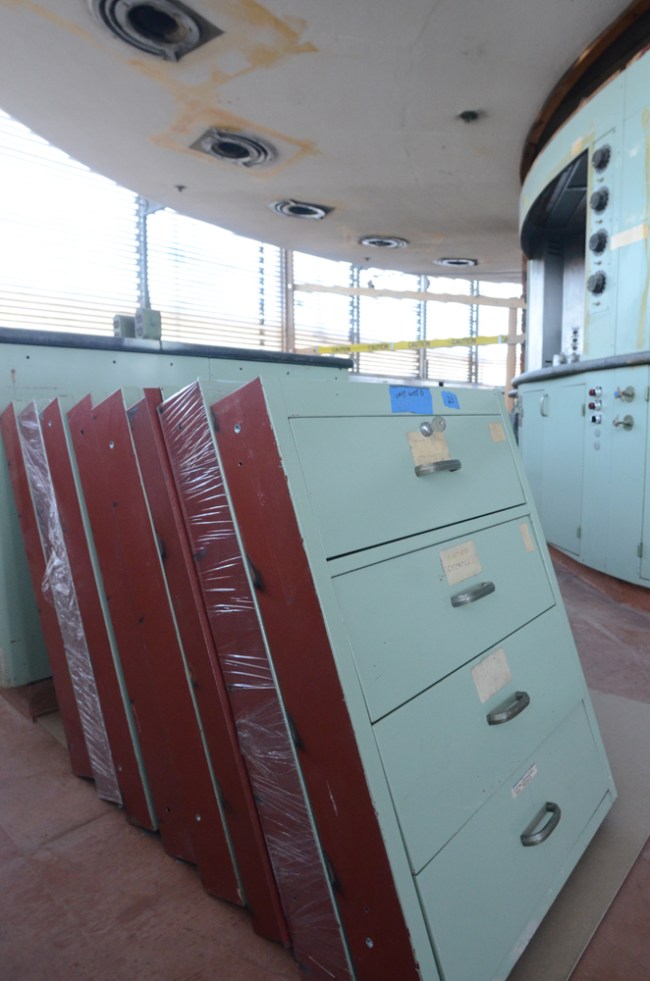
       The face of the cabinets were originally Wright’s favorite color, Cherokee red, but were painted mint green at some point. They will be painted red again.
Image

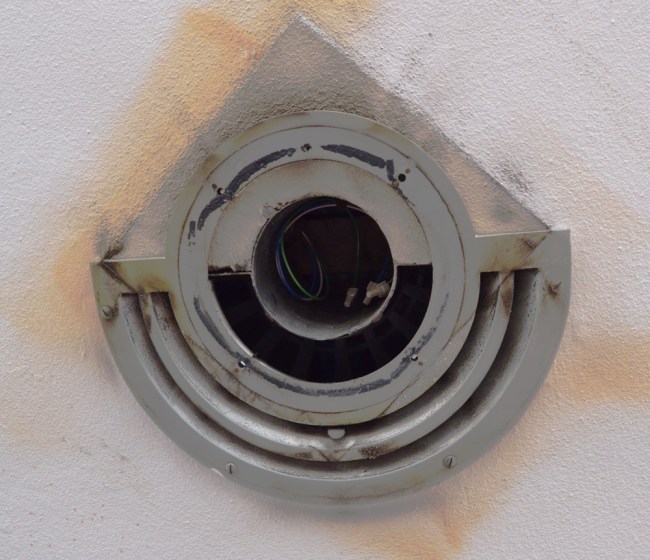
            Although the Tower has been closed for longer than it was open, it has remained lit at night, as a symbol of the company’s commitment to creativity. In recent years the soft lighting has come from a multitude of three-foot fluorescent lights placed on the lab counters, and facing up. Those lights have been removed, and the Tower’s original lighting will be replicated. The new lights will be in the restored ceiling light fixtures:
Image

     The Tower is enveloped in scaffolding, as workers tuck point the brickwork and clean the 17.5 miles of glass tube windows in preparation for reopening the building. Windows tubes will be replaced, as necessary. 

Image

Image

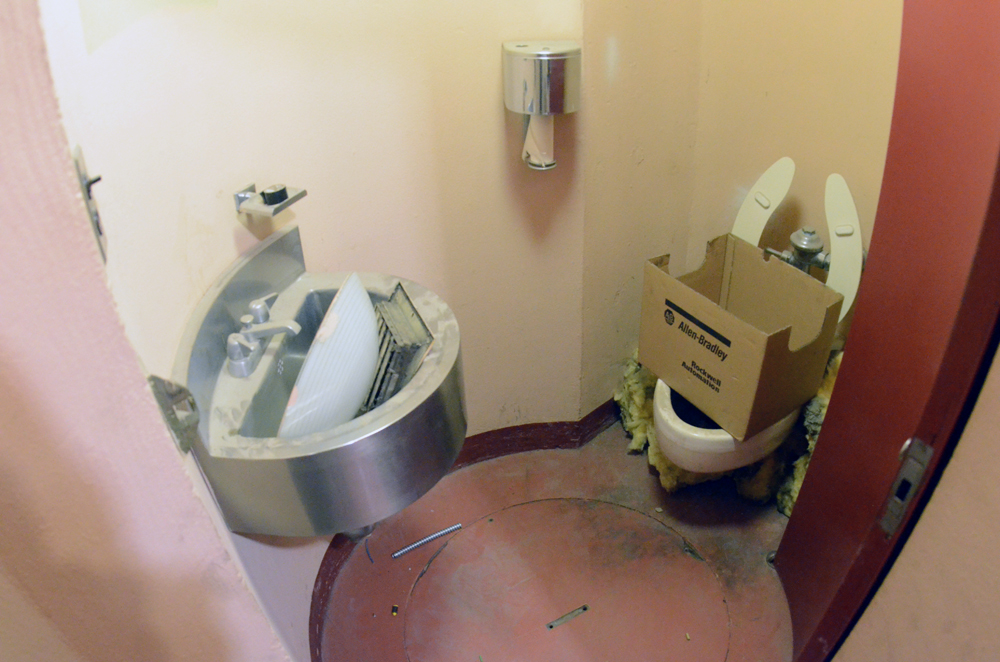
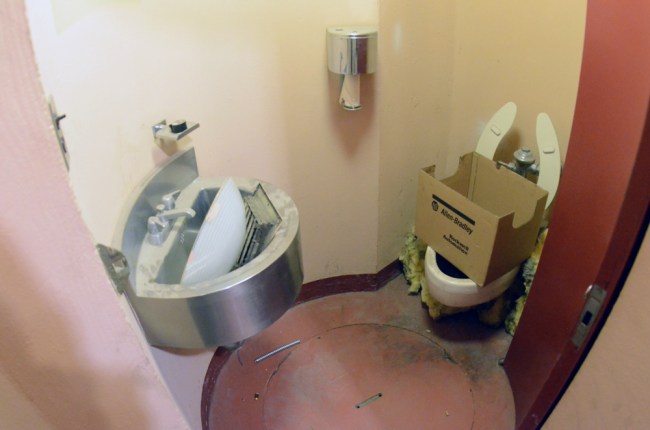
     Even the tiny triangular bathrooms on the core on 3 Main and 3 Mezz will be restored, and open to view by visitors. Their design includes sliding Cherokee red doors.
Image


 The building is Wright’s only executed taproot tower, says Bruce Brooks Pfeiffer. He points out that Price Tower in Bartlesville, Oklahoma, often thought to be a taproot tower, is tied into the foundation of an adjoining building. 

     The late Sam Johnson, chairman emeritus of the company, reflected on its legacy in a conversation we had in 2001. He said that the company’s four most successful products were “hatched up in the Tower.” He continued, “In many ways it was a functioning failure, but it was a spiritual success.”

Image

          The history of the Tower, including how it was designed, interviews with chemists who worked in it, and historic and contemporary photographs of it, are in my book, Frank Lloyd Wright’s SC Johnson Research Tower (Pomegranate, 2010).


     

Good Friday at Annunciation Greek Orthodox Church

Photos and text (c) Mark Hertzberg

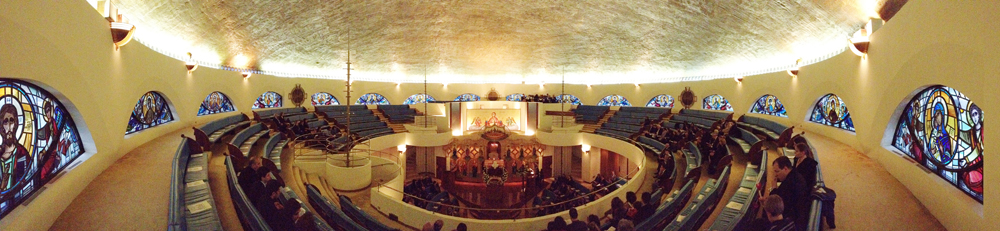
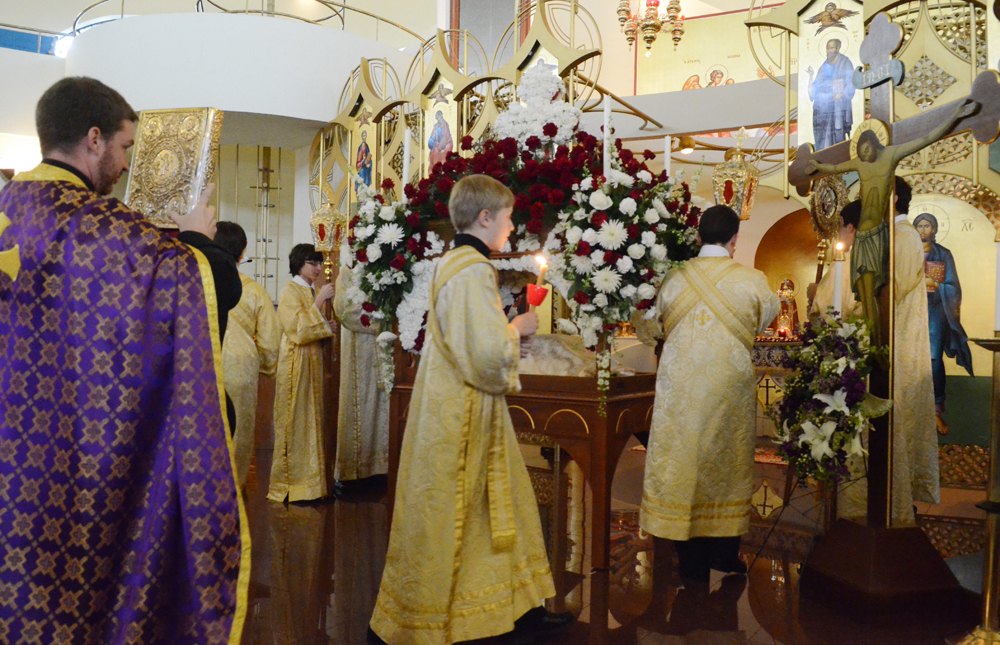
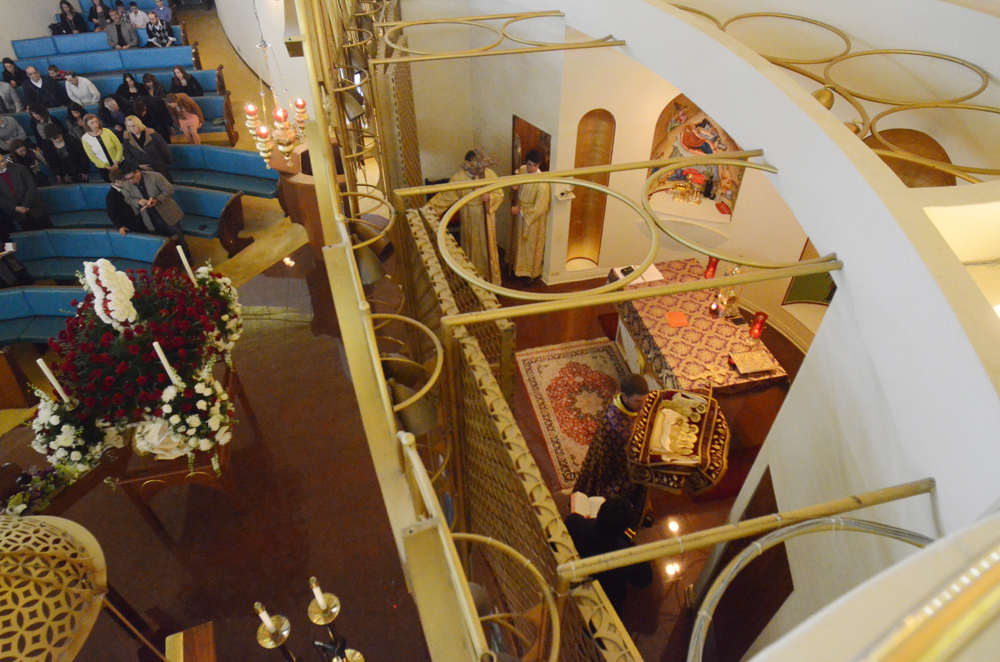
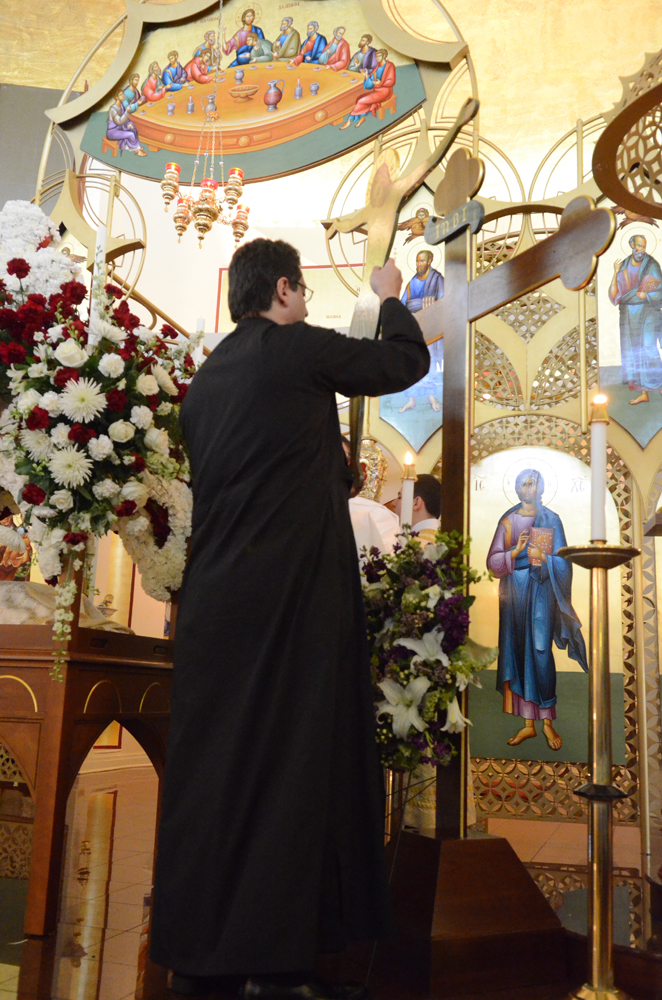
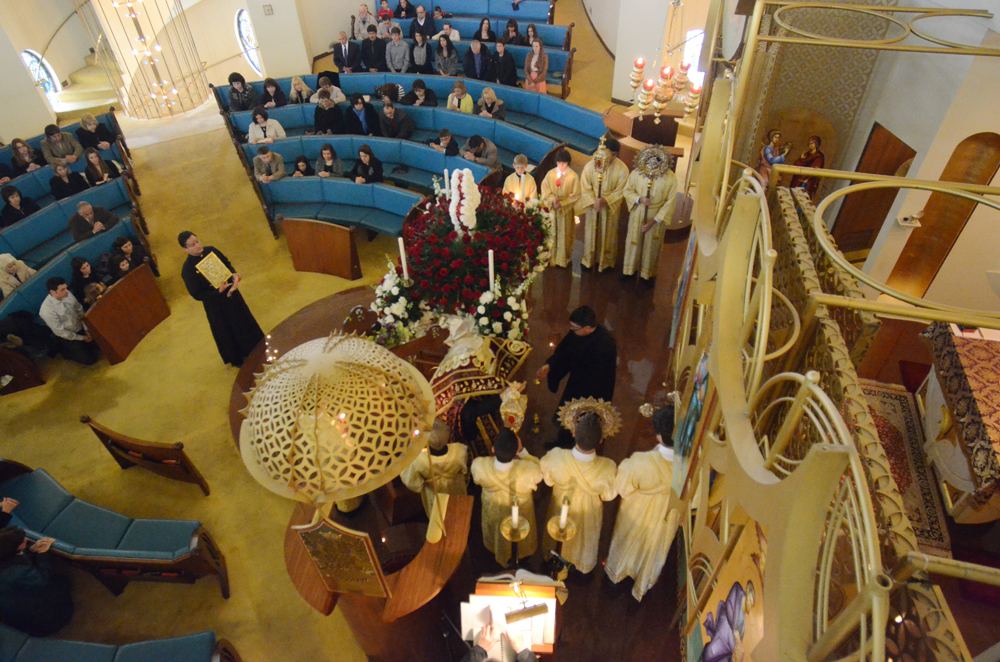
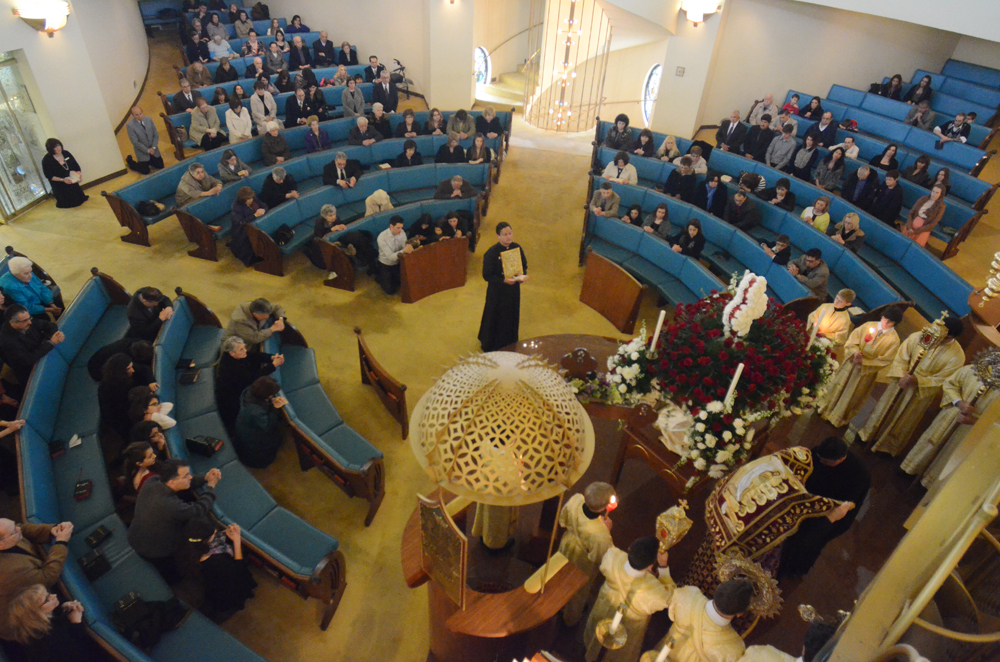
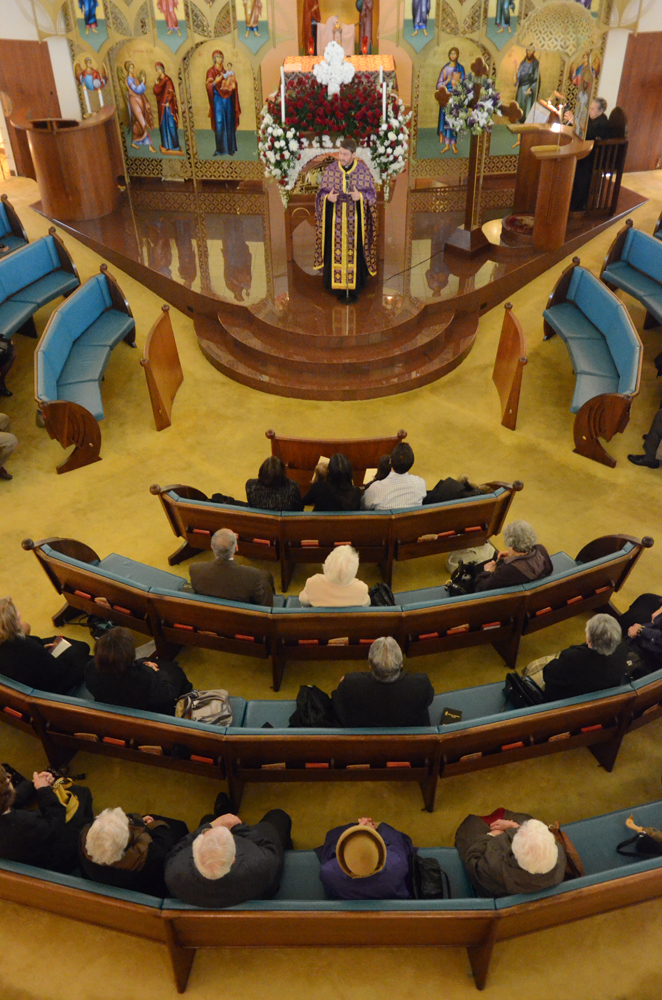
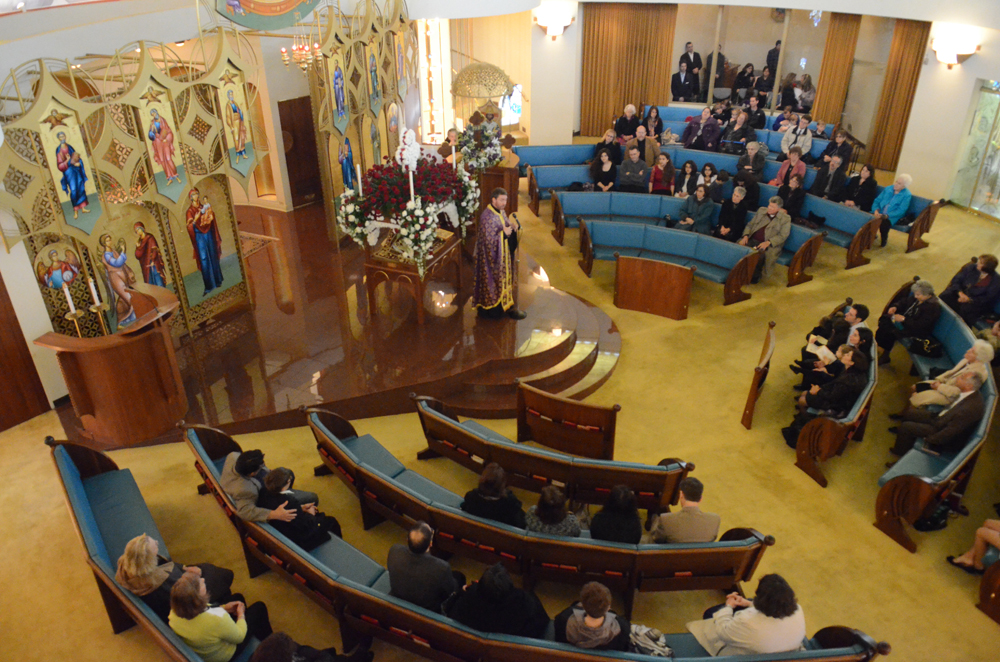
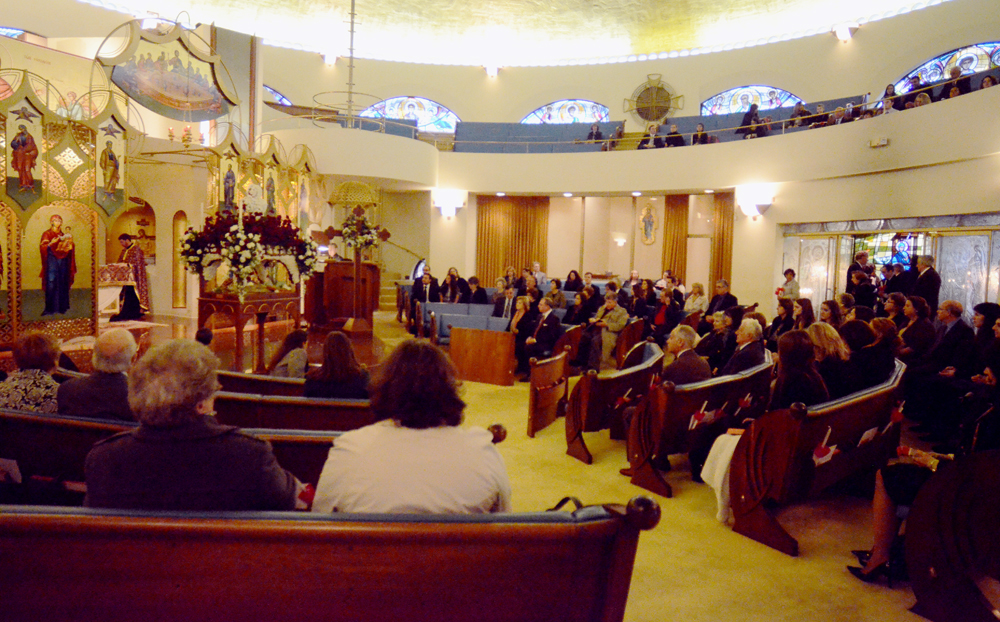
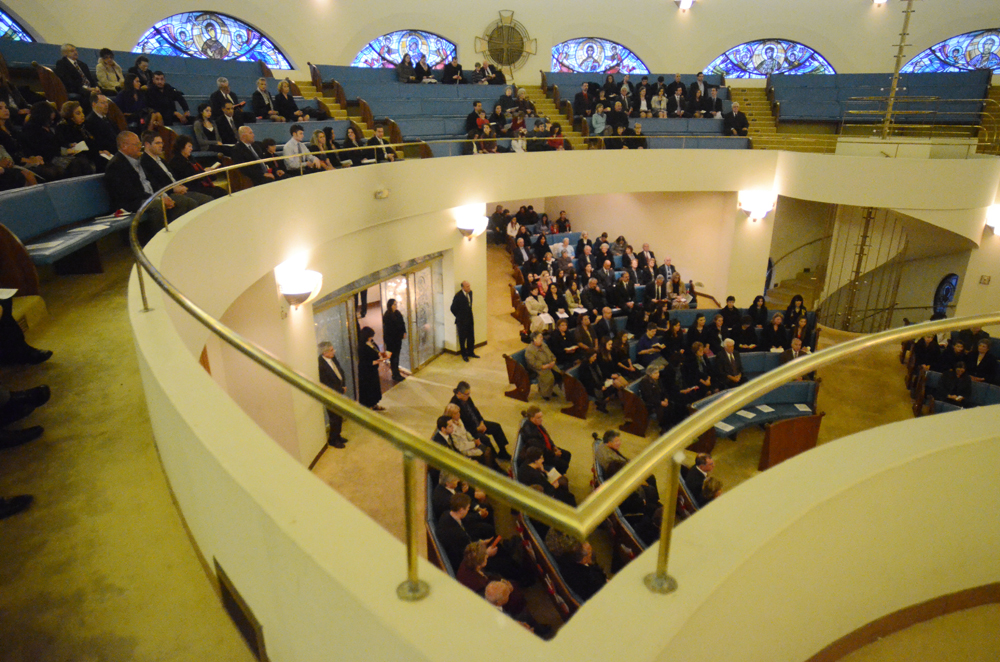
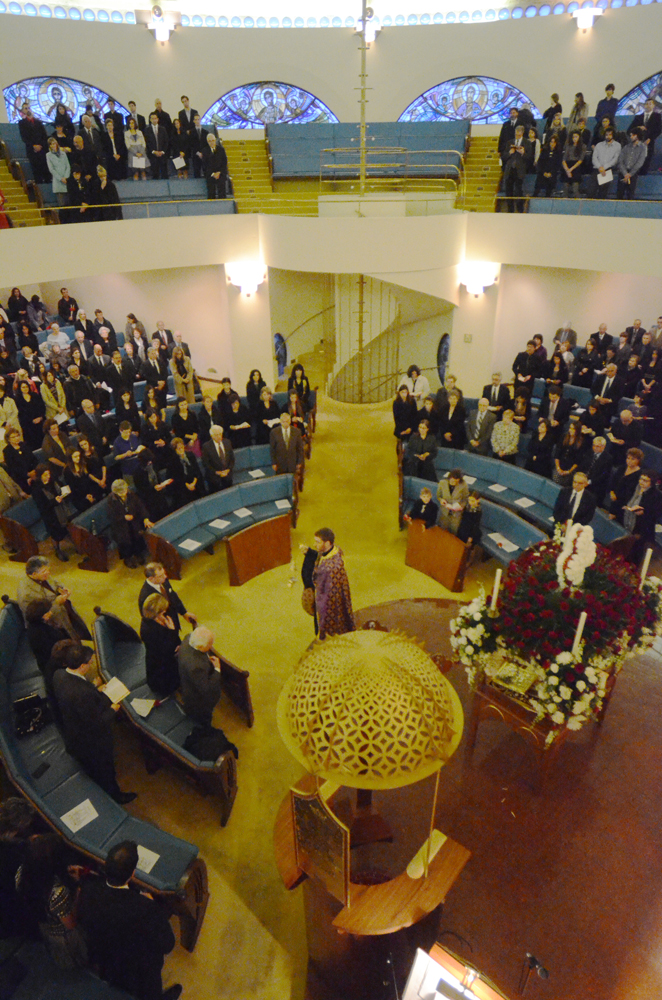
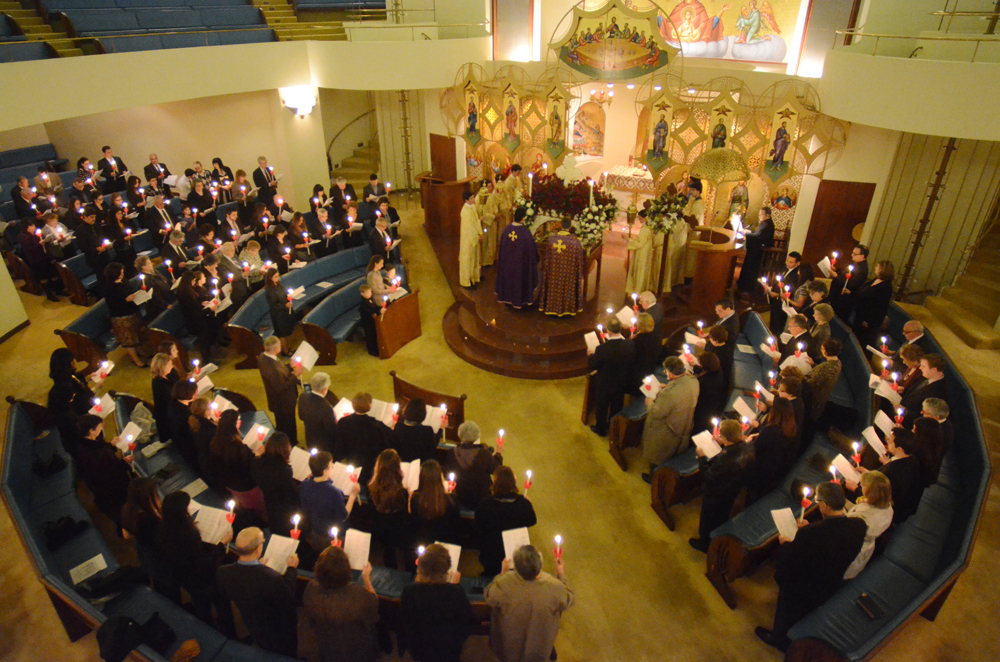
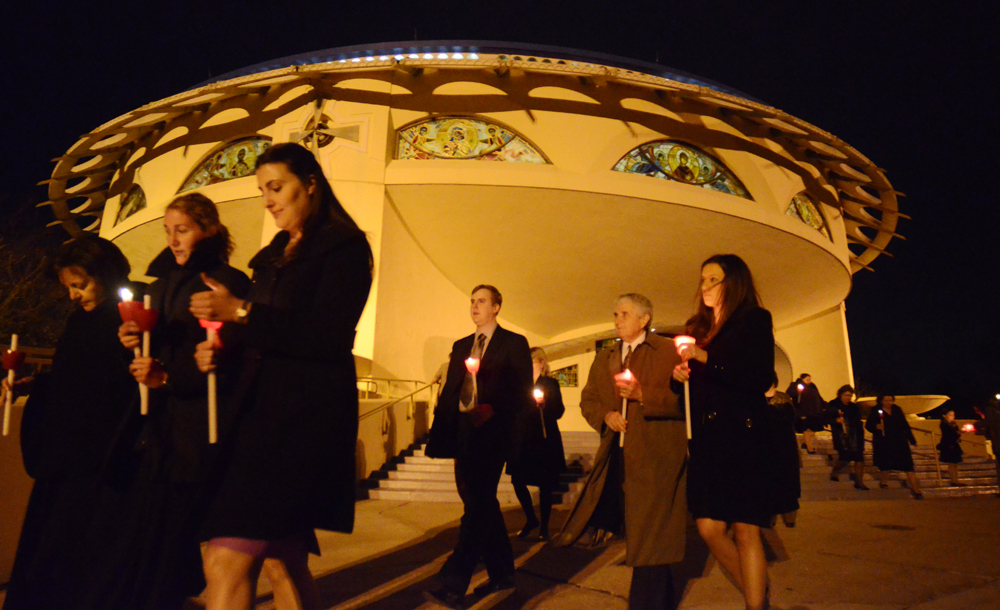
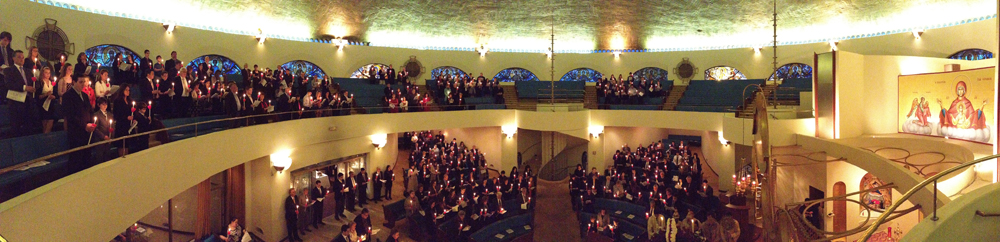
       I had the privilege of being invited by Father Angelo Artemas to photograph vespers and evening services yesterday, Good Friday in the Greek Orthodox Church, at Frank Lloyd Wright’s Annunciation Greek Orthodox Church near Milwaukee.

Image

Image

Image

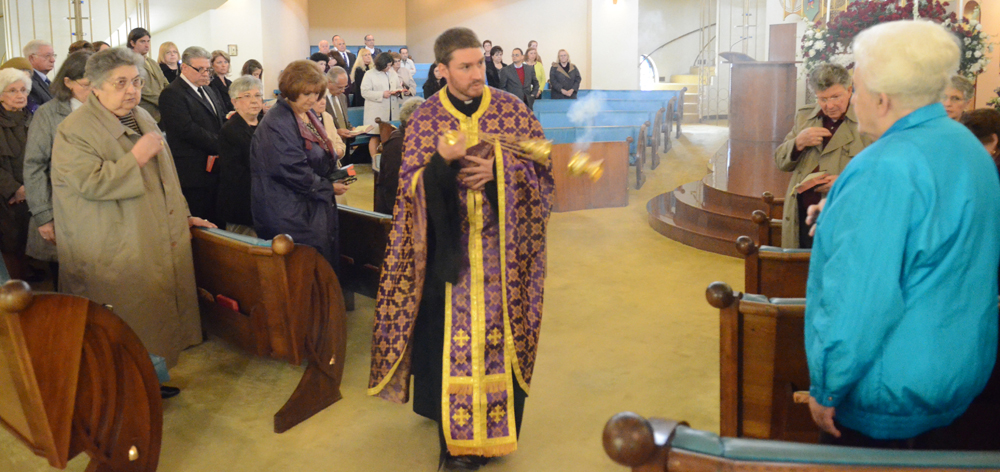
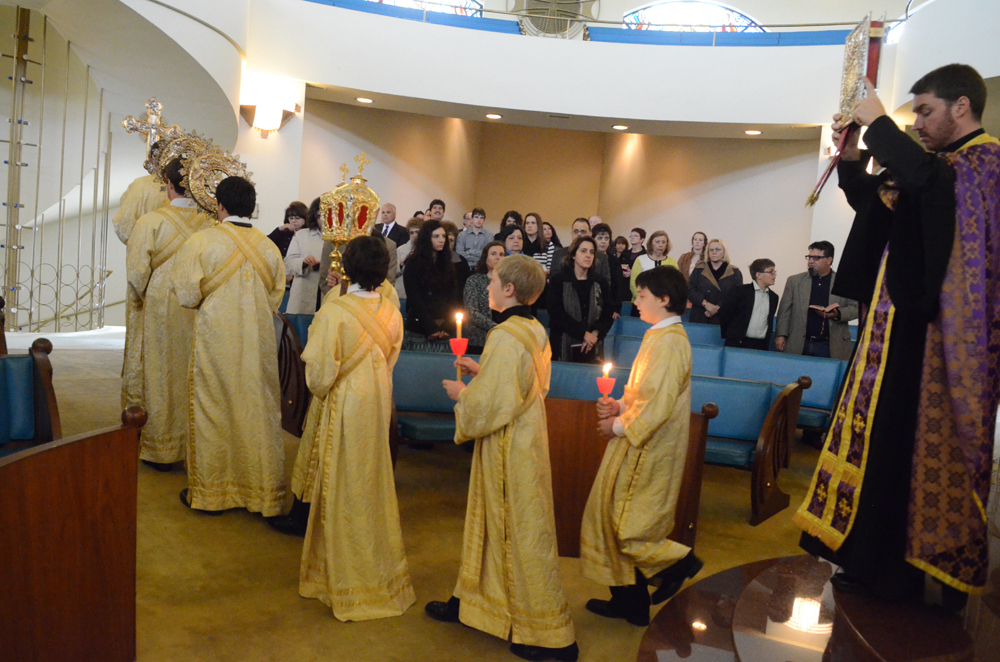
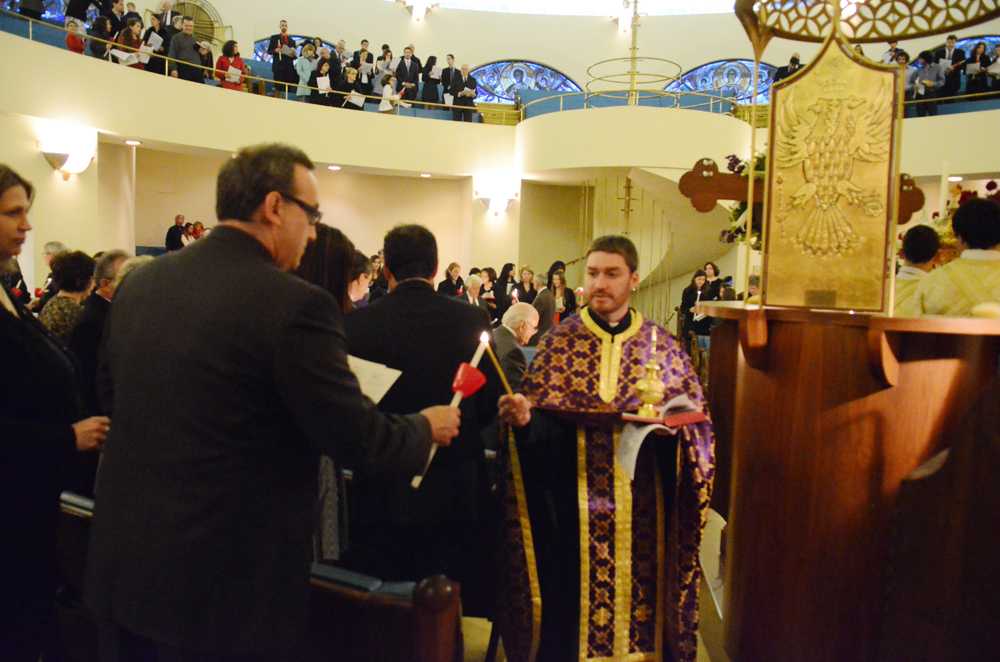
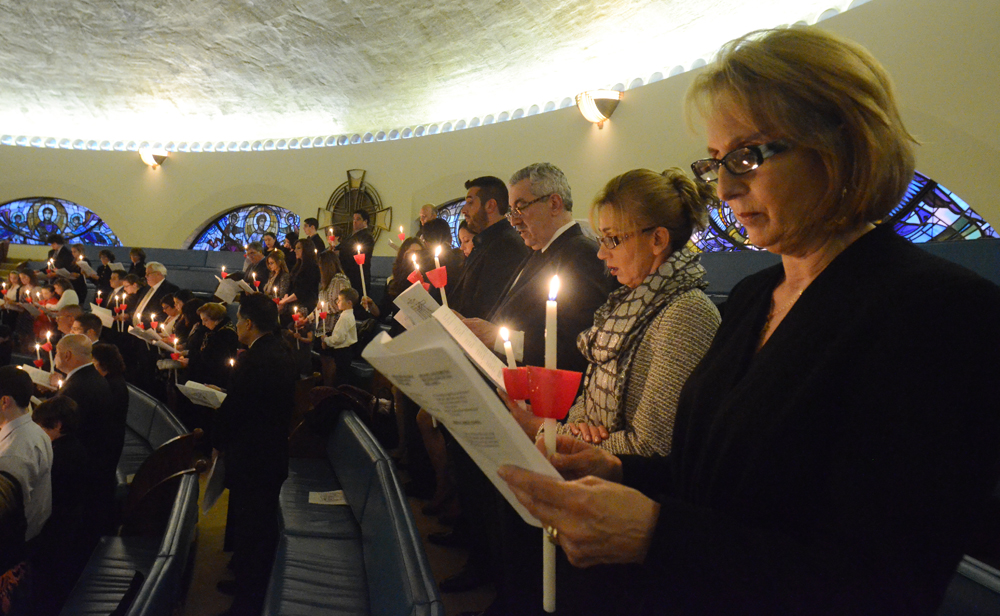
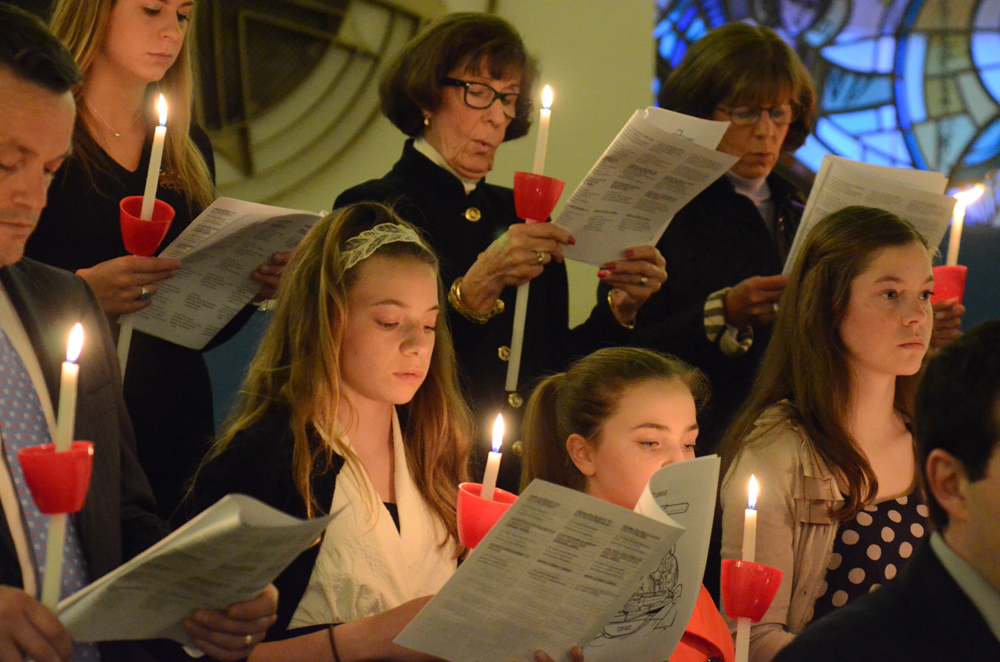
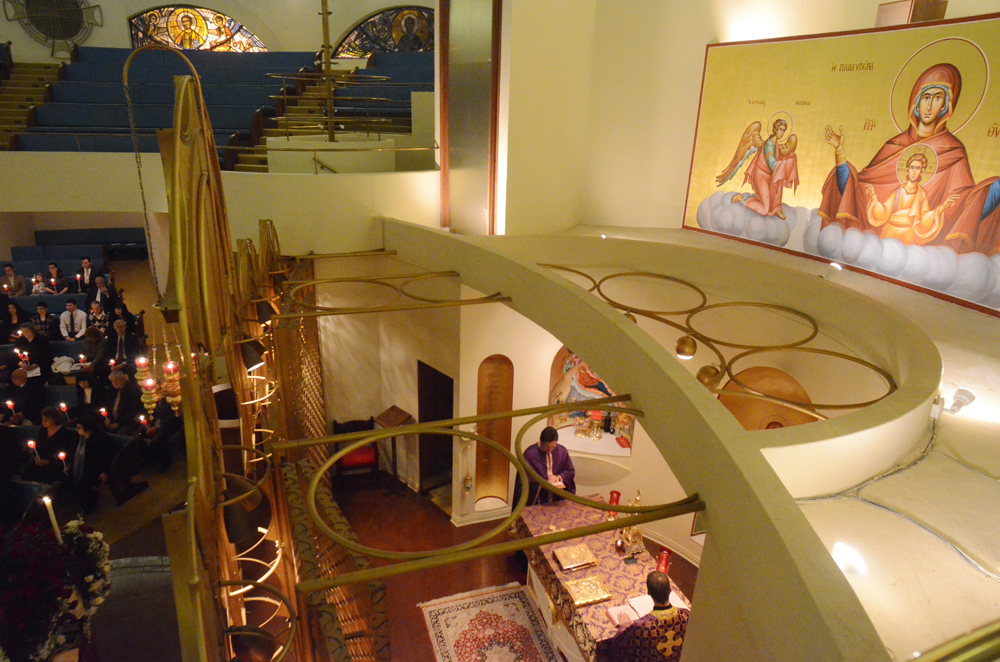
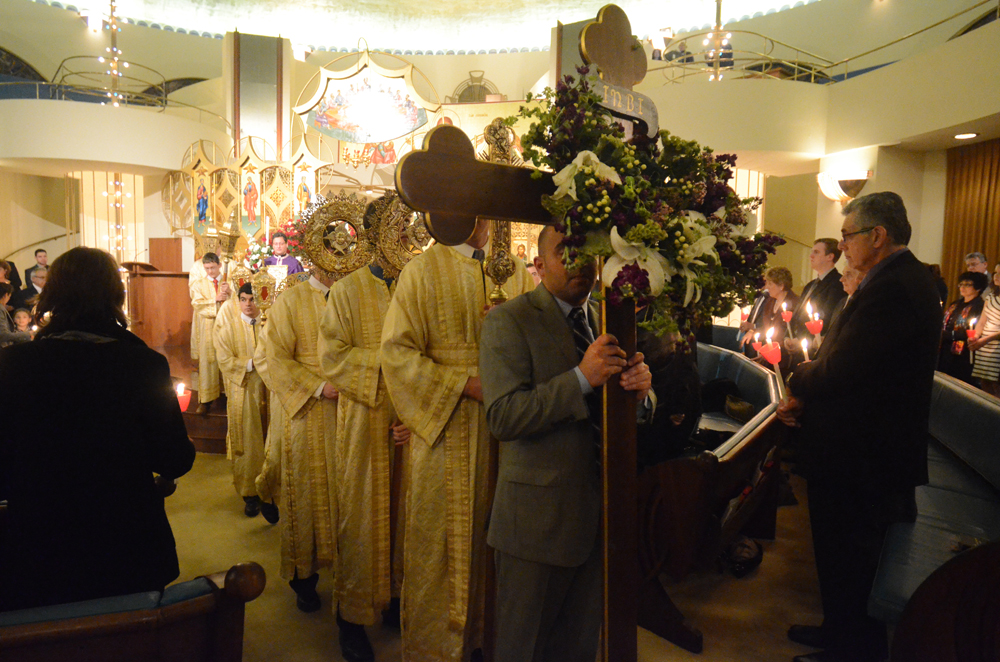
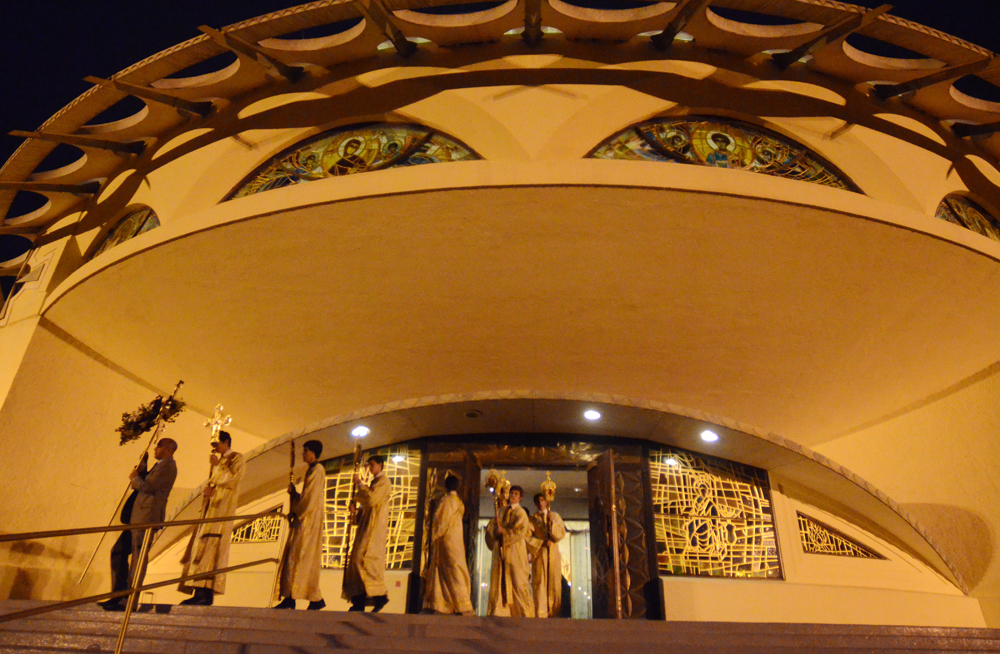
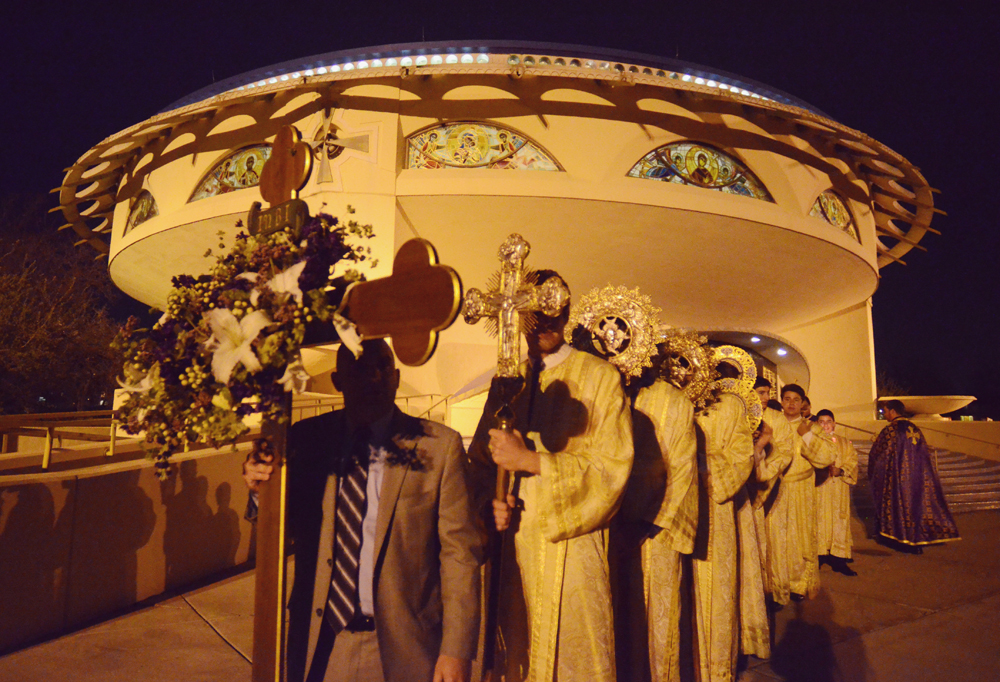
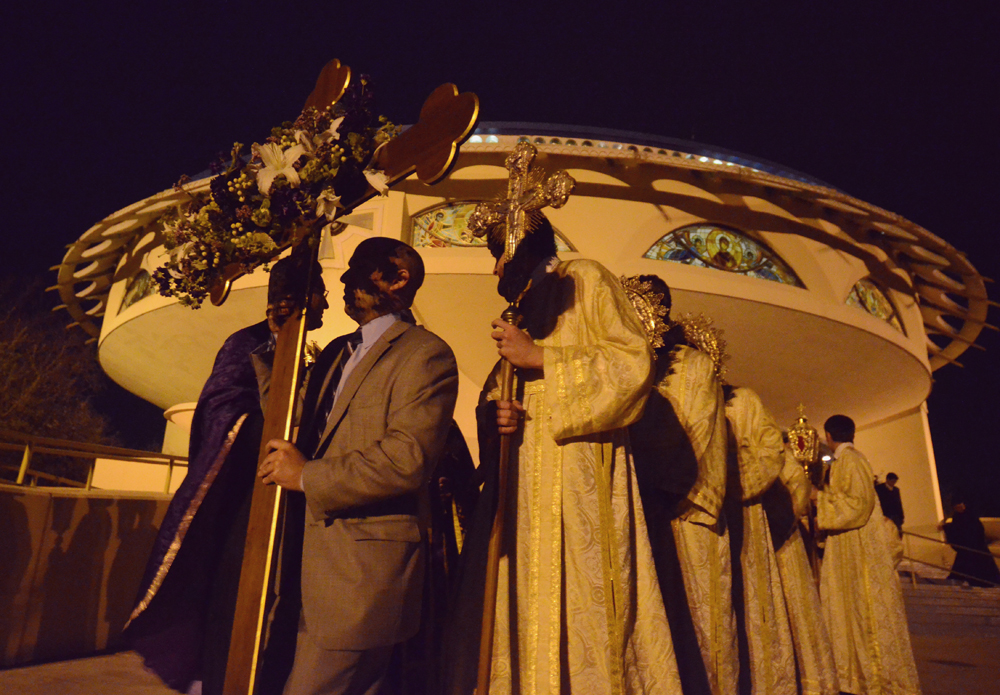
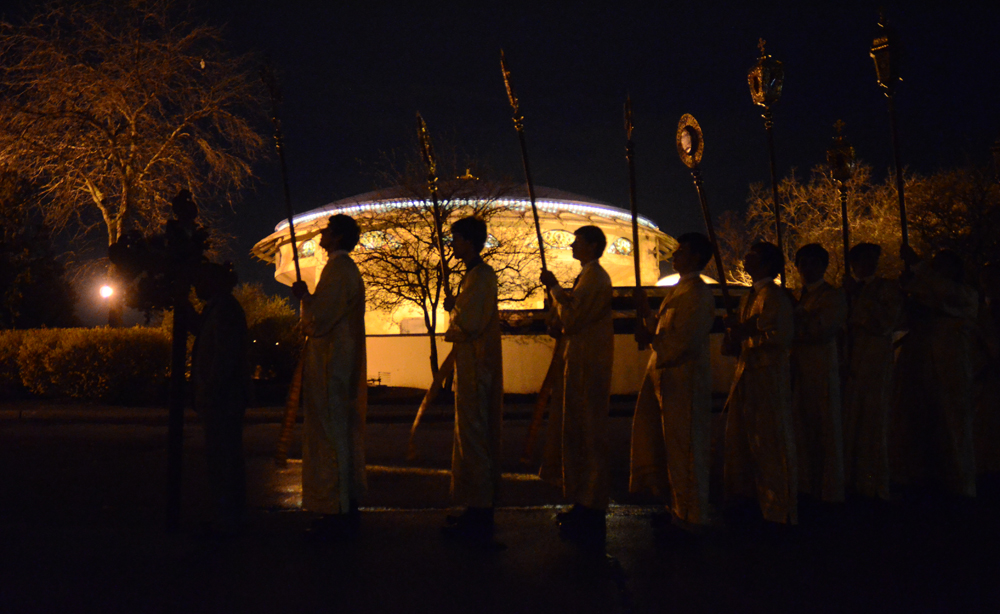
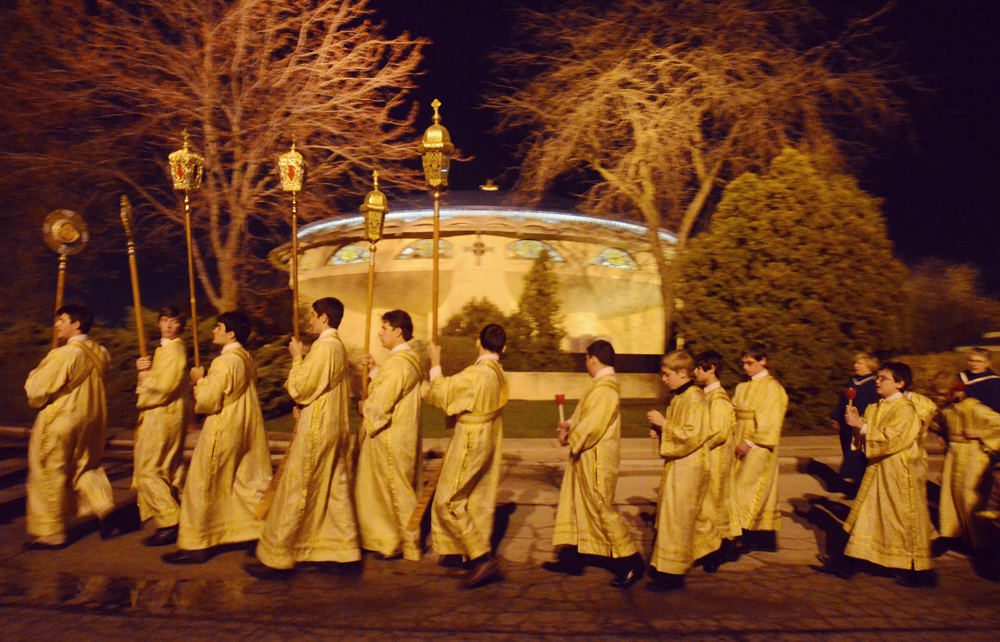
        I came there as an architectural photographer, but photographed as a photojournalist, to show how the building works for its intended purpose, as an ecclesiastical building. I was allowed to shoot from wherever I wanted to go during the services, and was warmly welcomed by the congregation. The photos that follow show the service and rich traditions of the church, as well as the building. They are in order: first, the afternoon vespers service, and then the candlelit evening service, which included a procession around the outside of the church.

Image

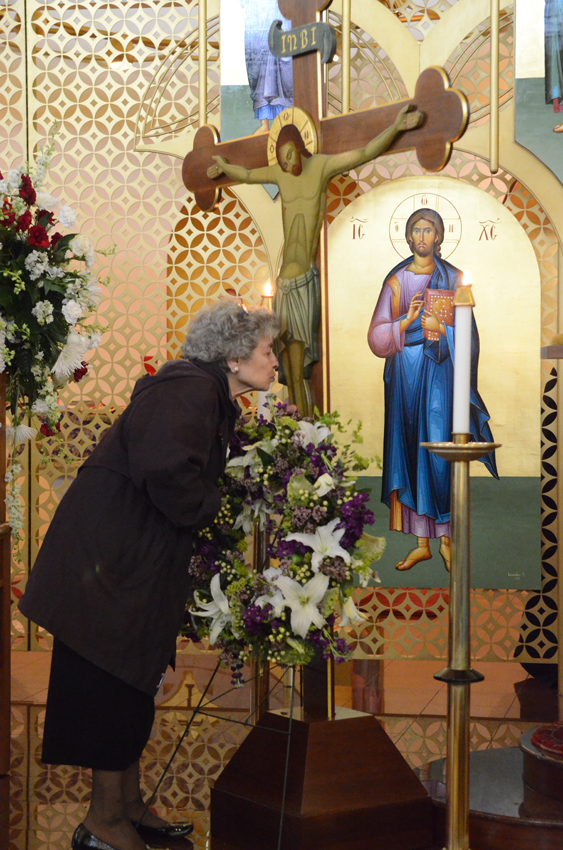
Congregants kissed the icon of Jesus Christ before vespers

Image

Father David Hostetler holds the Gospel aloft during a procession around the sanctuary

Image

Image

Much of the liturgy is conducted by the priests behind the screen in front of the sanctuary. This is because the priests lead the congregation in prayer, rather than praying to them. As shown in a previous posting of interior photos of the church (https://wrightinracine.wordpress.com/2013/04/12/annunciation-greek-orthodox-church-2/)

Eugene Masselink’s icons were replaced by icons that are said to better reflect church doctrine. That is why there are no plans to put Masselink’s icons back in the sanctuary. Masselink’s icons are shown in the previous article.

Image

Father Angelo Artemas takes the icon of Christ down from the cross

Image

The shrouded icon (right) is then carried around the church

Image

Image

Image

Image

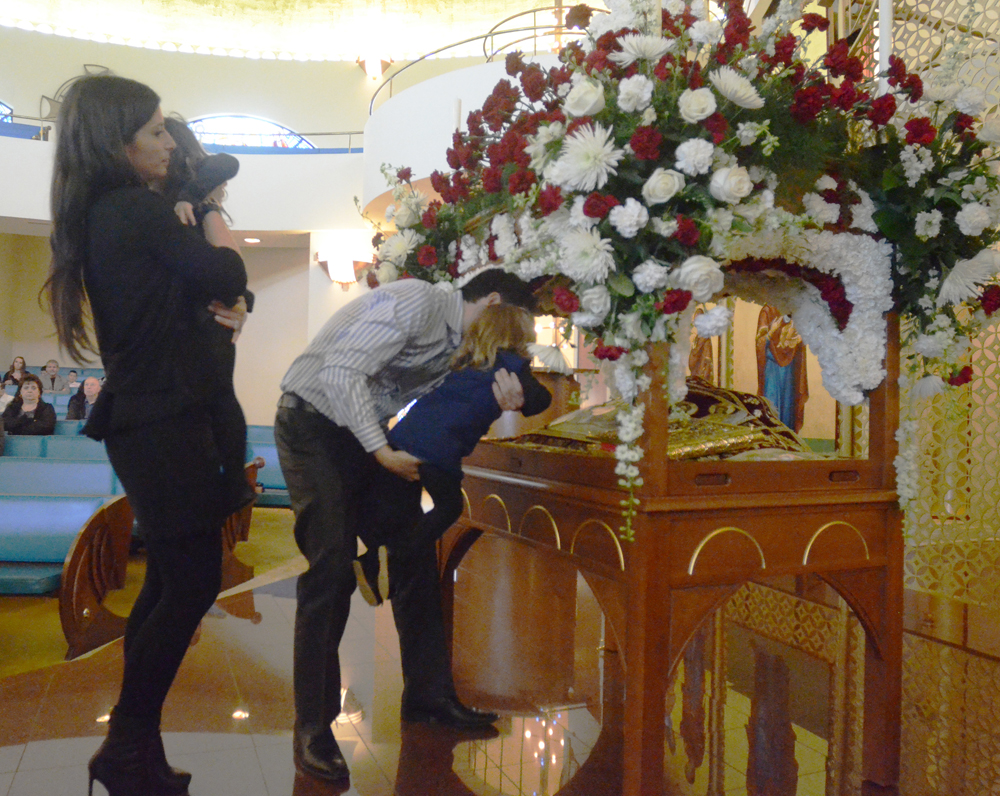
ImageAt the end of the service congregants, including children, express their reverence as they kiss the Gospel, the cross, and art work of the crucifixion of Christ which are displayed in a flower-decorated symbolic representation of the empty tomb of Christ. The empty tomb is part of the procession outside the church during the evening service, below:

Image


Image

Image

Image

Image

Image


Father David Hostetler lights congregants’ candles

Image

Image

Image


Image

Image

The procession forms to go outside

Image

Image

Image

Image

Image

ImageImage

Image

Father Angelo Artemas gives congregants flowers from the symbolic empty tomb, as they kiss his hand at the end of the evening service.


Hardy House: What a difference a week makes!

(c) Mark Hertzberg

      The Hardy House interior looked quite raw and unfinished 10 days ago as final preparations are made for Saturday’s tours of the house – the first in decades. What a difference a week makes! I was astounded when I stopped at the house last Thursday and saw painters Dennis and Daniel Bishop at work. They are bringing the living room back to life, with its original color, and staining the Georgia pine trim. There are less than 20 tickets left for the tours: call Frank Lloyd Wright Wisconsin at 608-287-0339 to make reservations. The interior is not completely finished yet. Exterior work will follow after the interior is finished. This is a wonderful opportunity to see a Wright house rehabilitation in progress.

Image

Image

I had just come back from looking at the home’s seven hallway windows with Joan Szymczak (owner Eugene Szymczak’s sister-in-law) at Paul Phelps’ Oakbrook Esser glass art studios in Oconomowoc, Wisconsin. Phelps explained that the windows are too badly damaged from previous repair to restore. The original windows will be saved, but he will build replicas (Szymczak and Phelps are framed in one of his reproduction Robie House windows in the first photo).
Image

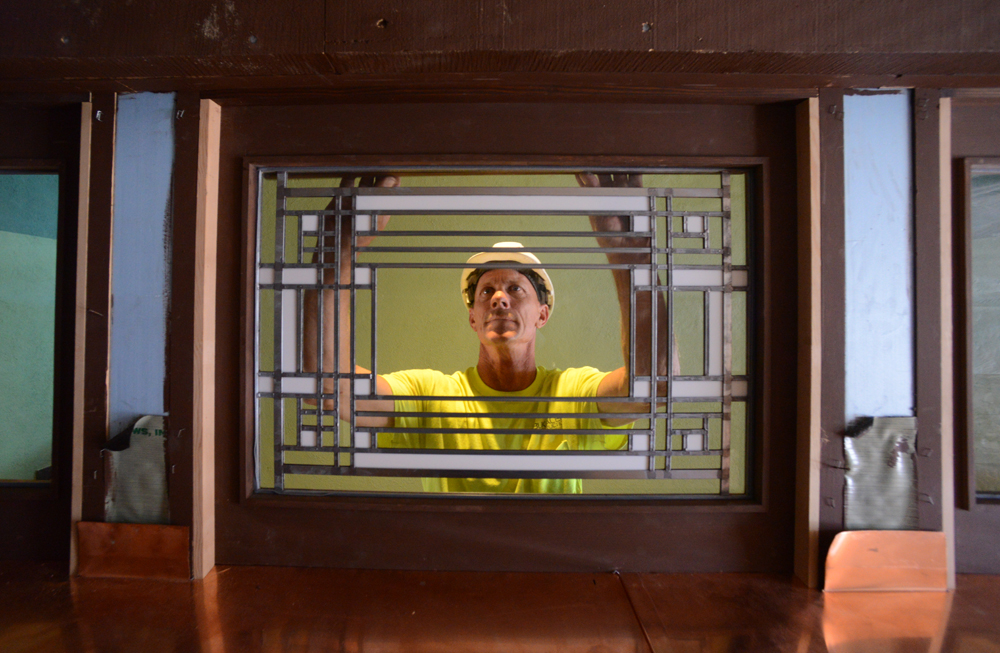
ImageImageI couldn’t resist taking Phelps’ picture through one of his Coonley Playhouse windows:

Image