Frank Lloyd Wright and the Hardy House: A dance of light and shadows

(c) Mark Hertzberg

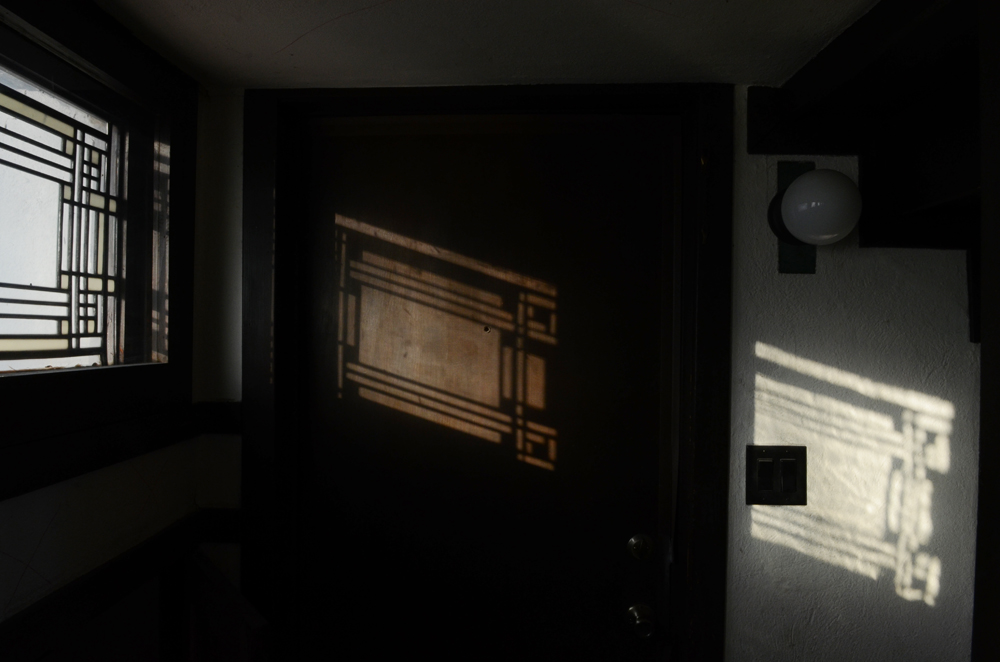
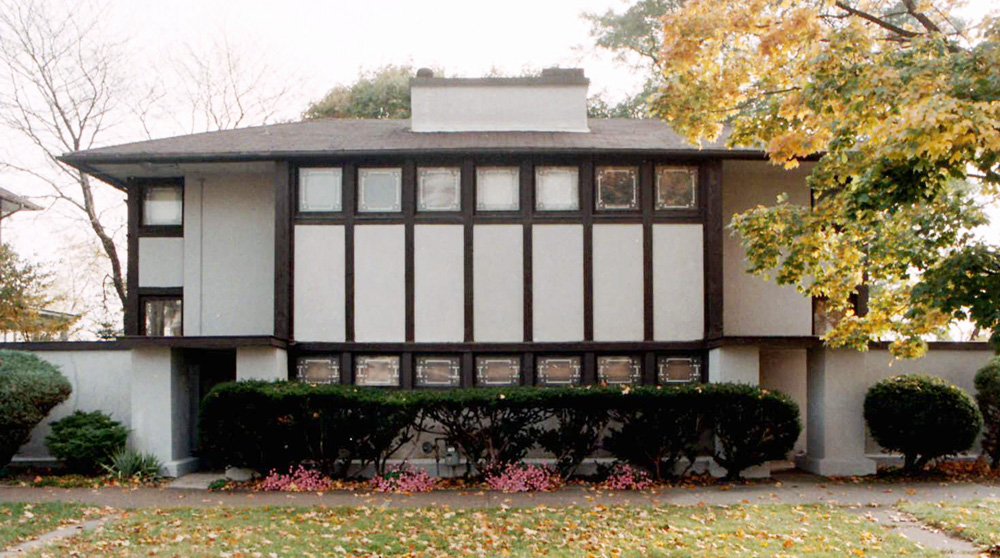
“Photography” means “writing with light.” That is what I saw Frank Lloyd Wright do with the design of the front hall windows at the Thomas P. Hardy House in Racine as the sun came across the Main Street side of the house this afternoon.

Image

There are seven of these windows between the two doors of the house. As Robert McCarter points out in his book Frank Lloyd Wright (Phaidon Press, 1997), the floor plan of the house is articulated in these windows.

Image

ImageThank you to Donna Newgord, who used to work at Wingspread, for the phrase “A (constant) dance of light and shadows,” a phrase she once used to describe Wingspread to me.


Ron McCrea to speak in Racine

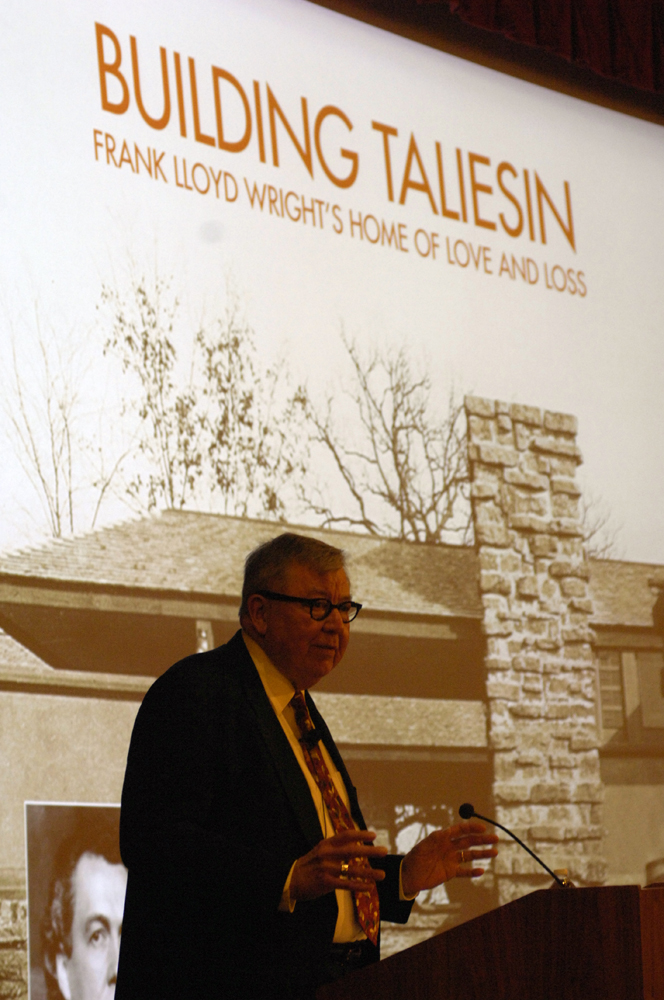
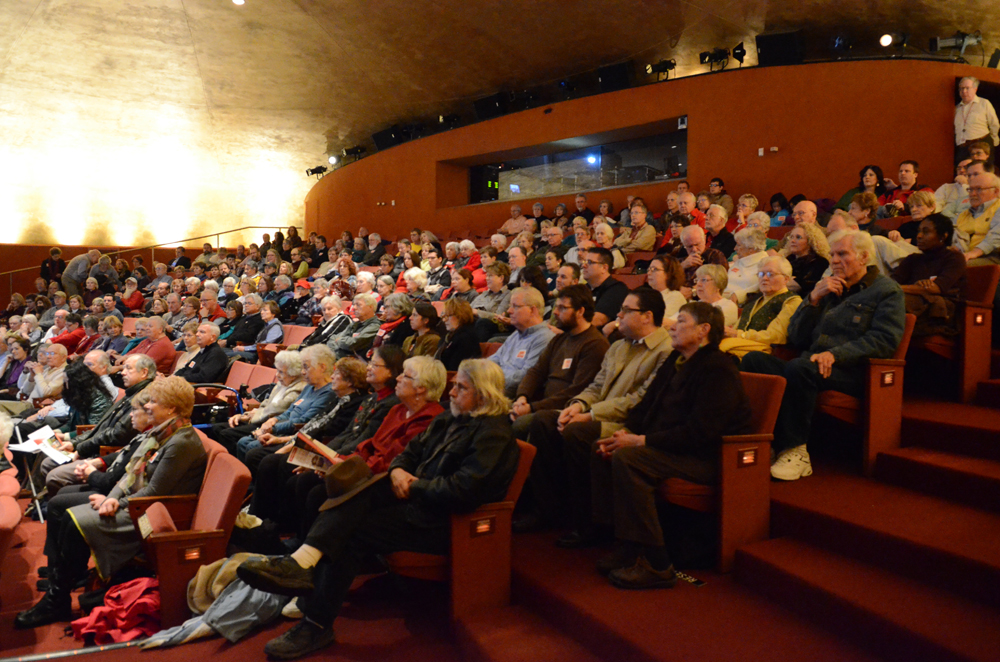
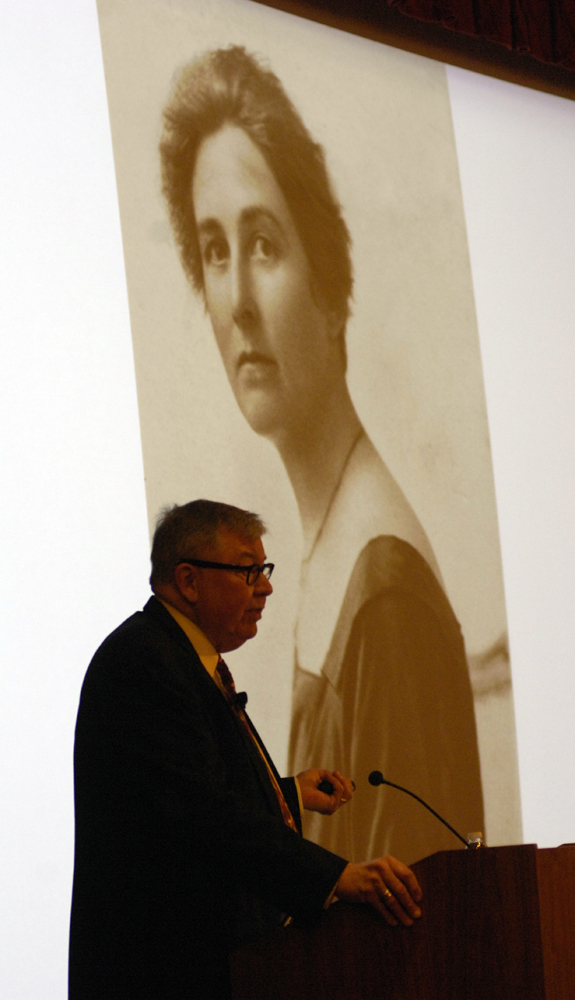
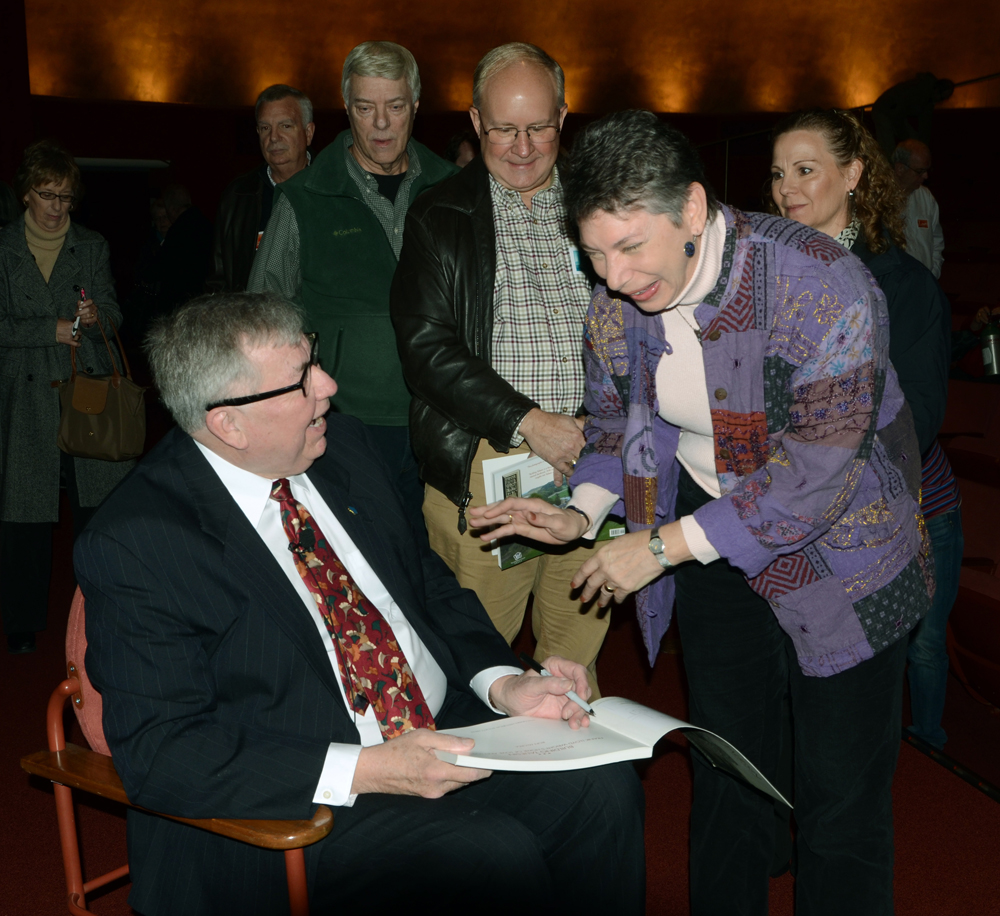
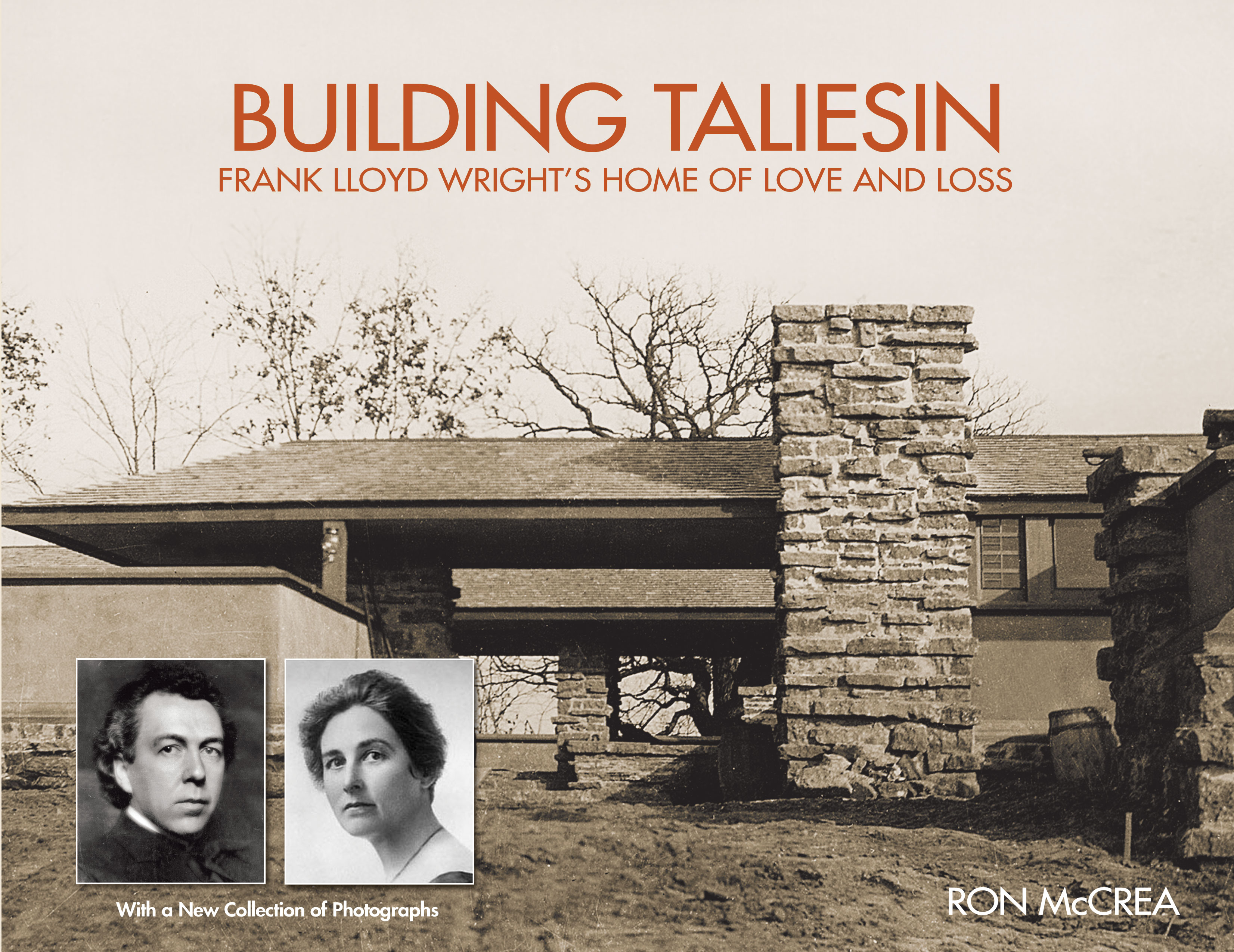
Wright in Wisconsin in partnership with SC Johnson invite you to hear Ron McCrea talk about his new book, “Building Taliesin: Frank Lloyd Wright’s Home of Love and Loss” on Saturday, December 15, 2012 from 11:00 a.m. until noon. A book signing will follow. In addition, pre and post talk tours of the SC Johnson Administration building, Fortaleza Hall and the SC Johnson Gallery are available. This is a free event but pre-registration is appreciated. Visit the SCJ website:http://www.scjohnson.com/en/company/visiting.aspx and schedule your free tour.

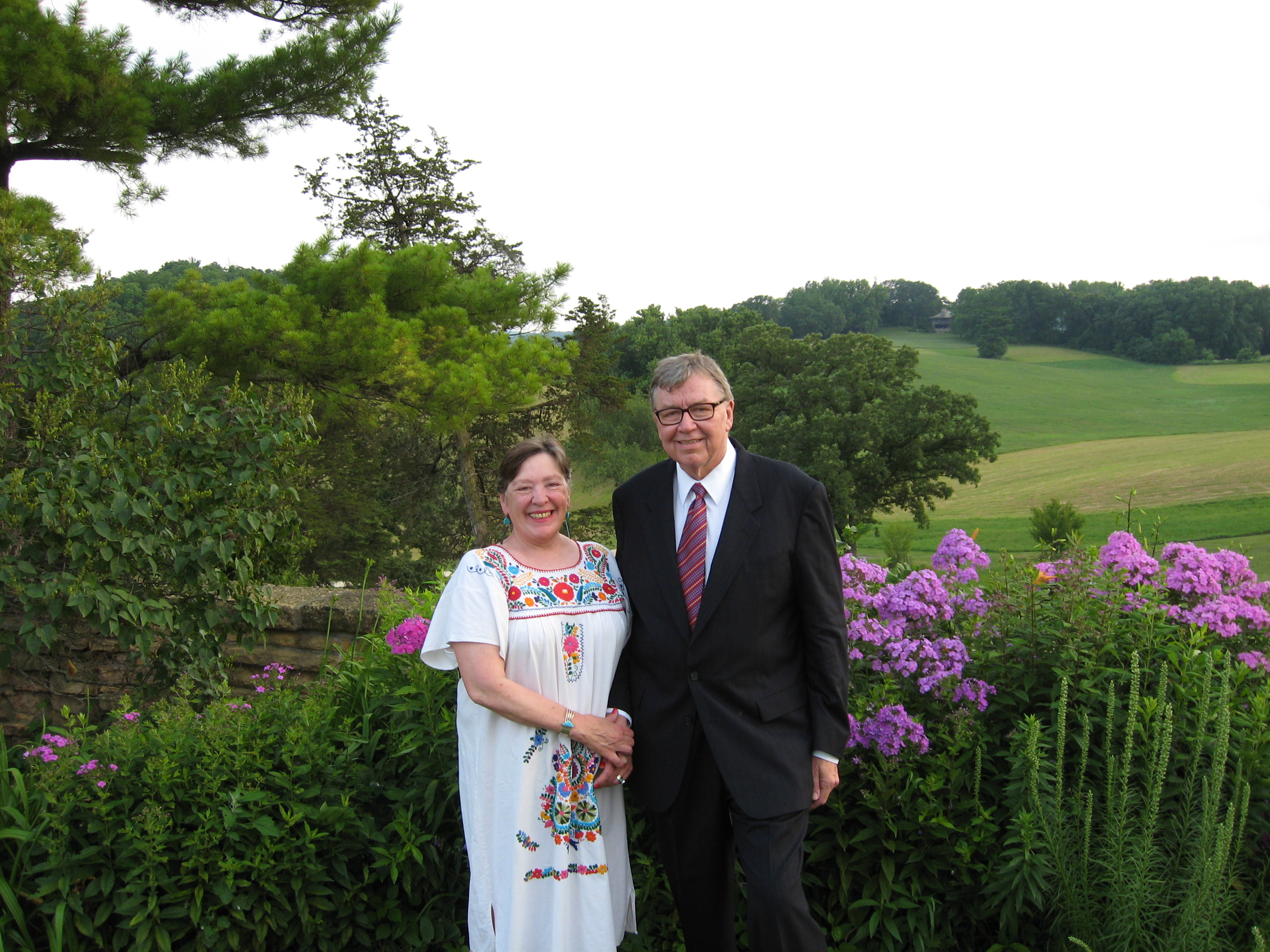
ImageBelow, Elane Demidt and Ron McCrea at Taliesin garden, 2011:

Image

Photo (c) Mark Hertzberg


Hardy House progress report

Photos and text (c) Mark Hertzberg

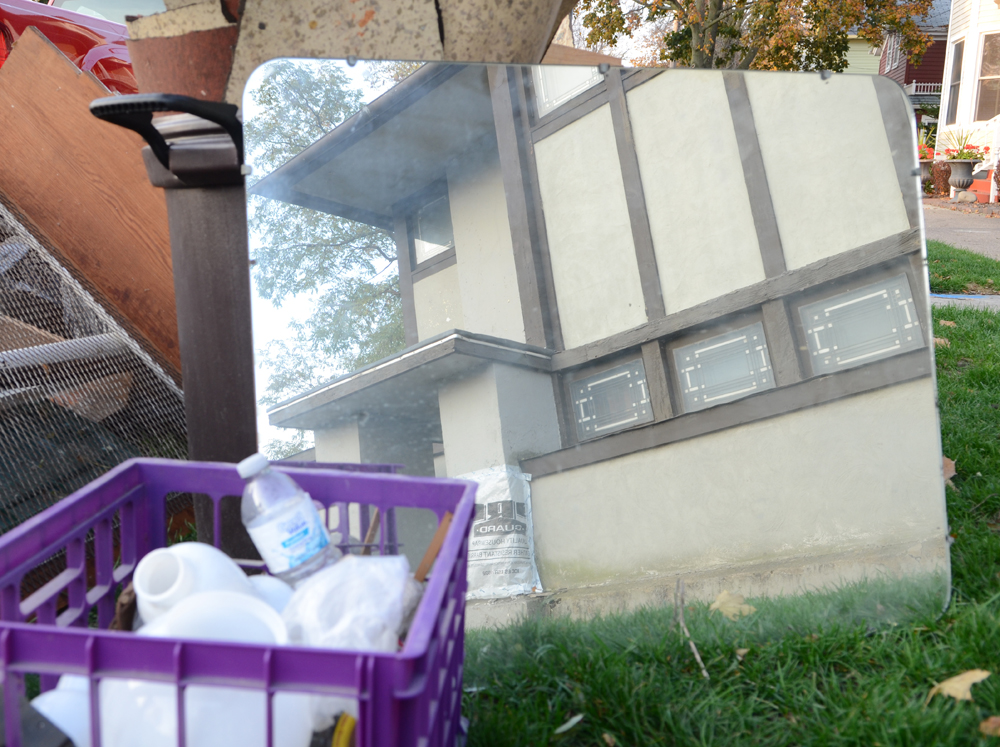
        The Hardy House is reflected in a mirror left curbside with other items being thrown away during restoration of the house:

Image

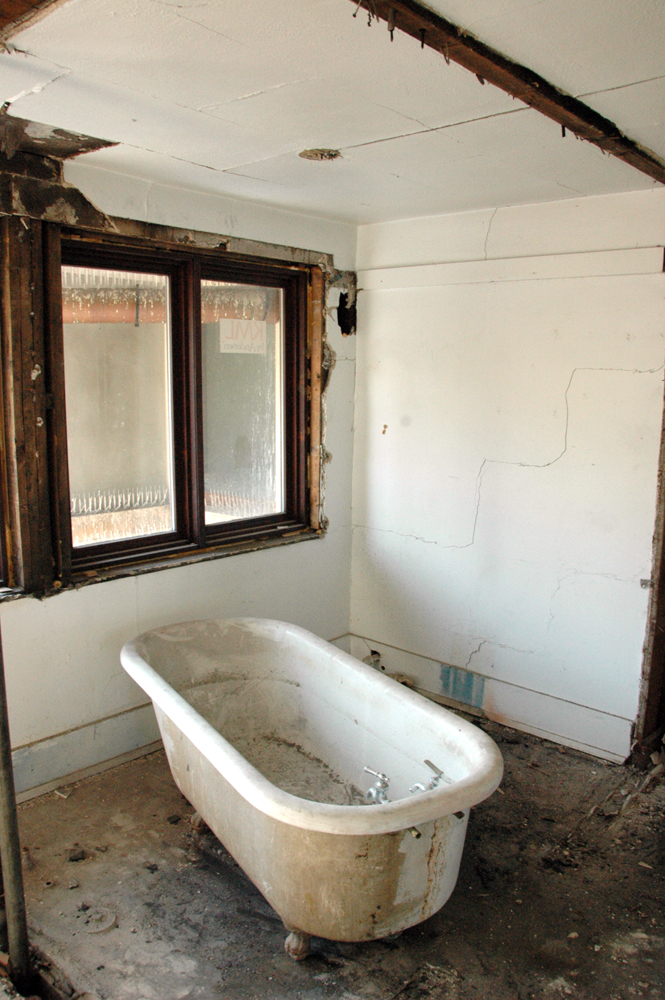
Gene Szymczak, below, center, became the new steward of Frank Lloyd Wright’s Thomas P. Hardy House in Racine in September. The responsibility of owning the house, and enjoying the restoration process, sometimes includes discovery of unexpected repair challenges.

Image

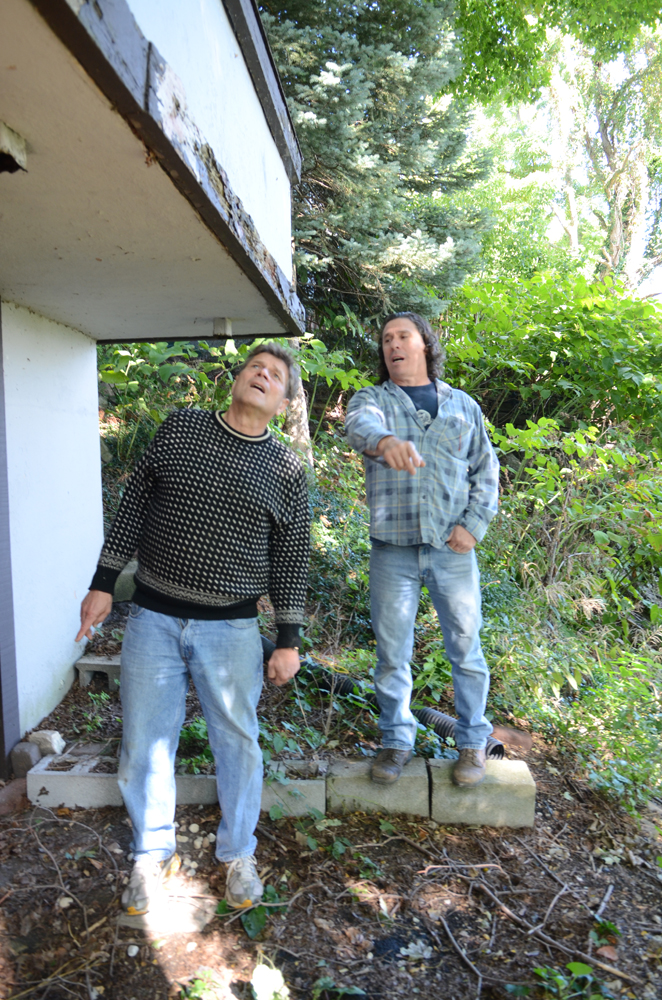
     Szymczak inspected the house a few days after the purchase with Chris Sunderland, who would do much of the repair and restoration work.

Image

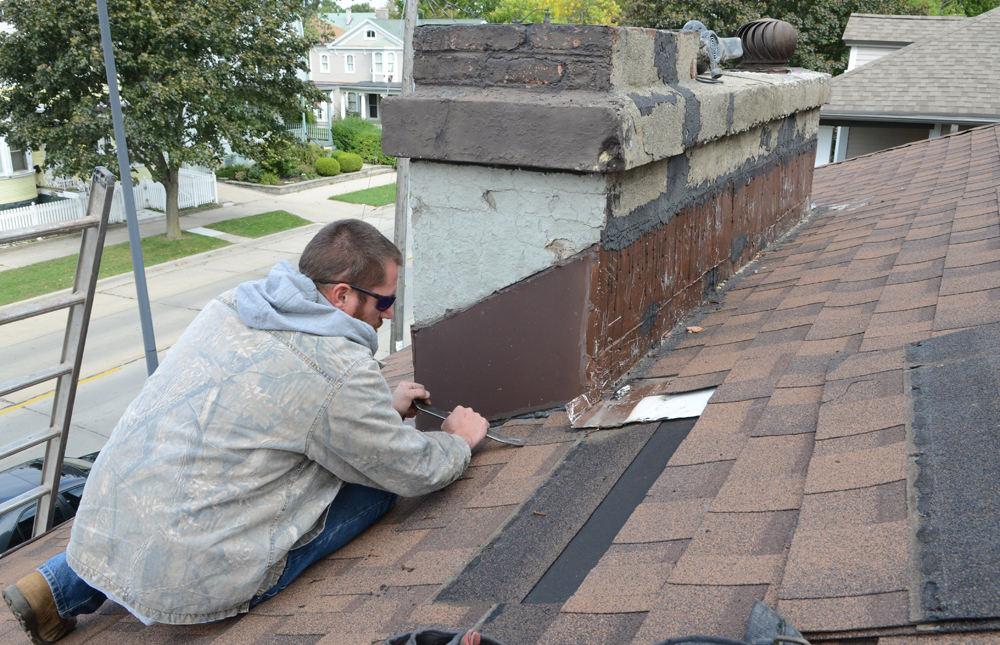
      Restoration began almost immediately when the chimney flashing was replaced

to stem leaking from the roof.

Image

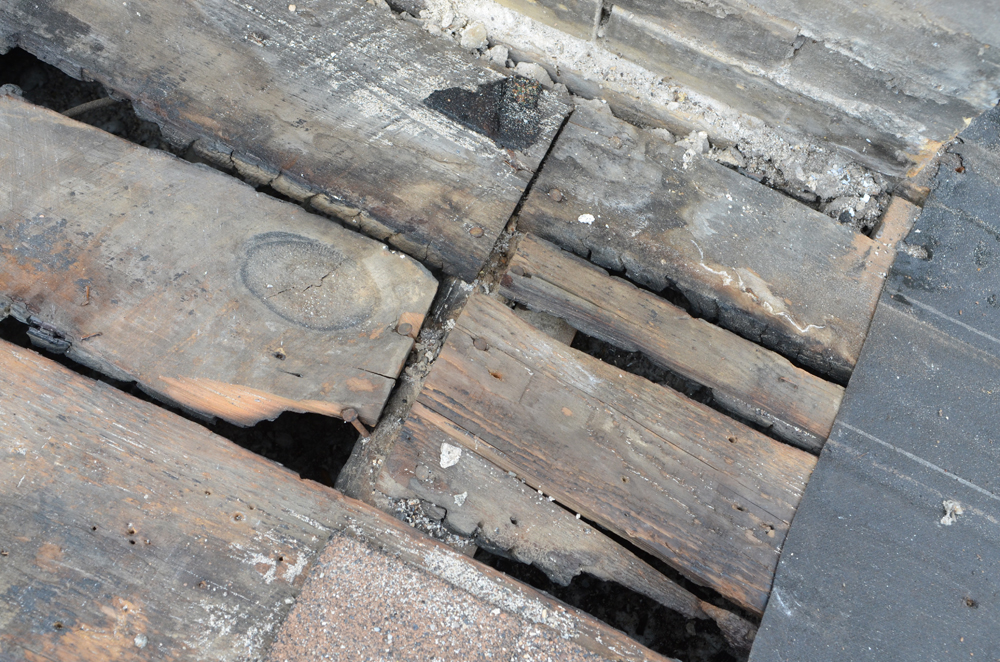
     The roofers found charred beams, which were evidence of a previously undocumented fire.

Image

     A search of old records by the fire department produced a report of a chimney fire in May, 1932. It had been put out with one three-gallon fire extinguisher.

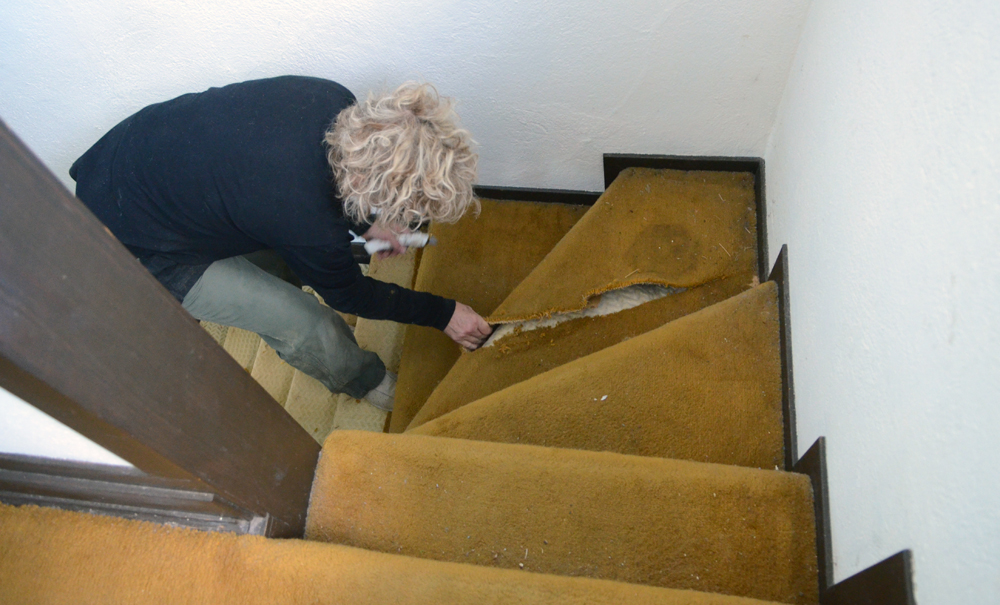
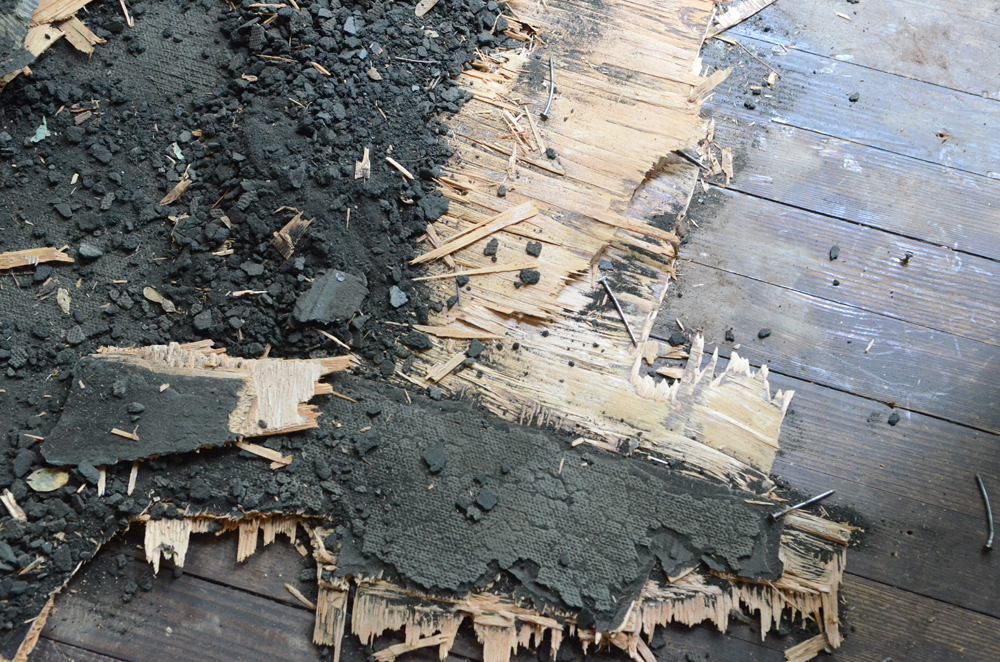
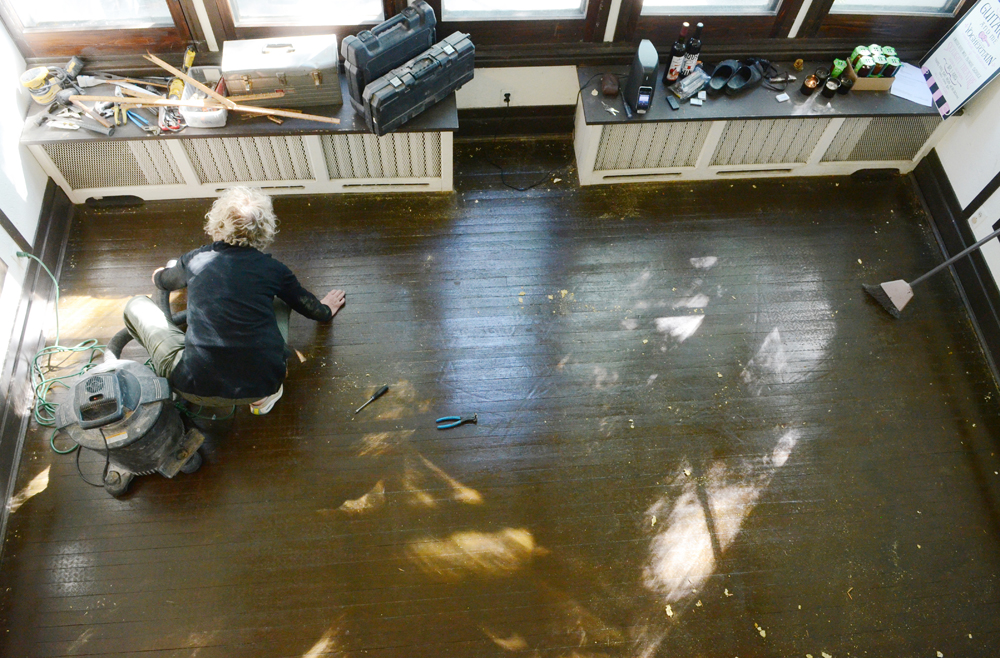
     Hardwood floors were revealed for the first time in many years when carpeting was removed that first week, as well.

Image

Image

Image

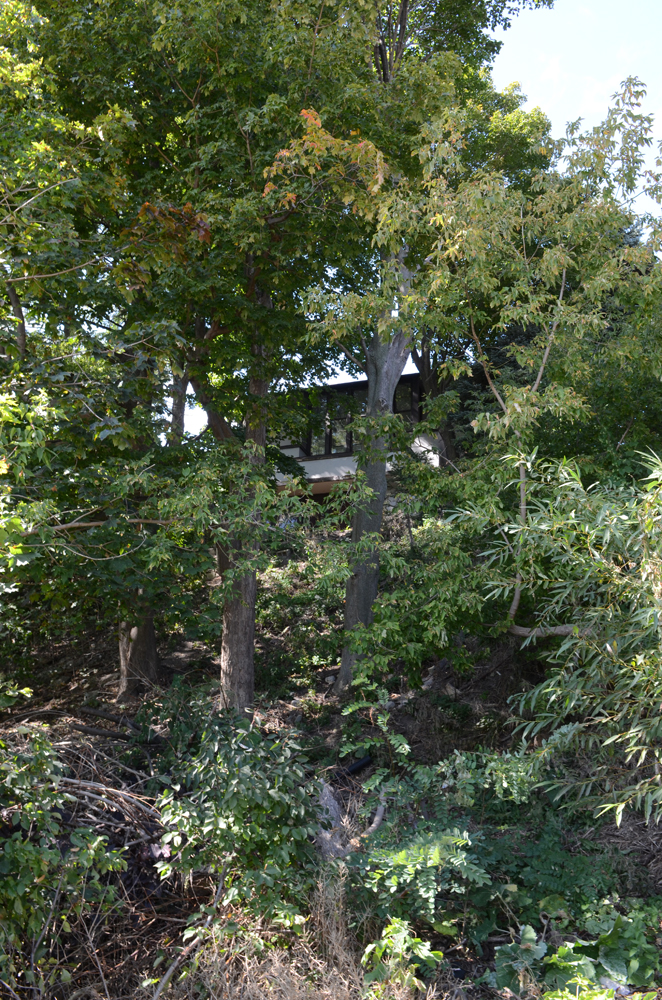
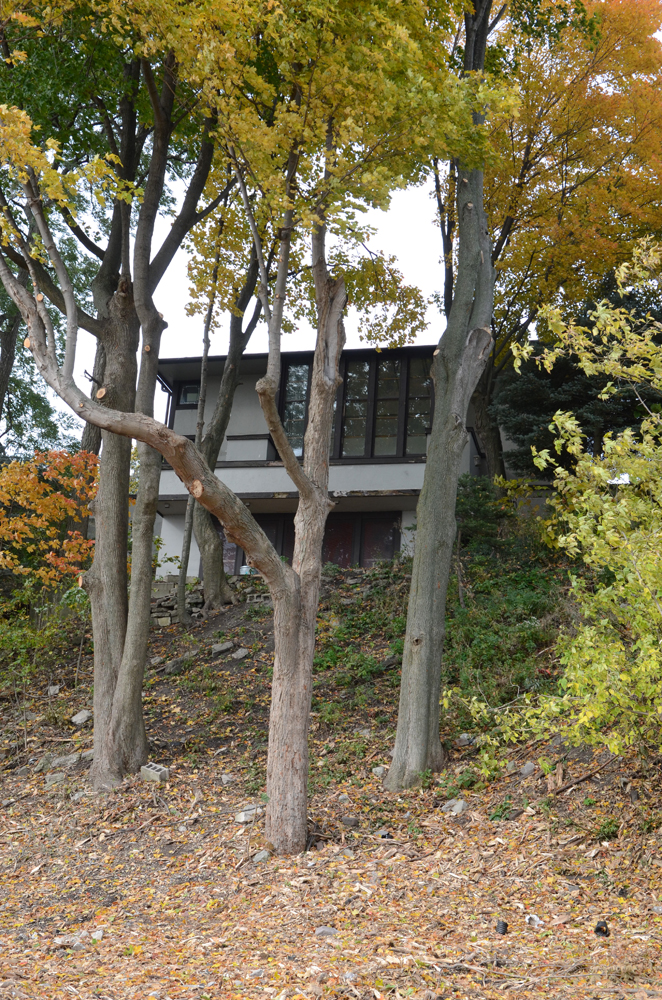
      The previous owners of the house let the trees and bushes on the hill between the house and Lake Michigan grow wild to protect their privacy. Chain saws cleared the hill a month after Szymczak became the home’s steward.
Image

Image

Image

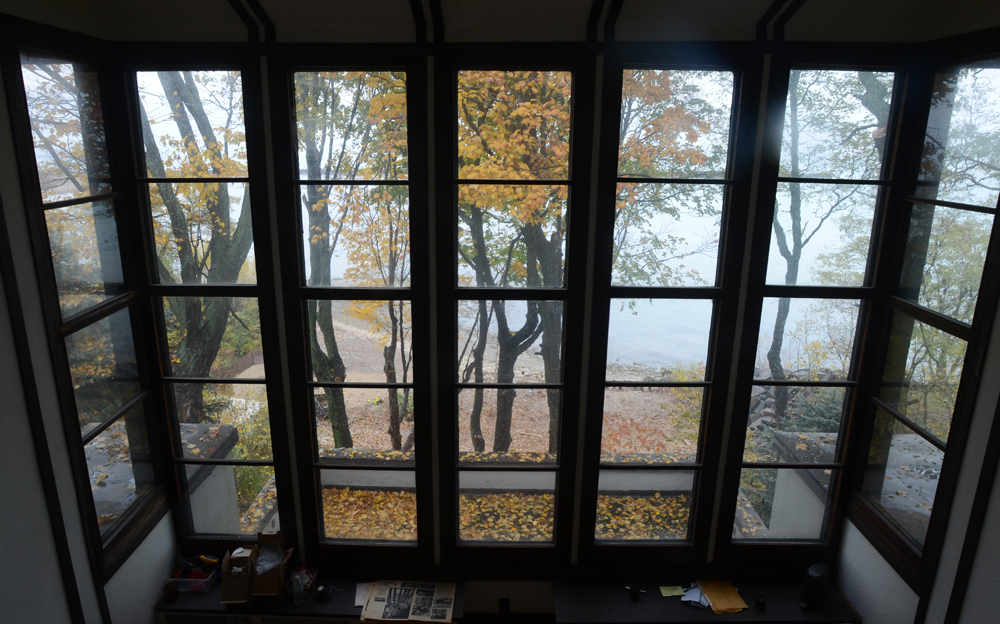
       The view from the living room balcony is now likely similar to what Hardy saw a century ago.

Image

      Below, Sunderland works in a basement crawl space to shore up the sagging floor of the servant’s bedroom above him. That room is on the south side of the dining room, opposite from the kitchen.

Image

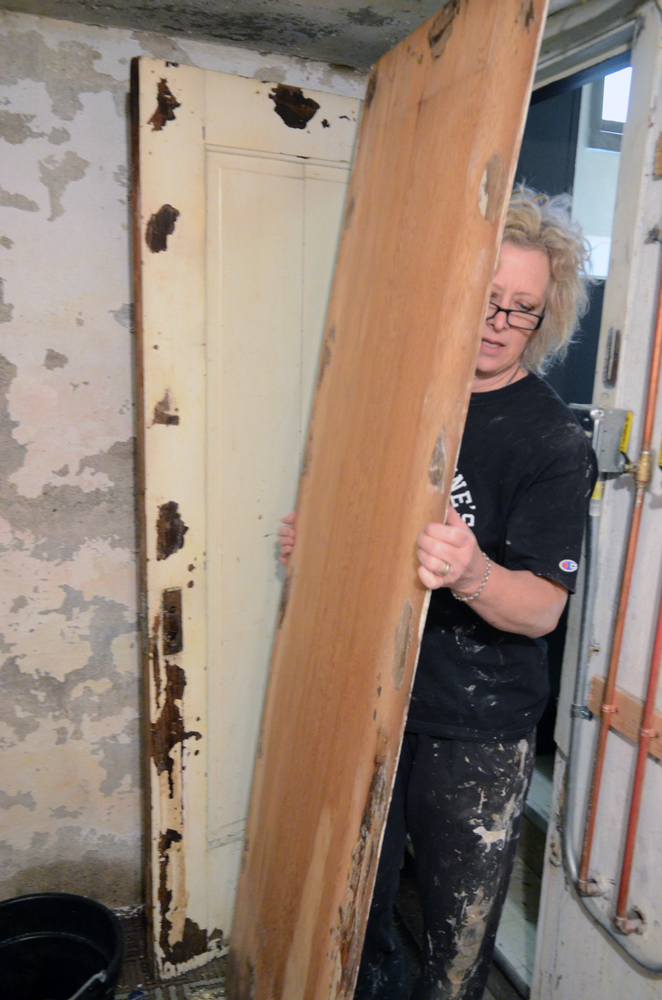
       It had been suggested that the door from the kitchen leading to the basement be replaced because it seemed to be a newer laminated door…but the laminate came off, revealing what is evidently one of the original doors of the house.

Image

       The most visible exterior change, for people passing by on Main Street, is the removal of the bushes in front of the house. Work will continue through the winter, inside the house, out of sight of passers-by. 

Image

Image

Historic Park Inn: Transformation of Guest Rooms, 2005-2012

(c) Mark Hertzberg

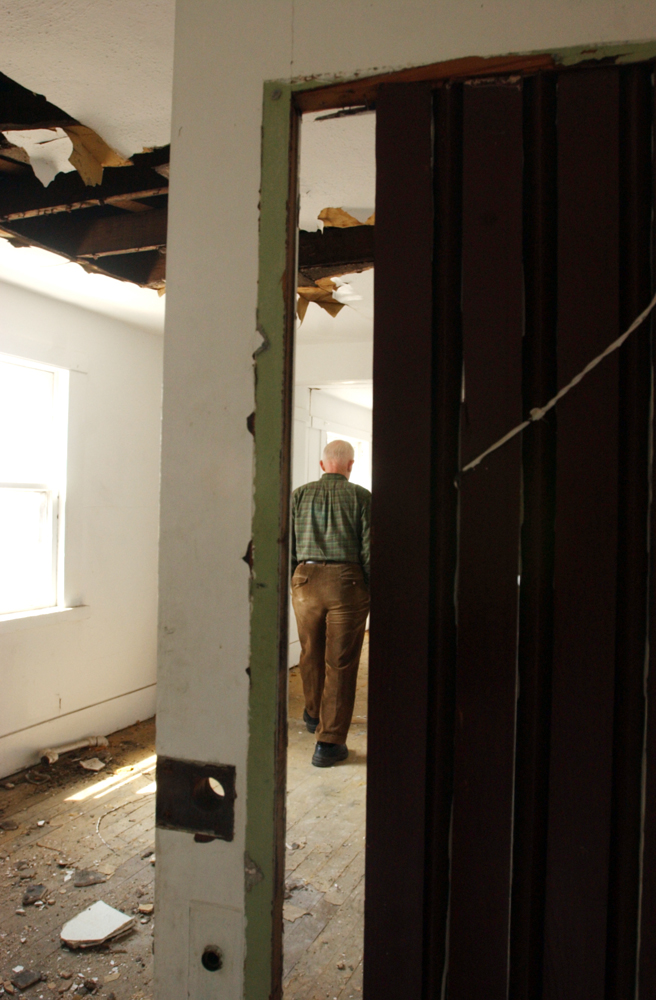
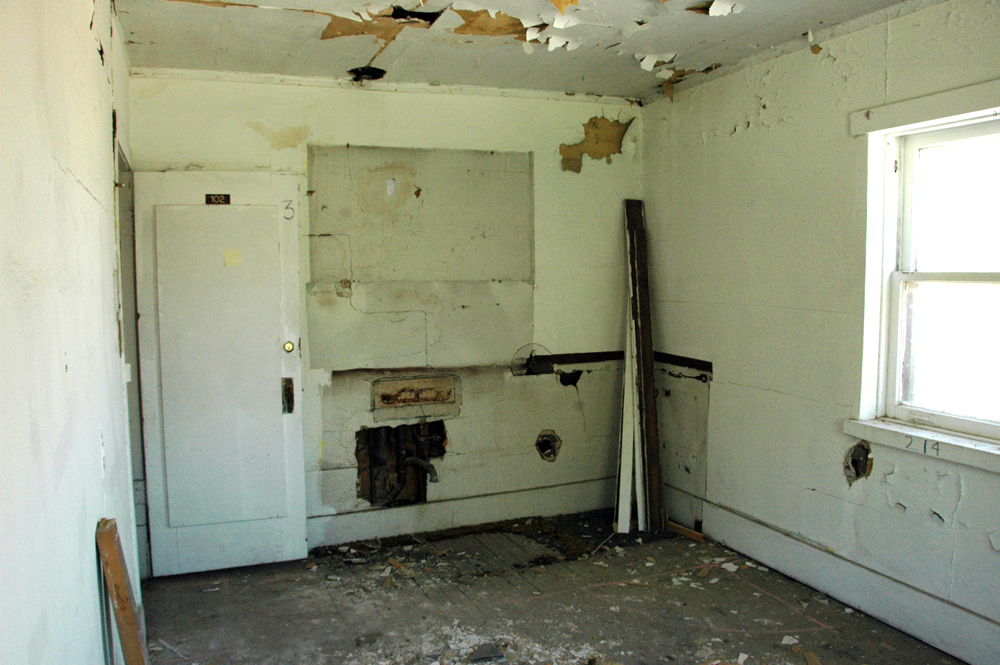
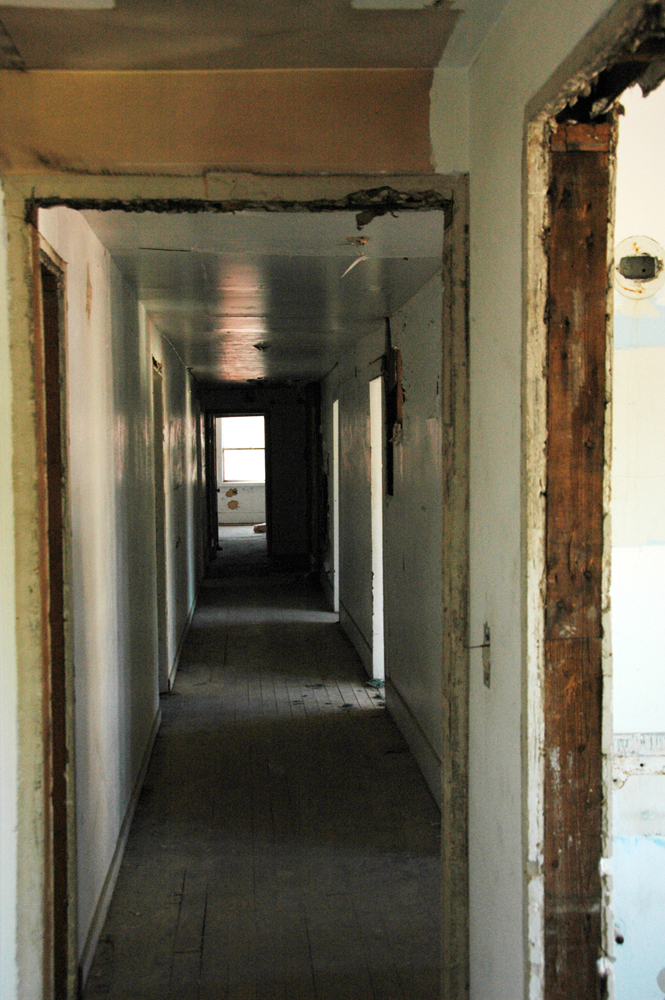
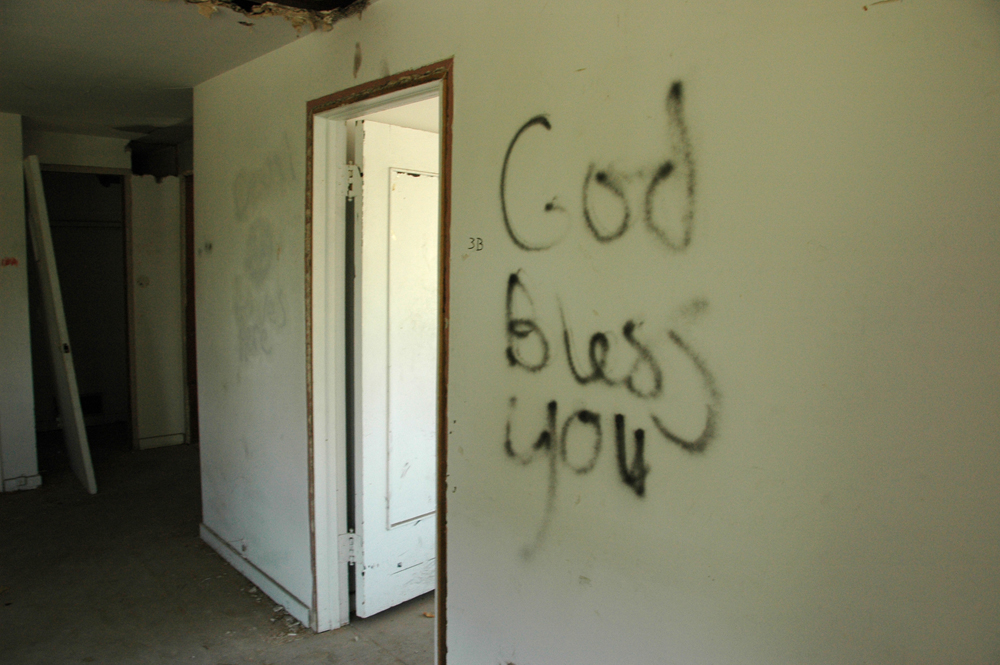
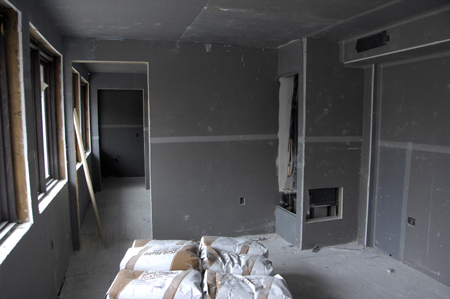
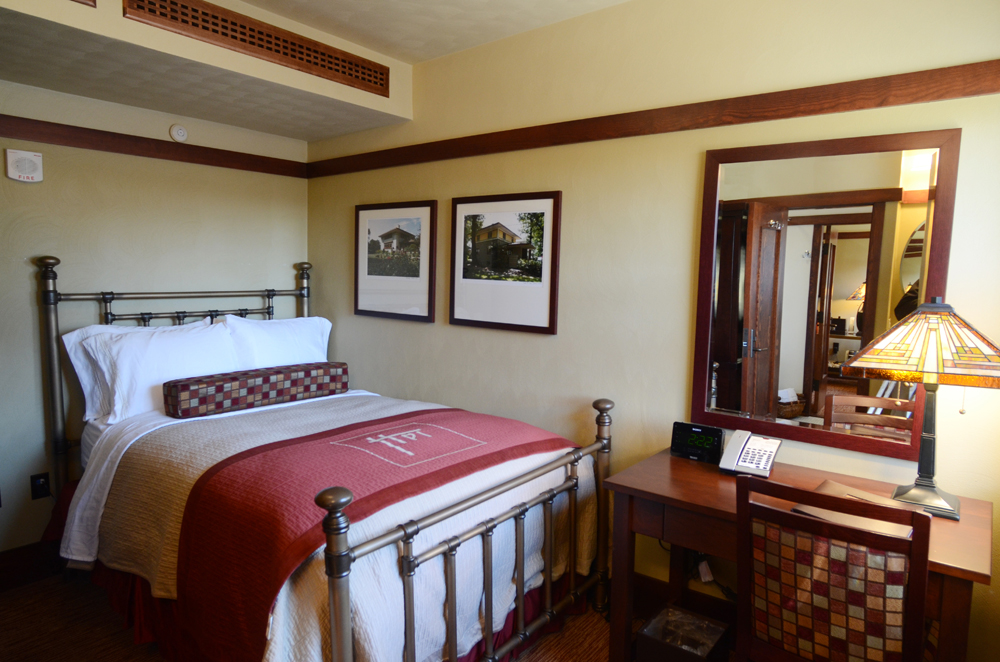
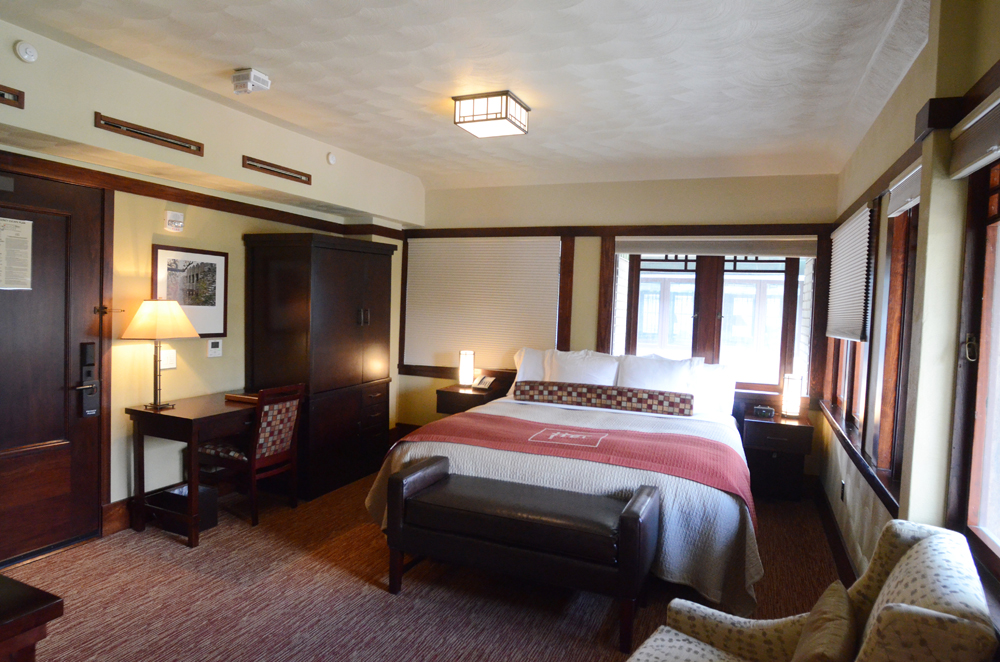
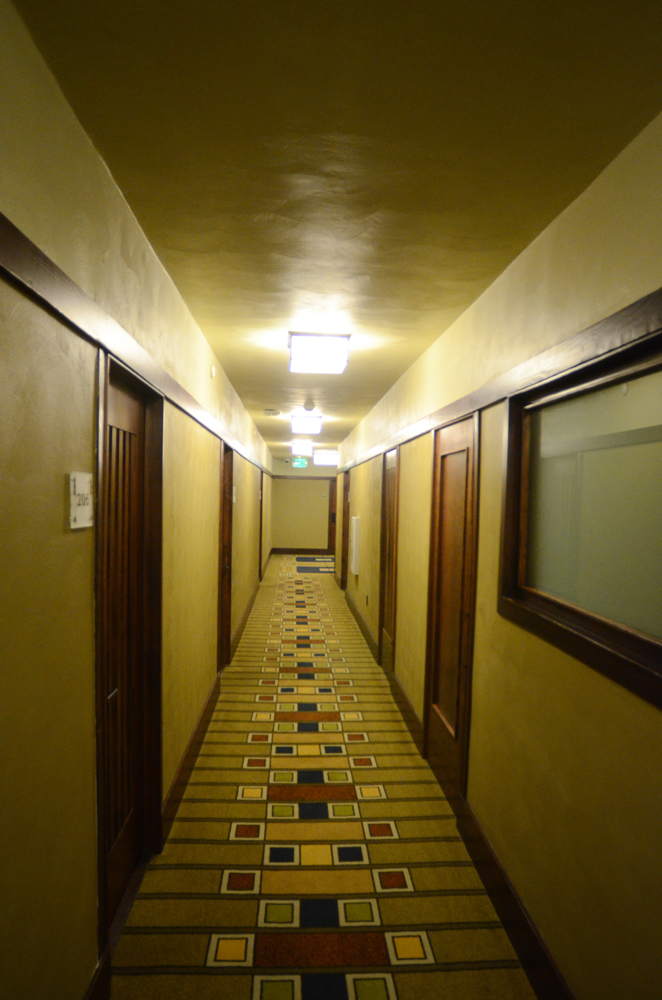
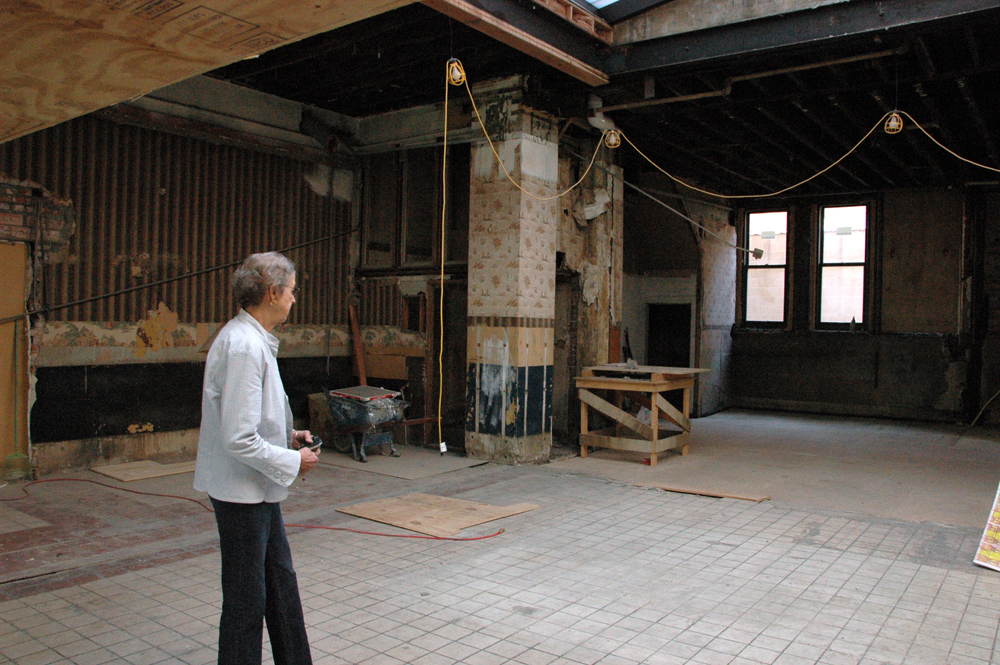
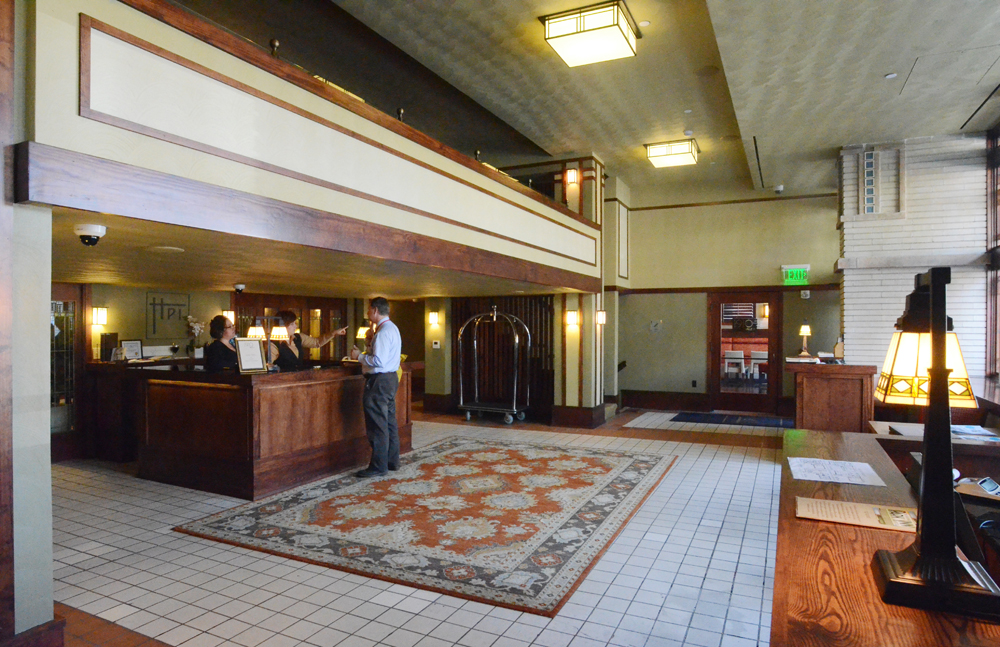
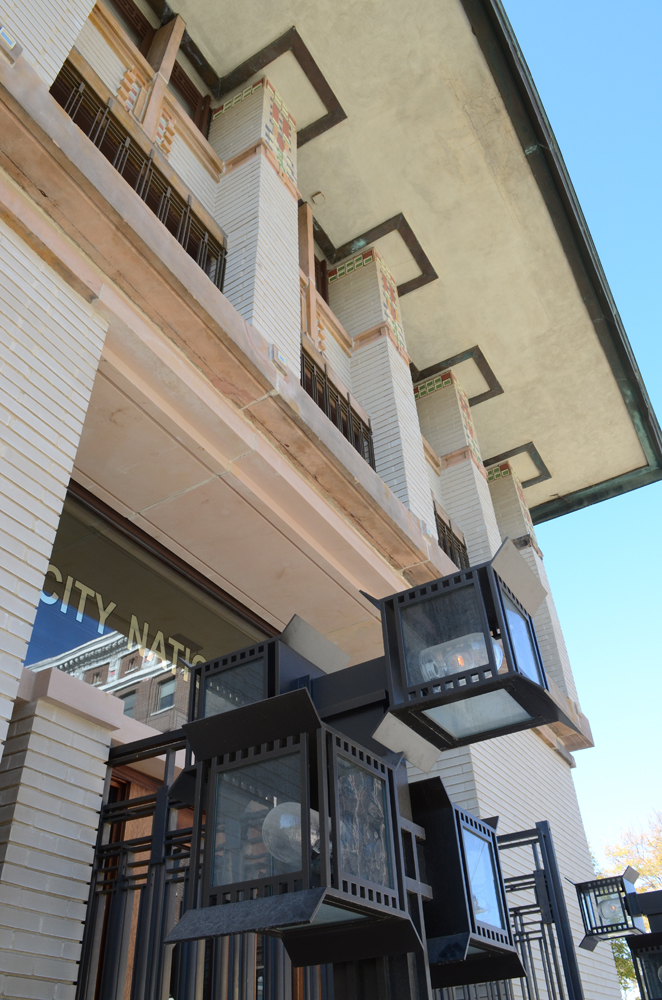
The Park Inn Hotel opened in 1910 with 43 rooms. Guests either shared adjoining bathrooms or used bathrooms down the hall from their room. The hotel lost its luster when the 250-room Hotel Hanford, with larger rooms and private bathrooms, opened four blocks away. The Park Inn was a hotel until 1972, when it became an apartment building. It was abandoned after 1989. The renovated Historic Park Inn has 27 rooms or suites, each with a private bathroom. These photos trace the transformation of the living spaces between 2005 and 2012. The original bedrooms doors were louvered, to allow air to circulate.

Image

Image

2008:

ImageImage

Image

Image

2010:

Image


2012:

Image

Image

Image

Image

Image


Wright on the Park has published two excellent books about the complex. Both books are well illustrated:

“The Historic Park Inn Hotel and City National Bank” (2007), Softcover, 90 pages, is a rich history of the two buildings.

“Wright Again” (2012), Hardcover, 76 pages, tells the story of the renovation of the bank and hotel buildings.

For more information:

wrightonthepark.org

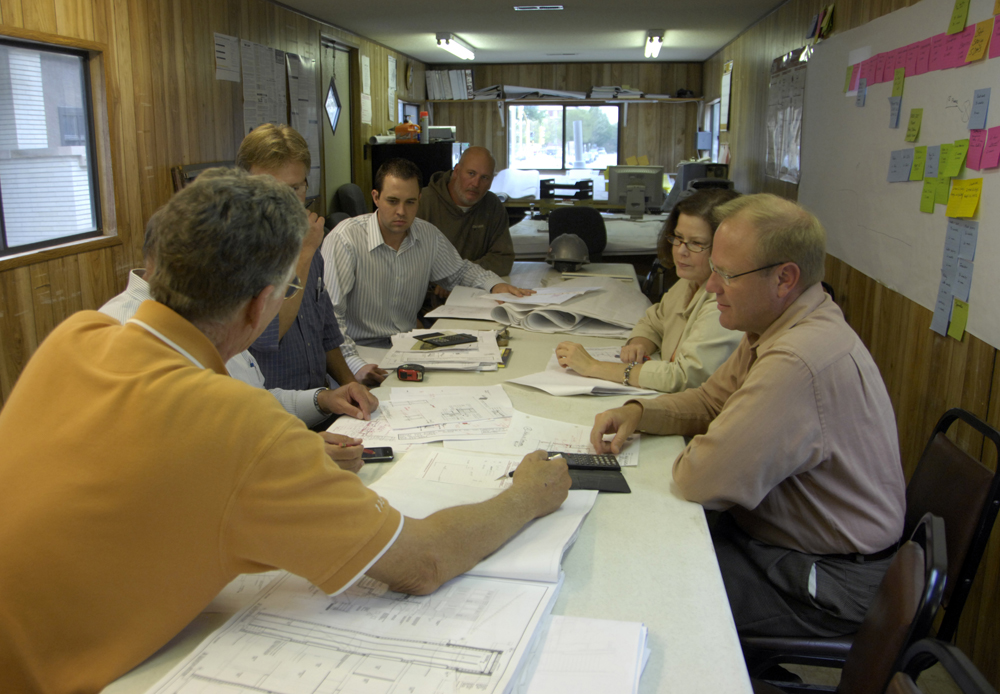
Martha Huntington, second from right, the project architect, leads a planning session in the construction trailer in 2010. She died of cancer in 2011, just four weeks before the hotel and bank building reopened:

Image


Historic Park Inn: Lobby and Skylight Room, 2005-2012

(c) Mark Hertzberg

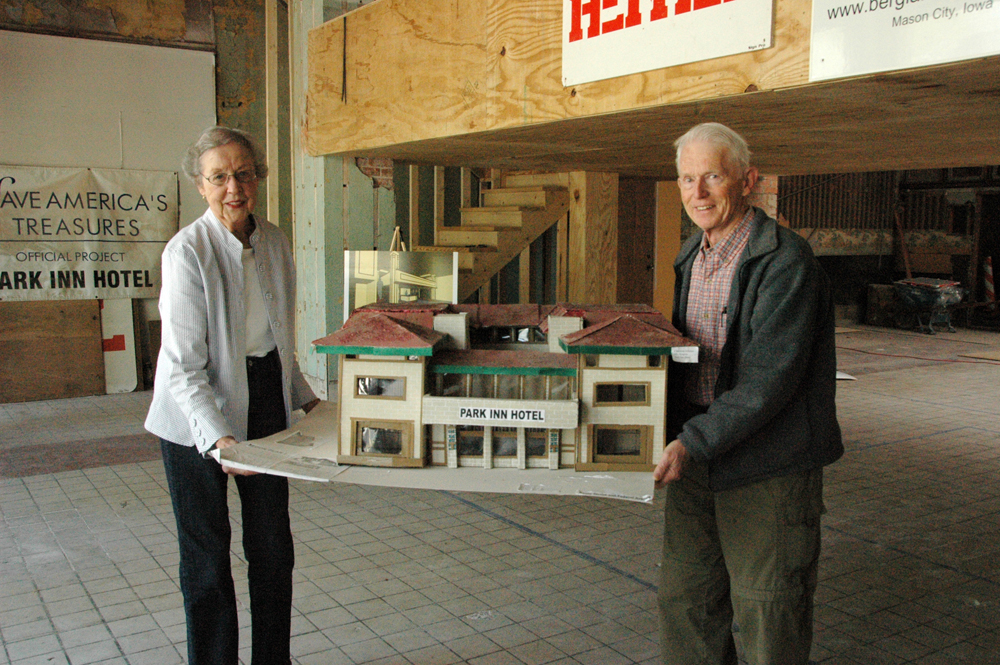
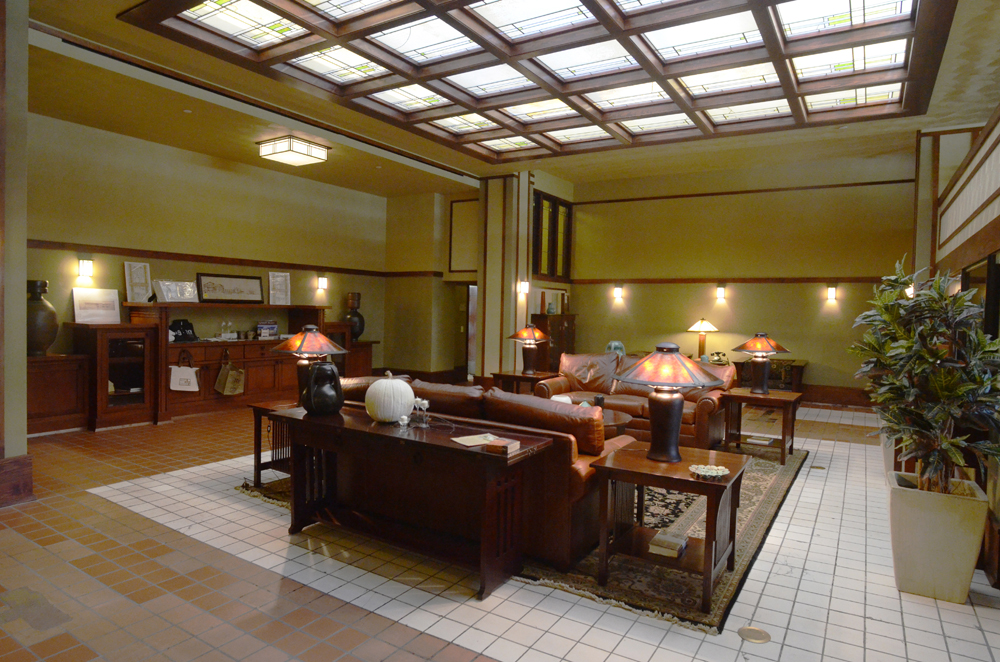
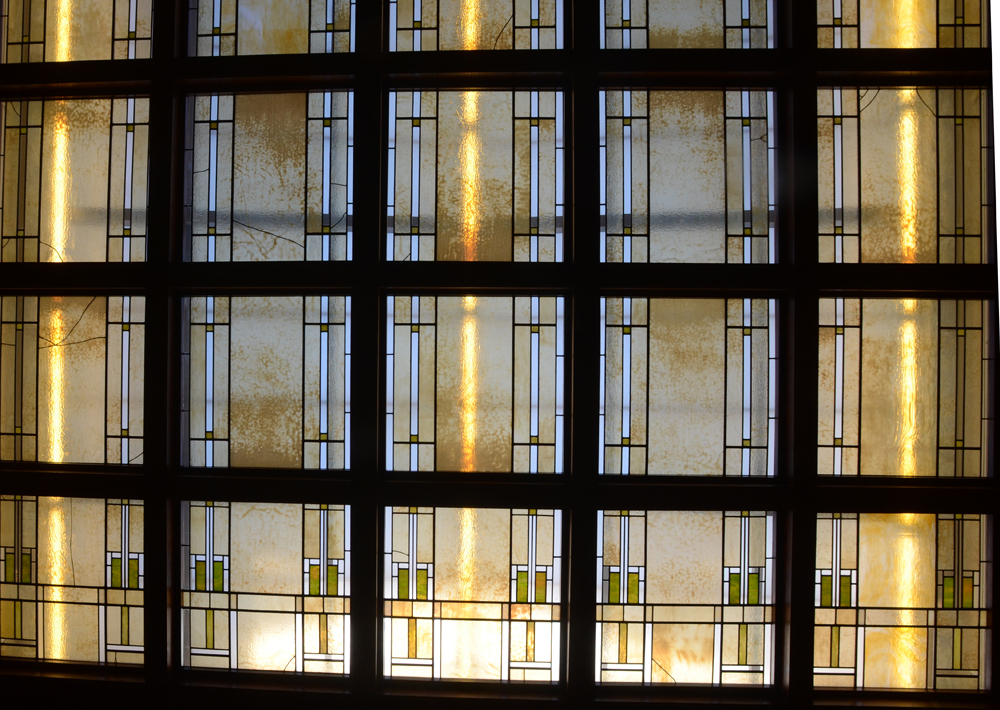
The restoration of these public spaces was dramatic. Architect Jonathan Lipman discovered that the skylight had been moved to the Blythe home, a private home in Mason City, probably by Blythe. The home, which was designed by Walter Burley Griffin, is now owned by Bob and Bonnie McCoy, early champions of the restoration project. The McCoys donated the skylight to the Frank Lloyd Wright Building Conservancy so that it could be reinstalled in the Park Inn building, now known as the Historic Park inn. 

2005…Bob McCoy takes me through the decimated hotel building:

Image

Image

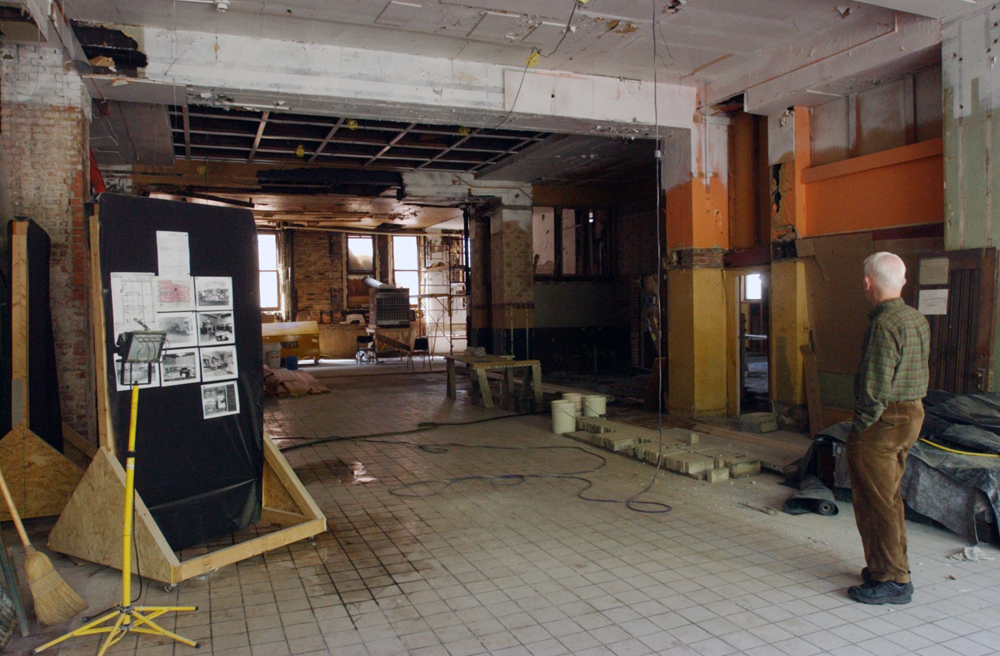
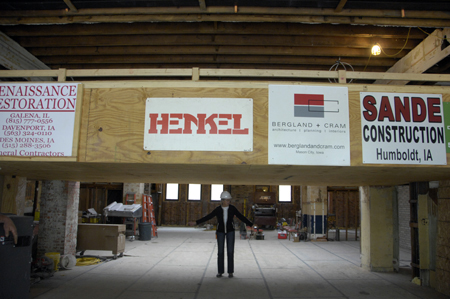
2008: My first look at the restoration, including reconstruction of the mezzanine above the lobby and the Skylight Room:

Image


ImageImageImageImage

My tour guides were McCoy and Ann MacGregor, Executive Director of Wright on the Park, which oversaw the restoration:

Image

Image

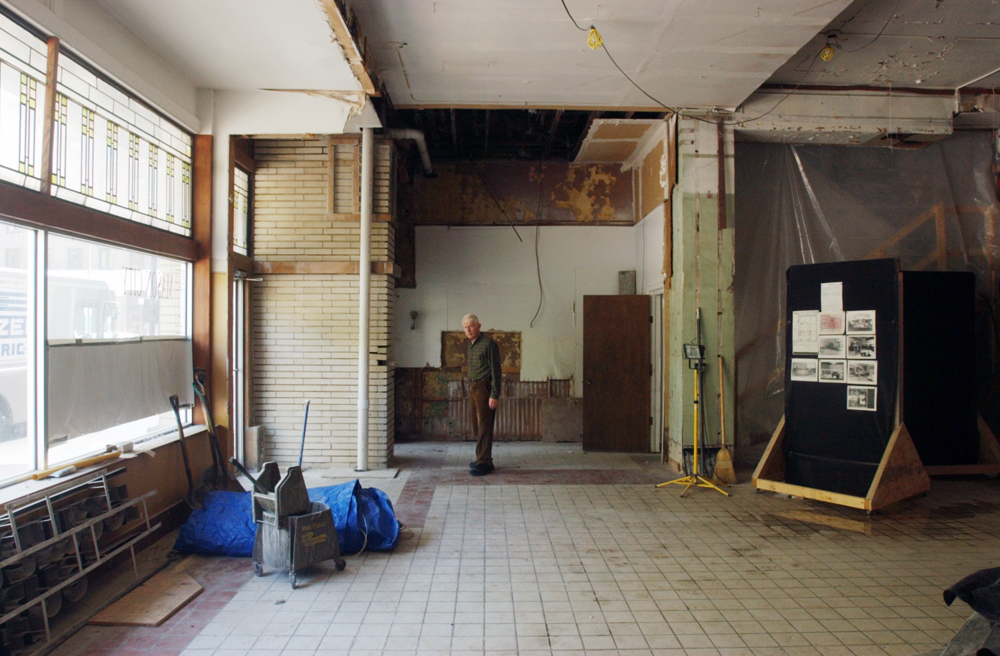
Ann took me through the buildings again in 2010:

Image

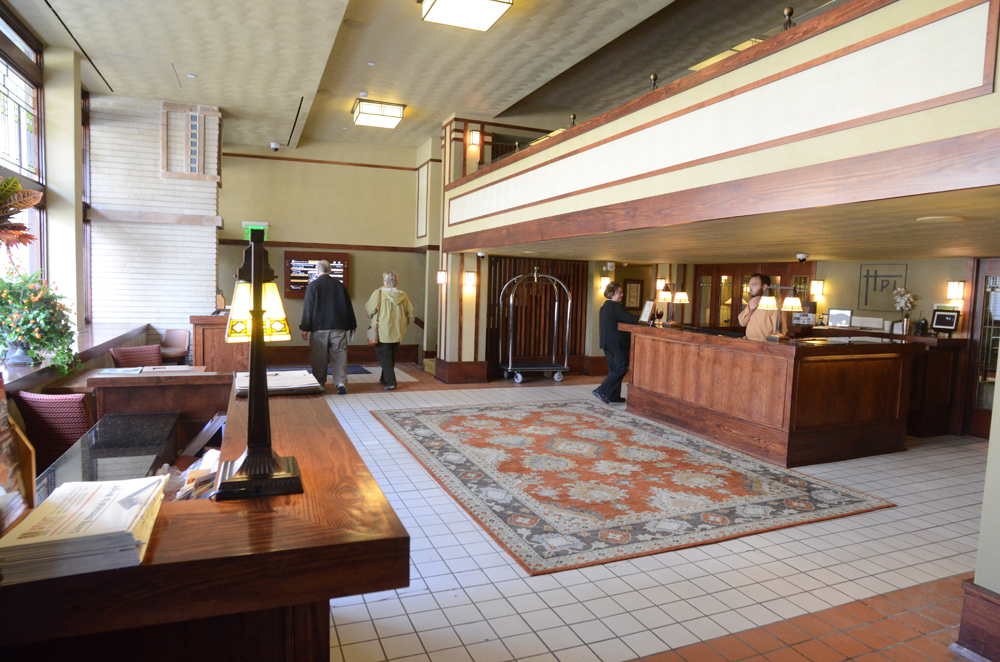
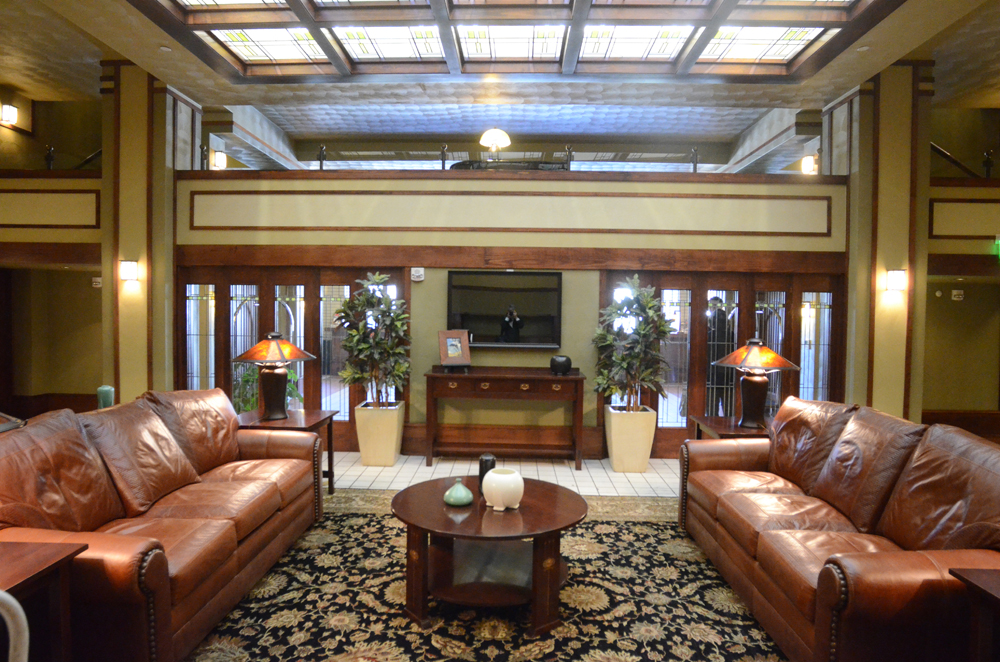
And, now, in 2012, the hotel welcomes guests:

Image

Image

Image

Image

Image

Image


http://wrightonthepark.org/


Mason City, Part Two

(c) Mark Hertzberg

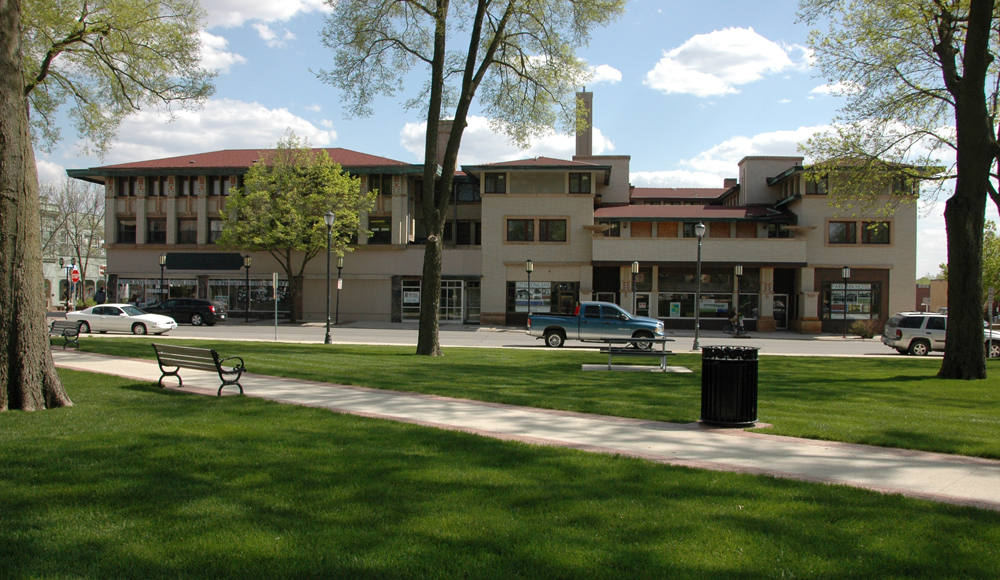
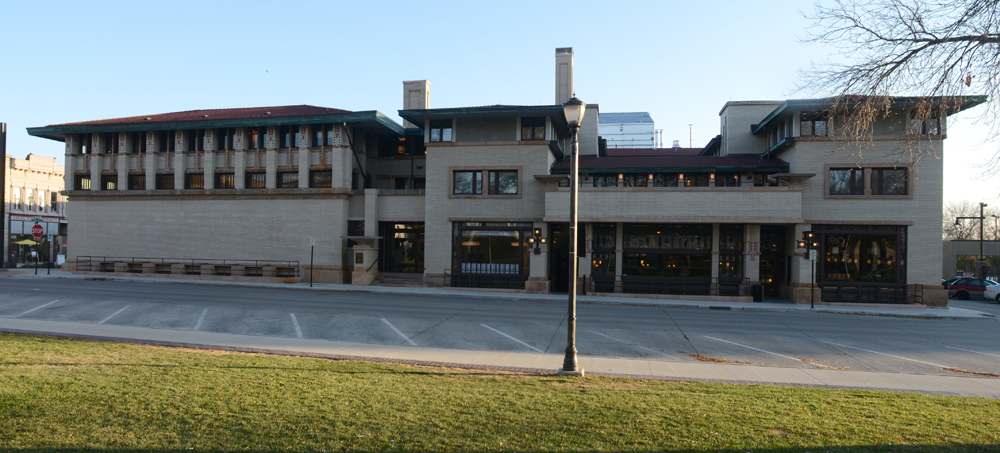
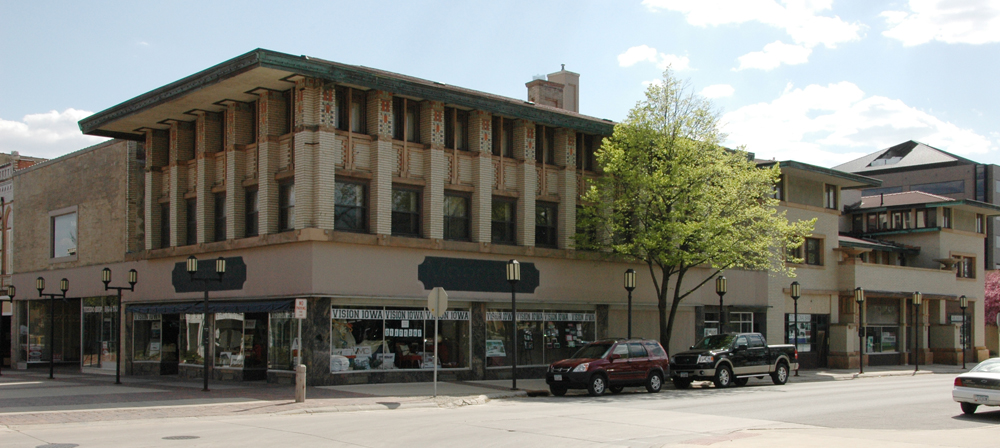
My visit to Mason City a few weeks ago was to attend the annual meeting of the Frank Lloyd Wright Building Conservancy. It was interesting to compare photos taken from the same vantage point between 2005 and 2012. I could not shoot the identical picture in 2010 because the construction trailer blocked the view of the bank building, left,and hotel from the park. The photos are from 2005, 2008, 2010, and 2012.

ImageImageImage

Image


Transformation in Mason City

(c) Mark Hertzberg

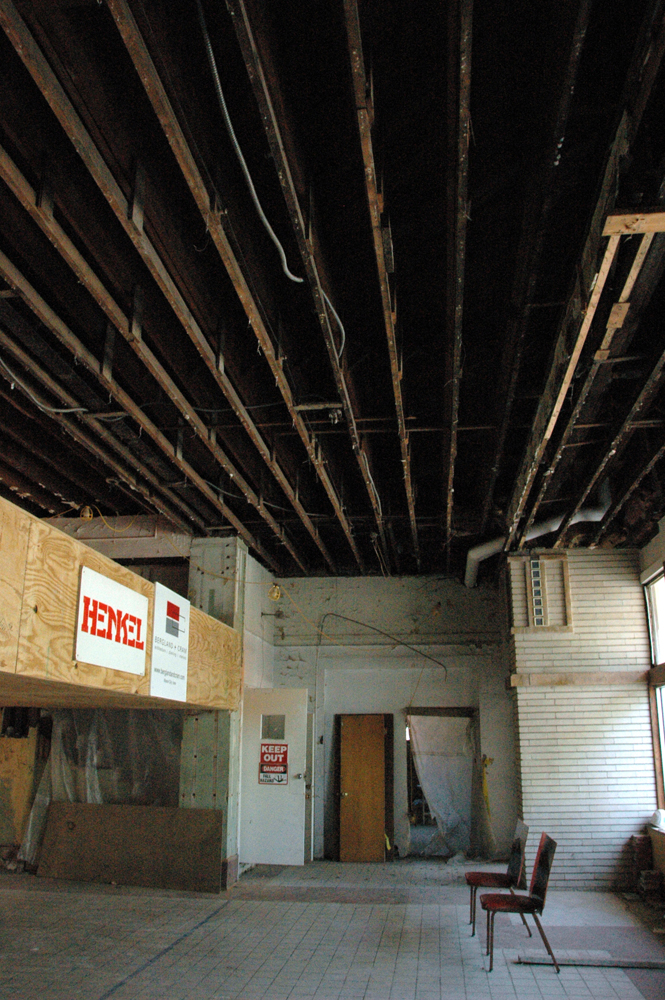
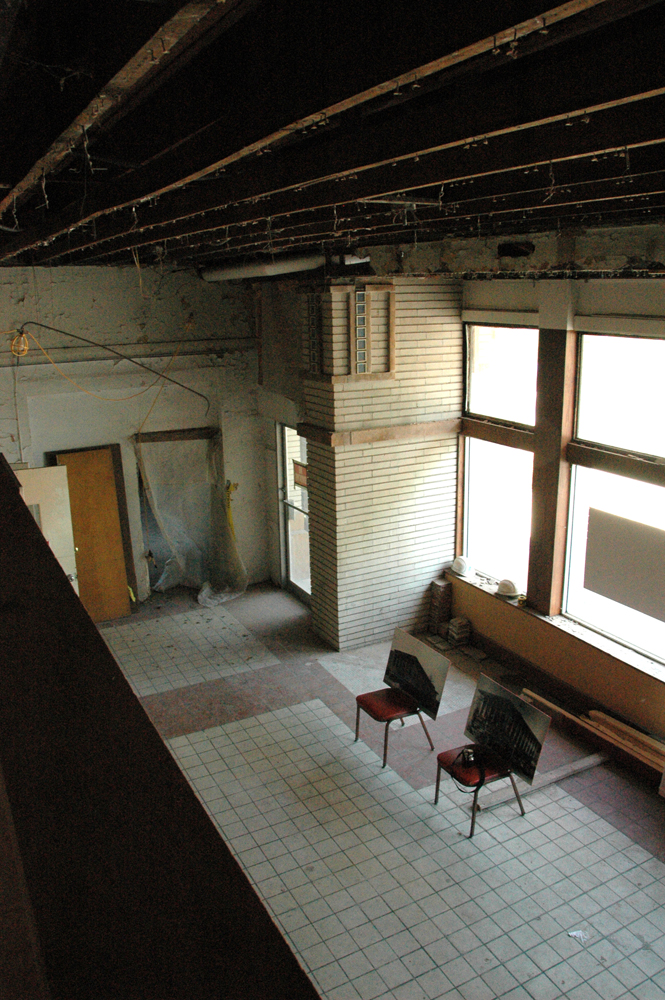
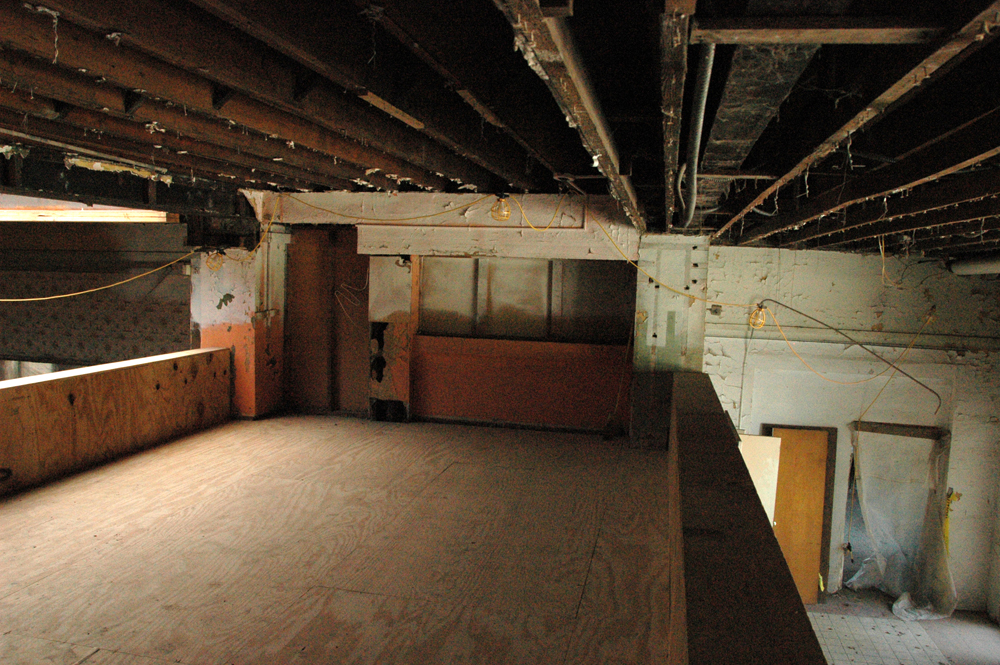
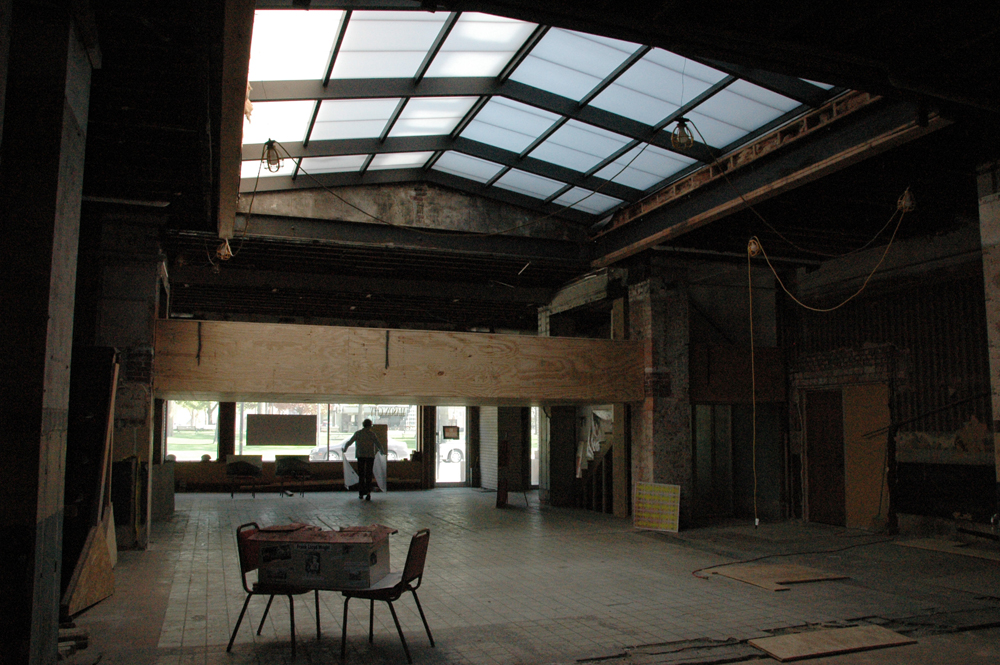
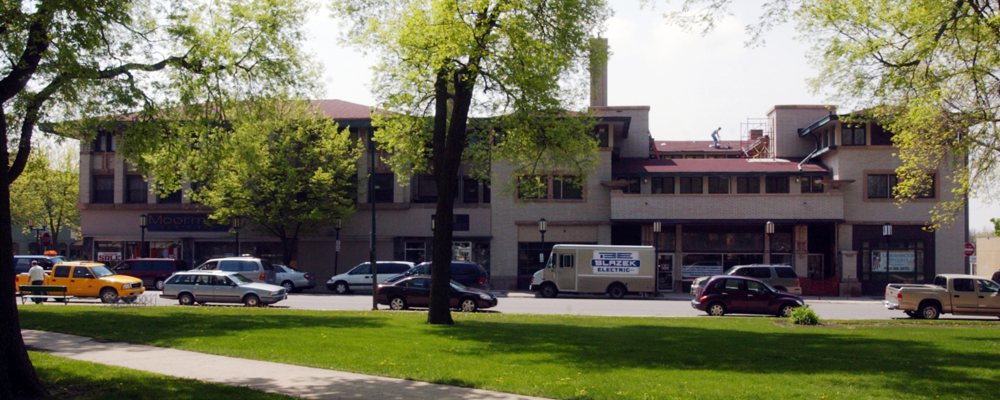
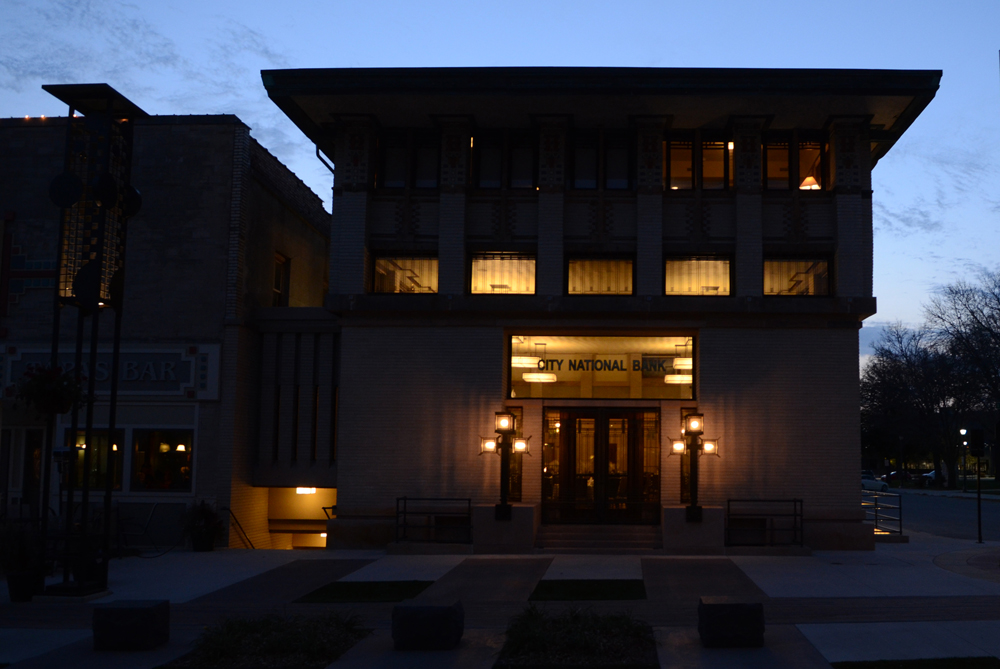
I first toured and photographed the Park Inn and City National Bank buildings in Mason City, Iowa in 2005. The buildings had opened in 1910. 

Image

When the bank failed, the building was remodeled and, in one critic’s words, desecrated, in 1926. Wright’s brick walls were replaced by plate glass windows when retail space and offices took over the first two floors of the building. Indeed, a second floor was inserted into the building, between the banking floor and the original third floor law offices.

Image

The bank building, left, and hotel in 2008.

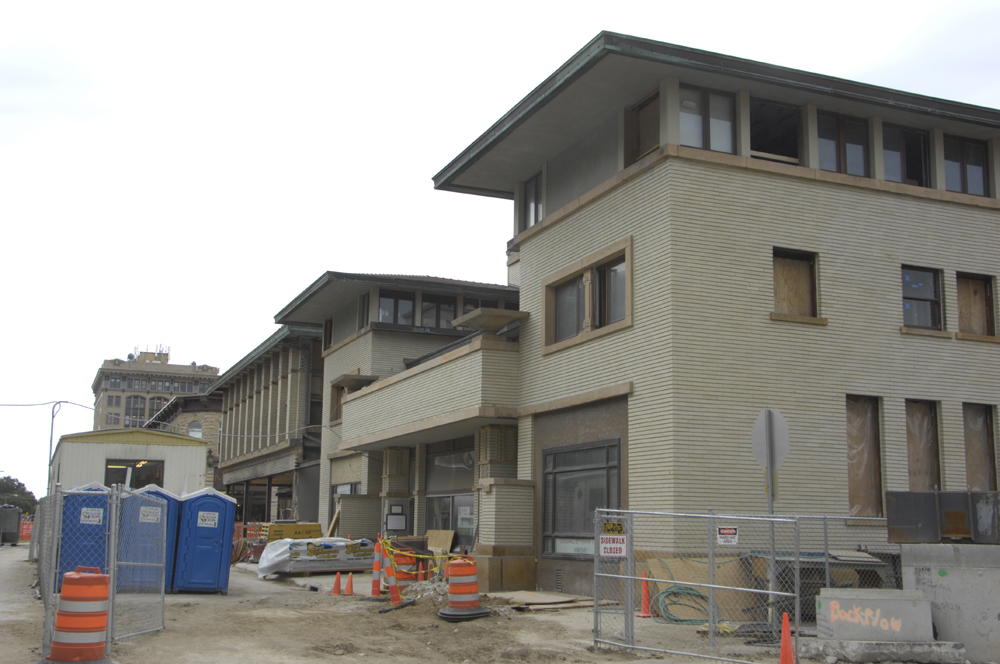
The idea of restored buildings seemed remote then. I knew what architect Martha Huntington, the leaders of Wright on the Park and other civic leaders envisioned, but it was hard for me to imagine  I photographed the buildings again in 2008 and 2010, before seeing the dreams of Mason Cities’ visionaries realized when I returned a month ago. A photo from 2010 shows the dramatic change underway in the bank building as the retail space is removed, before Wright’s design is restored:

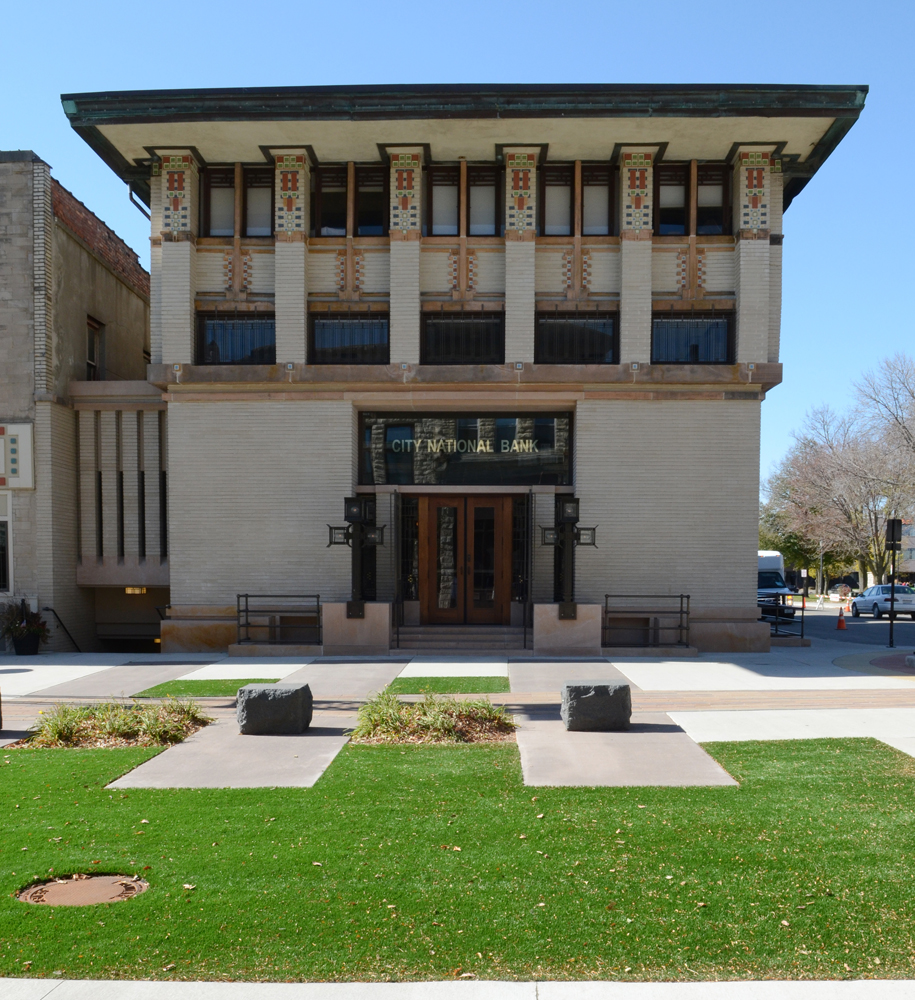
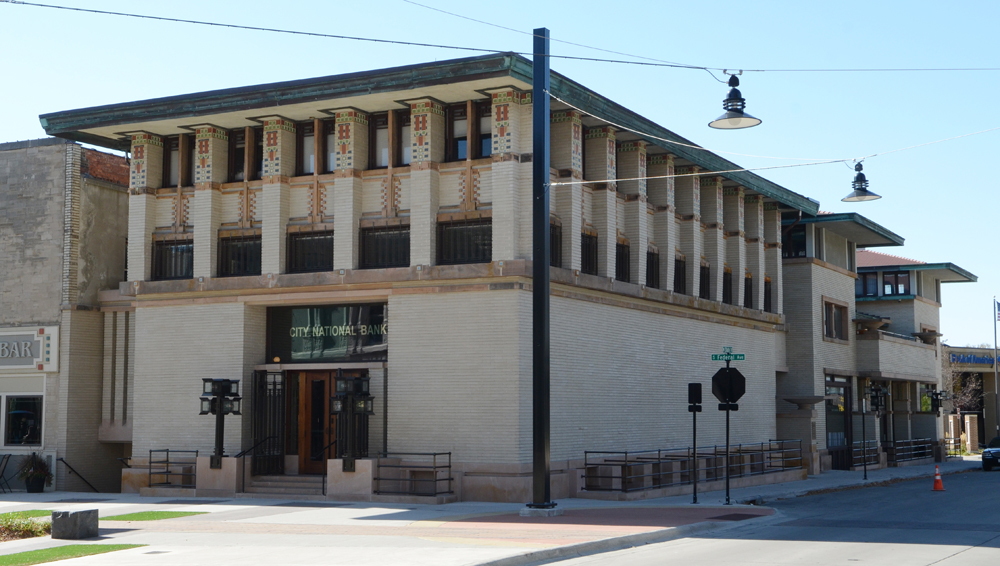
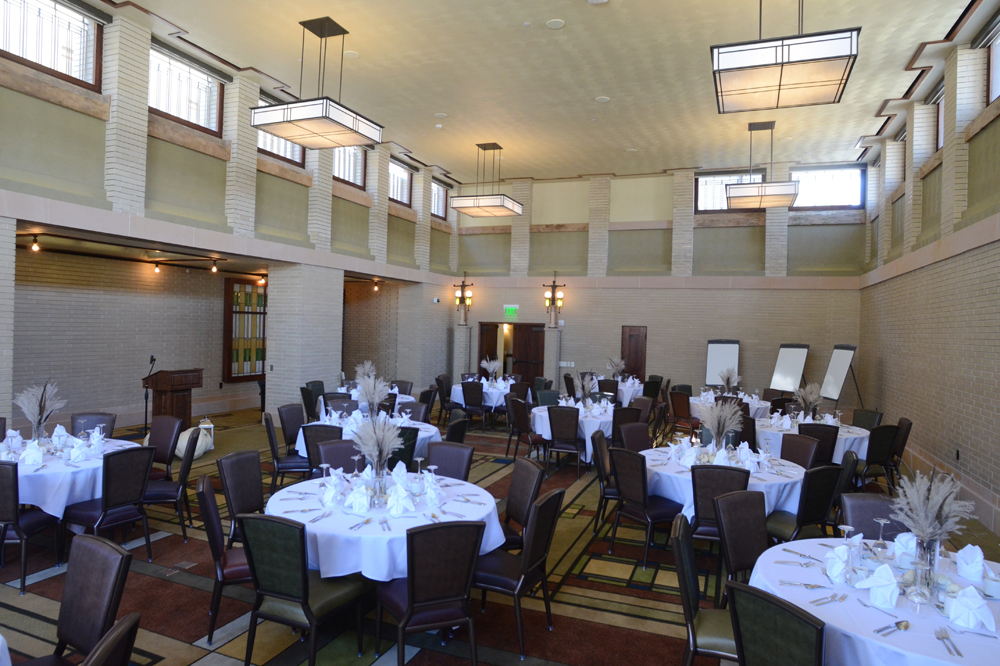
ImageAnd, finally, in 2012, as the bank building has become a conference center:

Image

ImageImage

ImageImageImage

I will be posting photos showing the dramatic restoration of the hotel in the near future.


New steward of the Hardy House

Image

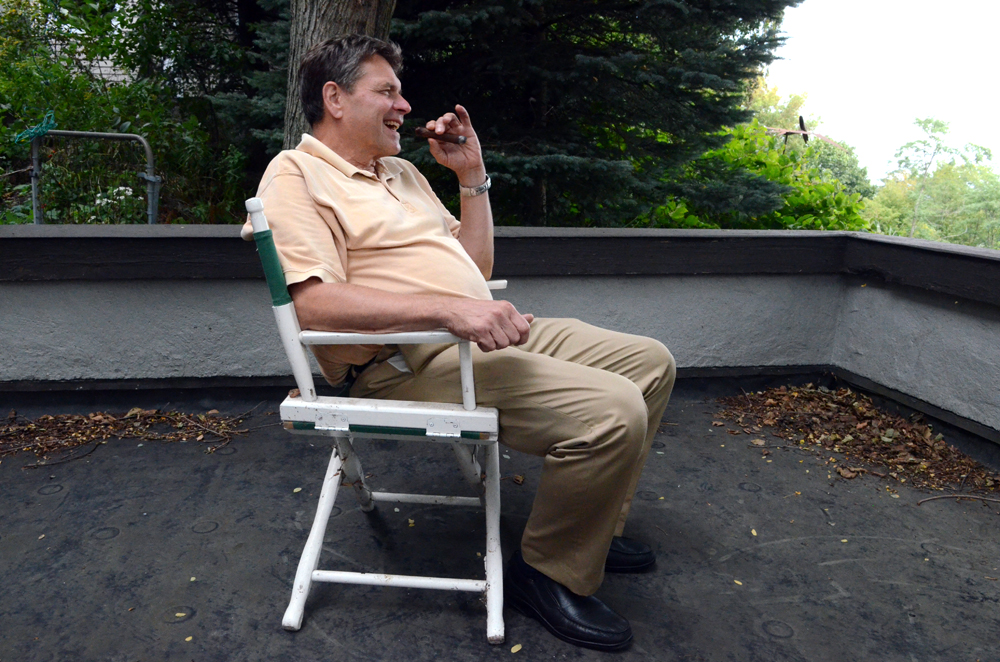
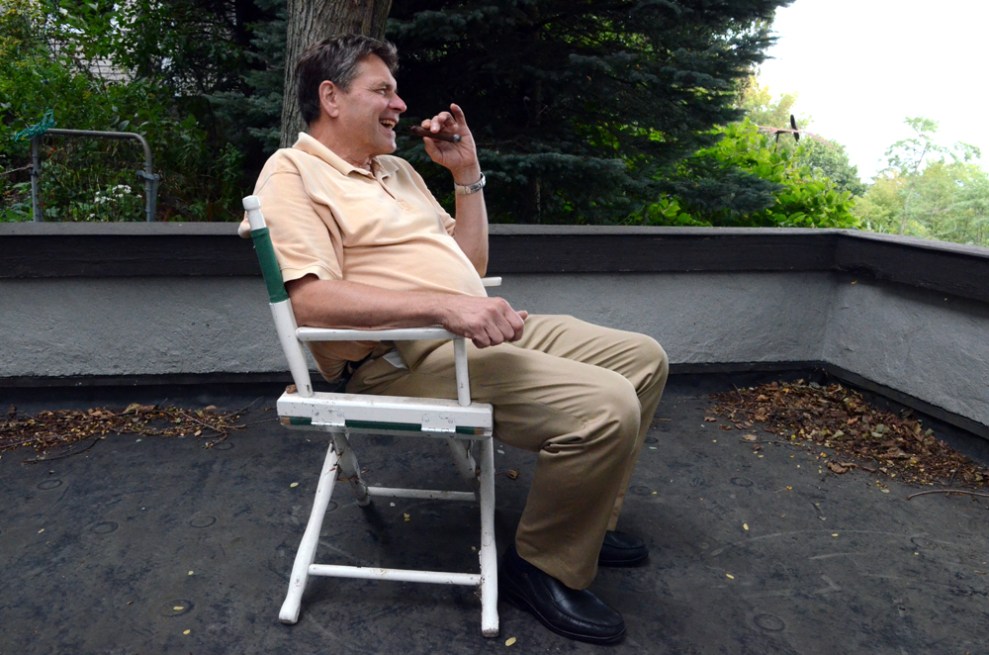
Gene Szymczak (pronounced Shimshack) lit a cigar and relaxed on the dining room terrace of his new home. He hoped the storm clouds passing overhead were not an omen.

 He had treated himself to a new camera about 40 years ago. He used his new Leica CL  to photograph his parents, Lake Michigan, and Frank Lloyd Wright’s Hardy House, “To me, significant things.” He returned the camera to the store because he felt it was an extravagance, but he still has the 4×5 black and white prints of the house

Today he became the seventh owner or steward of the house, which sits on a bluff above the lake, south of downtown Racine. Szymczak, who is president of Educators Credit Union in Racine, bought the home Monday September 17 from Jim and Margaret Yoghourtjian, who had owned it since 1968. The house had been for sale, by local word of mouth only, for nine months.

 There has been concern about the future of the house for many years. Szymczak has hired a restoration architect who will not see the house until Thursday, but he started tearing out carpets this afternoon. Last week he wrote me, “The Yoghourtjians have been good stewards for more than forty years. It’s my turn to take care of the Hardy house. It is a Racine and even a world landmark.”

After I gave Szymczak his first tour of the house, as a prospective buyer, he told me, “This would be a way I could give back to the community.”

 He was born and raised in Racine, in a working class family. He has a strong sense of altruism, “Racine has a reputation in history for doing the right thing.  It could be from fighting against slavery to having the first high school in the state to trying to rejuvenate River Bend (nature center). We do the right thing. We put others first and give back.  I am part of that heritage.”

 Szymczak has long been interested in Wright’s architecture and related architecture. He just sold the third John Randal McDonald-designed home he has lived in. “The Hardy House is a home that most Racinians would recognize.  It evokes different reactions.  In 1905 it was called “kooky”.  To me it’s a song.  Wright was a middleman between humans and nature. He asks us where to we fit in nature?  How do we interact with living creatures?  What can we learn?  Do we enhance one another’s lives and the landscape?

 “I find that Wright looks a little deeper into life and introduces more questions than answers.  A little more understanding than strong judgement calls.  God (being Nature), has all the answers to what being here is all about.  To me he says be part of it all and share it unselfishly.”

 I have known Szymczak for years, but did not realize he has an impish streak. He gave me heartburn Friday when he wrote in an email, “Could you put in the article that I am open to talk to developers?  It’s the perfect place for a mc mansion with a three car garage on street level with living quarters above.  Possibility for 5000 or more square feet.” His comment underscores Racine’s preservation ordinance which might not have protected the house from the fate that hangs over the David Wright House. I was going to tell the Yoghourtjians to put the pending sale on hold, until I got hold of Gene again and he assured me that he was kidding. Our Thursday appointment with the architect is still on.

Szymczak thought about the house in 1906 when the house was a century old. “I thought it would have been nice to celebrate the house a little bit more on its 100th.” He was excited when he woke up this morning, unable to sleep well last night, he says. He realizes the legacy he is now the steward of, “I feel just an enormous amount of pride in the house. I feel humble, like you don’t deserve it.” He does deserve it. The Hardy House could not have a more thoughtful new steward.