Tafel home faces demolition

Photos and text (c) Mark Hertzberg
(Portions of this article are reprised from an article posted last summer, but no longer on-line.)
Carl Albert House 052a
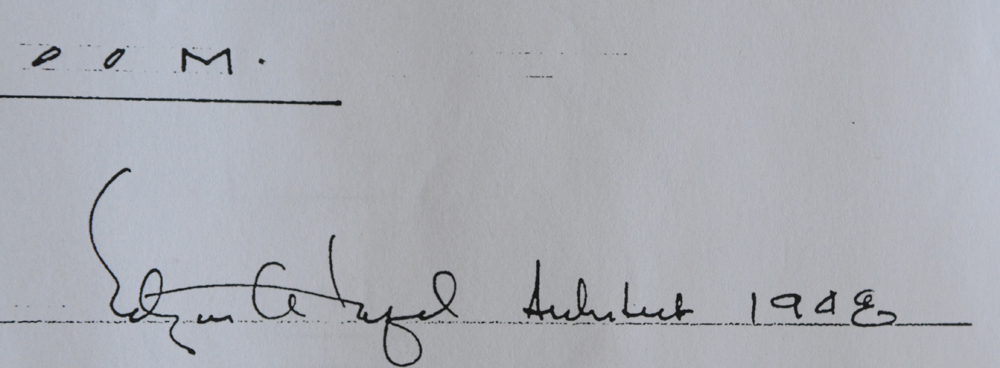
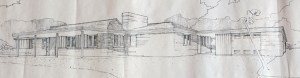
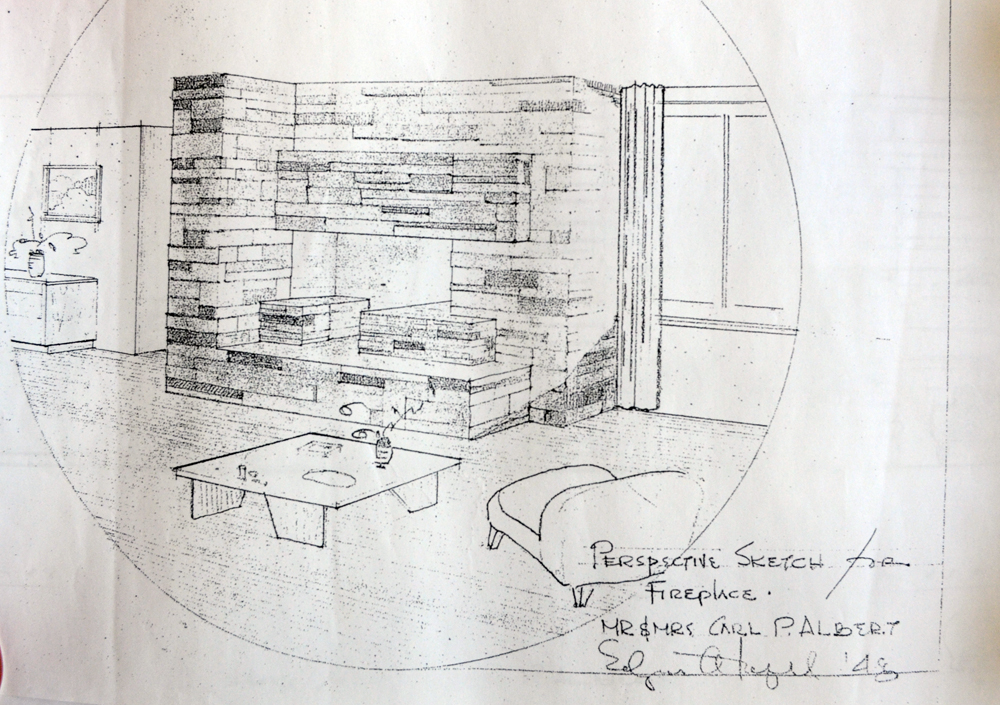
This is one of Edgar Tafel’s drawings of the Carl Albert House

An architectural “Catch-22” sits at 4945 N. Main Street, awaiting a demolition order for February 28.

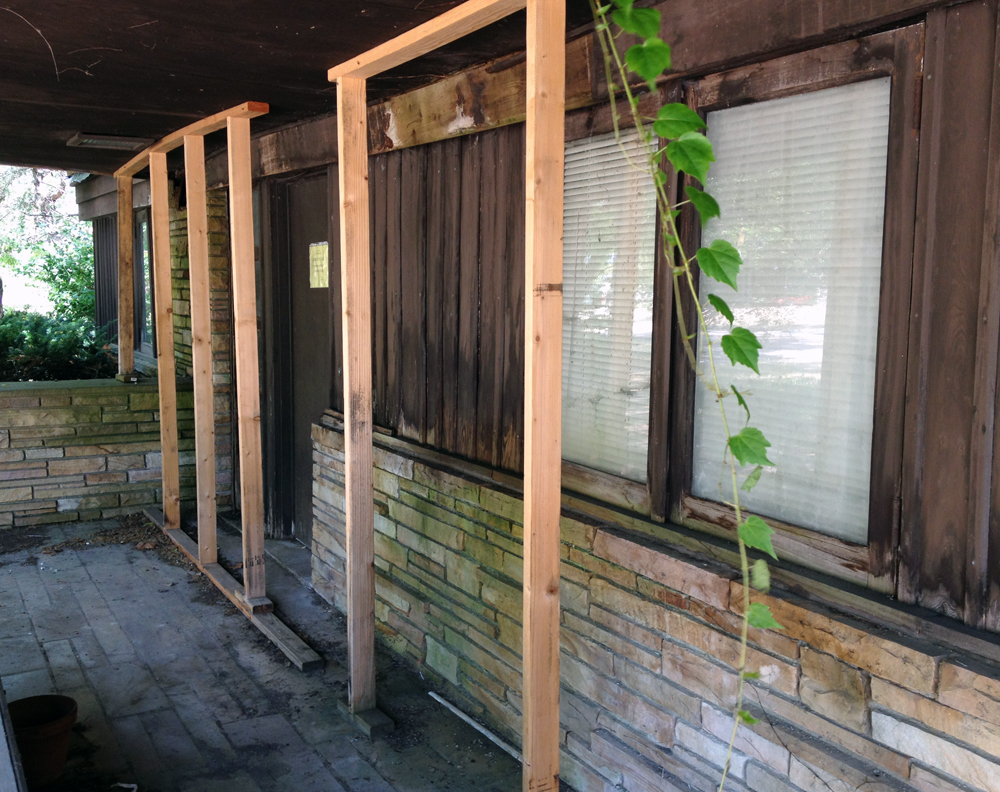
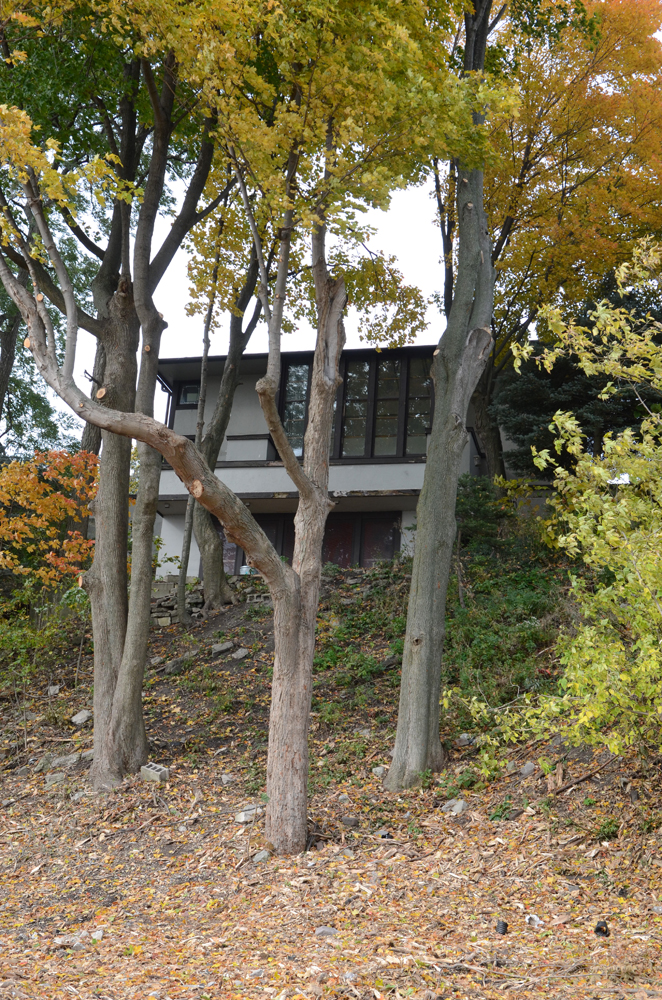
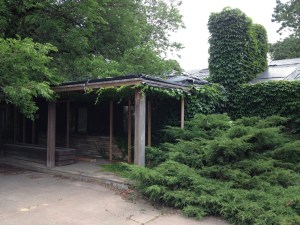
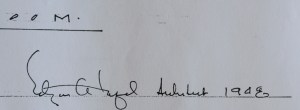
The Carl and Marie Albert House at 4945 N. Main Street, a piece of Racine’s rich architectural history, sits forgotten, in disrepair, and possibly soon to be demolished by the Village of Wind Point. The cypress and limestone house was built by Robert Albert and Edgar Tafel between 1948-1950. Tafel signed most of the architectural drawings. The house is unknown as a Tafel work, overlooked in published inventories of Tafel’s work in Racine.

Carl Albert House 076a

Carl Albert House 077aCarl Albert House 079aCarl Albert House 098a


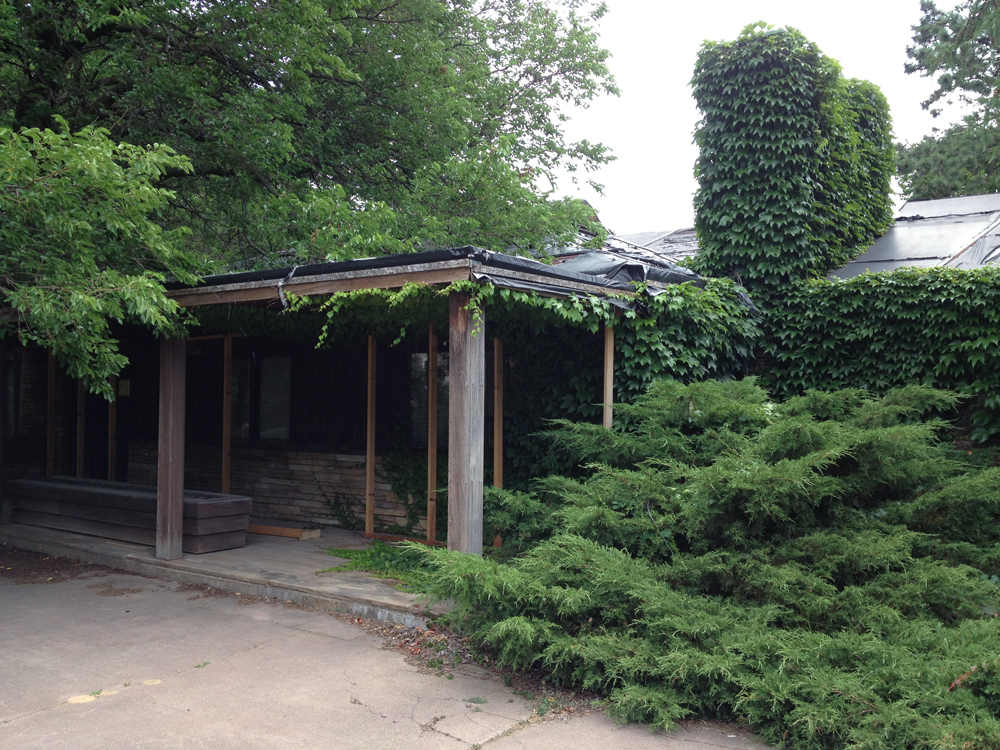
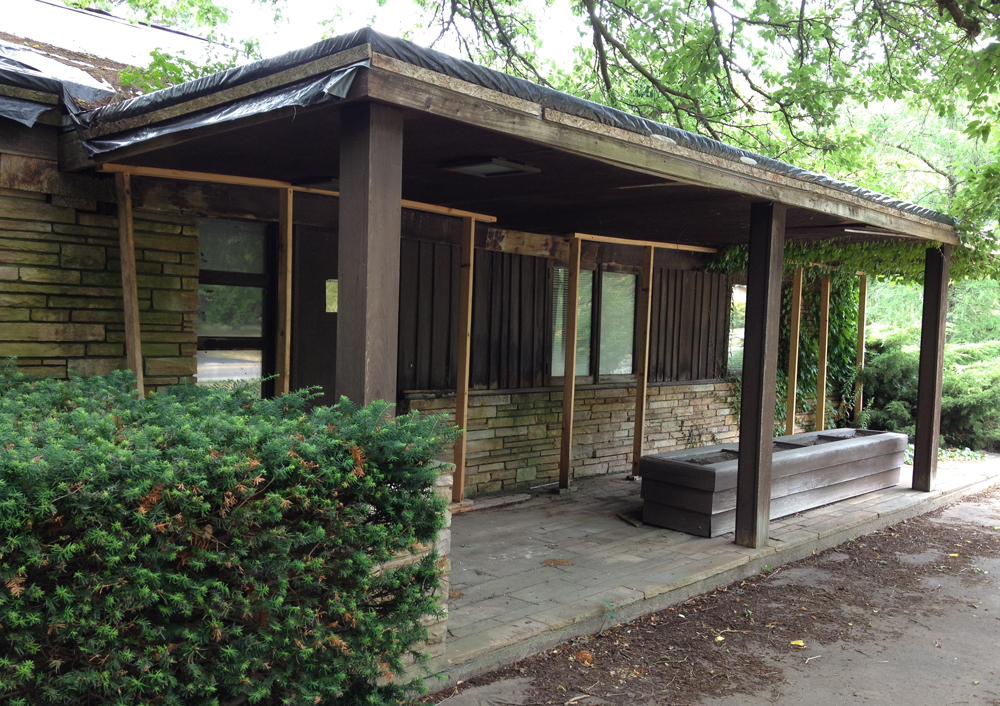
These photos were taken of the front of the house in July.

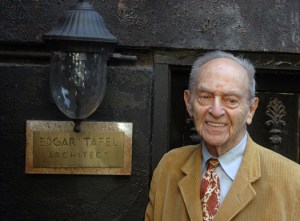
Tafel was one of Frank Lloyd Wright’s first Taliesin Fellowship apprentices (1932-1941). He designed a half dozen homes in Racine in the late 1940s and early 1950s. He had previously supervised construction of the SC Johnson Administration Building, Wingspread, the Bernard Schwartz House (in Two Rivers) and part of Fallingwater for Wright. He then had a distinguished career as an architect after World War II in his native New York City. He was almost 99 when he died January 18, 2011.

While the house is significant in terms of its architectural heritage, the village regards it as “an eyesore,” according to attorney Todd Terry, who represented Joan Schulz, the homeowner last summer. She dates the home’s problems to about five years ago, when she moved in with her daughter to care for her grandchildren, because her daughter worked a night shift. The house has been vacant since then. Terry said the Schulz family’s aim is simple, “We would like to get it (the house) back where it was.”

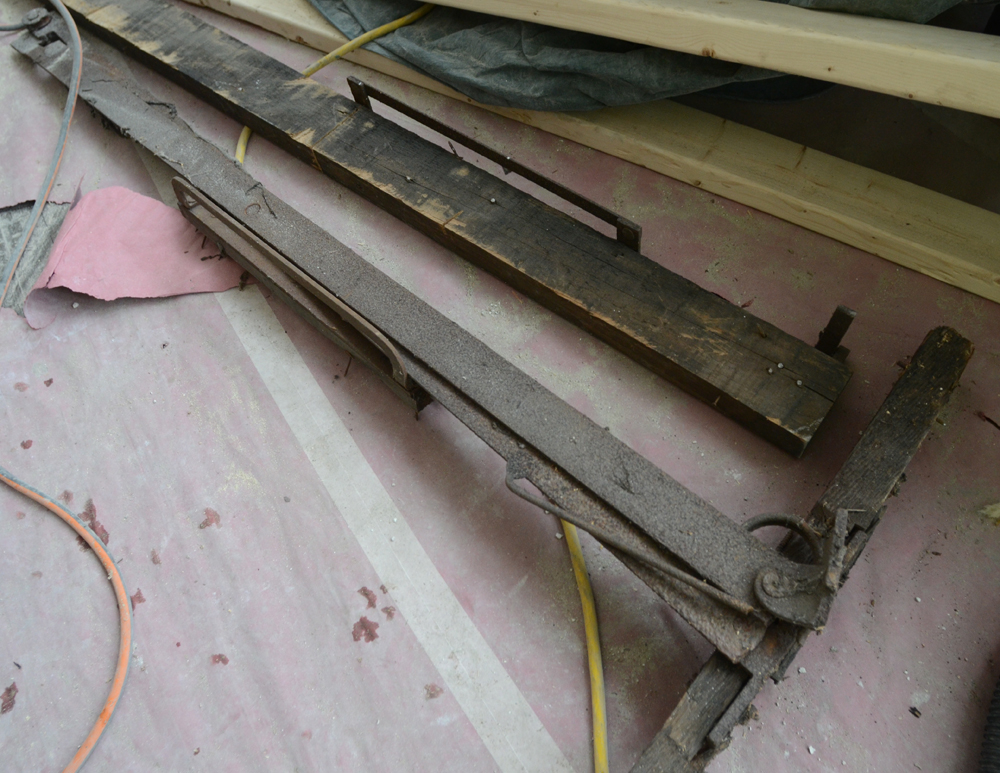
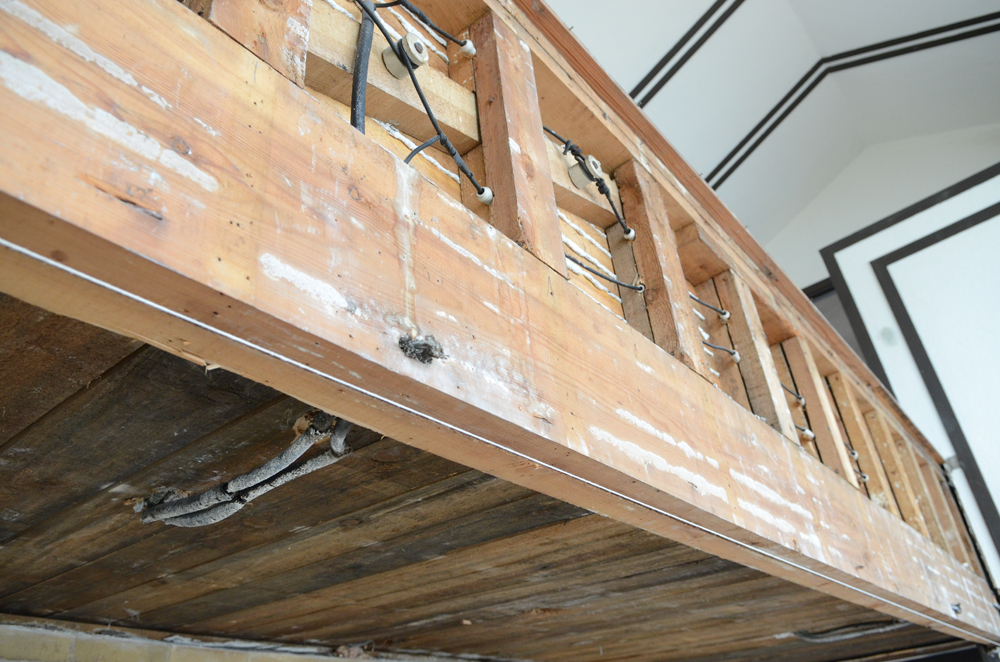
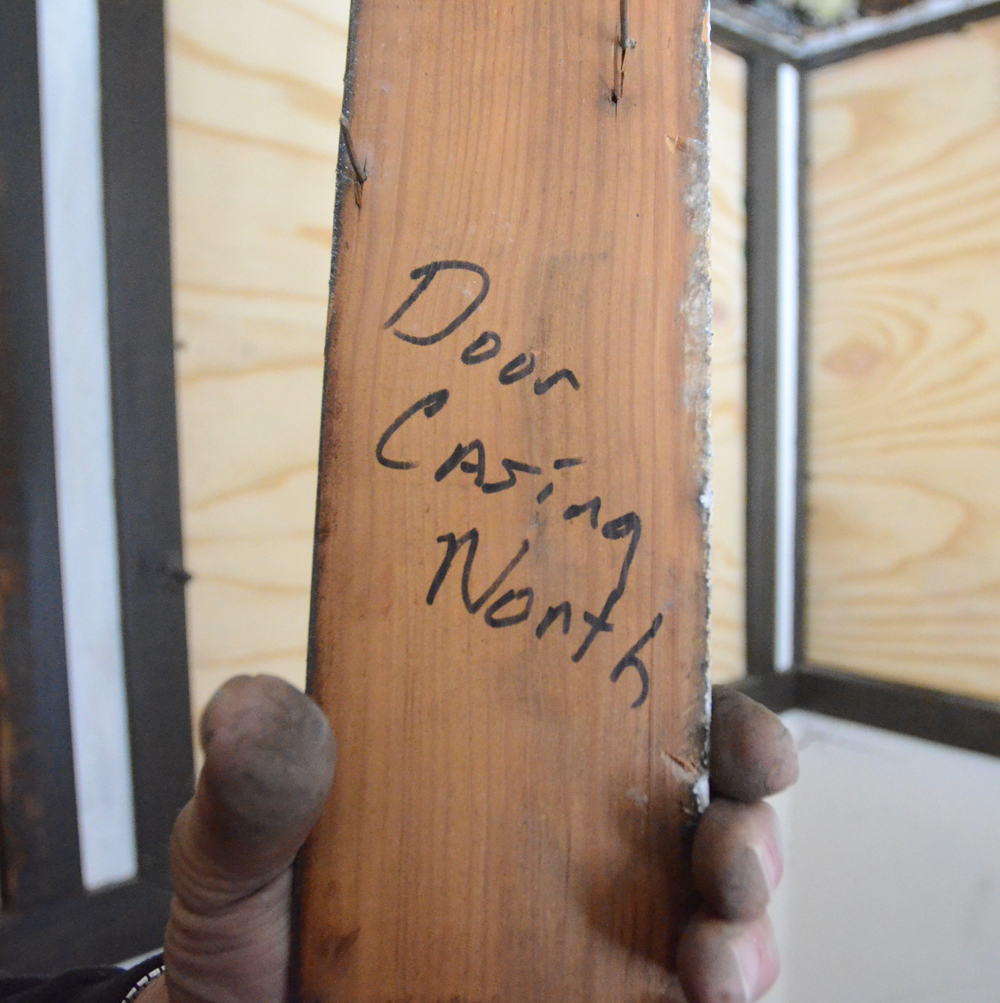
Schulz bought the house in 1972 with her late husband, Dr. Gilbert Schulz. He died just six months later. She hopes to stave off demolition, “First of all I hate to see it destroyed or razed, because of the design of the home, and the home itself.” Problems stemming from the damaged roof include widespread mold on the burlap which originally covered the dry wall, disintegrating dry wall, holes in some walls, and a rotted header. Much of the roof is covered by a black tarpaulin.

In July Terry said, “We are in municipal court on a nuisance matter, ordinance type of things, on habitability. My speculation is that in the very near future they probably will file with a circuit court judge asking them to allow them to tear it down or raze the property.” Until then, Schulz would be assessed a $50-a-day penalty, dating back to January, 2012.

Schulz paid the $11,200 ordinance fines in November, rather than demolish the house. She disputes the village’s contention that she had agreed to raze the home in November.

While she still hopes to save the house, the village has run out of patience according to its attorney, Ed Bruner. “There’s been a determination made by the building inspector that the cost to repair the house far exceeds 50% of its value, so that’s the problem.” He could not answer why that should matter if the homeowner was willing to spend the money for repairs.

Nor did he have an answer about Schulz’ “Catch-22”conundrum, that she was told that even though the house needs repairs, no building permits would be issued for those repairs. The village’s appraiser values the house at $25,000. An appraiser hired by Schulz valued the land and house at $115,000. The village would not let her sell the house to an immediate family member, which negated a possible sale to one of her sons, she says. She says she also had an offer to purchase for $61,000, contingent on the buyer getting the building permits that the village will not issue.

“That may have been the case (that the village would not issue the needed building permits)” says Bruner. “Now they (the village board) have made the determination that will not be an option anymore. They want it down. My guess is that it has lasted long enough. I know that there were neighbors complaining and that is what initiated the contact with her. Now they are to the point where it needs to come down.”

Carl Albert House 094a

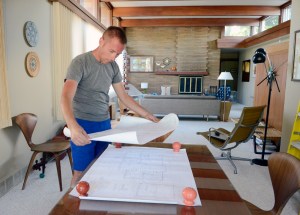
Though in disrepair, the home has notable architectural features, says Joshua Drew who lives in a Tafel-designed home at 4001 Haven Ave., “You can see how Edgar merged many of the Usonian details (indirect lighting, built in cabinets, plywood materials, and several of the rooms have shelving identical to my house) with some Prairie-Style details in the ceilings of the main living space.  The kitchen…still has the original appliances, metal cabinets, and layout.”

Carl Albert House 068a

Carl Albert House 056a


Drew looks at the plans for the Albert House in his own Tafel-designed home.

There is yet another twist to the pedigree of the house, says Drew. “If someone took me into the Carl Albert house and asked me to guess the architect I would have initially have said John Randal McDonald. Some of the stone work details, stone shelves, and the art glass inserts in the stone work are almost identical to the JRMcD-2 house at 1001 Russet St.  However, the den has shelving EXACTLY like the ones in my [Tafel] house.”

McDonald, who was sometimes referred to as “the poor man’s Frank Lloyd Wright, designed 20 homes in Racine. He died in 2003. There is no documented record of collaboration between McDonald and Tafel, and Tafel expressed disdain for McDonald to me during a visit to Racine 10 years ago.

Bruner is clear about the village’s options, “If she does not comply with the raze order then the statute gives me two options: take the house down and put the cost on the tax roll, or take it to circuit court and get a court order which orders her to do that.”

Schulz acknowledges that the house is in disrepair, “I know we haven’t really done any work on it other than originally cleaning up the yard but we haven’t done anything to the building, because right from the beginning, village attorney Ed Bruner stated that no permits would be issued.” She quietly and sadly says she has one more hope, “I was thinking or hoping to take it into court to get a stay of that raze order.”

It seems that even if she gets a stay, the stand-off between Schulz and the village will continue: the house needs repairs, but no building permits will be issued. Demolition of the house seems inevitable.
Carl Albert House 065a

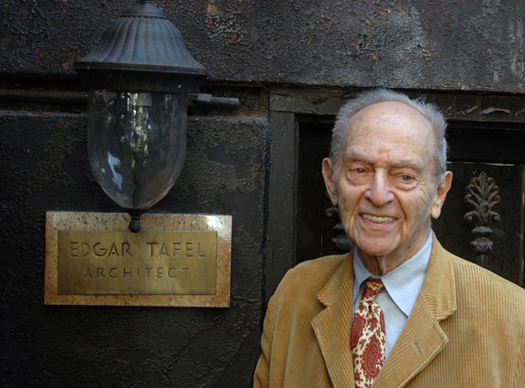
Edgar Tafel

New Dahlin “Wingspread inspired” home built

A new home by Ken Dahlin of Genesis Architecture has been built near Racine. Dahlin was born in the (then) St. Mary’s Hospital overlooking the SC Johnson campus and its Frank Lloyd Wright buildings, so we have joked that he was destined to be an architect in the Prairie-style.

http://www.journaltimes.com/news/local/homemade-masterpiece-wingspread-inspired-home-supplied-work-challenges-for-local/article_9661bfb0-47cb-11e2-8711-0019bb2963f4.ht

Ron McCrea at SCJohnson

Photos and text (c) Mark Hertzberg. Photos used with permission of SC Johnson

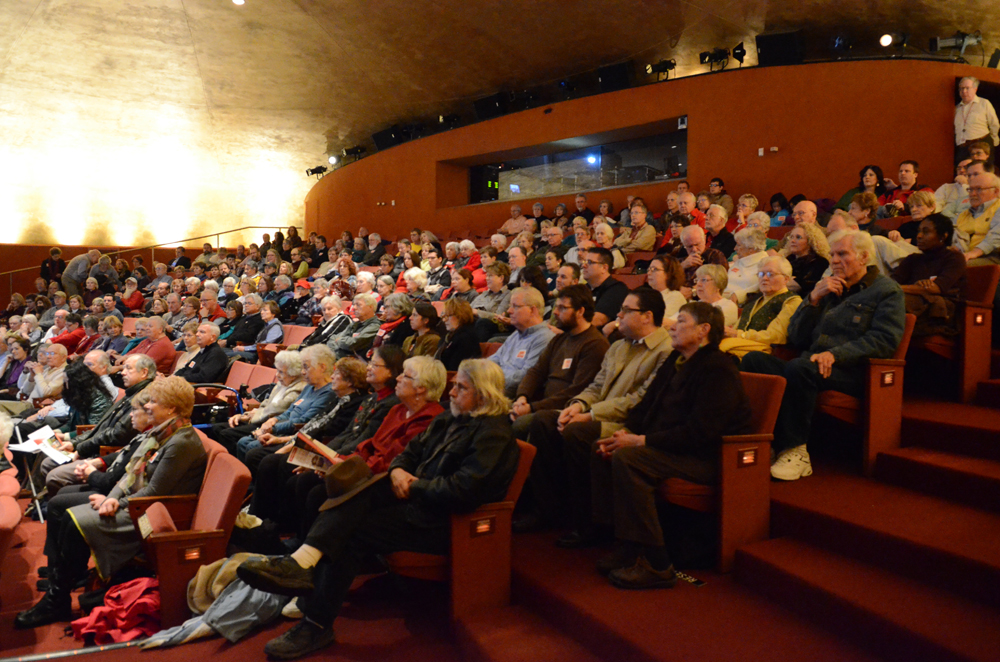
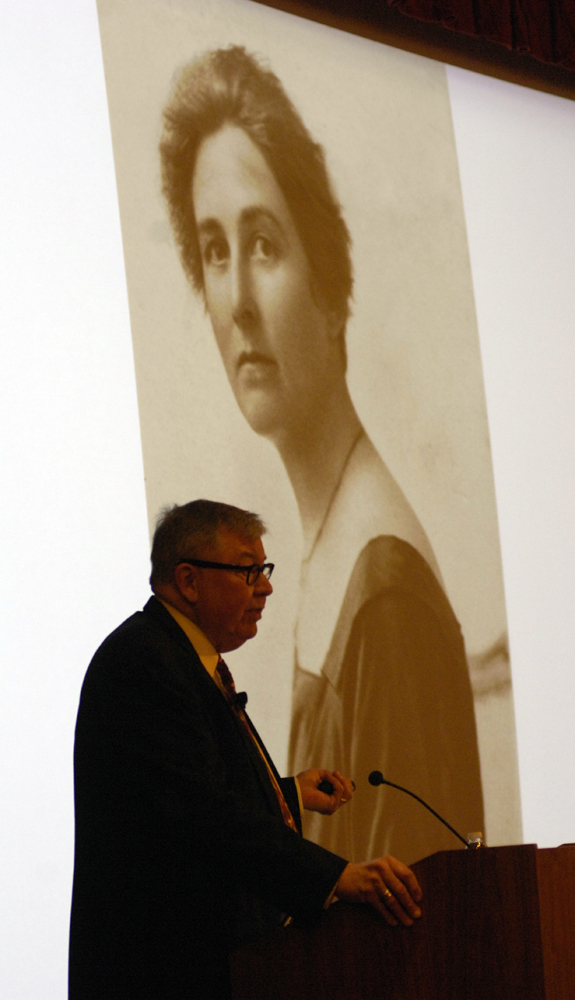
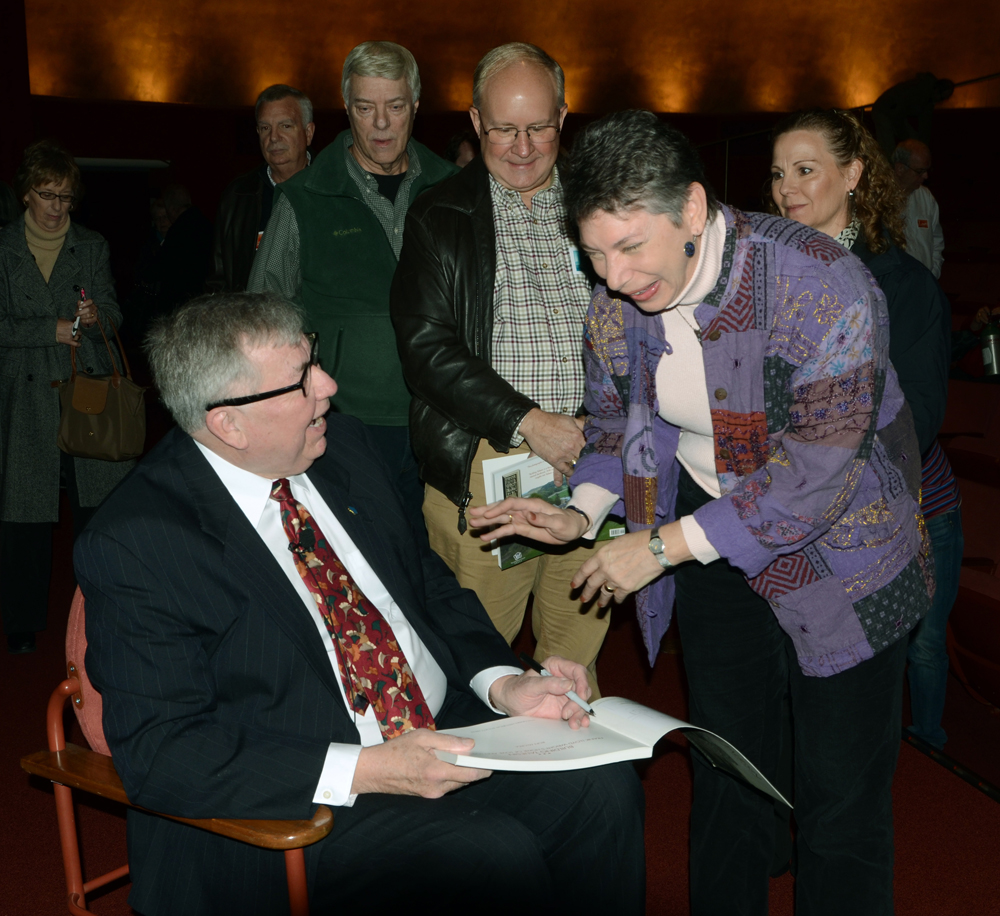
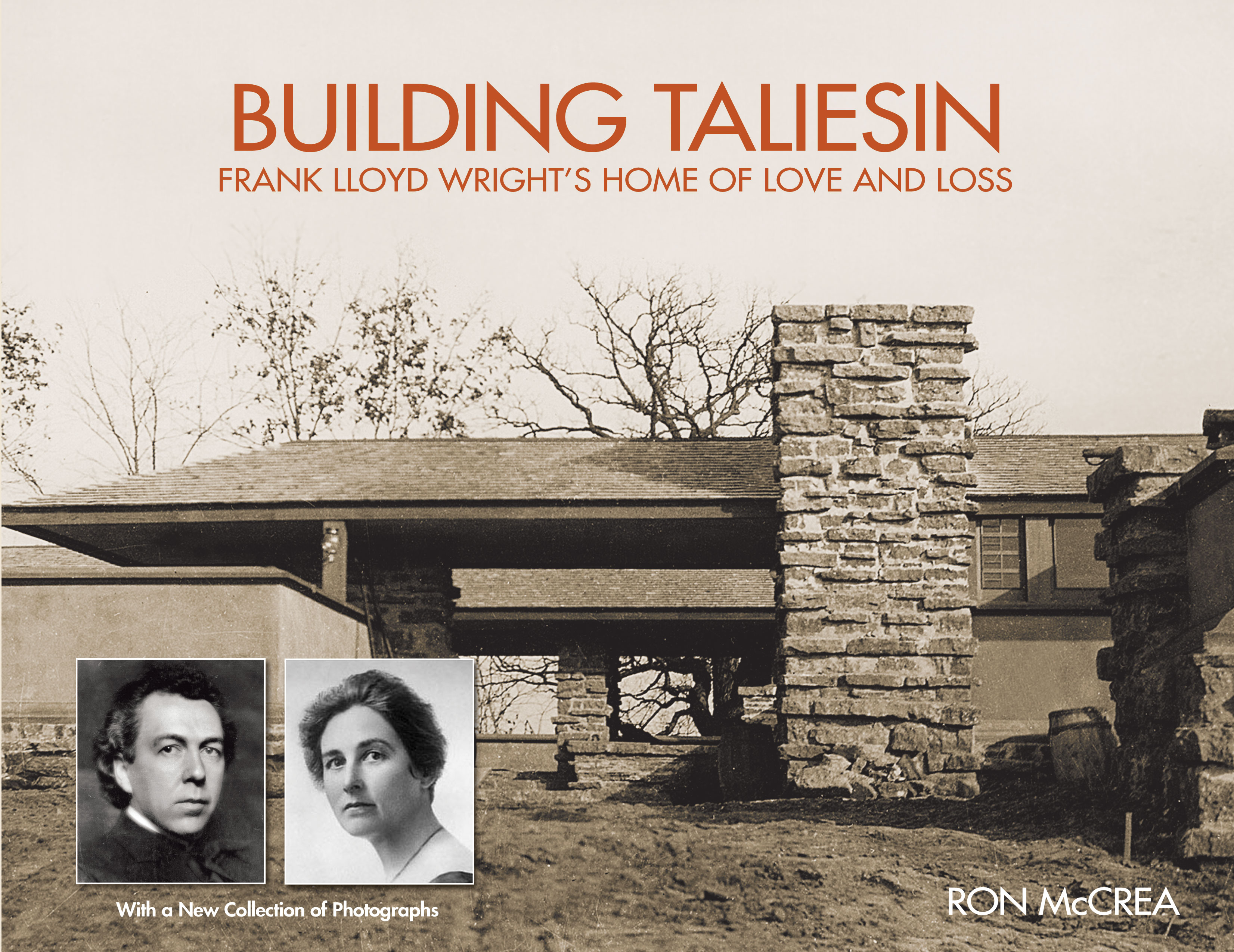
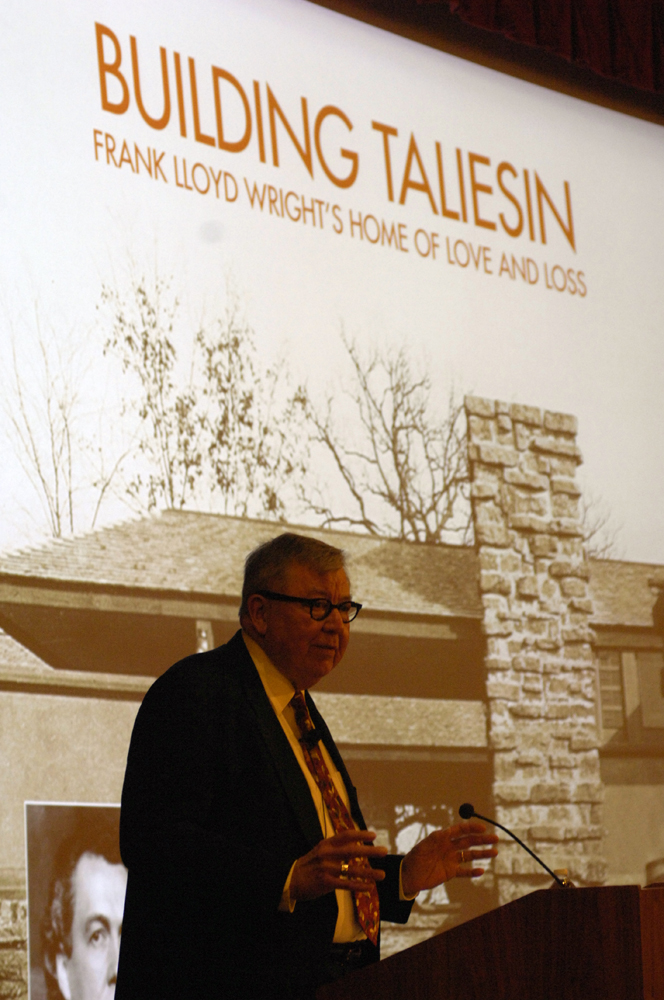
Ron McCrea had a full house at SC Johnson Saturday for his presentation about his book “Building Taliesin.” His scholarship is first-rate, and he is an engaging speaker. The event was co-sponsored by SCJ and Frank Lloyd Wright in Wisconsin (www.wrightinwisconsin.org).

Image

ImageImage

ImageImage

Frank Lloyd Wright and the Hardy House: A dance of light and shadows

(c) Mark Hertzberg

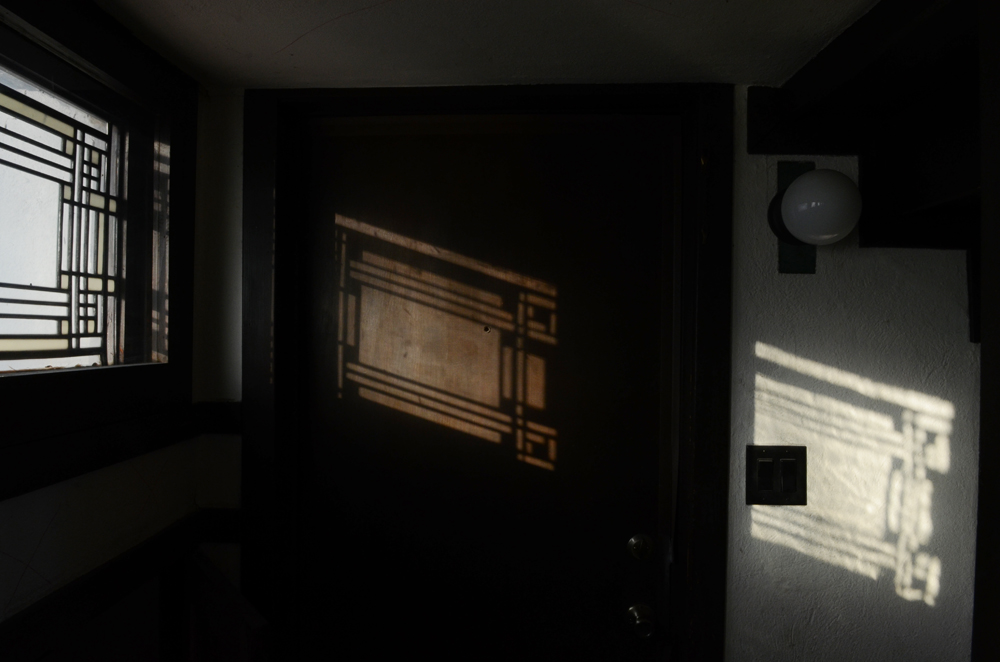
“Photography” means “writing with light.” That is what I saw Frank Lloyd Wright do with the design of the front hall windows at the Thomas P. Hardy House in Racine as the sun came across the Main Street side of the house this afternoon.

Image

There are seven of these windows between the two doors of the house. As Robert McCarter points out in his book Frank Lloyd Wright (Phaidon Press, 1997), the floor plan of the house is articulated in these windows.

Image

ImageThank you to Donna Newgord, who used to work at Wingspread, for the phrase “A (constant) dance of light and shadows,” a phrase she once used to describe Wingspread to me.


Ron McCrea to speak in Racine

Wright in Wisconsin in partnership with SC Johnson invite you to hear Ron McCrea talk about his new book, “Building Taliesin: Frank Lloyd Wright’s Home of Love and Loss” on Saturday, December 15, 2012 from 11:00 a.m. until noon. A book signing will follow. In addition, pre and post talk tours of the SC Johnson Administration building, Fortaleza Hall and the SC Johnson Gallery are available. This is a free event but pre-registration is appreciated. Visit the SCJ website:http://www.scjohnson.com/en/company/visiting.aspx and schedule your free tour.
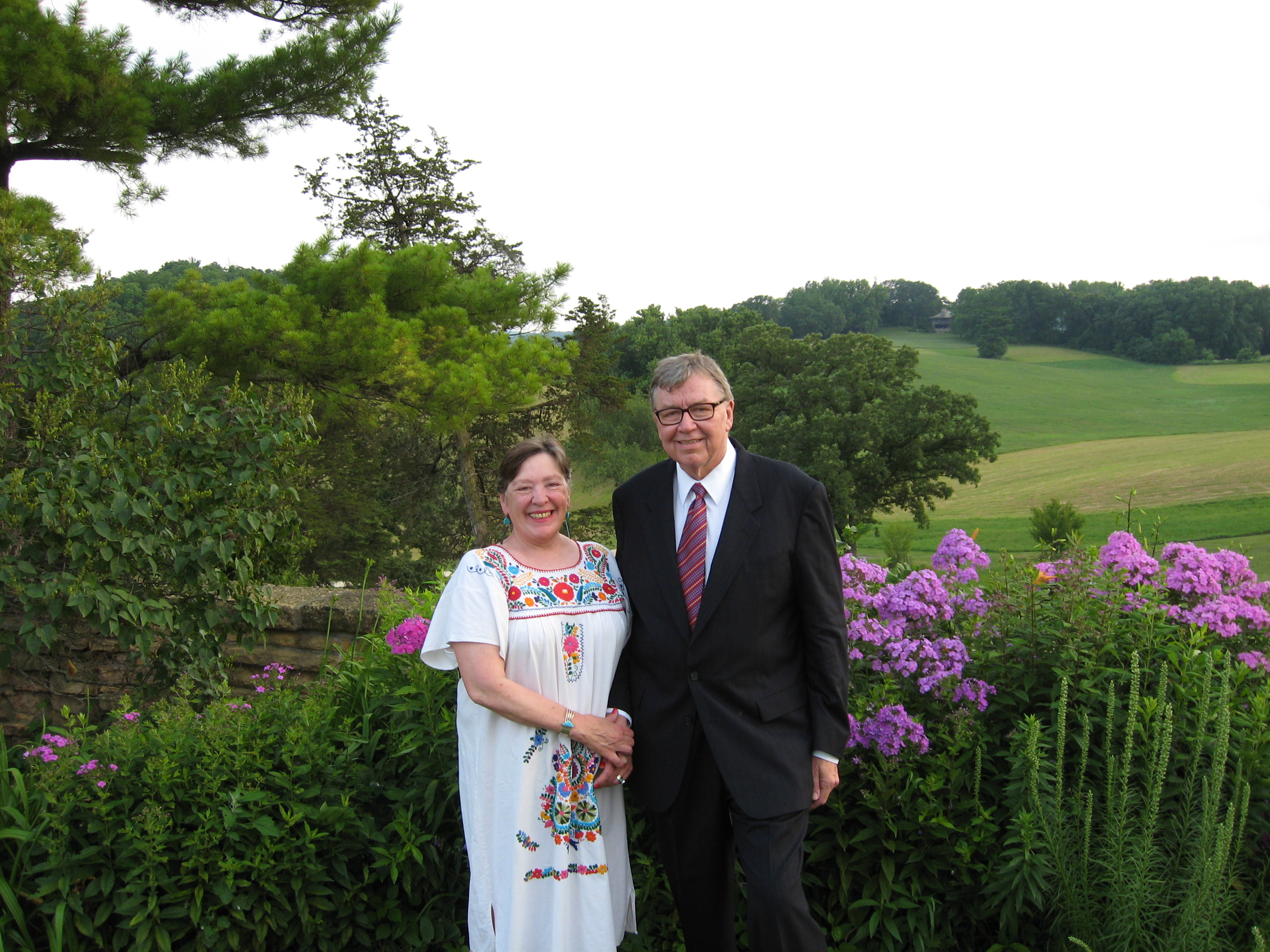
ImageBelow, Elane Demidt and Ron McCrea at Taliesin garden, 2011:

Image

Photo (c) Mark Hertzberg


Hardy House progress report

Photos and text (c) Mark Hertzberg

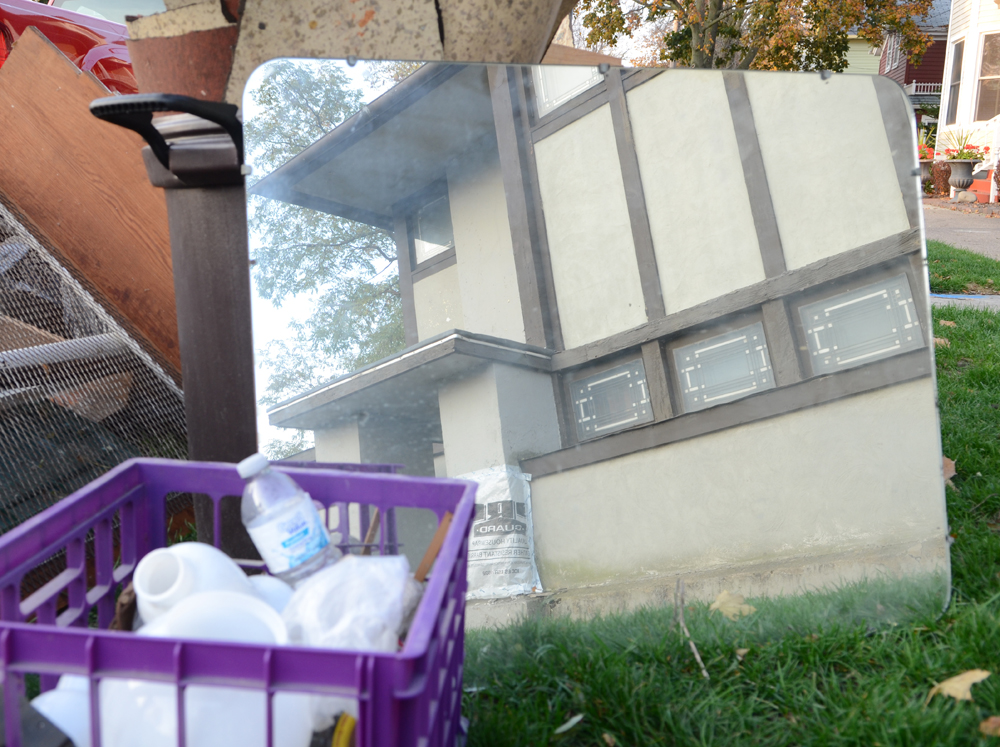
        The Hardy House is reflected in a mirror left curbside with other items being thrown away during restoration of the house:

Image

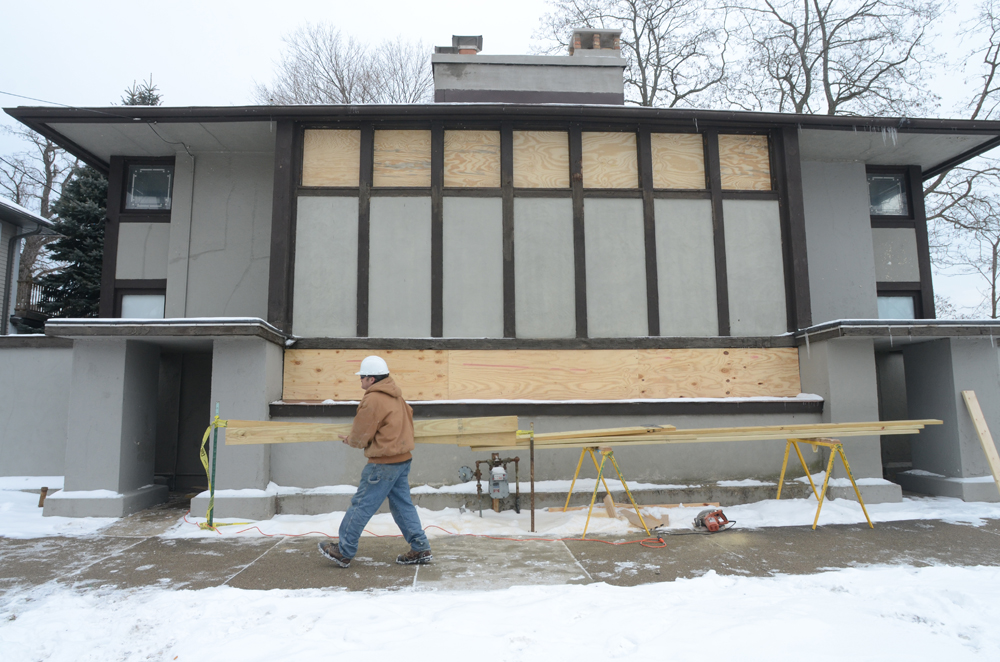
Gene Szymczak, below, center, became the new steward of Frank Lloyd Wright’s Thomas P. Hardy House in Racine in September. The responsibility of owning the house, and enjoying the restoration process, sometimes includes discovery of unexpected repair challenges.

Image

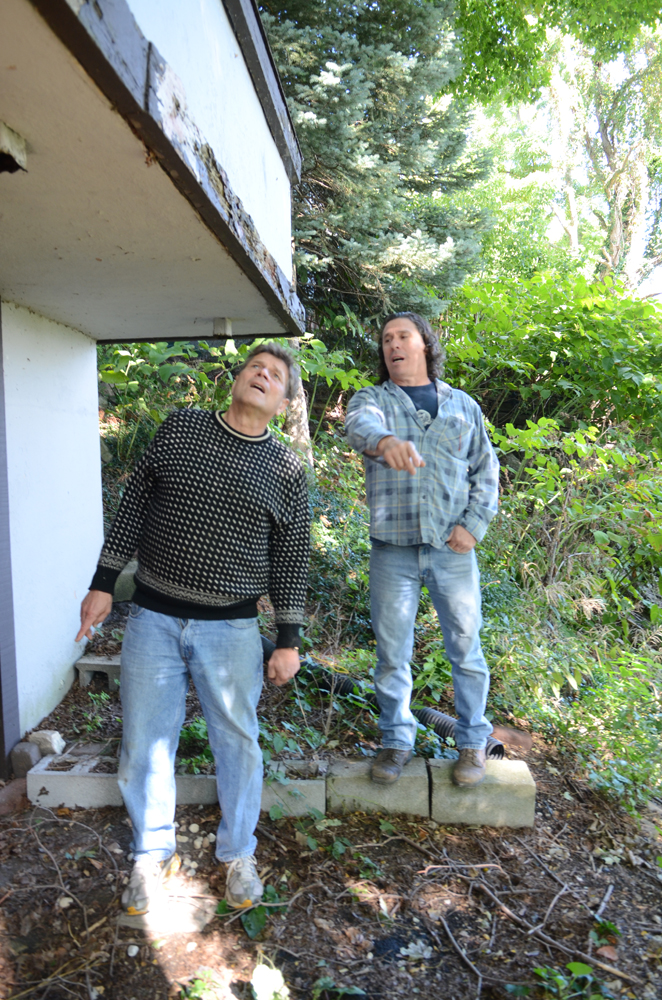
     Szymczak inspected the house a few days after the purchase with Chris Sunderland, who would do much of the repair and restoration work.

Image

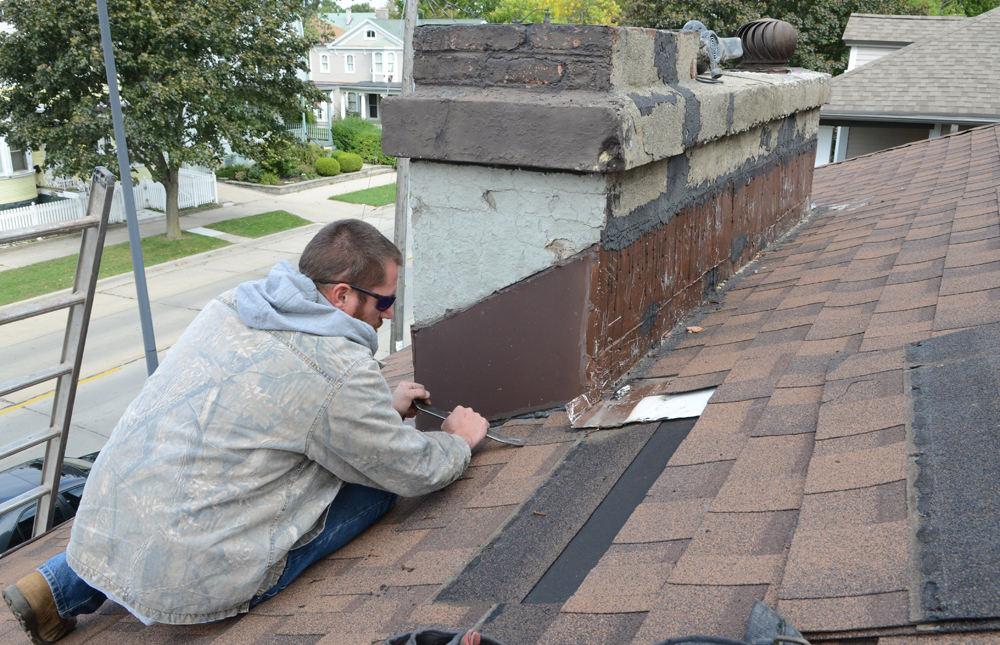
      Restoration began almost immediately when the chimney flashing was replaced

to stem leaking from the roof.

Image

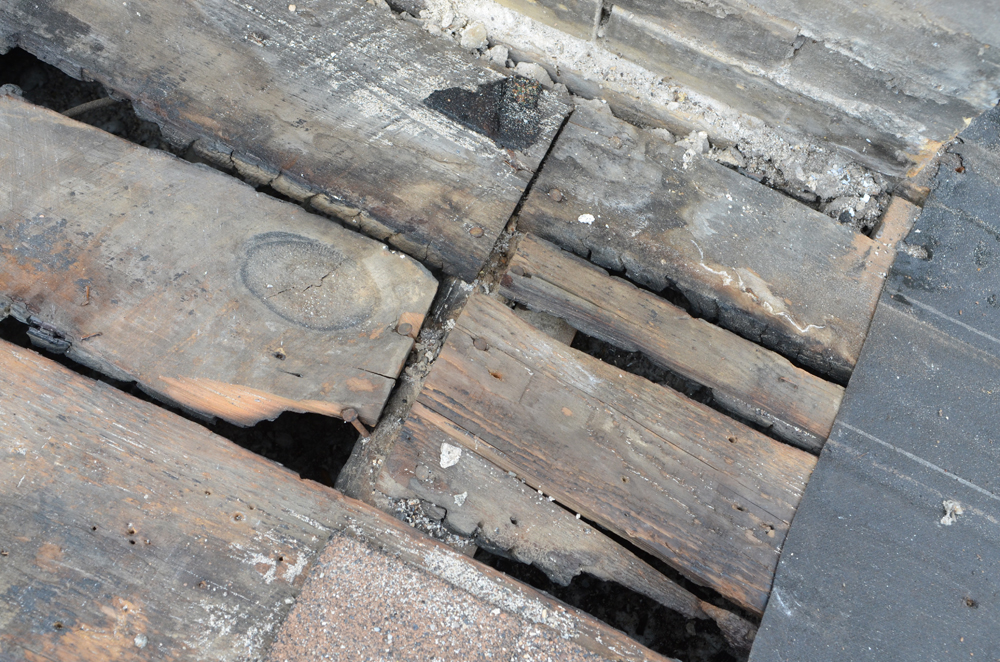
     The roofers found charred beams, which were evidence of a previously undocumented fire.
Image

     A search of old records by the fire department produced a report of a chimney fire in May, 1932. It had been put out with one three-gallon fire extinguisher.
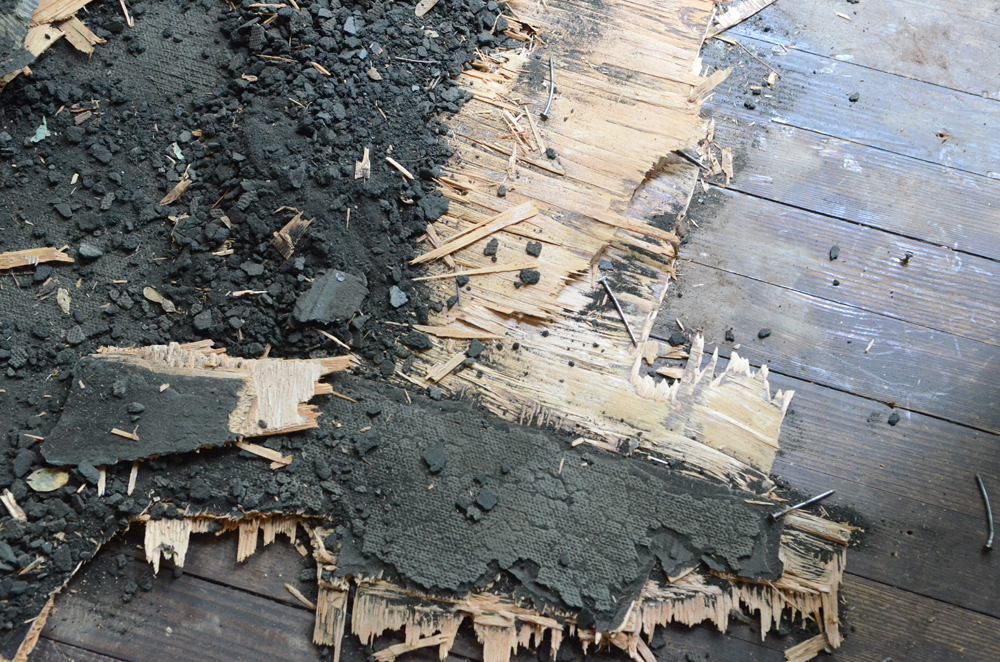
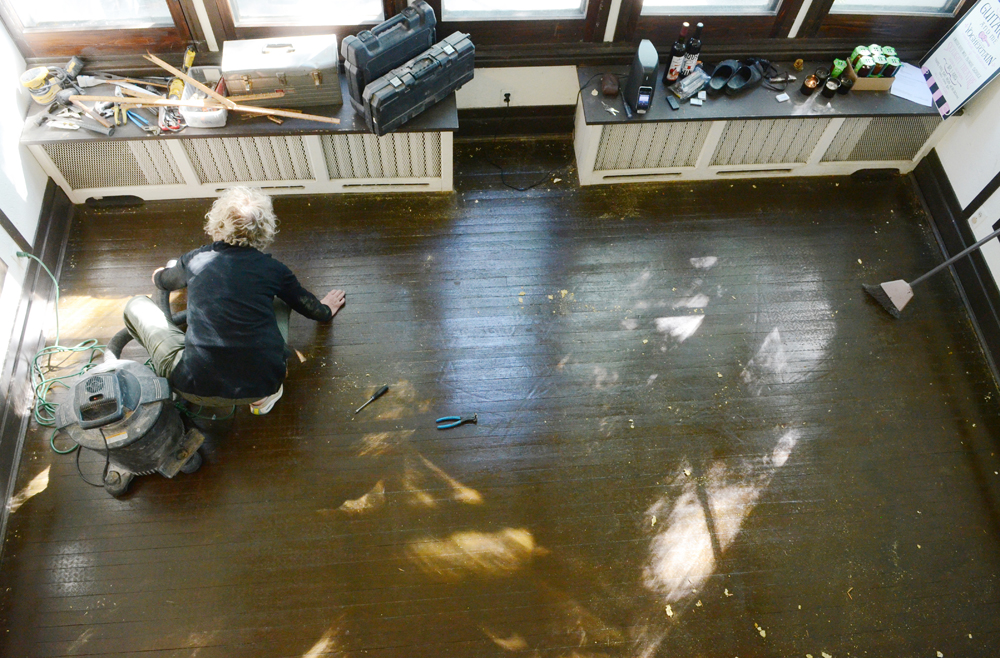
     Hardwood floors were revealed for the first time in many years when carpeting was removed that first week, as well.

Image

Image

Image

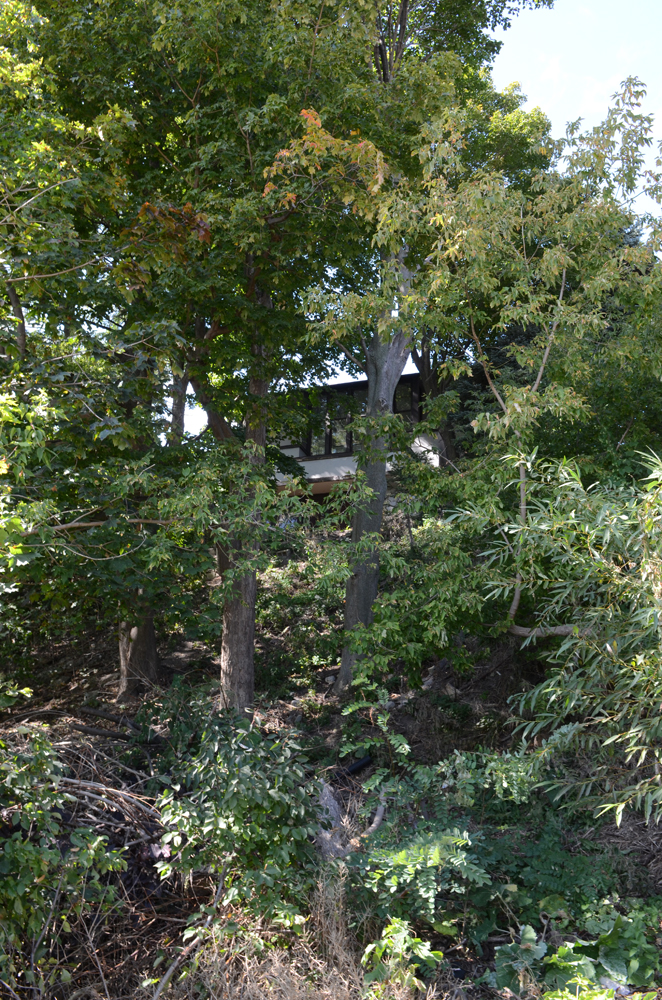
      The previous owners of the house let the trees and bushes on the hill between the house and Lake Michigan grow wild to protect their privacy. Chain saws cleared the hill a month after Szymczak became the home’s steward.

Image

Image

Image

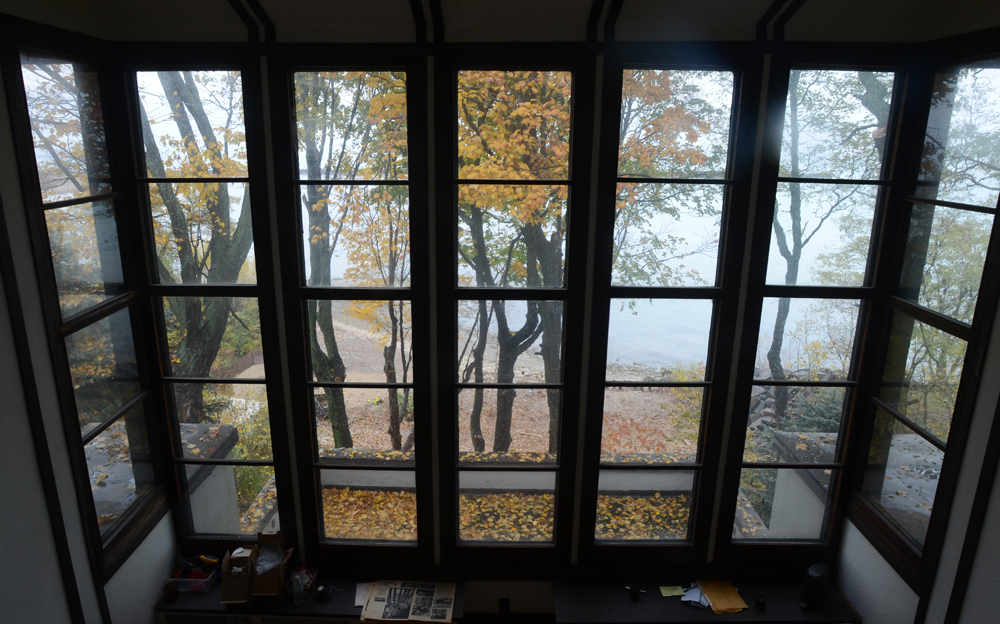
       The view from the living room balcony is now likely similar to what Hardy saw a century ago.

Image

      Below, Sunderland works in a basement crawl space to shore up the sagging floor of the servant’s bedroom above him. That room is on the south side of the dining room, opposite from the kitchen.

Image

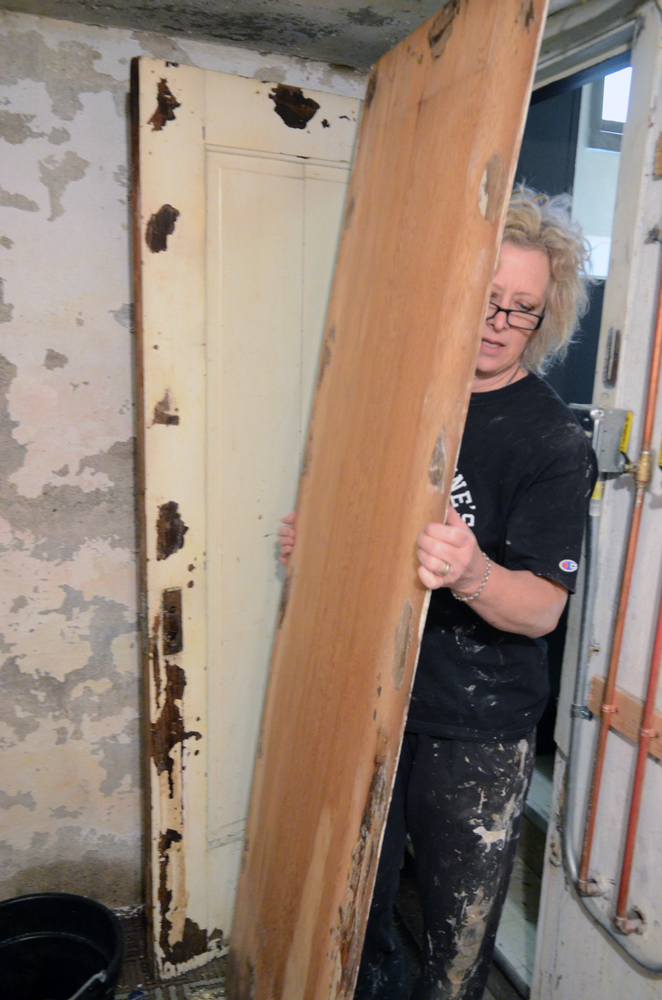
       It had been suggested that the door from the kitchen leading to the basement be replaced because it seemed to be a newer laminated door…but the laminate came off, revealing what is evidently one of the original doors of the house.

Image

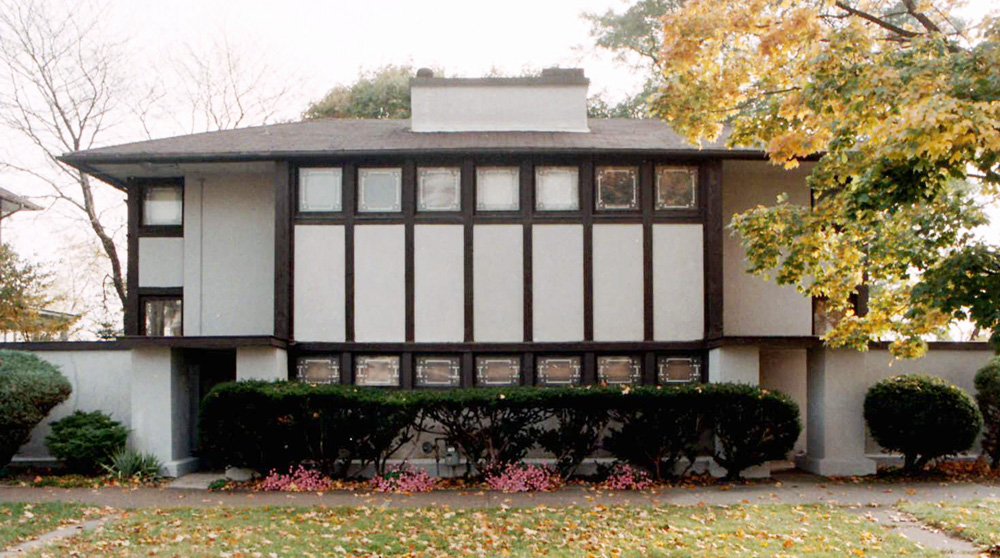
       The most visible exterior change, for people passing by on Main Street, is the removal of the bushes in front of the house. Work will continue through the winter, inside the house, out of sight of passers-by. 

Image

Image

Historic Park Inn: Transformation of Guest Rooms, 2005-2012

(c) Mark Hertzberg

The Park Inn Hotel opened in 1910 with 43 rooms. Guests either shared adjoining bathrooms or used bathrooms down the hall from their room. The hotel lost its luster when the 250-room Hotel Hanford, with larger rooms and private bathrooms, opened four blocks away. The Park Inn was a hotel until 1972, when it became an apartment building. It was abandoned after 1989. The renovated Historic Park Inn has 27 rooms or suites, each with a private bathroom. These photos trace the transformation of the living spaces between 2005 and 2012. The original bedrooms doors were louvered, to allow air to circulate.

Image

Image

2008:

ImageImage

Image

Image

2010:

Image


2012:

Image

Image

Image

Image

Image


Wright on the Park has published two excellent books about the complex. Both books are well illustrated:

“The Historic Park Inn Hotel and City National Bank” (2007), Softcover, 90 pages, is a rich history of the two buildings.

“Wright Again” (2012), Hardcover, 76 pages, tells the story of the renovation of the bank and hotel buildings.

For more information:

wrightonthepark.org

Martha Huntington, second from right, the project architect, leads a planning session in the construction trailer in 2010. She died of cancer in 2011, just four weeks before the hotel and bank building reopened:

Image


Historic Park Inn: Lobby and Skylight Room, 2005-2012

(c) Mark Hertzberg

The restoration of these public spaces was dramatic. Architect Jonathan Lipman discovered that the skylight had been moved to the Blythe home, a private home in Mason City, probably by Blythe. The home, which was designed by Walter Burley Griffin, is now owned by Bob and Bonnie McCoy, early champions of the restoration project. The McCoys donated the skylight to the Frank Lloyd Wright Building Conservancy so that it could be reinstalled in the Park Inn building, now known as the Historic Park inn. 

2005…Bob McCoy takes me through the decimated hotel building:

Image

Image

2008: My first look at the restoration, including reconstruction of the mezzanine above the lobby and the Skylight Room:

Image


ImageImageImageImage

My tour guides were McCoy and Ann MacGregor, Executive Director of Wright on the Park, which oversaw the restoration:

Image

Image

Ann took me through the buildings again in 2010:

Image

And, now, in 2012, the hotel welcomes guests:

Image

Image

Image

Image

Image

Image


http://wrightonthepark.org/


Mason City, Part Two

(c) Mark Hertzberg

My visit to Mason City a few weeks ago was to attend the annual meeting of the Frank Lloyd Wright Building Conservancy. It was interesting to compare photos taken from the same vantage point between 2005 and 2012. I could not shoot the identical picture in 2010 because the construction trailer blocked the view of the bank building, left,and hotel from the park. The photos are from 2005, 2008, 2010, and 2012.

ImageImageImage

Image


Transformation in Mason City

(c) Mark Hertzberg

I first toured and photographed the Park Inn and City National Bank buildings in Mason City, Iowa in 2005. The buildings had opened in 1910. 

Image

When the bank failed, the building was remodeled and, in one critic’s words, desecrated, in 1926. Wright’s brick walls were replaced by plate glass windows when retail space and offices took over the first two floors of the building. Indeed, a second floor was inserted into the building, between the banking floor and the original third floor law offices.

Image

The bank building, left, and hotel in 2008.

The idea of restored buildings seemed remote then. I knew what architect Martha Huntington, the leaders of Wright on the Park and other civic leaders envisioned, but it was hard for me to imagine  I photographed the buildings again in 2008 and 2010, before seeing the dreams of Mason Cities’ visionaries realized when I returned a month ago. A photo from 2010 shows the dramatic change underway in the bank building as the retail space is removed, before Wright’s design is restored:

ImageAnd, finally, in 2012, as the bank building has become a conference center:

Image

ImageImage

ImageImageImage

I will be posting photos showing the dramatic restoration of the hotel in the near future.