The Coda to Hardy House Rehabilitation

© Mark Hertzberg (2024)
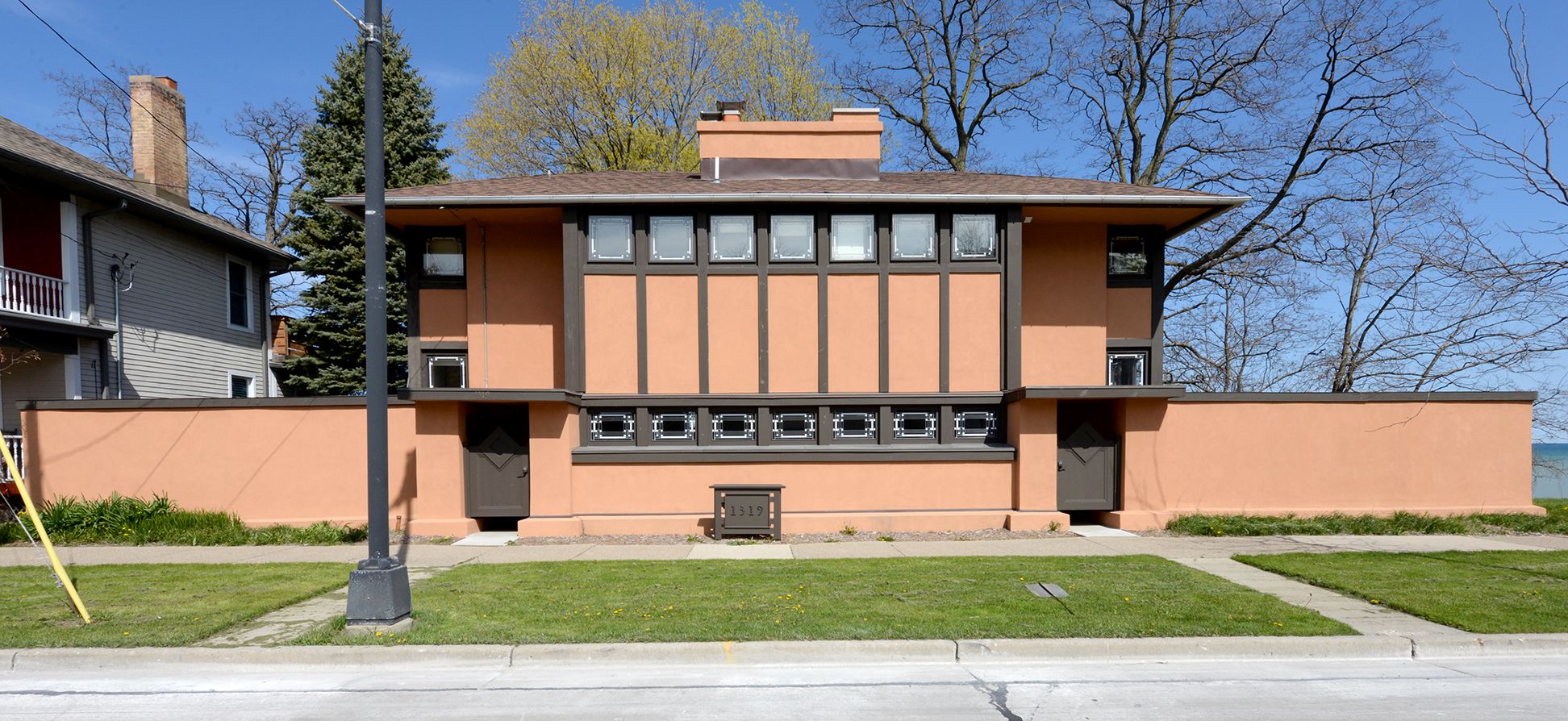
Hardy Exteriors Post-Restoration 079.jpg

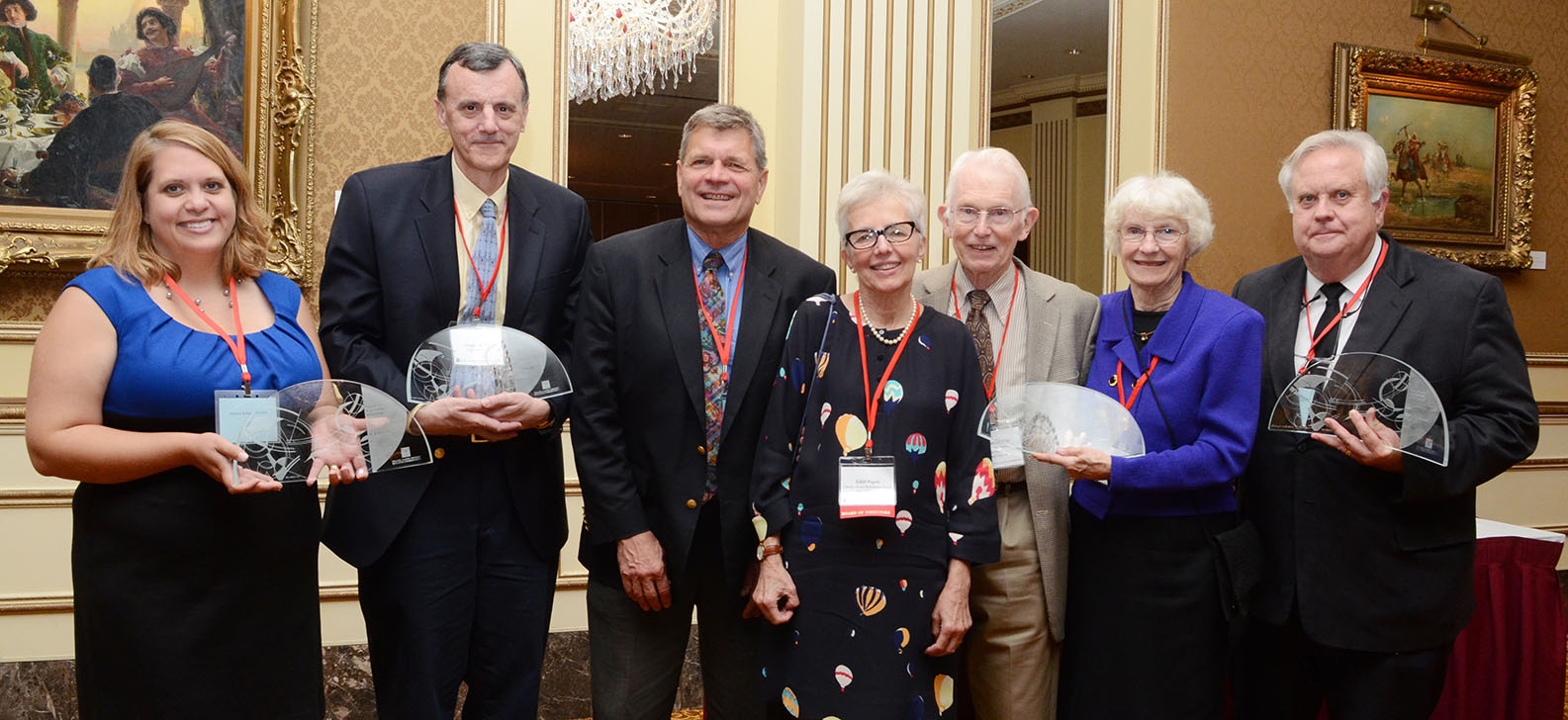
When the late Eugene (Gene) Szymczak considered buying Frank Lloyd Wright’s Thomas P. Hardy House in Racine, Wisconsin in 2012 he told me, “I don’t have children. This is something [save the house] I could do for Racine.” Indeed he did. He undertook a heroic rehabilitation and stabilization of the house.* Gene, left of center in the photo below, was awarded the prestigious Wright Spirit Award by the Frank Lloyd Wright Building Conservancy  for his work on the house in 2015. He died unexpectedly a year later after an illness.
BC 2015 WSA All 003.jpg

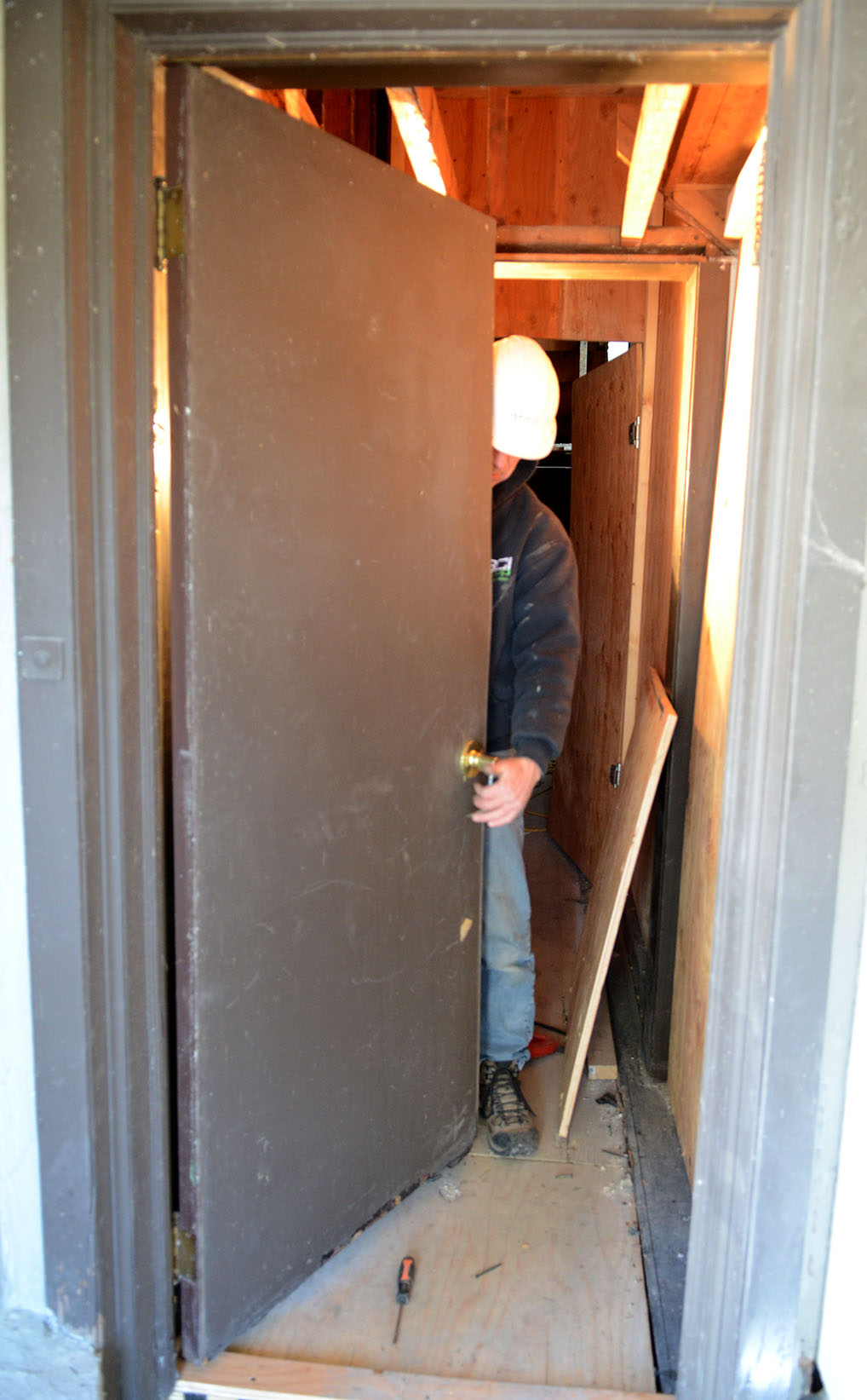
The house stayed in the family after Gene’s death. Tom Szymczak is one of Gene’s brothers. Tom recently completed a project which, he told me, was the last thing Gene wanted to accomplish at the house. The house was built with two pocket doors. They were replaced by conventional, hinged plain wood doors by the third stewards of the house, David and Mary Archer, between 1947 and 1957:
South door 003.jpg

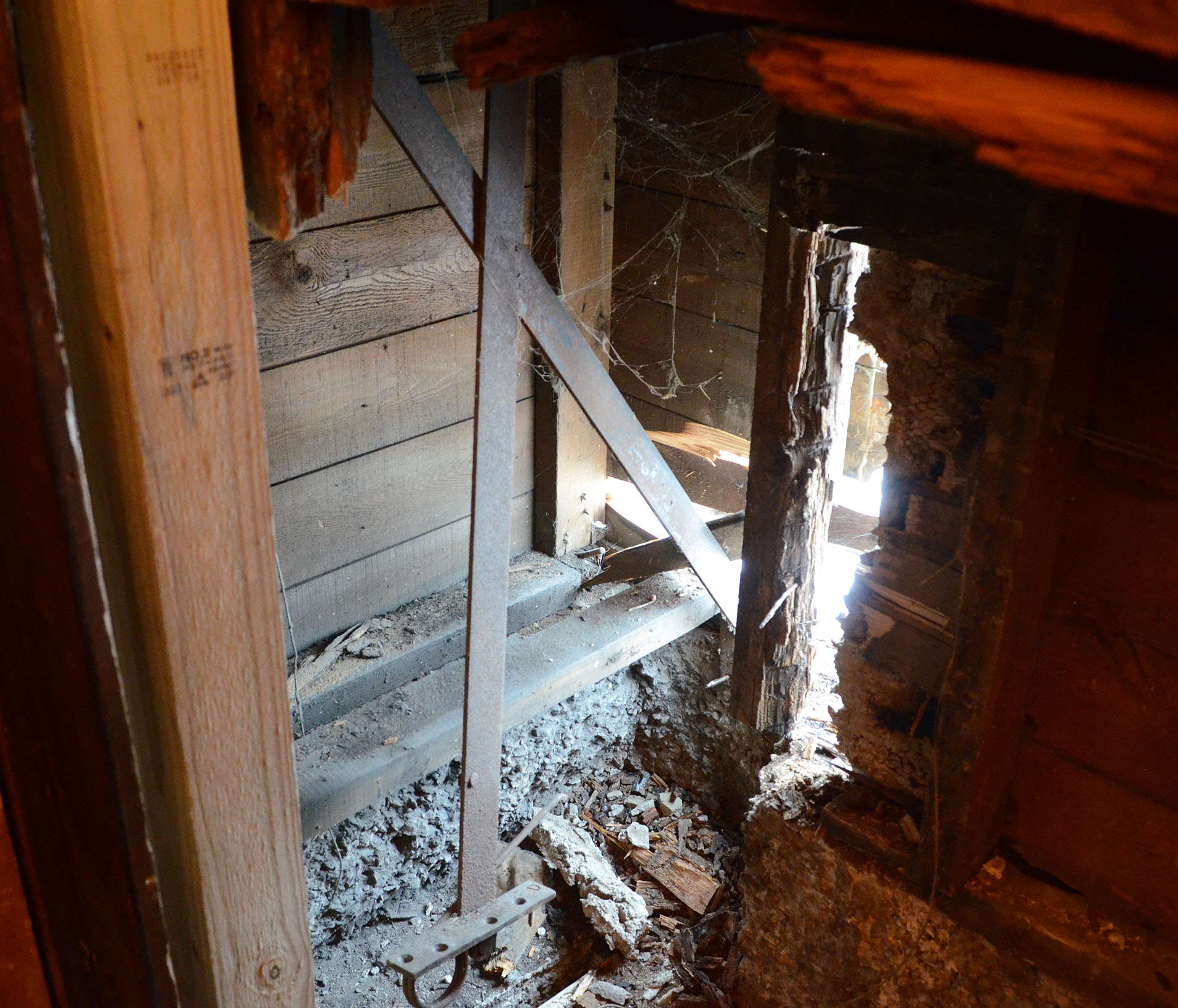
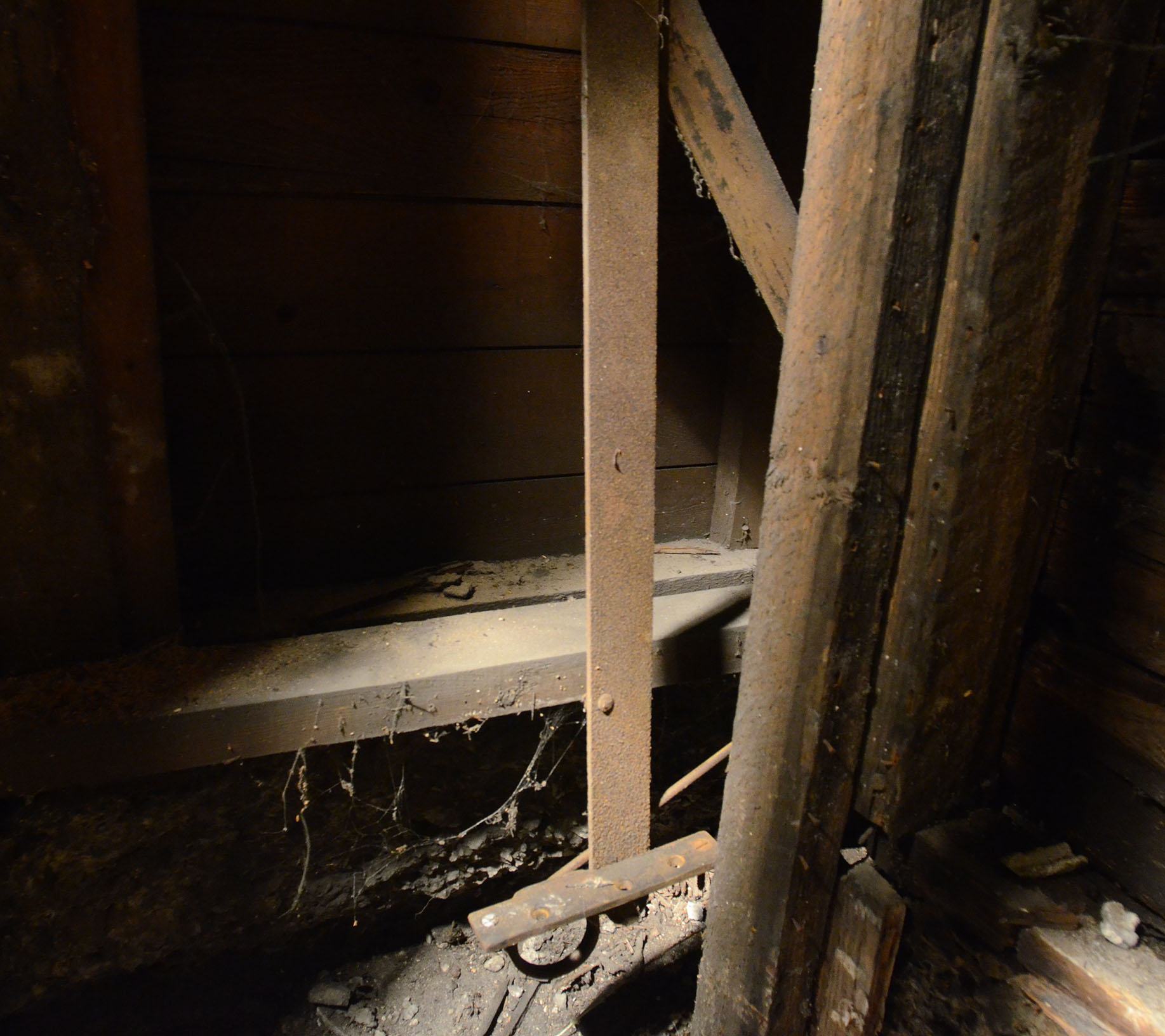
Gene decided to put pocket doors back in the house in 2013. He chose sliding glass patio-style doors so he could look into the two courtyards from the entry hall. The heavy metal arms that opened and closed the pocket doors were left in place, and were found in 2013:
Pocket Doors 010.jpg

Pocket Doors 004.jpg

Pocket Doors 014.jpg

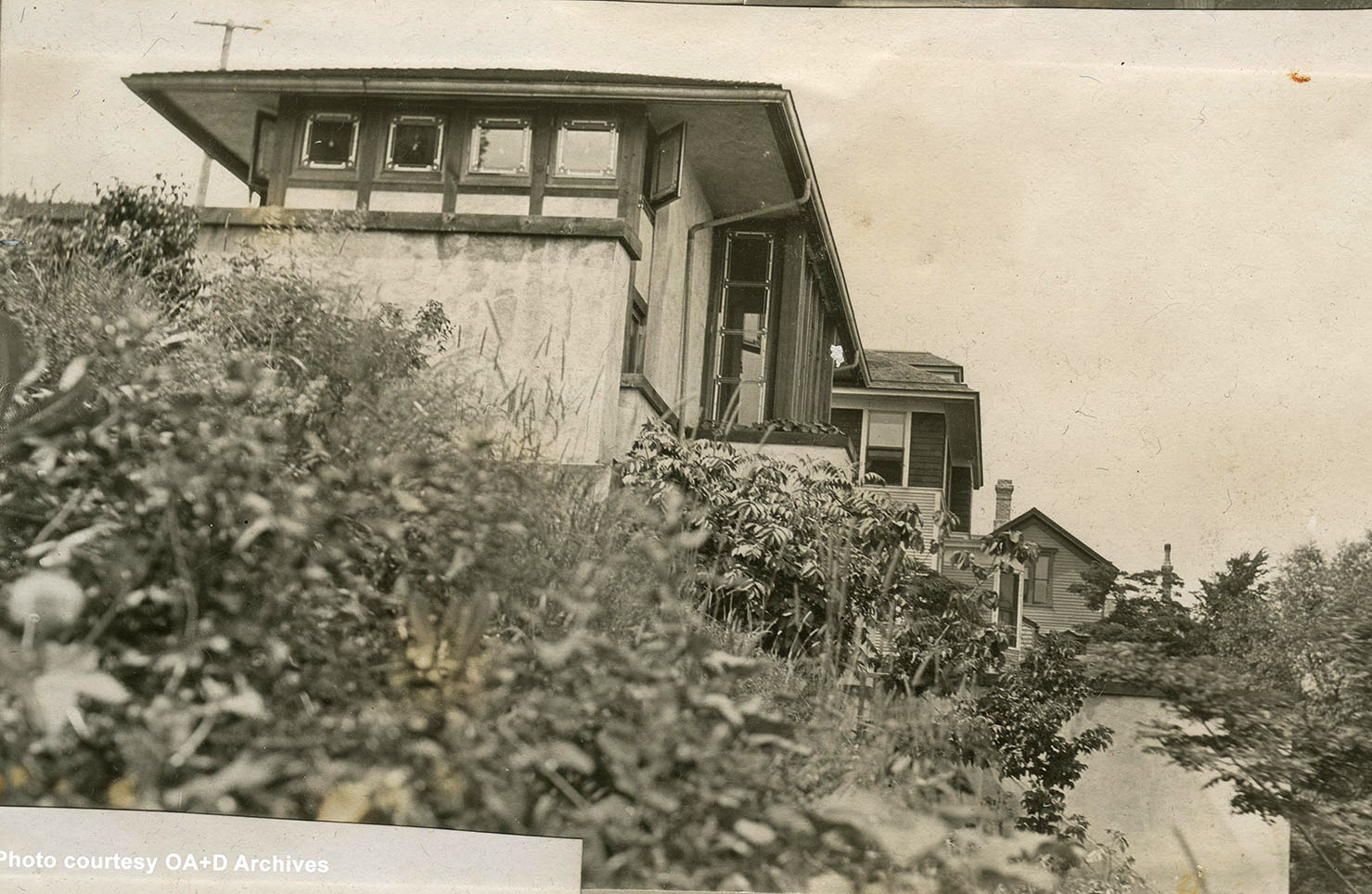
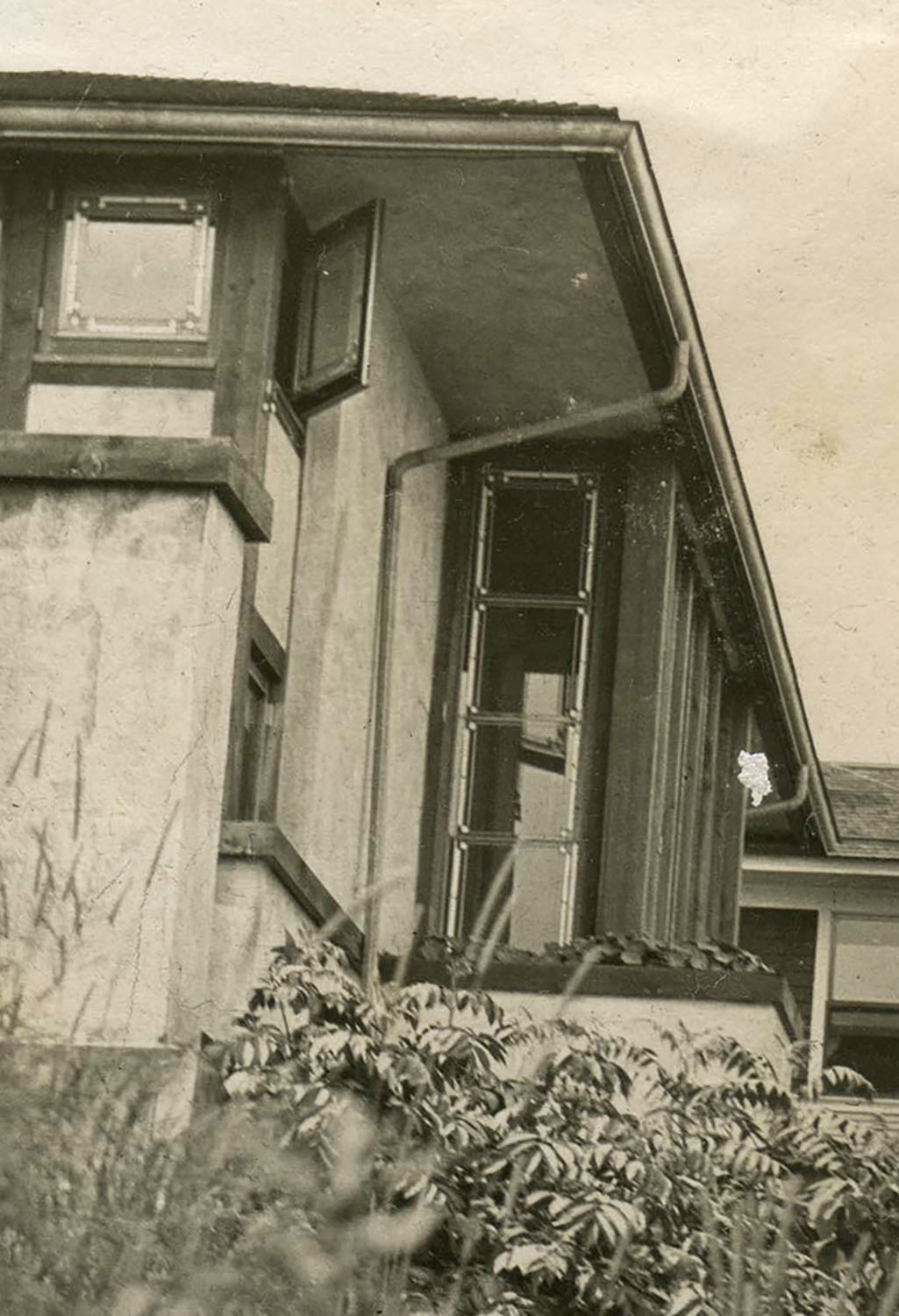
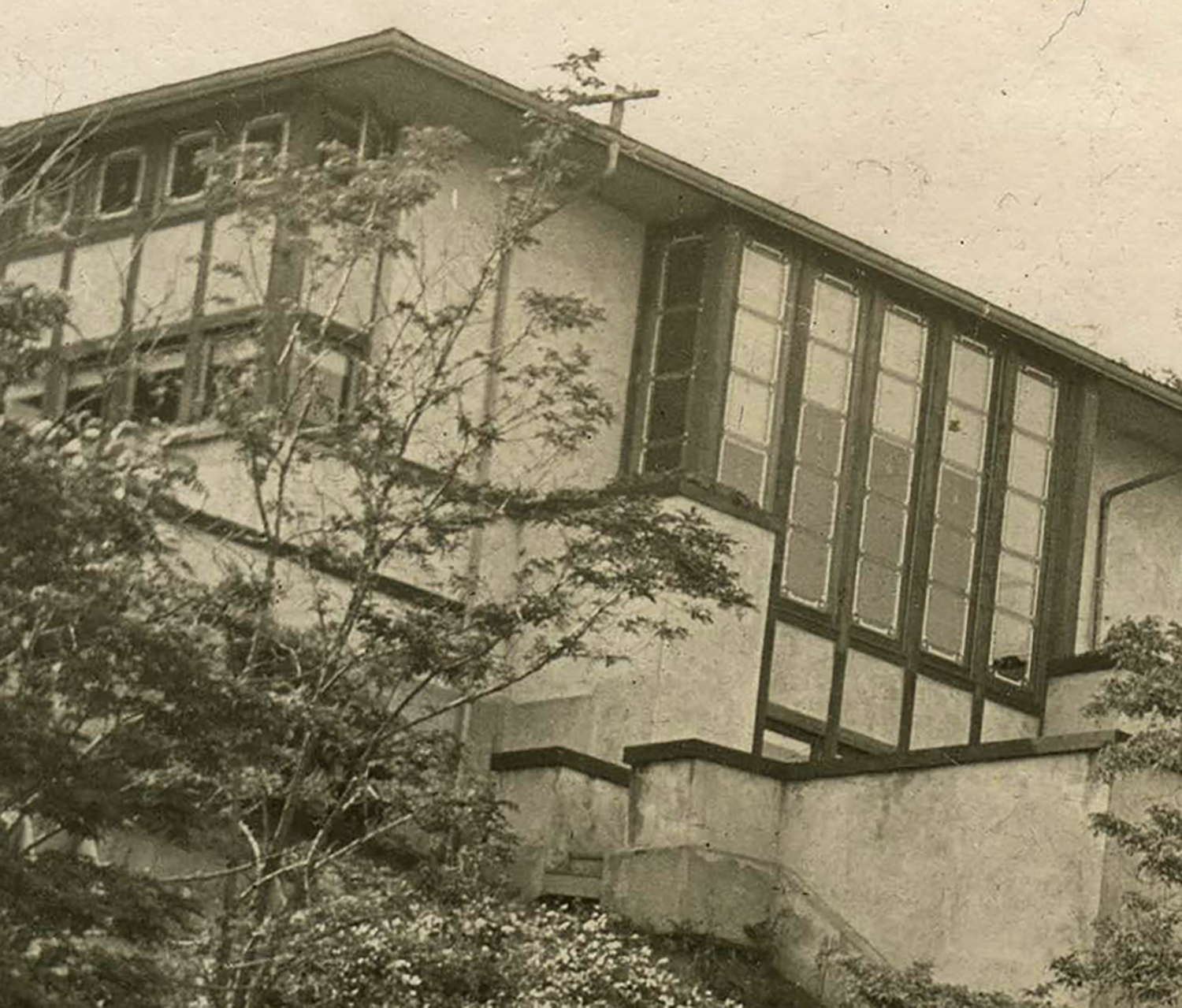
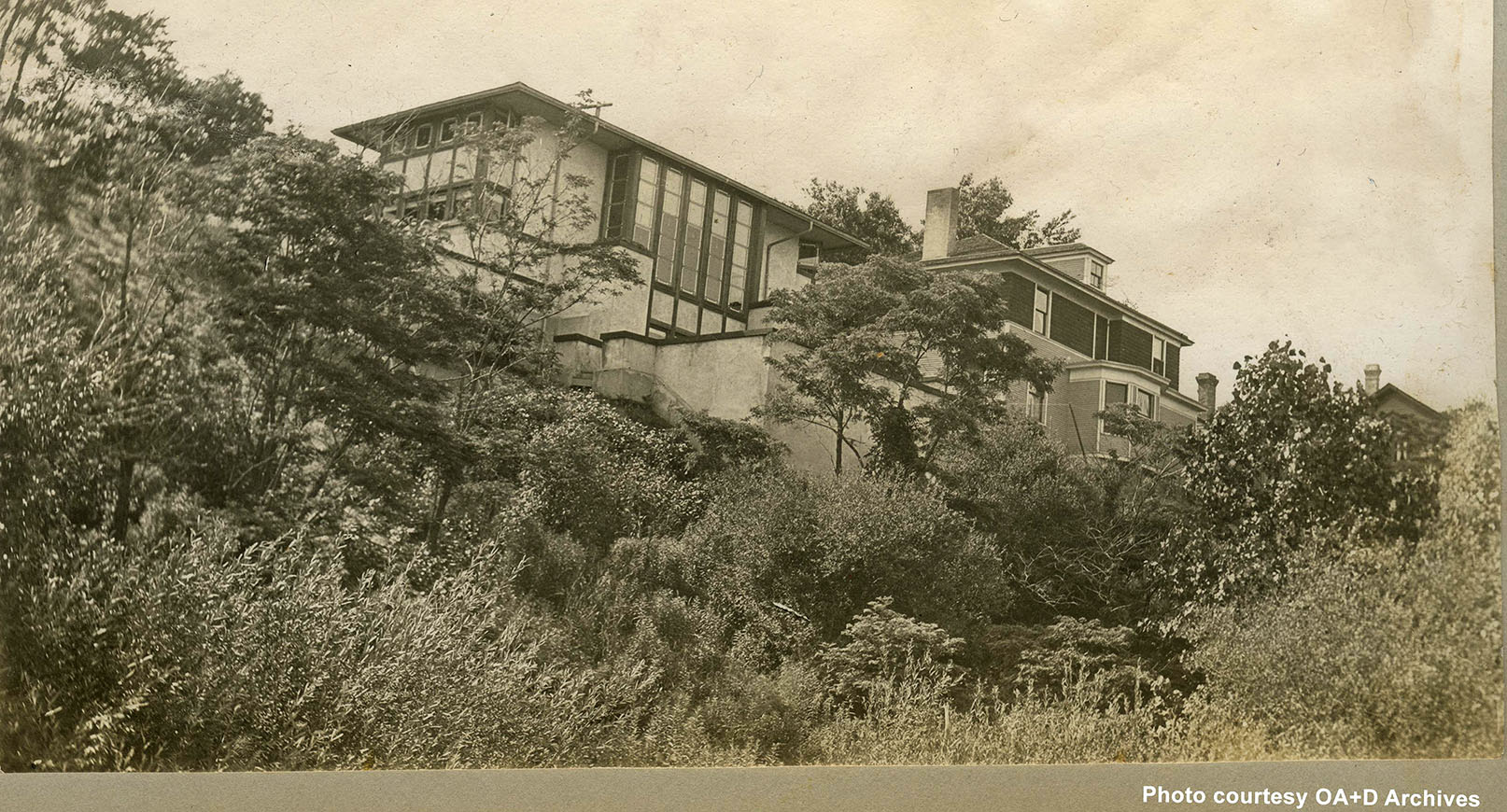
The house was built with leaded glass windows throughout, including in the dramatic two-story living room overlooking Lake Michigan. Anne Ruetz, whose parents were second stewards of the house (1938 – 1947) told me her parents replaced the windows with plain glass ones because the original ones leaked. When Gene put in energy efficient windows he jokingly told me that the next owners of the house could bear the expense of replicating Wright’s window design. Little did he know, of course, that he would be shifting the burden to his brother. 1908 photographs, which are used courtesy of the OA + D Archives, show the original leaded glass living room windows:
LR 1908 Hardy HIll Crop.jpg

LR 1908 Hardy HIll.jpg

LR 1908 Hardy Side.jpg

LR 1908 Hardy Side Crop.jpg

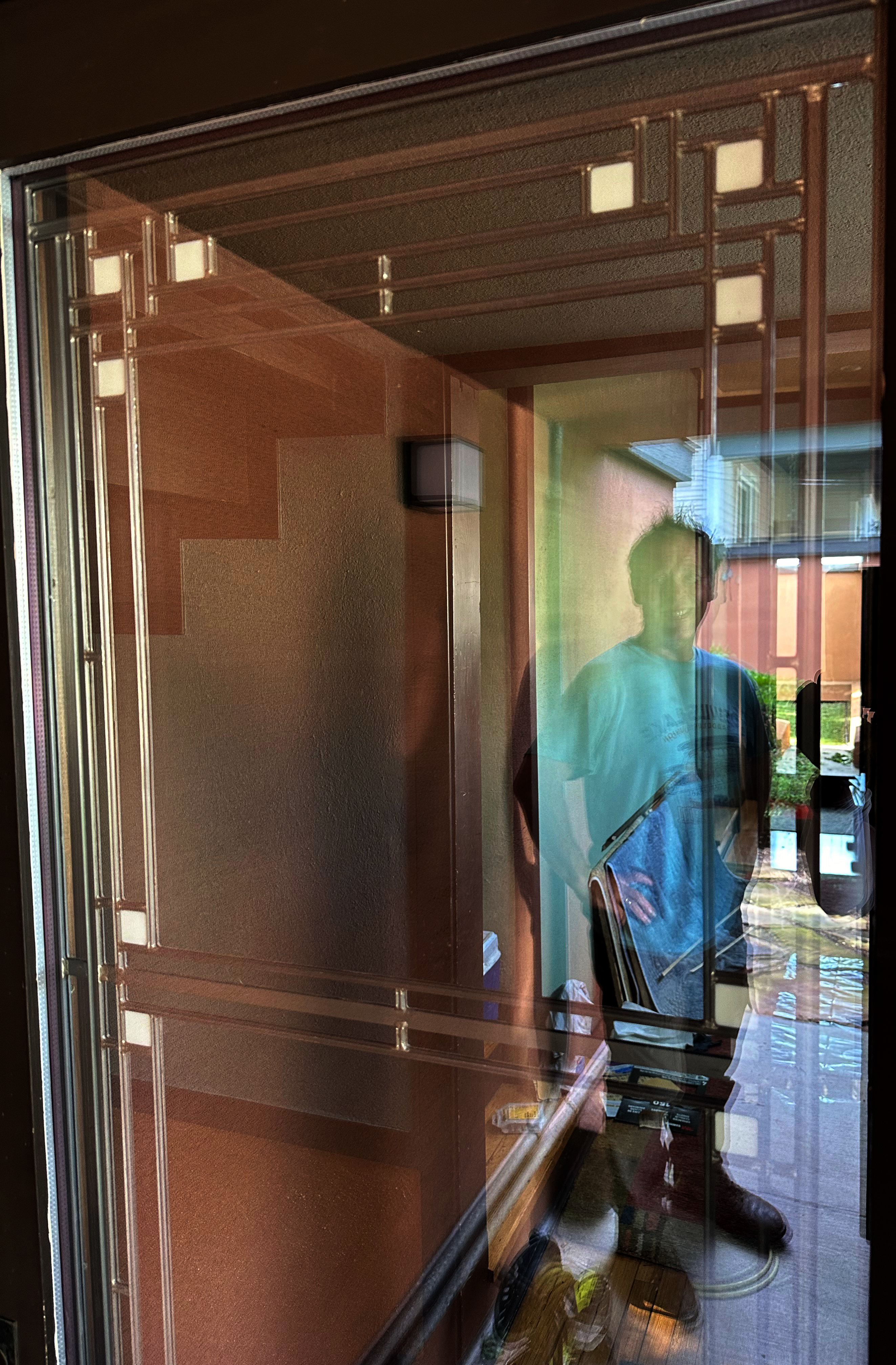
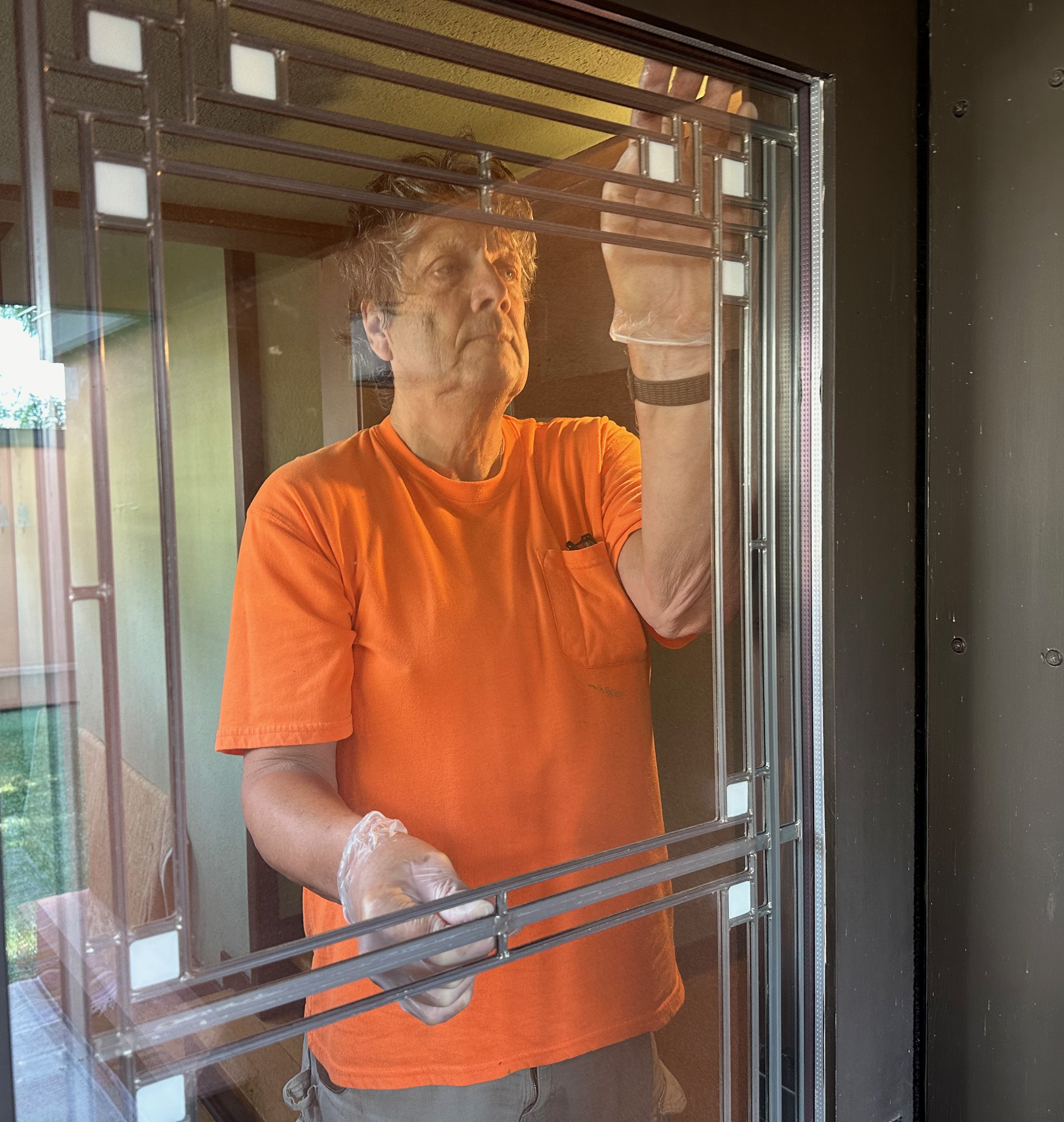
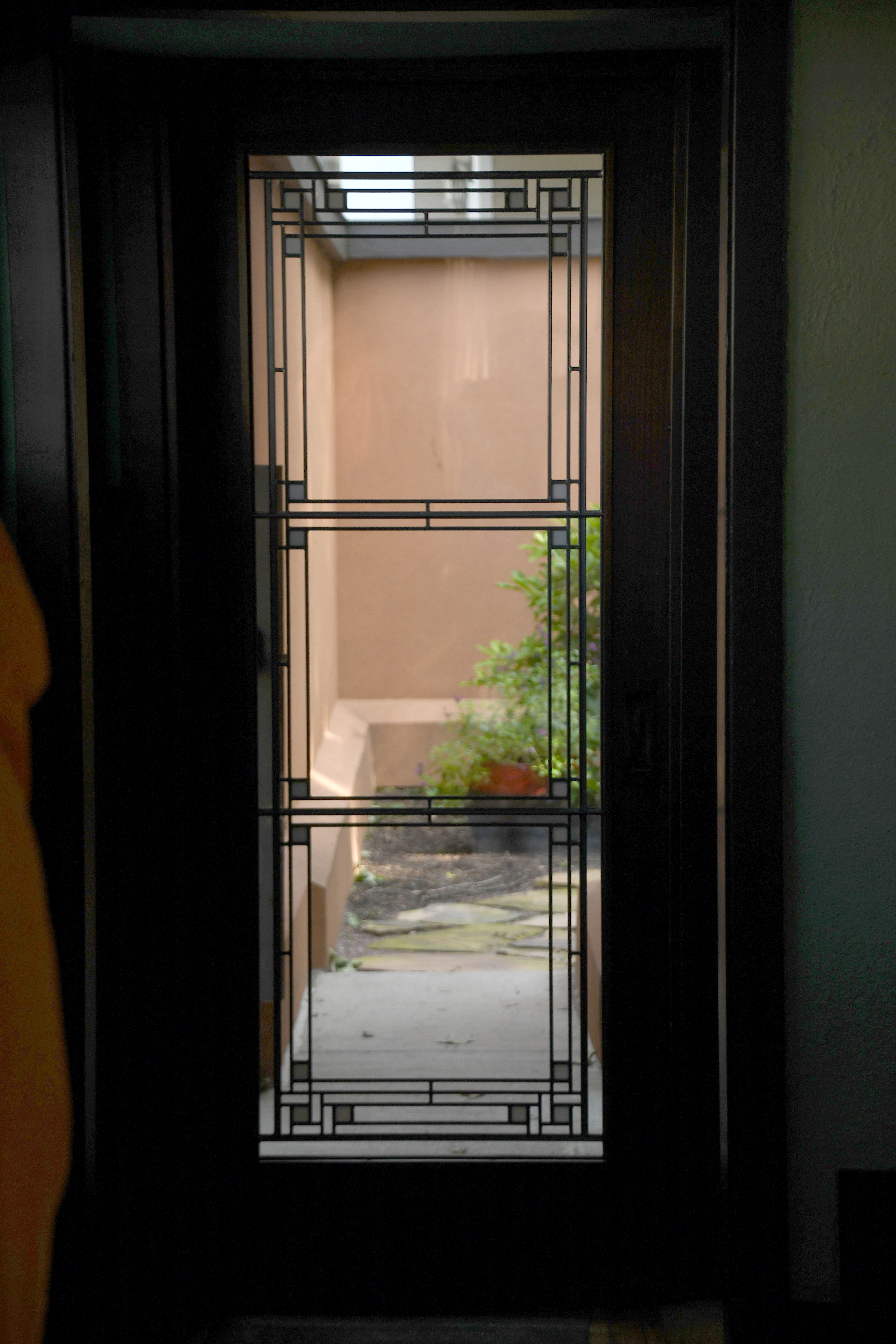
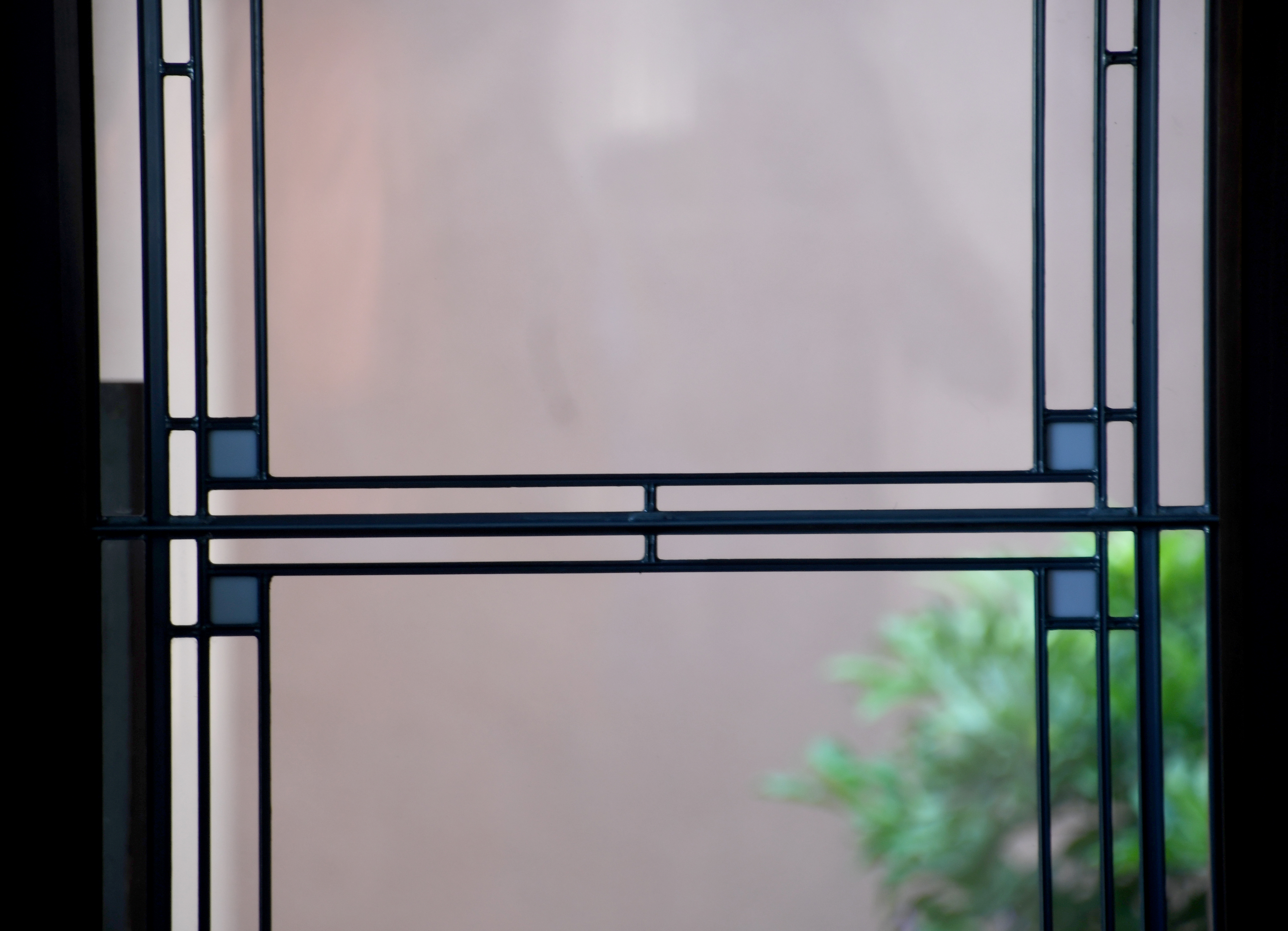
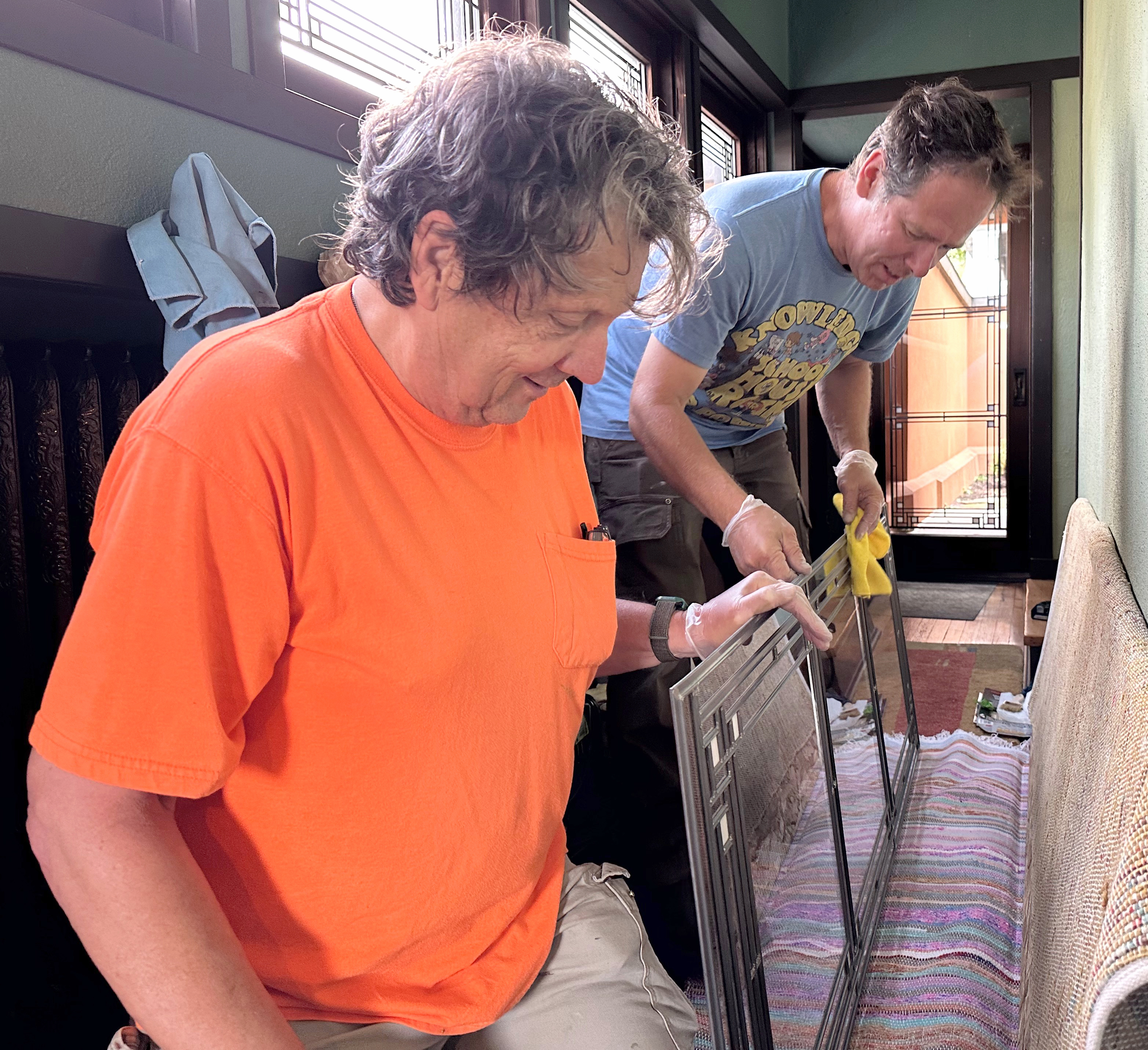
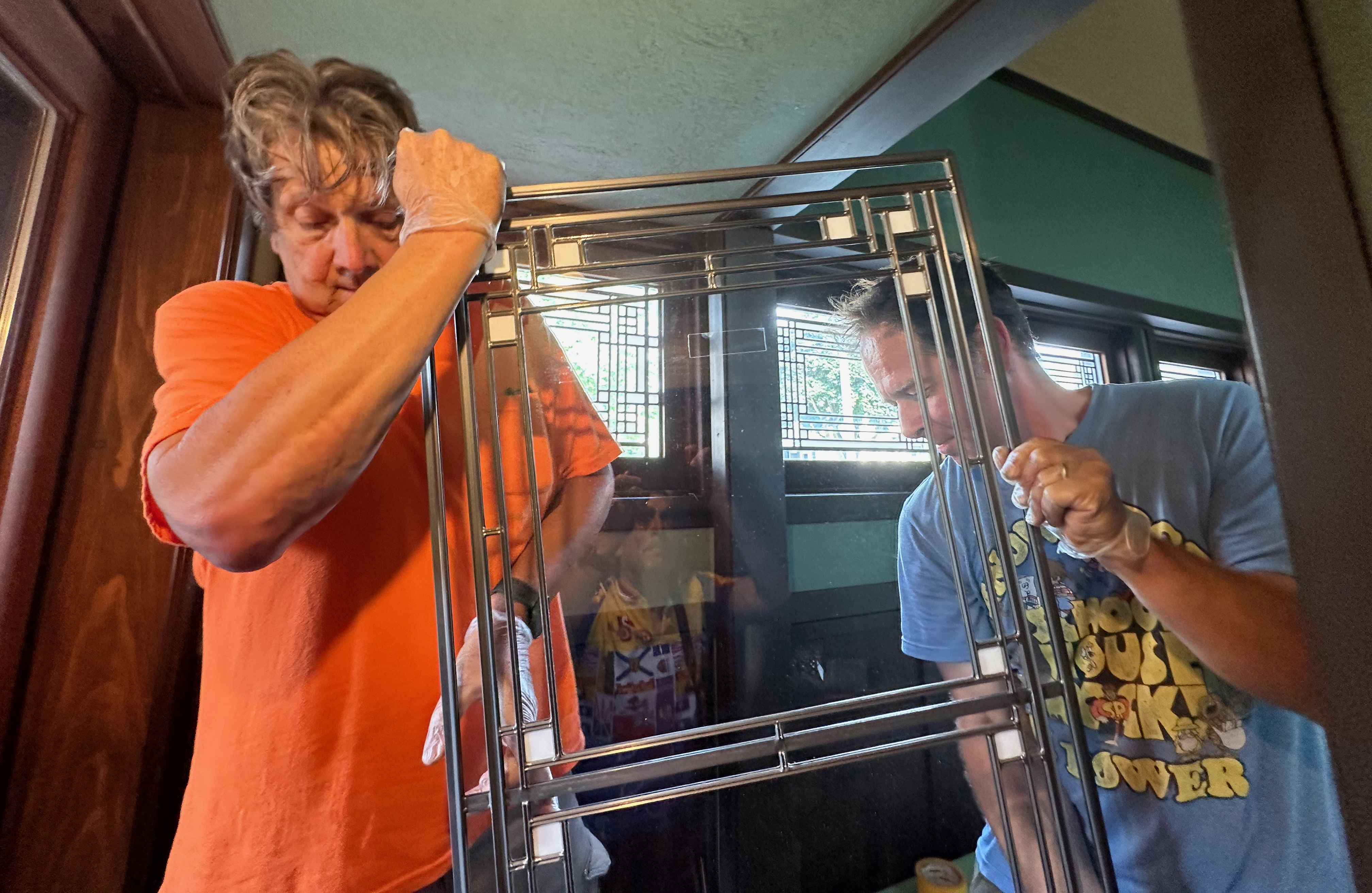
Instead of replicating the design in the living room, Gene intended to have the design fashioned for the pocket doors. The work was completed earlier this month, with window inserts made by Oakbrook Esser of Oconomowoc, Wisconsin. The installation photos show Tom Szymczak, left, and master craftsman Chad Nichols:
IMG_8036.jpeg

IMG_8039.jpeg

IMG_8030.jpeg

DSC_0043.JPG

DSC_0035.JPG

IMG_8025.jpeg

IMG_8041.jpeg

DSC_0017.JPG

DSC_0021.JPG

Thank you, Gene, for your gift to our community and to the World of Wright!

BC 2015 WSA Szymczak.jpg

The first people outside of family and friends to see the new windows will be 17 members of a Road Scholar Wright tour next Wednesday. They will be followed by several hundred people attending Wright in Wisconsin’s “Wright and Like” tour Saturday September 7.

*The term “rehabilitation” is appropriate, rather than “restoration,” because there were some changes to the house. “Restoration” would infer house museum status, accurate to either the day Hardy moved into the house (1906) or left it (in 1938) after losing it at sheriff’s auction because of monies owed on the house.

Links:

Frank Lloyd Wright Building Conservancy:

www.savewright.org

Wright and Like Tour:

https://wrightinwisconsin.org/wright-and-2024

Road Scholar Architectural Masterworks of Frank Lloyd Wright Tour (run 4 or 5 a year)

https://www.roadscholar.org/find-an-adventure/22976/Architectural-Masterworks-of-Frank-Lloyd-Wright

Please scroll down to read previous posts
A New Look at That Odd New House in Hyde Park

© Mark Hertzberg (2024)

In print, on a phone, on a tablet, on a television screen…it doesn’t matter what the medium, as modern media constantly bombards us with countless images. We are immune to most of them. Just a small handful of still photographs stop us in our tracks. We were reminded of that recently after the attempted assassination of former president Donald Trump. Such are the moments in history that we remember because of a still photograph. Is that the case in the World of Wright?

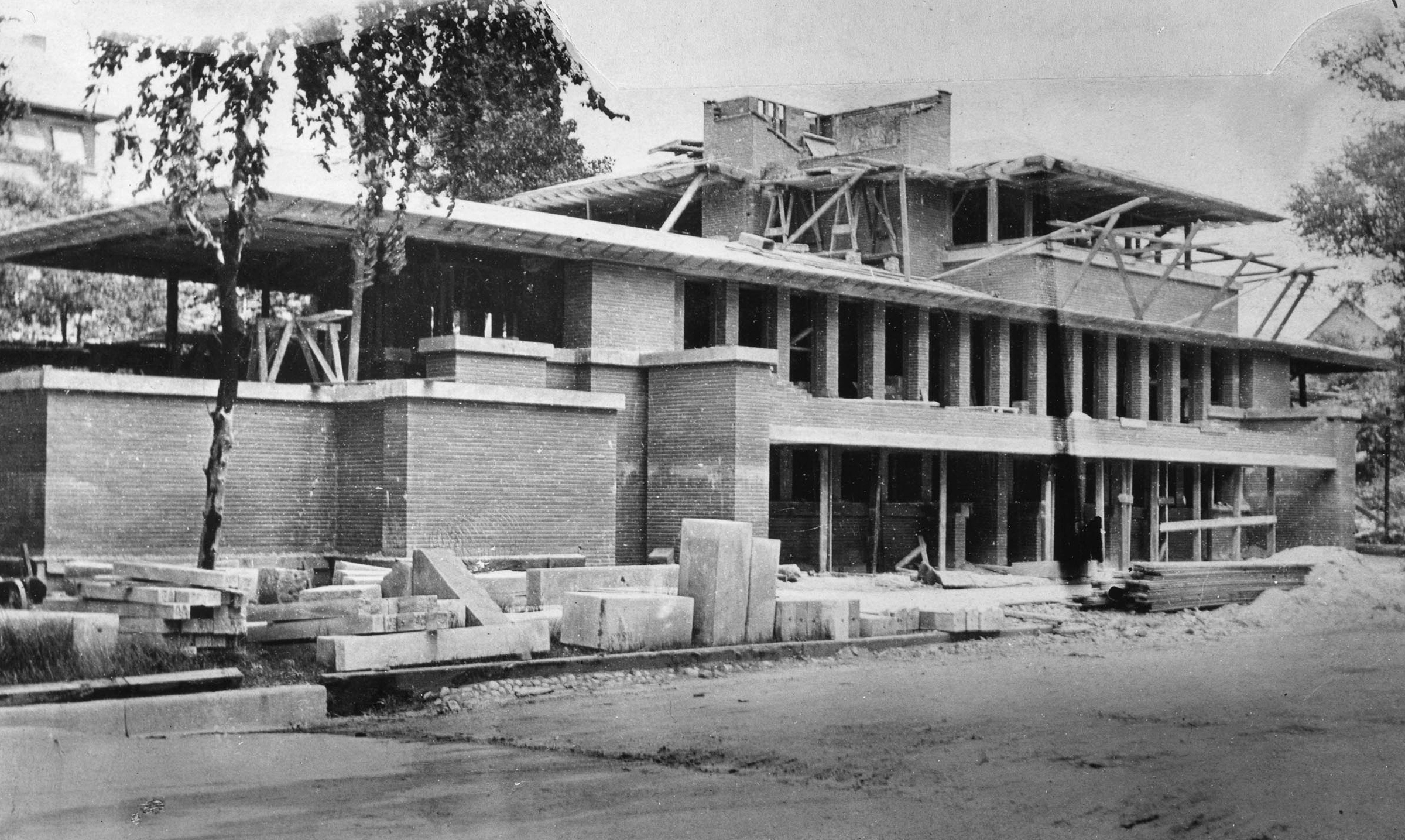
There are umpteen photographs of Frank Lloyd Wright’s completed buildings. What sticks in my mind today, however, is an arresting photograph of Wright’s Frederick C. Robie House. It is not another same-old, same-old photo of the house. Rather, it is one of Wright’s ship-like, Prairie-style house at 58th and Woodlawn in Chicago’s Hyde Park neighborhood under construction in the summer of 1909.

Robie Construction.jpgPhotograph courtesy of Eric M. O’Malley, from his private collection
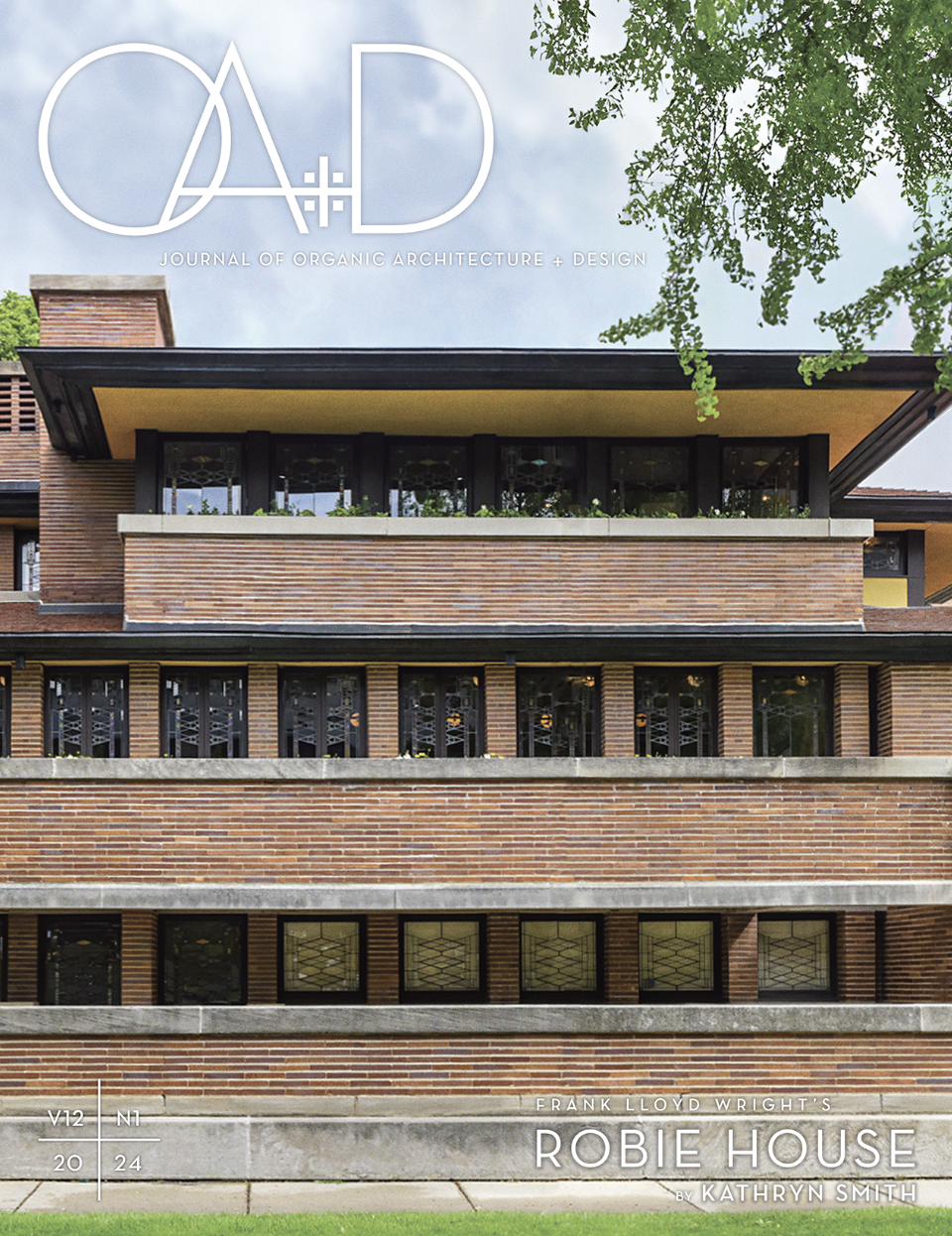
This photograph stopped me in my tracks when I was reading the latest issue of “OA+D,” the Journal of Organic Architecture and Design. Each issue is devoted to a single topic, in this case the Robie House. Wright scholar Kathryn Smith gives readers a definitive account of the history and architectural significance of the house, “Space was no longer static, but dynamic. It was a revolutionary new idea, and one that would profoundly change 20th century architecture in the decades ahead.” Her article is richly illustrated with drawings from the Wasmuth portfolio, and historic and contemporary photographs. There are about 30 construction photos taken between April 1909 and April 1910, mostly by Harrison Bernard Barnard.

I found this one particularly striking. I was mesmerized. It reminded me of something Wright scholar Jonathan Lipman wrote to me when I was writing my book about Wright’s Thomas P. Hardy House, “One can get a sense of its impact in 1906 Racine by imagining if, instead, a swooping, curved titanium house by Frank Gehry were built on the site a century later.” What, indeed, did people in Hyde Park think when they saw this rising in their neighborhood?

With no television to distract them after dinner, did neighbors regularly stroll after supper, making it a point to pass by the odd house rising at 58th and Woodlawn? Were they struck, as I was by this photograph, or did they murmur in disapproval? Although Wright and Mamah Borthwick (Cheney) would not leave for Europe together until the fall of 1909, had word of their affair traveled from Oak Park to Hyde Park? Was this odd house then a confirmation of prejudices people might have had against a man who was upending social mores? Or were they progressive thinkers, perhaps people who taught at the nearby University of Chicago which opened in 1892, who were excited and intrigued by what they were seeing on that corner lot?

The house had been rising for several months when this photograph from Eric M. O’Malley’s private collection was taken in the summer of 1909. The superstructure of the house is almost complete. We have a sense of what the house will look like, but it is still a mystery in many respects. For example, we see only empty spaces where magnificent leaded glass windows will be installed. I think it is that sense of mystery, of the unknown, that excited me.

Robie was built 16 years after the World’s Columbian Exposition in nearby Jackson Park. Only Louis Sullivan’s Transportation Building had broken the fair’s landscape of one Classical Revival-style building after another. Wright’s Heller, Blossom and McArthur houses are nearby , but are not as startling as Robie would have been in 1909. Rockefeller Chapel nearby at the University of Chicago would not be built until 1928, and it would be a traditional Gothic design, reinforcing the startling design of Robie, perched on its corner lot. Startling and groundbreaking, indeed.

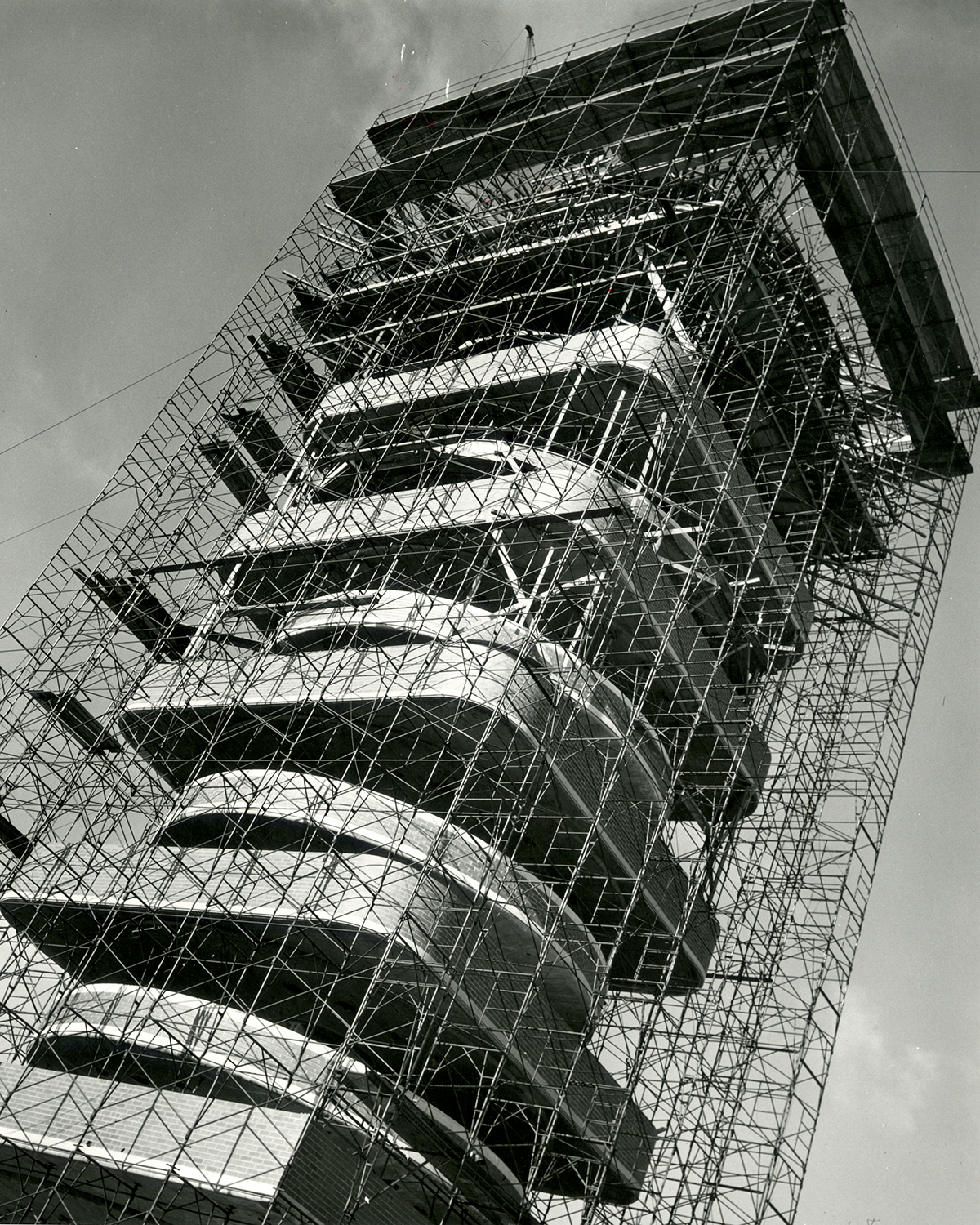
As I thought about this article for a month or more, the photograph of Robie brought to mind one more Wright construction photo. It is of the SC Johnson Research Tower in Racine. The Tower was designed in 1943/44, and built between November 1947 and November 1950. It is Wright’s only realized taproot tower.* This photograph reminded me of a child’s stacking toy when I ran across it in Johnson’s archives when I was writing my book at the Research Tower in 2009. What, then, did people living near 1525 Howe Street in Racine (two miles from my home) think when this began rising above their traditional houses?

LR Constr. toy.jpgPhotograph courtesy of SC Johnson Archives
Dozens of books have been published with photographs of Wright’s finished work. The late Sam Johnson, whose father H.F. Johnson Jr. commissioned the SC Johnson Administration Building, the Research Tower, and Wingspread, among others (unrealized), remarked to me “The world does not need another book about Frank Lloyd Wright.”** Perhaps it needs one comprised soley of photographs of his buildings under construction.

P.S. I think Eric O’Malley was also dazzled by the photograph…it appears twice in the magazine, the first time as a chapter title page.

Footnotes:

*The late Bruce Brooks Pfeiffer, who wrote the Foreword to my book about the Research Tower, told me that although Price Tower looks like a taproot tower, it is not one because it is tied into the foundation of the adjoining two-story office building. He said Racine was Wright’s only realized taproot tower.

**The context for Johnson’s remark was that I was pitching my idea for a book which became my “Wright in Racine” book (Pomegranate: 2004). The rest of his observation was, “…but it does need one about his work in Racine.” I was elated and treated myself to a Dove ice cream bar after leaving our meeting.

Link to OA+D store and Robie issue of the Journal:

Screenshot 2024-07-25 at 6.00.09 AM.png

https://store.oadarchives.org/product/journal-oa-d-v12-n1

Please scroll down for previous articles on this blog