Tower Tumult in Bartlesville

© Mark Hertzberg (2024)
Oklahoma Frank Lloyd Wright Price Tower 001.JPG

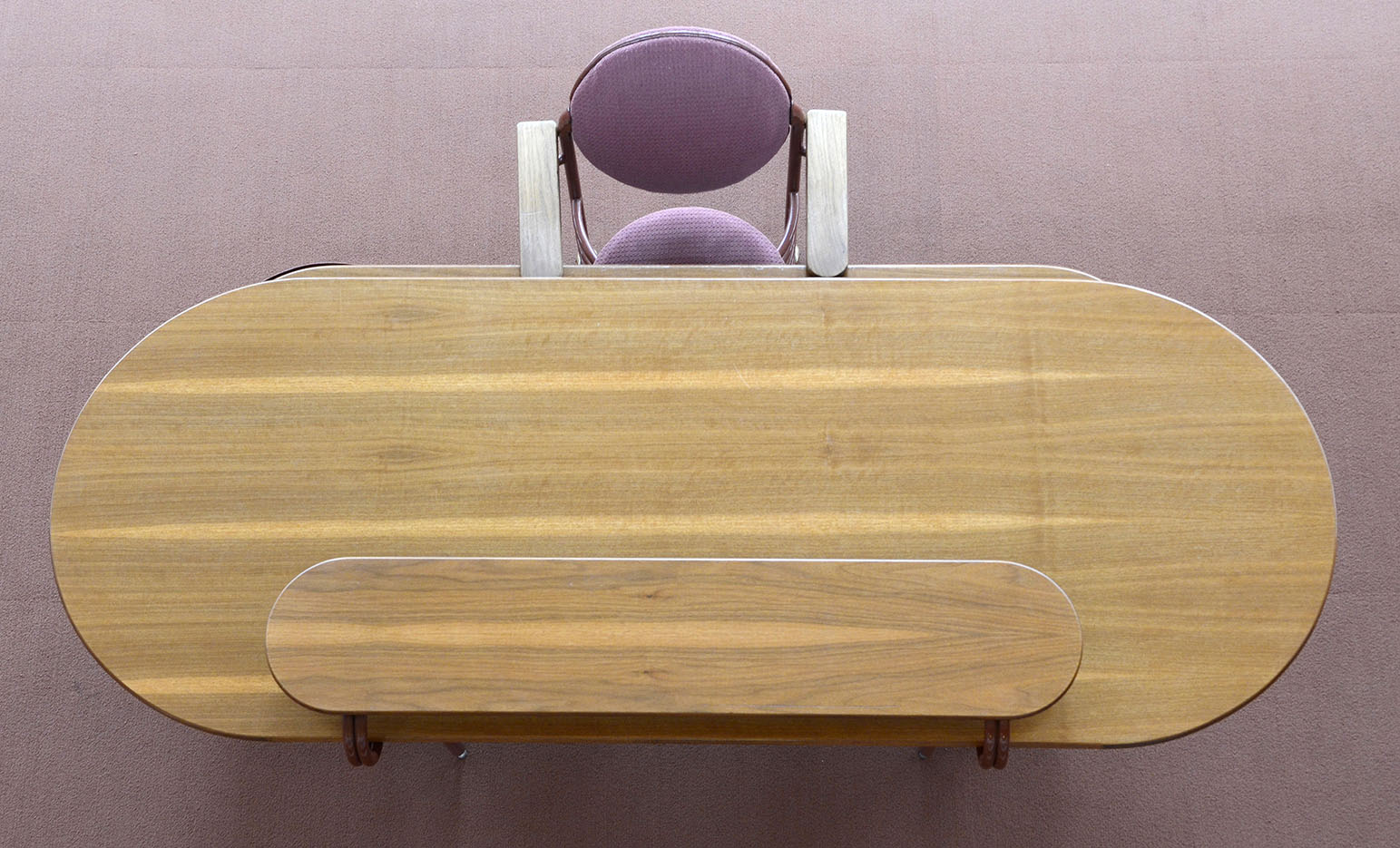
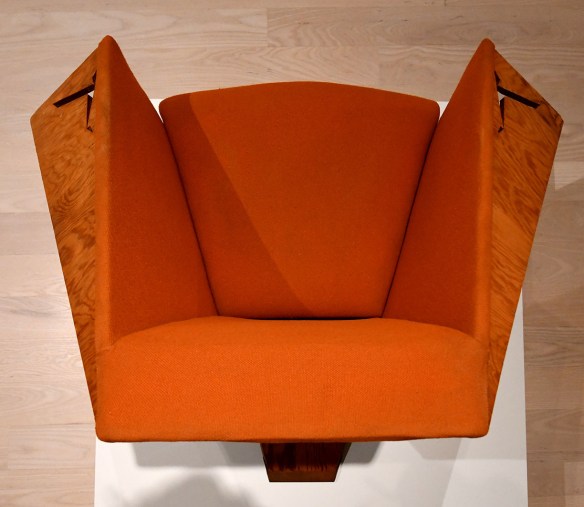
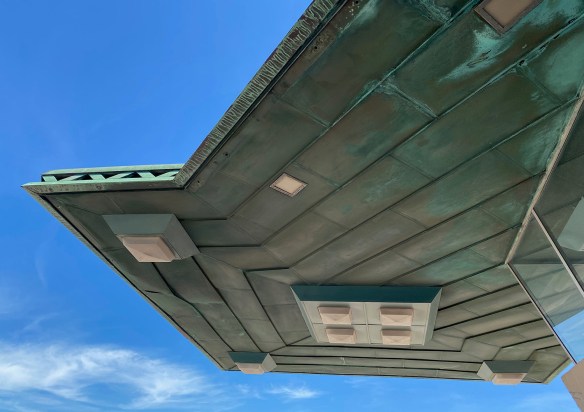
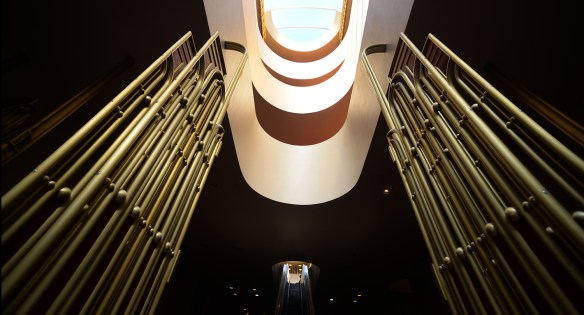
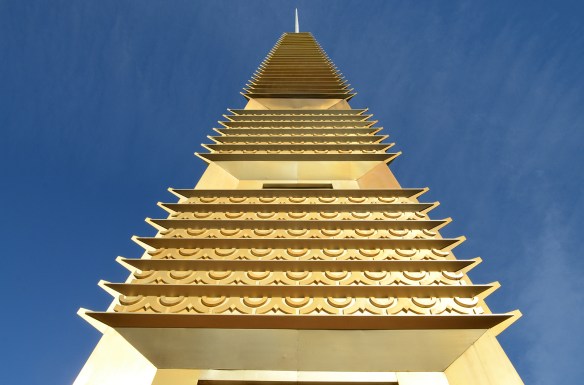
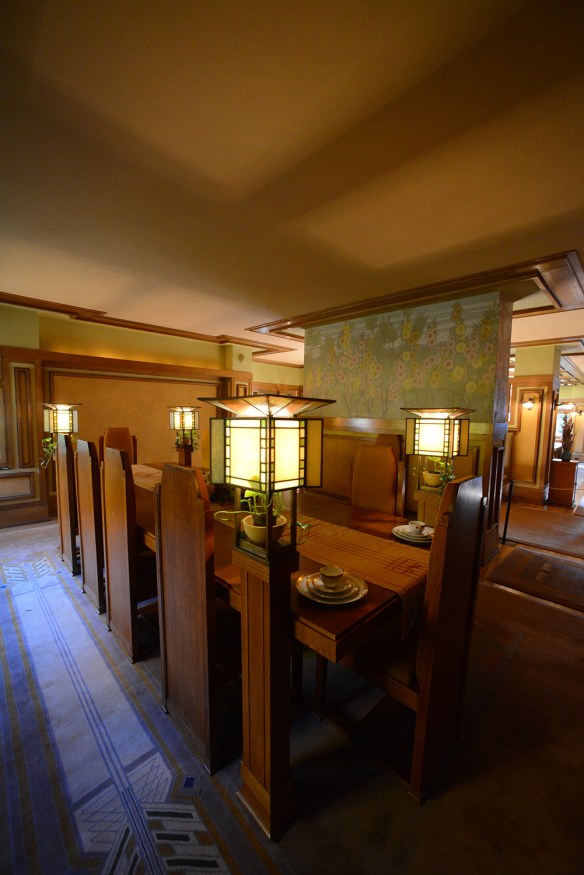
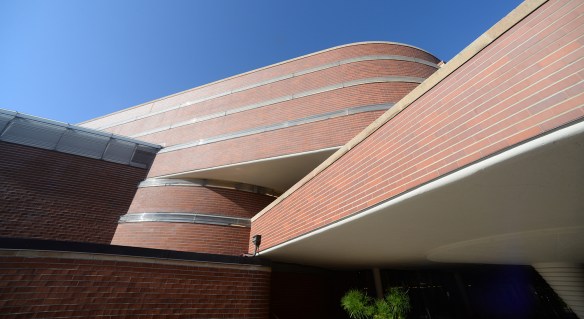
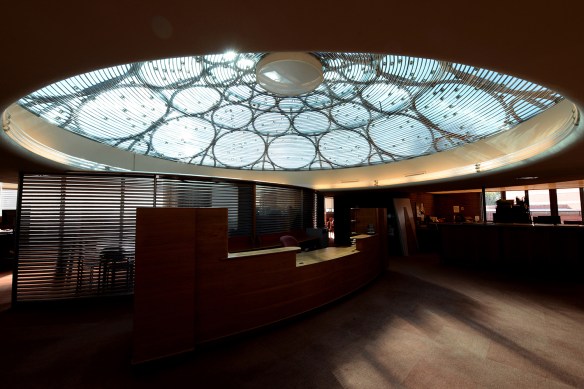
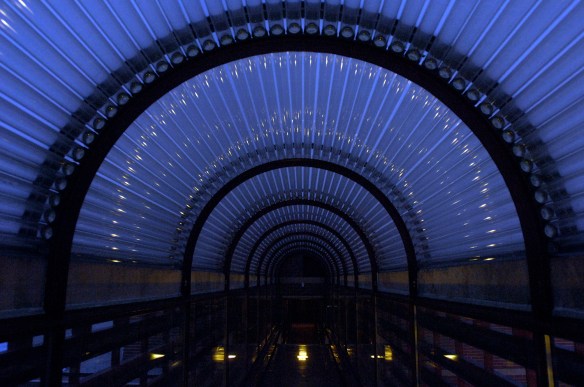
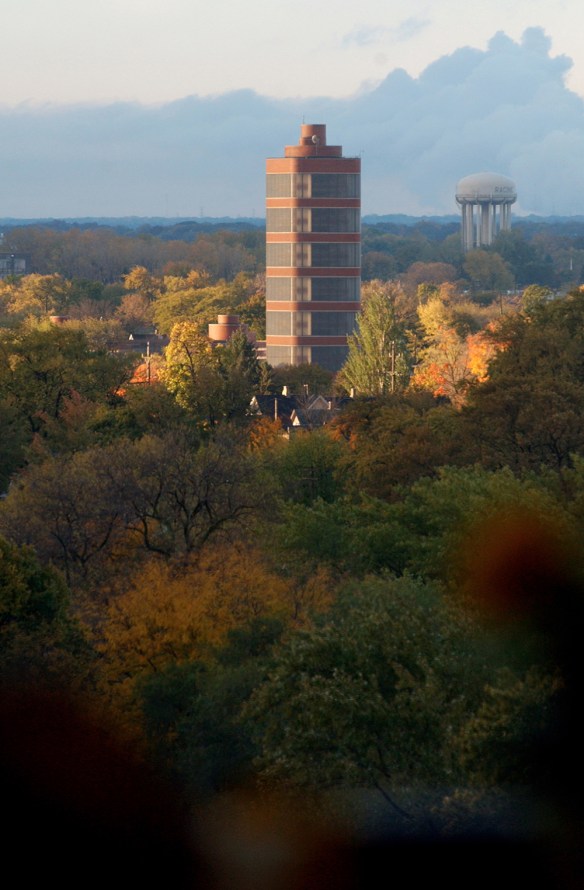
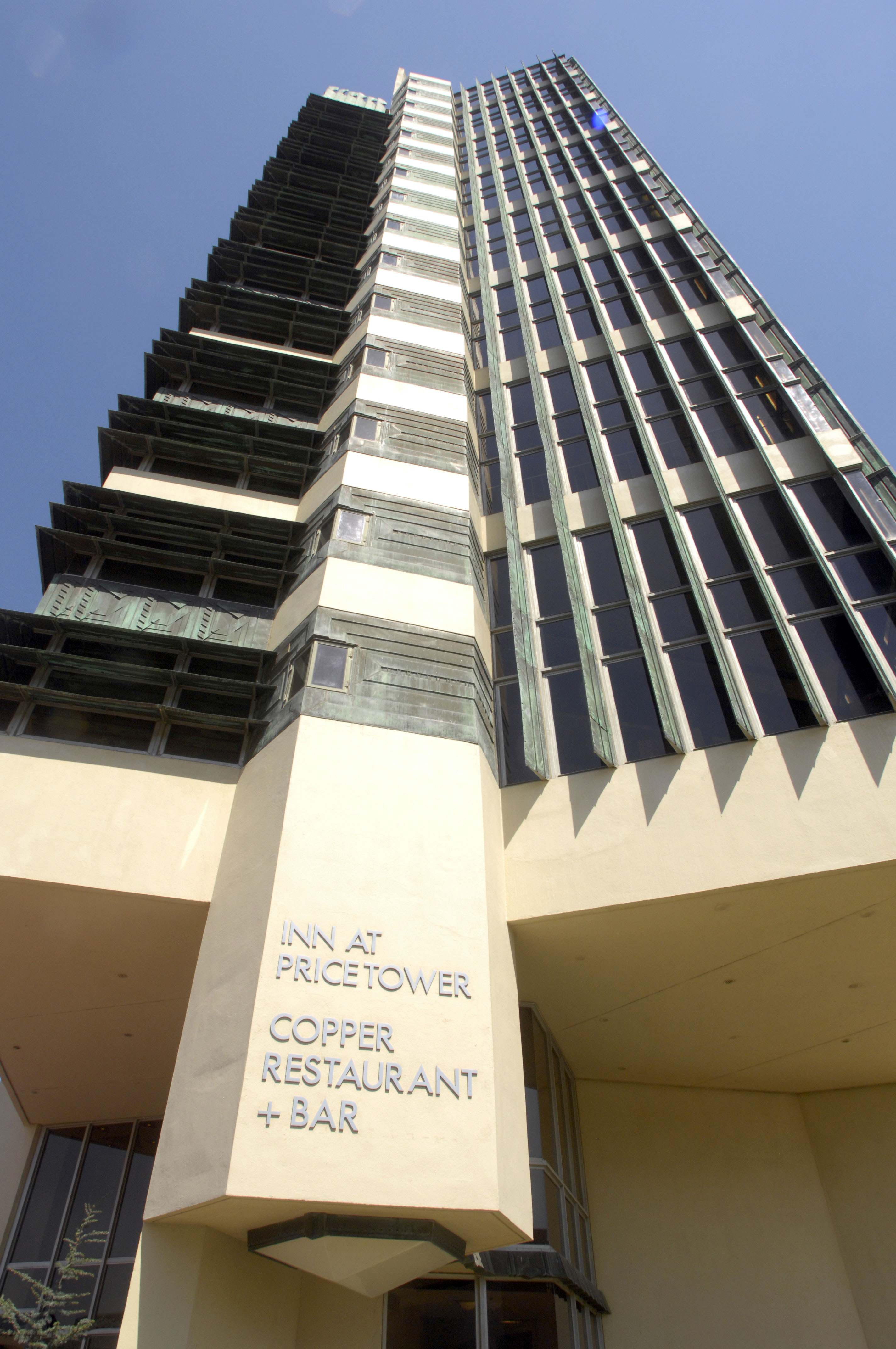
The future of Frank Lloyd Wright’s landmark Price Tower in Bartlesville, Oklahoma is uncertain. The Frank Lloyd Wright Building Conservancy has initiated legal proceedings against Cynthia Blanchard, the owner of the building, over her sale of Wright artifacts from the building, including one of the office chairs Wright designed, to a mid-century design dealer in Dallas. The Building Conservancy has an easement on the property, which, it says, prohibits the sale of any of the artifacts.
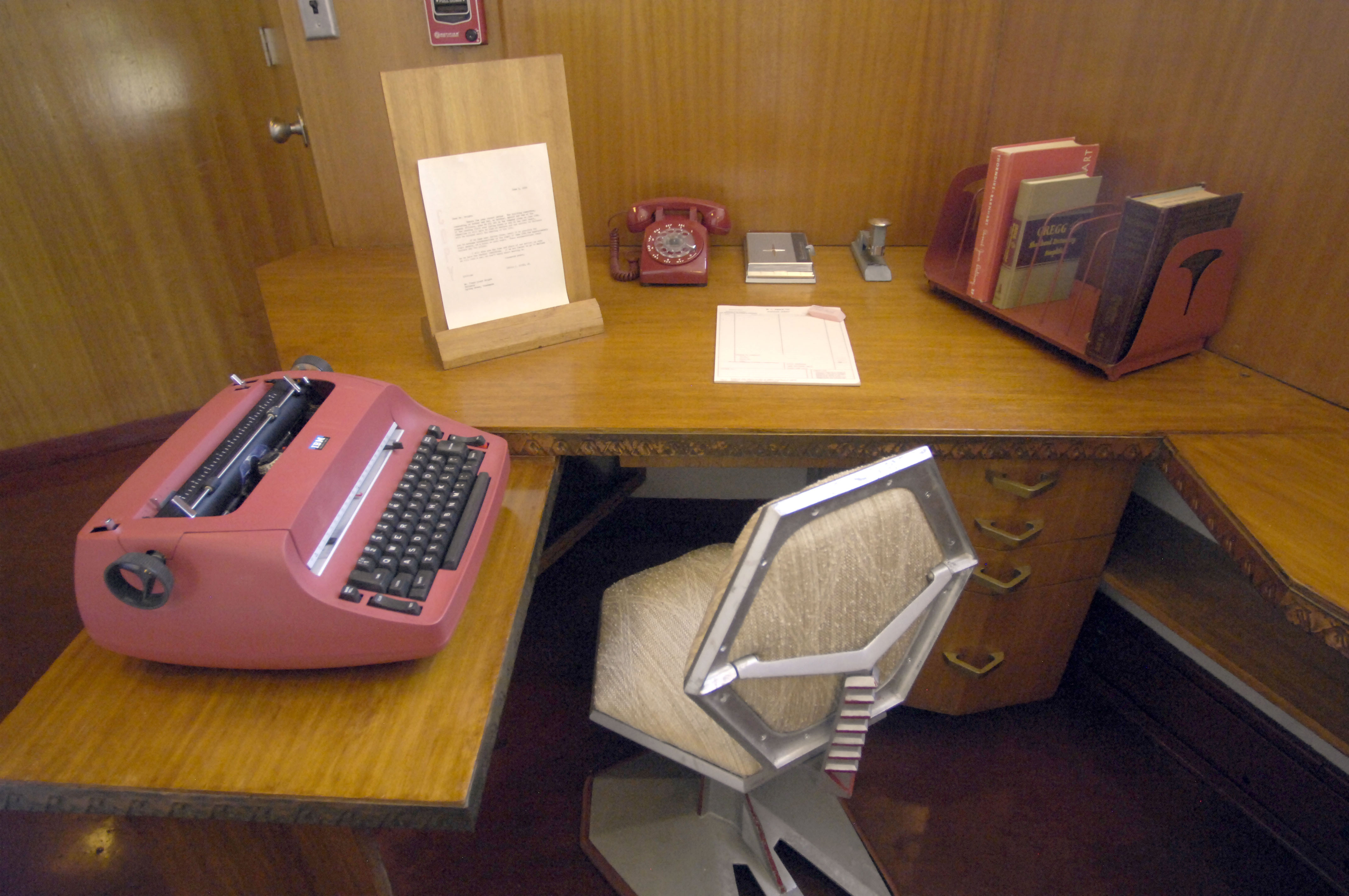
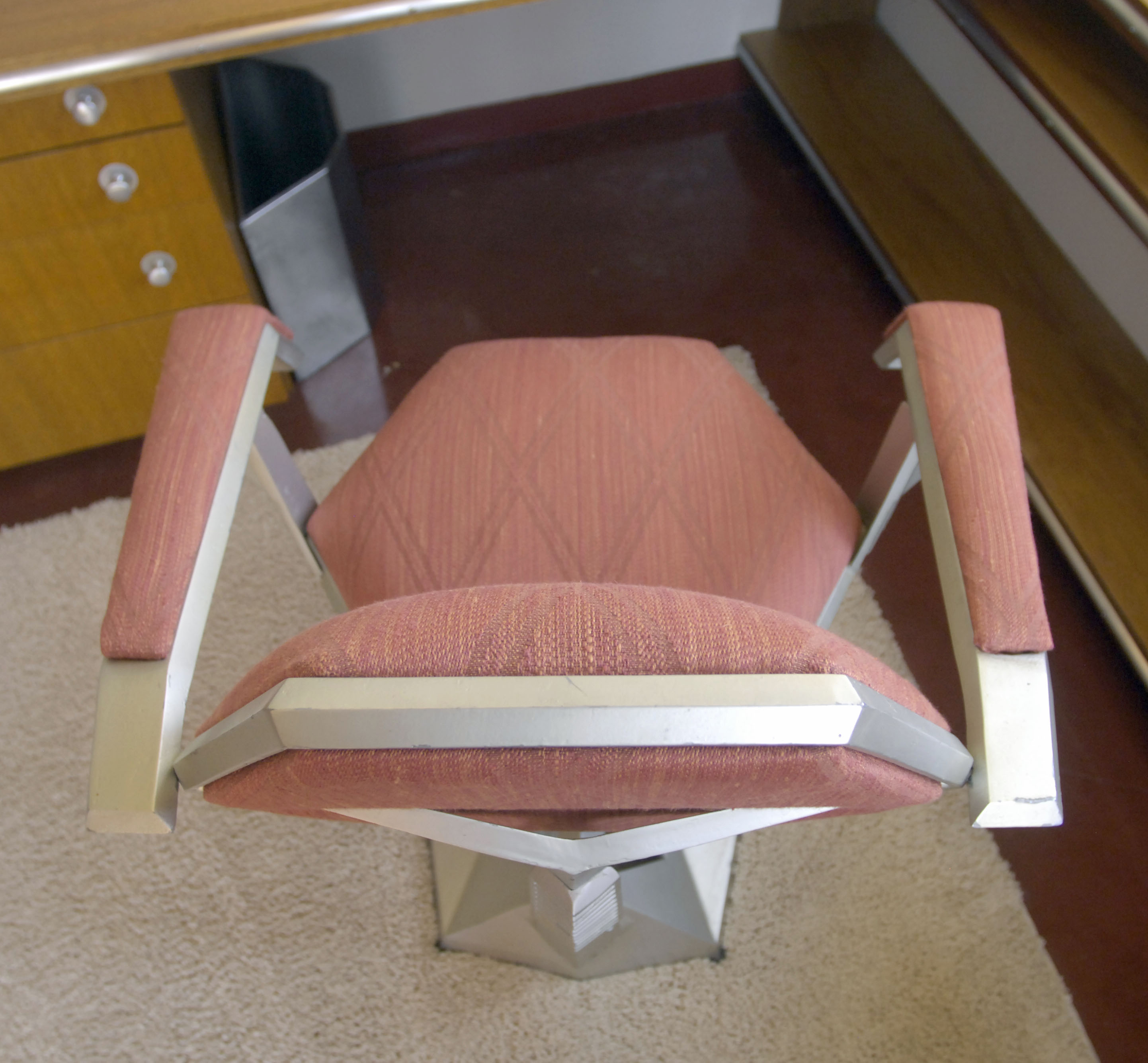
Oklahoma Frank Lloyd Wright Price Tower 022.JPG

Oklahoma Frank Lloyd Wright Price Tower 020.JPG

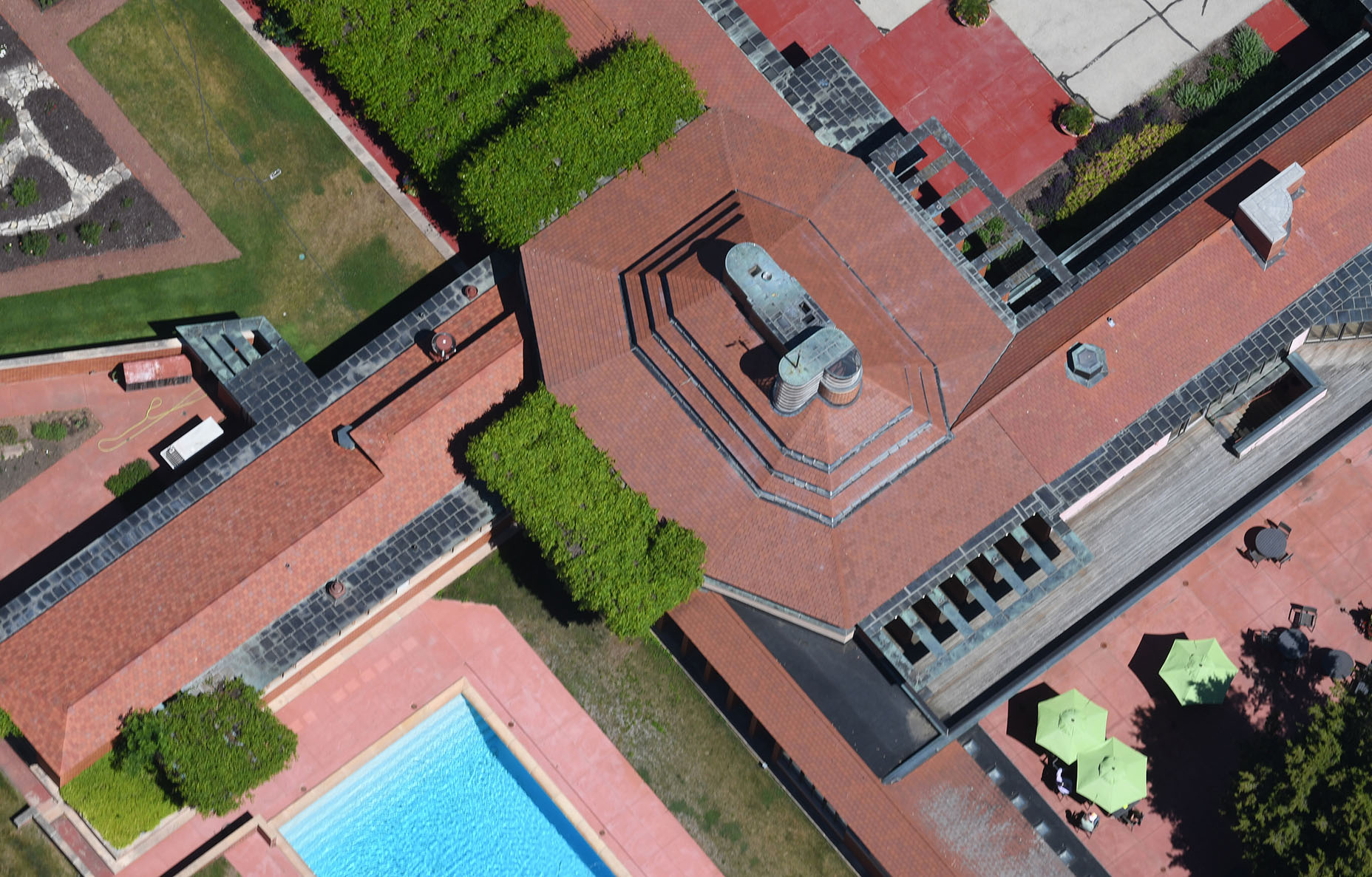
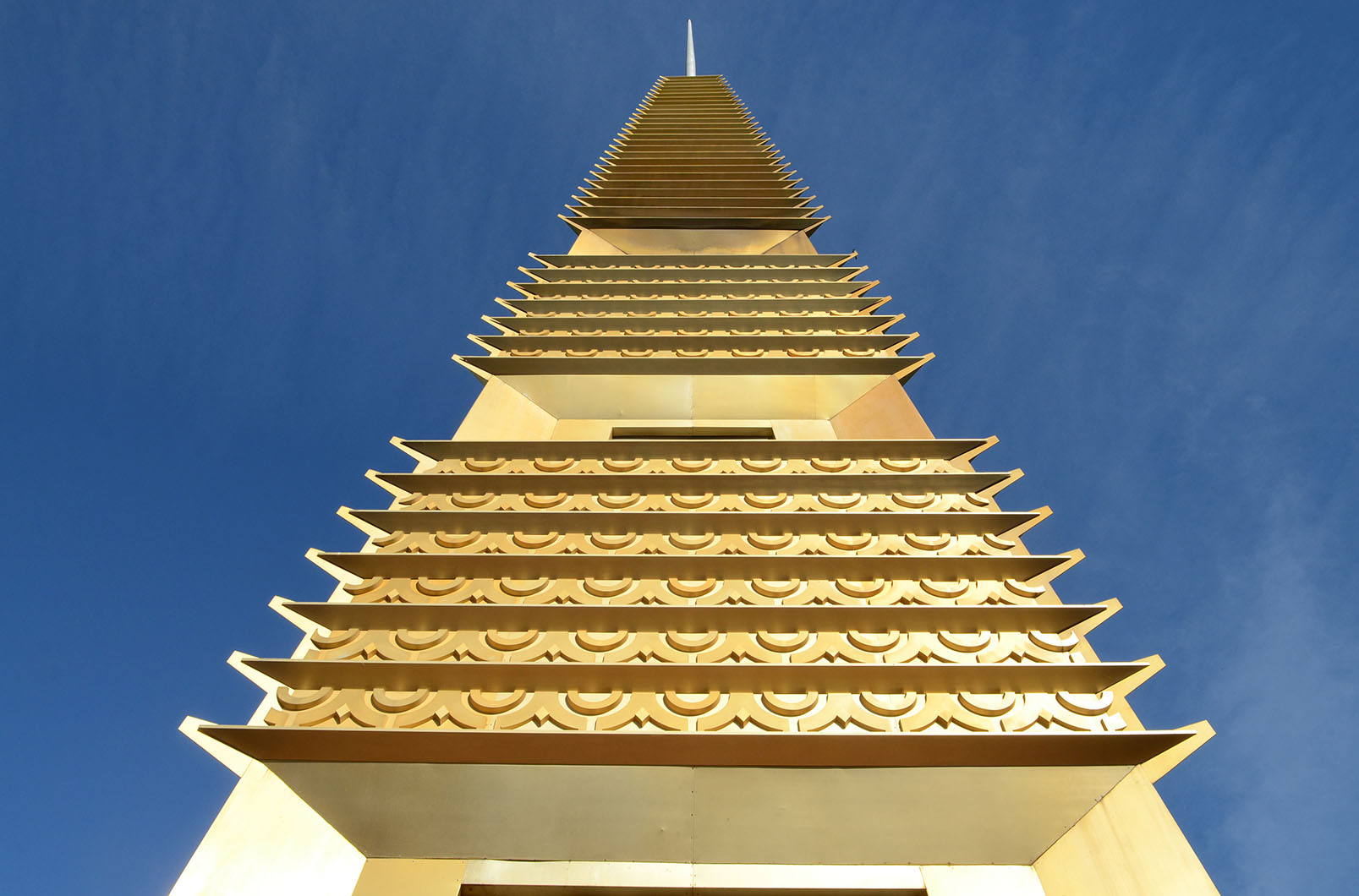
Wright designed the tower in 1952 as a combination office and apartment building, and it opened in 1956. The exterior and two-story pinwheel floor plan are derived from Wright’s unrealized design for the St. Mark’s-in-the-Bowery apartment buildings in New York City (1927-1929).*

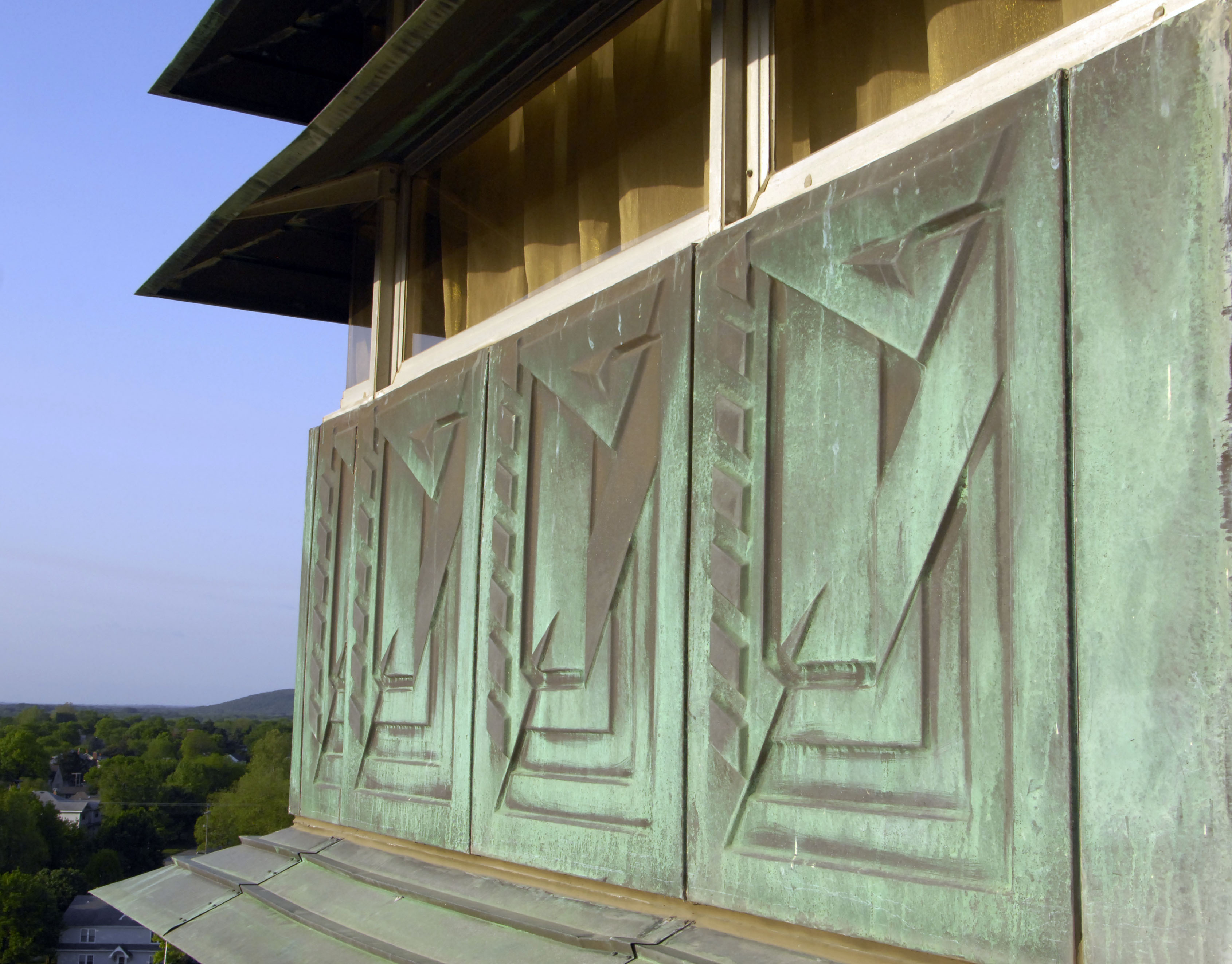
Oklahoma Frank Lloyd Wright Price Tower 011.JPG

Oklahoma Frank Lloyd Wright Price Tower 009.JPG

The Inn at Price Tower hotel opened in 2003. Blanchard said in a television interview that it was no longer profitable to operate the hotel and its Copper Bar and Restaurant. She announced the closure August 9. Hotel and restaurant employees were laid off and tenants of the building were given notice to move out within 30 days. She said in an interview that the closure is not necessarily permanent, and that she hopes to find a buyer for the building which, she says, is no longer profitable for her to operate.

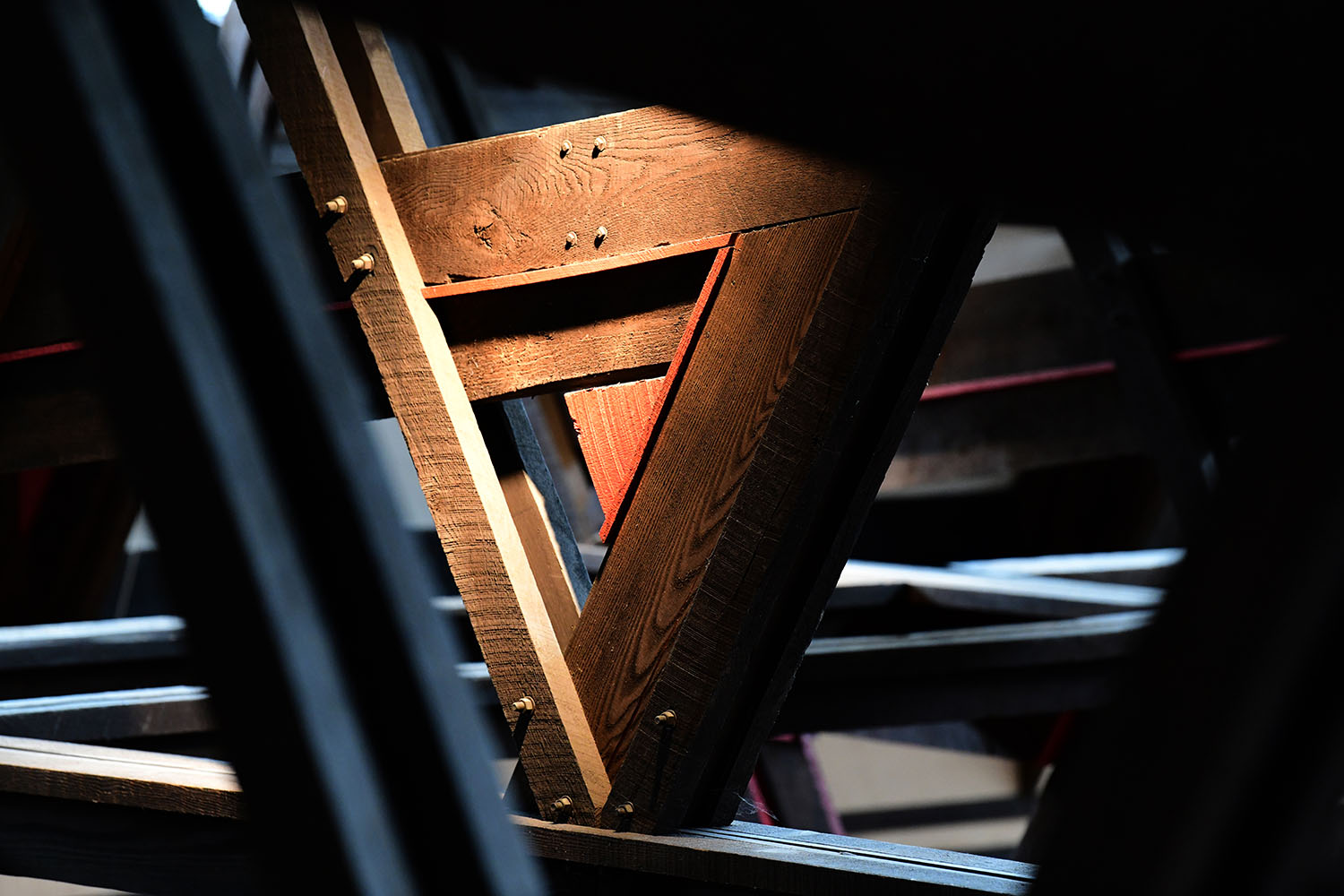
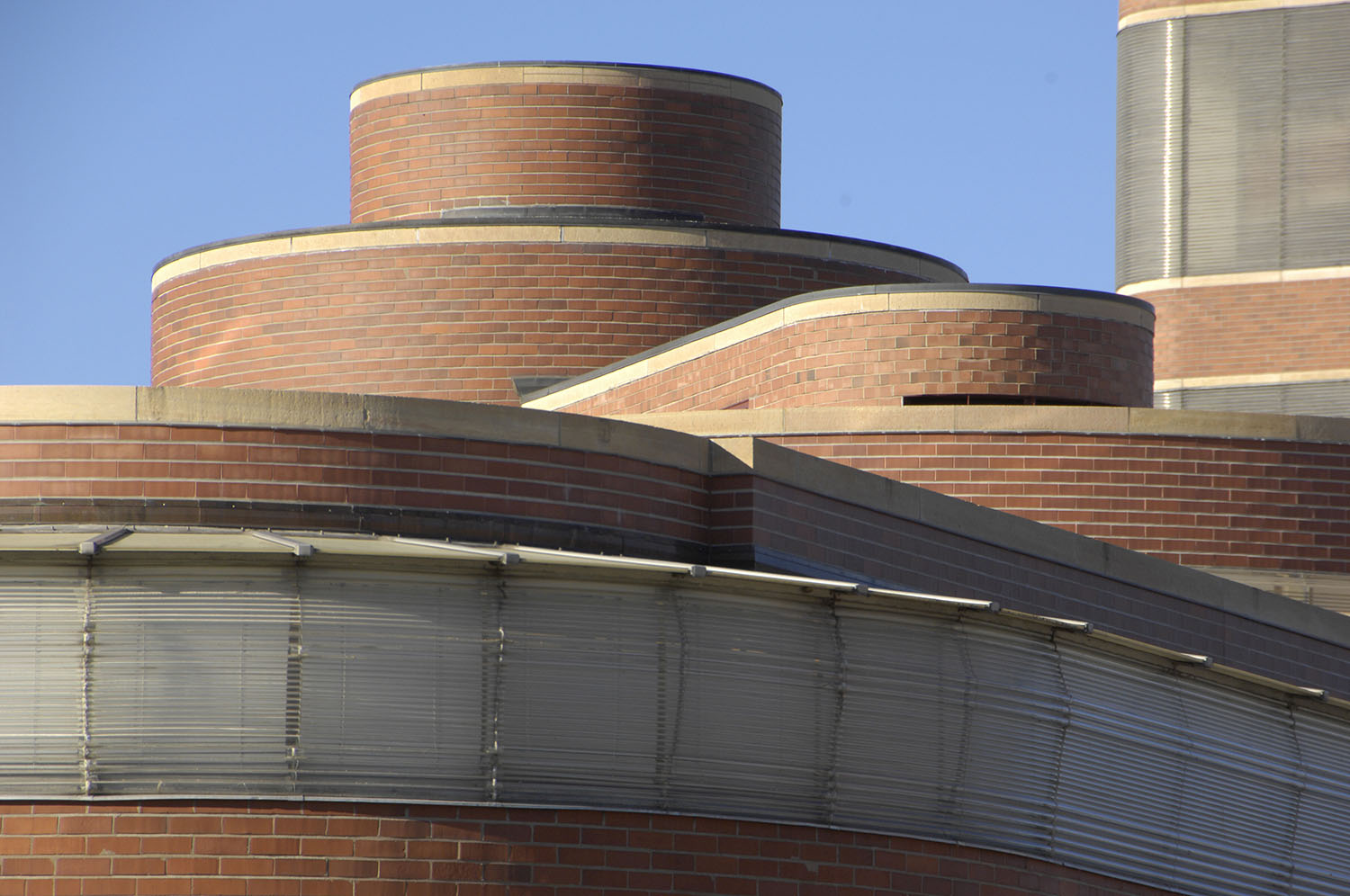
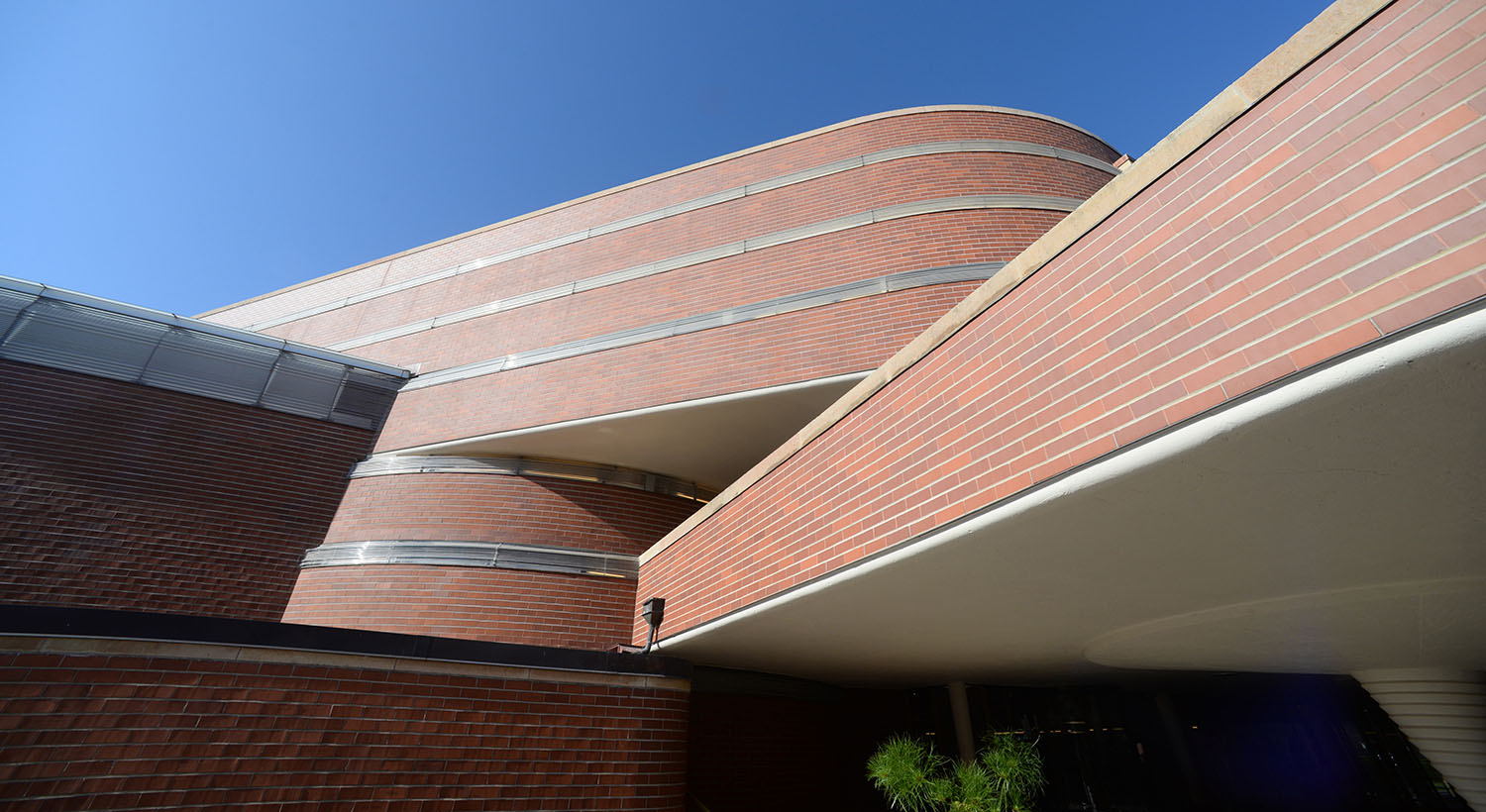
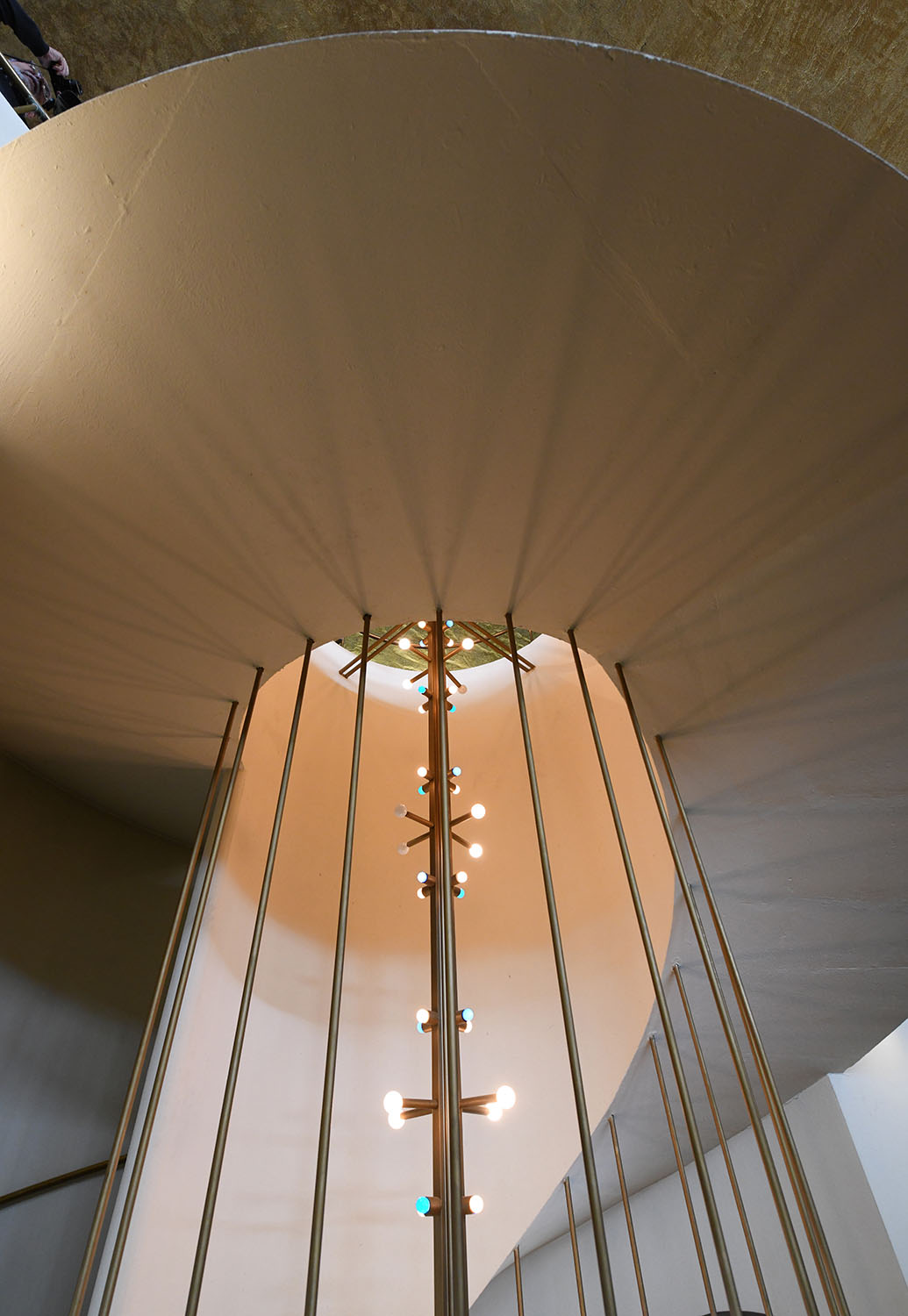
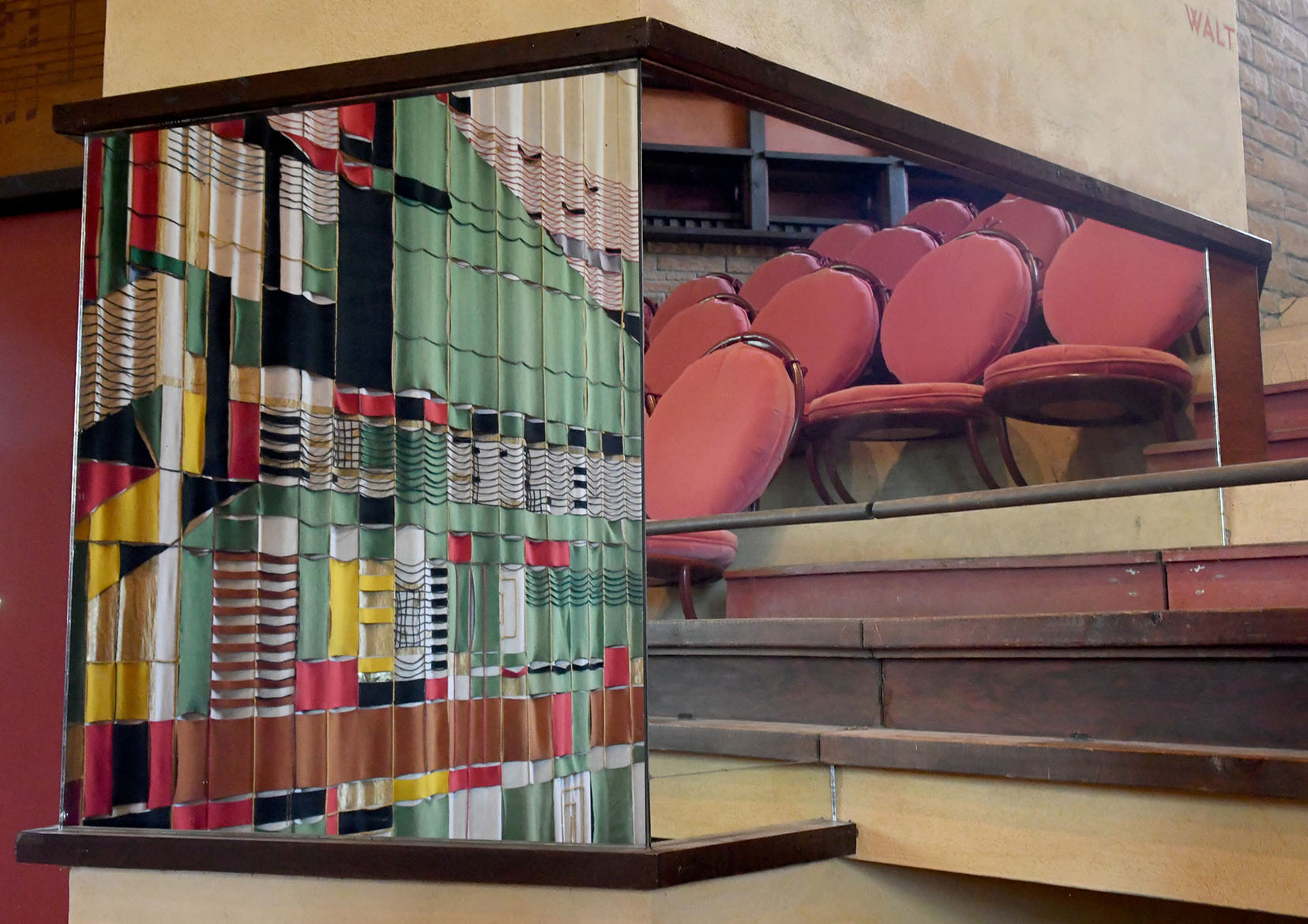
The photographs are from our stay at the hotel in April 2011. Scott Perkins, who was the Curator of Collections and Exhibitions and at the Price Tower Arts Center, was our host, graciously allowed me to photograph every nook and cranny of the building (he is now Fallingwater’s senior Director of Preservation and Collections).

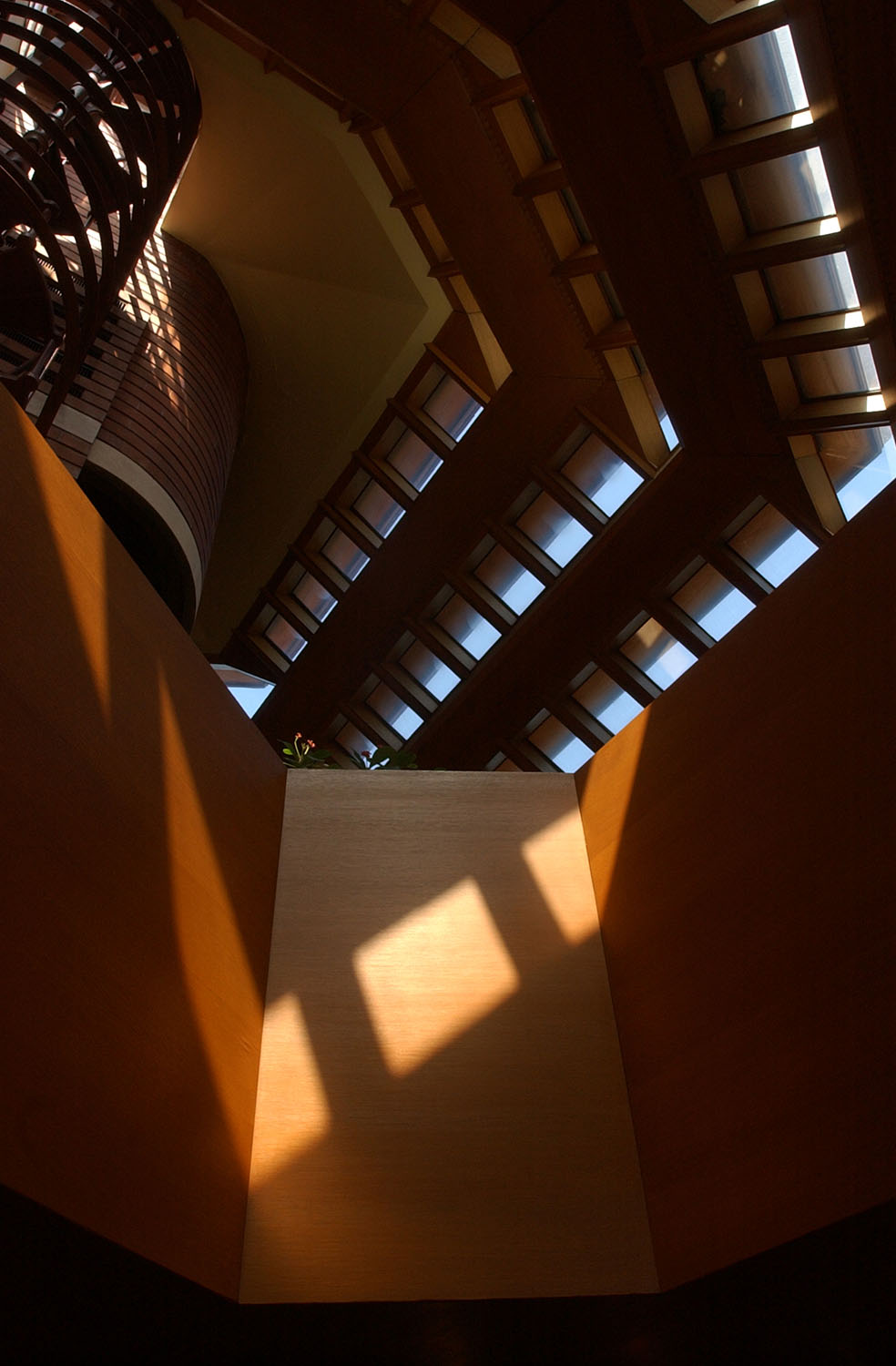
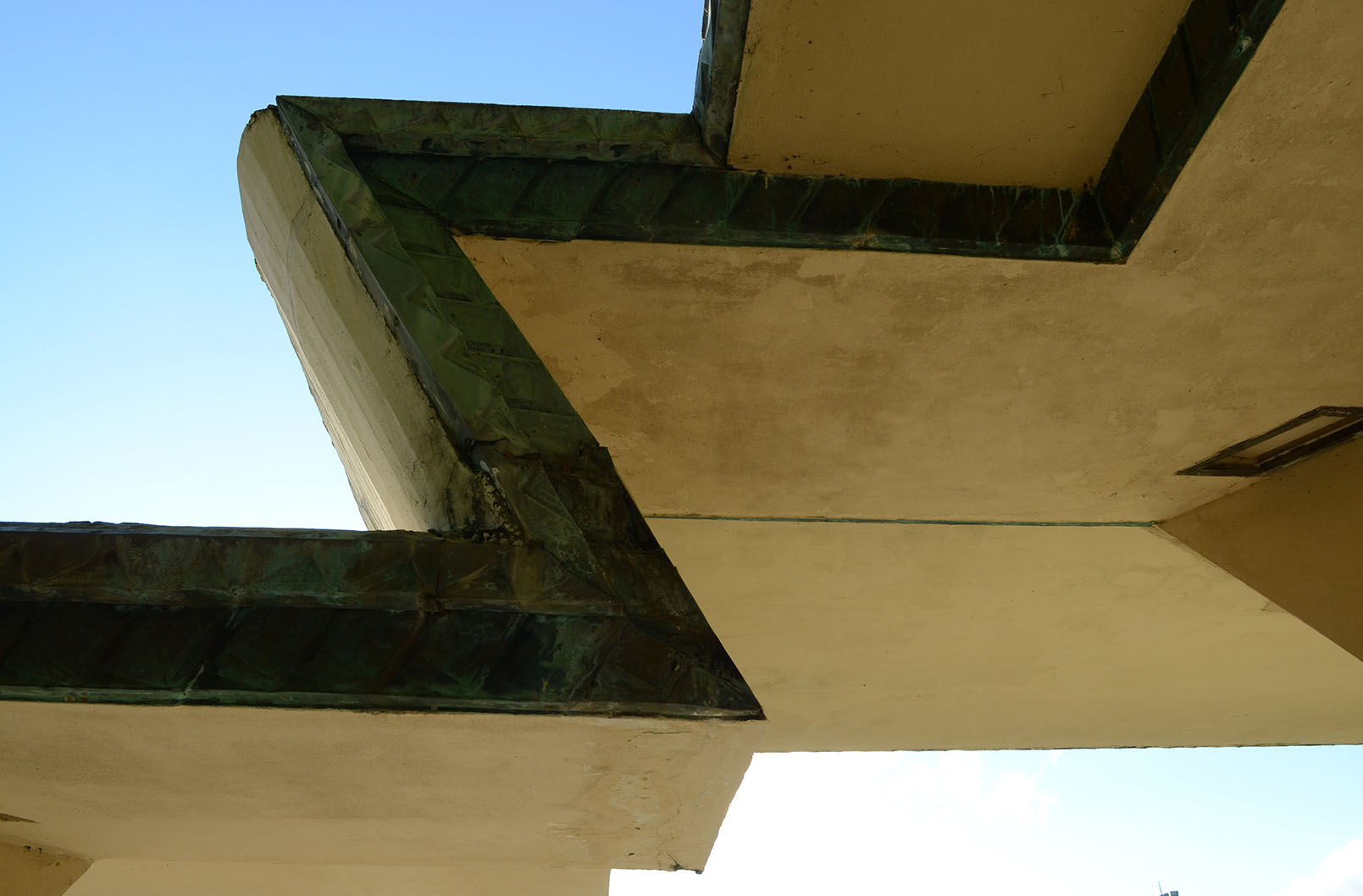
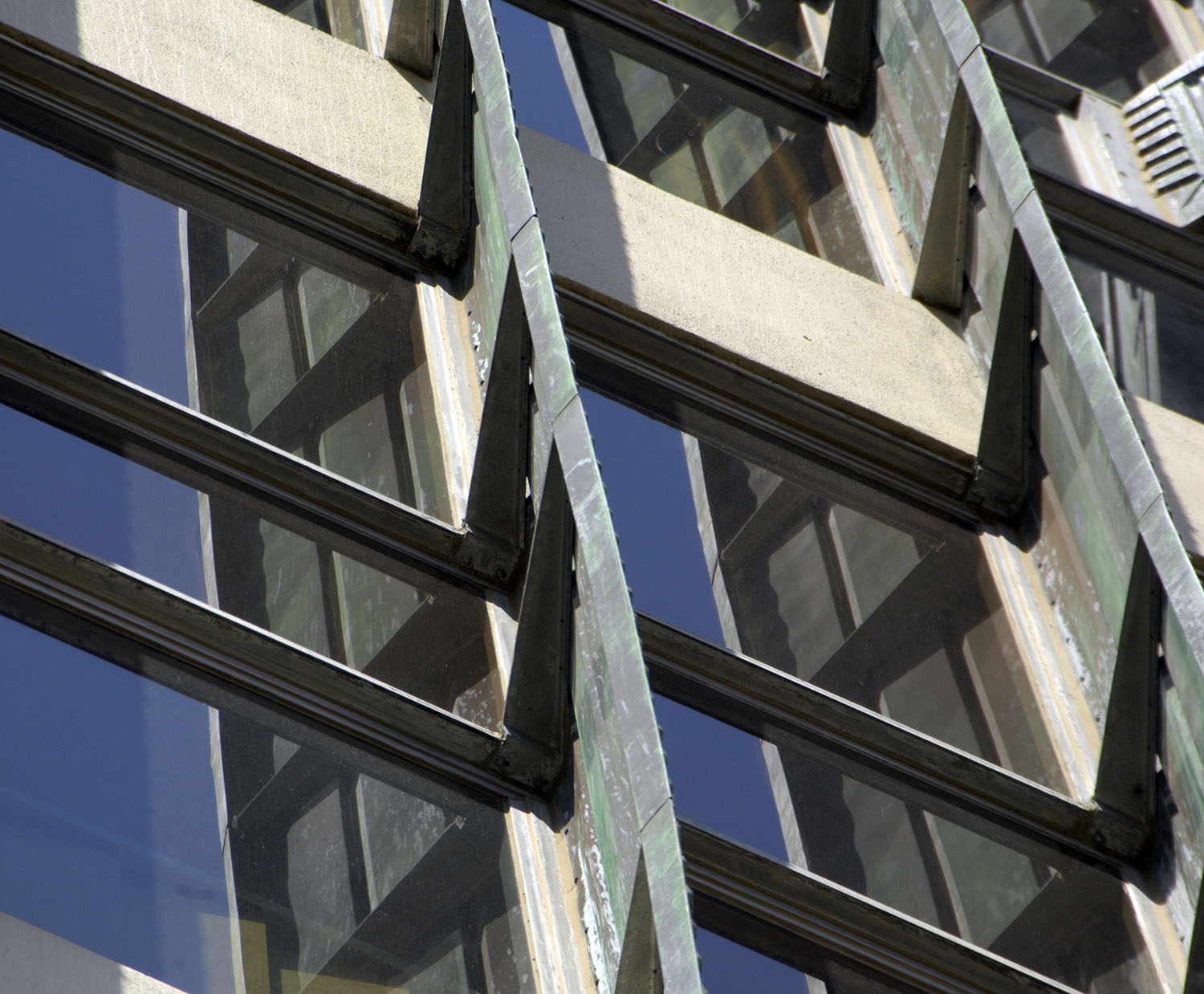
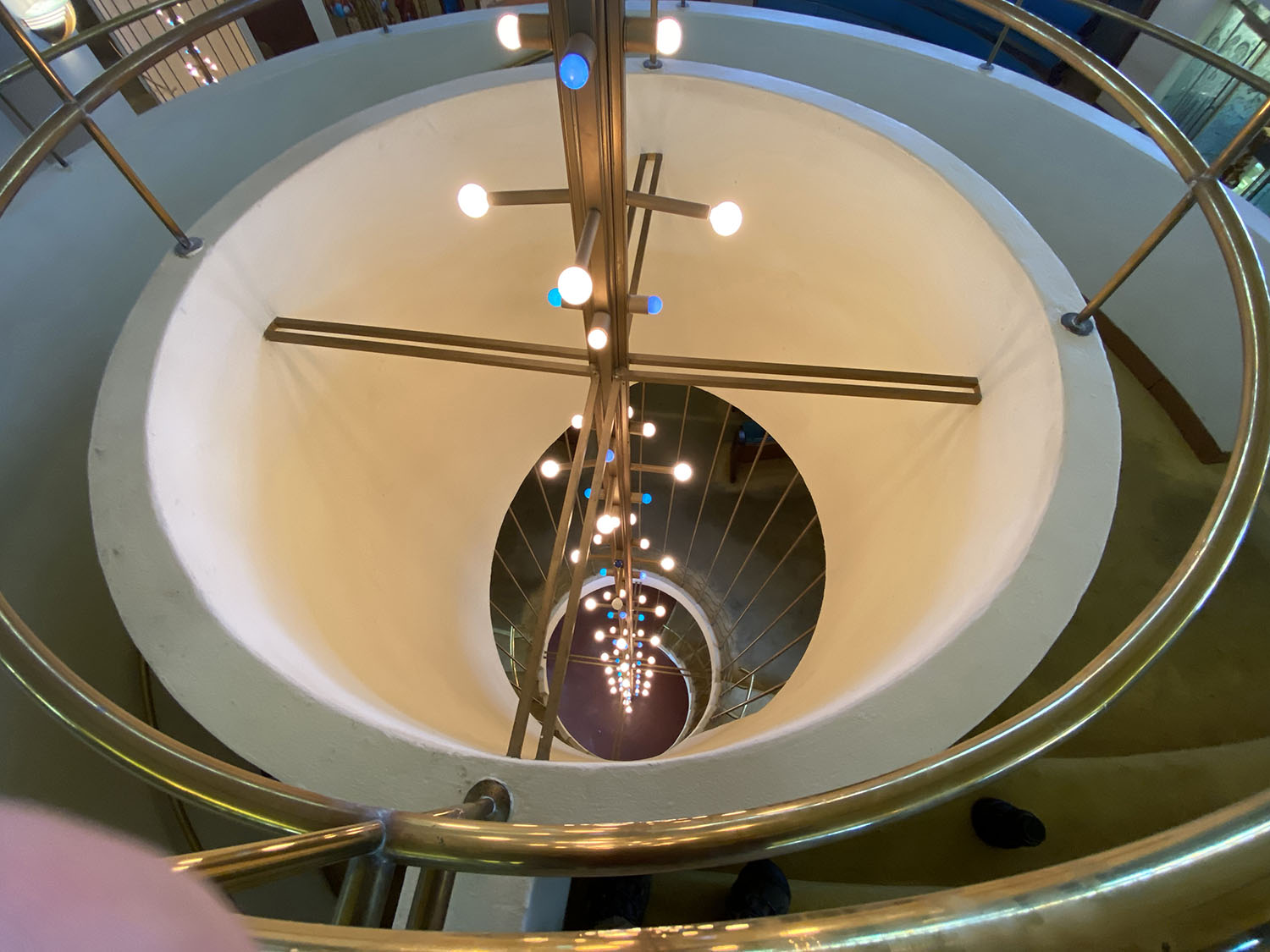
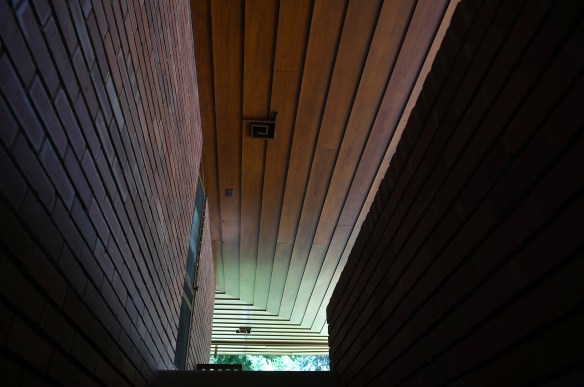
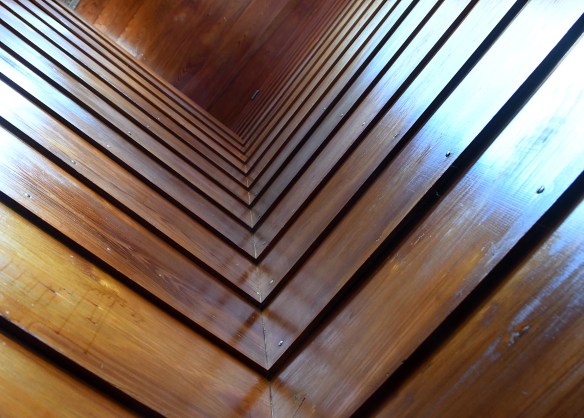
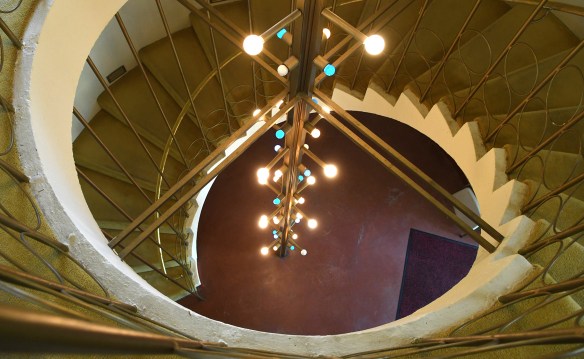
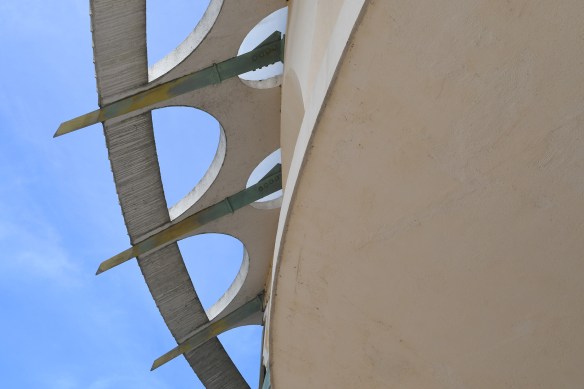
Oklahoma Frank Lloyd Wright Price Tower 014.JPGThis photograph and the one below were taken looking up on the external staircase.
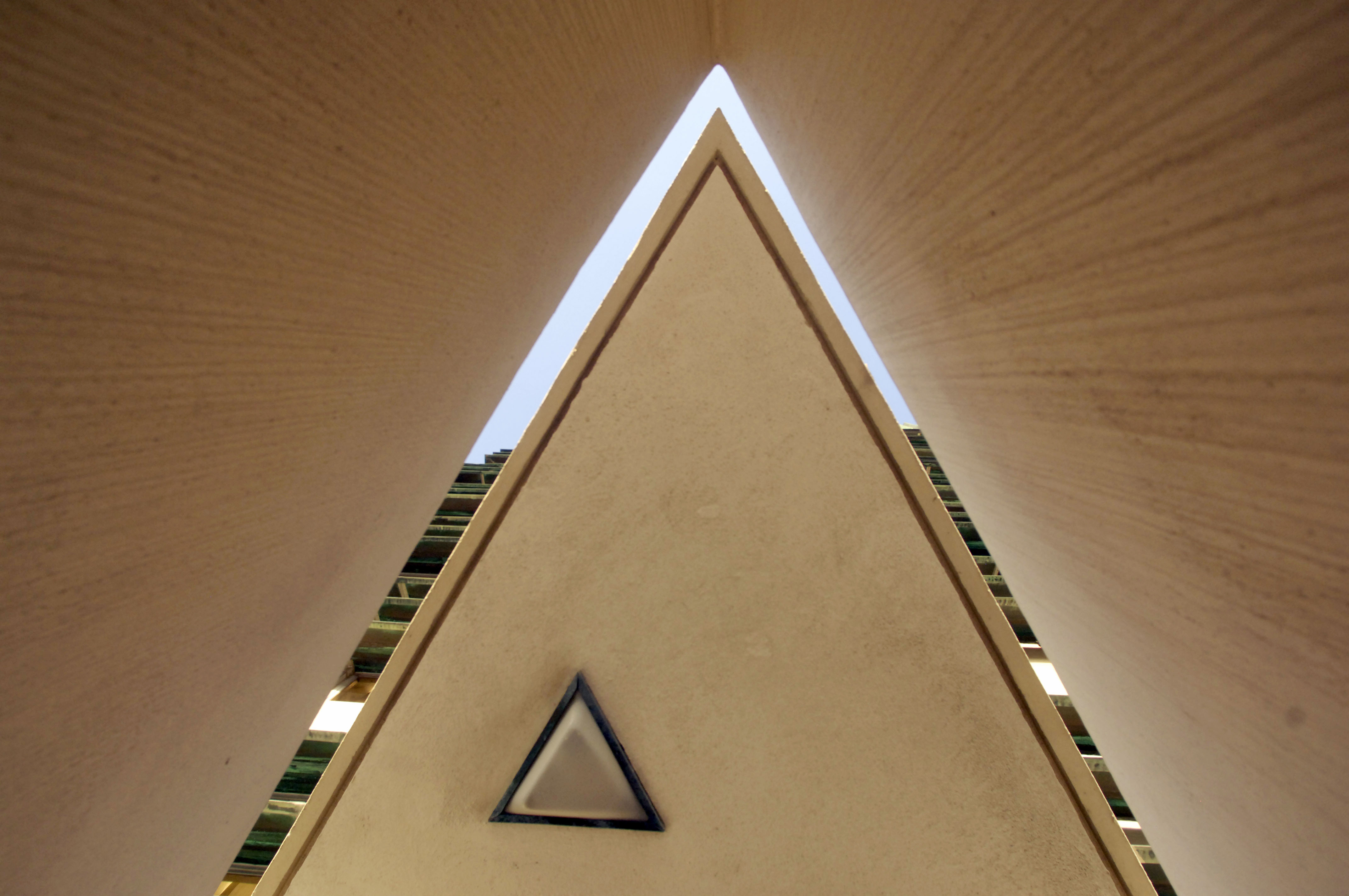
Oklahoma Frank Lloyd Wright Price Tower 013.JPG

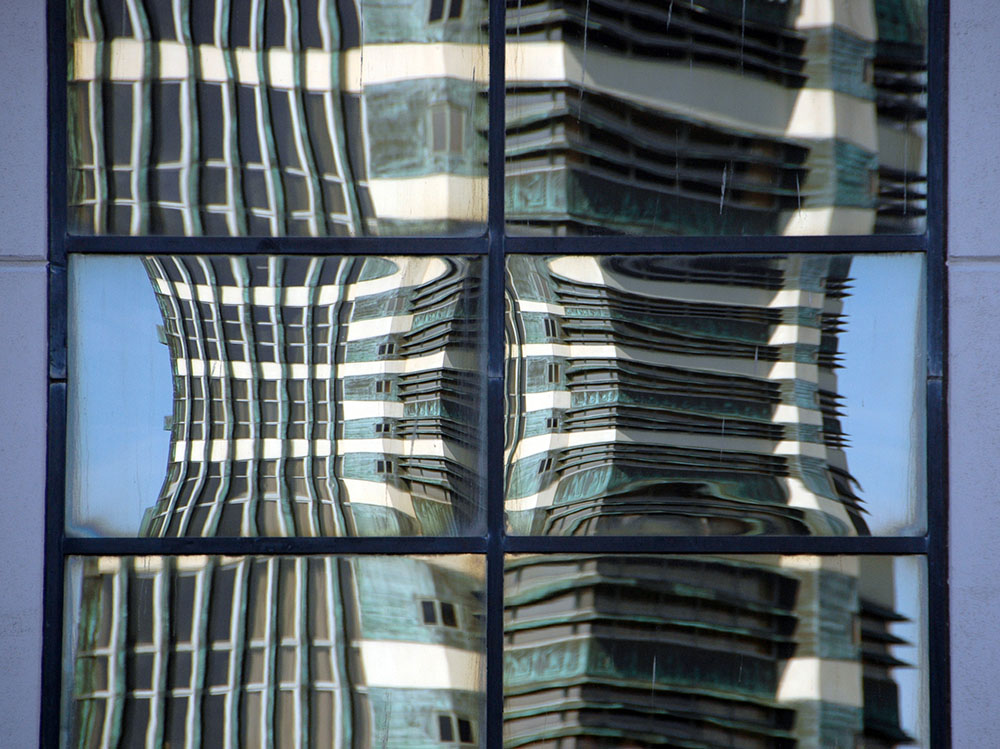
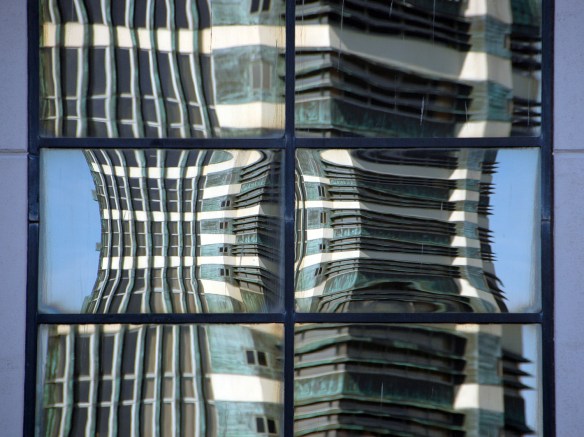
Oklahoma Frank Lloyd Wright Price Tower 010.JPGPrice Tower reflected in a nearby building
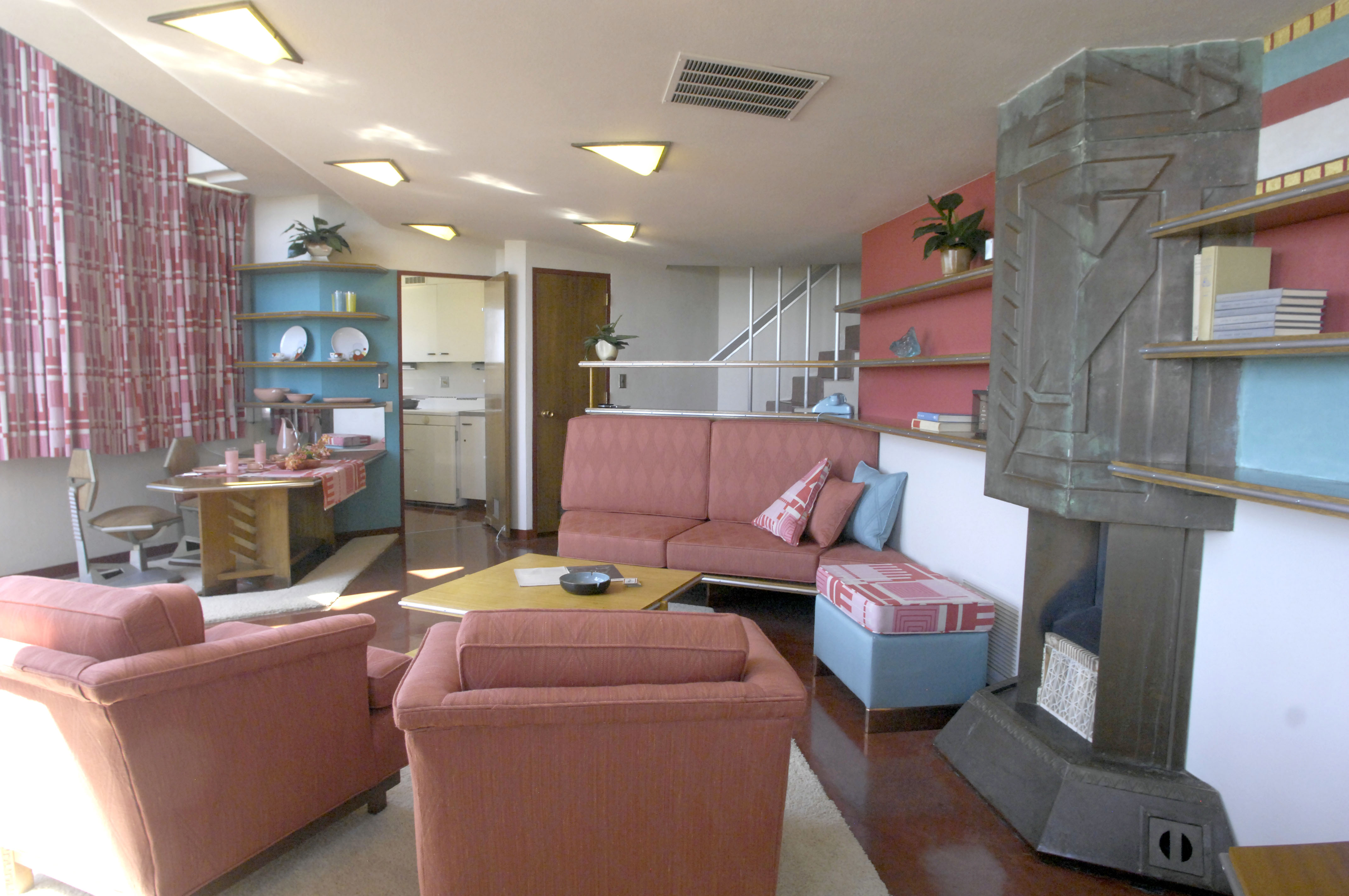
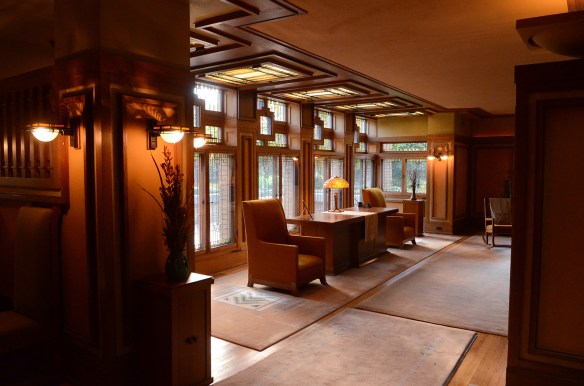
Oklahoma Frank Lloyd Wright Price Tower 019.JPGThe living room of one of the original apartments

Oklahoma Frank Lloyd Wright Price Tower 018.JPGThe sitting room on the lower floor of one of the two-story hotel rooms

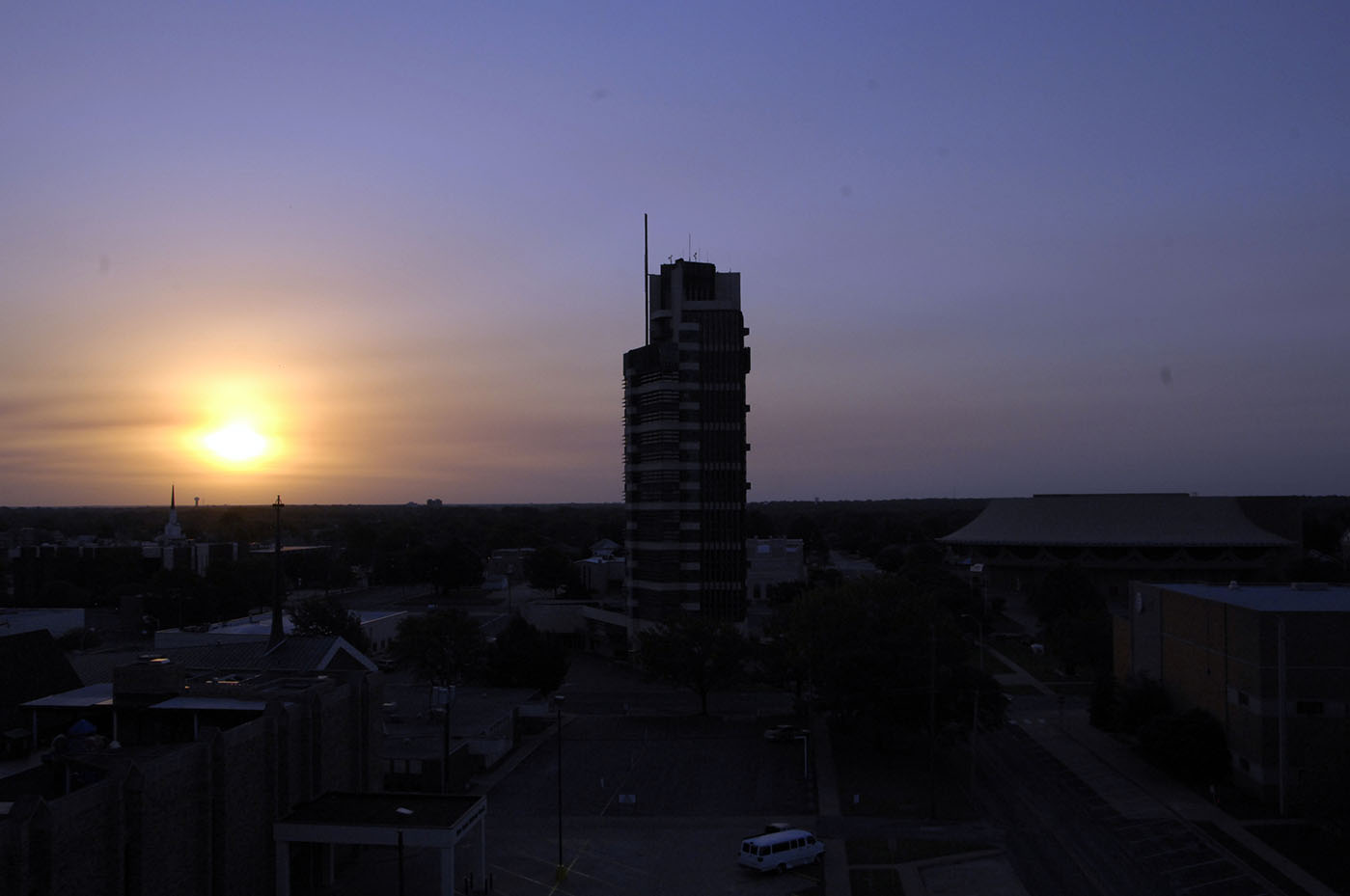
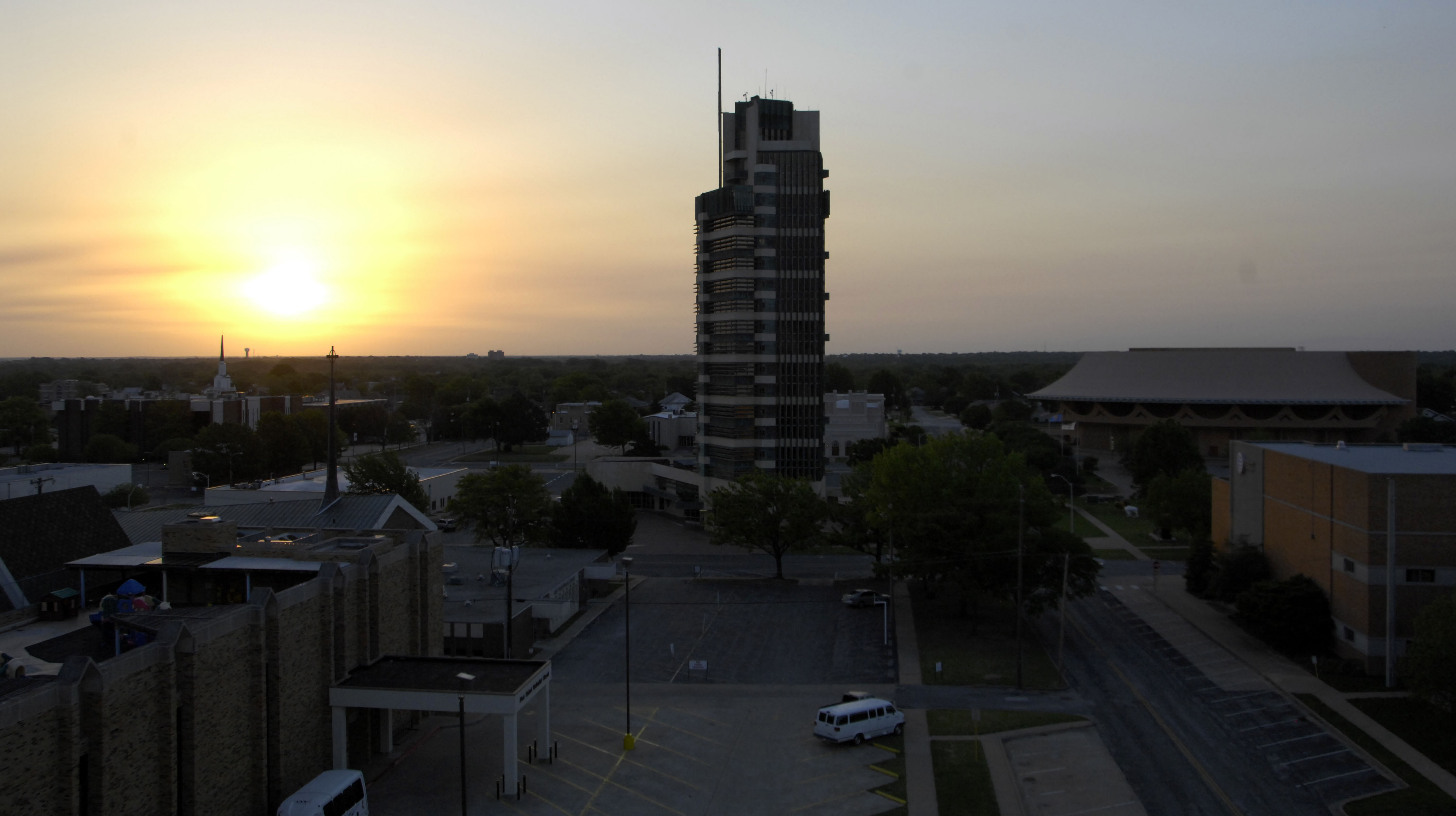
One can only hope that my sunset photo of Price Tower was not a harbinger of things to come.
Oklahoma Frank Lloyd Wright Price Tower 002.JPG

Oklahoma Frank Lloyd Wright Price Tower 017.JPG

Oklahoma Frank Lloyd Wright Price Tower 012.JPG

*While Price Tower was designed around Wright’s idea of a taproot tower, the late Bruce Brooks Pfeiffer told me that it is not a taproot tower because it is tied into the foundation of the adjoining two-story office building. He told me that the SC Johnson Research Tower in Racine is Wright’s only realized taproot tower.

Author’s note: Thank you to the Frank Lloyd Wright Building Conservancy for their attention to the tower, and to the Building Conservancy’s John Waters for his editing notes on this article.

Please scroll down for previous posts on this site.

Links:

Frank Lloyd Wright Building Conservancy coverage:

https://savewright.org/endangered-price-tower-in-bartlesville-oklahoma/

Local television coverage:
https://www.newson6.com/story/66b6bcf3e64a7a286feca72e/price-tower-in-bartlesville-closes-due-to-financial-struggles-future-uncertain

A New Look at That Odd New House in Hyde Park

© Mark Hertzberg (2024)

In print, on a phone, on a tablet, on a television screen…it doesn’t matter what the medium, as modern media constantly bombards us with countless images. We are immune to most of them. Just a small handful of still photographs stop us in our tracks. We were reminded of that recently after the attempted assassination of former president Donald Trump. Such are the moments in history that we remember because of a still photograph. Is that the case in the World of Wright?

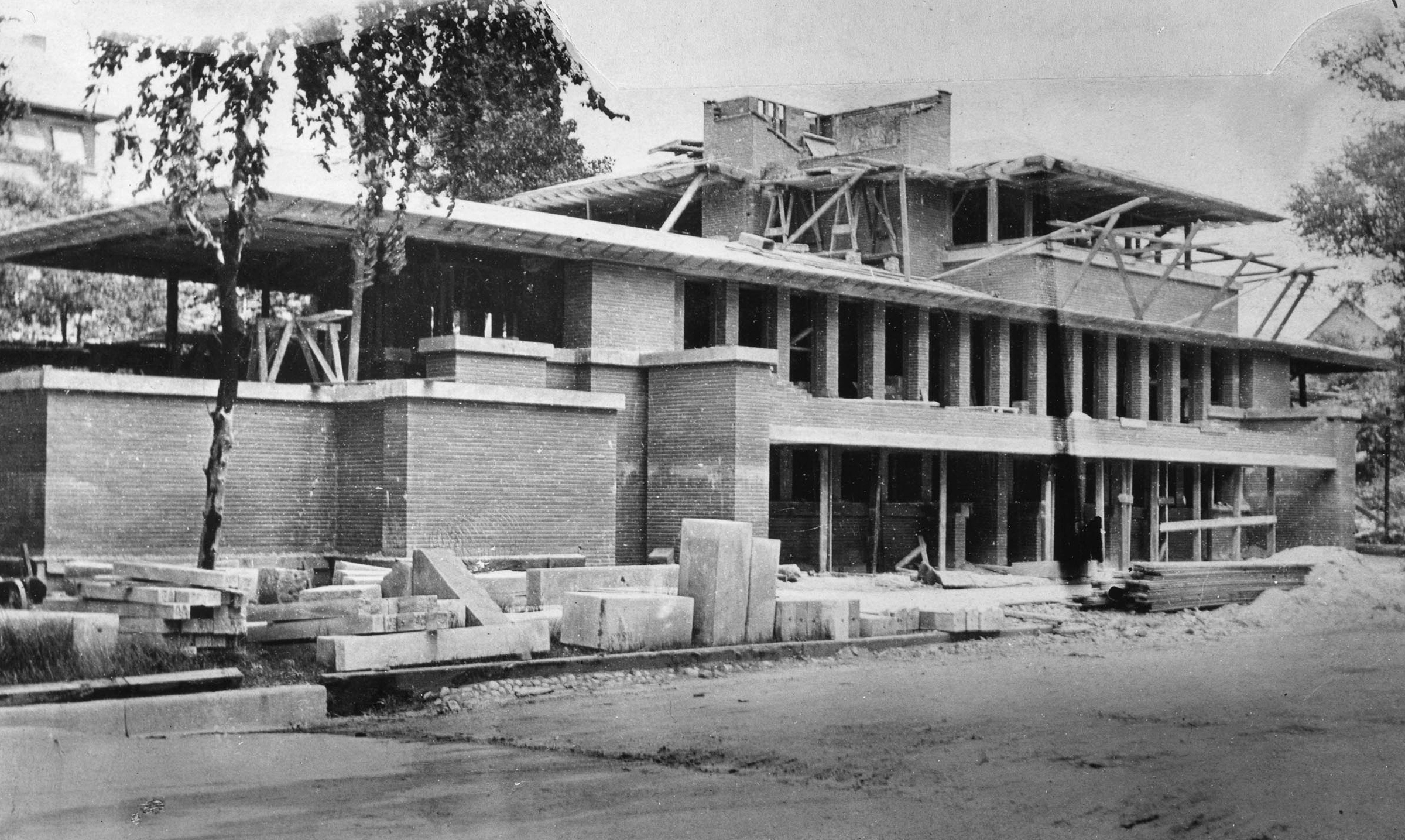
There are umpteen photographs of Frank Lloyd Wright’s completed buildings. What sticks in my mind today, however, is an arresting photograph of Wright’s Frederick C. Robie House. It is not another same-old, same-old photo of the house. Rather, it is one of Wright’s ship-like, Prairie-style house at 58th and Woodlawn in Chicago’s Hyde Park neighborhood under construction in the summer of 1909.

Robie Construction.jpgPhotograph courtesy of Eric M. O’Malley, from his private collection
This photograph stopped me in my tracks when I was reading the latest issue of “OA+D,” the Journal of Organic Architecture and Design. Each issue is devoted to a single topic, in this case the Robie House. Wright scholar Kathryn Smith gives readers a definitive account of the history and architectural significance of the house, “Space was no longer static, but dynamic. It was a revolutionary new idea, and one that would profoundly change 20th century architecture in the decades ahead.” Her article is richly illustrated with drawings from the Wasmuth portfolio, and historic and contemporary photographs. There are about 30 construction photos taken between April 1909 and April 1910, mostly by Harrison Bernard Barnard.

I found this one particularly striking. I was mesmerized. It reminded me of something Wright scholar Jonathan Lipman wrote to me when I was writing my book about Wright’s Thomas P. Hardy House, “One can get a sense of its impact in 1906 Racine by imagining if, instead, a swooping, curved titanium house by Frank Gehry were built on the site a century later.” What, indeed, did people in Hyde Park think when they saw this rising in their neighborhood?

With no television to distract them after dinner, did neighbors regularly stroll after supper, making it a point to pass by the odd house rising at 58th and Woodlawn? Were they struck, as I was by this photograph, or did they murmur in disapproval? Although Wright and Mamah Borthwick (Cheney) would not leave for Europe together until the fall of 1909, had word of their affair traveled from Oak Park to Hyde Park? Was this odd house then a confirmation of prejudices people might have had against a man who was upending social mores? Or were they progressive thinkers, perhaps people who taught at the nearby University of Chicago which opened in 1892, who were excited and intrigued by what they were seeing on that corner lot?

The house had been rising for several months when this photograph from Eric M. O’Malley’s private collection was taken in the summer of 1909. The superstructure of the house is almost complete. We have a sense of what the house will look like, but it is still a mystery in many respects. For example, we see only empty spaces where magnificent leaded glass windows will be installed. I think it is that sense of mystery, of the unknown, that excited me.

Robie was built 16 years after the World’s Columbian Exposition in nearby Jackson Park. Only Louis Sullivan’s Transportation Building had broken the fair’s landscape of one Classical Revival-style building after another. Wright’s Heller, Blossom and McArthur houses are nearby , but are not as startling as Robie would have been in 1909. Rockefeller Chapel nearby at the University of Chicago would not be built until 1928, and it would be a traditional Gothic design, reinforcing the startling design of Robie, perched on its corner lot. Startling and groundbreaking, indeed.

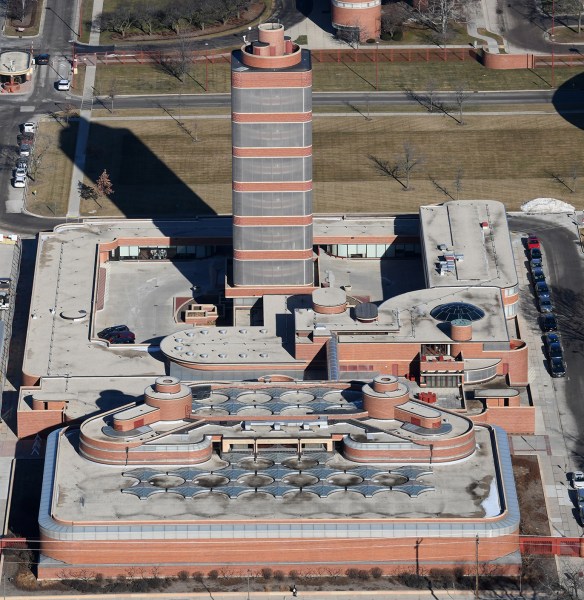
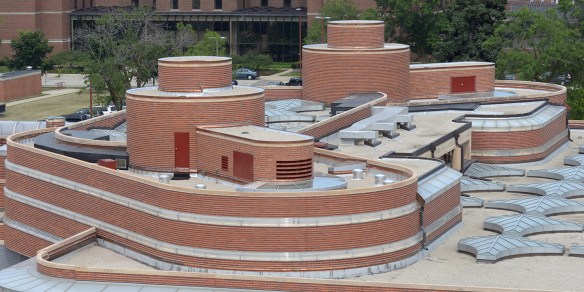
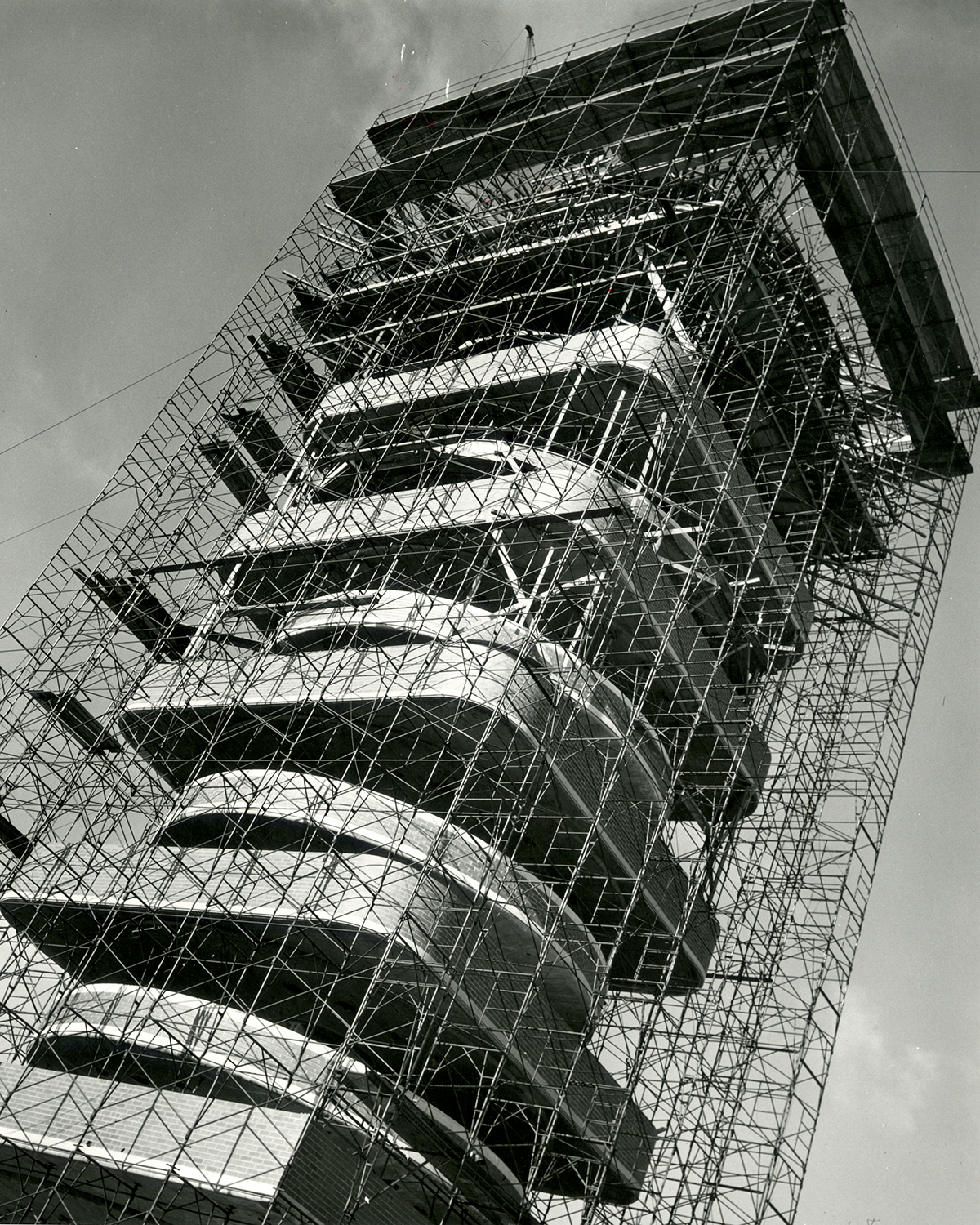
As I thought about this article for a month or more, the photograph of Robie brought to mind one more Wright construction photo. It is of the SC Johnson Research Tower in Racine. The Tower was designed in 1943/44, and built between November 1947 and November 1950. It is Wright’s only realized taproot tower.* This photograph reminded me of a child’s stacking toy when I ran across it in Johnson’s archives when I was writing my book at the Research Tower in 2009. What, then, did people living near 1525 Howe Street in Racine (two miles from my home) think when this began rising above their traditional houses?

LR Constr. toy.jpgPhotograph courtesy of SC Johnson Archives
Dozens of books have been published with photographs of Wright’s finished work. The late Sam Johnson, whose father H.F. Johnson Jr. commissioned the SC Johnson Administration Building, the Research Tower, and Wingspread, among others (unrealized), remarked to me “The world does not need another book about Frank Lloyd Wright.”** Perhaps it needs one comprised soley of photographs of his buildings under construction.

P.S. I think Eric O’Malley was also dazzled by the photograph…it appears twice in the magazine, the first time as a chapter title page.

Footnotes:

*The late Bruce Brooks Pfeiffer, who wrote the Foreword to my book about the Research Tower, told me that although Price Tower looks like a taproot tower, it is not one because it is tied into the foundation of the adjoining two-story office building. He said Racine was Wright’s only realized taproot tower.

**The context for Johnson’s remark was that I was pitching my idea for a book which became my “Wright in Racine” book (Pomegranate: 2004). The rest of his observation was, “…but it does need one about his work in Racine.” I was elated and treated myself to a Dove ice cream bar after leaving our meeting.

Link to OA+D store and Robie issue of the Journal:

Screenshot 2024-07-25 at 6.00.09 AM.png

https://store.oadarchives.org/product/journal-oa-d-v12-n1

Please scroll down for previous articles on this blog


Wright’s Birthday: Wright in the Abstract

Photos © Mark Hertzberg (2024)

LR Frank Lloyd Wright in Racine.jpgSC Johnson Administration Building, Racine (1936)
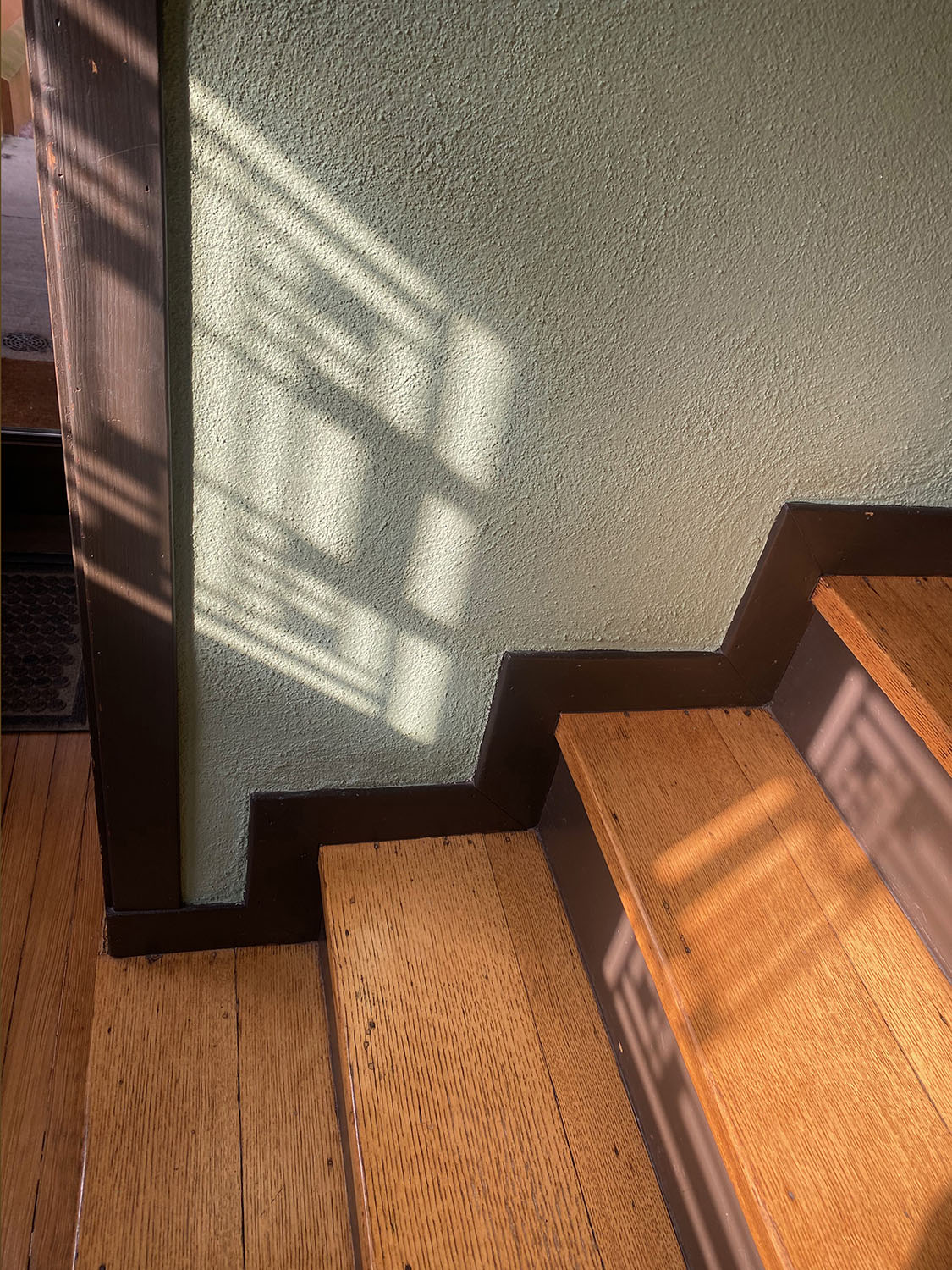
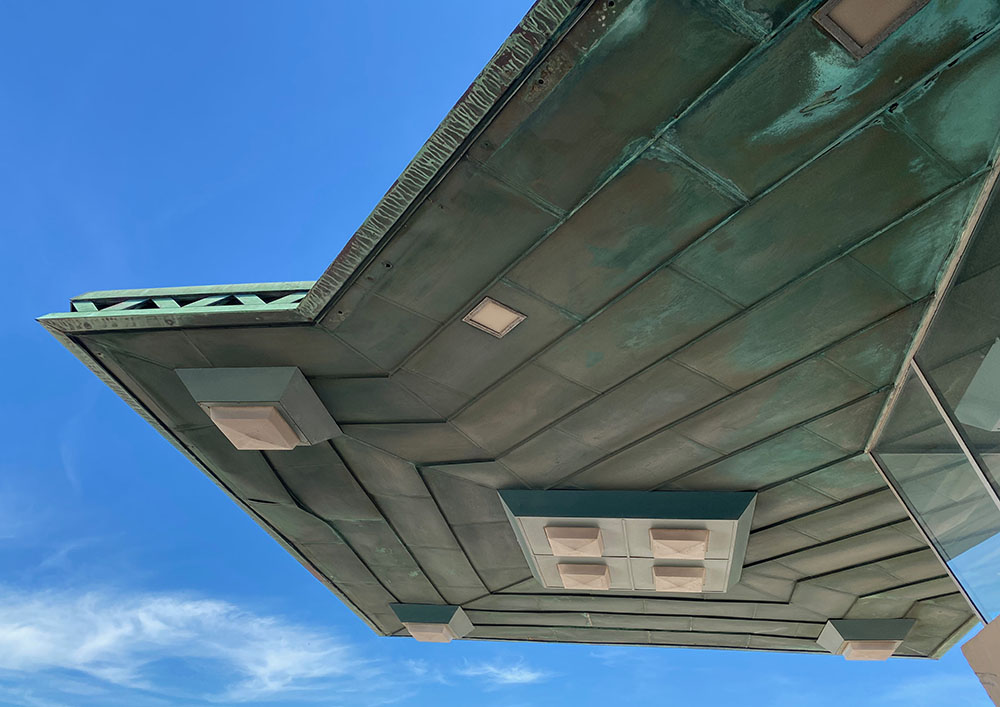
It is June 8, Frank Lloyd Wright’s 157th birthday. Social media sites devoted to Wright are abuzz every year with birthday tributes. Sometimes I have something to post on “the day,” but not always. (June 8, 1968 or 6.8.68, my high school graduation day, is more significant to me personally, but that’s another story). I had nothing in mind to post this year until I took my customary morning bike ride and passed his Thomas P. Hardy House and the SC Johnson Administration Building and Research Tower which are on my bike route in Racine. I thought back to the fall of 2022 when my alma mater, Lake Forest (Illinois) College, honored me with a 50th anniversary Homecoming dual photo exhibit. One gallery was devoted to my career as a photojournalist, the other to my Wright-related photography. As I pedaled down Main Street this morning I decided to share the latter with you. The thesis of the exhibit was to present “Wright in the Abstract,” rather than only in record shots or head-on photos of his work. My challenge was to cull a few dozen photos of several thousand. The photos are in chronological order, based on the year of the commission, not the year of completion.

Romeo and Juliet Windmill, Spring Green (originally 1896, rebuilt 1938 and 1992):

LR Romeo and Juliet 1.23.22 006.jpg

Thomas P. Hardy House, Racine (1904-1905):

LR 1319 Gene + 10 007.jpg

Meyer May House, Grand Rapids (1908):

LR Meyer May House 054.jpg

LR Meyer May House 105.jpg

Hollyhock House, Los Angeles (1917):

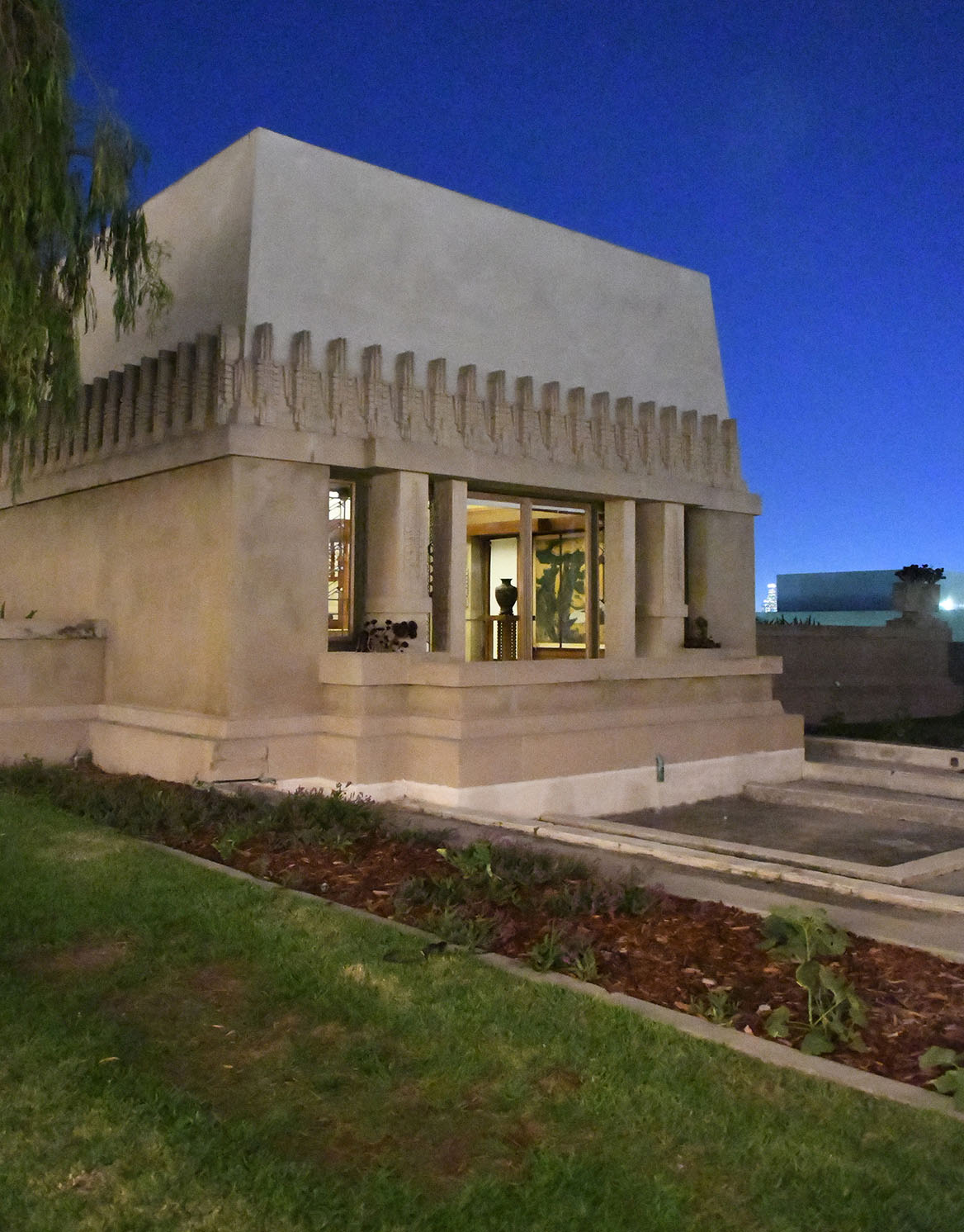
LR Hollyhock House 10.3.19 019.jpg

Taliesin III, Spring Green (1925):

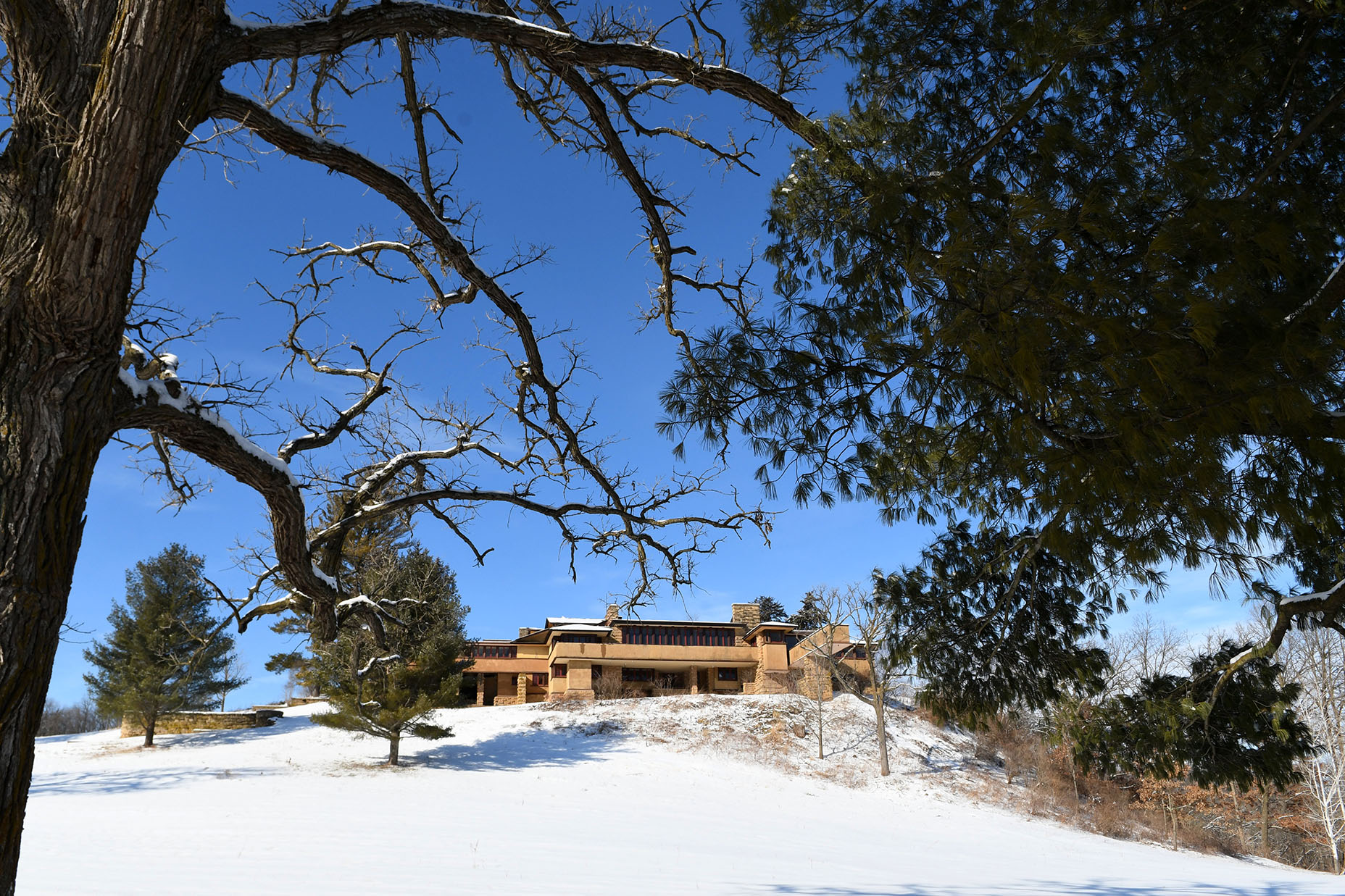
LR Taliesin 1.23.22 026.jpg

LR Taliesin 1.23.22 029.jpg

LR Taliesin 1.23.22 073.jpg

LR Taliesin.jpg

LR Taliesin 5.15.19 001.jpg

LR Taliesin 6.8.19 025.jpg

Tour guests in Wright’s bedroom at Taliesin III:

LR Taliesin Tour.jpg

Hillside Drafting Room, Spring Green (1932):

LR Hillside Drafting Room 5.20.22 017.jpg

SC Johnson Administration Building (1936) and Research Tower (1943-1944):
LR Adm Bldg Tower 2010 016.jpg

LR SCJ Admin. Building 2015 028.jpg

LR Adm. Bldg. Furniture  Jun 2012 027a.jpg

LR Glass Dome 2017 002.jpg

LR Glass Dome Sept4.07 014.jpg

Herbert F. Johnson Jr. Home (Wingspread), Wind Point (1937):

LR Clerestory Sun 013.jpg

LR Wingspread Aerial 6.16.21 011.jpg

Florida Southern College, Lakeland (Beginning in 1938):

LR Esplanades 067.jpg

LR Esplanades 094.jpg

LR Esplanades 086.jpg

SC Johnson Research Tower, Racine (1943-44):

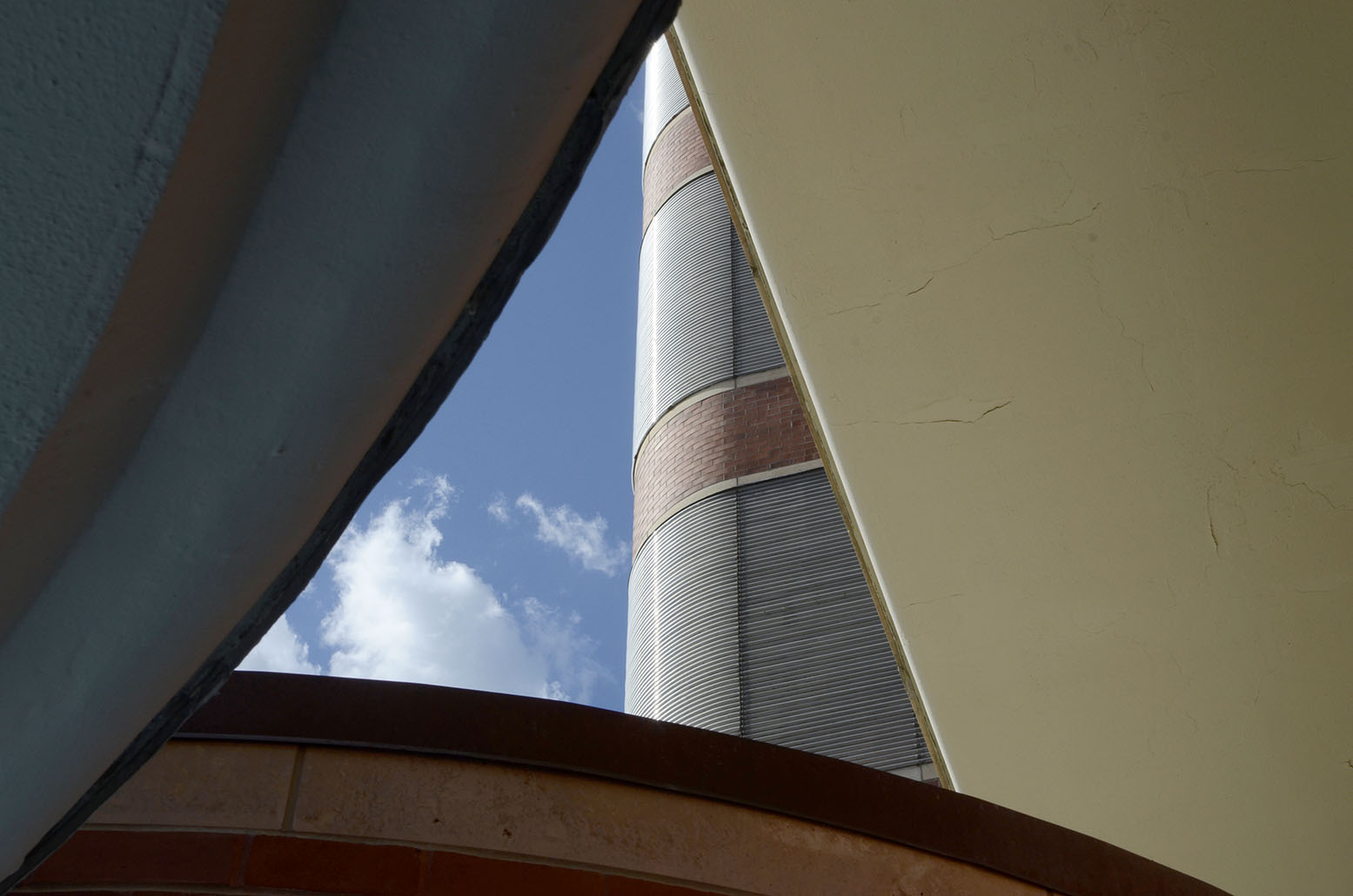
LR Tower framed 009.jpg

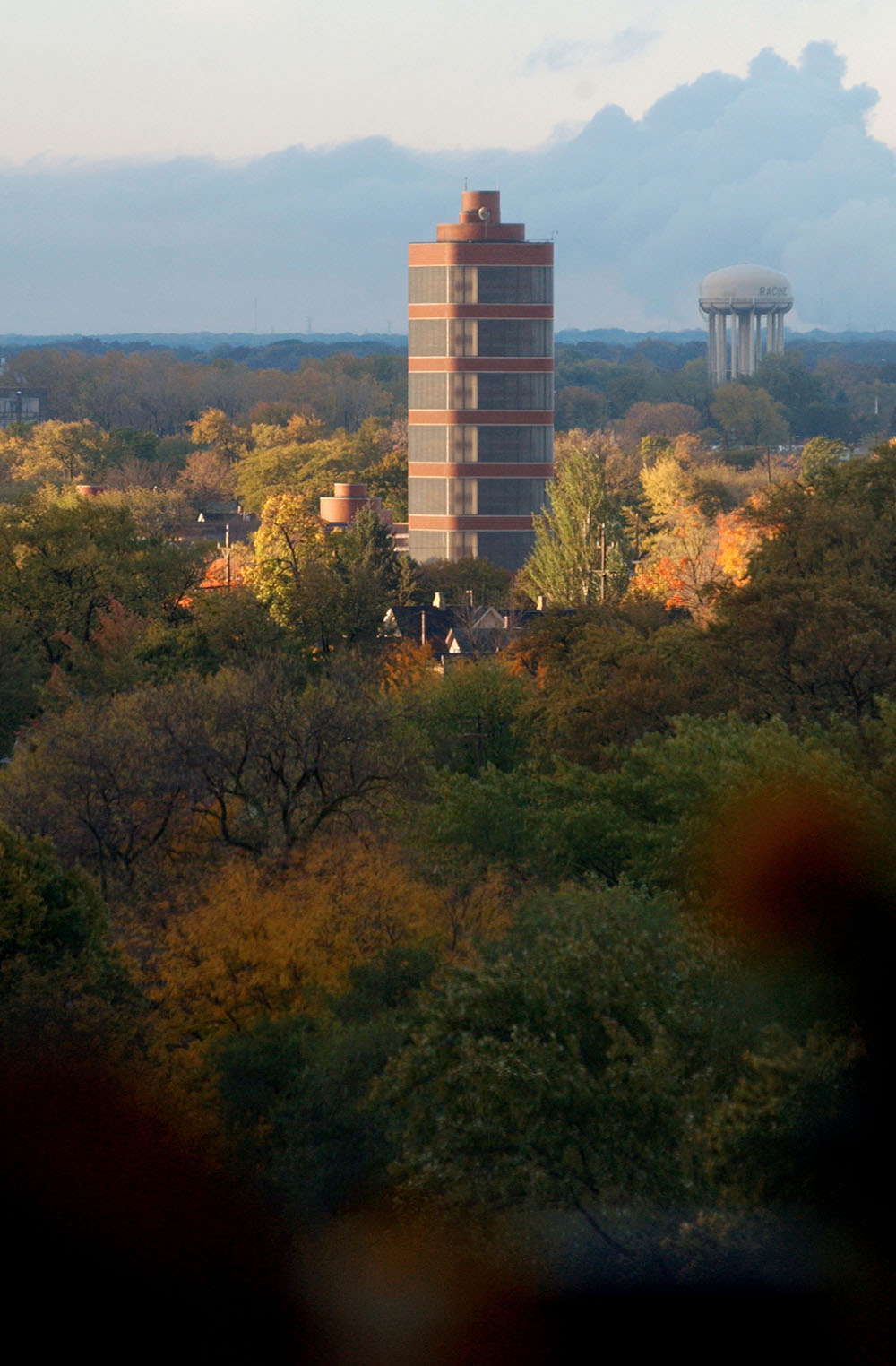
LR Tower Fall Sun.jpg

LR SC Johnson Admin Building Tower 6.16.20 003.jpg

Solomon R. Guggenheim Museum, New York (1943):

LR Guggenheim Museum 2017 025.jpg

Price Tower, Bartlesville (1952):

LR Price Tower a Sunrise 005.jpg

LR Price Tower Reflection 005.jpg

LR Price Tower Misc. Details 062.jpg

Annunciation Greek Orthodox Church, Wauwatosa (1956):

LR AGOC 6.16.22 048.jpg

LR AGOC 6.16.22 060.jpg

LR AGOC Interiors 9.17.19 011.jpg

Lindholm Service Station, Cloquet, Minnesota (1957):

LR Lindholm Service Station 6.7.21 020.jpg

Marin County, California, Civic Center (1957):

LR Marin County 2015 007.jpg

LR Marin County 2015 055.jpg

I will close with a photo I took just a few weeks ago when I was given the opportunity to preview the newly-restored Hillside Theater (1952), which is being inaugurated this evening, literally just as I am putting this piece together:

LR Frank Lloyd Wright Hillside Theater Restoration 028.jpg

People have often asked me what attracts me to Wright’s work. As a photographer, I have a visual attraction to his work. That grew in part out of my newspaper photo assignments at the SC Johnson Administration Building. But beyond that, as I began to study his work, I was struck by the evolution of his designs from the 1890s until his death in 1959. Happy birthday, Frank Lloyd Wright, and thank you for your contributions to helping us reimagine the spaces in which we live, work, and worship.

Please scroll down in http://www.wrightinracine.com for previous posts


“Furniture Done Wright” Now on Exhibit

© Mark Hertzberg (2024)

LR SCJ Wright Furniture 003.jpg

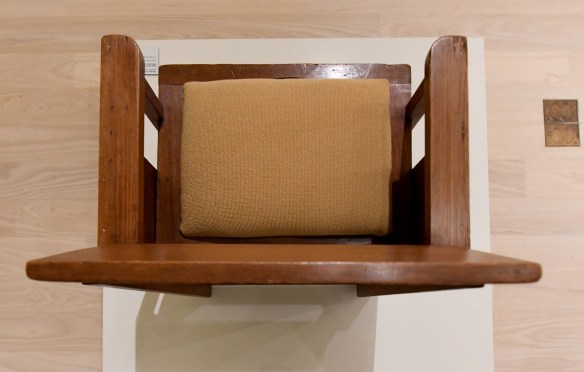
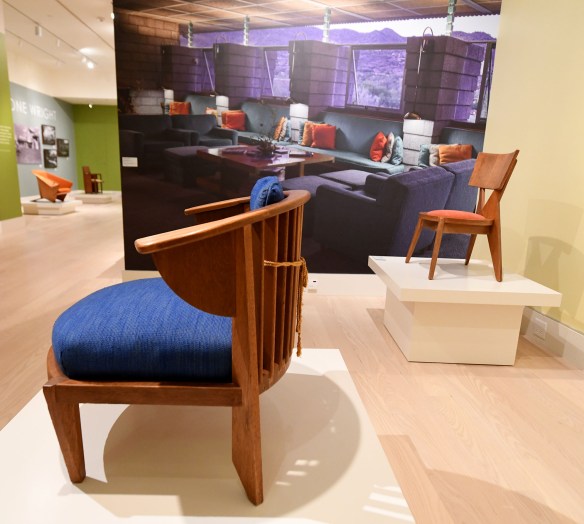
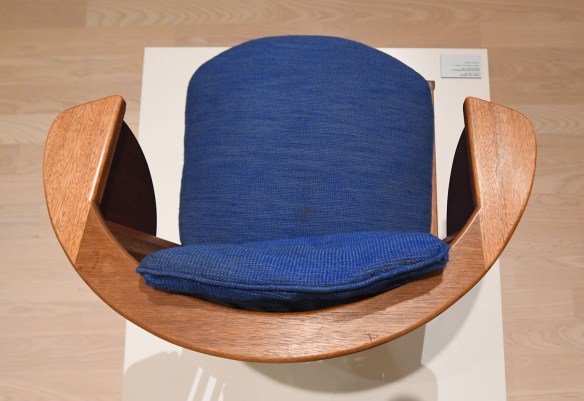
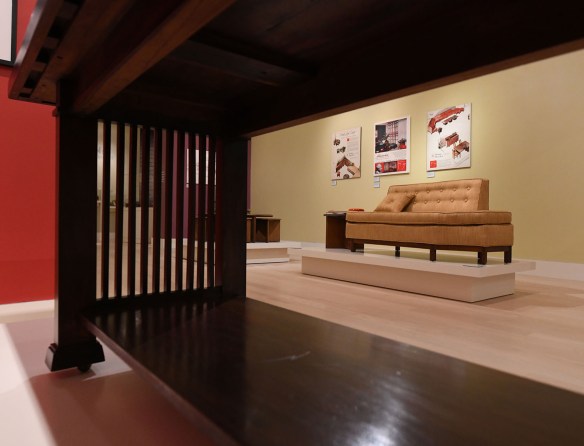
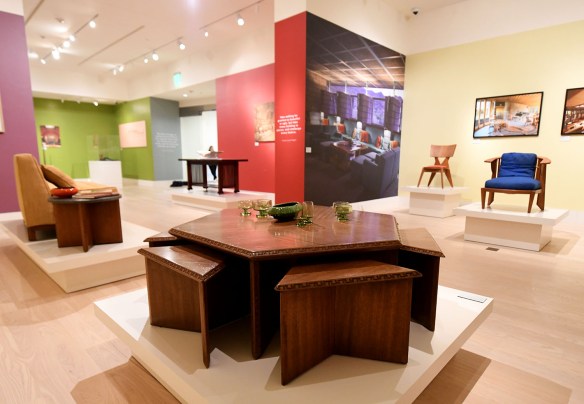
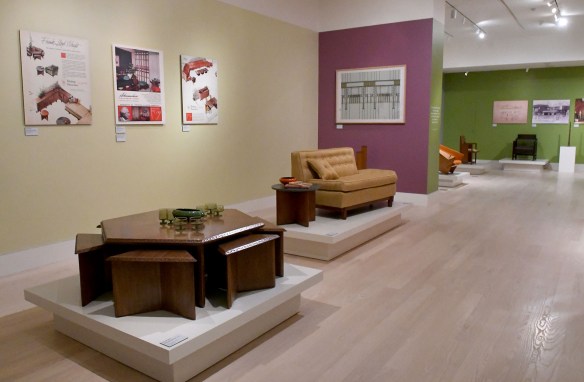
Hiring Frank Lloyd Wright to design a building meant more than just a bricks and mortar job. The entire space – interior as well as exterior – had to be cohesive. His organic designs often included furniture and lighting fixtures he proposed for his clients. Examples of his interior designs are now on display in “Furniture Done Wright” in SC Johnson’s Wright Gallery: At Home with Frank Lloyd Wright in Fortaleza Hall on the company’s campus in Racine, Wisconsin.

LR SCJ Wright Furniture 004.jpg

LR SCJ Wright Furniture 007.jpgA dining chair from Taliesin (c. 1925) frames a view of the library table for the Edward C. Waller House Remodeling (1899).

LR SCJ Wright Furniture 016.jpgThe library table, in turn, frames the Taliesin chair and an “origami chair” from Taliesin West (1946).

LR SCJ Wright Furniture 010.jpg


LR SCJ Wright Furniture 012.jpg

Chairs from the David and Gladys Wright House (1950):

LR SCJ Wright Furniture 024.jpg

LR SCJ Wright Furniture 020.jpg

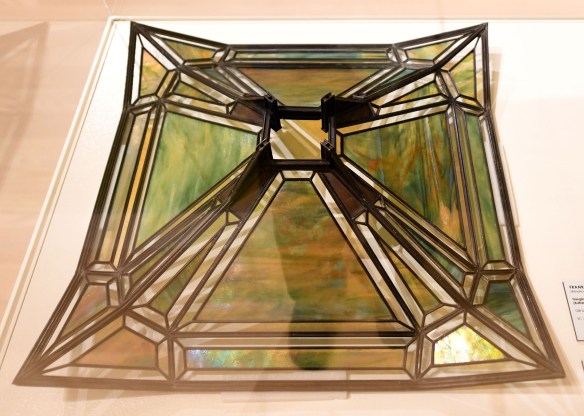
LR SCJ Wright Furniture 031.jpgHanging lamp, William R. Heath House (c. 1905) – the lines are distorted by the camera angle.

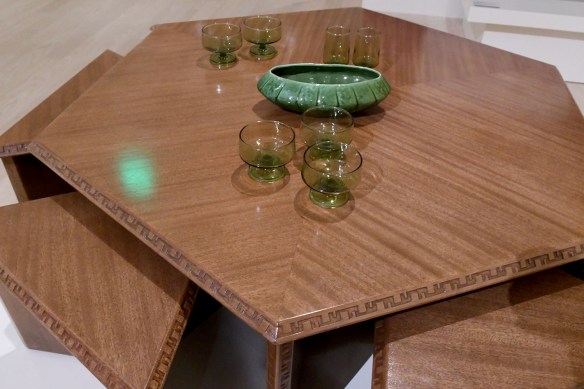
While many of the pieces were designed specifically for his clients, he also designed the “Taliesin Collection” for the Heritage-Henredon company in 1955. A number of those pieces are included in the exhibit:

LR SCJ Wright Furniture 015.jpg

LR SCJ Wright Furniture 018.jpg

LR SCJ Wright Furniture 047.jpg

LR SCJ Wright Furniture 043.jpg

LR SCJ Wright Furniture 039.jpg

LR SCJ Wright Furniture 057.jpg

In 2017 SC Johnson acquired a collection of two dozen models of Wright-designed homes by retired architectural draftsman Ron Olsen from Janesville, Wisconsin. The pieces remain on exhibit in the Wright gallery as “Model Citizen: Ron Olsen and Frank Lloyd Wright.”

LR SCJ Wright Furniture 053.jpg

LR SCJ Wright Furniture 055.jpg

The furniture exhibit is on view until spring 2026.

To schedule a visit to the exhibit:

www.scjohnson.com/visit

Ron Olsen’s models, my story from 2017:

https://wrightinracine.wordpress.com/tag/ron-olsen/

Please scroll down in www.wrightinracine.com to read previous articles on the website.

Wright in the Abstract

Photos © Mark Hertzberg (2022)

I had to edit 34,575 Frank Lloyd Wright building images (or 185.62 GB) down to 30 photos for an exhibit.

IMG_2493.jpeg

IMG_2494.jpeg

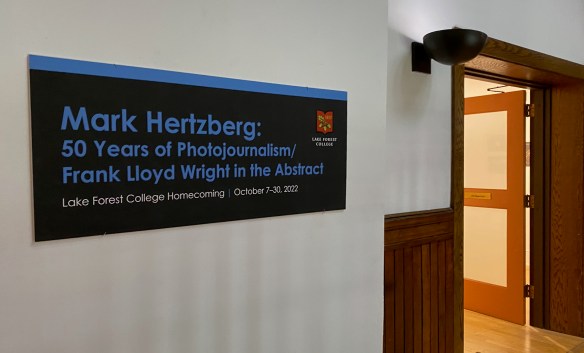
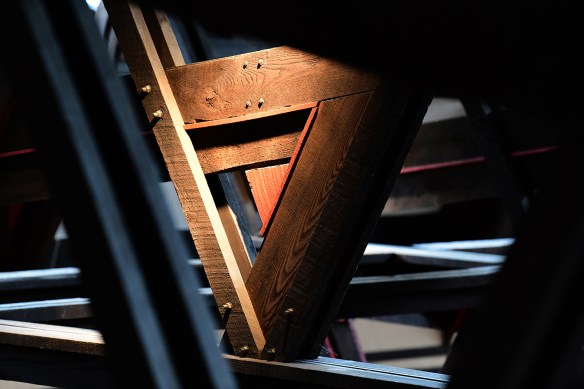
Here’s the backstory: Lake Forest (Illinois) College, my alma mater, honored me with two concurrent exhibits this month for my 50th anniversary Homecoming. Rebecca Goldberg, Lecturer in Art and Director of the Gallery in the Romanesque Durand Art Institute building, initially asked me just to include a handful of my Frank Lloyd Wright work in an exhibit of my career in photojournalism. I found it hard to edit the Wright work down to just four or so photos. Fortunately there was enough space in two galleries to mount two separate exhibits, each with 30 prints. I decided to pick mostly abstract interpretations of Wright’s work than show perhaps predictable building photos. My selection is below, in alphabetical order of the commissions:

LR Annunciation Greek Orthodox Church (1956) .jpgAnnunciation Greek Orthodox Church, Wauwatosa, Wisconsin, 1956

LR Florida Southern College (1938)  .jpgFlorida Southern College, Lakeland, Florida, 1938

LR Florida Southern College (1938) .jpgFlorida Southern College, Lakeland, Florida, 1938

LR Florida Southern College (1938).jpgFlorida Southern College, Lakeland, Florida, 1938

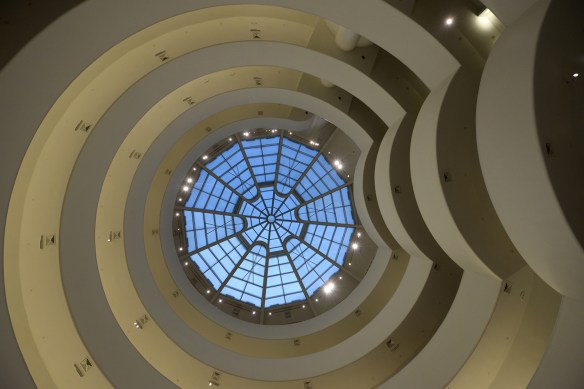
LR Guggenheim Museum (1943).jpgGuggenheim Museum, New York City, 1943

LR Hillside Drafting Studio (ca. 1933).jpgHillside Drafting Room, Taliesin, Spring Green, Wisconsin, 1933

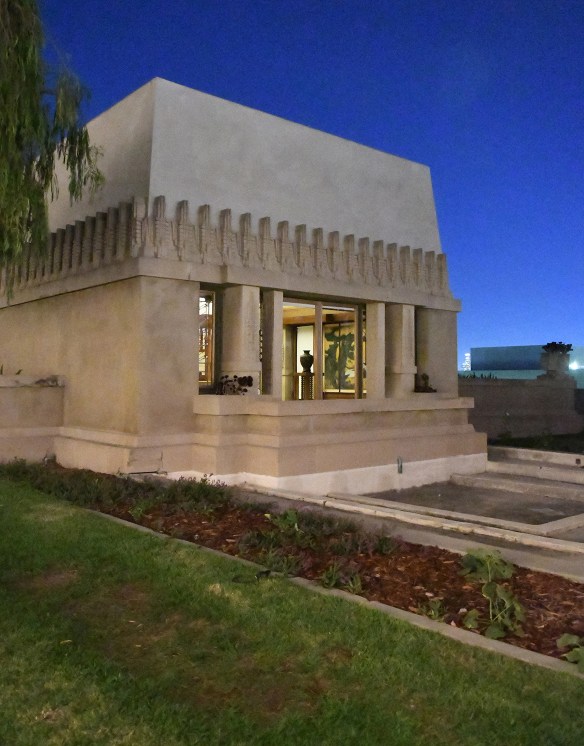
LR Hollyhock House (1919).jpgHollyhock House, Los Angeles, 1919

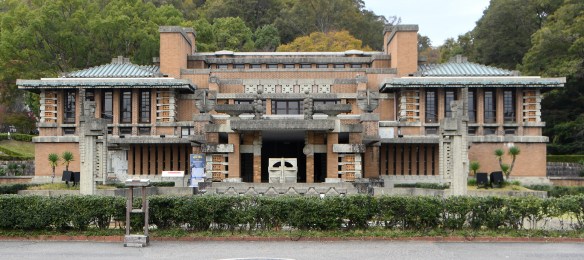
LR Imperial Hotel (1915).jpgImperial Hotel entry way, Tokyo, 1915, as rebuilt at Meiji Mura near Nagoya, Japan

LR Lindholm Service Station (1956).jpgLindholm Service Station, Cloquet, Minnesota, 1956

LR Marin County Civic Center (1957) .jpgMarin County Civic Center, San Rafael, California, 1957

LR Marin County Civic Center (1957).jpgMarin County Civic Center, San Rafael, California, 1957

LR Meyer May House  (1908) .jpgMeyer May House, Grand Rapids, Michigan, 1908

LR Meyer May House (1908) .jpgMeyer May House, Grand Rapids, Michigan, 1908

LR Meyer May House (1908).jpgMeyer May House, Grand Rapids, Michigan, 1908

LR Price Tower (1956)   .jpgPrice Tower, Bartlesville, Oklahoma, 1952

LR Price Tower (1956) .jpgPrice Tower, Bartlesville, Oklahoma, 1952

LR Price Tower (1956).jpgPrice Tower, Bartlesville, Oklahoma, 1952

LR Romeo and Julie Windmill (1898).jpgRomeo and Juliet Windmill, Taliesin, Spring Green, Wisconsin, 1898

LR SC Johnson Administration Building (1936).jpgSC Johnson Administration Building, Racine, Wisconsin, 1936

LR SC Johnson Addition (1943-44).jpgSC Johnson Administration Building, Racine, Wisconsin, 1936

LR SC Johnson Administration Building (1936) .jpg
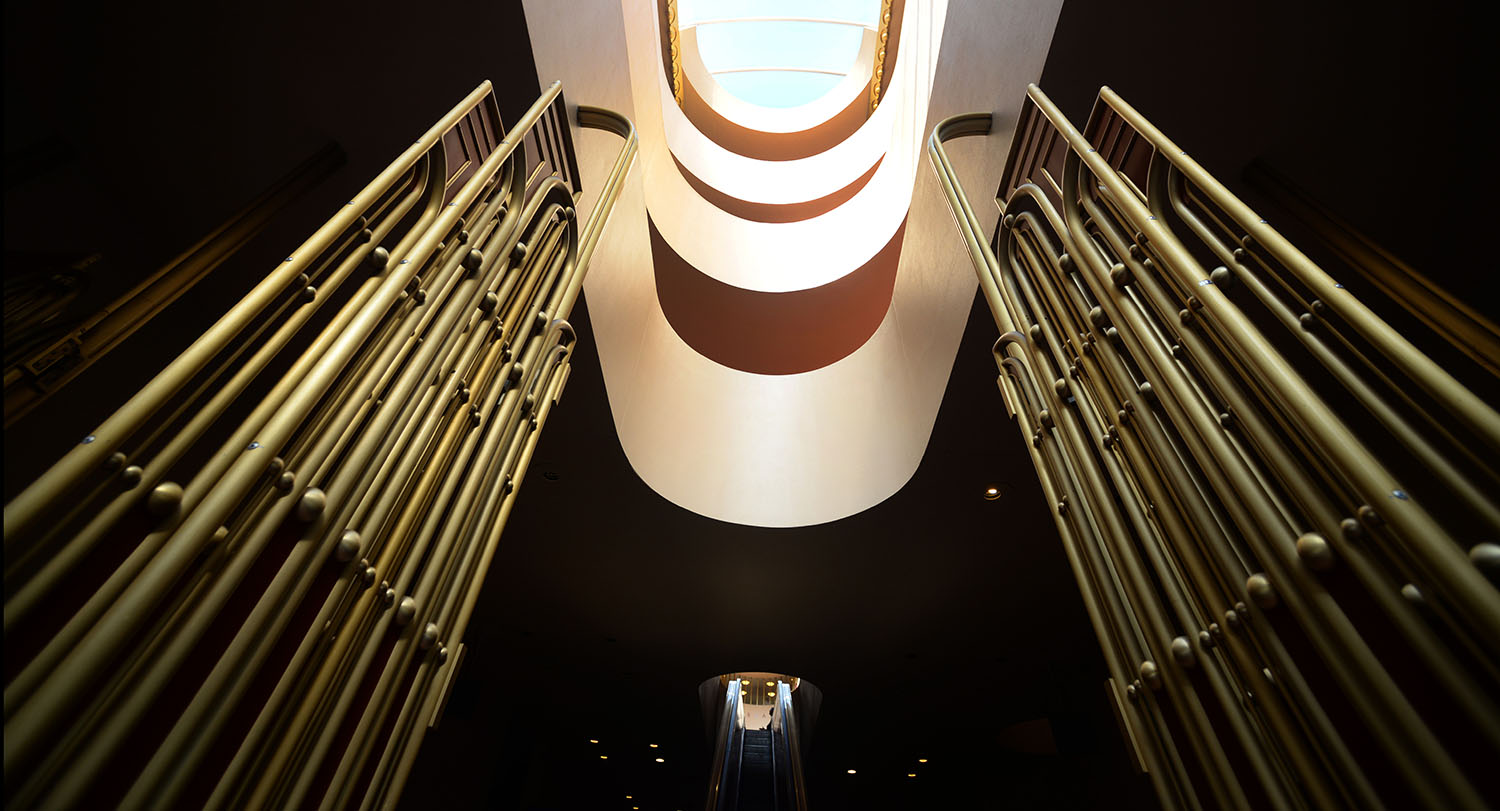
SC Johnson Administration Building, Racine, Wisconsin, 1936

LR SC Johnson Research Tower (1943-44) .jpgSC Johnson Research Tower, Racine, Wisconsin, 1943/44

LR Taliesin (1911, 1925)    .jpgTaliesin, Spring Green, Wisconsin, 1911, 1925

LR Taliesin (1911, 1925)   .jpgTaliesin, Spring Green, Wisconsin, 1911, 1925

LR Taliesin (1911, 1925).jpgTaliesin, Spring Green, Wisconsin, 1911, 1925

LR Taliesin Visitors (1911, 1925).jpgTaliesin, Spring Green, Wisconsin, 1911, 1925

LR Thomas P. Hardy House (1904-05).jpgThomas P. Hardy House, Racine, Wisconsin, 1904/05

LR Wingspread (1937) .jpgWingspread, Wind Point, Wisconsin, 1937

LR Wingspread (1937).jpgWingspread, Wind Point, Wisconsin, 1937

Now, as for those 34,575 images…if I had time to go through them, a good chunk could be deleted. But who has time to do that?

Hours for the gallery…the show runs through October 30:

https://www.lakeforest.edu/academics/majors-and-minors/art-and-art-history/art-galleries

Keep scrolling down for previous posts on the website…

Vox: SCJ and Hardy

© Mark Hertzberg (2022)

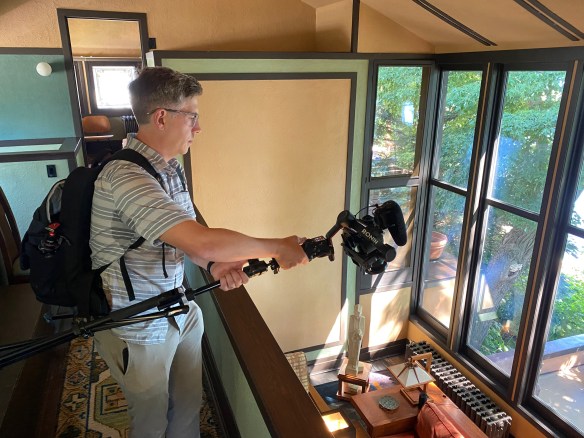
Phil Edwards, who makes wonderful Wright multi-media pieces at Vox, contacted me this summer about a piece he was going to produce about the SC Johnson Administration Building in August. He asked about the Hardy House, which is just five blocks east of SC Johnson. Hardy House steward Tom Szymczak graciously gave me permission to take Edwards inside the house and film there when he came to Racine.

IMG_1900.jpeg

The piece just went live and it has an interesting perspective at the end. I welcome your comments. You do have to bear with some ads…which pay the bill , making Edwards’ endeavors possible. It is very, very, very well produced as is a previous piece he did about the Pope-Leighy House. Here is a link to the SCJ / Hardy piece:

https://www.youtube.com/watch?v=yb-kYt1lpnI

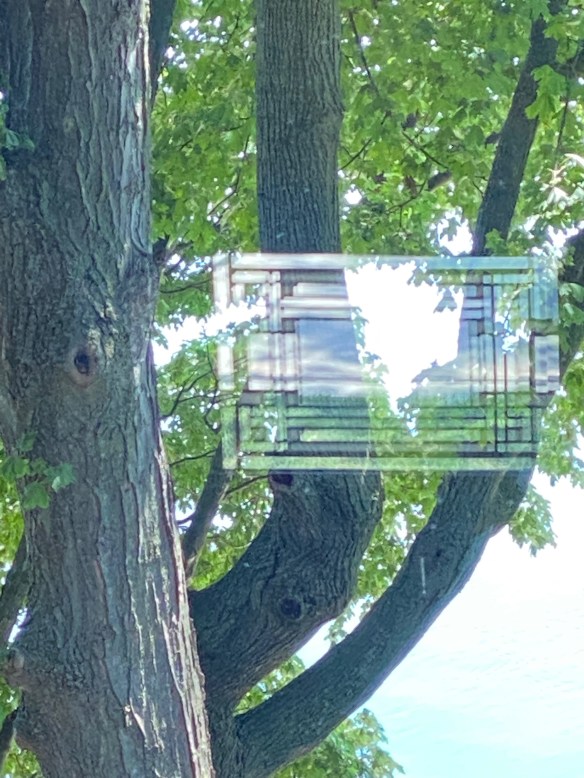
I leave you with a photo I took when we were in the Hardy House…a reflection of one of the front hall windows seen in one of the living room windows, across the house. What a brilliant detail!

IMG_1905.jpeg

A man, his camera, and Wright

© Mark Hertzberg (2021) Vintage photos © Estate of Al Krescanko. Portrait of Krescanko by Mark Hertzberg / The (Racine) Journal Times

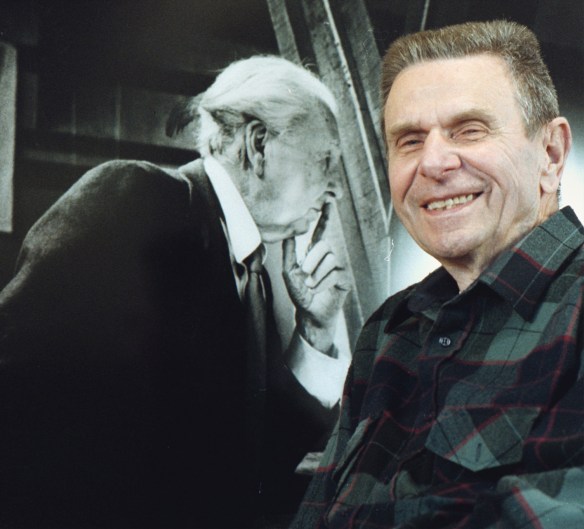
Frank Lloyd Wright likely would have had conniptions if anyone had dared alter one of his drawings, but he thought nothing of altering one of photographer Al Krescanko’s negatives before signing and returning it to him. What had the architect retouched? He thought his hair looked too long, so he shaded it in on the negative.

LOCAL krescanko flw fllw mh.jpg

Krescanko was one of those quiet guys who said he was just doing his job when he photographed Wright some 60 years ago, but his insightful 1957 candid photos of the master architect have been republished in at least two landmark books about Wright. Yet, Krescanko’s byline has remained largely unknown. Among photographers of Wright, it has less name recognition than the work of Pedro Guerrero, Balthazar Korab, and Ed Obma.

Krescanko photographed Wright during the course of his work as a photographer for SC Johnson in Racine, Wisconsin. He also extensively photographed the construction of the Wright-designed Keland House (1954) for Willard and Karen Johnson Keland (later Karen Johnson Boyd), and took pictures for Willard Keland’s unrealized Wisconsin River Development Corporation in Spring Green.

Keland.png

Krescanko died in 2005, at age 78. A few of his photos of Wright have previously been published, but the Keland House photos were unknown until recently, when the Organic Architecture + Design Archives were lent Krescanko’s photos to digitize by Mary Jo Armstrong, his daughter, for a magazine article. The Keland House photos include the only known view of the original carport which became the master bedroom after a garage was built and the house modified by John (Jack) Howe in 1961.

I would be delighted to tell you more and share more photos, but I will instead direct you to OA + D’s website where you can buy Vol. 9 No. 2 of their excellent thrice-yearly journal. Each issue is devoted to a single topic. Eric O’Malley at OA + D has long been intrigued by Krescanko’s story and photos. Armstrong readily agreed to share her father’s photos with him when he proposed devoting an issue of the Journal to him.

The full story of Krescanko’s career and 41 of his photographs of Wright at Taliesin and at SC Johnson, and of the Keland House construction are in this 40 page issue. Bill Keland, Willard and Karen’s son, helped write the captions for the construction photos as he viewed them for the first time. (I am the “Guest Editor” of this issue of the Journal and wrote the profile. It is a much more extensive profile of Krescanko than the one I wrote in 2002 when I worked for the Racine newspaper. The profile includes interviews with his brother and his two surviving children).

If we have whet your appetite to see and read more about quiet, unassuming Al Krescanko and his not-unassuming subject, follow the link below. As they (whoever ‘they’ are!) say on late night television, “Operators are standing by to take your call!”

https://www.oadarchives.com/product/journal-oa-d-9-2

A New Take on Wright’s Work

© Mark Hertzberg (2021)

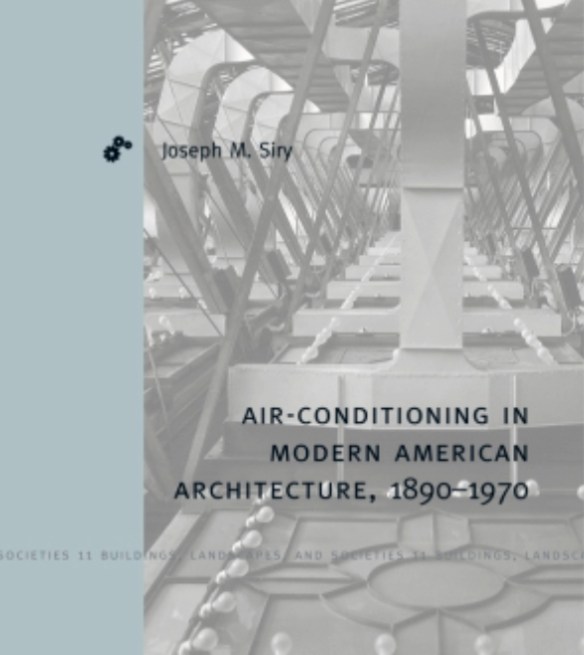
Most of the hundreds of thousands of words written about Frank Lloyd Wright’s work are about his design aesthetic, his life, or are histories of the homes and public buildings he designed. A new book by Joseph M. Siry offers a new analysis of his work. Siry puts the mechanical engineering of four of Wright’s landmark buildings – the Larkin Building, the SC Johnson Administration Building and Research Tower, and the Rogers Lacy Hotel – in a broader context of American architecture. 

Siry book cover.jpg

Siry, who teaches art history at Wesleyan University, has just published his fifth book, Air-Conditioning in Modern American Architecture, 1890-1970  (University Park: The Penn State University Press;, 2021). His previous Wright books are Beth Sholom Synagogue: Frank Lloyd Wright and Modern Religious Architecture (Chicago: The University of Chicago Press, 2012) and Unity Temple – Frank Lloyd Wright and Architecture for Liberal Religion (New York: Cambridge University Press, 1996).

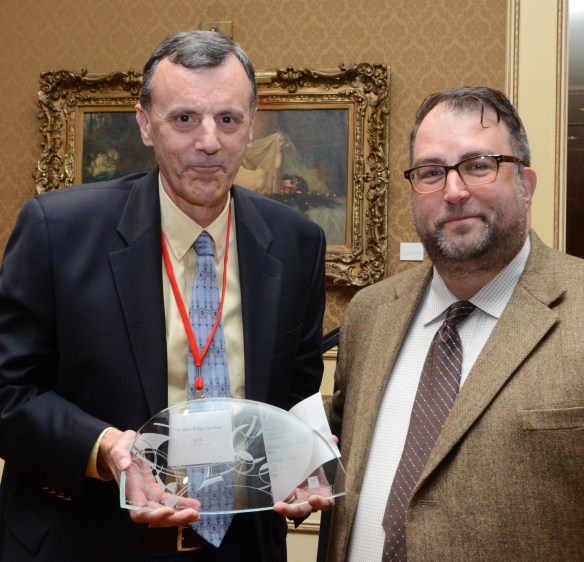
BC 2015 WSA Siry 006.jpgSiry, left, accepts a Wright Spirit Award from Scott Perkins and the Frank Lloyd Wright Building Conservancy in 2015.

The Larkin Building in Buffalo (1903) was one of the nation’s first air conditioned buildings. Wright, of course, eschewed traditional design. One of the building’s signature features was its large central atrium work space. Wright put the building’s mechanical systems in the four corner stair towers and in four adjacent towers. Russell Sturgis, a contemporary critic, was flummoxed by the design. He wrote in a 1906 article in the Architectural Record wondering why there were “no chimneys, giving an opportunity for an agreeable breaking of the masonry into the sky and the sky into the masonry?” 

The SC Johnson Administration Building was designed in 1936. Air conditioning had already proven to be economically beneficial in a variety of factories – including at the Ford Motor Company – in improving efficiency not only in terms of workers’ comfort and morale, but also in processes where precise temperature and humidity controls were vital in machining and for ink-drying in printing. A growing number of hotels, offices, retail shops, and movie theaters were incorporating the new technology which was also displayed throughout the 1933 Century of Progress World’s Fair in Chicago. An unanticipated benefit was that hay fever sufferers no longer felt the need to call in sick when working in air conditioning (including Congressmen and U.S. senators when the U.S. Capitol was air conditioned in the late 1930s). Later, the economic growth of the South after World War II was spurred by companies’ abilities to air condition their factories, hotels, and stores.

Wright called the Larkin Building “the male sire of its feminine offspring,” the SC Johnson Administration Building in Racine, designed in 1936. H. F. Johnson Jr. was the company president. He famously gave workers the day off if it were 90 degrees or warmer outside. Johnson charged both J. Mandor Matson, his first architect, and Wright with designing what was then commonly called a “windowless” office building.

LR SCJ Admin. Building 2015 028.jpg

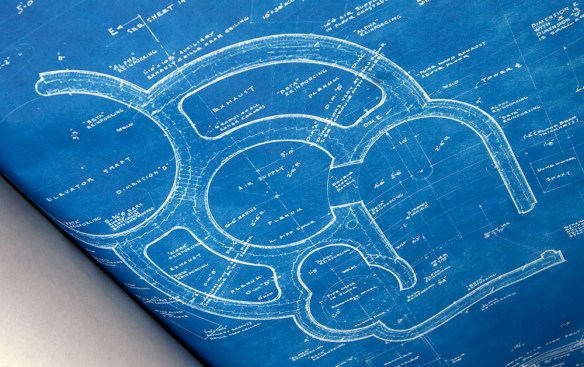
The Administration Building opened in April 1939, concurrent with the opening of the New York’s World’s Fair. An article in LIFE magazine previewing the fair noted that while it was certainly wonderful, people should travel to Racine to see the streamlined new SC Johnson office building if they wanted to glimpse the future. The Research Tower, designed in 1943/1944 and constructed between 1947 and 1950, was the coda to Wright’s office building. The mechanicals in the former are in the “nostril” atop the tap root tower, just as they were in the two “nostrils” (Wright’s term) atop the Administration Building. 

LR DSC_6014.jpg

LR SCJ Admin. Building 2011 002.jpg

LR SCJ Admin. Building 2015 052.jpg

LR Great Workroom 061.jpgVentilation grills are visible on the face of the mezzanine of the Great Workroom.

LR Bud Nelson 014a.jpgThe Tower’s exhaust plenums are the two kidney shapes.

LR Tower 09 Aerials 054a.jpg

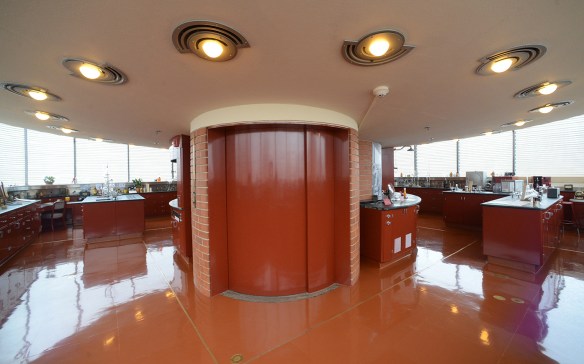
LR Tower 5.1.14 020.jpgCeiling ventilation in the Research Tower was built into ceiling light fixtures.

LR Tower Apr 18 047.jpg

The Rogers Lacy Hotel in Dallas (1946) was not realized because Lacy died in December 1947. I had little awareness of Wright when I was in high school (1964-1968) but one of my classmates was Lacy’s grandson. My classmate’s father was one of the architects of the Houston Astrodome, the world’s first air conditioned stadium, which opened in 1965.
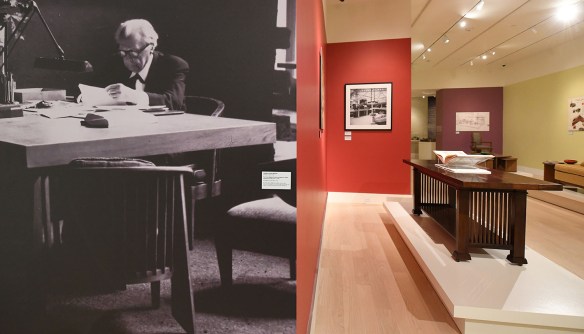
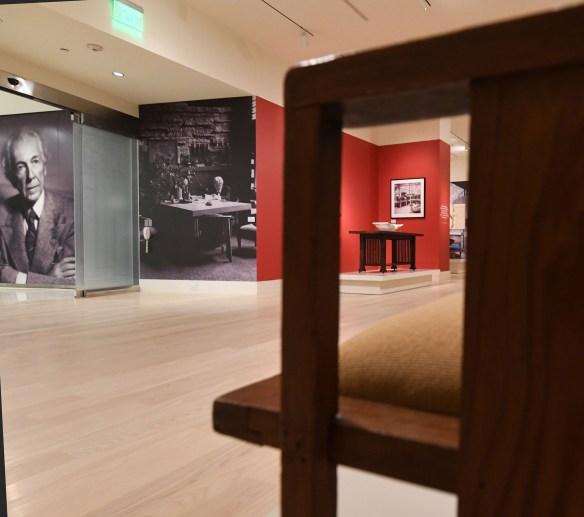
Siry concludes, “In the Johnson buildings, Wright reinvented the windowless type, creating workspaces that were better illuminated and apparently more open to the outdoors than many windowed buildings. His client, Johnson, had provided the impetus to devise optimal air-conditioned interiors. But Wright reinterpreted that aim to create unprecedentedly inventive architecture, an his integration of mechanical systems into his aesthetic inspired such later modernists as Louis Kahn.”

Siry’s book was an outgrowth of the section of his 2009 course on contemporary world architecture focusing on sustainability and energy conservation. “It gradually was clear that HVAC systems had a vast history in relation to modern architecture that had only been touched on, but those systems had been a huge factor in buildings’ energy demands. So I thought it would be useful to try to lay out the history of air-conditioning from its origins through into the 1970s, before energy consciousness took hold in architecture.” He is now focusing on developments since the early 1970s, “to trace the history of conservation methods and thinking about sustainability.” The new book took nine years of research and writing. There is no timeline for a succeeding volume.

If readers burst out of their Wright bubble, they will find the book as a whole is captivating. I wrote Siry that as a layperson (and someone who did miserably in science classes) I never thought I would be entranced by a book about air conditioning. But I was. The book can be ordered from the publisher or through your favorite local bookshop. I urge people to support local book shops and book publishers, rather then reflexively order from you know where.

https://www.psupress.org/books/titles/978-0-271-08694-1.html

Siry is Professor Art History and the William R. Kenan Jr. Professor of the Humanities at Wesleyan University in Connecticut.  

Addendum on April 29:  Radiant floor heating was used in the Administration Building. Wright also used it in Wingspread, the home he designed for Johnson in 1937. Karen Johnson Boyd, H.F.’s daughter, who grew up in Wingspread, told me that it was unpredictable whether one might freeze or burn their toes on the floor in the morning. When she and her then-husband Willard Keland commissioned Wright to build the Keland House in 1954, one of the conditions was that Wright let a radiant floor heating expert from Indiana handle that aspect of the job, she said. He agreed to do so.

-30-


Rainy Day Post #3 – A Wright Potpourri

Photos (c) Mark Hertzberg (2020)

I have promised you one more “rainy day post,” cleaning up pictures that have been waiting on my desktop for the right context to post them in. This is a smattering of photos of Frank Lloyd Wright sites I have visited in one context or another since July 2018. While I shoot literal photos of Wright buildings (“head shots” we called them in the newsroom), I also look for photos of details of Wright’s designs. I am generally not sharing interior photos of private homes. I try to avoid looking at other photographers’ interpretations of Wright buildings before I visit them so that I see the structures through my own eye and lens, rather than possibly copy another photographer’s vision.

The photos are in chronological order, beginning with a wonderful trip to the Detroit area that July two years ago. We were with our good friends Bob and Jeanne Maushammer from Virginia. Jeanne’s exposure to Wright began when she was a teenager, hired to babysit at the Thomas P. Hardy House in Racine for Schuyler and Peterkin Seward, stewards of the house between 1957 – 1963. The Maushammers dutifully chronicle their Wright adventures in a well worn copy of William Allin Storrer’s The Architecture of Frank Lloyd Wright. I will copy and paste Jeanne’s recollections of the Hardy House from my 2006 book about the house at the end of this blog post.

Our first stop was at the Affleck House in Bloomfield Hills, where Dale Gyure graciously gave us a private tour:

Affleck House 009.jpg

Affleck House 018.jpg

Affleck House 026.jpg

Affleck House 029.jpg

Affleck House 032.jpg

We were fortunate to next get a private tour of the Melvin Smith House. The light was not as subtle as the architecture in the early afternoon:

Smith House 014a.jpg

Smith House 020.jpg

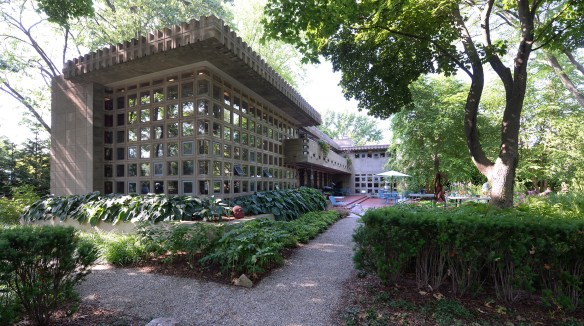
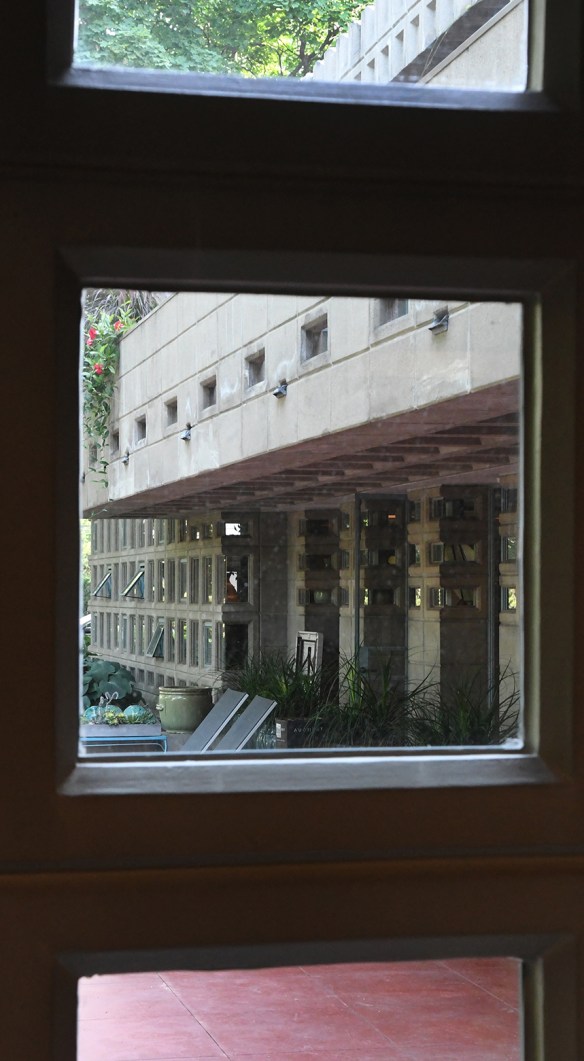
Then we were off to the Turkel House, lovingly restored by our good friends Norm Silk and Dale Morgan. Jeanne has wonderful stories of having seen the then-distressed house ca. 2004 right after a questionable tenant had been evicted. We had bid on a dinner at the house, to benefit the Frank Lloyd Wright Building Conservancy. Norm went above and beyond shopping for us in a Middle Eastern market, and we had a lovely meal in the garden. The Maushammers, Cindy (Hertzberg), and Norm:

Turkel House Dinner 010.jpgWe planned to stay only a couple of hours and not overstay our welcome, but we were like family enjoying the house in the living room after dinner until past 11 p.m.! The light was harsh when we arrived at 5 p.m., and I wondered how it would change through the evening:
Turkel House 001.jpg

Turkel House 032.jpg

Turkel House 044.jpg

Turkel House 046.jpg

Turkel House 011.jpg

Turkel House 016.jpg

Our next adventure was when Bob and Jeanne treated us to a stay at the Palmer House in Ann Arbor:

Palmer House 031.jpg

Palmer House 034.jpg

Palmer House 042.jpg

Palmer House 037.jpg

Palmer House 082.jpg

Palmer House 068.jpg

I was then on tour in familiar territory in Wisconsin, helping lead tours for Road Scholar, first in Racine at SC Johnson and at Wingspread. I have visited and photographed these wonderful spaces umpteen times, and always look for a fresh way to see them:

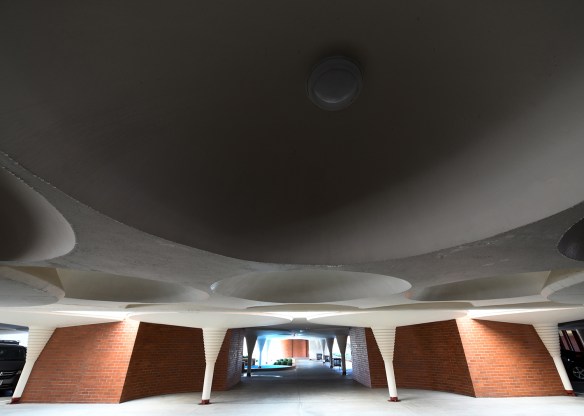
SCJ Carport 2018 003.jpg

SCJ Carport 2018 004.jpg

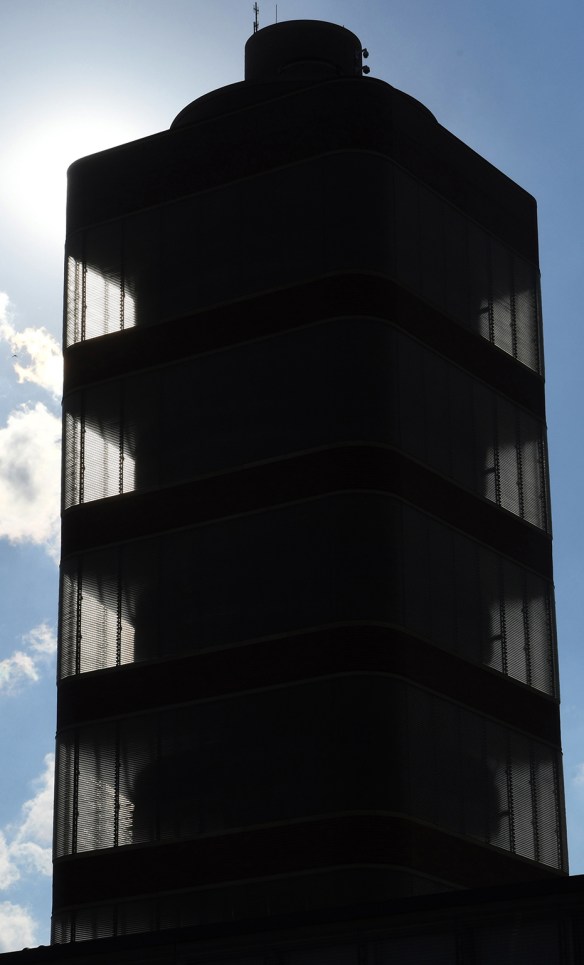
SCJ Research Tower 2018 .jpg

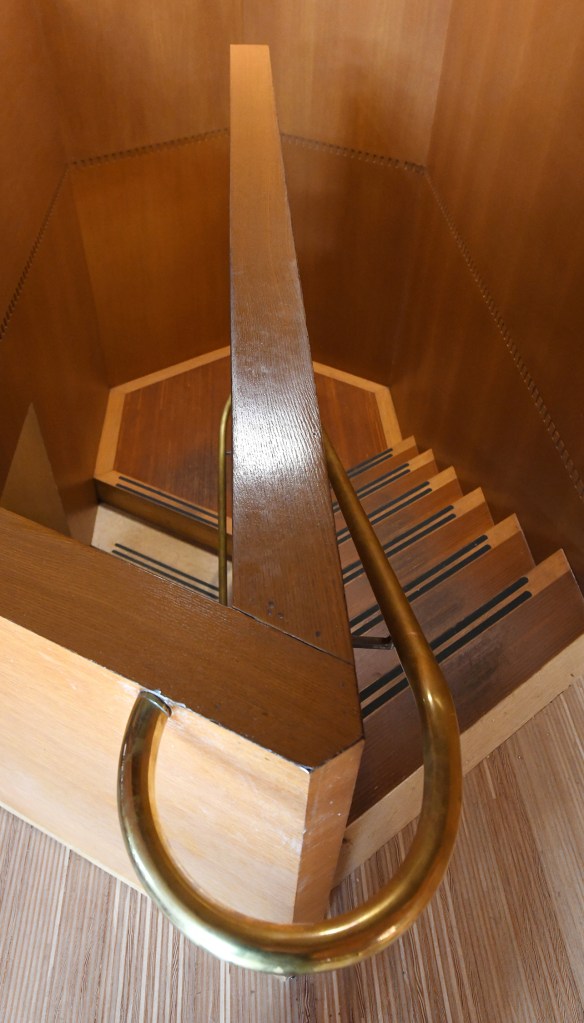
I climbed these stairs at Wingspread countless times before seeing this photo:

Wingspread Stairs 9.23.19.jpg

I was then taken, again, by the fixtures at the Annunication Greek Orthodox Church in Wauwatosa (suburban Milwaukee):

AGOC 2018 002.jpg

AGOC 2018 004.jpg

AGOC 2018 007.jpg

AGOC Interior 9.24.19 002.jpg

AGOC Interior 9.24.19 001.jpg

Annunciation GOC002 9.6.18.jpg

After touring Racine and Milwaukee, we take our Road Scholar guests to Madison and Spring Green. First, a detail of the ceiling of Jacobs 1:

Jacobs 1 9.7.18 009.jpg

Then, a light well in Anthony Puttnam’s interpretation of Monona Terrace:

Monona Terrace.jpg

The trip culminates at Taliesin – of course – after seeing the Unitarian Meeting House in Madison and Wyoming Valley School, with lunch at Riverview Terrace. Our introduction to Taliesin is a pause at the dam:

Taliesen Dam 2.jpg

Taliesin.jpg

Taliesin 9.7.19 002.jpg

I finish with Jeanne’s recollection of babysitting at the Hardy House and a “selfie” there:

(From “Frank Lloyd Wright’s Thomas P. Hardy House,” written and photographed by Mark Hertzberg, Pomegranate: 2006):

Jeanne (Weins) Maushammer, who baby-sat for the Sewards, recalls growing up nearby. “The house was well-known to everyone in the neighborhood.  People would go to the 14th Street public beach there and see the house just a short distance away.  It did not look like a private residence.  Visitors from outside the area – even across town – would see two openings that could easily be mistaken for bath house entrances, and try to go in to change their clothes.

“Sometimes when you were driving around with out-of-town folks, they would ask ‘What is that?’  They did not recognize it as a house, because it was so different from the other homes around it, and because it was next to the beach.  Neighbors knew what it really was.  The Johnson Wax complex was down the street from us, so the Hardy House seemed to be appropriate.  My folks often told me of their witnessing the construction of the Administration Building and of seeing Frank Lloyd Wright.  The Johnson buildings were understood and accepted by visitors, but not the ‘beach house.’

“My friends and I used to go down to the beach all the time.  We could not get close enough to the property to get a good look at it.  We always had to look through the trees.  We could not see how it blended into the hill side.  That added to the mystery of it.  From the street, all that people could see was just that box.

“I knew it was a Frank Lloyd Wright house before I first went inside.  What I did not realize was how he proportioned houses to his small frame.  I remember thinking when inside for the first time:  ‘I am 5’4” but wow, these doorways are low.’  It was dark and raining that particular day, so I did not get to appreciate the house’s real beauty.  After I had been there several times and had a chance to explore it, to stand in that living room and on the balcony, and to take in the view, I realized it was incredible.

“My husband has never seen the inside of the house, except in photos, but in our wildest dreams we would like to buy it and come back to Racine.”

Hardy Selfie 9.23.18.jpg


Rainy Day Post #2 – Guggenheim Dome Evolution

Photos (c) Mark Hertzberg (2020)

Saturday I wrote that it’s like a rainy day, and I am taking time to clean up my desktop and post some things that have been in limbo. There will be a third Rainy Day Frank Lloyd Wright post – the one with what I referred to as a “smattering” of photos from many Wright sites – possibly tomorrow.

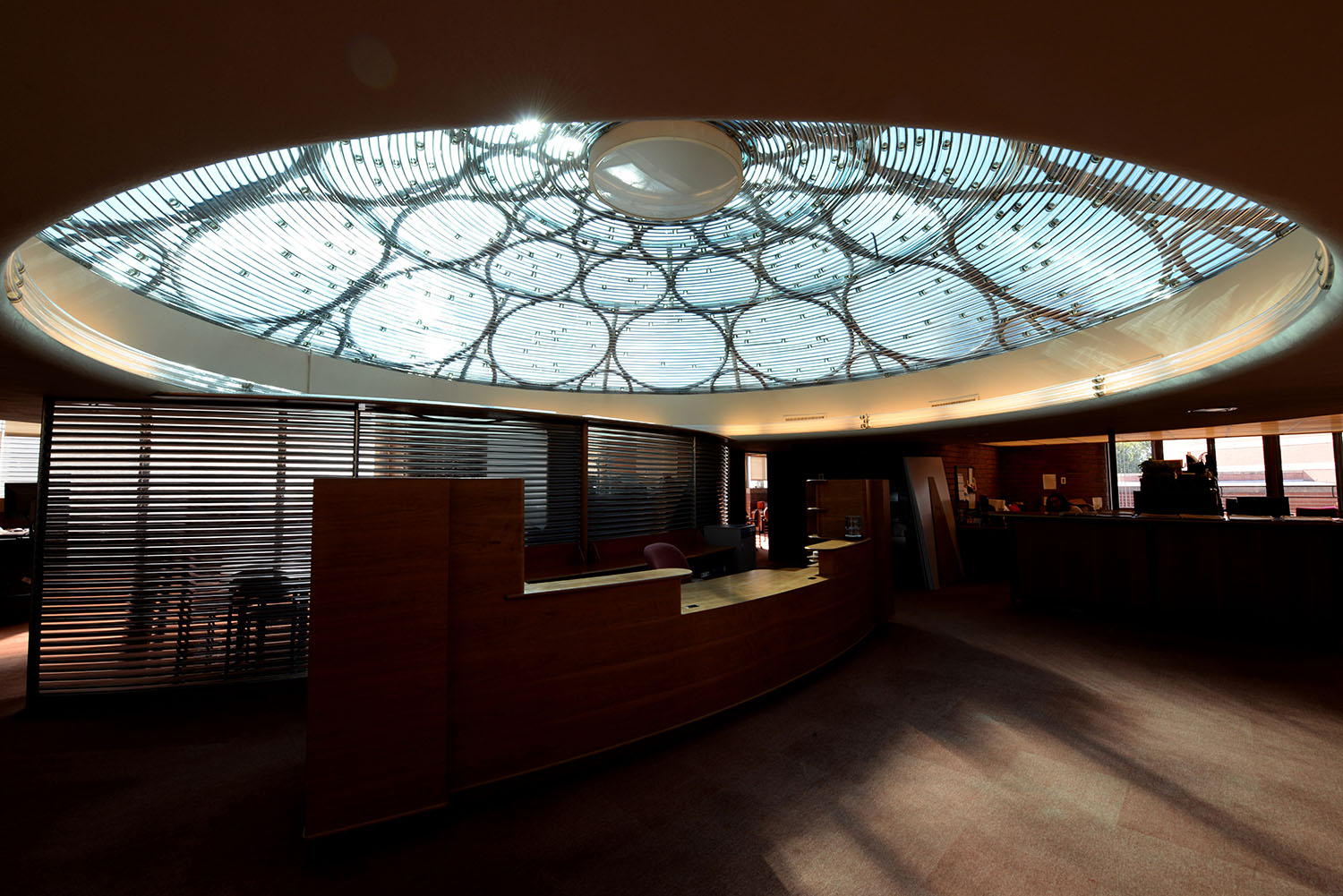
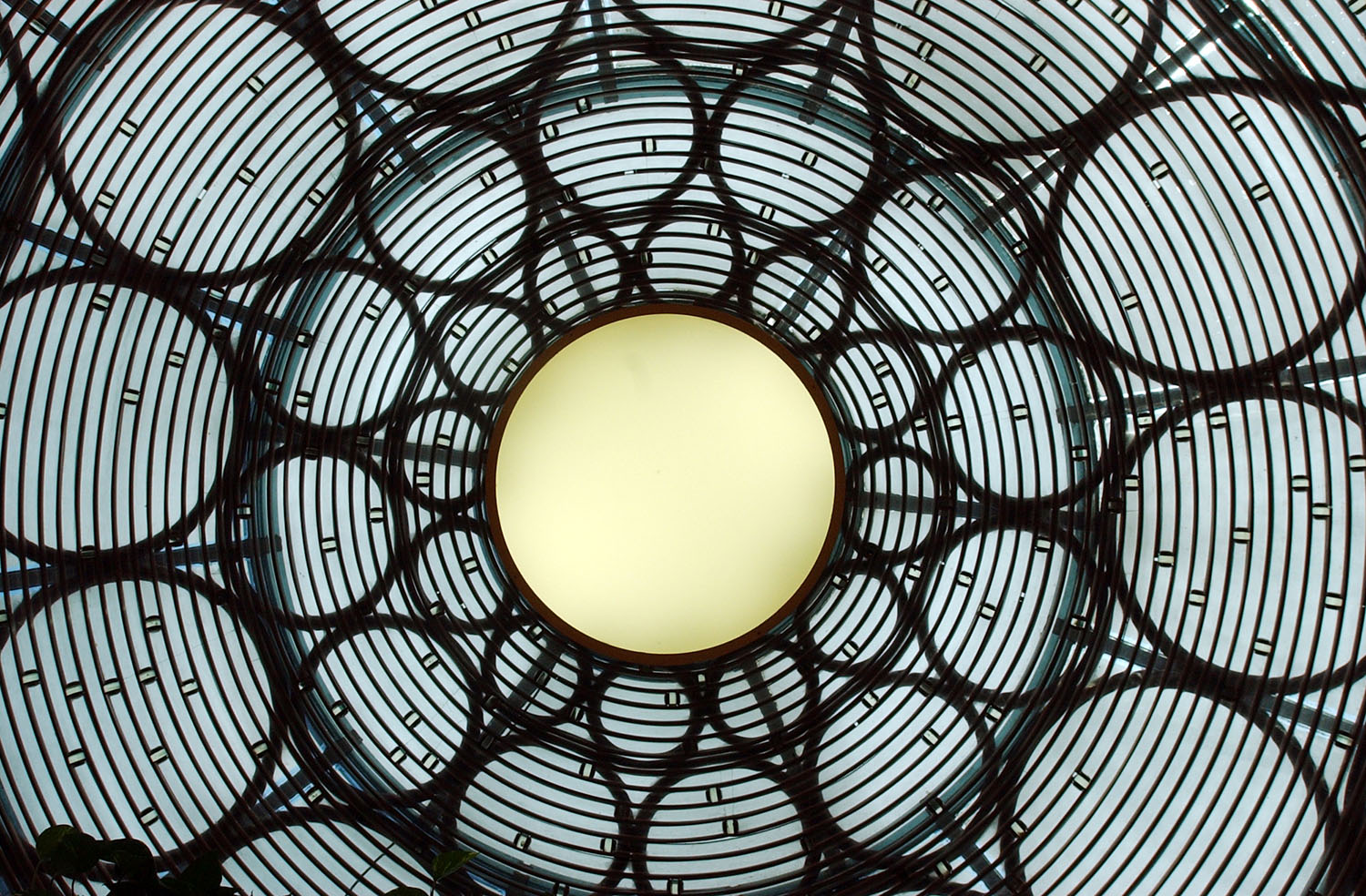
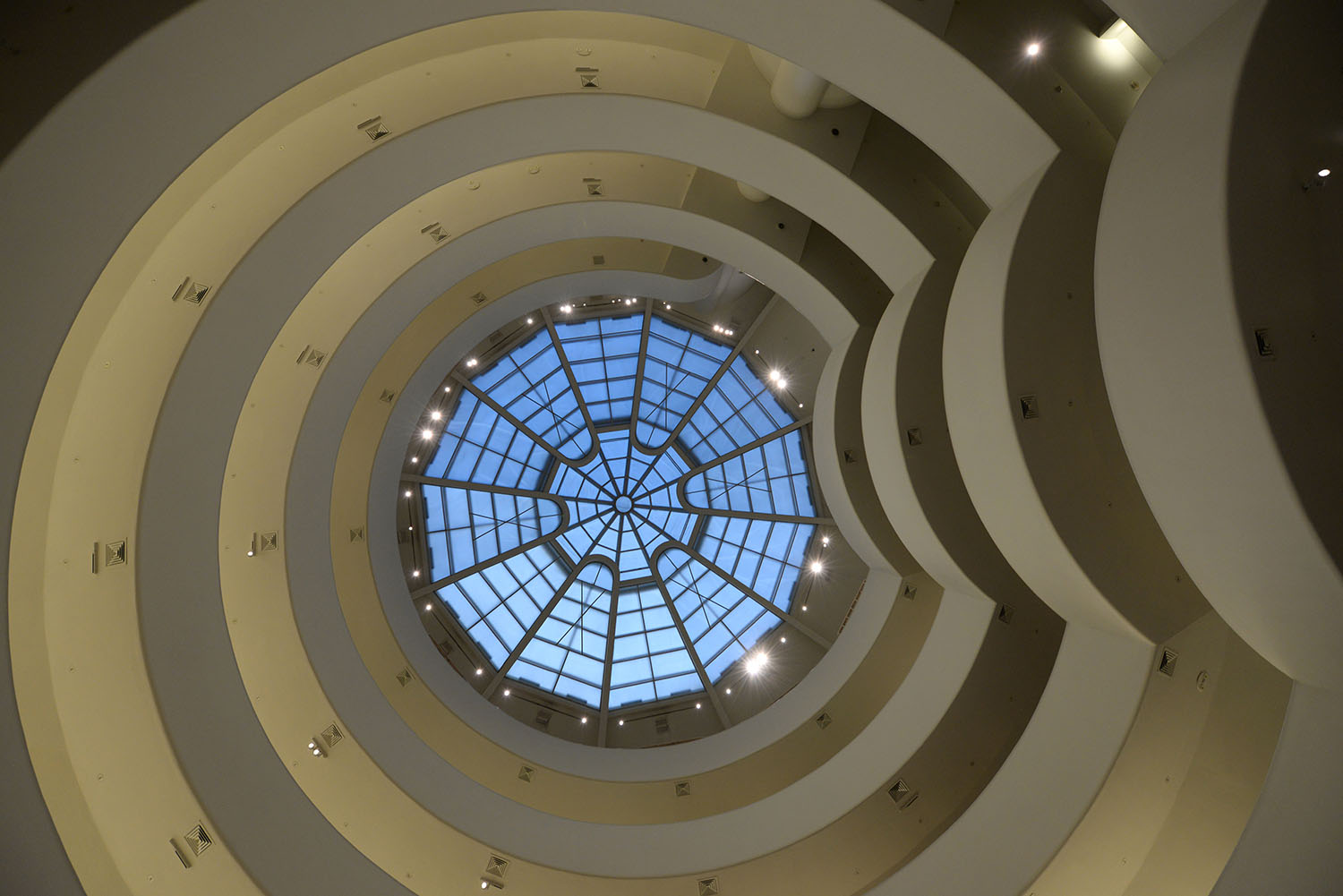
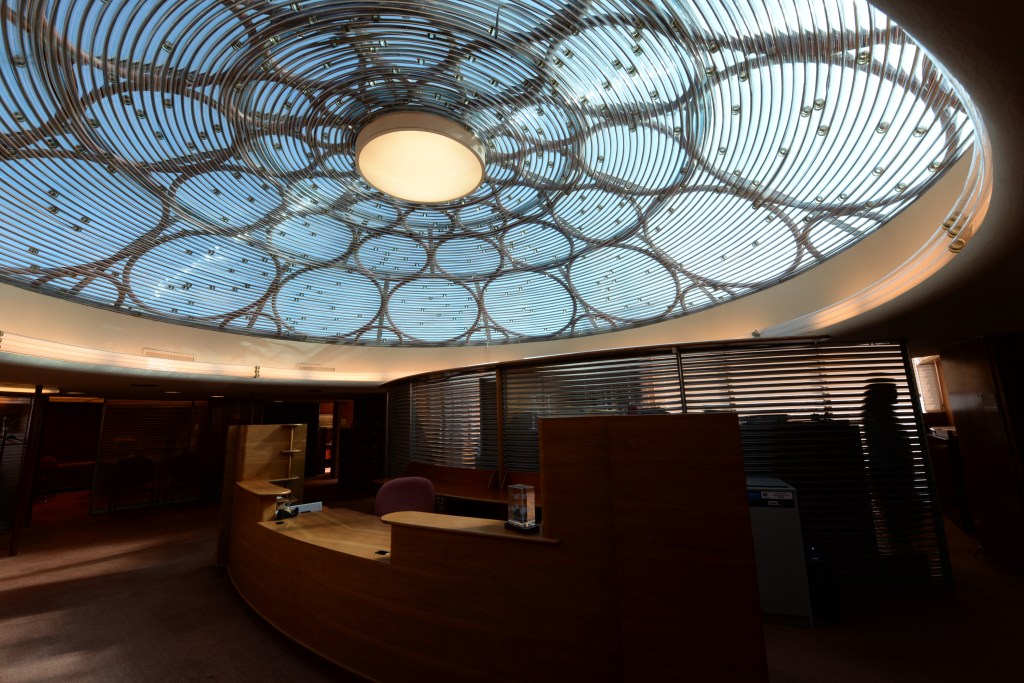
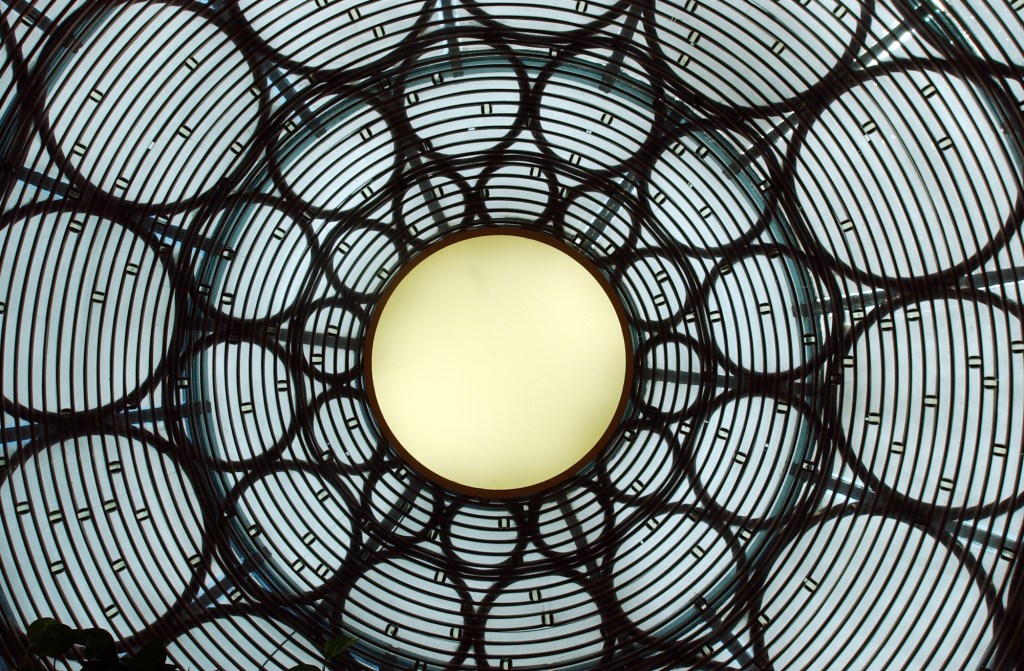
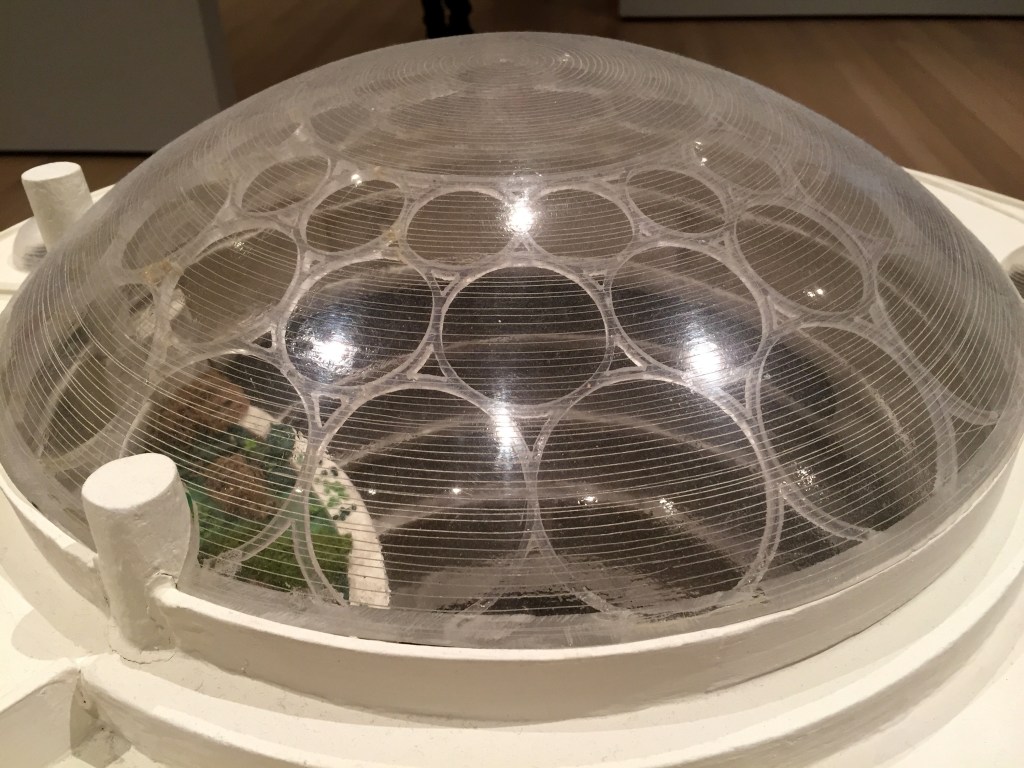
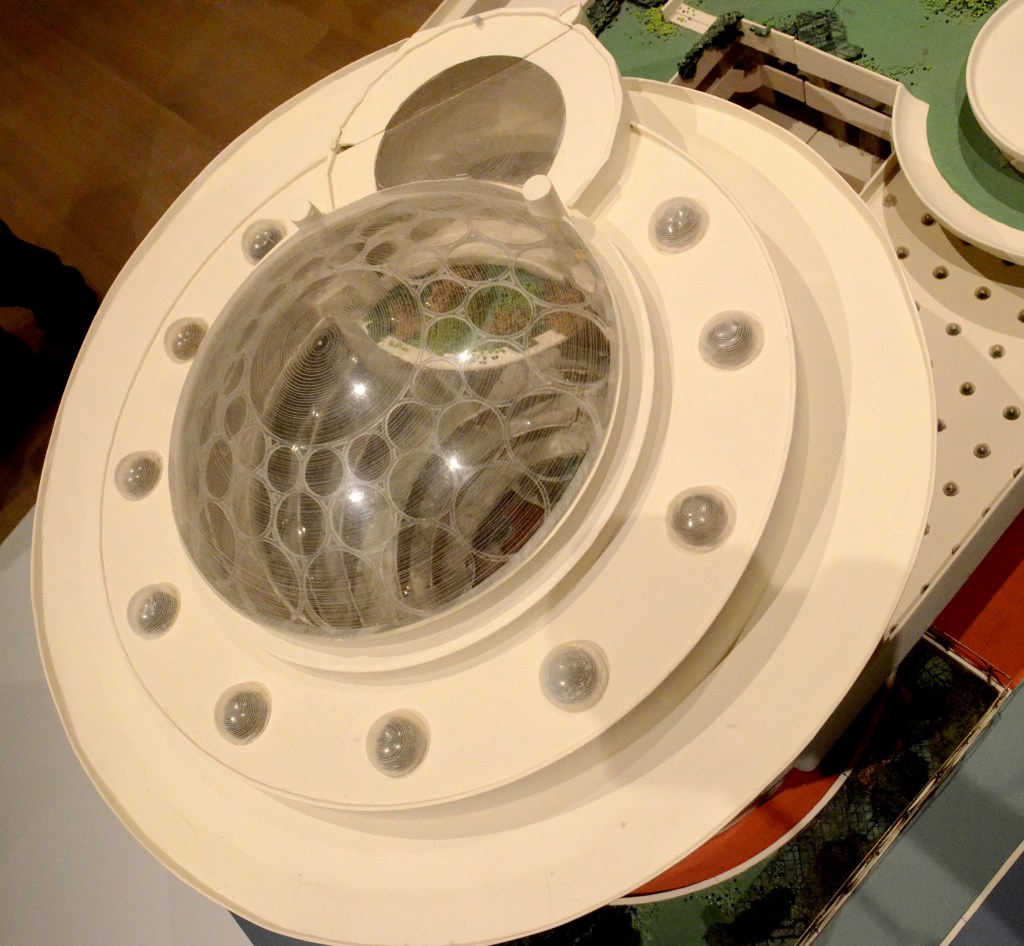
I noted in my 2004 book Wright in Racine that Wright’s initial design for the dome of the Guggenheim Museum in 1943 was identical to the one he later used for the dome built over the advertising department in the SC Johnson Administration Building in Racine. That space was added concurrently with the construction of the SC Johnson Research Tower (designed in 1943/44, constructed 1947-1950). (The space is now home to the company’s Global Affairs and related departments)

The Advertising Department’s dramatic glass dome is now an architectural icon of the company. It embodies the design Wright proposed in 1943 for the Guggenheim Museum.
The dome now has a white cover now to lessen the heat from the sun.

Visitors to the 2017 “Unpacking the Archive” exhibit at the Museum of Modern Art in New York City (MoMA) saw the Johnson version of the dome on the Guggenheim model in the exhibit:

MoMA 2017 Exhibit 073.jpg

This exhibit was labled: “Tension ring study model for Johnson Wax Research Tower, Racine, Wisconsin  1943-50  Steel.” There was no mention of its similarity to the Guggenheim proposal.

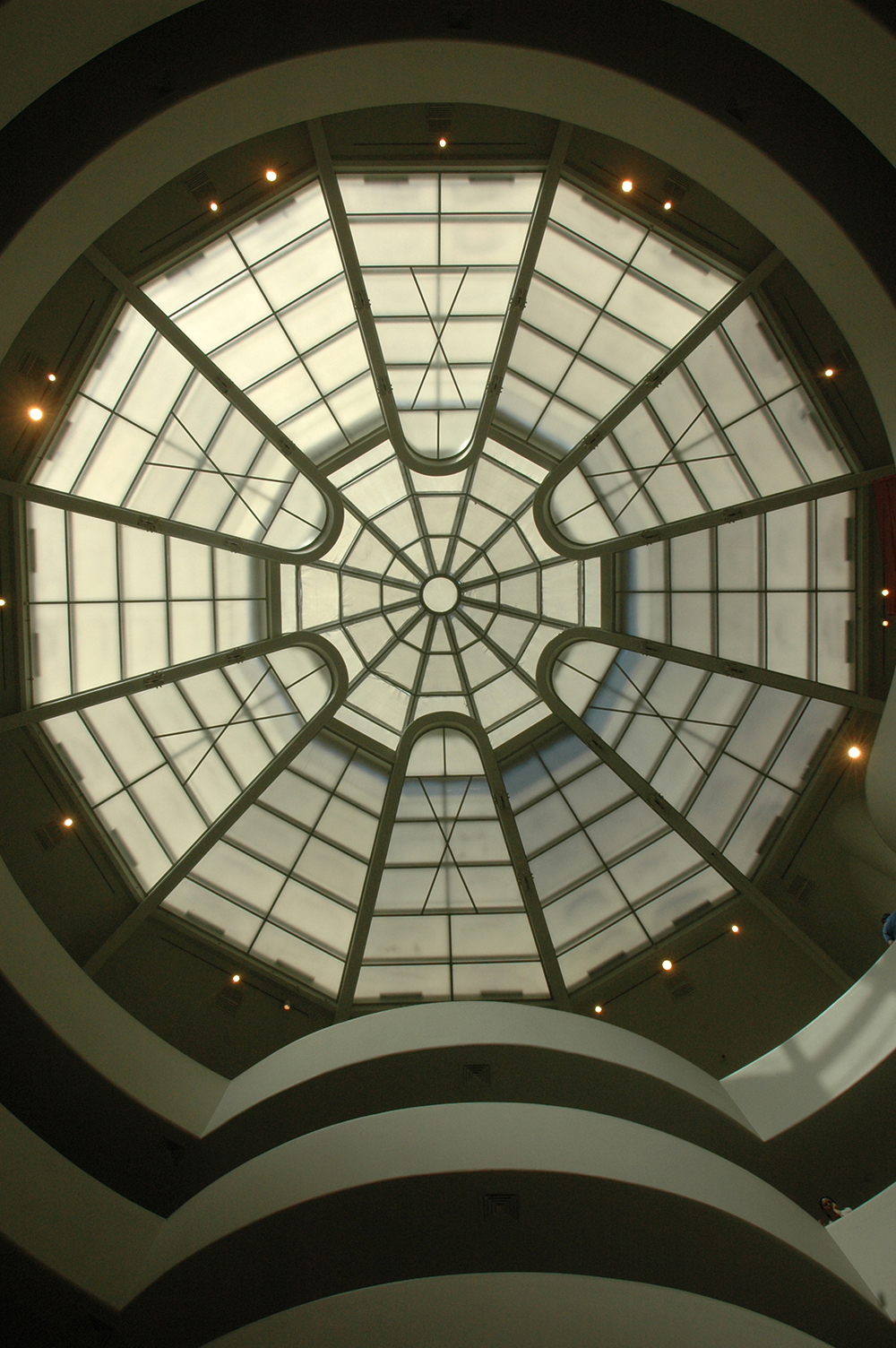
Wright’s final design for the dome has been photographed many times:

Guggenheim Dome 008.jpg

Guggenheim Dome 002.jpg