First Wright Heritage Trail Signage Placed on I-94

(c) Mark Hertzberg 2016

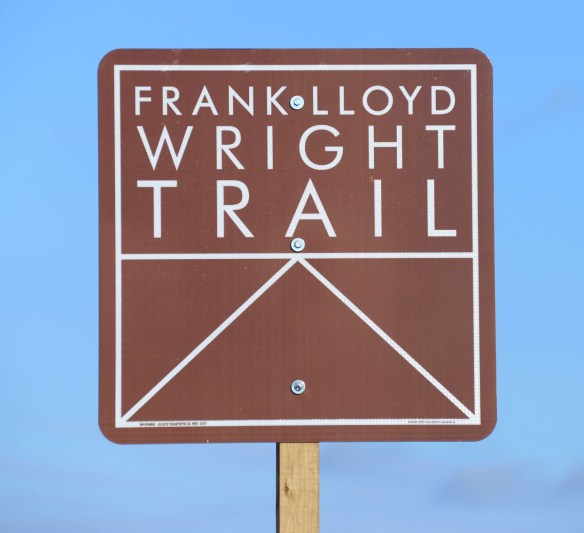
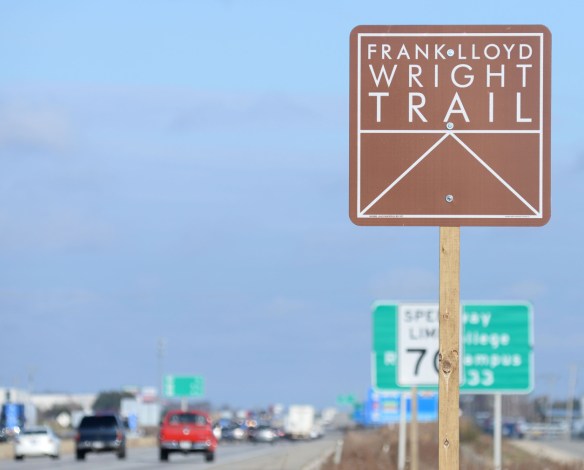
The new Frank Lloyd Wright Trail was dedicated this morning in Madison. The trail, which runs from the Illinois – Wisconsin state line to Richland Center, is a joint effort by the state departments of tourism and transportation to highlight the rich heritage of Wright’s work in his native state. About 142 signs have been placed in the last few weeks on I-94 and other highways marking the path to nine Wright sites.

LR FLW Heritage Trail Signs 003.jpg

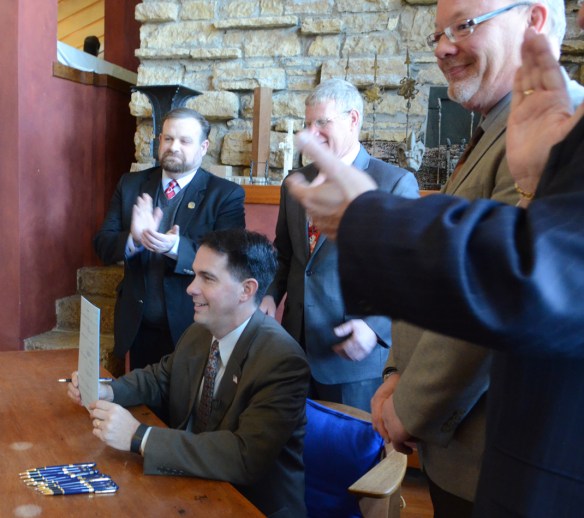
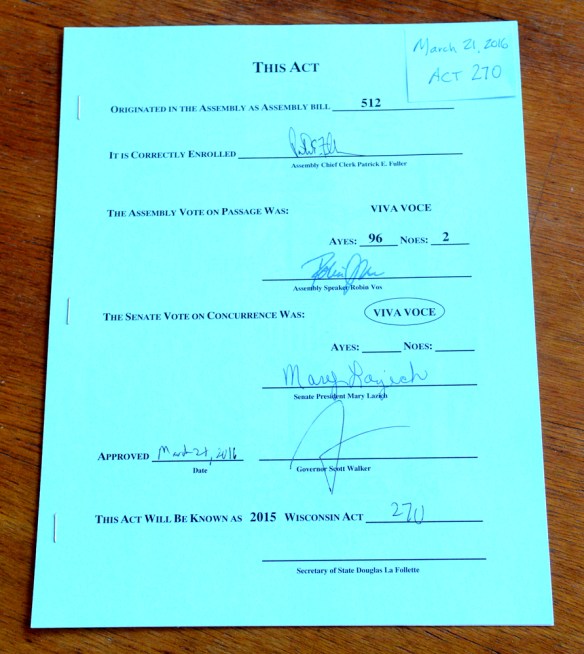
Wisconsin Gov. Scott Walker signed the bipartisan bill establishing the Trail in a ceremony at Taliesin in March:

LR Walker Wright Trail 073.jpg

LR Walker Wright Trail 061.jpg

Signs directing motorists to specific public sites such as the SC Johnson Administration Building and Research Tower and Wingspread in Racine will be erected in spring.

LR FLW Heritage Trail Signs 001.jpg

A link to the Department of Tourism page with the official map follows:

http://www.travelwisconsin.com/frank-lloyd-wright

Wright at SCJ

Photos (c) Mark Hertzberg for SC Johnson

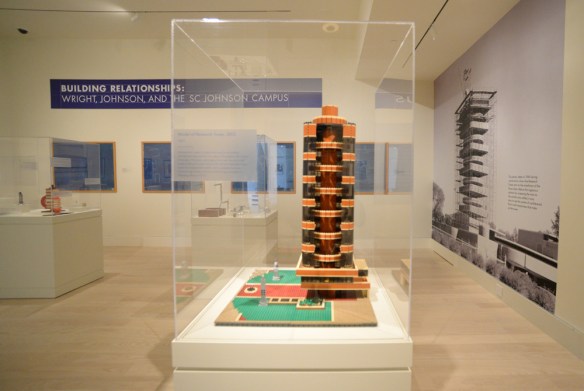
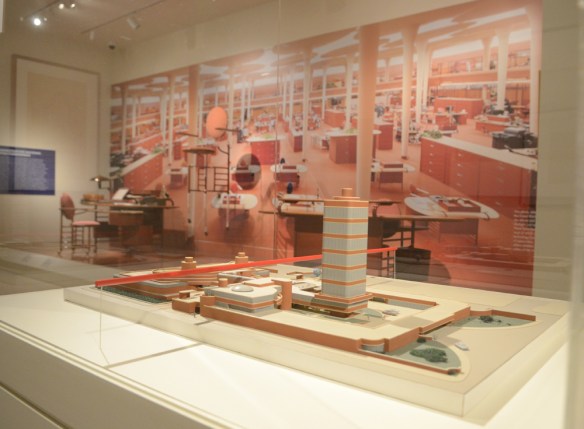
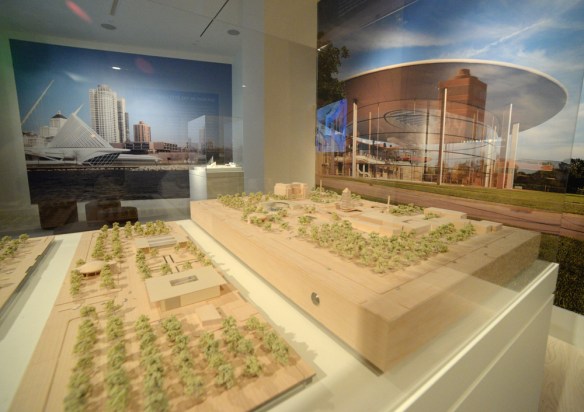
SC Johnson announces “Building Relationships: Wright, Johnson, and the SC Johnson Campus,” the fifth iteration of its Frank Lloyd Wright at Home exhibit in Fortaleza Hall on the company campus in Racine, Wis. The exhibit opens Friday May 6. The exhibit traces the design of the Administration Building (1936) and the Research Tower (1944) as well as touching on Wright’s influence on Norman Foster’s design of Fortaleza Hall on the company campus, and Santiago Calatrava’s Quadracci Pavilion at the Milwaukee Art Museum.

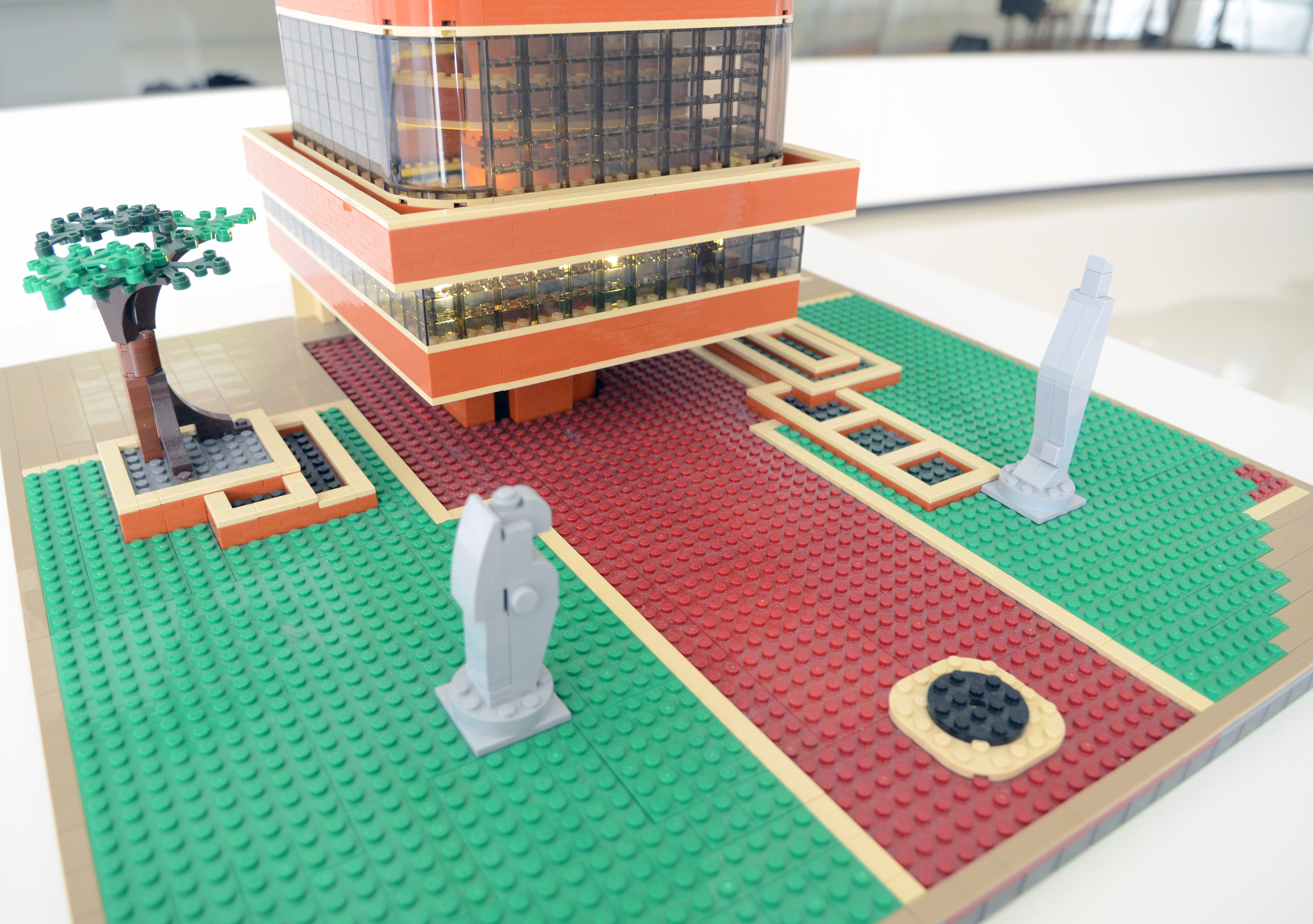
LR FLW & SCJ 006.jpgChris Eyerly’s cutaway LEGO model of the Research Tower is one of the first exhibits. LR FLW & SCJ 014.jpg

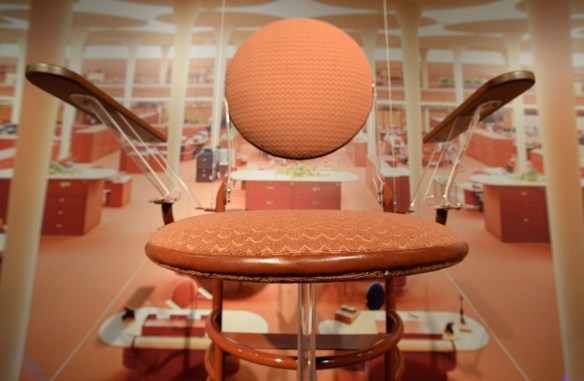
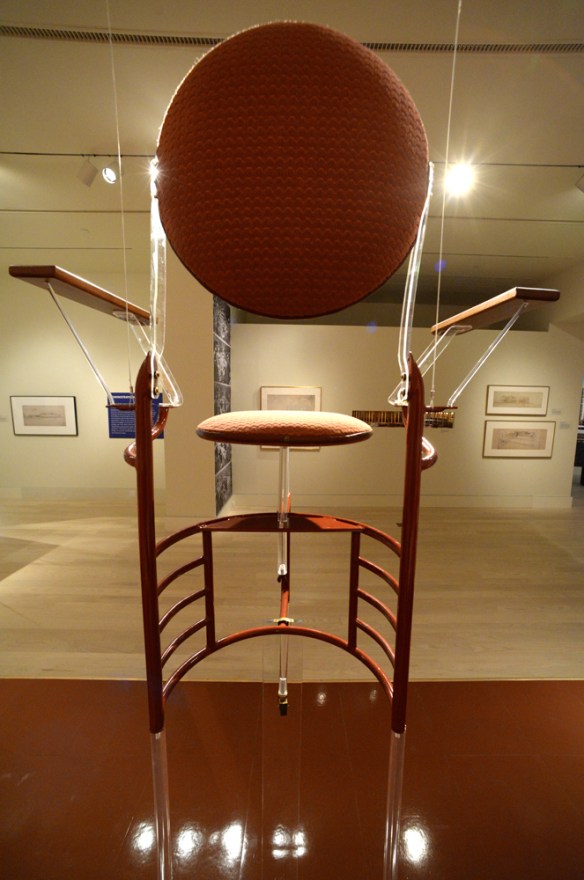
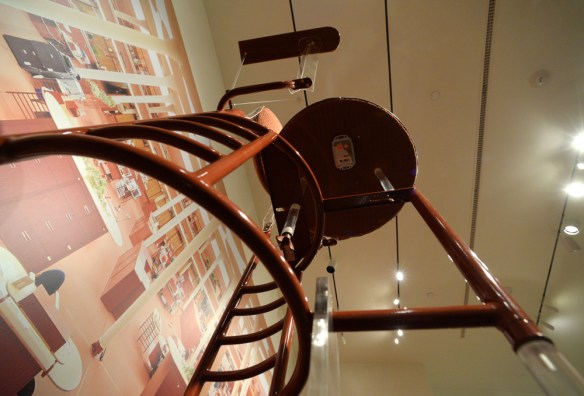
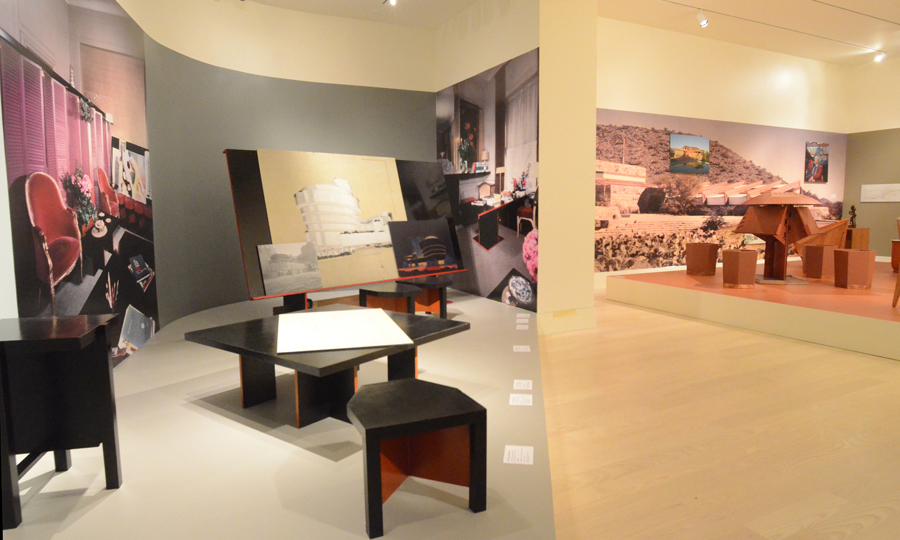
A mural of the Great Workroom is the backdrop to selected pieces of office furniture that Wright designed for the Administration Building. The American Metal Furniture Co., later Steelcase, was commissioned to build the furniture. Steelcase bought and restored Wright’s Meyer May House in the 1980s as a “thank you” to Wright for giving them the commission during the Great Depression. The highlight of that portion of the exhibit is a suspended or “exploded” desk chair, enabling viewers to see each element of Wright’s design.

LR FLW & SCJ 036.jpgLR FLW & SCJ 032.jpgLR FLW & SCJ 033.jpg

LR FLW & SCJ 044.jpg

The Norman Foster building and Calatrava’s museum addition are in the last salon of the exhibit, near a video which tells three stories in succession: historic footage of the famous column test at the Administration Building in June, 1937 and time lapse videos of Fortaleza Hall’s and the museum’s construction. Foster’s challenge was to build an inspiring building in the shadows of Wright’s two landmark buildings on the SCJ campus. Calatrava visited the campus as he was designing the museum addition. Wright’s organic architecture is said to have inspired the way he linked downtown Milwaukee to the lakefront museum addition to the original Eero Saarinen building (and its first addition).

LR FLW & SCJ 051.jpg

Reservations for free tours of the exhibit, Wright buildings, and Wingspread can be made at: www.scjohnson.com/visit

Frank Lloyd Wright Trail signed into law.

Photos (c) Mark Hertzberg 2016

Walker Wright Heritage Trail

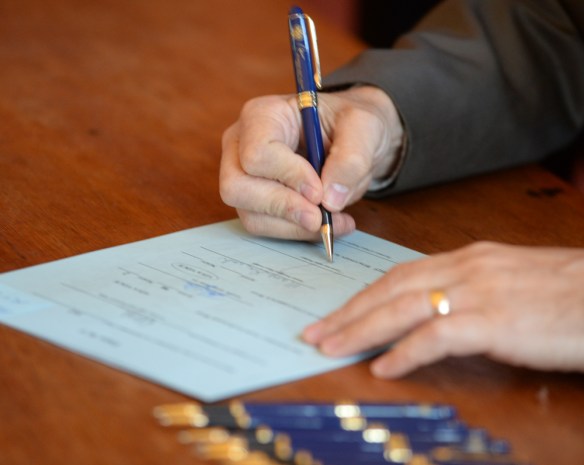
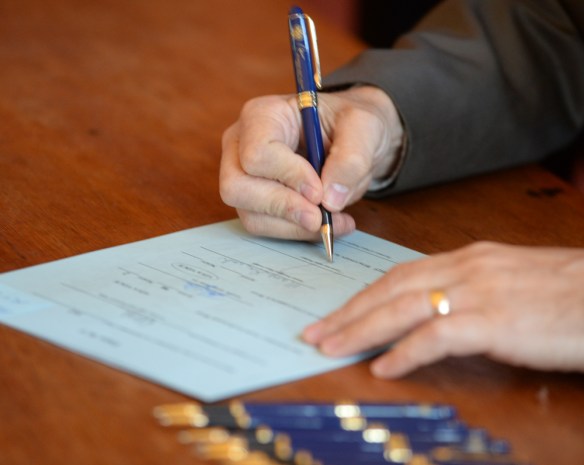
Commemorative pens that Wisconsin Gov. Scott Walker will use to sign the bipartisan bill to fund a Frank Lloyd Wright Trail between Racine and Richland Center, are on Wright’s table in his drafting room at Taliesin, his home in Spring Green, Monday March 21, 2016. / (c) Mark Hertzberg

The law provides $50,000 funding for highway signs and other marketing to promote Wright’s work in Wisconsin, from the Illinois/Wisconsin state line on I-94 through Racine, Madison, and Spring Green, and ending at the A.D. German Warehouse in Richland Center. Milwaukee is not included in the signage because Wright sites they are not open enough hours and it was thought it best not to divert travelers to sites they might find closed. Three sites in Racine will be included: the SC Johnson Administration Building, the SC Johnson Research Tower, and Wingspread.

Walker Wright Heritage Trail

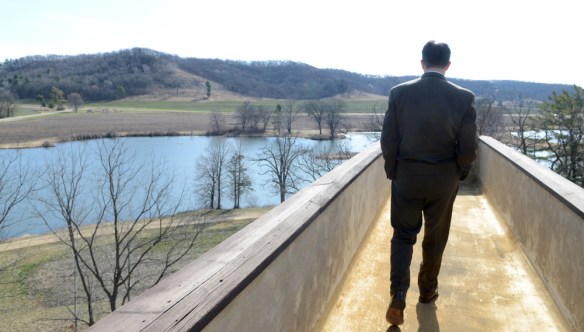
Wisconsin Gov. Scott Walker walks out on the cantilevered balcony outside the living room at Taliesin before he signs the bipartisan bill to fund the Frank Lloyd Wright Trail, Monday March 21, 2016. / (c) Mark Hertzberg

Walker Wright Heritage Trail

Wisconsin Gov. Scott Walker, center, chats with the bill’s sponsors on the cantilevered balcony outside the living room at Taliesin before he signs the bipartisan bill to fund the Frank Lloyd Wright Trail, Monday March 21, 2016. / (c) Mark Hertzberg

Walker Wright Heritage Trail

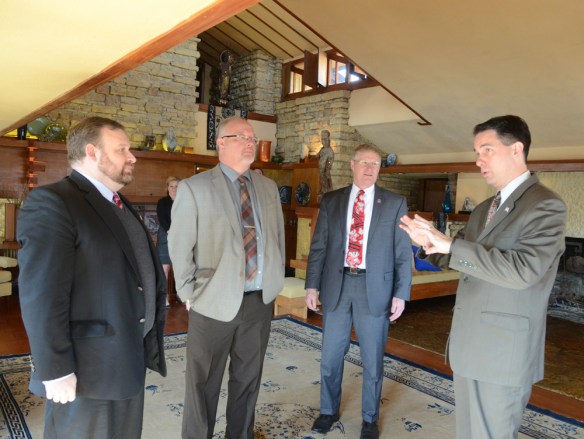
Wisconsin Gov. Scott Walker, right, chats with state representatives Cory Mason (D-Racine) and Todd Novak (R-Dodgeville) and State Sen. Howard Marklein (R- Spring Green), the sponsors of Assembly Bill 512, the bipartisan bill to fund a Frank Lloyd Wright Trail between Racine and Richland Center, in the living room at Taliesin, Wright’s home in Spring Green, Monday March 21, 2016. / (c) Mark Hertzberg

Walker Wright Heritage Trail

Wisconsin Gov. Scott Walker signs the bill to fund the Frank Lloyd Wright Trail between Racine and Richland Center, in Wright’s drafting room at Taliesin, his home in Spring Green, Monday March 21, 2016. / (c) Mark Hertzberg

Walker Wright Heritage Trail

Wisconsin Gov. Scott Walker is applauded after he signs the bipartisan bill to fund a Frank Lloyd Wright Trail between Racine and Richland Center, in Wright’s drafting room at Taliesin, his home in Spring Green, Monday March 21, 2016. Looking on are Rep. Cory Mason (D-Racine), left, Sen. Howard Marklein (R- Spring Green), Rep. Todd Novak (R-Dodgeville), who introduced the bill, and State Sen. Van Wanggaard (R-Racine), a co-sponsor / (c) Mark Hertzberg

Walker Wright Heritage Trail

Wisconsin Gov. Scott Walker signed the bipartisan bill to fund a Frank Lloyd Wright Trail between Racine and Richland Center, in Wright’s drafting room at Taliesin, his home in Spring Green, Monday March 21, 2016. / (c) Mark Hertzberg

Celebrating Wright’s Birthday

Photos and text (c) Mark Hertzberg

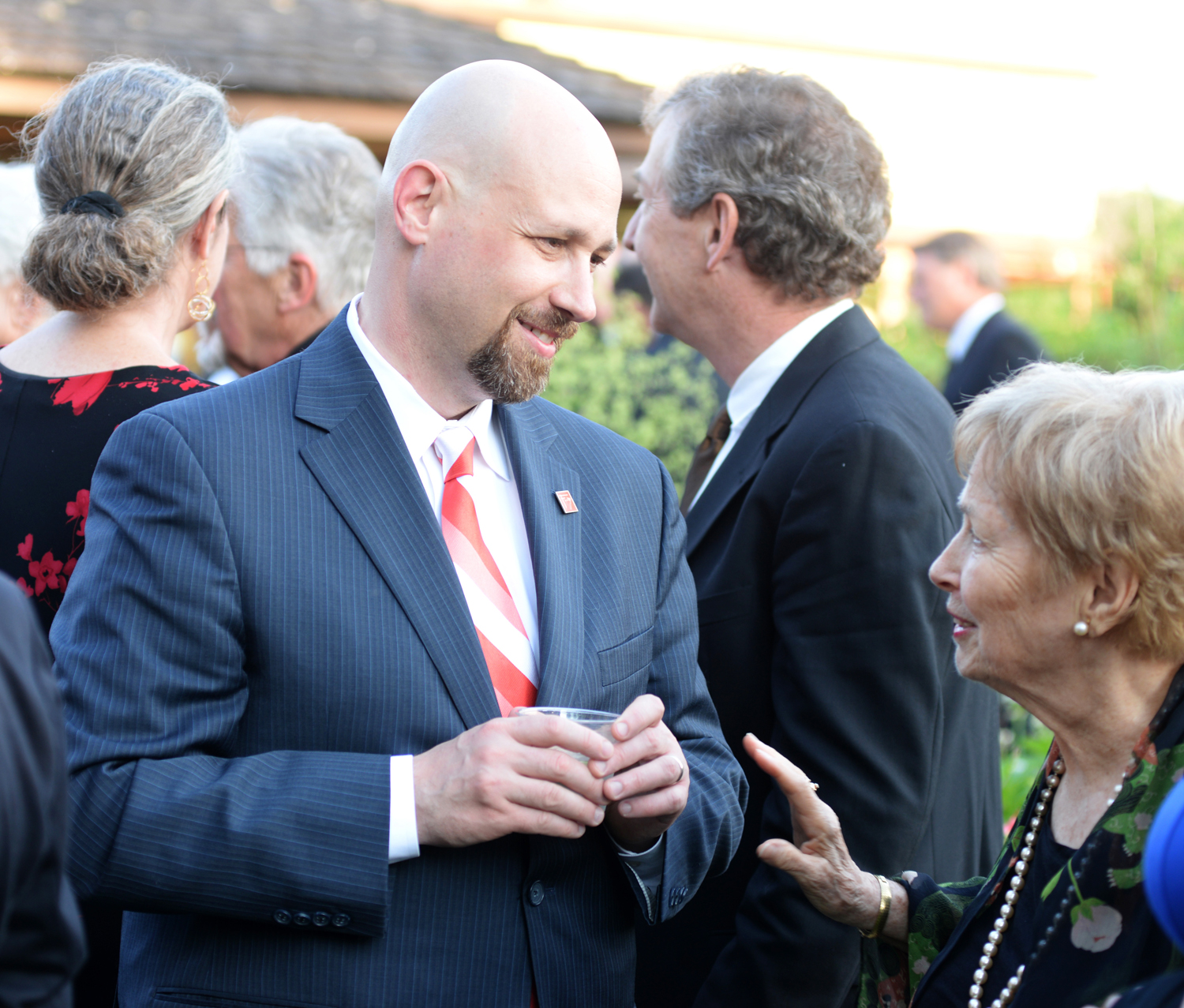
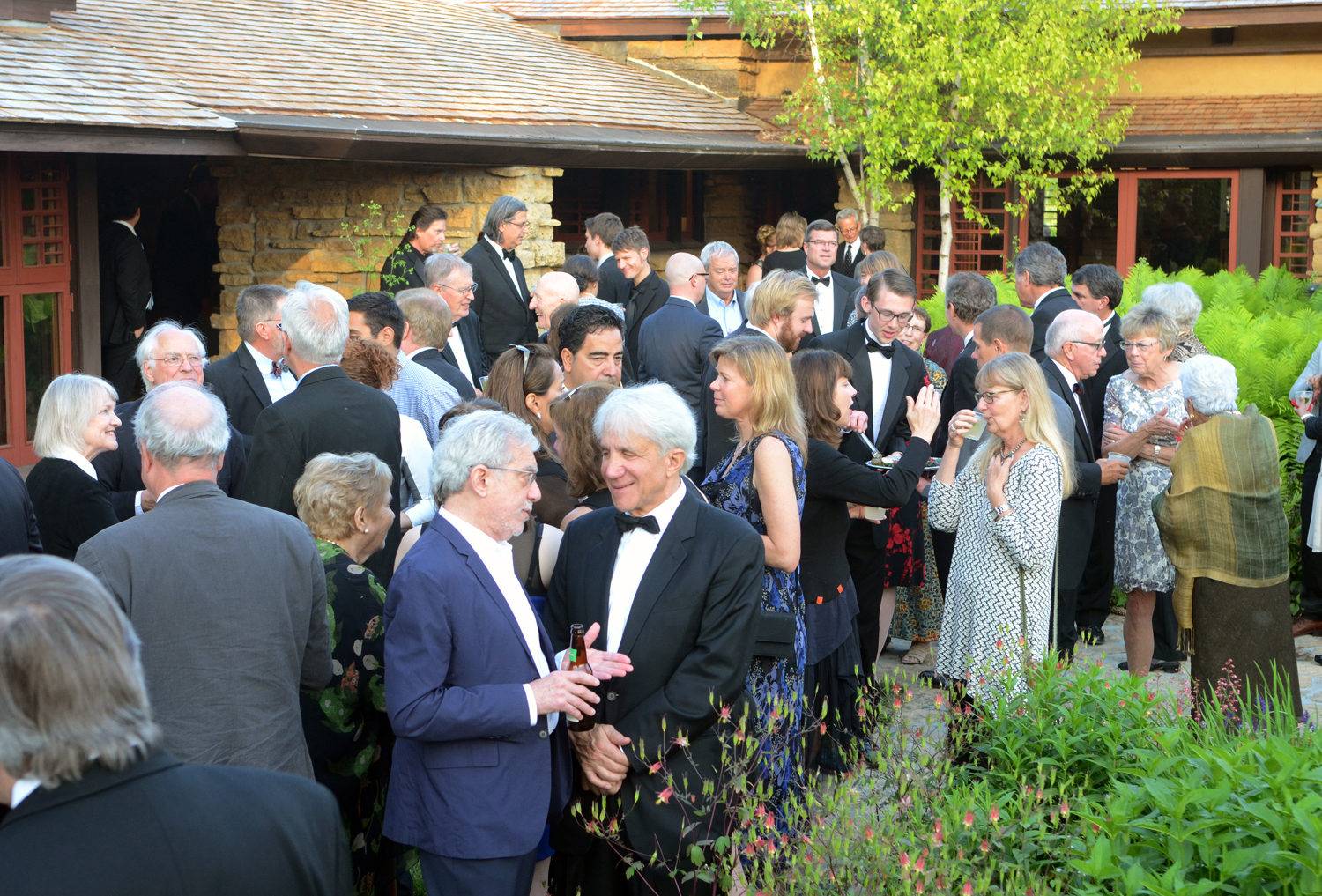
Frank Lloyd Wright’s 148th birthday was celebrated at a traditional gathering at Taliesin Saturday June 6 and a day later at SC Johnson in Racine, Wisconsin. Wright designed the company’s Administration Building in 1936 and Research Tower in 1943/44.

Frank Lloyd Wright birthday celebration at Taliesin and Hillside School, Spring Green, Wis., Saturday June 6, 2015.  /  (c) Mark HertzbergSean Malone chats with Minerva Montooth during the reception at Taliesin.

Frank Lloyd Wright birthday celebration at Taliesin and Hillside School, Spring Green, Wis., Saturday June 6, 2015.  /  (c) Mark Hertzberg

Frank Lloyd Wright birthday celebration at Taliesin and Hillside School, Spring Green, Wis., Saturday June 6, 2015.  /  (c) Mark Hertzberg

Ron McCrea enjoys playing the living room piano when he visits Taliesin.

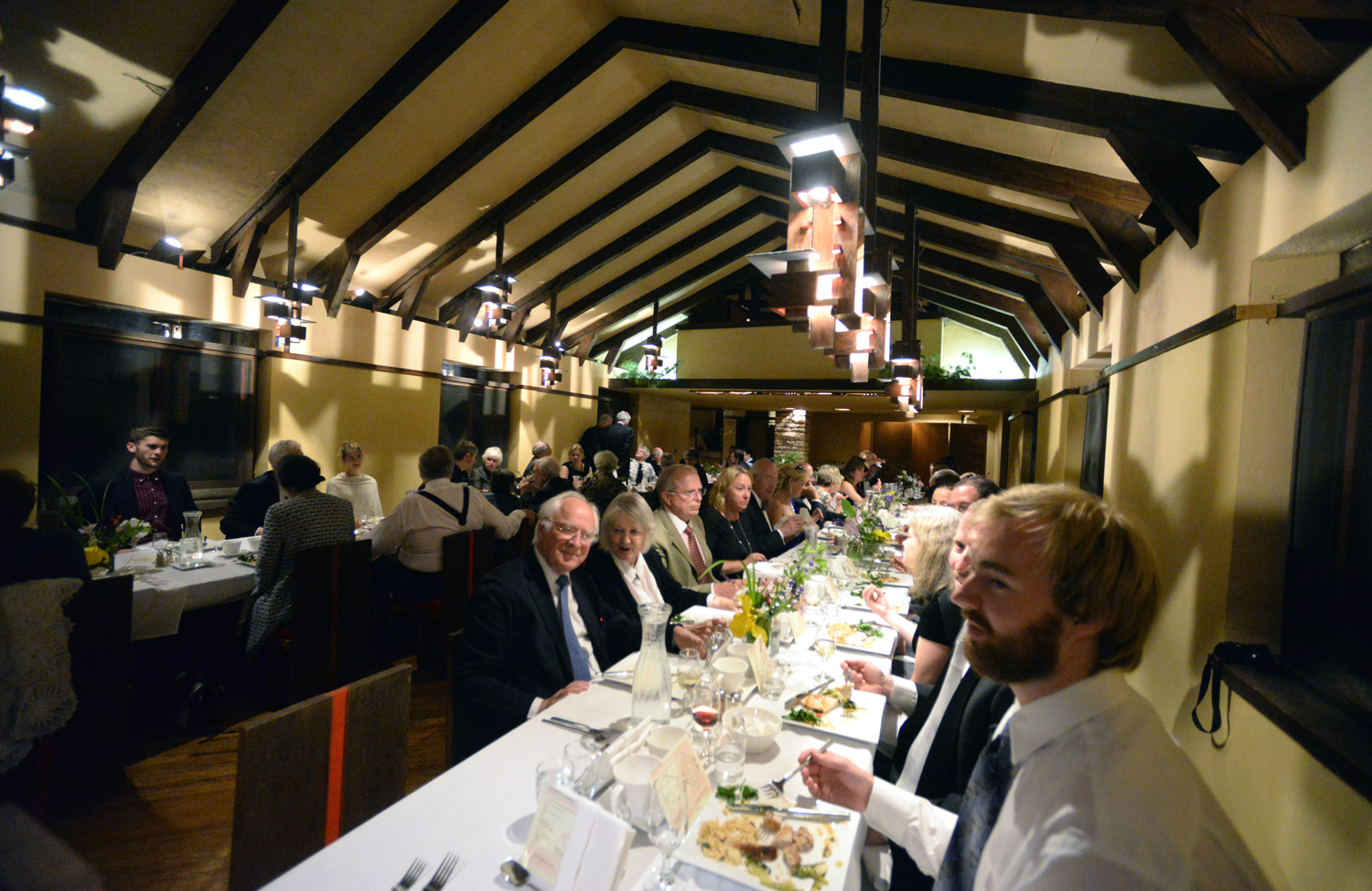
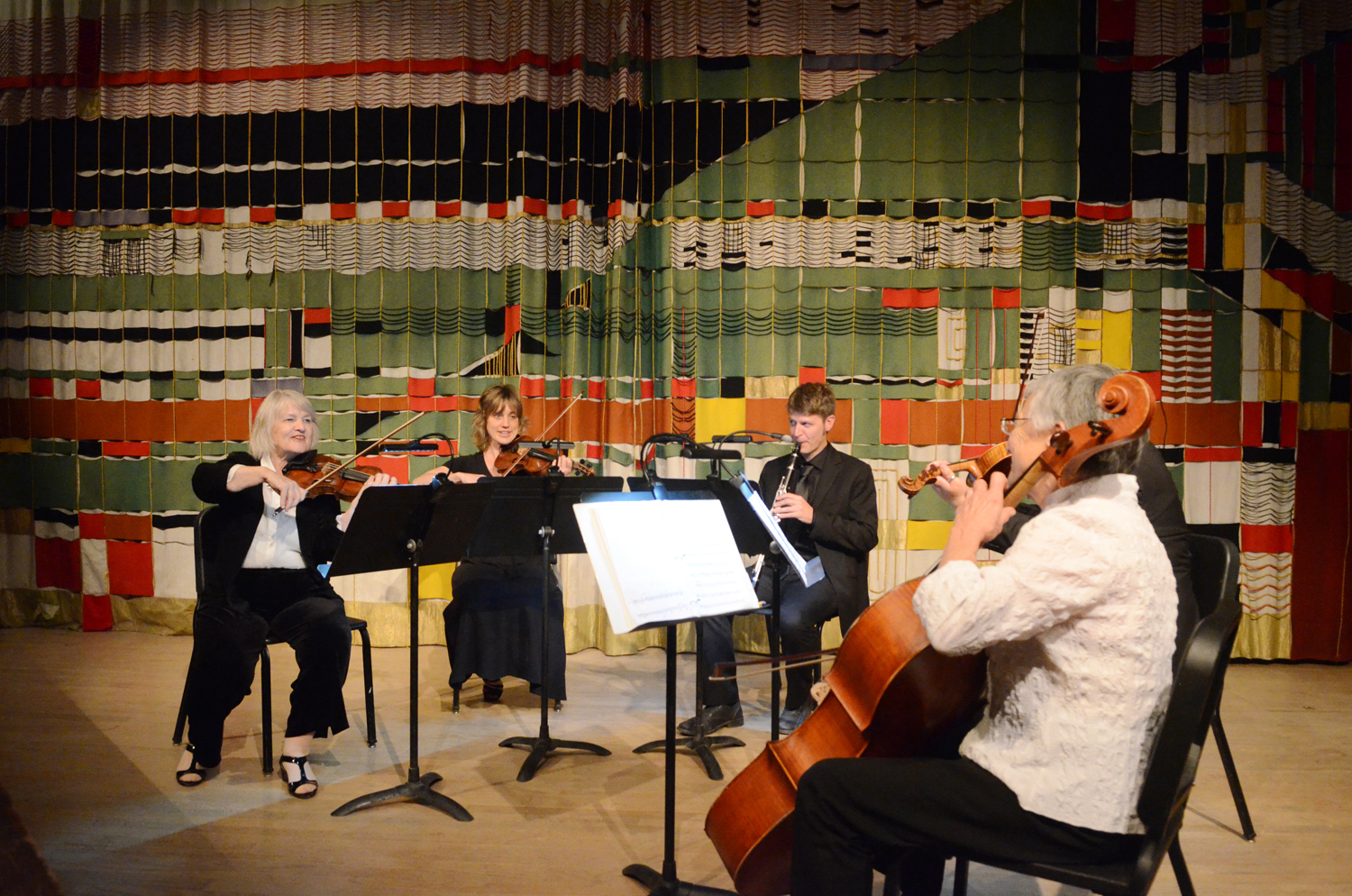
The reception at Taliesin was followed by dinner – including a birthday cake – and music at Hillside School:

Frank Lloyd Wright birthday celebration at Taliesin and Hillside School, Spring Green, Wis., Saturday June 6, 2015.  /  (c) Mark Hertzberg

Frank Lloyd Wright birthday celebration at Taliesin and Hillside School, Spring Green, Wis., Saturday June 6, 2015.  /  (c) Mark Hertzberg

Frank Lloyd Wright birthday celebration at Taliesin and Hillside School, Spring Green, Wis., Saturday June 6, 2015.  /  (c) Mark Hertzberg

Frank Lloyd Wright birthday celebration at Taliesin and Hillside School, Spring Green, Wis., Saturday June 6, 2015.  /  (c) Mark Hertzberg

Prairie 50th Graduation

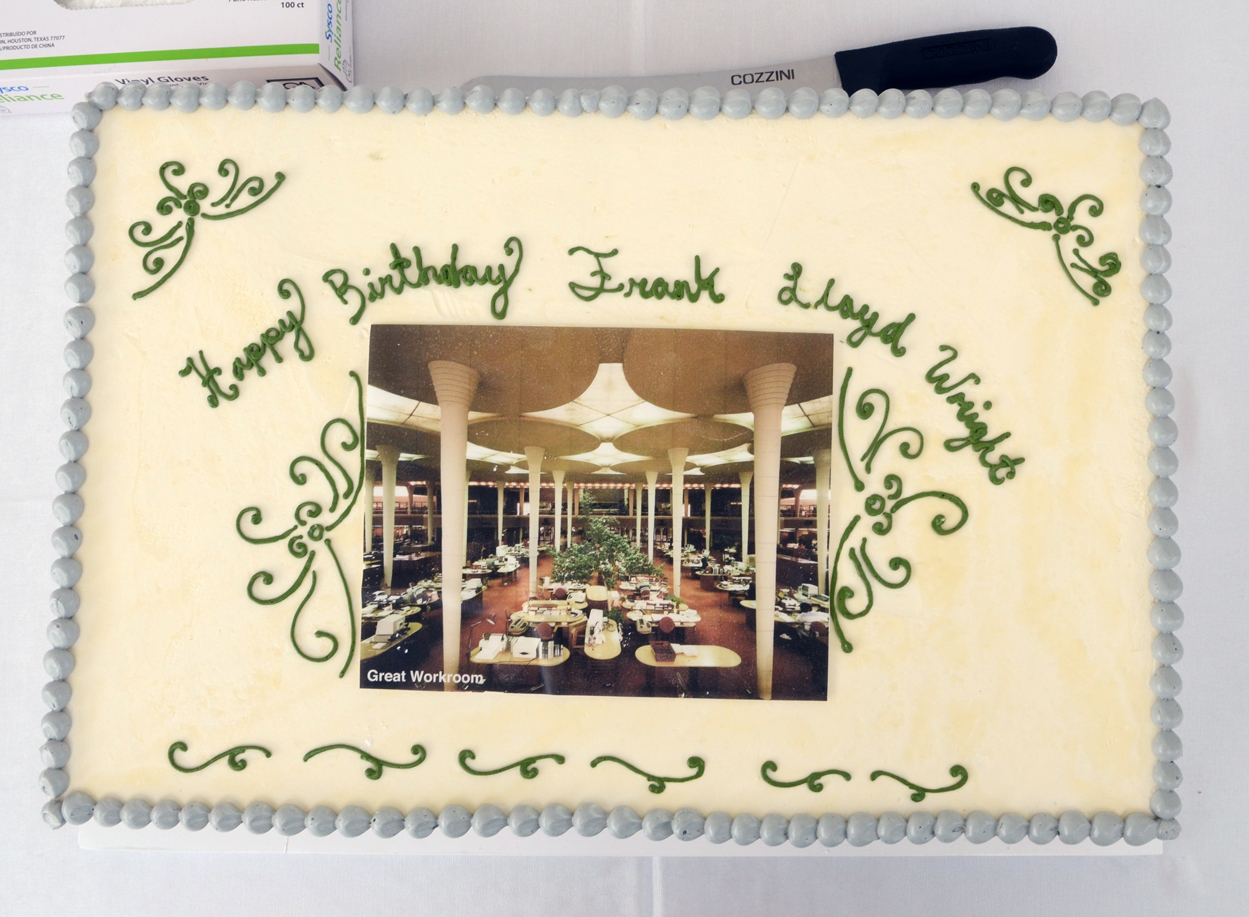
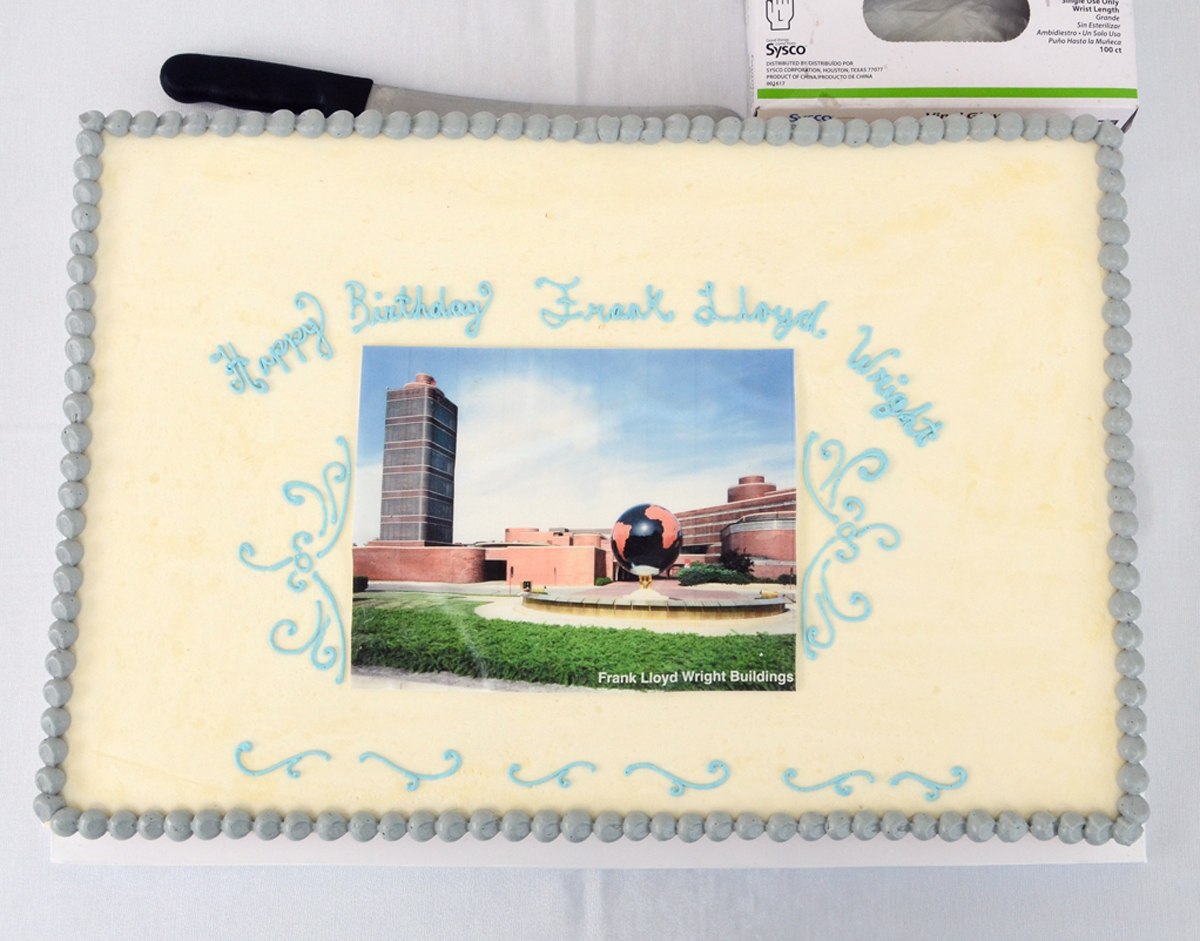
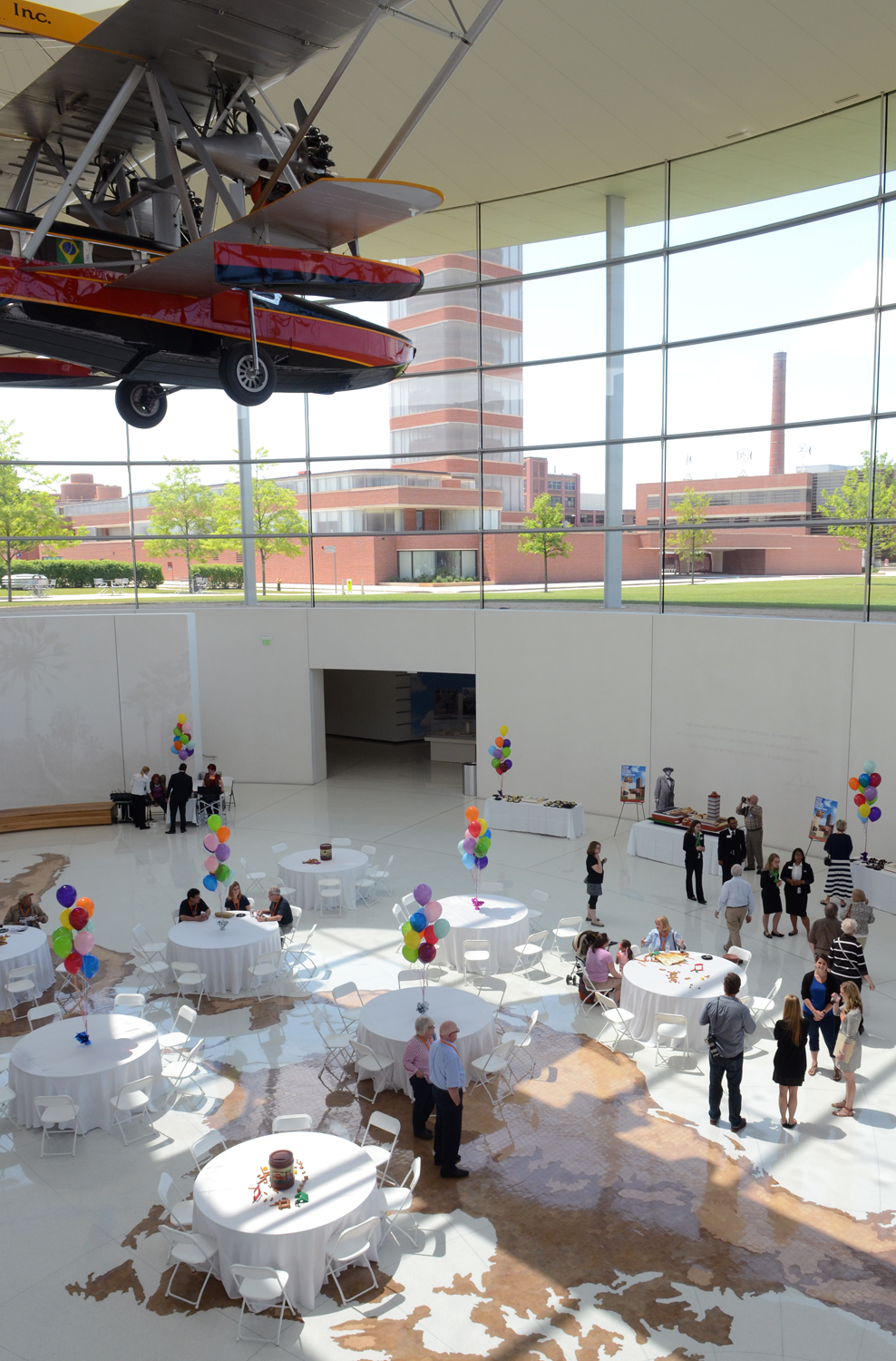
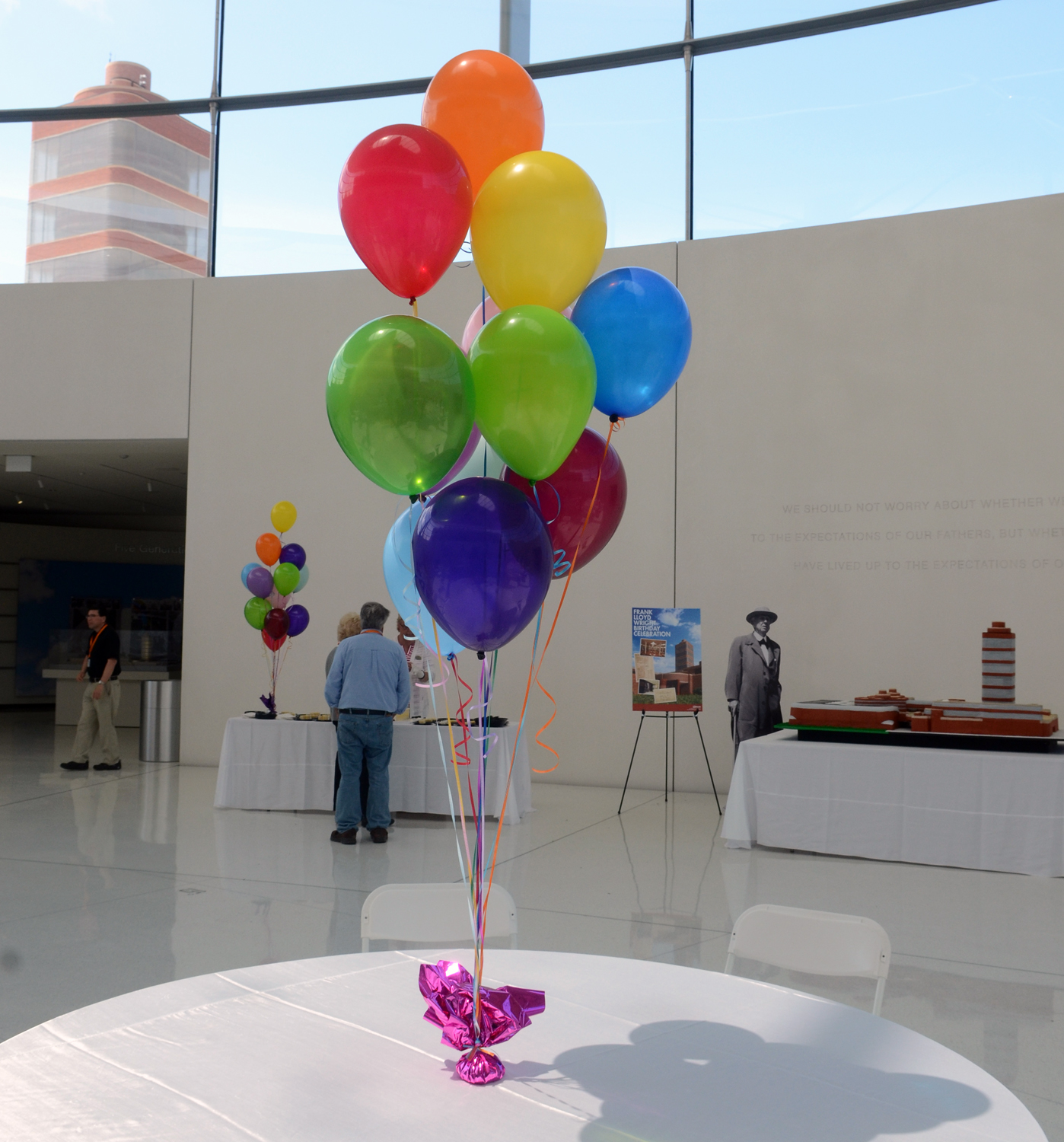
SC Johnson’s celebration was held in Fortaleza Hall, designed by Lord Norman Foster and partners. There were two sheet cakes and a large cake modeled after Wright’s buildings. The base below the model building was made from compressed Rice Krispie treats and chocolate mix.

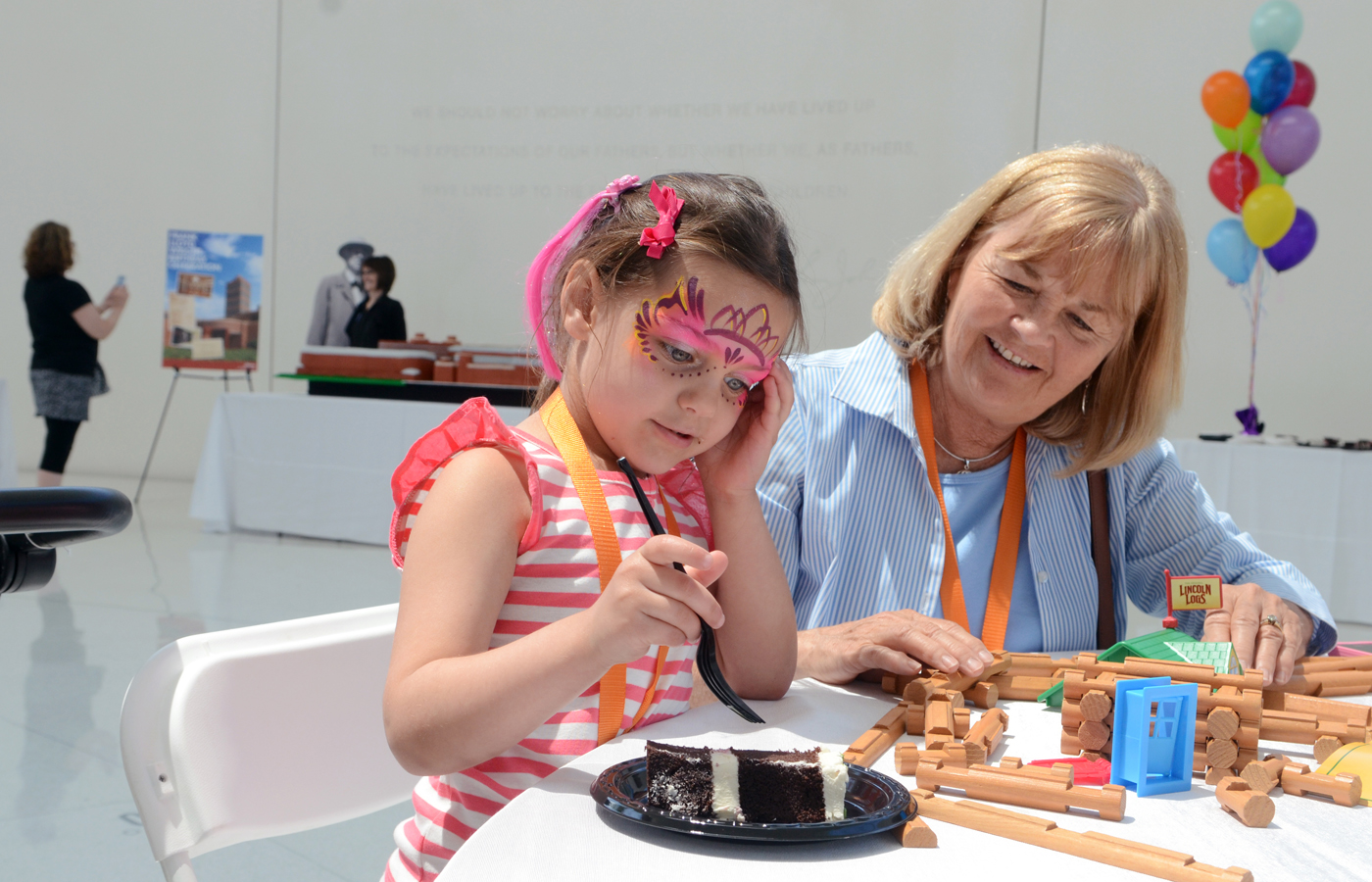
Children played with Lincoln Logs, a toy invented by John Lloyd Wright

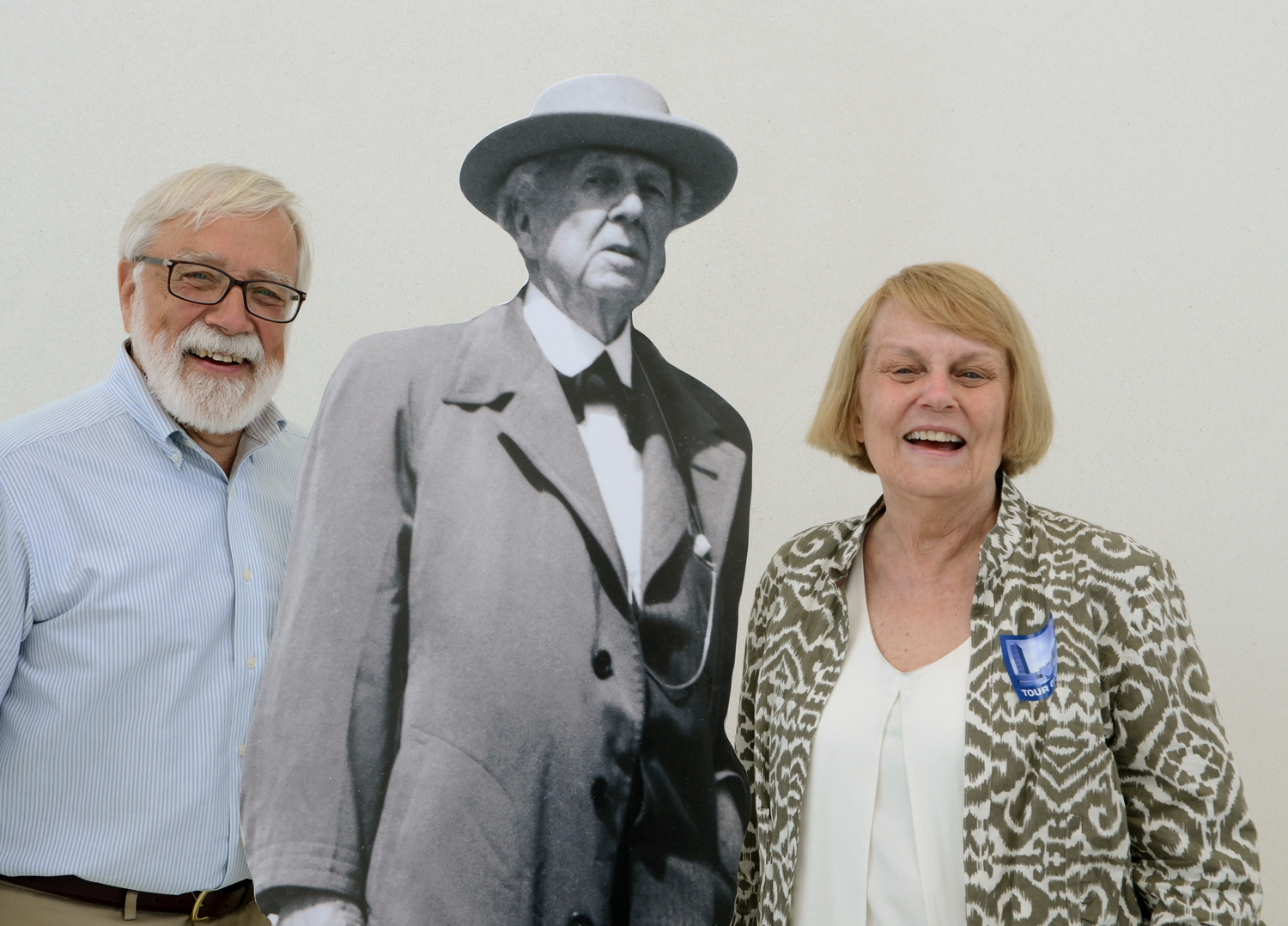
Bob and Jeanne Maushammer wanted their picture taken with a life-size cutout photo of Wright. The Maushammers, who have seen several hundred of Wright’s buildings, were in their hometown of Racine to celebrate their 50th wedding anniversary.

New Wright exhibition at SC Johnson opens

Photos by Mark Hertzberg (c) for SC Johnson

SCJ Wasmuth

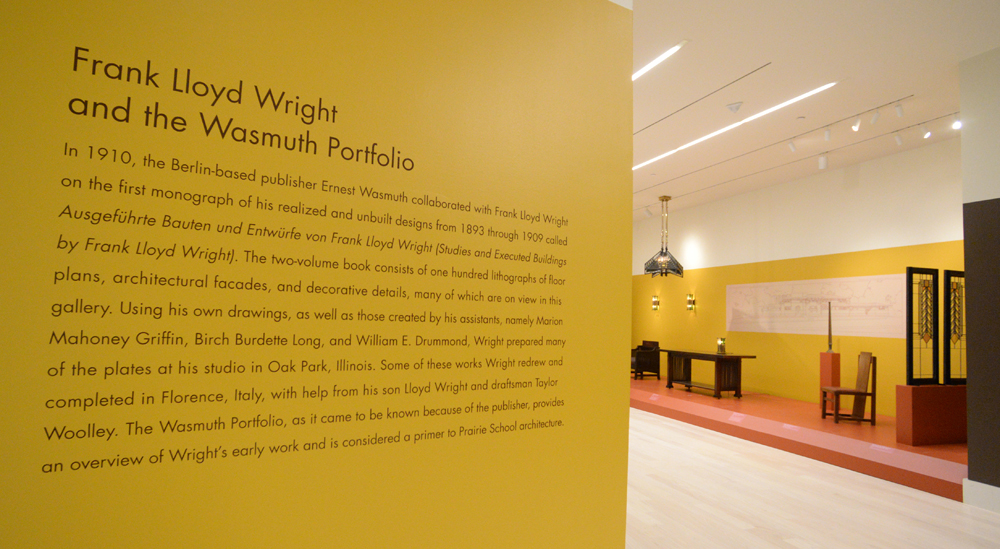
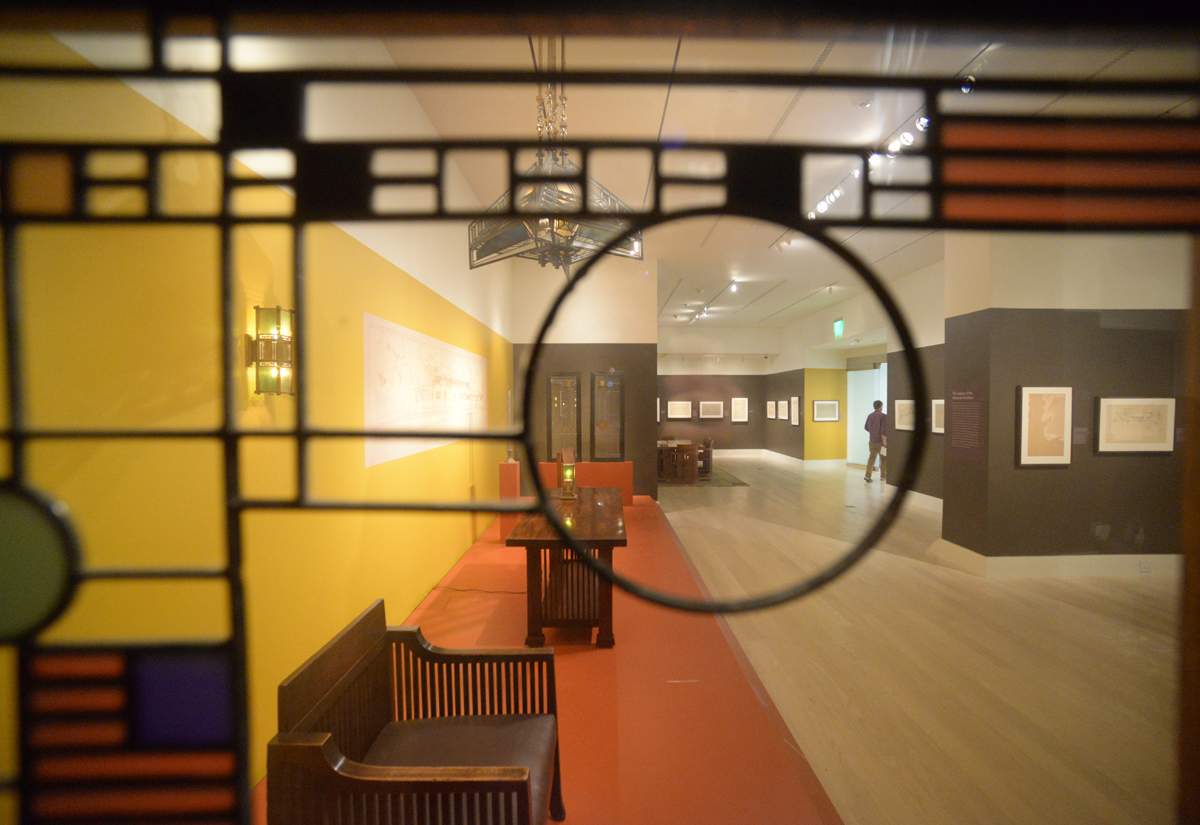
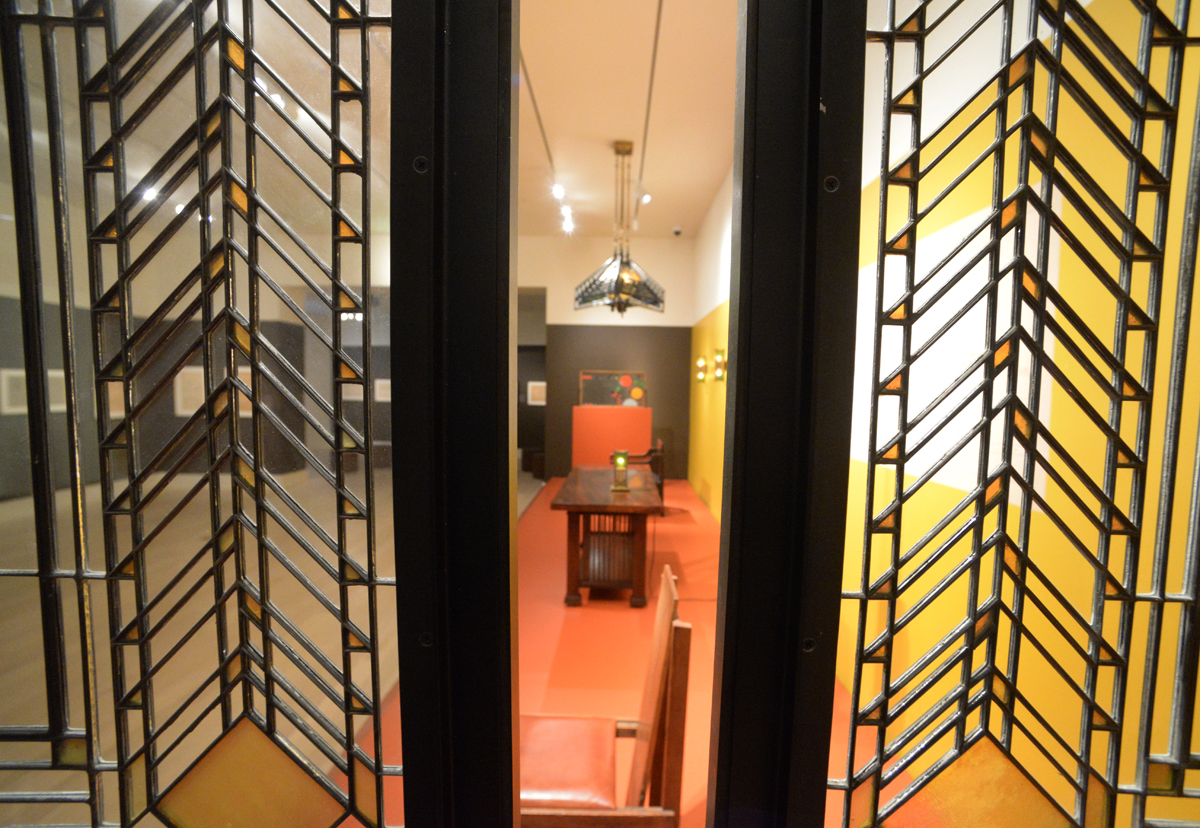
Wright’s 1910 Wasmuth Portfolio is the theme of the fourth annual exhibition in the “At Home with Frank Lloyd Wright” gallery in Fortaleza Hall on the SC Johnson campus in Racine, Wis. Fifty lithographs from the portfolio and artifacts from the Dana House and the Heath House, among others, are exhibited:

SCJ Wasmuth SCJ Wasmuth

SCJ Wasmuth

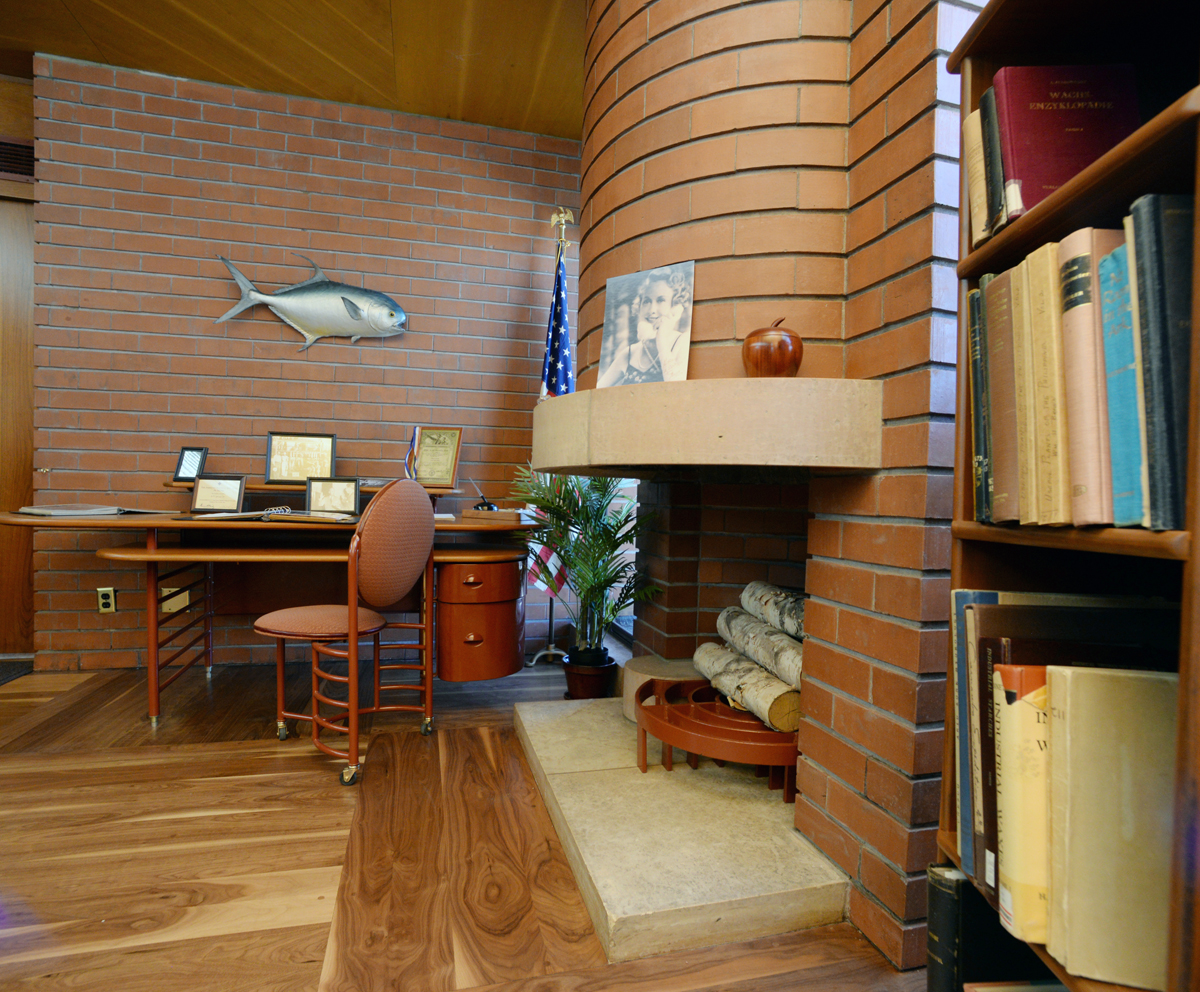
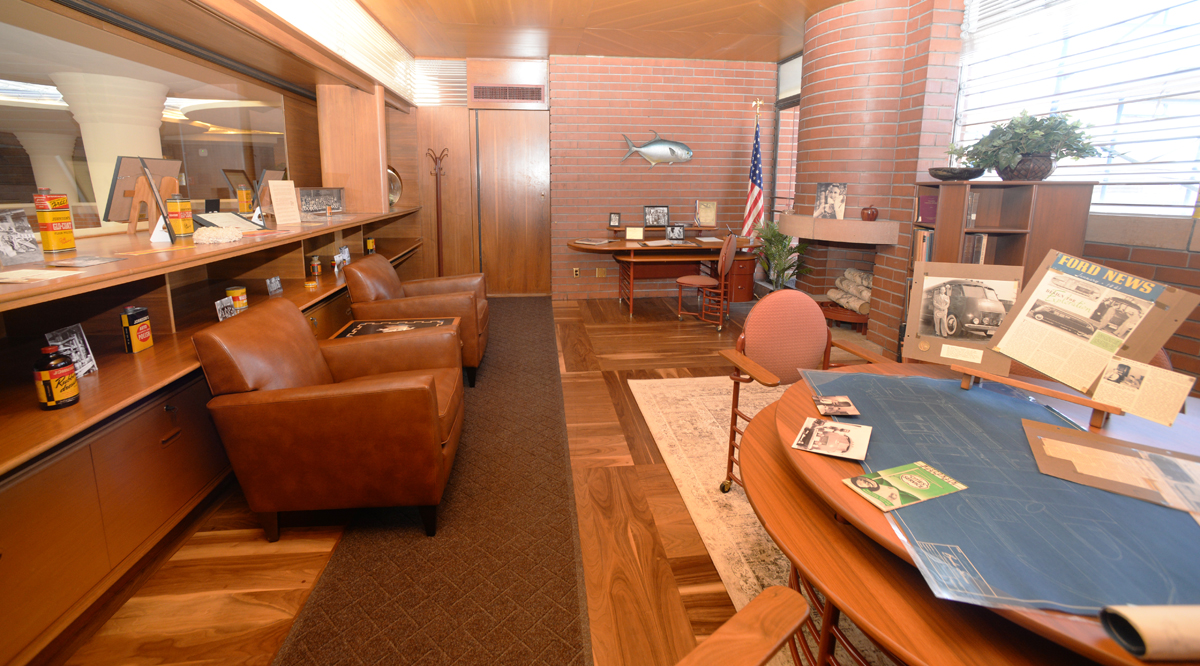
Weekend tours now also include H.F. Johnson Jr.’s office in the Wright-designed Administration Building (1936). The office has been refurbished with period furniture and company artifacts for the tours. Johnson commissioned Wright to designed the Administration Building, the SC Johnson Research Tower (1943/44), Wingspread (his home, 1937), the unrealized Racine YWCA (1949/50), an unrealized remodeling at the Racine Airport (1941), and several unrealized buildings at Wingspread.

HF Office

HF Office

HF Office

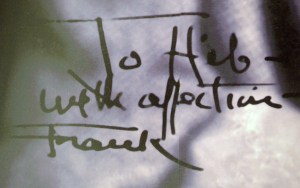
Wright – and others close to Johnson – called him “Hib”.

SCJ Wasmuth

For information and required tour reservations go to: www.scjohnson.com/visit

SCJ Research Tower: Imitation is Flattery

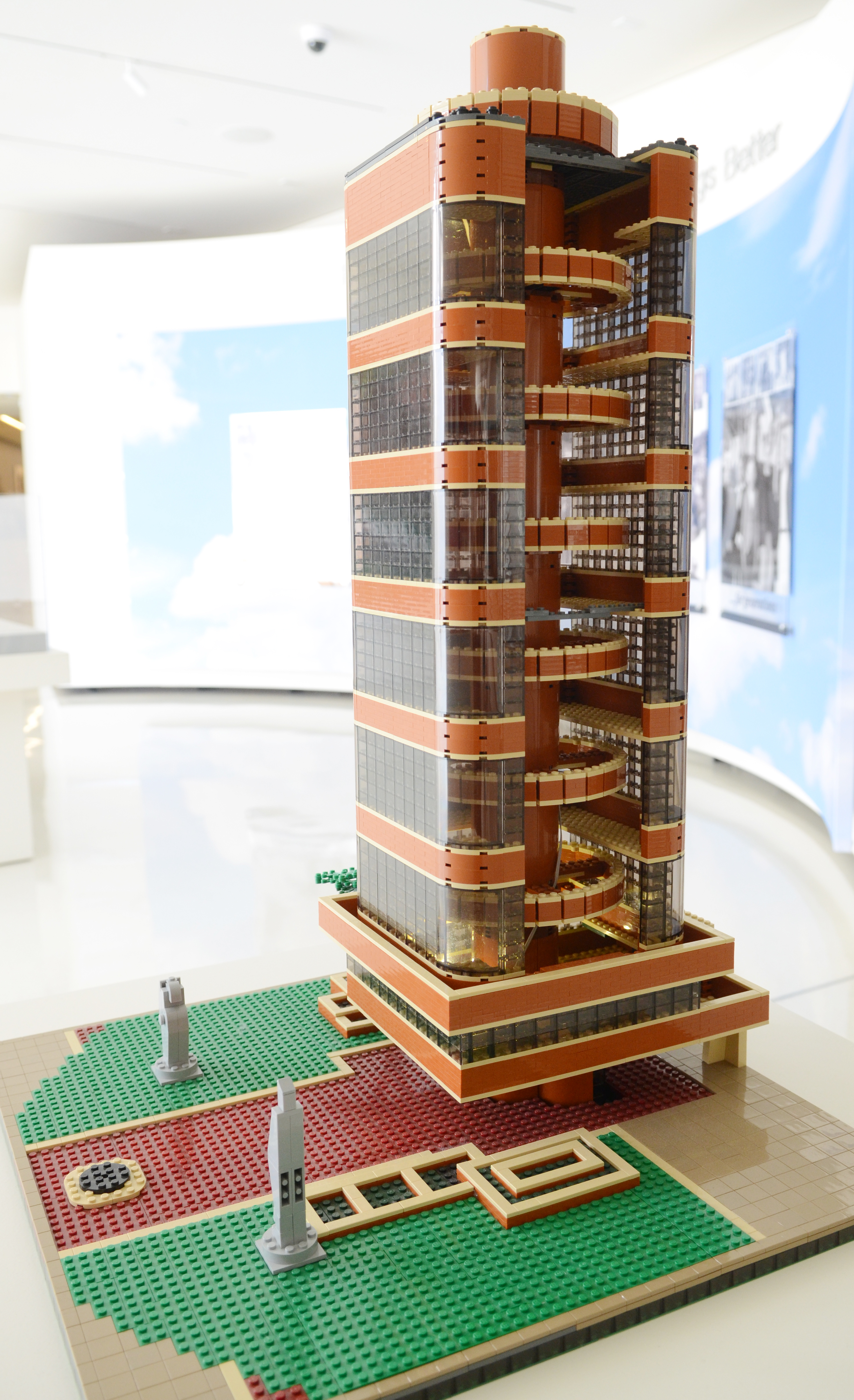
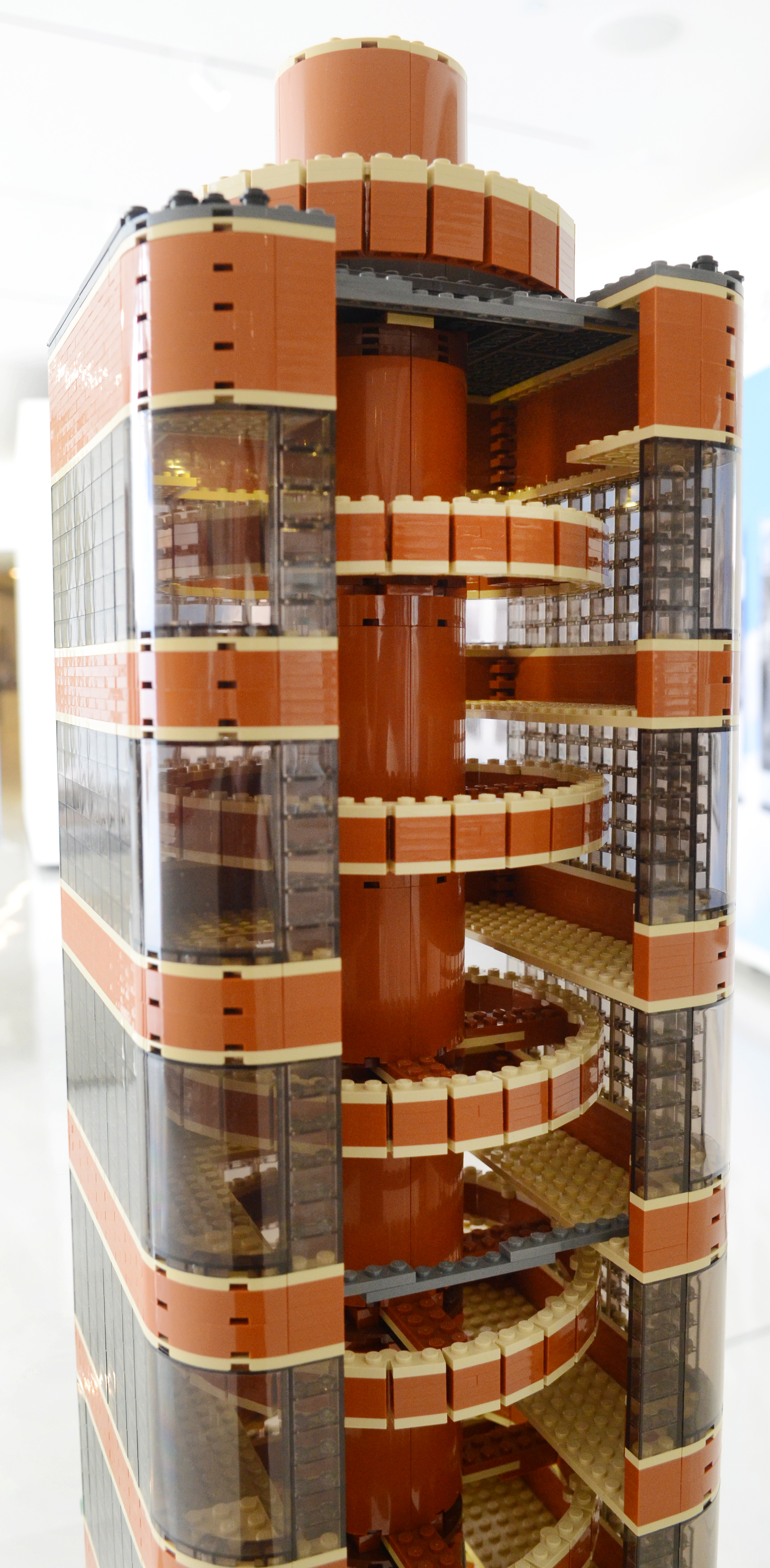
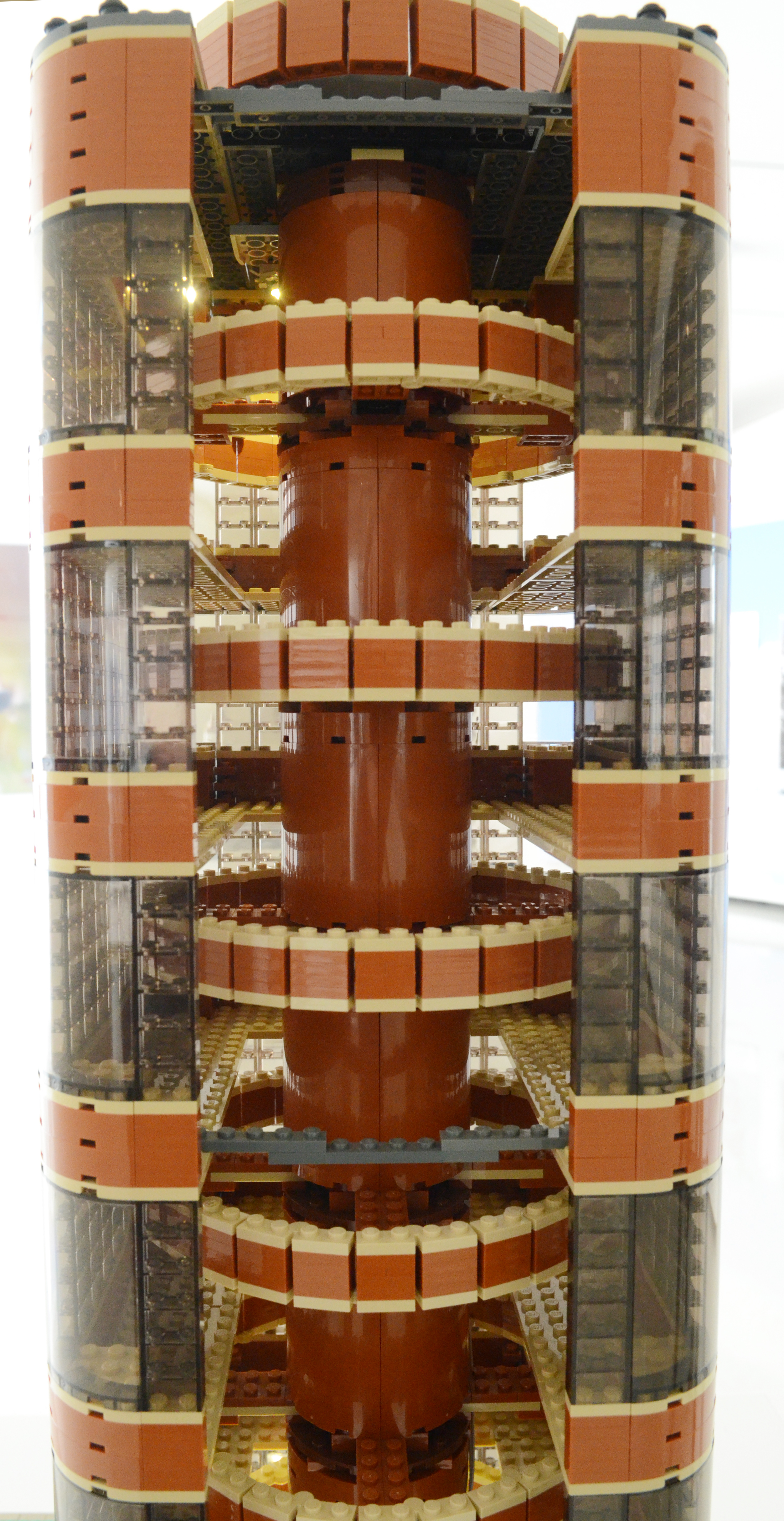
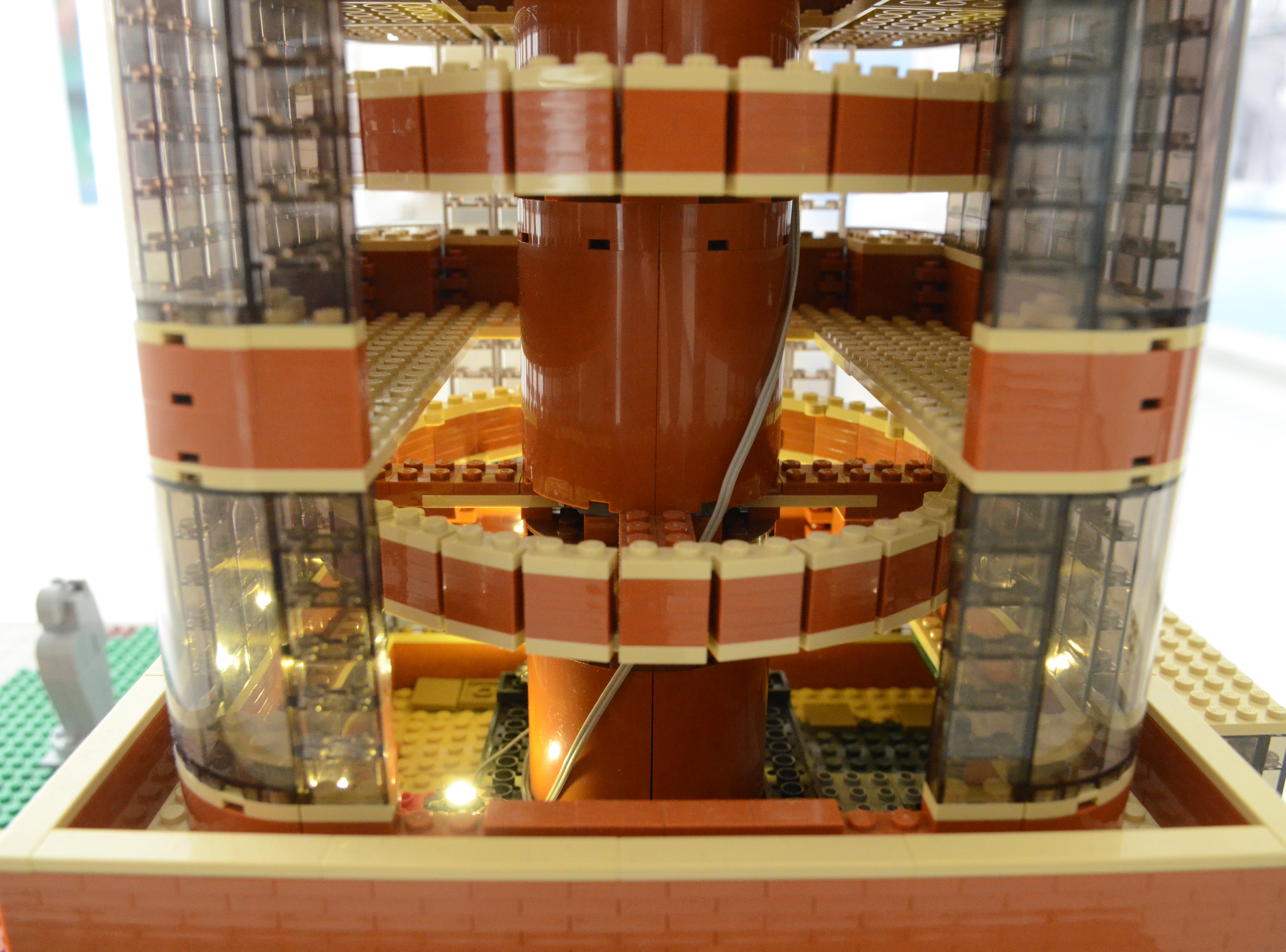
(c) Mark Hertzberg If imitation is indeed the sincerest form of flattery (Charles Caleb Colton, 1820), then Frank Lloyd Wright’s SC Johnson Research Tower has many admirers. The latest incarnation of the Tower is a Lego model built by Chris Eyerly of Kenosha. It is displayed in Fortaleza Hall on the company campus.
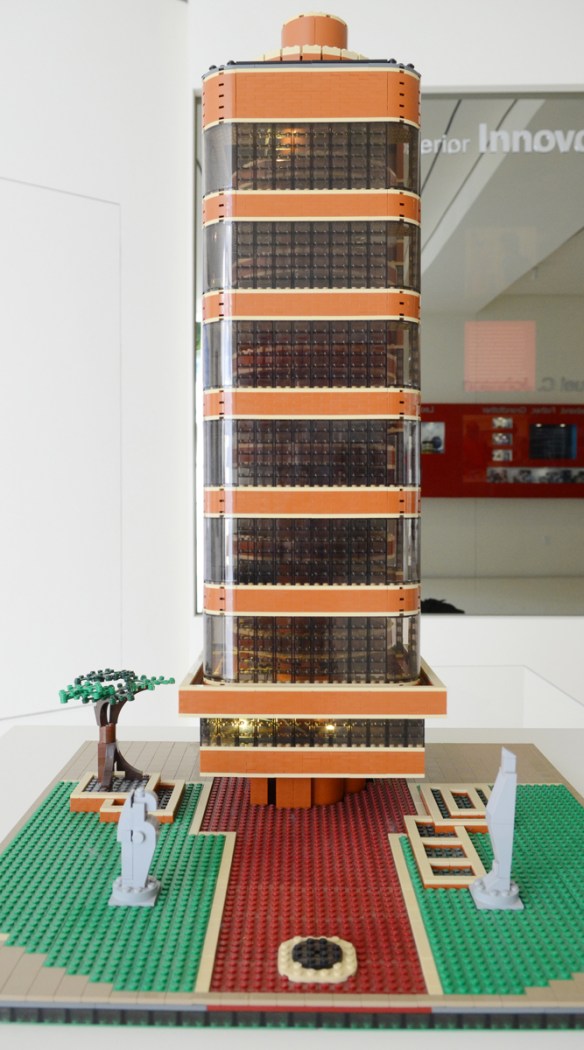
Lego Research Tower

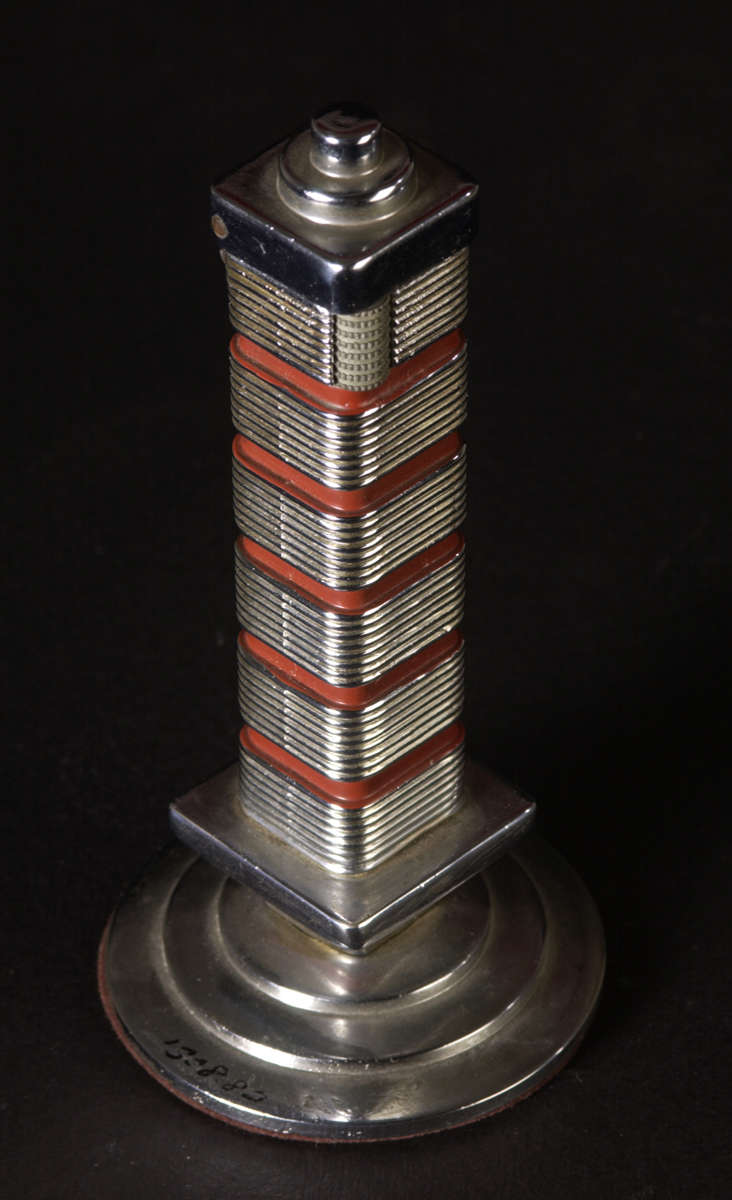
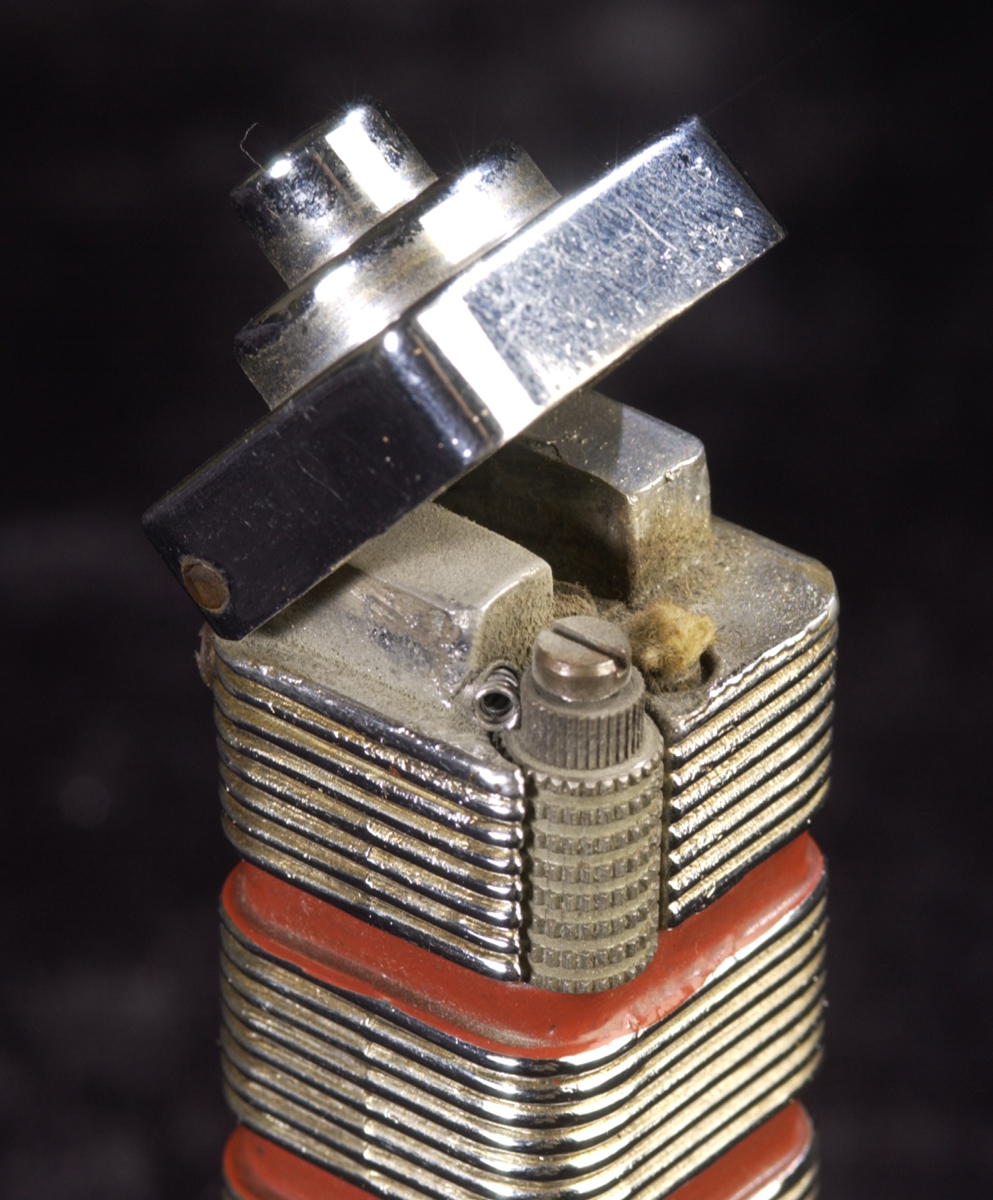
The first spin-off of the Tower was a desk lighter commissioned by H.F. Johnson Jr. in 1946, the year before construction began, to mark the company’s 50th anniversary. Famed industrial design Brooks Stevens delighted in “literally knocking the great Wright down to size” when he designed the lighter, according to Glenn Adamson, who profiled Stevens in 2003 for an exhibition at the Milwaukee Art Museum.
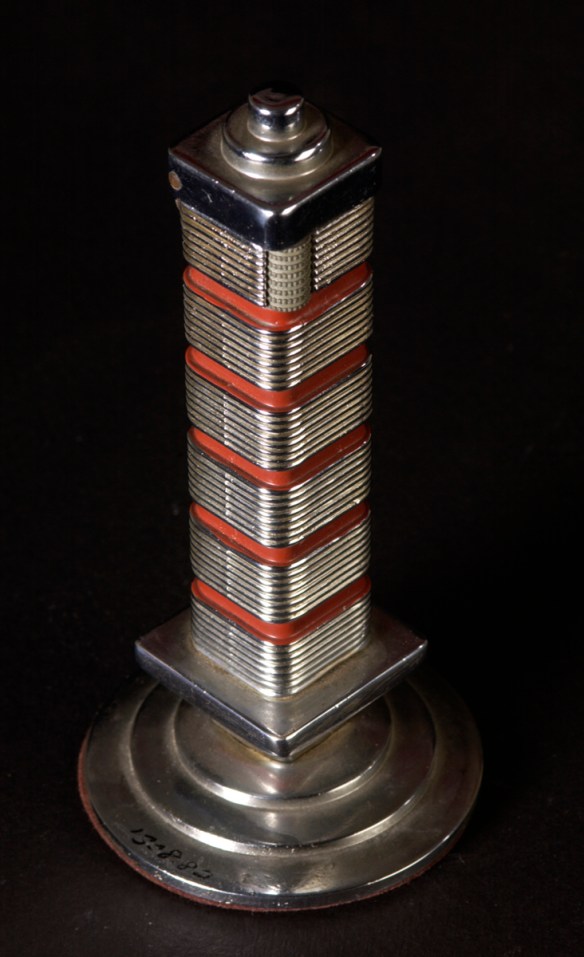
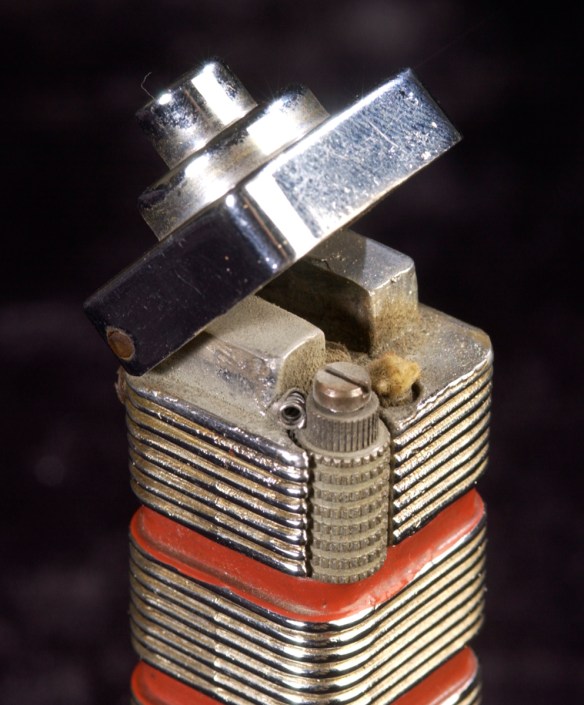
Tower Lighter

LR Tower Lighter 052

It was followed sometime after 1960 by a Christmas candle. While the lighters are collectors’ items today, fetching prices up to $700 on sites like eBay, the candle was not as successful, according to the late Serge Logan, who worked in community relations for the company. People liked the “gorgeous smell,” Logan recalled, “I think we got them in Maine somewhere because of the smell of the pines.” But the company that made the candles did not pack them well enough, and many cracked during shipping.
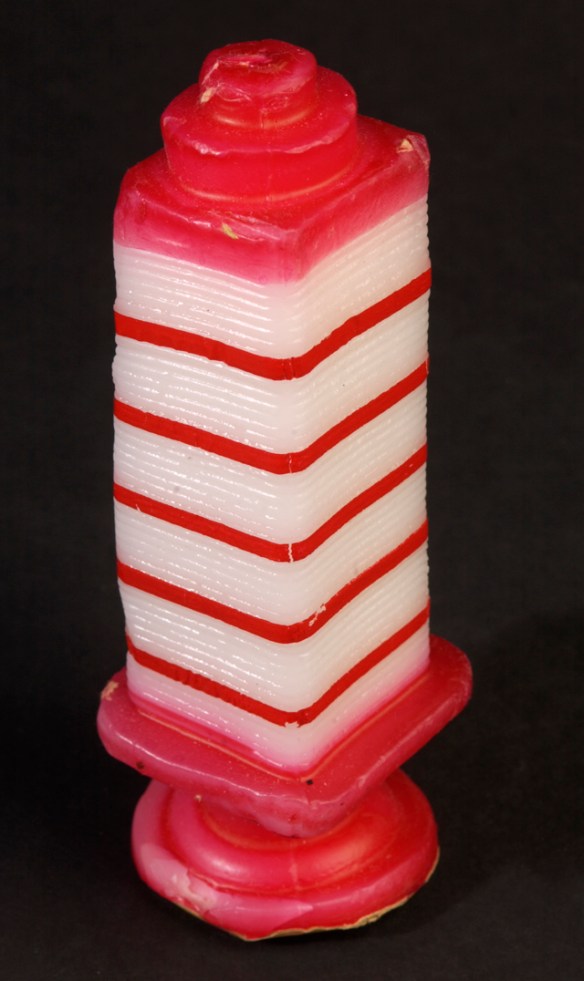
LR Tower Candle 012

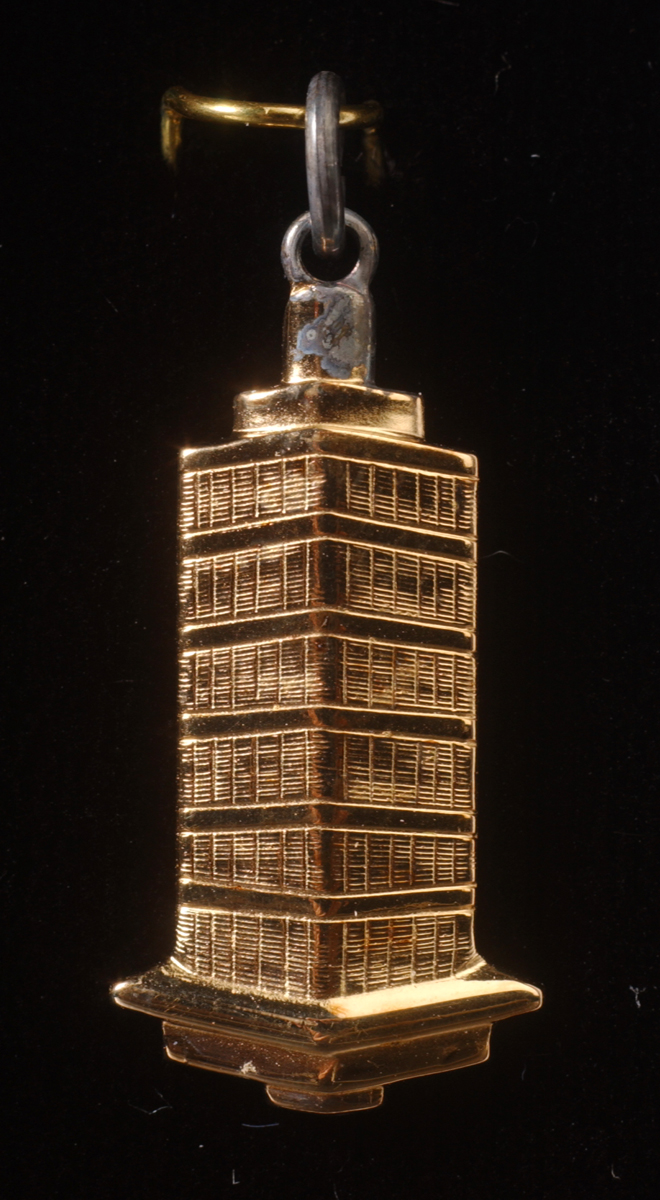
There was also a golden charm of the Tower offered for sale to employees in 1971 for $5. It was made by Tiffany & Company. It was packaged in a blue leatherette jewelry case with the Tiffany trademark.
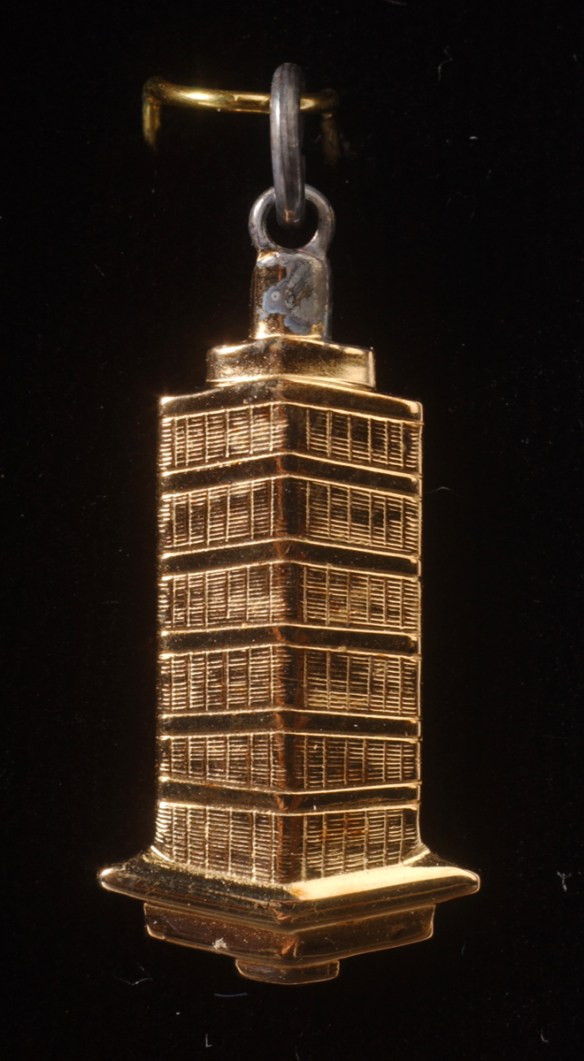
Tower Tiffany Pin

Eyerly, 39, is an IT security engineer who enjoys challenging himself by designing Lego models. He incorporates his admiration of Wright’s work into his hobby. The Tower is his second Wright Lego creation. Six years ago he used 15,000 of the plastic building bricks to make a four-foot wide model of the Frederick Robie House in Chicago.
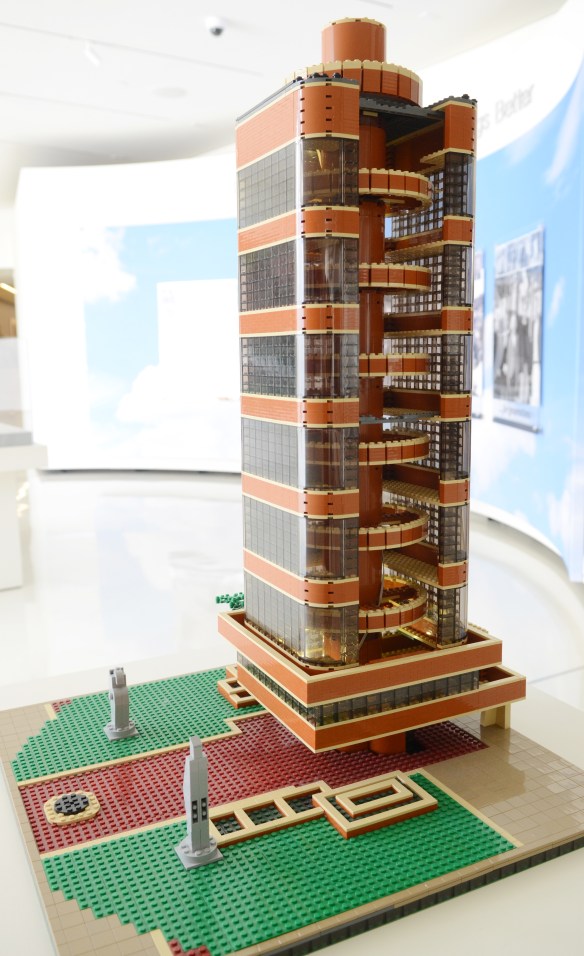
Lego Research Tower

He uses practical considerations in deciding what to build, “If certain Lego pieces fit the shape of the building, that’s a key that’s something I can build. The round corners (of the Tower) were just the right shape. Realizing I could accomplish that was the impetus I could build that building.”
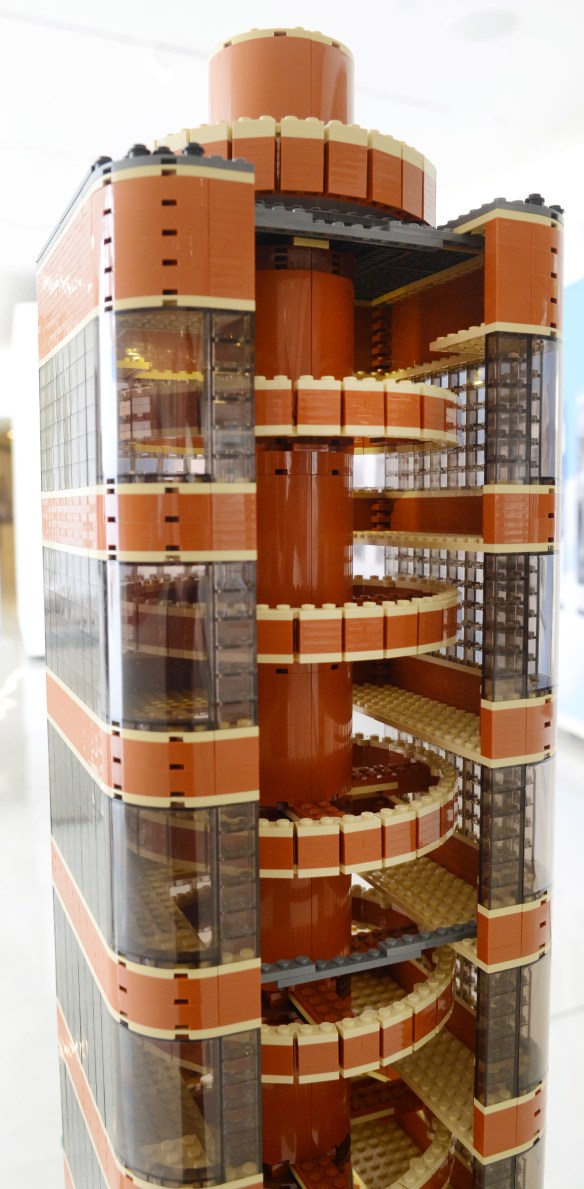
Lego Research Tower

SC Johnson gave him PDF copies of some of the original drawings for the building. Eighty hours later, over some two and a half months in the summer of 2012, up to 6,000 Lego blocks in eight colors had been transformed into an almost three-foot tall model of Wright’s landmark Tower.

Lego Research Tower

Eyerly planned one floor of the Tower model in a computer Lego CAD program to help him estimate how many pieces he would need. “I don’t do a ton in CAD. It’s mostly a free build, just snapping pieces together. I do a lot of math ahead of time. That’s why I like scale drawings, so I know how many studs (the round knob atop each brick) it needs to be.”
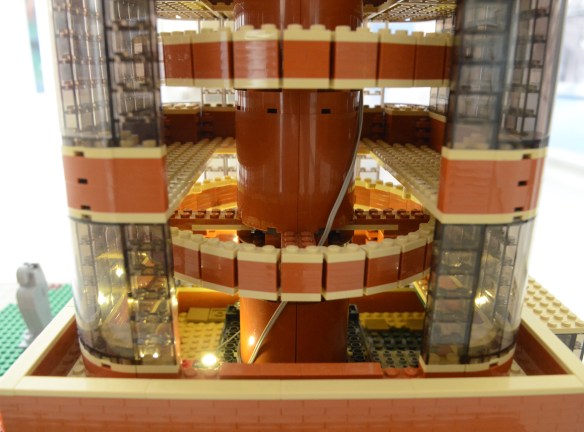
Lego Research Tower

His models don’t come together easily. He had to rebuild the Robie House four times, the Tower twice. “You get to a certain point and realize something won’t work and you take it apart and retry.”
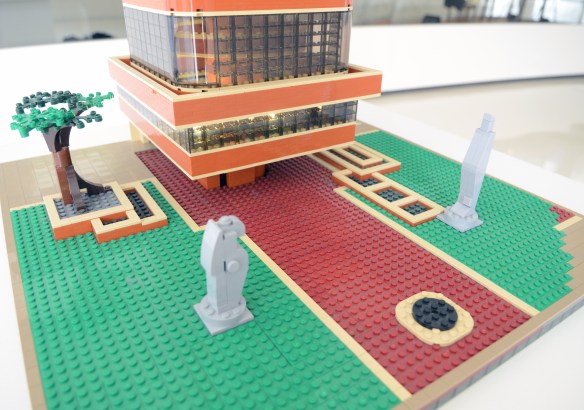
Lego Research Tower

The company learned about the Tower model after Eyerly showed it at the Brick World Lego convention in Wheeling, Illinois, and invited him to display it at their headquarters. Eyerly enjoys peoples’ reactions to his models because they evoke emotional responses, he says. “Wright’s architecture is interesting. It often draws out memories from people. Often you get emotions or feelings from people. It often ties in personally for people, which makes it interesting for me to hear the stories.” That is even more the case with the Tower model because he knows many people who work at SC Johnson. His next model will be Wright’s Bernard Schwartz House (1939) in Two Rivers, Wisconsin. Ironically, construction was supervised by Edgar Tafel, one of Wright’s original Taliesin Fellowship the apprentices. Tafel had already supervised construction of the SC Johnson Administration Building and Wingspread, as well as part of Fallingwater.

Photos / First Tower Tour

Photos (c) Mark Hertzberg for SC Johnson

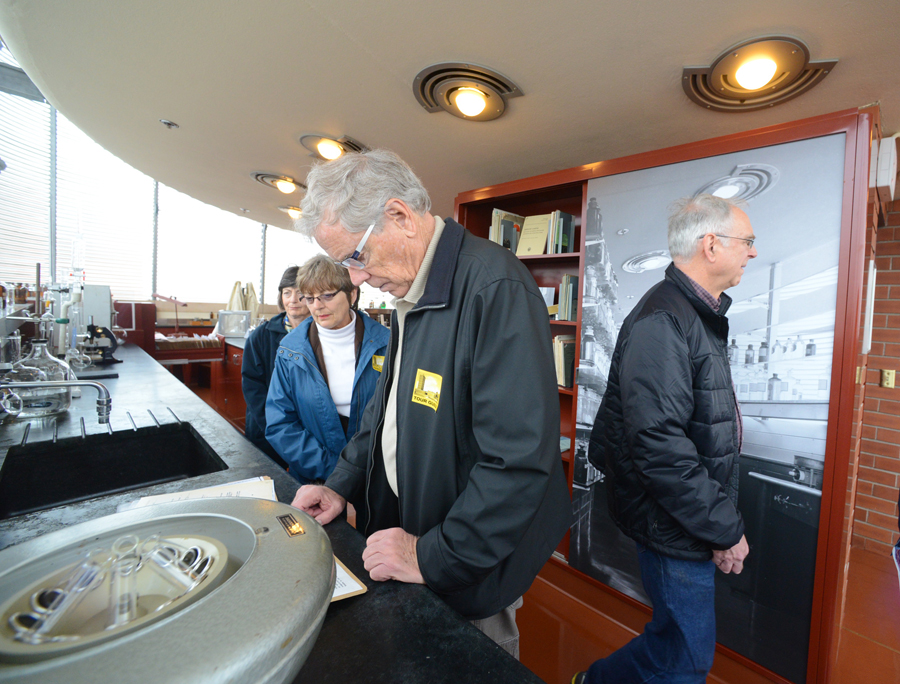
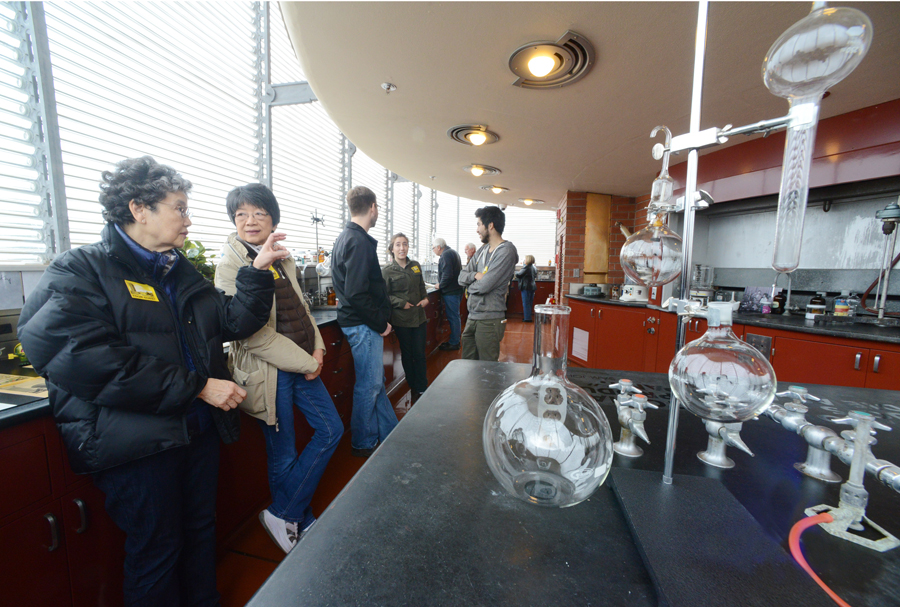
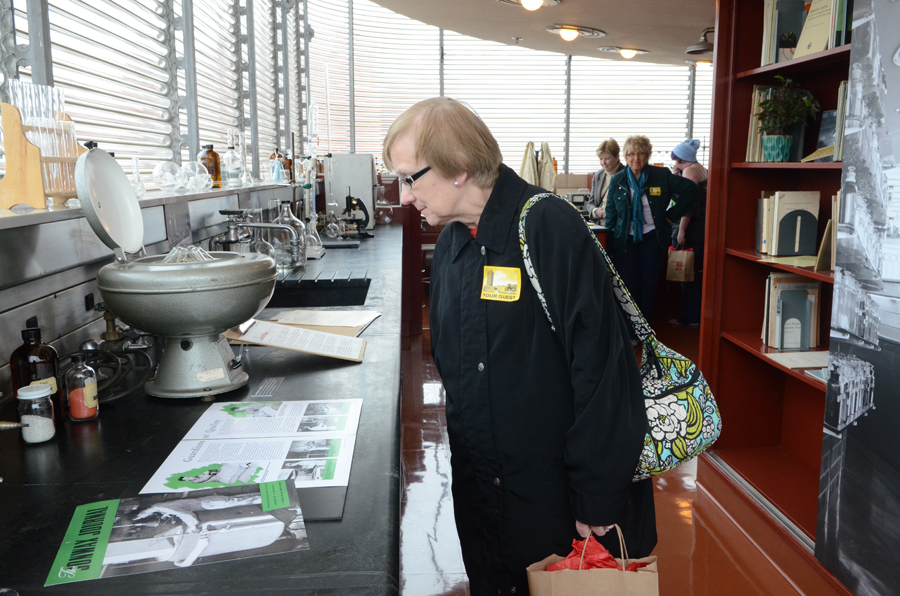
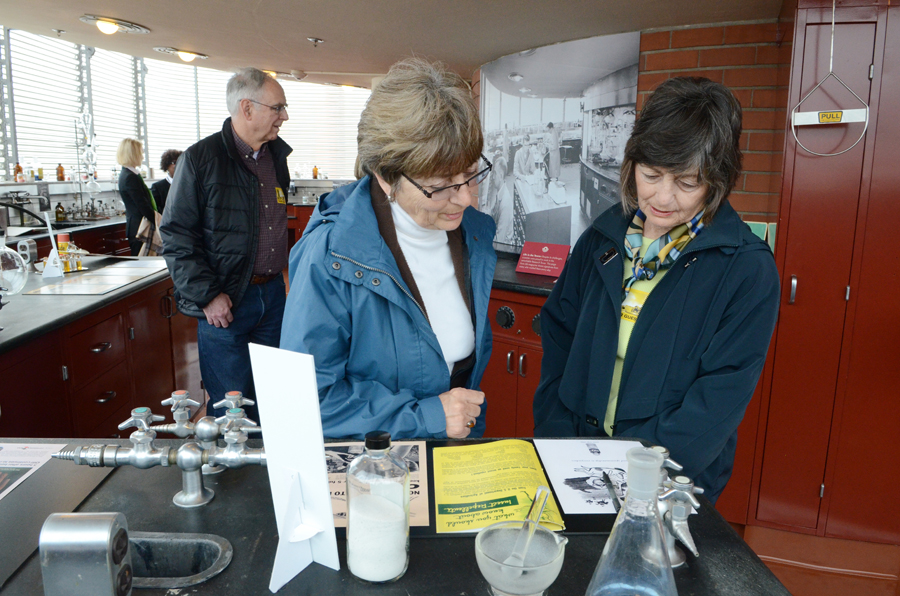
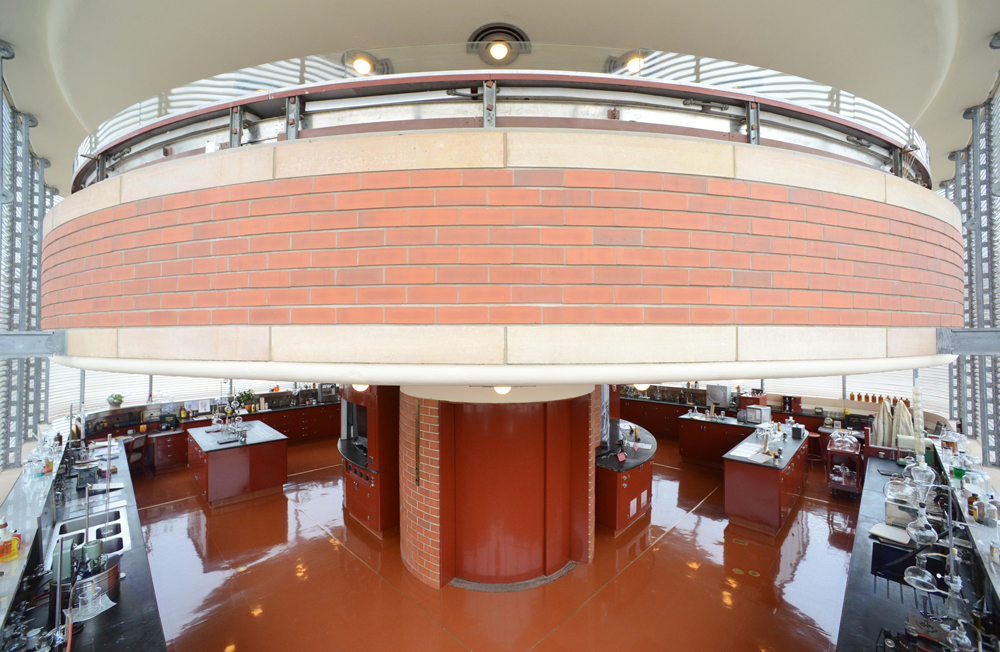
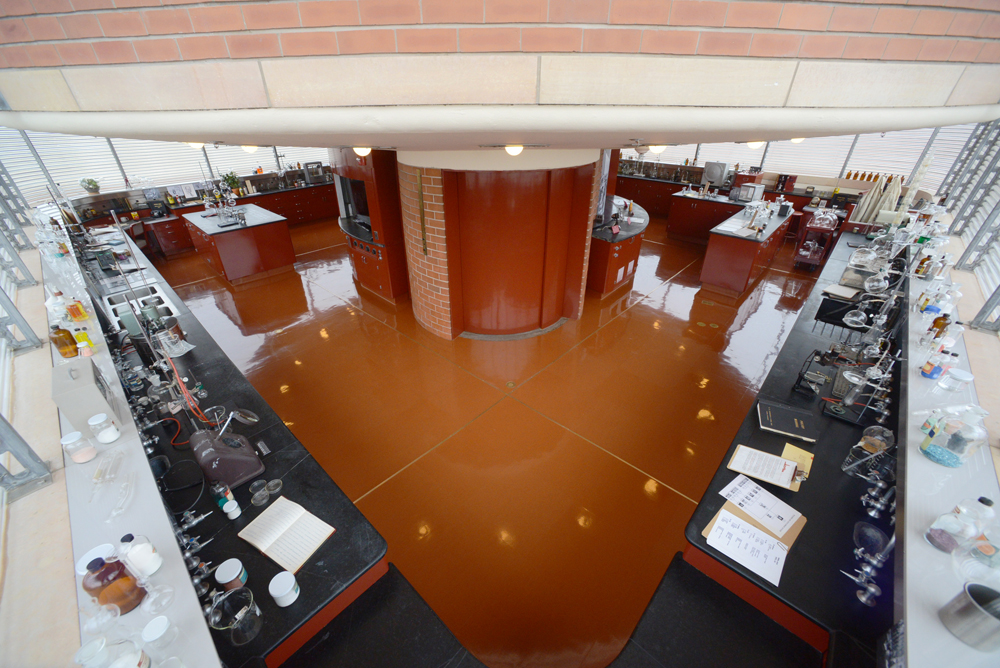
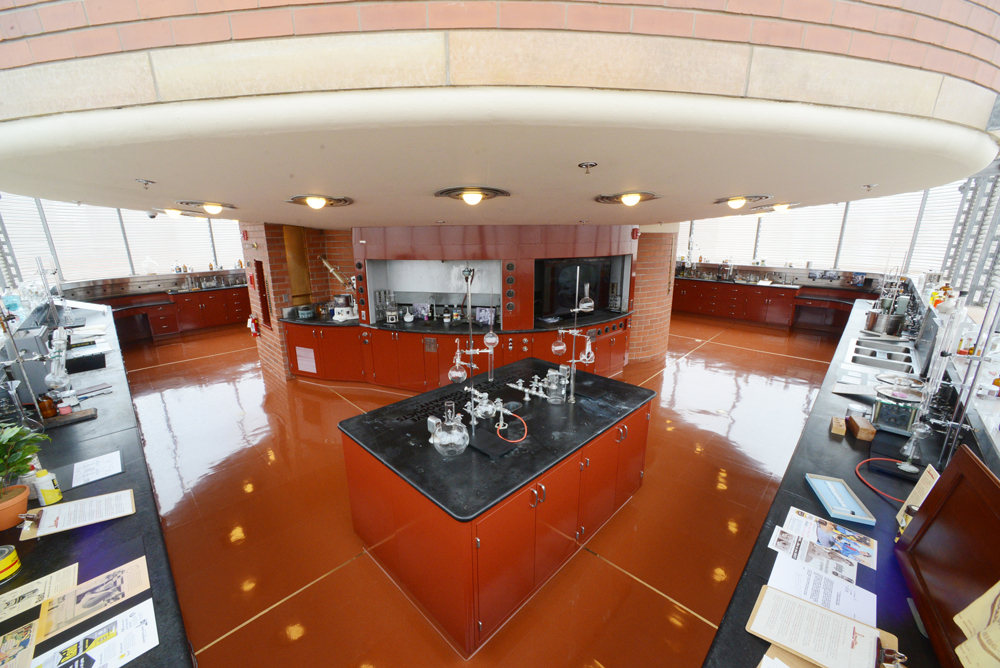
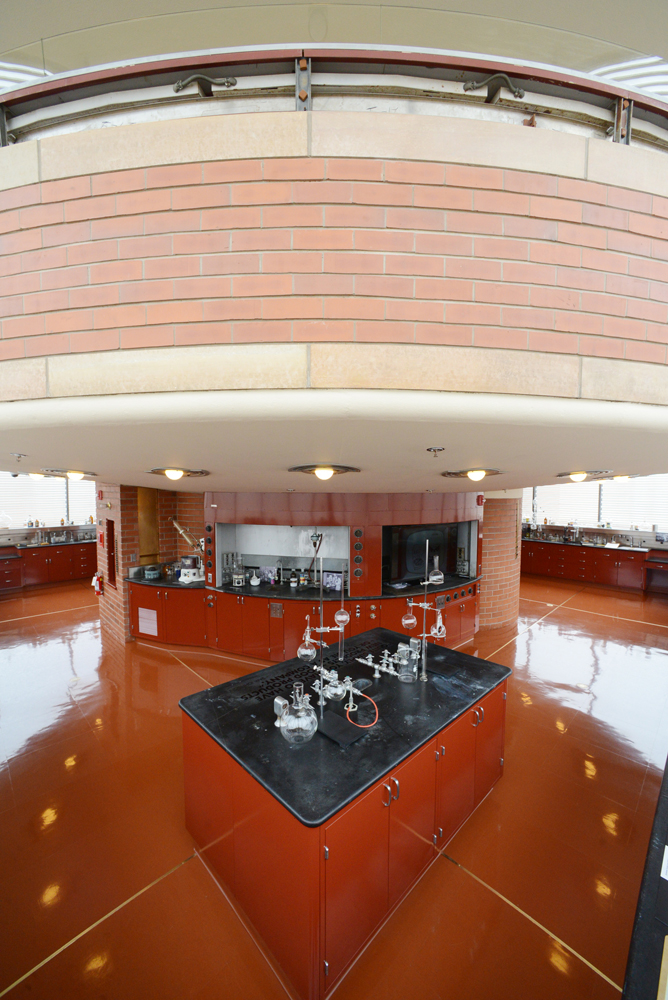
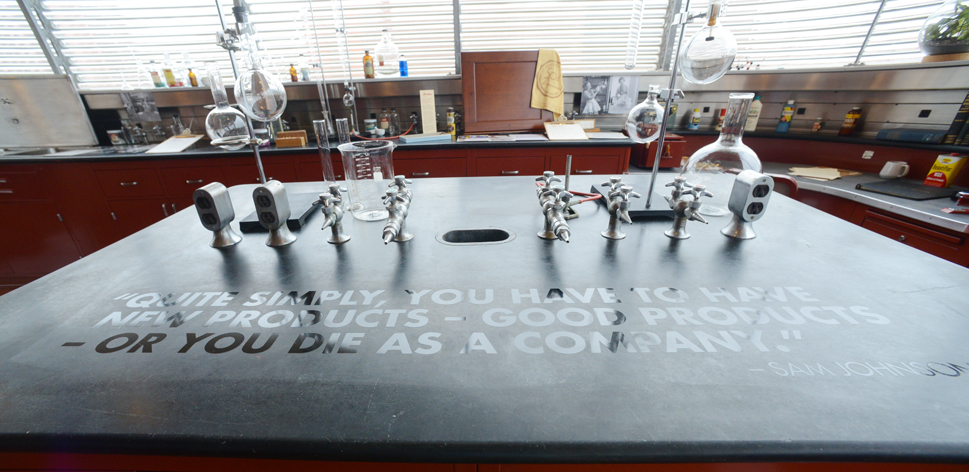
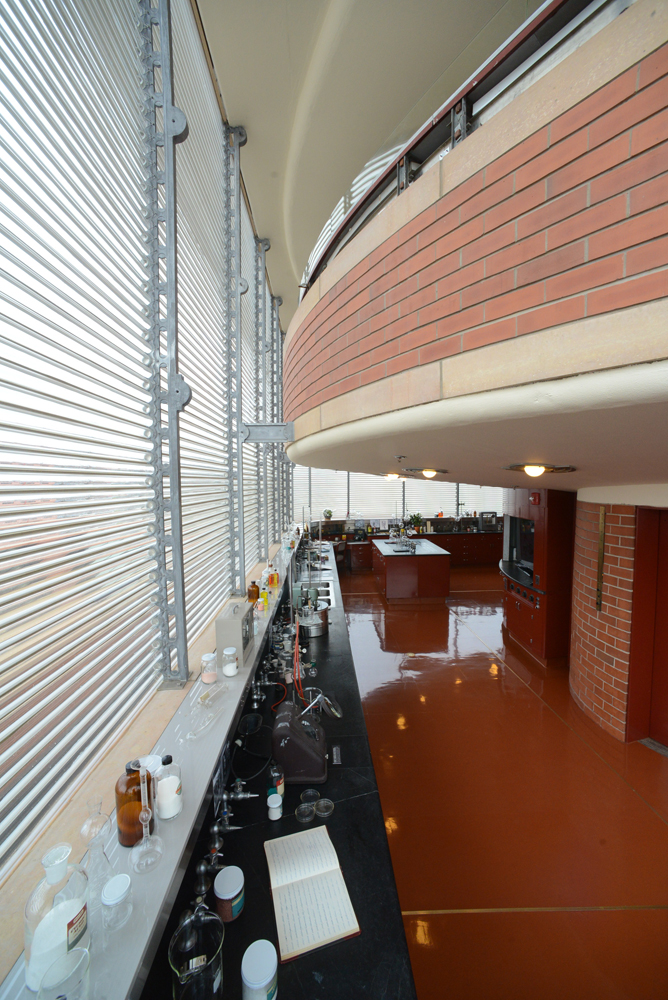
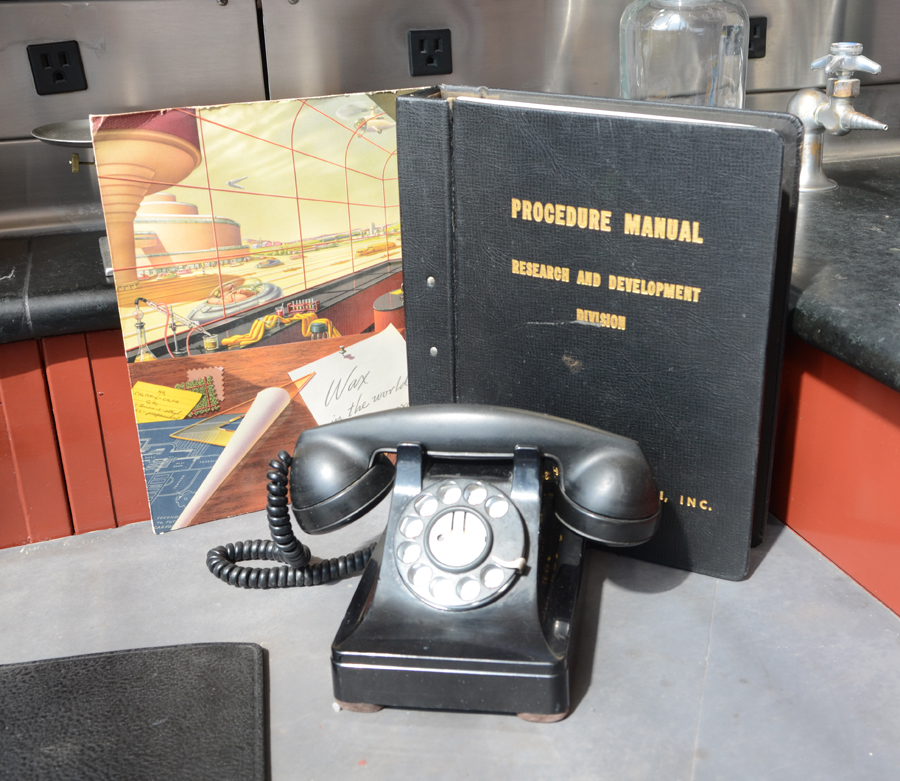
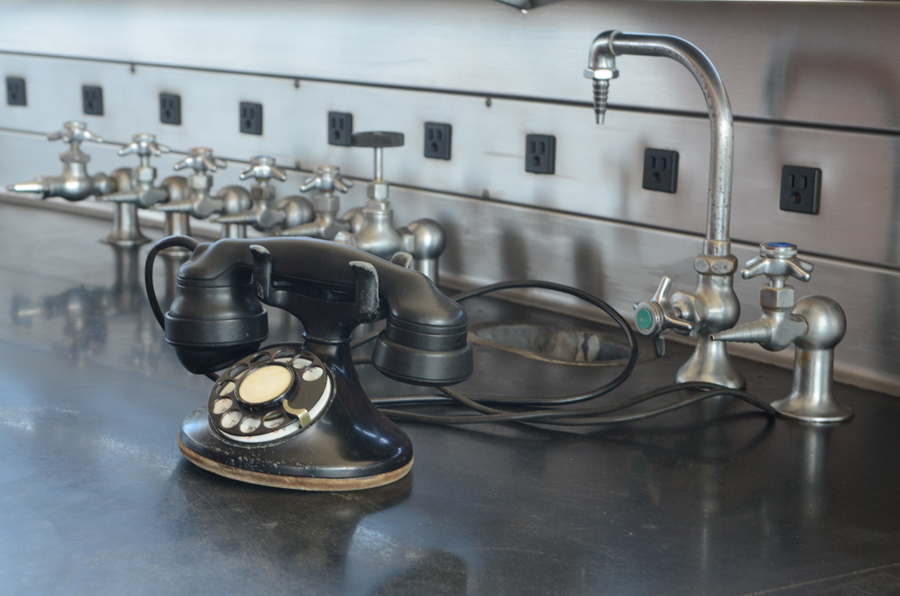
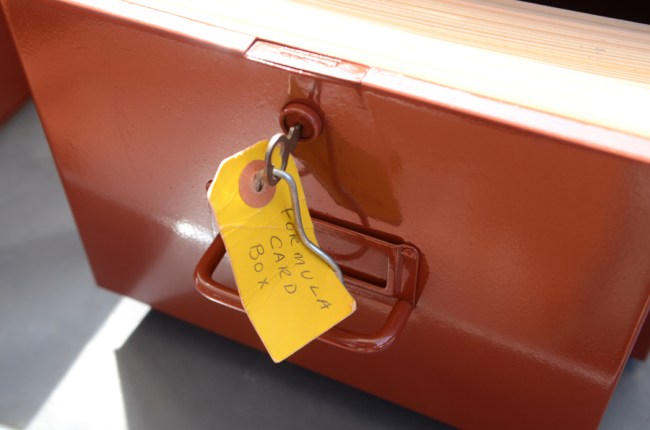
The first public guests to ever tour Frank Lloyd Wright’s SC Johnson Research Tower had about 45 minutes to explore the 1950s artifacts and displays about the architectural history of the building on two floors of the building, 3 Main and 3 Mezz, Friday morning. Interest in these first-ever tours has been so great that beginning in late May tours will be run five days a week through September, rather than only two days a week. These photos are from the first tour:

ImageImage

Image

Image

Image

Image

Image

Image

And I leave you with one photo from the companion tour of the Administration Building:

First Tower Tour

Countdown to Tower opening

Photos (c) Mark Hertzberg for SC Johnson

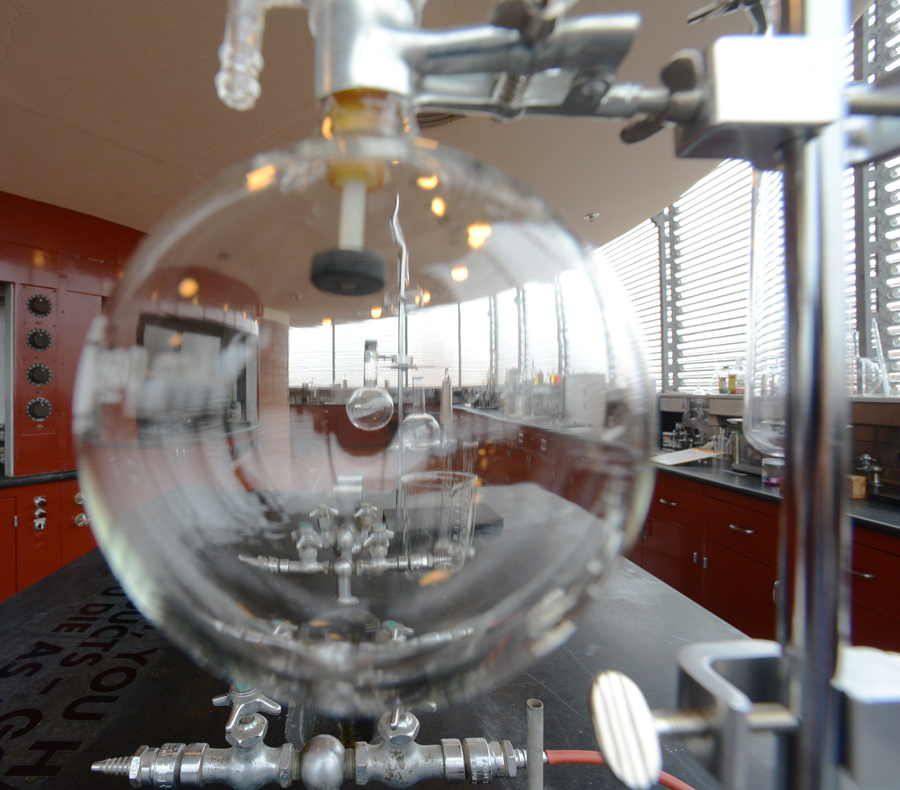
In just twelve hours the first public tours ever of the SC Johnson Research Tower begin. There is such demand for the tours that Wednesday and Thursday have just been added to the reservation schedule. We whet your appetite for your visit with some photos shot this afternoon, including some from a unique vantage point. The Research Tower is Wright’s only executed tap-root tower (Bruce Brooks Pfeiffer told me that Price Tower is not a true tap-root tower because it is tied into the foundation of the adjoining office building).

Image

Image

Image

Image

Image

Image

Image

Image

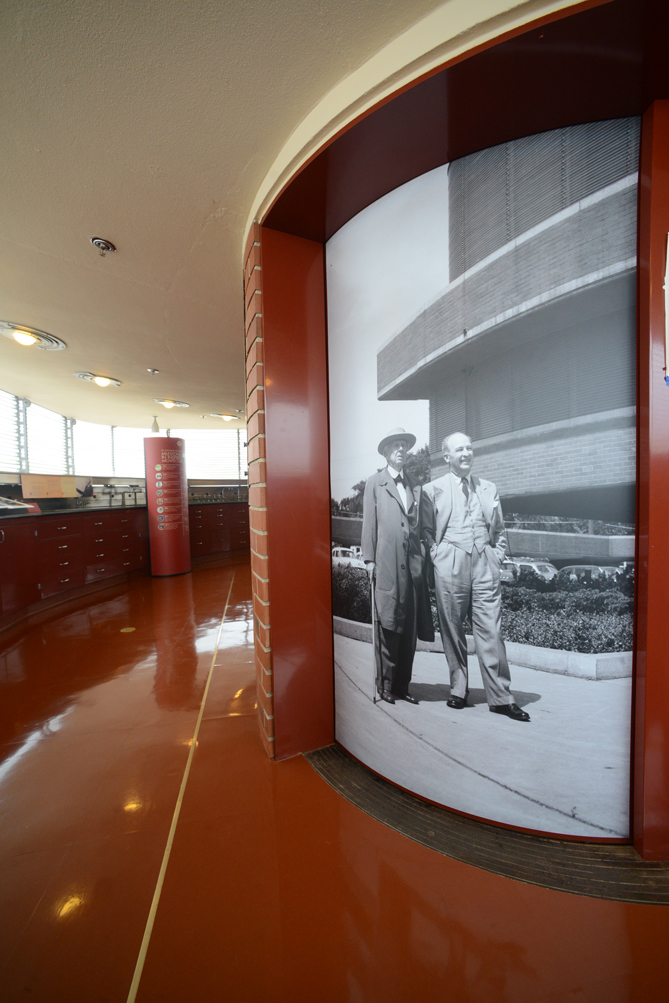
A portrait of Mr. Wright and H.F. Johnson Jr. at the Tower is on the elevator door on 3 Mezz:

Image

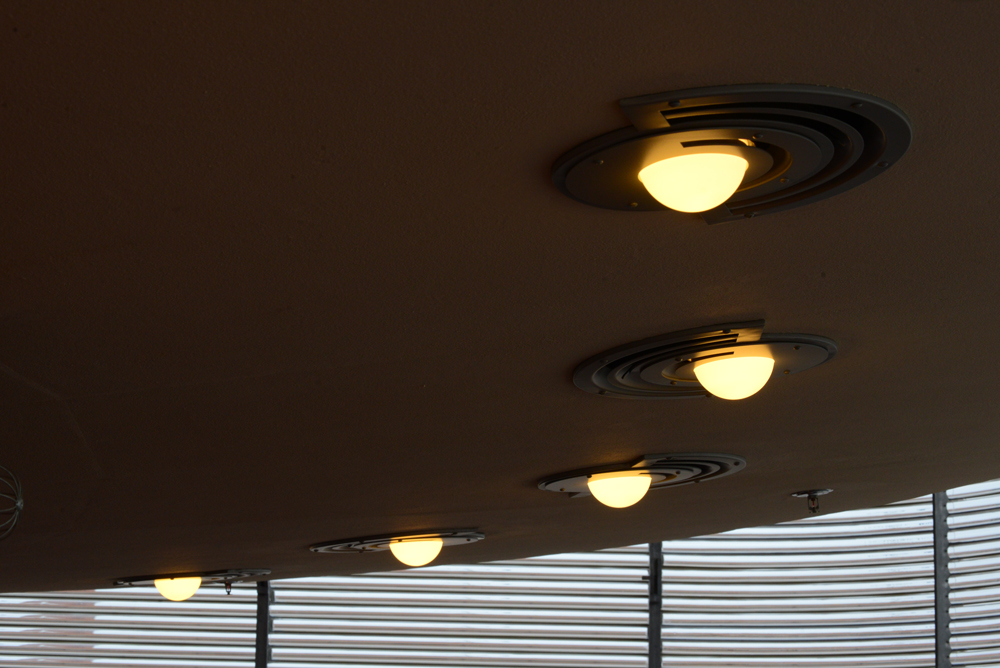
The Tower’s original lighting scheme was replicated as part of the restoration of the building (see older posts for photos of the Tower re-lighting at dusk on December 21, the Winter Solstice).

Image

Image

You can see photos of some of the 1950s artifacts on display two articles below this one. To make tour reservations:

www.scjohnson.com/visit

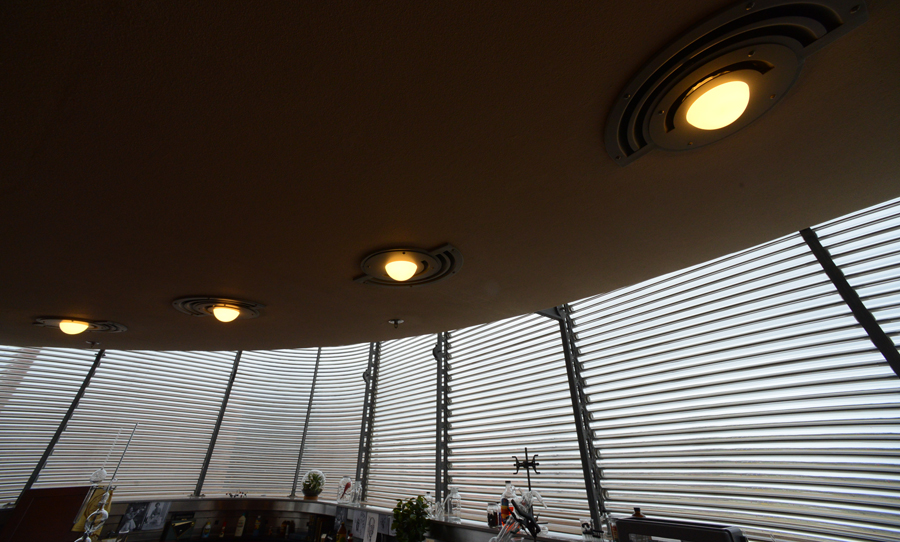
Some people have asked me technical questions: today’s photos were shot with a 14mm f2.8 lens on a full frame digital camera body (a Nikon D600). I do not particularly favor one brand camera…I choose Nikons because of my investment in Nikkor lenses over many years.
“Two Taliesins” (really three) at SCJ

(c) Text by Mark Hertzberg / Photos by Mark Hertzberg for SC Johnson

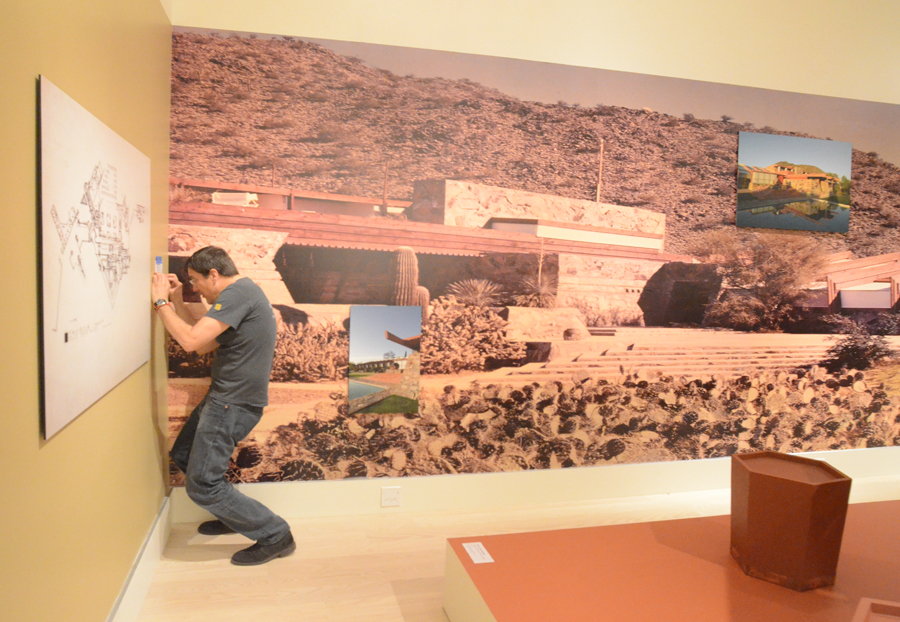
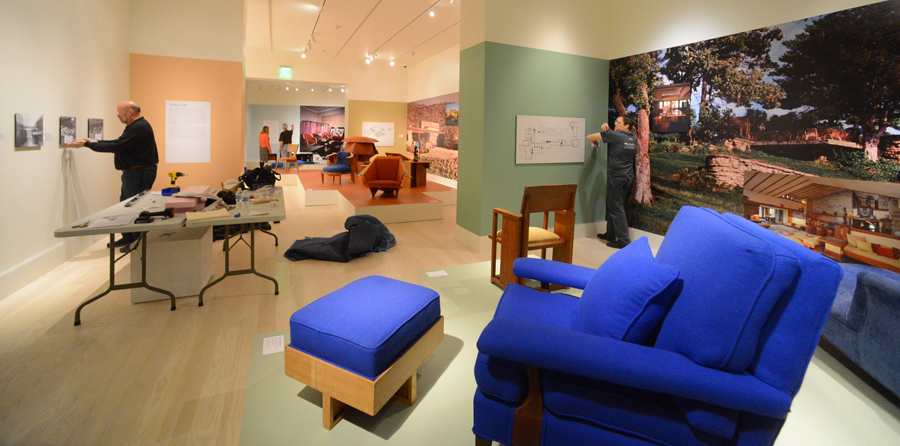
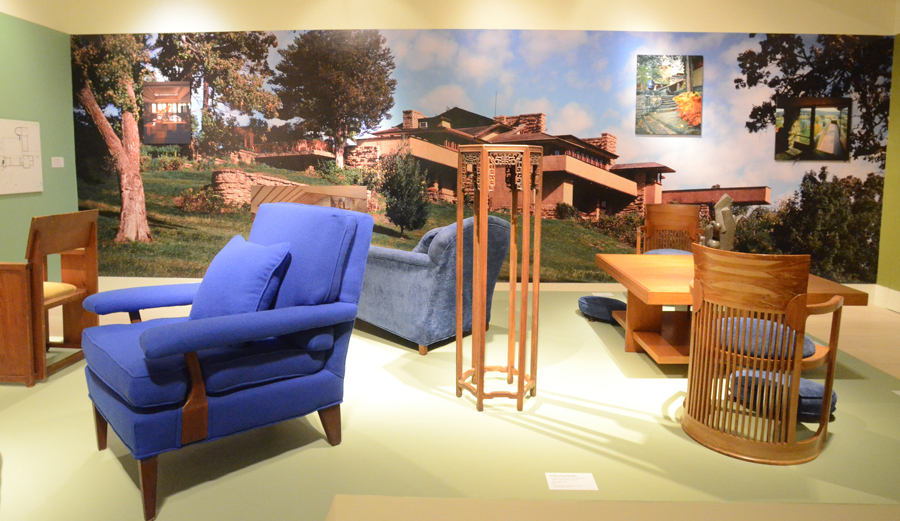
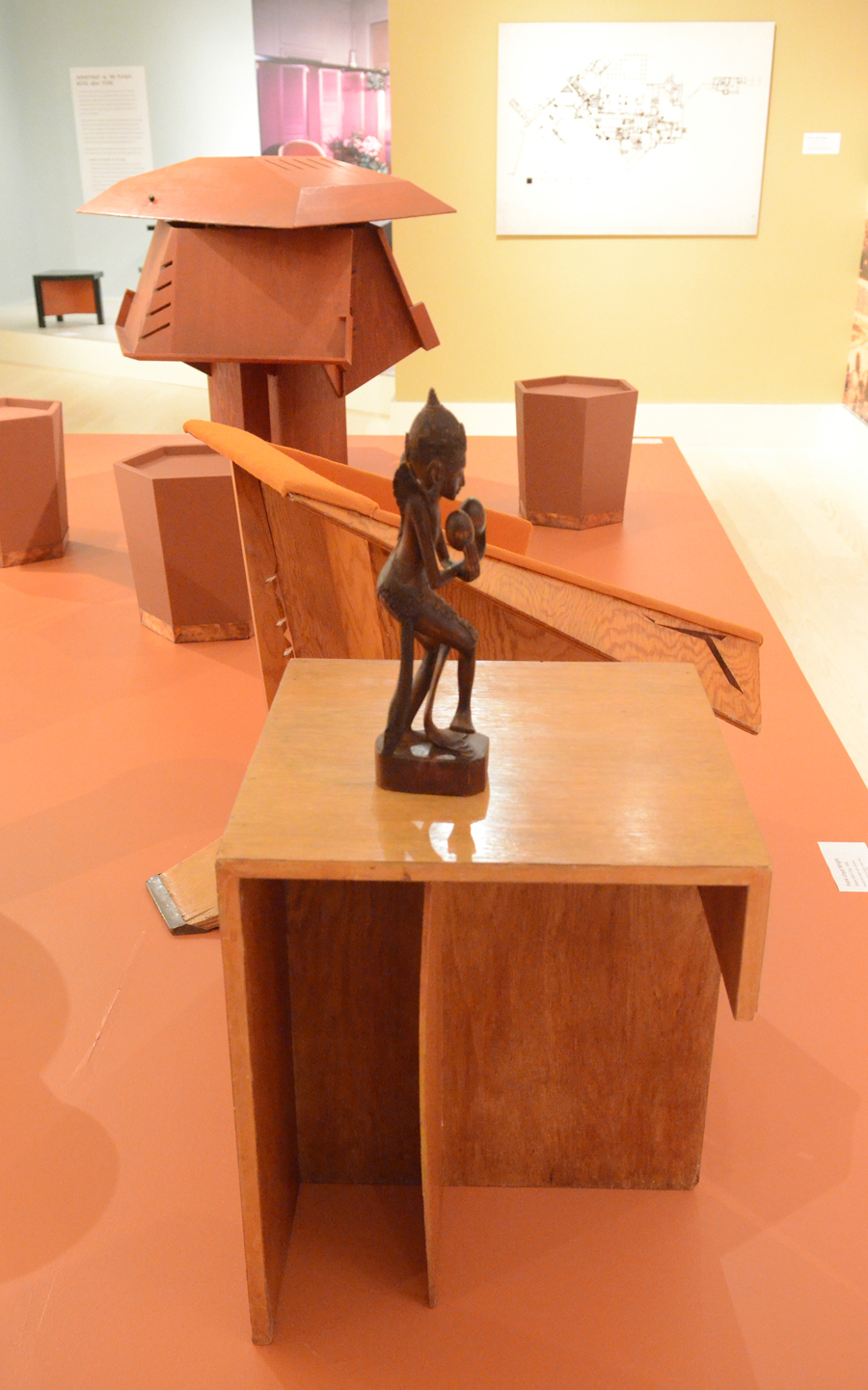
The third iteration of “At Home with Frank Lloyd Wright” opens Friday in Fortaleza Hall on the SC Johnson campus in Racine. The exhibition is entitled “The Two Taliesins,” but in addition to Taliesin and Taliesin West, it also includes what has sometimes been referred to as Taliesin East, Wright’s suite at the Plaza Hotel in New York. Workers were completing the installation when I photographed it last week.

Image

Image

A publicity statement from SC Johnson describes the exhibition: 

‘Wright used both homes as laboratories where he could develop and test his architectural ideas. The exhibit will compare and contrast how Wright incorporated his signature and revolutionary “organic” design concepts into his own homes, each of which reflected the very different landscapes and climates in which they were built.   

‘Artifacts from Wright’s Wisconsin and Arizona homes will be on display that simulate their natural settings and convey their significance to the Taliesin concept. The exhibit will also feature a collection of rare photos and videos that show Wright at home. In addition, visitors will learn about the central role that color played in Wright’s designs of the Taliesins.”

Image

The gallery opened in 2012 with an exhibition devoted to Wright’s Prairie-style homes. His Usonian homes were the theme of the 2013 exhibition in the gallery.

Image

Image

Image

Image

The Wright-designed SC Johnson Research Towers opens for the first public tours ever on Friday, as well. I have had the privilege of photographing several times during the 2013 restoration of the tower and the installation of the exhibits in the Tower over the last few weeks (see previous posts). For information about making reservations for tours, go to: http://www.scjohnson.com/en/company/visiting.aspx

Inside the SC Johnson Research Tower

(c) Mark Hertzberg

Image

The response to the opening of the SC Johnson Research Tower for the first public tours ever has been so strong that Sunday tours will now be available, as well.  http://www.scjohnson.com/en/company/visiting.aspx

Image

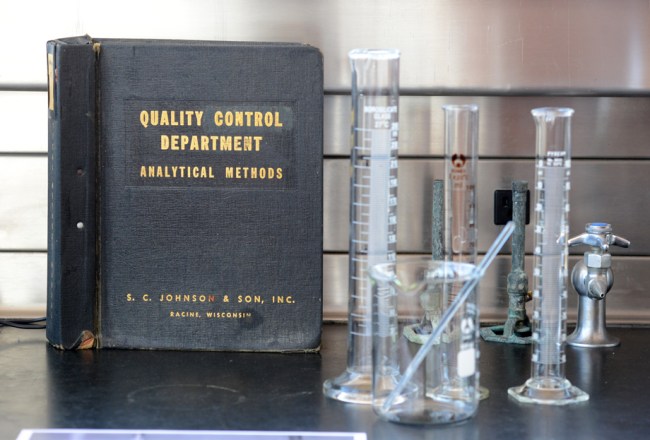
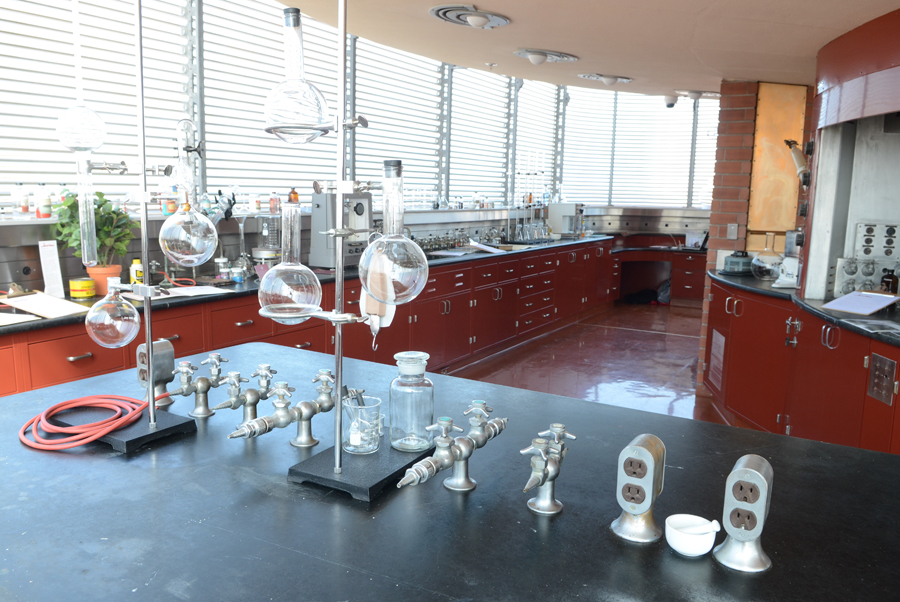
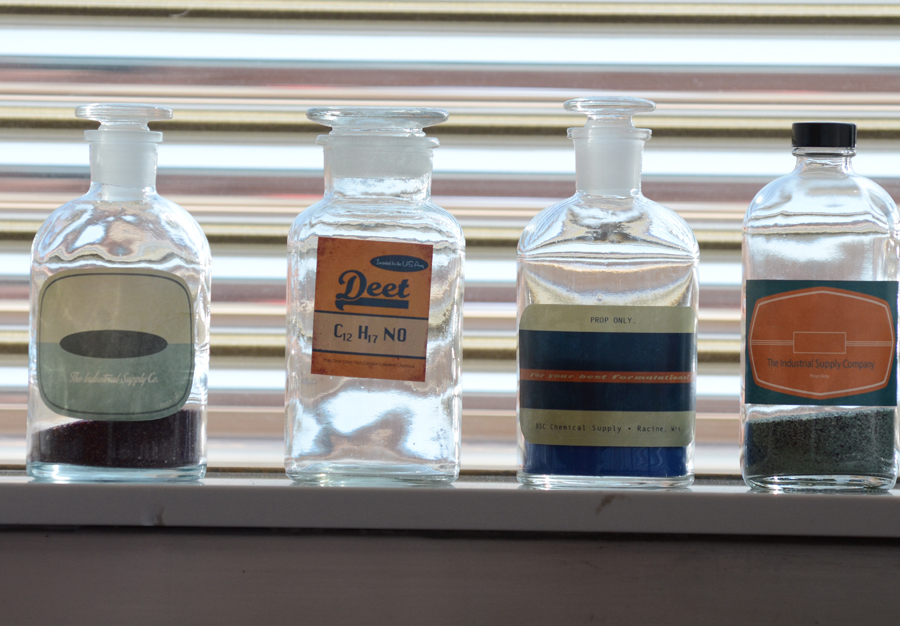
Two floors of the landmark (the “I”word is overused) building have been restored and furnished as they looked in November, 1950 when the building opened. Tours begin May 2. Here is a preview:

Image

Image

ImageImage

Image

Image

Image

Image

ImageImage

Image


Image