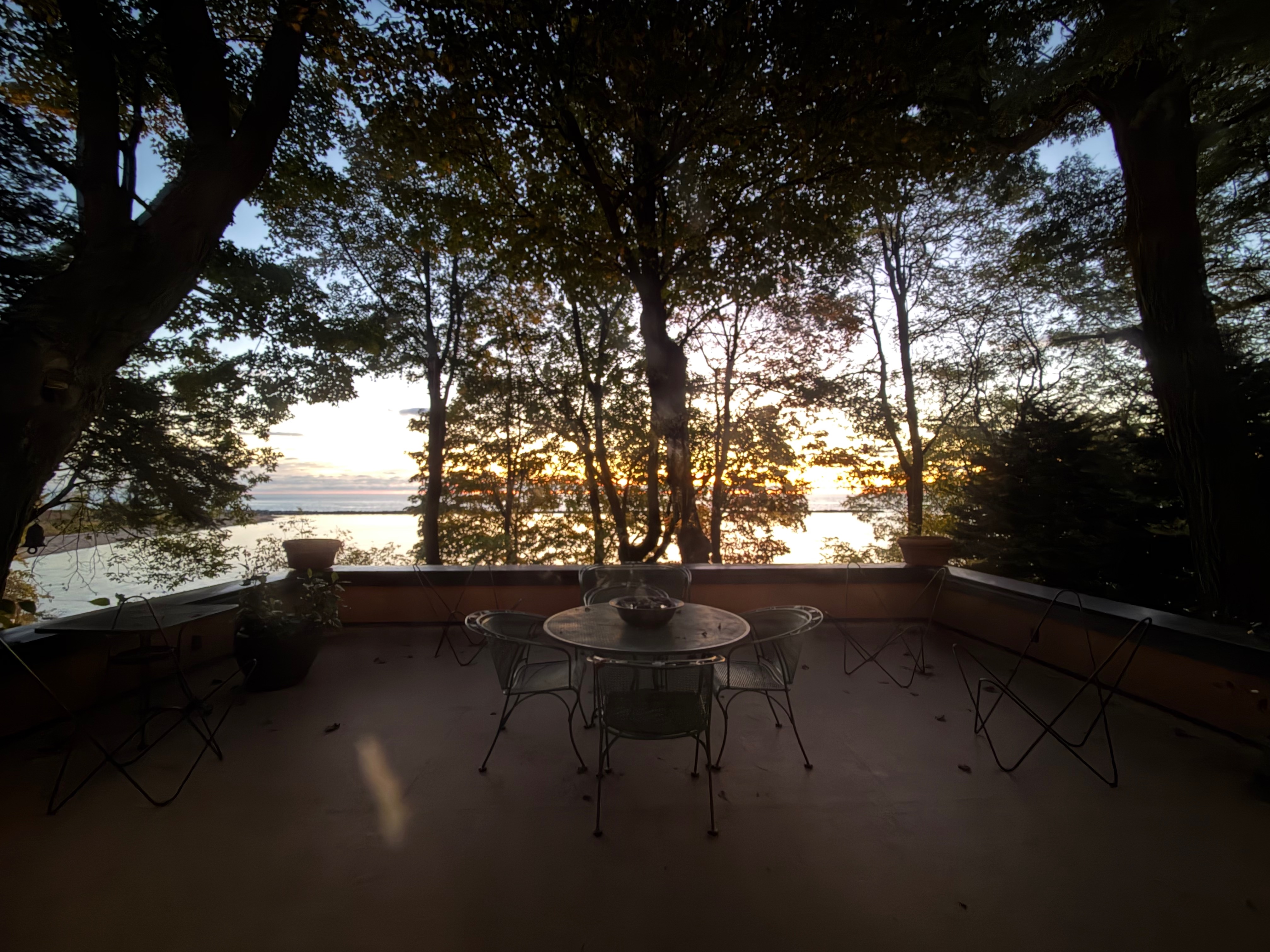
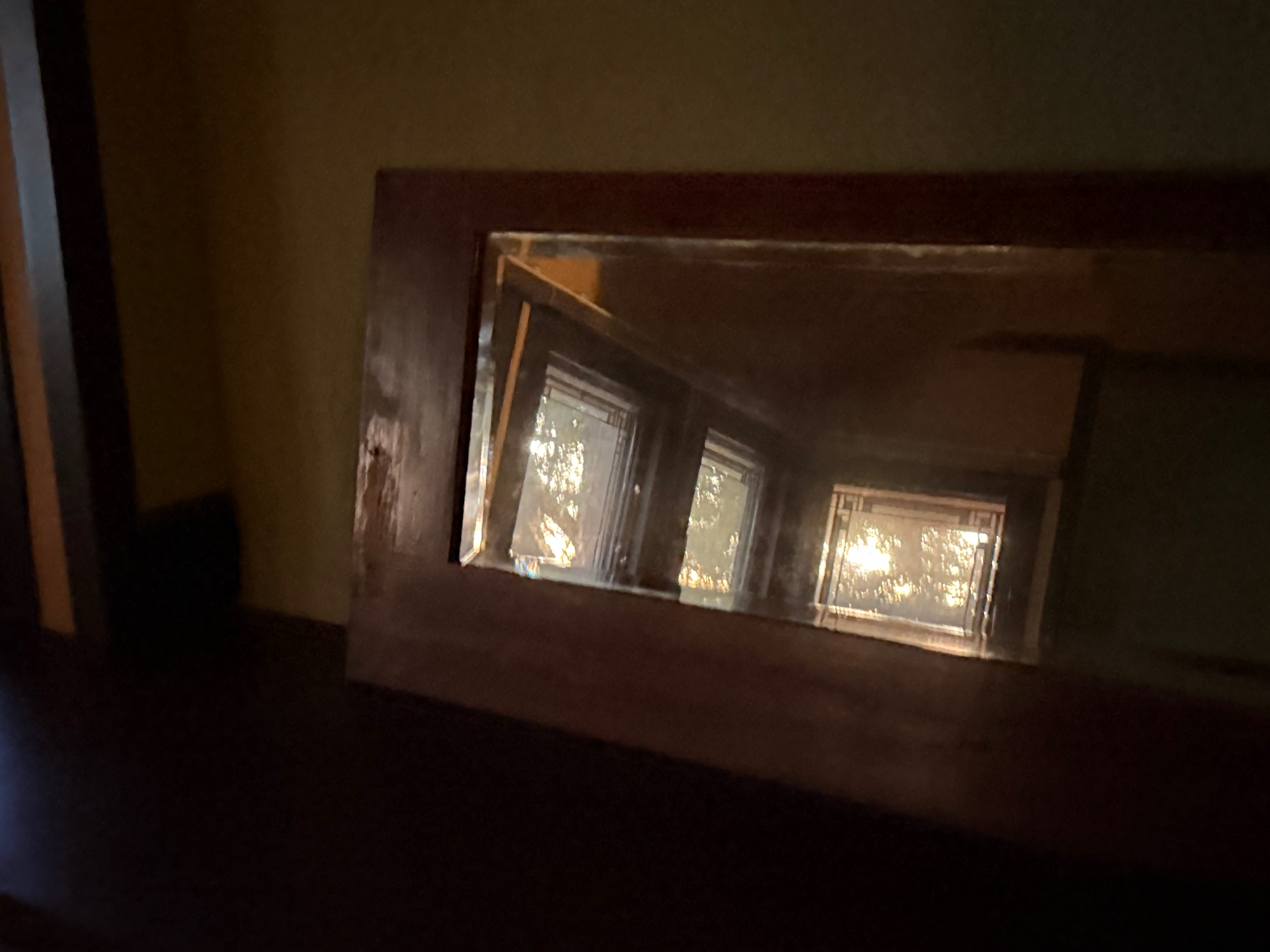
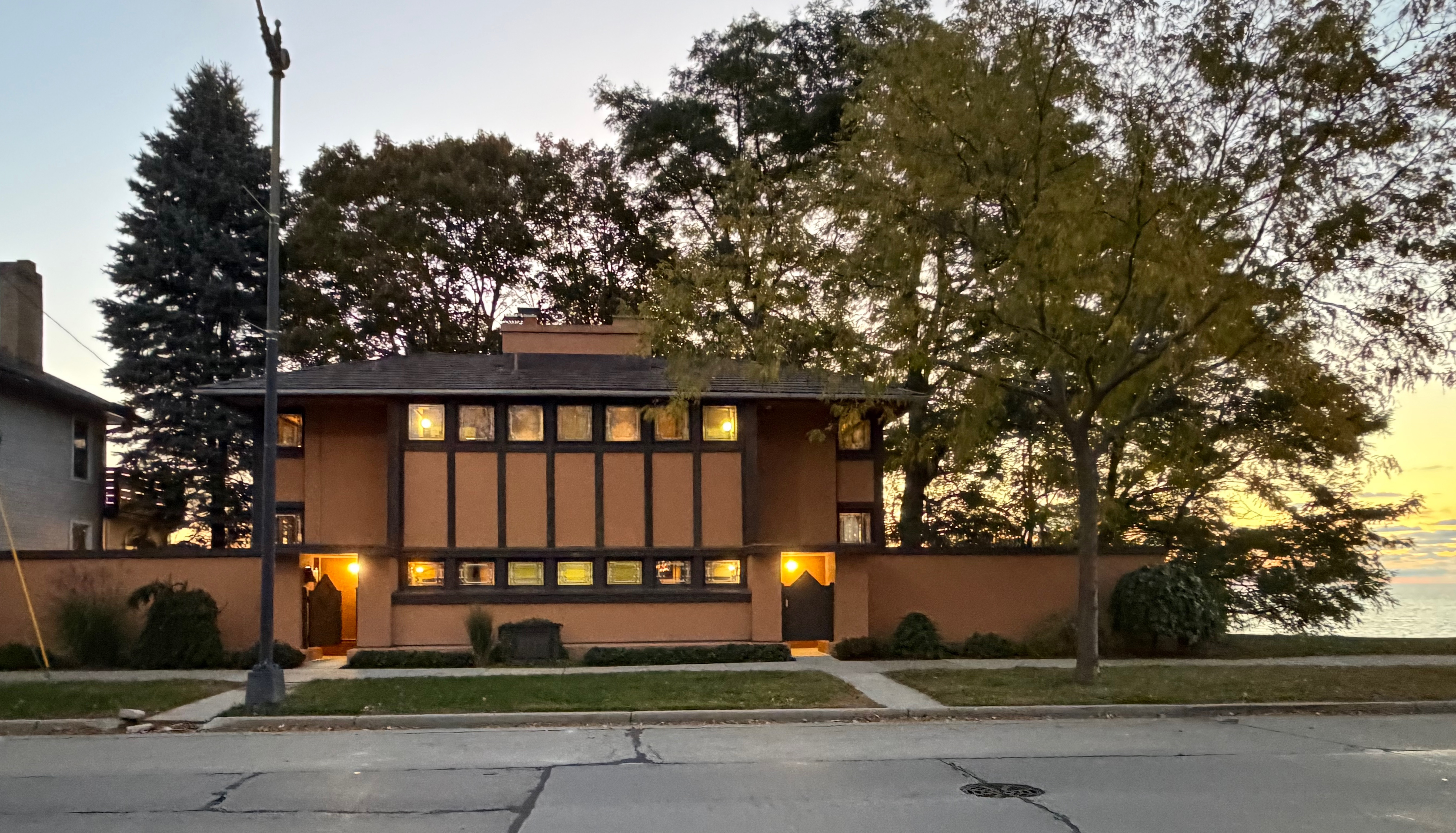
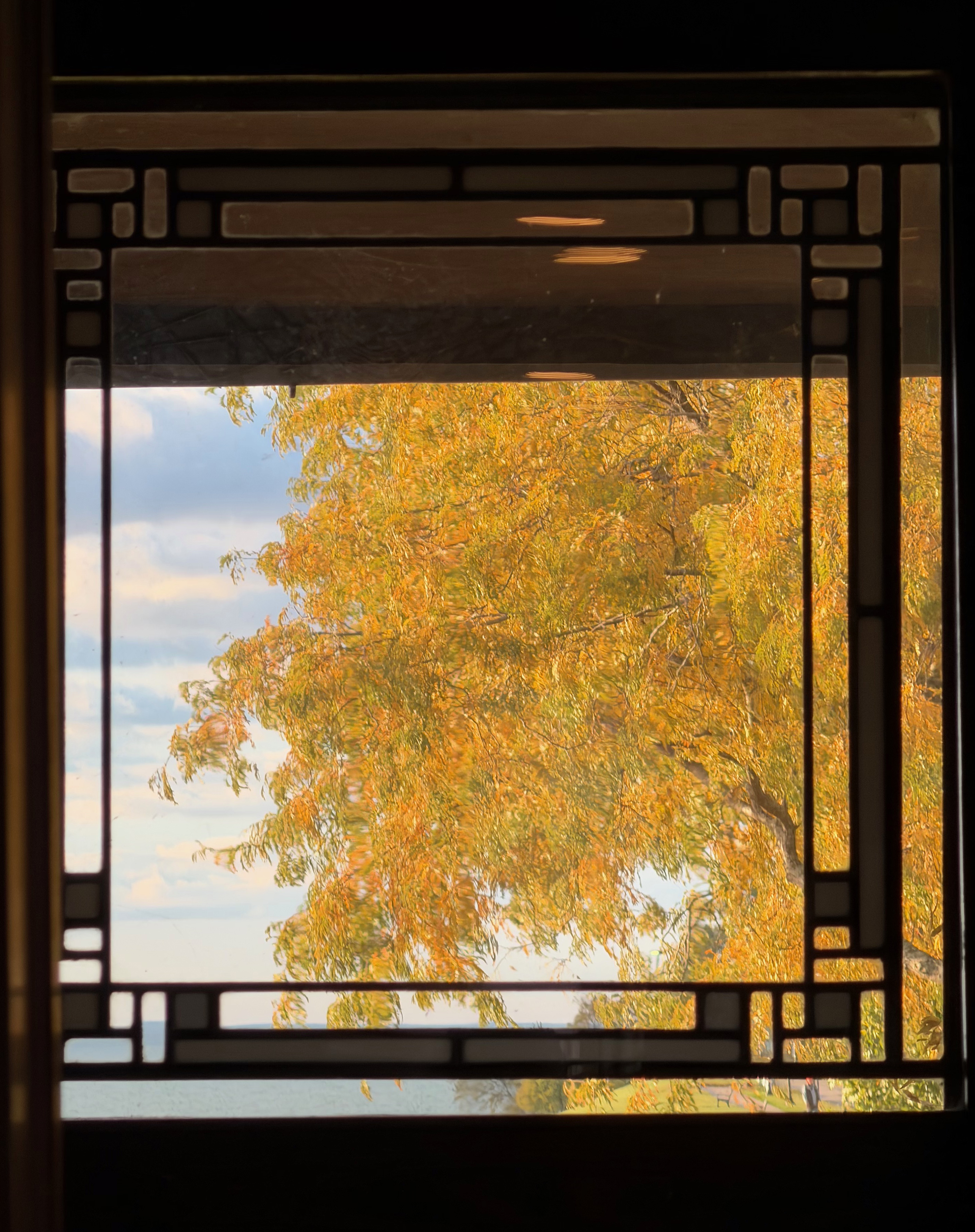
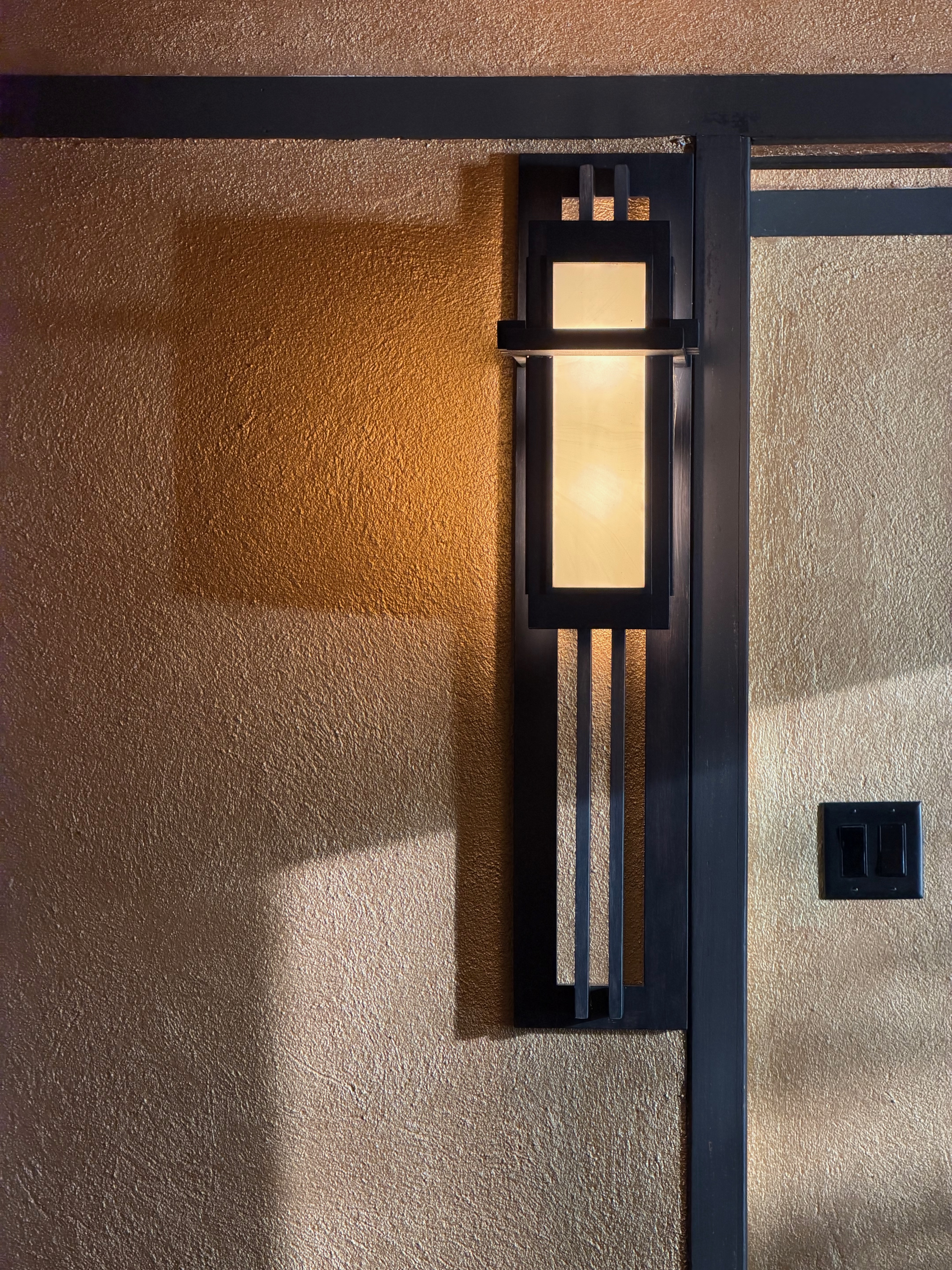
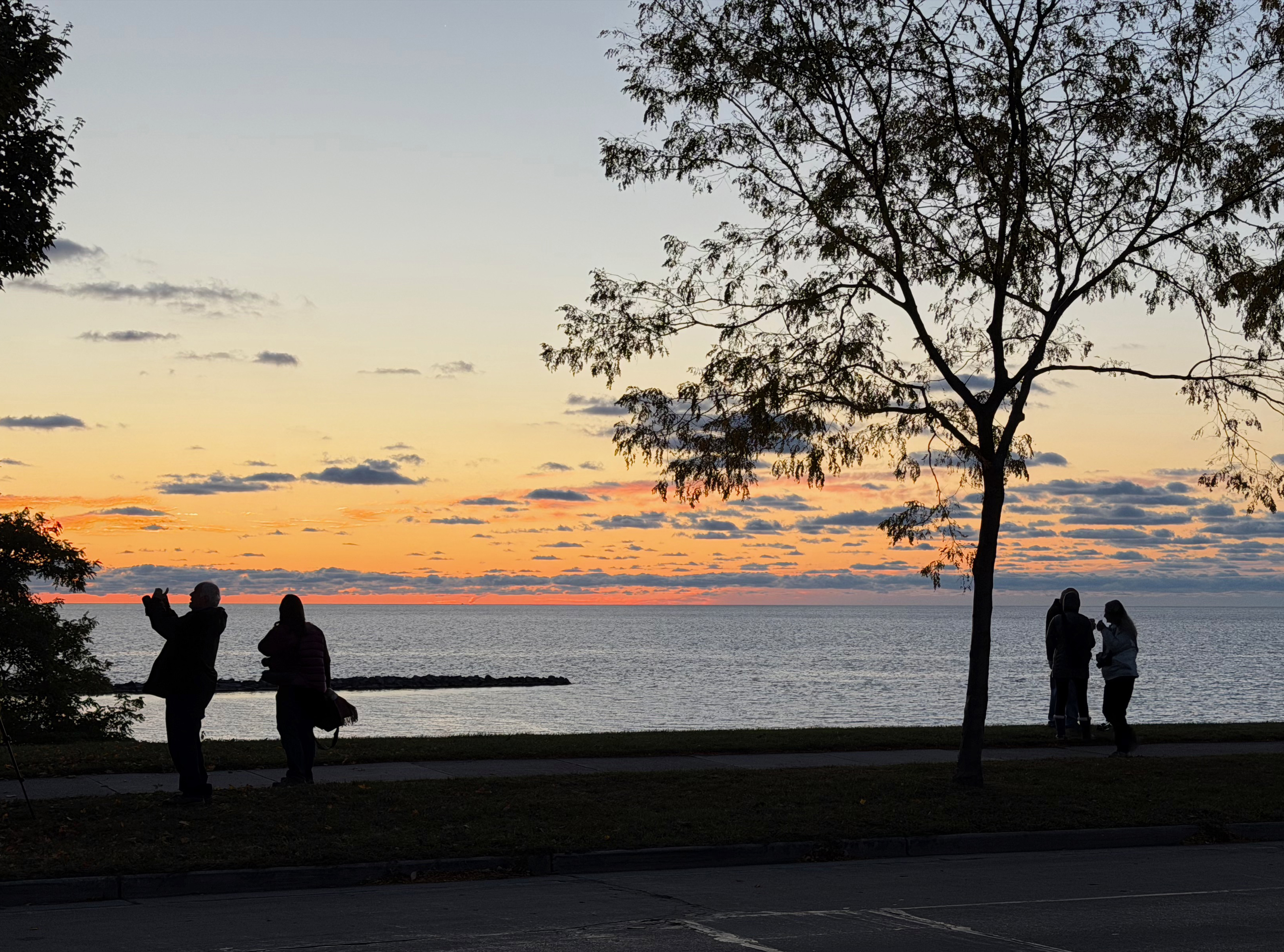
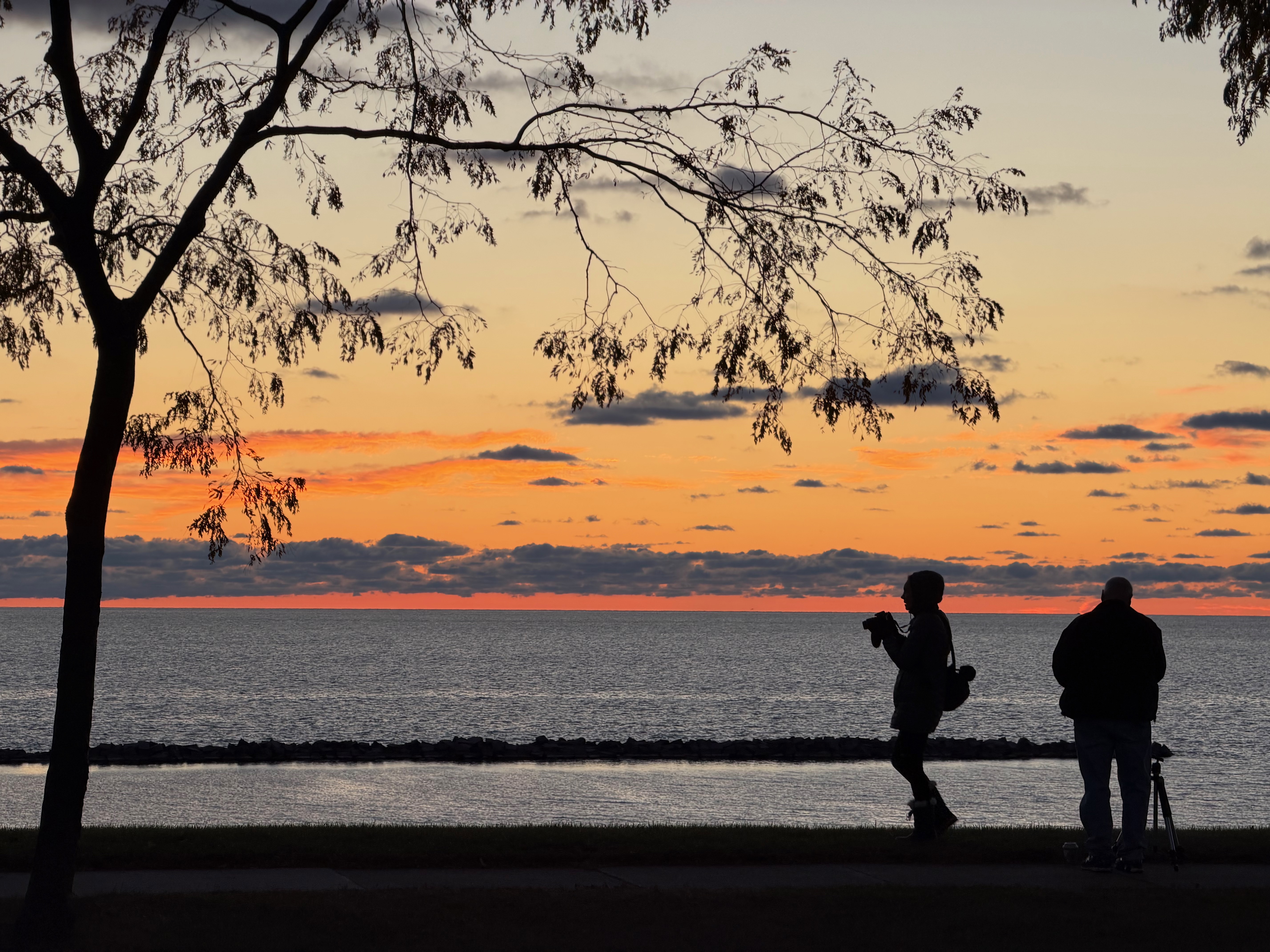
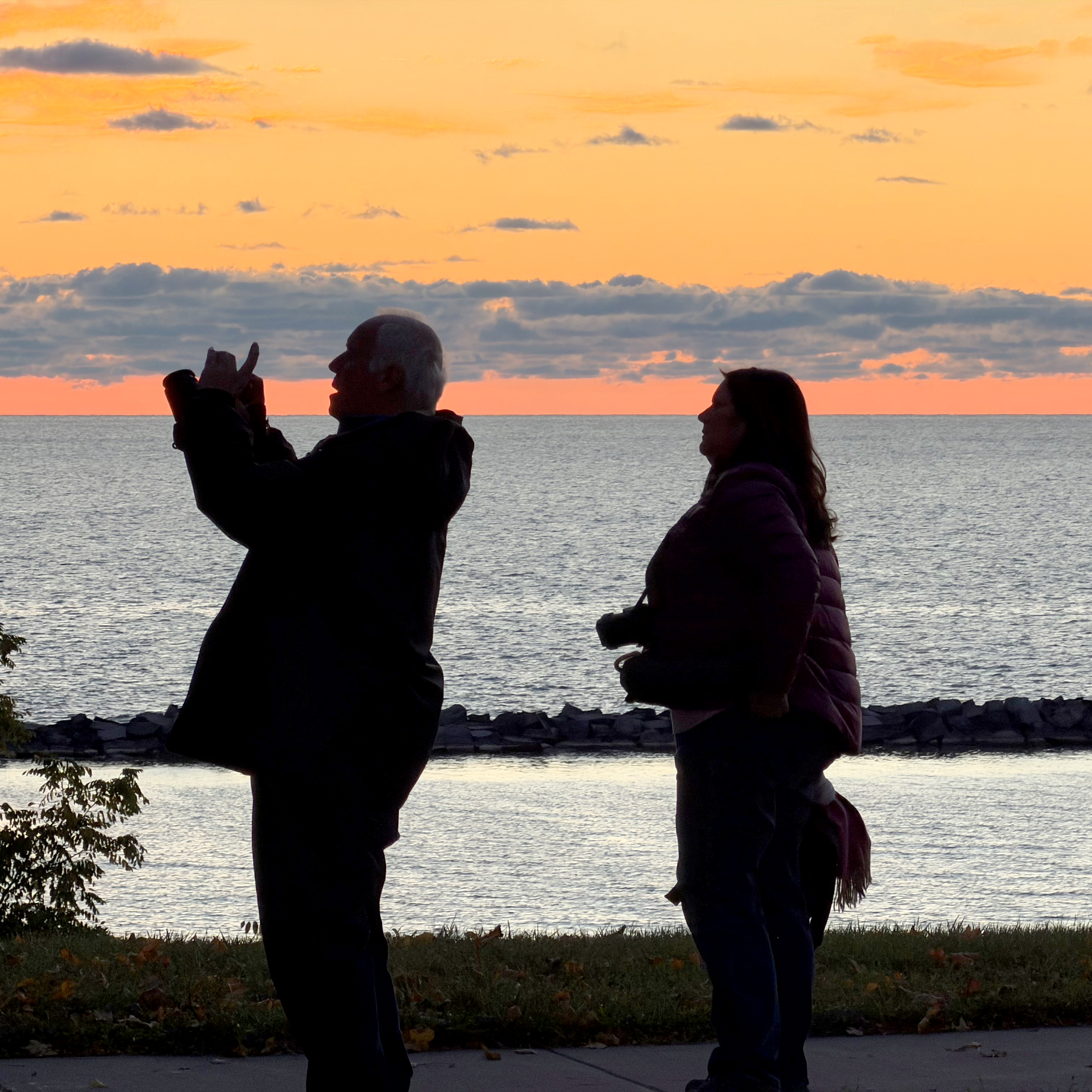
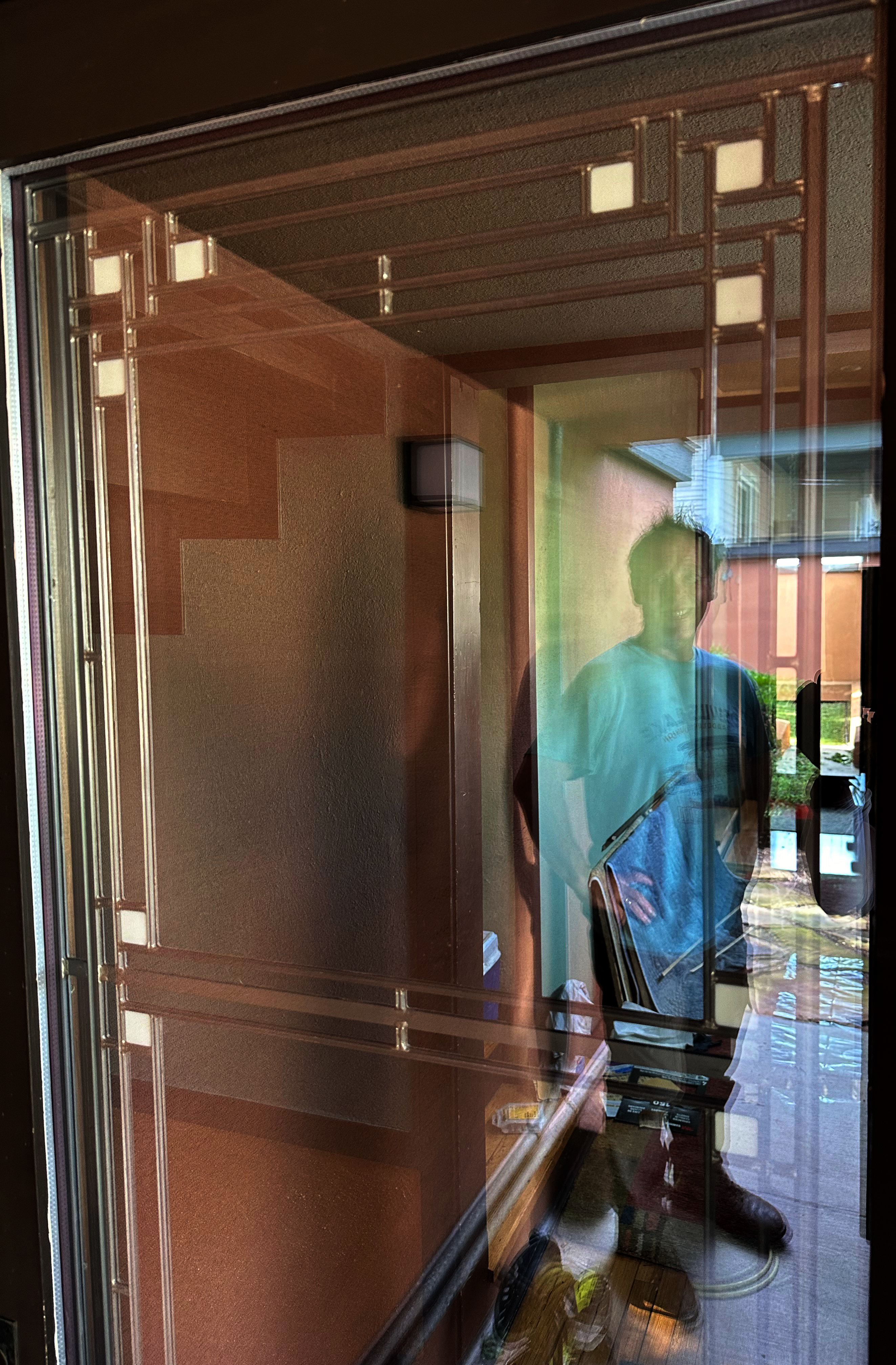
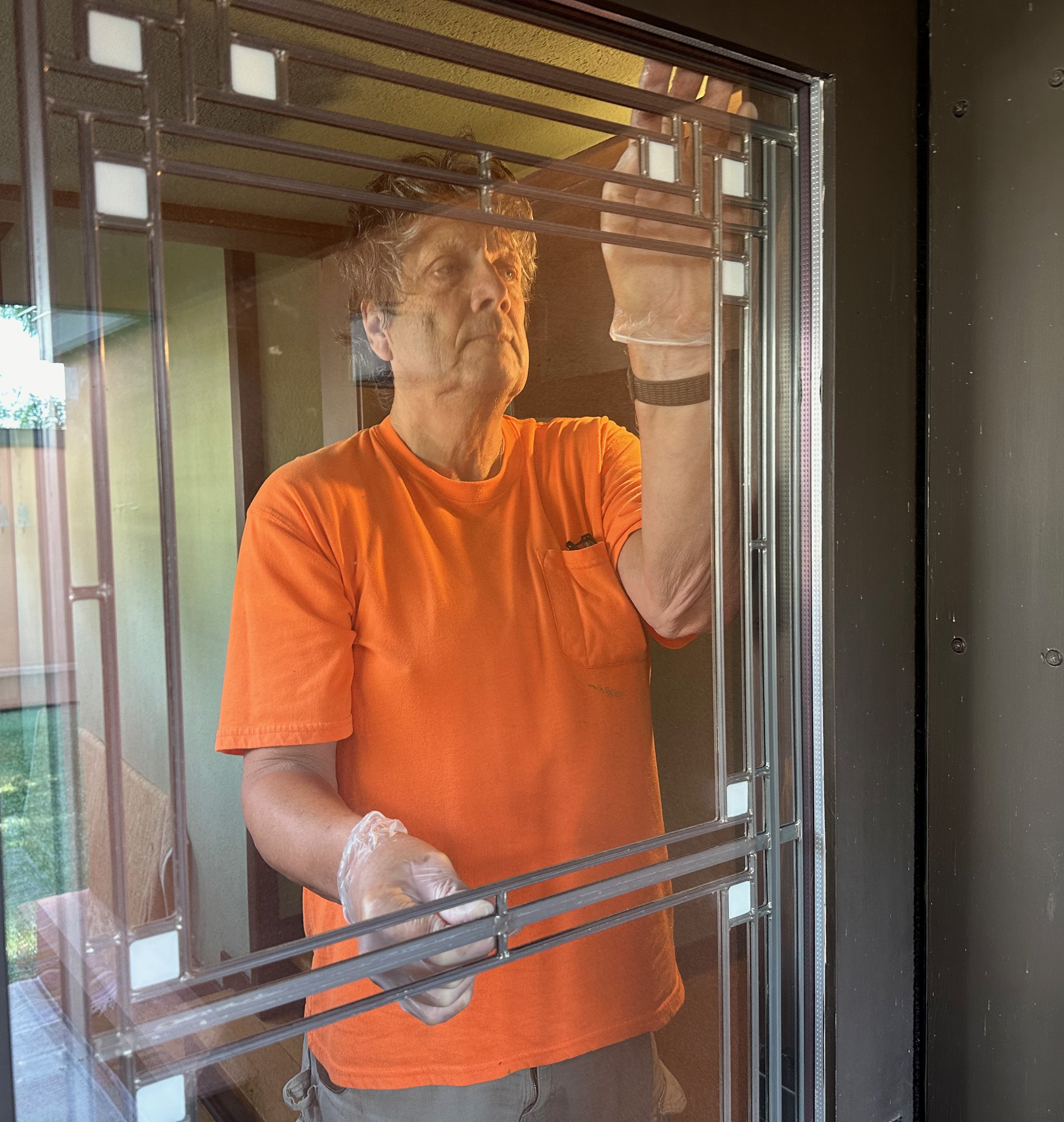
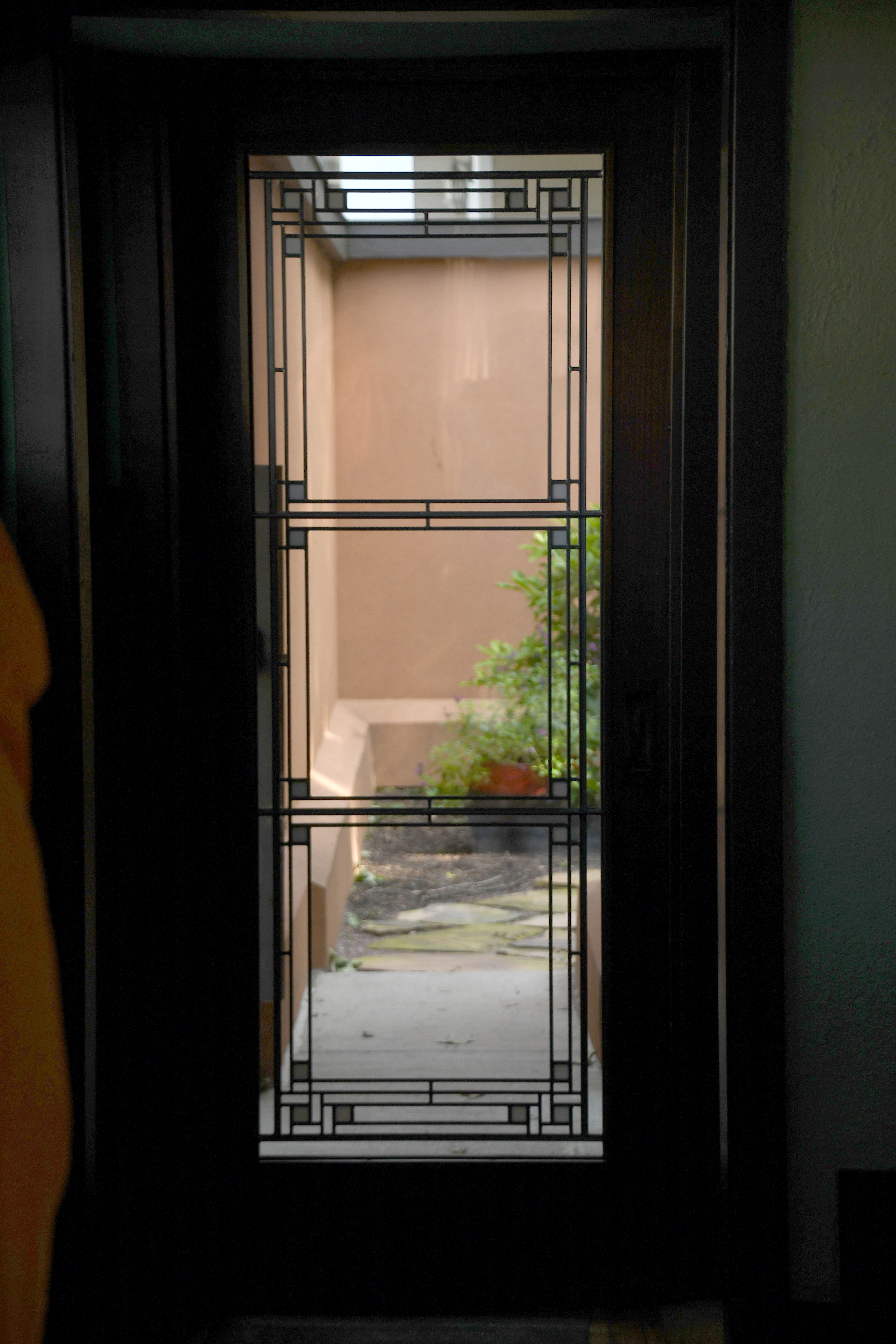
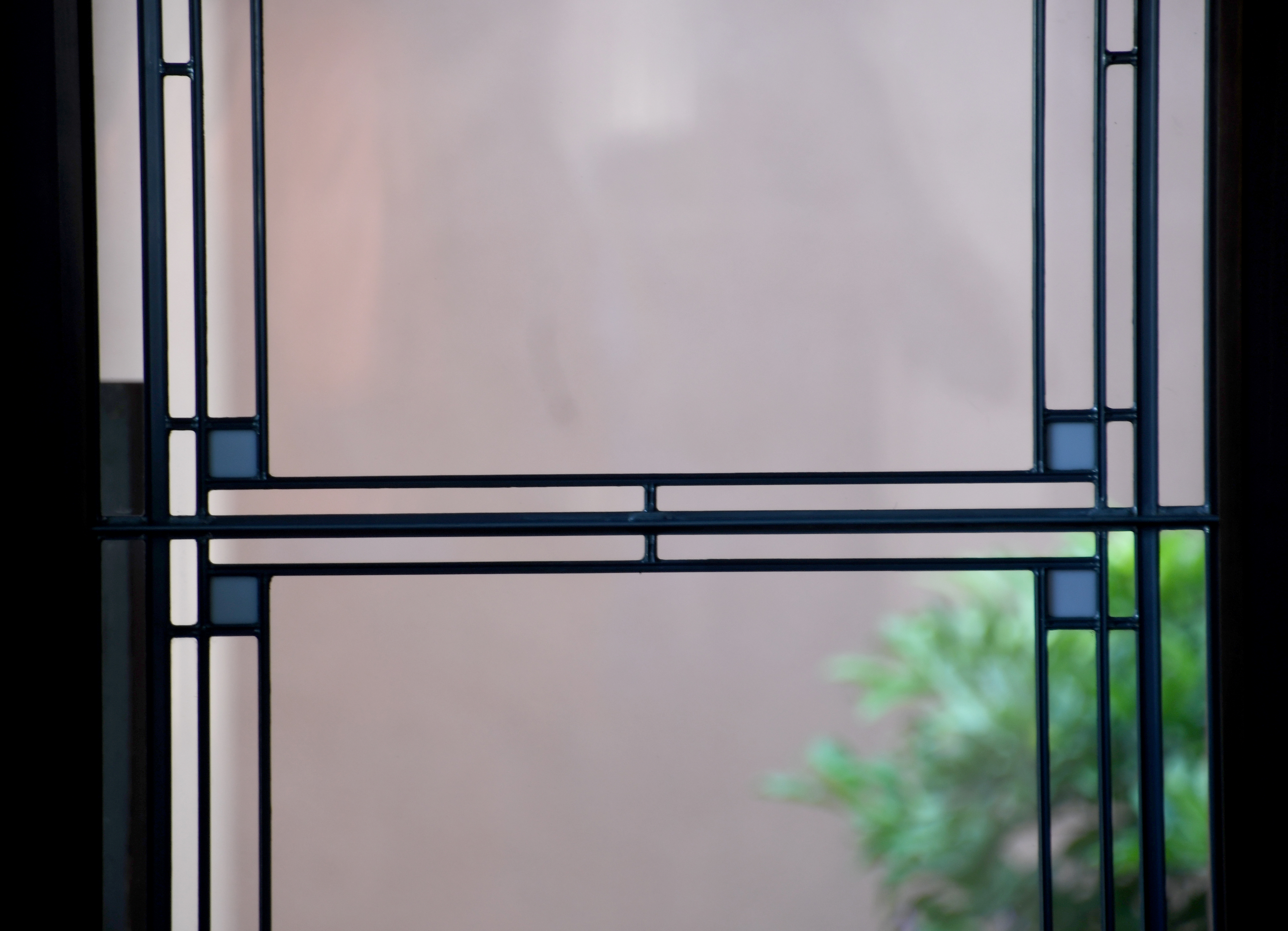
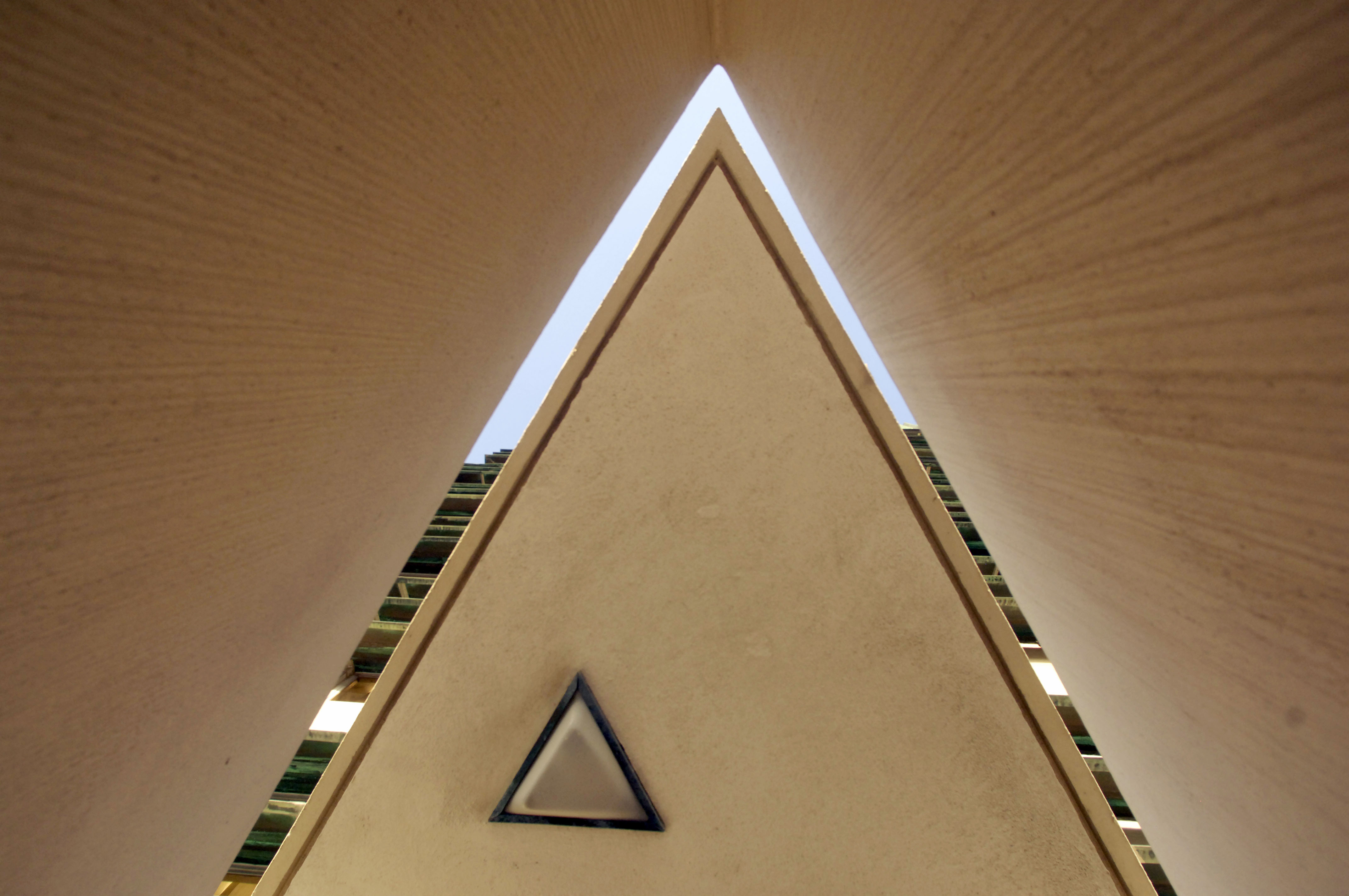
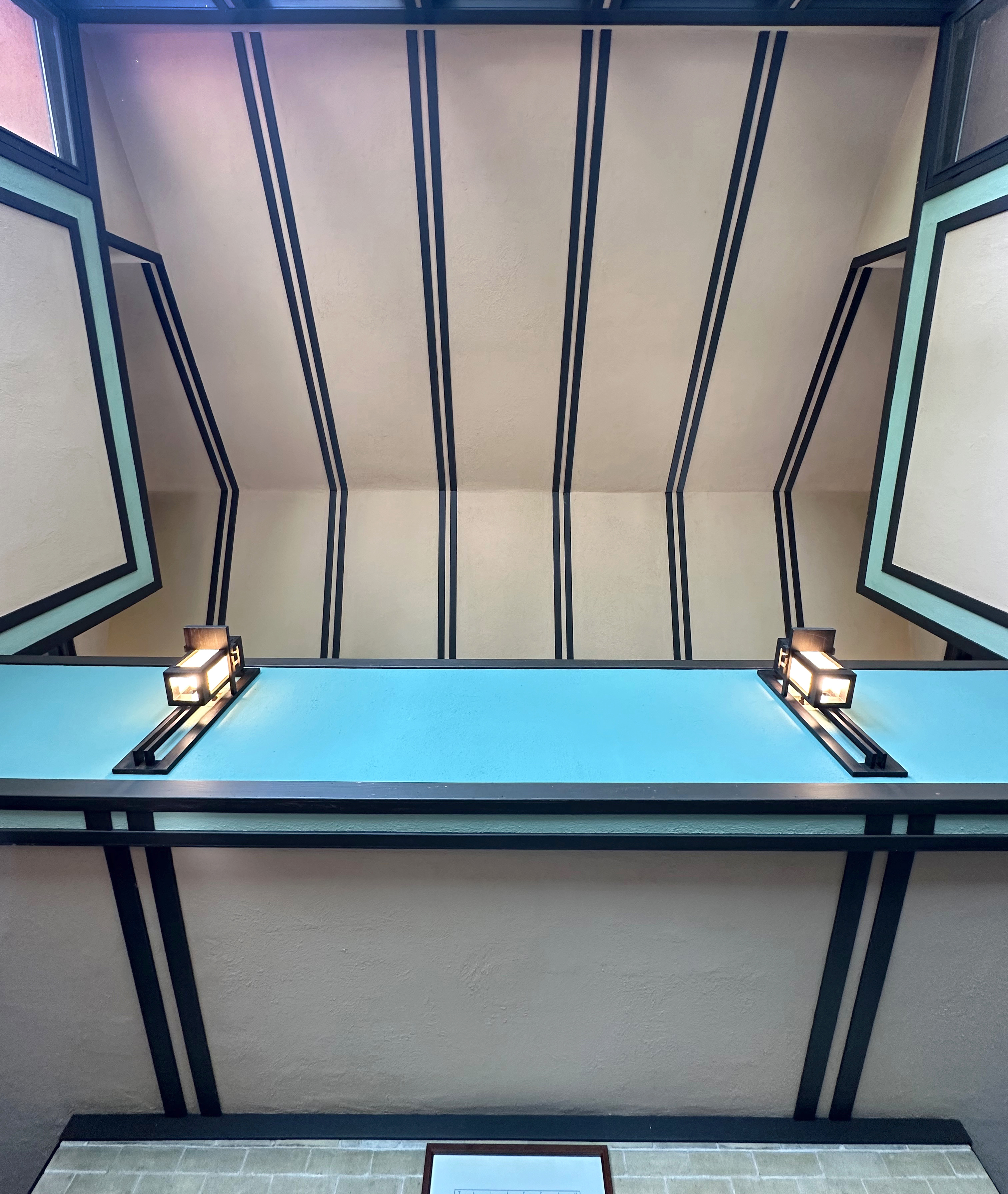
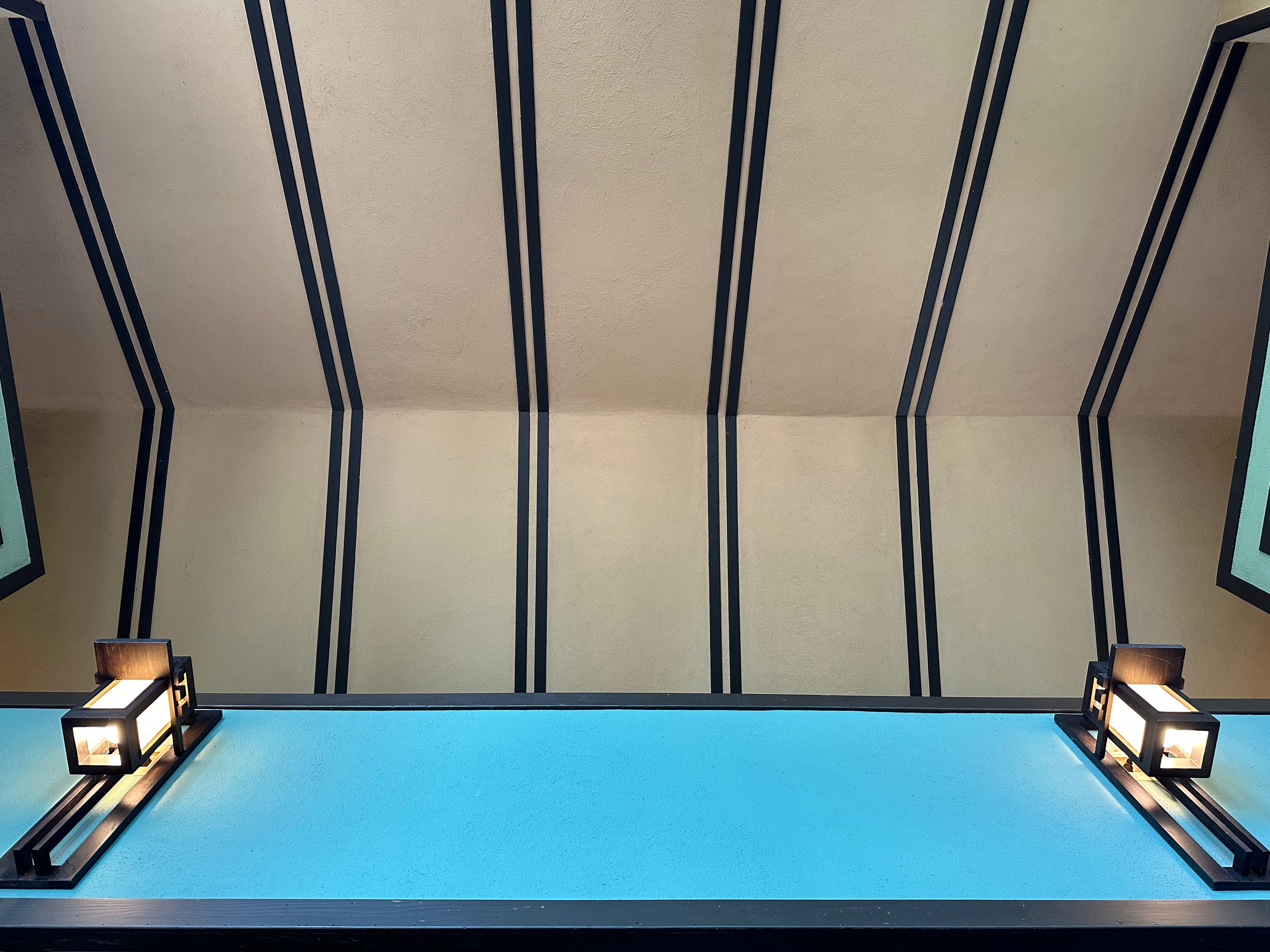
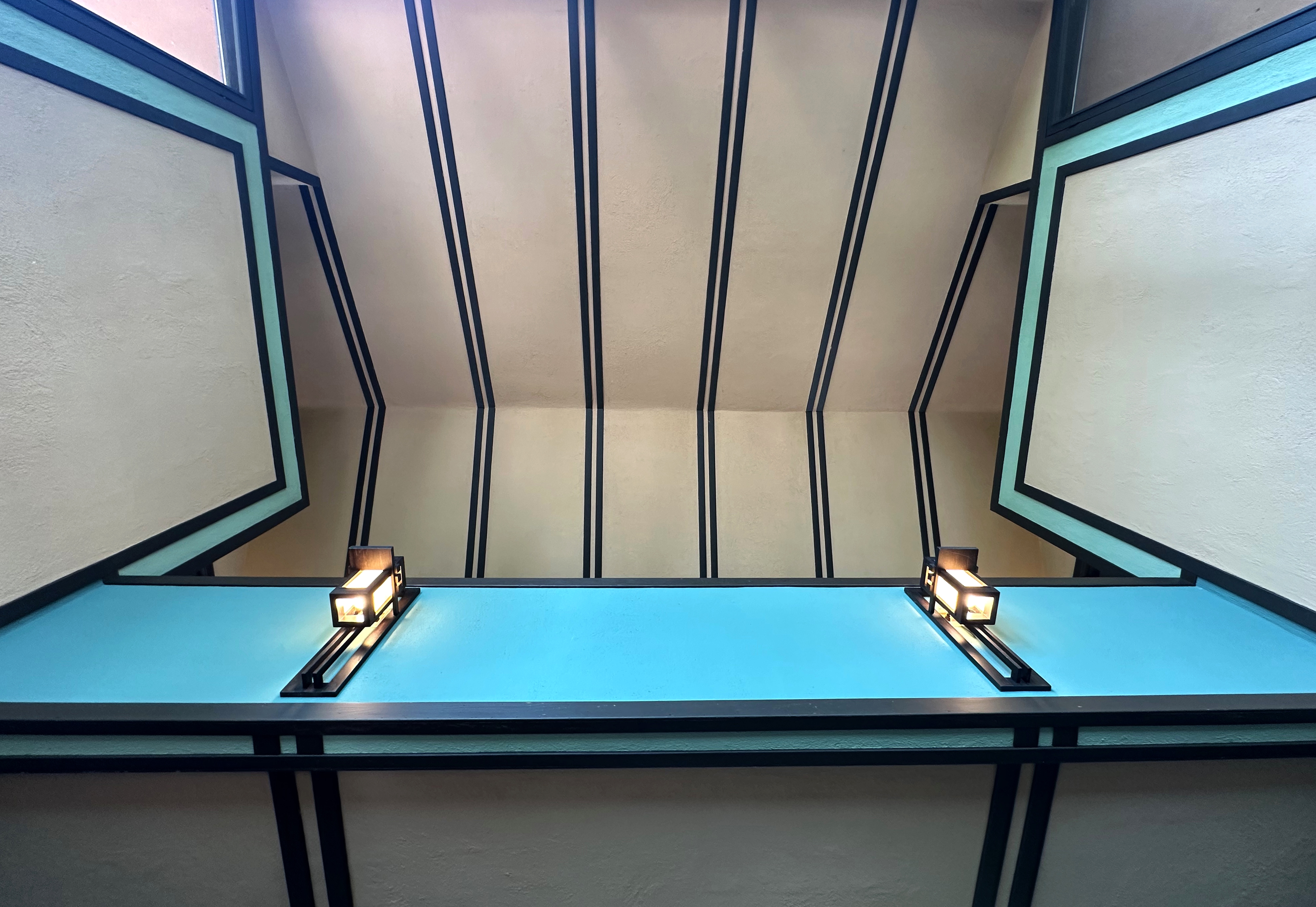
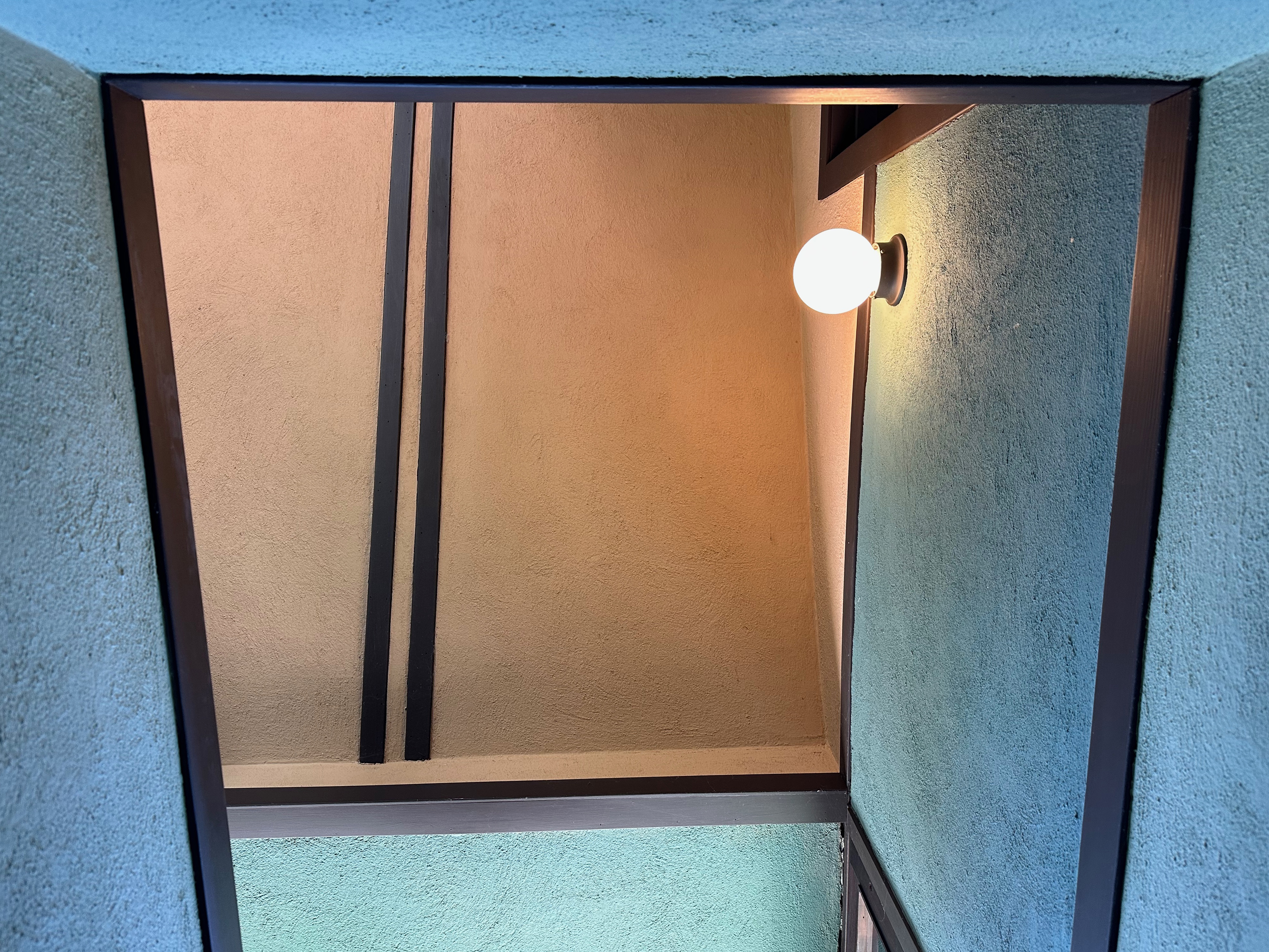
Hardy at Sunrise / Photo Workshop

© Mark Hertzberg (2025)

Hardy Sunrise 10.25.25 161.JPEG

Why in the blazes would I set the alarm for 6 a.m. on a Saturday a week ago? Really, why? We are in the midst of moving (after 47 years!) and sleeping in would have been swell. So, yeah, well, why? To help Andrew Pielage who was conducting one of his photo workshops in Racine.

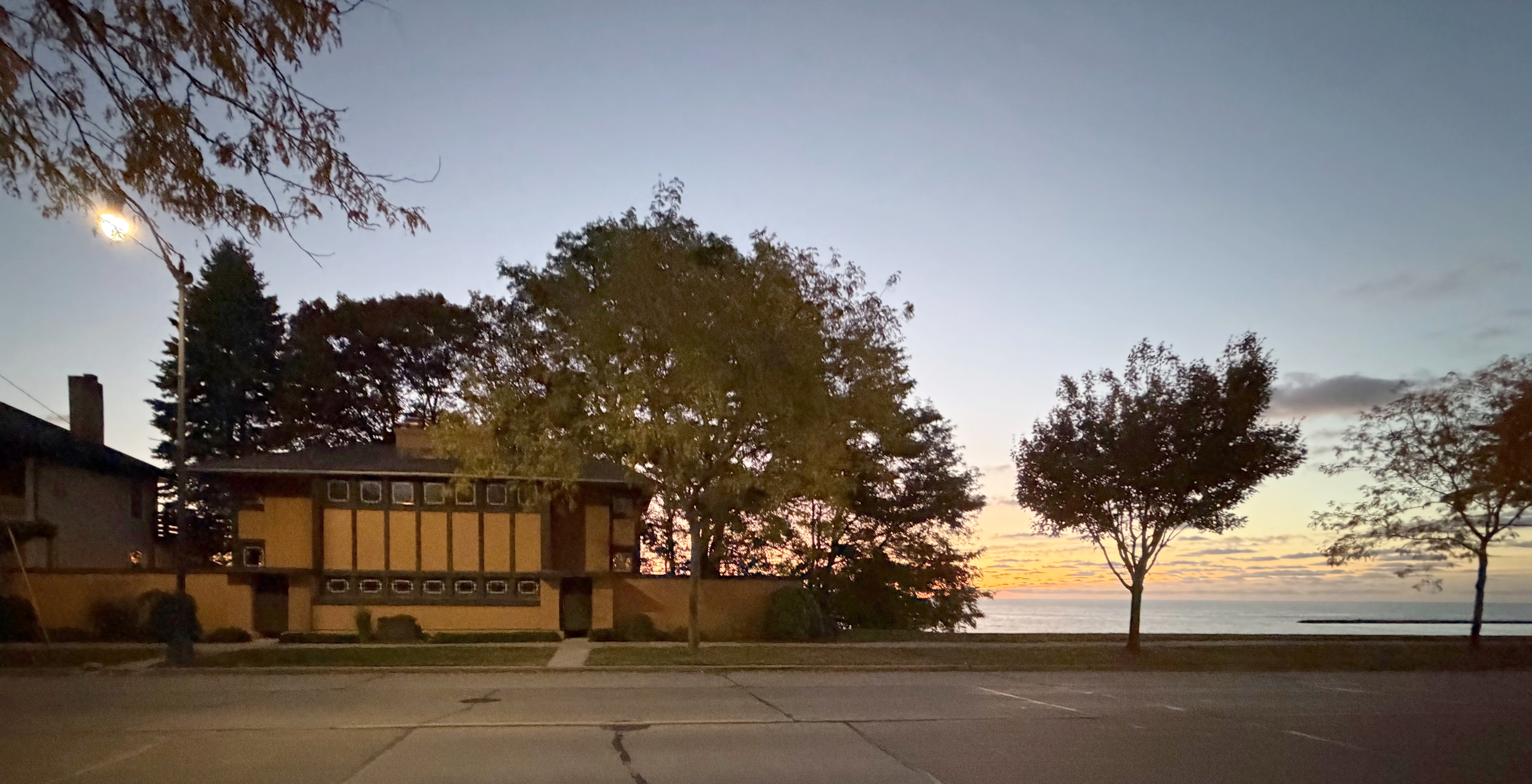
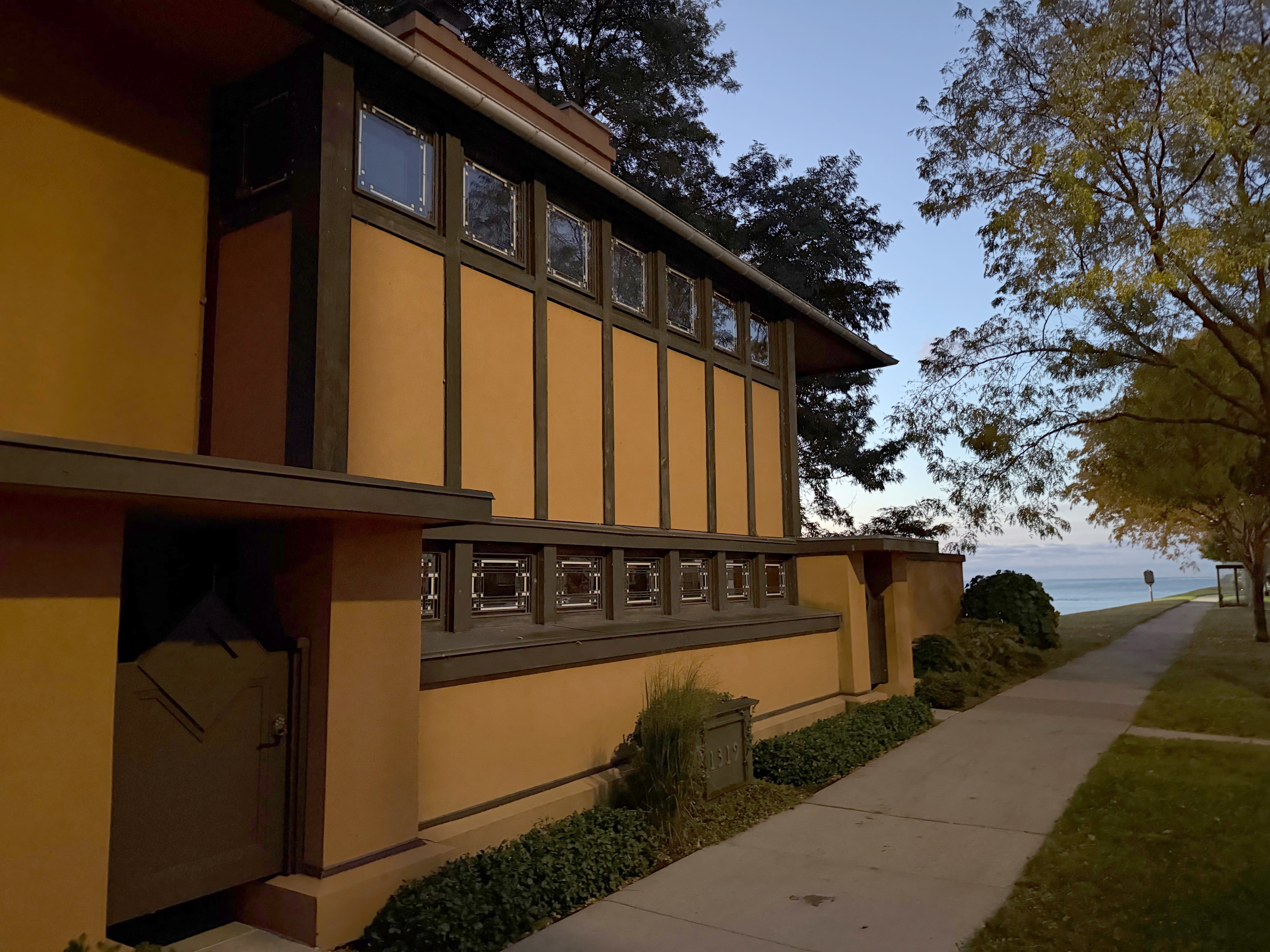
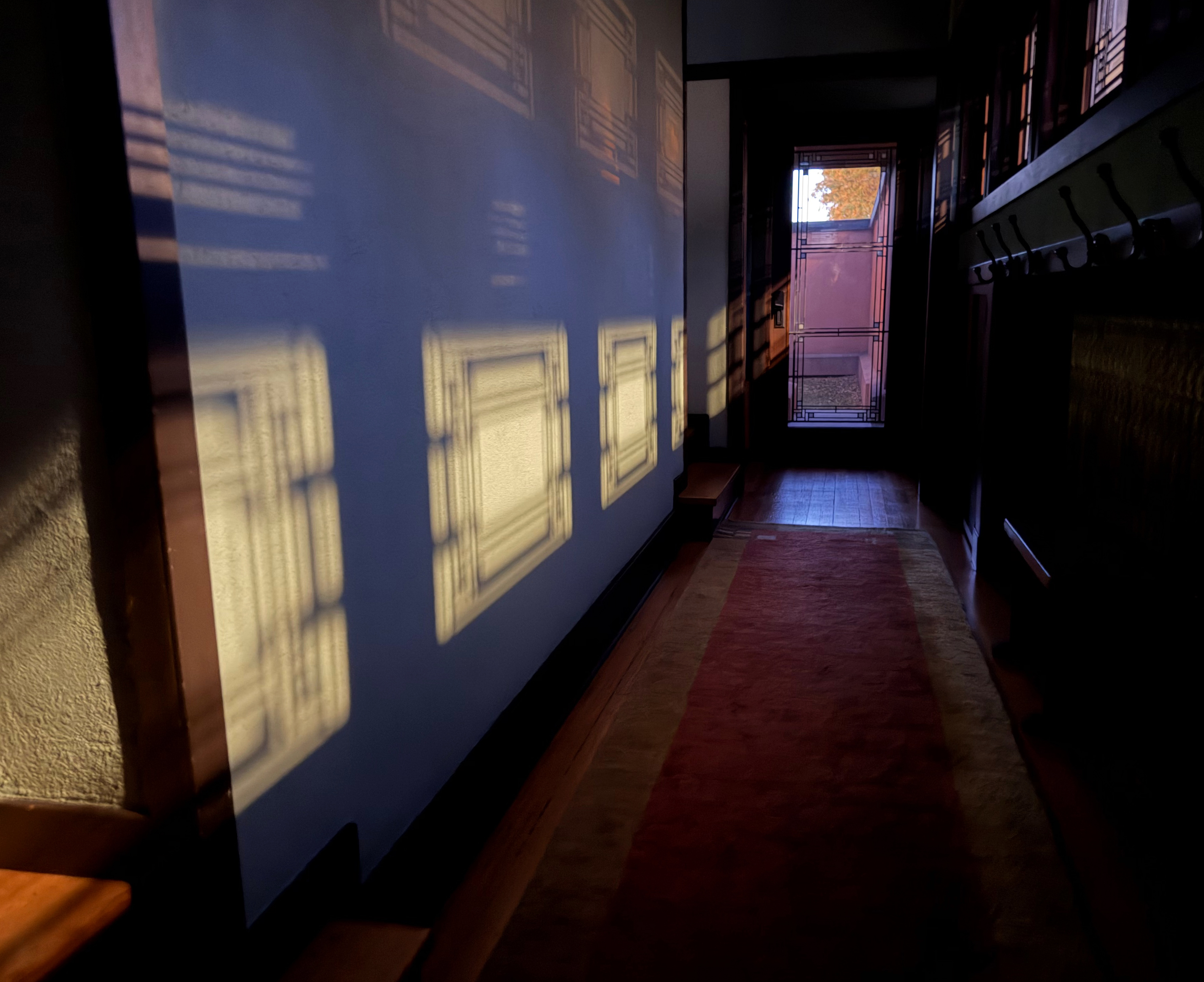
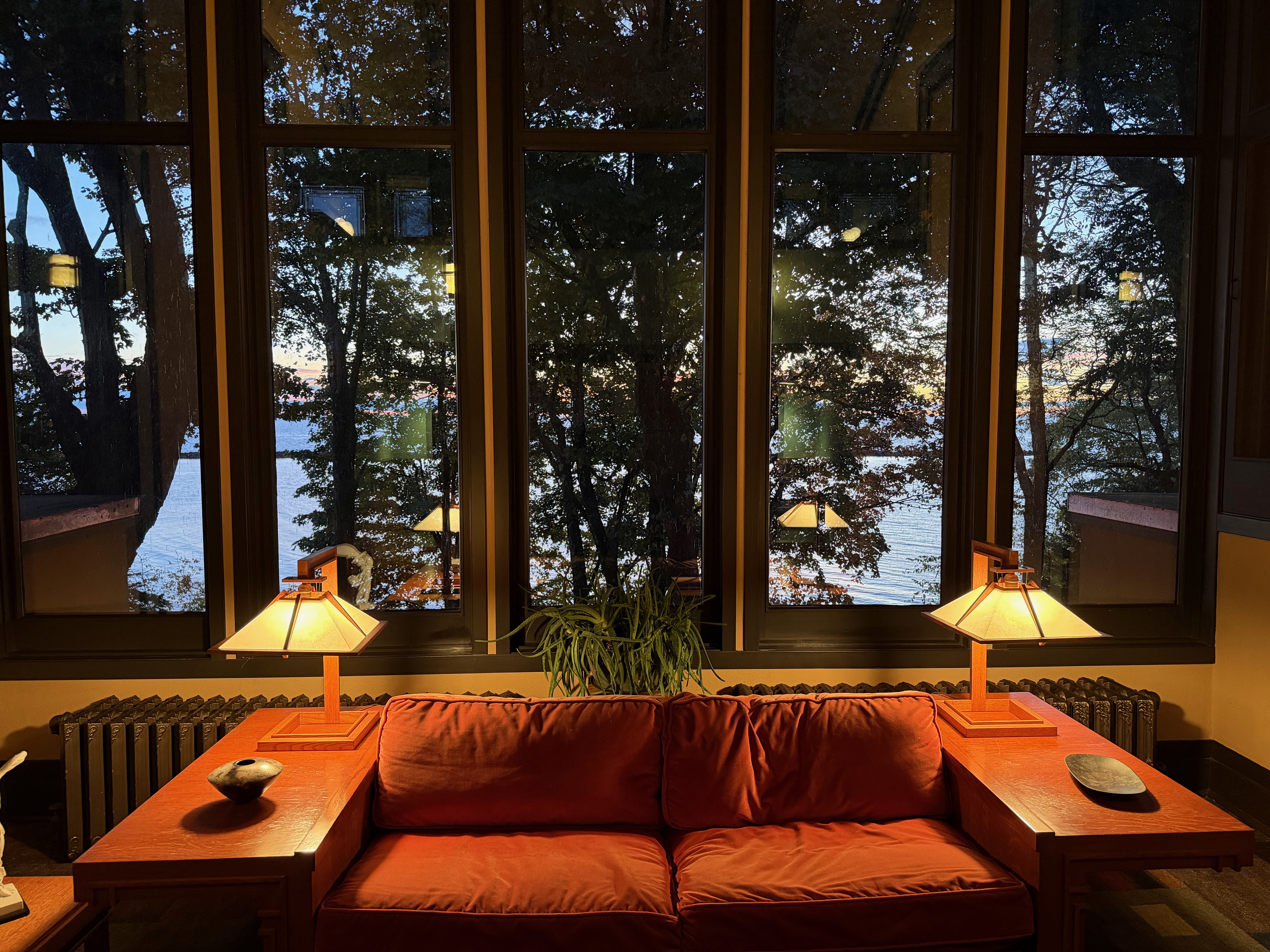
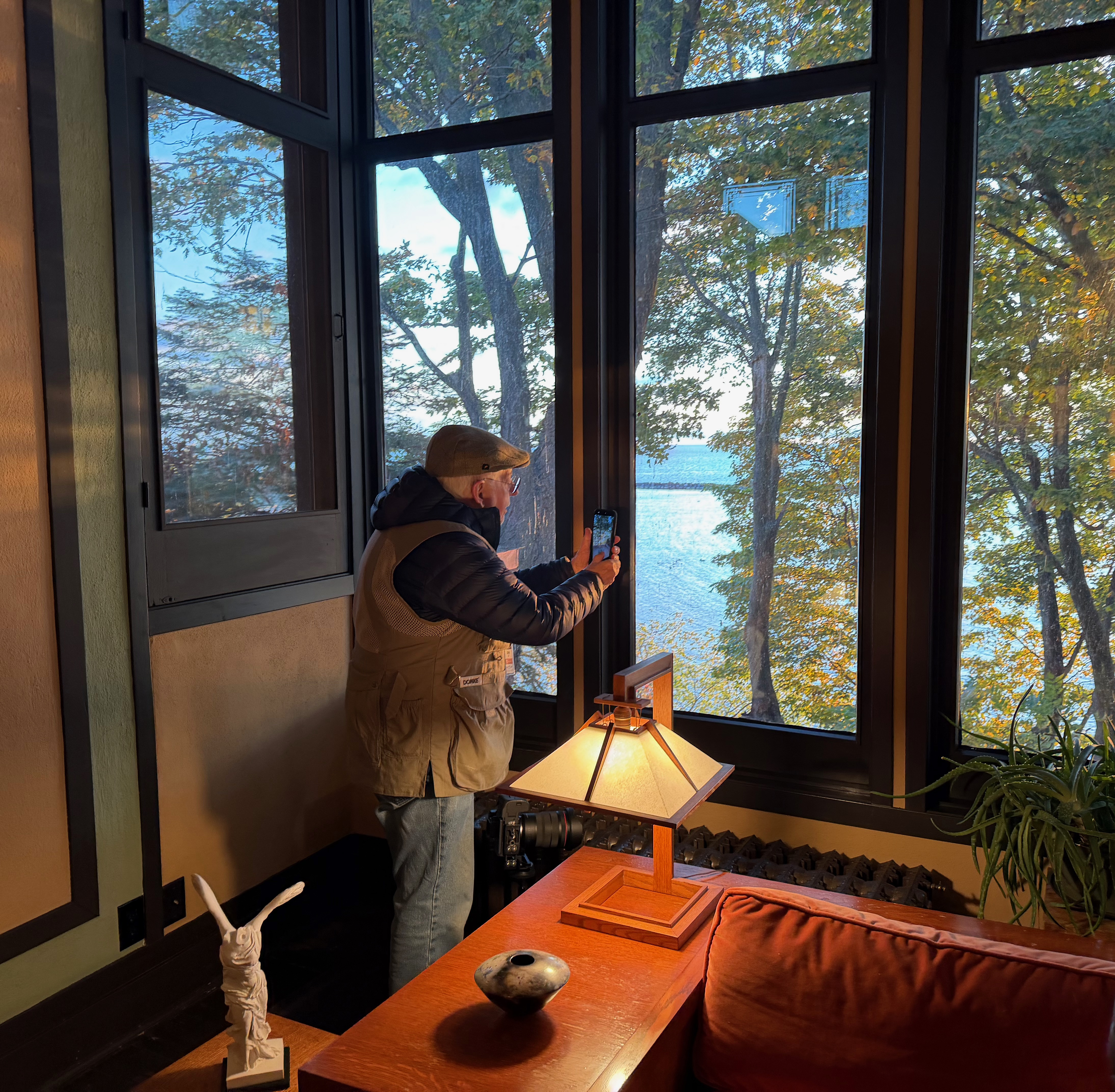
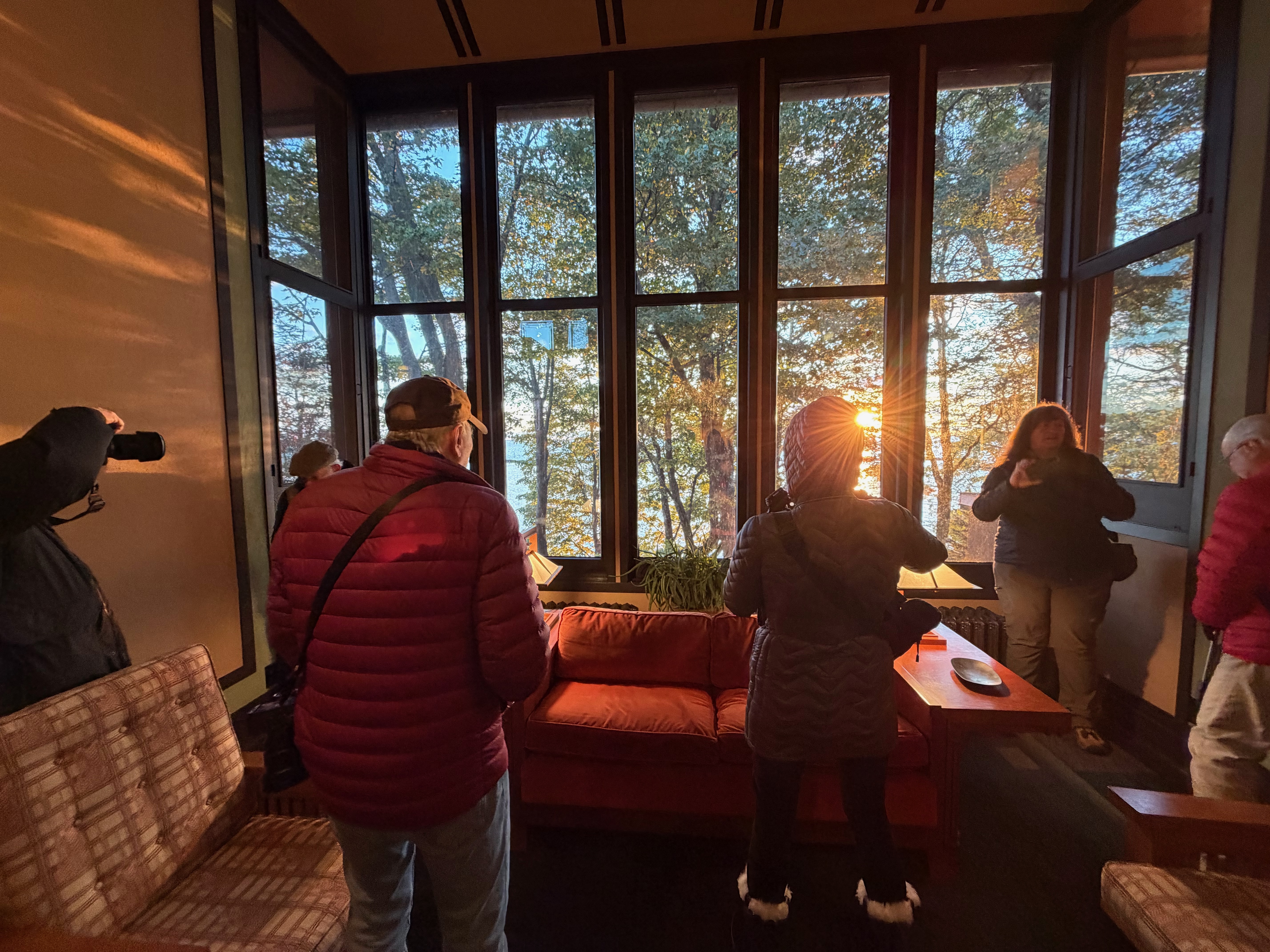
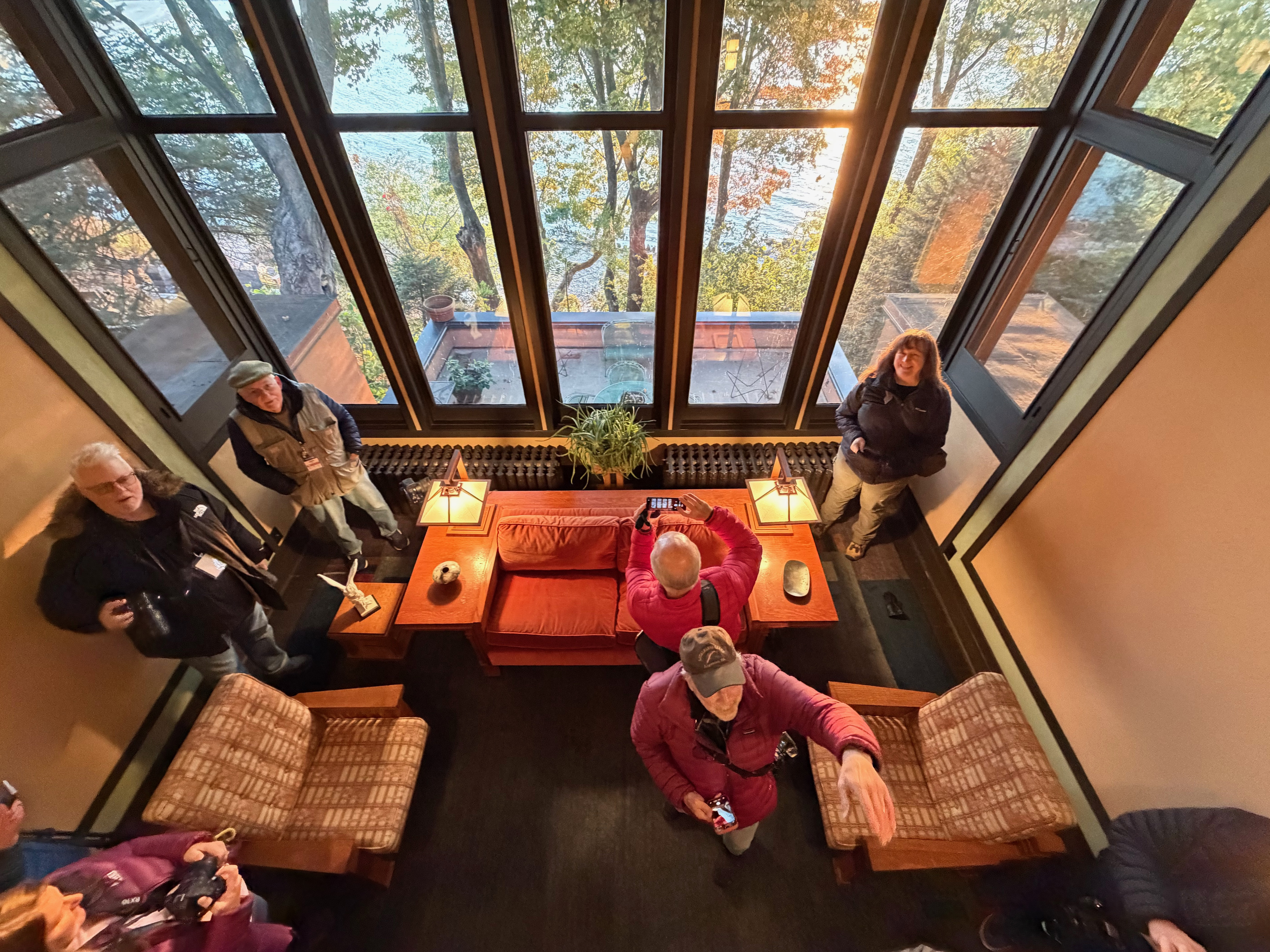
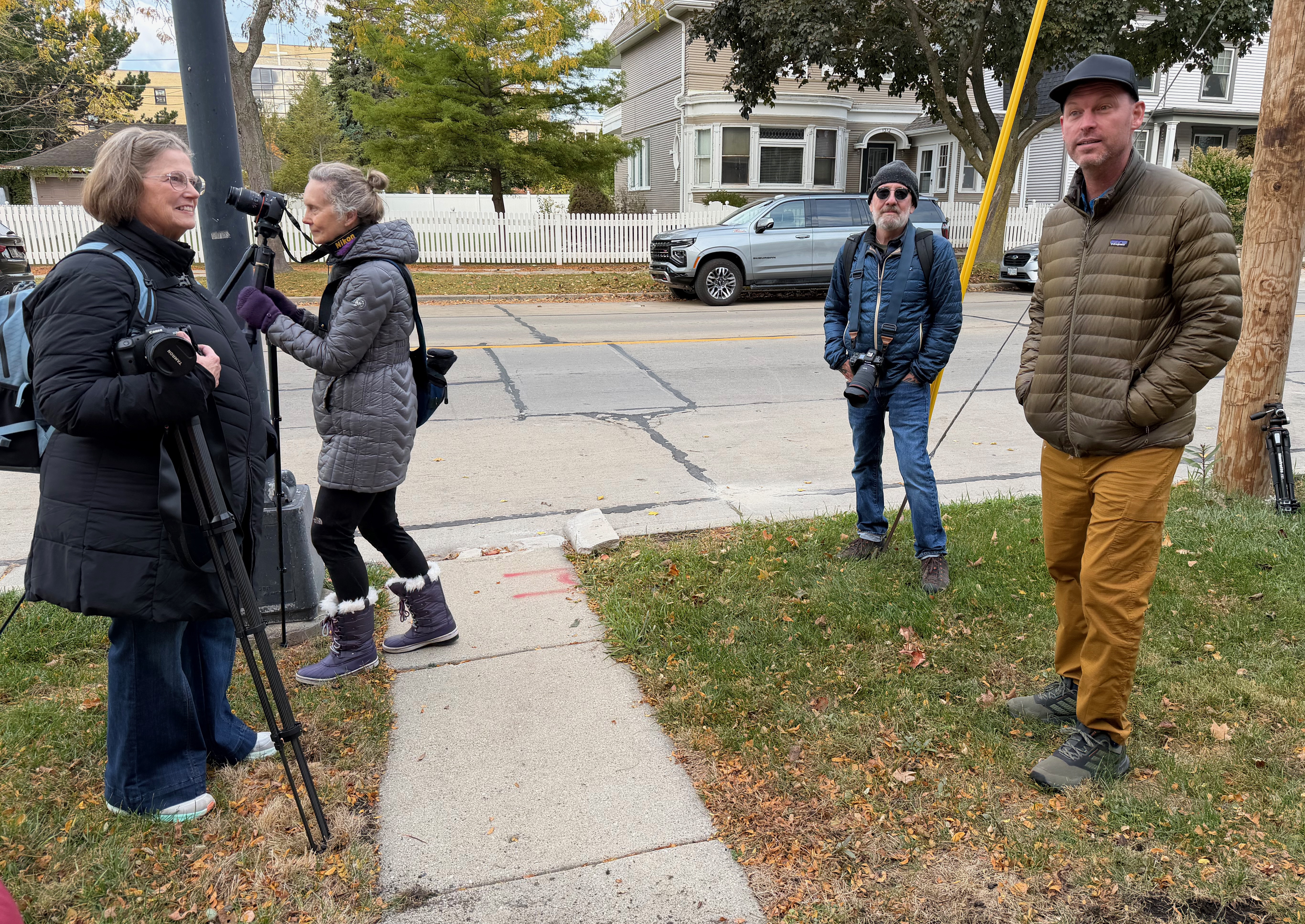
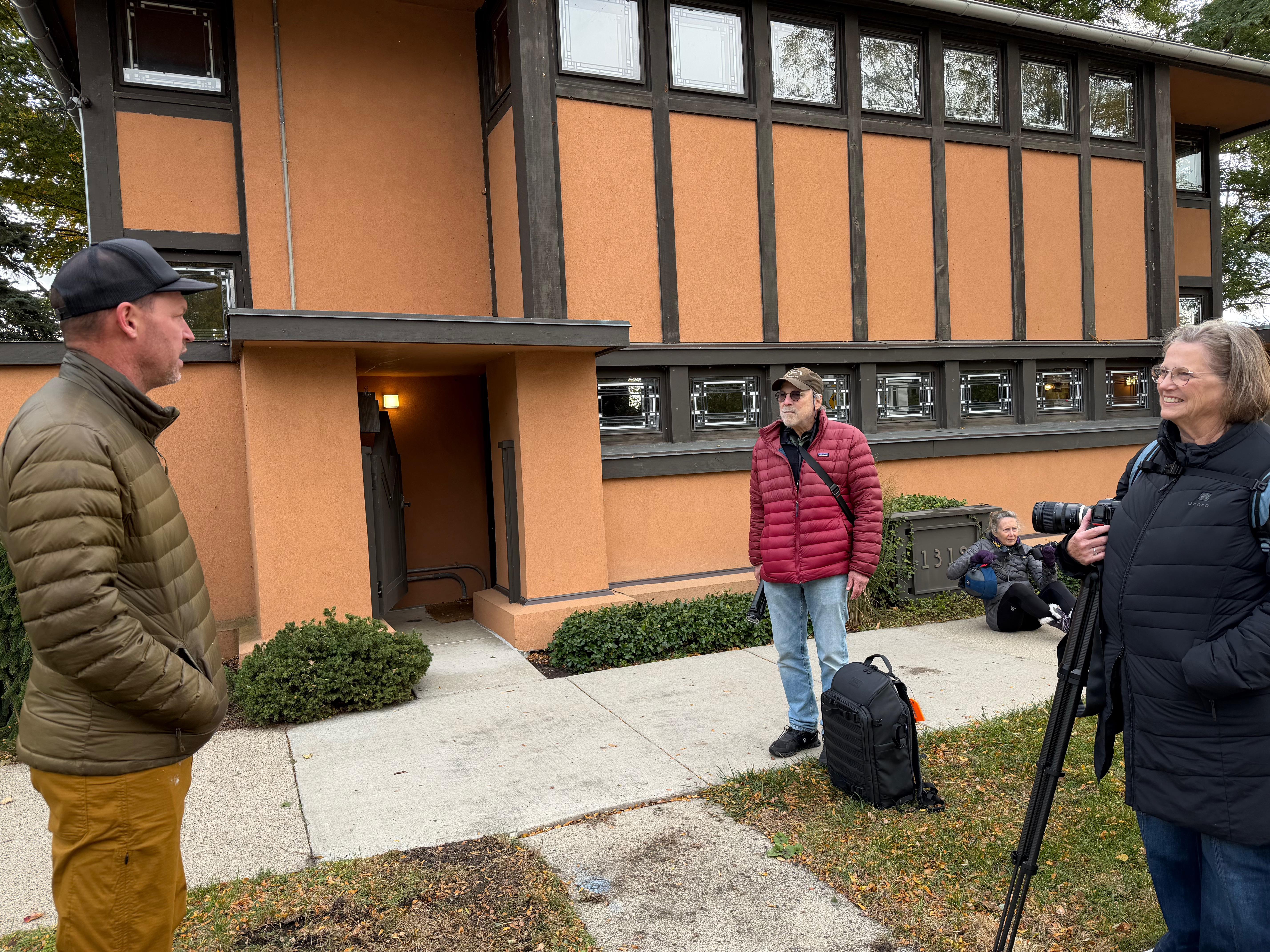
Hardy Pielage 10.25.25 016.JPEG Andrew had 18 photo guests arriving shortly after 7 a.m. to photograph Frank Lloyd Wright’s Thomas P. Hardy house inside and out, top to bottom. Andrew had asked me a year ago to tell the photographers about Hardy and about the house. Tom Szymczak, the steward of the house, had two kringle and a pot of hot coffee waiting. I got there at 6:48 a.m. Before I could get the goodies out and turn on the lights, I had to take my own photos of the house at sunrise. So, first my photos, and then my photos of the photographers.

Hardy Sunrise 10.25.25 162.JPEG

Hardy Sunrise 10.25.25 164.JPEG

Hardy Sunrise 10.25.25 170.JPEG

Hardy Sunrise 10.25.25 169.JPEG

Hardy Sunrise 10.25.25 177.JPEG

Hardy Sunrise 10.25.25 171.JPEG

Hardy Sunrise 10.25.25 172.JPEG

Hardy Sunrise 10.25.25 175.JPEG

Hardy Sunrise 10.25.25 178.JPEG

Hardy Sunrise 10.25.25 186.JPEG

Hardy Sunrise 10.25.25 188.JPEG

Hardy Sunrise 10.25.25 189.JPEG

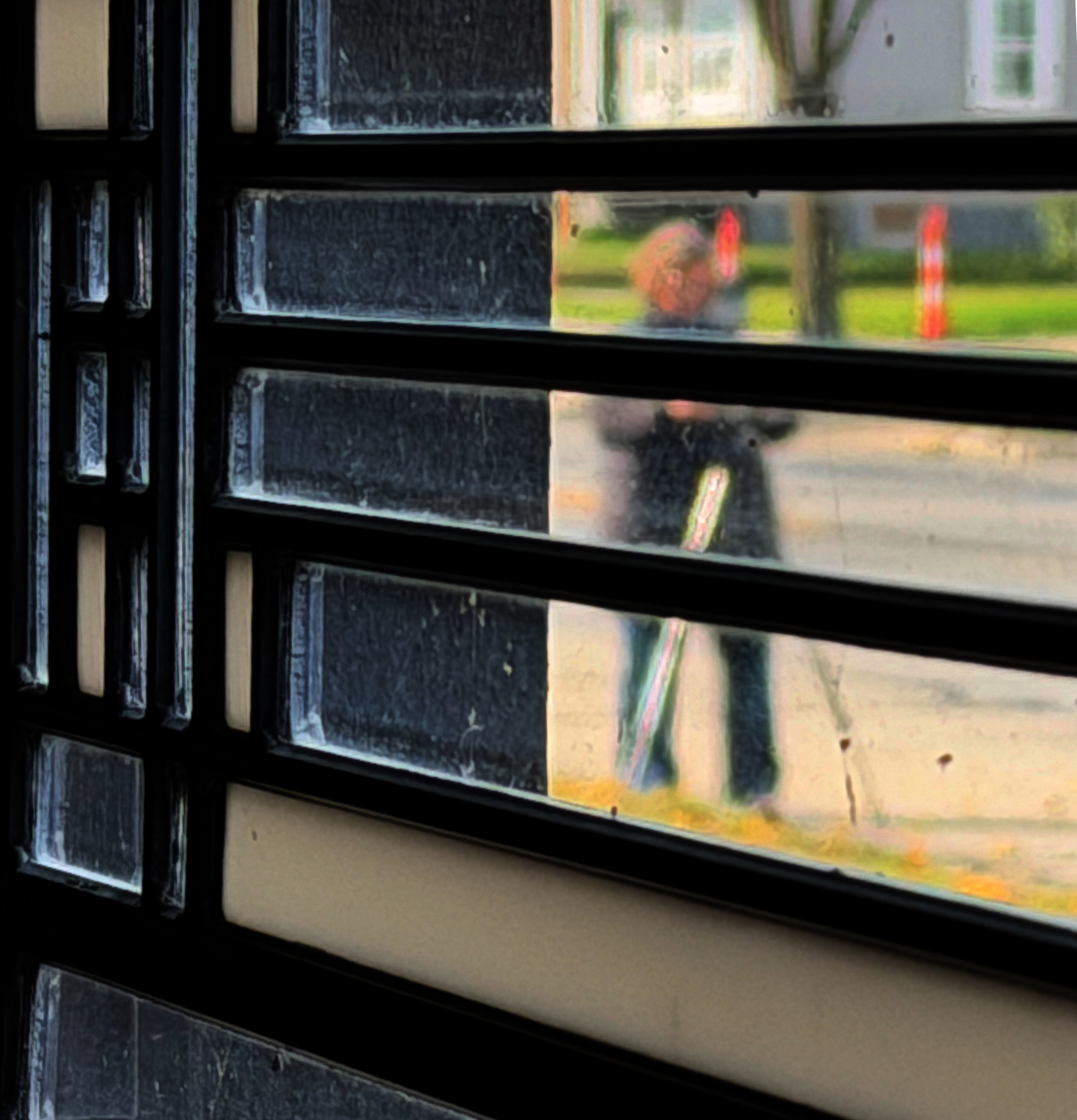
People sometimes ask my about what brand of camera is best. My answer is that the photographer’s eye is more important than the nameplate. I use Nikons because I am looked into their lens system. I have long carried a new go-to camera in my pocket…my smartphone. I recently upgraded to the iPhone 17 Pro. My friend Harvey Riekoff asked me what I thought of the camera…all the photos in this post were taken with the phone. It makes me think of cartoonist Aaron Johnson’ What the Duck t-shirt that I was given a few years ago: “Your camera takes great pictures!” To which the duck answered, “Your mouth makes nice compliments!” And, now photos of Andrew’s guests:

Hardy Pielage 10.25.25 004.JPEG


Hardy Pielage 10.25.25 008.JPEG

Hardy Pielage 10.25.25 006.JPEG

Hardy Pielage 10.25.25 009.JPEG

Hardy Pielage 10.25.25 010.JPEG

Hardy Pielage 10.25.25 011.JPEG

Hardy Pielage 10.25.25 012.JPEG

Hardy Pielage 10.25.25 020.JPEG

Hardy Pielage 10.25.25 021.JPEG

Hardy Pielage 10.25.25 022.JPEG

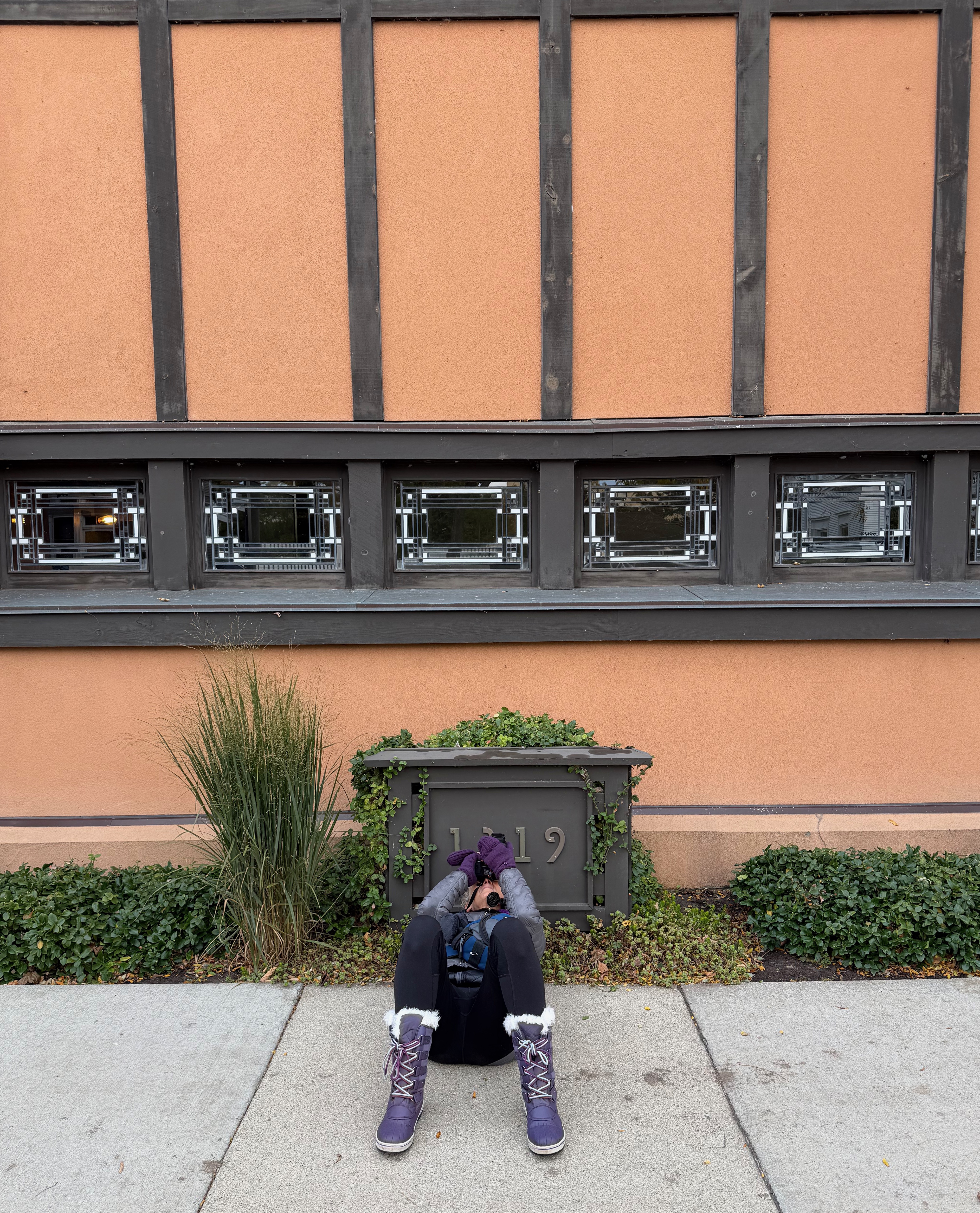
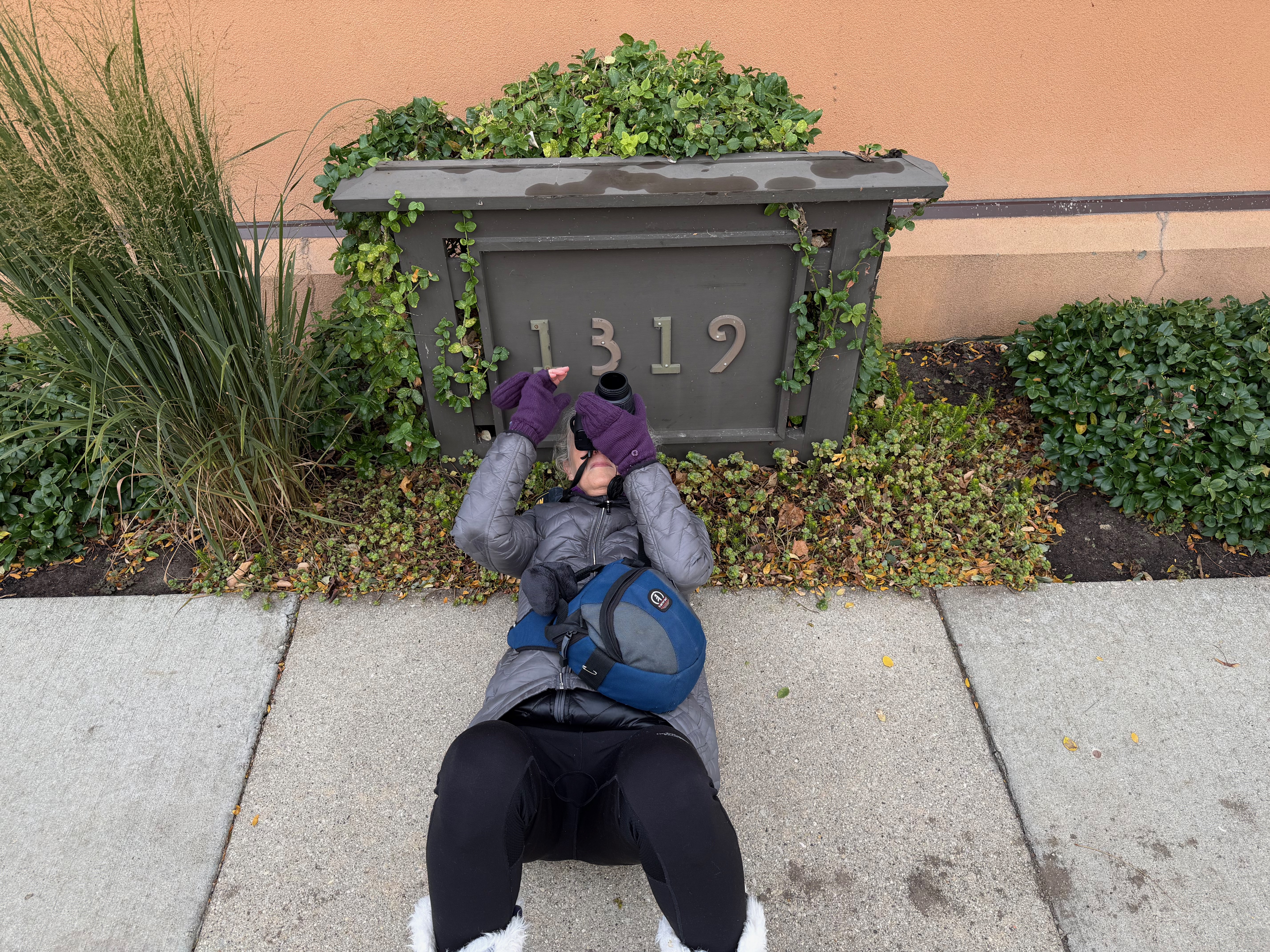
(My wife has a collection of photos of me on my back taking photos in Wright homes and other historic sites…I had to take this photo!)

Hardy Pielage 10.25.25 024.JPEG

Hardy Pielage 10.25.25 025.JPEG

For more information about Andrew Pielage’s Photo Workshops;

https://www.apizm.com/events-calendar

Please scroll down to read previous posts on this website.


Wright Book Beat, Fall 2025

© Mark Hertzberg (2025)

We are previewing four new books about Frank Lloyd Wright and his architecture. Two were recently published. The other two might be on your wish list for next year. (Disclaimer: I have photographs in the Hansen and Rovang books, and am consulting on the Hardy House section of the Lubell / Pielage book)

In alphabetical order, by author:

Ken DahlinFrank Lloyd Wright and the Path to BeautyScreenshot 2025-09-08 at 2.59.54 PM.png
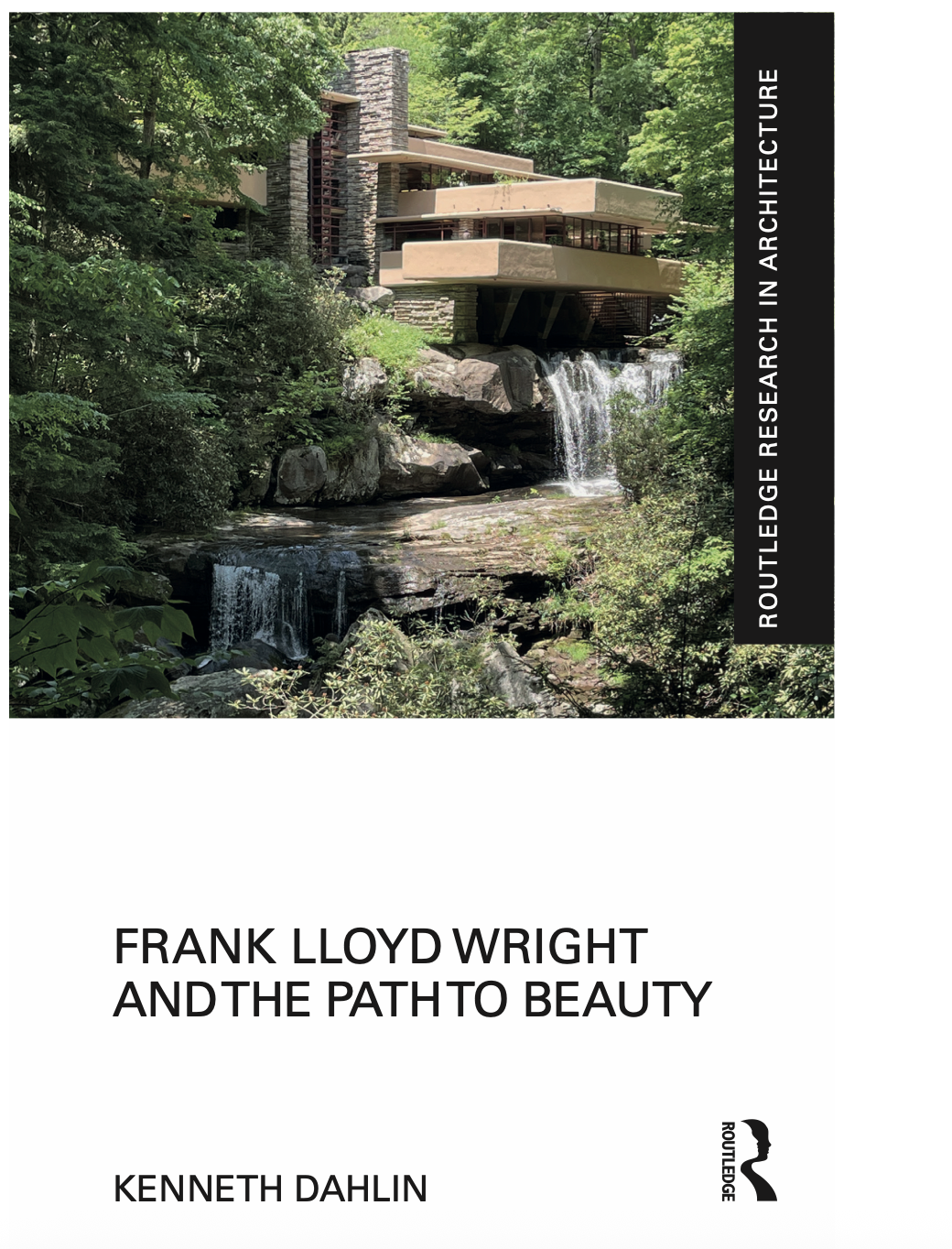
Dahlin, a Racine native, is the award-winning architect who is the founder of Genesis Architecture in Racine. The book is part of the “Routledge Research in Architecture” series. As previewed by Routledge: “This book connects Frank Lloyd Wright’s organic theory with his pursuit of beauty, presenting a path for the recovery of beauty in architecture…”

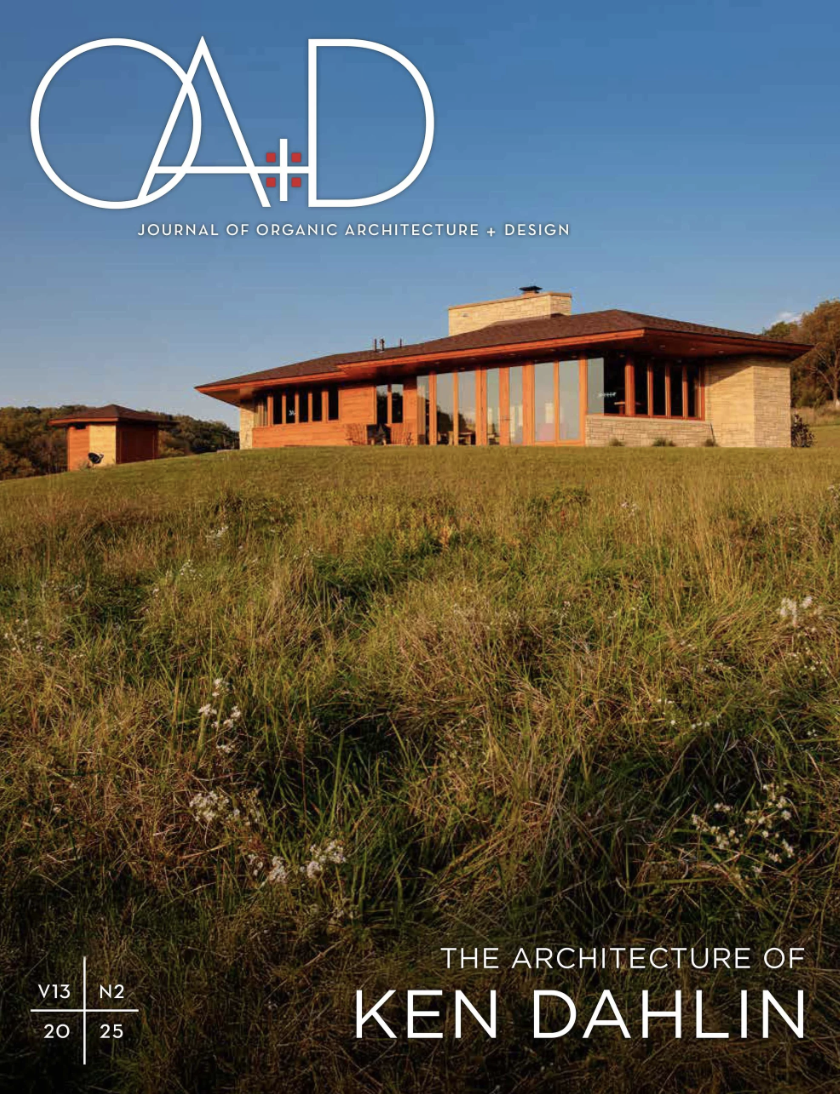
Dahlin recently spoke at Wright in Wisconsin’s event at Taliesin and signed books at the Frank Lloyd Wright Building Conservancy’s conference in Pittsburgh. His work is the cover feature of the current issue of the Journal of Architecture + Design (see link below).

LR Dahlin BC.jpg

Screenshot 2025-09-10 at 3.01.57 PM.png

Kristine Hansen: Frank Lloyd Wright’s Illinois

This book will be a sequel to Hansen’s successful 2023 book Frank Lloyd Wright’s WisconsinHow America’s Most Famous Architect Found Inspiration in His Home State which went into three printings.

Screenshot 2025-09-08 at 4.28.00 PM.png

The Illinois book, whose subtitle has not been determined yet, is expected to be published next July or August. Wisconsin is a slim paperback that through photographs and narratives explores Wright’s work in his native state. It is described as “is part travel guide, part fireside chat with stewards of his designs.” Globe Pequot is the publisher of both books.
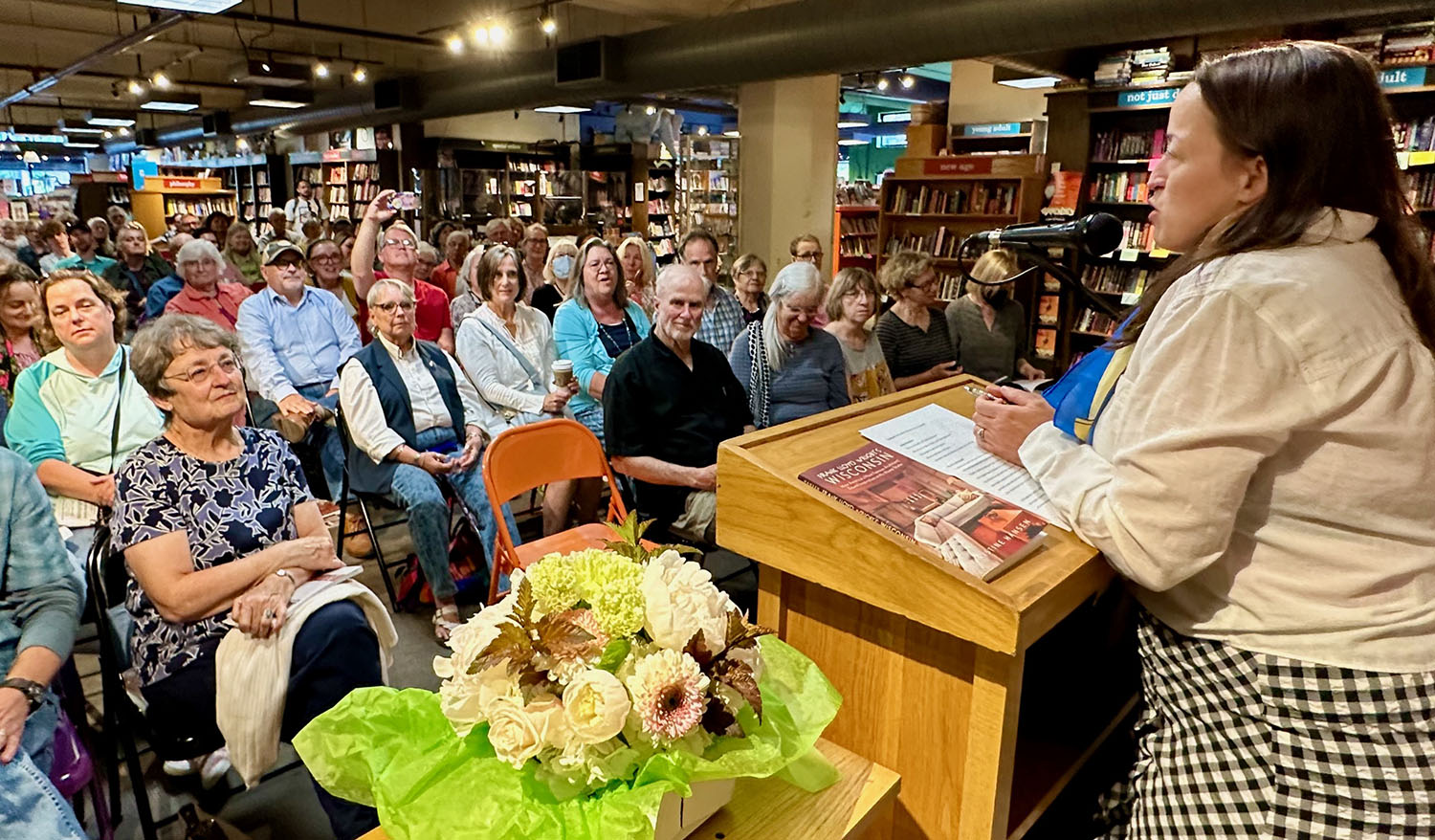
LR Hansen.jpgHansen at her book talk at Boswell Books in Milwaukee, June 9, 2023.

Sam Lubell and Andrew Pielage: 50 Houses

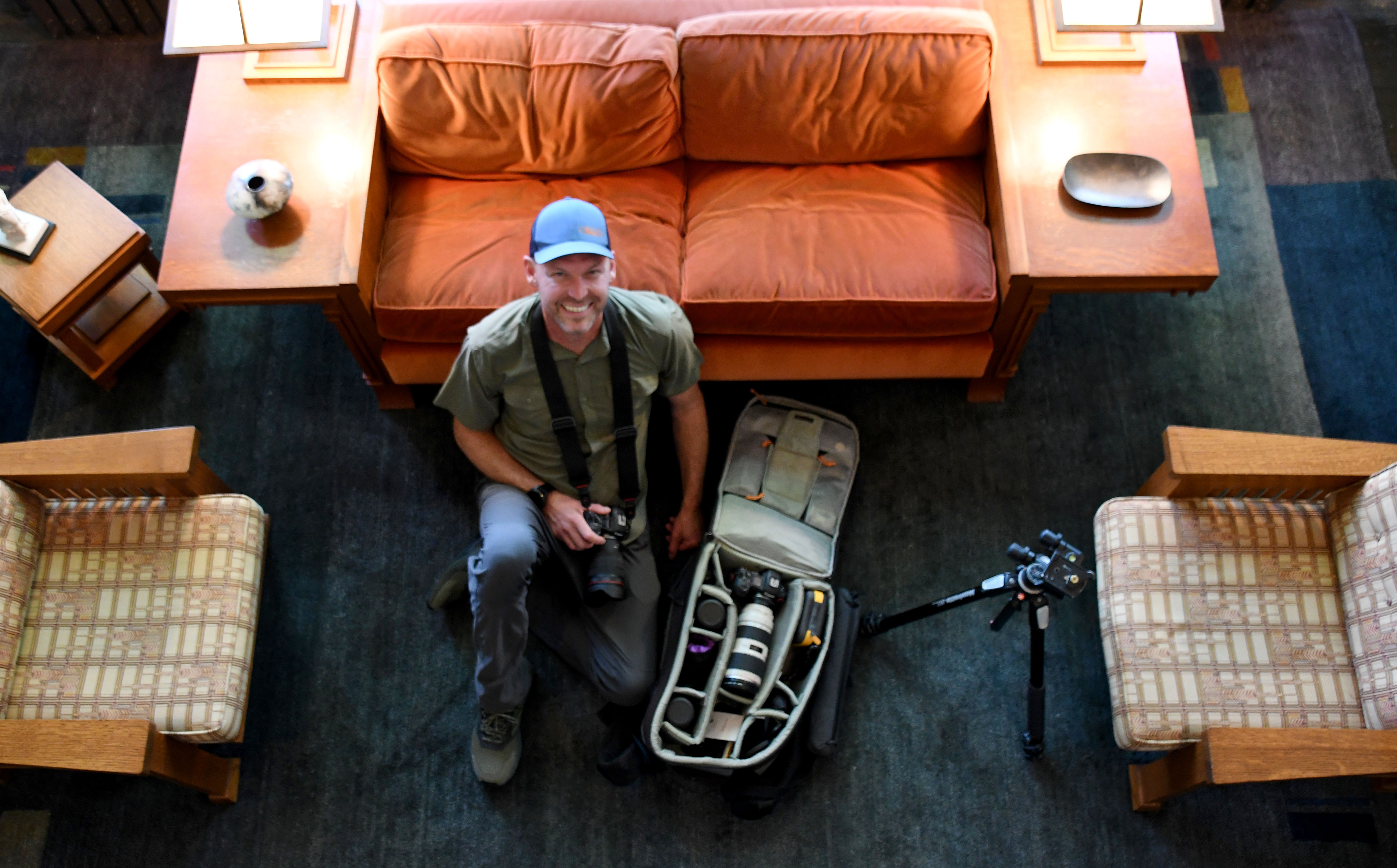
Rizzoli will be publishing this book by architectural writer Sam Lubell and Wright and architectural photographer Andrew Pielage. A press release previews the book as a project that “will delve into the stories of 50 of Frank Lloyd Wright’s most iconic designs…(it) will uncover the rich and distinctive narratives that make each house as remarkable as its design.” The book is more than just another architectural and historic survey of these properties as it “celebrates Wright’s enduring legacy and the human experiences” of the houses. One of the 50 houses is the Thomas P. Hardy House in Racine, which I have long been familiar with. Lubell and I had a long conversation about the house in the living room a month ago. Pielage was given the privilege of staying there overnight so he could photograph it at different times of the day, evening, and night:
Frank Lloyd Wright Photographer 004.JPG

Frank Lloyd Wright Photographer 003.JPG

Sarah Rovang: Through the Long Desert – Georgia O’Keeffe and Frank Lloyd Wright:

LR ThroughtheLongDesert.jpg

Rovang’s book had its genesis eight years ago in a “why not?” moment when she attended a panel discussion in Santa Fe with Stuart Graff, then President and CEO of the Frank Lloyd Wright Foundation, and Cody Hartley, Director of the Georgia O’Keeffe Museum,  about similarities between the two artists. Someone in the audience suggested that there should be a book about them, because they knew each other. After a week of pondering the idea, she emailed Graff and Hartley that she would want to be the author. Rovang will be at the October 23 “Sunsets & Sips” at Taliesin West:

https://franklloydwright.org/sunsets-sips/

I can relate to the “why not?” moment. I am often asked how I started on the path to being commissioned to write and photograph first one book, and ultimately four, about Wright and his work in Southeast Wisconsin. It’s a convoluted tale, that started with a “why not?” moment. Bravo, Sarah, for following through on that moment!

Links:

Dahlin’s book website, with discount coupon (the book lists for $152):

https://www.routledge.com/Frank-Lloyd-Wright-and-the-Path-to-Beauty/Dahlin/p/book/9781032620053?srsltid=AfmBOopoF7ZSGIZC6IbNLkzliB53hBd1nLevv3ShpW0sQQzL4M8G6apy

Genesis Architecture:

https://www.genesisarchitecture.com

OA + D Journal:

https://oadarchives.bigcartel.com/product/journal-oad-v13n2

Routledge Research in Architecture Series:

https://www.routledge.com/Routledge-Research-in-Architecture/book-series/RRARCH

Hansen’s book:

https://www.globepequot.com/9781493069149/frank-lloyd-wrights-wisconsin/

Sam Lubell’s website:

https://www.samlubell.com

Andrew Pielage’s website:

https://www.apizm.com

I urge you to purchase books directly from the publisher or from a local bookseller rather than reflexively ordering from “The Big A.” Even if Amazon will save you money, we need to support our local bookshops.

Please scroll down for earlier articles on this website.

Hardy Reflections and Shadow Play 8.5.25

Photos © Mark Hertzberg (2025)

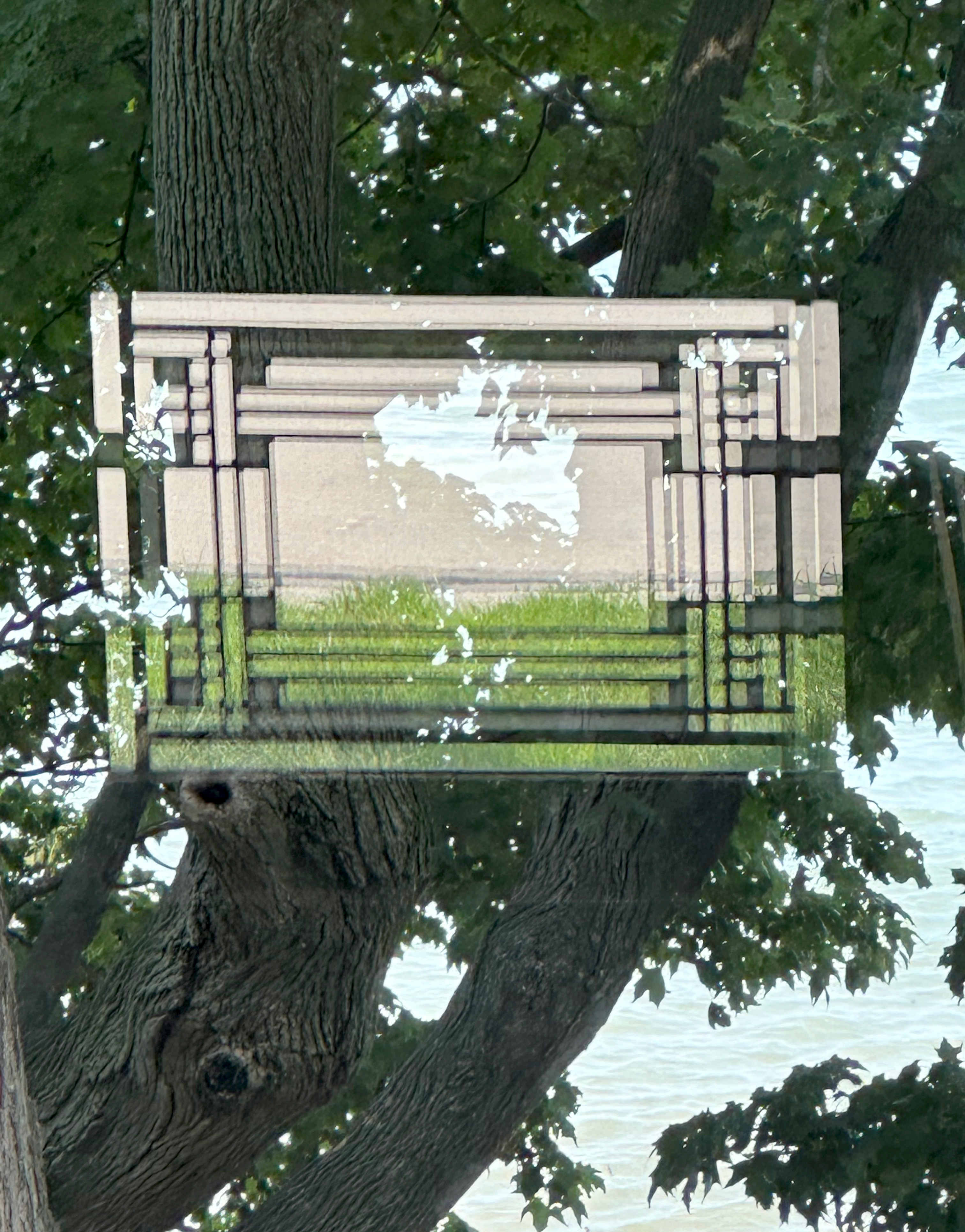
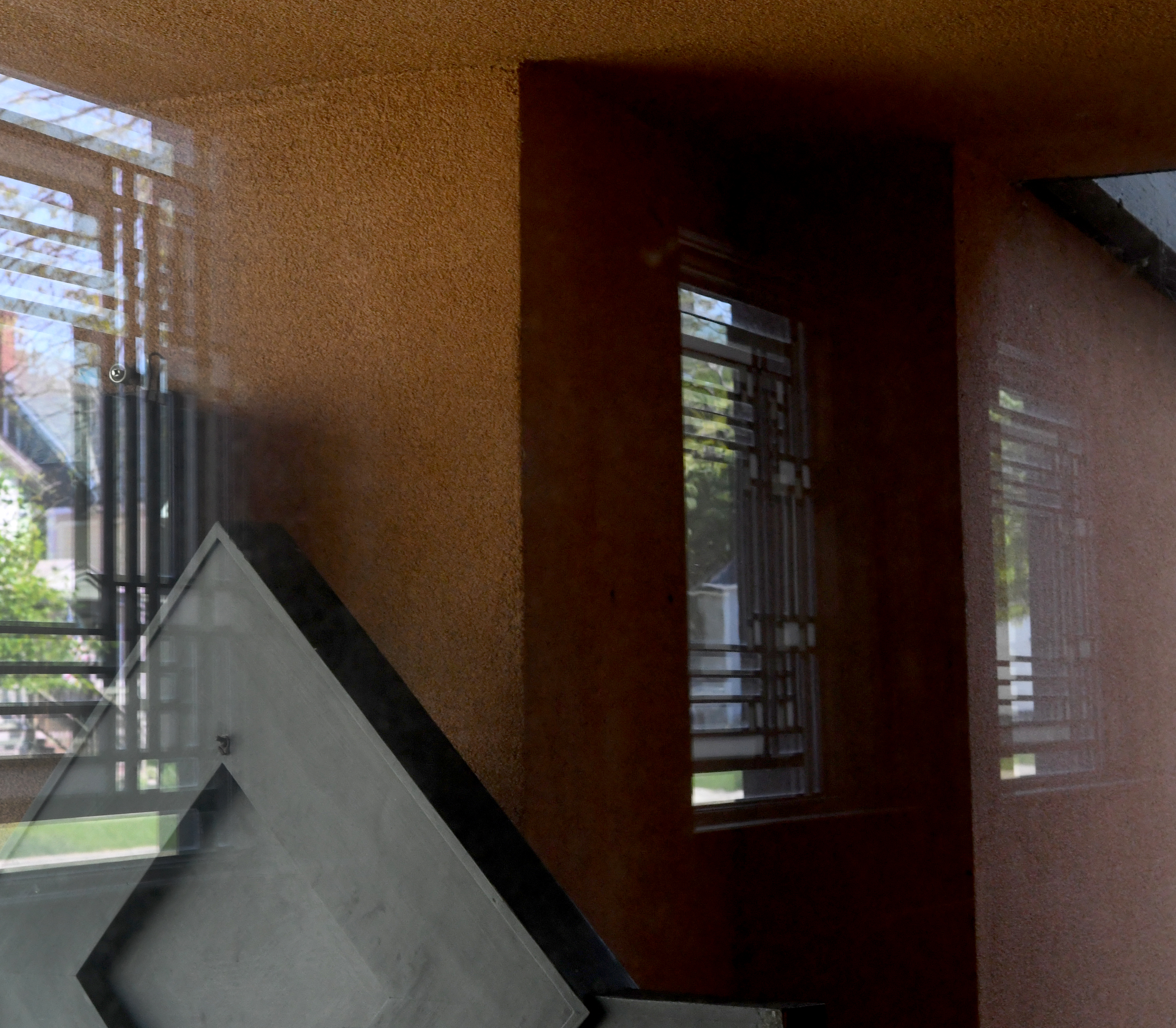
Hardy Shadow Play 8.5.25 001.JPEGOne of the entry way hallway windows is reflected in the two story living room windows that overlook Lake Michigan.
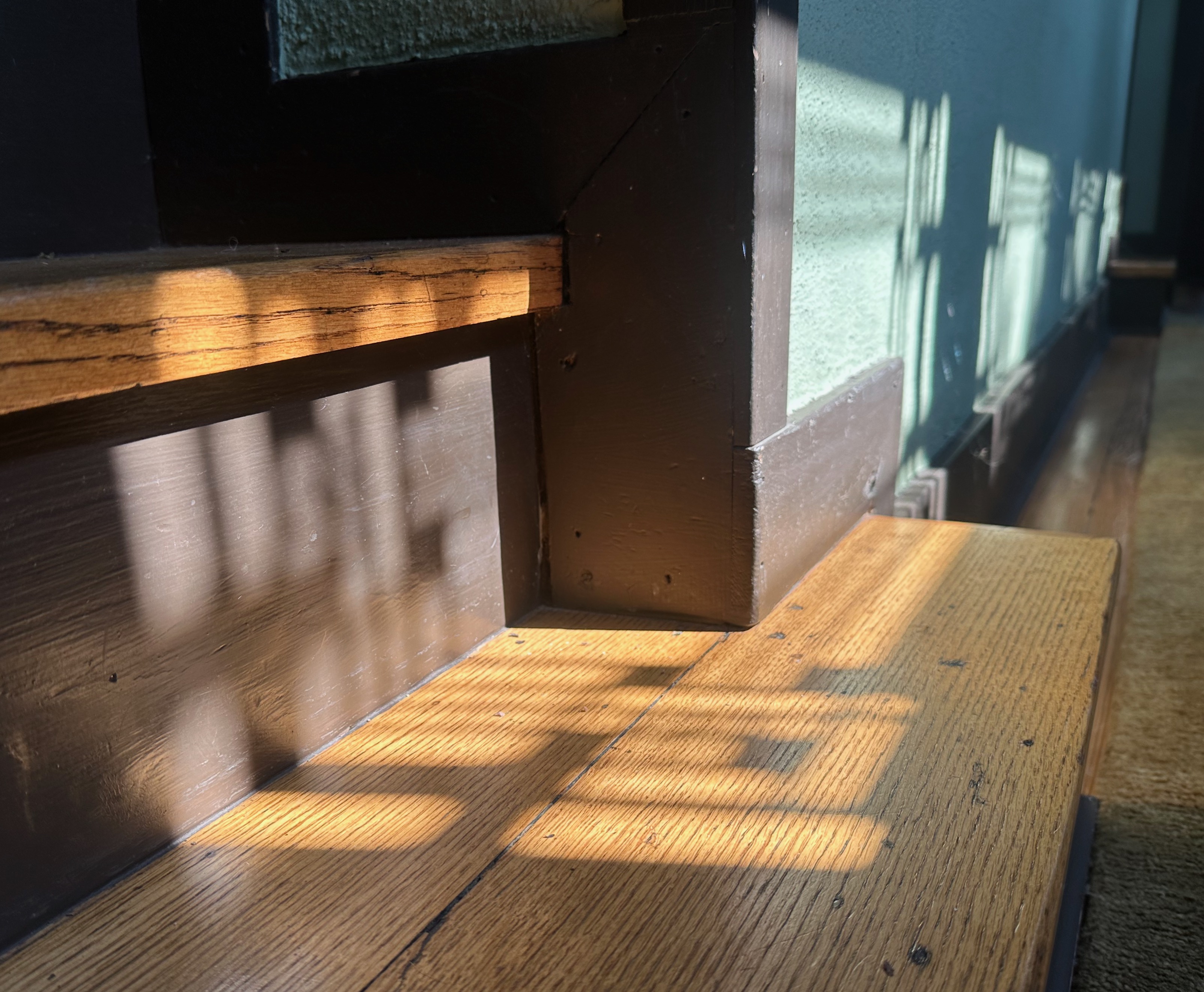
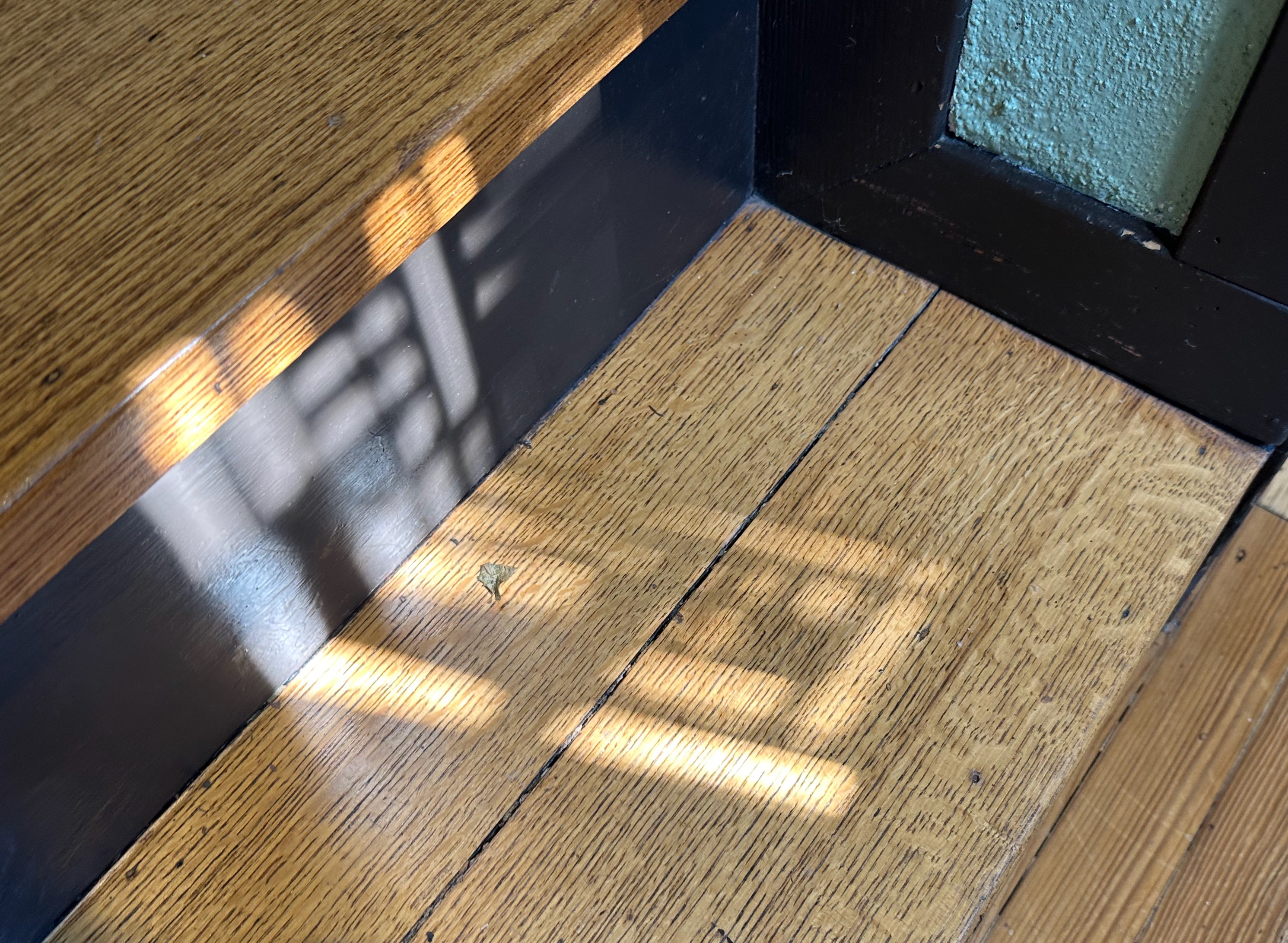
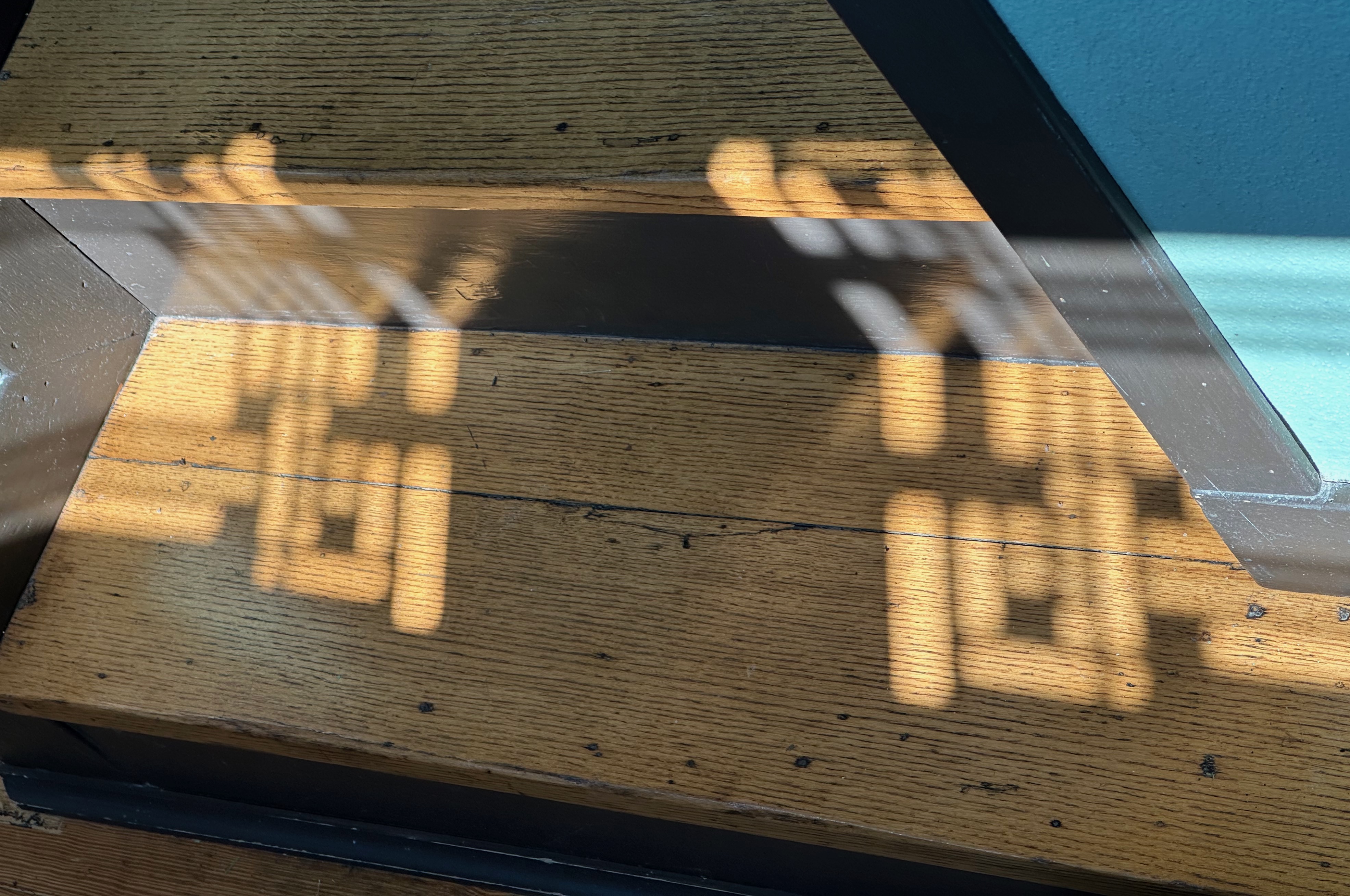
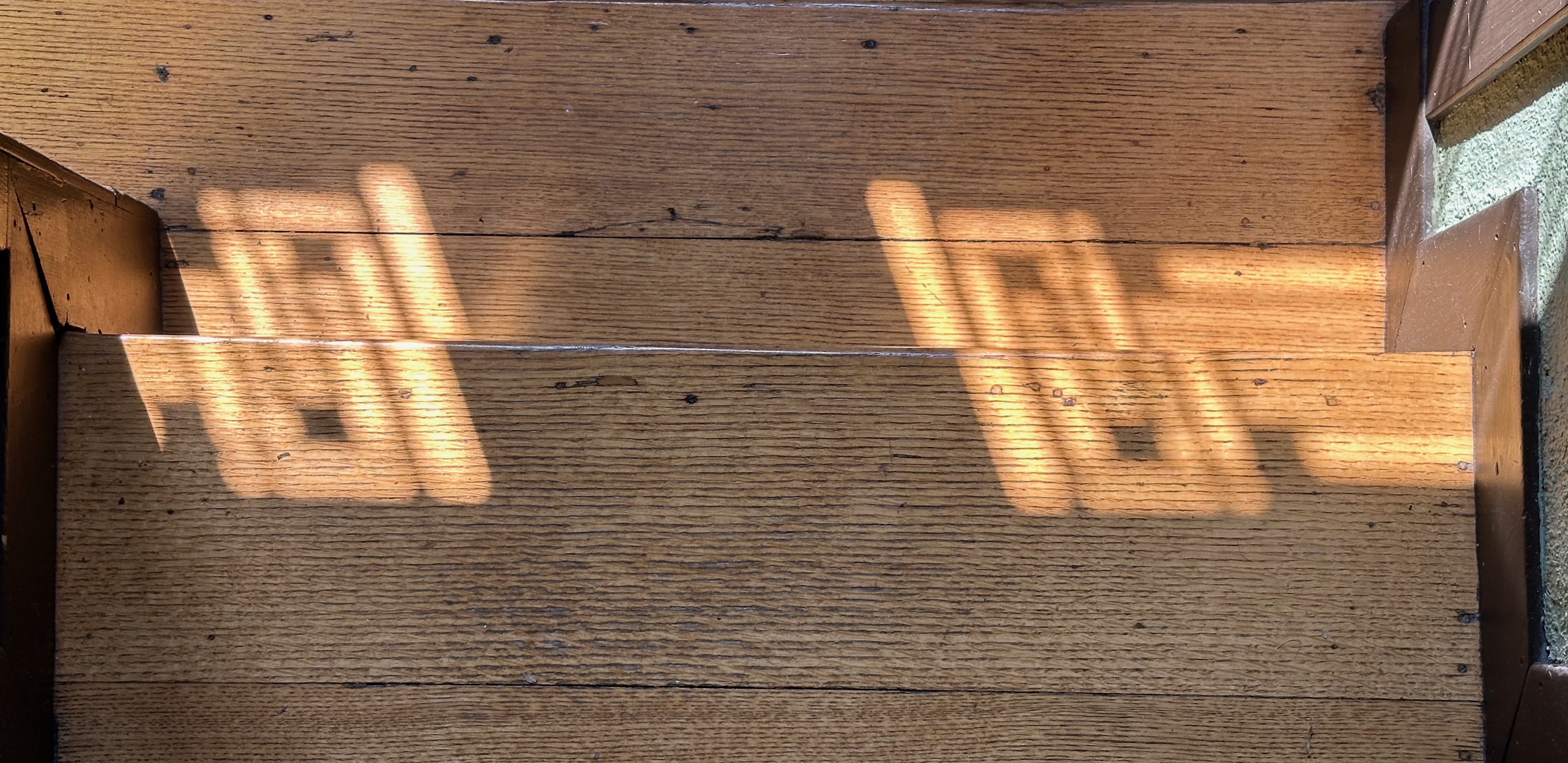
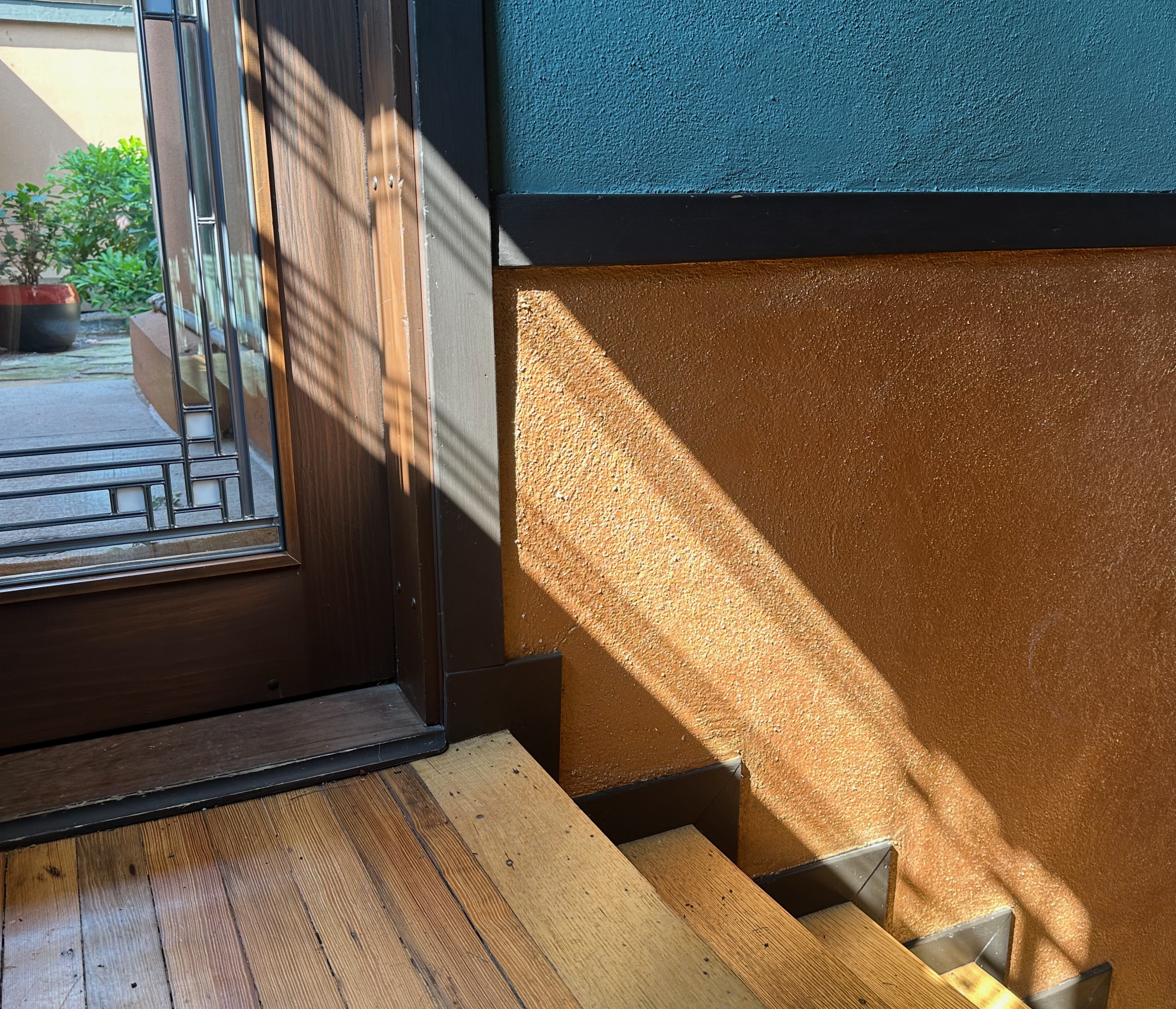
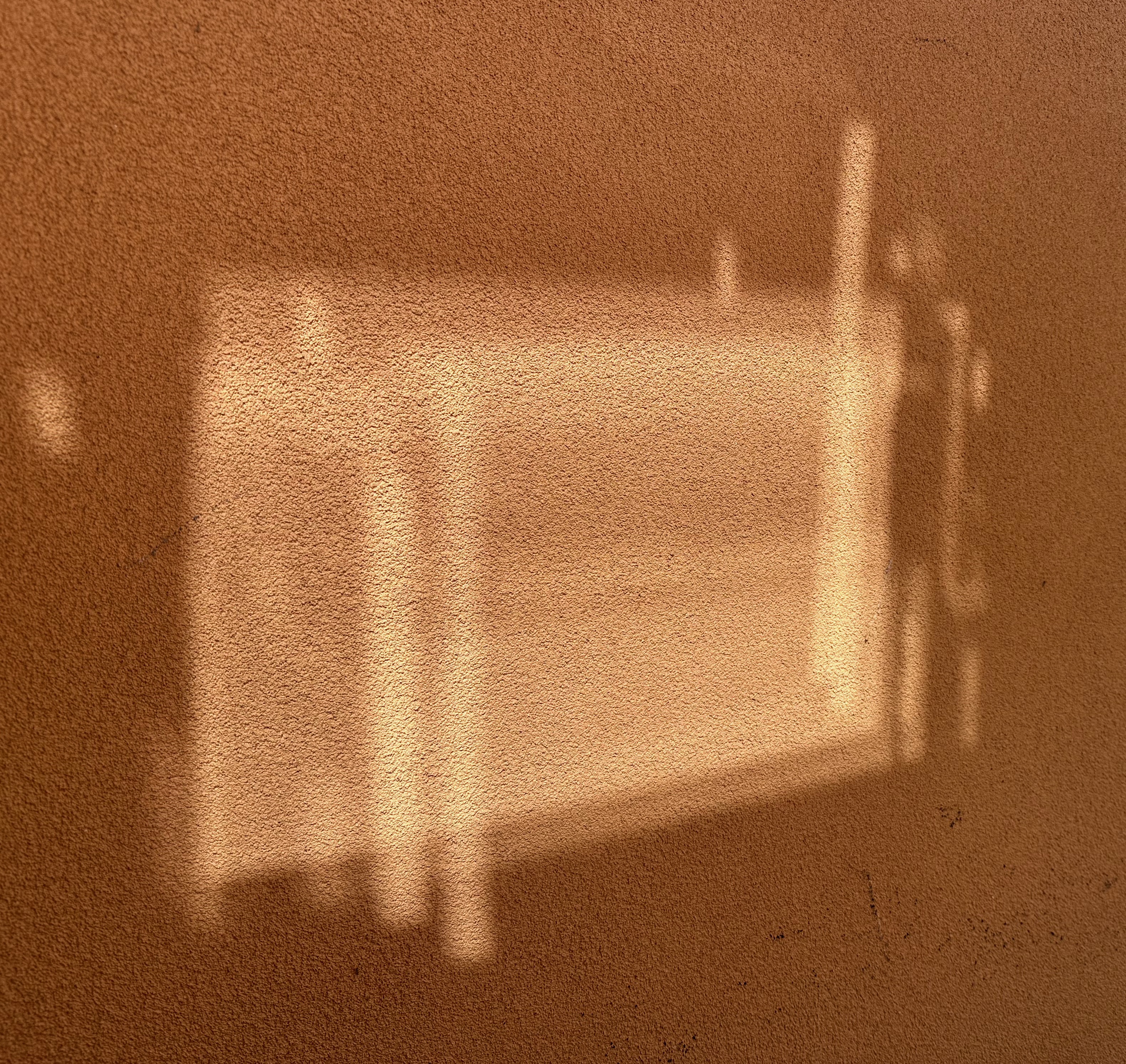
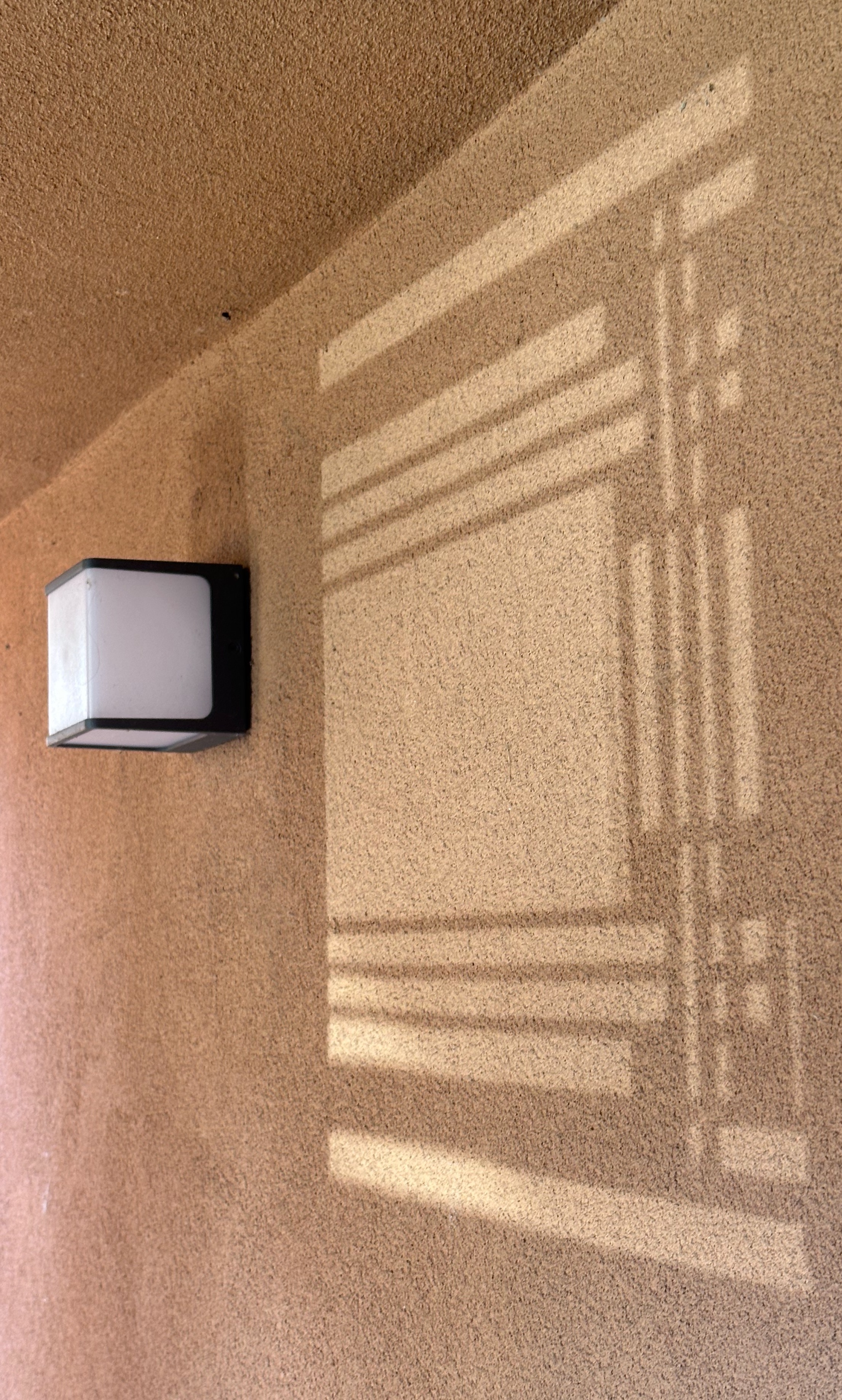
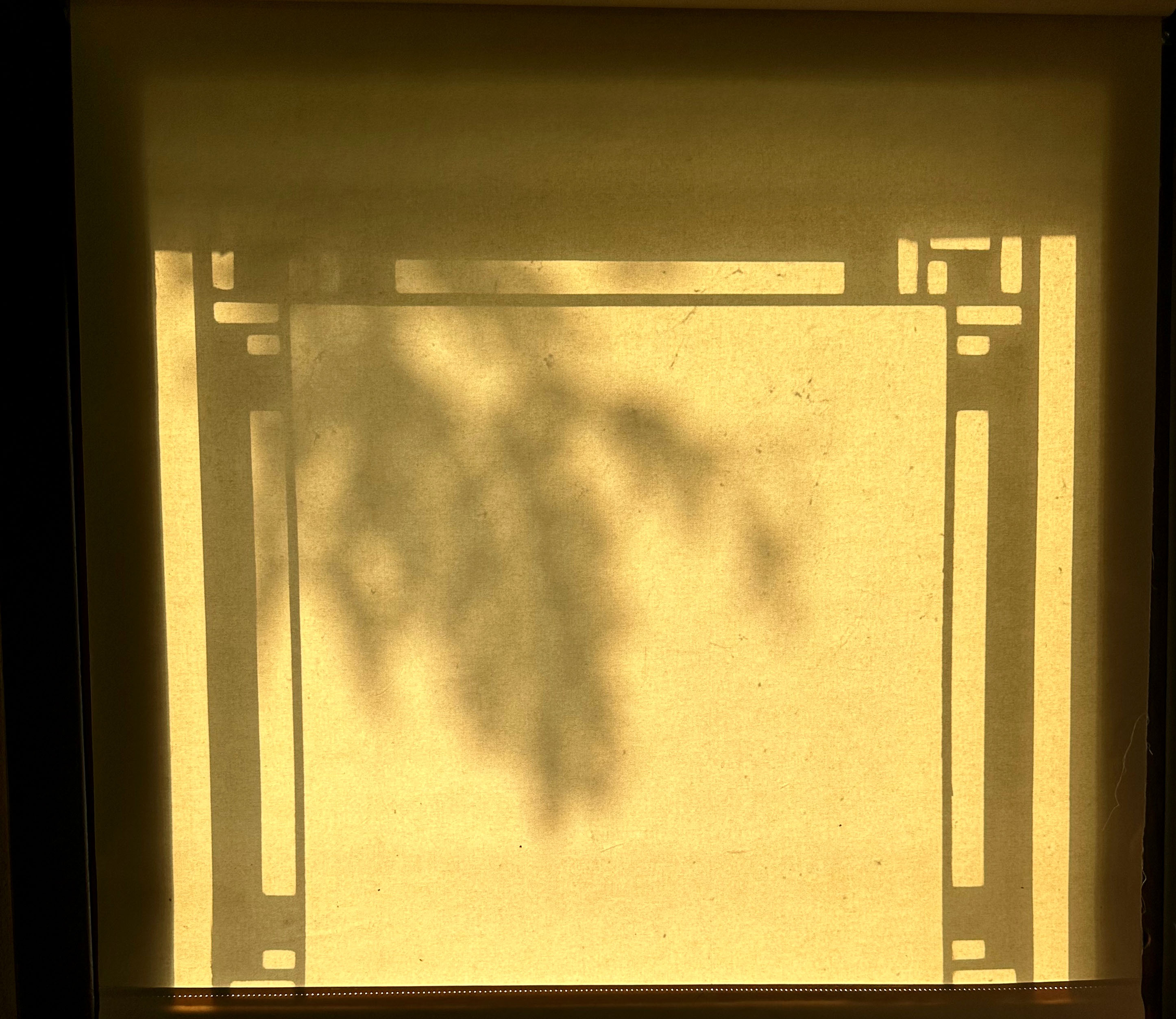
One of the aspects of Frank Lloyd Wright’s Thomas P. Hardy House that continually fascinates me is the shadow play from the seven windows in the entry hallway. I had the opportunity to have fun with the reflections and shadow play again when I met at the house with Sam Lubell yesterday. Lubell and photographer Andrew Pielage are working on a book about 50 Wright homes for Rizzoli (more about that in a future post).

Hardy Shadow Play 8.5.25 003.JPEG

As Robert McCarter has pointed out, the floor plan of the house is delineated in white in the windows: the square in the middle represents the public areas, the two story living room and the dining room one floor below. When I lead tours of the house I remind the guests that the only computer Wright had when he came up with such designs was the one between his ears.

Hardy Shadow Play 8.5.25 004.JPEG

The rectangle that bisects the square represents the bedrooms at either end of the two main floors. We now add to the drama of the seven Wright-designed windows the leaded glass inserts in the two sliding entry doors (one north, one south). They replicate the design of Wright’s living room windows, which were taken out by the second stewards of the house (1938 – 1947) because they leaked. They were replaced by clear windows.

Hardy Shadow Play 8.5.25 006.JPEG

Hardy Shadow Play 8.5.25 007.JPEG

Hardy Shadow Play 8.5.25 008.JPEG

Hardy Shadow Play 8.5.25 009.JPEG

Hardy Shadow Play 8.5.25 010.JPEG

Hardy Shadow Play 8.5.25 011.JPEG

These quick happy snaps were taken with my phone camera…elapsed time, except for the top photo, seven minutes. Every time I turned I saw another photo. Thank you Gene and Tom and Joan Szymczak, for rehabilitating the house for us to enjoy!

Scroll down for previous posts on this website

Hardy House Views: 1904 – 2025

© Mark Hertzberg (2025)

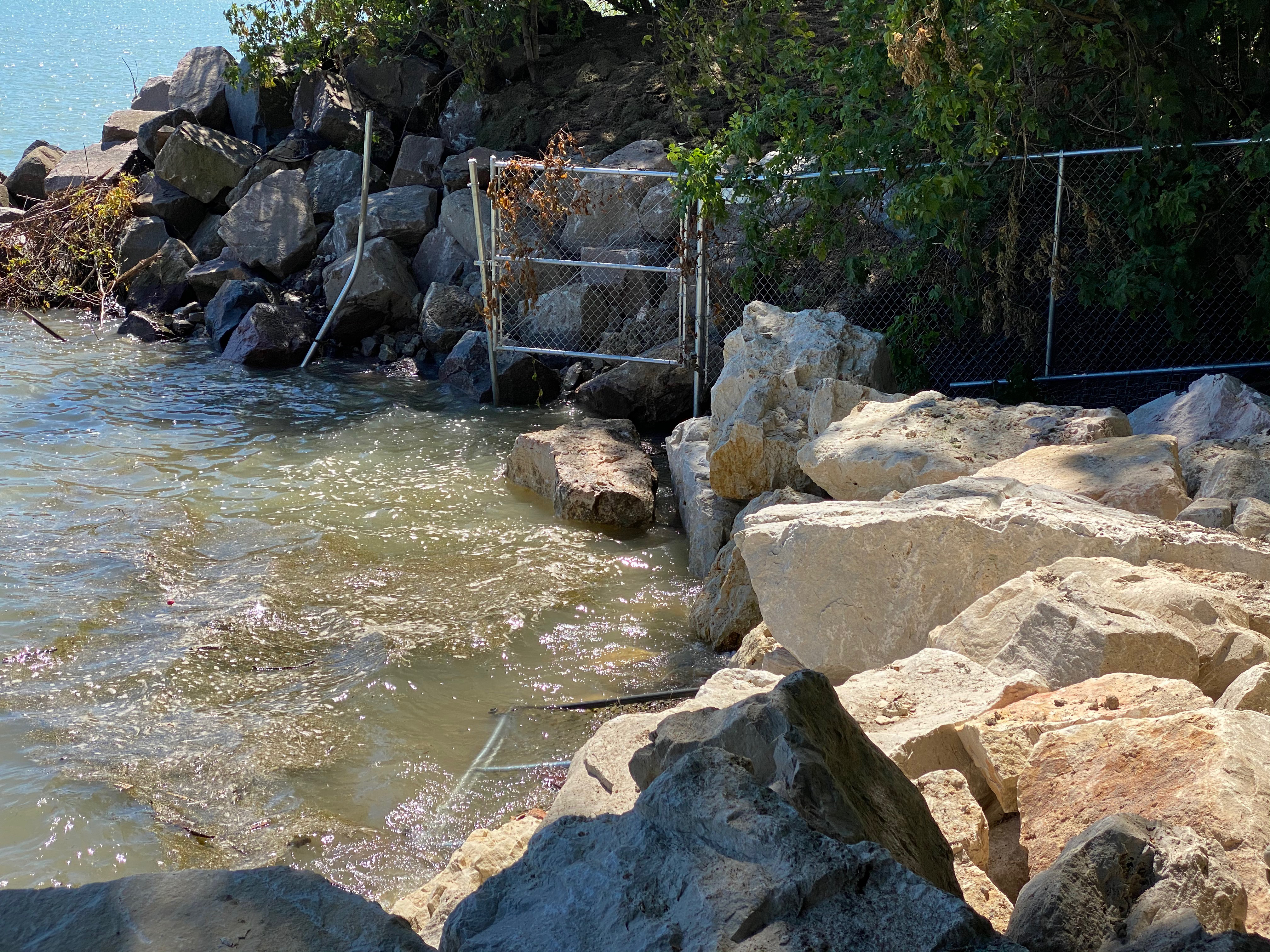
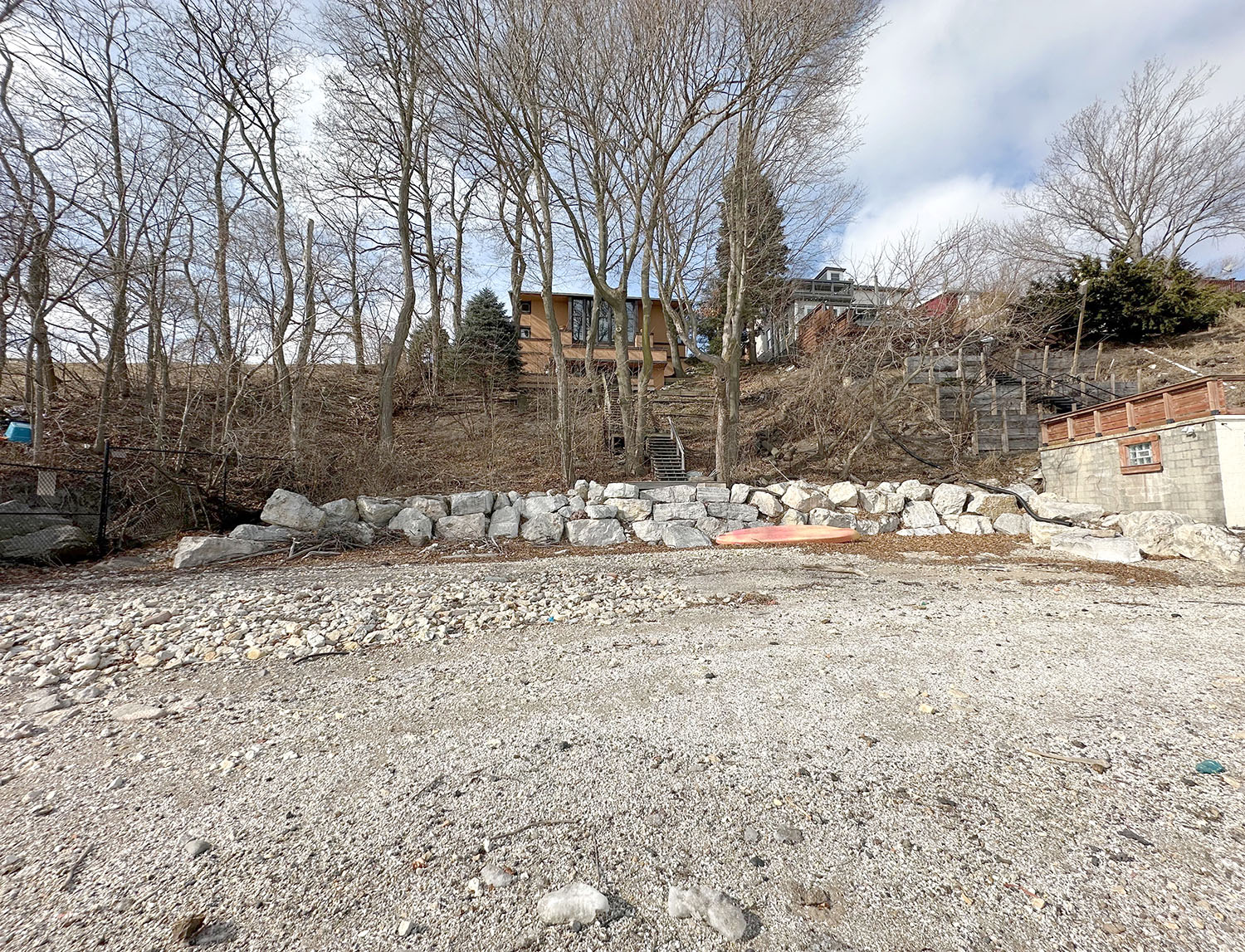
Today I had the rare (and arguably unfortunate) opportunity to photograph Frank Lloyd Wright’s Thomas P. Hardy House in Racine, Wisconsin from the lake, without getting wet. Climate change is playing havoc with Lake Michigan (as it is with the world). In 2020, the water level was so high that the stewards of the house, and neighbors, had massive hunks of stone brought in to protect their property:

IMG_5706.jpg

Today, well, I was able to walk out onto what had been part of the lake:

LR Hardy Below 2.9.25 008a.jpg

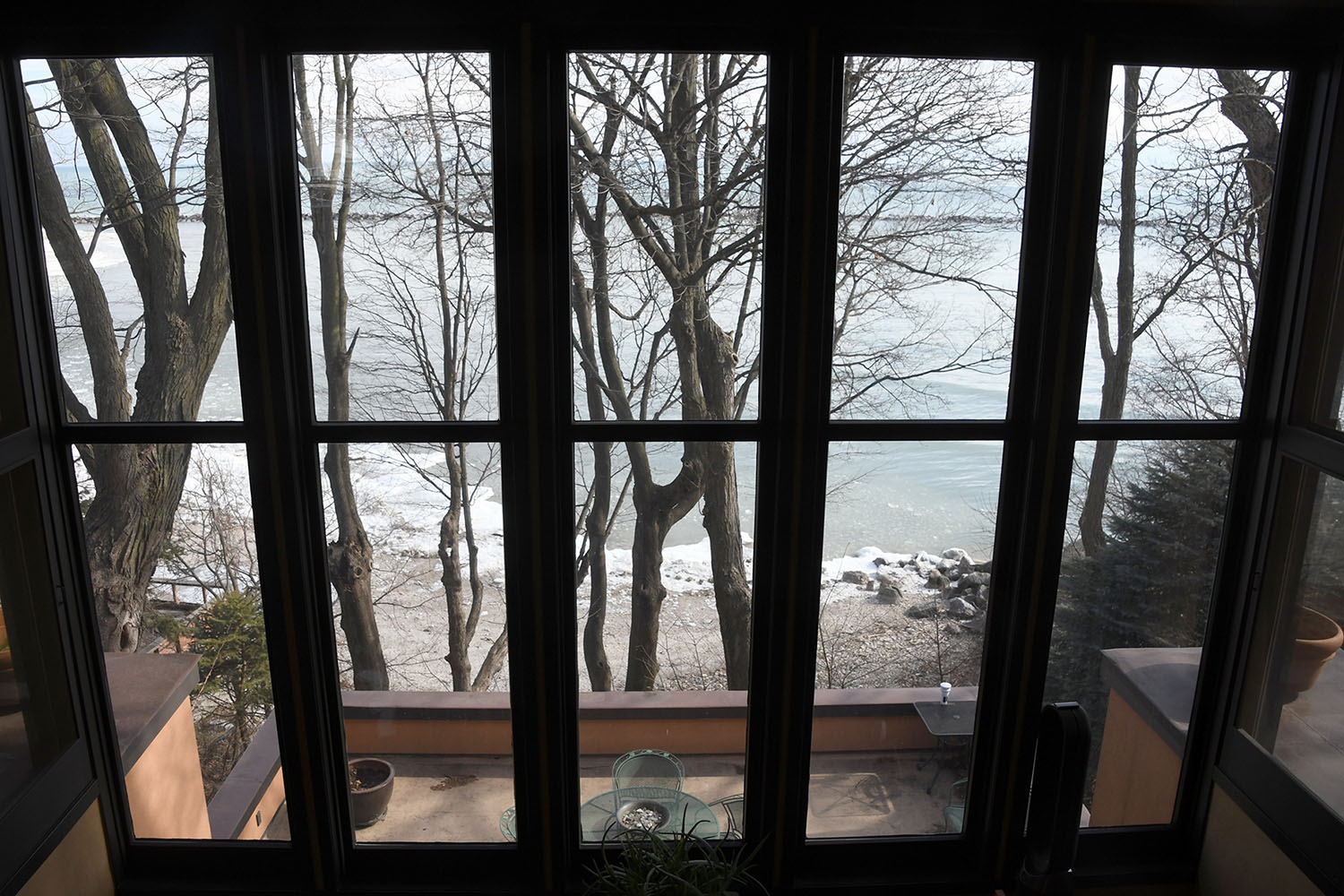
The photograph below, taken through the two story living room windows, shows how much the water has receded:

LR Hardy Below 2.9.25 029.jpg

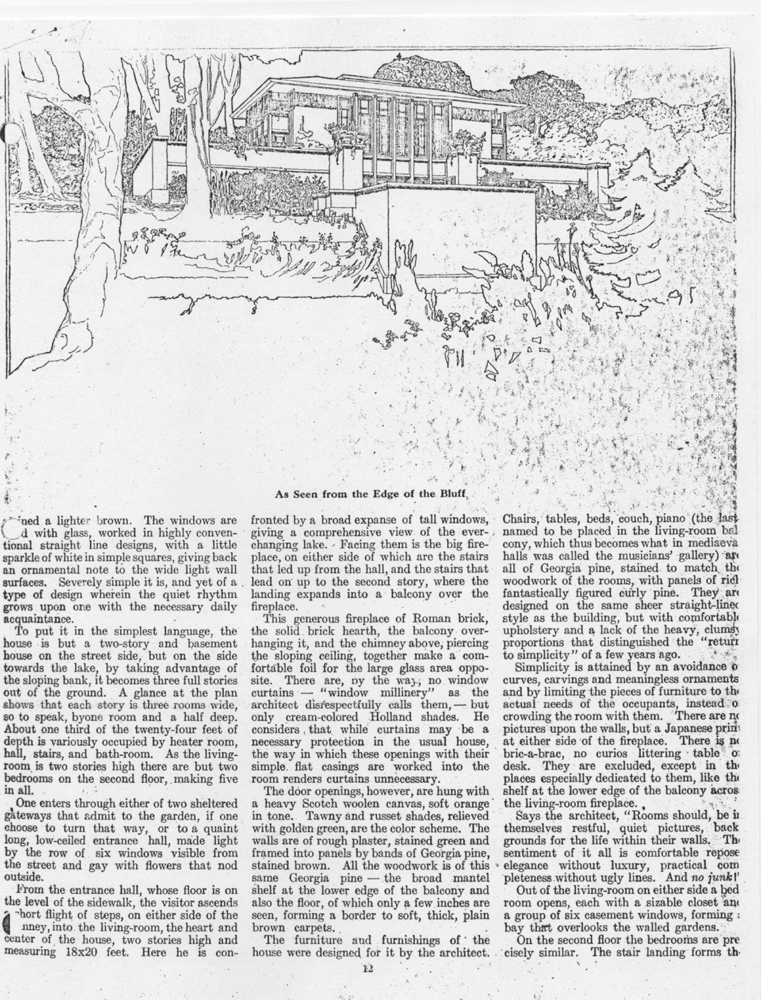
Taking my photographs today gave me the idea to show this view of the house through the years, in historic drawings and photos. First, we have Marion Mahony’s drawing, reproduced in House Beautiful magazine’s 1906 story about the house:

House Beautiful 2.jpg© 2025 Frank Lloyd Wright Foundation, Scottsdale, AZ. The Frank Lloyd Wright Foundation Archives (The Museum of Modern Art | Avery Architectural & Fine Arts Library, Columbia University, New York)
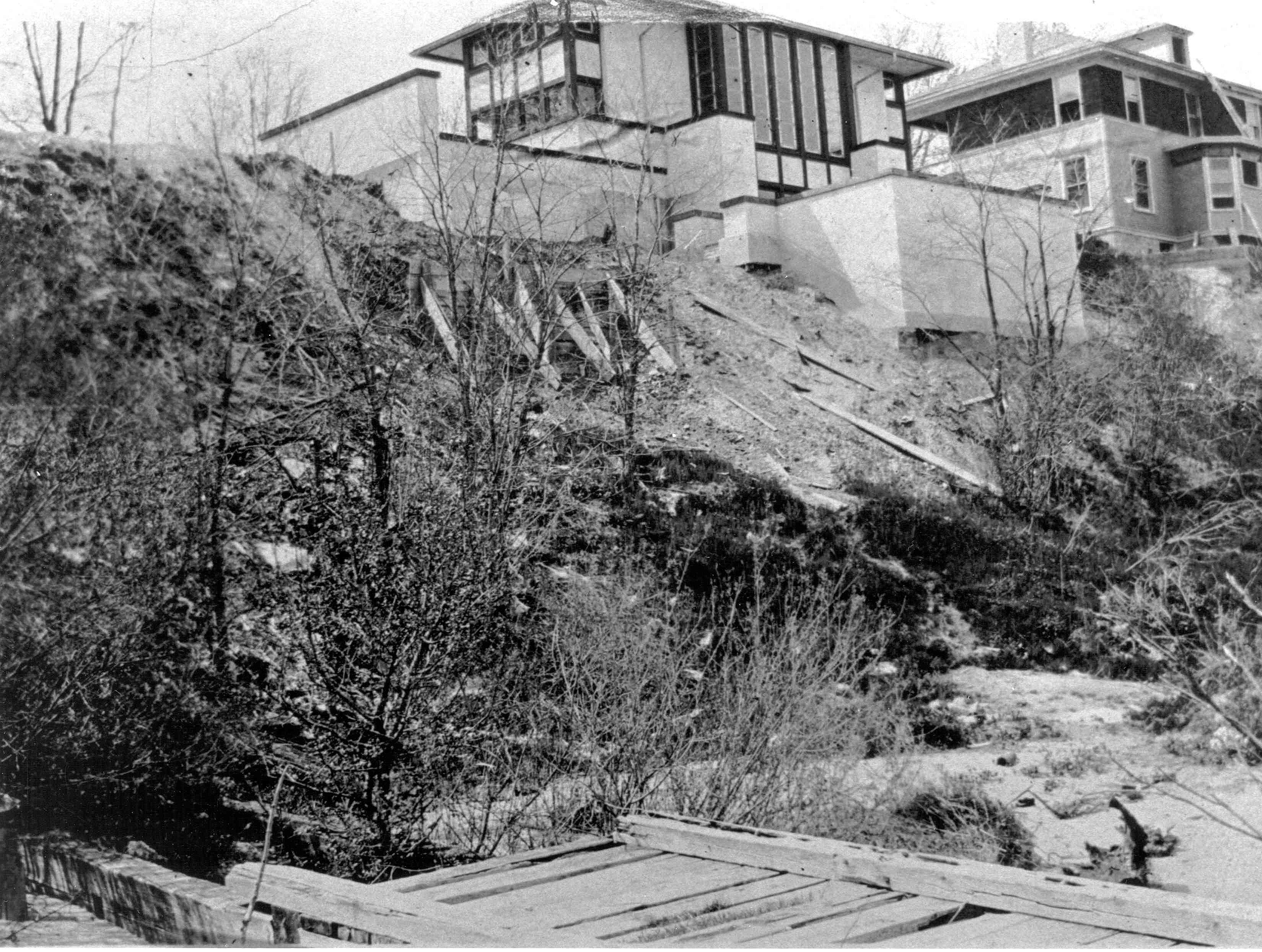
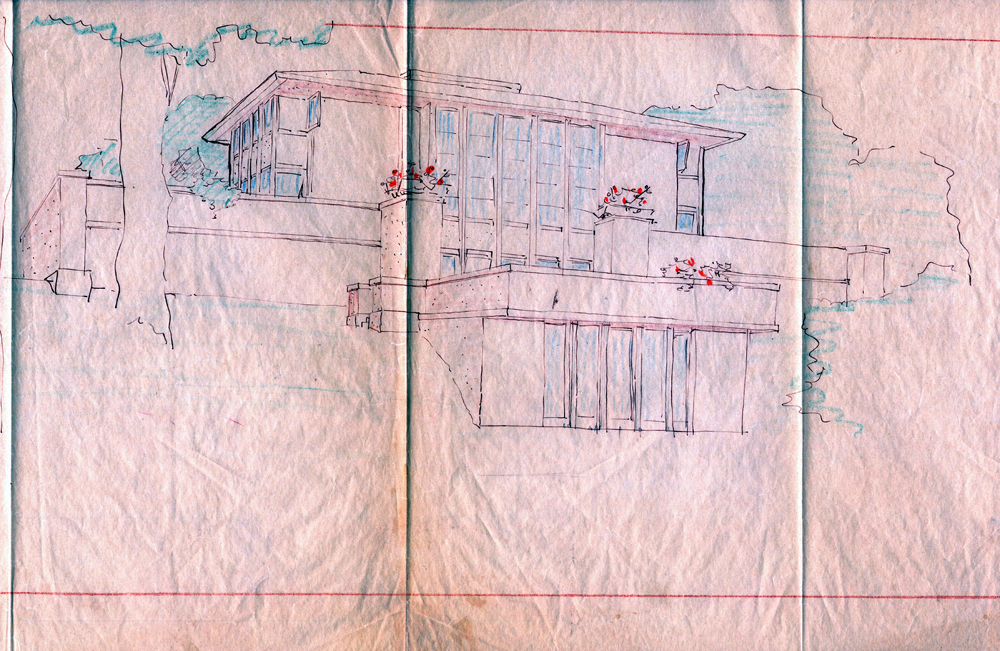
Then we have the earliest known photograph of the house, taken in 1906, as it neared completion:

Terrace 0506.004 raw.jpg

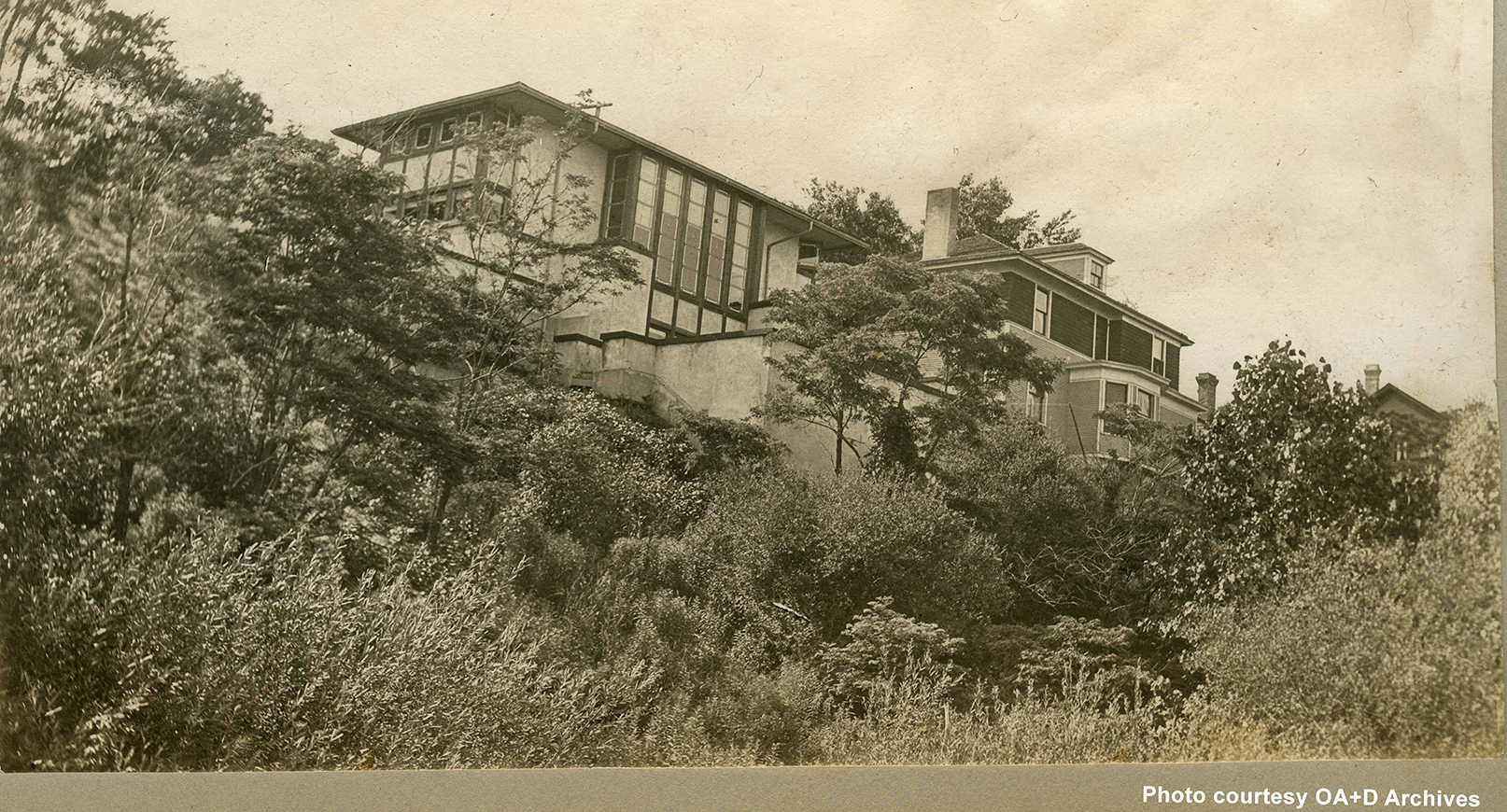
A 1908 photograph from the OA + D archives, shows significant growth of trees on the hill:

LR 1908 Hardy HIll.jpg

The dining room terrace, which ended in a stucco wall, was demolished after World War II at the behest of the Sporers, second stewards of the house. There was a public beach, the 14th Street Beach, just south of the house (to the left of it in these drawings and photographs, until the 1970s. The Sporers asked Wright to give them a recreation room under the dining room terrace. Edgar Tafel sketched plans on Mahony’s drawing before leaving the Taliesin Fellowship in 1941. The work was not done until after the war. Full-length windows, including a door, opened to the outside:

Terrace sketch PPT.jpg© 2025 Frank Lloyd Wright Foundation, Scottsdale, AZ. The Frank Lloyd Wright Foundation Archives (The Museum of Modern Art | Avery Architectural & Fine Arts Library, Columbia University, New York), from Jim and Margaret Yoghourtjian’s collection
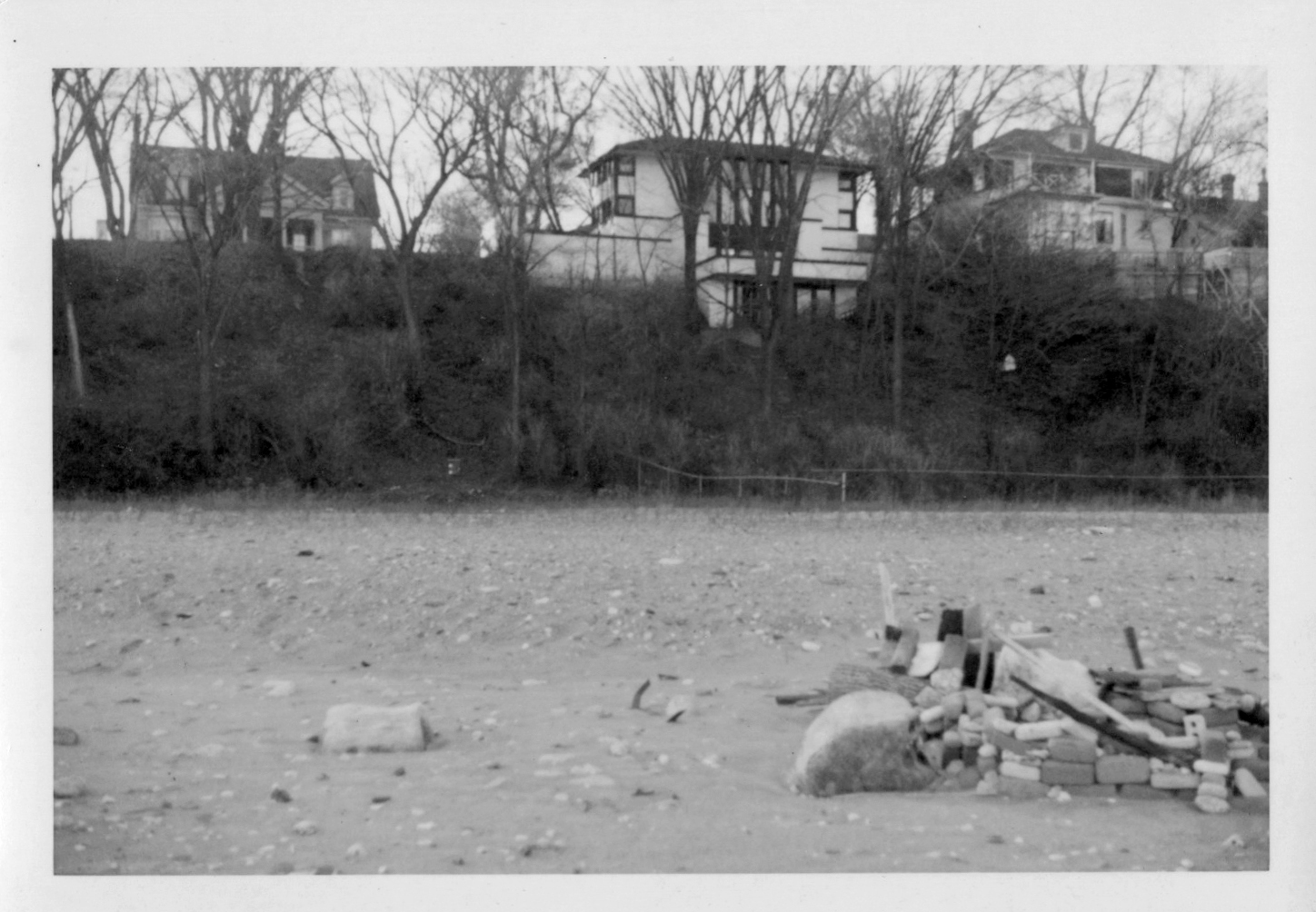
Next, is from David Archer’s collection. He grew up in the house between 1947 – 1957:

Archer Terrace 14.jpg

Schuyler and Peterkin Seward were stewards of the house from 1957 – 1963:

Seward Beach.jpg

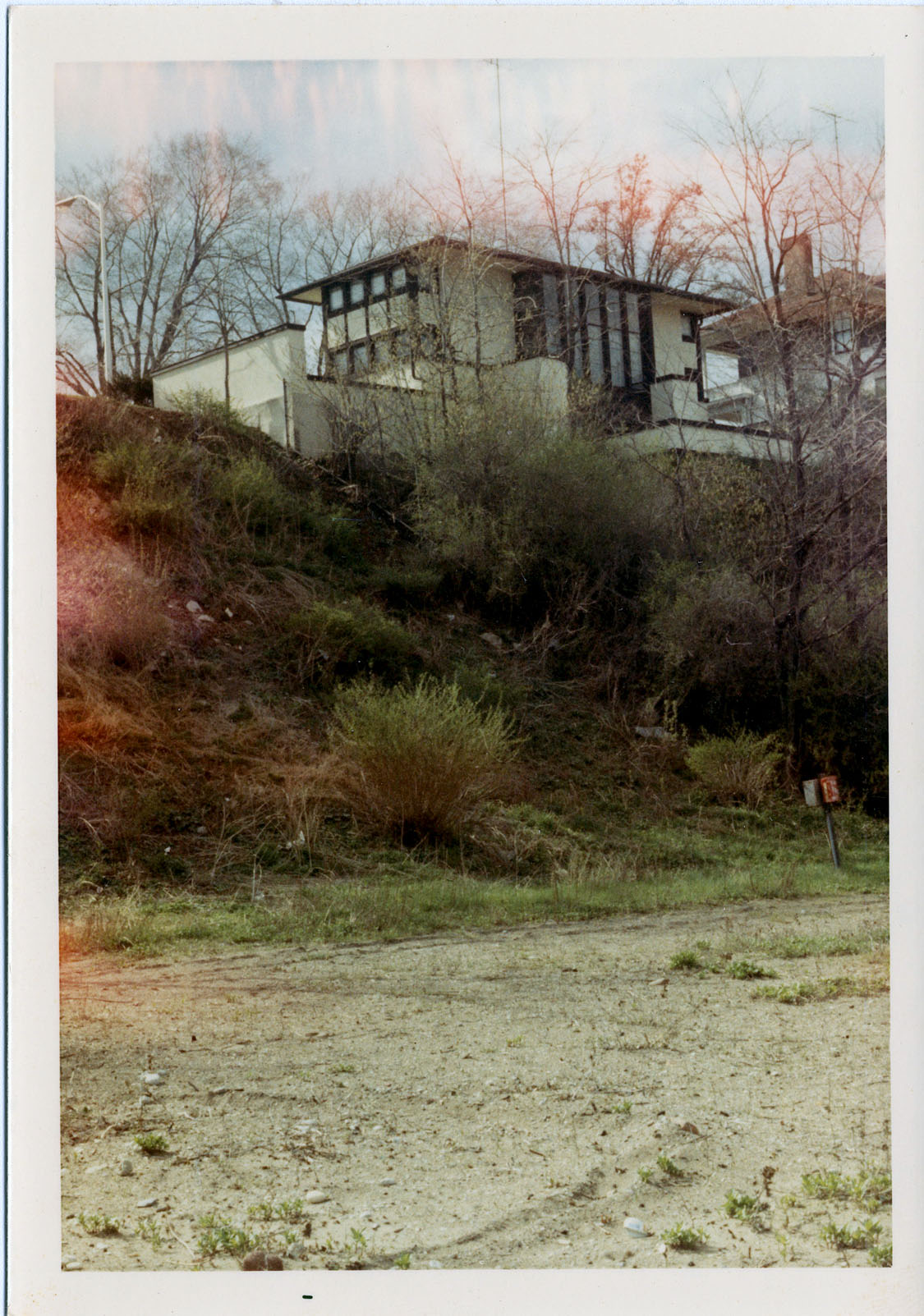
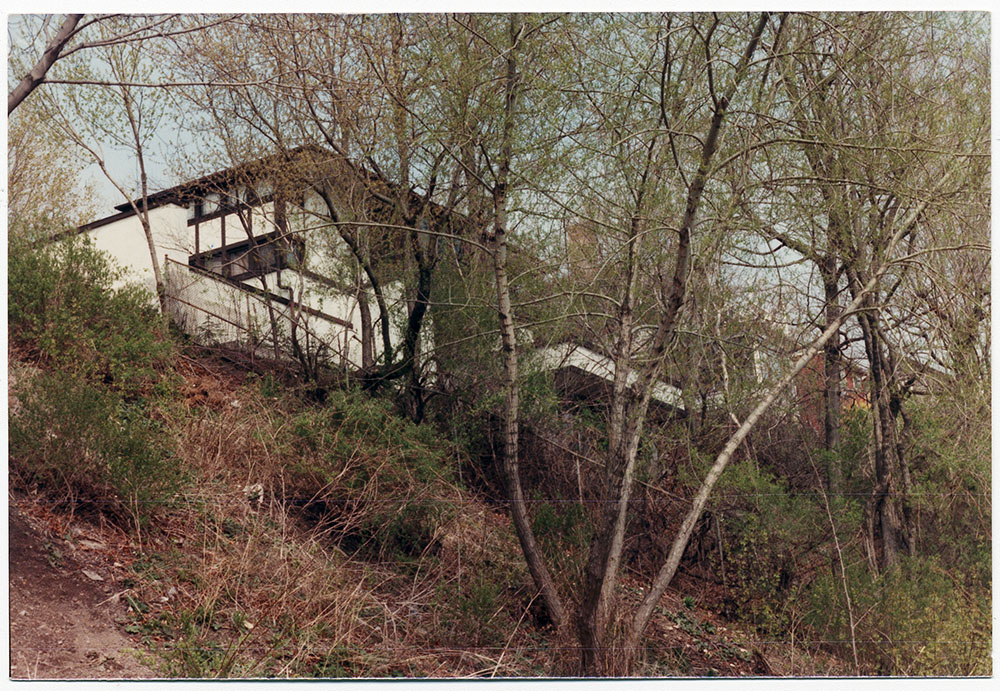
Jim and Margaret Yoghourtjian were the final stewards (1968 – 2012) before the late Gene Szymczak who bought, and rehabilitated the house in 2012. Margaret took these photos:

LR Below hill horiz 2.jpg

LR Below hill main.jpg

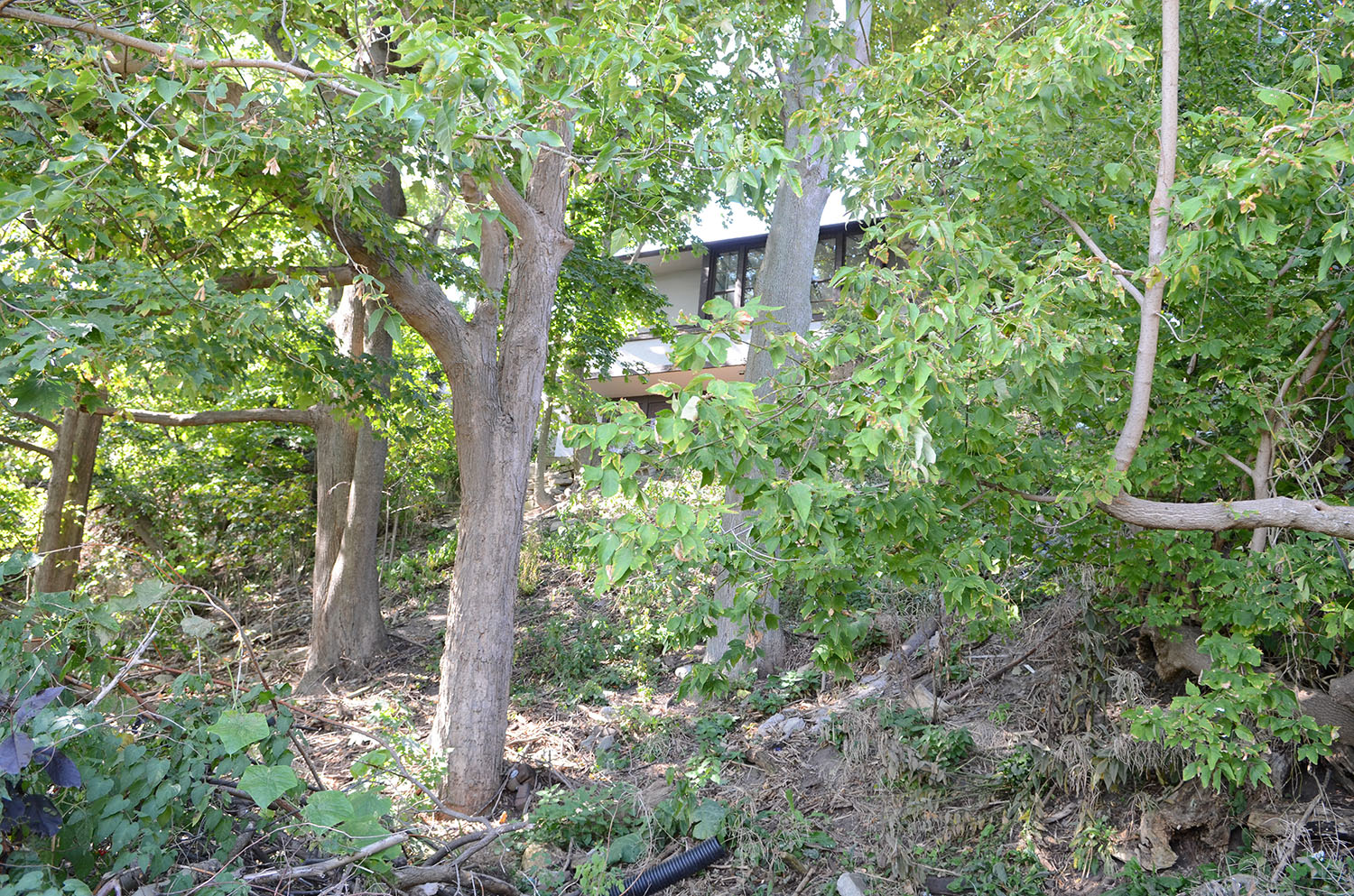
The beach was lost in the 1970s when the City of Racine closed off a breakwater across from the house. Jim Yoghourtjian told me that they lost about 125 feet of property when the lake filled in below the house. While the Yoghourtjians used to share the house with interested parties, as they sensed people were taking them for granted and not respecting that they lived in a private home, rather than a public site, they let the landscape grow wild, to shield them from boaters on the lake and people walking the lakeshore:

LR Landscape Before 001.jpg

LR Landscape Before 004.jpg

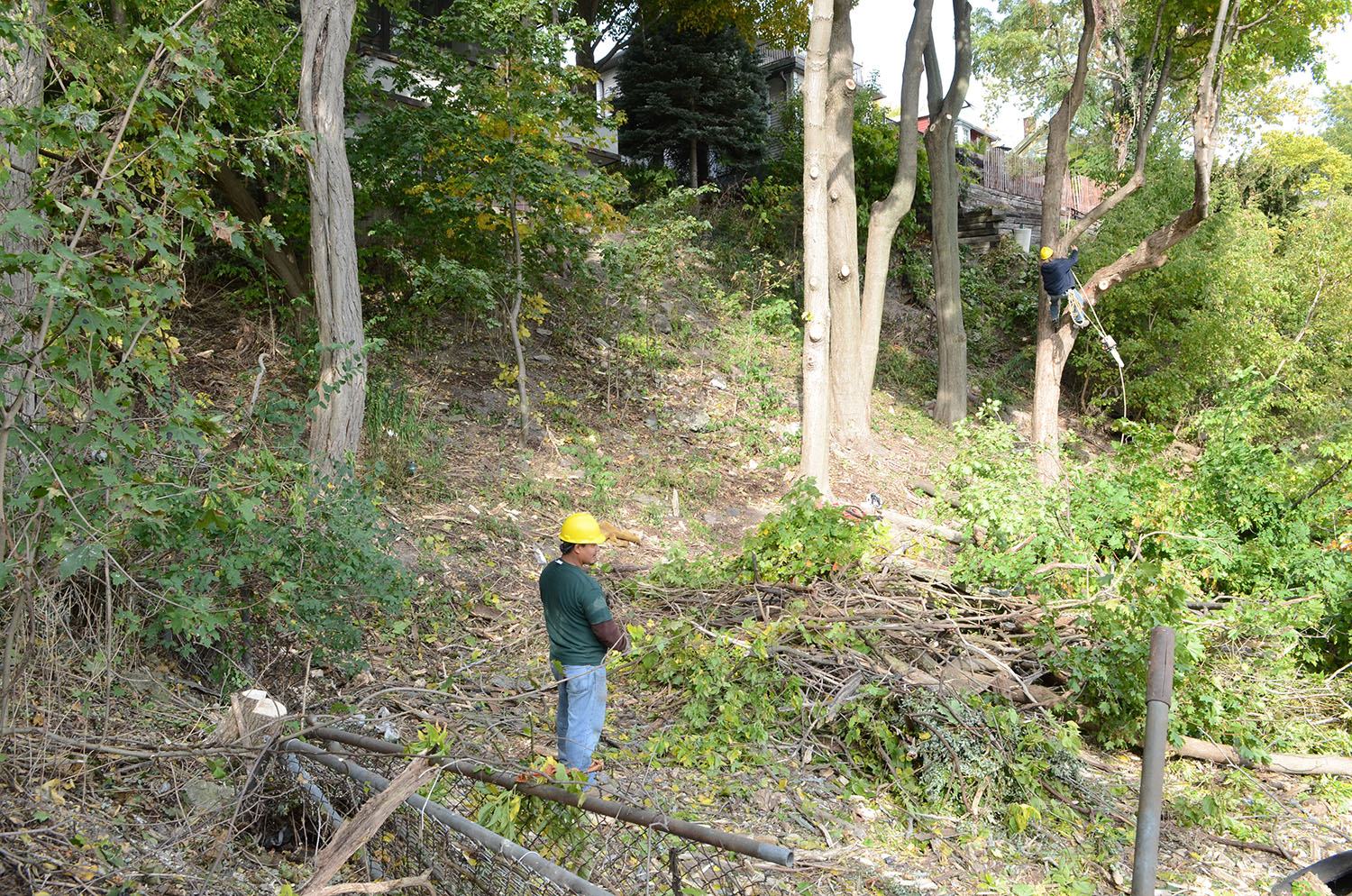
A week after buying the house, Szymczak had the hill cleared:

LR Tree cutting 010.jpg

LR Tree cutting 047.jpg

And that, brings us to today:

LR Hardy Below 2.9.25 024.jpg

LR Hardy Below 2.9.25 011.jpg

There is no telling what the lake will do next.


The Coda to Hardy House Rehabilitation

© Mark Hertzberg (2024)

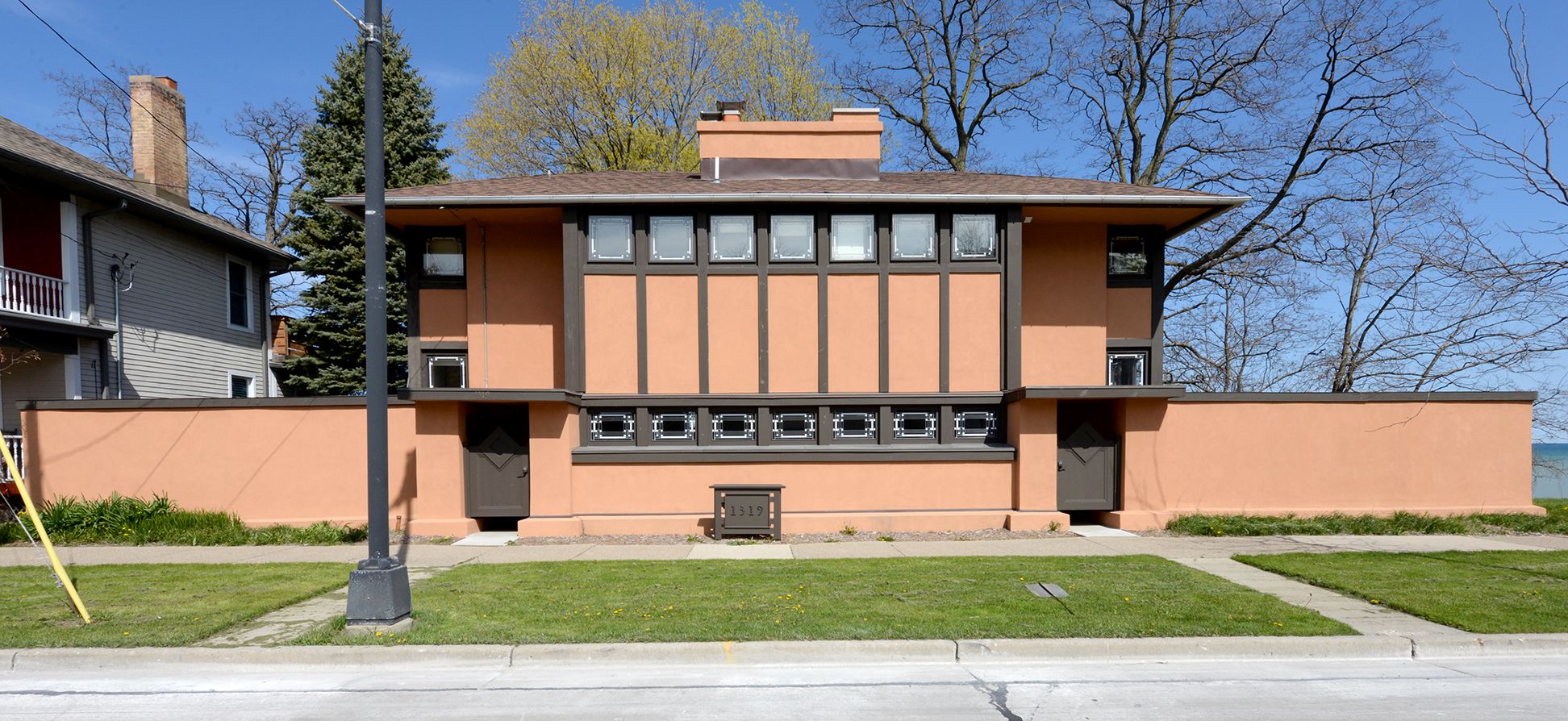
Hardy Exteriors Post-Restoration 079.jpg

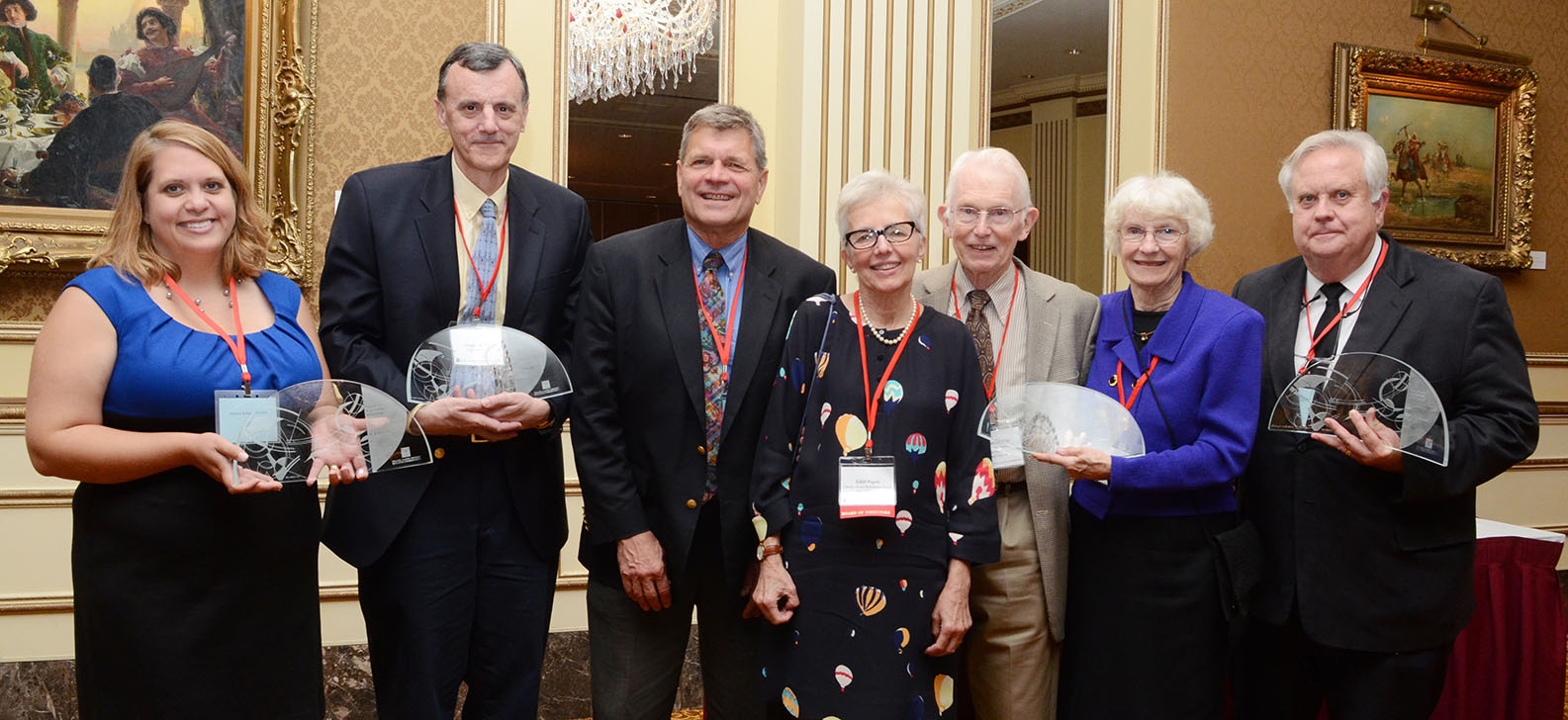
When the late Eugene (Gene) Szymczak considered buying Frank Lloyd Wright’s Thomas P. Hardy House in Racine, Wisconsin in 2012 he told me, “I don’t have children. This is something [save the house] I could do for Racine.” Indeed he did. He undertook a heroic rehabilitation and stabilization of the house.* Gene, left of center in the photo below, was awarded the prestigious Wright Spirit Award by the Frank Lloyd Wright Building Conservancy  for his work on the house in 2015. He died unexpectedly a year later after an illness.

BC 2015 WSA All 003.jpg

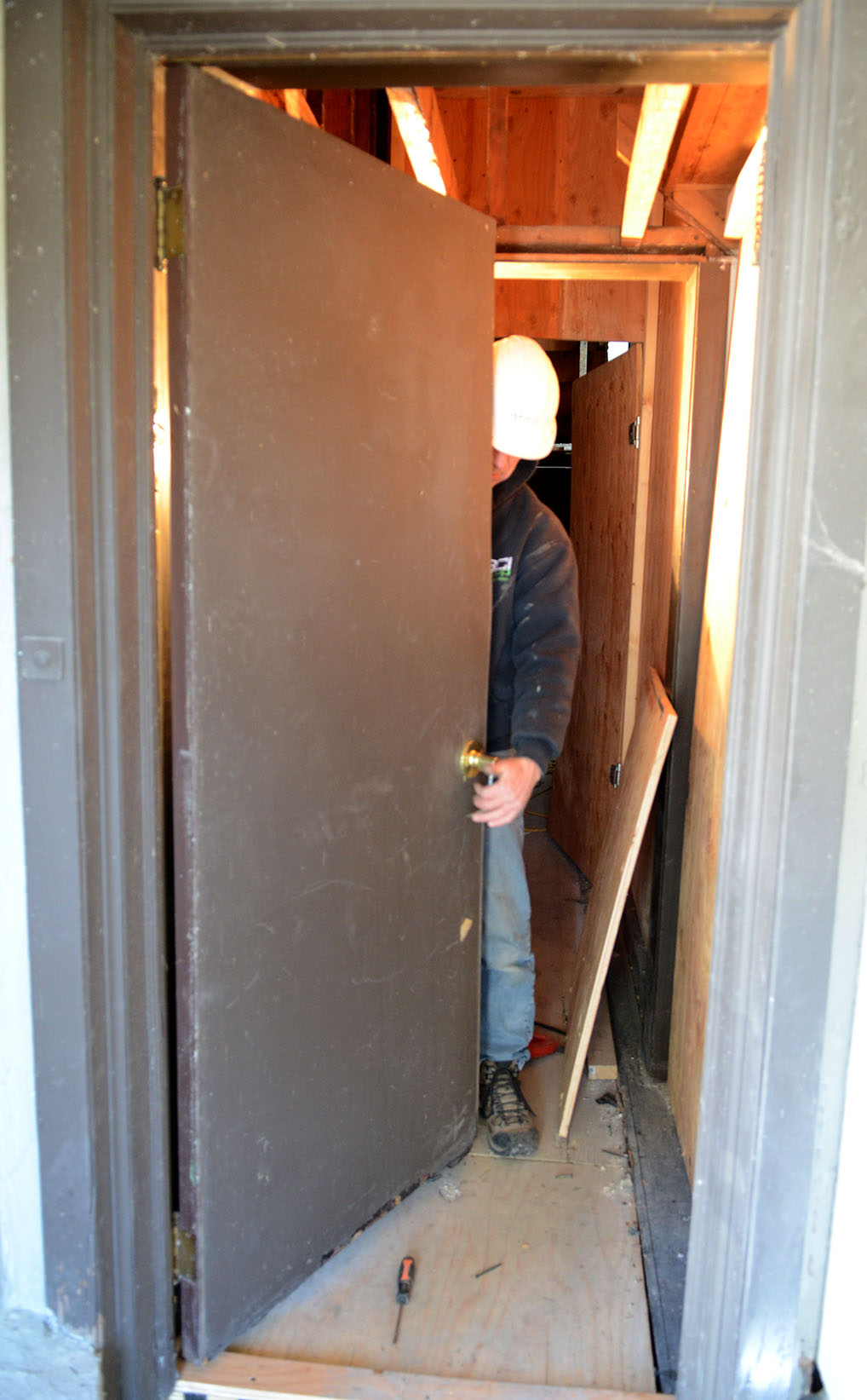
The house stayed in the family after Gene’s death. Tom Szymczak is one of Gene’s brothers. Tom recently completed a project which, he told me, was the last thing Gene wanted to accomplish at the house. The house was built with two pocket doors. They were replaced by conventional, hinged plain wood doors by the third stewards of the house, David and Mary Archer, between 1947 and 1957:

South door 003.jpg

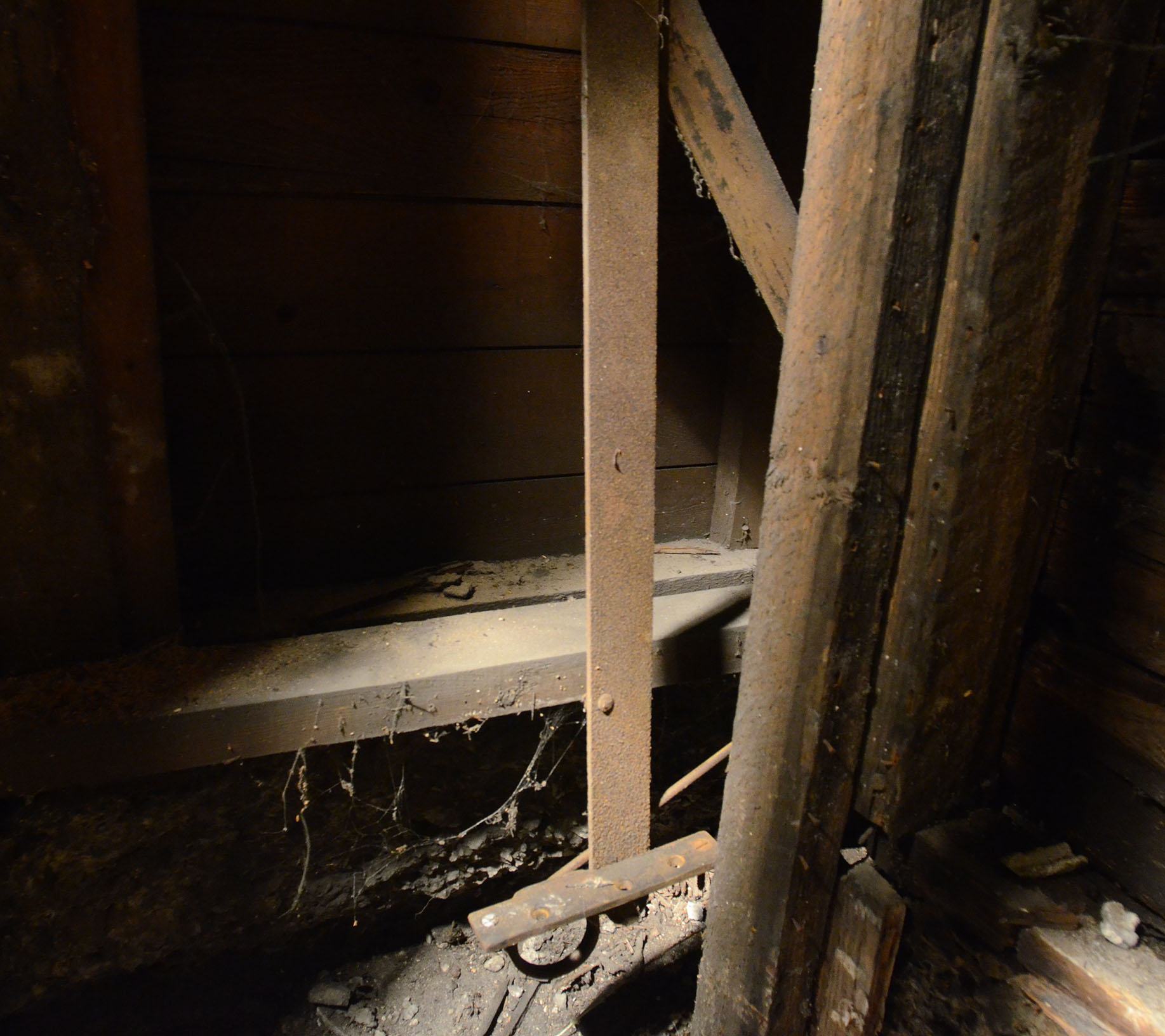
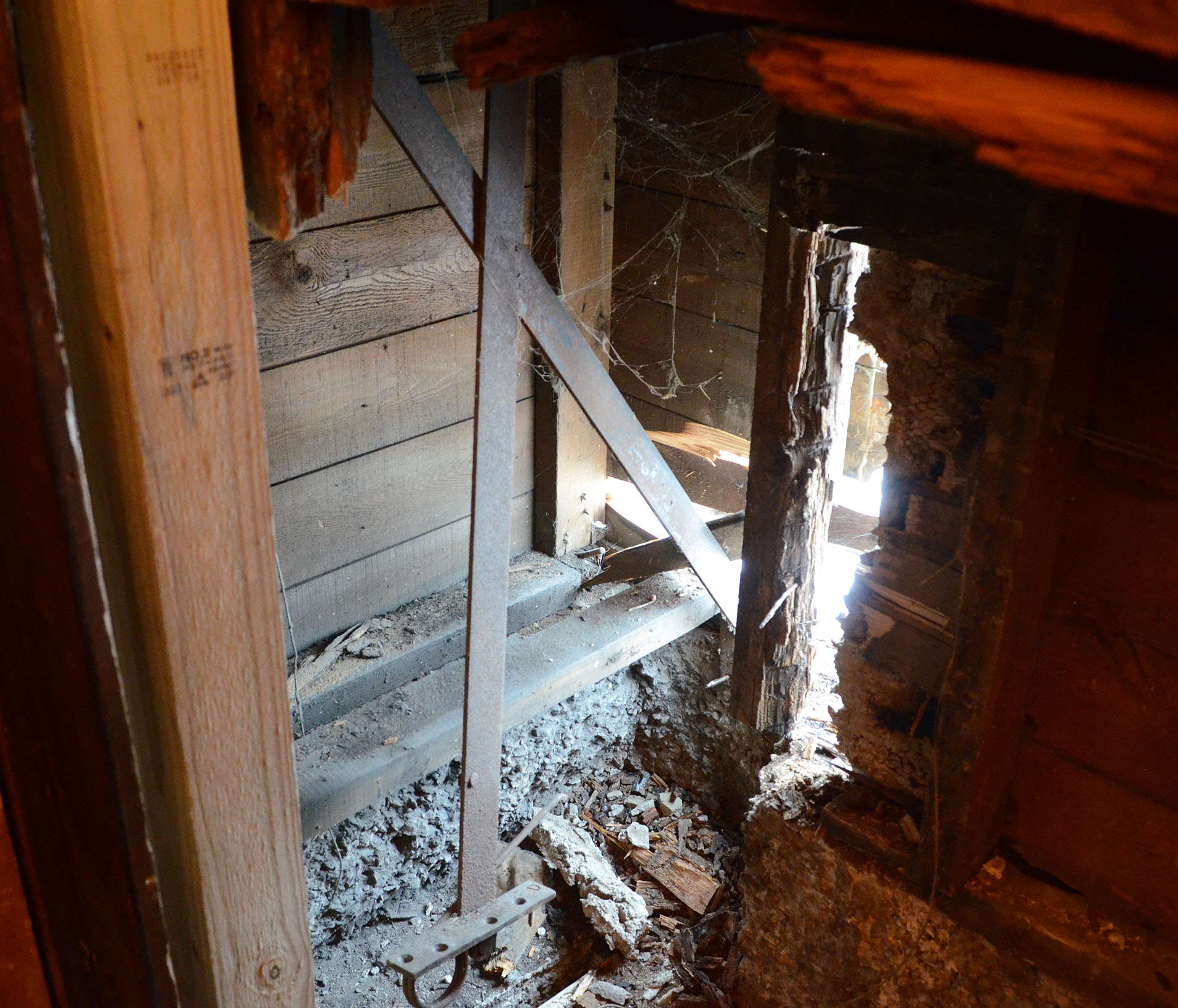
Gene decided to put pocket doors back in the house in 2013. He chose sliding glass patio-style doors so he could look into the two courtyards from the entry hall. The heavy metal arms that opened and closed the pocket doors were left in place, and were found in 2013:

Pocket Doors 010.jpg

Pocket Doors 004.jpg

Pocket Doors 014.jpg

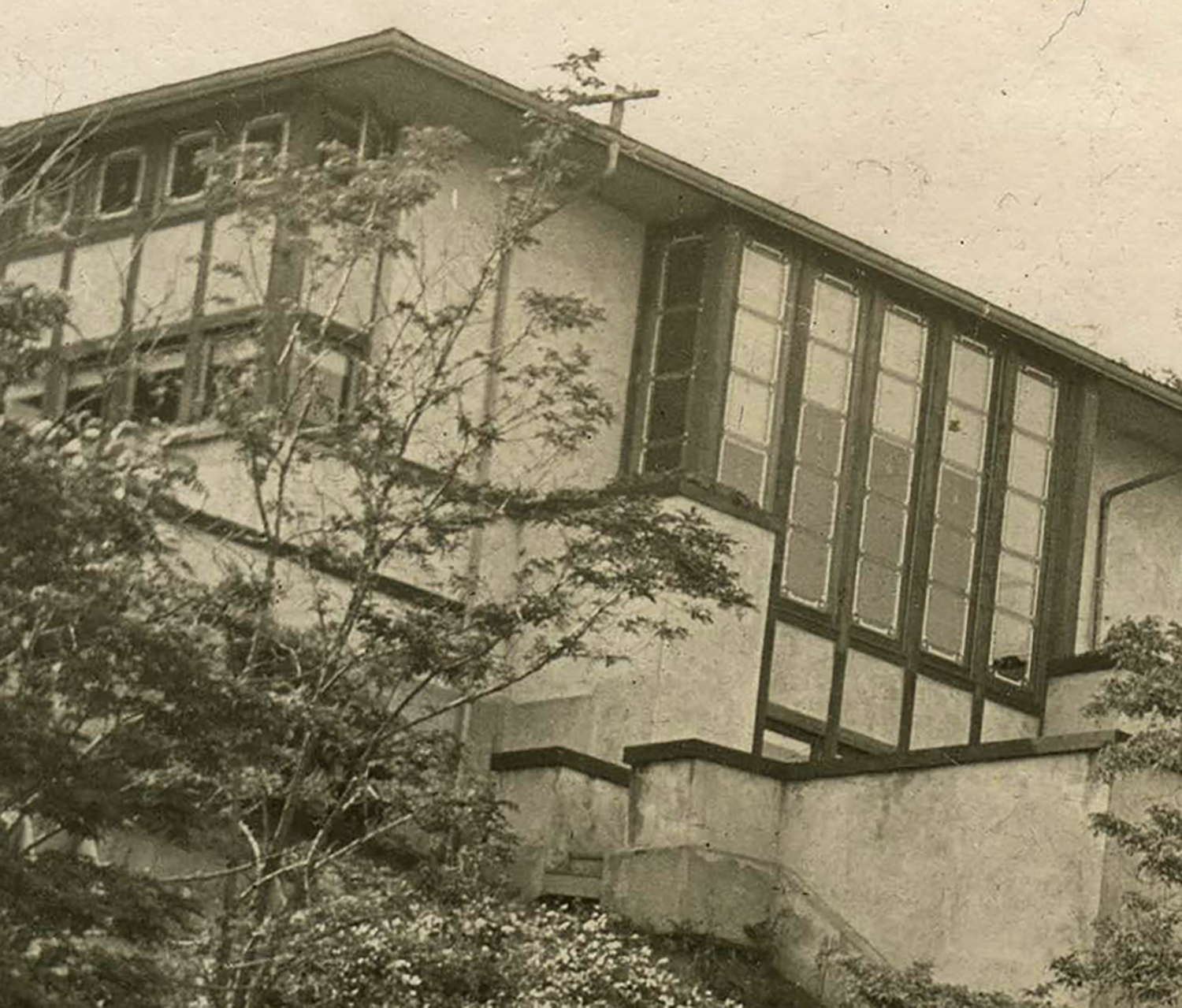
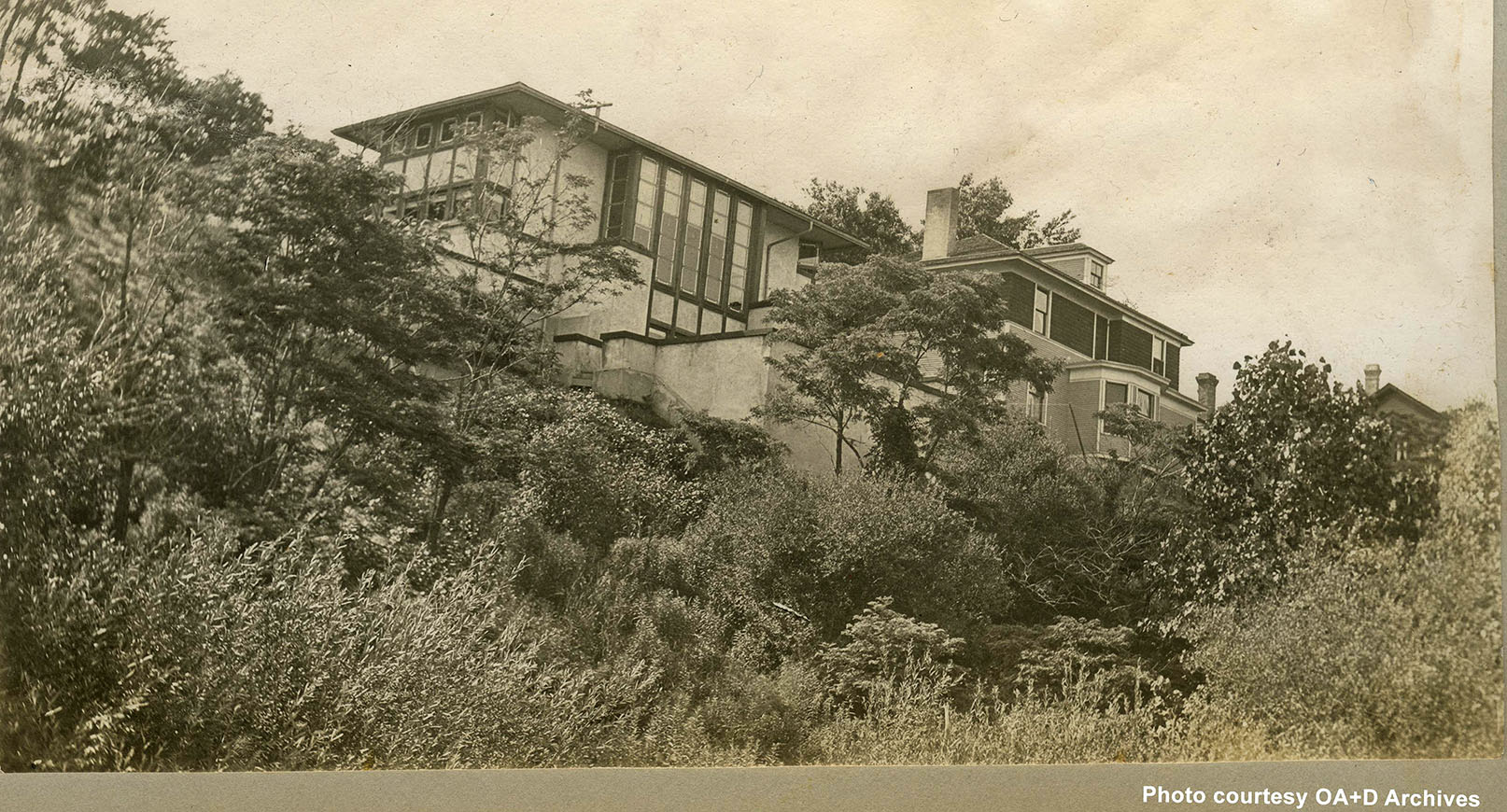
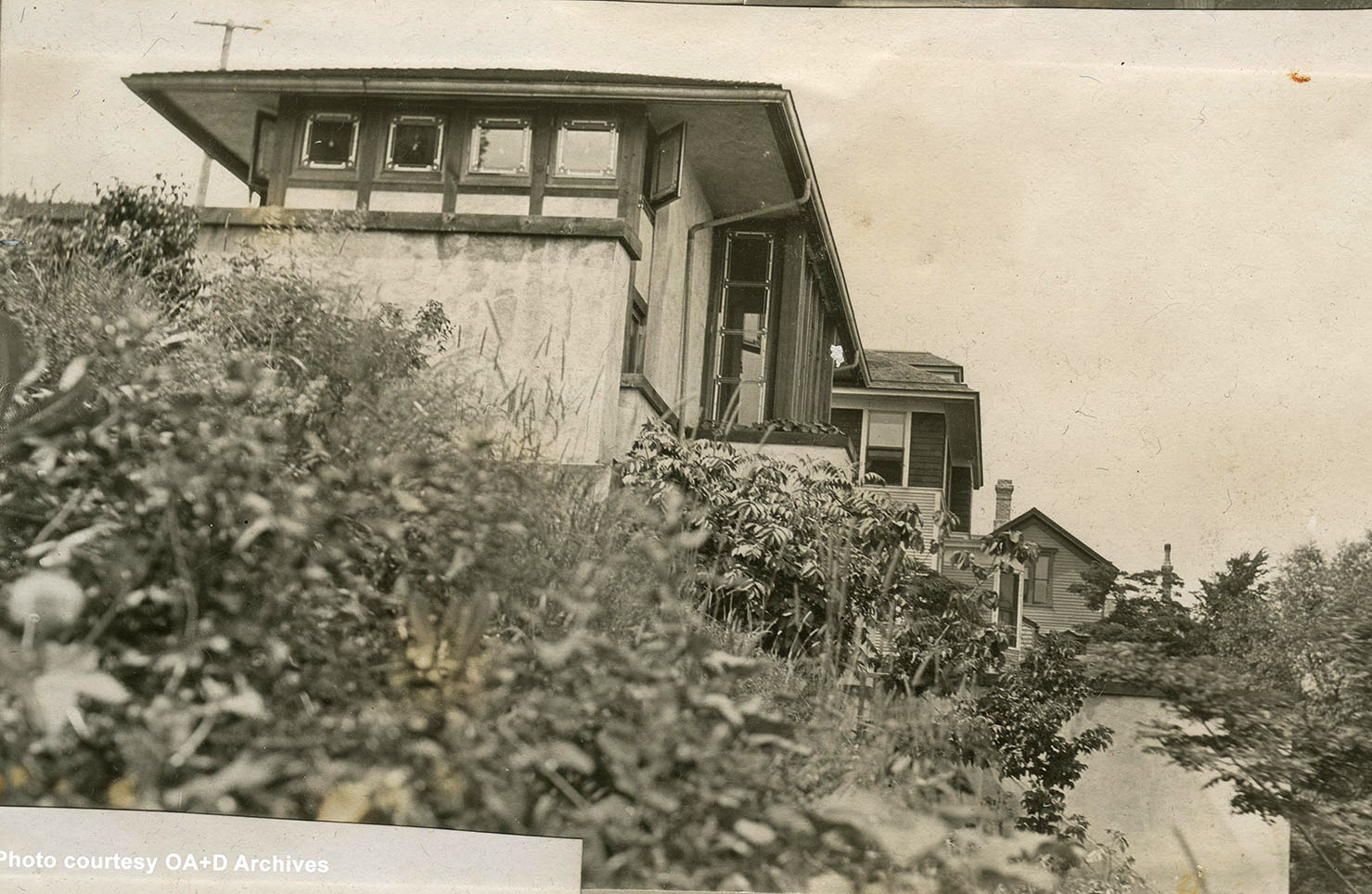
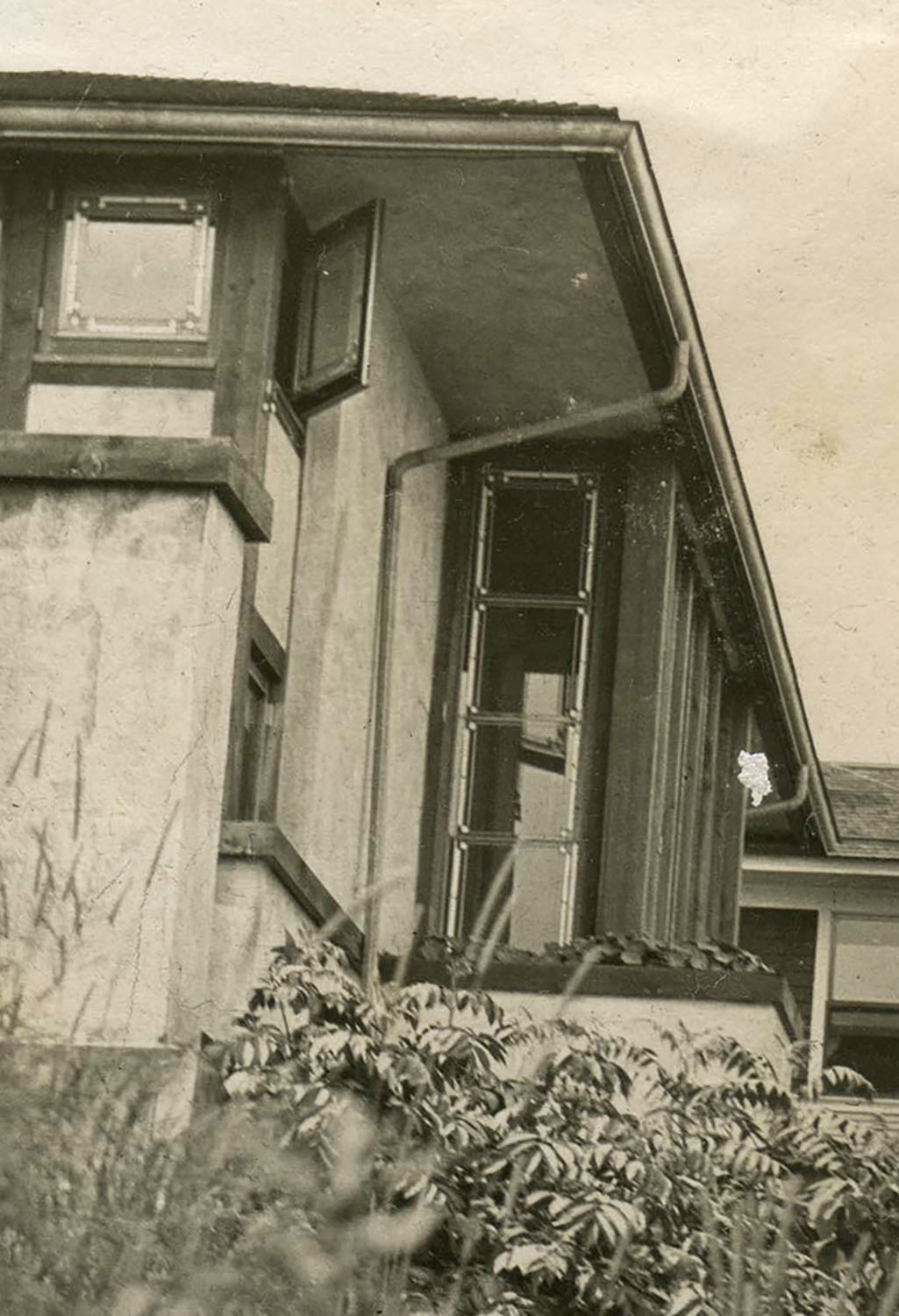
The house was built with leaded glass windows throughout, including in the dramatic two-story living room overlooking Lake Michigan. Anne Ruetz, whose parents were second stewards of the house (1938 – 1947) told me her parents replaced the windows with plain glass ones because the original ones leaked. When Gene put in energy efficient windows he jokingly told me that the next owners of the house could bear the expense of replicating Wright’s window design. Little did he know, of course, that he would be shifting the burden to his brother. 1908 photographs, which are used courtesy of the OA + D Archives, show the original leaded glass living room windows:

LR 1908 Hardy HIll Crop.jpg

LR 1908 Hardy HIll.jpg

LR 1908 Hardy Side.jpg

LR 1908 Hardy Side Crop.jpg

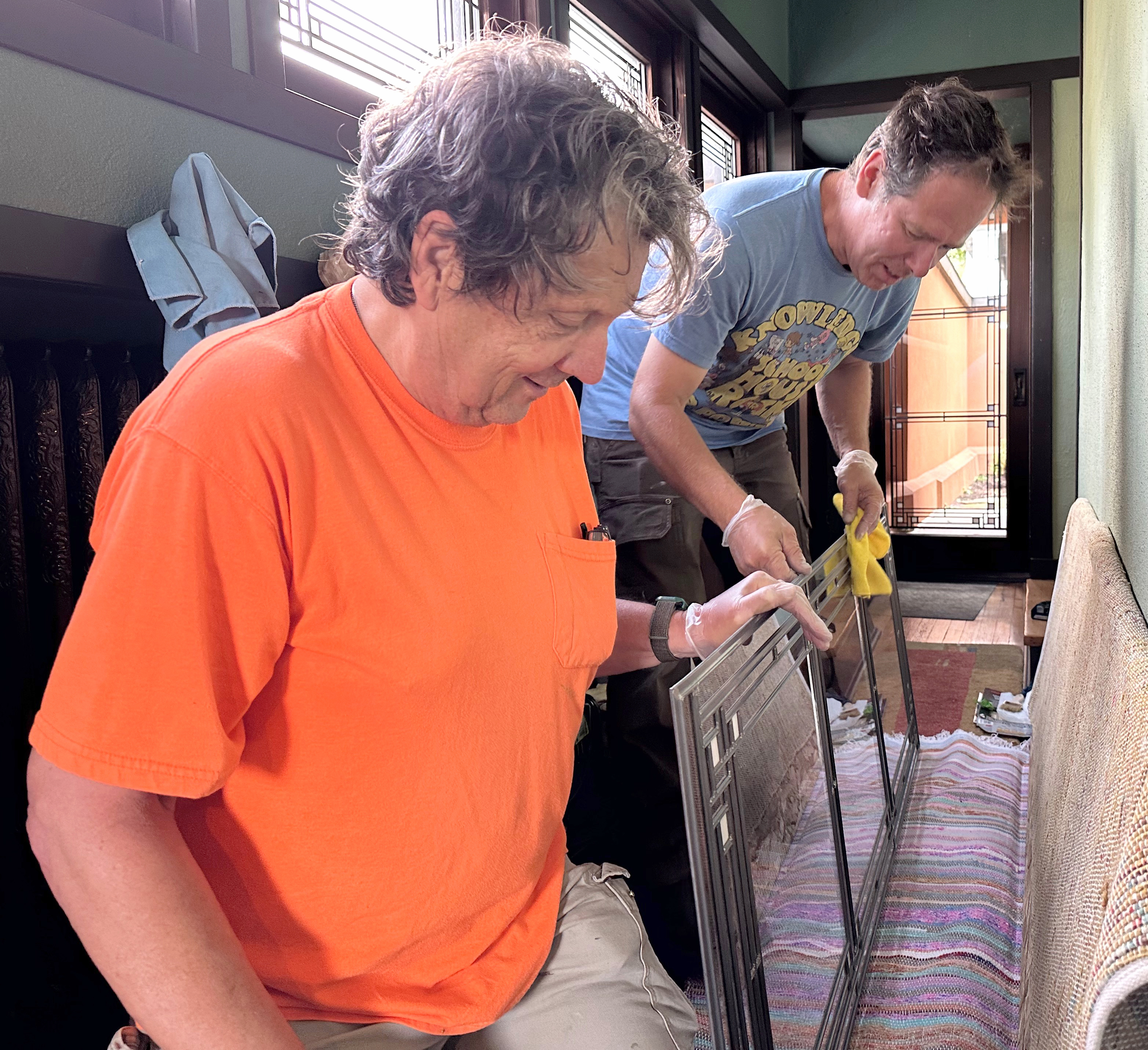
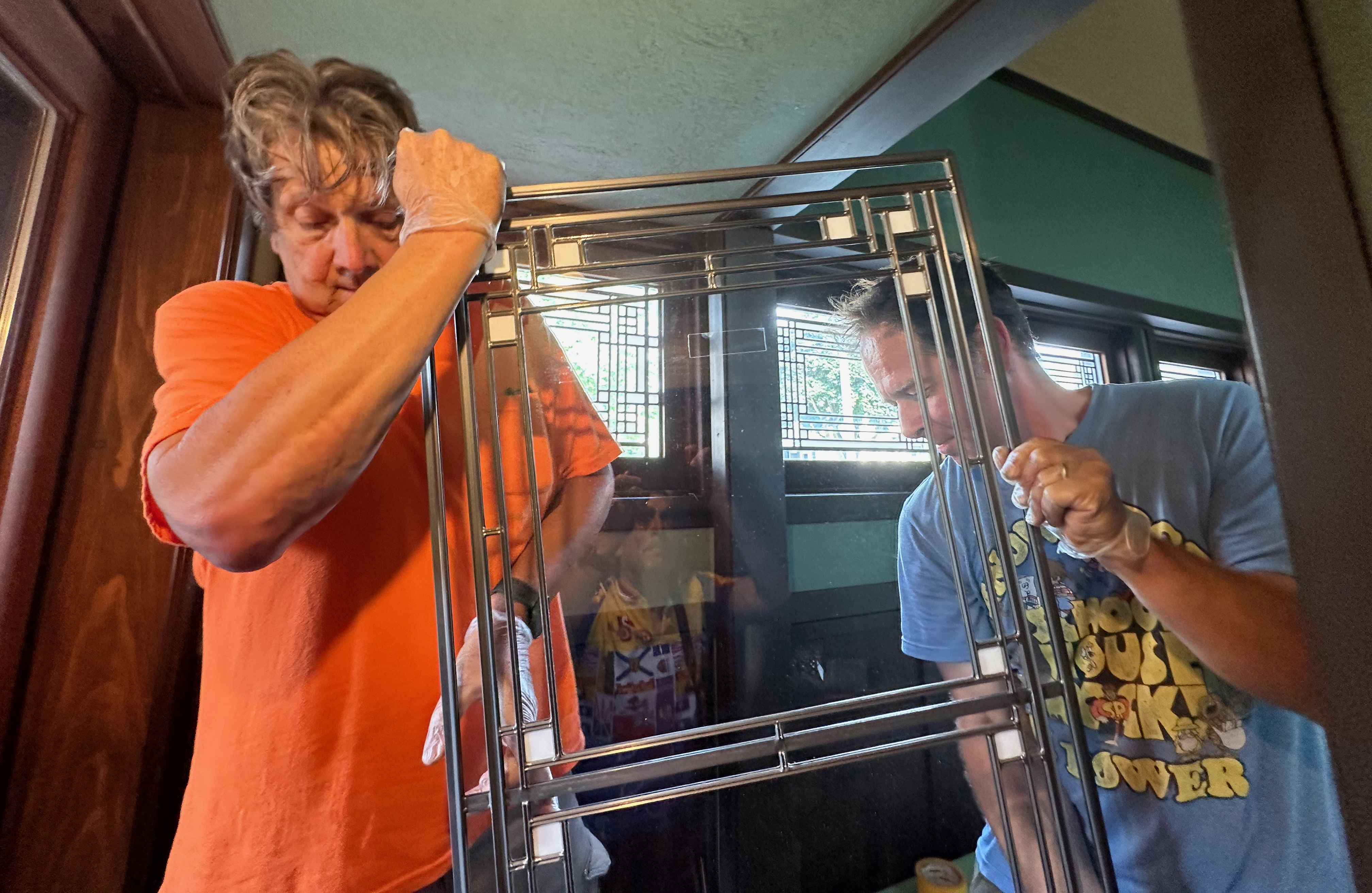
Instead of replicating the design in the living room, Gene intended to have the design fashioned for the pocket doors. The work was completed earlier this month, with window inserts made by Oakbrook Esser of Oconomowoc, Wisconsin. The installation photos show Tom Szymczak, left, and master craftsman Chad Nichols:

IMG_8036.jpeg

IMG_8039.jpeg

IMG_8030.jpeg

DSC_0043.JPG

DSC_0035.JPG

IMG_8025.jpeg

IMG_8041.jpeg

DSC_0017.JPG

DSC_0021.JPG

Thank you, Gene, for your gift to our community and to the World of Wright!

BC 2015 WSA Szymczak.jpg

The first people outside of family and friends to see the new windows will be 17 members of a Road Scholar Wright tour next Wednesday. They will be followed by several hundred people attending Wright in Wisconsin’s “Wright and Like” tour Saturday September 7.

*The term “rehabilitation” is appropriate, rather than “restoration,” because there were some changes to the house. “Restoration” would infer house museum status, accurate to either the day Hardy moved into the house (1906) or left it (in 1938) after losing it at sheriff’s auction because of monies owed on the house.

Links:

Frank Lloyd Wright Building Conservancy:

www.savewright.org

Wright and Like Tour:

https://wrightinwisconsin.org/wright-and-2024

Road Scholar Architectural Masterworks of Frank Lloyd Wright Tour (run 4 or 5 a year)

https://www.roadscholar.org/find-an-adventure/22976/Architectural-Masterworks-of-Frank-Lloyd-Wright

Please scroll down to read previous posts

Tower Tumult in Bartlesville

© Mark Hertzberg (2024)

Oklahoma Frank Lloyd Wright Price Tower 001.JPG

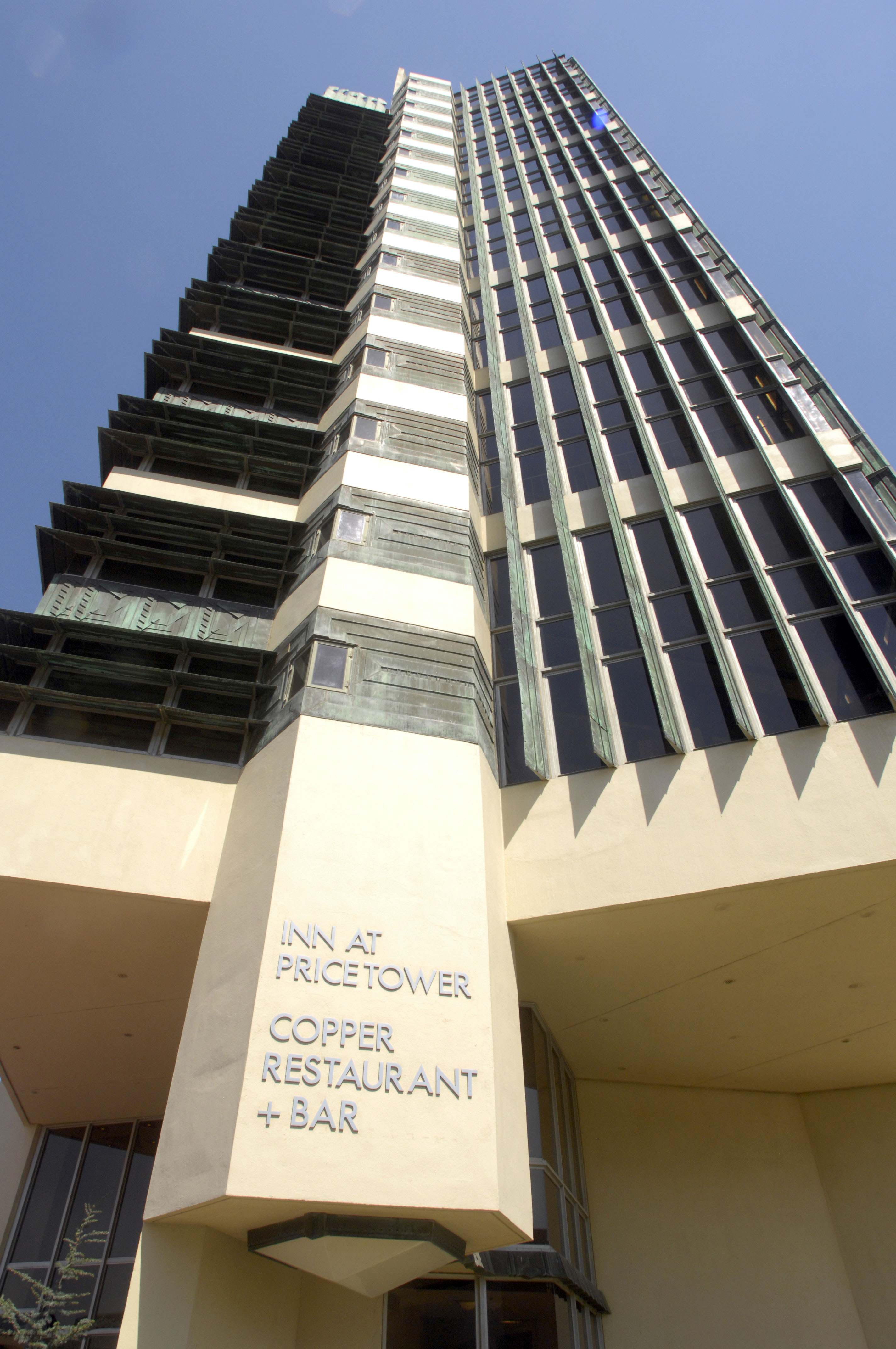
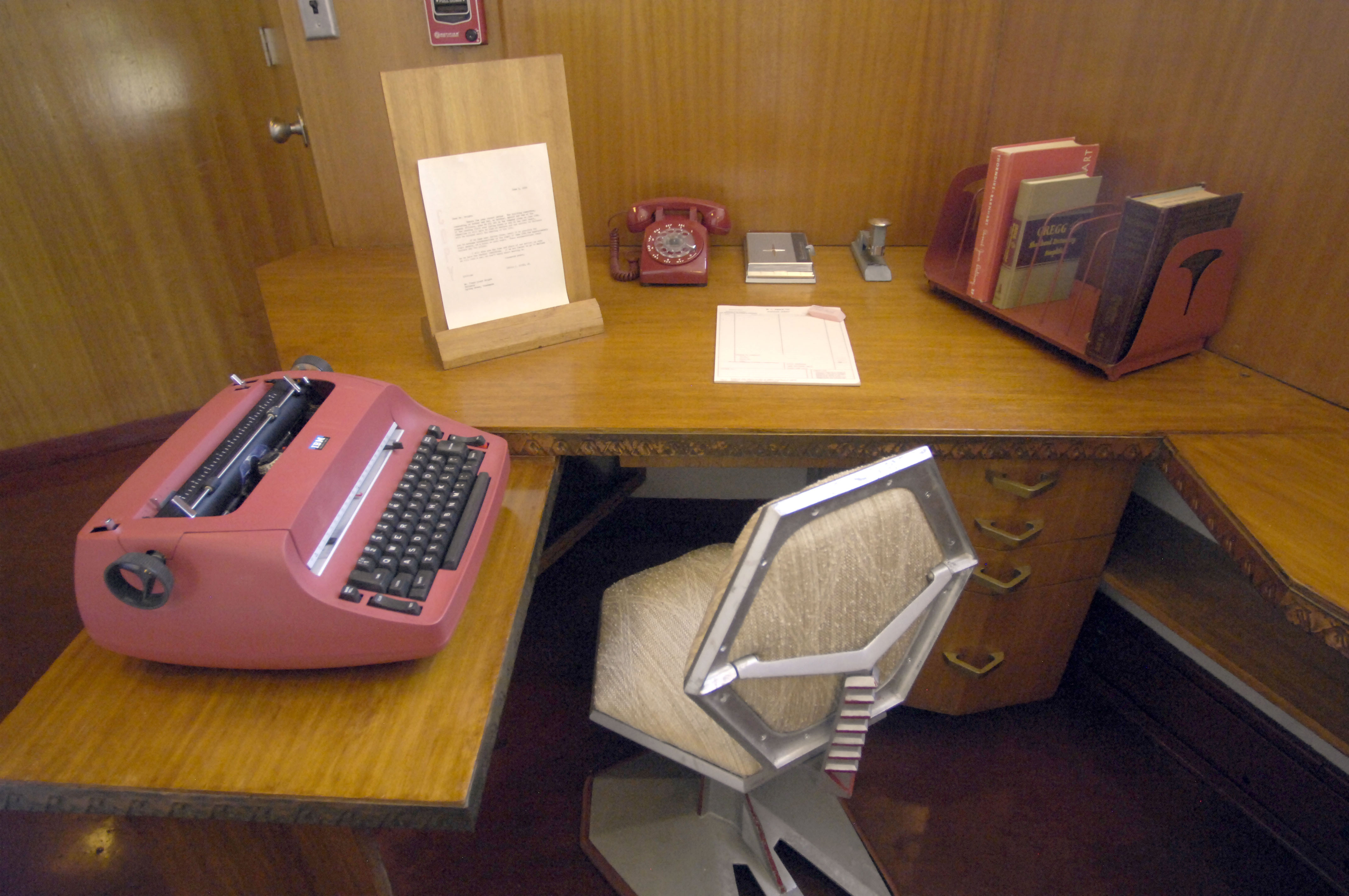
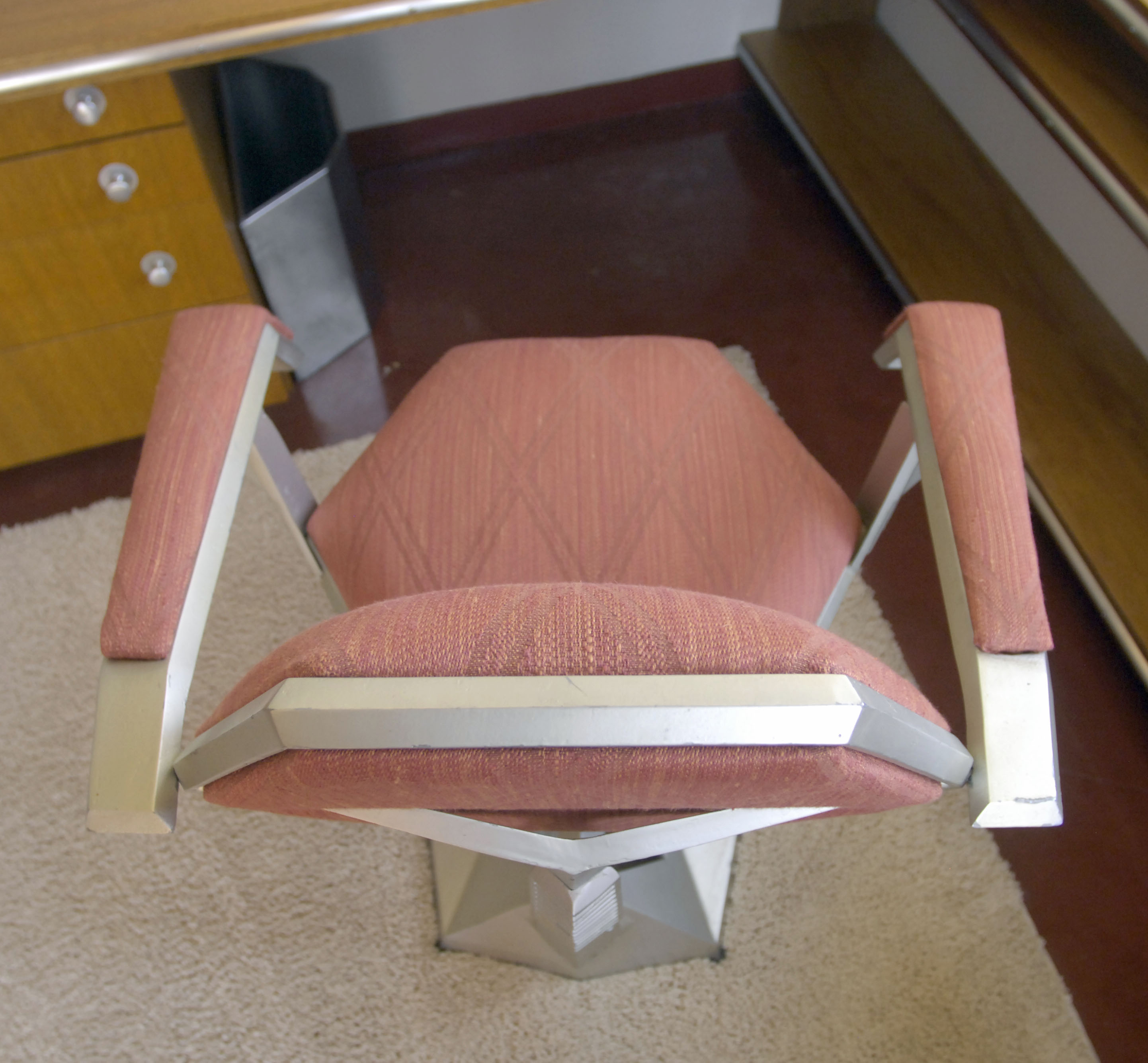
The future of Frank Lloyd Wright’s landmark Price Tower in Bartlesville, Oklahoma is uncertain. The Frank Lloyd Wright Building Conservancy has initiated legal proceedings against Cynthia Blanchard, the owner of the building, over her sale of Wright artifacts from the building, including one of the office chairs Wright designed, to a mid-century design dealer in Dallas. The Building Conservancy has an easement on the property, which, it says, prohibits the sale of any of the artifacts.

Oklahoma Frank Lloyd Wright Price Tower 022.JPG

Oklahoma Frank Lloyd Wright Price Tower 020.JPG

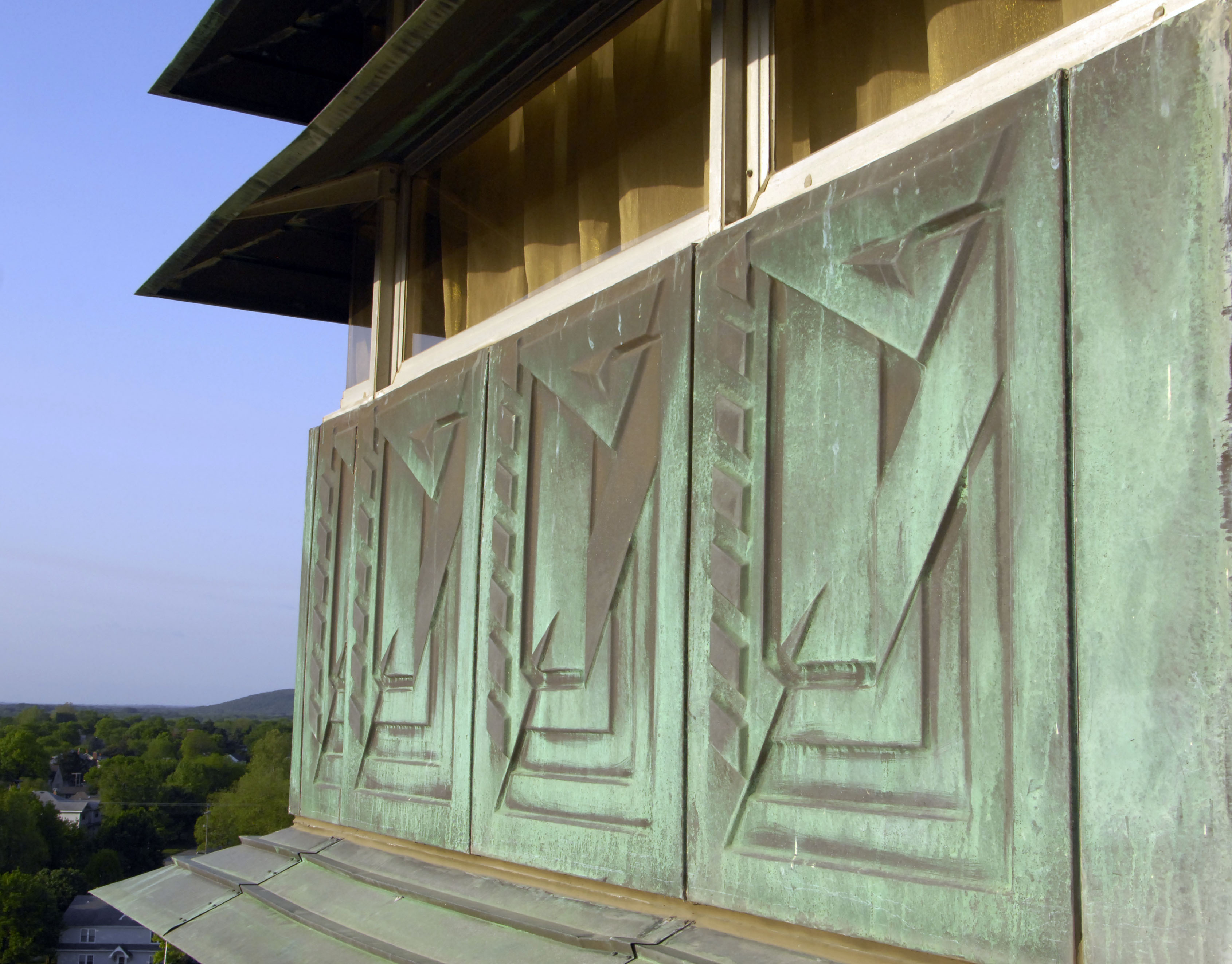
Wright designed the tower in 1952 as a combination office and apartment building, and it opened in 1956. The exterior and two-story pinwheel floor plan are derived from Wright’s unrealized design for the St. Mark’s-in-the-Bowery apartment buildings in New York City (1927-1929).*

Oklahoma Frank Lloyd Wright Price Tower 011.JPG

Oklahoma Frank Lloyd Wright Price Tower 009.JPG

The Inn at Price Tower hotel opened in 2003. Blanchard said in a television interview that it was no longer profitable to operate the hotel and its Copper Bar and Restaurant. She announced the closure August 9. Hotel and restaurant employees were laid off and tenants of the building were given notice to move out within 30 days. She said in an interview that the closure is not necessarily permanent, and that she hopes to find a buyer for the building which, she says, is no longer profitable for her to operate.

The photographs are from our stay at the hotel in April 2011. Scott Perkins, who was the Curator of Collections and Exhibitions and at the Price Tower Arts Center, was our host, graciously allowed me to photograph every nook and cranny of the building (he is now Fallingwater’s senior Director of Preservation and Collections).

Oklahoma Frank Lloyd Wright Price Tower 014.JPGThis photograph and the one below were taken looking up on the external staircase.

Oklahoma Frank Lloyd Wright Price Tower 013.JPG

Oklahoma Frank Lloyd Wright Price Tower 010.JPGPrice Tower reflected in a nearby building

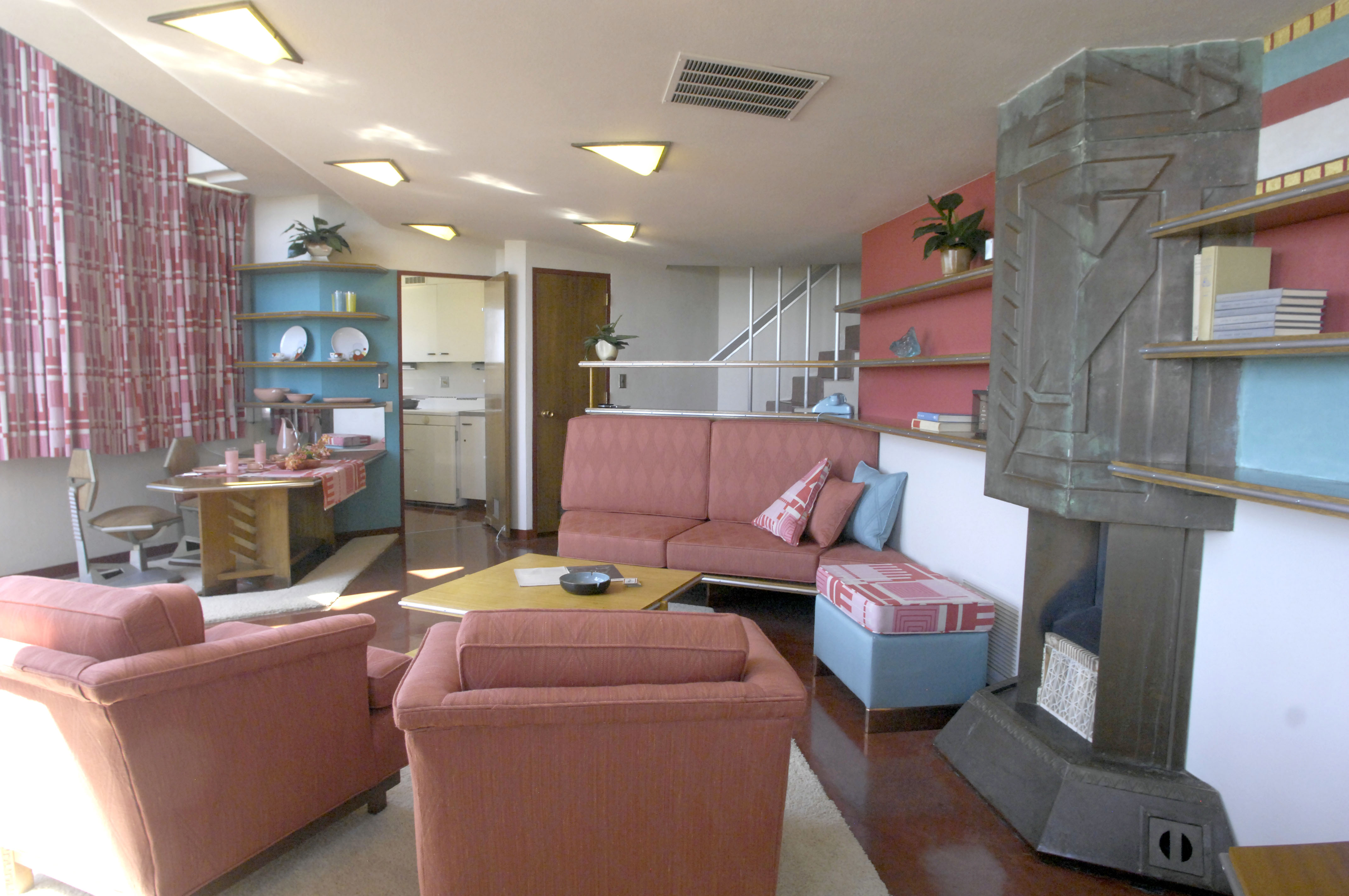
Oklahoma Frank Lloyd Wright Price Tower 019.JPGThe living room of one of the original apartments

Oklahoma Frank Lloyd Wright Price Tower 018.JPGThe sitting room on the lower floor of one of the two-story hotel rooms

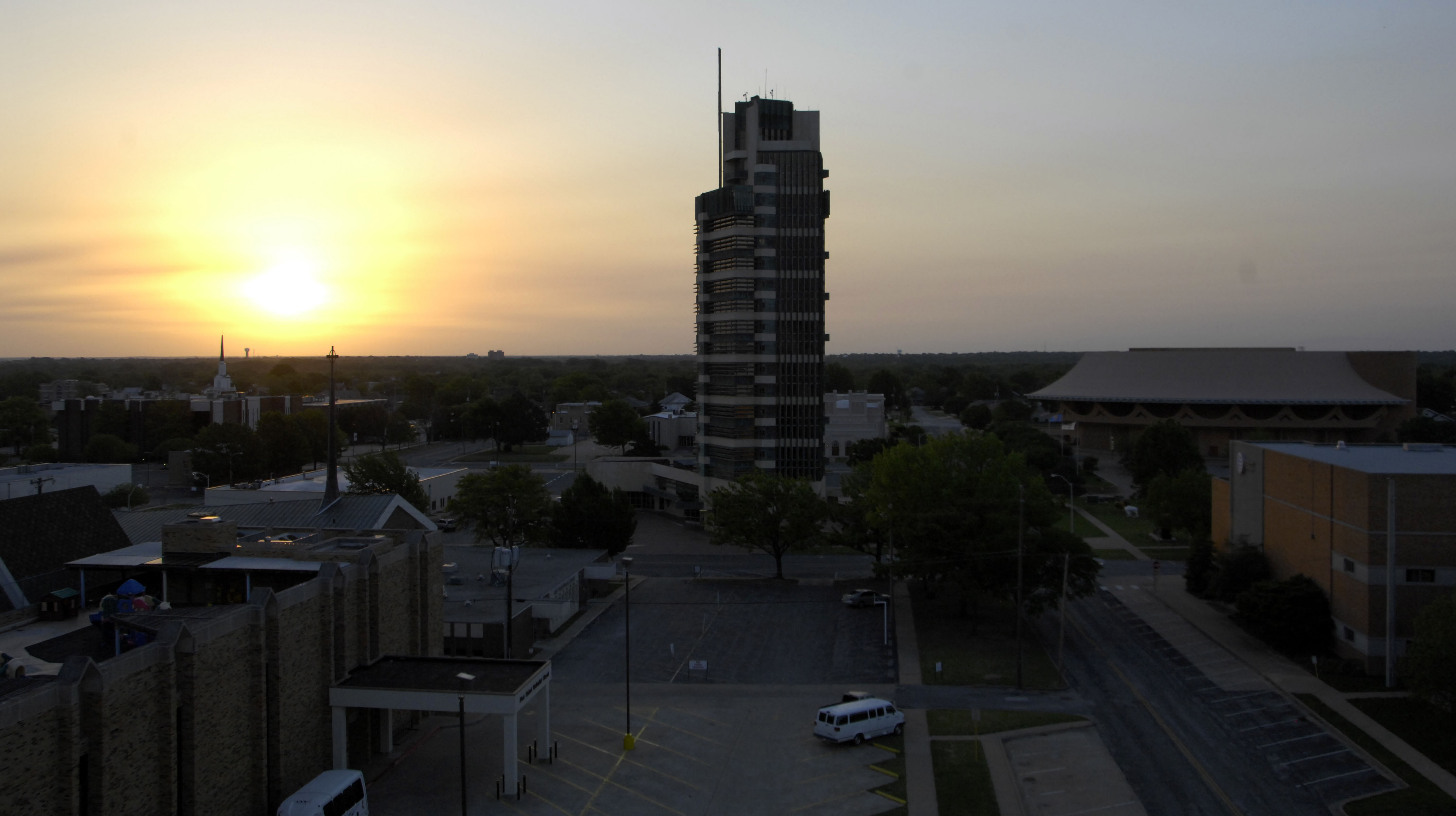
One can only hope that my sunset photo of Price Tower was not a harbinger of things to come.

Oklahoma Frank Lloyd Wright Price Tower 002.JPG

Oklahoma Frank Lloyd Wright Price Tower 017.JPG

Oklahoma Frank Lloyd Wright Price Tower 012.JPG

*While Price Tower was designed around Wright’s idea of a taproot tower, the late Bruce Brooks Pfeiffer told me that it is not a taproot tower because it is tied into the foundation of the adjoining two-story office building. He told me that the SC Johnson Research Tower in Racine is Wright’s only realized taproot tower.

Author’s note: Thank you to the Frank Lloyd Wright Building Conservancy for their attention to the tower, and to the Building Conservancy’s John Waters for his editing notes on this article.

Please scroll down for previous posts on this site.

Links:

Frank Lloyd Wright Building Conservancy coverage:

https://savewright.org/endangered-price-tower-in-bartlesville-oklahoma/

Local television coverage:

https://www.newson6.com/story/66b6bcf3e64a7a286feca72e/price-tower-in-bartlesville-closes-due-to-financial-struggles-future-uncertain

Windows on Main Street

© Mark Hertzberg (2024)

I have written before that I always challenge myself to see something new even on my umpteenth visit to a given Frank Lloyd Wright – designed building. I was blasé today as I took my friend Robert Hartmann on a tour of the Thomas P. Hardy House on Main Street in Racine, Wisconsin, as he prepared for Wright in Wisconsin’s forthcoming “Wright and Like” tour scheduled for September 7. Hartmann expects between 300 – 500 guests and wanted to figure out the best way for guests to wind through the compact house, and how many docents he would need.

The light was less than spectacular and there was nothing new to see. I had biked to the house so my only camera was my smartphone. I think phone cameras sometimes oversaturate colors, but that camera was all I had when I unexpectedly saw this in the second floor windows above the south stairs:

Wright Windows 001.jpg

Wright Windows 002.jpg

So much for being blasé!

Here is a link for more information about the tour:

https://wrightinwisconsin.org/wright-and-2024

I served on Wright in Wisconsin’s board for 14 years. They are the only statewide Wright group, originally founded in cooperation with the state Department of Tourism to promote Wright tourism in Wisconsin.

Please scroll down for previous articles or blog posts.

My Wright Eye – May 2024

Photos © Mark Hertzberg (2024)

I had a half hour wait before meeting 22 guests coming from coast-to-coast to Frank Lloyd Wright’s Thomas P. Hardy House on their weeklong Road Scholar tour (I am with the group as a Road Scholar guide for three days on these tours, as they travel through Racine, Milwaukee, Madison, and Spring Green). I have been in the house countless times, including leading 14 of these tours. While I try to see something new on every visit to a familiar Wright design, I did not think there was anything new to see in the house.  I had already played Wordle and my other daily games phone games. I had already looked at my emails. I plopped down in a chair in the living room and looked up. I looked up some more and then I knew what I had to do…I had to lie down on the floor and start taking pictures of the ceiling.

IMG_7080.jpeg

IMG_7079.jpeg

IMG_7076.jpeg

Then I walked over to the stairs and looked up at the second floor:

IMG_7087.jpeg

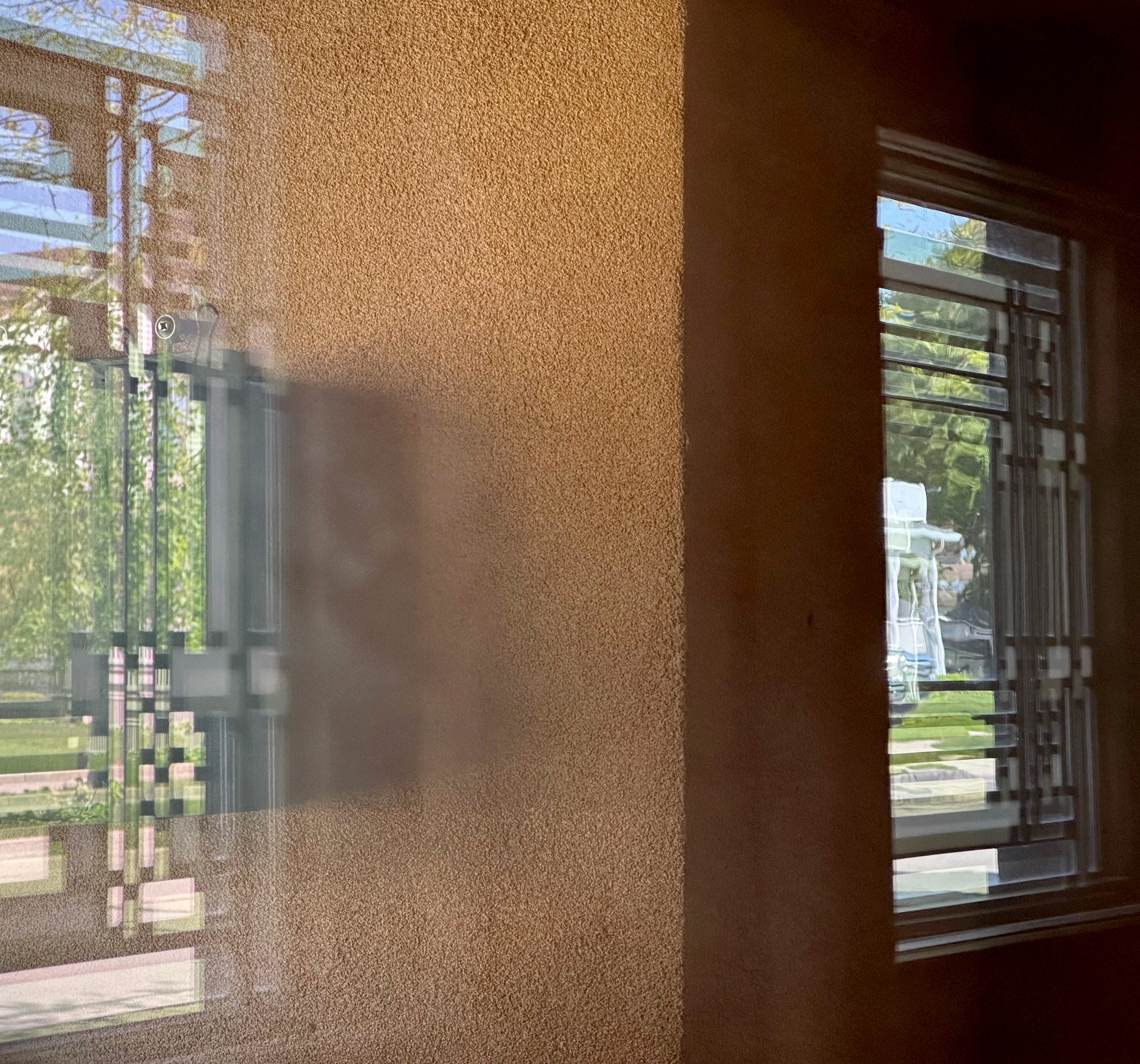
When I then went outside to greet the bus, I saw reflections of Wright’s leaded glass front hallway windows and their reflected images in a new way:

DSC_5985a.jpg

IMG_7083.jpeg

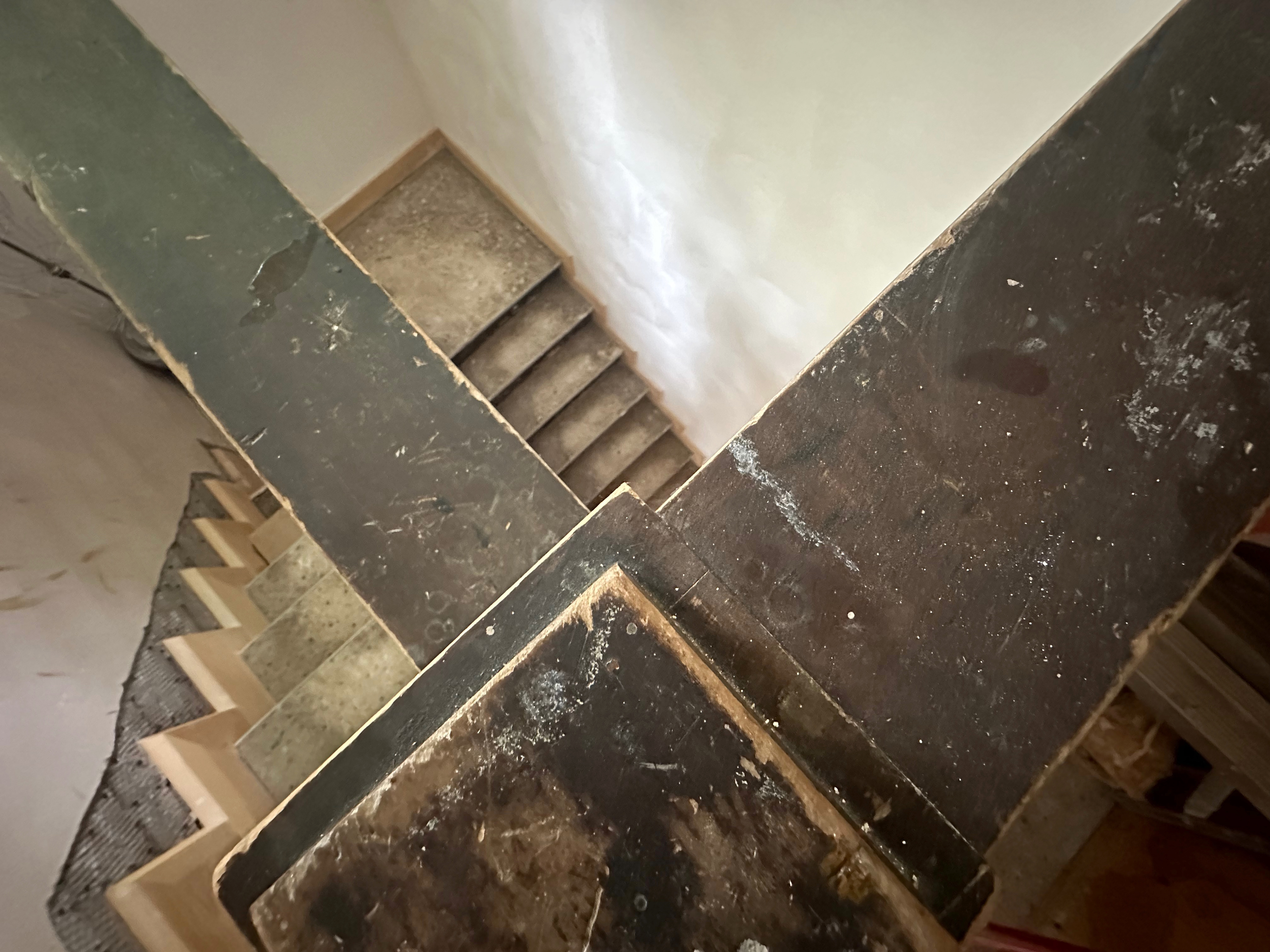
Today, as our guests toured Wright’s American System-Built duplex at 2132/34 W. Burnham Street in Milwaukee, I looked down instead of up. The duplex is being restored with help from a Save Americas Treasures grant. These are the back stairs:

IMG_7103.jpeg

On-line links:

Road Scholar’s “Architectural Masterworks of Frank Lloyd Wright tour:

https://www.roadscholar.org/find-an-adventure/22976/Architectural-Masterworks-of-Frank-Lloyd-Wright

Frank Lloyd Wright’s Burnham Block:

http://wrightinmilwaukee.com

Please continue to scroll down to view and read previous posts

“Furniture Done Wright” Now on Exhibit

© Mark Hertzberg (2024)

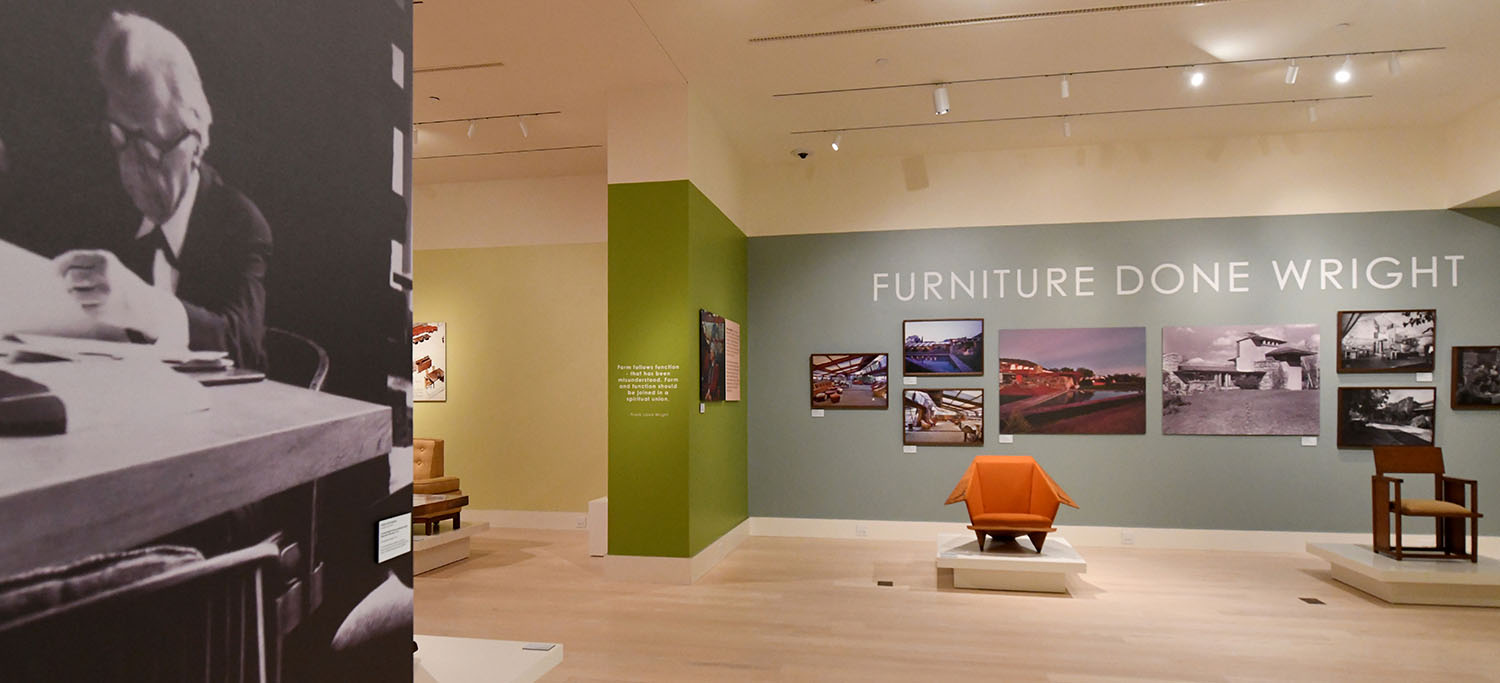
LR SCJ Wright Furniture 003.jpg

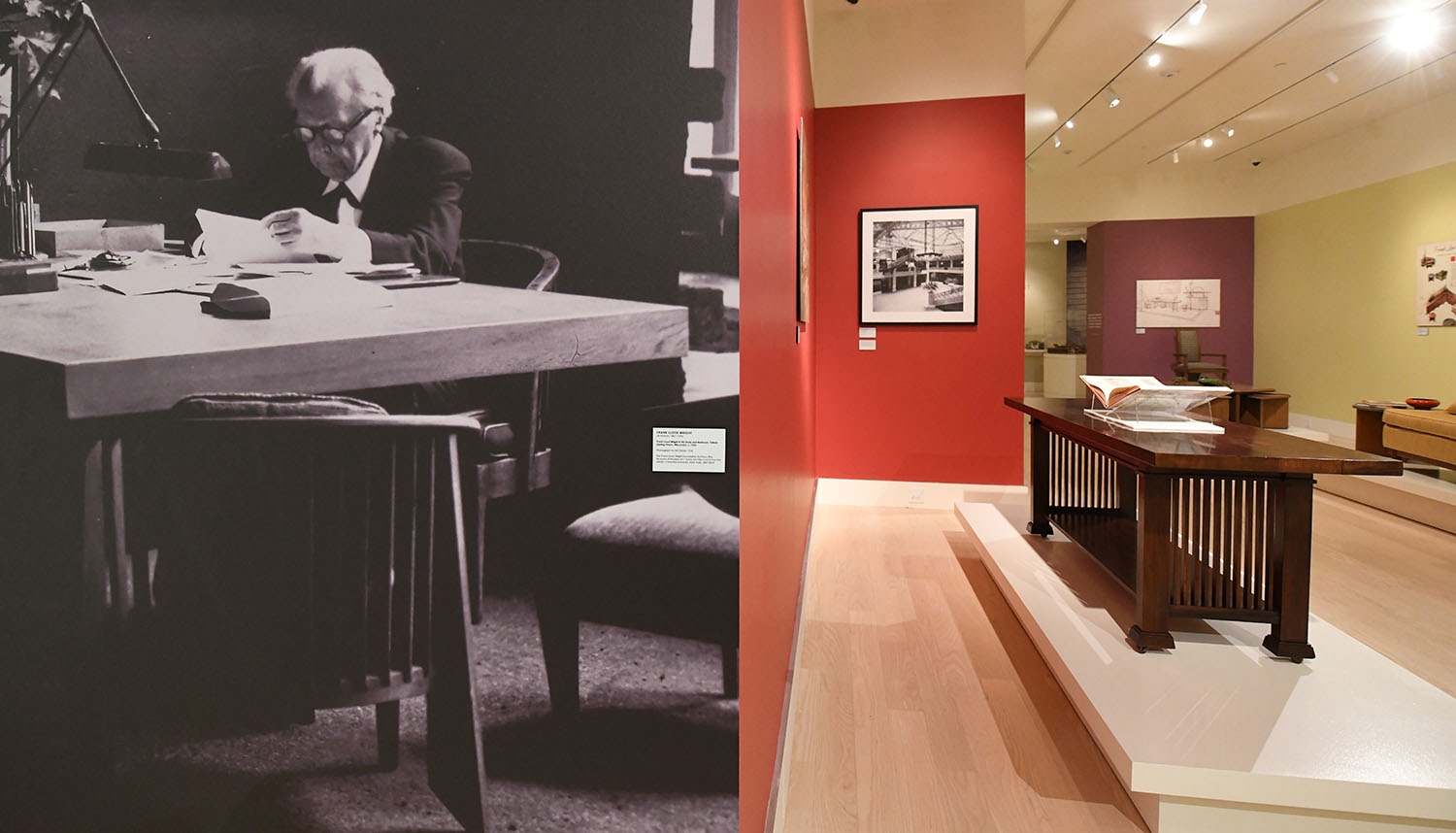
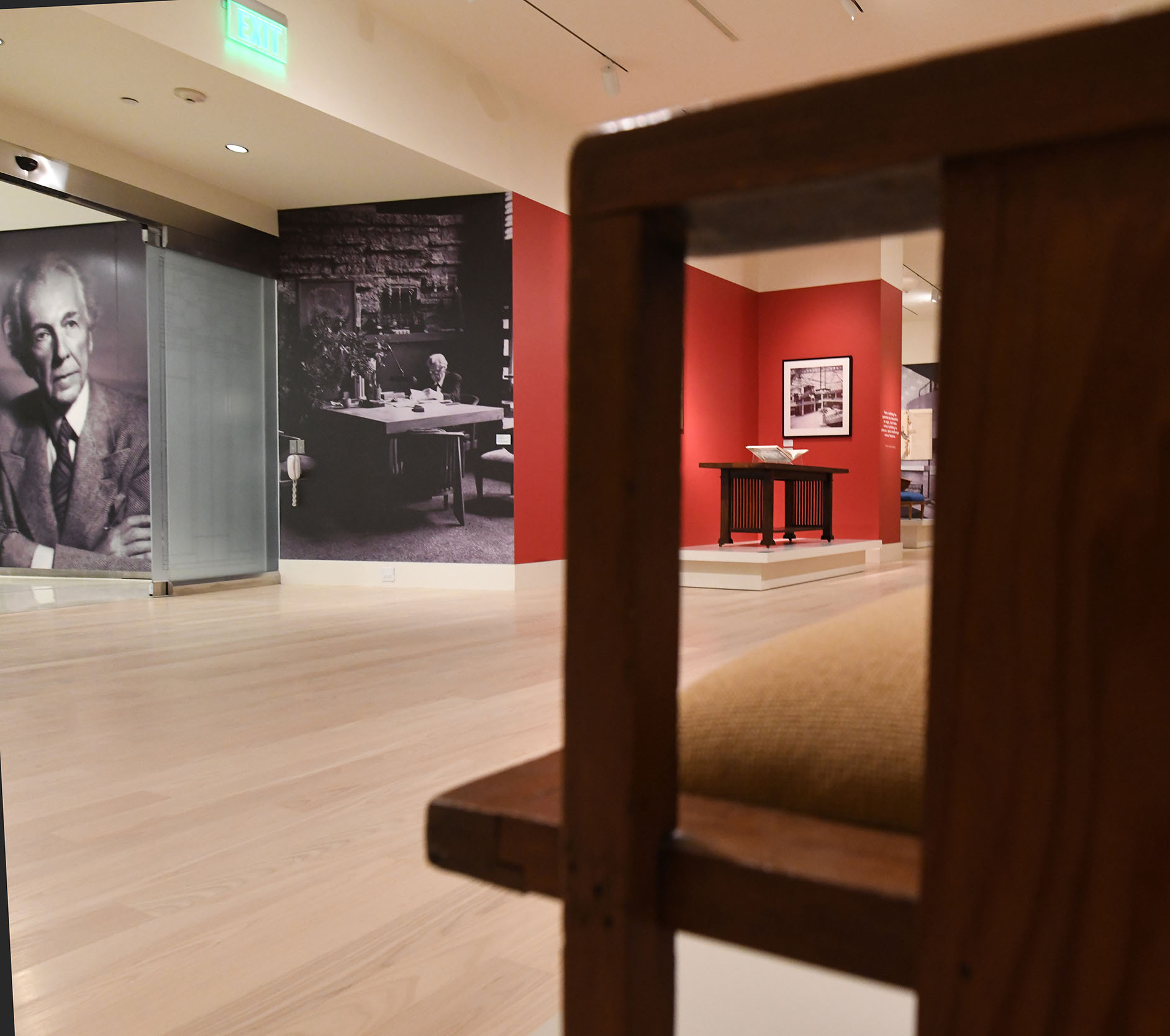
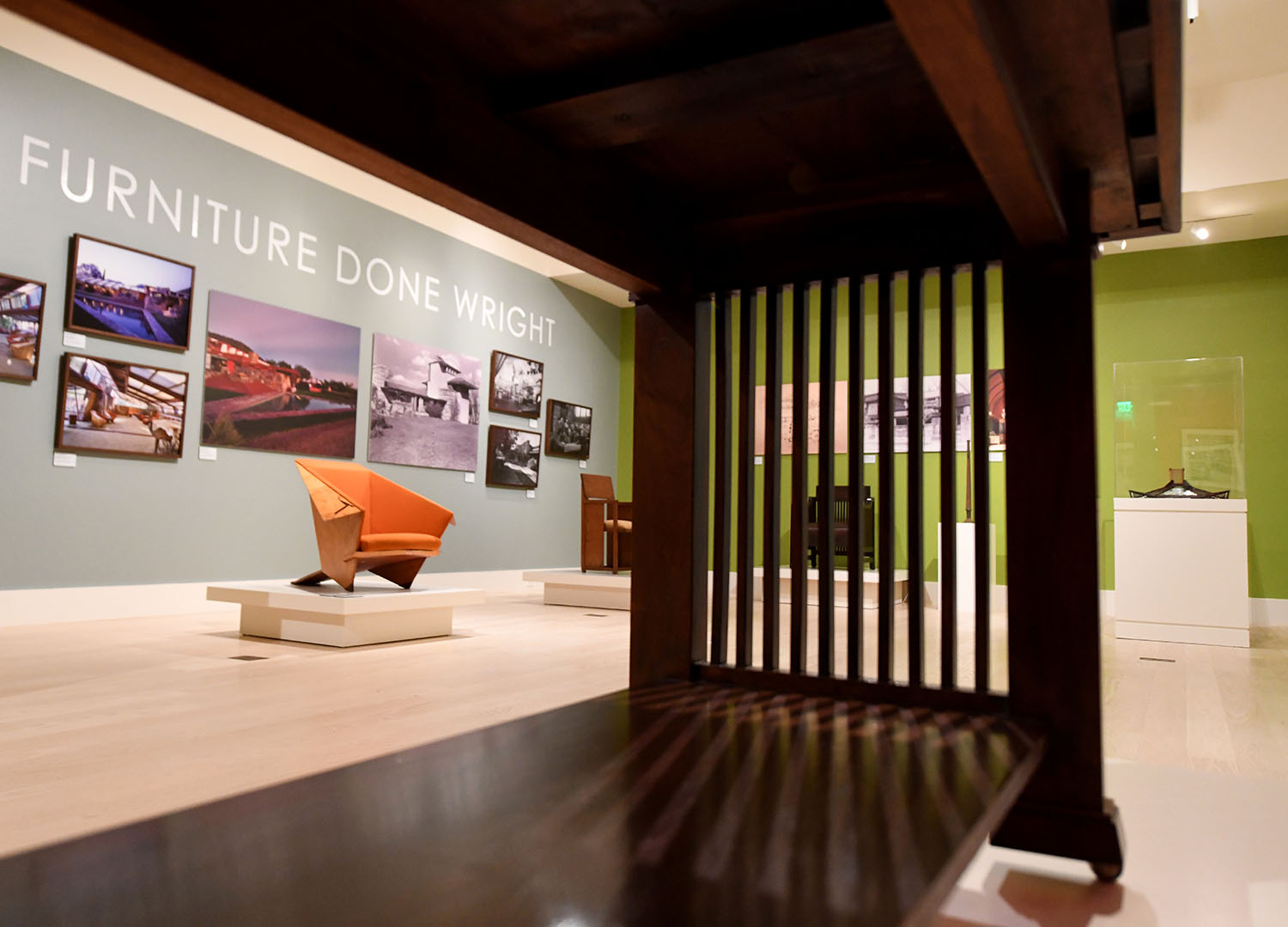
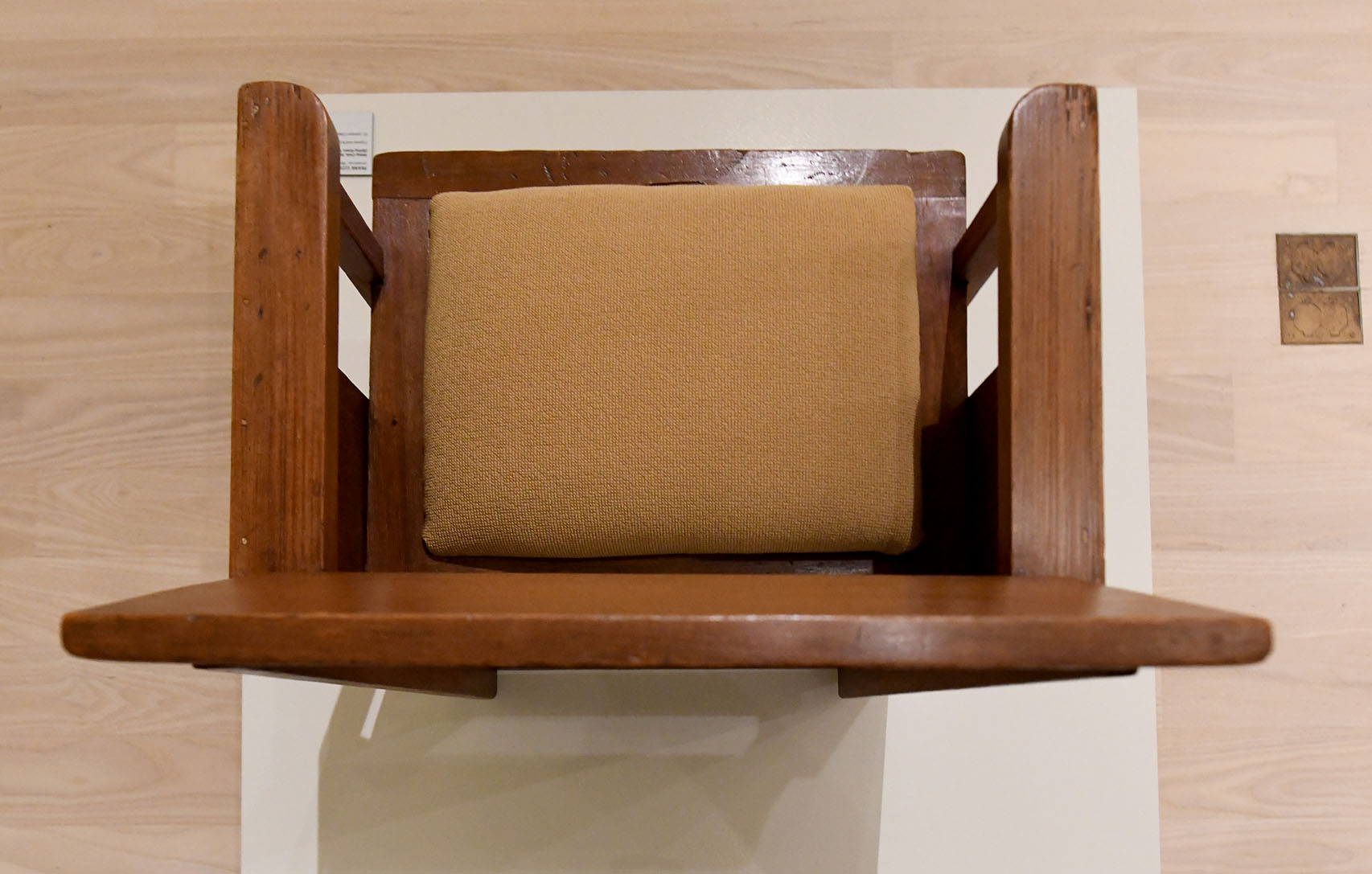
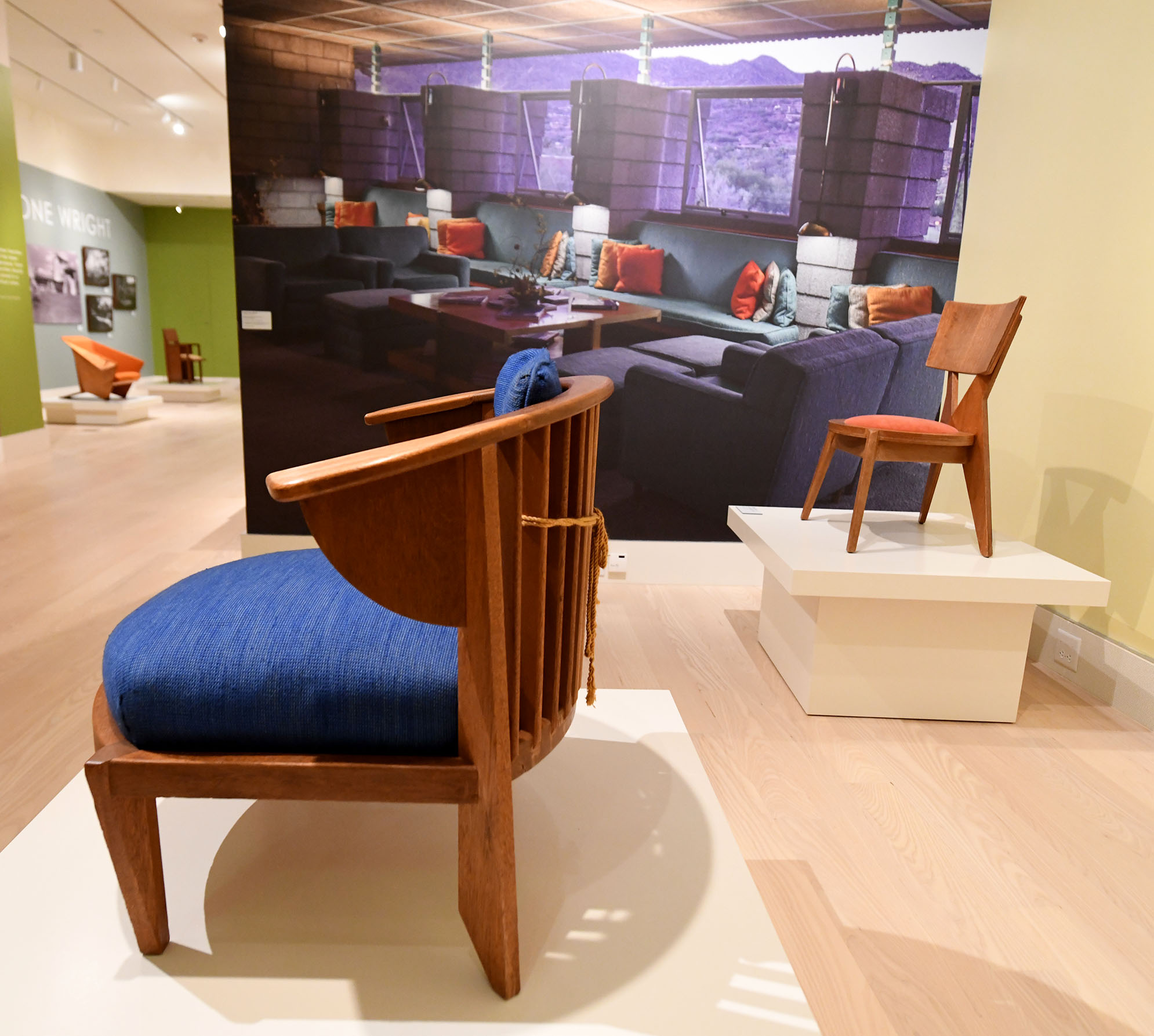
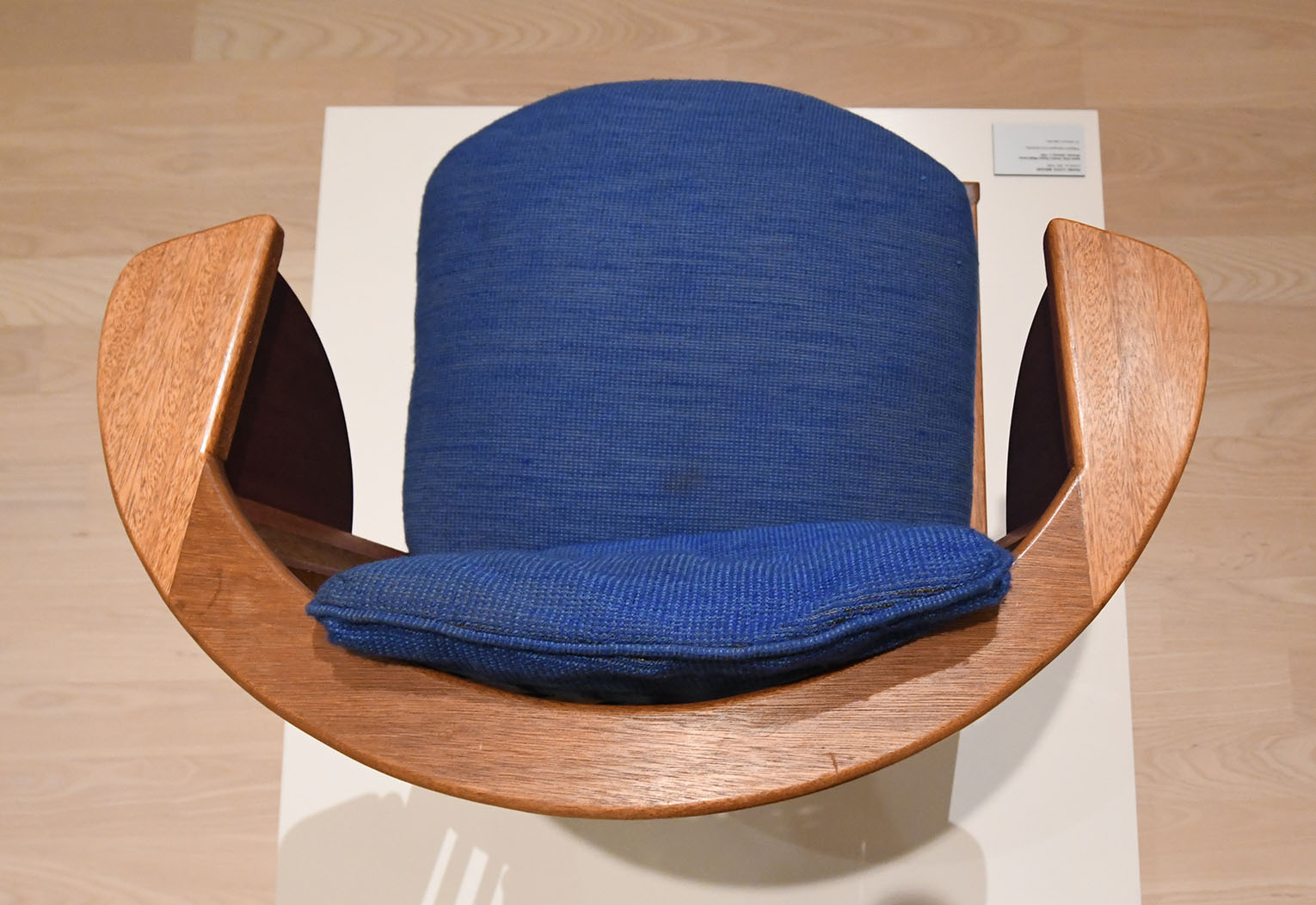
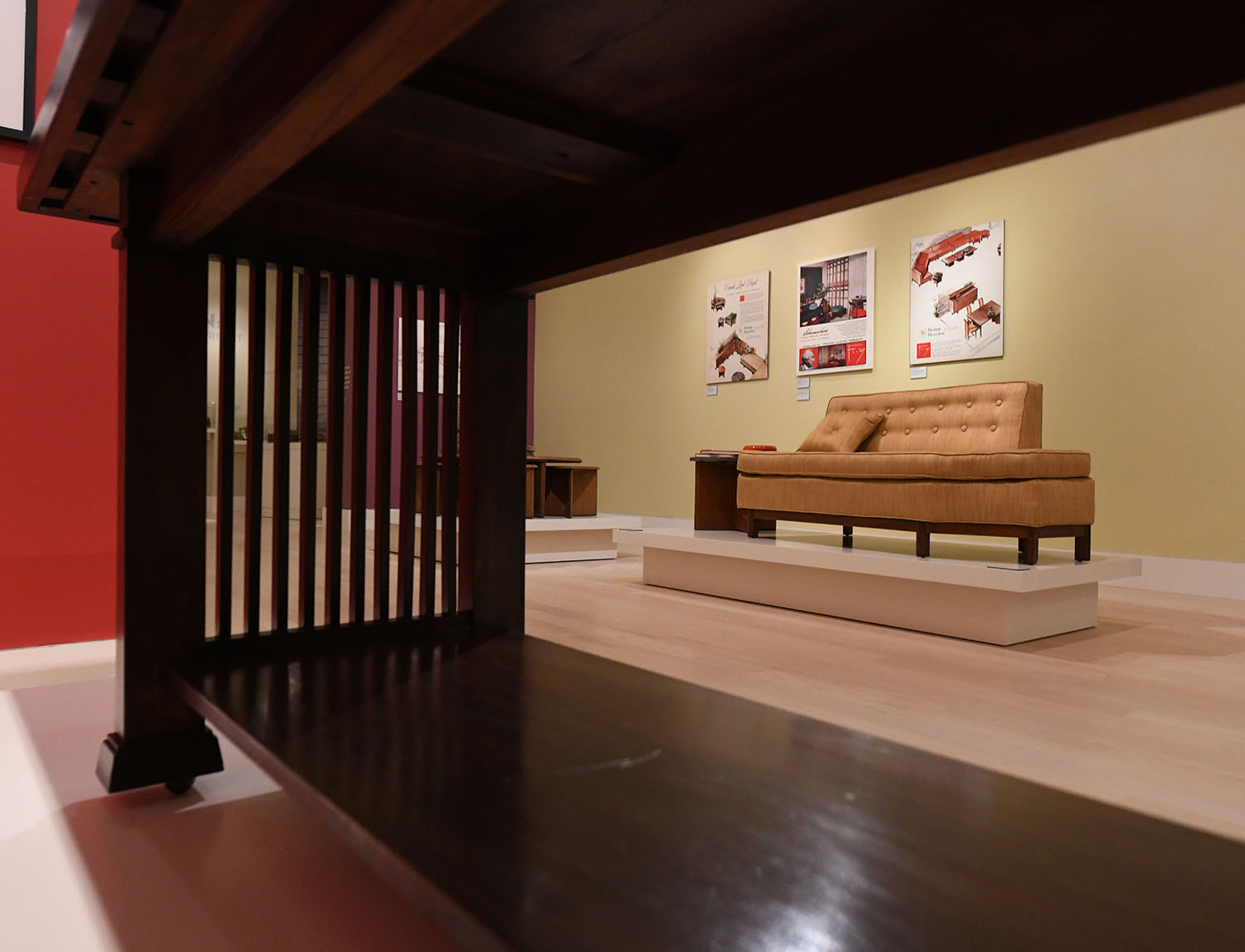
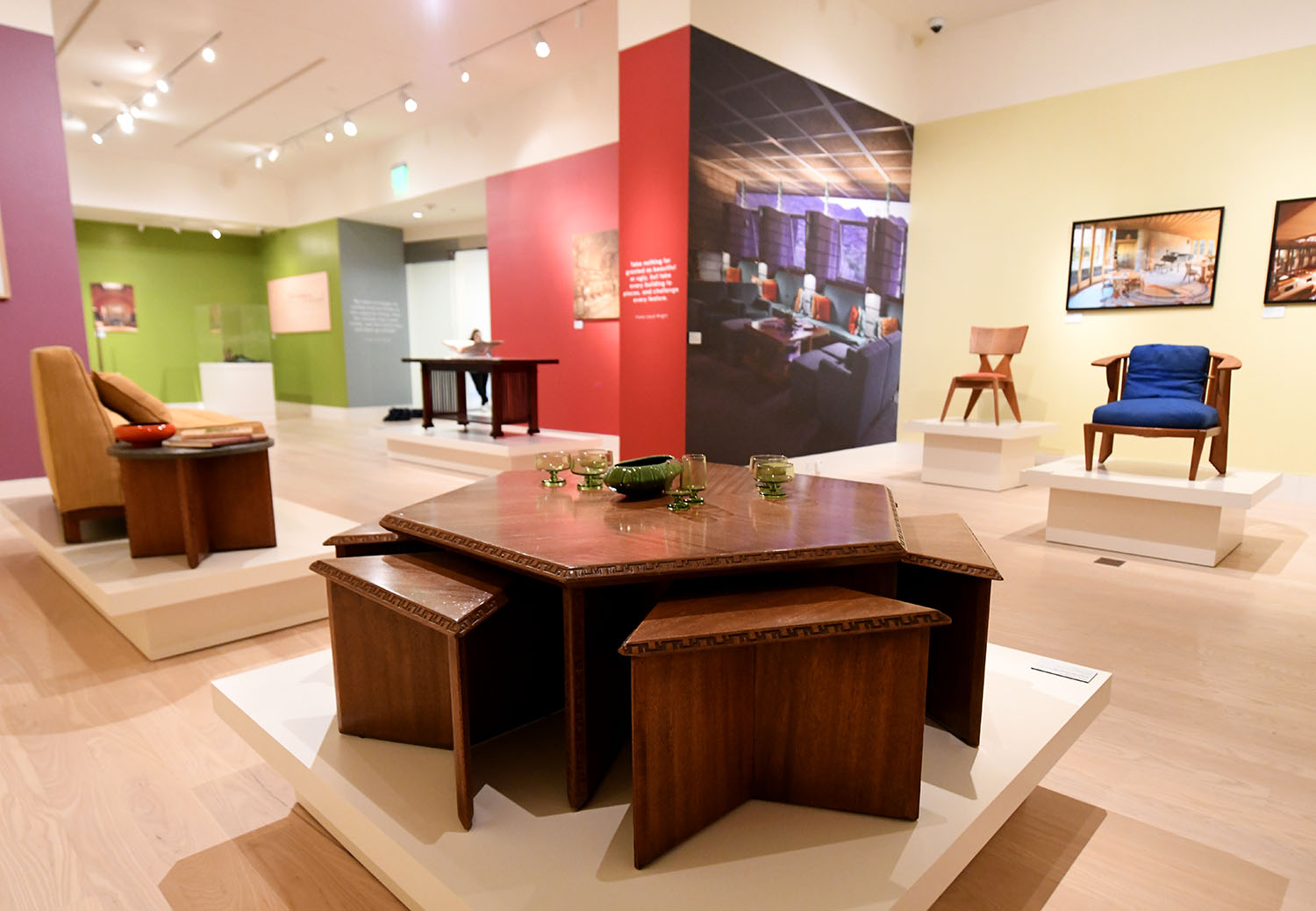
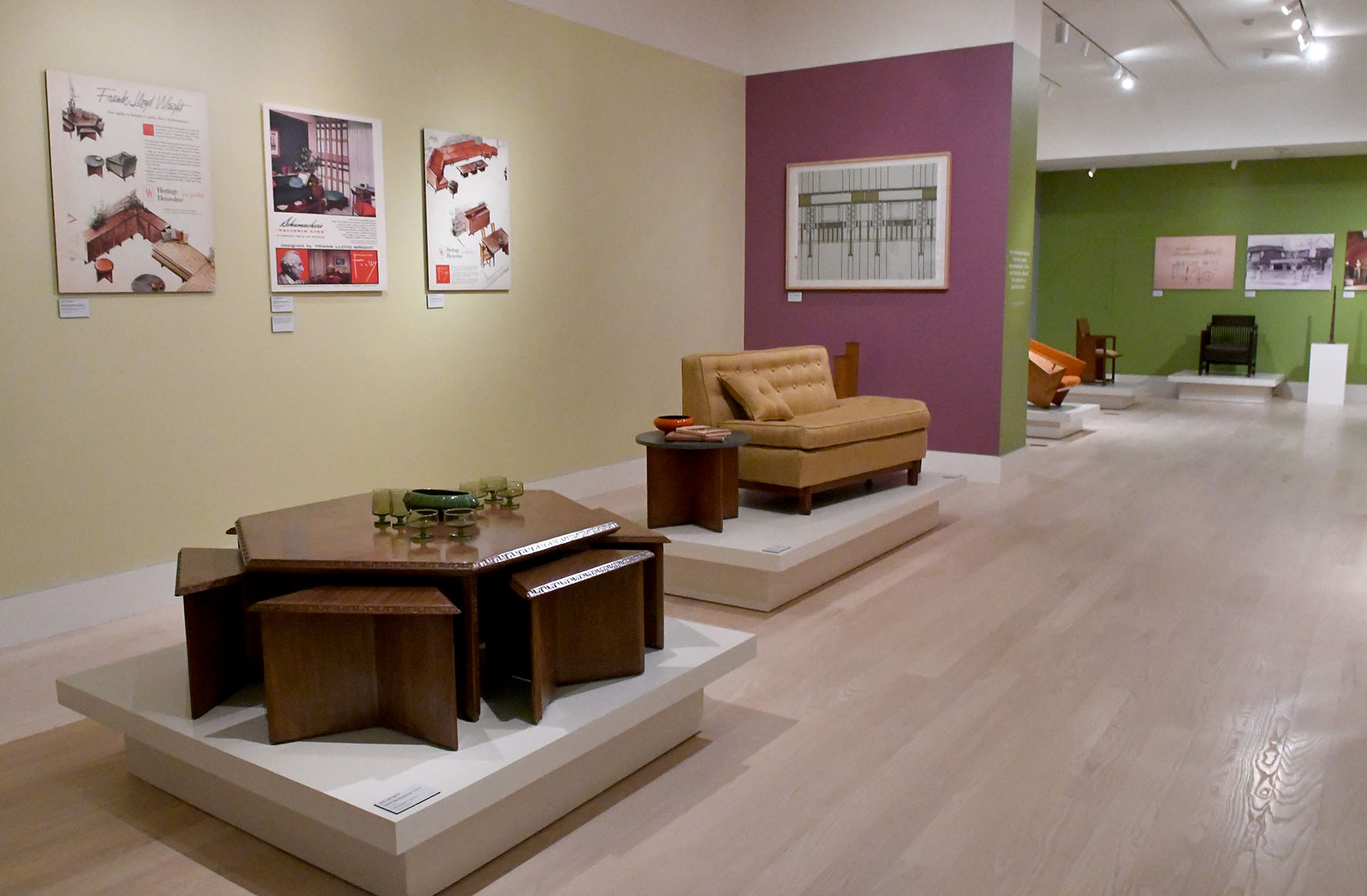
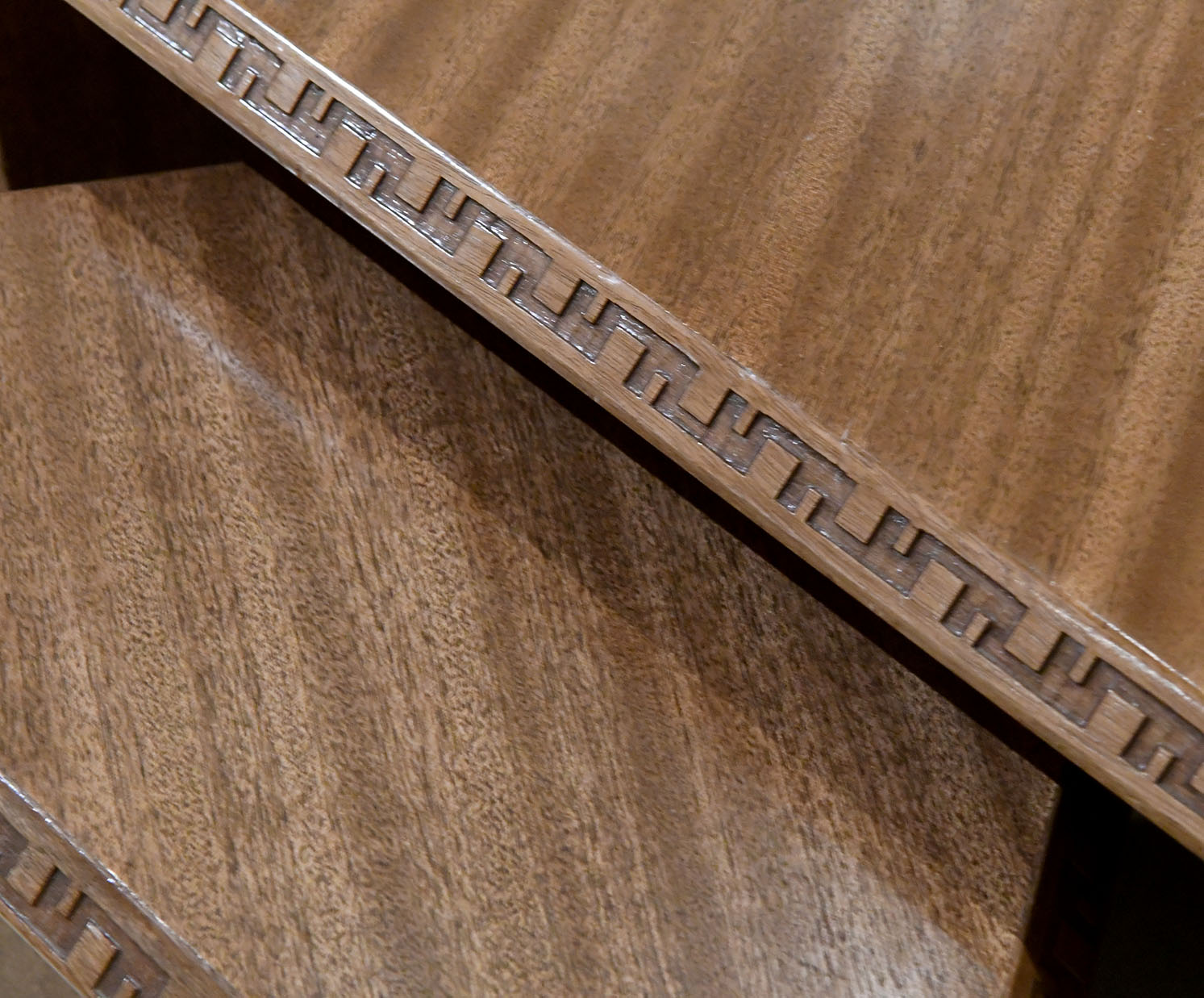
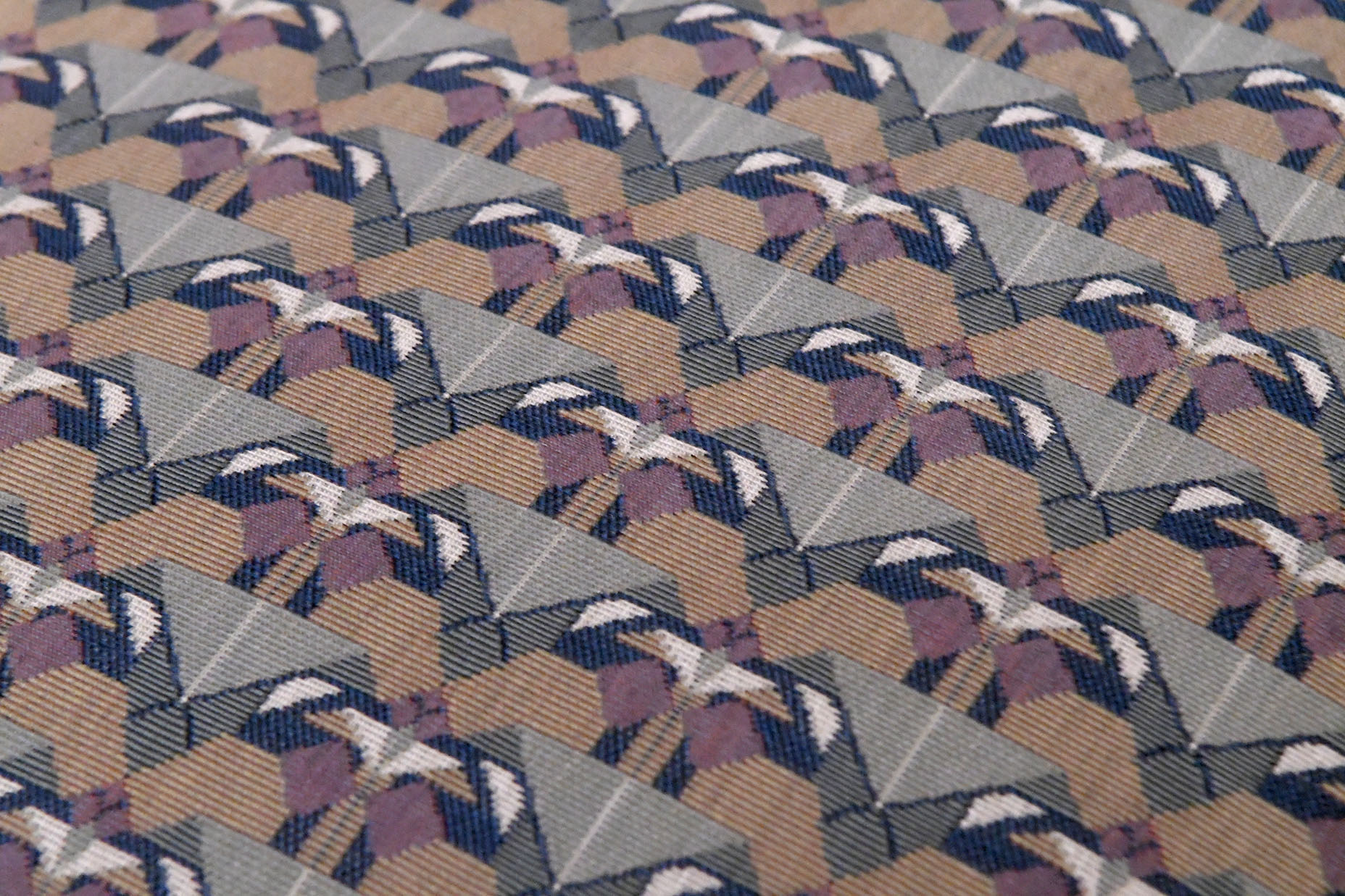
Hiring Frank Lloyd Wright to design a building meant more than just a bricks and mortar job. The entire space – interior as well as exterior – had to be cohesive. His organic designs often included furniture and lighting fixtures he proposed for his clients. Examples of his interior designs are now on display in “Furniture Done Wright” in SC Johnson’s Wright Gallery: At Home with Frank Lloyd Wright in Fortaleza Hall on the company’s campus in Racine, Wisconsin.

LR SCJ Wright Furniture 004.jpg

LR SCJ Wright Furniture 007.jpgA dining chair from Taliesin (c. 1925) frames a view of the library table for the Edward C. Waller House Remodeling (1899).

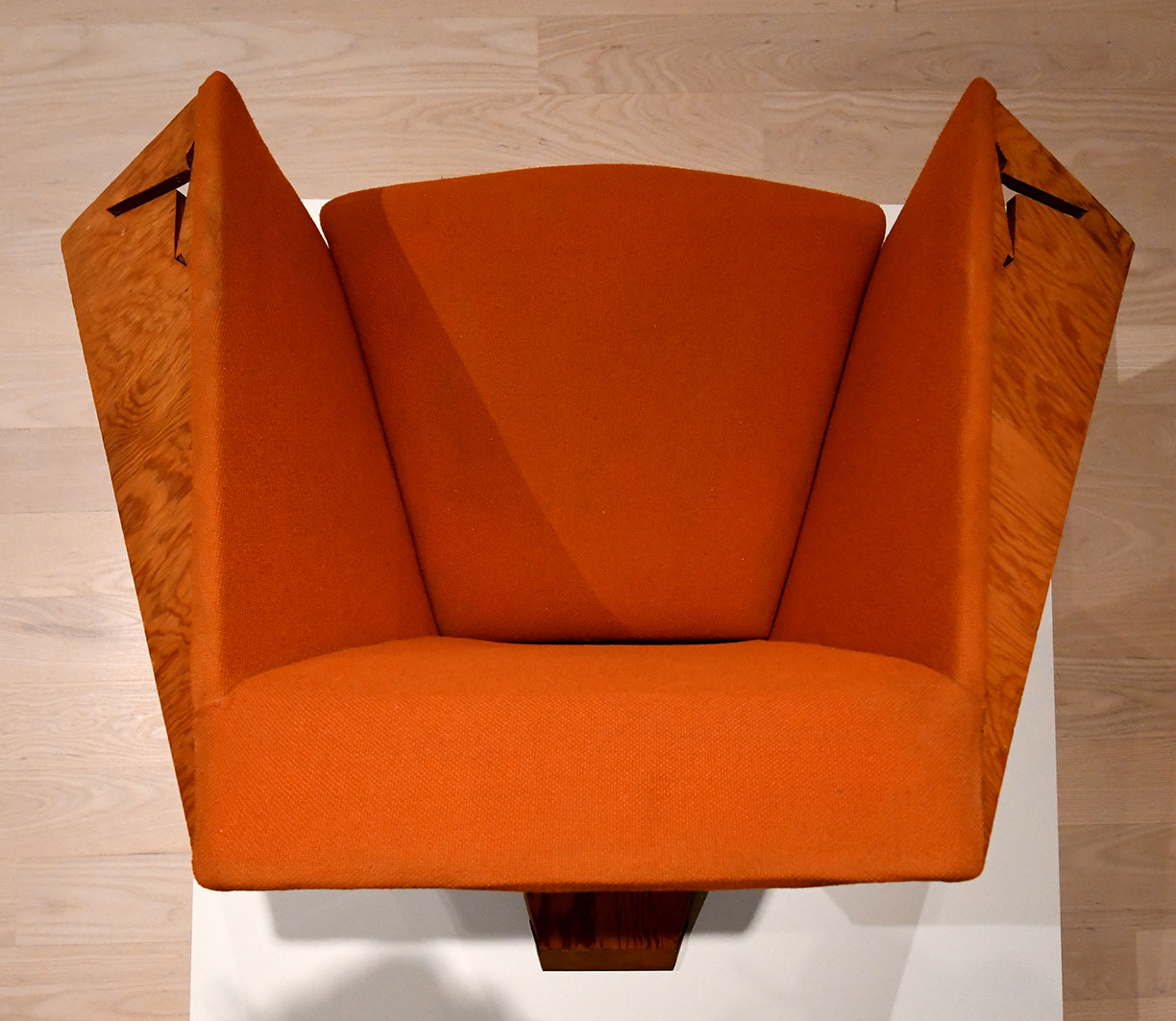
LR SCJ Wright Furniture 016.jpgThe library table, in turn, frames the Taliesin chair and an “origami chair” from Taliesin West (1946).

LR SCJ Wright Furniture 010.jpg


LR SCJ Wright Furniture 012.jpg

Chairs from the David and Gladys Wright House (1950):

LR SCJ Wright Furniture 024.jpg

LR SCJ Wright Furniture 020.jpg

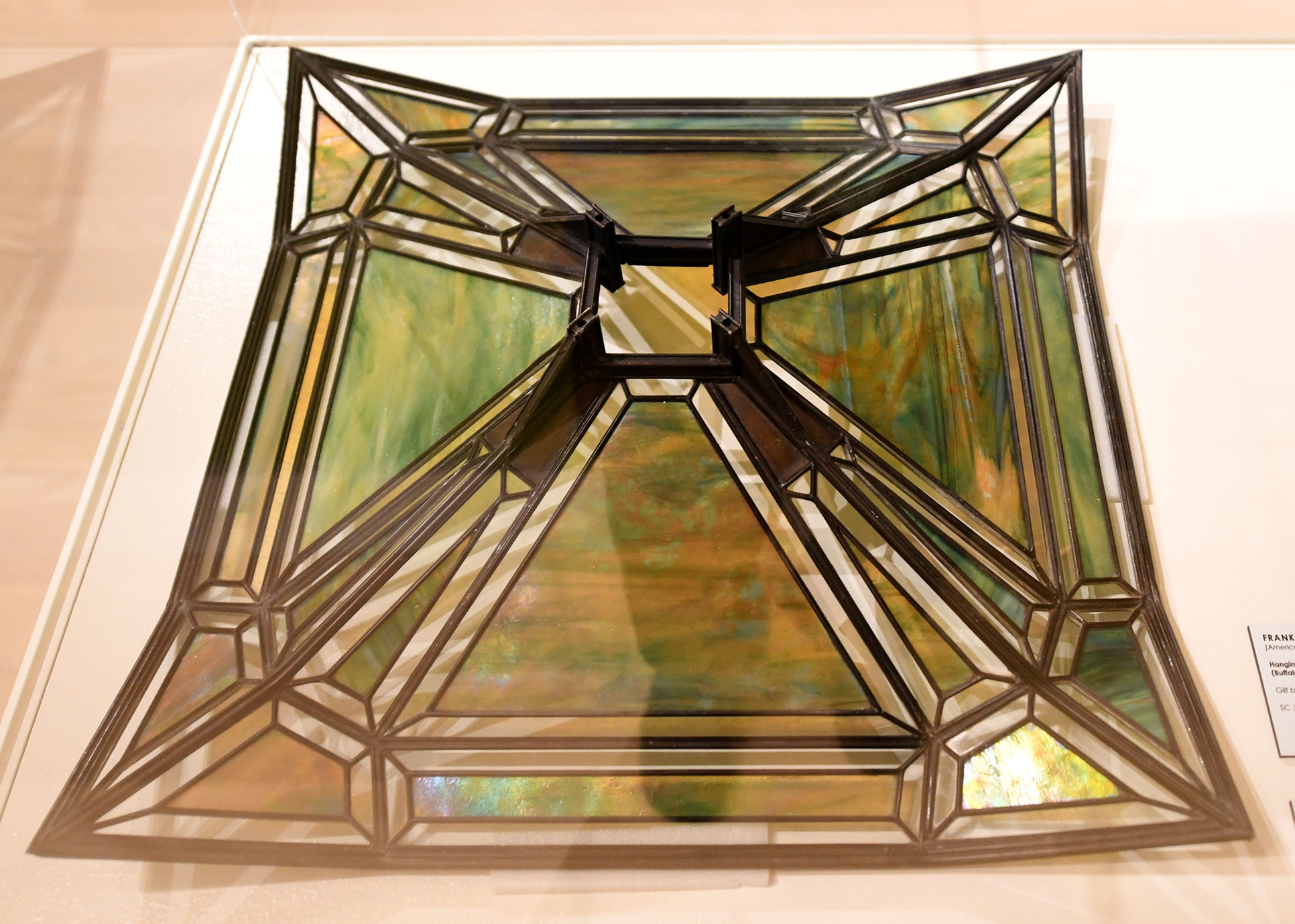
LR SCJ Wright Furniture 031.jpgHanging lamp, William R. Heath House (c. 1905) – the lines are distorted by the camera angle.

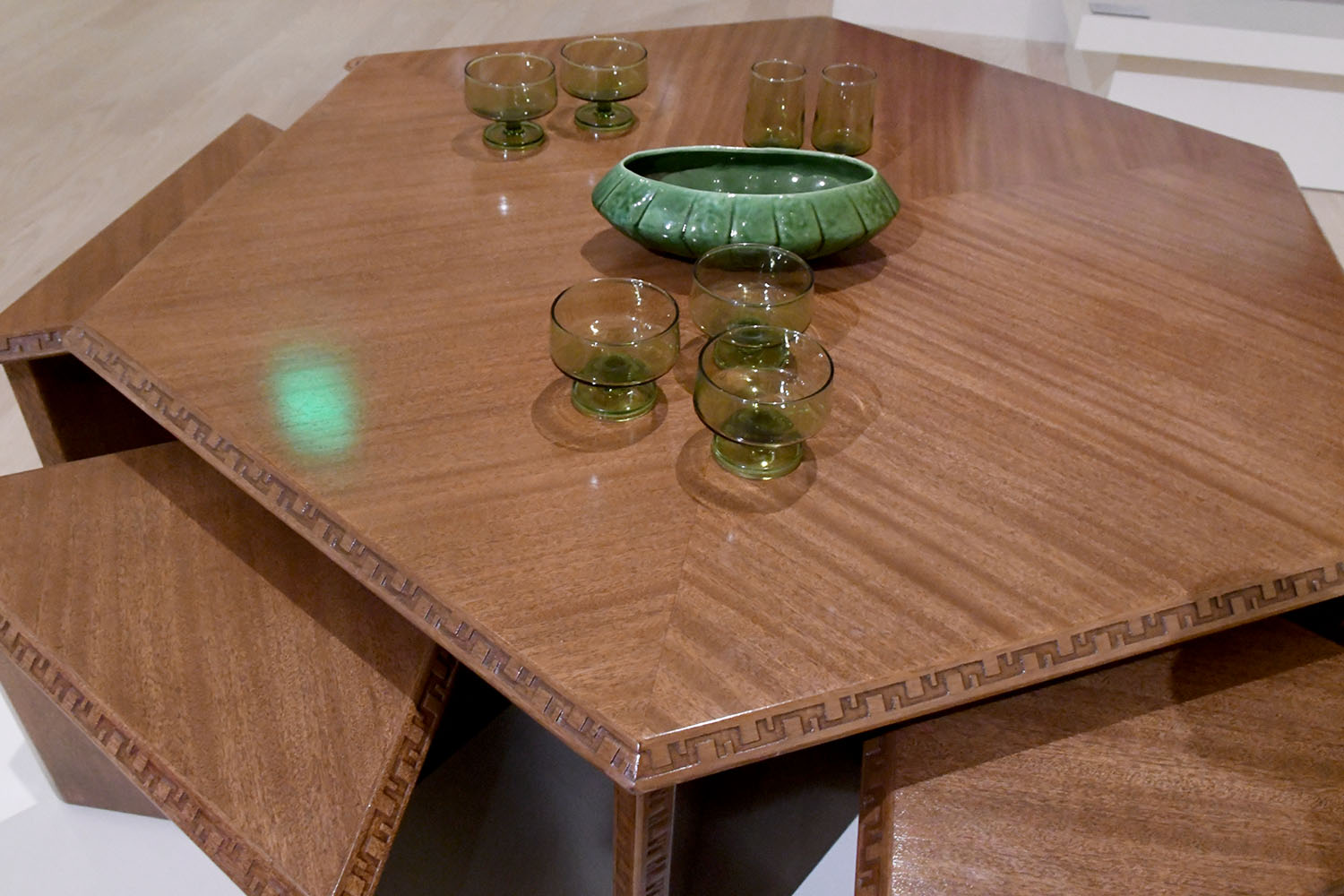
While many of the pieces were designed specifically for his clients, he also designed the “Taliesin Collection” for the Heritage-Henredon company in 1955. A number of those pieces are included in the exhibit:

LR SCJ Wright Furniture 015.jpg

LR SCJ Wright Furniture 018.jpg

LR SCJ Wright Furniture 047.jpg

LR SCJ Wright Furniture 043.jpg

LR SCJ Wright Furniture 039.jpg

LR SCJ Wright Furniture 057.jpg

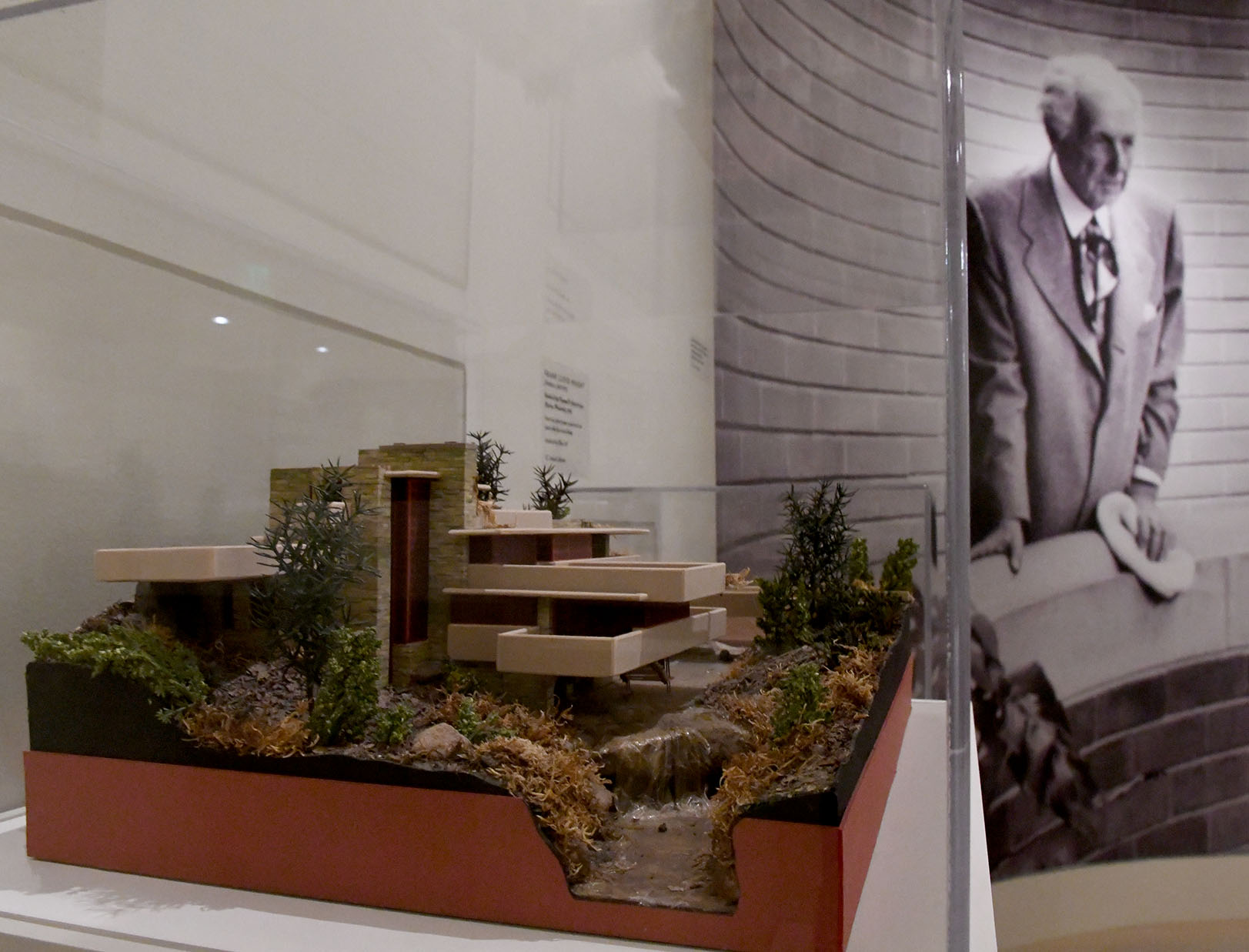
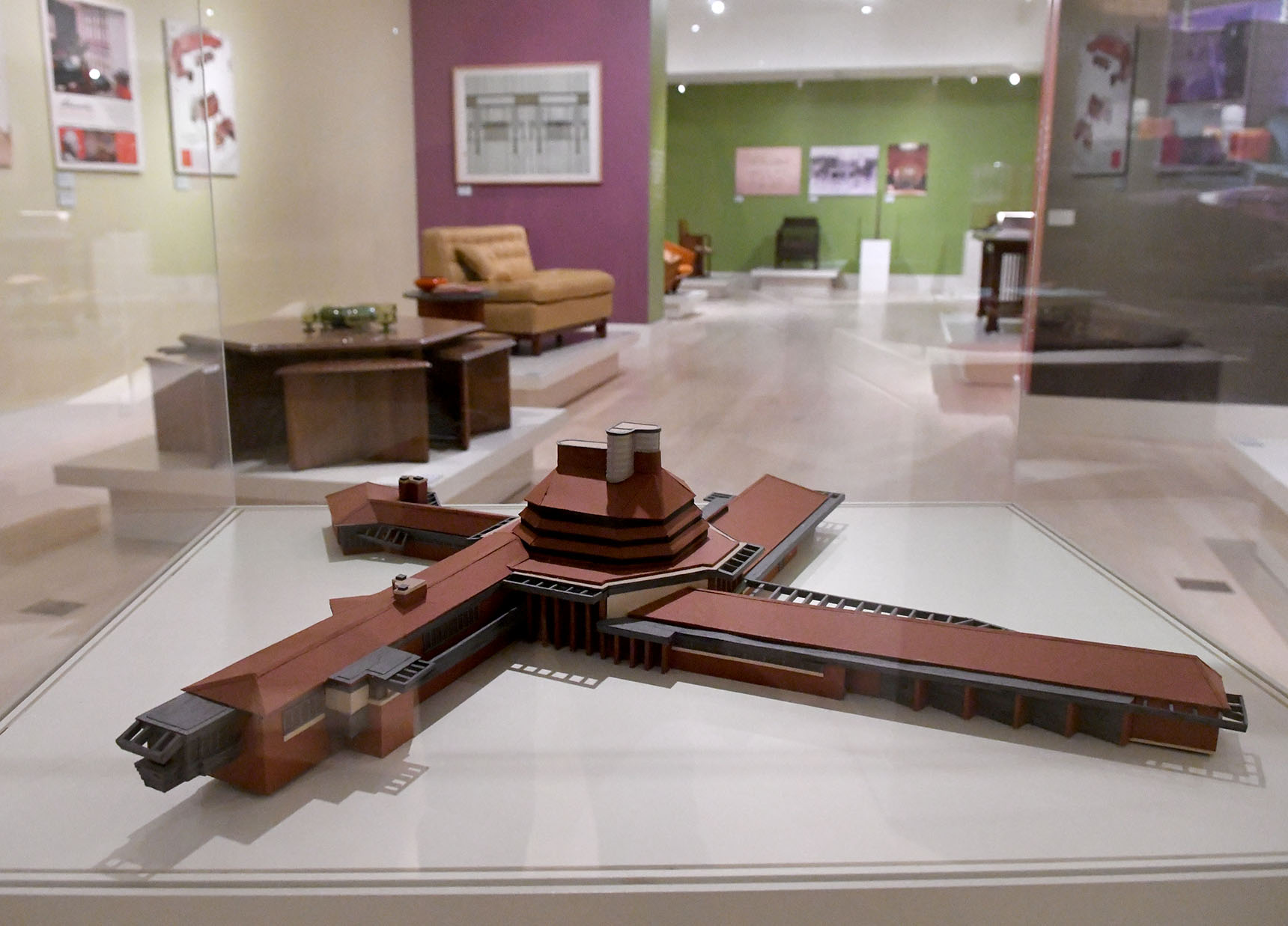
In 2017 SC Johnson acquired a collection of two dozen models of Wright-designed homes by retired architectural draftsman Ron Olsen from Janesville, Wisconsin. The pieces remain on exhibit in the Wright gallery as “Model Citizen: Ron Olsen and Frank Lloyd Wright.”

LR SCJ Wright Furniture 053.jpg

LR SCJ Wright Furniture 055.jpg

The furniture exhibit is on view until spring 2026.

To schedule a visit to the exhibit:

www.scjohnson.com/visit

Ron Olsen’s models, my story from 2017:

https://wrightinracine.wordpress.com/tag/ron-olsen/

Please scroll down in www.wrightinracine.com to read previous articles on the website.

Altruism x 2 at the Bagley House

© Mark Hertzberg (2024)

Bagley House 001.JPEG

Altruism: Unselfish regard for or devotion to the welfare of others: charitable acts motivated purely by altruism – www.merriam-webster.com

Examples: Grace Bagley (1860-1944) and Safina Uberoi and Lukas Ruecker (Contemporary)

Safina t GB exhibit opening wide.jpegSafina Uberoi – photo courtesy of Safina Uberoi

IMG_5557.jpgLukas Ruecker at the Bagley House

Safina Uberoi, President of the Frank Lloyd Wright Building Conservancy board, and Lukas Ruecker became stewards of Wright’s Tonkens House in Cincinnati in 2015. In 2022 they added Wright’s Bagley House (1894) in Hinsdale, Illinois to their Wright portfolio when they bought – and likely saved – the house which faced demolition, possibly so another “McMansion” could be built. The house has had numerous owners and alterations but its bones are important as one of Wright’s first designs after he left Adler & Sullivan the year before.

Safina Lukas with Jeff Jeannette Goldstone.jpegLukas Ruecker, right, and Safina Uberoi with Jeff and Jeannette, Goldstone, the  previous owners of the Bagley House – photo courtesy of Safina Uberoi

Uberoi and Ruecker are working with restoration architect Douglas Gilbert to restore the Bagley House. The most visible change, as visitors approach the house, will be that the white aluminum siding will be taken off and stained shingle siding – some of it original – will once again envelop the house. The aluminum siding is thought to date to the 1940s or 1950s.

Bagley House 005.jpg

IMG_5566.jpgSome of the original siding is under the aluminum siding.

IMG_5563.jpegBefore the aluminum siding was put onCourtesy Hinsdale Historical Society

The 1980s addition on the back of the house will be taken down, replaced by a new addition designed by architects George Suyama and Jay Deguchi. They are very familiar with Wright’s work; Suyama is a former Building Conservancy board member. Uberoi describes the new addition, “…which provides additional living space at the rear of the plot while touching the Bagley House respectfully at only one point and making no changes to the original building.”

Bagley House 007.jpgThe addition to the rear of the house will be taken off.

Jay Deguchi, George Suyama, Safina Uberoi at Bagely House.jpegSafina Uberoi with Jay Deguchi and George Suyama – Photo courtesy of Safina Uberoi

Gilbert elaborates on the overall program, “The plan is to restore the exterior to the original design by Wright, so the Bagley era.  For the interior, only the main floor living spaces will be restored to the original design, with back-of-house spaces altered to accommodate modern needs and the connections with the new wing. The second floor will be reworked for modern living.  The 1980s addition on the back goes away and the original rear porch rebuilt.  That porch will look out over a courtyard/terrace of the new wing.  The nice thing about the new wing design is that the two will barely touch each other and will instead have more of a dialogue with each other (as opposed to just shooting straight off the back like most additions do).”

Thanks to the rescue of the house, the distinguished career of Wright’s client, social reformer and suffragette Grace Bagley (1860-1944), is getting fresh attention. Both the house and Bagley’s career were highlighted at an event hosted by the Building Conservancy in December. Uberoi and Ruecker commissioned architectural historians Julia Bachrach and Jean Follett to research Bagley’s work on behalf of economically disadvantaged people in Chicago as part of the process of having the house declared an architectural landmark in Hinsdale. Their research was displayed on richly illustrated story panels for “Finding Grace,” a public exhibit in the house late last year. Bagley helped many Italian immigrant families – some living in a tenement in the Levee District her husband, Frederick, owned. She also helped ensure that juvenile offenders would no longer be imprisoned with adults criminals and volunteered at Jane Addams’s Hull House in Chicago.

IMG_5546.jpegThe “Finding Grace” exhibit at the Bagley House

The unanticipated consequences of Uberoi and Ruecker’s purchase of the house include another yet another discovery about Wright’s work through Bachrach and Follett’s research. Like the Bagley House, Wright’s Stephen A. Foster cottage in the West Pullman neighborhood on Chicago’s far south side (1900) was designed as a summer cottage for the client. The surprise that Bachrach and Follett discovered was that Mrs. Bagley and Mrs. Foster were sisters.

Foster House 001.jpgThe Stephen Foster Cottage

There is some similarity in the Bagley House design to Cecil Corwin’s Henry Mitchell House in Racine (also 1894) which Wright is thought to have helped Corwin design. [I have a special interest in the Mitchell House because I live in Racine and have researched some of its history]. Both houses are included in Tim Samuelson’s “Wright Before the Lloyd” exhibit at the Racine Heritage Museum which runs through the end of 2024. Both are Dutch Colonial.

Mitchell House 1895.jpgThe Mitchell House in 1895 – Courtesy Racine Heritage Museum

Both have a library at either end of the house. Mitchell’s is semi-circular, the octagonal one in Bagley brings to mind the octagonal office space in Wright’s Home and Studio.

Mitchell House 2001 002.JPGThe Mitchell House library

IMG_5552.jpgThe Bagley House library

The two commissions are listed just a few lines apart in the March 1894 Journal of the Inland Architect.

Mitchell Inland.jpg

I am an avid bicyclist. There is a maxim in the cycling community that if X equals the number of bicycles one owns, then the ideal number of bicycles to own is X + 1. Perhaps the same maxim is appropriate in the World of Frank Lloyd Wright for Safina Uberoi and Lukas Ruecker!

Finding Grace Exhibit and Travel Schedule:

https://sites.google.com/view/finding-grace?fbclid=IwAR0AIEau6Qlixvytn5s-ZIY93L1HGtFoJAkL1COFXEiH6Eq4Jr07KDjVl68

Architectural Digest story about Bagley and Foster house connections:

https://www.architecturaldigest.com/story/two-early-frank-lloyd-wright-homes-have-a-surprising-link-that-was-just-discovered

Julia Bachrach on the Bagley House:

https://www.jbachrach.com/blog/2022/9/29/the-bagley-house-one-of-frank-lloyd-wrights-earliest-independent-commissions

Frank Lloyd Wright Building Conservancy:

www.savewright.org

Frank Lloyd Wright Building Conservancy on Bagley House, Grace Bagley, 2024 exhibit information:

https://savewright.org/celebrating-preservation-at-the-bagley-house/

Racine Heritage Museum “Wright Before the Lloyd” Exhibit:

https://wrightinracine.wordpress.com/2023/05/04/wright-before-the-lloyd/

Mitchell House: Corwin / Wright’s Coda?

https://wrightinracine.wordpress.com/2021/07/08/mitchell-house-corwin-wrights-coda/

Scroll down for previous posts on this website